Tag: unilever

  • Unilever Boosts Wellbeing Portfolio with Acquisition of Nutrient Powerhouse, Grüns

    Unilever Boosts Wellbeing Portfolio with Acquisition of Nutrient Powerhouse, Grüns

    Unilever, the multinational consumer goods conglomerate, has announced plans to acquire Grüns, an American company specialising in green supplement products. Grüns is known for its nutrient-rich powdered supplements, derived from a variety of sources including leafy greens, vegetables, algae, and grasses.

    Unilever’s Wellness Focus

    This acquisition is the latest in Unilever’s strategic shifts, which has seen the company place a higher priority on wellbeing products. The inclusion of Grüns in Unilever’s portfolio highlights this ongoing shift and solidifies its position in the wellness market.

    Established in 2023 by entrepreneur Chad Janis, Grüns has quickly risen to prominence in the greens supplement sector, making it one of the most recognisable brands in the industry.

    Jostein Solheim, CEO of Unilever Wellbeing, expressed enthusiasm about the acquisition. “We are excited to bring Grüns into the Unilever family,” said Solheim. “Grüns is a leading and truly innovative player in the greens supplement space. They have a dedicated product range, supported by scientific research, that customers not only trust but enjoy using regularly.”

    Expanding Reach and Enhancing Wellness Habits

    Currently, Grüns’ products are available to consumers in the U.S. through retail outlets and direct-to-consumer channels. Although Unilever has not released the specifics of the acquisition deal, they have indicated that it is expected to be finalized later this year.

    For Grüns, the partnership with Unilever offers an opportunity for further growth and expansion. “Grüns was created for our customers, and this partnership is a testament to them,” said Chad Janis, founder of Grüns. “With the backing of Unilever, we look forward to reaching a wider audience, accelerating our growth, and continuing to redefine what a daily wellness routine can be.”

    Questions & Answers

    What is Grüns?
    Grüns is a U.S. company that manufactures nutrient-rich powdered supplements derived from vegetables, leafy greens, algae, and grasses.

    Why has Unilever chosen to acquire Grüns?
    The acquisition of Grüns is part of Unilever’s strategic shift to place a higher emphasis on wellbeing products in its portfolio.

    What will this acquisition mean for Grüns?
    This partnership with Unilever will enable Grüns to expand its customer reach, accelerate its growth, and continue to advance and innovate in the daily wellness sector.
  • Unilever Courts McCormick for Potential Mega-Deal: A $33 Billion Foods Business at Stake

    Unilever Courts McCormick for Potential Mega-Deal: A $33 Billion Foods Business at Stake

    Unilever, a multinational consumer goods corporation, has confirmed that it is in discussions with McCormick & Company regarding the potential sale of its food division. The company has made this admission in response to ongoing rumours about the possible transaction, but has also made it clear that the completion of the deal is not guaranteed.

    Value of Unilever’s Food Business

    Unilever’s food business, which comprises around a quarter of the corporation’s annual revenue, is considered to be a very appealing acquisition. Brands like Hellmann’s, Colman’s, and Knorr form its diverse portfolio. If McCormick & Company were to acquire this business, it would represent the most costly purchase in their 137-year history.

    The food business is seen as a robust entity with a strong financial profile. The company’s management is confident about the future prospects of the food division, citing the presence of several market-leading brands in burgeoning categories as significant strengths.

    Unilever’s Future Growth Priorities

    In the company’s 2025 financial results report, Fernando Fernandez, the newly appointed CEO of Unilever, outlined the corporation’s objectives. Under his leadership, Unilever plans to build a future-oriented brand portfolio that focuses on beauty, wellbeing, and personal care. Premium segments and digital commerce will be the areas of priority. The company aims to root its growth in the US and India markets.

    Bloomberg has estimated the value of Unilever’s Food Business to be around $33 billion, which is more than double the market cap of McCormick, which stands at $14.5 billion.

    Questions & Answers

    What is the estimated value of Unilever’s Food Business?
    The estimated value of Unilever’s Food Business is $33 billion, according to Bloomberg.

    What brands are part of Unilever’s Food Business?
    Unilever’s Food Business includes brands such as Hellmann’s, Colman’s, and Knorr.

    What are Unilever’s growth priorities as set out by its new CEO?
    Unilever’s new CEO, Fernando Fernandez, has identified the development of a future-oriented brand portfolio focusing on beauty, wellbeing, and personal care as a major priority. The company also plans to prioritize premium segments, digital commerce, and growth in the US and India markets.

  • Magnum Ice Cream: Sweet Independence Ahead as Unilever Spinoff Approaches Amid Health Trends and Trade Challenges

    Magnum Ice Cream: Sweet Independence Ahead as Unilever Spinoff Approaches Amid Health Trends and Trade Challenges

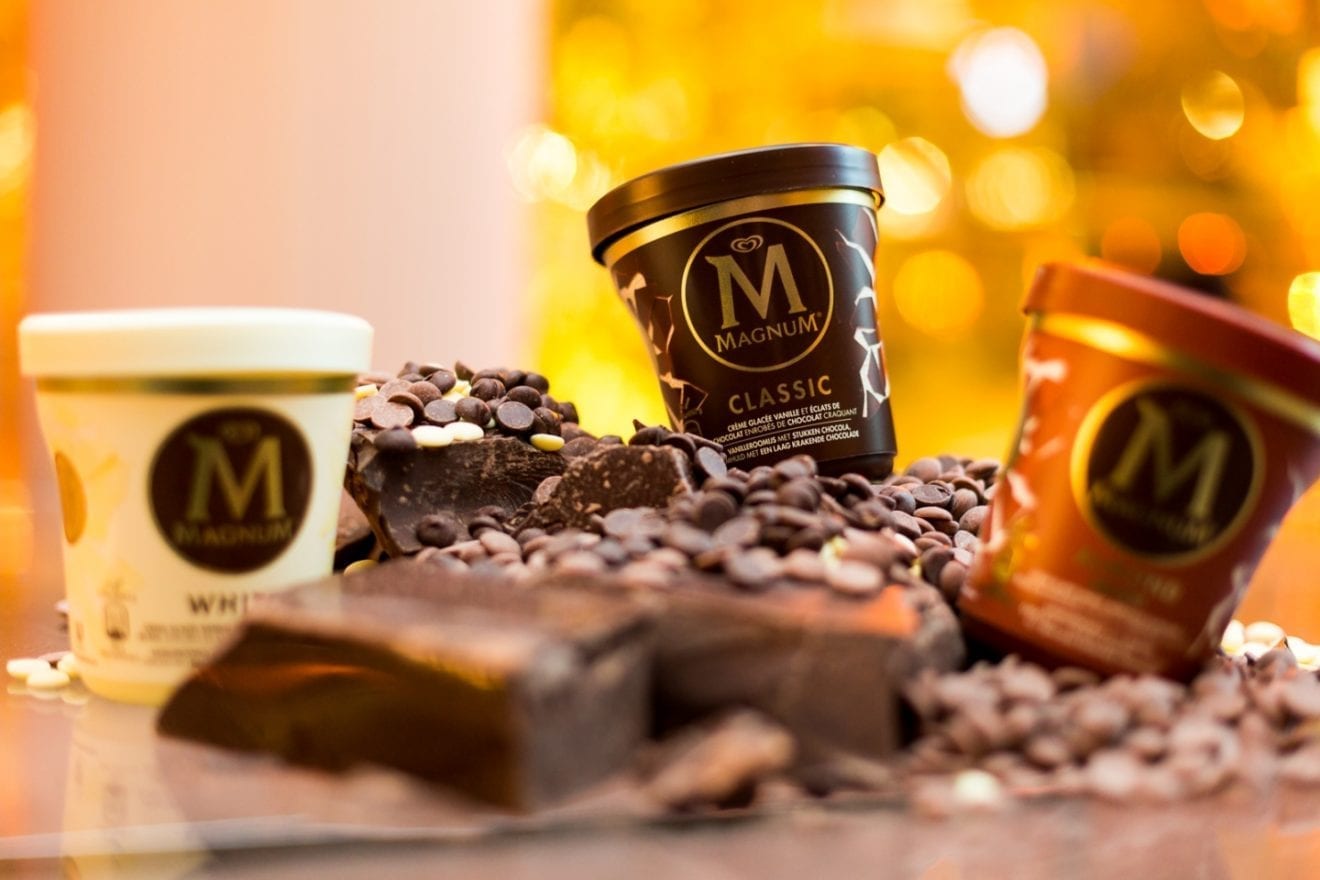
    Unilever’s ice cream subsidiary, Magnum Ice Cream Company, is preparing for a significant spin-off worth billions next month. As it separates, the business is set to navigate various obstacles, including logistics issues and the emerging popularity of weight loss medications. The head of its supply chain, Sandeep Desai, discussed these challenges and the company’s strategies.

    Positioning as an Ice Cream-Focused Business

    Magnum Ice Cream Company is gearing up for its listing in Amsterdam on December 8th, a move that will put its sugar-rich products to the test in terms of investor interest. This comes at a time when GLP-1 weight loss drugs are shifting consumer behaviors and amidst a health campaign in the U.S. The company is presenting itself as a business centered around ice cream and is banking on the lingering appeal of ‘treat’ foods that consumers continue to desire. It includes its own Magnum ice creams and other brands like Solero, Viennetta, and Ben & Jerry’s.

    Desai stated, “We are focused on ice cream and ice cream only.” He mentioned the company-wide mindset of finding ways to produce and sell more ice cream, arguing that this provides a unique level of focus.

    Addressing the Impact of Weight-Loss Drugs

    Magnum recognizes the potential impact of GLP-1 drugs on its business but remains optimistic about the long-term demand for its products. Desai acknowledged the importance of the weight-loss drug trend but emphasized that ice cream remains a sought-after indulgence.

    In an effort to adapt, the company is introducing products that emphasize hydration and protein. Jamie Farrell, the head of the company for UK and Ireland, highlighted the lower-sugar options and smaller portions that Magnum has already introduced. When asked about the rising popularity of weight-loss drugs, Farrell stated, “We see it as a challenge. Can we create… more new products that move with the times?”

    Overcoming the Impact of Tariffs

    The company has invested 50 million pounds ($66 million) in its Gloucester factory in West England, as part of a 350-380 million euro ($403-438 million) plan to overhaul its supply chain as it separates from Unilever. This investment is projected to increase capacity by 50% from 2023 levels by 2027, with the factory currently churning out 600 million ice creams annually.

    The singular focus on ice cream increases Magnum’s exposure to price fluctuations in cacao bean and sugar but also offers an opportunity to tailor its commodities hedging and risk management strategies. Although trade restriction could disrupt its supply chain and escalate costs, Desai mentioned that local production in the U.S. has largely protected the company from the impact of U.S. tariffs on imports.

    Questions & Answers

    How is Magnum Ice Cream Company positioning itself in the market?
    Magnum is positioning itself as a business solely focused on ice cream, relying on the enduring appeal of indulgent treats.

    How is Magnum responding to the rising popularity of weight-loss drugs?
    Magnum recognizes the challenge but remains optimistic about long-term product demand. Adaptation strategies include the introduction of products more focused on hydration and protein, as well as lower-sugar options and smaller portions.

    How is Magnum handling the impact of trade tariffs?
    Despite potential disruptions to its supply chain and increased costs due to trade restrictions, local production in the U.S. has largely mitigated the impact of these tariffs, according to Sandeep Desai.

  • Unilever’s Omo Introduces ‘Wonder Wash’: Revolutionary 15-minute Cold Wash Detergent

    Unilever’s Omo Introduces ‘Wonder Wash’: Revolutionary 15-minute Cold Wash Detergent

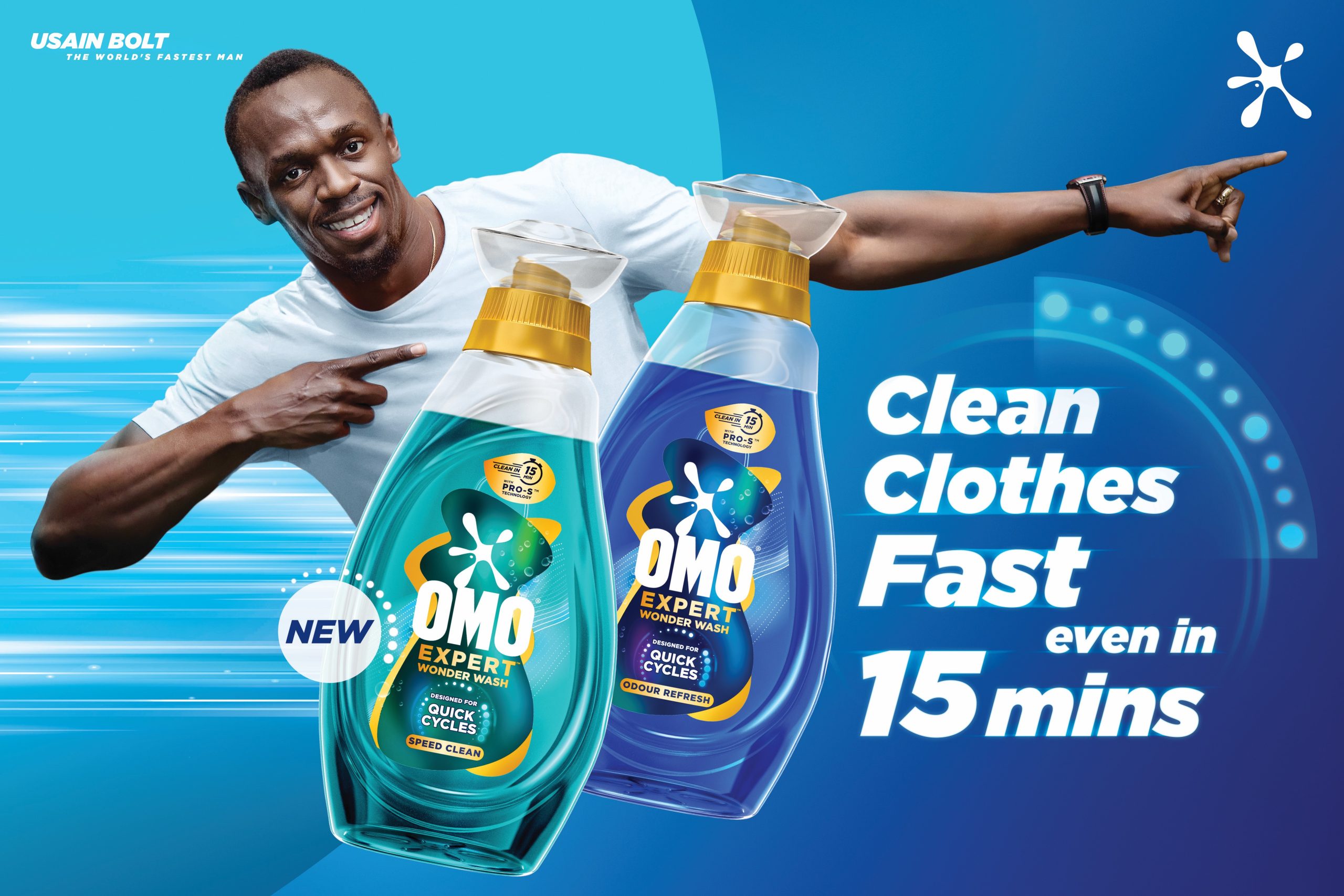
    Omo, a renowned brand from Unilever, has introduced Wonder Wash, a novel liquid detergent series specifically formulated for quick, cold wash cycles. This product is designed to provide a comprehensive clean in an exceptionally short time—just 15 minutes—even at a low temperature of 20°C.

    The innovative design of Wonder Wash makes use of a unique “Pro-S Technology”. This proprietary technology brings together cleaning agents with odour eliminators and fragrance enhancers for a superior laundry experience.

    Wonder Wash offers two distinct variants catered to different laundry needs: Speed Clean, which is perfect for day-to-day wear, and Odour Refresh, designed specifically for sports and active wear.

    Commenting on the launch, Kate Westgate, the Head of Marketing – Homecare at Unilever Australia, said, “With the introduction of Wonder Wash, we aim to provide a detergent that aligns with the swift pace of contemporary laundry routines.”

    The marketing strategy for Wonder Wash includes a national campaign featuring brand ambassador Usain Bolt. This campaign spans across television, digital platforms, social media, and outdoor channels to reach a wider audience.

    Wonder Wash is now available for purchase at a recommended retail price of $21 for a 1.18-litre bottle and $32 for a 1.94-litre bottle. Consumers can find this product at Woolworths, Coles, and independent retailers across the country.

    Questions & Answers

    What is Wonder Wash?
    Wonder Wash is a new liquid detergent range from Omo, a brand by Unilever. It is designed to provide a thorough clean in as little as 15 minutes, even at temperatures as low as 20°C.

    What are the different variants in the Wonder Wash range?
    Wonder Wash offers two distinct variants: Speed Clean for everyday wear and Odour Refresh for sports and active wear.

    Where can customers purchase Wonder Wash?
    Wonder Wash is available at Woolworths, Coles, and independent retailers nationwide.

  • Unilever CEO eyes more opportunities in India

    Unilever CEO eyes more opportunities in India

    Unilever’s newly-appointed CEO Fernando Fernandez has voiced optimism about the Indian market, believing in its long-term growth potential despite quarterly revenue shortfall.

    In an interview with Barclays earlier this month, Fernandez highlighted the brand’s long-term prospects in India, despite the country’s substantial food inflation.

    He says India is unique since richer and poorer Indians dwell close together, resulting in a demand and supply of labour. That made quick commerce a logical channel to grow.

    “Our position in India is exceptional. We have great brands; we have a great portfolio,” he said.

    “The economic environment in India will get better in the second half of the year. There are significant changes in the channels in India. The rise of affluent India is very important. There are 60 million households of the 320 million households in India. They have serious money now.”

    According to Unilever’s financial results for the fourth quarter and full year 2024, India rose 1.8 percent, with underlying volume growth of 2.4 percent. Home care and beauty and well-being were the primary drivers, while personal care declined.

  • Unilever New Zealand appoints new executives

    Unilever New Zealand appoints new executives

    Unilever New Zealand has promoted Nigel Melhuish, Keely Pipkin, and Sailen Mudaly to senior executive positions.

    Nigel Melhuish, who will serve as head of country New Zealand in addition to his role as supply chain manager, has been with the company for eight years and has 20 years of expertise in FMCG.

    He previously worked at Henkel for 12 years in several roles, including head of process and systems Apac and ANZ supply chain director.

    Meanwhile, Keely Pipkin will join the company as head of sales in New Zealand on March 17. Pipkin joins Unilever from Nestle Purina, where she was head of sales.

    For the ice cream business in New Zealand, Unilever has named Sailen Mudaly the head of country and sales. Mudaly was most recently the GM of sales at Essano, where he was responsible for driving development across numerous channels and major retail banners in Australia and New Zealand.

    “The next year will be about re-founding Ice Cream to create a world-leading, stand-alone business with greater flexibility and autonomy,” said Mudaly.

    “This will enable us to focus, move with pace, and foster closer collaborations with our customers to deliver market-leading availability, category growth, and perfect execution. I’m really looking forward to leading the New Zealand business through this exciting new chapter.”

    Unilever’s split of Ice Cream is expected to be completed by the end of this year. Ice Cream will be separated through demerger, with the business listed in Amsterdam, London, and New York.

  • Unilever hires consultants to sell ‘non-core’ beauty portfolio

    Unilever hires consultants to sell ‘non-core’ beauty portfolio

    Unilever has hired Morgan Stanley and Evercore to sell a portfolio of non-core beauty and personal care brands as the company struggles with the impact of inflation.

    The portfolio includes Q-Tips, Impulse, Caress, TIGI, Timotei, Monsavon, St Ives, Zwitsal, Ponds, Brut, Moussel, Alberto Balsam and Matey.

    Two years ago, Unilever hired Credit Suisse to divest Elida Beauty portfolio but later scrapped its plan as other companies cherry-picked brands from the portfolio and did not satisfy the multinational FMCG company’s expectations.

    Now the plan has been revived under the leadership of new CEO Hein Schumacher, who focuses on streamlining the business due to inflation, Reuters said in an exclusive report.

    The report noted that Elida Beauty booked revenue of about $760 million in FY22, according to sources of the newswire.

    Morgan Stanley and Evercore have already reached out to potential buyers to measure interest for the portfolio, which could be a multibillion-dollar deal, the sources said.

  • Unilever expects Chinese ‘consumption boom’ in wake of lockdowns

    Unilever expects Chinese ‘consumption boom’ in wake of lockdowns

    Unilever said on Thursday it expects a “consumption boom” in China as lockdowns ease, flagging $1.5-$2 trillion in “excess household savings” it believes could boost its sales in the country and in Southeast Asia.

    After almost three years of a “zero-COVID” strategy, Beijing dropped restrictions almost completely in early December. In January, China’s cabinet said it would boost imports and promote a consumption recovery to boost the economy.

    As Chinese consumers have limited options where they can invest their savings, with the housing market not a viable option, Unilever Chief Executive Alan Jope said: “We are expecting to see a little bit of a consumption boom in China.”

    “If you look at things like air flight bookings, travel and hotels, cinema occupancy, China’s coming back quite quickly,” Jope said.

    Chinese tourists will also boost consumption in Southeast Asian countries including Thailand and Vietnam, the company said.

    Lunar New Year consumption was reported in January as 12.2% higher than last year by China’s tax authority, while domestic holiday trips for the same period surged 74%, as people celebrated outside their homes for the first time in years.

    The country’s economic activity swung back to growth in January, with domestic orders and consumption driving output higher.

    Unilever reported on Thursday that full-year underlying sales in China fell 1% as people stayed home. The country is one of the company’s top three markets by sales, with the other two being the United States and India.

    On Wednesday, ratings agency Fitch revised its forecast for China’s economic growth in 2023 to 5.0% from 4.1%, led mostly by consumption.

    The luxury industry is also keeping an eye on China, with hopes high-end spenders will once again splurge on designer goods.

  • Unilever Vietnam implements approaches towards net zero future

    Unilever Vietnam implements approaches towards net zero future

    Unilever has started a range of programs and initiatives for a net zero value chain by 2039, contributing to Vietnam government’s net zero carbon emissions vision by 2050.

    In 2021, Unilever published its Climate Transition Action Plan, an ambitious and transparent roadmap to help reduce its operational emissions by 100% by 2030 and reach net zero emissions across its value chain by 2039.

    First, Unilever Vietnam is replacing all fossil fuel use in the factories’ boilers with renewable energy source – biomass recycled from damaged pallets, shredded wood, etc. The company is also committed to using entirely renewable electricity at all factories and offices in Vietnam.

    Secondly, Unilever aims to halve its use of virgin plastic by 2025 to help lower the value chain emissions. Unilever Vietnam has reduced 55% virgin plastic in its packaging production, three years earlier than the global target, through absolute reduction and post-consumer recycled plastic use.

    Thirdly, the company is now replacing fossil fuel-derived chemicals with renewable or recycled carbon. In Home Care, Unilever estimates this will reduce its product’s greenhouse gas emissions by up to 20%.

    In Vietnam, Unilever implemented “Clean Future” campaign for Home Care product line early this year, aiming to develop product formulation with water efficiency and biodegradability, and utilize 100% renewable or circular feedstocks. Currently, a number of products from Omo, Comfort, Sunlight, Cif, Lifebuoy have met the criteria of product formulation driving water efficiency and biodegradability.

    Next, Unilever Vietnam is working with their partners and suppliers in the value chain to cut down the GHG emissions as more than 75% of the carbon footprint in Unilever Vietnam’s supply chain derives from input materials and outsourced activities.

    Until now, the company has eliminated CO2 emissions and carton waste in packaging transportation from Dynaplast; converted to 100% electric forklifts, contributing to a reduction of 1,999 tons of CO2 emissions at all distribution centers by the end of 2021 in comparison with 2020; and implemented the circular economy model in the waste management, turning waste into sources of energy and fertilizers to serve manufacturing activities.

    Unilever globally will be calling on countries to deliver policies that accelerate energy and food system transitions at COP27 on the horizon.

  • Unilever downbeat on Europe, China consumer sentiment

    Unilever downbeat on Europe, China consumer sentiment

    Unilever on Thursday gave a dire assessment of consumer sentiment in Europe and China, two of its key markets, but raised its full year sales forecast as it lifted prices to counter soaring costs.

    Like the rest of the consumer goods industry, Unilever’s margins have been squeezed since the start of the war in Ukraine that has pushed up costs of energy and key ingredients. As a result, the company has raised prices sharply.

    “Consumer sentiment in Europe is at an all time low,” Chief Financial Officer Graeme Pitkethly told reporters, warning of fears of a “confluence of events” in Europe with energy prices and inflation rising and consumers’ savings waning.

    Shoppers around the world paid 12.5 per cent more for Unilever products in the quarter, with sales volumes declining 1.6 per cent. The company reported a better-than-expected increase in third-quarter sales.

    “Both the premium segments of the market and the value segments of the market are actually growing quite quickly, at an equivalent rate,” Pitkethly told journalists.

    But inflation and the promise of austerity in some countries has prompted a cost-of-living crisis that is pushing some people towards cheaper alternative products, such as private label goods made by retailers.

    “The basic needs of our European consumers are occupying a higher share of wallets – things like utilities, transportation and food – and there tends to be cut back on discretionary non-food items.”

    Unilever makes more than 400 brands ranging from Persil detergent to Ben & Jerry’s ice cream.

    In China, Unilever’s third biggest market, sales grew by 1 per cent.

    “The China number, 1 per cent, was in fact a competitive performance in a Chinese market that is still quite subdued by continued lockdowns in China,” Pitkethly said, adding that confidence in China is lower relative to historical norms and that Unilever was not as able to increase prices in the country.

    The maker of Knorr stock cubes reported underlying sales growth of 10.6 per cent. Analysts had expected growth of 8%, a company-provided consensus showed.

    Unilever said it now expects underlying sales growth for the full year 2022 to be above 8%. In July, the company said it had expected to beat its previous forecast for full-year underlying sales growth of 4.5% to 6.5 per cent.

  • Unilever’s new New Zealand chief finally takes his office

    Unilever’s new New Zealand chief finally takes his office

    Unilever New Zealand MD Cameron Heath will relocate to take up the new role with his team this month after nearly six months of managing the role remotely.

    His predecessor, Nick Bangs, will move to Sydney to take on the role of GM, home, beauty and personal care for Unilever Australia and New Zealand.

    Heath spent seven years working as GM Baltics with Unilever in Latvia and four years as marketing director food & beverages in Prague. Prior to that, he worked at Procter & Gamble for seven years, taking responsibility for customer development and category strategy roles, including time working in the New Zealand market.

    Heath said Unilever’s commitment aligns with his personal goal to care of the health of the planet and create a fairer, more diverse, and equitable world.

    “As one of the world’s largest producers of consumer goods, we have both a responsibility and an opportunity to do more good for our planet, not just less harm,” said Heath.

    With 15 years in the FMCG industry, Heath has experience in marketing and category management, so he understands and has awareness of the challenges that lie ahead for the consumer goods sector.

    “I understand first-hand the pressure retailers and consumers are facing as we deal with supply-chain disruption and increased cost of production across the board,” he added.

    Cameron Heath started his role remotely last November and will join his team in New Zealand this month.

  • Unilever says GSK consumer arm ‘strong strategic fit’ for business

    Unilever says GSK consumer arm ‘strong strategic fit’ for business

    Dove soap maker Unilever signaled on Monday it would pursue a deal for GlaxoSmithKline’s consumer health business, calling it a “strong strategic fit” after its 50-billion-pound approach ($68.4 billion) was rejected.

    The update comes after GSK confirmed over the weekend that it had rejected the Unilever offer for its consumer healthcare business, which is home to brands such as Sensodyne toothpaste and Emergen-C vitamin supplement.

    “The acquisition would create scale and a growth platform for the combined portfolio in the U.S., China and India, with further opportunities in other emerging markets,” Unilever said, pointing to synergies in the oral care and vitamin supplements business.

    Unilever held talks with banks about additional financing for a potential sweetened offer for GSK’s consumer products division, Bloomberg News reported on Sunday, citing people familiar with the matter.

    Unilever, which is set to announce an initiative later this month to strengthen its business, said on Monday it was committed to “strict financial discipline” for any acquisitions.

  • Unilever sells 34 tea brands

    Unilever sells 34 tea brands

    Unilever has sold its global tea business – including T2 – to private equity company CVC Capital Partners, for €4.5 billion ($A7 billion)

    The business, called Ekaterra, owns 34 brands including Lipton, PG tips, Pukka, T2 and Tazo and turned over €2 billion ($A3.1 billion) last year. The company has 11 production factories on four continents and tea estates in three countries.

    “The evolution of our portfolio into higher-growth spaces is an important part of our growth strategy for Unilever,” said CEO Alan Jope of the reason for the divestment. “Our decision to sell Ekaterra demonstrates further progress in delivering against our plans.

    “We are proud of the place that our tea business has in our company’s history. We look forward to seeing Ekaterra, with its strong brands and global footprint, prosper under CVC’s ownership.”

    The sale is scheduled to be settled during the second half of next year and is subject to receipt of regulatory approvals. The deal excludes Unilever’s tea business in India, Nepal, and Indonesia, as well as its joint venture with Pepsi Lipton covering ready-to-drink teas, and any associated distribution business.

    Pev Hooper, a managing partner at CVC Capital Partners described Ekaterra as “a great business, built on strong foundations of leading brands and a purpose-driven approach to its products, people and communities”.

    “Ekaterra is well-positioned in an attractive market to accelerate its future growth, and to lead the category’s sustainable development. We look forward to working with the team to realise Ekaterra’s full potential,” said Hooper.

    Inside FMCG understands rival private-equity firms Advent and Carlyle unsuccessfully bid for the business.

  • Unilever buys digital-first skincare brand Paula’s Choice

    Unilever buys digital-first skincare brand Paula’s Choice

    Unilever is to add digital-led skincare brand Paula’s Choice to its portfolio after reaching a purchase agreement with TA Associates.

    The value of the deal – expected to be completed in the third quarter this year – has not yet been disclosed. According to Unilever, Paula’s Choice will join its Prestige division which manages other skincare brands such as Tatcha, Murad, and Dermalogica.

    “Developing Unilever’s portfolio in the high-growth premium skin-care segment is one of our strategic priorities,” said Sunny Jain, president of beauty & personal care at Unilever.

    “Paula’s Choice is a true pioneer in the digital space for beauty and has created a mission-based brand rooted in truth and transparency,” said Vasiliki Petrou, VP and CEO of Unilever Prestige.

    Founded in 1995 by Paula Begoun, the direct to consumer brand Paula’s Choice is known for its science-backed products and digital tools, including its ‘Ingredient Dictionary’ that breaks down the research behind nearly 4000 ingredients, and ‘Expert Advice’, a curated online hub of skincare and ingredient knowledge.

  • Unilever to convert to recyclable toothpaste tubes worldwide

    Unilever to convert to recyclable toothpaste tubes worldwide

    Global consumer company Unilever is to convert its entire toothpaste portfolio to using recyclable tubes by 2025. The company’s oral-care brands include Signal, Pepsodent, and Closeup.

    After four years of development, the recyclable toothpaste tubes will be available this year in two of Unilever’s largest oral care markets – France and India.

    According to Unilever, the new initiative will contribute to its commitment to make 100 percent of its plastic packaging designed to be reusable, recyclable or compostable, and to help collect and process more plastic packaging than it sells.

    First launching in France with Signal, Unilever will introduce the new across its widest range, Integral 8, representing 35 percent of Unilever’s toothpaste portfolio in the country.

    Traditionally, most toothpaste tubes use a mixture of aluminum and plastic, which gives the packaging flexibility but makes it difficult to recycle.

    The new tubes will use high-density polyethylene (HDPE) material, the thinnest plastic material on the market at 220-microns, reducing the amount of plastic needed for each tube. While products made from HDPE are not biodegradable, they are classified as recyclable and can be disposed of in plastic recycling bins.

    The new tubes have been approved by RecyClass, which sets the recyclability standard for Europe and laboratories in Asia and North America.

    Samir Singh, executive vice president of Global Skin Cleansing and Oral Care, said that with billions of toothpaste tubes dumped into landfills each year, he hopes this conversion to recyclable tubes will inspire other industries to make the change.

    “Plastic pollution is undoubtedly one of the biggest environmental challenges of our time,” said Singh

    “That’s why I’m proud of this latest packaging innovation which will see our entire toothpaste portfolio shift to recyclable tubes by 2025. It’s been a long and challenging journey to get to this point, but we hope this transformation will inspire the wider industry also to make the change.”

    According to Unilever, the technology will be available for other companies to adopt to encourage broader industry change. This decision is similar to one made by Colgate after launching its version of recyclable toothpaste tubes earlier this month.