Tag: unilever

  • Unilever plans $3.6 billion buyback as China and home cooks boost growt

    Unilever plans $3.6 billion buyback as China and home cooks boost growt

    Unilever announced a 3 billion euro ($3.6 billion) share buyback and said it was confident of hitting sales targets this year after demanding from home cooks and China helped it to beat first-quarter sales expectations.

    Shares in the maker of Dove soap and Ben and Jerry’s ice cream climbed as much as 4 percent on Thursday after it joined rivals such as Nestle and Procter & Gamble in reporting strong sales of food and cleaning products respectively in the pandemic.

    Underlying sales jumped 5.7 percent in the three months to the end of March, topping analysts average forecast of 3.9 percent, according to a company-supplied consensus.

    “These are encouraging numbers,” said Steve Clayton, portfolio manager of Hargreaves Lansdown’s Select UK Shares funds. “Unilever gains much of its strength through the group’s diversity.”

    The company said it was confident of delivering full-year underlying sales growth within its mid-term target range of 3-5per cent, with the first half around the top of the range.

    It also forecasts a slight increase in underlying operating margin this year, despite double-digit inflation on some raw materials, such as soybean oil and tea.

    Like several rivals, Unilever said it would need to raise prices to mitigate the impact.

    “Unilever price movement is typically in the 1-3 percent range historically, and that is where we expect to be this year,” Chief Executive Alan Jope told journalists after the company raised prices by 1 percent in the first quarter.

    Unilever, which makes about 60 percent of revenues in emerging markets, said underlying sales growth there reached 9.4 percent in the quarter, led by double-digit increases in China and India following strict lockdowns the previous year.

    Pitkethly said easier comparables than last year, a return of sales to cafes and restaurants in places like China, and the US retailer restocking of high-end beauty products underpinned its confidence for the rest of the year.

    Underlying sales in the group’s food and refreshments business, whose brands include Hellmann’s mayonnaise and Knorr soups, jumped 9.8 percent in the quarter, helped by strong demand for home consumption in North America and Europe.

    The company noted the devastating surge in Covid-19 infections sweeping India, another key market, but said it was not seeing any material impact on its business from that so far.

    “We’re looking forward to continued growth in Q2,” Jope said, pointing to the group’s success in digitized ordering, increasing manufacturing capacity, and bringing more inventory close to retail.

    Unilever also said it was making good progress in separating its slower-growth Elida beauty and tea businesses, which could lead to sales or spin-offs.

    Elida beauty will consist of brands predominantly sold in Europe and North America, including Q-Tips, Caress, Tigi, Timotei, Impulse and MonSavon, which together generated revenues of around 600 million euros in 2020, the company said.

    The moves are part of Jope’s plan to jump-start growth, which has lagged peers in recent years, partly because of an outsized focus on emerging markets that have performed unevenly.

    In February, Jope said Unilever would focus more on high-growth categories such as plant-based foods, beauty products and nutritional supplements, and aim to appeal more to younger consumers.

    He said the priority was to grow existing businesses, rather than make acquisitions, but added on Thursday that the share buyback should not be seen as a lack of appetite for deals.

  • Unilever and Telenor Pakistan partner to enhance digital inclusion in Pakistan

    Unilever and Telenor Pakistan partner to enhance digital inclusion in Pakistan

    Unilever has joined hands with Telenor Pakistan to enable digital and financial inclusion in Pakistan through mainstream access to  digitalized retail services, digital financial solutions, digital products and skill enhancement across Pakistan.

    Through this collaboration, both companies will integrate their expertise in the telecom and consumer goods industries to build a digitally inclusive ecosystem. This partnership aims to reimagine how business should be run, harnessing the power of technology and big data to bring convenience and security for retailers and create seamlessly integrated shopping experience for consumers. Together, the two companies aim to introduce cashless payment models, transform small and medium retailers access to financial capital, identify and generate livelihood and elevate standard of living in less accessible and remote areas. As socially responsible organizations, both Unilever and Telenor Pakistan have also committed to building a platform to bring differently abled workforce into mainstream roles and to promote a more diverse and inclusive workforce.

    Shazia Syed, Chairperson & CEO, Unilever Pakistan, highlighted, “The merger of our expertise promises a highly disruptive and scalable approach for the accelerated digitization of Pakistan. In line with the government’s vision for a more digital economy, we aim to empower all those who are part of our value chain, including distributors, sellers, consumers and ultimately the larger communities that we work in.”

    Irfan Wahab Khan, Head of Emerging Asia & CEO Telenor Pakistan, added, “As country’s leading digital services provider, Telenor Pakistan is fully geared to impact and transform various sectors of economy and empower the masses. Through our partnerships with Unilever, we aim to bring together our respective strategic advantages to lay the ground for a digitally and socially inclusive Pakistan, which is in line with our purpose of connecting people to what matters most to them.  We believe in the value of collaborative business models which is instrumental for the rapid adoption of innovative technologies and a faster shift towards a digitally-enabled national infrastructure to cater to those needs.

    Amir Paracha, Vice President Customer Development, Unilever Pakistan, concluded: “Our goal is to create smarter end-to-end digitally enabled retail ecosystem that has the potential to reshape the way businesses operate within the country. The success of this collaboration could propel Pakistan at par with global standards with regards to digital adoption.

    Sardar Abubakr, Chief Digital and Strategy Officer, Telenor Pakistan added “In today’s age, there is a need to look outside our traditional lens when we think of partnerships – real disruption for customer benefit often takes place when like-minded yet different industries come together and leverage unique skill sets and competencies for empowering society – which is precisely Telenor and Unilever’s aim with this partnership’.


  • Instagram famous Baby Chanco is now a testimonial for Pantene

    Instagram famous Baby Chanco is now a testimonial for Pantene

    A one-year-old baby with an incredible mane of hair has been signed by Pantene as one of the faces of the brand in Japan. Instagram starlett Baby Chanco has stunned social media users over the last six months as her mother uploads images of her incredible, thick hair. Baby Chanco, who lives in Japan, was born with a full head of hair in December 2017 and it has continued to sprout as she has grown.

    Chanco’s mother updates her 300,000 followers on the platform with weekly photos of the little girl’s full bouffant. Every photo shared receives around 10,000 likes from her adoring fans.

    In one of the images from the campaign, Baby Chanco, whose Instagram account is managed by her mother, Mani Kano, poses alongside Japanese TV presenter Sato Kondo, known for her grey tresses.

    Fast forward to 2019 and Baby Chanco is following in the footsteps of celebrities such as Selena Gomez as a Pantene spokesperson.

  • India’s Shop101 in talks for funding boost

    India’s Shop101 in talks for funding boost

    Indian online marketplace Shop101 is seeking to raise $11-12 million in a Series B funding round. Talks concerning the investment are being led by Kalaari Capital and Unilever Ventures, with participation expected by current backer Stellaris Venture Partners, which invested $5 million several months ago. Investment capital is likely to assist the firm in technological development and expansion into new business categories.

    Shop101 uses Whatsapp, Facebook and Instagram functionality to support online entrepreneurs. WhatsApp and Facebook each have more than 200 million users in India. The Shop101 app has been downloaded about 1 million times and has experienced growth of 50 per cent month on month since its launch.

    A joint report by Google and KPMG last year indicated online SMEs could boost Indian economic growth by 10 per cent by 2020.

  • Unilever Vietnam owes over $25mln in back taxes: state audit

    Unilever Vietnam owes over $25mln in back taxes: state audit

    The state auditing agency says Unilever Vietnam should pay over $25 million in back taxes for the 2009- 2013 period. Speaking at a National Assembly session on the draft bill on Tax Administration, State Auditor General Ho Duc Phoc pointed to the Holland-backed personal care products maker Unilever Vietnam as an example of taxes overlooked by the authorities.

    Phoc submitted an audit report that says Unilever Vietnam had under-declared its tax dues. The company took the case to the Prime Minister and the National Assembly’s Budget and Finance Committee. After re-examination, the State Audit concluded that the company had under-declared its tax dues by VND584 billion ($25 million).

    The auditor general said the company had accepted this figure, but requested that it is not charged for late payment.

    “Whether the company is fined will be decided by the General Department of Taxation, not us,” Phoc said.

    However, tax department officials as well as Unilever Vietnam representatives said that the company had not accepted the above figure despite the parties having discussed the issue many times.

    “The determination of the amount of tax arrears arising from errors in calculating the preferential tax rate that applies to Unilever Vietnam for its expansion activities in 2009-2013 is not related to transfer pricing,” said a representative of the General Department of Taxation.

    Representatives of the HCMC Taxation Department also confirmed that the decision to collect this sum from Unilever Vietnam has been made, but has not been accepted by the company.

    Unilever Vietnam denies having under-declared any tax obligation. Tran Vu Hoai, the company’s vice president of Sustainable Development and Public Relations, said the outstanding tax issue in question is “due to the differences in the stipulations of the Investment Tax Law and the Corporate Income Tax Law for the period before 2014.”

    “Such differences in the stipulations of the relevant laws have led to different interpretations, causing difficulties for businesses and relevant agencies in the implementation of the laws,” Hoai said.

    The crux of this issue lies in the differences that existed in terms of investment incentives between “new projects” and “expanded investment projects” between 2009 and 2013.

    Then, “expanded investment projects” were only entitled to a three-year corporate income tax (CIT) exemption, and a 50 percent CIT reduction in the five following years. Meanwhile, “new projects” could enjoy a preferential CIT rate of 15 percent for 12 years, three-year tax exemption, and a 50 percent reduction over the next seven years.

    Tax men and companies are divided over the definition of “new project” and “expanded investment project” as they apply to tax incentives.

    Unilever Vietnam has petitioned the Government, the Ministry of Finance and State Audit to find a satisfactory solution in compliance with Vietnamese laws and international regulations.

    Unilever Vietnam is not the only company that’s faced this problem. Suntory Pepsico Vietnam Beverage, GE, Piaggio Vietnam and Yamaha Motors have reportedly fought similar battles.

    Hoai said the matter is being handled by the Ministry of Planning and Investment, in collaboration with the Ministry of Finance and other agencies.

    In September, Prime Minister Nguyen Xuan Phuc assigned the Ministry of Planning and Investment the task of coordinating and working with the Ministry of Finance to resolve such issues for enterprises, in the spirit of ensuring non-retroactivity of the law.

  • Indonesia Will Not Cut Export Levy on Palm Oil: Minister

    Indonesia Will Not Cut Export Levy on Palm Oil: Minister

    Indonesia has decided not to make any changes to export levies on palm oil, Coordinating Economic Affairs Minister Darmin Nasution said on Thursday. “Even though we have had discussions on the issue, we prefer not to change the policy on this area. There is no change,” Darmin said at a press briefing in Kuala Lumpur.

    “In the long term, I cannot confirm, but in the short term there is no change,” he said.

    Darmin said at an industry conference in Bali last week that Indonesia was considering a move to reduce the levy.

    Indonesia, the world’s top producer and exporter of the edible oil, currently slaps a levy of $50 per metric ton on crude palm oil, and a range of $20-$40 for refined palm products.

    The Indonesian Palm Oil Association (Gapki) said last month that it had proposed cutting the palm oil export levy by $20 per ton until prices of the vegetable oil reach $700 per ton.

    The government’s reference price for crude palm oil has stayed below $750 per ton for over a year.

    Speaking in Kuala Lumpur, Darmin said Indonesia decided against the cut in export levy as such a move would result in lower prices that would benefit consuming countries, not exporters.

    The minister has in the past said Indonesia was considering reducing the levy to boost exports, which would then reduce stockpiles, but he said on Thursday that this would be achieved by boosting the use of biodiesel.

    “Our policy is to increase the utilization of biodiesel, so of course, it takes time but I believe the result will be there in six months,” Darmin said.

  • Unilever rides market shifts

    Unilever rides market shifts

    UNILEVER Thailand said it aims to boost people’s livelihoods while pursuing growth in the Thai market and reducing environmental impacts under a strategy it hails as 2022 Growing Together. Robert Candelino, head of Unilever Thailand, said that outlook for the consumer market in Thailand is tough.

    “I think the consumer market is desperate for new excitement and more energy I think there are so many changes happening that have never been before in history This includes in media, retail, consumer habits, buying preferences, demography and society – colliding all at once,” Candelino said

    “This is why it’s important to have a purpose at the core to go through this storm and to understand what you stand for in your values, the people you hire, the type of initiatives and what principally we want to do as a company”

    He said that the dynamic of the Thai economy is changing rapidly.

    “We (Unilever) as a business need to change continuously We have now lots of new and exciting channels – traditional retail shops, substantial big modern trade, online and social networks – to serve people and to improve the lives of Thais every day,” said Candelino

    He said that the biggest challenge today is probably the transformation of retail and that of consumer behaviour.

    “We’ve had a model that’s been there for 30-40 years You get in the car or get on the train, and then go to the store and buy your items, putting in the basket You pay for it, then you leave and go home That model served all of us well for decades and that model is now being challenged,” he said “It’s still there but it’s changing Convenient channels, proximity channels, mom and pop shops, they’re all becoming more and more relevant as part of people’s lives

    “All of these changes in retail and the behaviour of people mean that, as a consumer products company, our job is to meet people where they need and want us to be at the end of phone, at the end of a computer terminal, or a local shop or at the doorstep one hour after they ordered from us We need to be everywhere We understand this ecosystem, and people deserve to be more demanding That’s what happening and, as a consequence, everyone needs to change”

    He said that globally, Unilever has succeeded in integrating the principle of sustainable living into the company’s business practices since 2010.

    Unilever’s Sustainable Living brands deliver over 60 per cent of the company’s total growth, and grew more than 50 per cent faster than the rest of the business in 2016, Candelino said

    “These outcomes demonstrate that Unilever has become more competitive by integrating sustainability into our business,” he said “In Thailand, Unilever is ranked as the market leader in seven major product segments including laundry detergents, hair cleansing products, skin cleansing products, detergents, Jok rice porridge products, and ice cream and skin care.

    “We are proud of the fact that 99 per cent of 24.7 million households in Thailand make a purchase from Unilever’s product portfolio, with a repeat-buy rate of over 99 per cent, and that our consumers use our products three times a day”

    Candelino said that with the company’s high household penetration of its consumer products, it aims to expand the pie with the introduction of new benefits, new platforms, new businesses and new itemsSuch methods will help expanding the market universe, he said.

    To aid this effort, Unilever has implemented what it calls the 3Ps – for purpose, people and performance. Unilever aims to offer consumers improved well-being on a daily basis The Unilever Sustainable Living Plan (USLP) applies to ll Unilever employees and contributes to the company’s business practices to drive business growth while supporting communities Unilever is also committed to reducing its environmental footprint and increasing its positive social impacts, the chief executive said.

    lPeople: Unilever’s employees are encouraged to pass on greater value to customers by providing them with excellent value from the company’s portfolio of products “As our customers benefit, it is important that everyone is motivated and happy in their work environment,” Candelino said.

    lPerformance: By building innovation in each product segment to meet the requirements of consumers through the company’s sustainable livelihood policy and improving the purpose and capacities of employees, Unilever is confidant of increased growth in each of the targeted product segments while delivering products that contribute to better livelihoods for consumers, Candelino said.

  • Unilever Lays Bare Palm Oil Supply Chain in Rare Industry Move

    Unilever Lays Bare Palm Oil Supply Chain in Rare Industry Move

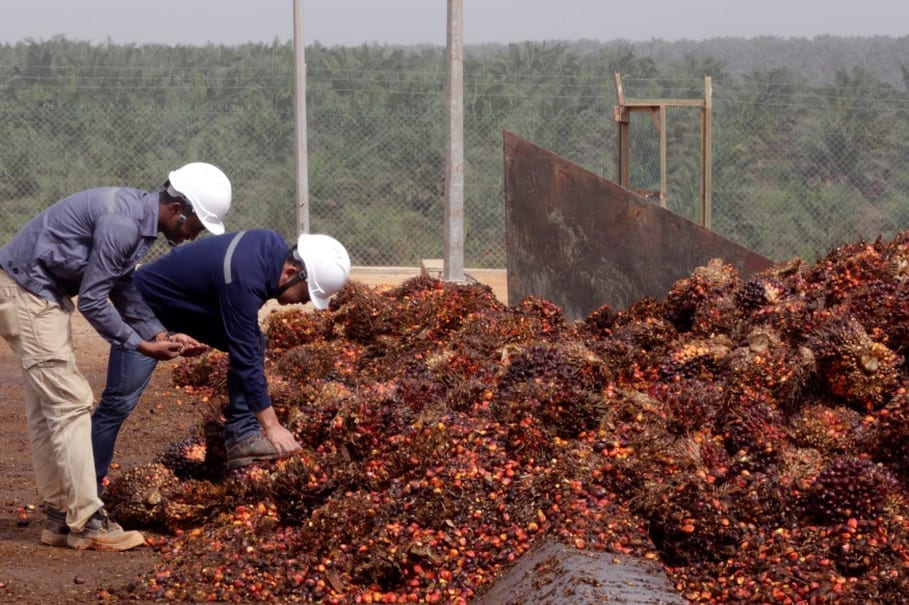
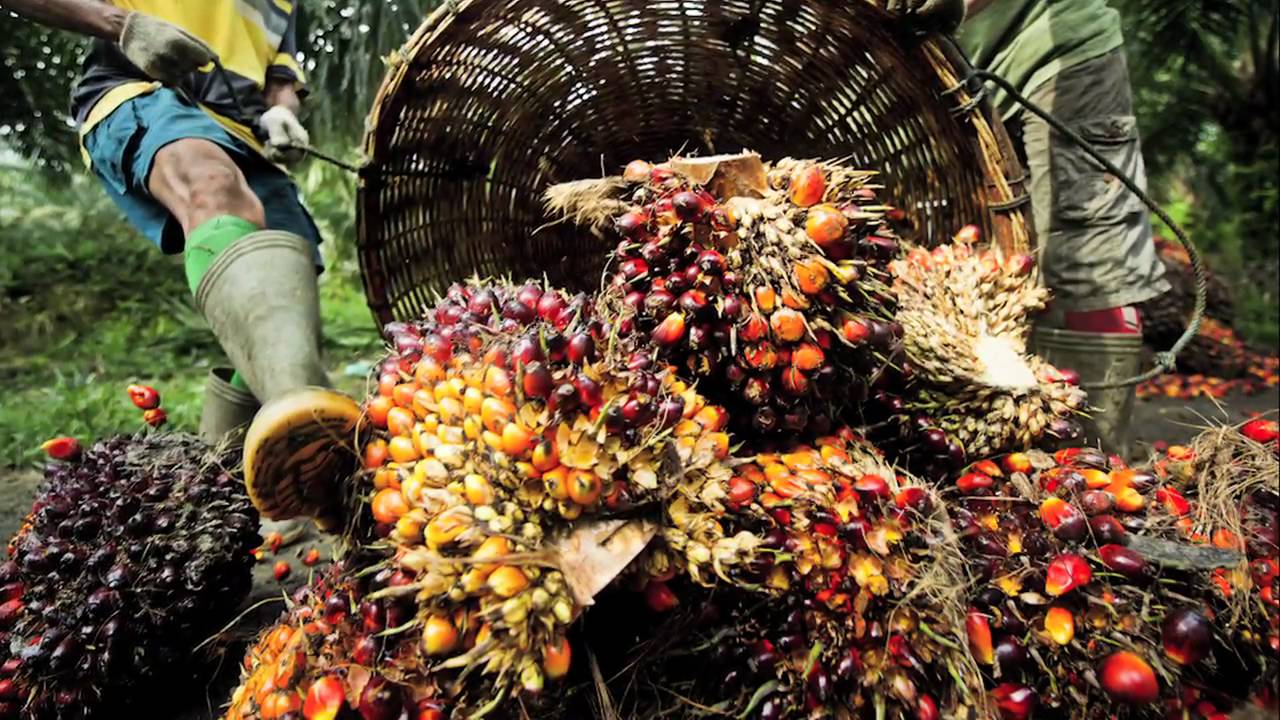
    Consumer goods giant Unilever said on Friday (16/02) it had laid bare its entire palm oil supply chain, including all the suppliers and mills it sources from, to boost transparency in a rare industry move.

    Unilever said it was the first consumer goods company to publish such details, having disclosed the location of more than 1,400 mills and over 300 direct suppliers of the oil used in products from snacks and soaps to cosmetics and biofuels.

    The $62 billion palm oil industry has been plagued by concerns about deforestation and human rights abuses in countries such as Indonesia, the world’s biggest producer.

    Marc Engel, Unilever’s chief supply chain officer, said the company hoped sharing the information would be the start of a new industry-wide movement toward supply chain transparency.

    “Unilever believes that complete transparency is needed for radical transformation,” Engel said in a statement posted on Unilever’s website.

    “This is a big step toward greater transparency, but we know there is more work to be done to achieve a truly sustainable palm oil industry and we will continue our efforts to make this a reality.”

    Unilever said transparency and the ability to trace palm oil are vital in addressing deforestation and human rights abuses.

    Palm oil supply chains are complex as the fruit changes hands many times from farmers to agents before it reaches a mill. It is then transported via traders to refineries for further processing, when it enters a company’s supply chain.

    Over the past decade, consumer activist groups have pressed big palm oil buyers such as PepsiCo, Unilever and Nestle with supermarket boycotts and other protests over palm oil’s perceived links to deforestation and human rights abuses.

    PepsiCo last month suspended procurement from a palm oil supplier over claims of labour abuses on its Indonesian plantations.

  • L’Oréal Collaborates with Bolloré Logistics to Donate Skincare and Haircare Products

    L’Oréal Collaborates with Bolloré Logistics to Donate Skincare and Haircare Products

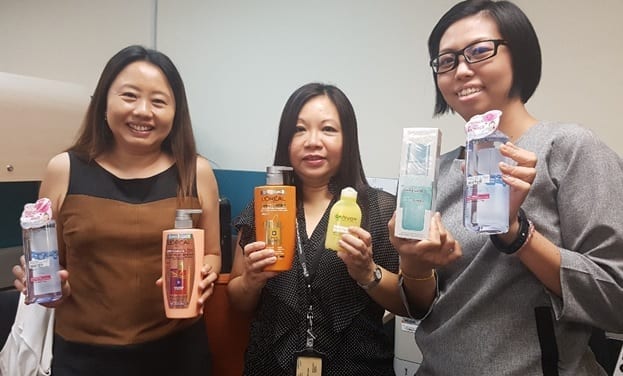
    In December 2017, L’Oréal Singapore partnered with Bolloré Logistics Singapore to donate and deliver nearly 12,000 skincare and haircare products to National Cancer Center Singapore (NCCS) and Humanitarian Organization for Migration Economics (HOME).

    L’Oréal Singapore reached out to both philanthropic organizations to provide and transport daily necessity products that would be beneficial to them, while Bolloré Logistics sponsored the pick and pack process.

    Products donated to NCCS will be for cancer patients, survivors’ caregivers, staff and volunteers. Dovetailing on SingHealth’s Giving Week from November to December 2017 which encourages giving back to society, staff were treated to L’Oréal Singapore’s skin and haircare products in appreciation for their conscientiousness in caring for their patients, and also to celebrate life and the friendship forged in the fight against cancer. Paying it forward, staff members at NCCS made donations to the Community Cancer Fund to help needy patients pay for their treatment expenses.

    Products donated to HOME went to migrant and domestic workers in Singapore who face problems such as mistreatment and abuse, and the shelter services provide a place of refuge and social support for those who have suffered or have been trafficked. At the shelter, these hair and body wash products are a daily necessity, and take a huge burden off the expenses needed to run the shelters.

    Bolloré Logistics Singapore Managing Director Frederic Marcerou said, “Bolloré Logistics Singapore teams are proud to be included in this meaningful cause”. “We are greatly supportive and happy that we can contribute our L’Oréal and Garnier products to assist NCCS and HOME’s causes”, said Supasita Kraisri, General Manager of L’Oréal Singapore Consumer Products.

    “It is very close to our hearts to be a supporting light to these causes and provide encouragement
    and care in practical ways”, shared Isabelle Lim, Corporate Communications Director of L’Oréal
    Singapore.

  • World’s biggest brands put on notice over 5,000,000-tonne laminate packaging problem

    World’s biggest brands put on notice over 5,000,000-tonne laminate packaging problem

    Big brands have been put on notice about their inaction over the world’s growing 5,000,000-tonne problem of plastic aluminium laminate waste.

    Following revelations about the scale of the problem in the UK and internationally, the CEO of the company behind the world’s only solution for recycling laminates – food pouches, pet food pouches, toothpaste tubes, sachets – has called on the world’s biggest FMCG companies to support investment in new processing capacity.

    Enval CEO Dr Carlos Ludlow-Palafox has written an open letter addressed to the CEOs of companies that benefit from laminate packaging, such as Unilever, Kraft, Nestlé Mars, Colgate, Campbell’s, GSK and Hain-Celestial to get behind efforts to process post-consumer waste.

    Across Europe and the US, billions of plastic aluminium laminate pouches, tubes and sachets are being discarded and sent to landfill or incineration while consumers are often misled into thinking that they are recycled, as reported.

    In the UK alone more than 10 billion laminate packaging items are sold annually but fewer than 1 in 20,000 is recycled. Of the remainder two thirds go to landfill and the rest are incinerated. This recycling rate is 50 times worse than that of disposable coffee cups, which has received great attention from media and politicians alike.

    Because the material contains bonded plastic and aluminium, the packages cannot be treated either as plastic or as aluminium. Only the Enval process can deal with them, however currently there are no major initiatives in place in the UK or the world to collect and sort post-consumer packages and genuinely recycle them.

    To process the waste, Enval has developed the world’s only commercial scale plant to deal with the material, which uses a microwave heating method to recover the aluminium into reusable ingots and process the plastic into reclaimed oil.

    Manufacturers and waste companies have undertaken successful trials with the Enval plant but have failed to support wider collection and processing efforts due to a reluctance to make the initial investment required.

    Enval CEO Dr Ludlow-Palafox said the lack of involvement by the FMCG brand owners and the risk-averse nature of the waste handling sector has meant the Huntingdon plant is still the only one in operation.

    “We believe the time for complacency is over. FMCG brands are using laminate packaging because of its exceptional characteristics and cost and environmental benefits. Yet the fact remains that more than 10 billion pouches, tubes and sachets end up being thrown away in the UK alone. This is inexcusable now that we have an environmentally sustainable and economically viable solution. These same companies boast about their environmental credentials: it is time for some action.

    “Consumers are buying laminate packaging in good faith – often either thinking it can be recycled or because there is no other choice. Big brands have reaped the benefits of advancements in packaging technology while delivering no certainty to consumers.

    “The problem of single-use laminates dwarfs that of coffee cups. Brands and regulators now need to put their money where their mouth is and ensure that laminates can be genuinely reprocessed and these materials brought into a circular economy that benefits both the market and the planet.”

    Independent studies commissioned by WRAP UK and the UK’s Department for Environment, Food and Rural Affairs (DEFRA) have shown that laminates can be readily separated from waste streams using conventional sorting technology. These studies also proved that a majority of householders, when asked, sort laminates for recycling for collection as they do with other materials.

  • The Golden Gaytime skips Indonesia market

    The Golden Gaytime skips Indonesia market

    Under social-media fire in Indonesia over its Golden Gaytime ice-cream brand, Unilever has issued a statement to say the brand is not even sold in the country.

    Protesters say the name and design promote LGBT rights, a big issue in Indonesia. The outrage follows social-media posts featuring a Rainbow Gaytime ice-cream bar that is not an official product but a tribute concept created by an Australian fan for Sydney’s Mardi Gras festival. The posts went viral, followed by ugly comments and calls to boycott Unilever subsidiary Wall’s.

    Unilever Indonesia clarified that the ice cream was not a product of Wall’s Indonesia. It said it has been in Indonesia for 84 years and respected and upheld the cultural and religious values and norms of the country. It also said Wall’s brand was halal certified in Indonesia, and had won an award for its efforts in this area.

    Golden Gaytime first released in Australia in 1959, keeping its name despite the change in connotation of the word “gay”. In recent years, as with the rainbow edition, it has embraced the modern use of the word.

  • KKR’s Emerald Media leads US$65 million funding in Bangkok startup

    KKR’s Emerald Media leads US$65 million funding in Bangkok startup

    KKR & Co-backed Emerald Media led a US$65mil funding round in aCommerce, a Bangkok-based startup that helps brands including Samsung, Unilever and L’Oreal sell their products online across South-East Asia.

    The four-year-old firm, which already operates in Singapore, Indonesia, Malaysia, Thailand and the Philippines, plans to use part of the proceeds to expand in markets such as Vietnam.

    The firm’s existing backers Blue Sky, MDI Ventures and DKSH also joined the series B round, the company said.

    aCommerce helps about 260 companies such as Samsung Electronics Co and Unilever NV with digital marketing, inventory and delivery for online sales in the region.

    “Brands are realising that in order to stay ahead of the retail game, they need to be omnipresent,’’ said aCommerce co-founder and group chief executive officer Paul Srivorakul.

    “Customers want to reach their favorite brands any time through any platform.”

    The deal marks Emerald Media’s first foray into e-commerce.

    Emerald Media was set up by New York-based private equity giant KKR in 2015 to invest in media, entertainment and consumer technology in Asia.

    KKR has committed US$300mil from its KKR Asia Fund II, and in June, the firm raised US$9.3bil for its third Asian fund to capitalize on the region’s growing consumption.

    “In e-commerce, we see a great deal of convergence in the future between demand generation, data analytics and consumer media and entertainment,’’ said Rajesh Kamat, managing director of Emerald Media.

    “aCommerce, an e-commerce enabler, fits our mandate perfectly.’’

    Emerald is the latest investor to bet on South-East Asia’s online retail industry, poised to surge from US$5.5bil in 2015 to US$88bil by 2025, according to a report by Google and Temasek Holdings Pte.

    Amazon.com Inc., Alibaba Group Holding Ltd, Tencent Holdings Ltd and JD.com Inc have made inroads in the region’s burgeoning industry in the past year.


  • JD.com surprises with first profitable quarter

    JD.com surprises with first profitable quarter

    JD.com profit soared 50 per cent after a 39 per cent increase in sales during the Chinese online retailer’s latest quarter.

    Its unaudited results for the three months to the end of September show revenue of RMB83.7 billion (US$12.6 billion), with a record 50.3 per cent surge in gross profit to RMB13 billion. Non-GAAP gross profit was RMB12.8 billion, up 51.9 per cent.

    Active customer accounts increased by 34 per cent to 266.3 million in the 12 months to September 30.

    Chairman/CEO Richard Lio says the company is building robust product content and enhancing user engagement with innovative tools that enable brands to launch highly targeted online marketing programs.

    “The scale economies of our model are becoming clearer with every quarter,” says CFO Sidney Huang. “Looking ahead, we will continue to prioritise investments in technology and leading R&D talent as we execute on our vision to revolutionise China’s retail industry.”

    While releasing its third-quarter figures, JD.com also listed its latest business developments…

    In October, JD and Tencent expanded their partnership with the launch of a marketing initiative that integrates insights on consumer behaviour from Tencent’s social-media platforms with online and offline shopping data from JD and its brand partners. As well as enabling more precise target marketing, the move benefits consumers by offering them wider access to sales promotions and preferred discounts.

    Strategic partnerships

    During the past three months, JD.com also formed strategic partnerships with Baidu, iQIYI, NetEase, Sogou and Qihoo 360 with their big-data resources, massive user bases and AI algorithm technologies.

    JD also continued to strengthen its position among top-tier international brands, expanding its partnership with high-fashion brand Armani with the opening of official online stores for Armani Exchange and Emporio Armani.

    JD Worldwide also launched flagship stores for such companies as Reckitt Benckiser, Spectrum Brands and Tiger, while its new Toplife platform attracted marquee brands like Dyson, La Perla, Rimowa (LVMH) and Trussardi.

    During the quarter, JD Logistics test-launched an unmanned sorting centre, the first of its kind in the logistics industry. JD also signed agreements to lay the groundwork for the rollout of China’s largest drone network.

    In September, JD Logistics expanded its environmentally friendly logistics and packaging campaign, working with brands including  Johnson & Johnson, Kimberly-Clark, Lego, L’Oreal, P&G, Nestle, Unilever, Watsons and Wrigley. The aim is to minimise environmental impact by cutting back on packaging materials.

    Customer demand

    JD also enhanced its fresh product offerings during the quarter to meet customer demand. In July, it launched the Canadian Fresh Food Pavilion, the first country pavilion for fresh products on the JD.com platform. Live lobsters from Canada can now be delivered to customers’ doorsteps in China in as little as 48 hours. During JD’s Super Canadian Day, 140,000 lobsters were sold within 24 hours.

    In September, JD.com, JD Finance, Central Group and Provident Capital announced agreements to establish two JVs in Thailand covering e-commerce and fintech services, with an aggregate investment of $500 million. JD.com is providing its expertise in technology, e-commerce and logistics while Central Group is drawing on its retail store network, brand and merchant relationships, and retail behaviour insights from its loyalty program.

    In October, JD and Sam’s Club launched a promotion offering customers discounted bundled memberships for Sam’s Club and the JD Plus paid-for membership service.

    By the end of October, JD.com JV New Dada had partnered with 146 Walmart stores and 301 Yonghui stores, as well as many other supermarkets and grocery stores, to provide online fresh grocery shopping with one-hour home delivery.

    At the end of September, JD.com had 405 warehouses and provided scheduled delivery services in 250 Chinese cities. It had about 160,000 merchants on its online marketplace, and 137,975 full-time employees.

  • Unilever Indonesia secures Rp 3 trillion standby loan for expansion

    Unilever Indonesia secures Rp 3 trillion standby loan for expansion

    Publicly listed consumer goods giant PT Unilever Indonesia (UNVR) has secured a standby loan worth Rp 3 trillion (US$225 million) from Unilever Finance International AG to expand its business in the country.

    Unilever corporate secretary Sancoyo Antarikso said the loan facility could be disbursed anytime the firm needed it in the next five years, with a tenure of one to 12 months and at a 0.15 percent lower interest compared to bank loans.

    “The shareholders meeting has agreed to allow the firm to receive a standby loan within five years from now, so we can use it anytime we need it,” Sancoyo told after the meeting at Unilever Indonesia headquarters in BSD City, Banten, on Tuesday.

    The loan can be used to fund the company’s plan to expand the capacities of its nine existing factories in West Java and East Java. The Indonesian unit of the Dutch-British transnational consumer goods company has announced plans to invest $500 million within the 2016-2020 period in Indonesia.

    In 2016, Unilever Indonesia spent Rp 1.79 trillion (US$134.4 million) in capital expenditure toward capacity expansion, among other aims, while booking a 9.2 percent increase in its net profit to Rp 6.4 trillion and a 9.8 percent increase in net sales to Rp 40 trillion.

    Almost all of its 2016 profit will be distributed as dividends worth Rp 835 per share. While Rp 2.9 trillion has been paid as an interim dividend last year, the company will distribute the remaining Rp 3.5 trillion this year.

  • Unilever to Test New Packaging-recycling Tech in Indonesia

    Unilever to Test New Packaging-recycling Tech in Indonesia

    Consumer goods giant Unilever on Wednesday said it has opened a new facility in Indonesia as part of a pilot project for introducing a new technology for recycling sachets used to hold shampoos and other products.

    Single-use sachets are widely sold in developing and emerging markets such as Indonesia. The Anglo-Dutch company said billions of such packages — including its own — are sold every year, but that recycling them has long been a problem due to technological hurdles.

    To address this, Unilever said it has developed a technology it calls the CreaSolv Process together with the Germany-based Fraunhofer Institute for Process Engineering and Packaging IVV.

    “With this innovative pilot plant we can, for the first time ever, recycle high-value polymers from dirty, post-consumer, multilayer sachets,” said Andreas Maurer, head of the plastic recycling department at Fraunhofer.

    The facility, in Sidoarjo, East Java, will “test the long-term commercial viability of the technology.” If successful, it will be applied in other developing markets, especially in Southeast Asia, said Sancoyo Antarikso, director for governance and corporate affairs at Unilever Indonesia.

    The company plans to work with local waste collectors, waste banks and retailers to help collect used sachets. “Using this approach, we’ll be able to reduce our environmental footprint, while creating economic value and potential additional incomes for the communities, the recycling industry and other stakeholders,” Antarikso told reporters.

    Unilever Indonesia hopes the Indonesian government will promote the concept of separating household waste to make collecting sachets easier. Currently, most Indonesian households do not separate their recyclable and nonrecyclable waste, as the country’s outdated waste management system is not yet capable of accommodating the practice.

    Indonesia produces an estimated 0.5 million to 1.3 million metric tons of plastic marine debris every year, making it the second-largest producer of plastic waste polluting the world’s oceans after China, according to a study published at the Science journal in 2015.

    The new recycling facility will initially be able to process 3 tons of plastic sachets every day. Antarikso said once the operations prove viable from the business side, Unilever will let a “business partner” take over to handle commercial-scale production. He added that Unilever will use the end products as materials for packaging, which is expected to reduce costs.

    David Blanchard, chief R&D officer at the parent company, said: “We intend to make this tech open-source and would hope to scale the technology with industry partners, so others — including our competitors — can use it.” Unilever said it wants all of its plastic packaging to be “fully reusable, recyclable or compostable” by 2025.