Tag: unilever

  • Unilever Foundry launches co-working space in Singapore

    Unilever Foundry launches co-working space in Singapore

    Unilever Foundry, a Unilever-lead initiative for start-ups and innovators, has opened a collaborative working space at the firm’s regional office in Singapore – the first of its kind for Unilever.

    Dubbed Level3, the new collaborative space was launched by the Unilever Foundry to provide startups with the opportunity to interact and partner with Unilever and other ecosystem partners to solve business challenges. This ranges from marketing to finance, logistics, supply chain and customer development.

    “Level3 offers our business a direct connection with disruptive technologies and changemakers to shape the way we work — ultimately impacting people’s lives,” said Pier Luigi Sigismondi, president, South East Asia and Australasia. “Level3 is the springboard for startups to scale and build successful businesses.”

    Opening February 14, within the Unilever regional headquarters in Singapore, the 22,000 square foot workspace aims to connect startups to Unilever brands, and give them access to existing Unilever Foundry programs.

    Fifteen international and local startups are taking part, including Adludio, ConnectedLife, Datacraftt, EcoHub, GetCraft, Next Billion, Olapic, Snapcart, TaskSpotting and Try and Review.

    It comes at a time when industry experts are attempting to foster relations in Singapore between big multinationals and innovators.

    “The set-up of Level3 in Singapore — a global first for Unilever — is a strong testament to the growing vibrancy of Singapore’s startup ecosystem,” said Dr Beh Swan Gin, Chairman, Singapore Economic Development Board. “Level3 represents an emerging corporate innovation model that is aligned with EDB’s efforts to encourage collaborations between multinational companies and other enterprises such as startups.”

    Unilever tapped Padang & Co to design the building and manage all programs within the space. The innovation experts will host learning and networking opportunities, such as fireside chats, sharing sessions, mentoring programs and access to training and resources offered by technology partners.

    “We envision Level3 as a vibrant workspace offering global opportunities for entrepreneurs. We are passionate about connecting members of the startup ecosystem to spark collaboration and ignite innovation,” said Derrick Chiang, CEO, Padang & Co.

  • T2 Singapore launches with kaya toast brew

    T2 Singapore launches with kaya toast brew

    For its first outlet in Asia, Australian tea chain T2 Singapore has launched with a new brew that pays homage to local breakfast staple kaya toast.

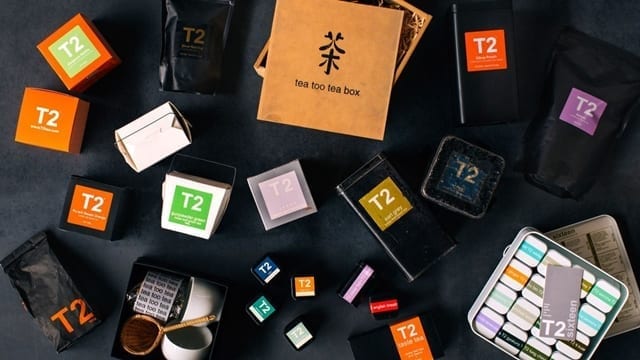
    Its Singapore Breakfast tea is a blend of pu’er (Chinese fermented tea), green tea, coconut flakes and roasted rice. It is among more than 150 types of teas at the new store, in the 313@Somerset mall.

    T2 CEO Nicky Sparshott says Singapore was picked for the company’s Asian debut because of its “strong tea-drinking culture with multicultural influences, from black tea dating back to the colonial period to Asian tea beverages such as teh tarik – Malay for pulled tea – and green tea”.

    Covering 550 sqft (51 sqm), the store offers myriad teas, from black, green and white to rooibos, and herbal and fruit-based tisanes.

    Bestsellers for the company include French Earl Grey, which has bergamot-infused black tea perfumed with rose and sunflower petals and hibiscus; Green Rose, green tea paired with mango, papaya and rose petals; and Fruitalicious tisane, a blend of cranberries, blueberries, dragon fruit and goji berries.

    t2-tea-c

    Singapore has been among T2’s top five markets in online sales over the past two years, and Sparshott hopes the country’s reputation as a tourism hub can expose the tea company to visitors in Asia.

    “Infinite possibilities”

    “Tea has moved from being a beverage for old people to having infinite possibilities … there is an appetite for new invention in teas,” she says.

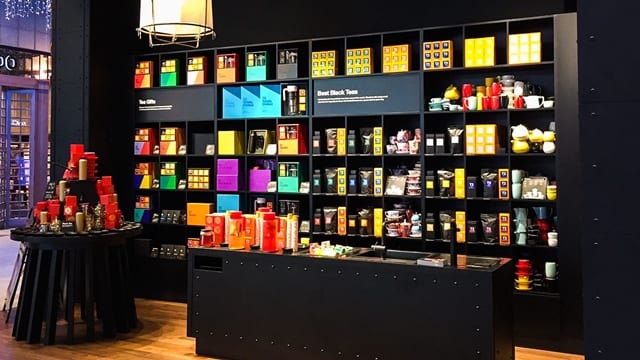
    Like its more than 75 outlets in Australia, New Zealand, the UK and the US, the T2 shop in Singapore has black floor-to-ceiling shelves lined with brightly coloured tea boxes, tea pots, cups and accessories. Taking centre stage is an island brew bar with tea-making apparatus, where six types of hot and iced tea beverages are brewed daily for customers to sample.

    Sparshott says customers can also attend regular tea masterclasses and tea-blending sessions through the tea community group T2 Society, which is free to join.

    She says T2 intends to open another three or four outlets in Singapore in the coming year.

    Started in Melbourne in 1996, T2 was acquired by Unilever in 2013, which owns such tea brands as Lipton.

    Other tea boutiques in Singapore include the TWG Tea chain and The 1872 Clipper Tea Company, which opened a tea retail shop-cum-bar in Ion Orchard last April.

  • Unilever Indonesia stocks see tenfold increase in 35 years

    Unilever Indonesia stocks see tenfold increase in 35 years

    Publicly listed consumer goods giant Unilever Indonesia has seen it stock value skyrocket by more than a thousand percent over the 35 years it has been listed on the bourse.

    If an investor bought 1,000 shares at our initial public offering IPO, which [at the time] were worth Rp 3,175 (24 US cents) apiece, its current investment value would be worth Rp 5 billion today, Unilever Indonesia president director Hemant Bakshi said before opening the bourse’s trading day on Wednesday.

    “We truly believe that our fortune has been closely linked with the country,” he said.

    Shares of Unilever Indonesia, the local arm of—Anglo-Dutch multinational company Unilever NV and Unilever Plc, opened the trading day at Rp 40,500, an increase of almost 1 percent from its previous close.

    The firm’s assets stood at Rp 16.75 trillion as of September last year compared to Rp 140.4 billion recorded during its initial public offering (IPO) in 1982, while sales had soared to Rp 30.1 trillion from Rp 159 billion.

    “We believe we will be in the country for more than the 35 years we have reached now, doing even better and bigger business,” he said.

    The Jakarta Composite Index (JCI), the IDX’s main gauge, opened at 5,316.15 on Wednesday or 0.12 percent higher than its previous close.

  • Memebox raises $60m in extension round

    Memebox raises $60m in extension round

    South Korean cosmetics startup Memebox has raised US$60 million in a Series C extension round led by existing and new investors.

    Investors include Altos Ventures, Cota Capital, Cowboy Ventures, Formation Group, Funders Club, Goodwater Capital, Janet Gurwitch, Mousse Partners and Pear Ventures.

    Memebox says the round is an extension of the $66 million it raised in its initial Series C, bringing aggregate equity funding to $160 million since its incorporation in 2012. The extra investment will allow it to continue streamlining its mobile shopping experience, develop a database of beauty ingredients and products, and build its global footprint.

    As a result of the transaction, Gurwitch, a partner at private-equity firm Castanea Partners and the founder and former CEO of cosmetics company Laura Mercier, joins the Memebox advisory board. She has specialised in beauty companies during her time at Castanea and has served on the boards of Drybar, First Aid Beauty and Urban Decay. She has also served in an advisory role at Dollar Shave Club, acquired by Unilever this year.

    Gurwitch will be advising Memebox on brand strategy, positioning and developing retail partnerships for its four in-house brands – Bonvivant, I’M Meme, Nooni and Pony Effect – in the US market.

    Memebox CEO/founder Hyungseok Dino Ha says the company has been focussed on bringing innovative, high-quality and approachable beauty to consumers worldwide. “We are a global company with offices in six countries with 14 different nationalities.”

    Global streamlining

    There has been a focus on growth in Asia, particularly China, “but with this funding we plan to streamline our global operations at our company headquarters in San Francisco”.

    Memebox evolved from being a subscription box model in 2012 to retailing beauty products then developing its own brands with R&D labs near Seoul. Its four brands have had 60 per cent growth quarter-over-quarter, says the company.

    Memebox invested early in content-driven mobile shopping. It says its mobile app is used for 88 per cent of its global online transactions, with more than 94 per cent of its customers in Asia shopping through the app.

    “What Memebox is doing with mobile and video is unprecedented in the beauty landscape,” says Goodwater Capital managing partner Eric Kim, also a Memebox board member. “Memebox has the heart of a high-end brand, the brain of a deep-data company, and the muscle memory of a social network.”

  • Cross-border eCommerce ‘set to skyrocket’ in China

    Cross-border eCommerce ‘set to skyrocket’ in China

    Cross-border eCommerce (CBEC) is set to skyrocket in China according to a new report from international think tank Fung Global Retail & Technology.

    To capitalise on this, international retailers need to complement their existing expansion strategy with online sales platforms, says Fung Global MD Deborah Weinswig.

    Cross-border eCommerce is the most efficient platform to reach increasingly affluent and sophisticated Chinese shoppers seeking products from overseas, says the report, The International Retailers’ Guide to Cross-Border E-Commerce in China.

    With Chinese authorities relaxing the rules, online purchases of overseas products are expected to increase to US$285 billion in value in 2018, up from US$136 billion last year.

    As well as authenticity being less of a concern, eCommerce purchases attract less taxes so are cheaper for consumers, writes Weinswig. As a result, it is projected that a quarter of the population will shop on foreign sites or through third parties in 2020, up from 15 per cent this year.

    “We expect CBEC will drive the next leg of eCommerce growth as Chinese eCommerce companies and international retailers launch globalised versions of their portals. By selling through CBEC, international retailers can reach Chinese shoppers regardless of whether or not they have a physical presence in China.”

    China is already the largest eCommerce market in the world, with the use of CBEC via such marketplaces as JD Worldwide and Tmall Global being attributed to the continuing rise of the upper middle class with its growing use of the internet and belief that international brands are of higher quality.

    Regulations formalised

    Most shoppers seek items related to wellbeing such as cosmetics and organic foods, expensive or hard to find domestically, says the report. Many foreign eCommerce companies have launched Chinese websites, and since late 2014 authorities have been formalising regulations including tax reforms and expediting customs clearances.

    Japanese companies in particular are targeting Chinese CBEC shoppers, using mobile apps such as Rakuten and China’s Wandou.

    Choosing the right platform is crucial, writes Weinswig. Options include…

    • Online marketplaces such as Alibaba’s Tmall Global, a third-party eCommerce platform that lets brands open a storefront. International distributors using this platform include Macy’s, Metro, Shiseido and Uniqlo.
    • Online direct sales such as Amazon.cn, Jumei Global Store, Kaola.com (for smaller brands) and Vipshop. Distributors buy from the retailers to resell to consumers.
    • Hybrid eCommerce platforms such as JD Worldwide that combine elements of an online marketplace and online direct sales. JD Worldwide partners include eBay, Lotte, Rakuten and Unilever.
    • Overseas shopping platforms.

    “To succeed in the Chinese market, international retailers are advised to have a strategic plan for CBEC that complements their China strategy,” writes Weinswig. “International retailers will need to decide which cross-border channels to sell on, driven by considerations of each platform’s targeted clientele and product category, costs, track record and suite of value-added services.”

    Fung Global Retail & Technology is based in Hong Kong, London and New York.

  • Future Group buys Sangam Direct chain

    Future Group buys Sangam Direct chain

    Indian retail giant Future Group has bought Sangam Direct, a chain of grocery stores previously known as Sabka Bazaar, from Wadhawan Retail Ventures.

    Future group CEO Kishore Biyani has announced the deal without disclosing any figures.

    It is Future Group’s third acquisition in northern India in the food and groceries space in the past three years after Big Apple and EasyDay. In the south, the company acquired Nilgiris last year and is in talks to buy the retail business of Heritage Foods.

    Sangam Direct and Heritage Foods will add Rs800 crore (US$120 million) to Future Group’s annual revenue, says Biyani.

    Heritage Foods, which has 114 stores in Bengaluru and Hyderabad, reported revenue of Rs582.9 crore for 2015-16, up 18 per cent. Sangam Direct, which has about 35 stores across Bengaluru and Delhi, was started by Hindustan Unilever in 2001 as its online groceries delivery platform. It was acquired in 2007 by the Wadhawan group, which owned the Spinach retail chain.

    Future Group, through Future Retail and Future Consumer Enterprise, has about 800 stores. About 500 are small-format EasyDay and Nilgiris convenience stores, the rest being the larger-format stores of Big Bazaar and FBB, which is the group’s fashion retail offering.

    Future Consumer Enterprise also runs 5000 Annapurna Bhandars in partnership with the government of Rajasthan. Future Group is the parent of listed retail companies Future Retail, Future Lifestyle Fashions and Future Consumer Enterprise.

  • Unilever buys Dollar Shave Club

    Unilever buys Dollar Shave Club

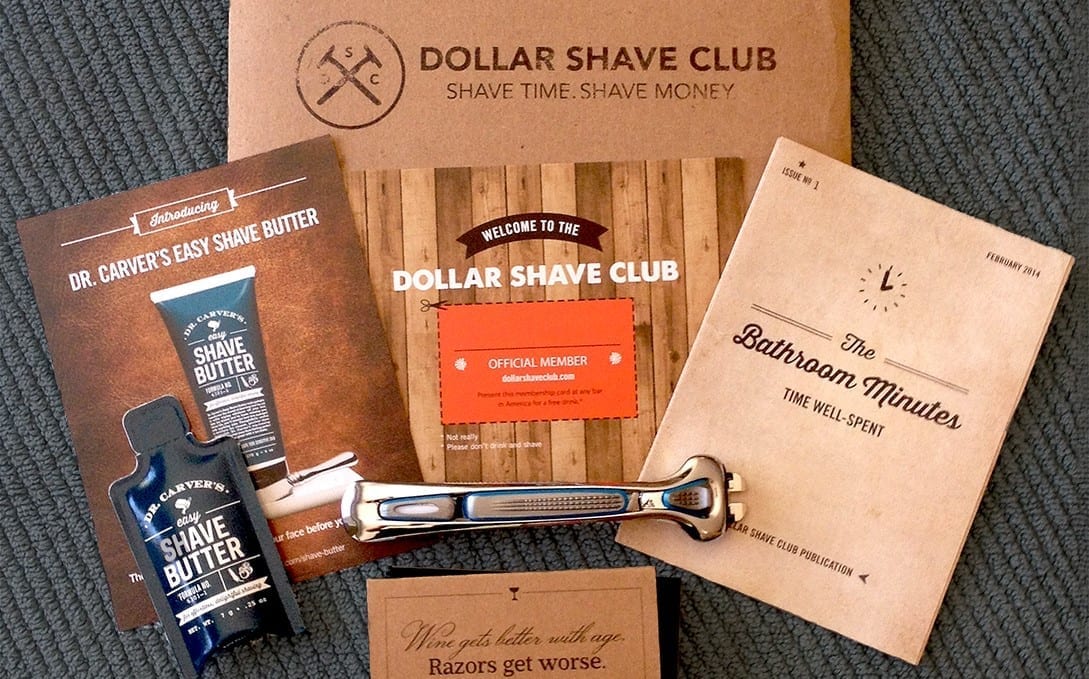
    Consumer products giant Unilever is to buy California-based Dollar Shave Club, an online razor delivery subscription business that has 3.2 million members.

    Terms of the transaction were not officially disclosed, but sources say the FMCG giant is paying the razor business US$1 billion in cash.

    “Dollar Shave Club is an innovative and disruptive male grooming brand with incredibly deep connections to its diverse and highly engaged consumers,” said Kees Kruythoff, president of Unilever North America.

    “In addition to its unique consumer and data insights, Dollar Shave Club is the category leader in its direct-to-consumer space. We plan to leverage the global strength of Unilever to support Dollar Shave Club in achieving its full potential in terms of offering and reach.”

    Michael Dubin, founder or Dollar Shave Club, will continue to serve as its CEO.

    “We have long admired Unilever’s purpose-driven business leadership and its category expertise is unmatched,” said Dubin. “We are excited to be part of the family.”

    Subject to regulatory approval, the transaction is expected to close during the third quarter.

  • Unilever Indonesia set to enjoy stronger performance

    Unilever Indonesia set to enjoy stronger performance

    Unilever Indonesia’s net profit fell 1.2%; however, the media outlet predicts that as the economy now picks up, so too will the multinational’s performance in the country.

    Unilever is the “undisputed leader in bath and shower” in Indonesia, according to market research firm Euromonitor International, and it looks set to maintain and strengthen this position.

    “In addition to heavy investment in new variant launches and promotions, Unilever benefits from its brands also having a good reputation in the marketplace, and the company has an extensive distribution network to also reach consumers in rural areas,” Euromonitor observed in its most recent report on the country.

    Seeking opportunities

    According to Euromonitor, the bath and shower category in Indonesia is currently saturated, so innovation will be key to driving future growth for Unilever.

    “New and creative approaches by manufacturers are crucial to retain customers and develop the consumer base, especially in products with more potential to grow such as body wash/shower gel,” the firm asserts.

    It singles out additional formulation benefits and novel packaging formats as key areas for development in the category up ahead.

    Tackling deforestation

    Indonesia is also one of Unilever’s key regions for its focus on reducing its environmental footprint, which forms a central part of its ongoing Sustainable Living Plan.

    Last year, the company announced that along with Brazil, Indonesia would form the key focus of an ongoing, year-long partnership with WWF International to tackle deforestation.

    These two countries have historically had the highest rates of deforestation in the world and have some of the largest areas of intact forest globally.

    “Stopping deforestation is an urgent priority in tackling climate change. Forests are second only to the oceans as the largest global store of carbon and support 80 percent of terrestrial biodiversity across the globe,” says Paul Polman, CEO of Unilever.

  • Carl Cruz assumes duties as Chairman of Unilever Sri Lanka

    Carl Cruz assumes duties as Chairman of Unilever Sri Lanka

    With effect from March 1, 2016, Carl Cruz assumed duties as Chairman of Unilever Sri Lanka, taking the helm from his predecessor, Shazia Syed who has returned to Pakistan to assume her duties as the Chief Executive Officer of Unilever Pakistan.

    Carl arrived in Sri Lanka from the Philippines, where he last served as the Vice President of Customer Development for Unilever Philippines. Under his leadership, the function was transformed into an execution and talent powerhouse for the business, while simultaneously achieving sustainable double digit growth.

    Joining Unilever immediately after graduating from university in 1992, Carl began his career in General Trade before eventually becoming the company’s first General Trade Development Manager. In 1999 as the Sales Development and Trade Marketing Manager, he setup Unilever’s Category Management and Retail Solutions capability which was critical in attaining thought leadership in the Philippines Retail Trade Industry. In his 24 years with the organization Carl has gained an extensive breadth and depth of experience in Customer Development and Marketing in the Philippines, Thailand and India.

    Speaking about the business he has inherited, Cruz said, “Sri Lanka is an important market for us and these are exciting times for the country. Over the last two years, the Unilever Sri Lanka teamhas worked diligently to ensure the growth of the business and delivered exceptional results. We have the right mindset and ambition to capitalize on the current situation. I look forward to energizing our team, building on the gains we have made and bringing to life our vision of improving the lives of Sri Lankan consumers.”

  • Soap maker Pental hopes to clean up in China

    Soap maker Pental hopes to clean up in China

    Household products manufacturer Pental is hoping to clean up in China by following in the footsteps of Bellamy’s and Blackmores and selling bar soaps designed for the Asian market.

    Pental, which makes laundry staples White King bleach and Softly wool wash, has developed a new range of Country Life bar soaps aimed directly at Chinese consumers, including goat’s milk soap with Australian tea tree oil, lavender and green tea.

    Pental has also reached into the back of its cupboard and reformulated and repackaged soaps that have been in its portfolio for 20 years and are mainly sold in airport stores and souvenir shops. The rejigged Country Life range includes lanolin, tea tree oil and eucalyptus oil and features images of sheep, koalas and kangaroos.

    Pental has secured distribution in leading Chinese supermarkets, pharmacies, airport stores and online outlets, including FTZmall.com, and plans to start manufacturing the new range at its plant in Shepparton next week.

    “This is one of the most exciting projects for a long time,” said chief executive Charlie McLeish, who believes new product development and new markets are the key to drive top-line sales and margins in an increasingly competitive domestic market.

    Aim to change track record

    Mr McLeish is reluctant to issue forecasts, but expects to sell about 6 million bars of soap, worth $4 million, to Asian consumers in the first year, compared with current bar soap sales in Australia and New Zealand of about $10 million a year.

    “We have a track record of over-promising and under-delivering – my goal is to ensure that we over-deliver on our targets,” Mr McLeish told Fairfax Media during an investor roadshow in Sydney this week.

    “We’re riding on the confidence the Chinese retailers and Chinese consumers have in Australian-owned and Australian-made products.

    “We have to make sure we live up to the reputation the dairy industry has created for other manufacturers in the Chinese market,” he said.

    Pental also sees scope to sell other products such as White King bleach and White King stain remover into Asia and has had tentative discussions with distributors.

    However, Mr McLeish has no plans to establish manufacturing operations in China to reduce costs and better compete with multinationals such as Colgate, Unilever and Cussons.

    Point of difference

    “Our point of difference is being Australian-owned and Australian-made and is around quality and culture – if we changed that state we would be no different to the other guys who manufacture in China,” he said.

    Pental has invested about $400,000 on new soap packaging equipment to support its push into Asia. If sales take off, Pental is considering a larger capital expenditure program, which would enable it to make bar soap in new shapes, sizes and formats for the Asian and domestic markets.

    Pental, which also makes Sunlight, Pears and Velvet soaps, and supplies private-label soap to Aldi and Woolworths, accounts for about 20 per cent of the Australian soap market.

    After a near-death experience in 2012, when Pental (formerly known as Symex) was forced to sell assets to repay bank debt, the shares are now trading at their highest levels since 2007.

    While sales slipped 0.7 per cent to $54 million in the six months ending December, underlying earnings before interest and tax rose 5.7 per cent to $3.1 million and net profit rose 12 per cent to $1.98 million, underpinned by cost savings.

  • Christian Louboutin Tokyo pop-up

    Christian Louboutin Tokyo pop-up

    Christian Louboutin’s latest spring/summer bag collection is being showcased in a stunning pop-up boutique in Tokyo’s Isetan department store.

    Christian Louboutin pop-up opens in Tokyo 1

    Open on the second level until March 1, the Christian Louboutin Tokyo pop-up was inspired by showgirls and exotic birds and features feathered plinths layered with rich colours plus quirky details.

    Christian Louboutin pop-up opens in Tokyo

    It is the latest retail experience designed by the luxury label in conjunction with customer experience specialist Household, and the second within the Isetan store. Household has also created spaces forChristian Louboutin at Selfridges in London and Manchester in the UK, Brentwood Los Angeles, Printemps Paris, Seibu Tokyo and Osaka’s Hankyu and Daimaru department stores.

    Christian Louboutin pop-up opens in Tokyo 2
    Based in London and Los Angeles, Household works across Asia, Europe and the US for clients including Harrods, Tesco, Unilever and Vodafone.

  • Isobar and Unilever Invite Chefs to Have a Taste of Home this Chinese New Year

    Isobar and Unilever Invite Chefs to Have a Taste of Home this Chinese New Year

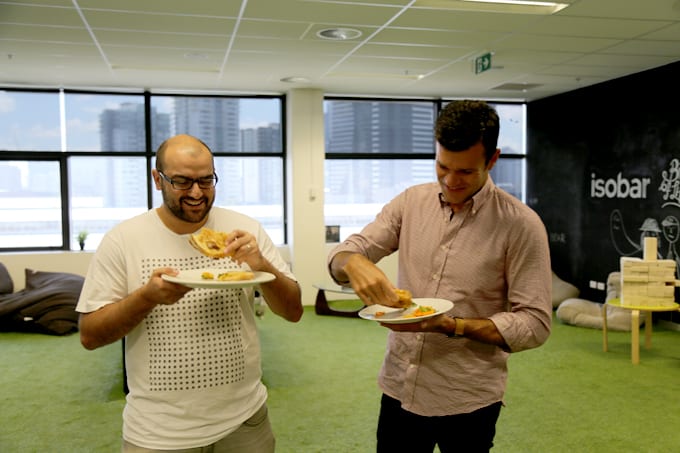
    Unilever’s prestigious catering brand, Unilever Food Solutions (UFS) has been committed to delivering specialised food solutions to various restaurants in China since 1994. With more than five million catering businesses in China, it is a major challenge for UFS to penetrate the huge and saturated market and establish a leadership position in the industry.

    To overcome this, UFS has launched a campaign for the upcoming Chinese New Year (or Spring Festival) season that aims to create emotional bonds with their key target audience: chefs. The question is, how does UFS fully leverage social media not just to increase engagement and sales, but also boost brand preference and emotional connection with chefs?

    Together with Isobar, UFS conceptualised “The Taste of Reunion Is Not Complete Without You”, a social marketing campaign that leverages the true meaning of Chinese New Year, which is all about celebrating family reunions. The campaign enables chefs, who cannot go home, to still be able to share the happiness and warmth of family time.

    The Spring Festival is a time when family members would all come home and enjoy a well-prepared feast with their loved ones. However, on such occasions, chefs need to work hard in the restaurants, and it is nearly impossible for them to have home-cooked dishes with their families. After much in-depth conversations with many chefs, UFS and Isobar found that what they wanted the most during the Spring Festival is to get together with their loved ones.

    On the basis of this core emotional appeal, Isobar developed a three-phased communications plan to meet the needs of UFS’ target audience this Spring Festival season.  

    Phase One

    In late November 2015, a new packaging was launched in the marketplace with a prize code. Extensive exposure on social media planned to appeal to and inform chefs regarding prize redemption. With a few simple steps of mobile interaction, users could easily redeem their “Treasure of Reunion” using the pin code on the packaging as well as share the activity with their friends and families.

    Phase Two

    In the months leading up to the 2016 Spring Festival, the campaign planned to resonate with its target audience through heart-warming interactive webpages within WeChat, videos, and relevant topics so as to connect emotionally with more chefs and to boost prize redemption and sales volume.

    Nothing feels like home more than home-cooked dishes and cherished family voices. Therefore, Isobar also launched a WeChat webpage that featured the sounds of hometown dialects, in addition to spotlighting hometown specialties, covering more than 34 provinces and municipalities. After selecting their hometown and hitting the “Visit Home” button, users will receive a virtual home-cooked dish, accompanied by caring voices in their hometown dialect, giving them the authentic feel of being at a family reunion.

    A wide range of hometown specialties is displayed dynamically in the corresponding hometown dialects, not only generating emotional resonance among users but also driving them to share on social, extending the communications effort.

    Phase Three

    February 1 is the day when chefs usually have time to take a breather, which is when the “Time-Limited Red Pocket Rush” was launched to encourage consumer engagement and social sharing. From January to February 22, the day of Lantern Festival, which marks the end of the Spring Festival, interactive WeChat webpages featuring “Voices of Wishes” and a commercial named “Heart Together” was pushed out on social platforms.

    Focusing on the campaign theme, the “Heart Together” video communicated homesickness, a feeling that chefs can easily identify with. The video was promoted through innovative live feeds in WeChat and QQ Space, the two social channels that chefs visit the most.

    Isobar also pushed out communications with target groups via an interactive WeChat website. The site allows users to choose from one of three symbolic dishes for Spring Festival (dumpling, fish and New Year cake), select a greeting or record their own, and send it to families and friends to express their sincere wishes for the coming new year.

    The Spring Festival campaign initiated by UFS was the result of collaboration between Isobar and the Tencent Big Data platform. With more insight into the online digital behaviours of chef groups, Isobar was able to categorize the chefs under different tags so as to launch the ads more precisely. In this way, Isobar helped the brand reach their target audience more effectively and connect emotionally with them. That is how Isobar addressed the challenges of market penetration for the brand, making UFS the first B2B brand in China to release an organic commercial on the Moments live feed in WeChat.

    To date, the campaign has increased the brand’s followers on social, crossing over the one million mark. Meanwhile, communications efforts on WeChat have yielded outstanding results, evidenced by the record 300,000 views for one post.

    Amanda Jia, Senior Trade Marketing Manager, Unilever Food Solutions said: “On the basis of the genuine emotional insights we received from chefs, the campaign covers heart-warming initiatives, which not only touches tens of thousands of chefs, but also ourselves. The insights of our target audience are always the focus of our marketing, even for a B2B campaign. Only through this, can we fully engage with our target audience. No matter how evolved communication tools are, the true essence of marketing remains centred on content creation that’s based on the right insight.

    Joyce Zhou, Marketing Director of Unilever Food Solutions added: “As UFS is the first condiments brand to express the genuine feelings of chefs on a social platform (WeChat organic ads), we feel that our job goes beyond promoting superior products and food solutions, but also in helping chefs get more understanding and recognition. One highlight of the campaign is the cooperation with Tencent on data mining. The precise content distribution enables us to communicate with target audience more directly, so as to address the market penetration challenge of the traditional B2B industry effectively. This is a new move, way ahead of the curve even for B2C brands, and we are very proud of this campaign.”

    Rohan Lightfoot, Managing Director of Isobar Shanghai said: “We’re thrilled to be part of this campaign for Unilever Food Solutions. One of the amazing things about the scale of digital in China is that you can reach niche audiences, like professional chefs, at a mass level. For this campaign we worked with Tencent’s big data platform to reach our audience of chefs effectively and directly. In the age of Brand Commerce it’s important that we combine the art of storytelling with technology not just to reach our audience, but also to touch their emotions. We’re showing the audience that our client understands what they’re giving up to make everyone else’s Chinese New Year banquet special. Chefs across China already seem to be responding to that effort.”

  • Unilever expands Alibaba partnership

    Unilever expands Alibaba partnership

    The partnership began in 2011 when Unilever opened a virtual store on Alibaba’s Tmall.com online shopping portal. Last year it opened a store on Tmall Global, a cross-border solution that allows overseas retailers to sell and deliver goods directly to Chinese consumers online via government-backed FTZs and PRC bonded warehouses.

    Alibaba’s e-commerce “ecosystem” includes China’s retail marketplaces Tmall and Taobao Marketplace as well as logistics and online payment solutions, cloud computing, and a marketing technology platform called Alimama that provides retailers with extensive data analytics.

    Daniel Zhang, Alibaba CEO said the two companies “will jointly innovate in Big Data analytics application, cross-border e-commerce, and supply chain management”. The company will also protect Unilever’s brands by tagging each product with a unique QR code that allows the consumer to verify its authenticity and origin.

    Last year Alibaba began a three to five-year US$1.6 billion program to build 1,000 county-level and 100,000 villaAlibaba Cainiaoge-level Taobao service centers in order to provide e-commerce and logistics services to underdeveloped parts of China.

    The company said its cross-border system gives international retailers greater merchandising flexibility because shipments are made only on demand, reducing the need for sales forecasts and warehouse space in China.

    Online shopping accounted for 10.7 percent of total retail sales in China in 2014, according to the country’s National Bureau of Statistics.

    For the first six months of 2015 Unilever has reported a 12 percent increase in turnover to €27 billion. The operating profit fell 13 percent to €3.8 billion and net profit fell 11 percent to €2.7 billion.

    Unilever CEO Paul Polman noted: “The first half demonstrates again the progress we have made in the transformation of Unilever to deliver consistent, competitive, profitable and responsible growth, now in the seventh year. We plan for another year of volume growth ahead of our markets, steady improvement in core operating margin and strong cash flow,” he added.

    The company has also announced a one-year partnership with the WWF to raise public awareness against deforestation. The program will help protect a million trees by supporting forest protection programs in Brazil and Indonesia. The two countries historically have had the highest rates of deforestation in the world and have some of the largest areas of intact forest globally.

    Polman commented: “Stopping deforestation is an urgent priority in tackling climate change. Forests are second only to the oceans as the largest global store of carbon and support 80 percent of terrestrial biodiversity across the globe. As a business it is crucial that we operate sustainably and take action to help consumers live sustainably. It’s a moral imperative and a business one – to be here for the long term.”

  • Unilever to stem China losses with sweeping Alibaba partnership

    Unilever to stem China losses with sweeping Alibaba partnership

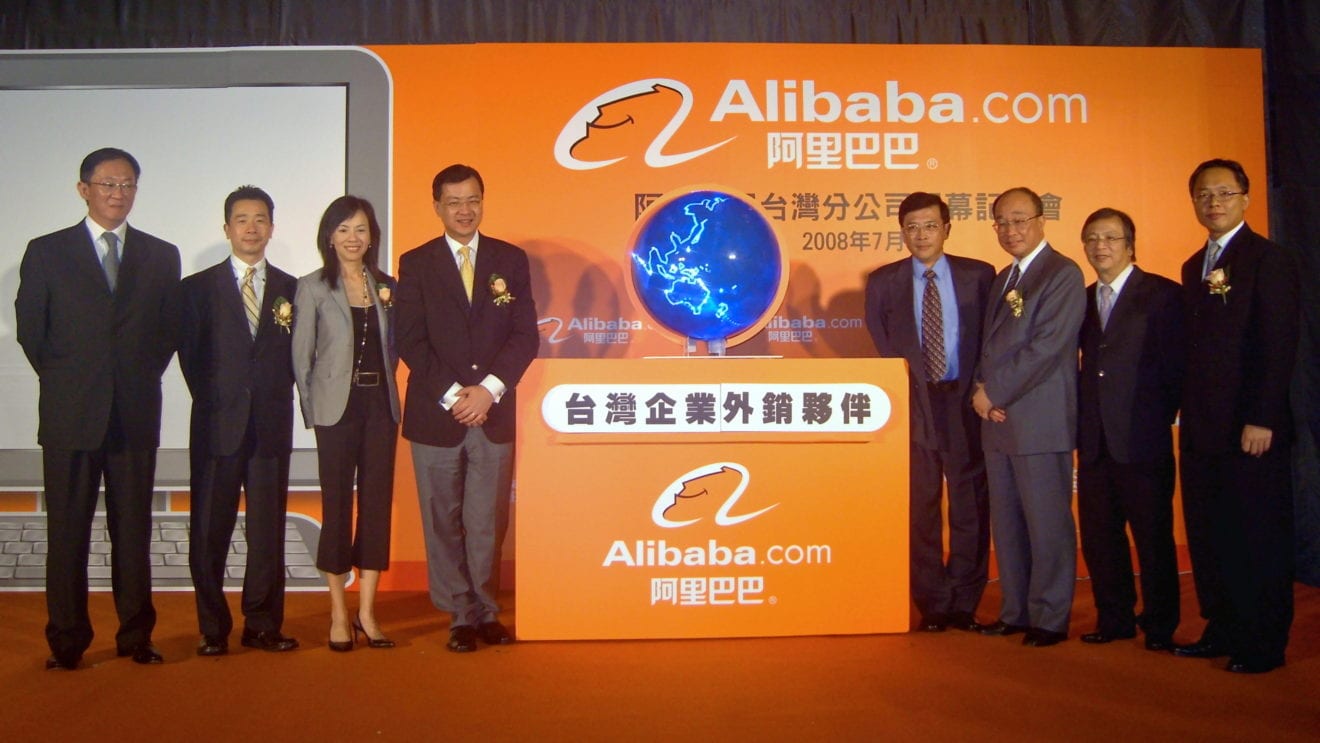
    Unilever has formed an exclusive strategic partnership with Alibaba Group on a range of ecommerce initiatives to boost the consumer-goods maker’s sales in China.

    The partnership, announced today, is seen as a significant expansion of cooperation between the two companies. Unilever first opened a virtual store on Alibaba’s Tmall.com online shopping website in 2011 and added a Tmall Global flagship store in 2014. The agreement also appears to be a response to retailers reducing their stocks of the FMCG giant’s products in response to a slowing economy in 2014.

    Unilever’s North Asia president, Marijn Van Tiggelen, said in a press statement that Unilever chose Alibaba over other internet firms in China, as it is the “leading internet company” with “not only an online store, but also a solution platform for online payment, e-finance, and ecommerce logistics”.

    Daniel Zhang, chief executive officer of Alibaba Group, stressed that the Unilever collaboration will go beyond product sales. The companies “will jointly innovate in big data analytics application, cross-border ecommerce, consumer protection and supply-chain management,” said Zhang in a statement.

    More specifically, the duo said they would work together to:

    • Expand Unilever’s distribution channels with an emphasis on giving rural consumers in the country’s less-developed regions more convenient access to Unilever products through Alibaba’s 1,000 county-level and 100,000 village-level Taobao Rural Service Centers and Alibaba’s logistics affiliate, Cainiao.
    • Develop cross-border ecommerce cooperation on Tmall Global that allows Unilever merchandising through government-backed free trade zones and bonded warehouses in China.
    • Optimise Unilever’s digital advertising strategy through Alimama (Alibaba’s marketing technology platform) and reach more consumers through online-offline retail integration.
    • Combat counterfeiting of Unilever’s brands by stepping up the company’s participation in Alibaba’s Blue Stars program, in which each product is tagged with a unique QR code that allows the consumer to verify its authenticity and origin.

    To mark the beginning of the new partnership, Tmall will host a promotion from 22 through 24 July featuring flash sales with 50 per cent discounts on popular Unilever products.

    Alibaba’s vision to build the “future infrastructure of commerce” meets Unilever’s development needs in China, added Van Tiggelen.

    Ecommerce accounted for 10.7 per cent of total retail sales in China in 2014, according to China’s National Bureau of Statistics, with ecommerce set to grow faster than the overall retail market.

    However, despite Unilever’s online storefront presence on Tmall, as well as on Alibaba rival JD.com, it still felt the pain of the slowdown in China last year when sales for two consecutive quarters were down by 20 per cent. This led to bricks-and-mortar retailers and distributors destocking Unilever products. James Allison, Unilever’s head of corporate strategy, described product visibility at the time as “not that great”. Unilever will issue its second-quarter and half-year results Thursday.

  • Unilever Turns to Online Sales to Expand Presence in China

    Unilever Turns to Online Sales to Expand Presence in China

    Global consumer processed goods (CPG) behemoth Unilever is set to combat the slowdown in China head-on by strengthening its presence in the online market. The company announced last week that it will open a store on JD Worldwide, the cross-border platform of China’s largest online direct sales company.  The partnership with JD.com will allow Unilever to directly import its products into China instead of having to navigate the red tape involved in marketing and selling its products locally.

    Unilever already has a significant presence in China. It sells skincare brands like Dove, Ponds and Vaseline through JD.com’s direct sales website as well as Alibaba’s Tmall. According to The Wall Street Journal, Unilever’s sales on JD.com tripled over the last year and its total online sales in China reached $161 million. Now, the launch of its JD Worldwide store will add Unilever’s Lux haircare products for the first time to its Chinese product portfolio.

    Poor Economic Growth in China Dragged Down Sales in 2014

    Weak economic growth in China in 2014 was a cause of concern for global CPG giants like Unilever and Procter & Gamble (NYSE:PG). Nearly all emerging markets weakened in 2014, but China stood out as economic growth slowed down to a 24-year low of 7.4%. Consumer consumption is closely linked to economic growth, which in turn impacts the growth of CPG sales.

    Slower-than-expected economic growth in China dragged down sales of personal care products in 2014, forcing Unilever to undertake a large-scale destocking across the country. The impact of destocking was particularly severe in the third quarter of 2014 and caused a 70 to 80 basis points headwind on Unilever’s total revenue growth. The company does not report its revenues from China separately. However, the extent of the impact of China’s economic slowdown on the overall performance of the company indicates that China accounts for a significant portion of Unilever’s worldwide sales.

    Online Expansion Could Prop Up Volumes in China

    The economic slowdown in China may have heavily impacted brick and mortar sales in the country, but online sales are picking up steadily. Online sales are estimated to have expanded by over 40% year on year in every quarter since last year. In the first quarter of 2015, online shopping is estimated to have accounted for over 10% of total retail sales in China. []

    These statistics underscore the significant scope in online shopping in China. Considering that online sales expanded by over 40% in 2014, which suggests that online shopping was less susceptible to the economic slowing, as compared to traditional shopping. Therefore, Unilever’s decision to expand its presence in China’s online market could help it partially circumvent the slowdown in the country.