Tag: united states

  • Coty Full-Year Revenue Drops Five per Cent to US$5.8 Billion Ahead of Gucci License Loss

    Coty Full-Year Revenue Drops Five per Cent to US$5.8 Billion Ahead of Gucci License Loss

    Coty posted a five per cent decline in full-year net revenue to US$5.8 billion as the beauty group prepares to surrender its lucrative Gucci license.

    Fourth-quarter adjusted EBITDA dropped 26 per cent to US$93.6 million, dragging operating margins down 270 basis points to 7.4 per cent. Like-for-like sales in the final quarter slipped one per cent to US$1.3 billion, prompting Coty shares to fall 7 per cent in after-hours trading after management withheld financial guidance for fiscal 2027.

    Markus Strobel, Coty executive chairman and interim chief executive, designated fiscal 2027 a transition year focused on lowering fixed overheads. The departure of Gucci Beauty will trigger an additional drop in revenue and profit in fiscal 2028.

    Fixed costs and new fragrance licenses

    Management plans to counter the Gucci exit by cutting fixed corporate costs and expanding newer licensing contracts. The pipeline relies on cosmetics under Marc Jacobs Beauty alongside fragrance agreements with Swarovski, Etro and Marni.

    GlobalData managing director Neil Saunders noted that replacing Gucci volume requires stronger performance from remaining prestige lines, especially across department stores and travel retail networks. Retail OCD chief executive Barney Stacher cautioned that cost reductions cannot compensate for weak brand heat across mass colour cosmetics lines such as CoverGirl, Rimmel and Max Factor.

    Mass beauty shelf pressure

    Fragrance sales continue to generate cash across Asian metropolitan markets, but Coty’s mass cosmetics portfolio faces intense shelf competition from nimble regional and domestic beauty labels. Rebuilding brand visibility in physical retail and digital storefronts requires targeted product development rather than broad promotional discounting, according to Pepperdine Graziadio Business School marketing professor Kimber Maderazzo.

    Coty will deliver the final decisions from its strategic review of the Consumer Beauty unit by the end of 2026 before the Gucci transition takes effect in fiscal 2028.


  • US SEC Regulation Signals Greater Clarity for Crypto Assets

    US SEC Regulation Signals Greater Clarity for Crypto Assets

    The United States Securities and Exchange Commission (SEC) has introduced a new regulatory framework for digital assets, aiming to provide clearer guidelines for the classification and trading of cryptocurrencies. This move is expected to bring substantial clarity to a sector previously marked by regulatory uncertainty, particularly concerning tokens like XRP.

    Legal experts, including those from Skadden, Arps, Slate, Meagher & Flom LLP, view this regulation as a significant step forward in establishing a more structured environment for the crypto market. The framework addresses key areas such as asset categorisation, disclosure requirements, and market integrity, which could help institutional investors and businesses better navigate the digital finance landscape.

    Implications for Digital Asset Markets

    The new SEC regulation is anticipated to impact how digital assets are treated by financial institutions and technology firms. By defining clearer rules, the framework could foster greater investor confidence and potentially encourage broader adoption of cryptocurrencies within established financial systems. This clarity is particularly relevant for tokens that have faced scrutiny over their classification as securities, offering a pathway for compliance and legitimate operation.

    For retailers and consumer brands exploring blockchain and digital payment solutions, regulatory clarity from a major market like the US can set precedents. Asia-Pacific countries are also developing their own frameworks, and global harmonisation, even if gradual, could simplify cross-border digital transactions and the use of cryptocurrencies in retail.

    Global Regulatory Ripple Effects

    While this regulation originates from the US, its implications could extend internationally, influencing how other jurisdictions approach digital asset oversight. As major economies establish robust frameworks, there is a growing potential for a more standardised global approach to crypto regulation. This development could reduce fragmentation and facilitate international trade and investment involving digital assets, including their use in supply chains and consumer loyalty programmes.

    Several Asian markets, including Singapore, Hong Kong, and Japan, have been proactive in developing their own digital asset regulations. The SEC’s move provides another data point for these regions as they refine their policies, potentially accelerating the mainstream integration of cryptocurrencies and blockchain technology into various business sectors across Asia-Pacific.

  • Perion Network Boosts AI Platform for Retail Media, CTV Growth

    Perion Network Boosts AI Platform for Retail Media, CTV Growth

    Digital advertising firm Perion Network is intensifying its focus on artificial intelligence (AI) to optimize ad campaigns for retailers and brands. The company is using its Perion One platform, which includes an AI-driven engine called Outmax and a client interface called Ask Perion, to navigate the fragmented digital advertising ecosystem.

    Perion’s strategy addresses the challenge advertisers face in gaining clear insights and managing performance across various platforms, formats, and audience segments. The AI layer analyzes campaign data, identifies inefficiencies, and provides recommendations to improve media investment returns.

    This move reflects a broader industry trend where technology providers are enhancing their offerings to support sophisticated retail media strategies. As retailers in Asia increasingly invest in both online and in-store advertising channels, platforms like Perion One become crucial for unified campaign management and performance measurement.

    Accelerated Growth in Key Ad Channels

    Perion Network reported substantial growth in spending across its newer advertising channels during the second quarter. Retail media spend increased by 60% year-over-year, while connected TV (CTV) rose by 56%, and digital out-of-home (DOOH) grew by 45%. Perion One’s overall spending saw a 15% increase, with its AI-driven optimization technology, Outmax, experiencing over 130% adoption growth.

    Outmax evaluates campaign performance across channels, creative assets, and key performance indicators, then suggests changes such as budget reallocation or creative adjustments. The company also introduced Ask Perion, an interface allowing clients to interact with the platform, submit campaigns, and review results. Perion aims to integrate Outmax with platforms like ChatGPT and Google Shopping, and plans to add more channels.

    Expanding Reach and Agency Partnerships

    Perion has secured new agency agreements expected to contribute significantly by late in the third quarter, following extensive testing. These partnerships demonstrate the platform’s ability to perform across diverse campaigns and channels, creating a competitive barrier for others. The company plans to replicate this model with additional clients.

    Digital out-of-home remains Perion’s largest channel, with the company operating technology for in-store inventory at retailers like Best Buy Canada. Perion views in-store media as a significant growth opportunity, allowing advertisers to engage consumers near the point of purchase. The company’s network connects to over 1.6 million screens in more than 40 countries, and it aims to further expand this global access for advertisers. Also, CTV is a fast-growing product for Perion, supporting activity across major streaming services and platforms with its cross-channel approach.

  • Filipino-American Grocery Chain Seafood City Opens First Arizona Store

    Filipino-American Grocery Chain Seafood City Opens First Arizona Store

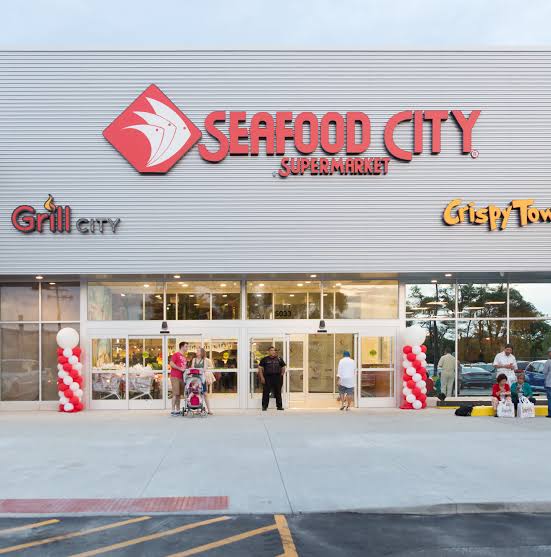
    Seafood City Supermarket, a US-based grocery chain with roots in Filipino and Asian products, has officially opened its first store in Arizona. The new location in Chandler, an East Valley city near Phoenix, marks a strategic expansion for the company into new territories.

    The Chandler supermarket is designed to be a comprehensive destination for Filipino and pan-Asian groceries, fresh produce, and seafood. This opening continues Seafood City’s growth trajectory, building on its strong presence in California and other states with significant Filipino diaspora communities.

    Expanding US Footprint

    The Chandler store joins Seafood City’s existing network across the United States and Canada. The company, founded by Filipino-American entrepreneurs, has historically focused on serving communities with a high concentration of Filipino immigrants and those seeking specific Asian food items.

    The move into Arizona represents an effort to tap into growing Asian-American populations in new regions. Supermarkets catering to specific ethnic demographics often become community hubs, offering a taste of home and a wide range of specialty goods not typically found in mainstream stores.

    Regional Retail Dynamics

    For retailers in Asia, this expansion highlights the ongoing opportunities in catering to diverse consumer preferences, particularly within diaspora communities. The success of chains like Seafood City in North America can inform strategies for Asian grocery brands considering international expansion or for local retailers looking to enhance their specialty offerings.

    RetailNews Asia observes similar trends within the Asia-Pacific region, where specialized supermarkets and food halls are emerging to serve distinct consumer groups, whether focusing on organic products, imported goods, or specific regional cuisines. The ability to create a strong cultural connection through product assortment and store experience remains a key differentiator.

  • Miniso and 99 Ranch Market Lead US Retail Growth by Prioritising Lifestyle and Community

    Miniso and 99 Ranch Market Lead US Retail Growth by Prioritising Lifestyle and Community

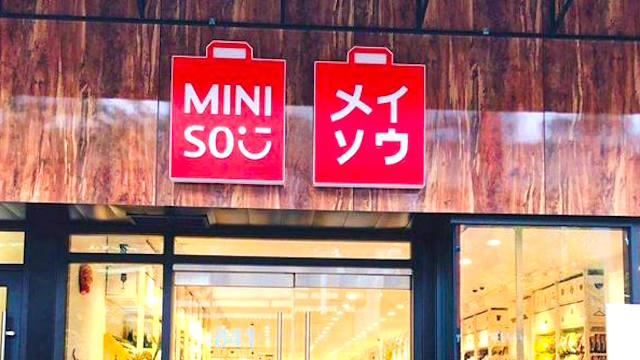
    Asian-rooted retailers Miniso and 99 Ranch Market are achieving significant growth in the United States by focusing on lifestyle connections and fostering a sense of community. The 2026 NRF Hot 25 Retailers list, compiled by Kantar, ranks the nation’s fastest-growing retail companies based on year-over-year domestic sales, with both brands making a notable impact.

    Miniso, a global lifestyle product retailer known for its affordable and aesthetically pleasing goods, secured the top spot at No. 1 on the list. 99 Ranch Market, an Asian supermarket chain, also featured prominently at No. 15. Their inclusion underscores a broader retail strategy: turning consumer lifestyle choices into deep-seated loyalty.

    Building Loyalty Through Experience

    According to Dave Marcotte, a senior vice president at Kantar, Miniso embodies the lifestyle approach in nearly all its operations. The brand’s ability to resonate with consumers on an emotional level, offering products that align with contemporary tastes and trends, is a key driver of its rapid expansion.

    Similarly, 99 Ranch Market differentiates itself through its superior offerings. Marcotte highlights the supermarket’s produce, bakery, and prepared foods as being significantly ahead of traditional chain grocers. The presentation and quality of goods are compelling enough to convert first-time visitors into loyal customers, creating a strong emotional connection.

    The Value Of Belonging In Retail

    The NRF Hot 25 Retailers list emphasises that in an increasingly complex world, a sense of belonging is vital. Retailers that successfully provide this, alongside value and convenience, are seeing stronger customer loyalty. This trend extends beyond Asian-rooted brands, with convenience store chains like Casey’s General Stores (No. 13), QuikTrip (No. 20), and Wawa (No. 24) also making the list due to their strong community ties and distinctive offerings.

    For retailers in Asia-Pacific, the success of Miniso and 99 Ranch Market offers valuable insights. Many Asian markets are already highly competitive, but these examples show that a clear focus on lifestyle integration and superior product quality can create a distinct market position and drive exponential growth. Brands across the region, from local startups to established players, are continually seeking ways to deepen consumer engagement and foster loyalty beyond just transactional interactions.

  • ANA Introduces Framework to Standardise Retail Media Measurement

    ANA Introduces Framework to Standardise Retail Media Measurement

    The Association of National Advertisers (ANA) has unveiled a new framework designed to tackle measurement challenges within the rapidly expanding retail media sector. This initiative comes as over US$100 billion is now invested globally in commerce media, with retail media networks struggling to provide consistent and comparable performance metrics across platforms.

    The ANA’s Retail Media Measurement Standardization report proposes a path towards a unified measurement ecosystem. It advocates for common standards across diverse retail media networks, increased transparency in performance calculations, and a greater reliance on independent third-party measurement providers. Leading brands, including PepsiCo, Hershey’s, Clorox, Kimberly-Clark, Mondelez, Bayer, and Intel, contributed to the framework’s development through the ANA’s Retail Media Working Group.

    Addressing Fragmentation in Retail Media

    Retail media has become one of the fastest-growing segments in the media mix, attracting significant brand investment. However, the fragmented nature of the ecosystem makes it difficult for marketers to compare the effectiveness of their spending across different platforms. This new framework seeks to establish a foundational measurement standard, allowing brands to better understand what truly drives results and to optimise their media strategies more effectively.

    For retailers and brands operating in Asia-Pacific, where e-commerce and digital retail media are also experiencing explosive growth, standardisation is crucial. As platforms like Lazada, Shopee, and regional supermarket chains expand their advertising offerings, consistent measurement practices would enable brands to allocate budgets more strategically and demonstrate clear returns on investment across diverse Asian markets. This move by the ANA provides a potential blueprint for similar efforts in the region, helping to mature the retail media landscape.

    Call For Transparency And Independent Verification

    The framework highlights three key areas for improvement: the establishment of common measurement standards that all retail media networks can adopt, enhanced transparency regarding how performance metrics are calculated and presented, and a wider acceptance and use of independent third-party measurement solutions. These recommendations aim to instill greater confidence among advertisers and foster healthier competition within the retail media space.

  • H Mart Orlando Unveils Expanded Asian Food Hall

    H Mart Orlando Unveils Expanded Asian Food Hall

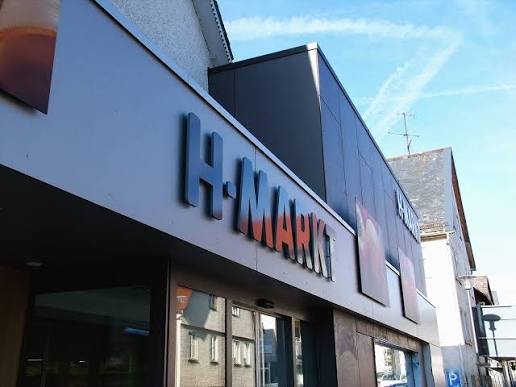
    H Mart, America’s prominent Asian supermarket chain, will significantly enhance its customer experience with the Phase 2 grand opening of an expanded food hall in its Orlando, Florida, supermarket. The new extension is scheduled to launch on August 21, 2026, at 10:30 a.m. Local time, with regular operating hours set from 10:30 a.m. To 9:00 p.m. Daily.

    Located at 7501 W Colonial Dr, the Orlando supermarket, which opened last year and spans over 100,074 square feet, has already established itself as a community hub. The food hall expansion doubles the available dining choices, offering a wider array of culinary experiences. This move reinforces H Mart’s ongoing commitment to innovation and service excellence, bringing diverse Asian flavors under one roof.

    Expanding Culinary Horizons

    The expanded food hall aims to redefine convenience and variety by bringing together popular Asian fast-casual favorites. Customers can expect a diverse range of dishes, all prepared with fresh ingredients and authentic flavors. Offerings will include Korean street food, iconic Korean fried chicken, sweet stuffed hotteok, and savory Japanese curries.

    Brian Kwon, President of H Mart, stated the company’s enthusiasm for the expansion, emphasizing its dedication to sharing Asian food culture with the community. He affirmed the commitment to maintaining the high quality of food and service customers have come to expect. This expansion aligns with H Mart’s strategy to provide a holistic experience that combines shopping, dining, and entertainment.

    New Dining Concepts Introduced

    The new extension will introduce six distinct dining stalls, each offering a unique culinary focus. These additions are designed to create an upscale ambiance within the cultural space of the food hall. The new establishments include:

    • Curry 88: Specializing in Japanese Curry
    • Mari Mari: Offering Maki Rolls, Inari, and Noodles
    • Seoul Hotteok: Featuring Korean Traditional Dessert
    • bb.q Chicken: Known for Korea’s Finest Fried Chicken
    • Dduk Dabang: Serving Korean Street Food
    • SORIMMARA: A Korean Style Mala Restaurant

    H Mart’s strategic move to integrate an extensive food hall within its supermarket model echoes a broader trend observed across Asia, where retailers increasingly blend grocery shopping with experiential dining. In markets like South Korea and Japan, large-format supermarkets often feature diverse food courts and prepared food sections, drawing customers in not just for staples but also for a complete lifestyle experience. This US expansion by an Asian grocery giant highlights the growing global appeal of Asian culinary diversity and the evolution of the supermarket format into a comprehensive lifestyle destination.

  • Hyderabad Indian Grill Expands US Presence with New Wisconsin Outlet

    Hyderabad Indian Grill Expands US Presence with New Wisconsin Outlet

    Hyderabad Indian Grill, a restaurant chain established by Minnesota restaurateur Sasi Nimmigadda, has launched its inaugural Wisconsin location in Eau Claire. The new outlet, named Hello Hyderabad, commenced operations on August 5, 2026, at 2831 Hendrickson Drive.

    This expansion marks the first venture for the Hyderabad Indian Grill chain into the Wisconsin market, occupying a 1,500-square-foot space. The restaurant provides both dine-in seating and carry-out services via third-party delivery partners. Its menu features a selection of Indian dishes, including freshly baked naan, curries, butter chicken, samosas, and Hyderabad’s signature biryani. Hello Hyderabad operates daily from 10 am to 11:45 pm.

    Indian Cuisine Sees US Growth

    The opening of Hello Hyderabad contributes to a developing Indian cuisine scene in the Chippewa Valley region of Wisconsin. Another Indian eatery, New India Curry House, is also set to open in Oakwood Mall, taking over a former Five Guys location. This establishment will offer lunch and dinner menus, with prices ranging from approximately $15 to $35 for dinner and under $16 for lunch. These developments highlight a broader trend of increasing demand for diverse international culinary options in regional US markets.

    Across Asia-Pacific, RetailNews Asia observes a similar pattern of regional food concepts expanding beyond their home markets. For instance, numerous Southeast Asian and South Asian restaurant chains have successfully launched outlets in countries like Australia, New Zealand, and parts of North America, capitalising on diaspora communities and growing interest in authentic ethnic cuisines. This strategy often involves adapting formats for smaller spaces or integrating with existing retail environments like shopping malls, mirroring the approach taken by Hello Hyderabad and New India Curry House.

    Diverse Culinary Landscape Emerges

    Beyond Indian cuisine, the Eau Claire area is also anticipating new additions that show a varied international culinary landscape. Condesa Grill, a Brazilian and fusion-style steakhouse, plans an October opening in downtown Eau Claire. This 7,000-square-foot restaurant, owned by JP Nunez, will feature a wood-fired grill, prime-grade steaks, fresh seafood, and Latin-inspired dishes curated by a Michelin-trained chef consultant.

    Also, That’s a Wrap: Eats & More recently opened in Chippewa Falls, offering gourmet wraps and planning to introduce Detroit-style pizza. A new Mexican restaurant, Oleo, is also expected to open in Eau Claire at the former Manny’s Cocina location, with a soft opening potentially by the end of August.

  • SEC Regulation Proposal Drives Bitcoin and Ethereum Price Gains

    SEC Regulation Proposal Drives Bitcoin and Ethereum Price Gains

    Bitcoin and Ethereum saw price increases following an announcement from the US Securities and Exchange Commission (SEC) regarding proposed new regulations for crypto assets. The move, aimed at providing a clearer operational framework for the nascent industry, was positively received by the market.

    As of Wednesday, August 19, 2026, Bitcoin opened at $64,681.22, marking a 0.3% increase from the previous day, and climbed to $64,877.66 in early trading. Ethereum also experienced a boost, opening at $1,916.47, up 0.2%, and reaching $1,936.31 during the same period. These gains come as global financial markets, including those in Asia, continue to watch regulatory developments closely for their impact on crypto adoption and stability.

    New Regulatory Framework Unveiled

    The proposed SEC rules outline a framework for crypto companies seeking to raise capital, introducing two exemptions for crypto-related investment contracts. While allowing for flexibility, the regulations mandate certain disclosures from issuers. Larger offerings will be required to provide financial statements and adhere to ongoing reporting standards.

    A key aspect of the proposal is the provision for certain crypto assets to shed their securities classification and related reporting requirements once a project fulfills its core managerial commitments. This could particularly benefit established networks such as Bitcoin and Ethereum, signalling a potential path to greater regulatory clarity and reduced compliance burdens for mature digital assets.

    Market Performance And Tax Implications

    Despite recent gains, both major cryptocurrencies have faced significant headwinds over the past year. Bitcoin’s current price is down 44.4% year-on-year, while Ethereum has fallen 55.6% over the same period. One week ago, Bitcoin was up 1.8%, and Ethereum rose 1.9%. Over the last month, Bitcoin experienced a slight dip of 0.2%, whereas Ethereum saw a 3% increase.

    The US regulatory body also emphasized that profits from cryptocurrency transactions are subject to taxation. This includes sales of digital assets for more than their purchase price, as well as exchanges between different cryptocurrencies. The tax rate depends on the holding period; assets held for less than a year typically incur higher short-term capital gains rates, while longer holding periods benefit from lower long-term rates. This tax clarity, while not new, continues to shape investor behavior and compliance efforts across financial markets, including Asia where similar tax discussions are ongoing in various jurisdictions.

    The all-time high for Bitcoin was $126,198.07 on October 6, 2025. The all-time high for Ethereum was $4,953.73 on August 24, 2025.

  • Trump Urges Congress to Pass Clarity Act for Cryptocurrency Regulation

    Trump Urges Congress to Pass Clarity Act for Cryptocurrency Regulation

    Former US President Donald Trump has urged Congress to pass the Clarity Act, a bipartisan legislative proposal aimed at establishing clear regulatory guidelines for the cryptocurrency sector. Speaking at the White House on Wednesday, August 19, 2026, Trump emphasized the importance of the bill for maintaining America’s leadership in digital asset innovation.

    The President convened crypto industry leaders, including executives from Coinbase, Kraken, and Robinhood, alongside regulators from the Securities and Exchange Commission (SEC) and the Commodity Futures Trading Commission (CFTC). He lauded the industry’s efforts in fostering commercial markets within the US, stating the Clarity Act would open doors for future innovation and help the country stay ahead of rivals like China.

    This move is particularly pertinent for businesses and investors in Asia who closely monitor global regulatory trends in the digital asset space. The region has seen its own efforts to clarify crypto regulations, with countries like Singapore and Hong Kong actively working on frameworks to attract and govern digital asset businesses.

    Aims of the Clarity Act

    The Digital Asset Market Clarity Act seeks to provide a definitive statutory framework for cryptocurrencies. Its core objective is to end the SEC’s practice of ‘regulation through enforcement’ by clearly defining which digital assets are securities and which are commodities. The bill also incorporates consumer protection measures, allocating approximately $150 million for anti-fraud initiatives and imposing resale restrictions on insiders to curb ‘pump-and-dump’ schemes, where asset prices are artificially inflated before being sold off.

    Currently, the legislation is stalled in the Senate due to partisan disagreements over ethics provisions. It is expected to be reconsidered when the Senate reconvenes on September 15. Coinbase CEO Brian Armstrong expressed strong support for the bill at the event, noting it would ensure the administration’s progress in this sector endures for decades.

    Political Opposition and Conflicts of Interest

    The Clarity Act faces significant opposition from some Democratic lawmakers, who voice concerns about potential presidential conflicts of interest. Senator Elizabeth Warren, D-Mass., criticized the bill, highlighting Trump’s substantial earnings from cryptocurrency ventures. She argued the legislation does not adequately protect investors or the financial system.

    In June, the President disclosed nearly $1.2 billion in income from his crypto businesses in 2025, including $526 million from World Liberty Financial, a venture he co-founded, and over $600 million from CIC Digital LLC, which sells souvenir ‘meme’ coins. These earnings have prompted criticism, with former Trump White House special counsel Ty Cobb suggesting the President’s involvement in these ventures, coupled with policy creation that benefits himself and his family, raises legal and ethical questions.

    Despite political hurdles, the SEC proposed a new Crypto Assets Rule on Tuesday that aims to facilitate capital raising for crypto entrepreneurs in the US. SEC Chairman Paul Atkins affirmed the agency’s support for the Clarity Act, viewing it as a critical step. Similarly, the CFTC is set to hold its first innovation advisory committee meeting on Thursday to discuss its regulatory plans, with Chairman Michael Selig underscoring that clear rules foster confidence, attract investment, and create jobs.

  • US Market Could Open to Affordable Chinese EVs, Analysts Suggest

    US Market Could Open to Affordable Chinese EVs, Analysts Suggest

    The United States market is likely to open its doors to Chinese electric vehicle (EV) brands within the next few years, driven by growing consumer demand for affordable models. Despite existing trade barriers, analysts anticipate that the need for competitively priced EVs will eventually compel market access for Chinese manufacturers.

    Demand Outweighs Trade Barriers

    Currently, Chinese EV makers face significant hurdles in entering the US market, primarily due to protectionist trade policies. However, the analysis suggests that these barriers may not be sustainable in the long term, as American consumers increasingly seek more economical options for electric transportation. The rapid advancements and cost efficiencies achieved by Chinese EV companies like BYD and Nio make their offerings particularly attractive in a market where EV adoption is still highly dependent on price points.

    This potential shift underscores a broader global trend where affordability is becoming a key determinant in EV market penetration. Chinese companies have invested heavily in scaling production and refining manufacturing processes, allowing them to offer models at price points that Western counterparts struggle to match. Should the US market indeed open, it would represent a significant expansion opportunity for Chinese automotive giants, challenging established players and potentially accelerating the global transition to electric vehicles.

    Implications for Asian Automotive Sector

    For the Asian automotive and consumer tech sectors, this development holds considerable weight. A successful entry into the US market by Chinese EV brands would validate their global competitiveness and potentially set a precedent for other developing markets. It could also intensify the focus on cost-effective EV production and innovation across the Asia-Pacific region, as manufacturers strive to meet similar consumer expectations for affordability and advanced technology. RetailNews Asia has observed a similar push for budget-friendly EV options in Southeast Asian markets, where Chinese brands are already making significant inroads and influencing local market dynamics.

  • Korea’s Chief Trade Negotiator Dismissed Amid Escalating US Tariff Pressure

    Korea’s Chief Trade Negotiator Dismissed Amid Escalating US Tariff Pressure

    South Korea’s chief trade negotiator, Yeo Han-koo, has been dismissed from his role. The Ministry of Personnel Management notified Yeo of his dismissal on Friday, according to officials. This decision occurs amid heightened pressure from the United States regarding tariffs and other bilateral trade issues.

    A Ministry of Trade, Industry and Energy official confirmed the dismissal but did not provide a specific reason. Despite speculation linking his departure to tariff negotiations between Seoul and Washington, a government official speaking to Yonhap News Agency stated that the dismissal was unrelated to these talks. Yeo himself addressed rumors of personal misconduct, calling them unfounded and threatening legal action against false reports.

    Mounting US Pressure

    The dismissal happens at a critical juncture for bilateral trade relations. The United States is pressing Seoul to accelerate its investment commitments under a prior tariff agreement. Also, there is an ongoing dispute concerning fines imposed on the US-listed e-commerce giant Coupang for a personal data breach.

    Just days before Yeo’s dismissal, on Thursday, US President Donald Trump signed a proclamation imposing new tariffs. These included a 15 percent levy on drones and their components imported from Korea, among other items. Yeo had previously served as trade minister under the Moon Jae-in administration and was reappointed in May 2025 by the Lee Jae Myung administration, playing a key role in trade discussions with Washington.

  • Popular K-beauty Brand, Mamonde Arrives in US

    Popular K-beauty Brand, Mamonde Arrives in US

    South Korean beauty brand Mamonde has expanded into the US via the Ulta retail chain.

    This marks the brand’s first foray outside its home market and the company expects the exclusive retail partnership to be the first step of a broader international foray.

    “We’re delighted to be the exclusive US brick and mortar retailer for Mamonde, with many additional items especially developed for Ulta Beauty,” said Penny Coy, Ulta VP of merchandising, prestige skincare and fragrance.

    The new Mamonde K-beauty skincare collection ranges in price from US$7 to US$38, and is available in select Ulta stores nationwide from this week.

    The complete collection is also available online at Ulta.com.

    Owned by AmorePacific, Mamonde features a full range of nature-inspired, made from flowers cultivated in the Mamonde Garden just outside of Seoul, South Korea.

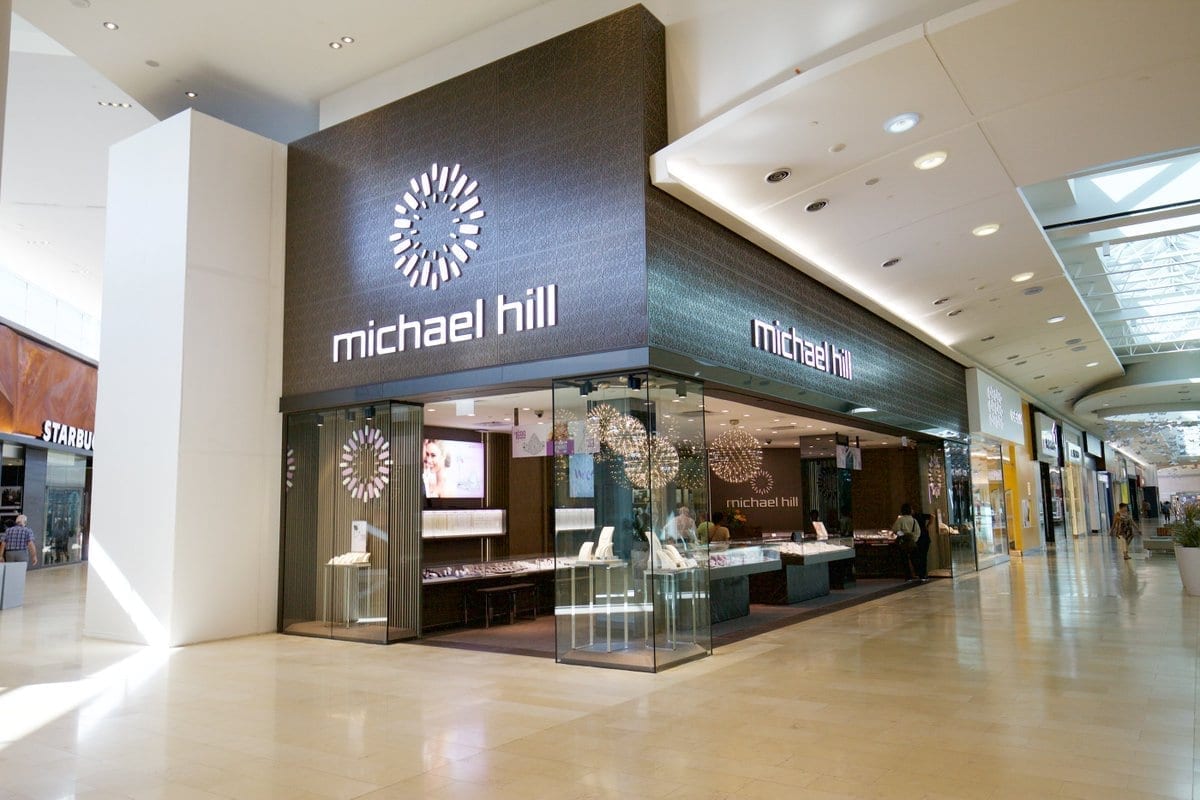
  • Michael Hill to step out from US market

    Michael Hill to step out from US market

    New Zealand jeweller Michael Hill is to close down its US operations following a strategic review.

    The complete exit of its loss-making retail operations in the US comes after continued poor performance saw same-store sales drop a further 10 per cent in the retailer’s most recent trading update.

    Since launching in the US in 2008, the Michael Hill US business has struggled to provide a return for the group despite significant investment into developing a viable business model.

    “Our time in the highly competitive US jewellery market taught us a lot and helped to strengthen our core business including the development of our bridal collection strategy and the development of our professional care plan,” said Taylor.

    “However, our US operations have not gained sufficient traction in recent years and the level of capital required to scale-up the business is not warranted under current trading conditions.”

    After the US closures are finalised, Michael Hill will continue to operate more than 300 stores globally, including 172 in Australia, 53 in New Zealand and 83 in Canada.

    The company said it continues to see significant long-term value in its Australia, New Zealand and Canada businesses. which continue to perform strongly. During the first half of the current year, those stores accounted for 95 per cent of total group revenue and recorded same-store sales and total revenue growth of 1 per cent and 5 per cent respectively.

  • US Gov’t Shutdown Unlikely to Impact Indonesian Economy

    US Gov’t Shutdown Unlikely to Impact Indonesian Economy

    The United States government shutdown will not have a significant impact on the Indonesian economy if it lasts for only a short time, because export markets rely on the private sector, a minister said on Monday (22/01).

    US senators were unable to reach an agreement on a bill to fund federal agencies through Feb. 16, which forced hundreds of thousands of employees in non-essential sectors to be on unpaid leave and more than a million people in essential sectors to work unpaid until a funding deal is renewed.

    Essential workers are those dealing with public safety and national security, such as the military and hospitals.

    “If it is only for the short term; it will not [impact Indonesia],” National Development Planning Minister Bambang Brodjonegoro said.

    Bambang added that in the short term, the shutdown will not disrupt Indonesia’s exports to the United States as they are mostly dealt with the private sector.

    Central Statistics Agency (BPS) data shows Indonesian exports to the United States accounted for 11.2 percent of the country’s total, amounting to $17.1 billion annually and dominated by a combination of commodities, such as rubber and shrimps; and non-high-tech manufacturing products, such as furniture, textiles and footwear.

    Mohammad Faisal, an economist at Jakarta-based research firm CORE Indonesia, predicts that the shutdown will unlikely last for more than a month, based on previous shutdowns.

    The United States has had 18 federal government shutdowns since 1976, with the longest having been for 21 days between December 1995 and January 1996.

    Mohammad said the last shutdown in 2013 during Barack Obama’s administration lasted for 16 days and did not have a significant impact on the global economy, including developing countries such as Indonesia.

    Getting Ready

    Bhima Yudhistira Adinegara, an economist at the Institute for Development of Economics and Finance (Indef), said the government must start preparing for risk mitigation as President Donald Trump’s term in office will only end in 2021.

    “This is Trump’s first year of arranging the government budget … if these keep repeating, Indonesia must have a way to mitigate the risk,” Bhima said.

    If the current shutdown lasts less than 20 days, Indonesia’s foreign exchange reserves of $130 billion are still sufficient to stabilize the rupiah exchange rate, according to the latest figures.

    However, Bhima said Indonesia has to increase its foreign exchange reserves as a “safety net” against external influences by promoting non-oil and gas exports and tourism.

    He added that Indonesia should decrease its dependence on the US market by accelerating trade agreements with nontraditional trading partners, such as Chile, Russia and countries in Eastern Europe and Africa, to diversify the country’s markets.

    For the time being, Bhima said the US dollar exchange rate will have a minimal impact on the rupiah over the next two weeks as it is still within the controlled range of Rp 13,350 to Rp 13,400.