Tag: united states

  • WTO gives US deadline to fix anti-China practices

    WTO gives US deadline to fix anti-China practices

    A World Trade Organization arbitrator on Friday gave Washington until August 22 to implement a prior ruling faulting the anti-dumping measures taken against Chinese products.

    The WTO’s Dispute Settlement Body ruled last May that some of the US anti-dumping practices were inconsistent with international trade rules.

    Arbitrator Simon Farbenbloom said in a report that it was “reasonable” to expect the United States to implement the ruling within 15 months.

    “The reasonable period of time for implementation will expire on Aug 22, 2018,” he said.

    The case dates back to December 2013, when China filed a dispute against the United States, taking issue with the way Washington assesses whether exports have been “dumped” at unfairly low prices onto the US market.

    The use of anti-dumping duties are permitted under international trade rules as long as they adhere to strict conditions, and disputes over their use are often brought before the WTO’s Dispute Settlement Body.

    In this specific case, China alleged that the United States, in violation of WTO rules, was continuing a practice known as “zeroing”, which calculates the price of imports compared to the normal value in the United States to determine predatory pricing.

    In October 2016, a panel of WTO experts found largely in China’s favour in the case, including on the issue of “zeroing”.

    The United States, which has repeatedly lost cases before the WTO over its calculation method, said in June 2017 that it would implement the panel’s recommendations, saying it would do so within a “reasonable” time frame.

    This prompted China to ask the WTO to appoint an arbitrator to set an end date.

    The 162-member Geneva-based WTO aims to create a level playing field in global trade, although US President Donald Trump’s trade envoys maintain the organisation has given unfair advantages to China at the expense of the United States.

  • Nissan’s ePower tech coming to U.S. vehicle

    Nissan’s ePower tech coming to U.S. vehicle

    Startled by enthusiastic consumer demand for ePower in Japan last year, Nissan Motor Co. now plans to introduce the electric motor-powered technology to its vehicles in the U.S.

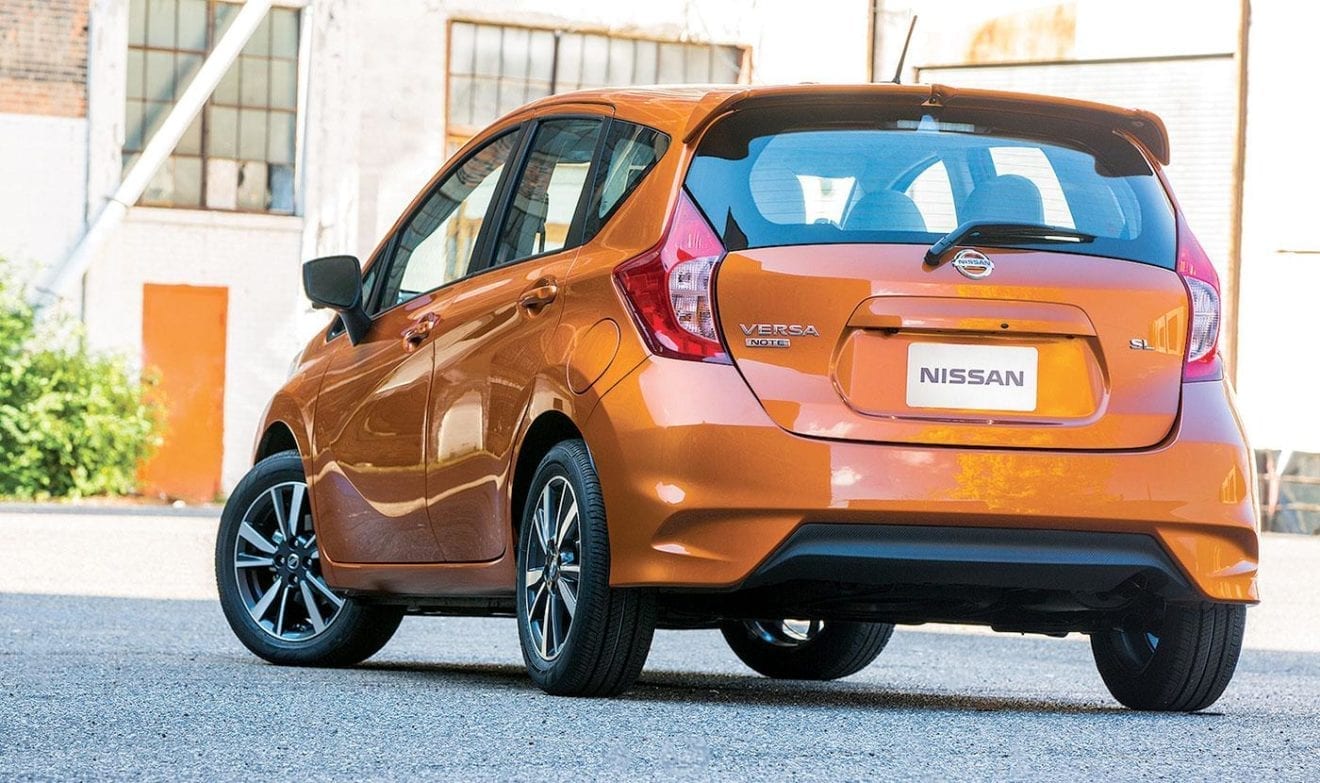
    But unlike its Japanese application in the humble subcompact Note, Nissan will more likely use ePower here as an option on higher-end vehicles, said Philippe Klein, the automaker’s chief planning officer said last week.

    Klein did not say which Nissan brand products might receive ePower but suggested it will begin with higher-priced nameplates that can absorb the added cost of the powertrain.

    Meanwhile, Klein’s boss, Nissan CEO Hiroto Saikawa said that Infiniti will begin offering ePower in the near future. Saikawa said ePower will play a key role in Infiniti’s move to almost completely electrify its lineup starting in 2021.

    The technology, essentially a range extender, appears on the Note in Japan.

    Saikawa said that every Infiniti that appears in or after 2021 will either be a full electric vehicle or have an ePower powertrain.

    The technology reached the market in Japan as a powertrain option on the Note in late 2016. But in 2017, its first full year of availability, it had a 65 percent take rate on the car, Klein said.

    “Our strategy is to expand to other vehicles and to other markets,” Klein said. “It’s not only for small vehicles. We’re going to go to bigger vehicles.”

    The system is essentially a range extender in which an electric motor propels the vehicle at all times. A battery provides the power for the motor. A gasoline engine is used to charge the battery when necessary.

    The system delivers a fuel economy rating of about 77 mpg under Japan’s testing protocol, which is not comparable to U.S. testing methods.

    But Klein said fuel economy is only half the attraction to consumers. A second appeal is the powertrain’s exhilarating acceleration, he said, which is something that will appeal to buyers of any vehicle.

    “One part of it is the rational — lower gas costs. The other issue is emotional,” he said. “The driving experience is very close to that of an electric vehicle. Contrary to a conventional hybrid, you have the smooth acceleration of an electric vehicle.”

    Klein said that ePower has helped Nissan increase the revenue generated by the Note, and also has allowed Nissan to reposition the Note in Japan as a more upscale model.

    He added that Nissan believes the technology also provides an alternative to diesel powertrains in Europe.

    The company is considering offering ePower there as regulations make it harder to sell diesel vehicles.

    Its immediate benefit as a new source of fuel economy is not so clear for the U.S. market, he said. “But the benefits of being emotional and fun to drive might apply in the U.S. for some categories of vehicles,” he said. “So it’s part of the strategy.”

  • China’s Huawei setback in US market amid national security concerns

    China’s Huawei setback in US market amid national security concerns

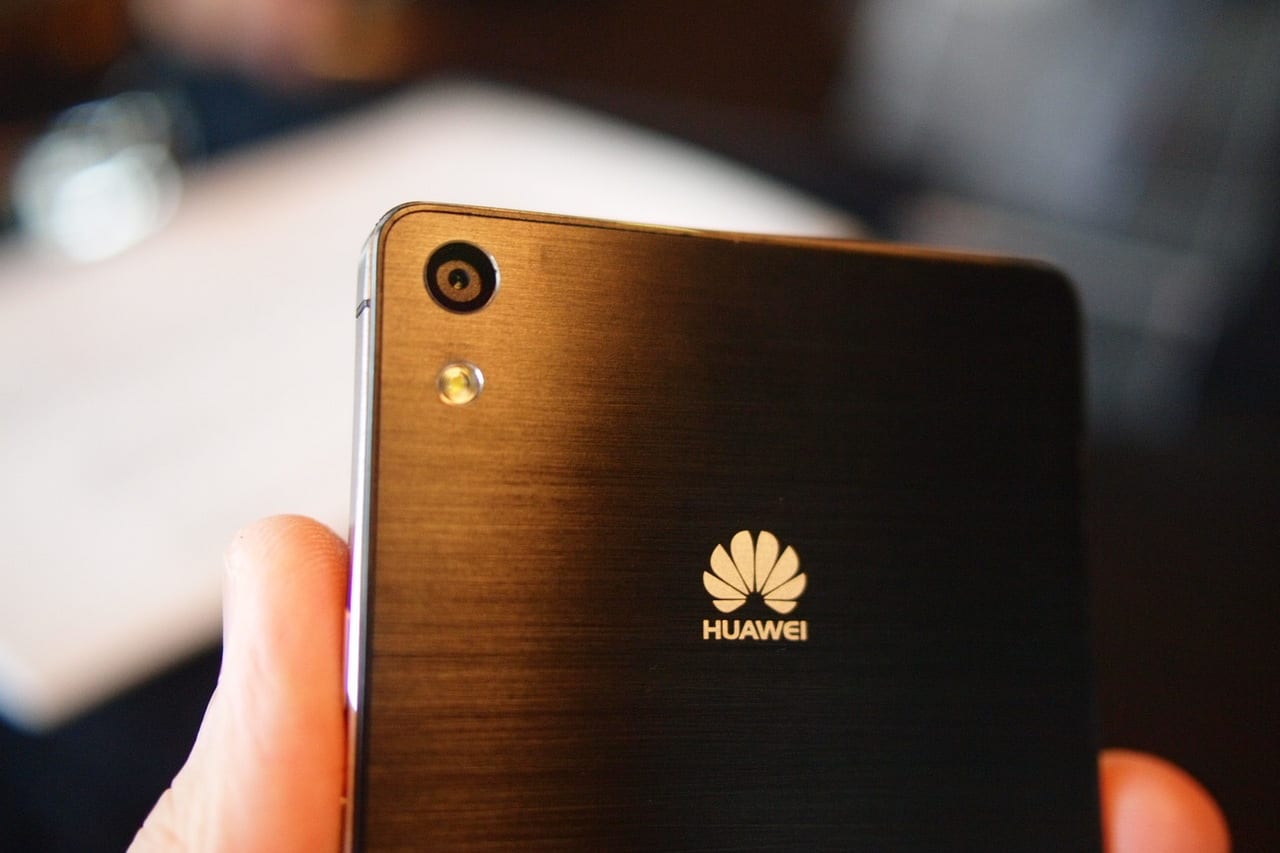
    Chinese tech giant Huawei faces a major setback in efforts to expand in the U.S. smartphone market following renewed national security concerns, documents showed.

    Huawei, which appeared to lose a deal with AT&T that would have given it an improved foothold in the handset market, faced criticism from U.S. lawmakers over its intellectual property protection and its ties to Chinese intelligence, according to a letter seen by AFP this week.

    The letter, signed by 18 members of the House and Senate intelligence panels, expressed concerns first voiced in 2013 by congressional investigators.

    The document said that later information obtained by the committees “only reinforces our concerns regarding Huawei and Chinese espionage.”

    The letter dated December 20 was sent to the U.S. Federal Communications Commission with copies to the Justice Department, FBI, CIA and Department of Homeland Security.

    It said the FCC “would benefit from Intelligence Community briefings on the threat Huawei and other Chinese technology companies pose.”

    Huawei has become the world’s third largest smartphone maker — but its U.S. presence has been limited by a lack of agreements with wireless carriers, which sell most devices.

    The company’s consumer business chief Richard Yu was a keynote speaker Monday at the Consumer Electronics Show, where an expected announcement with AT&T failed to happen.

    Yu did not directly address concerns in the letter, but said it was “unfortunate” that Huawei would not be selling in the U.S. through carrier channels.

    “It’s a big loss for us and also for carriers,” he said. “But the more big loss is for consumers.”

    In addition to the AT&T deal, a potential agreement with another major wireless carrier, Verizon, was also in jeopardy, according to media reports.

    A Huawei spokesman said the company would not comment on rumors or speculation and did not respond to the letter, which was revealed earlier this week by U.S. media.

    The company said it would release new products to U.S. consumers as unlocked devices through retail channels, reaching a smaller market.

    “We have the strongest confidence in our products and will continue to innovate and break new ground,” Huawei said in a written statement.

    “At the same time, we believe that U.S. consumers deserve equal opportunity and the choice to enjoy the best technology and more smartphone options through more channels… At Huawei, privacy and security are always our first priority.”

    The statement added: “We are compliant with the world’s most stringent privacy protection frameworks… We have gained the trust of over 150 million customers in the past year alone, and now sell our devices through more than 45 of the top 50 global carriers.”

  • Carl F. Bucherer Launches Influencer Campaign in the US

    Carl F. Bucherer Launches Influencer Campaign in the US

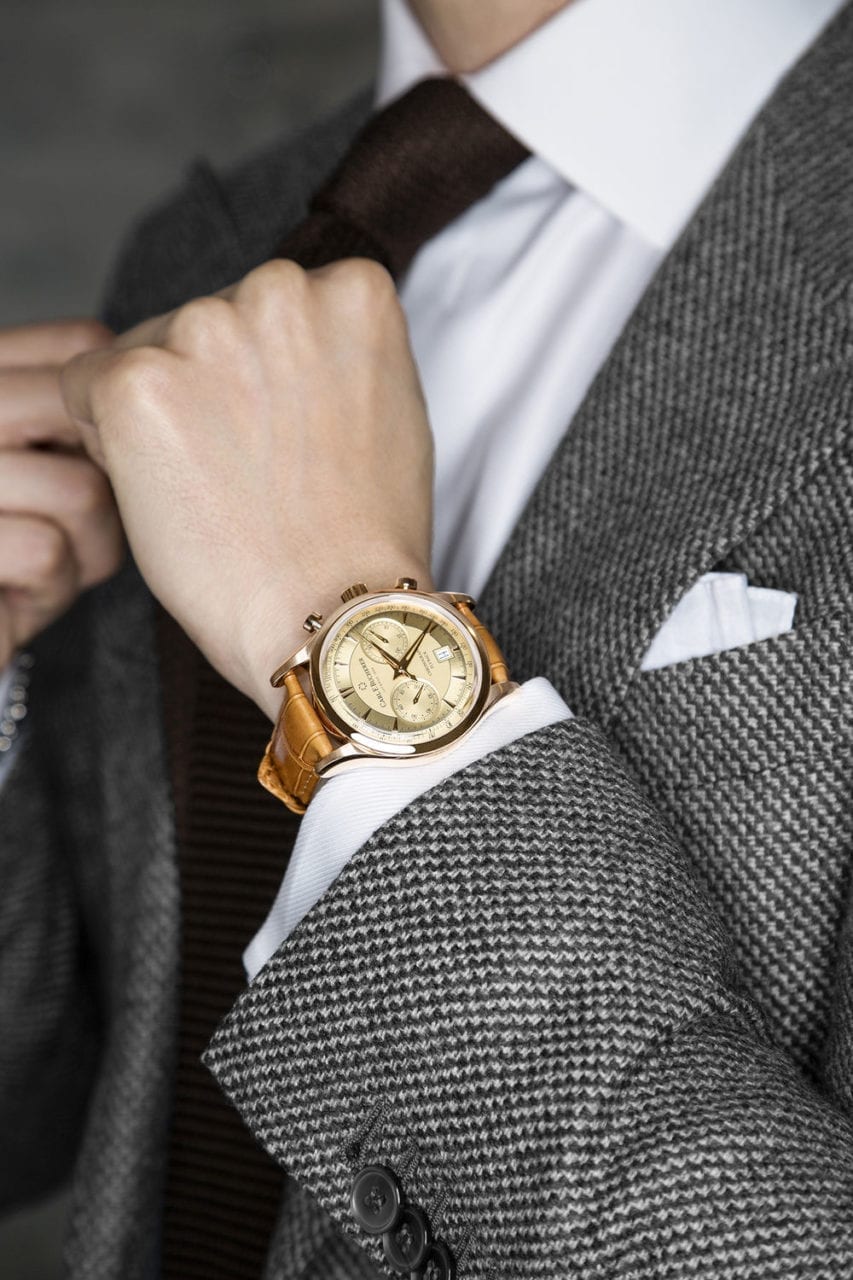
    Carl F. Bucherer has launched an extensive new influencer campaign inspired by the urban spirit of its Manero Flyback watches. In keeping with the claim “Wherever time takes you, Lucerne travels with you,” the campaign features five highly popular US influencers that live its spirit in different ways. Among them is successful menswear and lifestyle blogger Blake Scott, who now has become the watch manufacturer’s first digital brand ambassador.

    Carl F. Bucherer has been continuously expanding its digital presence over the course of the past few years. “Launching a global influencer campaign is the next step in our efforts to increase brand awareness and engage more directly with style aficionados,” says Danijela Andjelic, Head of Digital at Carl F. Bucherer. As part of the campaign, the brand is strengthening its relationship with five successful US men’s lifestyle bloggers – Blake Scott, Adam Gallagher, Luke Ditella, Brian Sacawa, and Igee Okafor – who were selected by the Swiss watch manufacturer as they all embody the fashion sense of a modern urban gentleman in their own way. These men are a perfect match for the Manero Flyback by Carl F. Bucherer, a key model for the brand. With its sleek style and multifaceted dial, the Manero Flyback is a watch that truly stands out from the crowd and is a wonderfully sophisticated accessory for global citi-zens with an eclectic sense of style.


    Carl F. Bucherer is delighted to welcome Blake Scott as the brand’s first digital brand ambassador as part of the “ Wherever time takes you, Lucerne travels with you ” campaign. The successful LA-based lifestyle ex-pert created the very popular blog The Scott Effect ( thescotteffect.com ) and currently has more than 481,000 followers on Instagram.

  • Miniso US launching in California

    Miniso US launching in California

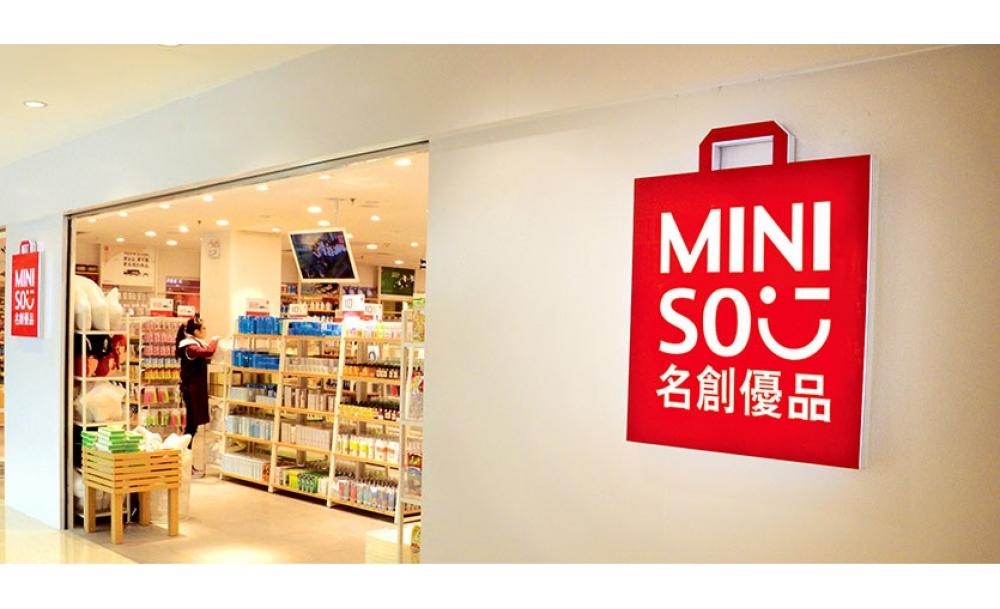
    Miniso US opens its first store on April 21, in Pasadena, California.

    Established in 2013, Miniso is a variety store founded by Japanese designer Miyake Junya and Chinese entrepreneur Ye Guofu. The store offers designer-quality products including cosmetics, home furnishings, electronics and accessories.

    More than 80 per cent of the products are designed and developed in China, Japan, Malaysia, Singapore, South Korea and Singapore. New products are launched every seven days.

    On average, Miniso opens 80 to 100 stores monthly and is anticipated to have 6000 stores by 2020 with global revenues of US$9 billion.

    The company has signed agreements in more than 40 countries and regions, including Hong Kong, Korea, Macau, Malaysia, Vietnam and Singapore.

  • Line Friends says Hello to the US

    Line Friends says Hello to the US

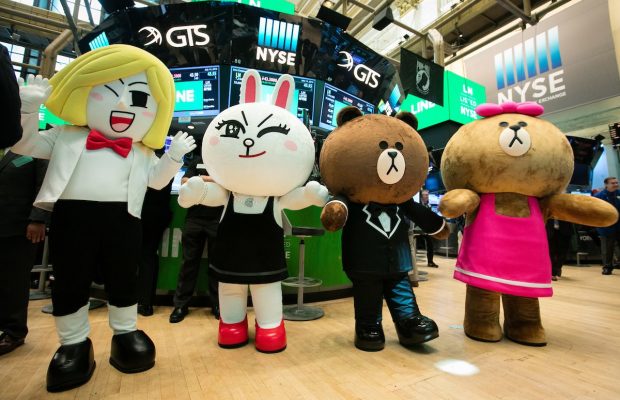
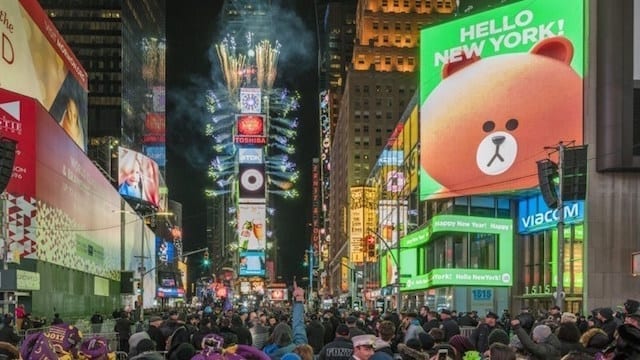
    Line Friends will become the first Asian character brand to open a large-scale official store in the US.

    Its store in New York City’s Times Square, opening in July, also marks the one-year anniversary of Line listing on the New York Stock Exchange.

    Line Friends has opened stores in 11 other countries and regions including China, Hong Kong, Japan and Taiwan, and had a pop-up store in New York City in 2014.

    Line New York

    In New York, the store will have about 430 sqm of retail space on Broadway, and will attract attention with LED billboards.

    There are 73 official and pop-up Line Friends stores around the world, and the brand also collaborates regularly with different brands, such as pen company Lamy and Italian stationery group Moleskine.

    Line Friends grew from sticker characters for the messenger app Line, which has 220 million users globally.

  • Jollibee US moving into Florida

    Jollibee US moving into Florida

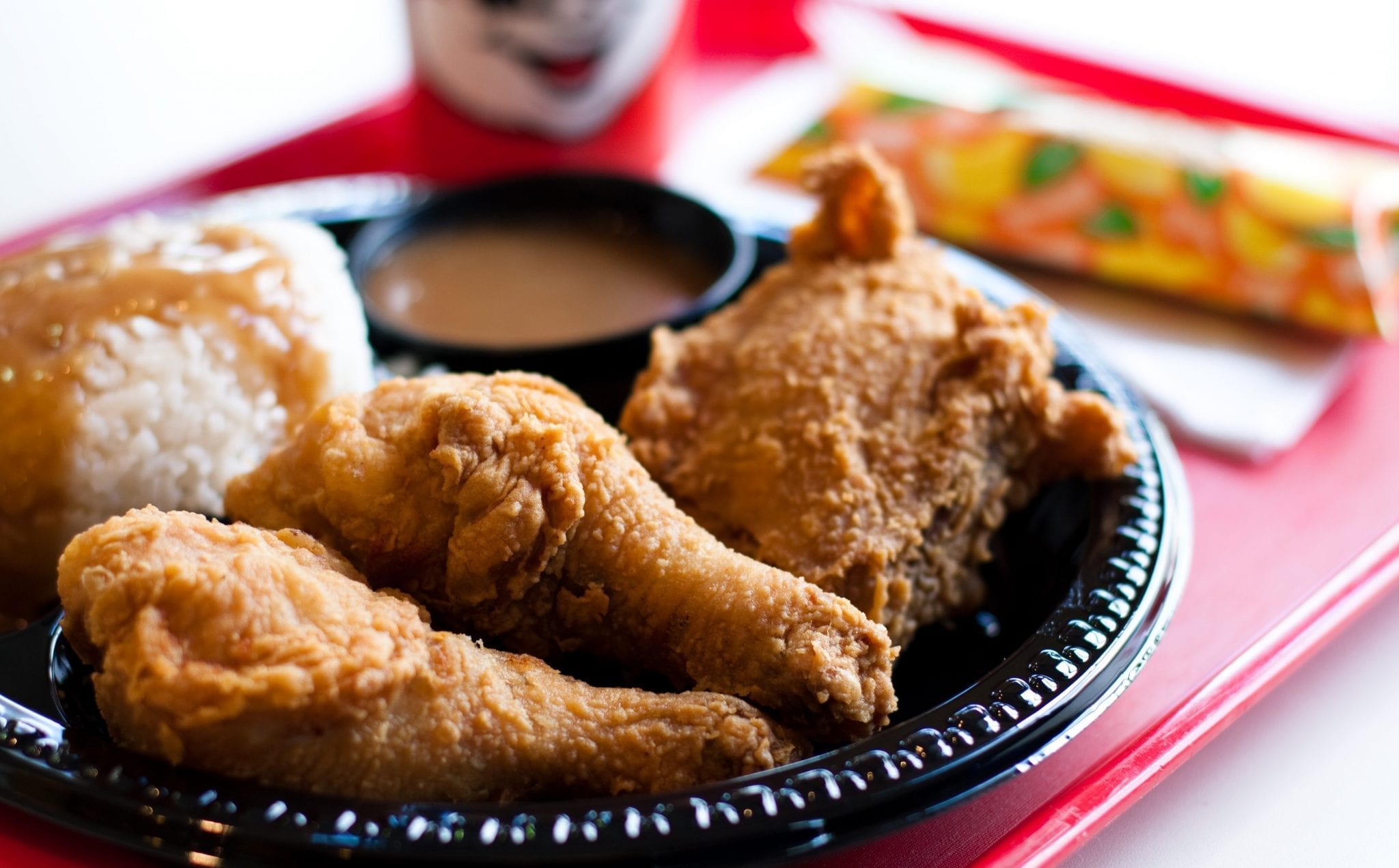
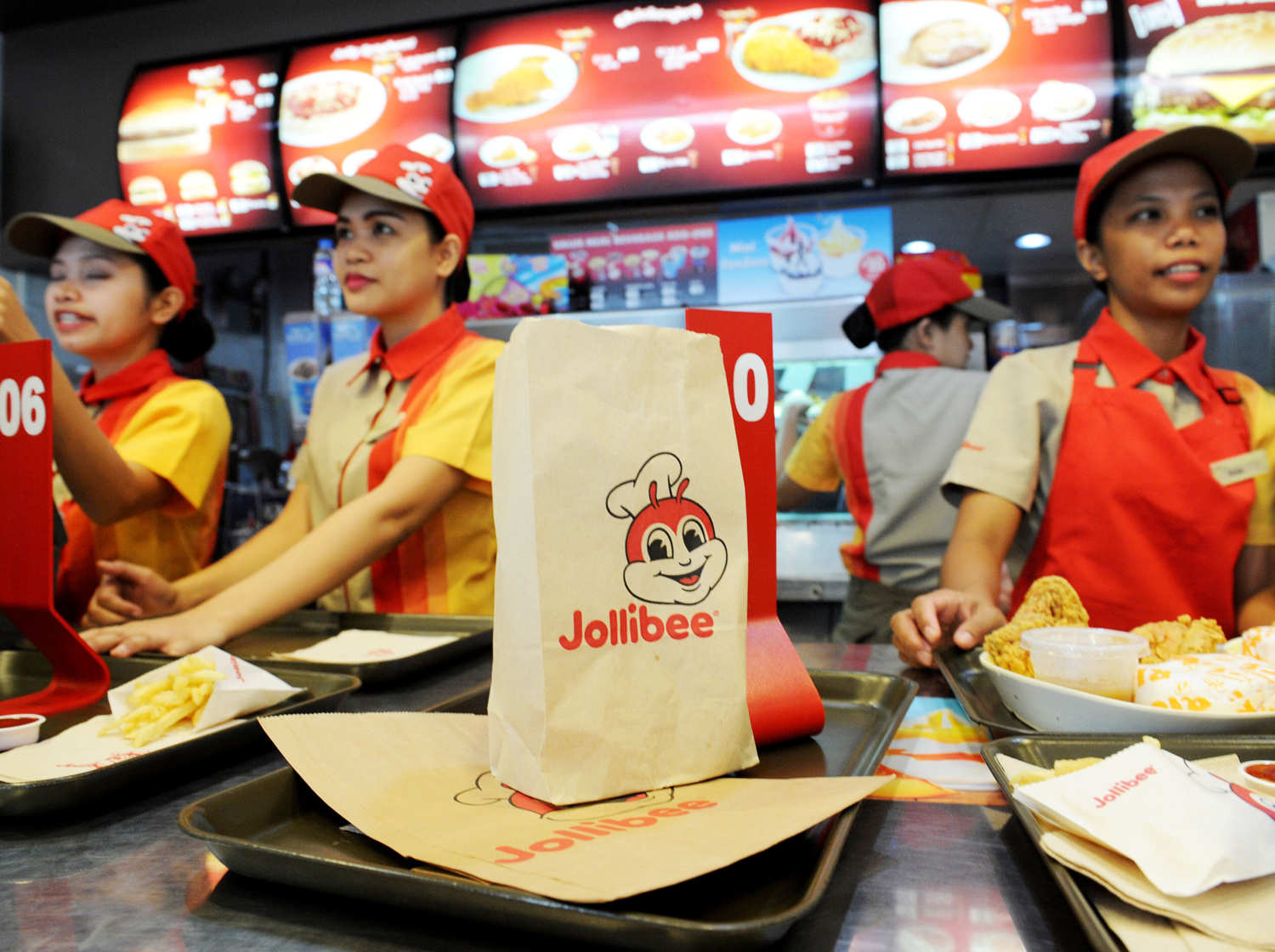
    Jollibee US will open its first fast-food restaurant in Florida on March 18, to be followed by more outlets in the city.

    A former A&W Restaurants and Kentucky Fried Chicken building covering nearly 3500 sqft (325 sqm) in Jacksonville has been renovated by the Philippines-based chain. It is next to The Potter’s House Soul Food Bistro in Keman Village shopping centre.

    Starting as an ice cream parlor in the Philippines in 1975, Jollibee expanded into the US in 1998, opening in Daly City, near San Francisco, to cater to Filipino and Filipino-American families. The Jacksonville metro area also has a Filipino community of about 17,200 people, according to the US Census Bureau.

    Jollibee says the Jacksonville move is the forerunner of further expansion in the US, where it already has 35 locations, nearly half of them in California. The group has 1111 stores worldwide.

  • What US department stores can learn from China

    What US department stores can learn from China

    Lucy Kruse loved the smell of perfume enveloping her as she entered the department stores of her youth. She remembers trying on soft leather gloves, and following a splash of color to the store’s elaborate hats with their feathers and veils. At Sakowitz in Houston, she peered into the Sky Terrace restaurant to see fashion models  sashay past the tables.

    From the Christmas windows of Marshall Field’s in Chicago to the extravagance of Neiman Marcus in Dallas, department stores once defined the modern retail experience. Created to be emporiums of pleasure, however, today they are falling off the map.

    This month, Macy’s announced the closing 100 of stores nationwide and layoffs for about 10,000 workers. The closings include three stores in Houston: Greenspoint Mall, Pasadena Town Square and West Oaks Mall.

    During the same month, Sears announced that it will close 150 stores by April — 10 percent of its locations. The company shuttered 78 stores last year and more than 200 in 2015. JCPenney, meanwhile, has announced it will be closing branches too.

    The cause, most experts say, is online shopping. “The short answer is Amazon.com,” said Harold Livesay, a professor of business history at Texas A&M University and author of Andrew Carnegie and the Rise of Big Business. “The long answer is FedEx, UPS and the Internet. The infrastructure is reliable and so is the ease of delivery. You can shop from home, and don’t have to schlep to the store.”

    In Chongqing, 20 couples compete in a kissing contest at the New Century Department Store in Yongchuan Shopping Center. The winning couple beat others with 56 minute of kissing in seven rounds with different postures. Photo: Getty Images, Visual China Group / 2015 Visual China Group

    There’s no doubt that e-commerce plays a substantial role in the demise of department stores. But customers may not be abandoning department stores just because they want to shop in their pajamas from the couch. Yet there may be more to the story.  Paradoxically, while department stores are failing in the U.S., in China many are thriving.

    According to recent research, about a third of China’s urban dwellers shop at department stores more than once a week.

    “Department stores in China are suffering from online competition too, but they are doing better than in America because they have a different kind of concept of what a department store is,” said Haiyang Li, professor of strategic management at Rice Business in Houston. “They have added different entertainment elements, like ice skating rinks and cinemas and children’s playgrounds and restaurants. Shopping is more experiential in China. It is not just grab something and go.”

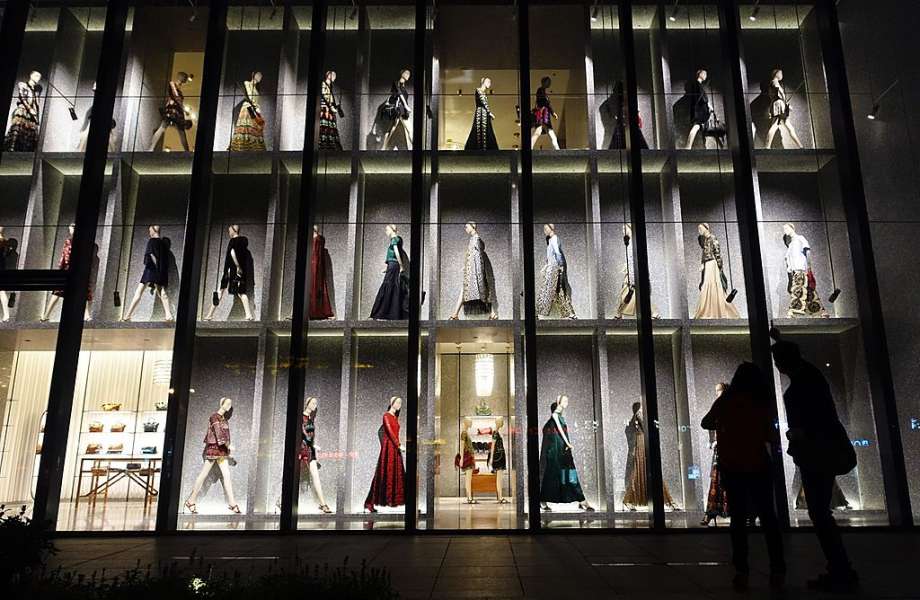
    A shop window in Shanghai. Photo: Getty Images, Johannes Eisele / AFP

    Department stores in the U.S. once offered this sense of excitement. Even small towns boasted department stores that were destinations. When Kruse, now 94, was growing up in Kingsville, she found it thrilling to take the area’s only escalator up to the tea room for lunch at Ragland’s.

    But Kruse doesn’t shop much at department stores anymore, even though she is healthy and fit. Instead, she shops online or orders out of catalogues.

    “Department stores used to be more elegant, and the staff was well-versed about the products,” she said. “The clerks really aren’t very helpful anymore. Shopping has become a chore and there is almost too much to choose from.”
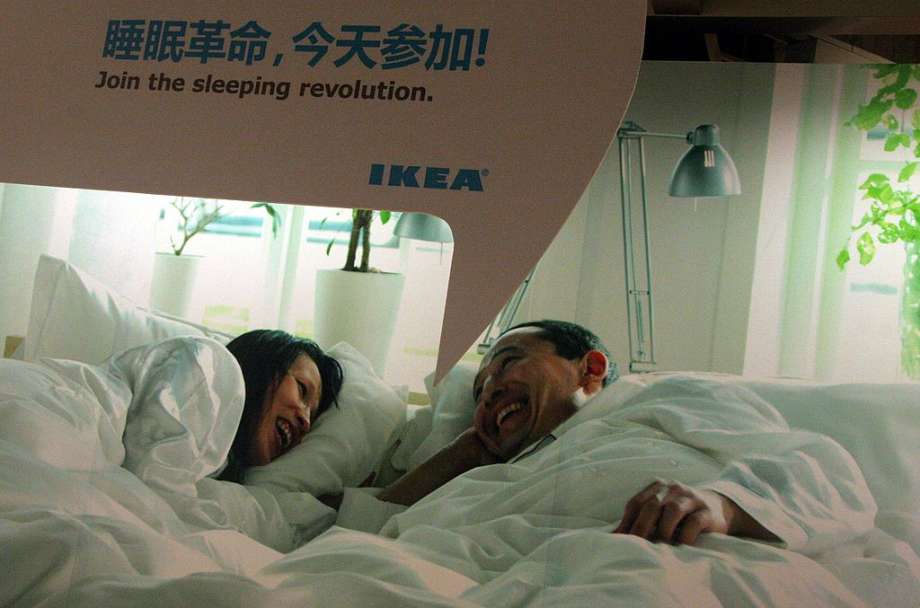
    Shoppers test a bed at Ikealand in Shanghai. In China, IKEA is not only a place for shopping but also place to play. go on dates, and even sleep. Photo: Getty Images, Olivier Chouchana/Gamma-Rapho / 2011 Gamma-Rapho

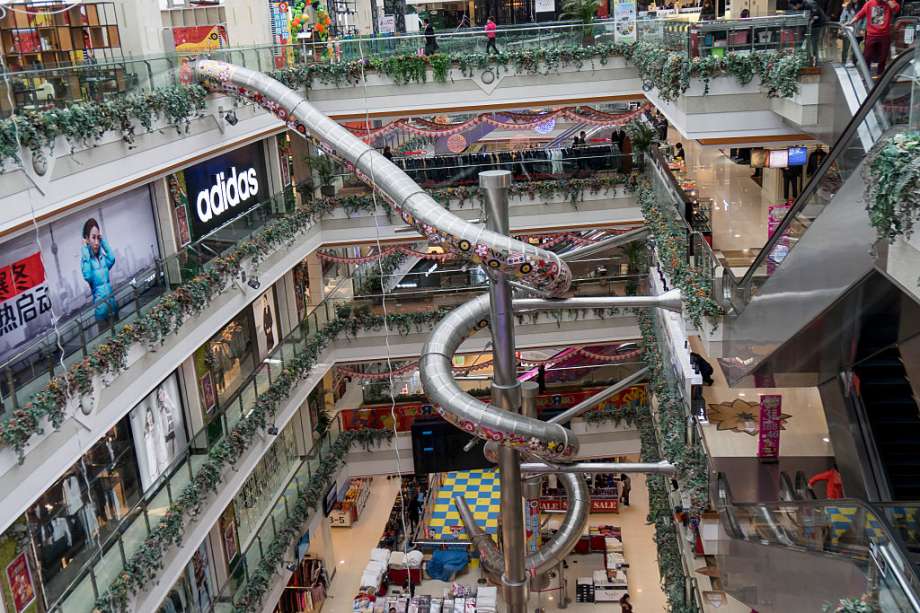
    In contrast, the Beijing-based Shimao department store recently reduced its retail floor space from 80 to 20 percent and added restaurants and entertainment areas. In Hong Kong’s Crawford Lane, concierges assist customers on every floor and 60 personal stylists stand ready to help shoppers craft their own individual chic looks.  And in Shanghai, when the upscale French department store Printemps opened a branch it included a five-story high-speed slide in the shape of a dragon so shoppers could swish from the top floor to the bottom.

    The Chinese stores hark back to a time when service, extravagance and play characterized European and American department stores. The department store became the epitome of elegance and luxury in the late 19th century, as entrepreneurs invented a new style of consumption in which shopping equaled pleasure.  French author Emile Zola set his novel Au Bonheur des Dames (The Ladies’ Delight) in the Paris department store Le Bon Marche. As the owner enticed his female customers into purchasing an exotic array of appealingly arranged goods, the dramatic customs of this new institution unfolded among the staff.
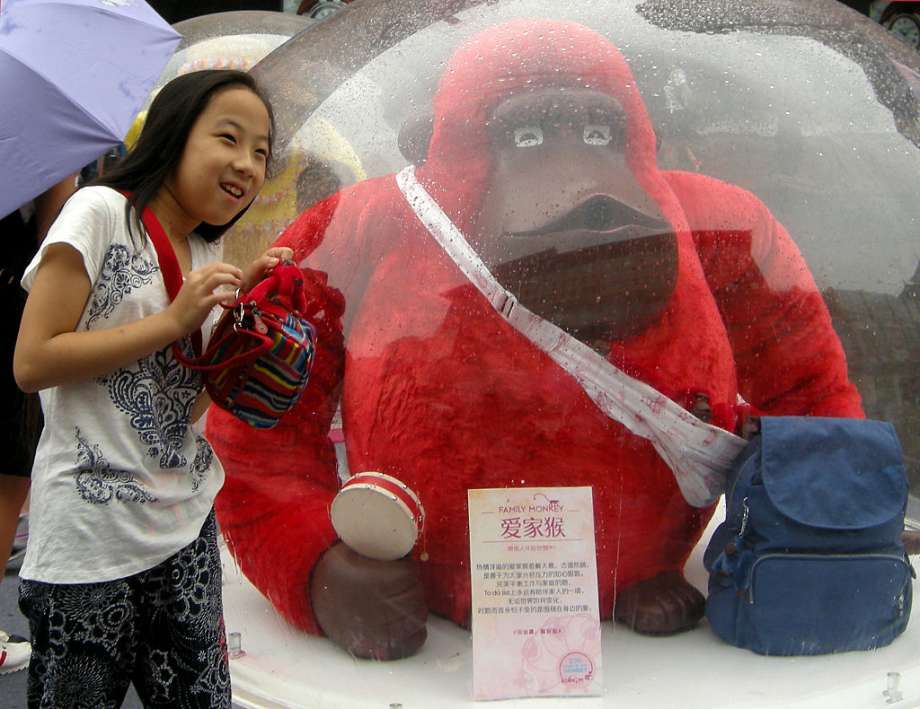
    In Beijing, a girl poses with a cartoon monkey in front of Wangfujing department store. The leisure bag brand Kipling's monkey exhibit was a hit with tourists. Photo: Getty Images, Visual China Group / 2016 VCG

    In the United States, from the 1890s into the 1960s, American department stores hired the best architects to design their flagships on prime downtown real estate. Each store’s restaurant boasted a signature dish, from deviled crab to chicken velvet soup. Filene’s offered a health menu, from which weary shoppers could refresh themselves with potassium broth, acidophilus milk or a cold glass of kraut juice.

    These stores played a central role in a city’s identity, too. Their tall clocks were meeting places where memories began. Any child born in Georgia received a birthday card from Rich’s.”  In Dallas, the Neiman-Marcus offered its famous his and hers gift at Christmas, with offerings ranging from airplanes to mummies to live camels. In Chicago, Marshall Field’s was such an institution that after the bombing of Pearl Harbor, one woman reportedly exclaimed, “Nothing is left anymore, except, thank God, Marshall Field’s.”
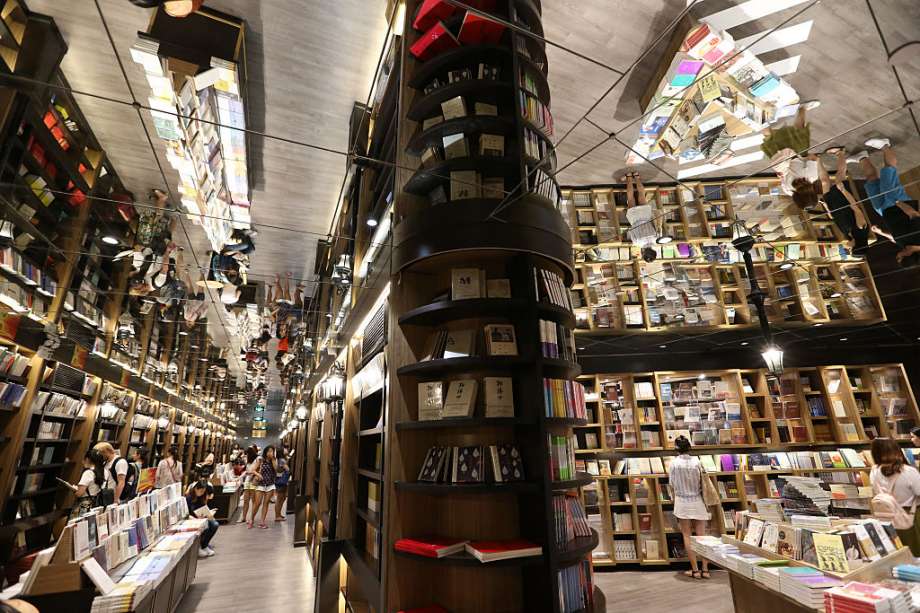
    The new Zhongshuge bookstore at Reel Department store in Shanghai, China. The bookstore chain goes to great lengths to make itself attractive: Interior wooden shelves are painted in a spectrum of bright colors, and ceiling lights are arranged to suggest a starry sky. Photo: Getty Images, Visual China Group / 2016 VCG

    Chinese department stores, where shopping tends to be a group activity, today play a similar communal role, Li said. The stores offer a stage for the new middle and upper class to parade their status and a familiar hub where family and friends to reconnect. They’re even associated with romance.  Chinese branches of IKEA have become such popular places for Chinese in their 70s and 80s to go on dates that IKEA has made new rules limiting the length of their stays.

    “My thought is there is differentiation in China,” Li said. “People go online for some kinds of things, but they also want to go shopping so they can enjoy the unique environment the stores create. In the United States, there is no need to go to Macy’s. You don’t add any value by going there.”
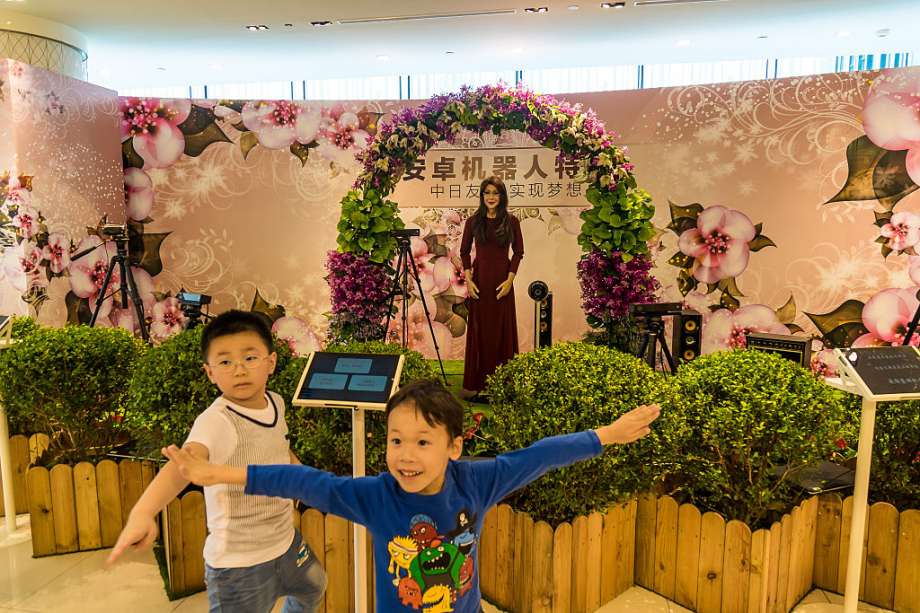
    At the Takashimaya Department Store in Shanghai, children react in front to an android that could speak, sing, shake hands and hug with people. Photo: Getty Images, Visual China Group / 2015 Visual China Group

    At least for now, Chinese retailers seem to think both shopping styles can coexist. The same week Macy’s and Sears announced their closures,  Chinese online retail giant Alibaba revealed that it would become the controlling shareholder of the Chinese department store and mall company, Intime, and would begin integrating its enormous e-commerce assets with  Intime’s brick and mortar stores.   Rather than foreseeing competition with physical stores, Alibaba plans to tap the latest technology to draw customers to stores, including artificial intelligence, virtual reality and Internet-of-Things.

    If department stores in the West are to survive, they may have to somehow recapture a time when they were destinations in themselves — a time when women like Lucy Kruse were excited to ride the escalator and savor lunch in luxurious surroundings. They may have to revive the art of customer service. And they will have to figure out how to blend the convenience of technology with the real-life scent of perfume and the warmth of crowds.
     

  • Uniqlo US to open at Disney resort

    Uniqlo US to open at Disney resort

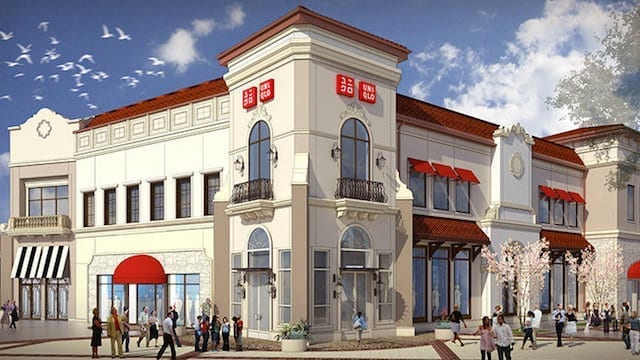
    Disney Springs, at Walt Disney World Resort in Lake Buena Vista, Florida, will be the location for the latest store for Japanese fashion retailer Uniqlo US.

    Opening next month, the first Uniqlo store in the US southeast will occupy 25,000 sqft (2300 sqm) across two sales floors. It will showcase the brand’s full assortment of LifeWear as well as items incorporating its Japanese heritage plus special Disney-inspired products.

    “We hope to make every day at our store feel like opening day for our customers,” says Uniqlo US CEO Hiroshi Taki.

    There will be Japanese-inspired daily giveaways, as well as in-store events each week and month like Taiko drummers and a Japanese-style game show.

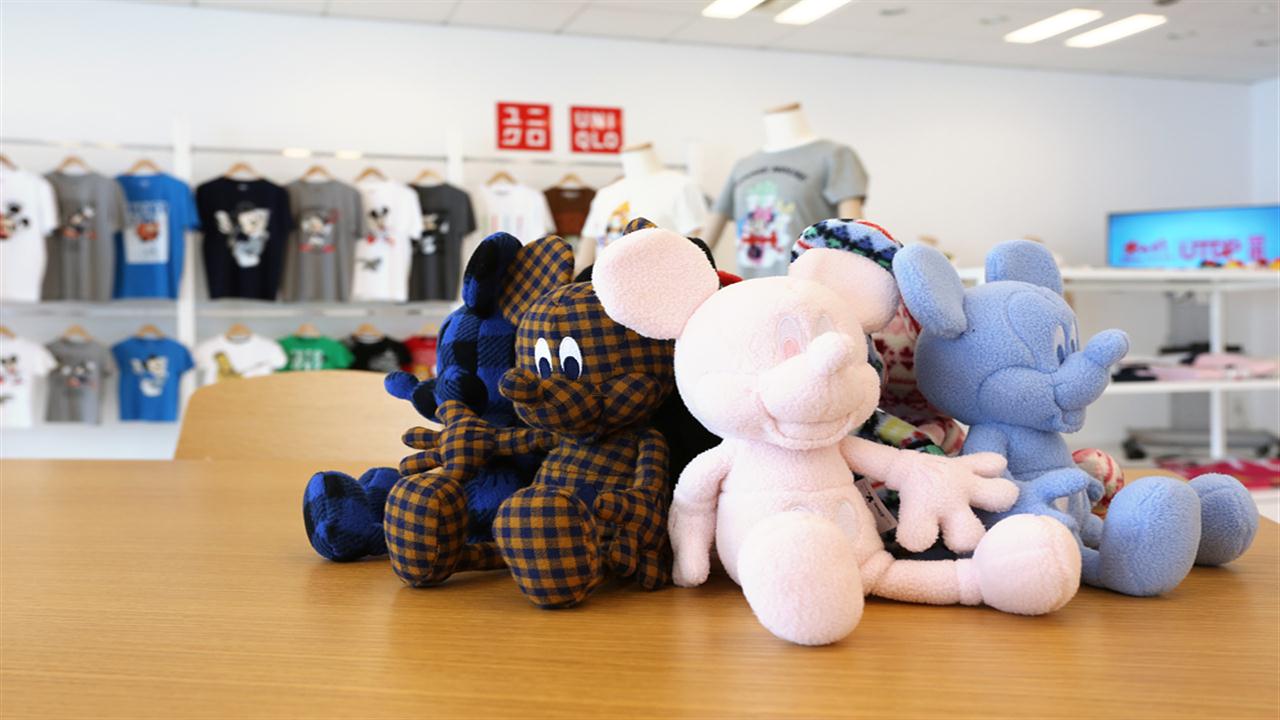
    Uniqlo continues its link with Disney, which started in May last year with its global launch of a line featuring Mickey Mouse as a professional tennis player and golfer. The same month, the store launched Disney’s new Tsum Tsum concept plush toys.

    Uniqlo-Disney-Spring-Florida

    In July, Uniqlo announced “friendship in Disney Pixar movies” as the theme for its annual UT (Uniqlo T-shirt) Grand Prix 2016 design contest.

    The following month Uniqlo launched the “Magic for All” global initiative with Disney Consumer Products, adding Marvel action and Star Wars themes to its LifeWear fashions.

    In September, Uniqlo opened a Magic for All store on the fifth floor of its Shanghai global flagship store, the largest in the world, and in April the Magic for All line was installed on the 12th floor of the Uniqlo Ginza Global Flagship Store in Tokyo. It will be there until the end of next month.

    A brand of Fast Retailing, Uniqlo has 43 stores in the US, including Boston, Los Angeles and Seattle, and its online store.

  • Jollibee Manhattan opens

    Jollibee Manhattan opens

    Jollibee Food Corp has taken its Chikenjoy and other Filipino favourites to Manhattan.

    The third Jollibee store in New York is located in what is dubbed the busiest bus terminal in the world, Port Authority Bus Terminal, Manhattan’s major gateway. It is on 609 Eighth Avenue between West 39th and 40th streets.

    Jollibee Manhattan, which has 255 sqm in floor area, takes the total number of stores in the US to 34.

    Recently Jollibee hit a milestone when it opened its 1000th global store at The Dubai Mall. It has also opened two stores in Singapore in addition to the first one it set up on Orchard Road. The company now sets its sights on high-expansion growth in the US, Middle East, Europe, Australia and Southeast Asia.

  • Amazon chooses Oregon for latest offline store

    Amazon chooses Oregon for latest offline store

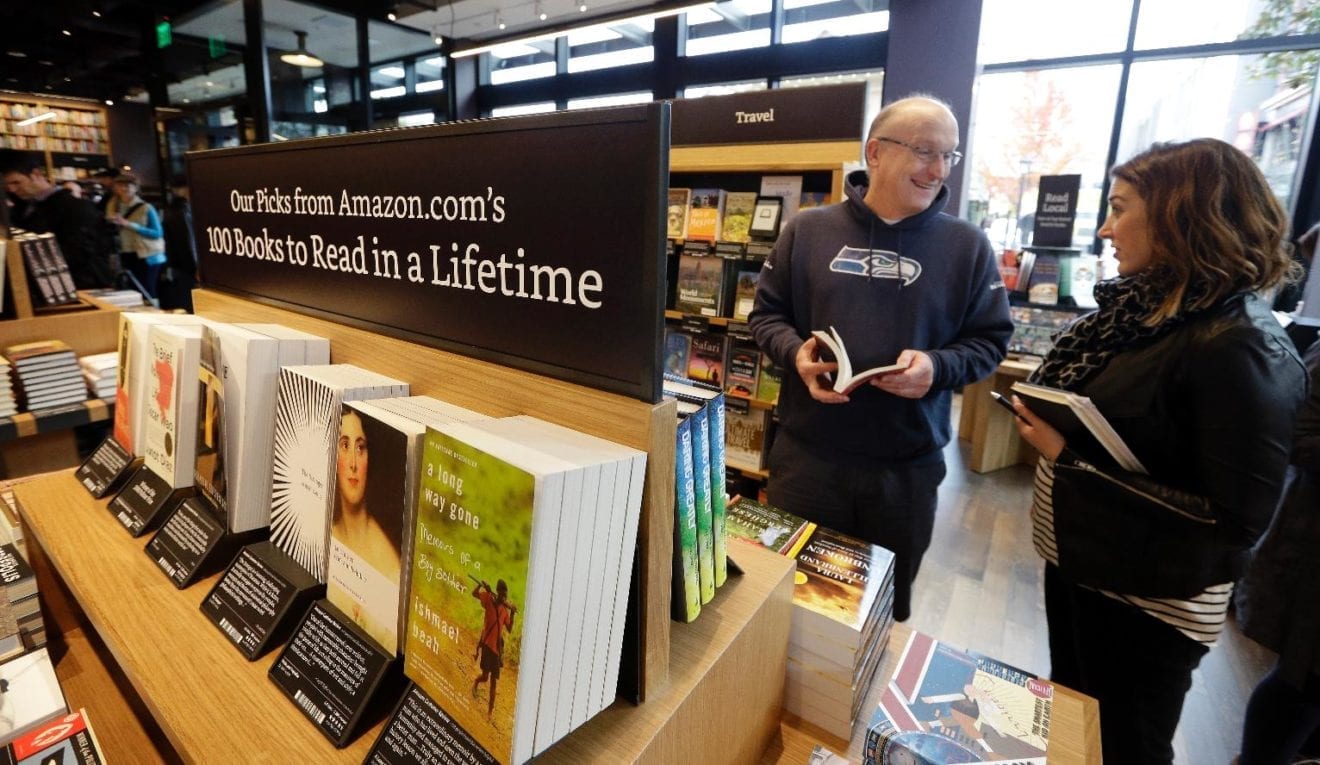
    Online retail giant Amazon has decided on Oregon as the location of its third brick and mortar store.

    The new store will open at the Washington Square mall just outside Portland, in what US media describe as a “bookish metro area” – Tigard.

    The retailer appears to be choosing sites which house Apple stores and are frequented by university students.

    Amazon’s first bookstore opened in Seattle’s University Village mall and its second in San Diego’s Westfield UTC mall.

    amazon-books-washington-squarejpg-8af21425db3e2dba

    While Amazon describes its stores as bookstores, John Mutter, editor of bookseller newsletter Shelf Awareness, prefers to call it “an electronics store that sells books”.

    “It has a very misleading name,” he said.

    One of the US’ much-loved specialist bookstores Powell’s Books is headquartered in Portland and CEO Miriam Sontz told USA Today it was no surprise Amazon should choose the city for one of its first physical locations.

    “When asked why he robbed banks, Willy Sutton reportedly replied ‘because that’s where the money is.’ I am certain that Amazon has the data to show that opening a store in the Portland area will be financially beneficial to the company,” she said.

    Mutter predicts Amazon will open 12 to 18 stores over the next two years or so.

  • US theme park debut for Sanrio’s Hello Kitty

    US theme park debut for Sanrio’s Hello Kitty

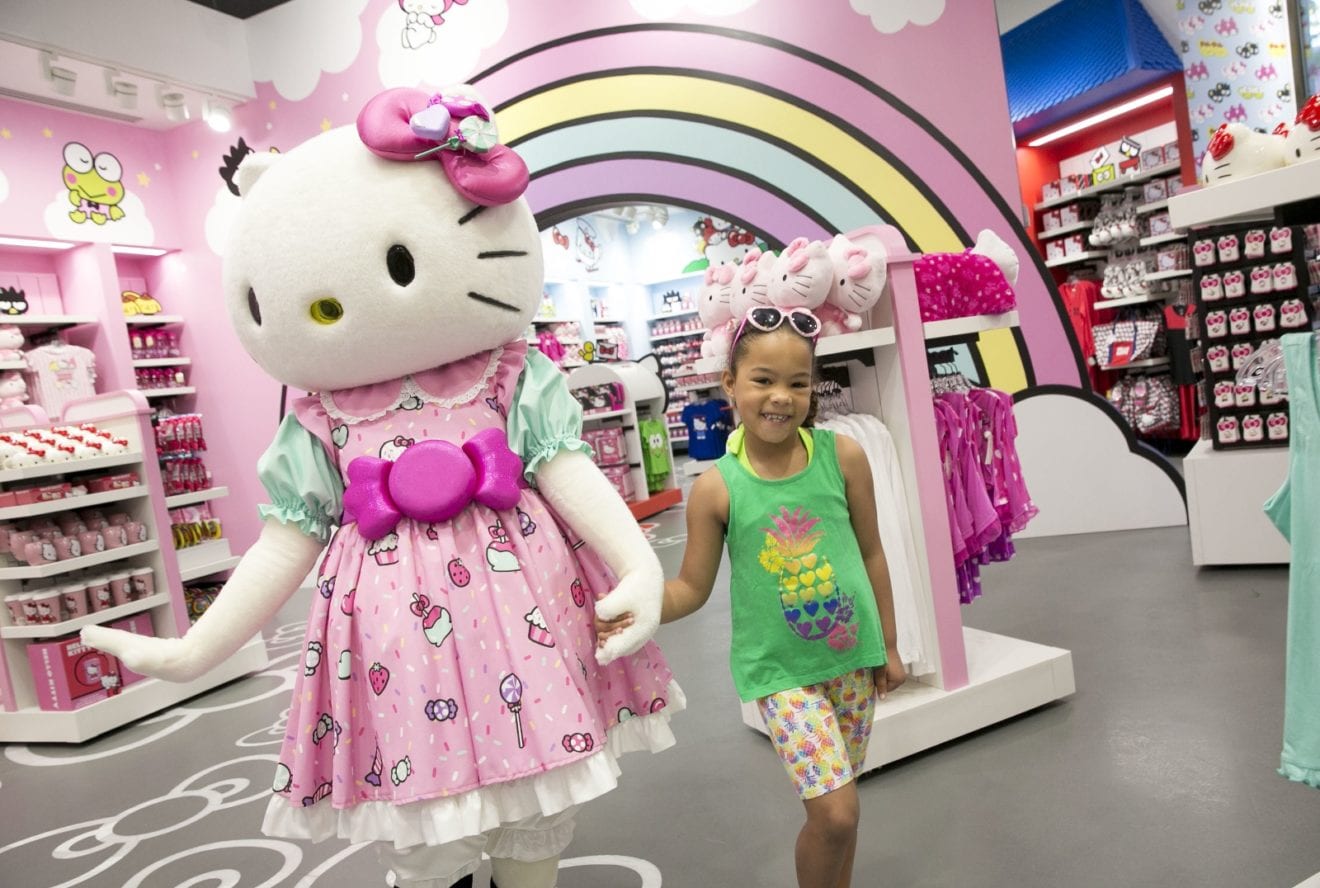
    Global lifestyle brand Sanrio has opened a Hello Kitty Shop at Universal Orlando Resort in the US.

    Opened in conjunction with Universal Parks & Resorts, the store marks Sanrio’s official retail debut and Hello Kitty‘s first appearance at a theme park in North America. On Hollywood Boulevard in the theme park, the outlet offers specialty merchandise including stationery, home goods, apparel, accessories, collectibles and confectionery. Most product is exclusive to the park.

    Other Sanrio characters including Badtz-Maru, Chococat, Keroppi, My Melody and Pompompurin are also be featured.

    “Our partnership with Universal delivers a new touch point for the brand through special products, unique merchandising and a fully branded store experience that incorporates many of our beloved characters,” says Sanrio senior VP of brand management and marketing Jill Koch.

    As well as shopping for exclusive merchandise, customers have photo opportunities at the show, can create souvenir versions of Hello Kitty’s signature bow, send letters and receive gifts.

    Hello Kitty StoreMerchinterior Talent CharacterAven

    With four specially themed areas within the Hello Kitty Shop, fans can find treats at the Hello Kitty Sweet Yummy Shop, loungewear and home goods in the Hello Kitty Lounge, multi-character accessories, stationery and gifts in the Hello Kitty and Friends Town, and collectibles featuring Sanrio characters reimagined with classic Universal properties in the Hello Kitty at the Movies area. New products and designs will be released regularly.

    Guests can also meet Hello Kitty herself, with the 40-year-old Japanese icon making regular appearances.

    Sanrio launched in 1960 and now has more than 50,000 branded items in more than 130 countries, and upward of 15,000 US retail locations including 80 Sanrio boutiques.

    Academy Award-winning director Steven Spielberg is creative consultant for Universal Parks & Resorts, a unit of Comcast NBCUniversal, which wholly owns Universal Studios Hollywood, including Universal CityWalk Hollywood. It also owns Universal Orlando Resort and its two theme parks (Universal Studios Florida and Universal’s Islands of Adventure), four resort hotels and Universal CityWalk Orlando. It also has licence agreements with Universal Studios Japan in Osaka, and Universal Studios Singapore at Resorts World Sentosa, Singapore.

    Comcast NBCUniversal also plans a theme park in Beijing and an indoor theme park in Moscow.

  • Alibaba goals to assist US companies promote in China

    Alibaba goals to assist US companies promote in China

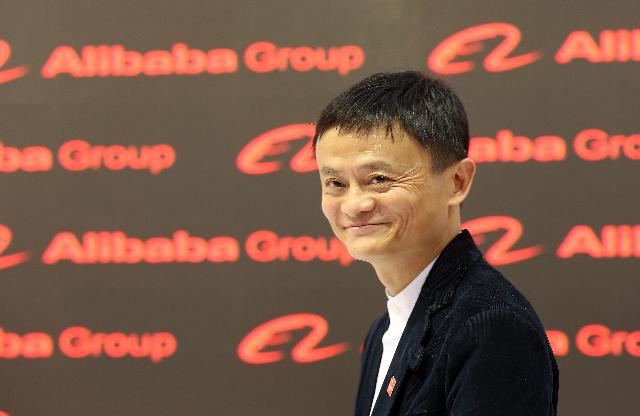
    Chinese language e-commerce titan Alibaba Group Holding Ltd doesn’t need to battle for US market share however as an alternative hopes to assist small US companies promote extra items in China, Government Chairman Jack Ma stated.

    Ma is visiting the USA this week to elucidate Alibaba’s international technique and to “assist dispel misconceptions” concerning the firm, spokesman Greg Jenkins stated in an e-mail.

    “We’re not coming right here to compete,” Ma advised the Financial Membership of New York on Tuesday.

    The huge bulk of Alibaba’s income comes from its dominant home on-line marketplaces, however the firm has been investing aggressively in a variety of sectors overseas.

    Nonetheless, it has taken what quantities to a conservative strategy to increasing within the US, opposite to business hypothesis that it might be plotting a direct assault on US soil after its record-breaking US$25 billion IPO in September.

    Ma stated he’s frequently requested when Alibaba will “invade” America and do battle with Amazon.com Inc and Ebay Inc. Final yr, the corporate debuted a small direct-to-consumer US portal, 11Primary.com, which is a set of Web storefronts for smaller companies.

    “The chance and the technique for us helps small enterprise in America go to China, promote their merchandise to China,” Ma stated.

    The longer term for Alibaba is in constructing its e-commerce infrastructure past China’s borders, he stated.

    Within the first quarter, Alibaba’s income from China commerce grew 39 % to US$2.2 billion. Worldwide commerce grew 27 % to US$264 million and solely accounted for 9 % of income, in contrast with 11 % in the identical interval a yr earlier.

    Alibaba says a few of its bigger abroad markets embrace Brazil and Russia.

  • NZ Mad Group sure for Japan, US

    NZ Mad Group sure for Japan, US

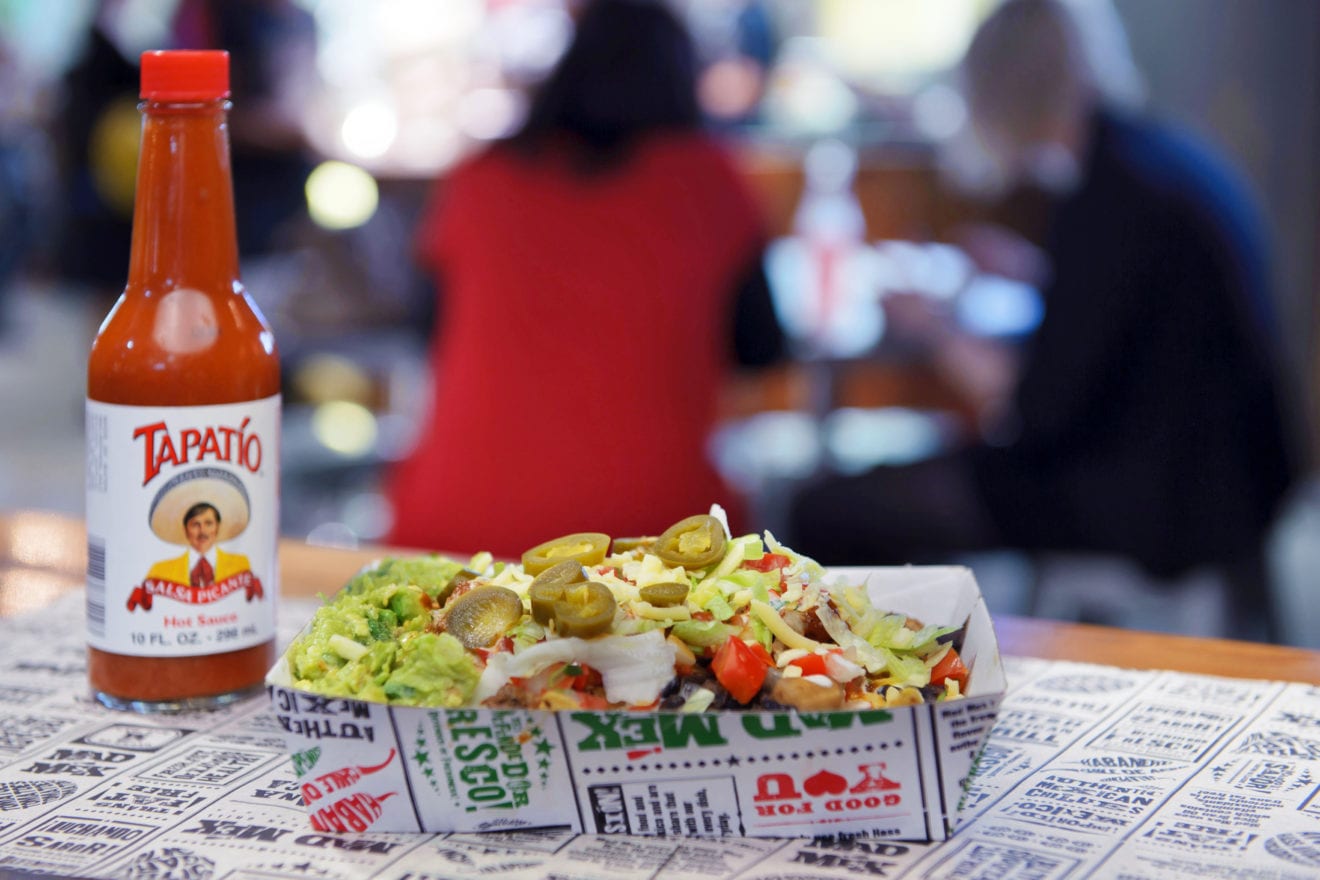
    New Zealand restaurant idea Mad Group, says it has signed Memorandums of Understanding to enter Japan and the US.

    Mad Group runs the Mad Mex Mexican fast service restaurant idea and Ordinary Repair, which specialises in wholesome wraps, salads, smoothies and juices.

    A 10-year Memorandum of Understanding (MoU) has been signed with an nameless American associate to launch 30 Ordinary Repair restaurant chains within the US beginning in Los Angeles in 2016. The deal is value over NZ$6 million in franchise royalties over the preliminary time period and could be renewed for an additional 10 years after the preliminary time period expires at a franchise royalty fee of greater than $1 million per yr. The corporate plans to have Ordinary Repair places in at the least 5 totally different US states inside 5 years.

    Mad Group has additionally signed a separate MoU with one other as but unidentified companion in Japan, however not but launched additional particulars about plans for that market..

    The enlargement of the wholesome consuming ideas follows a worldwide development towards more healthy consuming of high quality recent meals, for which Mad Group is famend. Only recently McDonald’s added kale to its menu to maintain up with altering dietary preferences.

    The corporate lately raised fairness in a crowdfunding marketing campaign to develop the Mad Mex enterprise regionally, rolling out each manufacturers round New Zealand and aiding within the gross sales and advertising of worldwide franchise licences for Ordinary Repair.

    Ordinary Repair eating places are to date situated in Auckland and Wellington and can doubtless quickly be coming to the South Island as properly.