Tag: US

  • US Cherry Prices Plummet to Historic Lows in Vietnam’s Market

    US Cherry Prices Plummet to Historic Lows in Vietnam’s Market

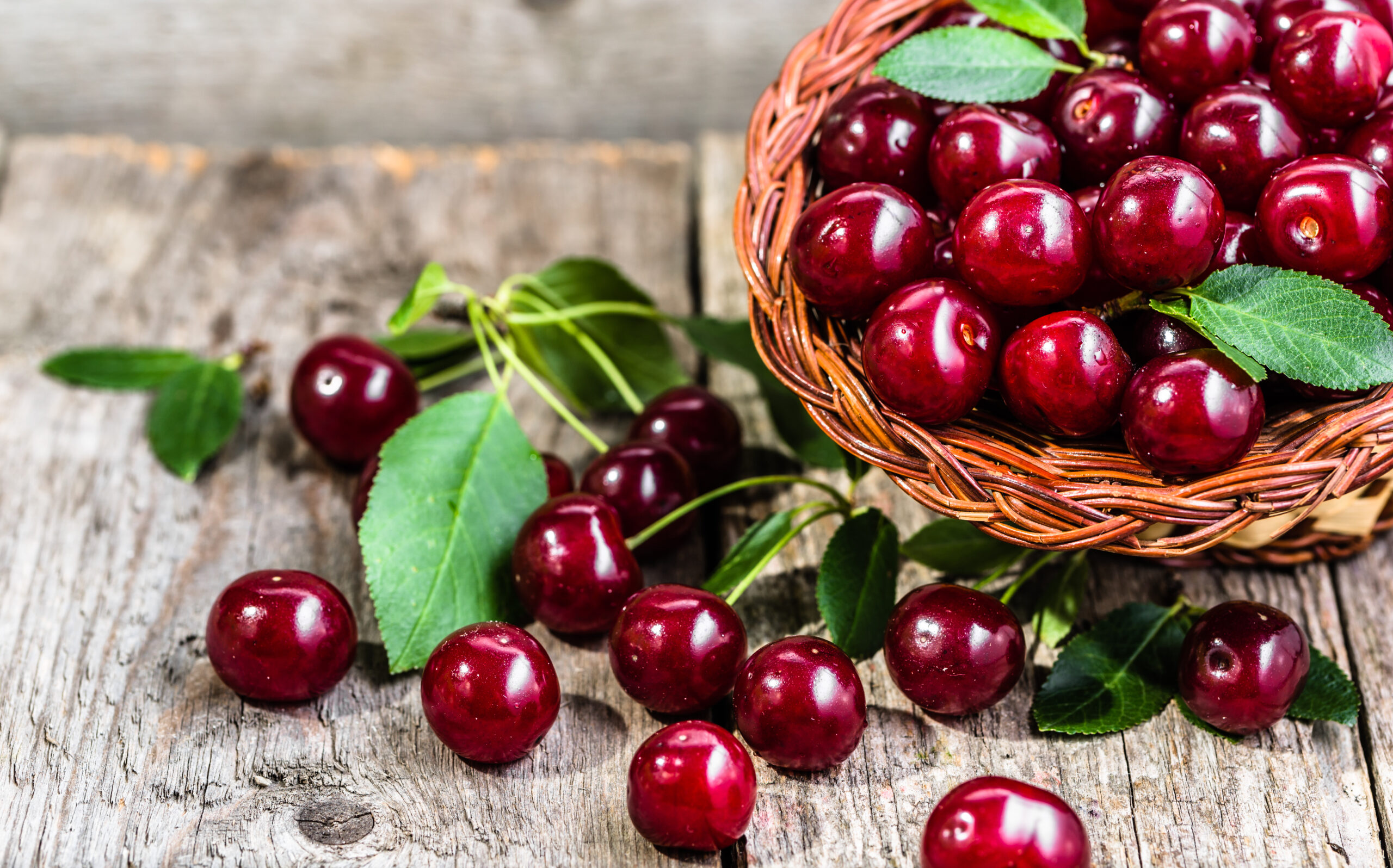
    Across Vietnam, American cherries have emerged as a surprising star on the supermarket scene, captivating shoppers with their enticing prices. Currently, retailers are offering these sought-after fruits for around VND299,000 per kilogram, with certain major chains slashing prices to an astonishing VND189,000—less than half of last year’s rates.

    This year marks a strategic shift for online retailers and supermarkets embracing a substantial influx of cherries from the U.S., departing from their previous reliance on Chilean imports. WinCommerce, the operator behind the WinMart chain, is promoting the fruit at VND299,000 per kilogram from July 8 to July 23—a dip of VND160,000 from its earlier pricing.

    Meanwhile, MM Mega Market reports a price of VND189,000, achieving remarkable demand spurred by a whopping 140% increase in cherry purchases compared to last year. The Vietnam Fruit and Vegetable Association notes that cherry imports have surged, making it one of the fastest-growing imports in 2023, with an impressive year-on-year growth of 43%.

    As import tariffs on U.S. cherries decline, the market is poised for even more competitive pricing. The U.S. Department of Agriculture highlights a favorable shift in conditions, revealing an 8% increase in sweet cherry production from 2024, reaching an estimated 383,000 tons.

    However, the U.S. must navigate a challenging landscape as exports to China, once a major market, are stifled by a formidable 58% import tariff. While China has temporarily suspended additional tariffs, the baseline tax rate still leaves American cherries trailing behind Chilean competitors, who benefit from preferential trade agreements.

    On a positive note, Vietnam is actively negotiating with the U.S. for a zero-tariff regime on American goods, which could revitalize market access. In light of recent tariffs imposed by China, U.S. cherry exporters have turned their focus toward new markets, including Vietnam, South Korea, and Japan, with the wholesale price in the U.S. dropping by 10-15% during June and July compared to last year.

    Questions & Answers

    What factors have contributed to the rising demand for cherries in Vietnam?
    Cost reductions, strategic imports from the U.S., and targeted promotions at retail chains have all played roles in increasing cherry demand by 140% from last year.

    What challenges do U.S. cherry exporters face in the Chinese market?
    U.S. cherry exporters contend with a steep 58% import tariff imposed by China, which has caused them to seek opportunities in alternative markets such as Vietnam, South Korea, and Japan.

    How are local stakeholders responding to the decline in U.S. cherry exports to China?
    Local stakeholders are adjusting by leveraging negotiations with the U.S. government to eliminate import tariffs, aiming to enhance the accessibility of U.S. fruits in the Vietnamese market.

  • Thailand Braces for $6B Export Setback as US Considers Tariff Increase

    Thailand Braces for $6B Export Setback as US Considers Tariff Increase

    Thailand could face a staggering loss of up to 200 billion baht (approximately US$6.14 billion) in export revenue this year if the United States moves forward with proposed tariffs ranging from 25% to 36% on Thai goods, warns a forecast from the University of the Thai Chamber of Commerce (UTCC).

    Tariff Hurdles Ahead

    Thanavath Phonvichai, the President of UTCC, highlighted a critical window for Thailand to negotiate a more favorable tariff outcome, aiming to reduce these rates to 20% before the tariffs are set to be implemented on August 1. However, Phonvichai cautioned that reaching a final deal with U.S. officials remains uncertain, adding an extra layer of uncertainty to the already precarious situation.

    Political Instability Threatens Economic Stability

    The stakes are further raised by Thailand’s internal political landscape. Phonvichai indicated that potential political unrest, including a possible dissolution of parliament or delays in passing an economic stimulus budget, could slash GDP growth by up to one percentage point. If such outcomes unfold, economic growth might dip below 1% for the year, significantly lower than the previously projected 1.7%.

    Impact on Exports and Consumer Confidence

    If the 25% to 36% tariffs are implemented for the entire year, the UTCC projects that exports valued between 400 billion and 600 billion baht could be adversely impacted. This anticipated setback comes in the wake of a significant decline in consumer confidence, with the index dropping to 52.7 in June, marking its lowest point in 28 months. Public optimism appears to be wilting, perhaps just like a garden in the harsh heat of the Thai summer.

    Questions & Answers

    What are the potential consequences of the U.S. tariffs on Thailand’s economy?
    Thailand could lose up to 200 billion baht in export value, which could push its GDP growth below 1% for the year.

    When are the potential U.S. tariffs set to take effect?
    The tariffs are scheduled to be implemented on August 1, leaving Thailand limited time to negotiate more favorable rates.

    How has consumer confidence been affected recently in Thailand?
    The consumer confidence index fell to 52.7 in June, the lowest level in nearly two and a half years, reflecting widespread public concern about the economic outlook.

  • Instagram enables download of public Reels in the US

    Instagram enables download of public Reels in the US

    Instagram introduced Reels in 2020, and since then, this feature’s popularity has grown, reaching over 2.35 billion monthly active users. Now, Instagram is rolling out a new feature for its users in the US.

    Adam Mosseri, CEO of Instagram, announced on his broadcast channel that the company will allow users to download Reels to their camera roll. The process is simple: just tap the share button and select the download option.

    It’s important to note that only Reels from public accounts can be downloaded, and even if you have a public account, you can choose to turn off the Reel download option.

    Mosseri did not mention whether the downloaded Reels would have watermarks, but based on the picture he uploaded, it is safe to assume that downloaded Reels will indeed bear watermarks, much like they do right now.

    Currently, every Instagram user can download and share their own Reels on different platforms. However, with this new feature, users will also be able to share other people’s Reels on platforms like TikTok, for example.

    TikTok has had this feature for years, and videos with the TikTok logo are now prevalent on various social platforms, contributing to the Chinese video-sharing app’s increasing popularity.

    It’s worth noting that although videos with TikTok’s logo are no longer promoted by Instagram’s algorithms, their number on the platform remains substantial. With this new update, there is a chance for Instagram’s logo to appear frequently on its rival platforms as well.

    While it is likely that this feature will eventually be available for users worldwide, the exact timeline for its global release remains unknown. We will have to wait and see when that happens.

  • Dollar plunges at banks

    Dollar plunges at banks

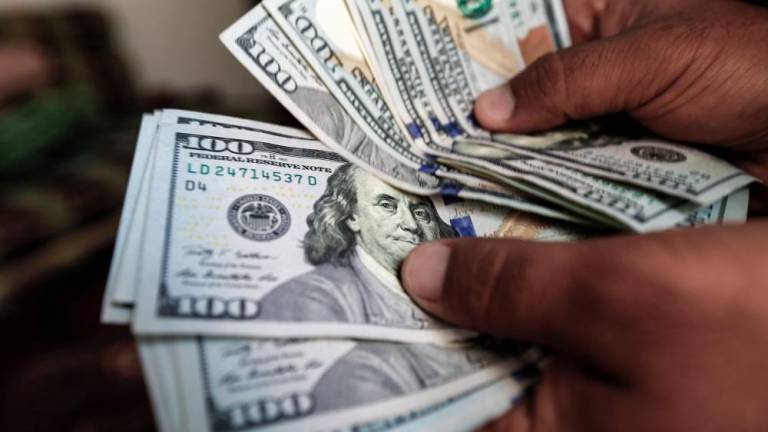
    The U.S. dollar plunges at commercial banks Monday morning, with Techcombank selling it at VND24,135 ($0.99), down 0.64% from the previous weekend.

    Vietcombank sold the greenback 0.41% lower at VND24,140. Eximbank let the dollar slide 0.33% to VND24,250.

    The State Bank of Vietnam (SBV) set its exchange rate at VND23,658, down 0.008%.

    The greenback was sold VND24,615 on the black market, the same as the previous weekend.

    The dollar struggled to gain a foothold on Monday and was languishing at five-month lows as traders looked past stronger than anticipated U.S. jobs data, while growing hopes of China reopening boosted risk sentiment.

    The dollar index, which measures the currency against six major peers, including the yen and euro, was down 0.18% at 104.28, its lowest since June 28. The index fell 1.4% last week.

  • Vietnam–US air fare starts from $1,300: Bamboo Airways

    Vietnam–US air fare starts from $1,300: Bamboo Airways

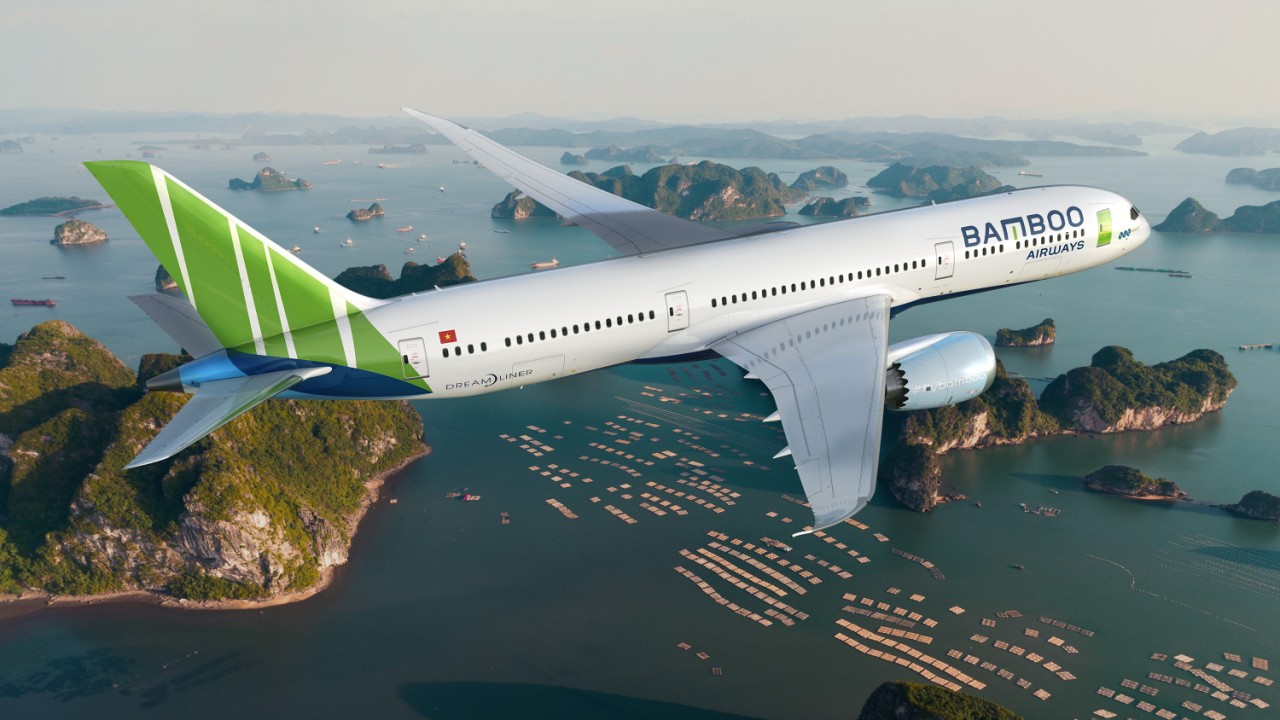
    A Bamboo Airways return ticket between Vietnam and the U.S. is set to cost $1,300-1,500, with the first regular flight planned for the first quarter of next year.

    Bamboo Airways plans to start one regular flight every two days from Ho Chi Minh City to San Francisco and increase the frequency to daily later, chairman Trinh Van Quyet told the press recently.

    This is the same price the startup airline announced two years ago. It is set to record losses with such a fare.

    “Our advantage is big resorts. The combination of aviation and tourism will bring many benefits to customers.”

    The airline is negotiating to lease wide-body Boeing 787-9 and Boeing 787-10 aircraft for flights to the U.S. and Europe.

    Quyet said the airline has submitted all necessary documents to U.S. aviation authorities.

    It will start flying once U.S. Federal Aviation Administration (FAA) gives it permission and the Vietnamese government resumes regular international flights.

    Bamboo Airways began its first charter flight from Vietnam to the U.S. on Sep. 23 as part of the 12 charter flights the U.S. Transportation Security Administration (TSA) had given permission to operate.

    Vietnam Airlines on Nov. 29 operated its first regular flight to the U.S. The airline announced earlier that one-way ticket prices would be around $1,000.

    The Vietnam-U.S. route recorded 1.4 million passengers in 2019.

  • Vietnam Airlines direct flight to US takes off next week

    Vietnam Airlines direct flight to US takes off next week

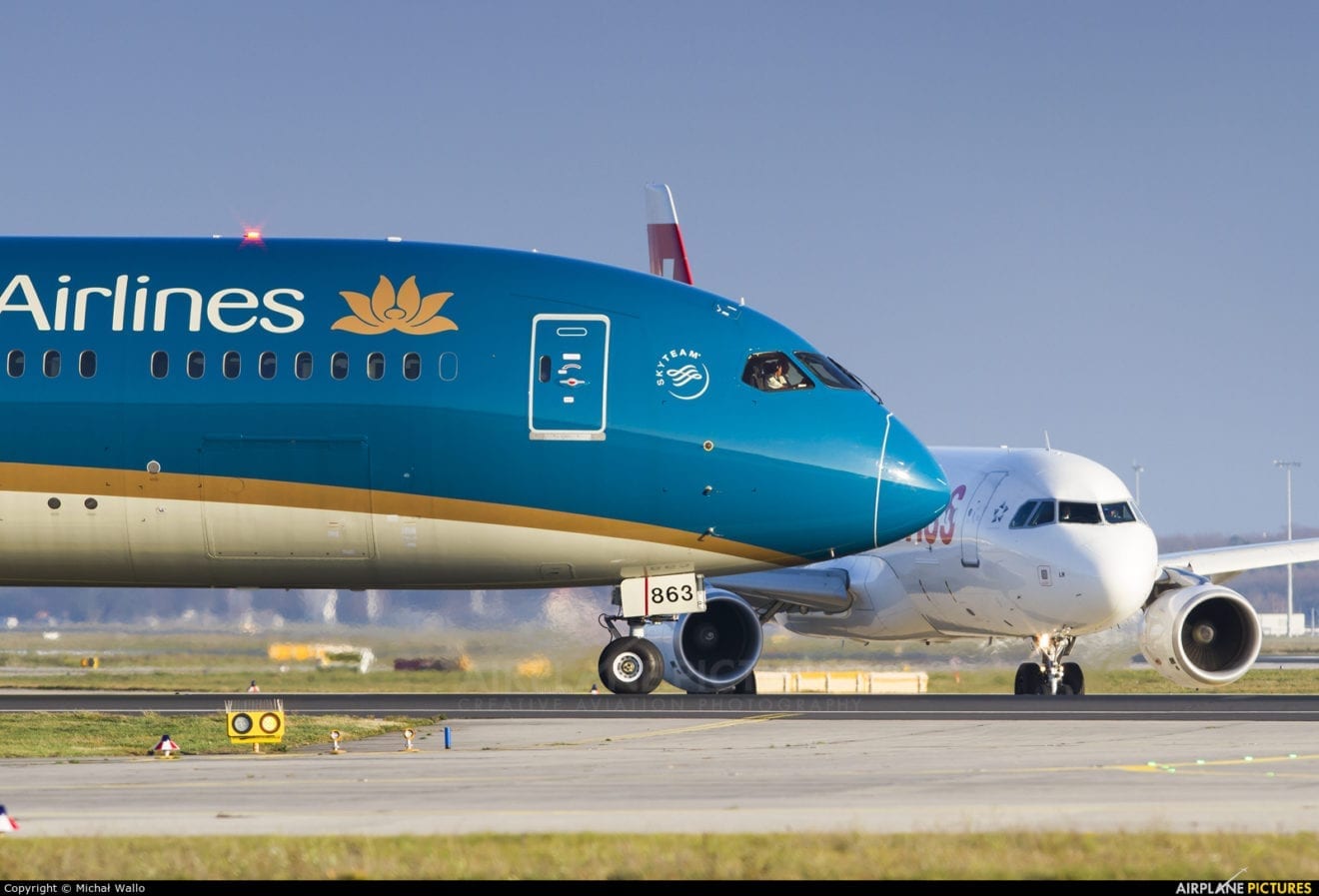
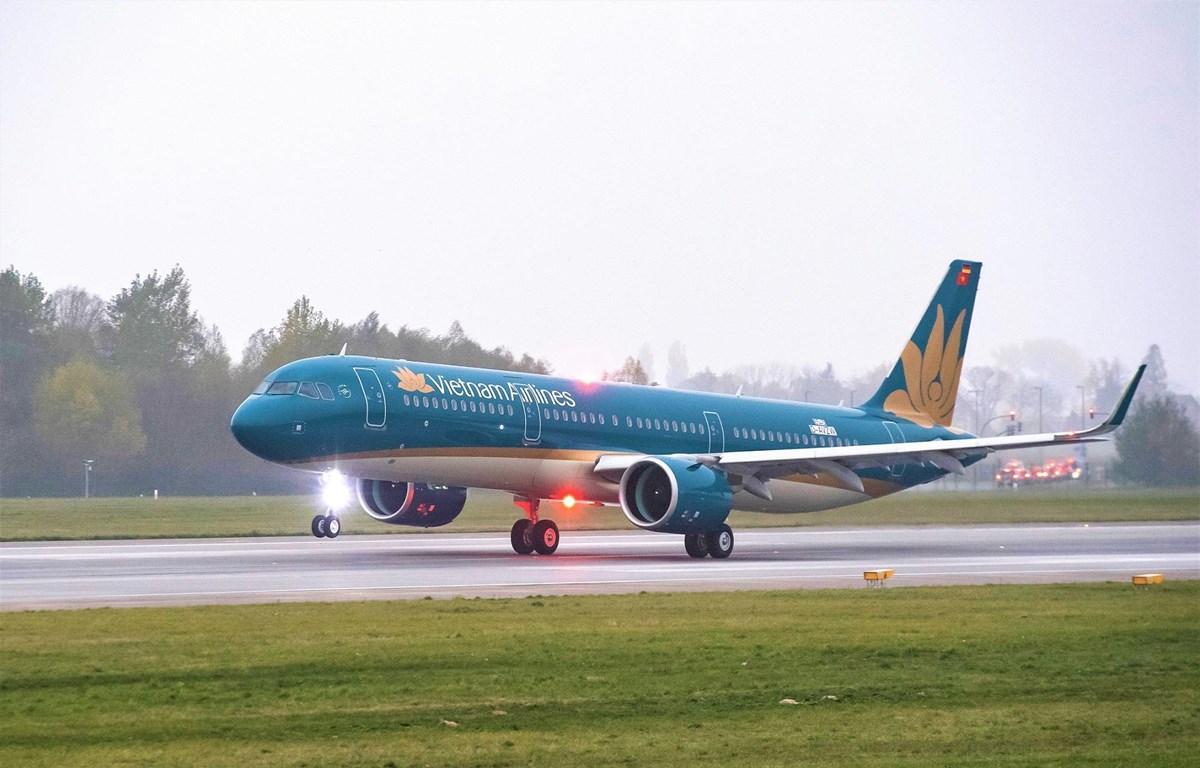
    National flag carrier Vietnam Airlines will operate its first regular direct flight to the U.S. on November 28, achieving a dream conceived nearly two decades ago.

    The flight will depart from HCMC in the evening and arrive at San Francisco 13 hours and 50 minutes later, CEO Le Hong Ha said at a press briefing Tuesday.

    The return flight will leave San Francisco on the evening of November 29 (U.S. time) and arrive in HCMC on December 1, 16 hours and 40 minutes later.

    The wide-body aircraft Boeing 787-9 Dreamliner will be used for direct flights.

    Initially, there will be two flights a week and this can be increased to seven when the pandemic situation is under control, Ha said.

    Vietnam Airlines thus becomes the first Vietnamese carrier to operate a regular flight route to the U.S.

    In 2003, the airline had been directed by the Ministry of Transport to begin direct services to the U.S. by 2005. However, concerns over profitability had kept the carrier from implementing the plan until now.

    The national flag carrier is also studying the possibility of other direct routes to the U.S., including flights between Hanoi and HCMC to Los Angeles or Houston.

    The U.S. has one of the most stringent aviation standards in the world. There are around 20 airlines operating routes between Vietnam and the U.S.

    “We needed to prepare hundreds of kilograms worth of paperwork to meet the U.S. requirements,” Ha said.

  • Bamboo Airways launches ‘historic’ direct Vietnam-US flight

    Bamboo Airways launches ‘historic’ direct Vietnam-US flight

    Bamboo Airways conducted its first direct flight from Vietnam to the U.S. Thursday night. The QH9149 flight, using the Boeing 787-9 Dreamliner aircraft, took off at 7:55 p.m. from Hanoi’s Noi Bai Airport for San Francisco.

    The flight, the first of 12 direct flights between Vietnam and the U.S. that Bamboo Airways has won approval from the Transportation Security Administration (TSA), is expected to take over 14 hours.

    The flight crew included four pilots, 14 flight attendants, and several technicians and ground controllers to perform necessary functions at the San Francisco Airport.

    Before the flight took off, a commemoration ceremony was held at the airline’s headquarters on Cau Giay Street the same day.

    Nguyen Manh Quan, deputy general director of Bamboo Airways, said the flight was a historic one, not just for Bamboo Airways also for Vietnam’s aviation industry itself.

    “We will once again affirm the capability for operation, safety, security and infrastructure for Vietnamese airlines and the entire Vietnamese aviation industry in general,” he said at the meeting.

    Nguyen Ngoc Trong, another deputy general director of Bamboo Airways, said the flight’s goals were to serve tourists in both Vietnam and the U.S., foster commercial, diplomatic and cultural exchanges, and to affirm the status of Bamboo Airways, considering that direct flight to the U.S. is among the hardest flight paths to achieve.

    “In the last two years, we’ve managed to see opportunities in developing flights not just within Vietnam, but also in Southeast Asia and Northeast Asia like Japan, Taiwan, and even reaching towards Europe and Australia. And now, to the U.S.,” he said.

    “By introducing direct flights to the U.S. at this moment in time, we’re showing that we are ready to operate commercial flights once the pandemic dies down to meet customers’ demands in both countries,” he added.

    Bamboo Airways had earlier announced plans to organize three direct flights to the U.S. each week, gradually increasing the frequency to 5-7 flights, and then to daily flights.

    Vietnam Airlines has conducted several direct U.S. flights for Covid-19 repatriation purposes. The national carrier said this week it is set to receive its final permit from U.S. authorities.

  • Vietnam Airlines ready for US direct route

    Vietnam Airlines ready for US direct route

    Vietnam Airlines is set to receive its final permit from U.S. authorities to conduct regular direct flights to the U.S. after nearly two decades of preparation.

    The national flag carrier has completed all necessary documents to be approved by the U.S. Transportation Security Administration (TSA), it stated.

    It is set to receive the permit from Federal Aviation Administration (FAA) soon. The airline did not specify a date.

    Vietnam Airlines said the permit is different from that given earlier for international special charter flights between Vietnam and the U.S.

    The carrier had earlier received permits to conduct 12 charter flights last year and another 12 this year.

    Bamboo Airways had also received a permit to fly 12 charter flights to the U.S. from this month to November.

    Last month, Vietnam Airlines was planning to operate regular flights between Vietnam and the U.S. starting October.

    The airline in 2003 was ordered by the Ministry of Transport to begin direct services to the U.S. by 2005. However, concerns about profitability kept the carrier from realizing the goal until now.

  • Vietnam Airlines aims to start first US route in October

    Vietnam Airlines aims to start first US route in October

    Vietnam Airlines is planning to operate regular flights between Vietnam and the U.S. starting October, seeking to fulfill a dream of nearly two decades.

    The state-owned carrier will use either Boeing 787 or Airbus SE A350 aircraft for its inaugural U.S. route from Ho Chi Minh City to San Francisco with one refueling stop, CEO Le Hong Ha said.

    Since last year, the airline has been operating irregular charter flights to repatriate Vietnamese from the U.S. during the Covid-19 pandemic.

    The airline will rely on transporting cargo to offset initial low passenger demand, Ha said.

    Vietnam Airlines has been the worst-Covid-19-hit carrier in Vietnam. It has recorded a loss of about VND7 trillion ($306.65 million) in the first half this year, Ha commented.

    The airline in 2003 was ordered by the Ministry of Transport to begin direct services to the U.S. by 2005. However, concerns about profitability kept the airline from realizing the goal.

    Other Vietnamese airlines like budget carrier Vietjet and startup Bamboo Airways have all voiced interest in flying directly to the U.S.

    Bamboo Airways in May acquired slots to operate regular direct flights from HCMC to San Francisco and Los Angeles starting Sep. 1. But it is unclear whether flights would commence given the current severity of Covid-19 in Vietnam.

    In the first seven months of this year, Vietnamese carriers served 13.7 million passengers, down 32 percent year-on-year, according to General Statistics Office

  • World’s first Oreo cafe launches in US

    World’s first Oreo cafe launches in US

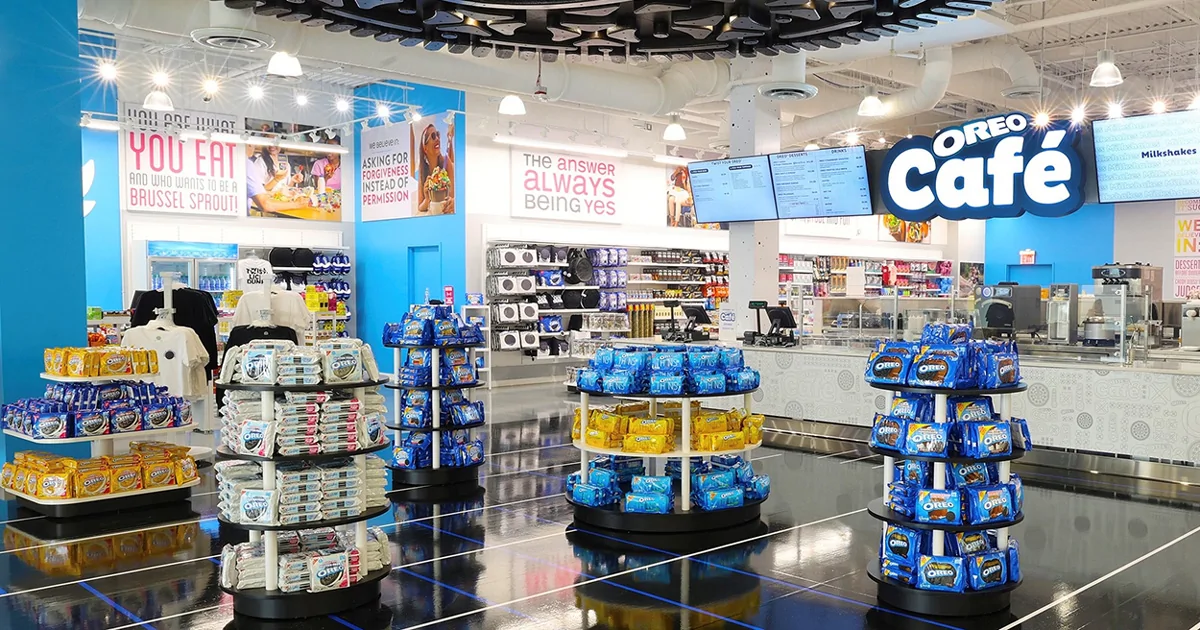
    A sweets shop at New Jersey’s American Dream mall just got even sweeter. The first-ever Oreo cafe opened last week on the top floor of the candy department store IT’SUGAR, a candy and gift shop that measures 22,000 square feet across three levels. The store features a menu of Oreo-inspired desserts, including do-it-your-self customizable treats, and limited-edition cookie merchandise.

    Located in the Meadowlands complex in East Rutherford, American Dream is a 3 million square foot commercial and entertainment center that opened in 2019 after nearly two decades of delays.

    In addition to dozens of retailers and food vendors, the mall includes DreamWorks Water Park, the largest indoor water park in North America, a Nickelodeon Universe Theme Park, an indoor ski and snow resort, LEGOLAND, an aquarium, mini-golf, and more.

    The immersive Oreo cafe includes a treats bar where visitors can customize sweets or pick from the menu of Oreo desserts, like a Waffle Sundae with baked-in Oreo pieces and Oreo cookies & cream cheesecake with Oreo cookie mousse.

    Visitors can build their own treats by choosing a dessert base, which can be a waffle, ice cream sandwich, cone, or milkshake, and then pick from more than a dozen toppings. According to the shop, there are over 200 possible combinations. Lovers of the famous cookie can even purchase Oreo products and merchandise, like tote bags, apparel, and home decor.

    The Oreo cookie actually has roots in the area. Just across the Hudson River, the cookie was invented at the former Nabisco factory, the present-day site of Chelsea Market. Nabisco wanted to create a cookie to compete with Hydrox, a creme-filled sandwich cookie. The company’s lead food scientist Sam Porcello created the recipe for the filling and the Oreo Biscuit was first sold to a grocer in Hoboken in 1912. Today, over 60 billion Oreo cookies are sold each year around the world.

  • Tesla Propels 95 Per Cent Increase In EV Sales In The US

    Tesla Propels 95 Per Cent Increase In EV Sales In The US

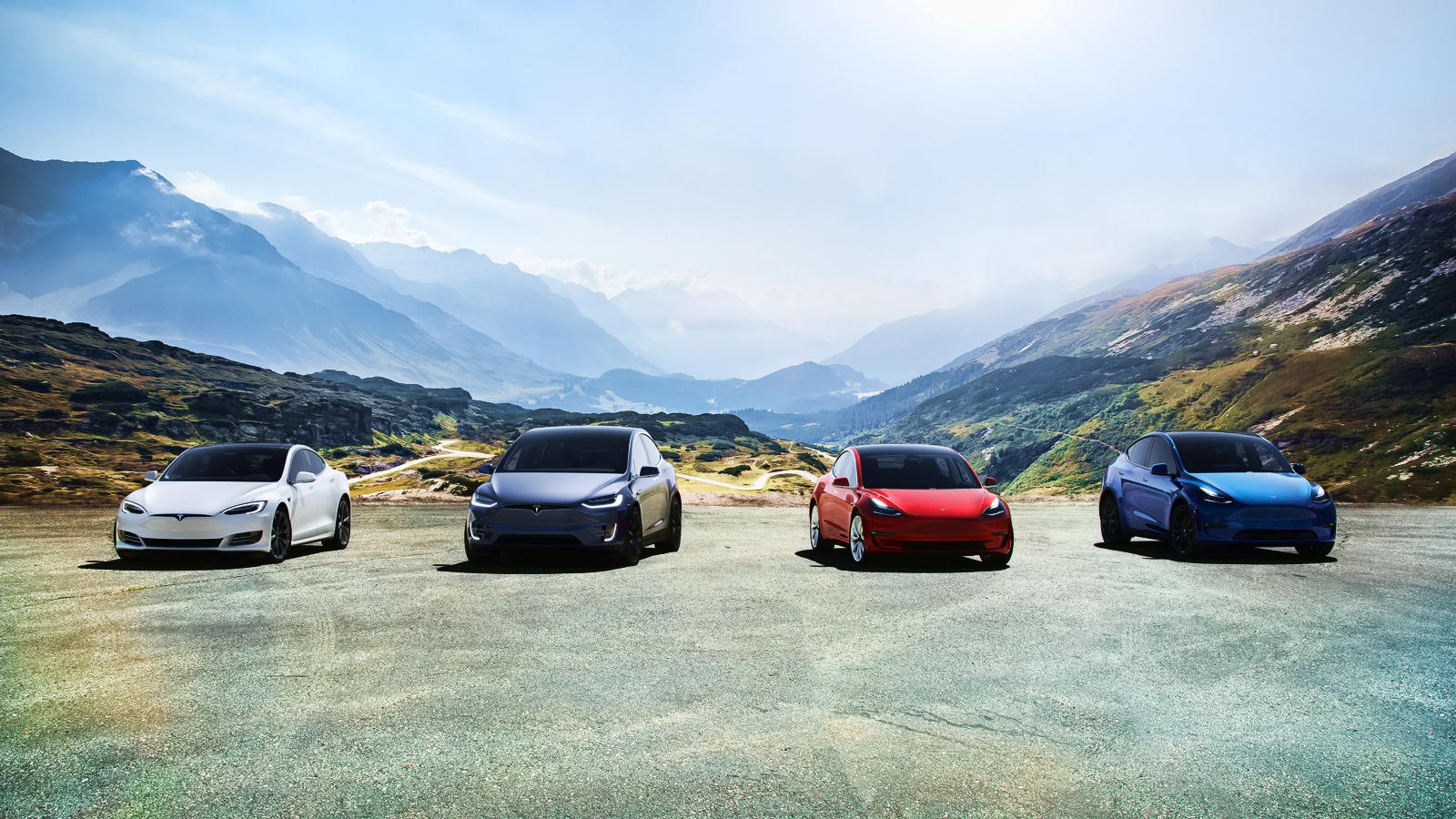
    Tesla is the world’s largest EV maker and it is also the largest EV player in the US, considering the states are its home turf. So it shouldn’t come as a surprise that Tesla has propelled 95 percent of the increase in EV sales in the US as per a report by Experian.

    While this is true, its market share is coming down as traditional automakers start to deploy their EV solutions which are increasingly becoming competitive with Tesla. In 2020, Tesla accounted for 79 percent of all the electric vehicles registered in the states. But in 2020, the US was hit hard by the pandemic and it only managed an 11 percent increase in EV adoption in the US. That’s changed dramatically in 2021 and we have barely crossed the halfway mark for the year.

    Tesla’s market share has dropped to 71 percent thanks to the introduction of new EVs like the Ford Mustang Mach-E, the Audi E-Tron and the Porsche Taycan. Some older EVs like the Hyundai Kona, Nissan Leaf, and Chevrolet Bolt EV are also seeing increased traction which is why Tesla’s market share has dipped, but overall, the sale of its Model Y and Model 3 is booming.

    Likely, with new avatars of the Model S and Model X just launched they will also see more traction. The top-selling EVs list is restricted to data from between January to April 2021.

    1. Tesla Model Y: 53,102
    2. Tesla Model 3: 35,468
    3. Chevrolet Bolt EV: 13,611
    4. Ford Mustang Mach-E: 6,104
    5. Nissan Leaf: 5,023
    6. Audi e-Tron: 4,321
    7. Porsche Taycan: 3,002
    8. Hyundai Kona: 2,192
    9. Tesla Model X: 1,730
    10. Tesla Model S: 1,633

  • Launch of direct Vietnam-US flight routes a challenging journey

    Launch of direct Vietnam-US flight routes a challenging journey

    Acquiring flight slots at U.S. airports is only the beginning of a challenging journey to making the Vietnam-U.S. direct route a reality, experts say.

    Private carrier Bamboo Airways recently acquired slots to operate regular direct flights from Ho Chi Minh City to San Francisco and Los Angeles starting September.

    The airline plans to begin charter flights starting July and regular flights in September with four flights a week.

    The flights would be operated using the long-haul Boeing 787-9 Dreamliner aircraft. The carrier said it was rushing to complete the final steps in the process of building its personnel apparatus, including pilot and flight crew training, to get ready for operating direct flights to the U.S.

    While the latest development stirs new hopes for direct flights between the two countries, something that airlines and officials have been discussing and working on for nearly two decades, there are still many hurdles to overcome.

    Aviation expert Nguyen Thien Tong said that apart from flight slots, each Vietnamese airline will need to acquire various safety permits from U.S. agencies before getting the go-ahead for direct flights.

    Vietnam Airlines, with decades of experience in the industry, seems to be the most promising candidate to secure these permits, while Bamboo Airways, having operated for only two years, might face stiff challenges in proving its capability to conduct such long direct flights, he told VnExpress International.

    Last September, national flag carrier Vietnam Airlines had became the first Vietnamese airline to secure permits from the U.S. Department of Transportation for direct flights to the U.S.

    The airline last month received licenses from the Civil Aviation Authority of Vietnam (CAAV) to operate the Airbus A350 aircraft to the U.S. It had already acquired a permit for the Boeing 787.

    Last year, Vietnam Airlines conducted over 20 charter flights between the two countries.

    But, for regular flights, various permits are needed from the Federal Aviation Administration (FAA), the Transportation Security Administration (TSA) and the U.S. Customs and Border Protection (CBP).

    The TSA is one of the toughest obstacles with its stringent requirements. It will send experts to examine Vietnamese airports before proceeding further.

    A CAAV official told local media that the current fleet of Vietnam Airlines and Bamboo Airways with their Boeing 787-9 and the Airbus 350 won’t be able to fly directly to the U.S. at full capacity (over 300 seats).

    For long direct flights, the Boeing 777x and Airbus A350-1000 are needed, but the two carries do not own such jets, he said.

    Apart from concerns over technical challenges, experts have also questioned the profitability of Vietnam-U.S. direct flights.

    Vietnam Airlines CEO Le Hong Ha said the carrier might have to bear a loss of $30-50 million a year in the first five years of operating direct Vietnam-U.S. flights.

    Bamboo Airways chairman Trinh Van Quyet had earlier calculated that the airline could earn VND8 billion ($346,700) a month from direct flights with return ticket prices of around $1,300.

    But it is difficult to confirm those figures, especially as U.S. airlines, such as United Airlines and Delta Air Lines have launched and suspended direct flights to Vietnam after making losses, Tong said.

    There are currently no direct routes between the two countries, and passengers have to transit through Hong Kong, South Korea or Taiwan, taking 18-21 hours in all. A direct flight would shorten the travel time to 15-17 hours.

    Tong also said that with the ongoing Covid-19 pandemic it is unclear when a regular direct route will be established.

    Americans are among the top foreign visitors to Vietnam, with 687,226 arrivals in 2019, and an ethnic Vietnamese population of over 2.1 million in the U.S. is also expected to be a steady source of travel demand.

  • Vietnam replaces China as largest furniture exporter to US

    Vietnam replaces China as largest furniture exporter to US

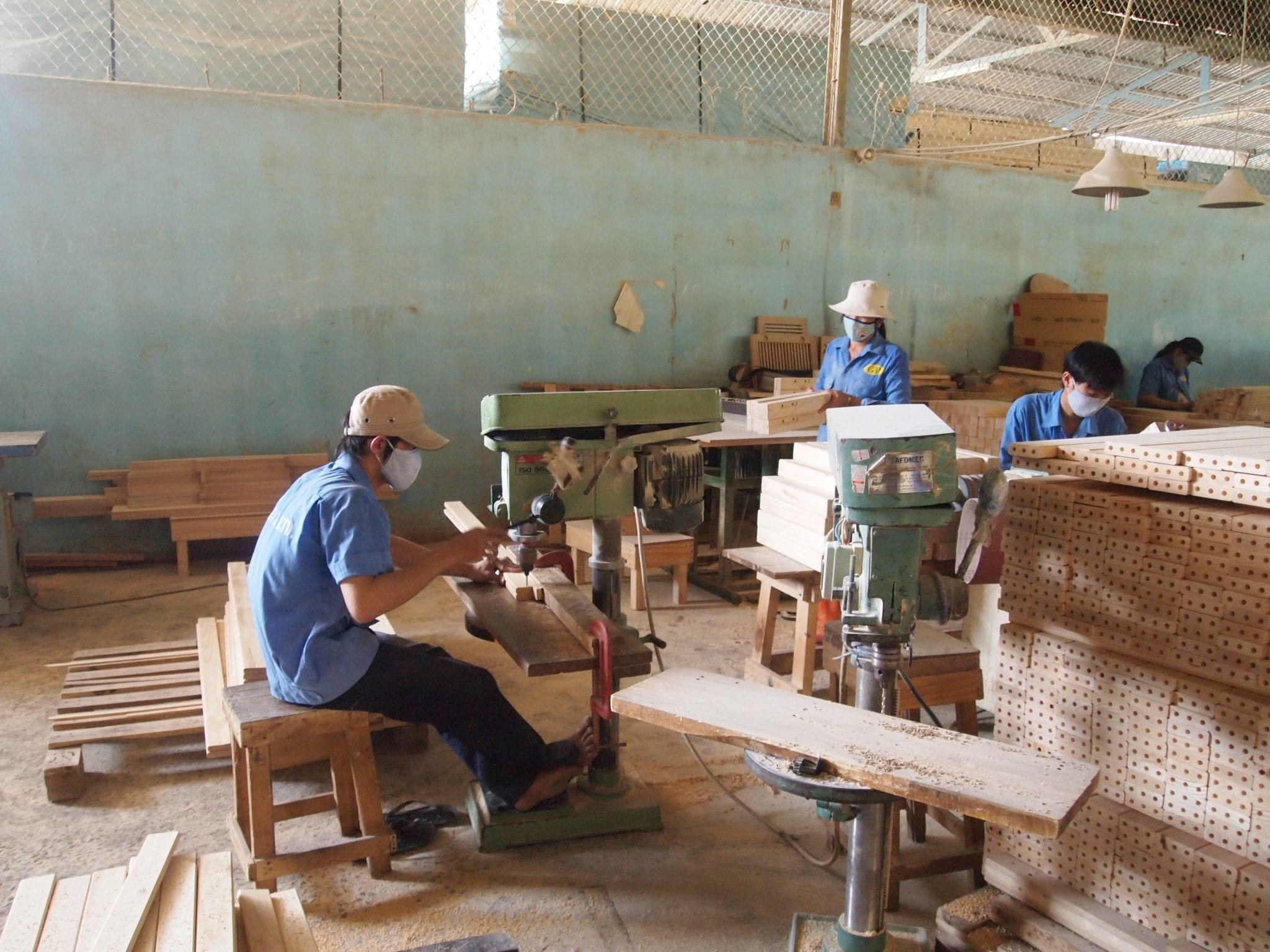
    Vietnam has overtaken China as the largest furniture exporter to the U.S. as tariffs drive manufacturers out of the world’s second-largest economy.

    Vietnam exported $7.4 billion worth of furniture to the U.S. last year, compared to China’s $7.33 billion. This marked a 31 percent year-on-year surge for Vietnam, while that of China fell 25 percent.

    The shift has happened over the past two and a half years with the U.S. imposing tariffs as high as 25 percent on almost all furniture categories from China, pushing manufacturers to move out.

    In 2018 and 2019, Vietnam’s furniture shipments to the U.S. rose by double digits each year, while that of China fell by double digits.

    “That doesn’t surprise me at all,” said Fred Henjes, CEO of Riverside Furniture Corp. “We are no longer buying products out of China, and I know there are many others besides us.”

    Strong import categories of this company from Vietnam include bedroom, dining room, and home office furniture, Furniture Today quoted him as saying.

    Another company, Klaussner Home Furnishings, sources all of its wood furniture from Vietnam now. Its sales in the wood segment from Vietnam were up 10 percent last year.

    The U.S. was Vietnam’s largest export market in the first four months at $30.3 billion, up 50 percent, followed by China at $16.8 billion, up 32.4 percent.

  • Grab set to announce deal with US SPAC at $40 billion valuation

    Grab set to announce deal with US SPAC at $40 billion valuation

    Grab Holdings is set to announce as early as Tuesday a merger with U.S.-based Altimeter that will value Grab at nearly $40 billion and lead to a public listing.

    The merger will make it the biggest blank-check company deal ever. Southeast Asia’s largest ride-hailing and food delivery firm Grab’s agreement with a special purpose acquisition company (SPAC) backed by Altimeter Capital includes a $4 billion private investment in public equity (PIPE) from a group of Asian and global investors including Fidelity International and Janus Henderson, three people said.

    Grab declined to comment. There was no response from Silicon Valley-based Altimeter to an emailed request for comment.

    The two fund managers also did not respond to an emailed query. The sources declined to be identified due to the sensitivity of the matter.

    The deal for Singapore-based Grab, which sources have previously said was valued at just over $16 billion last year, is a big win for its early backers such as Japan’s SoftBank Group Corp and China’s Didi Chuxing.

    A U.S. listing will give Grab extra firepower in its main market, Indonesia, where local rival Gojek is close to sealing a merger with the country’s leading e-commerce business Tokopedia.

    Grab, whose net revenue surged 70 percent last year, is yet to turn profitable, but it expects its biggest segment – the food delivery business – to break even by end-2021, as more consumers shift to online food delivery after the Covid-19 pandemic.

    The nearly $40 billion valuations is based on a proforma equity value, two of the sources said.

    With operations in eight countries and 398 cities, Grab is already Southeast Asia’s most valuable start-up.

    Leveraging its ride-hailing business started in 2012, the firm has expanded into offering food and grocery deliveries, courier services, digital payments, and is now making a big push into insurance and lending in a region of 650 million people.

    Cash-rich, U.S.-listed Sea is also muscling into food delivery and financial services in Indonesia. Both Grab and Sea won digital bank licences in Singapore last year.

  • Grab agrees to US$40 billion merger, clearing way to list in the US

    Grab agrees to US$40 billion merger, clearing way to list in the US

    Southeast Asia’s biggest ride-hailing and food delivery firm Grab Holdings agreed a merger on Tuesday with US-based Altimeter Growth Corp in a deal that values Grab at an initial proforma equity value of about US$39.6 billion and will lead to a public listing

    The merger, the biggest blank-check company deal ever, underscores the frenzy on Wall Street as shell firms have raised $99 billion in the US so far this year after a record $83 billion fundraising in 2020.

    Singapore-based Grab’s agreement with a special purpose acquisition company backed by Altimeter Capital includes a more than $4 billion private investment in public equity by investors including BlackRock, Fidelity International, Janus Henderson Investors and Temasek Holdings.

    Grab said its decision to become a public company was driven by strong financial performance in 2020, despite the pandemic.

    Reuters earlier reported that Grab would announce the deal on Tuesday.