Retail News CRM

Tag: US

  • Volkswagen US Changes Its Name To Voltswagen To Signify Brand’s Electric Aspirations

    Volkswagen US Changes Its Name To Voltswagen To Signify Brand’s Electric Aspirations

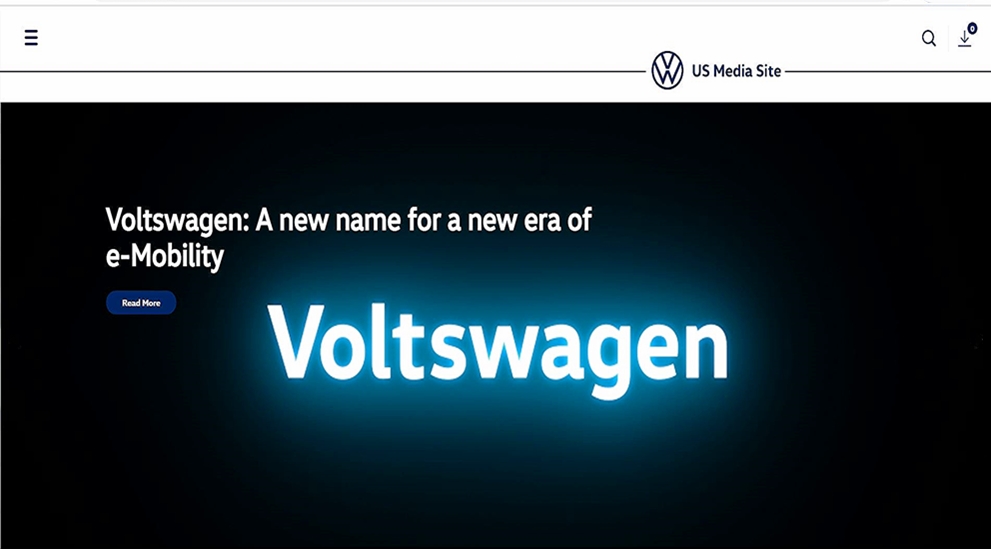
    Voltswagen! Yes, that will be the name of German auto giant Volkswagen’s operations in the United States of America. The official brand name has changed from Volkswagen of America to ‘Voltswagen of America’ and clearly emphasizes the brand’s electric aspirations in the market. The new name, the automaker, symbolises the brand’s momentum towards moving people from point-to-point with electric vehicles. But we now know that this was an April Fool’s joke by the company.

    To give it that reality flavour, the company even quoted Scott Keogh, president and CEO of Voltswagen of America, saying, “We might be changing out our K for a T, but what we aren’t changing is this brand’s commitment to making best-in-class vehicles for drivers and people everywhere. The idea of a ‘people’s car’ is the very fabric of our being. From the beginning of our shift to an electric future, we have said that we will build EVs for the millions, not just millionaires. This name change signifies a nod to our past as the peoples’ car and our firm belief that our future is in being the peoples’ electric car.”

    Do note that the Voltswagen name was to be specific to the US market, while the company will continue to use its original name in other markets globally. The Voltswagen name, though, isn’t exactly all-new. The brand had used it in one of their ads in 2013 while promoting the Volkswagen e-Up! in Europe.

    “As our newly launched ID.4 campaign demonstrates, the humanity at the core of this brand remains its enduring legacy,” said Kimberley Gardiner, senior vice president, Voltswagen of America brand marketing. “The tone of Voltswagen will be a consistent thread between the branded communications for our growing electric fleet to our gas vehicles. Over the course of the next few months, you will see the brand transition at all consumer touchpoints. This is an exciting moment for us, and we have been working through every avenue to make the transition clear, consistent, seamless, and fun for all.”

    The new name strategy also comes when the company has introduced the ID.4 SUV in the US, its first all-electric offering. The automaker has also said that its electric cars will sport the Voltswagen exterior badge and get a light blue version of the brand logo to differentiate the new EV-centric branding. Meanwhile, the gasoline-powered cars will retain the iconic dark blue VW logo, albeit without any exterior badging of the new name
  • SoftBank-backed Coupang raises $4.2 billion in US IPO

    SoftBank-backed Coupang raises $4.2 billion in US IPO

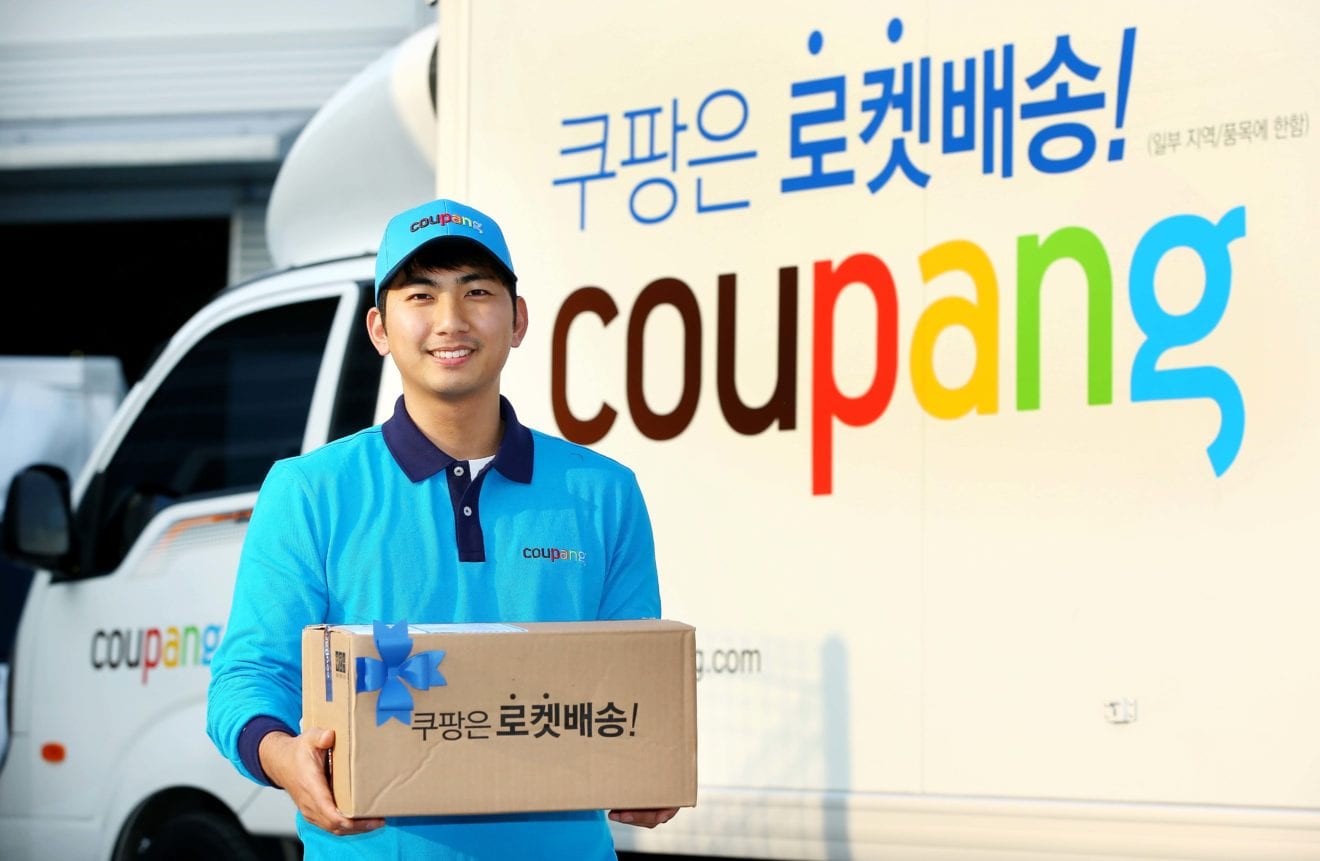
    Coupang LLC, South Korea’s largest e-commerce company, raised $4.2 billion in the biggest share offering in the United States this year after selling stocks in the IPO above its deal target range, people familiar with the matter said.

    The initial public offering price of $35 apiece, higher than the marketing range $32-$34 per share, gives Seoul-headquartered Coupang, which is backed by Japan’s SoftBank Group Corp, a market value of $60 billion.

    Coupang’s successful share offering comes as the U.S. IPO market is at its strongest in more than two decades and investors are flocking to buy shares in technology companies that have benefited during the COVID-19 pandemic.

    The IPO is the biggest in the United States this year, surpassing the $2.15 billion raised by dating app Bumble Inc. It also marks a jump in Coupang’s valuation, which was pegged at $9 billion in a fundraising round in 2018, according to Pitchbook.

    Analysts in South Korea said the strong response to Coupang’s offering was a result of its market-leader position in the country at a time when, like many other e-commerce firms, its sales have grown due to the COVID-19 pandemic.

    “Considering the high level of valuation inherent in the pricing, the market is giving a generous assessment of the company’s achieving the top spot in market share,” said Park Sang-joon, analyst at Kiwoom Securities.

    Coupang was the top-ranked South Korean e-commerce firm in 2020 with 19.2% market share, according to Euromonitor, compared to Naver Corp’s 13.6% and eBay Korea’s 12.8%. It was the 10th largest e-commerce firm in the world, based on retail value excluding sales tax.

    In 2020, Coupang’s net sales jumped 91% year-on-year to $11 billion. Net losses narrowed to $567.6 million from $770.2 million posted in the prior year.

    Founded in 2010 by Korean-American billionaire Bom Suk Kim, Coupang rose to prominence after launching its guaranteed same-day or next-day delivery service in the East Asian country. SoftBank’s $100 billion Vision Fund owns 35.1% of Coupang.

    Achieving a $60 billion valuation would add to good news for the Vision Fund, which is bouncing back from an annual loss in March. Last month, it announced record quarterly profit.

    The company’s shares will begin trading on the New York Stock Exchange on Thursday under the symbol “CPNG.”

    Goldman Sachs, Allen & Co, JPMorgan and Citigroup are the lead underwriters for the offering.

  • Chinese Telcom Giants Review New York Delisting

    Chinese Telcom Giants Review New York Delisting

    In the latest on U.S. delistings of Chinese firms, the three largest mainland telecommunications firms have requested for a review of the New York Stock Exchange’s decision to remove their shares from the bourse.

    In a filing to the Hong Kong Stock Exchange yesterday where they are also listed, China Mobile, China Unicom and China Telecom said that written requests have been filed with NYSE. The three telecom giants said they also asked for trading suspensions to be maintained during the review.

    The review will be scheduled at least 25 days from when the request was filed, the statement added, with no assurance for success.

    Near the end of the Trump administration, the New York bourse had already once reversed a decision to delist the stocks, deemed by the U.S. to be linked to China’s military, only to ultimately comply following an alleged phone call from U.S. Treasury Secretary Steve Mnuchin.

    But now, the three telecom giants will seek to push for a second reversal under a Joe Biden administration. Biden recently nominated ex-Fed chair Janet Yellen as the new incoming Treasury secretary.

  • U.S. Adds Chinese Smartphone Giant Xiaomi to Blacklist

    U.S. Adds Chinese Smartphone Giant Xiaomi to Blacklist

    Just five days before the official inauguration of President Joe Biden, the Trump administration is making a late push to ban more Chinese companies deemed risky, including smartphone maker Xiaomi and state-owned oil firm CNOOC.

    Xiaomi was one of nine firms added to the Defense Department’s list of banned firms linked to the Chinese military, expanding the original list of over 60 companies.

    The Department is determined to highlight and counter the People’s Republic of China’s (PRC) Military-Civil Fusion development strategy, which supports the modernization goals of the People’s Liberation Army (PLA), said a statement from the Department of Defense (DoD).

    According to the DoD, PLA modernization is being ensured via access to «advanced technologies and expertise acquired and developed by even those PRC companies, universities, and research programs that appear to be civilian entities».

    Financial firms that wish to comply with sanctions on the additional firms will have to rebalance their exposure and many have reportedly done so in recent times, delisting of structured products in Hong Kong or removing constituents from major global index compilers.

    One notable global firm that has bucked the trend by maintaining business ties without complying to U.S. sanctions is State Street Global Advisors, whose Asia unit reversed its decision to remove banned stocks from the renowned Tracker Fund following pressure from Hong Kong officials.

    In the third quarter of last year, the Chinese tech giant surpassed Apple in terms of smartphone sales and entered Hong Kong’s benchmark Hang Seng Index in September. Its current market capitalization exceeds $700 billion.

  • HSBC Rules Out Full U.S. Exit

    HSBC Rules Out Full U.S. Exit

    A full departure from the largest economy is reportedly no longer being considered but decisions on the retail unit remain unconfirmed.

    A U.S. retail banking pullout could still happen, according to a report citing unnamed sources, though a full exit from the market will not be explored anymore.

    Plans will be outlined by senior managers in the coming weeks alongside suggestions to cut investment banking activities to focus on international clients, especially in Asia and the Middle East.

    HSBC’s decision to downsize its U.S. business is part of a broader overhaul to cut costs and 35,000 jobs globally. According to the British lender, further revisions on plans such as future capital deployment and cost-cutting will be announced during the next annual reporting session.

  • Bkav exports security cameras to US

    Bkav exports security cameras to US

    Cybersecurity firm Bkav has exported its first batch of security cameras to the U.S., furthering its ambition to become a top-five camera manufacturer worldwide.

    Its AI View security cameras will be installed at the headquarters of technology giant Qualcomm Incorporated in California, Bkav said in a statement.

    “From here, we have the foundation to further develop in this market, aiming at becoming a Top 5 camera manufacturer in the world,” said Tommy Le, Bkav Vice President of Business Development in the U.S.

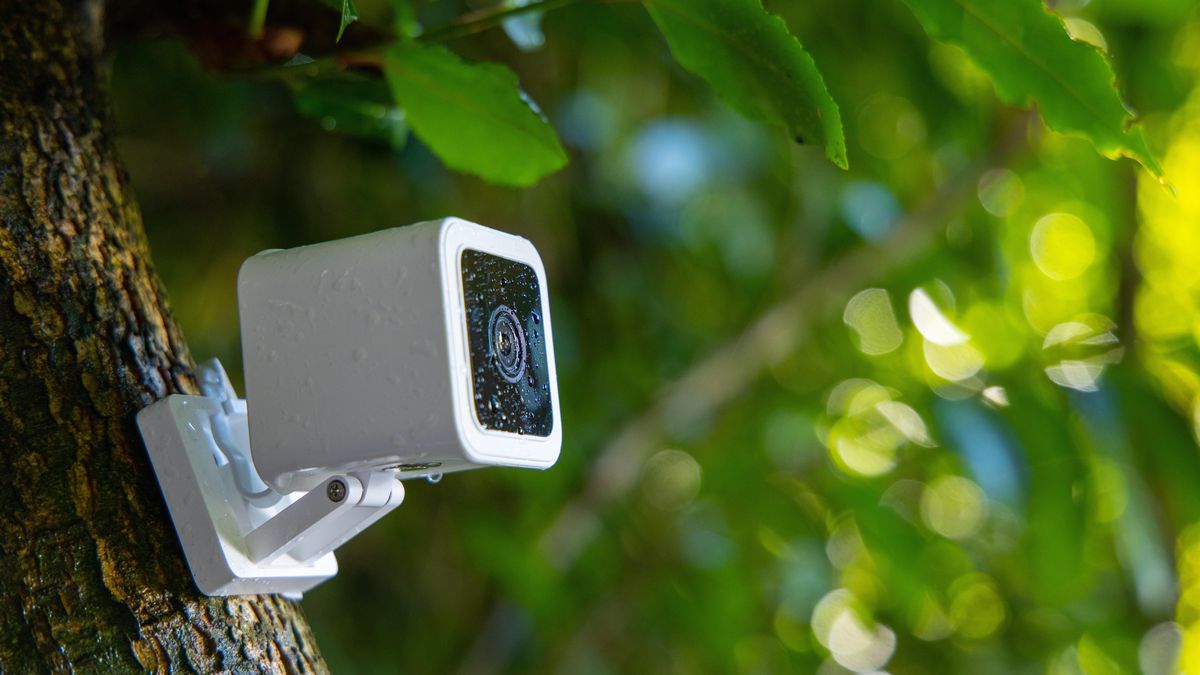
    The Bkav cameras are capable of recognizing faces, doing headcounts, measuring social distancing, determining whether someone is wearing a face mask or not, finding a parking spot, detecting fires, and unauthorized intrusions.

    The company says its cameras are priced around 20 percent lower than similar products of famous European manufacturers.

    Bkav is currently working on a series of camera projects in India, Mexico, Malaysia, and Vietnam.

    Another batch of AI View cameras are set to be installed in a large park in the U.S. by the end of the year, the company said.

  • Google Pay continues to expand in the US, nearly 90 new banks now supported

    Google Pay continues to expand in the US, nearly 90 new banks now supported

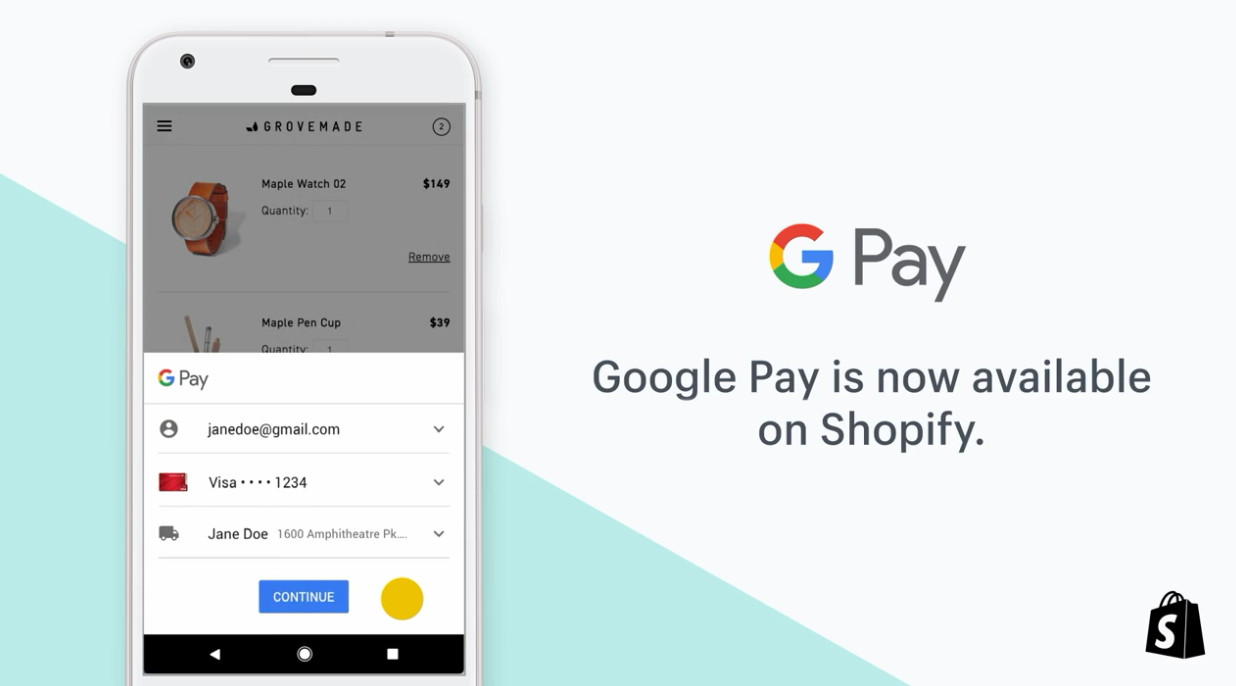
    Google Pay is pretty big in the US, and starting this week it will get even bigger. Currently, thousands of banks and financial institutions offer customers support for Google Pay, so the 89 names added this week will probably feel like a grain in the sand.

    The list of 89 banks that now support Google Pay is below, so if you didn’t find yours among the 3,000 supported banks listed on Google’s support site, you can look for it here. The list is ordered alphabetically for easier reading

    1st Trust Bank, Inc. (KY), Algonquin State Bank, Alliance Bank Central Texas (TX), Bank of Advance (MO), Bank of Herscher (IL), Bank of Newington (GA), Bank of Old Monroe (MO), Bossier Federal Credit Union (LA), Buckeye State Bank (OH), Central Valley Community Bank, Clean Energy Federal Credit Union (CO), Clearwater Credit Union, Community Partners Savings Bank (IL), Dover Federal Credit Union (DE), E-Central Credit Union, Exchange Bank of Northeast Missouri (MO), Families and Schools Together Federal Credit Union, Farmers – Merchants Bank of Illinois (IL), Farmers and Drovers Bank, Financial Horizons Credit Union, First Century Bank (TN), First Federal Savings Bank (IN), First Financial Bank, NA.

    First Nebraska Bank, FirstCapital Bank of Texas, Fort Davis State Bank Franklin Mint Federal Credit Union, Gateway Metro Federal Credit Union, Genoa Community Bank, Gowanda Area Federal Credit Union, GreenState Credit Union (IA), Greenville Heritage Federal Credit Union, Gulf Capital Bank (TX), HNB First Bank (AL), Hardin County Savings Bank (IA), Harris County Federal Credit Union (TX), Heartland Credit Union (IL), Heartland Credit Union (MI), Honolulu Fire Department FCU (HI), Hurricane Creek Federal Credit Union (AR)

    Jersey State Bank (IL), Jolt Credit Union (MI), KSW Federal Credit Union, Lakeview Federal Credit Union, Latrobe Area Hospital FCU (PA), Live Life Federal Credit Union, Magnolia Bank (KY), Martha’s Vineyard Savings Bank (MA), Millyard Bank (NH), Minnwest Bank (MN), Mountain Credit Union (NC), Mt. McKinley Bank, Needham Bank (MA), Northwest Christian Credit Union, One Community Bank (WI), One Source Federal Credit Union (TX), Partners Bank of California, Pawtucket Credit Union, People’s United Bank, National Association (CT).

    Peoples Bank & Trust Co (MO), Plains Commerce Bank Raritan Bay Federal Credit Union Rio Grande Valley Credit Union, Rollstone Bank & Trust (MA), SPE Federal Credit Union (PA), Sabine Federal Credit Union, Saco Valley Credit Union, Safra National Bank of New York (NY), San Luis Valley Federal Bank, Savings Bank of Walpole (NH), Secured Advantage, Federal Credit Union, Sentry Credit Union (WI), Southbridge Credit Union (MA).

    Springfield First Community Bank, St. Louis Bank, Susquehanna Valley Federal Credit Union, Taunton Federal Credit Union, Telcomm Credit Union (MO), Texas Regional Bank, The Bank of Salem (MO), The New Orleans Firemen’s Federal Credit Union, Treasury Department Federal Credit Union (DC), TruStar Federal Credit Union (MN), United Credit Union, Varo Bank, National Association, WESLA Federal Credit Union, WESTcoasin Credit Union (WI), Wells River Savings Bank (VT), and WestStar Bank (TX).

    Ok, 3,000 is a big number, but there’s a chance that many Google Pay users won’t find their banks on this huge list. Well, judging by the constant wave of banks and financial institutions that are getting Google Pay support each month, sooner or later we’ll be able to use the mobile payment service across all America.

  • Leaked White House document shows how U.S. plans to hurt TikTok financially

    Leaked White House document shows how U.S. plans to hurt TikTok financially

    With short-form video app TikTok about to be banned in the U.S. starting in the middle of next month, a Harris Poll that was shared with USA Today found that 64% of adult Americans are against the presidential executive order that will end the app’s presence in the states. The order was signed by U.S. President Donald Trump because the app’s parent company, ByteDance, is a Chinese company. Many U.S. lawmakers and members of the Trump administration believe that Chinese manufacturers use backdoors embedded in their products to capture data from consumers and companies and send it to the Communist Chinese government.

    While a majority of those adults polled are against Trump’s executive order, 57% of tall Americans agreed with the move by the president to kick TikTok out of the states. However, those answering the poll were 18 years of age or older while most TikTok users are younger. The app has been installed two billion times from the App Store and the Google Play Store. Content includes lip-syncing, dancing, pranks, protests, singing, and more. During the pandemic, TikTok picked up interest from those who were stuck at home.

    Microsoft has reportedly been looking at buying the North America, Australia, and New Zealand operations of TikTok although company founder Bill Gates has stated his reservations. Twitter has supposedly has had preliminary meetings with TikTok to form some sort of combination. However, this would be quite a longshot considering that the estimated valuation of TikTok is well above the $30 billion that Twitter is worth. But even if a deal with a U.S. firm is completed, the Harris Poll found that 62% of Americans would continue to believe that the app would pose a national security threat because of its ties to China. The rest of the poll saw 67% of Americans worried that the Chinese are using personal data collected by TikTok, a sentiment agreed to by 59% of TikTok users.

    A document from the White House indicates how the U.S. plans to impact TikTok’s operations in the country. One way that this could happen is by disrupting the app’s operations and sources of funding. A source inside the White House verified the authenticity of the document which said, “Prohibited transactions may include, for example, agreements to make the TikTok app available on app stores … purchasing advertising on TikTok, and accepting terms of service to download the TikTok app onto a user device.” Industry analysts say that if the ban prevents TikTok from appearing in the App Store and the Google Play Store, the result would sharply damper the growth of the app.

    Also facing a ban in the U.S. is messaging, social media, and mobile payment app WeChat. The latter, launched by Tencent in 2011, has over one billion users and many Chinese consumers rely on the app every single day. Trump also signed an executive order that will ban U.S. firms from doing business with WeChat. The White House document seen by Reuters is not clear on whether WeChat will indeed be banned in the states.

    The U.S. ban on TikTok would take effect starting on September 16th, the same date that any WeChat ban would also begin. James Lewis, a cybersecurity expert with the Washington-based Center for Strategic and International Studies, said, “That kills TikTok in the U.S. If they want to grow, these rules are a huge obstacle.” Lewis did note that the U.S. government might not be able to prevent American TikTok fans from downloading the app from a foreign website. TikTok has 100 million users in the U.S. and has stated that data from its U.S. subscribers is stored on servers in the U.S. and Singapore and that such information would not be given to the Chinese government.

    TikTok says that it plans to continue honoring ad campaigns although some corporations say that they have made plans to advertise on other apps if TikTok is shut down in America.

  • T-Mobile isn’t the only U.S. carrier with a nationwide 5G network

    T-Mobile isn’t the only U.S. carrier with a nationwide 5G network

    Move over T-Mobile, you’re no longer the only nationwide 5G network in town. AT&T announced Thursday that it has added 5G in 40 more markets; as a result, the country’s second-largest wireless provider now covers 205 million Americans with its 5G signal. Helping AT&T speed up the process so quickly was the launch last month of dynamic spectrum sharing (DSS) in parts of Florida and Texas. DSS responds in real-time to demand on AT&T’s network for either 4G LTE or 5G spectrum. Thus the use of the word “Dynamic” in DSS.

    With DSS, the same channel can be employed for 4G and 5G users at the same time. The technology is “traffic-aware” so 4G LTE and 5G resources are allocated based on the makeup of the traffic. Using its 850MHz low-band spectrum, AT&T’s coast-to-coast 5G can be found in 395 markets. T-Mobile’s nationwide 5G uses the carrier’s 600MHz low-band spectrum and can be accessed by 225 million people, 20 million more than AT&T. Besides offering 5G over its low-band spectrum, in limited parts of 35 markets, AT&T’s 5G+ service employs its faster mmWave spectrum.

    On August 7th, AT&T will offer its 5G service to customers of its least expensive unlimited plan at no additional cost. The Unlimited Starter postpaid plan costs $140 for 4 lines ($35 per line/per month). Customers on more expensive unlimited plans already had 5G service. The wireless provider’s prepaid customers will also have access to 5G via the Unlimited Plus plan, which costs $75 per month or $50 with autopay. That service also begins on August 7th.

    Chris Sambar, Executive Vice President of Technology Operations said, “Our strategy of deploying 5G in both sub-6 (5G) and mmWave (5G+) spectrum bands will provide the best mix of speeds, latency and coverage that are needed to enable revolutionary new capabilities to fuel 5G experiences for consumers and businesses. Our competitors are still working to provide that same mix, which for them could take months or even years. What we offer is available to consumers and businesses today, and we’re not slowing down.”

    5G phones that AT&T sells include the Samsung Galaxy Note10+ 5G, the Galaxy S20 series, the Galaxy A71 5G, and the LG V60 ThinQ 5G. The LG Velvet 5G is now available and orders for the Galaxy Z Flip 5G will start shipping on August 7. Customers of AT&T’s Cricket Wireless prepaid brand will be able to activate 5G service on a Samsung Galaxy S20+ 5G starting on August 21st.

    While all three major carriers plan on using low-band, mid-band, and high-band spectrum to build-out their 5G networks, right now T-Mobile is the only one using mid-band airwaves for 5G thanks to the 2.5GHz spectrum it took control of after closing on the Sprint merger. Keep in mind that the merger was always about obtaining those assets from Sprint. Verizon is focusing on its mmWave spectrum which is why it is taking so long for it to complete. You see, the 600MHz and 850MHz airwaves used by T-Mobile and AT&T respectively, travel farther and penetrate structures better than mmWave spectrum. The latter, though, delivers faster data speeds and can handle larger amounts of traffic than low-band spectrum.

    While mid-band spectrum is rare in the states, all three carriers will take part in an auction of Priority Access Licenses (PALs) for 3.5GHz spectrum that is shared with the Navy in the Citizens Broadband Radio Service (CBRS). However, purchasing a PAL will allow a carrier to have first crack at using the spectrum.

    AT&T also announced today that it spent $1 billion to buy new spectrum that will be used for its 5G network. At the same time, the company said that it lost 151,000 postpaid subscribers during the second quarter. But that figure includes 338,000 subscribers that AT&T counts as a lost subscriber because they didn’t pay their bills. But AT&T continued to deliver service to these accounts during the quarter because of the Keep America Connected Pledge that the wireless firms agreed to in March. Under the pledge, customers who could not pay their bill were not given the boot, late charges were waived, and non-customers had access to a carrier’s mobile hotspot. The Keep America Connected Pledge expired on June 30th, the last day of the third quarter.

  • Uber Launches Hourly Ride Booking Option In Some U.S. Cities

    Uber Launches Hourly Ride Booking Option In Some U.S. Cities

    Uber Technologies Inc on Friday said it would offer rides by the hour in some U.S. cities, a feature aimed at helping Americans with essential trips during the coronavirus pandemic.

    The option, which is already available in a handful of cities in Australia, Africa, Europe and the Middle East, will cost $50 per hour. Fares for regular Uber rides are generally based on the level of demand and the trip distance.

    Uber said it decided to expand the hourly feature to the U.S. after riders requested an option for extended trips during the pandemic to avoid exposure to different drivers and vehicles when taking multiple trips in a confined time period.

    The company said it expected the option to be used for trips to grocery stores, pharmacies and doctors’ appointments, but would monitor use going forward.

    A couple of globetrotters are stopped in their tracks by coronavirus after seeing 50 countries on five continents. The two have been stuck in their car on a Florida shopping center parking lot for two weeks.

    Hourly bookings will be available in Atlanta, Chicago, Washington, Dallas, Houston, Miami, Orlando, Tampa Bay, Philadelphia, Phoenix, Tacoma and Seattle beginning June 2, with expansions planned in the following weeks.

    Since May 18, Uber requires riders and drivers around the world to wear face coverings or masks and allows both parties to cancel trips and report users who do not comply with the measure. Repeated failure to comply can lead to account deactivation for both riders and drivers.

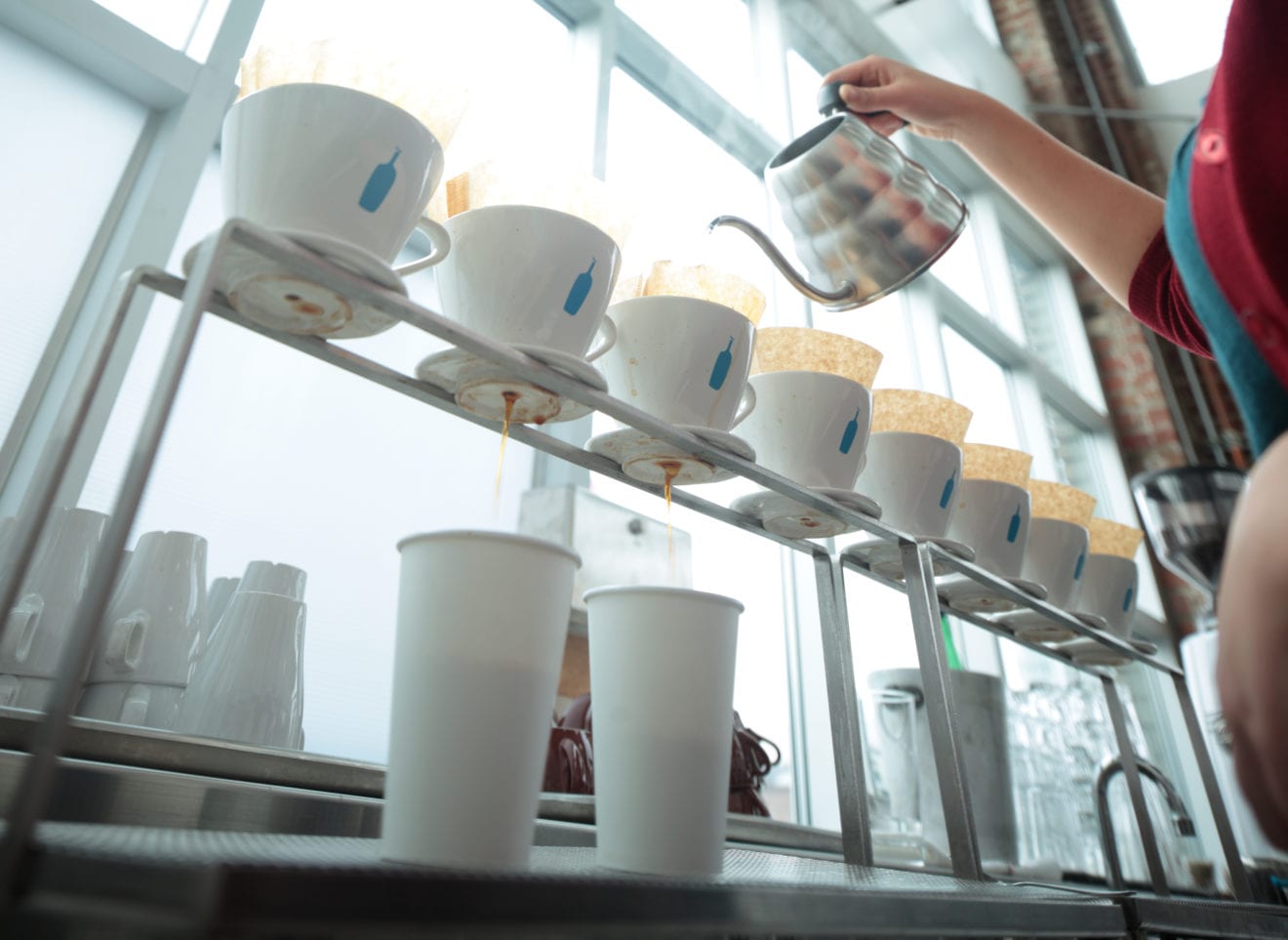
  • US cafe chain Blue Bottle lifting off in Hong Kong

    US cafe chain Blue Bottle lifting off in Hong Kong

    After months of speculation, US coffee chain Blue Bottle has launched in Hong Kong.

    The modern coffee roaster is currently serving only takeaway coffee from its location in Lyndhurst Terrace due to restrictions on restaurant trading during the coronavirus pandemic.

    The store, expected to open for dine-in services when social-distancing restrictions are eased, features “an industrial medley of timber work surfaces [and] exposed support beams” design, according to LifestyleAsia.

    The store is Blue Bottle’s 22nd venue in Asia. It currently has more than 50 cafes in the US, and recently debuted in Japan and South Korea.

    The brand is known for its single-origin beans and cold-brew coffee which prompted consumer-goods giant Nestle to acquire a 68-per-cent stake for US$425 million back in 2017.

  • Huawei lawsuit against ‘unconstitutional’ ban in the US is thrown out

    Huawei lawsuit against ‘unconstitutional’ ban in the US is thrown out

    A judge has ruled against a lawsuit filed by Huawei in the US relating to a ban on government personnel using the company’s devices.

    Huawei filed the lawsuit on the basis that the ban was “unconstitutional” back in 2018. Since then, Huawei has faced increased US-led scrutiny globally over claims the company is controlled by Beijing – an allegation the company denies.

    US District Court Judge Amos Mazzant ruled that Congress has the right to ban federal agencies from using equipment manufactured by specific firms.

    In a 57-page ruling on Tuesday, Mazzant wrote: “Contracting with the federal government is a privilege, not a constitutionally guaranteed right—at least not as far as this court is aware.”

    Huawei is now considering its options and said in a statement the “approach taken by the US Government in the 2019 NDAA provides a false sense of protection while undermining Huawei’s constitutional rights.”

    Earlier this month, the Department of Justice charged Huawei and its subsidiaries with racketeering and conspiracy to steal trade secrets.

    Last week, a bipartisan US delegation voiced their concerns about Huawei during this year’s Munich Security Conference.

    Secretary of State Mike Pompeo claimed that Huawei, and other firms backed by Beijing, are “trojan horses for Chinese intelligence”. Meanwhile, Defense Secretary Mark Esper said China is conducting a “nefarious strategy” through companies like Huawei.

    From the other side of the House, Republican Speaker Nancy Pelosi said the use of Chinese telecoms equipment would be “choosing autocracy over democracy” and “putting the state police in the pocket of every consumer in these countries”.

    February is typically a great month for those in telecoms as it’s a time when everyone convenes at MWC in Barcelona to show off their latest technologies, make deals, and celebrate the industry. Of course, this year’s MWC has been canceled over fears about the spread of the deadly coronavirus.

    The best recent news for Huawei arrived last month when the UK government announced it will be allowing the company to have a “limited role” in national 5G networks following a comprehensive security review.

    Huawei will be hoping for fewer months like February for the rest of 2020.

  • US gives green light to ‘several’ firms to sell to Huawei

    US gives green light to ‘several’ firms to sell to Huawei

    A Commerce Department spokesman said the agency had granted “narrow licenses to authorize limited and specific activities which do not pose a significant risk to the national security or foreign policy interests of the United States.”

    The administration earlier this week said it had extended for another 90 days the full implementation of the sanctions as part of an effort to make a transition easier for Huawei’s US partners. Commerce Secretary Wilbur Ross said any exemptions from the ban would be allowed only for older wireless systems and not for 5G networks, which have raised a range of security concerns in Washington.

    President Donald Trump in May effectively barred Huawei from American communications networks after Washington found the company had violated US sanctions on Iran and attempted to block a subsequent investigation.

    The latest 90-day extension “will allow carriers to continue to service customers in some of the most remote areas of the United States who would otherwise be left in the dark,” Ross said in a statement. “The department will continue to rigorously monitor sensitive technology exports to ensure that our innovations are not harnessed by those who would threaten our national security.”

    Huawei said Monday the decision did nothing to alter the company’s view that Washington has treated it unfairly and called on the Trump administration to remove Huawei from a foreign technology blacklist.

  • US food delivery service DoorDash expands to Sydney

    US food delivery service DoorDash expands to Sydney

    Two months after entering the local market with food delivery services in Melbourne, DoorDash has expanded to Sydney and now covers more than 40 percent of the Australian population it says.

    Launched in the US in 2013, the platform is the market leader in America with 35 percent market share. But it has a long way to go to catch up with the major players in Australia – UberEats, Deliveroo and Menulog – which have had a significant head start in the much smaller market.

    DoorDash says it has partnered with more than 2000 local restaurants, including major QSR chains, such as Carl’s Jr, Nandos, Subway, Grill’d, Crust and Oporto, which is giving away 10,000 free burgers to customers in Sydney to mark the launch on Tuesday. It also offers in-store pick-up for hundreds of restaurants.

    DoorDash aims to grow its presence in Australia by targeting customers in the suburbs, not just city centers.

    “The unique challenge we’ve sought to solve is not only offered great selection and service in urban environments but suburban ones as well,” Thomas Stephens, DoorDash’s general manager in Australia said.

    “It’s an incredible opportunity, as it’s where the vast majority of Australian’s live, and one we’re excited to connect.”

    But the platform also has faced criticism for what some call an aggressive expansion strategy. DoorDash had signed up restaurants to the platform without their permission.

    The platform allows customers to order from restaurants that haven’t signed up to DoorDash, with restaurants often finding out an order has been placed only when a delivery rider shows up to collect it.

    Stephens said the platform is acting as a “courier service” in these instances, and said restaurants can request to be removed from the platform.

    But this doesn’t match up with the “restaurant-led approach” that supposedly differentiates DoorDash from its competitors.

    “We’re differentiated from our peer group because of our restaurant-led approach, meaning we offer the most comprehensive suite of services to help bring restaurants online and drive incremental in-store sales,” Stephens said.

    Deloitte estimates online food delivery in Australia will reach $1.3 billion this year. According to Stephens, less than 10 percent of food sales outside of pizza are delivered currently.

  • Chinese fashion group EP Yaying to expand into the US and Australia

    Chinese fashion group EP Yaying to expand into the US and Australia

    Chinese fashion group EP Yaying is planning to expand beyond Asia by launching in the US and Australia by next year.

    The group is bullish about the increasing popularity of the Chinese culture-inspired fashion and believes it will resonate with foreign consumers.

    EP Yaying started as a small garment factory in 1988 and in 2016, it has adopted a dual-brand development strategy to cater to different customer bases. Its EP brand offers contemporary international fashion styles while Yaying focuses on “deep exploration of China’s traditional culture, aesthetics, fashion and craftsmanship for modern women with exquisite Chinese cultural identity”.

    Today, the fashion group owns and operates multiple luxury fashion brands, with a store network of over 500 in more than 210 cities across China and Malaysia.

    The group has recently launched a solo fashion show for its Yaying brand, featuring its 2020 haute couture collection, which is described as “a testament to the grandeur of the brand’s vision and the global relevance of its exquisite Chinese culture in picturesque fashion”.

    The 2020 haute couture collection, designed by creative director Chen Xi, features motifs of Chinese fans, from geometric tailoring and structures that allude to ceremonial fans used by the royal family to symbolize their majesty, to precise hand-pleating techniques that resemble the three-dimensional texture of traditional folding fans.

    Xi said the collection is inspired by The Forbidden City, which is celebrating its 600th anniversary next year, and a tribute to the finest of Chinese aesthetics and craftsmanship.

    EP Yaying will also build a 15,000sqm HWA Fashion and Arts Centre, which will house fashion, arts and cultural spaces. The center, to be opened to the public, is part of the group’s social responsibility initiative to foster increasing international cultural and artistic exchanges.

    “We will continue to create more value for our customers and contribute to the great rejuvenation of Chinese culture in the global fashion industry,” said chairman Zhang Hwaming.