Retail News CRM

Tag: US

  • China’s Tan Mujiang opens first store in USA

    China’s Tan Mujiang opens first store in USA

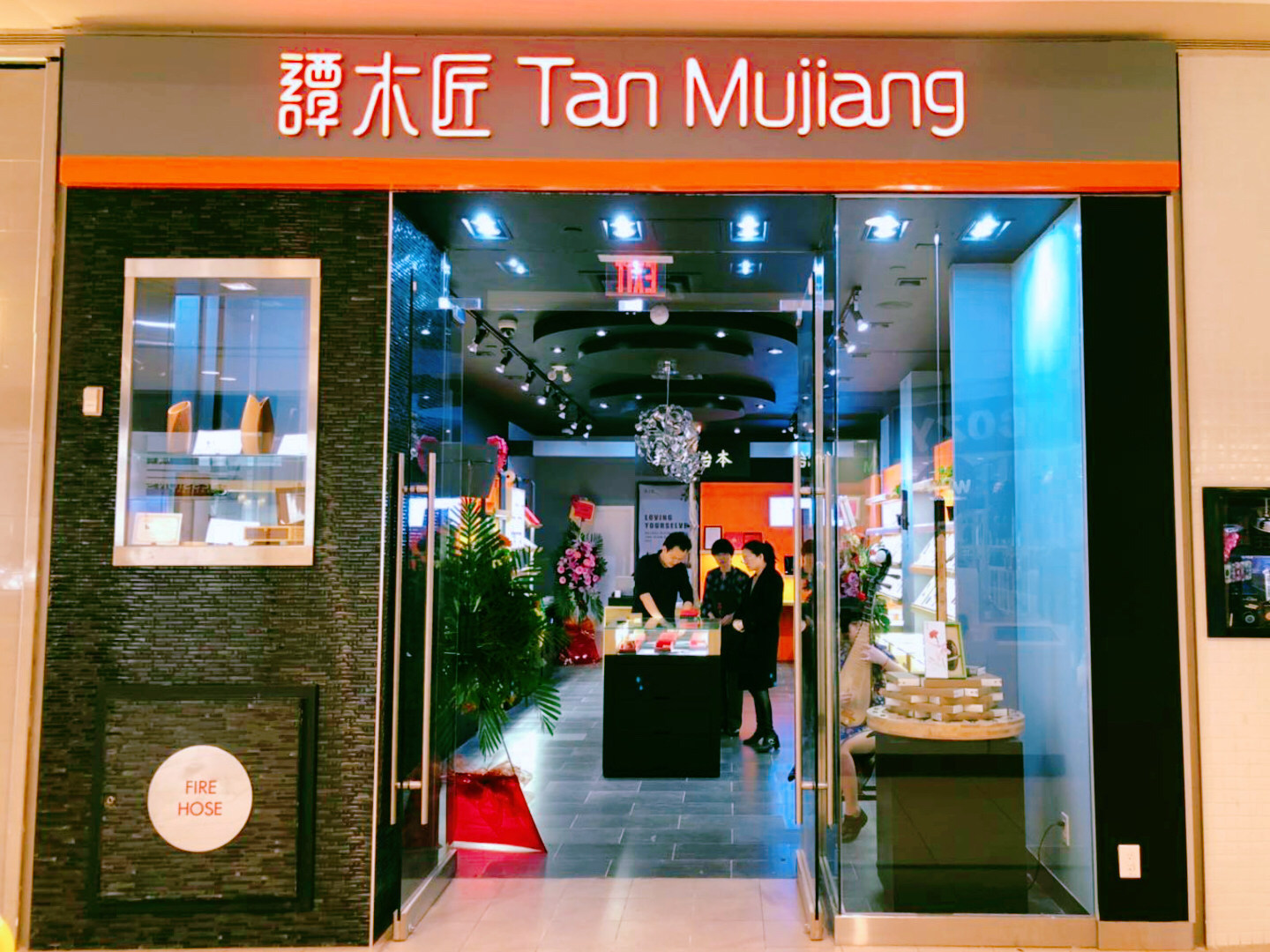
    Chinese wooden-comb manufacturer Tan Mujiang has continued its international expansion with the opening of its first flagship store in the US.

    The store dubbed as H0006 is located at Flushing Main Street in New York City and carries combs made from natural materials by traditional Chinese handicrafts with “beautiful shape, smooth lines, exquisite texture, rich colors and fine hand feel”. It is Tan Mujiang’s second store in North America after Toronto, which opened in May.

    The manufacturer said it has obtained more than 80 patents since 2013 and has been providing supplies to more than 1200 shops in China and nine flagship stores in Southeast Asia, Toronto and New York.

    The company says it plans to popularise its brand by operating franchised stores worldwide. It also plans to increase its investment in overseas market promotion by participating in grand international exhibitions and will promote products on popular social media internationally.

    Tan Mujiang also sells through Amazon and eBay.

  • Forever New grows US presence

    Forever New grows US presence

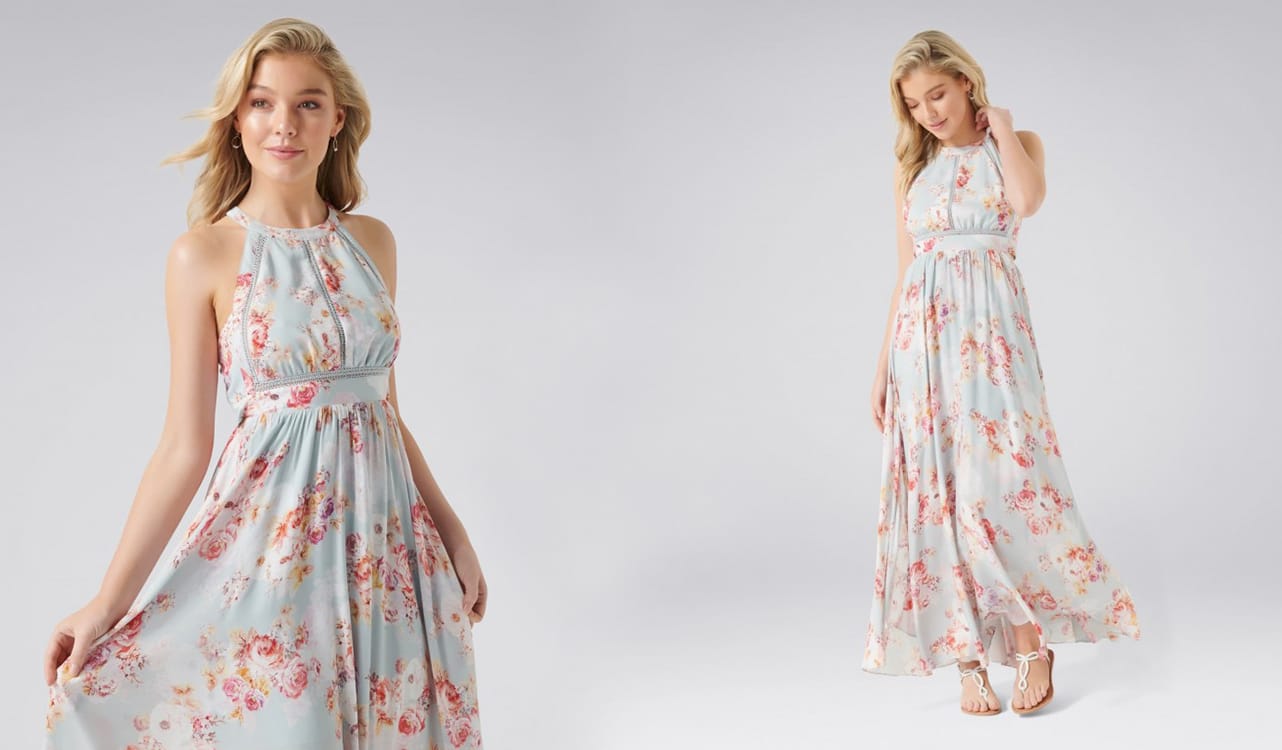
    Australian womenswear brand Forever New has launched a standalone e-commerce site in the US, catering to increased demand from local customers with around 50 new products dropping online every week.

    The website marks an expansion of the brand’s presence in the US, where it currently sells through Nordstrom.com, as well as through concessions in Bloomingdales and Neiman Marcus.

    “We are excited to be expanding in North America and a branded US website was the next step on our journey,” Carolyn Mackenzie, Forever New’s managing director, said in a statement.

    “We have had a lot of demand for our product in the US so we are happy to give our US customers one more way to shop with us.”

    Launching on Thursday, the US website features a range of styles currently available in North America, with about 50 new items being added to the site each month. It is branded under Forever New’s North American trading name, Ever New.

    This is just the latest step in the Forever New’s global digital expansion, which sees the brand selling on Asos and Next in the UK, Zalora in Singapore and Zalando in Europe, and through its own recently relaunched global e-commerce site.

    At the same time, Forever New continues to expand its global bricks-and-mortar presence. The fashion brand has more than 200 stores in Canada, Singapore, China, India, South Africa and New Zealand, and concessions in the US, Singapore and the Middle East. and plans to open a new store in November in Vancouver, Canada.

    Revenue from overseas operations accounted for 40 per cent of Forever New’s sales of around $300 million in 2018.

    Mackenzie previously said that standalone stores in the US are not out of the question.

    “Being an agile and fast-moving business means there is always the possibility…” she said.

    Broader transformation underway

    The ramp-up overseas is just part of the multi-faceted transformation currently underway at Forever New.

    Already this year, the retailer has unveiled two first-to-market digital initiatives – a reserve-in-store option and visually-similar product recommendation tool – and launched a “connected change room” pilot in its store in Highpoint Shopping Centre.

    The retailer has also rolled out a plus-size range called Forever New Curve and a new high-end store concept designed by Hecker Guthrie, featuring terrazzo tiled floors, brushed brass detailing and fluted glass panels.

  • Vietnam Airlines cleared to fly to the US

    Vietnam Airlines cleared to fly to the US

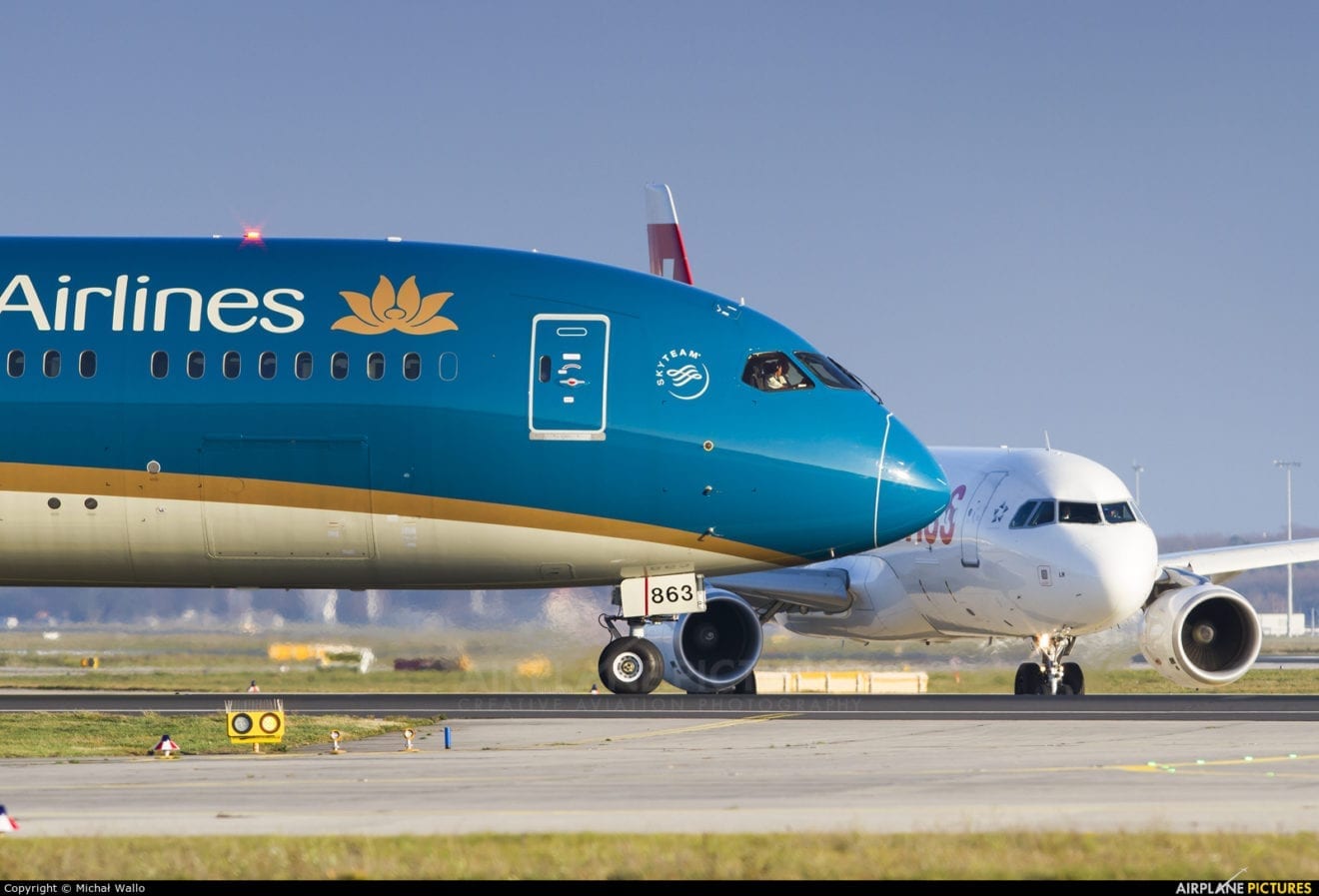
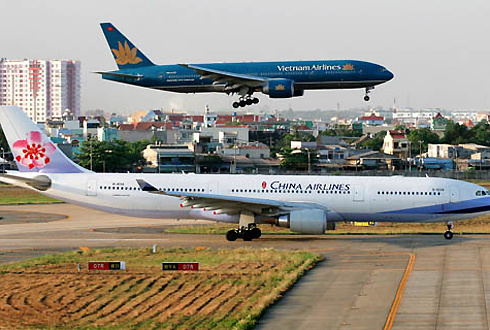
    Vietnam Airlines has been allowed to operate direct flights from Hanoi and Saigon to several American destinations. It is the first Vietnamese airline to receive such permission, according to FlightGlobal, a leading news site about the global aviation community.

    The national flag carrier will be allowed to operate flights from Ho Chi Minh City and Hanoi, Vietnam’s two biggest metropolises, to Los Angeles, San Francisco, New York, Seattle and Dallas-Fort Worth. It can also continue these routes to the Canadian cities of Vancouver, Montreal and Toronto.

    The permit also allows Vietnam Airlines to operate its flights to the U.S. via stops in Taiwan’s Taipei and Japan’s Osaka and Nagoya airports.

    The U.S. Federal Aviation Administration (FAA) granted a Category 1 rating to the Civil Aviation Authority of Vietnam (CAAV) under its International Aviation Safety Assessment program last February, which meant the latter met safety standards to operate flights to the U.S.

    Besides Vietnam Airlines, low-cost air carrier Vietjet Air and Bamboo Airways are in the running to launch direct flights to the U.S. and are ordering aircraft for the purpose.

    There are currently no nonstop flights between Vietnam and the U.S. Flights now take 20.5 hours to fly from Ho Chi Minh City to San Francisco via South Korea’s Incheon International Airport, while the planned direct service to major cities along the U.S. West Coast would take only around 13 hours.

    Thanks to simplified visa requirements, Vietnam has emerged among the fastest-growing international travel destinations for Americans, who are big spenders in the country, shelling out on average $3,233 per trip, according to a survey released last year by travel insurance comparison site Squaremouth.

    Americans are among the top foreign visitors to Vietnam, with 687,226 arrivals last year, an 11 percent year-on-year increase.

    An ethnic Vietnamese population of over 2.1 million in the U.S. is also expected to be a steady source of travel demand.

  • Zimmermann opens another US store

    Zimmermann opens another US store

    Australian designer brand Zimmermann has opened its 12th store in the US and its third in New York City with the launch of a new boutique on the Madison Avenue.

    The prestigious shopping street is home to the likes of Carolina Herrera, Christian Louboutin, Ralph Lauren, Valentino and other designer brands.

    The 160sqm store, which opened last week, was designed by Australian designer and architect Don McQualter of Studio McQualter to create the feeling of a local apartment, with each room in the heritage-listed 1940s building styled to frame the collection.

    The store includes a mix of vintage pieces, such as a 1960s Murano glass Italian chandelier and 1930s De Coene desk, with handmade floor and wall tiles and custom metalwork, light fixtures, display tables, millwork and virtual merchandising fixtures designed by Studio McQualter.

    The store is meant to be a physical embodiment of the Zimmermann brand, conveying a relaxed femininity, air of freshness and light and unyielding optimism.

    Co-founders Nicky and Simone Zimmermann celebrated the new Madison Avenue store and upcoming Spring 2020 collection by co-hosting an in-store cocktail event followed by an intimate dinner nearby at Flora Bar at the Met Breuer with VIPs and close friends of the brand.

    “New York is like a second home for us. I have spent a lot of time in the city over the years and we’ve always loved the energy Madison Avenue brings. We are excited to now be a part of the Uptown community,” Nicky Zimmermann, creative director and co-founder, said.

    The brand plans to open a second boutique in Florida in Palm Beach in November 2019.

  • Aland to open fashion flagship store in the US

    Aland to open fashion flagship store in the US

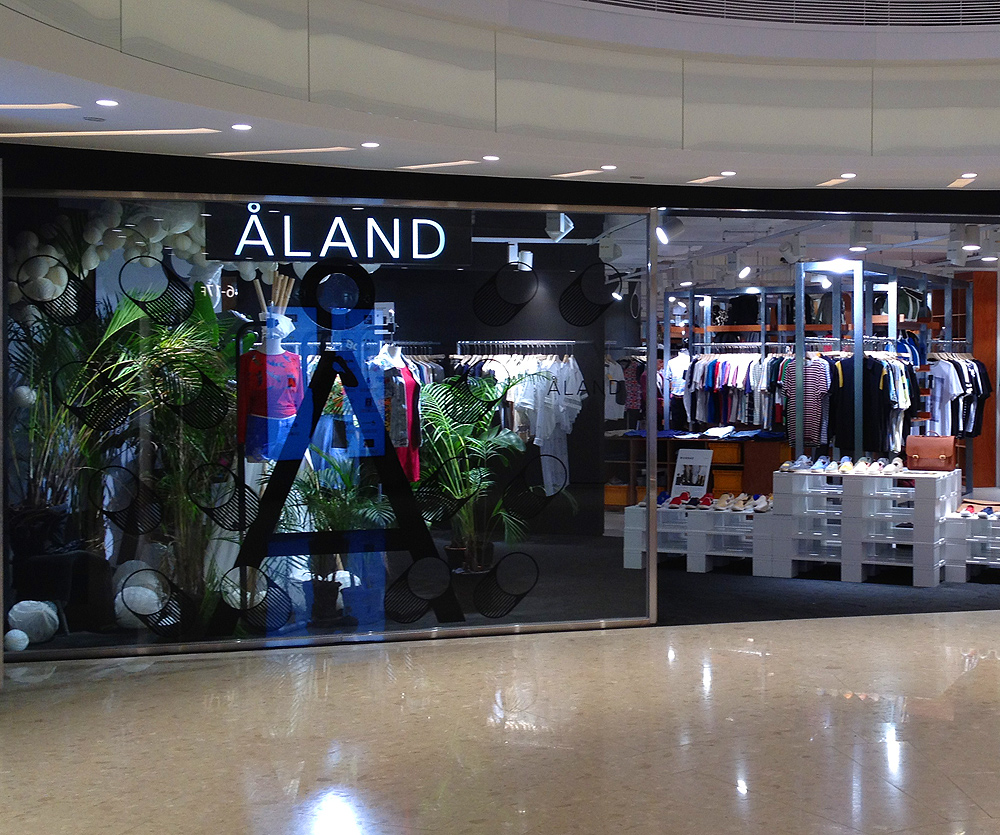
    Mall developer Triple Five announced that Aland’s 10,000sqft outlet will “bring everything that Korean fashion stands for to American Dream; unique designer brands worn by K-Pop stars, K-Beauty and more”.

    The multi-concept store is known for its range of basic retail items through to curated Korean fashion designs. It opened its first US location in Brooklyn last year.

    Aland operates more than 20 stores in its home market as well as in Hong Kong and Thailand.

    “We look forward to opening a flagship location at American Dream, where guests from New Jersey and the New York metro area and around the world can shop for a highly curated selection of affordable basics, as well as learn about rising independent Korean designers,” said Aland’s co-founder Kinam Jung. “While K-Pop has become mainstream cultural phenomena, customers can find popular items worn by BTS, Blackpink, Monster X, and etc. Åland will be the go-to-place for those who love K-Culture.”

    South Korean fashion chain Aland hopes to become a key drawcard of the 3 million sqft American Dream mall when it opens on October 25.

  • Sagara launches online Store Concept

    Sagara launches online Store Concept

    Tableware firm Sagara Inc has opened a global website after setting up a retail store in New York to market its environmentally conscious tableware for children.

    The firm’s Reale brand, made from a new bioplastic raw material blended with native Japanese bamboo, is being made available for the first time across North America, including the US and Canada.

    The company is scheduled to launch business-to-business and business-to-customer online sales in the territory next month, starting with sales through major department stores as well as retail outlets, online shops and other venues across North America dealing in baby and kid goods, interior products, gifts and other items.

    Sagara embarked on developing Reale in 2014 and started selling the tableware in Japan in November 2016. As of March this year, the brand is on sale in Taiwan, Mainland China and Australia.

    More than 20,000 Reale sets in total have been shipped up to this month. Its designs are inspired by traditional silverware in Europe and the US.

  • Walmart partners with Google for voice shopping

    Walmart partners with Google for voice shopping

    US retail giant Walmart and tech company Google have collaborated on voice technology to assist customers with grocery shopping.

    Starting this month, Walmart Voice Order will allow consumers to order groceries through Google Assistant by saying, “Hey Google, talk to Walmart”.  Google Assistant will then follow the orders directly and add grocery items to their Walmart Grocery cart.

    “We continue to innovate for the future and look to technology to make great services even better in the future. Introducing: Walmart Voice Order,” said Tom Ward, senior vice president, Digital Operations, Walmart US.

    “With the new voice ordering capabilities we’re building across platforms with partners like Google, we’re helping customers simply say the word to have Walmart help them shop … literally.”

    “Best of all, customers can be extra confident that we can quickly and accurately identify the items they are asking for with the help of information from their prior purchases with us. The more you use it, the better we’ll get,” added Ward.

    When shoppers say “add milk to my cart,” the Google Assistant will add the specific milk brand the customer usually buys, meaning there is no need to continually repeat the brand, volume and whether it’s a low fat or whole milk.

    Shoppers can use Walmart Voice Order on Smart Displays like Google Home Hub, Android phones, iPhones, watches, etc.

    “We know when using voice technology, customers like to add items to their cart one at a time over a few days – not complete their shopping for the week all at once. So, this capability aligns with the way customers shop. We can’t wait to hear what they think about it and how it’s making shopping easier for them,” Ward explained.

    Walmart, Amazon competes in the US grocery sector

    Walmart’s latest move comes in light of Amazon’s plans to slash prices at Whole Foods Market and to give major discounts to Amazon Prime members. Amazon also offers voice-activated shopping using its own Alexa-enabled devices, which dominates the US smart speaker market, with 67 per cent market share in 2018.

    “We still don’t see a lot of people shopping and buying with smart speakers yet, but this may change if more lower-cost models begin to incorporate screens. We’re also likely to see people doing more things with their voice assistants as they find their way into cars and other home-based devices,” said analyst Victoria Petrock.

    There are still a minimum number of shoppers who are using speakers to shop. Voice commerce in 2018 accounted for approximately 0.4 per cent of US e-commerce sales. Analysts expect it to increase in the next few years.

  • US FCC’s 24-GHz auction passes $1.5b in bids

    US FCC’s 24-GHz auction passes $1.5b in bids

    Round 29 of the US FCC’s 24-GHz auction closed Wednesday with $1,592,755,155 in gross proceeds, with the nation’s biggest cities garnering millions of dollars in bids. New York topped $41 million and Los Angeles tallied over $31 million.

    It’s the little town of Van Horn, Texas, that’s setting the record so far for price per MHz-POP, at just over 10 cents as of the end of Wednesday.

    But wait a minute. Van Horn, a town with a population of just over 2,000, is about 118 miles northwest of El Paso—seemingly in the middle of nowhere if you’re not from there. Its total price as a market so far is just $63,000. So, what gives?

    What’s happening is bidders appear to be moving into some of these smaller markets in parts of western Texas and Iowa to “park” (i.e., maintain) their eligibility even while reducing exposure in top markets that are increasingly expensive, according to Sasha Javid, COO at The Spectrum Consortium. He told  that “maintaining eligibility is important as carriers seek to optimize their portfolio of licenses nationwide.” Javid is tracking each round of the auction on his website and sending daily updates via email.

    The strategy is perfectly legal and just a part the auction process. “It’s just a cheap place to maintain a little bit more eligibility,” Javid told.

    Much of the auction process is secretive—there are anti-collusion rules and bidders can’t talk to one another, for example. The FCC isn’t releasing the names of the winners of the 28-GHz or 24-GHz auctions until both are concluded. But as a data analyst, Javid can glean some insights into the trends he’s observing.

    The 24-GHz auction kicked off on March 14 and unlike its predecessor, the 28-GHz auction, it includes many more markets, both big and small. Much of the 28-GHz spectrum was already controlled by Verizon before that auction even launched last year; it ended up raising just $700 million.

    Auction 102 is following the “clock phase” format, which enables participants to bid on between six or seven 100 MHz generic blocks within the FCC’s designated Partial Economic Areas (PEAs) across the country, in a series of successive bids. The 28-GHz used a standard multiple round format.

    However, Javid, a former chief data officer to the FCC’s Incentive Auction Task Force, said he still believes that using Auction 101 for a price per MHz-POP comparison is fair even as total proceeds in Auction 102 appear to be flattening over the past few rounds.

    “This would have Auction 102 close at roughly $2.5 billion,” he said. “From a timing perspective, we are probably talking another 2 weeks and up to a month should bidding prove to be more robust than expected or if a few products remain contested. It is safe to say, however, that Auction 102 will have a far shorter ‘long-tail’ than Auction 101,” which was not a clock auction.

    Under these assumptions and assuming a relatively straightforward assignment round, “we are likely looking at mid-May to June for an end to the quiet period,” he said.

    All of this is prefaced by the fact that it’s very difficult to predict exactly how any auction turns out. It depends on a lot of things, like carrier budgets and the intensity of competition over the most coveted products. Even the auction design can affect the results. “It’s a guess,” he said. One fact that Javid said is clear is that “nationwide bidders want more than 2 contiguous 100 MHz blocks.”

    All this is happening as the FCC gears up for yet another millimeter wave auction later this year. At its April 12 meeting, the commission will consider teeing up the upper 37-GHz, 39-GHz, and 47-GHz spectrum bands, making it the third major spectrum auction to take place in 2019.
  • Asos’ US warehouse struggles to cope with demanding customers

    Asos’ US warehouse struggles to cope with demanding customers

    UK digital fashion store Asos said its new US warehouse struggled to cope with demand last quarter, hitting sales there and causing delayed shipments. Asos CEO Nick Beighton said the unexpected high demand in the Atlanta warehouse caused a significant short-term despatch backlog, which has now been cleared.

    “As our Atlanta warehouse went fully online, demand far exceeded our expectations,” Beighton said.

    “While very encouraging for the longer term, this caused a significant short-term despatch backlog which we have now cleared. These delayed shipments will be recognised in P3 and US trading is now regaining momentum.”

    The upsurge in US demand caused Asos to cancel marketing and promotions, Beighton said. These will now run in the second half of the financial year. The online fashion retailer posted a 13 per cent increase in group sales for the latest quarter with retail gross margin improving by 40bps.

    “We continued to outperform in the UK with sales growth of 14 per cent,” Beighton said.

    Sales in Europe were up 12 per cent, although, according to Beighton, France and Germany, the two largest markets, continue to be challenging.

    “Our ROW segment returned to good growth of 20 per cent after a disappointing Q1,” he said. “Our retail gross margin guidance for the year remains.”

    Beighton said Asos will be increasing investment in price and marketing in the second half, particularly in France and Germany.

    “Given the actions we are taking together with an improving US performance, we believe the group will deliver stronger growth in the second half,” he said.

    “Consequently we remain confident that we will meet guidance for the full year.”$

  • Google Pay is catching up with Apple Pay

    Google Pay is catching up with Apple Pay

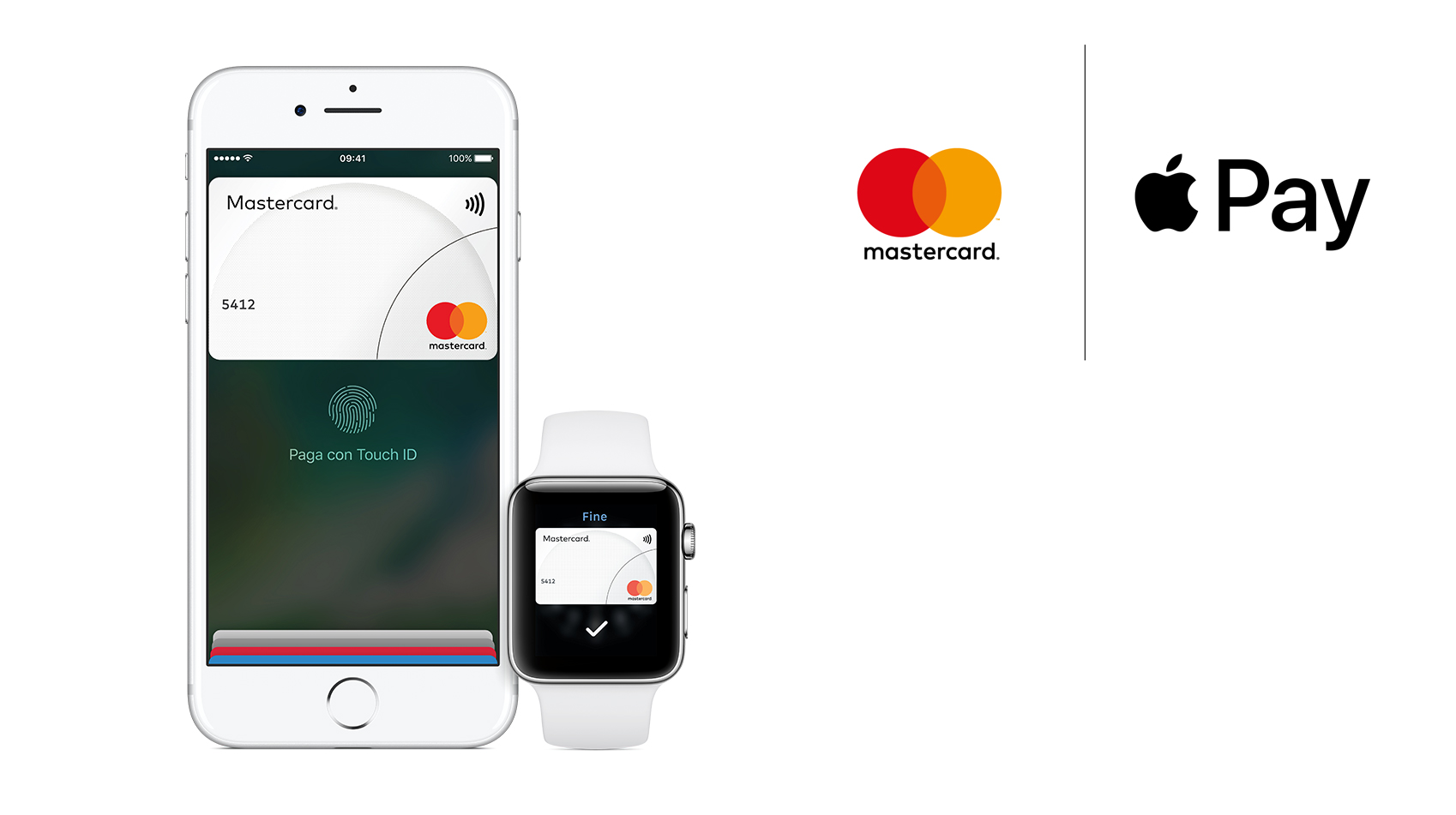
    Google’s proprietary digital wallet service has done a pretty good job of keeping up with Apple Pay over the last year or so in terms of both US availability and international expansions, frequently spreading its wings to new banks, as well as major retailers like Target.

    Before long, Google Pay will also catch up with its arch-rival as far as eBay support is concerned, according to an official announcement issued earlier today. After relying almost entirely on PayPal for payment processing on its extensive e-commerce platform, eBay started a transition in 2018 that’s scheduled to be completed by 2021. The eventual goal is to manage transactions on its own with the help of a lesser-known company called Adyen.

    From customers’ perspective, this gradual move seems to be improving the flexibility of the shopping experience, which is certainly a welcomed change. Apple Pay already joined eBay’s list of PayPal alternatives several months back, with Google Pay availability set to be offered to Android users “starting in early April.” To complete an eBay purchase using the search giant’s digital wallet app, you’ll need to shop from a seller enrolled in this new “payments experience”, and something tells us that will only include a small piece of the huge marketplace to begin with.

    But rest assured, as eBay plans to make both Google Pay and Apple Pay “increasingly available to shoppers as the program grows to process more volume in additional geographies.” And if you prefer the “classic” e-shopping experience, you have no reason to fret either, as PayPal is not going anywhere. Not today and not in 2021. eBay is simply branching out, offering customers more payment options on their end, from Android and iOS devices, as well as computers running all sorts of operating systems.

  • Trump says could extend March 1 China trade talks deadline

    Trump says could extend March 1 China trade talks deadline

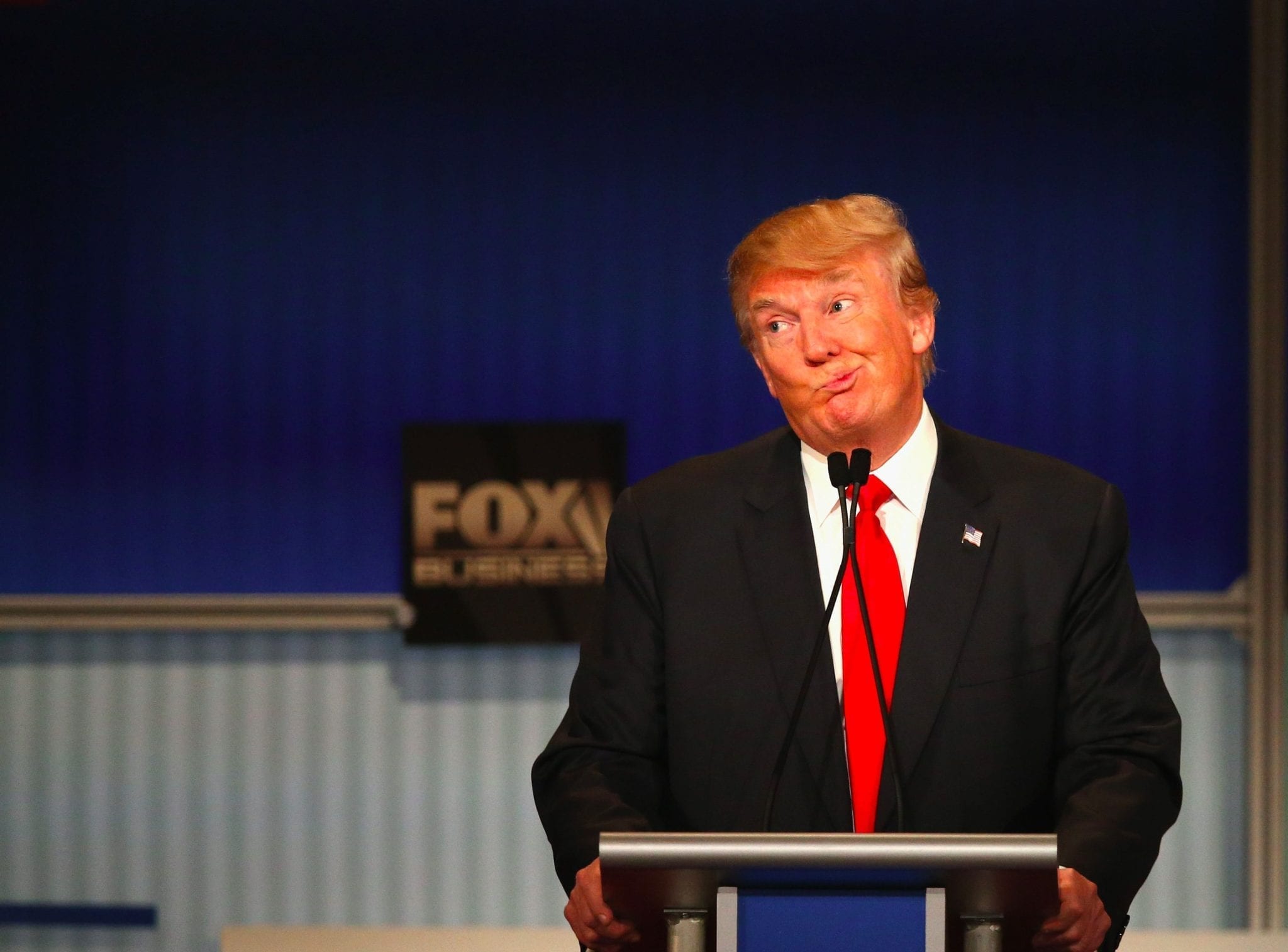
    US President Donald Trump (pix) said Tuesday he would consider extending the deadline for a trade deal with China beyond March 1. “If we’re close to a deal, where we think we can make a real deal… I could see myself letting that slide for a little while,” Trump said at the White House. But he added: “Generally speaking I’m not inclined to do that.”

    The comments came as the third round of trade negotiations were set to resume in Beijing to avert more than doubling tariffs on $200 billion in Chinese imports.

    “China wants to make a deal very badly,” he said, and “things are going well” in the talks. And while no date has yet been agreed for a meeting with China’s President Xi Jinping, he said he expects that to happen “at some point.”

    The high-stakes dispute has raised concerns it could spill over into the global economy after Trump last year hit China with 25% punitive tariffs on $50 billion in goods, and then imposed 10% duties on another $200 billion in annual imports.

    The rate on all those imports are set to increase to 25% if no agreement is reached by March 1.

    China’s economy already has shown signs of slowing, while the trade war has shaken the confidence of US businesses, as retaliatory tariffs have raised prices and helped choke off a key export market.

    And Trump’s aggressive strategy has failed to produce a reduction in the US trade deficit with China, which he set as a primary goal.

    He repeated the incorrect statement that China is paying the duties, which in fact are paid by US companies importing goods.

    And economists say much of the intended effect of the duties in reducing imports, has been offset by the devaluation of China’s currency, which makes goods cheaper for importers.

  • Asian shares rise as Trump boosts US-China talks

    Asian shares rise as Trump boosts US-China talks

    Asian stocks climbed Wednesday as US President Donald Trump said he could extend the deadline for a trade deal with China, appearing to boost the prospects of an agreement. Trump said “things are going well” at preliminary talks in Beijing, where top economic officials will gather Thursday seeking an accord to stop sharp US tariff hikes that could damage the global economy.

    “If we’re close to a deal, where we think we can make a real deal … I could see myself letting that slide for a little while,” the US president said of his March 1 deadline.

    He added that he expects a meeting with counterpart Xi Jinping to happen “at some point”.

    The comments all improved market sentiment on the likelihood of a deal to prevent US tariffs on $200 billion in Chinese imports more than doubling next month.

    Washington is demanding changes from Beijing on what it says are unfair commercial practices.

    Tokyo added 1.5%, Hong Kong rose 0.4% and Shanghai gained 0.2% on the news, following Wall Street’s lead.

    However, some analysts struck a cautious tone, noting that much work needs to be completed before a framework agreement is in reach.

    “The rally in stocks has been based on hope rather than any concrete agreements overnight,” warned Oanda senior analyst Jeffrey Halley, predicting short-term volatility to come as headlines emerge from Beijing.

    Sydney shed 0.3%, with calls for a snap election amid political tensions over refugees adding to underwhelming corporate earnings and subdued metal prices.

    Nonetheless, renewed global investor confidence saw a movement away from the greenback, which has enjoyed a strong rally in the past week, to riskier currencies.

    The pound moved upwards closer to $1.29, despite no-deal Brexit fears as Prime Minister Theresa May was accused by the opposition of “running down the clock” and “playing chicken” with Brussels over talks.

    Trump’s suggestion that another chaotic US government shutdown was now unlikely following a deal struck in Congress over border security further fuelled risk appetite.

    The deal to offer nearly $1.4 billion for construction of a Mexico border wall, as well as other security measures, fell far short of Trump’s demands but has been presented as a workable compromise.

    “I don’t think you’re going to see a shutdown,” said the president.

    Elsewhere oil continued its climb after heavyweight Saudi Arabia slashed output and exports fell in crisis-hit Venezuela.

  • US retail sales expected to grow at slower rate in 2019

    US retail sales expected to grow at slower rate in 2019

    US retail sales are expected to climb between 3.8 per cent and 4.4 per cent to more than US$3.6 trillion ($4.97 trillion) in 2019, according to data from the National Retail Federation (NRF). The predicted rise in retail sales, which is excluding automobile dealers, gasoline stations and restaurants, however, would be less than the 4.6 per cent growth in 2018, citing threats from an ongoing trade war, the volatile stock market and the effects of the government shutdown.

    NRF said in August of last year it expected 2018 retail sales to be up at least 4.5 per cent.

    The retail industry group says the 2018 figure is its preliminary estimate for retail sales last year, pending the release of December data from the Commerce Department that was stalled from being announced during the government shutdown.

    Matthew Shay, NRF president and CEO, said the biggest priority is to ensure that the economy continues to grow and to avoid self-inflicted wounds.

    “It’s time for artificial problems like trade wars and shutdowns to end, and to focus on prosperity not politics,” Shay said.

    Shay said despite fears in the industry that a trade war in China or an economic slowdown might impact consumer spending, they believe the underlying state of the economy is sound.

    “More people are working, they’re making more money, their taxes are lower and their confidence remains high,” he said.

    Preliminary estimates, according to the NRF, show that retail sales during 2018 grew 4.6 per cent over 2017 to US$3.68 trillion ($5.08 trillion), exceeding NRF’s forecast of at least 4.5 per cent growth.

    The figures include online and other non-store sales, which were up 10.4 per cent to US$682.8 billion ($942.6 billion). That met NRF’s forecast of 10-12 per cent online growth, and online is expected to grow in the same 10-12 per cent range again this year. The numbers exclude automobile dealers, gasoline stations and restaurants.

    Growth of between 3.8 per cent and 4.4 percent would result in total 2019 retail sales of between US$3.82 trillion and $US3.84 trillion ($5.27 trillion to $5.3 trillion). Based on growth of 10-12 per cent, online sales would total between US$751.1 billion and US$764.8 billion ($1.03 trillion and $1.05 trillion), which are included in the total.

    The 2018 results are based on Commerce Department data up through November but include NRF estimates for December because the agency was closed during the recent government shutdown and has not yet released December figures.

    The NRF said the results are subject to revision once December numbers become available, and government numbers are revised again each spring regardless of the shutdown.

    “We are not seeing any deterioration in the financial health of the consumer,” said Jack Kleinhenz, NRF chief economist.

    “Consumers are in better shape than any time in the last few years,” Kleinhenz said. “Most important for the year ahead will be the ongoing strength in the job market, which will support the consumer income and spending that are both key drivers of the economy.”

    Kleinhenz said the bottom line is the economy is in a good place despite the ups and downs of the stock market and other uncertainties.

    “Growth remains solid,” he said.

    NRF said it expects the overall economy to gain an average of 170,000 jobs per month, down from 220,000 in 2018, and that unemployment – currently at 4 per cent – will drop to 3.5 per cent by the end of the year. Gross domestic product is likely to grow about 2.5 per cent over 2018.

    Kleinhenz said inflation and interest rates are expected to remain low this year and that retail sales have been helped by recent reductions in gasoline prices.

  • Asia stocks quiet, dollar firm after upbeat US job data

    Asia stocks quiet, dollar firm after upbeat US job data

    Asia stocks hovered near four-month highs on Monday after a mixed performance on Wall Street at the close of last week, while the dollar firmed against the yen following strong US job and manufacturing data. MSCI’s broadest index of Asia-Pacific shares outside Japan was almost flat. It had scaled a four-month peak on Friday along with a surge in its global peers.

    Trade was subdued with many of the region’s markets closed for the Lunar New Year. China’s financial markets are closed all week, while those in South Korea are shut until Thursday.

    Hong Kong’s Hang Seng, which is trading for only half a day, edged up 0.2%.

    Japan’s Nikkei added 0.5%.

    On Wall Street on Friday optimism from a surge in January US job growth was offset by a weaker-than-expected outlook from Amazon.com Inc that battered retail stocks. The Dow nudged up 0.26% while the Nasdaq shed 0.25%.

    “Key points for the markets this week will be how the remaining US corporate earnings releases turn out, and whether they are in line with recent upbeat data,” said Junichi Ishikawa, senior FX strategist at IG Securities in Tokyo.

    “While corporate earnings and fundamentals remain key, political developments, notably the US-China trade situation, remain potential risk factors,” he said.

    A US Labor Department report on Friday showed nonfarm payrolls jumped by a stronger-than-forecast 304,000 jobs last month, the largest gain since February 2018.

    That report, along with better-than-expected ISM manufacturing activity numbers for January, pointed to underlying strength in the world’s biggest economy.

    “After last week’s risk appetite revival, the data pulse and the tone of Fed speakers will be important. For the Goldilocks market to continue, we need to find a delicate balance between improving data and still-neutral central banks,” strategists at ANZ wrote.

    Global equity markets performed strongly last week after the Federal Reserve pledged to be patient with further interest rate hikes, signalling a potential end to its tightening cycle.

    Friday’s robust economic data triggered a sharp rebound in US Treasury yields, in turn lifting the dollar.

    On Monday, the US currency was a shade higher at 109.555 yen after advancing 0.6% on Friday.

    The euro was little changed at $1.1456 after getting pulled back from a high of $1.1488 on Friday.

    The Australian dollar was mostly steady at $0.7244 after slipping 0.4% the previous session.

    The benchmark 10-year U.S. Treasury yield was at 2.686% after climbing nearly 6 basis points on Friday to pull away from a four-week low of 2.619% earlier last week.

    West Texas Intermediate (WTI) US crude oil futures extended Friday’s rally and were last up 0.3% at $55.42 per barrel.

    On Friday, WTI futures had rallied 2.7% on the upbeat US job report, signs that Washington’s sanctions on Venezuelan exports have helped tighten supply and data showing US drillers cut the number of oil rigs.

  • US set to green-light direct flights from Vietnam

    US set to green-light direct flights from Vietnam

    U.S. aviation authorities are expected to grant a Category 1 rating to Vietnam soon, allowing direct flights between the two countries. Two U.S. officials who asked not be named said that the permission should be issued in the coming weeks. Dinh Viet Thang, head of the Civil Aviation Authority of Vietnam (CAAV), said that the U.S. Federal Aviation Administration (FAA) completed safety assessments in December and was supposed to provide the results this month.

    “But as the U.S. government was closed, we couldn’t receive the results. We expect to have it soon,” he said.

    Local airlines including state-owned Vietnam Airlines, budget airline Vietjet and new private airline Bamboo Airways have already expressed interest in opening direct flights between Vietnam and the U.S.

    The direct route is expected to cater to the large demand for travel between both countries.

    Passengers travelling between Vietnam and the U.S. now have to transit through different countries and territories like China, Hong Kong and Japan.

    Vietnam has never held an FAA rating, unlike Thailand, which once had a Category 1 rating and is seeking to regain it after a downgrade to Category 2. The FAA determines whether a country has a 1 or 2 rating depending on its safety assessment of the country’s airlines.

    The Vietnamese government had early last year approved plans to expand the network of national carriers to major markets including Australia, China, Europe and the U.S.

    Under plan, Vietnam Airlines will go through with its proposal to open non-stop services to the U.S., starting with direct flights to San Francisco or Los Angeles.

    Vietnam and the U.S. signed an air transport agreement in 2003 to allow airlines to operate direct flights between the two countries.

    In 2004, national flag carrier Vietnam Airlines sought permission from the U.S. to provide direct services. However, the request was denied because the CAAV did not meet safety supervision requirements set by the FAA.

    Vietnam’s aviation industry has seen increasing demand in recent years. The country welcomed 12.5 million air passengers last year, up 14.4 percent from 2017, according to the General Statistics Office.

    The country’s aviation traffic increased 16 percent on average each year from 2010 to 2017, data from its civil aviation regulator shows.