Tag: usa

  • Vietnam And U.S. To Advance Trade Agreement Talks In Upcoming 2025 Meetings

    Vietnam And U.S. To Advance Trade Agreement Talks In Upcoming 2025 Meetings

    Vietnamese representatives are set to visit the United States in October and November 2025, with the goal of progressing discussions and finalizing a balanced trade agreement. Deputy Minister of Industry and Trade, Nguyen Sinh Nhat Tan, revealed this during a recent press conference, pointing out that Vietnam has been diligently working to expedite negotiation proceedings.

    Negotiation Principles and Goals

    The ongoing negotiations are being guided by principles of openness, constructiveness, equality, mutual respect, independence, self-reliance, and shared benefits. These principles consider the level of development of both nations. The ultimate aim is to foster stable and harmonious economic, trade, and investment relationships, in accordance with the Comprehensive Strategic Partnership between Vietnam and the U.S.

    End-of-Year Plans and Measures

    Bui Huy Son, Director of the Department of Planning, Finance and Enterprise Management at the Ministry of Industry and Trade (MoIT), stated the department is committed to meeting set targets and making new strides in the remaining months of the year. The MoIT is set to enforce a resolution from the Politburo that was issued on January 24, 2025, regarding international integration in a new context.

    Simultaneously, the MoIT is carefully observing changes in the U.S. tariff policy and is actively working with relevant authorities from both countries to identify and resolve emerging issues. This is in an effort to limit the risk of unfavorable trade measures being imposed on Vietnamese exports.

    Future Trade Negotiations

    The MoIT is prioritizing the commencement of Free Trade Agreement (FTA) discussions with the Southern Common Market (Mercosur) and the Gulf Cooperation Council (GCC) in the fourth quarter of 2025. It is also planning to initiate talks with Pakistan to broaden export opportunities, and aims to conclude FTA negotiations with the European Free Trade Association (EFTA) by the end of the year.

    Supporting Domestic Enterprises

    The MoIT is committed to addressing issues within domestic enterprises to decrease dependence on the FDI sector. It plans to continue working closely with businesses through regular consultations with industry associations and local authorities, thus providing timely policy advice to the Government and ensuring appropriate support.

    The department will also step up efforts around trade promotion, supply-demand connection, and product marketing to assist Vietnamese companies in reaching new customers and maintaining robust relations with traditional partners, especially in the U.S. market.

    The MoIT reiterated its commitment to enforcing origin-related regulations through inspections, licensing, and violation settlements, while also reinforcing supervision to combat trade remedy evasion and origin fraud.

    Questions & Answers

    What is the purpose of the Vietnamese delegation’s visit to the U.S. in late 2025?
    The delegation aims to progress discussions and finalize a reciprocal trade agreement with the United States.

    What principles guide the ongoing trade negotiations between Vietnam and the U.S.?
    The principles of openness, constructiveness, equality, mutual respect, independence, self-reliance, and shared benefits guide the negotiations, with the development levels of both nations taken into consideration.

    What are the MoIT’s plans for supporting domestic enterprises in Vietnam?
    The MoIT plans to address limitations within domestic enterprises, reduce reliance on the FDI sector, and work closely with businesses for regular consultations. The department also plans to intensify efforts around trade promotion, supply-demand connection, and product marketing.

  • Vietnamese Processed Foods Struggle to Secure Shelf Space in U.S. Supermarkets

    Vietnamese Processed Foods Struggle to Secure Shelf Space in U.S. Supermarkets

    Tina Murphy, CEO of MMTT Professional Services and a seasoned shopper from her years in the U.S., expressed her surprise at the glaring absence of Vietnamese products in American retail. While exploring vast supermarket aisles, it struck her that these essential goods are mostly confined to niche Asian markets.

    “As a Vietnamese person, I find this concerning,” she remarked during a recent forum that spotlighted Vietnam’s export capabilities. Recent data indicates that in the first half of this year, Vietnam’s agricultural and aquatic exports to the U.S. soared impressively, with coffee and fruits boasting staggering year-on-year growth rates of 76.4% and 65.5%, respectively, according to the General Department of Customs. Other sectors, including aquatic products and rice, also reported double-digit increases.

    However, retail analysts caution that the majority of Vietnam’s agricultural exports are still raw materials, with only a tiny fraction transformed into processed, branded products. Chris Nguyen, CEO of Ocean Marketing USA, emphasized that Vietnamese goods in the U.S. often lack a cohesive national brand identity, making it tough to break into established markets compared to competitors from South Korea and Thailand.

    Nguyen pointed to the industry’s structural limitations, citing manufacturers’ constraints in resources and branding investment, which leaves them heavily reliant on importers. “Many countries have dedicated agents or teams on the ground to navigate market nuances, which Vietnamese businesses often do without,” he noted.

    Quality assurance remains another hurdle. Tony Luu, director of GPLUS – FDA, revealed that an alarming average of two shipments of Vietnamese food products are rejected daily. The chief culprit? Insufficient compliance with U.S. Food Safety Modernization Act standards, combined with common packaging errors such as missing allergen information or improperly formatted nutritional facts.

    To tackle access barriers to American supermarkets, Jolie Nguyen, chairwoman of LNS International, urged Vietnamese food exporters to standardize their production and meticulously adhere to international trade regulations. Nguyen stressed the importance of avoiding a short-sighted approach to sales and instead fostering a reputation built on quality.

    “The focus should be on long-term relationships and formal trade,” she advised, suggesting that Vietnamese businesses take advantage of existing export ecosystems for better compliance, market research, and logistics planning.

    But the horizon isn’t limited to the U.S. market. Alejandro Gutierrez, growth director at Guval Foods, shared insights from his experience introducing Vietnamese foods to Mexico. Retail giants like Walmart and Costco, he said, are eager for popular items such as rice paper and instant noodles.

    Some Vietnamese companies are stepping up their game. Ca Men, known for its traditional frozen packaged foods, has embarked on an ambitious export expansion, targeting over 50 supermarkets in Toronto and already supplying products to California, Texas, Australia, and the U.K. in the past.

    In a clever move, Ca Men revamped its packaging from flat packs to eye-catching upright boxes, better suiting the display needs of major supermarkets in the U.S. and beyond. Sunrise Ins has similarly diversified its footprint, sending over 10 shipments of ST25 rice, rice paper, and pho to New Zealand and Mexico every few months.

    As Kim Hyo Gil, the director of AFC & Foodil Global, pointed out, Vietnamese products offer competitive quality and pricing, creating a ripe opportunity for expansion beyond their home market. On August 5, Foodil launched an online wholesale food export platform in Vietnam, partnering with LNS Group and Asian Food Connect to facilitate access to over 30 new markets. A spokesperson noted that while entering a new market typically costs around $120,000 and takes a year, the platform’s AI-driven logistics can potentially streamline this process dramatically.

    As the world grows smaller and consumers become more adventurous, the call for Vietnamese culinary delights is louder than ever. But with challenges still ahead, the future could be a delicious journey for Vietnamese brands on the international stage.

    Questions & Answers

    What challenges do Vietnamese companies face in the U.S. retail market?
    Vietnamese companies struggle with branding and market penetration, as their products are often exported in raw form and lack a cohesive national brand identity. Compliance with U.S. food safety standards and packaging errors also pose significant obstacles.

    How does the export strategy of Vietnamese food companies differ?
    While some companies like Ca Men have actively expanded their markets by adapting packaging and targeting supermarkets, others rely heavily on importers without establishing a local presence or understanding the market dynamics.

    What opportunities exist beyond the U.S. for Vietnamese exports?
    Vietnamese products are gaining traction in markets like Mexico, with major retailers seeking popular items. There’s also potential for expansion into the Middle East, Africa, and South America as demand grows for high-quality, competitively priced agricultural goods.

  • Vietnam and U.S. Conclude Dynamic Second Round of Ministerial Trade Talks

    Vietnam and U.S. Conclude Dynamic Second Round of Ministerial Trade Talks

    Vietnam and the U.S. have wrapped up their second ministerial-level meeting focused on a reciprocal trade agreement, which took place on June 4 in the enchanting city of Paris. This pivotal discussion featured Vietnamese Minister of Industry and Trade Nguyen Hong Dien and U.S. Trade Representative Jamieson Greer, who led their negotiation teams with a shared purpose: to elevate trade relations between the two nations.

    As the talks unfolded, Minister Dien presented Vietnam’s formal responses to additional proposals from the U.S., emphasizing the nation’s commitment to reaching a consensus beneficial to both parties. He expressed a strong determination to navigate the complexities of the agreement while looking out for Vietnamese interests.

    Greer reciprocated with gratitude for Vietnam’s willingness to engage in constructive dialogue and address U.S. concerns. Highlighting the strategic partnership between the two nations, he stressed the urgency of finalizing reciprocal taxation policies, which are crucial at this juncture. Greer acknowledged Vietnam’s key issues and offered potential solutions to the trickier aspects of the negotiations.

    In a spirited commitment to expedite the process, both ministers agreed to ramp up discussions before the third technical round slated for mid-June. They also directed their technical teams to enhance virtual coordination, aiming to resolve outstanding differences and foster further advancements in the negotiations.

    Ultimately, both sides reaffirmed their dedication to close collaboration and the possibility of additional high-level meetings in pursuit of a mutually advantageous outcome. As the cups of café au lait cooled, the atmosphere buzzed with optimism for the future of U.S.-Vietnam trade relations—could this be the start of a beautiful friendship?

    Questions & Answers

    What was the main focus of the recent Vietnam-U.S. meeting?
    The meeting concentrated on advancing a reciprocal trade agreement, specifically discussing previous proposals and ensuring both nations’ interests were addressed.

    Why is the issue of reciprocal taxation policies considered critical?
    Reciprocal taxation policies are seen as vital for facilitating smoother trade operations and enhancing economic relations between Vietnam and the U.S., especially as both nations navigate more complex trade dynamics.

    When is the next round of negotiations scheduled?
    The third technical round of talks is scheduled for mid-June, with both sides eager to make significant progress ahead of that meeting.

  • Vietnam and US Launch Exciting New Bilateral Trade Negotiations

    Vietnam and US Launch Exciting New Bilateral Trade Negotiations

    Vietnam and U.S. Initiate Bilateral Trade Negotiations: A New Era in Economic Cooperation

    In a timely move to enhance economic collaboration, Vietnamese Trade Minister Nguyen Hong Dien engaged in a pivotal phone conversation with U.S. Trade Representative Jamieson L. Greer on April 23, 2025. This dialogue marks the commencement of crucial bilateral trade negotiations aimed at crafting a future trade pact.

    A Strategic Partnership for Economic Growth

    The negotiations are set to outline key principles, scope, and a roadmap for advancing trade between the two nations, as highlighted by Vietnam’s Department of Foreign Market Development. Minister Dien emphasized Vietnam’s commitment to its comprehensive strategic partnership with the U.S., stressing a focus on deepening economic ties that are balanced, stable, and sustainable.

    Open Dialogue for Mutual Benefit

    During the discussion, Minister Dien expressed Vietnam’s readiness to address U.S. concerns, aiming to seek solutions that align with the interests of both countries. In response, Greer praised the initiative, indicating optimism about discovering effective solutions that would bolster sustainable economic cooperation.

    Sustained Communication for Progress

    Both officials underscored the importance of ongoing communication between their negotiating teams to expedite the talks and ensure a streamlined process. This proactive approach positions both nations for potential growth as they navigate the complexities of international trade.

    Furthermore, this announcement comes at a time when the Trump administration is strategically delaying reciprocal tariffs on various trading partners, including Vietnam, for a 90-day period, while a temporary 10% tariff remains in effect.

    Implications for the Retail Sector and Consumers

    With the initiation of these bilateral trade negotiations, the potential for increased trade flow could reshape the retail landscape in both Vietnam and the U.S. As the two economies explore new avenues for collaboration, consumers may benefit from greater product availability and competitive pricing.

    Questions & Answers

    1. What are the main goals of the U.S.-Vietnam trade negotiations?
      The primary objectives include outlining principles, scope, and a roadmap for a future trade pact that enhances economic cooperation between the two nations.
    2. How does this negotiation impact current tariffs? The negotiations unfold during a 90-day delay on reciprocal tariffs by the Trump administration, with a temporary 10% tariff remaining in place on certain goods.
    3. What does this mean for consumers in both countries? Increased collaboration could lead to more diverse product availability, better quality, and competitive prices for consumers in both Vietnam and the U.S.
  • US-Vietnam Trade Talks Fuel Optimism for Retail Sales Growth

    US-Vietnam Trade Talks Fuel Optimism for Retail Sales Growth

    U.S. Trade Office Reports “Productive” Talks with Vietnam on Bilateral Trade Relations

    The U.S. trade office has announced a positive outcome from a recent virtual meeting with Vietnamese authorities, aimed at strengthening the bilateral trade relationship between the two countries.

    Key Discussions Between Trade Representatives

    U.S. Trade Representative Jamieson Greer engaged in dialogue with Vietnam’s Minister of Industry and Trade, Nguyen Hong Dien. This conversation stems from an earlier call between U.S. President Trump and General Secretary of the Communist Party of Vietnam, To Lam, on April 4.

    During the discussions, both parties recognized the necessity of facilitating reciprocal and balanced trade. They agreed to enhance market access and address unfair trade practices through ongoing technical discussions.

    Temporary Tariffs and Strong Commitment from Vietnam

    As negotiations progress, the Trump administration has decided to postpone imposing high retaliatory tariffs on several countries, including Vietnam, for an additional 90 days. Currently, a temporary tariff rate of 10% is in effect.

    Minister Dien reaffirmed Vietnam’s dedication to strengthening its Comprehensive Strategic Partnership with the U.S., emphasizing the country’s desire for economic relations that are balanced, stable, sustainable, and effective. He underscored the readiness of Vietnamese ministries to address concerns from the U.S. and work towards mutually beneficial solutions, guided by the principle of “harmonized benefits and shared risks.”

    Implications for Retail and Consumer Trends

    The outcome of these discussions could significantly influence the retail sector and consumer trends in both countries. As the dialogue progresses, potential tariff reductions may boost trade volumes, enhancing product availability for U.S. consumers and fostering brand expansion opportunities for businesses. The collaborative spirit between the U.S. and Vietnam may not only stabilize their trade relationship but also pave the way for future economic partnerships.

  • Apple CEO Tim Cook reveals what Apple needs to build iPhone in the US

    Apple CEO Tim Cook reveals what Apple needs to build iPhone in the US

    While the tariff fiasco has brought red ink to the markets and chaos to the global economy, the ultimate goal according to President Donald Trump and his supporters, is to have manufacturing brought back to the United States. According to Trump’s Commerce Secretary Howard Lutnick, who was appearing on CNBC, Apple CEO Tim Cook told him that there is a “key catalyst” that would be necessary for Apple to consider building the iPhone in the US.

    Lutnick says that he asked Cook when he was going to bring iPhone manufacturing to the States. Cook responded by saying, “I need to have the robotic arms to do it at a scale and precision that would allow me to bring it here.” Cook seems to be one of the few tech industry leaders who might not be a Trump supporter but who still commands respect from the president and vice versa.

    This relationship has helped Apple protect its most important product, the iPhone, from tariffs during both Trump terms. Recently, Trump temporarily exempted some consumer electronics including smartphones from the reciprocal tariffs that Trump imposed on US trading partners. This includes a whopping 145% tariff on products imported to the US from China which is where the majority of iPhone units are assembled.

    By using robots to do the tedious low-paying assembly jobs such as building an iPhone, Apple wouldn’t have to worry about finding Americans willing to work for the $3 to $3.70 per hour that iPhone assemblers reportedly make in Shenzhen, China. Without a robotic labor force, at the federal minimum wage of $7.25 per hour, Apple would be paying twice that amount to build the iPhone forcing it to raise the price of the device.

    By using robots to build the iPhone in the US, Apple would be able to reduce the cost to assemble the product and might even be able to cut prices for the iPhone. But Apple is still a long way from having a team of robots unplug themselves in the morning and head over to the assembly line where they silently build iPhone units. Yet, if you ask the Commerce Secretary, he’ll try to get you to believe that this technology is coming sooner than you’d think.

    Talking about the iPhone, Lutnick says about Tim Cook, “He wants to build it here, he’s going to build it here. The Commerce Secretary does agree with our position that Americans won’t work for the low wages Foxconn pays iPhone assemblers in China. He says that Americans will be running the iPhone factories in the States. “They’re not going to be the ones screwing components in.” Unfortunately, Lutnick doesn’t explain who will be.

    Cook is right and robotics can be the answer, but this is going to take time even with AI. Let me make a statement that many of you will find surprising. If the Trump administration is patient and allows time for the technology to catch up with the goal, the current administration might end up being known for helping change the world of manufacturing for the better. However, patience is not the strong suit of our president and his team.

  • Ray-Ban Smart Glasses: Everything You Need to Know after the US raises import taxes

    Ray-Ban Smart Glasses: Everything You Need to Know after the US raises import taxes

    The world of smart glasses is about to change significantly due to new US import taxes that are affecting the market for Ray-Ban’s innovative smart glasses. These tax increases will directly impact the pricing of Ray-Ban’s technologically advanced eyewear, forcing both manufacturers and consumers to adapt to the new market conditions.

    EssilorLuxottica, the parent company of Ray-Ban, is now facing a complex situation where their flagship smart glasses – a combination of style and advanced technology – are facing new economic challenges. The US market, which accounts for 43% of the company’s revenue, is at the center of these changes.

    Key impacts for consumers:

    • Potential price adjustments across Ray-Ban’s smart glasses lineup
    • Shifts in availability and distribution channels
    • New manufacturing strategies affecting product delivery timelines

    Understanding these changes is crucial for current owners and potential buyers of Ray-Ban smart glasses. The decisions made now by both the company and consumers will shape the future of smart eyewear accessibility in the US market.

    Understanding Ray-Ban Smart Glasses: A New Era in Eyewear Technology

    Ray-Ban smart glasses are a groundbreaking combination of classic eyewear design and state-of-the-art technology. These innovative frames retain the iconic look of traditional Ray-Ban styles while adding advanced features that turn them into wearable tech devices.

    Key Features of Ray-Ban Smart Glasses:

    • Built-in 12MP camera for hands-free photo and video capture
    • Open-ear audio system for music and calls
    • Touch controls integrated into the temple arms
    • Voice command capabilities
    • LED recording indicator for privacy awareness
    • Compatibility with iOS and Android devices
    • 5-hour battery life with portable charging case

    The technology embedded in these smart glasses sets them apart from conventional Ray-Ban models like the Wayfarer or Clubmaster. A discrete micro-processor powers the smart features while maintaining the glasses’ sleek profile and signature style.

    Smart Capabilities:

    • Live streaming directly from your perspective
    • AI-powered photo enhancement
    • Real-time translation features
    • Social media integration
    • Navigation assistance
    • Weather updates at a glance

    The frames house sophisticated components within their lightweight structure, including speakers, microphones, and connectivity modules. This technical integration creates an immersive experience without compromising the classic Ray-Ban aesthetic that has defined the brand for generations.

    These smart glasses serve as a bridge between fashion and functionality, allowing users to stay connected while maintaining their personal style. The seamless integration of technology creates a natural extension of your smartphone, bringing digital convenience directly to your field of vision.

    The Price Factor: How US Import Taxes Are Affecting Ray-Ban Products

    The recent surge in US import taxes has created significant ripples across Ray-Ban’s pricing landscape. The new tariffs directly impact EssilorLuxottica’s production facilities, particularly affecting products manufactured in China and Italy.

    Current Tariff Impact on Production Regions:

    • Chinese manufacturing facilities: 25% increase in import duties
    • Italian production units: 15% additional tariff burden
    • Thailand and Mexico facilities: Minimal impact due to existing trade agreements

    These tax adjustments have triggered a chain reaction in Ray-Ban’s pricing strategy. The iconic Ray-Ban Wayfarer, previously retailing at $163, now sees a price point of $179. The classic Aviator collection has experienced similar increases, with prices rising from $161 to $175.

    Smart Glasses Price Adjustments:

    • Meta Ray-Ban Collection: $299 to $349
    • Premium Smart Models: $399 to $459
    • Limited Edition Variants: $449 to $519

    The company’s strategic response includes implementing selective price increases across different product categories:

    • Classic SunglassesEntry-level models: 5-7% increase
    • Premium collections: 8-10% increase
    • Limited editions: 10-12% increase
    • Smart EyewearBase models: 12-15% increase
    • Advanced features: 15-18% increase

    EssilorLuxottica’s US market, representing 43% of global revenue, faces particular pressure from these tariff changes. The company’s production facilities in Thailand and Mexico have become increasingly vital, helping maintain competitive pricing in certain product categories.

    Ray-Ban’s pricing strategy now reflects a delicate balance between maintaining market share and absorbing increased costs. The company’s data shows that despite price adjustments, demand for signature models like the Wayfarer and Aviator remains strong, particularly in the men’s sunglasses segment.

    EssilorLuxottica’s Strategic Response to Tariff Challenges

    EssilorLuxottica has implemented a multi-faceted approach to combat the rising U.S. import duties. The company’s strategic response includes:

    1. Supply Chain Diversification

    • Expansion of manufacturing facilities in Thailand
    • New production centers in Mexico
    • Enhanced operations in France
    • Reduced dependency on single-region manufacturing

    2. Price Management Strategy

    • Strategic single-digit price increases across product lines
    • Targeted adjustments in specific distribution channels
    • Cost absorption mechanisms to minimize consumer impact
    • Selective premium positioning for high-end smart glasses

    The company’s manufacturing footprint now spans three continents, creating a resilient supply network that shields against regional economic fluctuations. This geographical spread allows EssilorLuxottica to maintain production flexibility while optimizing logistics costs.

    3. Risk Mitigation Measures

    • Advanced inventory management systems
    • Local partnerships in key markets
    • Enhanced digital supply chain tracking
    • Streamlined distribution networks

    You’ll find these adaptations particularly evident in the company’s handling of their Meta smart glasses production. By leveraging their diverse manufacturing locations, EssilorLuxottica maintains quality control while balancing production costs against tariff impacts.

    The company’s robust financial position, with a 7.3% revenue growth in Q1 2025, supports these strategic initiatives. Their supply chain transformation represents a significant investment in long-term sustainability, ensuring continued market leadership in both traditional and smart eyewear segments.

    Consumer Perspective: Is It Still Worth Investing in Ray-Ban Smart Glasses?

    The value of Ray-Ban smart glasses is still strong even with the price changes. These innovative devices offer a unique blend of style and technology that sets them apart from standard eyewear options.

    Key Benefits That Justify the Investment:

    • Seamless Integration: The glasses connect effortlessly with your smartphone, allowing hands-free access to essential functions
    • Premium Audio Experience: Built-in open-ear speakers deliver high-quality sound without blocking ambient noise
    • Professional Photography: The 12MP camera captures photos and videos from your perspective, ideal for content creators
    • AI-Powered Features: Advanced voice commands and Meta AI integration enhance productivity and daily tasks
    • Classic Ray-Ban Design: The smart technology doesn’t compromise the iconic aesthetics Ray-Ban is known for

    The price increase might give potential buyers pause, but the technological advantages provide substantial value. Users report significant benefits in their daily routines:

    “I use my Ray-Ban smart glasses for work calls, navigation, and capturing moments with my family. The convenience factor alone makes them worth the investment.” – Tech reviewer Sarah Chen

    Real-World Applications:

    • Live streaming for social media influencers
    • Hands-free navigation for cyclists and travelers
    • Quick photo capture for real estate agents
    • Discrete message checking during meetings
    • Music streaming during outdoor activities

    The combination of Ray-Ban’s renowned quality and cutting-edge technology creates a product that maintains its value proposition. While the price point has increased, the functionality and style offered by these smart glasses continue to attract consumers who prioritize innovation and convenience in their everyday eyewear.

    The Future Outlook for Ray-Ban Smart Glasses Amid Tariffs

    EssilorLuxottica projects steady growth through 2026, targeting mid-single-digit annual revenue expansion despite current tariff pressures. The company’s financial forecasts indicate an adjusted operating margin between 19% and 20%, demonstrating resilience in challenging market conditions.

    Ray-Ban’s smart glasses roadmap includes:

    • Enhanced AI Integration: Advanced voice commands and contextual awareness features
    • Improved Battery Life: Next-generation power management systems
    • Expanded App Ecosystem: New partnerships with third-party developers
    • Sleeker Design: Reduced form factor while maintaining functionality

    The partnership with Meta Platforms continues to drive innovation, with planned releases featuring:

    • Multi-modal interaction capabilities
    • Advanced camera systems
    • Improved audio quality
    • Expanded color options and style variations

    Market analysts predict the smart glasses segment will experience significant growth, with Ray-Ban positioned as a key player. The company’s investment in research and development remains strong, focusing on:

    • Augmented reality capabilities
    • Health monitoring features
    • Enhanced connectivity options
    • Customization possibilities

    EssilorLuxottica’s diversified manufacturing strategy across Thailand, Mexico, and France positions them to maintain competitive pricing while introducing new technologies. This strategic approach supports their ambitious growth targets and ensures continued innovation in the smart eyewear category.

    Conclusion

    EssilorLuxottica’s ability to adapt to U.S. import tariffs shows their strength as a market leader. The company’s strategic price adjustments and supply chain diversification demonstrate their commitment to maintaining product quality while managing costs.

    Ray-Ban smart glasses remain an attractive option for tech-savvy consumers. The combination of style, functionality, and advanced features offers a unique value that goes beyond price.

    Key takeaways for consumers:

    • Expect modest price increases across Ray-Ban’s product range
    • Watch for enhanced features and technological improvements
    • Consider the long-term value of investing in smart eyewear technology

    The future looks promising for the smart glasses industry, with ongoing innovation and growth expected. EssilorLuxottica’s strong market position, along with their strategic partnerships and global manufacturing capabilities, puts them in a good position to overcome challenges and provide value to consumers.
  • Nescafe USA launches coffee concentrate concept

    Nescafe USA launches coffee concentrate concept

    Nescafe USA has expanded its product range with the launch of its first-ever liquid coffee concentrate, Nescafe Espresso Concentrate.

    Made from 100 per cent Arabica beans, the coffee concentrate is available in two flavours: Black and Sweet Vanilla. It can be served over ice or mixed with milk or water.

    The Nescafe Espresso Concentrate was successfully launched last year in Australia and China.

    Felipe Acosta, the senior brand manager for Nescafe, said the new format is designed to provide consumers with an easier way to create cafe-style drinks at home.

    “While the tastes of Gen Z and millennial consumers are constantly evolving, the demand for cold, convenient, customisable, and cafe-quality coffee remains strong,” said Acosta.

    The company says two out of three youth globally regularly drink cold coffee drinks.

    “The brand’s first-ever liquid espresso empowers consumer creativity, allowing adventurous coffee lovers to make beverages in an instant – without the need for any extra machinery, all from the comfort of their own homes.”

    Nescafe Espresso Concentrate comes in a 300ml bottle – enough for about 20 cups of espresso when prepared as directed – and has an RRP of US$9.49.

  • TikTok’s legal battle against the U.S. ban heats up this September

    TikTok’s legal battle against the U.S. ban heats up this September

    The popular social media platform TikTok is gearing up for a major legal battle this fall that could determine its future in the United States. The US Court of Appeals for the District of Columbia has set a September date for oral arguments in two cases challenging a law that could potentially lead to a ban of the app.

    The legal challenges were triggered by a law that mandates ByteDance, TikTok’s parent company, to sell the app or face a ban due to national security concerns. TikTok, however, has been vocal in its opposition to this law, arguing that divesting from ByteDance is not feasible and that it has already taken steps to address the government’s concerns.

    Earlier this month, TikTok filed a lawsuit asserting that the law is unconstitutional. This move was echoed by a group of TikTok creators who are also challenging the law because it infringes upon their First Amendment rights, as a ban would prevent them from communicating on the platform. Engadget reported that TikTok is reportedly covering the legal fees for the creators in this case.

    Recognizing the urgency of the matter, the appeals court has decided to consolidate both cases and will hear the challenges in September, aligning with TikTok’s request for an expedited schedule. The outcome of this legal battle carries immense weight, as it will not only determine TikTok’s fate in the US but also set a precedent for future cases involving technology, national security, and freedom of speech. This could even lead to a review by the Supreme Court.

    The September showdown is shaping up to be a pivotal moment for TikTok, as the court’s decision will determine whether the app can continue to operate in the US under its current ownership structure. The case has attracted widespread attention due to the platform’s immense popularity and the potential impact a ban would have on its vast user base.

  • Tax evasion by wealthiest Americans tops $150B a year

    Tax evasion by wealthiest Americans tops $150B a year

    The U.S.’s Internal Revenue Service estimates that the country’s millionaires and billionaires are evading over US$150 billion in taxes annually.

    Audits of taxpayers earning over $1 million a year have declined by more than 80% over the last decade despite a 50% rise in the number of taxpayers with this income, according to IRS statistics last week.

    IRS Commissioner Danny Werfel blamed the decline on a prolonged lack of funding, which has left the agency understaffed and lacking the necessary technology and resources to conduct audits, particularly for intricate and sophisticated returns.

    In response to these challenges, the IRS has initiated an extensive crackdown on wealthy individuals, partnerships and large companies.

    The Treasury Department estimates that improved IRS enforcement could generate an additional $561 billion in tax revenues between 2024 and 2034, a figure higher than initially projected.

    The IRS estimates that for every additional dollar invested in enforcement, it can generate approximately $6 in revenues.

    It has reported success in a program targeting unpaid taxes from millionaires, collecting over $480 million from 1,600 millionaire taxpayers who failed to pay at least $250,000 each in assessed taxes.

    Another area of potential tax evasion highlighted by Werfel is in limited partnerships.

    Werfel said the IRS is not only focused on finding instances of tax evasion but is also using AI to avoid unnecessary audits for taxpayers who are following the rules. It has urged taxpayers to report any income received through illegal activities, such as dealing drugs.

  • Shrimp exports to US surge in September

    Shrimp exports to US surge in September

    Shrimp exports to the U.S. in September increased 23% compared to the same period last year, marking the third consecutive month of positive growth.

    The 23% growth in September was also the highest compared to the previous two months, according to the Vietnam Association of Seafood Exporters and Producers (VASEP).

    However, in the nine months of 2023, shrimp exports to the U.S. reached $520 million, down 23% compared to the same period.

    The bigger export is due to higher consumption in the U.S. market. The International Monetary Fund raised its U.S. growth projection for this year by 0.3 percentage points, compared with its July update, to 2.1%. It hiked next year’s forecast by 0.5 percentage points, to 1.5%, according to CNBC.

    Vietnam’s shrimp exports to all markets reached $2.5 billion in the first nine months of this year, down 26% from 2022.

  • TikTok launches online shopping in the US

    TikTok launches online shopping in the US

    With over 150 million users in the United States, social media juggernaut TikTok, is embarking on a groundbreaking journey that could redefine the way we shop online.

    After months of testing, the platform officially integrates e-commerce into its social media ecosystem, offering users a unique blend of entertainment and shopping. The strategic move comes as TikTok aims to capitalize on the platform’s immense popularity and expand its business.

    Users will now discover videos and live streams in their feeds featuring clickable links that lead to product purchases, effectively transforming TikTok into a thriving shopping destination.

    The TikTok app also introduced a dedicated “shop” tab feature where businesses can showcase their products, complete with logistics and payment solutions, all integrated within TikTok.

    This strategic addition is expected to boost user engagement and drive sales as consumers can seamlessly discover and purchase products within the TikTok ecosystem in hopes of replicating the success of other Asian platforms like Shein and Temu in the US.

    As a way to create a versatile e-commerce ecosystem, the social media giant has strategically integrated its shopping services with several third-party platforms, including Shopify, Salesforce, and Zendesk.

    Overall, TikTok’s goal is clear: to empower content creators, brands, and merchants with the tools they need to create engaging and interactive shopping experiences and ease how customers make purchases on the platform.

    TikTok’s retail expansion comes amid scrutiny from governments and regulators due to concerns over data privacy and an alleged political affiliation with the Chinese state.

    With over 1 billion monthly active users (MAUs) worldwide, TikTok isn’t only focused on the U.S. and has since expanded its reach to multiple countries, including Thailand, Vietnam, Malaysia, the Philippines, Singapore, and the United Kingdom, with plans to reach $20 billion merchandise sales by the end of the year. This underscores its determination to leave a mark on the international e-commerce landscape.

  • Bondi Sands expands presence on US shores with Walmart launch

    Bondi Sands expands presence on US shores with Walmart launch

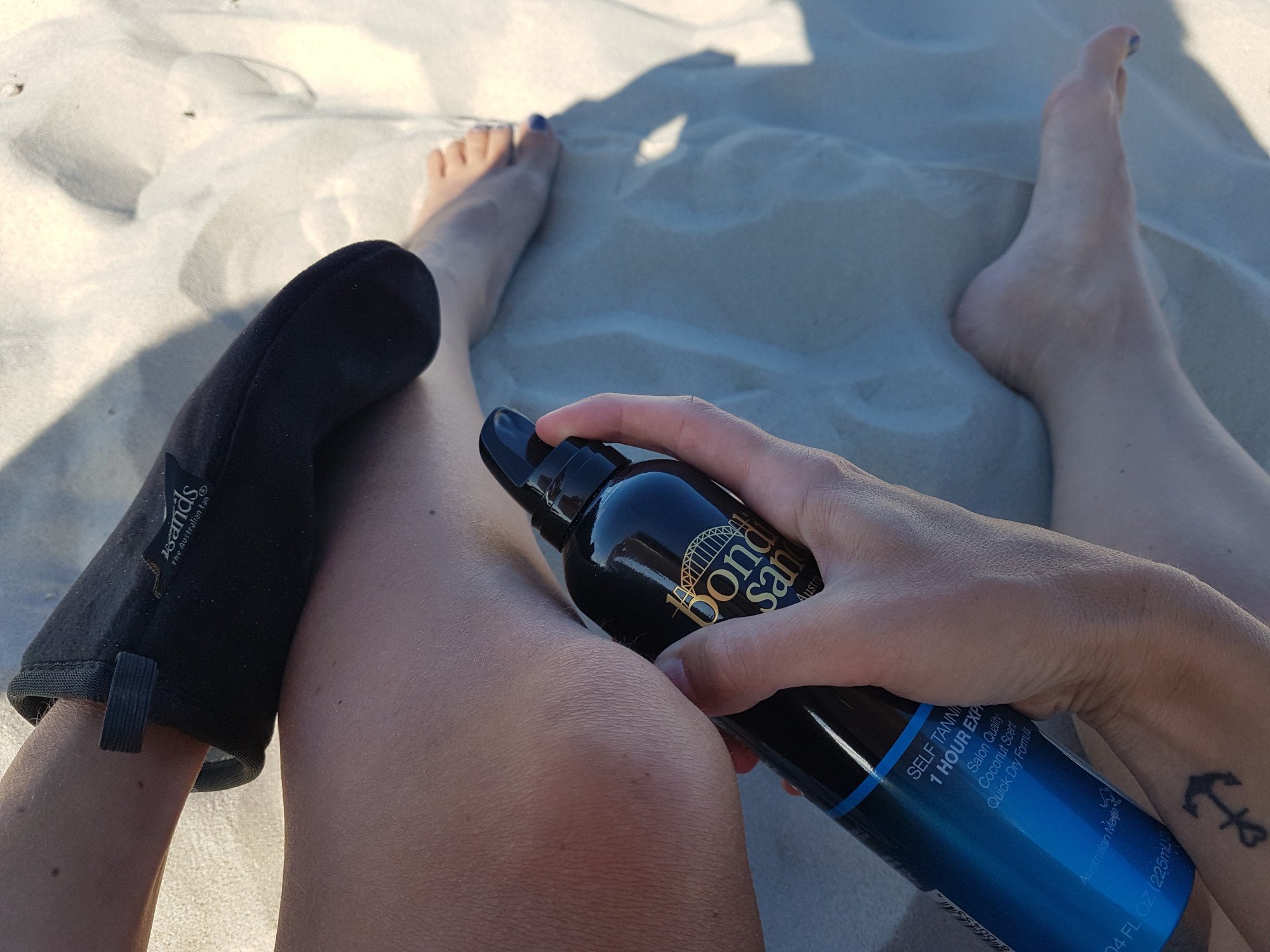
    Australian tanning brand Bondi Sands is expanding its presence in the US market with a nationwide launch in Walmart. This partnership represents the eighth major US retailer to list the brand’s product range within the past six years.

    Walmart will make eight of Bondi Sand’s bestsellers available – in-store and online – including the Self Tanning Foam, Self Tanning Foam 1-Hour Express, Everyday Gradual Tanning Milk, and Self Tan Eraser.

    Through this expansion, the company said it aims to make salon-quality, affordable, vegan, and cruelty-free tanning products accessible to a broader audience.

    “We are thrilled to cultivate a new relationship with Walmart and introduce our self-tanning range to a new category of shoppers,” said Blair James, co-founder of Bondi Sands.

    “Propelling our global presence with Walmart is an unmatched growth opportunity for us, and we’re excited to offer the beauty consumer what they’re looking for – salon quality tanning products at an affordable price.”

    Established in 2012, Bondi Sands offers a range of self-tanning and suncare products.

  • American cherry prices fall to new low in Vietnam

    American cherry prices fall to new low in Vietnam

    American cherry prices have fallen to a new low of VND250,000 ($10.53) per kilogram in Vietnam.

    Loan in Ho Chi Minh City, who usually consumes imported fruits, said she recently bought half of last year’s American cherry prices.

    Stores now sell red cherries at VND250,000-340,000 and yellow cherries, considered more premium, at VND350,000.

    My Hanh, a seller in HCMC’s Tan Binh District, said she now sells a box of five kilograms for VND1.2 million, the lowest price at which she has ever sold.

    “I imported 500 boxes this year, 30% more than last year. The low prices attract many customers.”

    Lan Anh, another seller in Binh Thanh District, said sales are up 30% year-on-year.

    She added that even low-income people could now afford the fruit, which is usually considered expensive.

    Retail chains such as Co.opmart, MM Mega Market and Go! are selling it at around VND300,000 per kilogram.

    Importers said it is the cherry season now in the U.S. and supply is high.

    According to the USDA National Agricultural Statistics Service, output is expected to be 371,000 tons this year, up 60% from 2022.

    The U.S. consulate in HCMC said American authorities are working with their partners in Vietnam to introduce high-quality American products to consumers.

  • Samsung TV Plus adds seven new channels in the United States

    Samsung TV Plus adds seven new channels in the United States

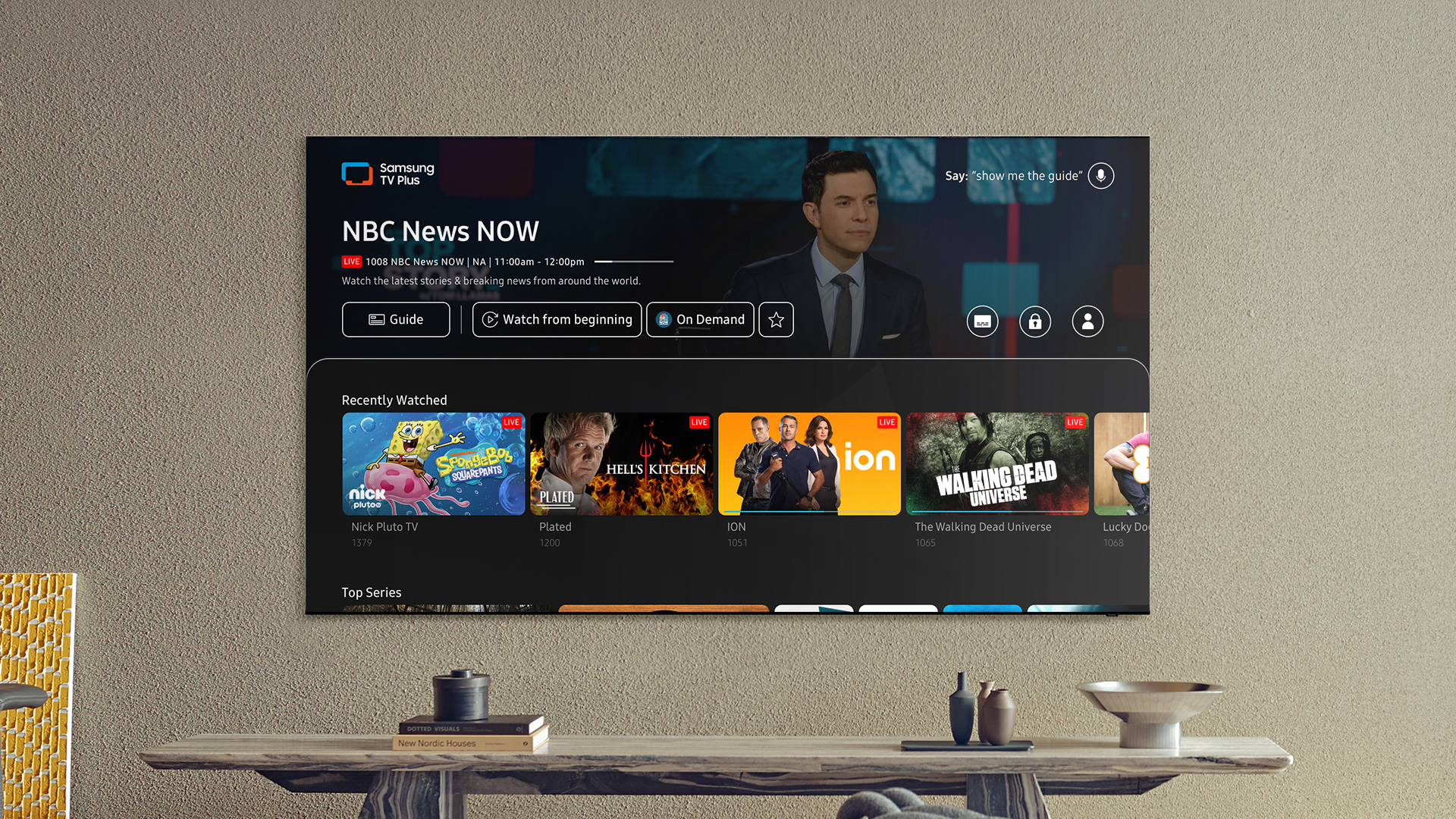
    Initially launched eight years ago as a video rental service, Samsung TV Plus quickly pivoted to an ad-supported streaming service format. Although it started with a limited number of channels available to watch for free, Samsung TV Plus now provides access to more than 250 channels.

    The most recent additions to the streaming service’s offering include channels from ABC, CBS and other networks. The new channels are already available in the United States, so if you have a compatible Samsung smart TV, Galaxy phone or tablet, you can watch these right now.

    The seven channels that have been added to Samsung TV Plus in June include 6ABC Philadelphia, ABC7 New York, ALLBLK Gems, Billiard TV, CBS News Explore, Get TV, and Vevo 2010s.

    In addition, Samsung TV Plus gained several movies in June and a few others are expected to drop in July: The Tree That Saved Christmas, Songs of Mistletoe, A Christmas Cruise, Angels in the Snow, An En Vogue Christmas, A Holiday for Love, Christmas Comes Home, and A Dogwalker’s Christmas. These movies will be available via the company’s first-party channel, Holiday Movies Channel.

    If you didn’t know, Samsung TV Plus is available for free on 2016 – 2022 Samsung smart TVs and select Galaxy mobile and tablet devices. Simply turn on your Samsung smart TV, open the Samsung TV Plus app, and you can start watching your favorite channels or movies.