Tag: usa

  • Honey exports set for anti-dumping probe in US

    Honey exports set for anti-dumping probe in US

    The U.S. Department of Commerce has received demands for anti-dumping investigations into honey imported from Argentina, Brazil, India, Ukraine, and Vietnam.

    According to the Trade Remedies Authority of Vietnam, for the first time ever the country’s honey products face the risk of being investigated for trade remedies in the U.S.

    The complainants are the American Honey Producers Association and the Sioux Honey Association, who have listed 12 Vietnamese firms in the petition and calculated the dumping margin at 207.08 percent.

    They want the anti-dumping investigations to be done for the period from October 1 last year to March 31 this year, and want damage investigation done from the beginning of 2018.

    Data from U.S. customs shows Vietnam exported 50,700 tons of honey products in 2020, or 25.8 percent of that country’s total honey imports.

    The DOC will decide whether to launch an investigation within 20 days.

    The U.S. International Trade Commission is reviewing the two associations’ lawsuits to assess the damage done to the U.S. honey production industry.

  • US removes Vietnam from currency manipulator list

    US removes Vietnam from currency manipulator list

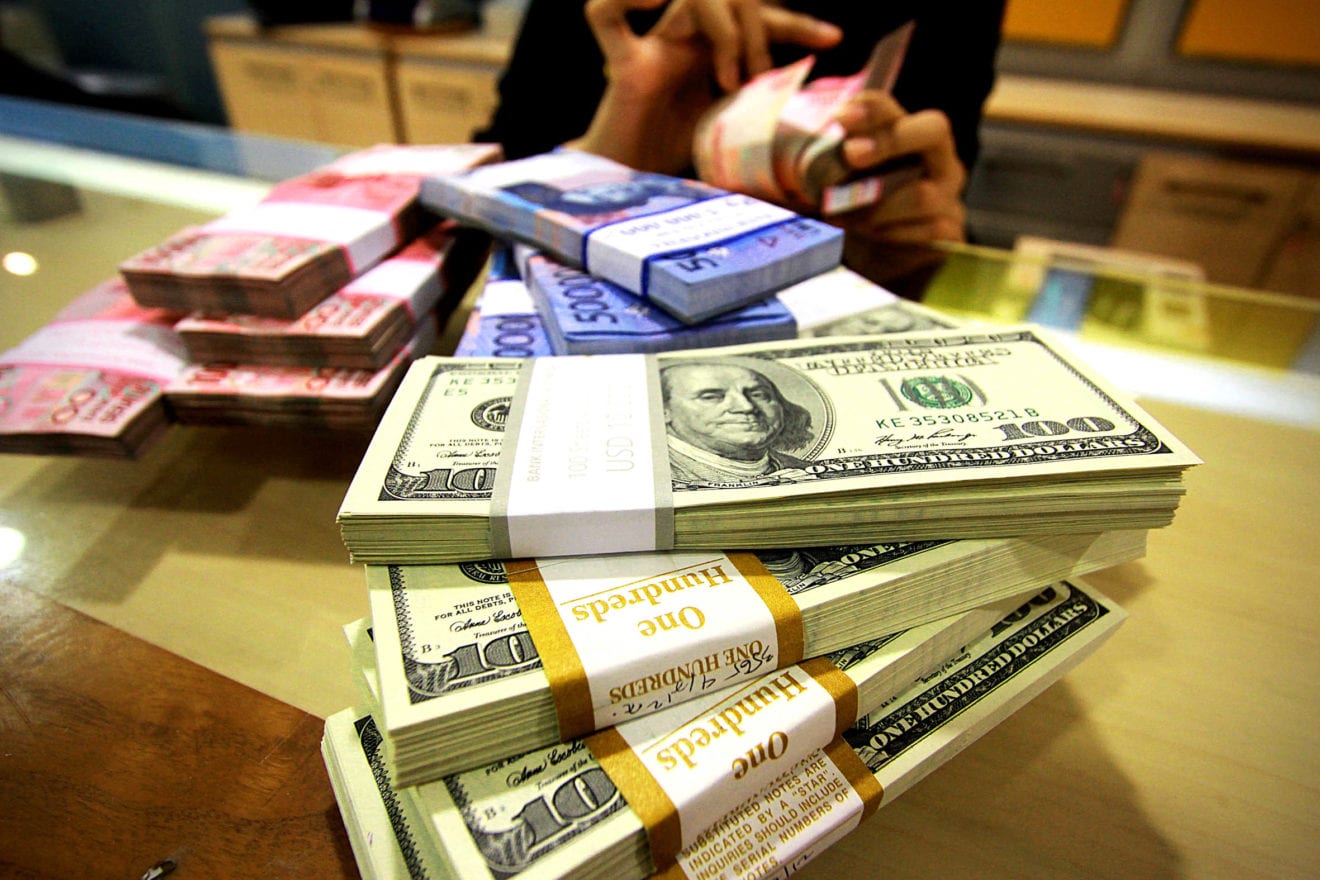
    The U.S. has removed Vietnam from the list of economies it considers currency manipulators, reversing a decision made by the Trump administration in December.

    Its Treasury Department said Friday that no economy currently meets the U.S.’s criteria to be labeled manipulators, but warned that Vietnam, Switzerland, and Taiwan would be under enhanced monitoring.

    There is insufficient evidence to conclude they are manipulating their exchange rates.

    A country is labeled a currency manipulator if it sells its currency and buys U.S. dollars to depreciate the former to benefit its exports.

    “For calendar year 2020, we have not made a finding regarding the manipulation designation,” a department official told reporters.

    Vietnam had last December rejected the U.S.’s currency manipulator allegations, reiterating that its monetary policies do not target unfair trade advantages and that it would continue to work with the U.S. to ensure a “harmonious and fair” trade relationship.

    The State Bank of Vietnam (SBV) said Saturday that Vietnam’s monetary policies in recent years have only sought to control inflation and ensure economic stability, and not derive unfair trade advantages.

    It said it has been working to increase exchange rate flexibility, resulting in improvements in the foreign currency market, and these efforts have been acknowledged by the U.S. Treasury Department.

    Vietnam would continue to work with the U.S. to ensure a harmonious and fair trade relationship, it said.

    Truong Van Phuoc, former chairman of the National Financial Supervisory Commission, said that the U.S. Treasury’s lifting of the label could make Vietnam more confident in its trade and monetary policies.

  • Grab set to announce deal with US SPAC at $40 billion valuation

    Grab set to announce deal with US SPAC at $40 billion valuation

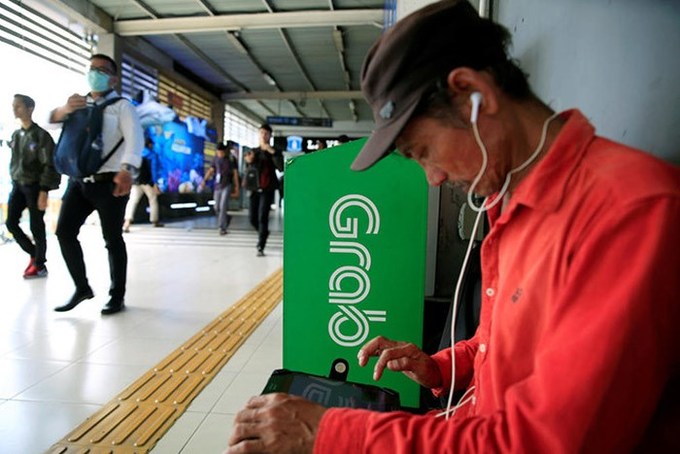
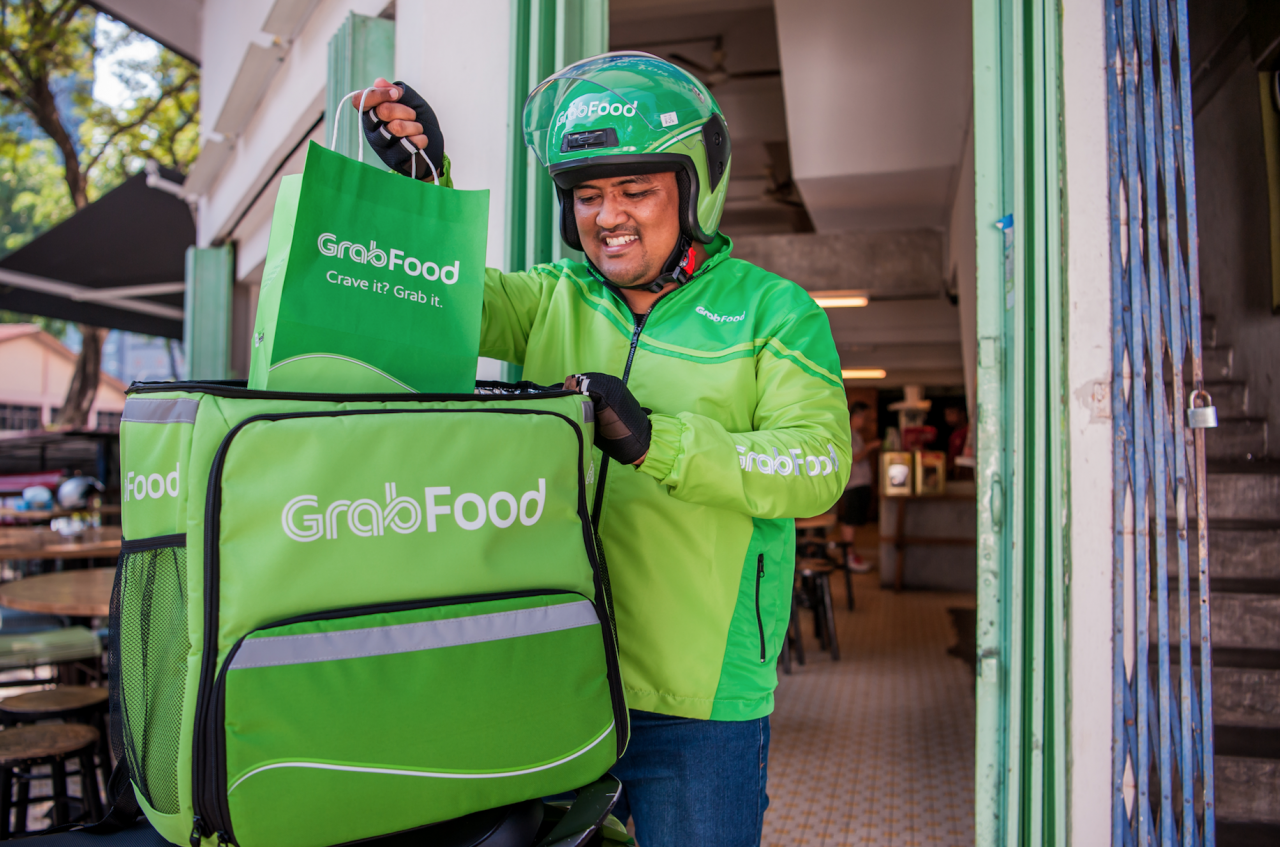
    Grab Holdings is set to announce as early as Tuesday a merger with U.S.-based Altimeter that will value Grab at nearly $40 billion and lead to a public listing.

    The merger will make it the biggest blank-check company deal ever. Southeast Asia’s largest ride-hailing and food delivery firm Grab’s agreement with a special purpose acquisition company (SPAC) backed by Altimeter Capital includes a $4 billion private investment in public equity (PIPE) from a group of Asian and global investors including Fidelity International and Janus Henderson, three people said.

    Grab declined to comment. There was no response from Silicon Valley-based Altimeter to an emailed request for comment.

    The two fund managers also did not respond to an emailed query. The sources declined to be identified due to the sensitivity of the matter.

    The deal for Singapore-based Grab, which sources have previously said was valued at just over $16 billion last year, is a big win for its early backers such as Japan’s SoftBank Group Corp and China’s Didi Chuxing.

    A U.S. listing will give Grab extra firepower in its main market, Indonesia, where local rival Gojek is close to sealing a merger with the country’s leading e-commerce business Tokopedia.

    Grab, whose net revenue surged 70 percent last year, is yet to turn profitable, but it expects its biggest segment – the food delivery business – to break even by end-2021, as more consumers shift to online food delivery after the Covid-19 pandemic.

    The nearly $40 billion valuations is based on a proforma equity value, two of the sources said.

    With operations in eight countries and 398 cities, Grab is already Southeast Asia’s most valuable start-up.

    Leveraging its ride-hailing business started in 2012, the firm has expanded into offering food and grocery deliveries, courier services, digital payments, and is now making a big push into insurance and lending in a region of 650 million people.

    Cash-rich, U.S.-listed Sea is also muscling into food delivery and financial services in Indonesia. Both Grab and Sea won digital bank licences in Singapore last year.

  • Grab agrees to US$40 billion merger, clearing way to list in the US

    Grab agrees to US$40 billion merger, clearing way to list in the US

    Southeast Asia’s biggest ride-hailing and food delivery firm Grab Holdings agreed a merger on Tuesday with US-based Altimeter Growth Corp in a deal that values Grab at an initial proforma equity value of about US$39.6 billion and will lead to a public listing

    The merger, the biggest blank-check company deal ever, underscores the frenzy on Wall Street as shell firms have raised $99 billion in the US so far this year after a record $83 billion fundraising in 2020.

    Singapore-based Grab’s agreement with a special purpose acquisition company backed by Altimeter Capital includes a more than $4 billion private investment in public equity by investors including BlackRock, Fidelity International, Janus Henderson Investors and Temasek Holdings.

    Grab said its decision to become a public company was driven by strong financial performance in 2020, despite the pandemic.

    Reuters earlier reported that Grab would announce the deal on Tuesday.

  • Volkswagen US Changes Its Name To Voltswagen To Signify Brand’s Electric Aspirations

    Volkswagen US Changes Its Name To Voltswagen To Signify Brand’s Electric Aspirations

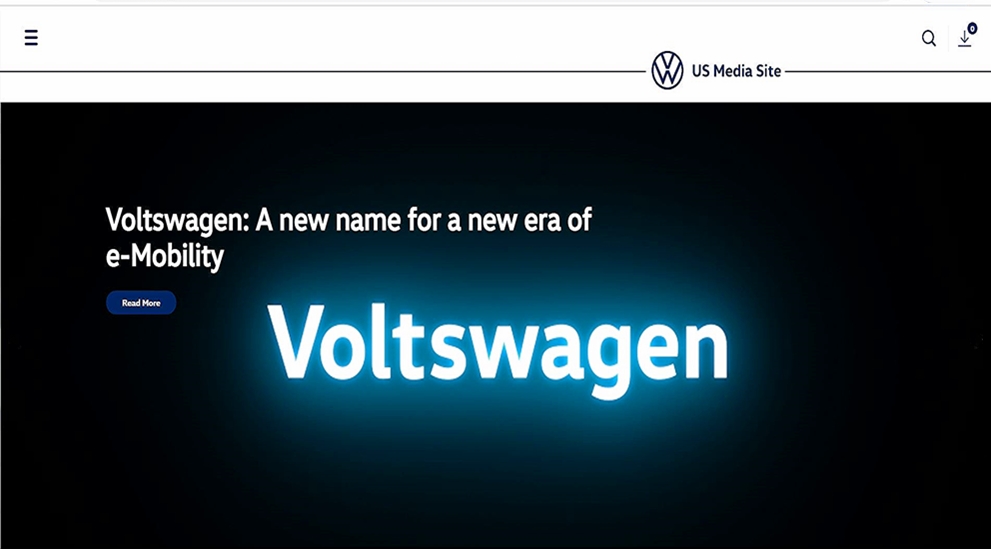
    Voltswagen! Yes, that will be the name of German auto giant Volkswagen’s operations in the United States of America. The official brand name has changed from Volkswagen of America to ‘Voltswagen of America’ and clearly emphasizes the brand’s electric aspirations in the market. The new name, the automaker, symbolises the brand’s momentum towards moving people from point-to-point with electric vehicles. But we now know that this was an April Fool’s joke by the company.

    To give it that reality flavour, the company even quoted Scott Keogh, president and CEO of Voltswagen of America, saying, “We might be changing out our K for a T, but what we aren’t changing is this brand’s commitment to making best-in-class vehicles for drivers and people everywhere. The idea of a ‘people’s car’ is the very fabric of our being. From the beginning of our shift to an electric future, we have said that we will build EVs for the millions, not just millionaires. This name change signifies a nod to our past as the peoples’ car and our firm belief that our future is in being the peoples’ electric car.”

    Do note that the Voltswagen name was to be specific to the US market, while the company will continue to use its original name in other markets globally. The Voltswagen name, though, isn’t exactly all-new. The brand had used it in one of their ads in 2013 while promoting the Volkswagen e-Up! in Europe.

    “As our newly launched ID.4 campaign demonstrates, the humanity at the core of this brand remains its enduring legacy,” said Kimberley Gardiner, senior vice president, Voltswagen of America brand marketing. “The tone of Voltswagen will be a consistent thread between the branded communications for our growing electric fleet to our gas vehicles. Over the course of the next few months, you will see the brand transition at all consumer touchpoints. This is an exciting moment for us, and we have been working through every avenue to make the transition clear, consistent, seamless, and fun for all.”

    The new name strategy also comes when the company has introduced the ID.4 SUV in the US, its first all-electric offering. The automaker has also said that its electric cars will sport the Voltswagen exterior badge and get a light blue version of the brand logo to differentiate the new EV-centric branding. Meanwhile, the gasoline-powered cars will retain the iconic dark blue VW logo, albeit without any exterior badging of the new name

  • Vietnam Airlines on threshold of regular direct flights to US

    Vietnam Airlines on threshold of regular direct flights to US

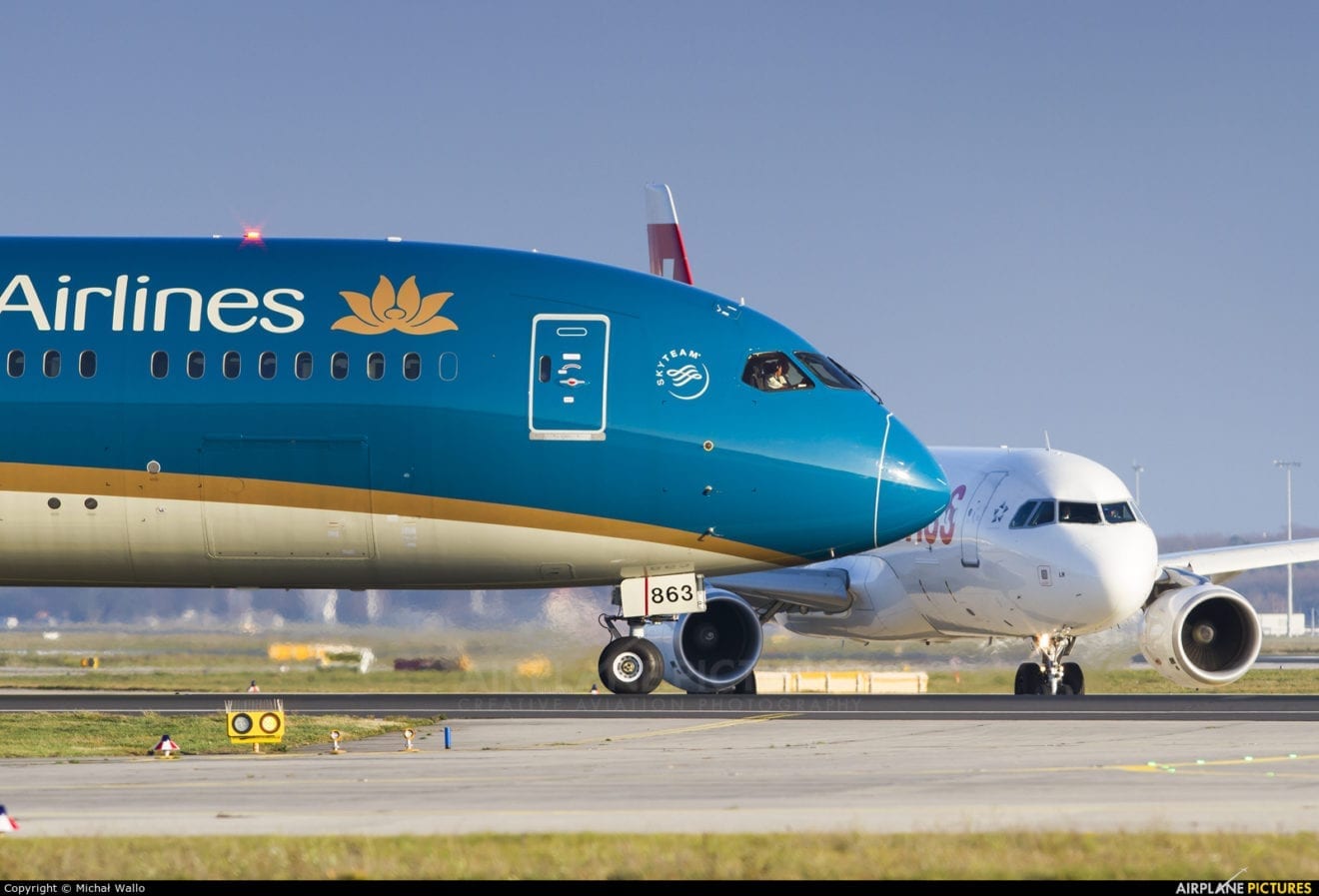
    Vietnam Airlines is awaiting approval from the U.S. government to launch regular direct flights to the country to serve repatriation needs of the Vietnamese community.

    A representative of the national flag carrier told VnExpress that a large number of Vietnamese citizens living in the U.S. wish to return home, but the carrier has already operated all repatriation flights permitted by the U.S. authorities.

    From May to August last year, the carrier has carried out a total 12 repatriation flights as permitted by American aviation authorities to bring Vietnamese citizens home amid the complicated developments of the pandemic.

    The Board of Directors of Vietnam Airlines has just approved a plan to launch regular direct flights to the U.S., saying this is the appropriate time to do it using the wide-bodied Boeing Dreamliner. They expect that this move will help increase revenue and minimize financial damage inflicted by the pandemic.

    As soon as the carrier receives approval from the U.S. government, it will operate regular flights to repatriate Vietnamese citizens as well as carry foreign experts and diplomats wishing to enter Vietnam for work.

    Depending on the recovery of the aviation market and when the Covid-19 pandemic is contained, the airline expects to operate direct flights between Vietnam and the U.S. from 2022 onwards.

    The U.S. Federal Aviation Administration issued a Category 1 rating to the Civil Aviation Authority of Vietnam under its International Aviation Safety Assessment program in 2019, meaning it met safety standards to operate flights to the U.S.

    Vietnam Airlines also got the green light to operate direct flights from Hanoi and Ho Chi Minh City to several American destinations in September 2019. No such a flight under the permit has been scheduled to date.

    There are currently no non-stop routes between the two countries, and passengers have to transit through East Asia, the journey taking between 18-21 hours. A direct flight would bring the travel time down to 14-16 hours.

    Vietnam Airlines reported a loss of over VND11.1 trillion ($483 million) last year after the Covid-19 pandemic grounded all its international flights.

  • Chinese manufacturer will reportedly use Huawei’s ecosystem in case it too loses access to Google

    Chinese manufacturer will reportedly use Huawei’s ecosystem in case it too loses access to Google

    In May 2019, the U.S. placed Huawei on the Entity List. Not only did this ban Huawei from accessing its U.S. supply chain, it also banned Huawei from using Google’s Android apps on Huawei handsets. Not that this really mattered since many of these apps such as YouTube, Search, Google Maps, Drive, and others were already banned from the Chinese versions of Huawei’s phones by the government. Google’s apps were allowed on the international versions of Huawei’s phones.

    Huawei’s Entity List placement means that Google Mobile Services is not allowed on Huawei handsets and had to be replaced. Huawei developed its own ecosystem called Huawei Mobile Service (HMS). As of last December, HMS covered 500 million monthly active users in over 170 countries; the buzz around the water cooler is that a non-Huawei handset will soon be available with HMS pre-installed (more on this below).

    Huawei also had to replace the Google-licensed version of Android with the open-source version of Android and will now switch to its homegrown HarmonyOS. The company’s first 2021 flagship, the camera-centric Huawei P50 series, could be the first smartphones to run HarmonyOS. According to Huawei staff member Akiba Ziluo, Chinese smartphone manufacturer Meizu will have the first non-Huawei handset to support HMS Core through the Huawei Mobile Service. According to Huawei, “HMS Core offers a rich array of open device and cloud capabilities, which facilitate efficient development, fast growth, and flexible monetization. This enables global developers to pursue groundbreaking innovation, deliver next-level user experiences, and make premium content and services broadly accessible.”

    Each Chinese phone manufacturer has a secret fear; they worry about becoming the next Huawei and ending up in a similar predicament. That is why many of them are looking for Chinese technology that could be used in a jiff to replace American software in case they are banned from using U.S. technology like Huawei is.

  • Royal Enfield Renews Partnership With American Flat Track In 2021

    Royal Enfield Renews Partnership With American Flat Track In 2021

    Royal Enfield North America has announced that the brand has renewed its partnership with Progressive American Flat Track for the 2021 season. Under the partnership, Royal Enfield North America will be an official OEM partner with Progressive American Flat Track (AFT) for 2021, and will return with its fleet of motorcycles to the AFT Fan Zone at select rounds, where fans will be able to see the bikes, and also have access to official MotoAnatomy X Royal Enfield flat track apparel. In the inaugural Progressive AFT campaign in 2020, Royal Enfield came off with an impressive performance, with Johnny Lewis’s dominating AFT Production Twins victory aboard the Royal Enfield Twins FT in October 2020.

    “The partnership between Progressive American Flat Track and Royal Enfield sums up everything that’s good about our sport these days,” said Michael Lock, CEO of Progressive AFT. “This famous and historic brand is re-asserting itself for the modern era and we are delighted to assist in showcasing the brand values, the bikes and the people behind it’s recent success. Royal Enfield will be visible in the Fan Zone, helping to evaluate the track, pioneering a new approach to racing with Build Train Race and, importantly, racing in the fast-growing AFT Production Twins class. We are very grateful for their contribution as we grow the sport.”

    Royal Enfield North America is also poised to further grow its Build Train Race program, which highlights, celebrates, and encourages the involvement of women in flat track racing. In 2021, nine women will build and race their own custom INT 650 Twins at this season’s Chicago Half-Mile (5/29), Port Royal Half-Mile (7/24), New York Short Track (8/14), and Charlotte Half-Mile (10/8).

    “We are excited to further our commitment to the American Flat Track community,” said Bree Poland of Royal Enfield. “Last year was a good experience and we can’t wait to get back out there to showcase the brand. We are incredibly honored that the Build Train Race program has been invited back, showing strong support for bringing more women into the world of motorsports.”

    The 2021 Progressive AFT season kicks off with a Volusia Half-Mile doubleheader event at Volusia Speedway Park on Friday, March 12 and Saturday, March 13, 2021.

  • Huawei’s founder reveals plan to beat U.S. sanctions

    Huawei’s founder reveals plan to beat U.S. sanctions

    Last week we told you that starting on March 31st, Android phones uncertified by Google, including those made by Huawei, will no longer have access to the Google Messages app. While not too many Android handsets are uncertified by Google, Huawei’s newer models are because of its inclusion on the U.S. Commerce Department’s Entity List which prevents the Chinese manufacturer from using parts made by American suppliers. That includes software and since Google is a U.S. firm, Huawei cannot have the version of Android that is certified by the company.

    One Google app that Huawei users have been able to use without certification from Google is video chat app Duo. But just as Messages will be unavailable on uncertified Huawei devices this coming Spring, the same fate will befall the Duo app. According to XDA, strings of code found on version 123 of Duo reveal sentences that say, “Duo is going away soon,” and “Because you’re using an unsupported device, Duo will unregister your account on this device soon. Download your Clips and call history to avoid losing them.

    Note that the strings of code for Duo refer to unsupported devices as opposed to uncertified devices as with Messages. While unsupported phones do not comply with the Google Mobile Service ecosystem and are treated mostly the same as uncertified models, the difference is that after Duo shuts down for these handsets on March 31st, there will be a grace period of 14 days during which users will be able to save and download their data from Duo before the service shuts down.

    Right now, Duo can be installed and used on the Huawei P40 Pro series without requiring the phone to be running Google Mobile Services (GMS). This will end on March 31st unless Huawei is removed from the Entity List and is allowed to install GMS on its models missing Google’s ecosystem. For this to happen, the new U.S. president will have to decide what to do about the Chinese manufacturer in general. So far, there hasn’t been any word from the new administration on how it plans to treat Huawei, TikTok, Xiaomi, SMIC and other Chinese tech firms.

    Meanwhile, Huawei founder Ren Zhenfei had given a speech last June explaining how Huawei could survive the sanctions placed on it by the U.S. The speech was just published last week and ended up in the South China Morning Post (SCMP). Zhenfei, who is also Huawei’s CEO, said that the company needs to decentralize its operations, focus on making profits, simplify product lines, and freeze pay for three to five years. The 76-year old executive said that U.S. actions against Huawei have made it hard for the company to put its original globalization plans into play and have forced Huawei to develop its own production lines. As Zhenfei said, “There’s a big mismatch between our ability and strategy. It’s our weak link, and we are forced to start from the beginning like elementary school students.”

    Zhenfei says that Huawei will not be defeated, nor will it become resentful of the U.S. Speaking to Huawei back during the summer, Ren stated, “Please don’t be upset because of the temporary US pressure, or give up on our globalization strategy. There’s no future without embracing globalization (in development and research).” Besides having to motivate employees while keeping pay frozen for the next three to five years, Ren said that Huawei needs to focus on the bottom line. “We must gradually shift focus from the top line to the bottom line. All product lines … must not blindly pursue becoming No 1 … we don’t have the conditions to always fight to be No 1,” Ren said. “We must create value and reasonable profits to ensure healthy growth.” So instead of worrying about the number of units Huawei is shipping, the company’s founder says that it needs to focus on profitability.

    According to Ren, the U.S. wants Huawei to die. He said, “At the beginning, we thought we might have done something wrong in compliance and we carried out self-examination; but then the second blow and third blow followed. Then we realized that they want our death … but the desire to survive has also motivated us”

  • U.S. Adds Chinese Smartphone Giant Xiaomi to Blacklist

    U.S. Adds Chinese Smartphone Giant Xiaomi to Blacklist

    Just five days before the official inauguration of President Joe Biden, the Trump administration is making a late push to ban more Chinese companies deemed risky, including smartphone maker Xiaomi and state-owned oil firm CNOOC.

    Xiaomi was one of nine firms added to the Defense Department’s list of banned firms linked to the Chinese military, expanding the original list of over 60 companies.

    The Department is determined to highlight and counter the People’s Republic of China’s (PRC) Military-Civil Fusion development strategy, which supports the modernization goals of the People’s Liberation Army (PLA), said a statement from the Department of Defense (DoD).

    According to the DoD, PLA modernization is being ensured via access to «advanced technologies and expertise acquired and developed by even those PRC companies, universities, and research programs that appear to be civilian entities».

    Financial firms that wish to comply with sanctions on the additional firms will have to rebalance their exposure and many have reportedly done so in recent times, delisting of structured products in Hong Kong or removing constituents from major global index compilers.

    One notable global firm that has bucked the trend by maintaining business ties without complying to U.S. sanctions is State Street Global Advisors, whose Asia unit reversed its decision to remove banned stocks from the renowned Tracker Fund following pressure from Hong Kong officials.

    In the third quarter of last year, the Chinese tech giant surpassed Apple in terms of smartphone sales and entered Hong Kong’s benchmark Hang Seng Index in September. Its current market capitalization exceeds $700 billion.

  • Washington Mulls Alibaba and Tencent Ban

    Washington Mulls Alibaba and Tencent Ban

    Just weeks before the end of the current U.S. administration, authorities are reportedly discussing the expansion of a blacklist of companies linked to China’s military with the inclusion of major tech giants, Alibaba and Tencent.

    Discussions considering the inclusion have been underway for a few weeks amongst State and Defense Department officials, according to a report citing unnamed sources.

    The original blacklist was released in November with 31 companies including the likes of surveillance firm Hikvision and semiconductor maker SMIC.

    Most recently, the Chinese military investment ban also included an unusual case involving China Mobile, China Telecom and China Unicom Hong Kong. After an initial decision to delist the three Chinese telecommunication firms, the New York Stock Exchange (NYSE) reversed the call this Monday before making yet another reversal on Tuesday.

    Sources said that there was ambiguity about whether or not the aforementioned firms were subject to the bans which subsequently led U.S. Treasury Secretary Steven Mnuchin to phone NYSE president Stacey Cunningham to tell her he disagreed with the decision to reverse the delisting.

    The investment bans are part of a series of moves made by the Trump administration to drive decoupling between U.S. capital and the Chinese economy.

    In addition to military-linked companies, Washington also seeks to tighten on Chinese firms that fail to pass U.S. auditing standards, pressuring them with the prospects of delisting from American bourses.

    This follows a series of headline accounting scandals amongst U.S.-listed Chinese companies such as the $300 million inflation of sales figures at Luckin Coffee or 83 tons of collateralized fake gold bars at Kingold.

  • US absolves Vietnamese tire exporters of dumping

    US absolves Vietnamese tire exporters of dumping

    The U.S. has made a preliminary determination that most Vietnamese tire exporters did not dump products in the U.S. and not subjected them to anti-dumping duties.

    Six producers and exporters of passenger vehicle tires from Vietnam, who account for over 95 percent of Vietnamese tire exports to the U.S., were found to not dump following an investigation by the Department of Commerce that began last June.

    But some other companies were hit with a 22.3 percent anti-dumping duty, with the Trade Remedies Authority of Vietnam saying it was because they did not fully cooperate with U.S. authorities.

    The U.S. has imposed duties of 13.25-98.44 percent on South Korea, Taiwan and Thailand. A final determination will be issued on May 14.

    The U.S. imported nearly $4 billion worth of tires from the four in 2019, with Vietnam accounting for $469.64 million.

  • Cole Haan opens new concept store in Tokyo

    Cole Haan opens new concept store in Tokyo

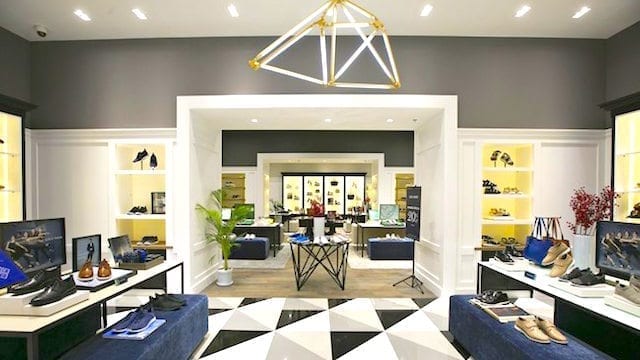
    American luxury fashion brand Cole Haan has launched its concept store in Tokyo at Grandshop – Cat Street, Harajuku. The flagship houses a selection of footwear and lifestyle products, including the exclusive GrandPro Rally Court Sneakers range in collaboration with Indian-American comedian Hasan Minhaj.

    “Japan holds a special place for the Cole Haan brand as we’ve been there for more than a quarter-century,” said  David Maddocks, brand president at Cole Haan. “It only made sense to bring our most innovative retail concept to one of the most iconic shopping destinations in the world — Harajuku district’s Cat Street.”

    The store facade includes a window integrated with a transparent LED screen showcasing Cole Haan’s product. Digital touchpoints such as QR codes and a selfie station are implemented inside the store.

    The Cole Haan Harajuku is also the brand’s third Grandshop. Founded in 1928, Cole Hann is now sold in more than 60 countries.

  • Bkav exports security cameras to US

    Bkav exports security cameras to US

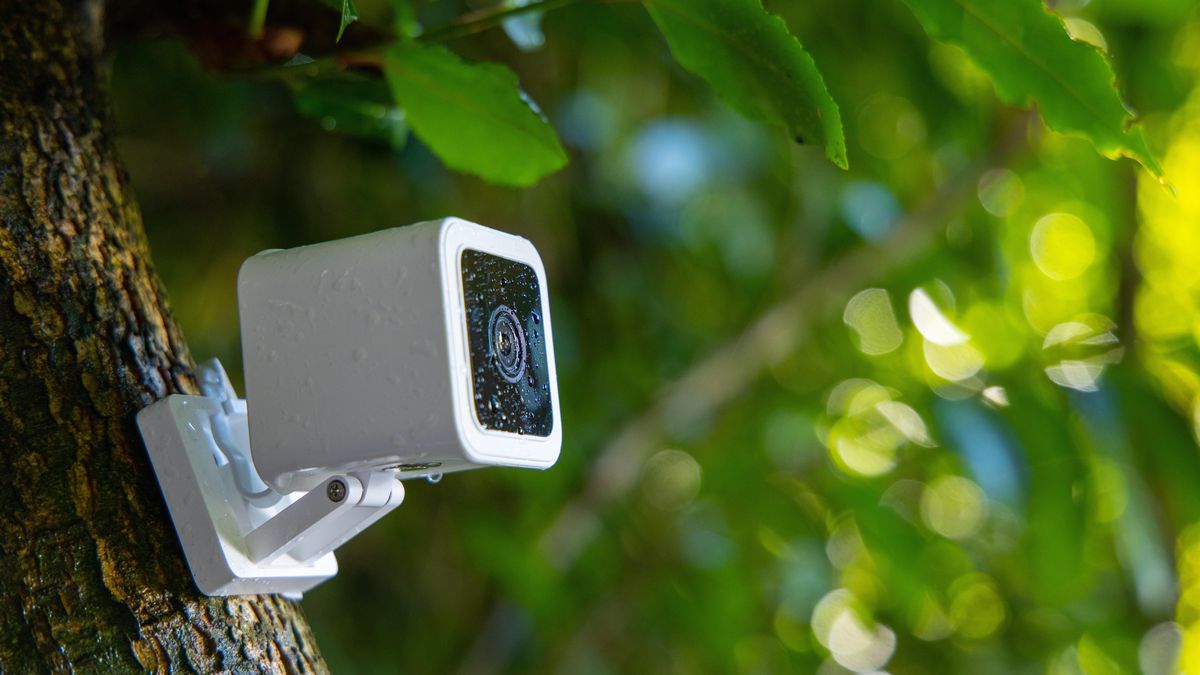
    Cybersecurity firm Bkav has exported its first batch of security cameras to the U.S., furthering its ambition to become a top-five camera manufacturer worldwide.

    Its AI View security cameras will be installed at the headquarters of technology giant Qualcomm Incorporated in California, Bkav said in a statement.

    “From here, we have the foundation to further develop in this market, aiming at becoming a Top 5 camera manufacturer in the world,” said Tommy Le, Bkav Vice President of Business Development in the U.S.

    The Bkav cameras are capable of recognizing faces, doing headcounts, measuring social distancing, determining whether someone is wearing a face mask or not, finding a parking spot, detecting fires, and unauthorized intrusions.

    The company says its cameras are priced around 20 percent lower than similar products of famous European manufacturers.

    Bkav is currently working on a series of camera projects in India, Mexico, Malaysia, and Vietnam.

    Another batch of AI View cameras are set to be installed in a large park in the U.S. by the end of the year, the company said.

  • US doubles purchase of Vietnamese mangoes

    US doubles purchase of Vietnamese mangoes

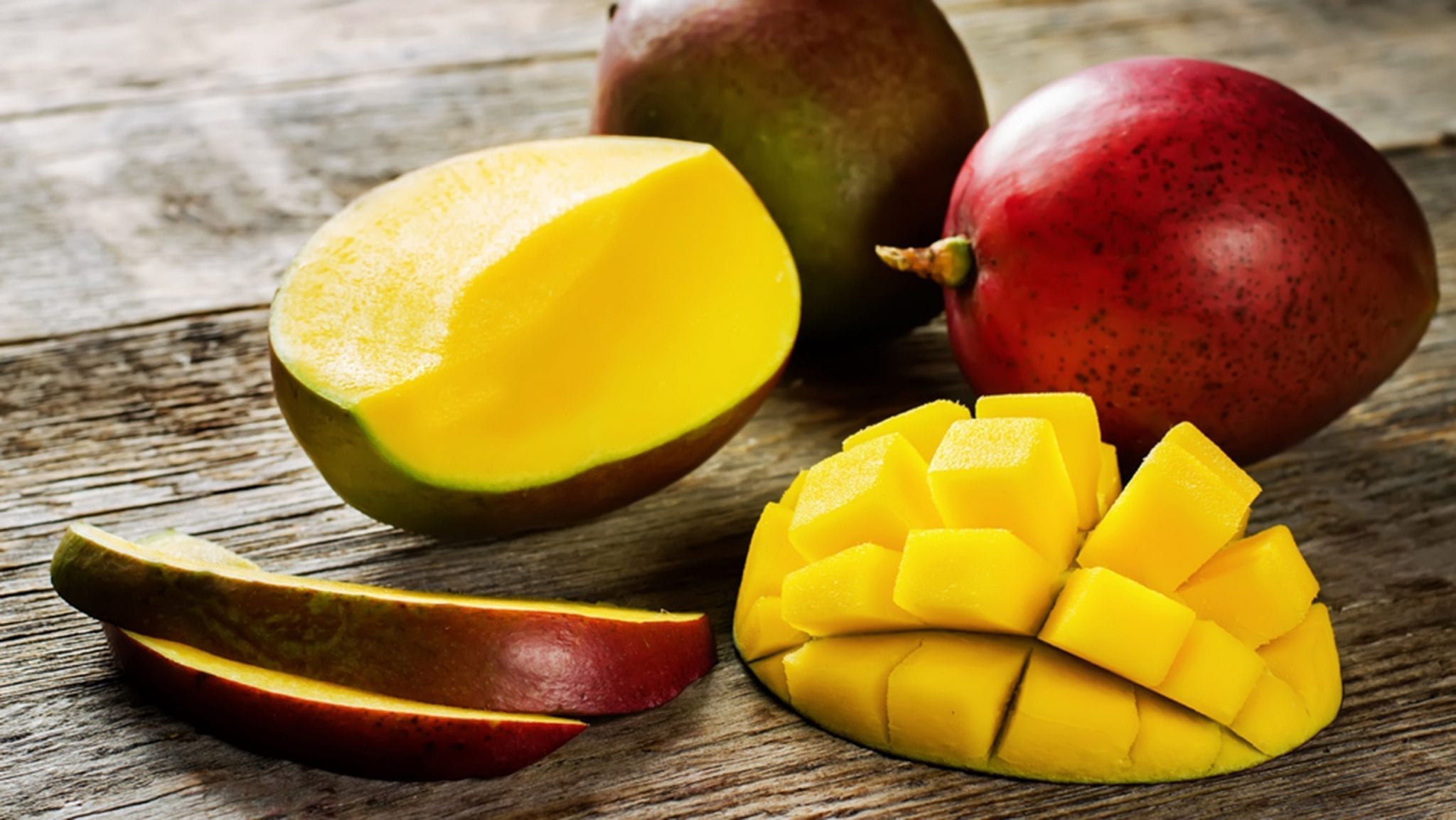
    The U.S. has imported double the quantity of Vietnamese mangoes in Jan-August 2020, showing potential for further growth in this market.

    The value of mango imports rose 99.9 percent year-on-year to $2.79 million, according to a report by the Agency of Foreign Trade under the Ministry of Industry and Trade, citing U.S. official figures.

    The average import price was $2,064.8 per tonne, up 6.7 percent year-on-year. Most of the imports were of fresh and frozen fruit.

    In terms of volume, Vietnam was the 12th largest mango import market for the U.S. in the said period, accounting for 0.3 percent of the total.

    The Agency of Foreign Trade said the large demand for mango, especially fresh fruit, in the U.S. is an opportunity for Vietnamese companies to expand.

    However, they need to ensure all strict standards on farming, packaging, and origin tracing are met, it added.

    Vietnam exported its first batch of mango to the U.S. in April last year.

    The surge in Vietnam’s mango exports to the U.S. is a rare bright spot in the nation’s plunging fruits exports scenario, primarily as a result of the Covid-19 pandemic.

    In the first nine months, fruit export value fell 19.1 percent year-on-year to $1.7 billion, with shipment figures of lychees, durians, and bananas plummeting, the agency said.