Tag: video

  • HBO Go Bids Farewell to Vietnam, Makes Way for HBO Max Arrival

    HBO Go Bids Farewell to Vietnam, Makes Way for HBO Max Arrival

    HBO Go, the previously ubiquitous streaming service, will officially withdraw its operations from Vietnam as of June 15. Its absence will pave the way for the introduction of HBO Max, a formidable competitor to streaming giant Netflix.

    The HBO Go service was first introduced to the Vietnamese market in 2019, targeting cable, satellite, and live TV streaming subscribers who were already receiving HBO channels as part of their television package. However, the service was discontinued in multiple markets in 2020, and replaced by HBO Max. This new platform allows users to access the full range of HBO content without a cable TV connection.

    In Vietnam, the termination of HBO Go also implies the end of collaborations with local streaming platforms such as TV360 and VieON. A noticeable change is already apparent on TV360, which now presents a “Failed” notification upon attempts to subscribe to a new HBO package. However, users can continue to view HBO content through traditional television channels via cable and satellite services.

    An anonymous industry analyst suggests that this strategic move is most likely intended to enable American film studio Warner Bros. to introduce HBO Max in direct competition with Netflix. The HBO Max homepage now displays a Vietnamese language notice teasing its launch on June 16.

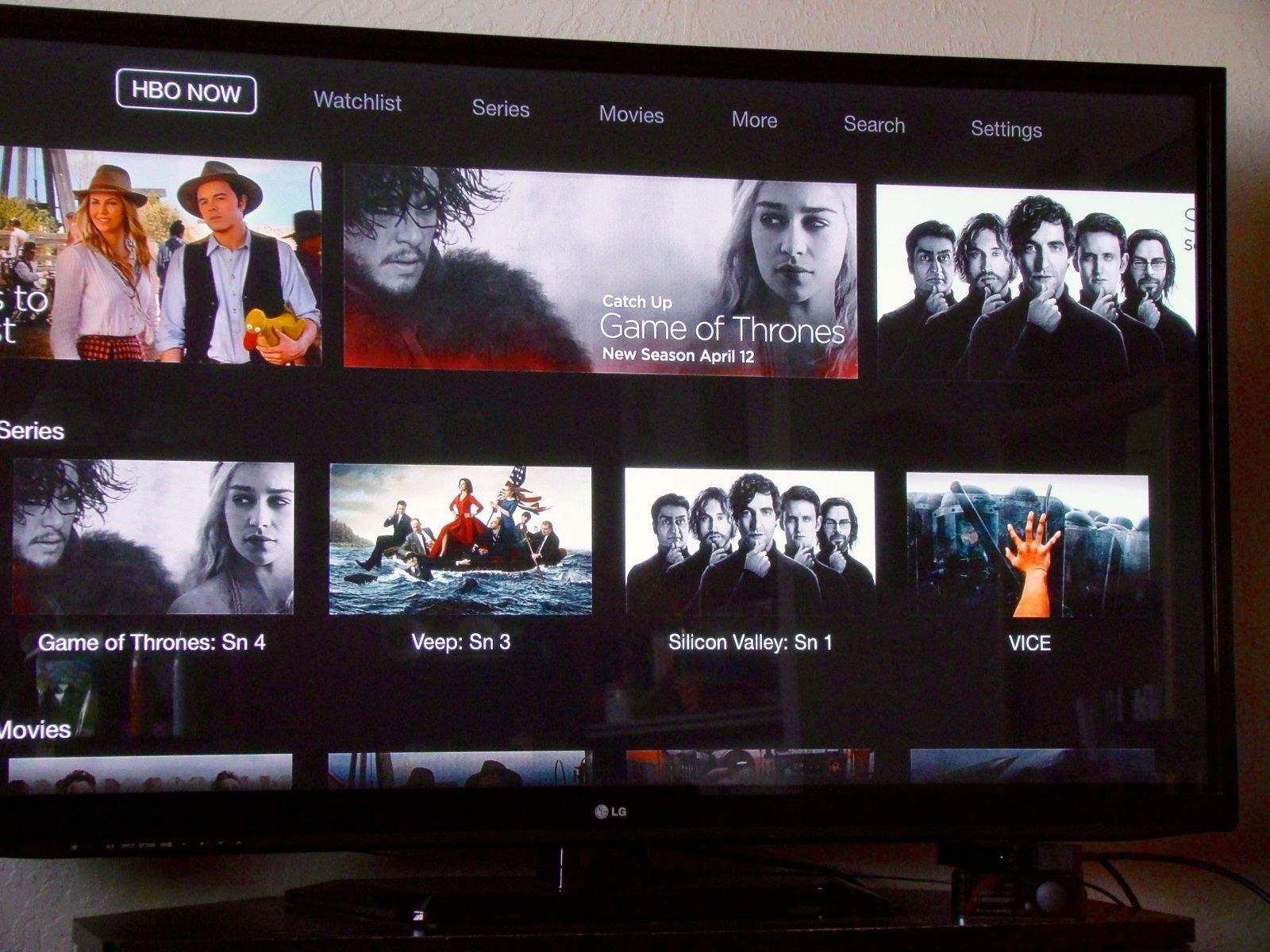
    The HBO Go platform had gained traction among Vietnamese viewers with popular original series such as Game of Thrones and House of the Dragon, and films produced by Warner Bros.

    Questions & Answers

    What is happening to HBO Go in Vietnam?
    HBO Go will cease operations in Vietnam as of June 15, and be replaced by HBO Max.

    What changes are expected with the introduction of HBO Max?
    HBO Max will allow users to access a broad range of HBO content without the need for a cable TV connection. The service is seen as a strong competitor to Netflix.

    Will users still be able to view HBO content via traditional channels?
    Yes, HBO content can still be accessed through traditional television channels on cable and satellite services.
  • Game Changer: Apple TV+ Android Update Adds Long-Awaited Google Cast Support

    Game Changer: Apple TV+ Android Update Adds Long-Awaited Google Cast Support

    Apple TV+ has finally introduced the much-anticipated update, enabling Android users to enjoy premium content on large screens. Previously, Android users could only view this content on their 6-inch phone screens unless they had specific hardware.

    Apple TV+ for Android Now Compatible with Larger Screens

    February marked the arrival of the Apple TV app on Android devices, much to the delight of streaming enthusiasts. Despite the excitement surrounding its launch, the app’s capability was seemingly limited. The most notable limitation was that Android users were confined to watching premium content on their small phone screens, unless they possessed particular hardware.

    However, a novel update from Apple has changed the game. Google Cast support has now been officially introduced in the Android app, making it possible to stream shows like Severance or Slow Horses directly from your Pixel or Samsung device to your Chromecast or Google TV setup.

    Revolutionary Features in the Update

    The updated features include Google Cast Support, which allows streaming via Wi-Fi or cellular to compatible TVs. The Offline Viewing feature lets users download movies and episodes for travel, while the Sync Continuity feature ensures that the “Continue Watching” option picks up from where the user last stopped, regardless of the device. Furthermore, Library Management provides full access to your Watchlist to manage upcoming viewing.

    While it may appear to be a minor technical adjustment, it’s a significant change in the app’s usability. For several months, the Apple TV app on Android seemed somewhat detached—a unique and often frustrating experience in a landscape where competitors such as Netflix, Disney+, and Hulu have supported casting for over a decade.

    By incorporating this feature, Apple is signaling a shift away from its “walled garden” approach when it comes to marketing a streaming service. Given that a substantial portion of the global audience comprises Android phone and Google TV users, this upgrade levels the playing field, making Apple TV+ a more appealing primary streaming service for households with mixed ecosystems, rather than just an additional feature for iPhone owners.

    Better Late Than Never

    Truthfully, the initial launch of the app without Cast support felt somewhat incomplete. There was a sense that Apple was only doing the bare minimum to get the app into the Play Store, without much regard for the user experience. It was challenging to recommend the service to Android users when they could not easily watch Apple TV+ on their actual television.

    Questions & Answers

    What is the new update in the Apple TV+ app for Android users?
    Apple has introduced Google Cast Support in the Apple TV+ app, enabling Android users to stream content directly to their Chromecast or Google TV setup.

    What are the key features of this update?
    The update includes Google Cast Support, Offline Viewing, Sync Continuity, and Library Management.

    What does the introduction of Google Cast Support signify?
    By incorporating Google Cast Support, Apple is acknowledging the importance of Android phone and Google TV users as a significant portion of its audience. This feature makes Apple TV+ a compelling primary streaming service for households with mixed ecosystems.

  • Spotify Rivals YouTube Music with an Exciting New Video Feature for Premium Users

    Spotify Rivals YouTube Music with an Exciting New Video Feature for Premium Users

    Spotify is set to introduce its music video feature to premium subscribers in the United States and Canada. This new beta feature will allow users to seamlessly transition between audio and video with a simple touch. Although the feature is currently in the beta testing stage with a limited song catalog, it represents a significant leap by Spotify to match its rivals.

    The Boom of Music Videos

    After successful trials in nearly 100 different international markets last year, Spotify has decided it’s time to grant North America access. Starting today, Spotify Premium subscribers in the US and Canada may notice a new feature in the app that enables them to view music videos directly.

    Here’s how to experience it:

    On your iOS, Android, desktop, or TV device, launch the Spotify app. Play a track that supports the new feature (works from artists such as Ariana Grande and Tyler Childers are included). Tap “Switch to Video” to effortlessly transition from the audio track to the official music video. To revert to background listening, tap “Switch to Audio.”

    Despite being in the beta testing stage, not all songs currently have a video available. However, Spotify assures its users that the video catalog will rapidly expand. For now, the selection consists of a curated list of popular and newly-released hits.

    This feature is viewed as Spotify’s attempt to compete with YouTube Music’s seamless audio-to-video switching feature, which has been a standout aspect since its inception. By introducing this feature, Spotify is directly challenging one of the few areas where Google’s platform was distinctly superior.

    More Than Just Staying Competitive

    The introduction of music videos is not only about keeping pace with YouTube. Apple Music also offers an extensive library of high-definition music videos. For quite some time, Spotify appeared somewhat static compared to these vibrant, multimedia-rich rivals. By incorporating video into the main feed, Spotify is evolving from a mere music player to a comprehensive entertainment hub.

    It undoubtedly feels long overdue to many users. It seemed rather peculiar to have to switch to YouTube to watch a music video when already paying for a music subscription. The implementation of a “Switch to Video” button that retains your spot in the song feels slick and precisely how it should function.

    Questions & Answers

    What is the new feature in Spotify?
    Spotify is introducing a new feature that allows Premium subscribers to watch music videos directly within the app.

    How does the new Spotify video feature work?
    Users can effortlessly switch between audio and video with a simple tap. They can simply play a track and tap “Switch to Video” to transition from the audio track to the official music video, and tap “Switch to Audio” to revert to background listening.

    Is the new Spotify video feature available for all songs?
    Not all songs currently have a video available as the feature is still in the beta testing stage. However, Spotify assures its users that the video catalog will rapidly expand.

  • Paramount Skydance Outbids Netflix with a Whopping $108.4 Billion Offer for Warner Bros Discovery

    Paramount Skydance Outbids Netflix with a Whopping $108.4 Billion Offer for Warner Bros Discovery

    Paramount Skydance has launched a hostile $108.4 billion counteroffer for Warner Bros. Discovery (WBD), threatening to eclipse the previous $73 billion cash and stock bid from Netflix. Paramount Skydance’s offer proposes $30 in cash for each share of WBD, which surpasses Netflix’s offer of $23.25 in cash and $4.50 in Netflix stock for each WBD stockholder.

    Bidding War Heightens

    On Monday, WBD’s shares saw a 4.41% increase, hitting $27.23 with a rise of $1.15. Paramount Skydance’s bid outstrips Netflix’s by $18 billion in cash. Paramount Skydance bolstered its offer by arguing that its deal not only benefits the creative community more, but will also have an easier journey through regulatory approval processes.

    Despite this, a transaction with Paramount Skydance would involve the Paramount-owned CBS and CBS-owned local stations, thereby requiring approval from the Federal Communications Commission (FCC), the Department of Justice (DOJ), and possibly the Federal Trade Commission (FTC). A Netflix acquisition of WBD, on the other hand, would not necessitate FCC approval.

    Acquisition Details

    Paramount Skydance’s purchase proposal includes several key assets: the Warner Bros. movie studio, HBO, streaming service HBO Max, and a collection of cable channels such as TNT and CNN. Netflix’s deal does not incorporate the cable networks, which would be spun off into a new company named Discovery Global.

    David Ellison, the CEO of Paramount, contends that his deal is a superior alternative to Netflix’s offer. He asserts that WBD shareholders deserve the opportunity to consider Paramount’s all-cash offering for their shares in the entire company. Ellison is confident that their public offer, which matches the terms provided privately to the WBD Board of Directors, represents a greater value and a swifter, more certain path to deal closure.

    Political Influence

    Earlier this year, Ellison’s Skydance acquired Paramount in an $8 billion trade. Given his father Larry Ellison’s close ties to President Donald Trump, securing FCC approval for a Paramount Skydance acquisition could potentially be expedited. Prior to Paramount Skydance announcing its bid, President Trump expressed concern that the Netflix bid could raise antitrust issues and indicated his intention to be involved in the approval process.

    Funding and Future Implications

    Following the announcement of the deal, Ellison appeared on CNBC, highlighting the potential market power that a combined Netflix-WBD company would hold. With over 400 million subscribers, it would dwarf its closest competitor, Disney, which currently has just under 200 million. Ellison opined that such a scenario could be detrimental to Hollywood and asserted the superiority of their offer.

    In the event that WBD reneges on its agreement with Netflix in favor of the higher offer from Paramount Skydance, Netflix is set to receive a $2.8 billion breakup fee. Importantly, Paramount Skydance has already secured funding commitments for half of the purchase price, amounting to $54 billion, from Bank of America, Citi, and private equity firm Apollo Global.

    Questions & Answers

    What is the value of Paramount Skydance’s counteroffer for Warner Bros. Discovery?
    Paramount Skydance has made a bid of $108.4 billion for Warner Bros. Discovery.

    What does Paramount Skydance’s deal include, and how does it compare to Netflix’s offer?
    Paramount Skydance’s offer includes the Warner Bros. movie studio, HBO, HBO Max, and a collection of cable channels. It outbids Netflix’s offer by $18 billion and is an all-cash deal compared to Netflix’s cash and stock offer.

    What is the potential impact of Paramount Skydance’s bid on the market dynamics?
    If the deal goes through, Paramount Skydance believes it will benefit the creative community and face fewer regulatory hurdles. However, a Netflix-WBD merger would create a company with over 400 million subscribers, considerably larger than its nearest competitor, Disney.

  • Netflix Disables Mobile Casting to Most Modern TVs in Unexplained Update

    Netflix Disables Mobile Casting to Most Modern TVs in Unexplained Update

    The popular streaming platform, Netflix, has recently discontinued a feature that allowed shows to be cast from mobile devices to the majority of contemporary televisions. The reasons behind the decision remain unexplained.

    Changes in Casting Accessibility

    Netflix subscribers can no longer cast their desired shows from mobile devices to virtually any modern TV. According to an announcement on Netflix’s help page, the app has ceased to support casting shows from a mobile device to the majority of TVs and TV-streaming devices. For viewers to access Netflix, they’re now required to use the remote of their TV or streaming device to navigate the platform.

    The only exception to the new rule pertains to casting to older Chromecast devices and televisions that are compatible with Google Cast. Netflix has clarified that this privilege is only available to users who are subscribed to its ad-free plans. Unfortunately, those who own a Google TV Streamer, Chromecast with Google TV, or an Android TV-powered television will no longer be able to cast Netflix from its mobile app.

    Netflix’s decision to disable this feature is not entirely surprising. Back in 2019, the streaming giant discontinued support for Apple’s AirPlay feature, citing the inability to differentiate between the diverse range of devices that support AirPlay as the reason. This made it difficult for Netflix to ensure the highest-quality viewing experience across all devices.

    The Ad-Supported Tier

    Netflix’s ad-supported subscription model, introduced in 2022, never offered support for Google Cast and Chromecast-only devices. However, the “Basic with ads” plan previously permitted casting to Google TV-equipped devices, including both the 4K and HD versions of the Chromecast with Google TV.

    Implications for Netflix Users

    Netflix has always been stringent about password sharing and the use of accounts on TVs situated in different locations. Historically, casting from a mobile device was a secure workaround, particularly for those on the move or visiting friends and family.

    The recent change complicates the process of watching Netflix on hotel TVs, which may cause some users to reconsider their subscriptions.

    Questions & Answers

    Why can’t shows be cast from mobile devices to most modern TVs anymore?
    Netflix has stopped supporting the casting of shows from mobile devices to most TVs and TV-streaming devices, although no specific reasons were provided.

    Are there any exceptions to this new rule?
    Yes, casting is still possible to older Chromecast devices and TVs that support Google Cast, but only for users on Netflix’s ad-free plans.

    How has this change affected the viewing habits of Netflix users?
    This change could potentially complicate the viewing habits of users who frequently travel or prefer casting shows from their mobile devices to TVs in different locations.

  • Wave Goodbye to High Bills: YouTube TV Contemplates Budget-friendly ‘Skinny Bundles’

    Wave Goodbye to High Bills: YouTube TV Contemplates Budget-friendly ‘Skinny Bundles’

    Google is reportedly considering restructuring its extensive channel offering on YouTube TV into smaller, more affordable packages. This move could provide relief for subscribers who have been grappling with the platform’s escalating costs.

    Proposed Changes

    YouTube TV is renowned for offering one of the smoothest live TV experiences. However, its price has surged to an eye-watering $83 per month for the base plan, up from an appealing $35 in 2017. A recent report suggests that YouTube TV could introduce lower-cost “skinny bundles” within the year.

    Presently, YouTube TV subscribers have to accept a “take it or leave it” deal, with a single plan providing access to over 100 channels. It is rumored that the service may change, allowing you to select specific genres. The most tantalizing rumor is the potential introduction of a dedicated sports package. This would allow users to access popular sports channels such as NBC Sports, Fox Sports, and ESPN without the additional cost of numerous reality TV channels. This is an adjustment that users have been eagerly requesting.

    The shift in streaming services towards cable-like bundles has made the landscape increasingly convoluted. Rival platforms like Sling TV have already addressed this issue. Sling TV offers its divided “Orange” and “Blue” packages, enabling users to focus on sports and family content (Orange) or news and entertainment (Blue), each for approximately half the price of YouTube TV. By resisting the move to unbundle, Google has been effectively directing budget-minded cord cutters to explore other options.

    These proposed changes are significant as they indicate that the $80+ pricing strategy is reaching its limit. Consumers are growing weary of paying for content they do not consume. If Google implements these changes successfully, it would position them in direct competition not only with traditional cable providers but also with more affordable streaming alternatives. This evolution is crucial for Google to continue growing in a market where subscription fatigue is a genuine concern.

    Anticipating the Changes

    If the rumors materialize, it would indeed be a timely adjustment. Users have long cherished YouTube TV’s limitless DVR and user-friendly interface, but paying more than eighty dollars to watch just a few games feels exorbitant. If Google introduced a sports-focused package that eliminated non-sports content, many past subscribers might be enticed to return.

    However, the expectations must be managed. Broadcasting networks are infamous for pressuring providers to bundle less popular channels with highly demanded ones. Observing how Google negotiates these contracts could be insightful. While the stripped-down package sounds appealing, it would be prudent to withhold judgment until official pricing is released.

    Questions & Answers

    What changes are expected for YouTube TV?
    Google is reportedly considering restructuring its channel offering on YouTube TV into smaller, more affordable packages, potentially including genre-specific bundles.

    What is the likely impact of these changes?
    The changes could make YouTube TV a more appealing option for budget-conscious consumers tired of paying for unwanted content, and could position it in direct competition with both cable providers and more affordable streaming services.

    What challenges might Google face in implementing these changes?
    Broadcasting networks often pressure providers to bundle less popular channels with highly demanded ones, so how Google negotiates these contracts will be crucial to the success of the proposed changes.

  • ZUS Coffee Backlash: Customer’s Viral Video of Coffeegate Sparks Nationwide Outrage in Malaysia

    ZUS Coffee Backlash: Customer’s Viral Video of Coffeegate Sparks Nationwide Outrage in Malaysia

    A recent incident involving a customer at a ZUS Coffee outlet, the largest coffee chain in Malaysia, has sparked outrage and controversy on social media. The customer’s aggressive behaviour, captured on video, has been widely shared, igniting conversations about customer service and workplace respect.

    The Viral Outburst

    The video, allegedly recorded at a ZUS Coffee outlet in Malaysia, reveals a heated exchange between a female customer and a female barista. In the footage, the barista can be heard instructing the customer, who is filming the incident, to leave the store. The customer, reacting aggressively to the request, retorts in Mandarin, “Why should I leave? I’ve already paid for my coffee!”

    In a display of anger, the customer knocks over a cup of coffee, splashing the contents across the counter and onto the barista’s hand. She then throws the cup at the employee. The barista, in response, tosses the empty cup back over the counter, barely missing the customer. The customer continues her tirade, hurling the cup directly at the employee, hitting her head, and unleashing a flurry of obscenities.

    While the video does not disclose what led to the altercation, sources have indicated that it may have been triggered by the customer’s dissatisfaction with the speed of the service.

    The Social Media Reaction

    News of the incident spread rapidly across social media platforms, eliciting support for the barista and prompting calls for ZUS Coffee to back their employee. Many social media users underlined the importance of a comprehensive investigation by the company and emphasised the need to protect local workers from abusive behaviour by foreign customers.

    One social media user, reflecting on the incident, commented, “I sincerely hope ZUS doesn’t let her go. Working in the retail sector is challenging enough without having to deal with difficult customers.”

    This incident has also sparked broader discussions about respect and treatment of staff in the retail and service industries. Some individuals have even threatened to boycott ZUS Coffee if the company remains silent or takes punitive measures against the barista, thereby applying pressure on the coffee chain to respond promptly.

    ZUS Coffee’s Response

    Responding to the incident, ZUS Coffee released a statement later the same day supporting the barista, referred to affectionately as a ‘Zurista’ within the company. The statement read, “Since the incident, we have initiated the necessary procedures to conduct a thorough investigation. We stand by our Zurista during this difficult time.”

    The statement continued, “Working in retail can be challenging, and the situation should never have escalated to the point it did. Ultimately, we’re all just human trying to do our best.”

    ZUS Coffee also urged the public to respect the employee’s privacy and to avoid disseminating false information online or offline while the investigation is ongoing. The coffee chain reiterated its intolerance of any disrespectful behaviour towards its communities and its commitment to creating a safe, respectful, and supportive environment for everyone.

    Questions & Answers

    What was the incident at a ZUS Coffee outlet in Malaysia?
    A female customer at a ZUS Coffee outlet in Malaysia was filmed throwing coffee and shouting obscenities at an employee, triggering a heated debate on social media about customer service and workplace respect.

    How has the public reacted to the incident?
    The incident has sparked strong reactions on social media, with many expressing support for the employee and calling for a thorough investigation by ZUS Coffee. Some individuals have threatened to boycott the coffee chain if it doesn’t take appropriate action.

    How has ZUS Coffee responded to the incident?
    ZUS Coffee has issued a statement supporting the employee, assuring that a comprehensive investigation is underway and urging public respect for the employee’s privacy. The coffee chain has also reiterated its commitment to a safe, respectful, and supportive working environment.

  • Disney-youtube Tv Dispute Threatens To Blackout Popular Channels

    Disney-youtube Tv Dispute Threatens To Blackout Popular Channels

    YouTube TV is once again embroiled in a dispute, this time with media giant Disney. This disagreement is centered around crucial channels including ABC and ESPN.

    Disney Channels May Soon Vanish From YouTube TV

    Following the recent dispute with NBC, another contract negotiation has become a contentious issue. The current broadcast agreement between YouTube TV and Disney is due to end on October 30. If a new agreement isn’t reached by then, subscribers could lose access to a host of major channels.

    The channels potentially affected by this issue extend beyond Disney Channel. The entire ESPN suite, local ABC affiliates, and more could be impacted. Disney is already alerting YouTube TV customers about the impending deadline through on-air messages. Disney has publicly criticized Google, alleging the company is exploiting its position to the detriment of their customers. They also pointed out that the disagreement could result in the loss of essential programming such as the NFL, college football, NBA, and NHL seasons.

    Google, on the other hand, has a different perspective. It claims that Disney is demanding costly financial terms that would necessitate a price increase for all subscribers. They add that Disney’s terms would predominantly benefit its own live TV product, Hulu + Live TV. In the event of an extended blackout of the channels, Google has committed to providing a $20 credit.

    A Battle Beyond a Contract Disagreement

    While the loss of a channel can be disappointing, losing the entire ESPN suite, particularly during the football season and the beginning of the NBA/NHL seasons, could be a significant setback for sports enthusiasts who pay for this content. Such a loss could potentially drive customers to other providers.

    This dispute’s key aspect is Google’s negotiations with a company that also owns one of its most significant and direct competitors, Hulu + Live TV. This situation places Google in a challenging position: it must either meet Disney’s demands, potentially financing their competition, or refuse and risk losing subscribers to the rival.

    This situation further demonstrates the complexities of the streaming world. Unlike recent disagreements with NBC or Fox, Google is negotiating with a company that stands to gain from YouTube TV’s failure.

    The Exhausted Customer

    These constant corporate battles are becoming tiring and frustrating for customers, who often feel like mere pawns. They had experienced similar situations with NBC and Fox, and now with Disney. The constant threats and public disagreements have become the new normal, adding to customer frustration.

    The original appeal of streaming TV was flexibility and affordability. However, the reality seems to be mirroring the old cable bundle model on a new platform, complete with the same disputes over carriage rights.

    While it is unclear who is in the right, a $20 credit is not the solution. It is highly likely that an agreement will be reached at the last minute, as with previous instances. However, this cycle of panic and resolution could repeat in a few months.

    Questions & Answers

    What is the dispute between YouTube TV and Disney about?
    The disagreement is centered around the renewal of their broadcast contract. If a deal isn’t reached, major channels like ABC and ESPN could be removed from YouTube TV.

    What does Google claim about Disney’s demands?
    Google alleges that Disney’s demands would force them to raise prices for all subscribers and that the terms would mainly benefit Disney’s own products like Hulu + Live TV.

    What would happen if the channels were blacked out for a prolonged period?
    Google has stated that they would offer subscribers a $20 credit if the channels become unavailable for an extended period.

  • Youtube Fights Deepfakes: Ai-powered Detection Tool To Shield Creators’ Likenesses

    Youtube Fights Deepfakes: Ai-powered Detection Tool To Shield Creators’ Likenesses

    Artificial Intelligence (AI) has given rise to a multitude of possibilities, one of which is the generation of realistic yet fabricated videos, often referred to as ‘deepfakes.’ The increasing prevalence of these deepfakes has created a demand for tools that can protect individuals’ likenesses from being misused. In response to this, YouTube has recently launched a new AI-powered tool for this very purpose.

    YouTube’s New Protective Tool Against Deepfakes

    In an effort to battle the rise of deepfakes, YouTube has launched an AI-powered likeness detection tool. This new feature empowers creators with the ability to identify unauthorized AI-generated or manipulated videos that feature their likeness. Subsequently, creators can manage and request the removal of such fraudulent videos.

    The primary aim is to safeguard creators’ identities, preventing viewers from being deceived by deepfake videos. Initially, the tool will only be available to creators associated with the YouTube Partner Program, allowing them to access its features in the upcoming weeks. By January 2026, the tool will be made accessible to all creators with monetized channels.

    How Does the New Feature Work?

    The new feature can be accessed via the content detection tab in YouTube Studio. Creators aiming to utilize this tool are required to undergo an identity verification process involving the submission of a photo ID and a selfie video. Once the verification is complete, creators will be alerted of any AI-generated videos misusing their likeness.

    YouTube Studio will present a list of all unauthorized videos, providing information about the respective channel, video title, and the number of views each video has garnered. The tool will emphasize the specific segment of the video where the creator’s likeness has been used, facilitating the process of submitting a request for the video’s removal.

    Beyond the Initial Step

    Even though YouTube’s initiative in combating deepfakes is commendable, the problem extends beyond public figures and monetized creators. The rise of apps like Sora suggests that deepfakes will become an escalating issue for everyone. Moreover, the requirement of providing personal identification and biometric data for self-protection against such AI misuse may not be appealing to all.

    While the tool is a good initial step, it may be beneficial to implement further restrictions on AI-generated videos, such as a separate feed or clear markers indicating potential deepfakes. Although this might not completely eradicate the problem of deepfakes, it could potentially prevent viewers from being misled and creators from needing to clarify the video’s deceptive nature.

    Questions & Answers

    What is the purpose of YouTube’s new tool?
    The new AI-powered tool launched by YouTube aims to safeguard creators’ identities by detecting and allowing removal requests for unauthorized AI-generated or manipulated videos featuring their likeness.

    Who can initially access this detection tool?
    Initially, the tool will only be accessible to creators who are part of the YouTube Partner Program. By January 2026, it will be made available to all creators with monetized channels.

    What is the process to utilize YouTube’s new feature?
    To use this feature, creators need to go through an identity verification process involving the submission of a photo ID and a selfie video. Once verified, creators will receive alerts about videos misusing their likeness and can submit removal requests for such videos through YouTube Studio.

  • Carlsberg Vietnam Transforms Workplace Culture into Vibrant Music Video Celebration

    Carlsberg Vietnam Transforms Workplace Culture into Vibrant Music Video Celebration

    Carlsberg Vietnam recently embarked on a unique creative venture, pondering the question: “If our corporate culture were a song, what would it sound like?” This thought initiated an imaginative endeavor, infusing workplace values with catchy lyrics and inviting participation from both leaders and employees.

    Drawing inspiration from pop sensation Hoa Minzy’s hit “Bac Bling,” the company reworked the song with lively lyrics, infectious rhythms, and vibrant choreography. Everyday locations—from the Phu Bai brewery in Hue to bustling offices in Hanoi and Ho Chi Minh City—transformed into stages where colleagues became singers, rappers, and dancers, bringing their company values to life in a lively and unforgettable way.

    One of the video’s most powerful highlights features Carlsberg Vietnam’s leadership performing side by side with employees, blurring the lines between titles and hierarchies. Here, the only thing that matters is the collective rhythm they share on stage.

    “At Carlsberg Vietnam, every role is significant, and everyone moves to the same beat. When leaders join their teams on the front lines, the divide diminishes,” a company spokesperson shared.

    The music video also illustrates the company’s Growth Culture, a philosophy that shapes daily operations. Semper Ardens, which translates to “always burning with passion,” fuels every performance, while a wave of positive energy traverses generations and functions. Employees take immense pride in their brands, upholding speed and excellence evident in the project’s quick rollout. By empowering their workforce, Carlsberg ensures each individual has a chance to shine.

    Emphasizing its commitment to Diversity, Equity & Inclusion (DEI), the video showcases employees from various backgrounds and roles—from brewers to office staff—uniting in harmonious celebration. This dedication extends to gender representation, with over 40% of senior leadership roles currently held by women, illustrating that diversity isn’t merely acknowledged but actively valued as a source of strength.

    Carlsberg Vietnam recently fortified its reputation as a leading employer by being named one of the Best Companies to Work for in Asia by the HR Asia Awards for the third consecutive year in 2025.

    This year’s theme, “Multi-Generation Synergy,” is beautifully illustrated in the music video: Gen Z injects energy, millennials add adaptability, and Gen X provides stability.

    For Carlsberg Vietnam, culture is not confined to slogans or manuals; it flourishes through daily interactions—within offices, breweries, and the genuine connections made. “This music video is just one chapter in our story. Ultimately, it underscores that culture thrives when we live it together: in harmony, unity, and the shared mission of brewing significant moments for consumers, communities, and a sustainable future,” the spokesperson stated.

    Questions & Answers

    How did Carlsberg Vietnam create its music video?
    The idea began with the question: “If our culture were a song, what would it sound like?” This inspired them to reinterpret the hit “Bac Bling” with playful lyrics and dynamic choreography, inviting participation from leaders and staff alike.

    What themes does the video highlight about Carlsberg Vietnam’s workplace culture?
    The video highlights the company’s Growth Culture, the importance of teamwork, and a commitment to Diversity, Equity & Inclusion, showcasing a workplace where every voice matters and different generations contribute to its success.

    What recognition has Carlsberg Vietnam received for its workplace environment?
    Carlsberg Vietnam was named one of the Best Companies to Work for in Asia by the HR Asia Awards in 2025, marking the third consecutive year it has received this accolade, reflecting its dedication to fostering a positive work environment.

  • Baidu Unveils Musesteamer: Ai-driven Video Generator And Enhances Search Engine Capabilities

    Baidu Unveils Musesteamer: Ai-driven Video Generator And Enhances Search Engine Capabilities

    Baidu Introduces AI-Driven Video Generator and Revamps Search Engine

    Baidu, the Chinese technology company, unveiled a new artificial intelligence (AI) tool called MuseSteamer and launched a significant upgrade to its search engine on Wednesday.

    The MuseSteamer: A Revolutionary AI Tool

    MuseSteamer, an AI-driven video generator, can produce videos up to ten seconds long. The model is designed especially for businesses and is available in three different versions: Turbo, Pro, and Lite.

    This business-oriented tool marks a departure from the prevalent approach, with most AI video generators targeting individual consumers via subscription-based models. Interestingly, Baidu has yet to reveal a consumer-oriented application for MuseSteamer.

    The recent trend within the AI community has seen significant advancements in the realm of text-to-video or image-to-video generators. Leading AI firms and major technology companies, including ByteDance, Tencent, and Alibaba, have all introduced their models to the market.

    Enhancements to Baidu’s Search Engine

    Aside from the launching of MuseSteamer, Baidu unveiled a significant upgrade to its search engine. The update includes a redesigned search box capable of handling more extended queries. It also supports voice and image-based searches. Employing Baidu’s advanced AI technology, the platform now delivers more targeted content to its users.

    This search engine overhaul comes as Baidu faces stiff competition from AI-based chatbots like ByteDance’s Doubao and Tencent’s Yuanbao, which are gaining popularity among users.

    Questions & Answers

    What is Baidu’s new AI tool called?
    The new AI tool launched by Baidu is called MuseSteamer.

    What is the primary purpose of the MuseSteamer?
    MuseSteamer is an AI-driven video generator designed primarily for business use. It can create videos up to ten seconds long.

    What improvements has Baidu made to its search engine?
    Baidu has redesigned its search box to accept longer queries and support voice and image-based searches. The platform now also displays more targeted content using Baidu’s AI technology.

  • Video Content Drives 62% of E-Commerce Purchases in Singapore, Transforming Online Shopping

    Video Content Drives 62% of E-Commerce Purchases in Singapore, Transforming Online Shopping

    Shopee and YouTube Join Forces to Revolutionize Digital Commerce

    In an exciting shift, video commerce now accounts for a remarkable 20% of the total e-commerce value across Southeast Asia. In Singapore, a staggering 62% of consumers report that they’ve made purchases after watching a video on YouTube. This dynamic surge in video-centric shopping is reshaping consumer interactions with brands and transforming how small businesses tap into digital commerce.

    The Role of Video in the Consumer Journey

    Ajay Vidyasagar, the Managing Director for YouTube Southeast Asia and Emerging Markets, emphasizes video’s pivotal role in the consumer journey. “Two out of five consumers in Southeast Asia rely on online videos for their research,” he explains. “YouTube is the go-to platform for 86% of all users in the region.”

    He attributes this upward trend to the vibrant ecosystem of creators, noting, “More than 5,000 YouTube creator channels in Southeast Asia have crossed the 1 million subscriber mark. When creators make a recommendation, there’s genuine belief in its value. YouTube truly stands out because our creators are considered some of the most trusted voices.”

    Engagement is Key

    Chua Kel Jin, Director of Shopee Singapore, reinforces the significance of creator-led content. “People enjoy video commerce because it’s engaging and fun,” he states. “That interaction is essential for building trust. In Singapore specifically, 62% of viewers watch a YouTube video and then feel compelled to make a purchase on an e-commerce platform.”

    Innovative Partnerships and Simplified Access

    In a groundbreaking partnership, Shopee and YouTube have rolled out YouTube Shopping, a feature that allows sellers to sync their products directly with the video platform. “Previously, sellers faced high upfront costs to collaborate with content creators,” Chua points out. “Now, they only pay creators a commission, enhancing return on investment.”

    Shopee is also focused on streamlining access to video commerce tools. “We’ve designed live streaming so that all you need is a phone,” Chua adds. “Plus, our platform provides real-time analytics, enabling sellers to receive immediate feedback to engage buyers more effectively.”

    The Future of Video Commerce

    Looking ahead, both executives predict that video commerce is merely in its infancy. “With video commerce currently representing 20% of all e-commerce, we anticipate significant growth,” Vidyasagar shares. “The future of video commerce lies in creating seamless shopping experiences that integrate directly within users’ favorite videos and creators.”

    In this rapidly evolving retail landscape, it’s clear that watching a cooking blog might not just satisfy your appetite but could also lead to a small kitchen upgrade!

    Questions & Answers

    What percentage of e-commerce in Southeast Asia is driven by video commerce?
    Currently, video commerce constitutes 20% of the total e-commerce value in Southeast Asia.

    How does YouTube Shopping benefit sellers?
    YouTube Shopping allows sellers to sync their products directly with the video platform, reducing upfront costs and requiring only commission payments to creators.

    What does the future hold for video commerce according to the executives?
    Both executives believe that video commerce will see significant growth, with potential for seamless shopping experiences integrated directly into videos and creator content.

  • YouTube TV simplifies 4K viewing with a simple pop up

    YouTube TV simplifies 4K viewing with a simple pop up

    YouTube TV just made it easier to find 4K content. Now, when you’re watching something that’s also available in ultra-high definition, a little notification will pop up on your screen to let you know.

    This is a great feature for people who want to watch the best possible picture quality whenever available. As we all know, 4K offers much sharper images and more vibrant colors than regular HD, making your viewing experience that much better.

    But why is this update necessary? Well, for some cord-cutters, YouTube TV has been a viable streaming service that lets you watch live TV channels over the internet. It is akin to having cable, but without the clunky box and the frustrating contracts.  Lots of people are choosing streaming services these days because they offer more flexibility and often cost less than traditional cable — in some cases, at least.

    The thing is, with so many streaming services and so much content, it can be hard to find what you want in the best possible quality. Before this update, YouTube TV made you dig through menus to see if something was available in 4K. That’s not exactly user-friendly. Now, they’ve simplified the process. If a 4K version is available, you’ll get a notification, and you can switch over with a simple click.

    Of course, there’s a bit of a trade-off. To watch 4K content on YouTube TV, you’ll need to subscribe to their “4K Plus add-on.” This add-on costs an extra $10 per month, on top of the regular YouTube TV subscription fee, which recently went up to $83 per month. So, you’ll end up paying a premium for that crisper, more detailed picture.

    That said, if you already have the 4K package with YouTube TV, it makes perfect sense to have this option available, so you can switch to watch the higher quality version that you are already paying for.

    Personally, I love the idea of easily finding 4K content, but I’m not a fan of the rising costs of streaming services these days. We thought we were cutting the cord, but what we actually found was that we could be paying the same, if not more, than we were paying before with traditional cable. It’s a tough situation for sure, as streaming is clearly the way to go these days for quality content that you can watch pretty much anywhere. I hope these price hikes have now reached their peak and do not continue to impact consumers.

  • YouTube testing a TikTok-like swipe-up gesture to get to the next video

    YouTube testing a TikTok-like swipe-up gesture to get to the next video

    Recently YouTube redesigned its playback speed controls and added a couple of nice features to its app. It’s been testing different things in recent months, and some tests sound pretty exciting while others have people raising their eyebrows. In YouTube’s latest test, we have a new gesture being tested for longer videos.

    TikTok’s “Swipe up” gesture moves you to a new video. Since the gesture got popularized by TikTok, it was copied into YouTube Shorts and Instagram Reels, among other short-video sharing solutions. Now, YouTube is testing the gesture for regular-length videos, not Shorts.

    The swipe-up gesture is a quick and easy way to move through a series of short vertical videos, but it’s generally primarily suitable for vertical videos. However, YouTube seems to think the gesture may be useful for horizontal videos as well, and this change is quite a dramatic one.

    Right now, when you’re enjoying a video on YouTube on full screen (landscape orientation), the swipe-up gesture is used to exit full screen, rather conveniently. Digital Trends contributor Tushar Mehta spotted the test. The tested fullscreen video player swipe-up gesture leads to a new video being played.

    The change has been spotted only on Android phones at the moment. You can also swipe from either side on Android phones to leave fullscreen mode, and you can also do that from the arrow button in the top left corner.

    At the moment, it’s not clear when this change will roll out globally. Given the fact this is still in its testing phase, user feedback may play a role in whether or not this update gets released at all. Some people have mixed feelings about it, which I agree with simply because when you are already used to what a gesture does in an app, changing that would be rather annoying.

  • YouTube’s weaker than expected Q2 performance hurts Google parent Alphabet

    YouTube’s weaker than expected Q2 performance hurts Google parent Alphabet

    A 13% year-over-year increase in revenue from YouTube ads during the second quarter of 2024 and a 13.8% annual increase in revenue from Google Search ads helped lead Alphabet subsidiary Google to report an 11% annual gain in advertising for Q2 of 2024. Google Search ad revenue rose from $42.63 billion to $48.51 billion year-over-year and YouTube ad revenue amounted to $8.66 billion up from the $7.67 billion that was generated during the same quarter last year.
    Google said that for the three months ended in June 2024, total Google advertising revenue came to $64.62 billion compared to the $58.14 billion in advertising revenue that came into Google’s coffers during the second quarter of 2023. Traffic acquisition costs rose 6.8% to $13.39 billion which was well worth it to Google thanks to the aforementioned 11% annual hike in Q2 advertising revenue.
    The business unit which includes Pixel devices, Google subscriptions, platforms, and devices, saw top-line growth of 14.4% to $9.31 billion from $8.14 billion. That could indicate growing demand for Pixel phones, tablets, smartwatches, and earbuds. Google’s Cloud business was very strong with the top-line rising 28.8% to $10.35 billion compared to the $8.03 billion that this business generated during the same quarter last year. This was the first time that Google’s Cloud business topped $10 billion in revenue and $1 billion in operating profit during a single quarter.
    Alphabet’s total revenue of $84.74 billion during the second quarter was up from the $74.60 billion reported during the 2023 second quarter. This was a 13.6% increase and helped Alphabet report a 28.6% gain in net income to $23.62 billion for the second quarter of 2024. During the same quarter last year, Alphabet had net income of $18.37 billion. Diluted earnings per share, which assumes the conversion to equity of all convertible debt, was reported by Alphabet to be $1.89 for  Q2 of 2024, up 31.3% from the $1.44 reported for the same quarter in 2023.
    The report did not sit well with Alphabet investors; the shares rose 12 cents during the regular trading session to $181.79 but plunged $3.96 or 2.18% to $177.83 in after-hours trading after the earnings were released. While Alphabet’s earnings and revenue were higher than expected, YouTube’s performance disappointed investors, explaining the subsequent stock sell-off during the extra trading session.