Tag: Vietnam

  • Vietnam’s largest brewer is now a foreign owned business

    Vietnam’s largest brewer is now a foreign owned business

    After a $4.78 million debt restructuring, Vietnam’s largest brewer Sabeco is now owned by a Thai company. In December 2017, Thai Beverage (ThaiBev) acquired a 53.59 percent stake in Sabeco from Vietnam’s Ministry of Industry and Trade for $4.78 billion through a local entity, Viet Beverage (VietBev). VietBev, which had 100-percent Vietnamese ownership at the time with VND682 billion ($29.33 million) in charter capital, was loaned VND111.21 trillion ($4.78 billion) by ThaiBev to complete the transaction.

    VietBev was used as a financial vehicle to get around a 49 percent foreign ownership cap in place at the time.

    The $4.78 billion loan was then converted to shares under a debt-to-equity conversion agreement between VietBev and ThaiBev. As a result, VietBev now has a chartered capital of VND111.89 trillion ($4.81 billion), increasing ThaiBev’s ownership in VietBev to 99.39 percent.

    The adjustment in capital was approved by local authorities, and made possible after authorities raised Sabeco’s foreign ownership cap to 100 percent at the end of 2018. The conversion was completed a few days ago.

    ThaiBev has since announced it is committed to ensuring shareholders’ benefits on share prices and annual dividends after this restructure.

    With a charter capital of VND111.89 trillion, VietBev is among a few businesses in the country with chartered capital of hundreds of trillions of dongs, along with state-run oil & gas giant PVN (VND285 trillion or about $12.26 billion); Vietnam’s sole power distributor and biggest producer EVN (VND163.8 trillion or $7.04 billion); and telecoms provider Viettel (VND121.52 trillion or $5.23 billion).

    Recently, Sabeco was caught up in legal trouble with tax authorities, who blocked its bank accounts in order to withdraw VND3.1 trillion ($135.73 million) to collect overdue special sales tax from 2007 to 2015 and penalties for administrative violations. However, this enforcement action proved futile as accounts handed over to the tax authorities were empty.

    After the recent share conversion, the Prime Minister has directed the tax agencies to suspend their enforcement, in order to carefully consider regulations as it involves “foreign factors.”

  • Vietnam’s Viettel seeks to double Myanmar customer base: CEO

    Vietnam’s Viettel seeks to double Myanmar customer base: CEO

    Vietnam’s largest telecommunication company, Viettel, is seeking to double its five million subscribers in Myanmar by the end of the year. Viettel, whose $1.22 billion unit Viettel Global Investment is trading on the Unlisted Public Company Market, has also shown interest in investing in North Korea and Cuba. “The growth seen in Myanmar is rare in the telecom market,” Viettel’s president and chief executive officer Le Dang Dung said on Friday. “We still have room to grow there.”

    Myanmar, where Viettel and its local partners launched a $1.5 billion 4G network in June last year has emerged as one of the most promising markets for the company, Dung said.

    The Mytel network, jointly developed by Myanmar National Holding Public Ltd and Star High Public Co Ltd, has amassed around five million subscribers, a figure which Dung said he expects to double by the end of this year.

    Viettel is also in talks to buy stakes in existing telecommunication firms in Malaysia and Indonesia, Dung said, without giving further details due to the sensitivity of the deals.

    The company will be the first to develop a 5G network in Vietnam, Dung said, in anticipation of rapid development of data services.

    He said Viettel had earmarked $40 million for the development of its own 5G chipset, but was also considering using technology from Ericsson and Nokia.

    The military-run firm, formally known as Viettel Group, has around 60 million subscribers in Vietnam and over 30 million users across 10 other countries – predominantly in Asia and Africa.

    The company is also in talks to buy a 20 percent stake in a European mobile carrier, Dung said, without elaborating.

    Dung said Viettel plans to stop expanding its investment in the African market, however, where the company has struggled to make a profit due to poor economic growth.

    Closer to home, Viettel is looking to invest in North Korea, said Dung, where Koryolink – a joint venture between the North Korean state and Egypt’s Orascom Investment Holdings – has amassed millions of subscribers since its 2008 launch.

    “We first sought permission from North Korea to build a mobile network there in 2010,” he said. “But we’re still waiting for sanctions to be lifted and for the country to open its market to foreign investors.”

  • Vietnam eyes top 15 agriculture spot in 10 years

    Vietnam eyes top 15 agriculture spot in 10 years

    “Vietnam must strive to become a top 15 country in agriculture development in 10 years,” says PM Nguyen Xuan Phuc. “In particular, the agriculture processing sector should be in the top 10,” Phuc said at a conference held by the Ministry of Agriculture and Rural Development (MARD) on Thursday. “Vietnam must strive to become a global centre for wood processing and shrimp production,” he added.

    The PM also set a 3 percent growth target for the whole sector (agriculture, forestry and fisheries), and a $42-43 billion export target for 2019.

    Phuc asked the agriculture ministry to deploy the best measures and promote innovation to achieve targets set.

    “This is a difficult and challenging task but it must be done, a political duty, if we do not do it, our people’s lives will still remain difficult,” he emphasized.

    In order to achieve the goals, the ministry should develop good legal institutions and remove obsolete ones, the PM said.

    The ministry needs to step up efforts to restructure agricultural and rural development systems, including the creation of key national and provincial products, he added.

    It should also perform well its marketing functions, namely, forecasting, assessing supply and demand, developing new markets, and brand building for Vietnamese agricultural products like rice, shrimp and wheat, in which Vietnam is “a little slow compared to Thailand and Cambodia,” Phuc noted.

    He called for enhanced application of science and technology, hi-tech, biotech, artificial intelligence and other technological breakthroughs of Industry 4.0.

    Minister of Agriculture and Rural Development Nguyen Xuan Cuong said that the sector will maintain its good form while undertaking comprehensive and synchronous reforms.

    He said the sector still has several limitations that need to be addressed, including uneven development of different segments, limited innovation of existing processes, and inadequate managerial manpower for market regulation.

    The sector would aim to build a smart industry in 2019, foster international integration, adapt to climate change, increase value additions for products and services and ensure sustainable development through building better rural areas, he noted.

    Vietnam’s agricultural growth had reached 3.65 percent year-on-year in 2018, the highest since 2012, according to the General Statistics Office.

    Last year, the country earned $22 billion from agricultural and forestry product export, and $8.8 billion from fishery shipment, respectively increasing 10 percent and 6.3 percent over the previous year, said the office.

  • Vietnam Van Don’s big obsession

    Vietnam Van Don’s big obsession

    Vietnam aims to have northern Van Don economic zone be a financial center for the Asia Pacific region by 2030. A plan just approved by the Prime Minister aims at the zone, located near Ha Long Bay in the northern Quang Ninh Province, having a total production value of $5.6 billion by 2030. The zone will contribute over 10 percent of Vietnam’s total export value by 2030, when it will create about 89,000 jobs, the plan says.

    It will develop tourism in the area by exploiting the potential of its natural heritage and traditional culture, welcoming 2.5 million tourists by 2030.

    The plan also says the zone will be one of the most livable places in the Asia Pacific region.

    Van Don will become a gateway to transfer goods into Southeast Asia, developing its aviation and logistics industries.

    The economic zone will have a free trade area, resorts, a hi-tech industrial park, a biotech zone, a manufacturing zone, an airport and a financial center.

    By 2050, Van Don will become one of Vietnam’s driving forces of economic development, a dynamic economic center providing premium products and services, according to the plan.

    On December 30, the Van Don International Airport was opened, marking the first private airport in Vietnam, costing VND7.7 trillion ($330 million).

    Late last year, the Ha Long – Van Don expressway and the Hon Gai International Habour were also opened.

    Quang Ninh has recently proposed the government to approve an premium entertainment plan in Van Don, including a casino.

    The province welcomed 10.7 million travelers in the first 10 months of 2018, up 25 percent from a year ago. Tourism revenues for the period rose 28 percent year-on-year to VND19 trillion ($818 million), according to official figures.

  • Vietnam wants urban residents to pay bills without cash

    Vietnam wants urban residents to pay bills without cash

    The Vietnamese government wants cashless transactions made viable for all household bill payments by the end of this year. A recent government resolution on changing the business environment to improve competitiveness and labor productivity contains a push to accelerate use of cashless transactions. Provincial and municipal leaders have accordingly been tasked with instructing all schools and hospitals, as well as electricity, water, sanitation, telecommunications and postal companies in urban areas to coordinate with banks and intermediary payment service providers in collecting bills and fees via cashless transactions.

    The government has recommended that establishments prioritize mobile payments and payment via card readers, and requested that the task be completed before December this year.

    Vietnam Electricity, the national utility, has been asked to ensure power companies work with banks and intermediary payment service providers to collect electricity bills via cashless methods and promote the use of electronic and mobile payments. The target for the year is to double the number of customers using e-payments to pay their electricity bills.

    The State Bank of Vietnam has been asked to come up with solutions that would promote the use of electronic wallets, wherein users can deposit cash into their e-wallets without the need for a bank account. The central bank has also been asked to find ways to remove imitations on e-transactions before the third quarter of this year.

    The State Bank must also require commercial banks and intermediary payment service providers to implement the QR code standard, and work with the Ministry of Finance to come up with a list of types of transactions that have to be done through banks, as well as make amendments to existing regulations to promote cashless payments for real estate transactions.

    According to the World Bank’s statistics released last July, Vietnam was the country with the lowest percentage of cashless transactions in the region with only 4.9 percent, while this value for China and Thailand were 26.1 percent and 59.7 percent respectively.

    While Vietnam rolled out an e-payment system for taxes in 2014 with 95 percent of companies registered, currently only 70 percent of tax money is collected via this method and many businesses still prefer paying their tax directly with cash.

    Similarly, while Vietnam has had policies to encourage consumers to pay electricity bills through banks and intermediary payment service providers, currently only 4.5 million people, or 20 percent of electricity consumers, pay their bills through these channels.

    The government’s resolution does not include rural and remote areas as the majority of Vietnamese living in such areas still lack access to modern payment methods.

  • Vietnam tops Southeast Asia in IPOs

    Vietnam tops Southeast Asia in IPOs

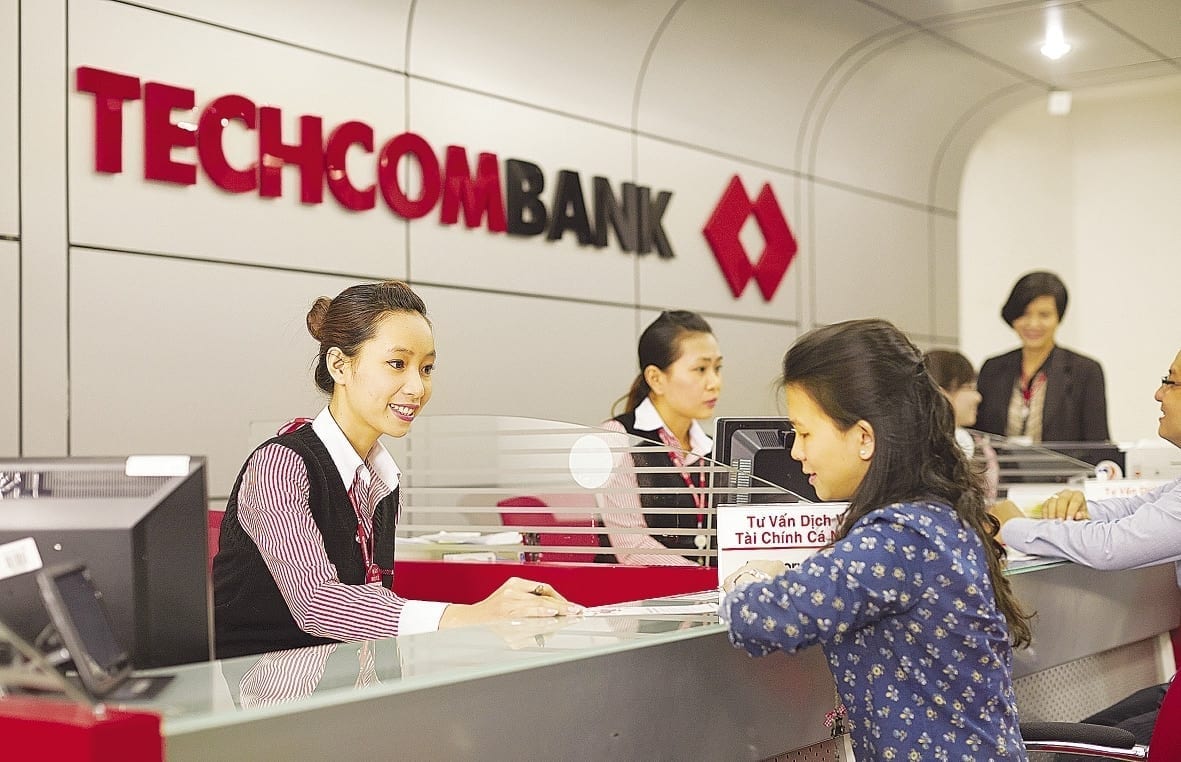
    Vietnam surpassed Singapore and Thailand to top Southeast Asia in initial public offerings (IPOs) last year, raising $2.6 billion. This figure was 3.7 times that of 2017, according to consultancy Ernst & Young. Two of three largest IPOs in Southeast Asia last year were launched by Vietnamese companies: $1.34 billion from Vinhomes, a real estate developer of Vietnam’s biggest private firm Vingroup; $923 million from Techcombank, the country’s largest private sector lender.

    However, an opposite trend was seen in Southeast Asia as a whole, with the money raised from IPOs dropping 34 percent over 2017 to $7.1 billion.

    The number of IPO deals in the region also decreased by 7 percent to 115, with 56 of them raising less than $10 million.

    Ernst & Young economist Max Loh said that the reason for this drop was U.S-China trade tensions, which affected the capital market in the region, as Southeast Asian countries have close trade relationships with China.

    Experts feel Vietnam has the potential to attract more foreign investments in the future. A report by law firm Baker McKenzie and consultancy Oxford Economics said that Vietnam will top the region in the amount of money raised via IPOs by 2021.

    The rise of Vietnam and other developing countries in Southeast Asia could intensify competition for new listings among the region’s exchanges, said Tham Tuck Seng, PwC Singapore’s capital markets leader.

    This will increase the pressure on Singapore to differentiate itself even more in order to stand out, CNBC quoted Tham as saying.

  • Cathay Pacific to honor premium Vietnam-US tickets sold by mistake

    Cathay Pacific to honor premium Vietnam-US tickets sold by mistake

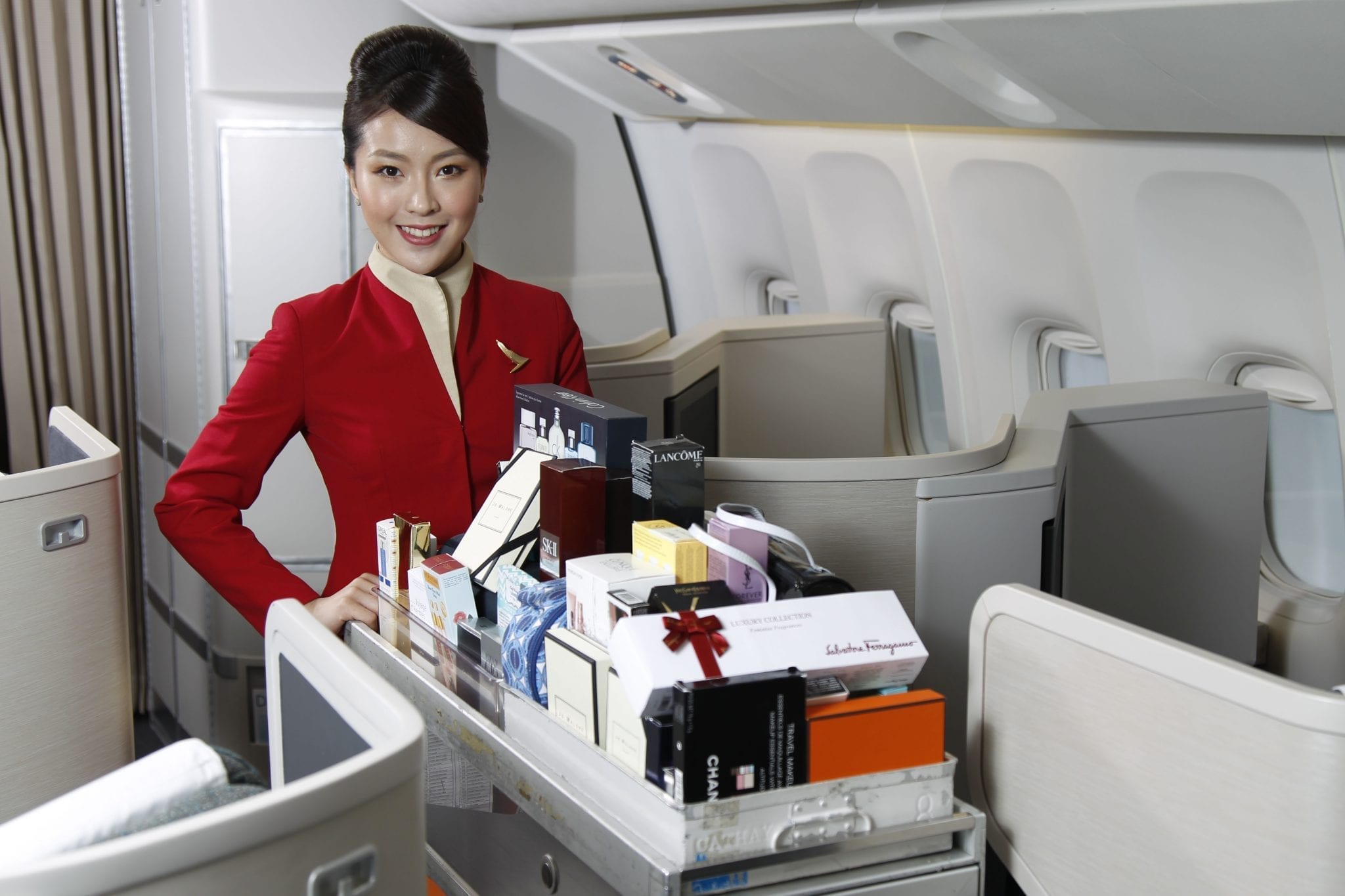
    Cathay Pacific Airways mistakenly sold Vietnam-U.S. first class and business class tickets at economy prices, but will honor them. The Hong Kong flag carrier made this announcement in a Twitter post Wednesday after customers reported Tuesday that they were able to purchase first class and business class tickets at unusually cheap prices from Vietnam to North American destinations such as San Francisco and New York in the U.S. and Vancouver, Canada.

    Cathay, Asia’s largest international airline, offered return business and first seats from Vietnam’s central city of Da Nang to New York at the price of $650 and $845 respectively, while typically these tickets cost $16,000 and $31,000.

    Hanoi-based pastor Jacob Bloemberg was one of the lucky customers who were able to purchase the tickets, which only lasted “for minutes.”

    “My wife and I travel from Hanoi to the U.S. every year, but we are very excited this time as we enjoy business class seats at the price of an economy seat,” he said.

    The number of tickets sold during the computer error is believed to be several thousand. Cathay Pacific blamed the mistake on an individual entering the wrong fares into the company’s system. Although Cathay has not revealed the cost of this error, it is calculated that the airline should have collected at least $685,800 from 11 customers that it spoke to.

    However, Cathay said it hoped the move would make this year special for its customers.

    “Yes – we made a mistake, but we look forward to welcoming you on board with your ticket issued. Hope this will make your 2019 ‘special’ too!,” the airline said on its Twitter account.

    It added #promisemadepromisekept, and #lessonlearnt at the end of the post.

    Last summer, a similar situation happened with Hong Kong Airlines when business class tickets were sold for $587, much lower than the usual price of $3,800. The airline honored its mistakes and covered all bookings.

    Bloemberg said that Cathay’s move was “honorable.”

    “If there are similar errors in the future, I’d like to find out right away.”

  • Vietnamese Airbnb startup raises $3 mln from venture capitalists

    Vietnamese Airbnb startup raises $3 mln from venture capitalists

    Vietnamese homestay platform Luxstay has raised $3 million from CyberAgent Ventures and other foreign investors in its bridge round. Representatives of Luxstay, the Vietnamese homestay booking start-up, said the total capital raised could rise to $5 million as negotiations are still ongoing with interested investment funds. CyberAgent Ventures (CAV), a Japan based investment firm specializing in incubation and investment in early-stage companies, played a leading role in directing the structure and execution of this funding round, the third for the firm after the seed and pre- Series A rounds.

    This is also the second time the firm has injected capital in Luxstay, after its initial investment in the company’s pre-Series A round in early 2018.

    Dzung Nguyen, CyberAgent managing director for Vietnam and Thailand, believes that the “sharing economy” is a development trend in many business areas, and it will impact both tourism and real estate markets.

    “We believe the Luxstay model capitalises on this trend, and will create a major impact on the market in the coming time,” he said.

    According to Luxstay, there may be millions of townhouses, condominiums and holiday villas that are willing to participate in the short-term accommodation market.

    Therefore, the company has targeted having several hundred thousand properties participating in its home-sharing platform over the next 5 years.

    The founder of the application, Nguyen Van Dung, said that with the current development speed and market potential, Luxstay will focus on accumulating resources to speed up technological development towards building an effective ecosystem to lead this new industry.

    The startup plans to find new investors for its next Series A round in mid-2019 with a potential scale of $10 million.

    Launched in 2016, Luxstay now has a network of nearly 10,000 properties across the country. This is a short-term rental booking platform for apartments, villas and other homestay accommodations positioned in the mid and high-end segments of Vietnam’s real estate market.

    A pioneer in building a platform allowing Vietnamese homeowners to participate in the rental market, the company has created new accommodation facilities for increasing numbers of youth and professionals who travel for work or leisure.

    Luxstay had also received much attention from foreign funds in its previous venture rounds. According to Crunchbase, an online database on investment activity, Luxstay raised $500,000 in its seed round in June 2017 from Vietnam-based ESP Capital and Japanese Genesia Ventures.

    Another $2.5 million was raised in May 2018 in its pre-Series A round from CyberAgent Ventures (Japan), Genesia Ventures (Japan), ESP Capital (Vietnam) and Nextrans (South Korea).

    In September 2018, the startup became a Vietnamese strategic partner of Rakuten Travel, the tourism branch of Japanese e-commerce giant Rakuten. Y1 Venture and other firms were also involved in the bridge round.

  • Vietnam’s Sabeco, taxman at loggerheads

    Vietnam’s Sabeco, taxman at loggerheads

    HCMC tax authorities have failed to collect $135.73 million in taxes and fines, while brewer Sabeco has cried foul. The Tax Department of Ho Chi Minh City informed Vietnam’s largest brewer Sabeco on December 24 that it would withdraw VND3.1 trillion ($135.73 million) from the beer company’s bank account to collect overdue special sales tax from 2007 to 2015 and penalties for administrative violations.

    However, the move failed because there was no money left in Sabeco’s Vietcombank account.

    Le Duy Minh, deputy head of the department, said that his agency has temporarily blocked Sabeco’s Vietcombank account.

    “We have asked Sabeco to provide details of other bank accounts but it has not fulfilled that request,” he said.

    But Sabeco claims that it has not violated the law.

    Sabeco general director Neo Gim Siong Bennett said in a statement Sunday that Sabeco has not violated regulations on the declaration, calculation and payment of special sales tax.

    He said the enforcement action by the HCMC Tax Department was a violation of Vietnamese laws, as it was taken “without a valid administrative decision” and “contradicts with the very written guidance issued by the Ministry of Finance, General Department of Taxation and Tax Department of HCMC.”

    He said Sabeco’s “legitimate interests are being threatened by the inconsistent views among State authorities.”

    As Sabeco is set to meet with Prime Minister Nguyen Xuan Phuc, the tax department will await the meeting’s results before taking further steps, Minh said.

    Following Sabeco’s meeting with Prime Minister Nguyen Xuan Phuc on Wednesday, the latter has asked the tax department to defer its enforcement actions.

    Mai Tien Dung, Chairman of the Prime Minister Office said that government bodies are carefully examining the case as it involves “foreign factors.”

    In December 2017, Thai Beverage acquired a 53.59 percent stake in Sabeco from Vietnam’s Ministry of Industry and Trade for $4.84 billion through a local entity, Viet Beverage (VietBev).

    Sabeco, formally known as Saigon Beer Alcohol Beverage Corp, recorded revenues of VND25.5 trillion ($1.1 billion) in the first nine months 2018, meeting 70 percent of its annual target.

    It occupies approximately 42.8 percent of the domestic beer market, according to the Ho Chi Minh City Securities Corporation. It produced nearly 1.8 trillion litres of beer in 2017.

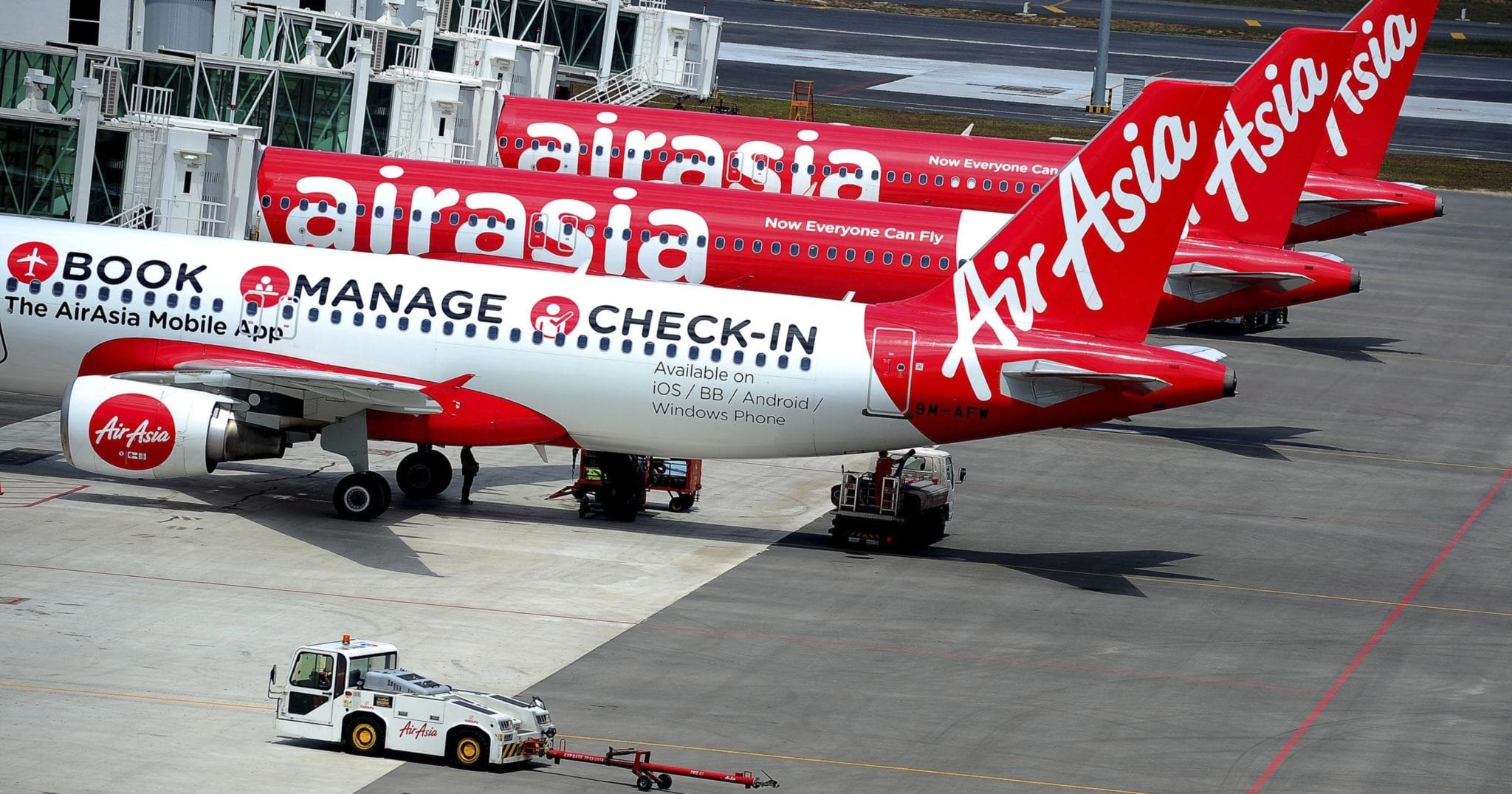
  • AirAsia to freeze launches for next 3 years barring Vietnam

    AirAsia to freeze launches for next 3 years barring Vietnam

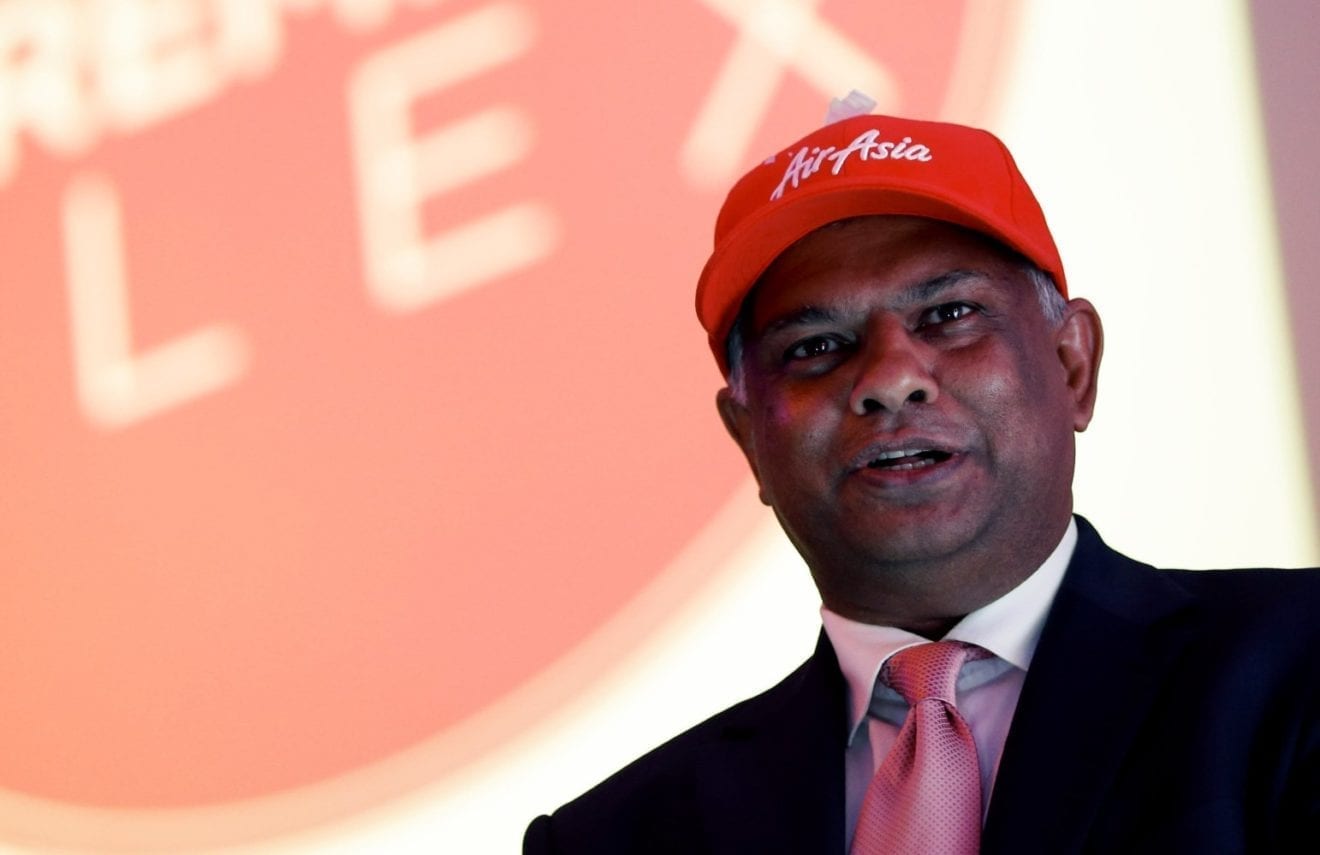
    Malaysian discount carrier AirAsia Group won’t open any new airline in the next three years and will focus on current operations after its proposed Vietnam launch, Group CEO Tony Fernandes said Wednesday. “After Vietnam, we will focus on what we have,” Fernandes said in a twitter post. “Focus this year is to make Indonesia and Philippines very profitable.” Fernandes said he is confident of India and Japan operations turning profitable in 2021, noting that the company’s strong franchise in Southeast Asian markets such as Indonesia, Malaysia, Thailand, Philippines and Vietnam will help fuel growth.

    According to September data, AirAsia operated 127 planes flying to over 130 destinations. The Southeast Asia’s largest budget carrier by fleet has also placed orders for 100 Airbus A330neo wide-body jets for long-haul flights. The company most recently signed a pact “reaffirming” its intention to set up a low-cost carrier in Vietnam with its local partner Tran Trong Kien in his capacity as CEO of Thien Minh Travel Joint Stock Company and General Director of Hai Au Aviation Joint Stock Company.

    Analysts doubt certainty of Indonesian and Philippines operations turning profitable this year as intense competition in both the markets amid highly-volatile fuel prices will continue to weigh on AirAsia’s operations. While Indonesia AirAsia could be slightly profitable in 2019 thanks to robust demand, the company’s Philippines unit will likely remain in the red, said Nomura analyst Ahmad Maghfur Usman. Fallout from a recent crash of Lion Air flight could help drive traffic to AirAsia Indonesia, he said. It is possible for AirAsia’s Indian operations to turn in a profit as early as next year although its business in Japan could remain in the red until the end of

    2020, he said. Global airlines have grappled with fickle input costs in 2018 as crude oil swung between a gain of nearly 30% and loss of 23% before ending the year at $66.73 a barrel. Jet fuel price averaged $86.8 per barrel for 2018, according to the International Air Transport Association.

    Every one dollar increase in crude oil prices could potentially lower AirAsia’s profit by as much as 47.5 million ringgit, according to Nomura’s Ahmad’s estimates.

    Fuel cost will largely determine whether Indonesia and Philippines operations would be profitable for AirAsia, said TA Securities research analyst Tan Kam Meng. Among the risks facing AirAsia is a rebound in crude oil prices to $70 a barrel, he flagged. Still, Malaysia remains key for AirAsia, said Tan. “Although profitability of Thailand, Philippines and Indonesia is a concern, it would not change valuation of the company significantly,” Tan said. Shares of AirAsia, which have added 6.94% over the past year, are currently trading 0.34% lower at 2.96 ringgit apiece.

  • Vietnam struggles with paucity of AI engineers

    Vietnam struggles with paucity of AI engineers

    IT firms are offering artificial intelligence (AI) engineers salaries of $22,000 a year, but are still struggling to recruit enough people. IT recruiting firm TopDev said in a recent report that companies are having difficulty finding the right people due to a paucity of talents. Salaries are going up as a result. An AI/machine learning engineer could earn up to $1,678 a month, or around $22,000 a year including bonuses and benefits.

    This is higher than what a data scientist ($1,537 a month) or DevOps engineer ($1,505) gets. The latter handles both the development and operations of a product.

    The report said the IT sector generally faces a big shortage as demand is set to go up from 320,000 engineers this year to 400,000 in 2020. The shortfall is 75,000 this year, and set to increase to 100,000 in 2020.

    But they face a struggle as 53 percent of 15,000 IT employees polled for the report are happy with their current job, and 59.8 percent do not want to change their job. This leaves employers considering paying higher salaries to lure away people. The average salary for experienced IT engineers now is $1,318.

    Managers with over five years’ experience can earn from $1,550 to $2,350, while directors with over 10 years’ experience earn at least $2,300.

    But there is a dearth of quality managers and engineers, the report added.

    Gaku Echizenya, general director of Navigos Group, a leading recruitment company, recently said: “The market is experiencing major changes with the fourth industrial revolution. Therefore, businesses need to keep up-to-date with market information from reputable sources to respond promptly to changes, allowing them to set out a strategy to recruit and attract talented people.”

    Employees need to actively educate themselves in IT and digital knowledge, and develop crucial skills such as cooperation with others and people management to increase their competitiveness, he added.


  • Startups blooms in Vietnam, liked by youngster

    Startups blooms in Vietnam, liked by youngster

    An increasing number of young Vietnamese are taking the startup route, willing to take risks and wait for rewards. Pham Khanh Linh seemed to be all set on a rewarding career, finding a job at global financial firm Goldman Sachs after graduating from the Cambridge University. But she quit the job in less than a year. Instead of pursuing a corporate employee path, the 25-year-old decided to return to Vietnam and start her own business, which she did last year.

    She said her ambition is to make a difference in her country.

    “I didn’t feel like I could make a difference with a corporate job. I wanted to influence more people,” she said.

    Linh is the founder and CEO of Logivan, a logistics service which optimizes trucks’ routes and reduces their empty load return rates. She came up with the idea after observing that about 60-70 percent of truck drivers in Vietnam go back to their base with empty trunks, because they cannot be connected with potential customers.

    “I saw a big problem for the logistics sector in Vietnam, but also an opportunity to make an impact.”

    Linh is one among an increasing number of aspiring entrepreneurs in Vietnam who are seeking to make a difference with startups in a country that is encouraging young people to start their own businesses.

    Le Anh Tien is another. While many of Tien’s friends at the University of Science and Technology in the central city of Da Nang began a quest for a stable corporate career immediately after graduation, he demurred.

    Tien joined with two other partners to found Chatbot Vietnam last year, a startup which provides solutions for businesses on Facebook Messenger to answer customers’ questions and help them order a product without the need for a customer service officer.

    With 13 employees, the 28-year-old plans to expand the service to Indonesia and the Philippines next year. “There are investors who are interested, but I haven’t said yes to them. I’m waiting for someone who could offer me a million-dollar investment.”

    About 75 percent of fresh graduates in Vietnam are interested in starting their own business, according to a recent survey by Navigos Search, a leading provider of executive search services in Vietnam.

    Fifty-two percent of them have never attempted a startup before but want to in the near future, while 22 percent of them have attempted at least once, said the survey, which polled 1,600 graduates with less than two years working experience.

    Nguyen Phuong Mai, managing director of Navigos Search, said that Vietnam is seeing a young generation of entrepreneurs who are determined to pursue the startup path.

    “These young people have a strong entrepreneurship spirit. We can observe this spirit in large companies, and even in our own,” she said.

    Supporting environment

    What motivates these people to start up is the support from the government and local companies in recent years, Mai added.

    At the Youth Startups Forum 2018 in Hanoi last November, Prime Minister Nguyen Xuan Phuc said that the Vietnamese government is willing to make changes in regulations to facilitate timely funding for startups.

    “We need a breakthrough innovation in policies from government bodies to help startups succeed with their ideas,” he told the forum, which attracted 300 entrepreneurs from across the country.

    Investment funds are also ready to pour cash and back aspiring young entrepreneurs. In August, Linh’s Logivan, dubbed “Uber for trucks,” received an investment from the Vietnamese fund VinaCapital Ventures, which has set aside $100 million to invest in technology startups.

    Singapore-based Ethos Partners and Singapore-based Insignia Venture Partners have also invested in the startup, bringing the total investment that Logivan has raised in the second round to $1.75 million, after raising $600,000 for the first round in March.

    In early December, Logivan became one of four winners of Pitch@Palace Global 3.0, a platform hosted by the Duke of York to accelerate the work of international entrepreneurs.

    Linh became the only Vietnamese representative to win the Entrepreneur of the Year title in a competition of 23 entrepreneurs from countries like Australia, China, Hungary and Singapore and the U.K.

    Tien’s startup, Chatbot Vietnam, also received financial support of $30,000 last year from Amazon and Facebook in the FbStart program, which is designed to assist mobile startups in their early stage.

    Another reason why more young people, aging from 26 to 35 years old, want to open startups is a desire to make an impact in their own country, said Mai of Navigos Search.

    Although there are a high number of young people who found a startup because they want to be successful and rich, Navigos surveys show that other popular reasons are “wanting to be a boss” and “wanting to have a personal value on the market,” she said.

    Inevitable failures

    The number of Vietnamese startups successful in attracting investment has been increasing in recent years, reaching 92 in 2017, a 45 percent increase over 2016, according to the Topica Founder Institute, which organizes an annual program that trains and connects startups with potential investors.

    The total value of the deals was $291 million in 2017, up 42 percent from 2016, the institute said.

    However, challenges are unavoidable for the new companies. Mai said that with a large number of people attempting startups, venture funds can only select a small number, leaving the rest to their own devices.

    The lack of funds is a vital challenge to startups. “80-90 percent of startups fail in the early stages because they don’t have enough funding to move on to the expansion stage,” Phan Hoang Lan, head of the Financial Planning Division under the Ministry of Science and Technology’s Market Development Department, said at a forum earlier.

    Mai added that most startups also fail because young leaders, no matter how passionate, lack the skills to manage a new company as well as the capability to create a complete product that is well-received by the market.

    Tien’s knows this struggle too well. His previous startup, a service which connects laborers with potential workplaces, could not continue due to a lack of funds. Other projects have also failed because the team members weren’t on the same page.

    But the failures are not in vain.

    Tien’s goal to pursue his own dream seems to have been partly achieved when Chatbot Vietnam became one of the top five companies in the Startup Viet 2018 competition in November. It also received a prize from Grab Venture, an innovation arm of ride-hailing firm aimed at supporting Southeast Asia’s startups.

    “Every time my startup fails, I learn something which I could never have known without the failures. Starting a business helps me become more versatile and complete.”

    “If this startup fails, I’ll do another. I still have a couple of ideas left,” he said.

  • China Slowdown, Trade Disputes Weigh on Asia Factory Activity

    China Slowdown, Trade Disputes Weigh on Asia Factory Activity

    Factory activity weakened across Asia in December as the Sino-US trade war and a slowdown in Chinese demand hit production in most economies, strengthening the case for a pause in interest rate hikes in the region in 2019. A series of purchasing managers’ indexes (PMI) for December released on Wednesday mostly showed declines or slowdowns in manufacturing factory activity across the region. In China, the Caixin/Markit PMI slipped into contraction territory for the first time in 19 months, broadly tracking an official survey released on Monday.

    China’s weakness spilled over to other Asian economies, with Malaysia’s manufacturing activity shrinking to its weakest pace of expansion since it launched the survey in 2012 and Taiwan contracting to its lowest since September 2015.

    Meanwhile, official economic data out of Singapore showed its gross domestic product grew more slowly than forecast in the fourth quarter as the city-state’s manufacturing sector contracted on a quarterly basis.

    In other regions, the eurozone was expected to post steady manufacturing activity growth, while US activity was seen a tad slower, but firmly in expansion territory, in a sign that so far China has suffered more bruises from its trade frictions than the United States.

    With growth slowing and inflation below or barely within the target in most countries, Asian central banks are unlikely to continue their tightening cycle this year, barring any shocks in currency markets.

    “We are really seeing a global slowdown into this year, and in Asia, particularly export-oriented countries are hurting,” said Irene Cheung, Asia strategist at ANZ.

    “Our expectation for central banks is that most of them won’t change policy in 2019 and these numbers coming out on the weak side won’t change that outlook.”

    The world’s two largest economies agreed at the start of December to a 90-day truce following tit-for-tat tariffs that have disrupted the flow of hundreds of billions of dollars of goods between the two countries.

    The two sides have pledged to hold frequent talks in the next two months, but uncertainty over whether they can bridge massive differences over commercial practices and intellectual property rights remains very high, despite US President Donald Trump noting “big progress” in a tweet.

    Tariffs are not the only drag on China’s economy. Beijing’s sustained drive to reduce debt risks in the economy has cooled the property market and curbed credit flows to the private sector. Meanwhile, the government’s intensified crackdown on pollution has dented industrial activity.

    In a key annual conference last month, China’s top leaders said they will boost support for the economy in 2019 by cutting taxes and keeping liquidity ample while promising to continue negotiations with Washington.

    “The People’s Bank of China may have to ease further to offset the impact of tariffs,” said Robert Michele, chief investment officer and head of fixed income, J.P. Morgan Asset Management.

    China’s economic growth slowed to 6.5 percent in the third quarter of last year, the weakest since the global financial crisis. As reported, government advisers had recommended a growth target of 6.0-6.5 percent for this year at the annual meeting, though the final figure won’t be made public until the annual parliament meeting in early March.

    Oil Drive

    A sharp drop in the crude price at the end of last year has helped sentiment in Asia’s oil-importing economies, where trade deficits are a key vulnerability.

    Indonesia’s PMI index, although still weak historically, rose to 51.2 from November’s 50.4, a four-month high. India’s declined to 53.2 from 54.0 but capped the strongest quarter for the country’s manufacturing sector since late 2012. Philippines PMI was also 53.2.

    But Malaysia, which relies heavily on oil revenues, saw its weakest reading ever at 46.8.

    Taiwan and South Korea, which are heavily focused on tech production, also saw their activity shrink. The US-China trade war affects chip orders and coincides with a slowdown in demand for smartphones globally.

    The contraction in South Korean manufacturing activity continued last month albeit at a slower pace, its PMI showed, with new export orders declining for a fifth consecutive month. Taiwan’s PMI, meanwhile, fell to its lowest since September 2015. Japan publishes PMIs on Jan. 4.

    Vietnam’s PMI fell to 53.8 from November’s 56.5, but the index’s 2018 average was the highest since the survey’s debut in 2011.

    The Southeast Asian economy is widely seen as benefiting from the US-China trade war as companies look to establish operations in the country to avoid the tariff crossfire.

  • Vietnamese platform FastGo expands to Myanmar

    Vietnamese platform FastGo expands to Myanmar

    FastGo, Vietnam’s first ride-hailing service, has kicked off operations in Myanmar as part of its Southeast Asia expansion plans. Its joint venture with Myanmarese conglomerate Asia Sun Group began offering services on December 28. CEO Nguyen Huu Tuat said at the launch that Myanmar is a promising market with the e-commerce, travel and retail sectors all growing rapidly. With a population of 50 million, transport demand in the country is expected to rise, he said.

    FastGo targets major cities and provinces and expects to sign up two million users and 100,000 drivers.

    It pursues the same business model as in Vietnam, only taking a fixed service cost from drivers and not commissions on each ride and guaranteeing them higher fares during rush hour and bad weather.

    It allows users to tip drivers, and offers a priority service for certain customers.

    Tuat said FastGo has tied up with Asia Sun because the group has experience in various sectors, deep pockets and an understanding of the local market and culture.

    He expected the venture to benefit Myanmar’s digital economy.

    FastGo was launched in Vietnam last June and now has over 40,000 partner drivers in 10 provinces and cities.

    It aims to be more than just a ride hailing app, offering other services such as food delivery.

    FastGo Vietnam Joint Stock Company was established in April 2018 with its headquarters in Hanoi. The company belongs to a wide network of services provided by Nextech, a leading tech firm in Vietnam.

    The Nikkei Asian Review reported that the company hopes to make its service available in 20 cities in Vietnam and five other Southeast Asian markets, including the Philippines, Cambodia and Thailand, by the end of 2019.

  • AirAsia eyes Vietnam launch, turnaround India and Japan units

    AirAsia eyes Vietnam launch, turnaround India and Japan units

    AirAsia Group chief executive Tony Fernandes says the group has no plans to establish new subsidiaries over the next three years, apart from a unit in Vietnam. In a series of tweets, Fernandes says the low-cost carrier will focus its efforts on launching AirAsia Vietnam, as well as making Indonesia AirAsia and AirAsia Philippines “very profitable”. Last December, AirAsia signed a memorandum of cooperation with Thien minh Travel for a Vietnamese joint venture.

    Meanwhile, AirAsia‘s Indonesia and Philippines units, which have suffered losses over the years, have had their financials incorporated into the Group since the start of 2017. AirAsia has said that it is planning for a secondary listing for its Indonesia operations in fiscal 2019.

    Fernandes is also expecting AirAsia India and AirAsia Japan to be profitable by 2021. AirAsia India is working towards launching international services while AirAsia Japan plans to start connecting to points in North Asia.

    “We have a great seam[less] franchise. Indonesia, Malaysia, Thailand, Philippines and Vietnam… All the major populations and growing economies. Coupled with two great countries to enable us to cover the world – India and Japan.”

    The AirAsia Group previously had plans to launch a China unit and signed a MoU in May 2017. The pact with China Everbright Group and the Henan Government Working Group however lapsed in August 2018.