Tag: Vietnam

  • Hamleys toy store to open in Vietnam

    Hamleys toy store to open in Vietnam

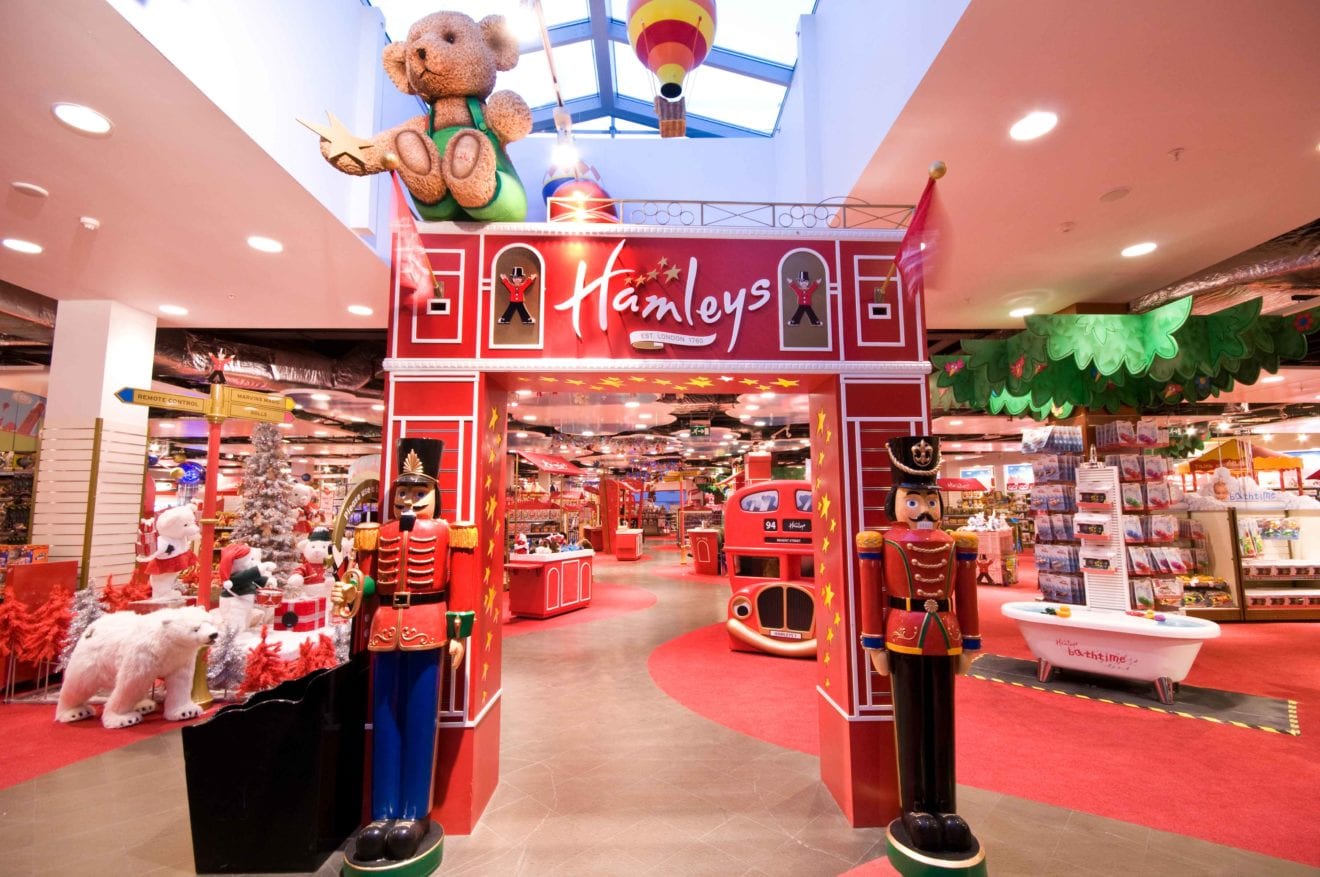
    Hamleys, the world well-known British toy store, is to open its first retailer in Vietnam.

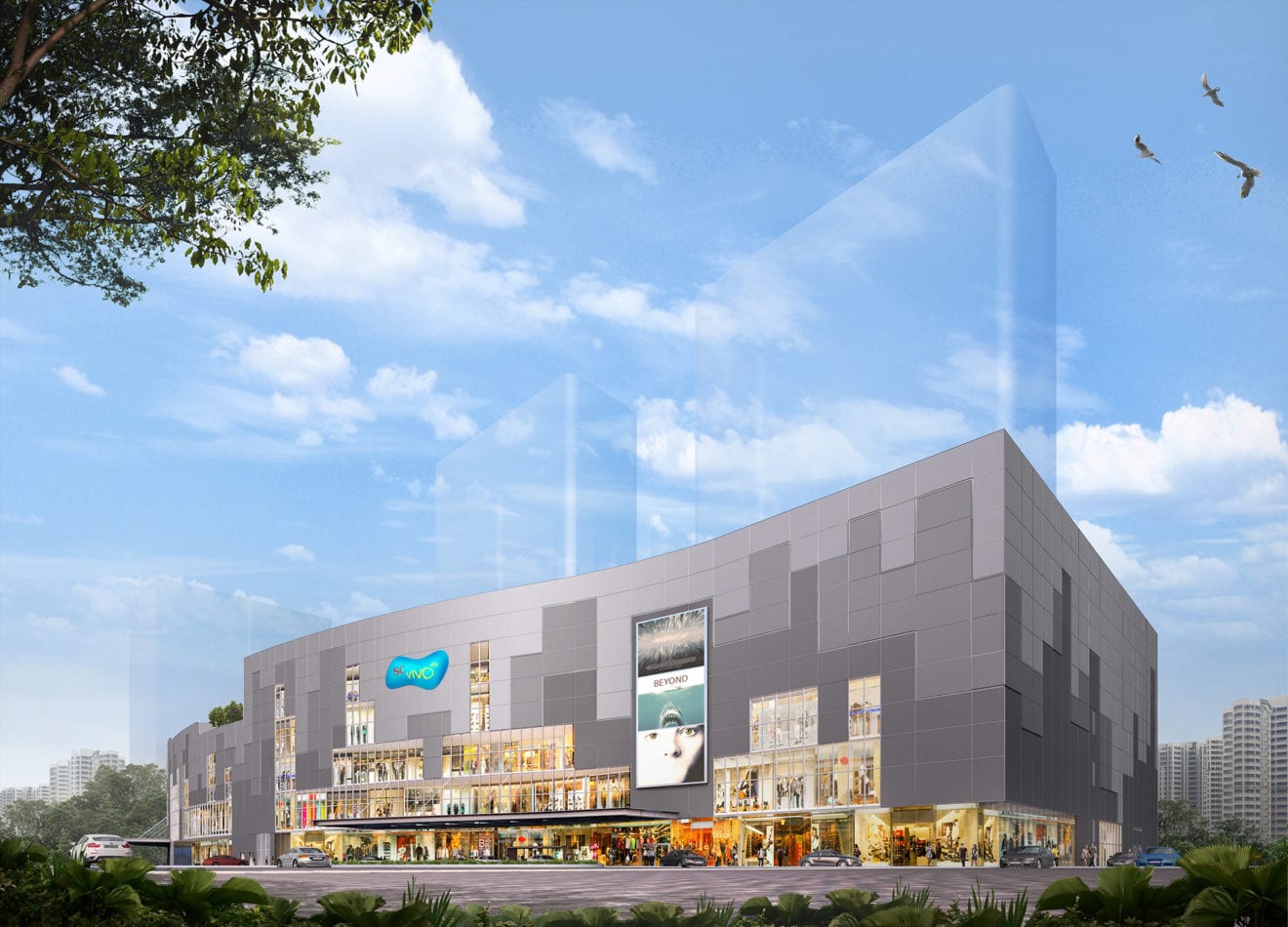
    An 800 sqm retailer will open over two ranges of the newly constructed SC VivoCity shopping center in Ho Chi Minh Metropolis’s District 7, a well-liked enclave for expatriates and well-heeled Vietnamese. Will probably be Vietnam’s largest toy retailer and Hamley’s 56th retailer globally, marking its 18th worldwide market.

    For 255 years Hamleys of London has been tagged ‘The Best Toy Store within the World’ bringing experiences and pleasure to youngsters of all ages. The corporate was based by William Hamley, who dreamed of making ‘the most effective toy store on the earth’ when opening the doorways to his retailer in Holborn, London in 1760.

    The Hamleys toy store Vietnam will embrace hundreds of high quality permitted toys and all Hamleys iconic options together with, alternatives for youngsters to play, partaking retailer design, skilled service and toy demonstrations.

    Hamleys’ franchise companion in Vietnam is Maison JSC, owned by Richard Trinh and Mai Son Pham. Maison distributes and sells worldwide manufacturers by way of 60 shops, from worldwide designer labels akin to Christian Louboutin, to extremely recognisable excessive road manufacturers like Topshop/Topman, Mango, Karen Millen, Coast, Bebe, Warehouse, Oasis, Charles & Keith, Pedro, 
Decorate, Monsoon Youngsters, Havaianas and NYS Sun shades. It additionally plans to convey CH by Carolina Herrera, Miss Selfridge, Dorothy Perkins, Max Mara, Max & Co and Santoni, amongst others, to Vietnam’s quick rising retail market.

    Maison chairman Richard Trinh stated he had been working a very long time to open Hamleys in Vietnam.

    “That is going to be probably the most spectacular toy store in Vietnam and on a regular basis will convey lasting reminiscences to youngsters and households by means of enjoyable and interesting experiences.”

    Hamleys Vietnam has already created a Fb web page to assist construct pleasure out there previous to the shop’s opening.

  • Japanese take slice of Tran Anh Digital World

    Japanese take slice of Tran Anh Digital World

    Main Japanese electronics retailer Nojima Company has taken a cornerstone stake in Vietnamese electronics chain Tran Anh Digital World.

    The corporate says it has acquired 20.86 per cent and intends to take a 30 per cent holding for now.

    Tran Anh is predicated in Hanoi and has 15 shops within the northern areas of Vietnam, with plans to open as many as 9 extra this yr.

    Nojima’s transfer follows an funding by Thailand’s Central Group in taking a 49 per cent share in Nguyen Kim, a bigger chain dominant within the southern area of Vietnam. And property developer Vingroup has launched what it plans to turn out to be a community of 100 electronics shops in its Vincom purchasing centres, branded VinPro and in smaller standalone outlets beneath the VinPro+ model.

    Analysis home GfK reviews house electronics gross sales in Vietnam exceeded US$5.5 billion final yr, the second yr in a row progress within the class has exceeded 20 per cent yr on yr.

    Vietnamese information media report Tran Anh posted a tax-paid revenue of US$179,400 within the first quarter of this yr, up 11.5 per cent over the identical interval in 2014.

    Nojima first invested  in Tran Anh two years in the past, taking a 10 per cent stake.

  • Retail, service income will increase by 9.1 per cent

    Retail gross sales and repair income within the first 5 months of the yr totalled VND1,305 trillion (US$60.67 billion), based on the Common Statistics Workplace (GSO).

    The determine represents a 9.1 per cent improve on the yr, the GSO stated, including that it rose eight.2 per cent excluding inflation.

    Retail gross sales prior to now 5 months accounted for 75 per cent of the sector’s complete income, reaching VND997 trillion ($46.37 billion).

    The hospitality sector noticed an 11.2 per cent improve in income, or VND145.73 trillion ($6.78 billion), owing to the elevated spending in the course of the lengthy vacation.

    In the meantime, the tourism sector, which is valued at VND10.59 trillion ($zero.5 billion), fell 11.eight per cent.

    Buying energy progress stood at round eight per cent within the first 5 months. It elevated, inflation excluded, 9.2 per cent in March, 10.7 per cent in February and 11.9 per cent in January.

    The expansion of buying energy has declined and stood at eight per cent in April and Might.

    GSO statistician Vu Manh Ha stated these indices don’t mirror actual buying energy, as a result of they’re calculated based mostly on the buyer worth index (CPI).

    The CPI has been fluctuating. It decreased in January and February, however elevated once more by zero.15 per cent in March, zero.14 per cent in April and zero.16 per cent in Might. However the cash influx of consumption and providers didn’t fluctuate a lot.

  • Markets dropping lead over comfort shops

    Markets dropping lead over comfort shops

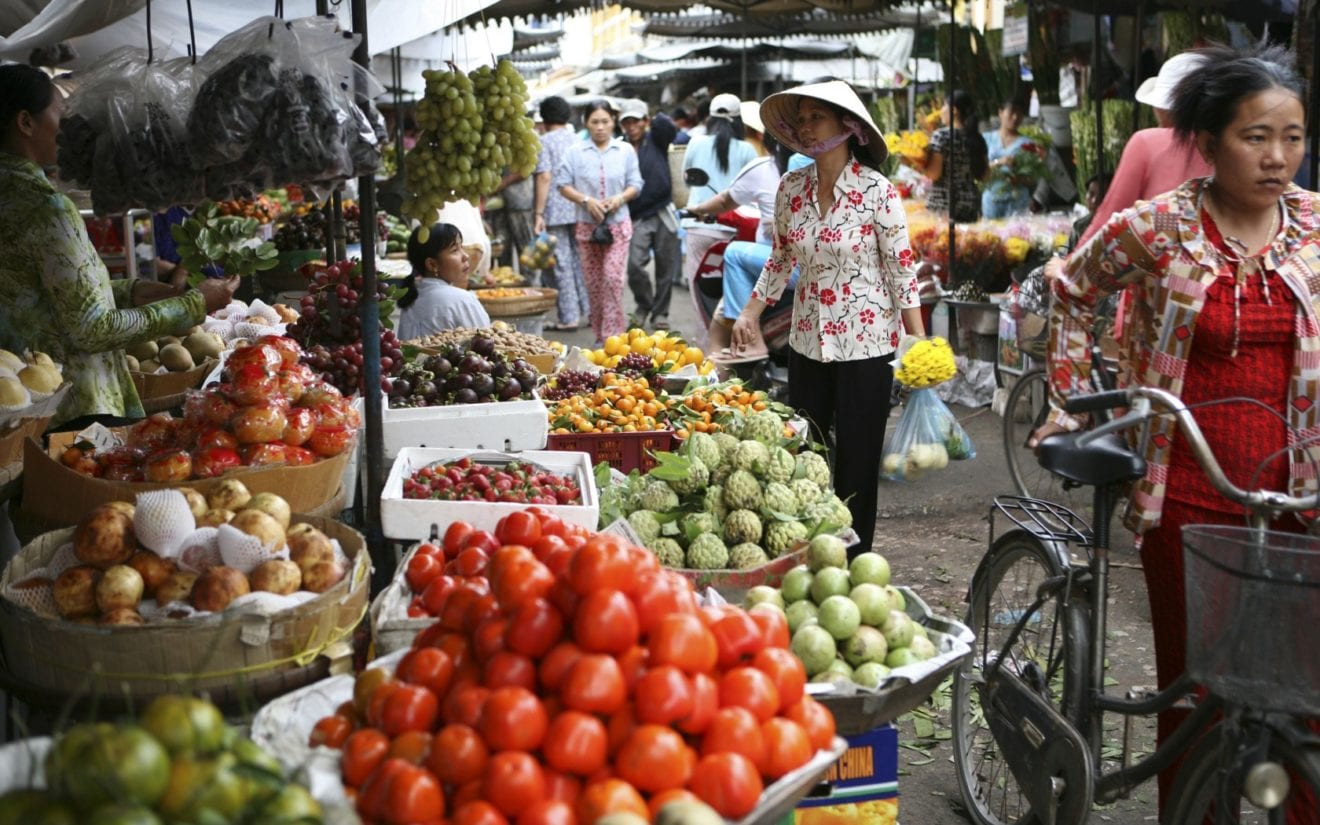
    Moist markets and conventional shops stay the popular retail channels for Vietnamese consumers, although they’re beneath menace as shoppers shift away, based on a Nielsen report launched on Wednesday.

    The 2 have seen a decline in gross sales of 5 per cent and 17 per cent respectively since 2012.

    The frequency of visits additionally decreased.

    Whereas shoppers have turn into extra “savvy” of their buying behaviour in recent times, the necessity for comfort continues to develop.

    In Viet Nam, retailer enlargement additionally continues to realize momentum, particularly in city areas.

    Comfort shops greater than doubled from 147 in 2012 to 348 final yr, whereas mini marts elevated from 863 to 1452.

    This new demand is being led by time-poor and predominantly younger buyers in making on a regular basis meals and grocery purchases, and has been a key driver in comfort retailer enlargement.

    Some 22 per cent of shoppers store for meals and grocery extra typically at comfort shops in comparison with 12 months in the past.

    Meals and drinks are driving comfort retailer gross sales, with 86 per cent of shoppers shopping for both and 62 per cent of beverage consumers additionally shopping for meals and 51 per cent of meals consumers additionally shopping for drinks.

    Vaughan Ryan, managing director of Nielsen Viet Nam, stated: “Comfort shouldn’t be a retailer entrance, however relatively a lifestyle. Shoppers are more and more demanding merchandise and options that assist them of their more and more busy life.

    “In consequence we’ll see the emergence in Viet Nam of each the comfort channel and e-commerce to satisfy this shopper demand.”

    To deal with these shifts, retailers should deepen their understanding of this evolving shopper behaviour, foresee altering wants and develop methods which are targeted on differentiation in areas that matter most to consumers, he added.

  • Shopper confidence up in Asia-Pacific

    Shopper confidence up in Asia-Pacific

    Shopper confidence in Asia-Pacific elevated in 9 of 14 markets within the first quarter of 2015, in comparison with solely three that rose within the fourth-quarter 2014, in accordance with the Nielsen International Survey of Shopper Confidence and Spending Intentions.

    The 9 markets additionally remained at or above the 100-baseline degree of optimism. India, whose confidence degree has been on the rise for six consecutive quarters, had the very best index rating within the area of 130, a one-point improve from the earlier quarter and a degree that has not been reached since 2011.

    “The city Indian shopper began the yr with constructive sentiment in anticipation of enchancment by way of reforms and stimulus introduced by the brand new authorities,” stated Piyush Mathur, president, Nielsen India Area.

    “These preliminary indicators of optimism mirror anticipation of financial restoration which are but to manifest whenever you take a look at fast-moving shopper items and auto sectors particularly over the previous few quarters. Furthermore, infrastructure, engineering and different industrial sectors are but to collect tempo. The autumn in inflation is predicted to have an effect on disposable revenue over time, however it is going to take time for the sectors to be restored to perceptible and sustainable progress,” he added.

    Massive index will increase have been additionally reported in Taiwan, the place confidence rose 11 factors to 88 —the very best rating since 2011 — and in Japan, which rose 9 factors to 88, the very best rating for the nation recorded by Nielsen since 2005.

    “Taiwan confirmed a robust rebound firstly of this yr after a decline in fourth-quarter 2014,” stated Andy Huang, managing director, Nielsen Taiwan. “The rise in confidence sentiment was pushed by a robust enchancment within the outlook for jobs, which elevated 16 proportion factors from fourth-quarter 2014.

    “Perceptions about private funds and a willingness to spend additionally improved 9 and 10 proportion factors, respectively. Preliminary GDP forecasts, a falling unemployment fee and a stabilizing shopper worth index have been different constructive indicators firstly of 2015, which doubtless contributed to elevated optimism amongst Taiwanese shoppers,” he added.

    Vietnam and Malaysia likewise reported robust confidence boosts of six and 5 factors, respectively, within the first quarter. Vietnam’s rise to a rating of 112 is the third consecutive improve and the nation’s highest rating since 2010. Conversely, China’s index fell one level to 106 within the first quarter, which comes after a four-point decline in fourth-quarter 2014.

    The Nielsen Shopper Confidence Index measures perceptions of native job prospects, private funds and quick spending intentions amongst greater than 30,000 respondents with Web entry in 60 nations.

  • 9 keys to reaching Asian shoppers

    Whether or not they’re searching on-line or shopping for in-store buyers have extra selection than ever, forcing retailers and malls to get artistic to draw their consideration.

    With the area’s center class predicted to double to 1.32 billion by 2020, Asian shoppers – and their expectations – are altering quickly.

    Adam Prepare dinner, retail undertaking and improvement providers lead with JLL Asia Pacific, explores a number of the rising developments altering the best way retailers are connecting with shoppers:

    1. The brand new digital buying actuality

    Know-how is now probably the most dynamic pressure within the retail business, opening up new channels and interesting new audiences whereas concurrently feeding new ranges of competitors. Digital Actuality (VR) could also be progressing slowly within the shopper area, however the tipping level of adoption in retail is quick approaching. The 2015 Way forward for Retail Research from Walker Sands discovered that round a 3rd of shoppers would store extra on-line if they might work together with merchandise nearly first. VR know-how is now permitting buyers to expertise a digital trend present, wander round a digital retailer and discover a digital mall with many different improvements to return as retailers experiment with the know-how. It’s poised to generate a completely new sale channel for retailers within the subsequent few years.

    1. Enhanced buyer relationship administration (CRM) know-how

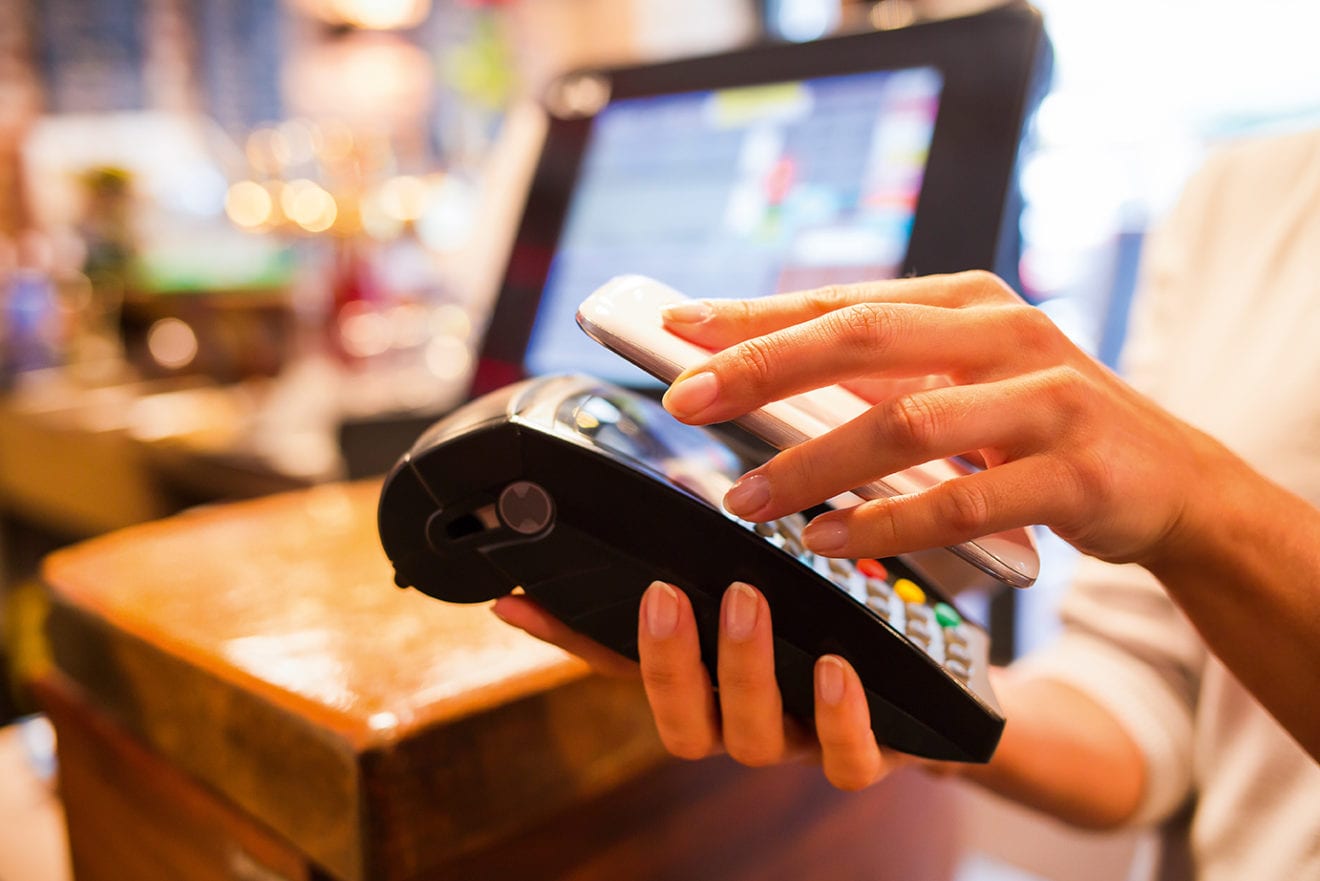
    Because the battle for the buyer greenback intensifies, loyalty will develop into the brand new foreign money of commerce – with slightly assist from know-how. Digital cost strategies akin to Apple Pay and AliPay are getting used together with more and more refined location-based providers like iBeacon – Apple’s indoor positioning system – to provide new ranges of perception into shopping for behaviour. Retailers can now present buyers with real-time info based mostly on their consumer profiles and engagement historical past.

    ShopperTrak just lately introduced a partnership with Shopkick for a purchasing app permitting retailers to work together in real-time with clients whereas they’re buying. There are already 10 million customers on the Shopkick app and greater than 8000 shopBeacons deployed in retail shops. Insights assist retailers join with related shoppers at a precise location and in real-time, which in flip could be refined to take care of loyalty.

    1. Robots in disguise

    Whereas some manufacturers are experimenting with improvements comparable to drone supply, laws are more likely to floor most business drone concepts within the short-term. As an alternative we’ll see the continued rise of robots and humanoids in retail conditions. Already a function in lots of Japanese shops, robotic know-how is enhancing at a meteoric fee. And with rising labour prices, it isn’t onerous to think about a close to future when primary retail duties similar to making espresso or manning an experiential retailer is dealt with by a humanoid. Nippon Enterprise Capital just lately launched a $42 million fund in Japan by to speed up and commercialize humanoid know-how and neuroscience purposes, lots of that are being designed for the retail business.

    1. Cross-border purchasing

    Shoppers are flocking to digital retail markets which are more and more nation agnostic to hunt out the perfect product and one of the best offers. Asian shoppers already spend greater than the worldwide common on cross-border purchasing, and that is solely more likely to improve as a brand new era of shoppers look to spend their disposable revenue.

    1. Model extensions

    Experiential shops reminiscent of Google’s new (and thus far solely) buying expertise in London permit shoppers to play with merchandise earlier than shopping for them, often on-line. However this will typically have the unintended consequence of showing the restrictions of the model’s core merchandise. Thus, one other means for manufacturers to distinguish themselves is to increase their attain past their core providing. Meals extensions have turn into widespread just lately as retailers search to diversify and develop. Ideas such because the bar and cafe inside Alfred Dunhill outlets are a very good instance of clothes manufacturers shifting into the meals and beverage area. Anticipate this development to collect tempo because the battle to maximise dwell time and share of the buying basket heats up.

    1. Menswear

    Traditionally, males are extremely underserved within the style business – and there’s proof that their shopping for preferences are evolving. Bain & Firm estimates menswear progress has outpaced womenswear for the final six years, rising at between 9 and 13 per cent yearly – virtually double that of womenswear. As manufacturers search to take care of progress, we’ll see a re-focusing of the retail business to focus on males. Model partnerships, notably in athletic and sportswear, will proceed to develop and can develop into a key function of retail plans within the brief to medium-term.

    1. The rise of the Asian trend home

    European and American dominance in Asian excessive style has been the norm for a few years, and the overwhelming majority of luxurious manufacturers with robust Asian gross sales are owned by Western companies. Because the retail market continues to develop in Asia, we anticipate to see the rise of an Asian luxurious model -most in all probability within the style area – which can equal or exceed the recognition of Asian-American style icons comparable to Alexander Wang, Vera Wang and Philip Lim.

    With Western designers utterly absent from Shanghai’s Trend Week in 2014, trend critics targeted on rising Chinese language designers, and it’s doubtless that many of those manufacturers will develop loyal clients past China and meet the worldwide trend business by way of the important thing markets of Hong Kong, Tokyo and Seoul. Asian trend designers will quickly be on par with the likes of style homes resembling LVMH, Prada and Michael Kors, and can kick-start a brand new period of Asian retail innovation and management.

    1. The brand new flagship

    Intricately related to the emergence of the experiential development is the resurgence in retailers working flagship shops. Pushed by a want to reconnect with shoppers and the necessity to evolve from a static entity to an attractive expertise, the brand new flagship will re-imagine a retail retailer. It is going to be a press release, a model ambassador. More and more these areas will blur the road between retail and leisure, and develop into locations the place buyers are inspired to play and keep. This development is most noticeable in main markets like New York, Japan, and even Sydney the place single-brand luxurious and quick trend retailers are signing bigger leases and investing extra into the in-store surroundings.

    1. 3D Printers

    We’re on the tipping level of 3D printing and really quickly it’ll grow to be the norm in each facet of our lives. The primary 3D printed constructing was just lately unveiled in China and every thing from automobiles to weapons has adopted. For consumers on the lookout for a personalised expertise on their very own phrases, 3D printing gives an virtually limitless array of choices. Jewellers are already permitting clients to print their very own designs, whereas everybody from cooks to cycle outlets are experimenting with the know-how’s software within the retail area. That is genuinely game-changing know-how, and one that may definitely come to outline retail within the coming years.

  • Shopper confidence in Vietnam up in 1Q

    Shopper confidence in Vietnam up in 1Q

    The buyer confidence index in Viet Nam elevated by six factors to 112 factors over the past quarter, in response to Nielsen’s reort for the primary quarter of 2015 launched on Might 20.

    This was the third third consecutive improve and the nation’s highest rating since 2010, making Viet Nam the sixth optimistic nation on the planet.

    The report confirmed a continued development in the direction of saving cash by 86 per cent of interviewees over the previous yr. Greater than half (56 per cent) stated that they had reduce spending as a result of they believed the nation was in financial recession.

    Greater than 60 per cent stated they minimize spending on new garments and tried to economise on electrical energy and fuel use, and 57 per cent skimped on leisure.

    Vietnamese at the moment are among the many world’s greatest savers. Seventy eight per cent put their spare cash into financial savings, the report stated. Nevertheless, 44 per cent have been nonetheless able to pay for holidays and 40 per cent needed to spend on hi-tech devices.

    Well being was the most important concern for Vietnamese, not the state of the financial system or job safety, in response to the report. One in each 5 have been nervous about their well being, whereas 15 per cent have been involved concerning the financial system and solely 16 per cent anxious about job safety.

    The quarterly report confirmed shoppers in Southeast Asian have been probably the most optimistic. Three out of 5 nations with the very best shopper confidence scores have been Indonesia with 123 factors, the Philippines with 115 factors and Thailand with 114 factors

  • Flatscreen TV sales slide in SE Asia

    Flatscreen TV sales slide in SE Asia

    The total sales volume of flat panel TV continues to slow in six key Southeast Asian markets monitored by research house GfK.

    But consumer demand for ultra-high definition (UHD) models has spiked exponentially in the past year to help fuel the strong growth of this segment as well as the overall value growth of the TV market.

    According to GfK’s point of sales tracking in Singapore, Malaysia, Thailand, Vietnam, Indonesia and the Philippines, the 11.8 million TV sets sold in April 2014 to March 2015 marks a 2.9 per cent drop compared with the same period a year ago. However, robust sales of the higher value UHD models managed to drive up dollar value generated by the entire TV market by 2.9 per cent.

    “With the near completion of switchover trend in developing Southeast Asian countries, consumers are now focusing on upgrading to the latest screen technology,” said Gerard Tan, account director for Digital World in GfK.

    “Manufacturers and retailers have been aggressively launching attractive promotions to stimulate take up rates.”

    The six individual countries reported surges in sales value of their respective UHD TV markets in the range of 20 to 77 per cent, with Singapore (77 per cent), Indonesia (67 per cent) and Vietnam (47 per cent) registering the fastest growth. In unit terms, sales volume from a year ago climbed  in the range of nine to 37 per cent – led by Singapore and Indonesia (37 per cent) and followed by Vietnam (23 per cent).

    According to GfK findings, the UHD segment contributed nearly eight per cent of the region’s TV sales dollars; accounting for US$354 million – an increment of 280 per cent over the same period the year before. Penetration is highest in the most developed market of Singapore, where more than one in every 10 (13 per cent) of sets sold UHD.

    The rising share of UHD in the TV market has also resulted in the average price of a UHD TV falling around 61 per cent, from US$5500 to $2160.

    Meanwhile, the most commonly purchased screen size for this segment is 41”-50”, making up 35 per cent in share of the UHD sales volume.

    “TV technology is constantly evolving, and with each new launch, we see the progression of consumers moving from small to big screens, with affordability increasing over time,” said Tan.

    “Moving forward into the rest of 2015, we can expect to see rising excitement in the UHD TV market as manufacturers battle for the consumer dollar with more offerings at more attractive prices; and at the end of the day, consumer s are the ones who get to enjoy the good deals resulting from the fierce competition,” he concluded.

  • Parkson Retail grows regardless of Vietnam drag

    Parkson Retail grows regardless of Vietnam drag

    Listed division retailer operator Parkson Retail Asia has reported a 5.5 per cent year-on-year improve in internet revenue for the third quarter.

    Within the three months to March 31, Parkson posted a revenue of S$7.98 million.

    The corporate attributed the development to elevated gross sales in its Malaysia department shops the place shoppers have been shopping for items prematurely of the introduction of GST on April 1.

    The development got here regardless of a discount in similar retailer gross sales from the corporate’s Vietnam operations, which proceed to wrestle and now faces elevated competitors from the arrival of M&S and the Thailand Central Group’s Robins department shops in the important thing Ho Chi Minh Metropolis and Hanoi markets.

    Gross sales within the Indonesia and Myanmar shops each improved.

    Complete gross sales income for the group rose 9.2 per cent to S$116.58 million.

    CEO Toh Peng Koon stated the corporate expects a decline in Malaysia gross sales following the GST implementation, however expects that can be buffered by the beginning of the pre-Hari Raya festive shopping for season in the direction of the top of June.

    He stated he expects Indonesia and Myanmar to conitnue to ship encouraging outcomes, however warned Vietnam remained a difficult market.

  • Da Nang: the ‘Singapore of Vietnam’

    Da Nang: the ‘Singapore of Vietnam’

    Whereas Ho Chi Minh Metropolis hogs the limelight in Vietnam’s financial growth, additional north the nation’s third largest metropolis is nicely on its method to its objective of turning into ‘the Singapore of Vietnam’.

    Over the previous 5 years, Da Nang metropolis has undergone a constructing growth, spending US$four.5 billion on infrastructure tasks. For eight years in a row, the town has ranked prime within the Vietnam Provincial Competitiveness Index for the classes of excellent governance and business-friendly insurance policies.

    Da Nang is the primary business and academic middle of central Vietnam, well-known for its clear setting, lovely seashores and good public providers. It’s also known as probably the most livable metropolis in Vietnam.  Presently, the town has an estimated 1 million inhabitants in its city areas, though the town’s grasp plan requires a inhabitants of over 2 million by 2020.

    With higher infrastructure, a beachside way of life attracting increasingly Vietnamese and expats – to not point out a thriving tourism business – the town is now attracting retail heavyweights who till now have principally targeted on simply Ho Chi Minh Metropolis and Hanoi, the capital, within the north.

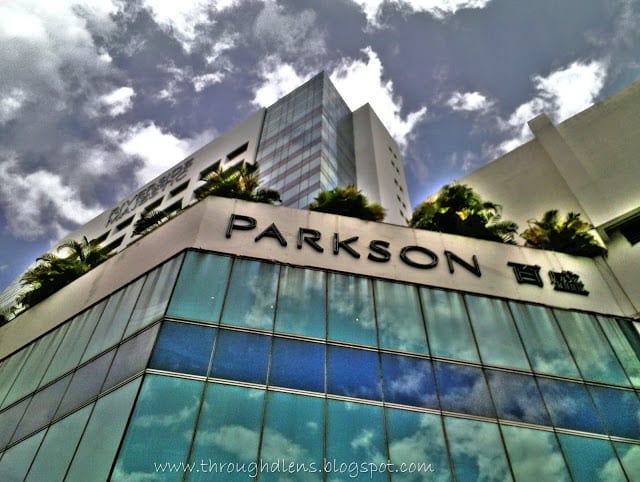
    Malaysia-based division retailer Parkson this yr opened within the metropolis centre, with an overbridge linking it to the Korean-owned CVG cinema constructed on prime of a Thai Huge C hypermarket.

    Whereas many individuals turned up for the Parkson opening and signed up for membership playing cards, the shop is essentially empty most days and the third-floor meals courtroom has but to open. However the house owners shall be real looking – with a possible doubling of the inhabitants inside 5 years, they know all too properly the purchasers will come.

    Philippines-Vietnam three way partnership Highlands Espresso has opened on the riverfront and is all the time busy, prompting a second cafe just some blocks away. New eating places – each native and overseas – are opening virtually weekly and there’s a regular stream of expatriates shifting north from the crowded business capital.

    Infrastructure growth

    Da Nang’s speedy rise is the product of shrewd infrastructure funding. New tasks have included the Da Nang Hello-Tech Park and the Da Nang IT Park. The Hello-Tech Park is presently underneath development and can include over 1130 hectares as soon as completed. The park goals to spice up science and know-how improvement within the metropolis by attracting each overseas and native buyers. It’s providing monetary incentives to enterprise, together with a 10 per cent tax price 15 years, or a four-year tax exemption and a 50 per cent tax discount for the subsequent 9 years.

    The Da Nang IT Park provides zero per cent tax for the primary 4 years after first turning a revenue, a 5 per cent tax fee for the subsequent 9 years and a 10 per cent tax price for the subsequent two.

    The IT park additionally provides as much as 50 years of free land lease to qualifying “anchor tenants”, relying on the kind of business and measurement of the funding.

    Different key current infrastructure tasks embrace US$60 million for a brand new airport terminal, $88 million on a brand new metropolis corridor and $93 million on a futuristic three-storey overpass.

    A monitoring system, put in by IBM, supplies real-time updates on bus routes and checks water high quality. Cisco Methods has put in over 300 kilometers of fiber-optic cable, which connects all authorities workplaces within the area.

    Already an essential landmark of Da Nang, and a transparent signal of its rising power, is the lately constructed Dragon Bridge, which crosses the Han River, and made headlines around the globe for its spectacular design. The 666-meter-long dragon-shaped bridge breathes hearth and spouts plumes of water. The dragon is among the most necessary symbols in Vietnamese tradition because it symbolises energy, the Aristocracy and luck. Subsequently, extra than simply an award-winning architectural design, the Dragon Bridge has grow to be a logo of the newfound power of the town.

    It’s clear that Da Nang is properly on its option to turning into a contemporary metropolis with an efficient and clear bureaucratic system. With its enhancing enterprise and funding local weather, paired with its plentiful monetary incentives, the town clearly deserves the honorific of Vietnam’s Singapore.

  • Buyers favor trendy retail codecs

    Buyers favor trendy retail codecs

    One-third of the Vietnamese shoppers (34 per cent) love purchasing at hypermarkets, supermarkets, and different trendy channels, based on the newest Way forward for Grocery Report ready by Nielsen.

    The report is predicated on a web-based survey of greater than 30,000 respondents throughout 60 nations in Asia-Pacific, Europe, Latin America, the Center East, in addition to Africa and North America. The survey was held to look at how trendy and digital purchasing channels have been altering the retail market scene.

    In response to the report, 42 per cent shoppers within the Philippines have made purchases at supermarkets extra typically up to now 12 months.

    The report additionally highlights the rising significance of comfort shops as one other trendy retail format for shoppers to purchase meals and groceries. Multiple-fourth of the shoppers within the Philippines shopped for meals and groceries at comfort shops extra typically final yr. The figures in different areas are: 22 per cent in Viet Nam, 21 per cent in Thailand, 15 per cent in Indonesia, and 14 per cent globally.

    Kaushal Upadhyay, Nielsen’s government director of shopper service in Southeast Asia, North Asia, and Pacific, stated supermarkets and hypermarkets have already been dominant in developed nations and can appeal to extra shoppers in creating nations in Southeast Asia. Nevertheless, smaller shops have additionally gained a substantial market share, he famous.

    He added that it means producers ought to perceive the place and what shoppers are purchasing. Producers ought to think about items distribution based mostly on the mixture of each channels.

    As well as, the report additionally revealed that on-line purchasing has been an essential approach for retailers to combine digital channels with buying expertise. Some 28 per cent of the Vietnamese shoppers shopped on-line, whereas the worldwide determine for a similar was 25 per cent.

    Merchandise comparable to physique wash, shampoos, and conditioners have been common gadgets shopped on-line by Vietnamese shoppers, based on the survey that was carried out between August 13 and September 5 final yr.

    Vu Vinh Phu, chairman of Ha Noi’s Grocery store Affiliation, advised on-line newspaper vnexpress that smaller shops nonetheless have their benefits as clients could make a fast purchase due to their proximity.

    Phu remarked that these shops can compete with trendy buying channels by providing skilled providers and good high quality merchandise at aggressive costs.

    Some 80 per cent of the time, the way forward for these shops depends upon their house owners, who should develop their very own model names and providers.

    Statistics from the Ministry of Business and Commerce exhibits that by the center of 2014, the nation had 724 supermarkets, 132 business centres, greater than 400 comfort shops and 1 million small outlets. Trendy retail channels accounted for 25 per cent of the market share, a lot decrease than that in different nations within the area.

    The nation is predicted to have 1,200 to 1,300 supermarkets and 337 business centres by 2020.

  • Tmall Global launches duty-free platform

    Tmall Global launches duty-free platform

    Alibaba’s Tmall Global is to launching a prepaid duty-free service for Chinese travellers going abroad in the hopes of boosting international eCommerce opportunities.

    Under the World Duty Free service, Chinese travellers can buy prepaid cards online before they go abroad, then purchase items from duty-free shops in the country they’re visiting. Tmall said the service will eventually allow customers to buy specific duty-free products online and pick them up at the airport.

    The service will launch with Thailand’s King Power duty free monopoly.

    Duty-free companies in South Korea, Japan and Europe are working with Tmall to open storefronts on the platform, Tmall says.

    “Cross-border e-commerce has great potential in China and Tmall Global will continue to help brands and retailers sell into China through innovative solutions, at the same time providing Chinese consumers a wide variety of product choice,” Tmall Global head Maggie Wu said in a release.

  • Metro Vietnam fined for tax evasion

    Metro Vietnam fined for tax evasion

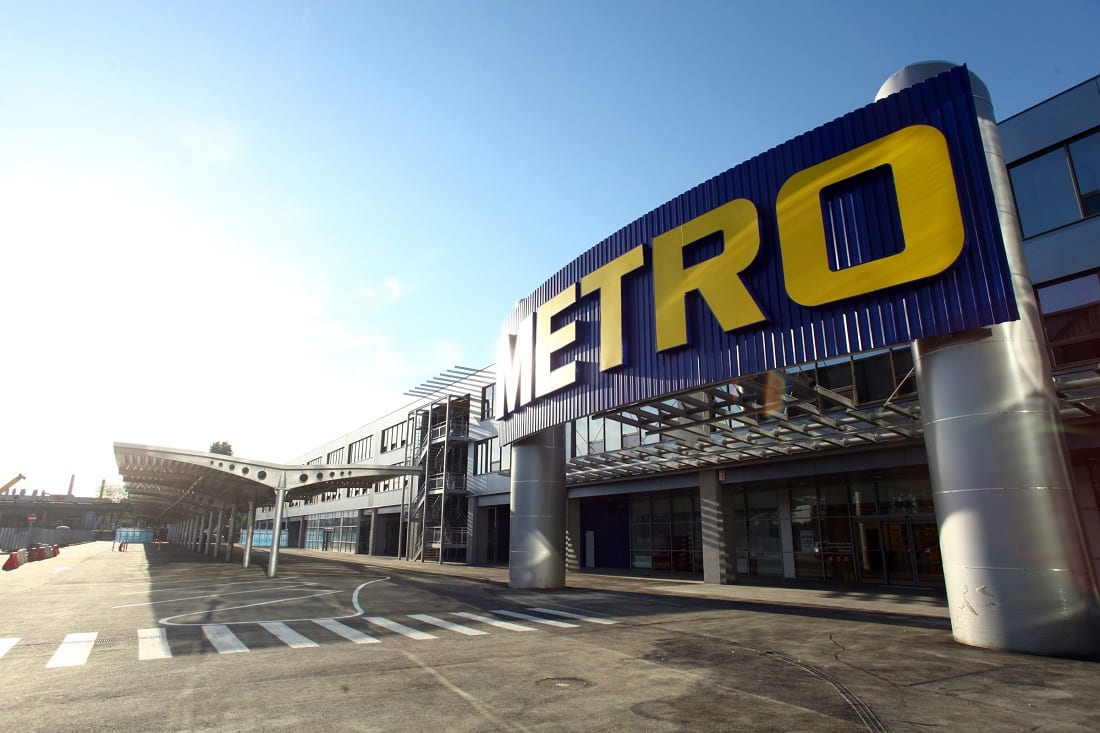
    German multinational retailer Metro’s Vietnamese woes continue with a fine of almost US$3 million issued this week for tax evasion.

    Metro has for months being trying to offload its trouble Metro Vietnam subsidiary, initially via a sale to Thai business Berlei Jucker which was foiled by a shareholder revolt. A new deal was reached with BJ’s founder Charoen Sirivadhanabhakdi through his TCC Group, but it is not clear the status of that agreement, with Vietnamese authorities impeding the cross border investment.

    According to the English edition of the Tuoi Tre (Youth) newspaper in Vietnam, Metro first came under scrutiny over suspicions of transfer pricing back in 2012. Independent investigations cleared the company of wrongdoing. But the General Department of Taxation launched its own investigation and after two months concluded the company had “committed wrongdoings worth VND507 billion ($23.63 million) in a transfer pricing inspection that concluded Monday,” according to Tuoi Tre.

    Metro Vietnam has been ordered to pay VND62.64 billion ($2.92 million) in tax arrears, a deputy minister of finance confirmed to Tuoi Tre.

    Metro Vietnam opened in 2002, investing US$78 million in opening 19 stores in city centres. But it has reported a profit just once – of $5.41 million in 2010 – and last year decided to exit the market. In 2007 and 2008, it posted losses of $7.32 million and $8.85 million respectively.

  • New rich drive Vietnam luxury boom

    New rich drive Vietnam luxury boom

    The rapidly rising ranks of Vietnam’s uber-rich are fueling growing demand for luxury goods in the fast-growing economy.

    The number of ultra high net worth individuals (UHNWI) in Vietnam is predicted to double to 300 by 2024, according to the Knight Frank Wealth Report 2015.

    The increase of 159 per cent makes Vietnam the country with the fastest growing population of persons with a net worth of more than US$30 million, followed by another ASEAN member state, Indonesia (132 per cent). Ultra-rich individuals in Asia hold net assets of US$5.9 trillion, now even surpassing North America’s US$5.5 trillion. Furthermore, the report predicts that cities across Asia will see an increase of 91 per cent of UHNWIs in the next decade.

    But not only the uber-rich are on the rise: according to Euromonitor International more than 100,000 Vietnamese in 2013 had a disposable income of more than US$75,000 per year. As in China, the highly affluent in Vietnam are constantly looking for opportunities not only for investing their money, but also to spend it.

    A survey conducted by Nielsen concluded that Vietnam ranks third in the world in terms of fondness for branded goods, only surpassed by China and India. Moreover, 56 per cent of the participants responded that they are willing to pay more for designer products than for less known brands despite same functionality.

    Another study by the Japanese advertising agency Hakuhodo found that female consumers in Ho Chi Minh City are the only customers in Southeast-Asia that preferred design over functionality.

    All that is driving a Vietnam luxury boom, with growth especially prevalent in jewellery, fashion, cars and wine…

    Gold and Jewellery

    Although demand in gold and coins in Q4 of 2014 has dropped 15 per cent to 13.3 tones (amounting for US$514 million) compared to the same period in 2013, Vietnam remains the world’s seventh largest gold consumer. Bullion, historically one of the most inflation-resistant investments allowed people to save and pass these savings on to children and their family. Gold also has a cultural significance in Vietnam: The fifth day of the first month of the lunar year, the so called God of Wealth day traditionally pushes gold prices up in Vietnam and customers queue up in front of stores for hours to have a chance to buy the desired metal, hoping for good fortune all year.

    Recently, the government changed its policy regarding the hoarding of gold bars, issuing a ban on interests on gold deposits when stored in financial institutes and releasing regulations to turn the central bank into the sole importer of gold bars.

    Formerly, many real estate purchases were conducted using gold as a payment method. Listing housing prices in gold was common practice in Vietnam, until in 2011 the State Bank issued a decree imposing fines on advertising goods, services and property in foreign currency or gold.

    Being a country rich in gemstones, especially jade, sapphires and topaz, jewelry is especially popular in Vietnam. In 2014, jewellery worth US$519 million was traded, a decline of eight per cent from 2013, though demand was still higher than in other Asian countries with higher GDP per capita including Thailand and South Korea (US$250 and 382 million, respectively). At this time, licensing restrictions limit joint ventures to manufacture jewellery for export only. The popularity and demand of jewellery, combined with the fact that it has to be imported, is a unique opportunity for foreign investors.

    Fashion

    The market for apparel in Vietnam is predicted to reach US$4.2 billion by 2017, according to Euromonitor International’s forecasts. Among the first high-end fashion brands in Vietnam was the French company Louis Vuitton, and since 1997 many followed: Dior, Burberry, Ermenegildo Zegna, Bulgari, and Hermes, only to name a few. It was a profitable decision: the Hermes boutique in Hanoi, opened in 2008, increased its profits gradually by 20 to 30 per cent each year.

    Salvatore Ferragamo opened up it’s fifth store in Vietnam two years ago. Other luxury brands are operated under a franchise system, such as Loewe, Marc Jacobs, Givenchy and Balenciaga, which monobrand stores are operated by a single partner. There are of course risks involved; the official partner of Gucci was investigated for tax evasion in 2010.

    Cars

    Several luxury car brands have established themselves within Vietnam in the recent years, including Lamborghini, Jaguar, Bentley and Rolls-Royce. Customers benefit from these permanent establishments within the country, since previously they had no other chance than importing them at a costly price through dealers and were forced to pay exorbitant maintenance fees because of the lack of licensed service providers.

    Other manufacturers, who are not new players to the Vietnamese market are reporting positive figures. Mercedes Benz entered the country’s market 20 years ago, and sold 1106 units in the first six months of 2014, marking a 70 per cent increase over the same period in 2013. Earlier this month, Mercedes-Maybach, the relaunched luxury brand from Daimler reported 10 orders for its S600 model, which costs VND9.6 billion (US$451,850). Notably, only 50 units of that model will be produced worldwide in 2015.

    Most affluent customers own more than one car, and due to Vietnam’s heavy traffic and shortage of car parks a lot of them rely on a driver. Customers may care as much about the amenities in the back seats, than technical gadgets on the dashboard.

    Automobile manufacturers will have to face a challenge when inner-ASEAN import tariffs will be cut to zero per cent in 2018. Imported, completely built units from Thailand and Indonesia, where a lot of companies already have established factories will be cheaper than cars partly assembled in Vietnam.

    Wine

    While young Vietnamese obtain more purchasing power, consumption of wine is rising. As of 2012, France held the lion’s share of the Vietnamese wine market at 35 per cent, with it’s biggest contender being Chile, accounting for 20 per cent, followed by Australia, the US and Italy.

    However, Chilean market share is expected to grow over the next years due to the Chile-Vietnam free trade agreement (FTA), that took effect in January 2014. Import tax on Chilean wine has dropped from 56 per cent to 20 per cent and until 2030 will approach zero, similar to the abolition of tariffs on Chilean wine imported to China, earlier this year. The Chile-Vietnam FTA marks the first agreement of its kind for Vietnam with a Latin-American country.

    When importing to Vietnam from a country or territory without an FTA in place, import duty applied to wine with alcoholic strength not exceeding 15 per cent is 50 per cent, and is further taxed with a 10 per cent VAT. Only licensed importers are permitted to import wines into Vietnam. Apart from a few multinationals, most bottles are imported by small businesses, either directly, if licensed, or via regular importing companies on a fee-based basis, usually 2-3 per cent over the total contract value.

    Vietnam leads in Southeast Asian alcohol consumption with around US$3 billion spent on alcohol every year, and the industry still has a lot of room for growth.
  • VivoCity Saigon opens doors

    VivoCity Saigon opens doors

    VivoCity Saigon opened its door Sunday (April 19) making it the second international shopping mall brand to enter Vietnam, behind Japan’s Aeon.

    SC VivoCity is a joint venture between Singapore-based Mapletree Investments and local supermarket operator Saigon Co-op. Mapletree will manage the centre, its fifth internationally to carry the brand; the other three are in China.

    The centre is located on Nguyen Van Linh Boulevard in Ho Chi Minh City’s District 7, a suburb popular with Asian expats including Koreans and Singaporeans, and a stone’s-throw from the Royal Melbourne Institute of Technology campus. It is very close to the Crescent Mall development which has struggle to attract customers since its opening more than three years ago.

    Mapletree and Saigon Co-op say SC VivoCity Saigon embraces the popular features of the Singapore VivoCity, which in 2011 was voted one of the Top 10 shopping destinations in the world.

    Vivo city Ho Chi Minh inside 415

    “With Mapletree’s expertise in developing large-scale projects and commercial complexes throughout Asia, as well as Saigon Co-op’s experience in retail and real estate investment in Vietnam, this partnership is expected to bolster commercial activities in the city, at the same time as offering consumers new services and international retail standards,” the two companies said in a statement.

    “With its modern architecture, impressive and striking design, SC VivoCity is sure to become a momentous part of the city skyline, while housing famous trademarks, offering the most popular food brands along with year-round festivals and events that will draw repeated visits from both local residents and foreign visitors.”

    With a total area of 41,000 sqm, the five-storey mall offers fashion, entertainment and lifestyle tenancies, a hypermarket, an education centre, and food and beverage outlets. Tenants include McDonald’s (the company’s third restaurant in Ho Chi Minh City), CGV cinemas (from Korea’s CJ Group) and a Harley-Davidson Black Label store.

    “SC VivoCity aims to create a vibrant, multi-experience destination which will constantly surprise visitors with its mix of unique, ever-evolving and refreshing, new-to-market retail and lifestyle brands and concepts,” the two companies said.

    SC VivoCity is the first phase development of Saigon South Place, a 4.4 ha integrated mixed-use project which will also house Grade-A office buildings and internationally operated serviced apartments.