Tag: Vietnam

  • Thai products flood Vietnam market

    Thai products flood Vietnam market

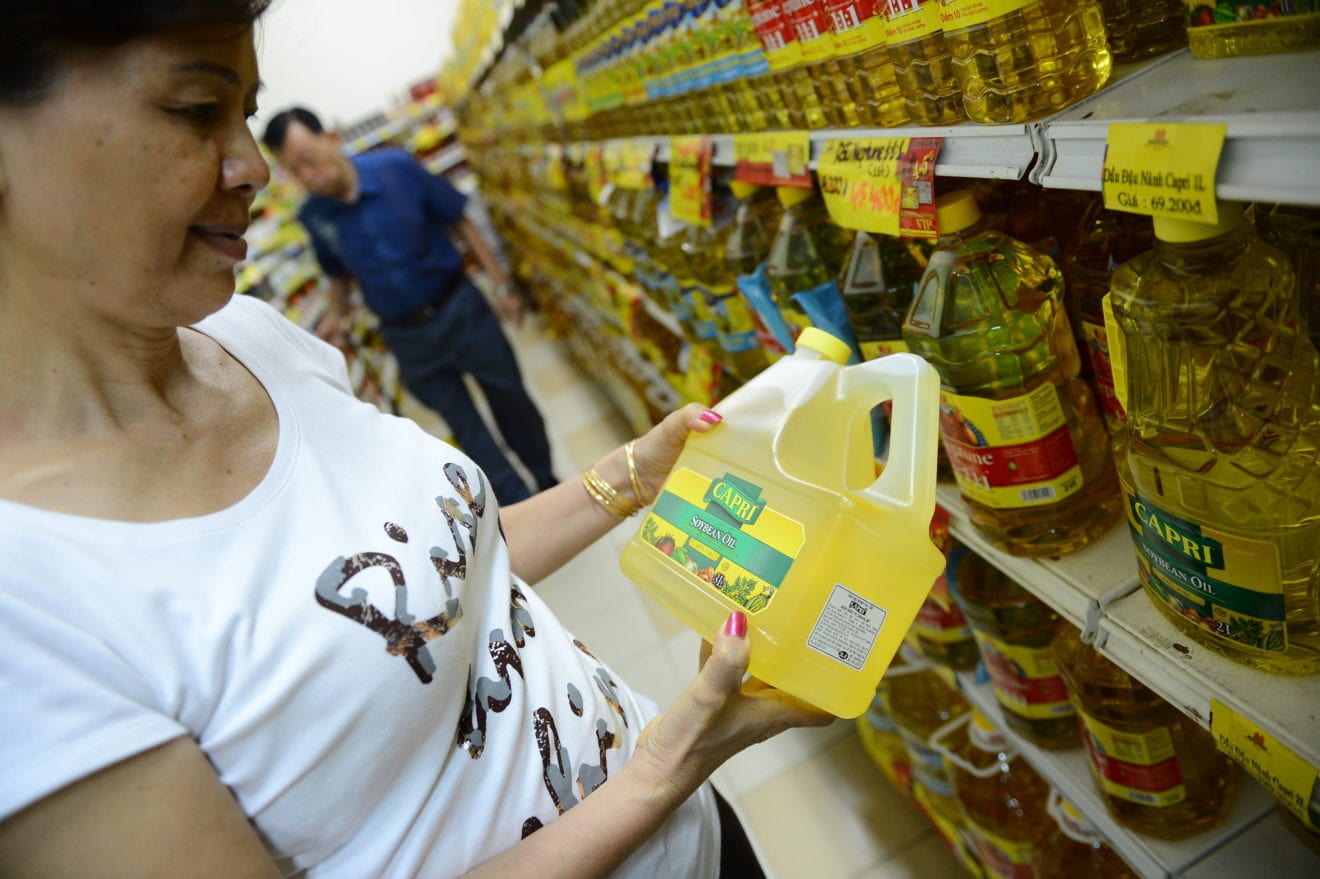
    Thai products can be seen everywhere, gradually replacing cheap Chinese low-quality goods on supermarkets’ shelves and at pavement shops.

    “In the past, Chinese motorbike accessories flooded the domestic market, but 70-80 percent of the products available in the market are from Thailand,” said Hai, a distributor of Michelin tires, a Thai brand well known in Vietnam.

    Thai tycoons in recent years have been flocking to Vietnam, taking over a series of Vietnamese distribution chains. The move were described as a step to clear the way for Thai products to penetrate the home market.

    Thai BJC Group, for example, spent $876 million to take over Metro Cash & Carry Vietnam. Meanwhile, Thai Corporation International, a subsidiary of BJC, bought 51 percent of Phu Thai Group, which ran 42 Family Marts.

    Thai products, however, usually cost more than Chinese and Vietnamese products.

    “Thai goods fit Vietnamese tastes and they are not too expensive,” said Le Thi Thanh Lam, deputy general director of Saigon Food.

    The greatest success of Thai businessmen is that they are very professional in penetrating the Vietnamese market.

    Robert Tran from Robenny, a Canadian consultancy firm, noted that the cementing of firm positions in the market with the retail growth rate of 15 percent and Vietnam’s high population of 90 million can help Thai retail groups increase the number of shops in Vietnam.

    “This allows the companies to have an advantage in negotiating with manufacturers about commissions and prices,” he explained.

    Meanwhile, Pham Ngoc Hung, deputy chair of the HCM City Business Association, noted that Thai businesses followed sound business strategies.

    “The distributors develop their chains in a 5-10-year term plan, and do not do ‘hit-and-run’ business,” he said. “The larger the distribution networks expand, the more easily they can bring Thai products to Vietnam.”

    While Thai businessmen have conducted rapid-fire attacks at the Vietnamese market, domestic businesses remain ‘bewildered’.

    Tran said he was surprised about the way Vietnamese do business.

    “Vietnamese businesses say they can completely satisfy requirements set by foreign partners. However, they cannot show sample products,” he noted.

    “A large business even said it would only make an investment if the partner agreed to sign the contracts first,” he said.
     

  • 7-Eleven Vietnam plans 1000 stores

    7-Eleven Vietnam plans 1000 stores

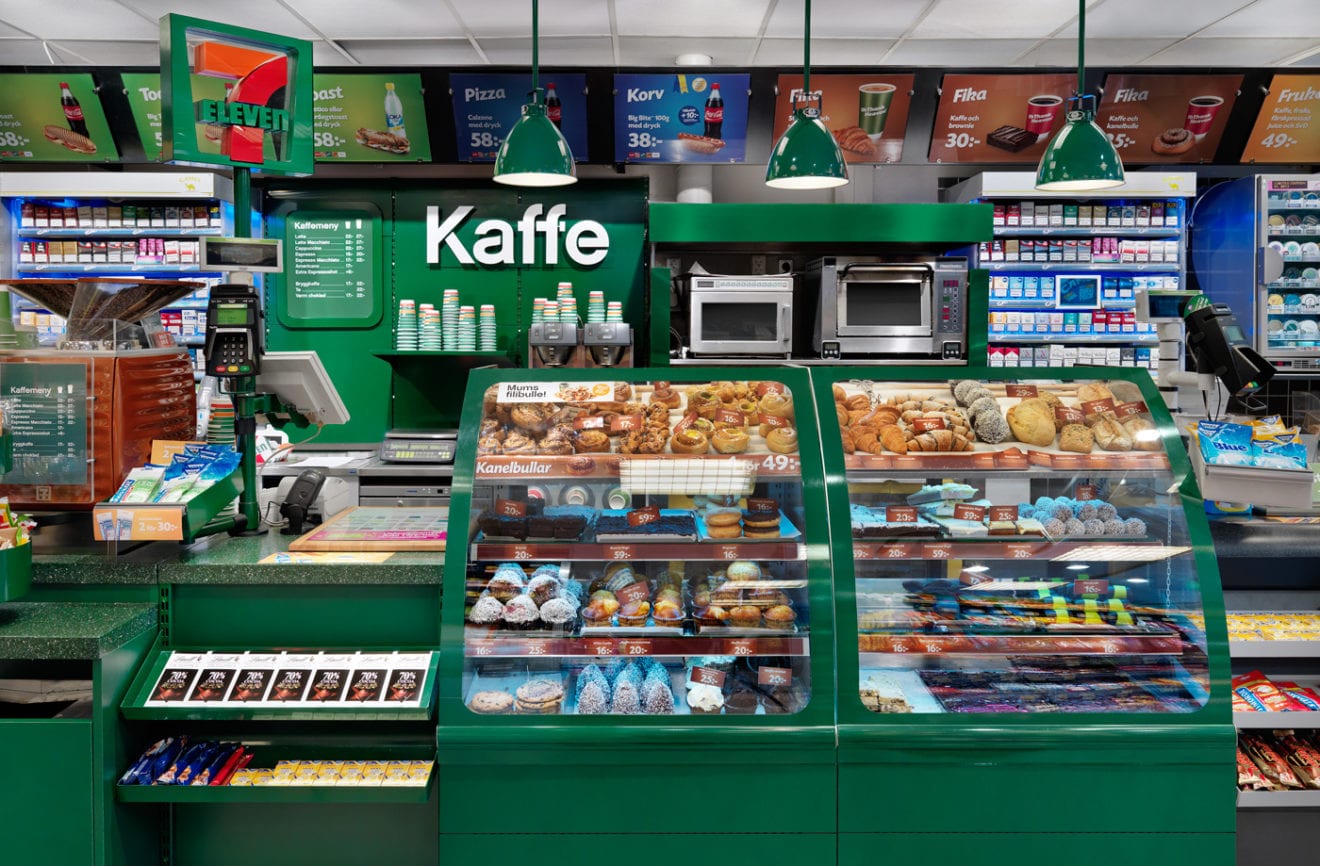
    The world’s largest convenience store operator has confirmed the signing of a master franchisee in Vietnam and now plans 1000 stores over the next decade.

    7-Eleven Vietnam will be a partnership between the Japanese-headquartered US subsidiary and a new venture called Seven System Vietnam Co. While the US announcement did not identify the parties behind Seven System, Japan’s Nikkei news agency identified the partner as IFB Vietnam, which owns the Pizza Hut franchise in Vietnam.

    Nikkei says the first store will open in the nation’s commercial hub, Ho Chi Minh City, with a target of 100 stores within the first three years and 1000 within 10.

    7-Eleven has 56,400 stores globally and Vietnam will mark its 18th international market.

    Japan’s Seven & I Holdings has openly been assessing a Vietnam entry for some years. The convenience store sector is still at an early development stage with Circle K and FamilyMart the early entrants and Thailand’s B-smart, part of the Berlei Jucker Group, playing a cameo role.

    Given the booming convenience store market in other Southeast Asian countries, especially Thailand, the Philippines, Indonesia and Malaysia, 7-Eleven’s superior logistics, product mix, marketing and location selection should see it assume market leadership there well within the first 10 year window.

    7-Eleven’s US statement says, somewhat enigmatically, the new Vietnam business will “construct 7-Eleven stores [and] convert existing locations to the 7-Eleven brand” without disclosing which brand is to be swallowed up.

    While the initial stores will be company-owned, the company says it will eventually franchise stores to local entrepreneurs.

    “7-Eleven’s entry into the country aims to enhance the convenience-shopping experience for Vietnamese customers and contribute to modernizing small retailers in the world’s 13th most populous country.”

    7-Eleven US and its parent company, Seven-Eleven Japan, will provide start-up support for its newest master franchisee by assisting Seven System Vietnam in implementing 7-Eleven’s strategies of market concentration, team merchandising and item by item management. Vietnam marks 7-Eleven’s first new market in the Pacific Rim since it entered Indonesia in 2009.

    It already operates in the US, Canada, Mexico, Japan, Thailand, South Korea, Taiwan, China, The Philippines, Australia, Singapore, Malaysia, Indonesia, Norway, Sweden, Denmark and the UAE, where the first 7-Eleven store will open in the third quarter of this year.

  • Strong Vietnam retail sales growth

    Strong Vietnam retail sales growth

    Vietnam retail sales growth reach 8.3 per cent in the first half of this year, according to government data.

    In the first seven months of this year, the private sector accounted for 85.6 per cent of total retail sales, earning $73.4 billion or a year-on-year increase of 9.5 per cent, according to the Vietnam News Service..

    Vu Manh Ha of the General Statistics Office, says the nation’s retail sales stabilised during the first quarter. Sales rose eight per cent in the first four months, 8.2 per cent in the first five months and 8.3 in the first six.

    He attributed the stabilisation in the growth rate to a low increase in the Consumer Price Index.

    Total retail sales reached US$85.8 billion.

  • 7‑Eleven, Inc. to enter Vietnam with Seven System Vietnam Co. Ltd. franchise agreement

    7‑Eleven, Inc. to enter Vietnam with Seven System Vietnam Co. Ltd. franchise agreement

    7‑Eleven, Inc., the world’s largest convenience retailer with 56,400 stores worldwide, has signed a master franchise agreement with Seven System Vietnam Co. Ltd. to develop and operate 7‑Eleven® stores in Vietnam. The expansion marks the company’s first stake in the Pacific Rim since 7‑Eleven entered Indonesia in 2009.

    7‑Eleven’s entry into the country aims to enhance the convenience-shopping experience for Vietnamese customers and contribute to modernizing small retailers in the world’s 13th most populous country.

    The new master franchisee plans to construct 7‑Eleven stores, convert existing locations to the 7‑Eleven brand supported by enhanced infrastructure, and eventually franchise operations to local businesspeople.

    Internationally popular products like Slurpee® frozen carbonated beverages and Big Gulp®soft drinks, as well as immediately consumable fresh foods, with recipes developed for regional tastes, will be part of the convenience offerings.

    7‑Eleven and its parent company, Seven-Eleven Japan, will provide start-up support for its newest master franchisee by assisting Seven System Vietnam in implementing 7‑Eleven’s successful strategies of market concentration, team merchandising and item-by-item management.

    Vietnam will be the 18th country or region where 7‑Eleven stores operate. In addition to the United States, other countries include Canada, Mexico, Japan, Thailand, South Korea, Taiwan, China (including Hong Kong), The Philippines, Australia, Singapore, Malaysia, Indonesia, Norway, Sweden, Denmark and the United Arab Emirates, where its first 7‑Eleven store will open early this autumn.

  • Five trends in Vietnam retailing

    Five trends in Vietnam retailing

    Vietnam’s retail market is set to grow by 8.4 per cent annually until 2020, making it one of the fastest-growing markets in south-east Asia.

    Against a backdrop of increased disposable income, rapid urbanisation and an appetite for change among younger shoppers, we take a look at five trends defining the marketplace for pan-Asian retailers right now.

    Confident investment

    January 2015 marked the first time non-domestic retailers could take full ownership of commercial property in Vietnam, following commitments made to the World Trade Organisation. Now, new trade agreements with Japan, Korea and the countries that make up the Association of South-East Asian Nations (ASEAN) look set to support further growth for international retailers in Vietnam:

    Tailoring the best of international retail

    Domestic retailers may have the advantage when it comes to local shopper knowledge but
    international retailers are drawing on their own strengths to help them compete.

    Dairy Farm, FamilyMart and Aeon have brought their expertise in loyalty schemes, private label and innovative marketing to their stores in the region.

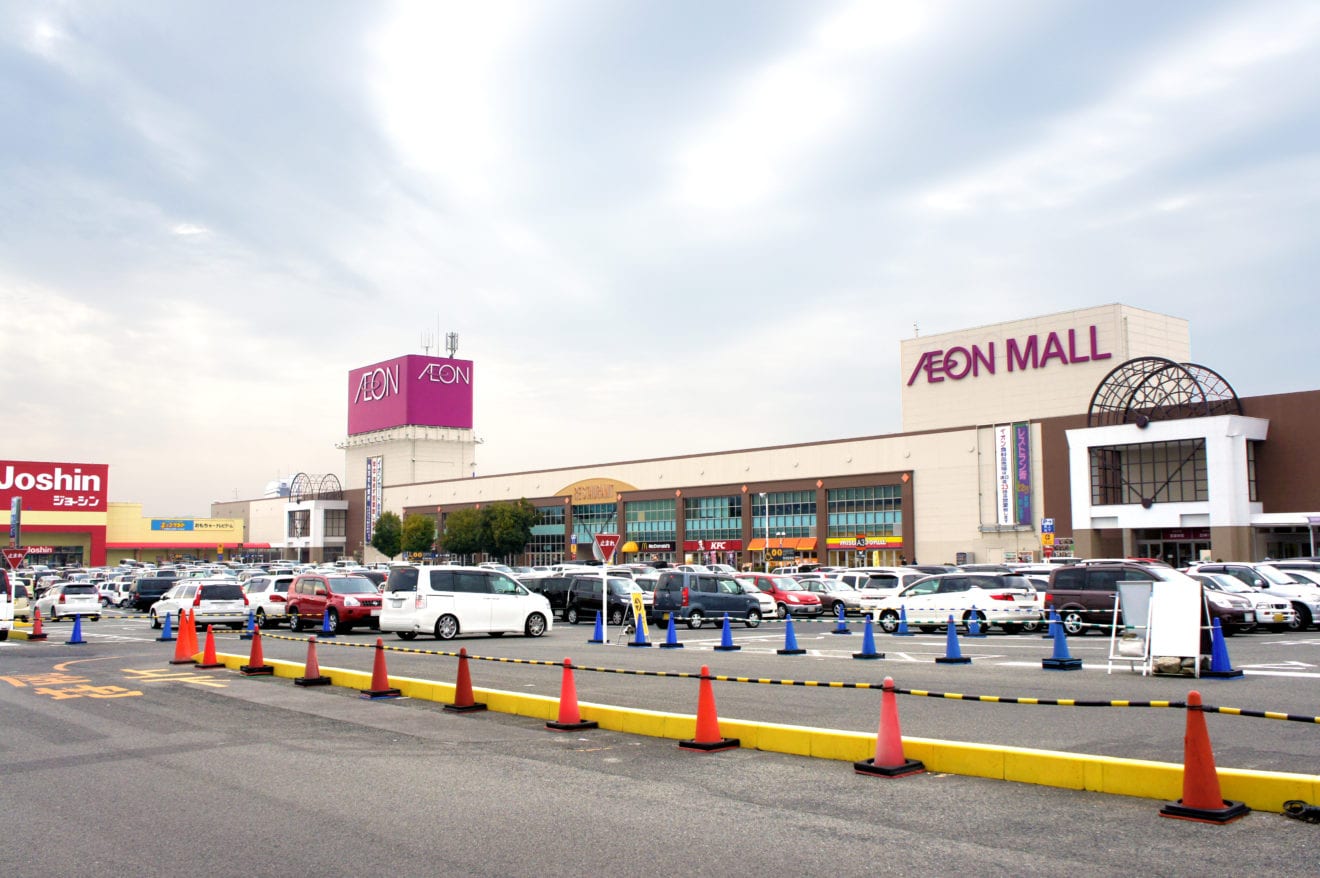
    Other points of difference include appealing to busy office workers with a fast food to go counter (seen at Family Mart and B Mart) and bringing an international flavour to the in-store hot food offer (Aeon Mall).

    Alternative store concepts

    Many retailers have established themselves in Vietnam with a hypermarket presence in one of the major retail hotspots like Hanoi or Ho Chi Minh City.

    Lotte and hypermarket chain Aeon are appealing to families and experimental shoppers with department store formats that act as wider shopping and entertainment destinations. Aeon is also making its mark with a loyalty scheme that includes tailored offers for mums – such as birthday treats or discounts on baby care.

    In the convenience channel, Guardian is the first combined-format health, beauty and drugstore in Vietnam. The store is making waves with its clean layout, colourful signage, bold promotional activity and sales assistants offering a superior level of service.

    Product innovation for a changing market

    A new concept in Vietnam, private label is appealing to young, experimental shoppers thanks to its lower prices and alternative products.

    Aeon has introduced its TopValu private label range, which taps into the popularity of Japanese culture by offering authentic Japanese ingredients and home cooking kits. The retailer is now working with local suppliers to explore domestic production.

    An increasingly affluent middle class is also supporting demand for exclusive and imported novelties. Dairy Farm is well-known for attracting these shoppers with its packaged food, household, health and beauty ranges.

    Expanding to national coverage

    A priority for most retailers is to create a nationwide presence. Lotte has built a network of ten hypermarkets spanning six big cities across Vietnam, making them the first pan-Asian retailer to achieve such a spread of coverage. Meanwhile, Ministop (Aeon), Guardian (Dairy Farm) and Shop&Go are pushing their convenience format in retail hotspots.

    Major retailers are seeing good growth from their franchise models, making partnerships, mergers and acquisitions hot topics.

    Aeon has partnered with local retailers Citimart in the south of the country and Fivimart in the north. The domestic chains are helping Aeon speed up its expansion plans by using their existing store networks. In return, their own customers are benefitting from the retail giant’s private label ranges and investment in infrastructure.

  • Retail property sales climb in two main cities, but not rents

    Retail property sales climb in two main cities, but not rents

    The retail property segment in the two major cities of Ha Noi and HCM City saw recovery in occupancy but not in rent, Savills Viet Nam said.

    In its quarterly report on the two cities, the consulting firm said in Ha Noi, the occupancy was 84 per cent, stable quarter-on-quarter (q-o-q) and up 7.2 percentage points year-on-year (y-o-y). Meanwhile, the average rent was VND841,000 (US$38.7) per sq.m per month, decreasing 0.9 per cent q-o-q and 10 per cent y-o-y.

    Department store occupancy increased by one percentage point q-o-q, while shopping centre occupancy remained stable q-o-q. In the first half of 2015, Ha Noi’s retail sales were approximately VND210 trillion ($9.63 billion), increasing 10.3 per cent y-o-y.

    Without inflation, the real growth rate was 9.6 per cent y-o-y. With free-trade agreement participation and the expected signing of the Trans-Pacific Partnership in 2015, the competition between domestic and foreign retailers would continue, Savills Viet Nam said.

    In the second quarter, Ha Noi’s retail supply was approximately 950,000sq.m, increasing by 3 per cent y-o-y.

    In the second half of this year, approximately 353,000sq.m from 16 projects will enter the market. Two notable projects are Vincom Nguyen Chi Thanh and Aeon Mall Long Bien, which will provide more than 165,000sq.m. Meanwhile, the retail property segment in HCM City showed positive signs in the year’s second quarter, with average occupancy rising by seven percentage points to reach 92 per cent, Savills Viet Nam said.

    The average rent decreased by one per cent q-o-q to touch VND1.3 million ($59) per square metre per month. Shopping malls and department stores’ occupancy rates have been stable since the previous quarter at 92 per cent and 97 per cent, respectively.

    Department stores

    Retail podium occupancy was at 82 per cent, down two percentage points q-o-q, but this decrease had no impact on the overall occupancy.

    The average rent for department stores increased by one per cent to reach more than VND1.3 million, while it fell by two per cent to touch VND1.33 million in shopping malls.

    The rent for department stores increased by three per cent year-on-year, but decreased by two per cent in shopping centres and retail podiums.

    In the first half of the year, HCM City retail sales increased by 11.8 per cent y-o-y to touch VND256 trillion ($11.75 billion), significantly higher than the 7.7 per cent rate a year earlier and higher than the national figure of 10.2 per cent.

    The growing population and middle class in HCM City are driving the growth in retail demand.

    In Q2, two new shopping malls and one new supermarket entered the market, increasing the total retail stock by five per cent q-o-q to reach 940,000sq.m.

    The retail market is expected to expand faster in secondary and suburban areas than in the central business district due to upgrades in infrastructure and new residential projects.

    According to the second report in the series, Asia Pacific Consumer Survey – How We Like to Shop Online, released last week by CBRE, online shopping has overtaken bricks-and-mortar retail as the most popular method of purchase in certain Asian markets.

    Consumers in the 18-24 age group — known as ‘Generation Z’ — are also set to play an influential role in the regional retail market in the coming years. As a result of factors such as these, landlords and retailers would need to be proactive in order to remain competitive, the survey reported.

    “For emerging markets, given the lack of quality retail space — particularly in lower-tier cities — advances in technology and logistics networks mean that online retail is often the most efficient way for retailers to reach their customers,” Jonathan Hsu, head of Occupier Markets Research, CBRE Asia Pacific, said.

    The ability to compare products without having to physically visit individual stores is another key factor for the region’s consumers when shopping online. This trend is more prominent in emerging markets such as Viet Nam, China and India, where quality shopping centres or shops are often located far from each other. 


  • Vmoto stock up on Vietnam deal

    Vmoto stock up on Vietnam deal

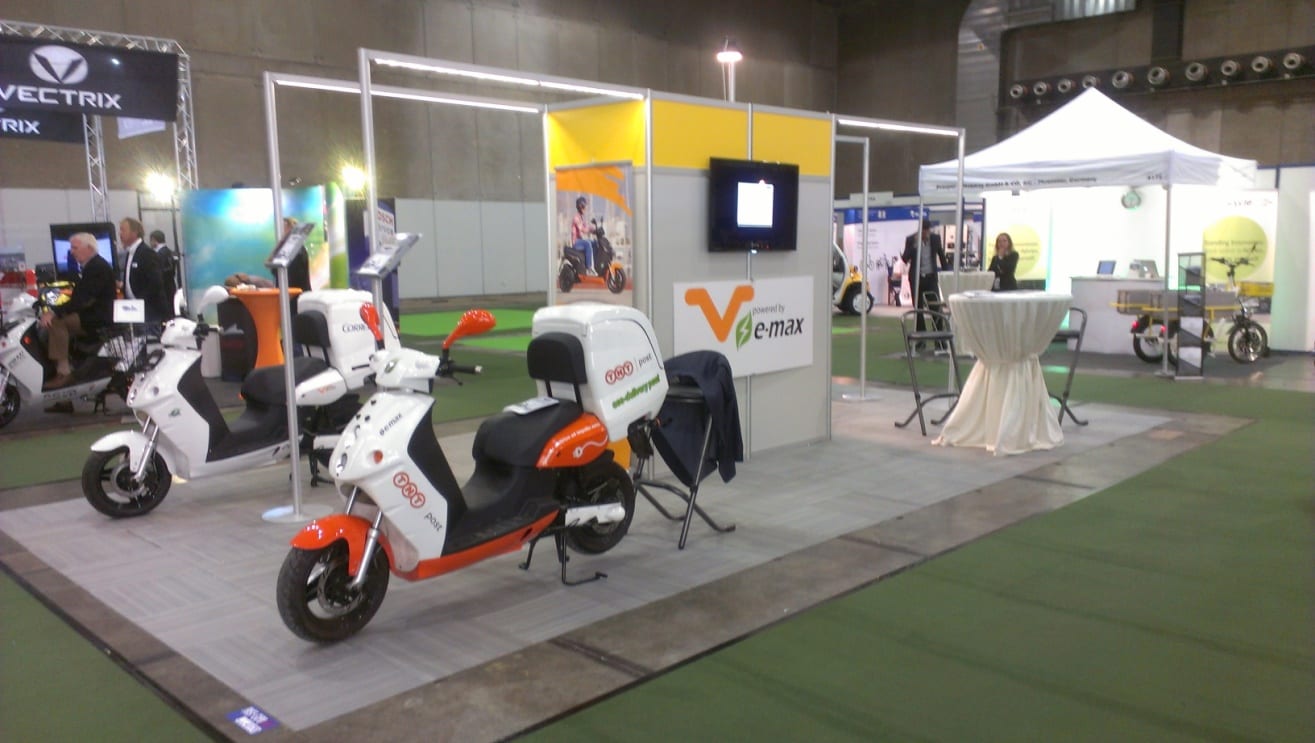
    Shares in Perth-based Vmoto have closed higher after the company announced it has inked a distribution deal for its electric scooters in Vietnam.

    Vmoto said it has signed an exclusive distribution agreement with green vehicle supplier Euro Ebike Company.

    The initial contract is for a minimum of 1,200 units to be ordered by August 2015.

    Vietnam has the fourth-largest motorcycle market in the world, behind China, India and Indonesia.

    About 37 million motorcycles are registered in the country, compared to about 2 million cars.

    Vmoto is hopeful electric scooters will become more more popular and acceptable to Vietnamese consumers.

    The company has recently made similar inroads into China and Indonesia as it looks to capitalise on growing interest in scooters in those markets.

    Vmoto meanwhile announced it is developing a new, super-light scooter which it says could be easily stored at home or the workplace.

    The Vmoto 1 scooter will weigh about 48 kilograms, can be folded in 30 seconds and is able to be connected to an Apple iPhone.

    Vmoto managing director Charles Chen said he was confident the new model would generate significant interest in the Chinese market.

    The company’s shares closed the day’s trade 13 per cent higher at 5.2 cents.

  • Vietnam tablet market soars

    Vietnam tablet market soars

    The rapid growth of the Vietnam tablet market is boosting the potential of eCommerce in the fast-maturing Southeast Asian nation.

    New figures from GfK this week show the growing number of lower priced entry level tablets has seen a double digit growth in sales in first five months of this year – or 149,000 extra units – to reach 582,000.

    GfK projects the media tablet market will achieve even higher sales in the third quarter of the year with the anticipated back to school promotions, with annual sales estimated to hit 1.9 million for the year.

    Yet the total amount spent on tablets has fallen by about five per cent, due to the greater contribution of those lower value media tablet models.

    “Over three in every four (76 per cent) media tablets sold so far in 2015 cost less than US$300, as compared to just one in two (50 per cent) in 2014; signifying a strong shift in market trends towards the low-end segment,” observed Tran Khoa Van, MD of GfK in Vietnam.

    “The result of more media tablets being sold at lower prices brought about a shrinkage in the total market value in spite of strong consumer demand for the gadget.”

    On the other hand, high-end media tablets priced above US$500 which accounted for 29 per cent of the total market’s sales volume had reduced by half to make up only 14 per cent share in the first five months of this year. A similar trend is seen in the US$300-500 segment, where its 22 per cent share last year was reduced to 11 per cent in 2015.

    According to GfK findings, the average price of media tablets declined by 30 per cent from US$367 last year to US$259 this year. Although the number of brands catering to the Vietnamese market reduced from 56 to 49, the remaining players have introduced 20 more new models – from 278 to 298.

    Another emerging trend is the rising popularity of smaller screen sized media tablets, specifically the 7.9” and below segment. Over seven in 10 (71 per cent) of media tablets purchased this year were of this size, up from its 62 per cent market share last year.

    On the other hand, it was the 9-10” segment which reported a dwindled market share by half – from 26 to 13 per cent.

    “Price erosion is a natural progression of a tech product’s lifecycle and the average price of media tablets will definitely be drifting down further from the low of US$250 reported in the latest tracked month of May,” said Van.

  • Hollys Espresso set for Vietnam debut

    Hollys Espresso set for Vietnam debut

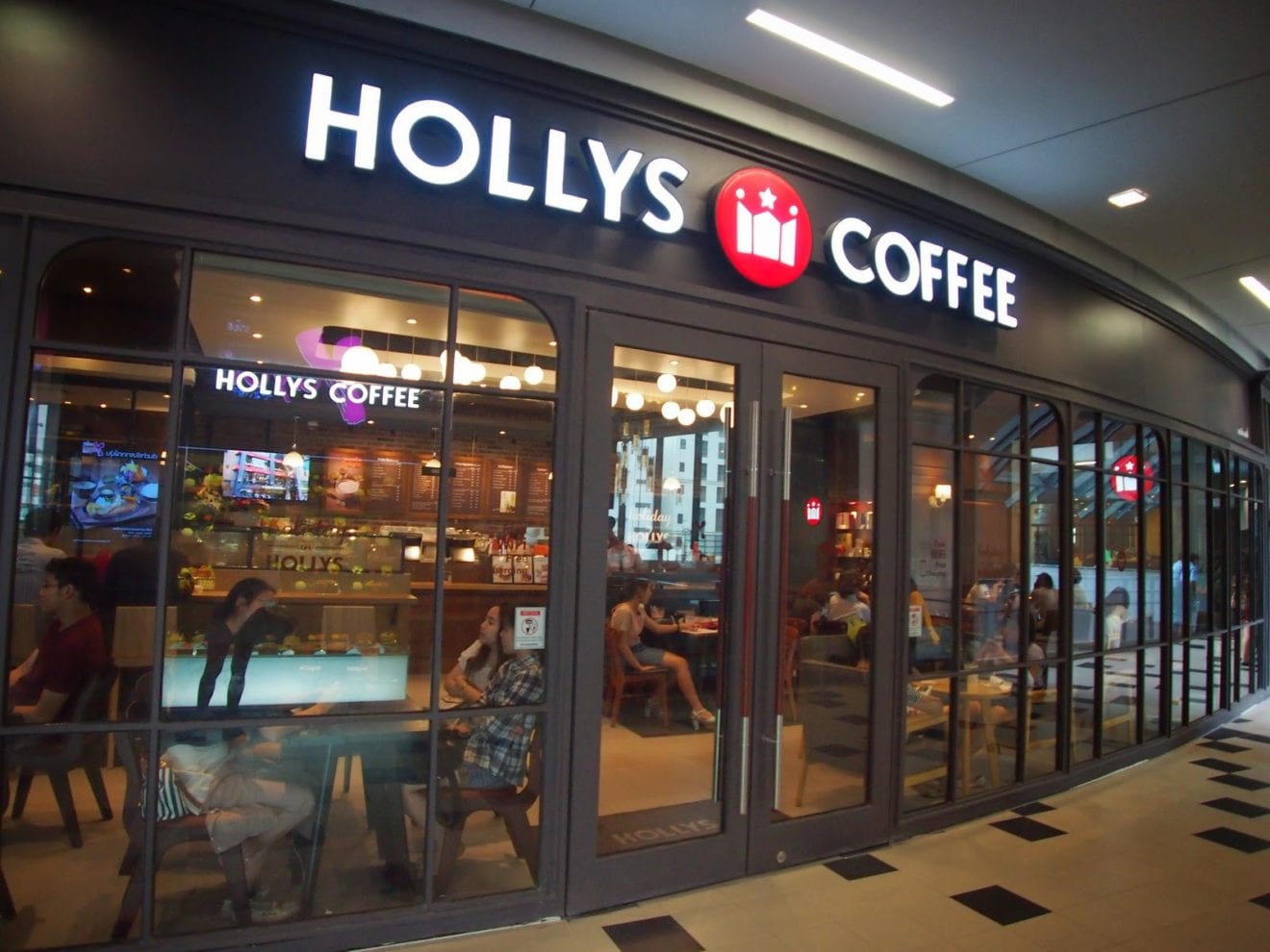
    Hollys Espresso, the Korean cafe chain with a particular Parisian decor, will open its first outlet in Vietnam on July 9.

    The flagship retailer can be situated in Ho Chi Minh Metropolis and would be the first of three to be buying and selling in Vietnam by the yr’s finish.

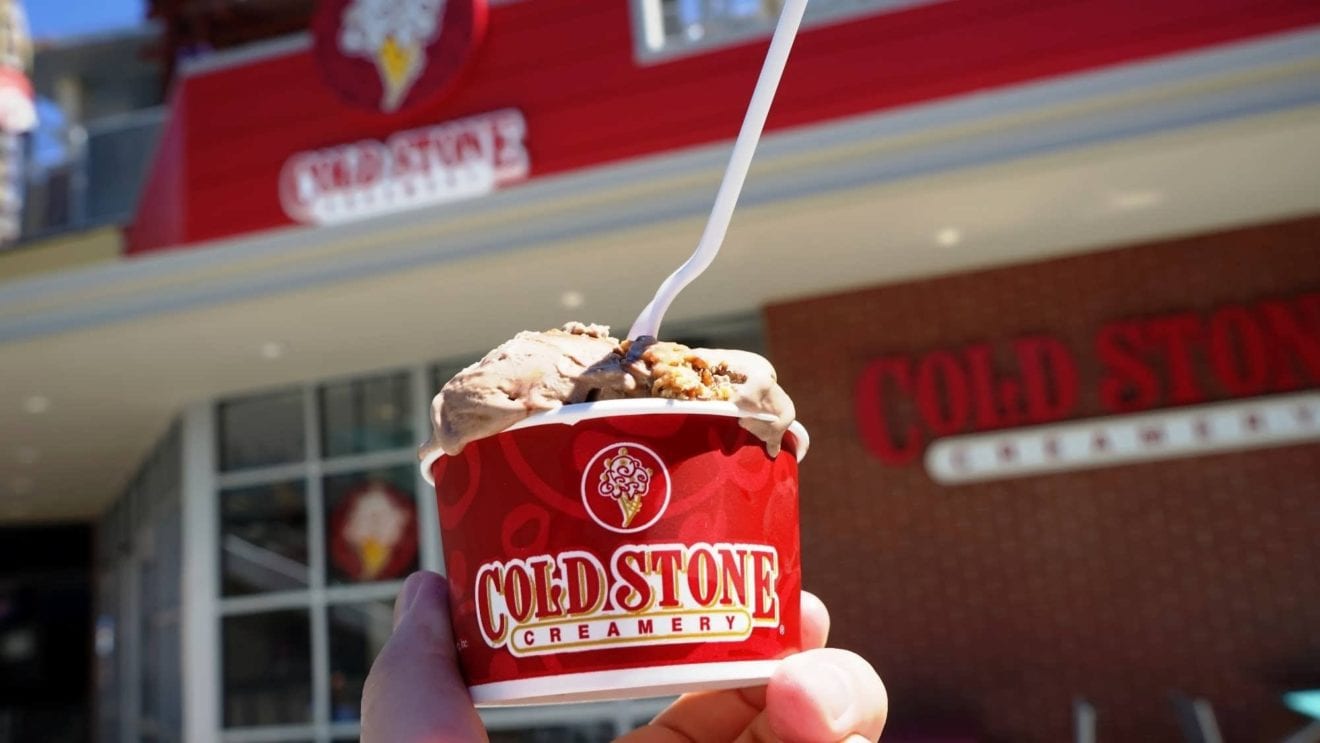
    Hollys Espresso’s native franchise associate is TNC Holdings, which just lately gained the native franchise rights for Chilly Stone Creamery ice cream cafe chain.

    Director of franchising with TNC, Vercy Luu, informed Inside Retail Asia the primary two Chilly Stone Creamery shops will open this calendar yr. As beforehand reported, TNC plans 30 Chilly Stone shops in Vietnam, the primary in Ho Chi Minh Metropolis.

    TNC additionally has the Incito Espresso franchise and operates 5 cafes in Ho Chi Minh Metropolis and Vietnam’s capital Hanoi.

    And it operates two Mizuchi Japanese scorching pot eating places in Hanoi, with plans to open 5 in Ho Chi Minh Metropolis over the subsequent six months.

    TNC has a imaginative and prescient to be one of many prime 10 shopper and retail corporations in Vietnam, grossing US$1 billion by 2020.

    “Chilly Stone Creamery is a premium American ice cream idea and the product will probably be very inviting to the Vietnamese individuals,” Phan Duc Binh, CEO of TNC, stated on the time of the awarding of the Chilly Stone rights.

    TNC specialises in branding, distribution and manufacturing of fast paced shopper items, together with drinks, particularly espresso and tea, and private care merchandise. TNC additionally owns retail manufacturers and franchises, together with comfort shops, supermarkets and F&B chains.

  • Aeon Vietnam pronounces fourth mall

    Aeon Vietnam pronounces fourth mall

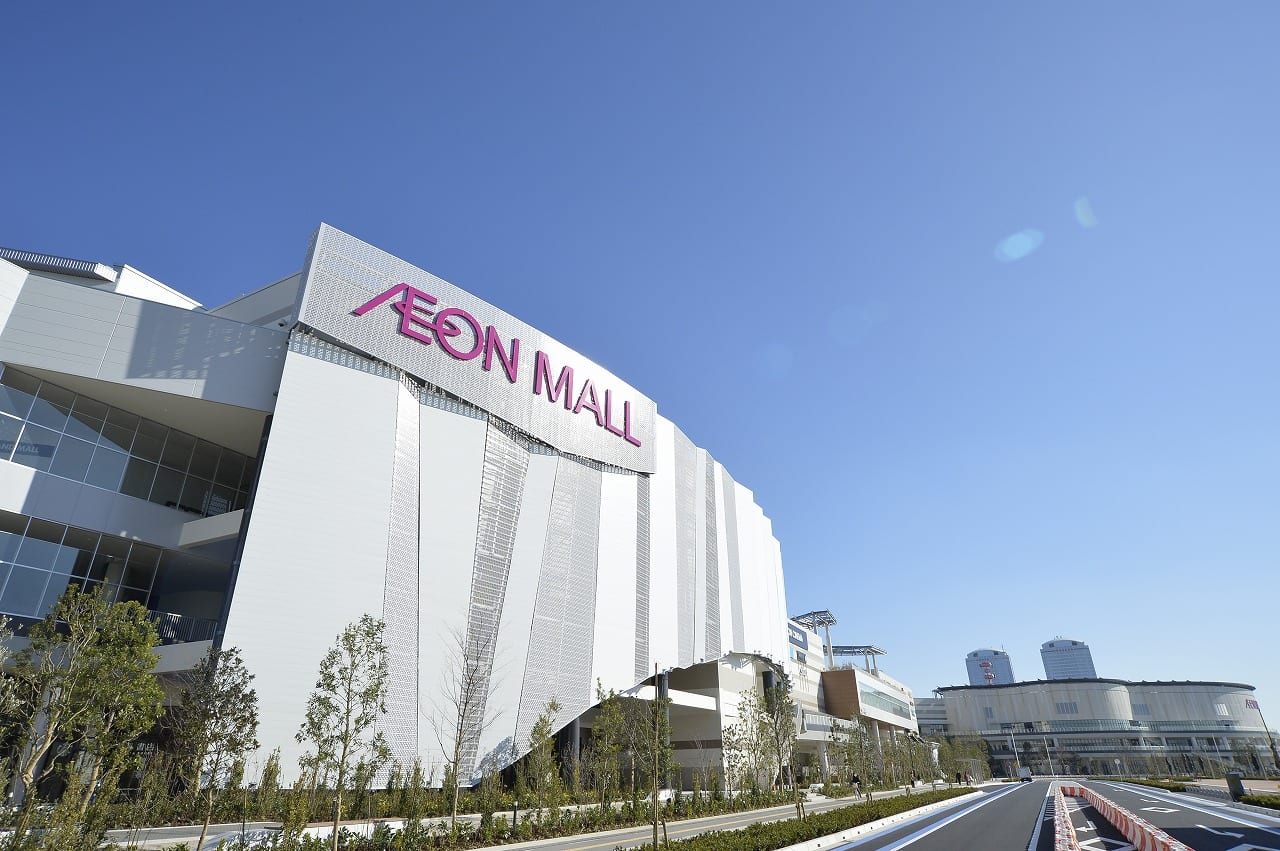
    Japanese retailer and mall operator Aeon has introduced plans for a fourth mall in Vietnam.

    After the success of its first centre, Celadon Metropolis in suburban Ho Chi Minh Metropolis opened in January 2014, Aeon opened one other within the industrial hub of Binh Duong final November. A 3rd mall is underneath development in Lengthy Bien, within the capital metropolis, Hanoi.

    Now Aeon Vietnam says it is going to construct a fourth purchasing centre in Binh Tan, roughly 10km southwest of central Ho Chi Minh (about 40 minutes by automotive) inside the Worldwide Hello-Tech Healthcare Park being developed by Hoa Lam-Shangri-La. It’s scheduled to open in summer time.

    Aeon says the park gives medical, residential, instructional and business amenities and is predicted to proceed rising. The district’s transportation setting can also be well-developed, with quick access to an outer ring street and an East-West Freeway which may permit it to attract clients from a large space.

    The mall may have about 59,000 sqm of gross leasable flooring area and parking for about 1500 automobiles and 4000 bikes. It is going to be anchored by an Aeon hypermarket, with 160 specialty retailer tenancies.

    Underneath the Aeon Group Medium-term Administration Plan (FY2014-2016), the corporate is pursuing a shift to Asian markets as a standard group technique. Aeon opened its first malls in Cambodia in 2014 and Indonesia in 2015.

    Within the meantime, Aeon established a consultant in Vietnam in February 2015 to speed up enterprise improvement by unifying the group initiatives.

  • Vincom Retail wins US$100m PE funding

    Vincom Retail wins US$100m PE funding

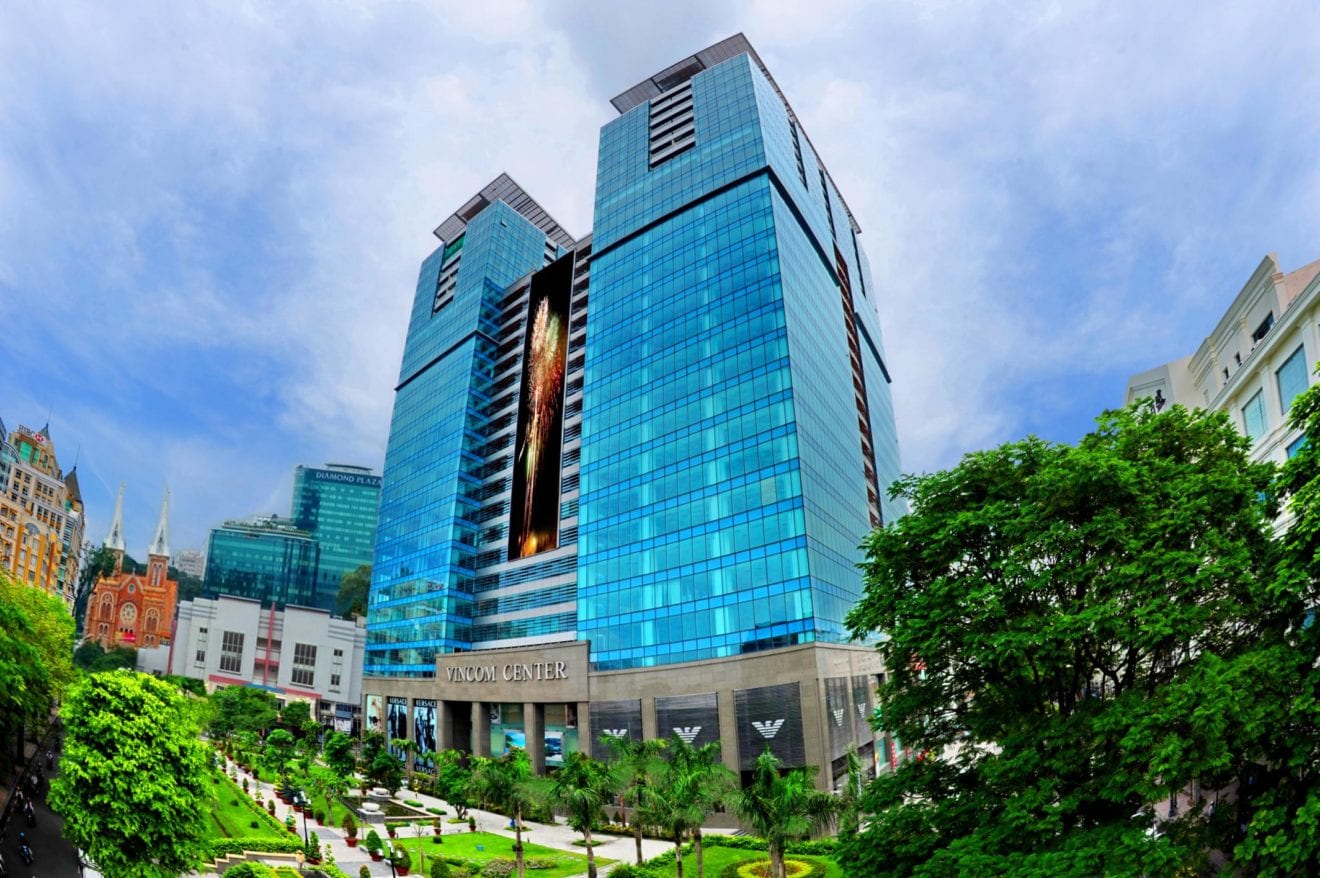
    Vietnam’s largest mall operator, Vincom Retail, has secured US$100 million in funding from a consortium led by private equity company Warburg Pincus.

    It takes the US PE company’s combined investment in the Vietnamese property developer to $300 million.

    Vincom Retail, the largest shopping mall operator in Vietnam, currently has 20 malls in operation or under development. Together with a robust pipeline in prime locations nationwide, the company has the only true national mall network.

    The existing prime assets of Vincom Retail include Vincom Dong Khoi and Vincom Thu Duc in Ho Chi Minh City, Vincom Ha Long, Vincom Ngo Quyen (Da Nang), plus Vincom Ba Trieu, Vincom Long Bien, Vincom Mega Mall Royal City and Vincom Mega Mall Times City in Hanoi.

    Vingroup CEO Duong Thi Mai Hoa said Vincom Retail has more than tripled the size of its portfolio since it first partnered with Warburg Pincus in 2013.

    “The follow-on investment by the Warburg Pincus Consortium is a vote of confidence from our investors in our strong performance to date and our long-term vision for both Vincom Retail and Vietnam. Warburg Pincus has been a great partner to date, and we believe this investment will help us to further accelerate the buildout of our malls as well as our broader retail platform, which includes VinMart, VinDS, VinFashion and VinPro, on a national basis.”

    Vingroup Joint Stock Company is Vietnam’s largest publicly-traded real estate operator and one of the largest companies by market capitalisation.

    Vincom Retail’s properties have attracted leading global and local brands, as well as world class F&B and entertainment operators. The Vincom Retail malls are home to more than 700 domestic and international brands, with major tenants such as Robins Department Store, Marks & Spencer, CJ CGV, Mango, DKNY, French Connection, BCBG Maxazria, Karen Millen, GAP, Lacoste, Nike, Adidas, Emigo, VinMart, VinPro and Vinpearl Land.

    Jeffrey Perlman, MD of Warburg Pincus, said his company was impressed by the growth and performance of Vincom Retail since its initial investment.

    “We believe strongly in the long-term economic prospects for Vietnam on the back of continued urbanisation and emerging middle class consumption. With its best-in-class management team, leading integrated retail platform and unrivaled local expertise, Vincom Retail is poised for strong growth over the next five years. We look forward to continuing to work closely with the Vingroup and Vincom Retail management teams to build the preeminent retail franchise in Vietnam.”

    Vingroup and its subsidiaries boast a market capitalisation of US$3.2 billion as of June 2015.

    It develops and manages real estate, hospitality and entertainment properties in Vietnam across six business divisions – Property: Vinhomes luxury apartments & villas, Vincom and Vincom Mega Mall shopping centers, and Vincom Office space for lease; Hospitality and entertainment: 5-star Vinpearl Resort, upscale Vinpearl Luxury resorts, Vinpearl Land amusement parks and family entertainment centers, Vinpearl Premium resorts and villas, and Vinpearl Golf Club; Retail: VinMart supermarkets, VinMart+ convenience stores, VinFashion, VinDS chain of specialty retail stores, VinPro electronics and appliance stores, and Adayroi comprehensive E-commerce platform.

    Vingroup also operates in Healthcare: Vinmec quality healthcare services; Education: Vinschool quality education, and Agriculture: VinEco – Trusted quality source of food and the Group’s newest sector.

  • Buffalo Wild Wings critical about Asia

    Buffalo Wild Wings critical about Asia

    US informal eating chain Buffalo Wild Wings is within the means of securing grasp franchisees in at the very least six extra Asian nations as its first foray into the area pays off.

    In January BWW opened its first restaurant within the continent, in Manila, in partnership with Philippines grasp franchisee The Bistro Group. That restaurant, in Estancia Mall at Capitol Commons in Pasig Metropolis, proved so profitable inside its first few months two extra websites are beneath improvement already because the rollout plan is accelerated. These eating places will open in Glorietta and Uptown Mall.

    Buffalo Wild Wings CEO, Sally Smith informed Inside Retail Asia in an interview the corporate will probably be signing a grasp franchise settlement in Vietnam in a fortnight with the primary BWW outlet scheduled to open there someday subsequent yr.

    A separate franchise settlement has been concluded for a area in India with the primary restaurant there more likely to be buying and selling inside as little as six months.

    Smith was in Hong Kong this week for talks with suppliers and potential companions and advised Inside Retail Asia the corporate is already speaking with potential companions in Singapore, Malaysia, Thailand and Indonesia. She has additionally been taking a primary hand take a look at the Hong Kong eating scene with a view to contemplating enlargement there, too.

    However she gained’t be dashing into any of those markets.

    “One of many issues that’s necessary to us is discovering the fitting associate, so we’re going to take our time. We need to ensure that our associate understands our enterprise, that they perceive our model and that they share the identical values as we do.

    “Once we choose a companion, they go to us within the US, they practice within the US they usually go to a lot of shops in order that they see how we function – that’s all earlier than they turn out to be a associate.

    “We’re in search of nice franchise companions,” stated Smith. Not simply anybody with a cheque guide.

    Native challenges

    Smith says when getting into a brand new market, BWW understands the necessity to tailor its menu and pricing factors accordingly. Concentrating on locals relatively than expats or vacationers, Smith says the model is lifelike and trusts its franchise companion to work with it on each fronts.

    In Manila, probably the closest Asian market when it comes to dietary habits to North America, BWW has added rice to its menu and it’s contemplating a steak sandwich to satisfy native demand.

    “We definitely work to think about native flavours locals are in search of. However others nonetheless need that genuine Buffalo Wild Wings expertise,” Smith stated.

    In Vietnam, the place the ‘center class’ by definition is on an revenue as little as US$500 a month, BWW is about for an extended, affected person progress cycle.

    “I used to be in Vietnam final yr and I used to be very excited. The overall inhabitants is rising and there’s some nice information on the financial entrance. However we’ll take our time constructing out Vietnam and we’ll attempt to not overbuild.”

    Smith says the franchise companion there’s already evaluating actual property choices.

    A key think about BWW’s portability into new markets is that hen is an accepted a part of the weight-reduction plan in most elements of the world – and sport captures the eye too.

    A key element of the BWW idea is stay sport, with giant screens within the eating places encouraging dwell time. Within the US and the Philippines, American Soccer, basketball and ice hockey are staples on the sports activities menu; in Southeast Asia it is going to be English Premier League. Smith stated in the course of the Superbowl remaining early this yr the Manila restaurant opened early and queues shaped of locals eager to eat and benefit from the match.

    The corporate can also be testing know-how options that may allow clients in its eating places to take part in on-line social gaming, enjoying towards clients of different eating places in the identical nation.

    Buffalo Wild Wings already boasts 1094 eating places serving 21 signature flavors of Buffalo, New York-style hen wings. Its foray into the Philippines was its first step outdoors the Americas.

  • Chilly Stone Creamery Vietnam plans 30 shops

    Chilly Stone Creamery Vietnam plans 30 shops

    Kahala Manufacturers, the father or mother firm of Chilly Stone Creamery has appointed a Vietnamese franchise associate.

    The primary of a deliberate 30 Chilly Stone Creamery Vietnam shops will open this yr in Ho Chi Minh Metropolis in partnership with TNC Holdings subsidiary CS Vietnam Ice cream Co.

    “With the speedy improve in youthful shoppers demanding greater high quality merchandise we’re thrilled that Vietnam would be the subsequent worldwide market delivering the Final Ice Cream Expertise,” stated Eddy Jimenez, senior VP of worldwide operations and improvement for Kahala.

    TNC is described by Kahala as “the main and most skilled firm in Vietnam”.

    “We all know they’ll do an exquisite job at exemplifying what the Chilly Stone Creamery model is and they’ll proceed to hold on the superb tradition we have now developed worldwide.”

    TNC specialises in branding, distribution and manufacturing of fast paced shopper items, together with drinks, particularly espresso and tea, and private care merchandise. TNC additionally owns retail manufacturers and franchises, together with comfort shops, supermarkets and F&B chains.

    TNC owns the native Fannys ice cream model, which has cafes and sells into FMCG channels. It additionally has the Korean cafe chain Hollys Espresso rights, Incito espresso and Japanese hotpot restaurant Mizuchi in its portfolio, however has few shops buying and selling underneath these manufacturers.

    Kahala says TNC has a imaginative and prescient to be one of many prime 10 shopper and retail corporations in Vietnam, grossing US$1 billion by 2020.

    “Chilly Stone Creamery is a premium American ice cream idea and the product shall be very inviting to the Vietnamese individuals,” stated Phan Duc Binh, CEO of TNC. “Nevertheless, it’s the in retailer expertise and the enjoyable surroundings Chilly Stone Creamery creates that hold individuals coming again. The mission of creating individuals joyful, a really energetic tradition and core values shared amongst all of the stakeholders within the system is why TNC pursued Chilly Stone Creamery.”

    Chilly Stone Creamery opened its first retailer outdoors its US residence market in November 2005 in Tokyo, Japan. Since then it has expanded the chain into almost 300 worldwide places in additional than 25 nations, together with the Philippines, Indonesia, Kuwait, Qatar and Nigeria.

    The chain’s level of distinction is that it makes ice cream recent in retailer day by day, and mixes it with flavours and components like fruits, chocolate and nuts, on a chilly marble slab in entrance of the client.

  • Vietnam’s new luxury tax proposal may raise car prices by 30 pct

    Vietnam’s new luxury tax proposal may raise car prices by 30 pct

    Automobile manufacturers and importers in Vietnam have protested a new proposal from the Ministry of Finance which seeks to change how luxury tax on cars is calculated.
    Under the ministry’s plan, the special consumption tax on all vehicles with fewer than 24 seats will be based on their retail prices, with rates ranging from 15 to 60 percent. The proposal, set to take effect on January 1 next year, is aimed to create a level playing field for importers and producers since their cars will be treated the same, the ministry said.
    Currently, the luxury tax on imported cars is calculated on the Cost, Insurance Freight (CIF) price rather than the final retail price, a policy that manufacturers said could give importers an unfair advantage. They said local products could not compete with imported cars since local cars are taxed based on retail prices, which include a number of additional costs.
    Many automobile importers, after learning about the new proposal, said they are asking the government to keep the current policy unchanged so that the market and business environment is not disrupted. If sales go down, tax revenues will also fall, they said.
    It is “reasonable” and “accurate” to tax imported cars on their CIF prices because the prices already carry the taxes that foreign manufacturers have paid before shipping the cars to Vietnam, news website VnEconomy quoted VIVA, the association of car importers in Vietnam, as saying.
    Consumption
    Strangely, even local carmakers are not happy with the proposal. The new policy, with tax rates as high as 60 percent, it is not exactly what they want, which is to lower the luxury tax to spur consumption. The Vietnam Automobile Manufacturers’ Association has been urging the government to calculate the tax on delivery cost, before sale and post-sale costs are added. The Ministry of Finance, however, is leaning towards collecting more taxes from importers.
    Representatives of many importers and manufacturers in Ho Chi Minh City said the new tax scheme, if applied, will increase car prices by 20-30 percent. This will have an adverse impact on the market, they said “When taxes go up, we are forced to hike prices. In the end, no one other than consumers will be hurt,” a representative of a distributor who wished to stay unnamed said.
    Nguyen Minh Dong, an industry expert, also said increases in taxes will not help boost the economy, but may hamper its growth.
    In fact, “the biggest problem” with Vietnam’s auto industry is that here a car is subject to a wide range of taxes and fees, making it “extremely expensive” for the majority of consumers, he said.
    Looming threat
    The Japan Business Association in Vietnam has recently warned that if local policies for the auto industry continue to be ineffective, the industry will hardly survive when cars brought from other Southeast Asian countries are free of import duties in 2018 under a regional agreement. Increased imports will create trade deficit and in the end, hinder economic growth, VnEconomy quoted the association as saying at a recent meeting.
    Vietnam’s carmakers posted sales of 157,810 units last year, compared to 1.3 million in Indonesia, nearly 900,000 in Thailand, and 700,000 in Malaysia. Imports have been increasing considerably as the government has reduced import duties gradually in accordance with trade pacts that Vietnam have signed with other countries.
    Vietnam imported 72,000 complete-built-unit cars last year, twice the number of 2013, the association quoted official statistics as saying. A total of 45,000 cars, worth over $1.2 billion, were brought into the country in the first five months of this year.
  • Vingroup plans hybrid retailer community

    Vingroup plans hybrid retailer community

    Vietnam property developer Vingroup is constant to increase its retail enterprise, saying a 300-strong community of hybrid shops.

    The shops will take up giant footprints, initially within the firm’s fast-growing community of buying malls – cut up into 4 totally different manufacturers: BeautyZone promoting healthcare and cosmetics, ShoeCenter, Sportsworld and Trend Megastore.

    Vingroup has already expanded into the comfort sector with VinMart and can also be creating an electronics retail chain. Its transfer into the hybrid retailer format is a measure to determine an area beachhead towards the rising tide of worldwide retail ideas eyeing the rising organised retail market in Vietnam.

    The primary retailer will open in Can Tho, a big metropolis south of Ho Chi Minh Metropolis, in July. Vingroup says it hopes to have 74 shops buying and selling inside a yr and 300 inside three years.

    The shops, developed by Vingroup subsidiary VinDS Buying and selling and Providers, will inventory internationally recognized manufacturers and, within the case of the ShoeCenter, its personal vary, branded Prime Toe.

    “These codecs sign a brand new course for our group, an entire product providing vacation spot via our ideas for the shoppers to take part, to take pleasure in true worth and train decisions,” stated Munish Rishi, VinDS CEO.

    “VinDS retail shops shall be smarter, quicker and revolutionary retail codecs constructed upon partnerships with worldwide, regional and most significantly, profitable Vietnamese manufacturers that may really relate to Vietnamese hearts.”

    The ShoeCenter will occupy a 600-1000 sqm footprint stocking some 25 manufacturers for males, ladies and youngsters, sourced internationally and regionally. Vingroup expects it to turn into the nation’s largest shoe retailer.

    BeautyZone will inventory cosmetics, healthcare merchandise, make-up and pores and skin and bodycare merchandise in a format which appears more likely to problem Dairy Farm Worldwide Group’s Guardian chain, which has been rising steadily in Ho Chi Minh Metropolis over the past three years. Vingroup’s chain will give attention to mid to excessive finish manufacturers, together with L’Occitane, Clarins, Kanebo, Laneige, Yves Rocher and Vichy.

    The Sportsworld community will inventory adidas, Nike and Aero Sport merchandise, amongst others, starting from footwear, jogging gear, sportswear and informal style to equipment and health gear.

    The Trend Megastore would be the largest of the shops, starting from 2500-5000 sqm and inventory each native and worldwide attire manufacturers.