Tag: Vietnam

  • Aeon Hanoi sets opening date

    Aeon Hanoi sets opening date

    Aeon Hanoi will open its doors on October 28.

    The Japanese-based multinational shopping centre operate and retailer Aeon says the new centre will host 180 retail stores including its supermarket and department store anchors and a mix of local and Japanese brands.

    Aeon Hanoi will be Aeon’s third store in Vietnam, following its debut in Ho Chi Minh City two years ago, and a second mall in Dong Nai, an industrial city near Ho Chi Minh City. The company has already announced a fourth to be built in Ho Chi Minh City, scheduled to open in 2016.

    The Hanoi mall will cover 9.6 hectares in the suburb of Long Bien.

    Besides its focus on fashion and specialty stores, the centre will host restaurants and a foodcourt serving cuisine from Vietnam, Japan, Thailand and Korea on the third floor.

  • Vietnam retailer plans 8000 c-stores

    Vietnam retailer plans 8000 c-stores

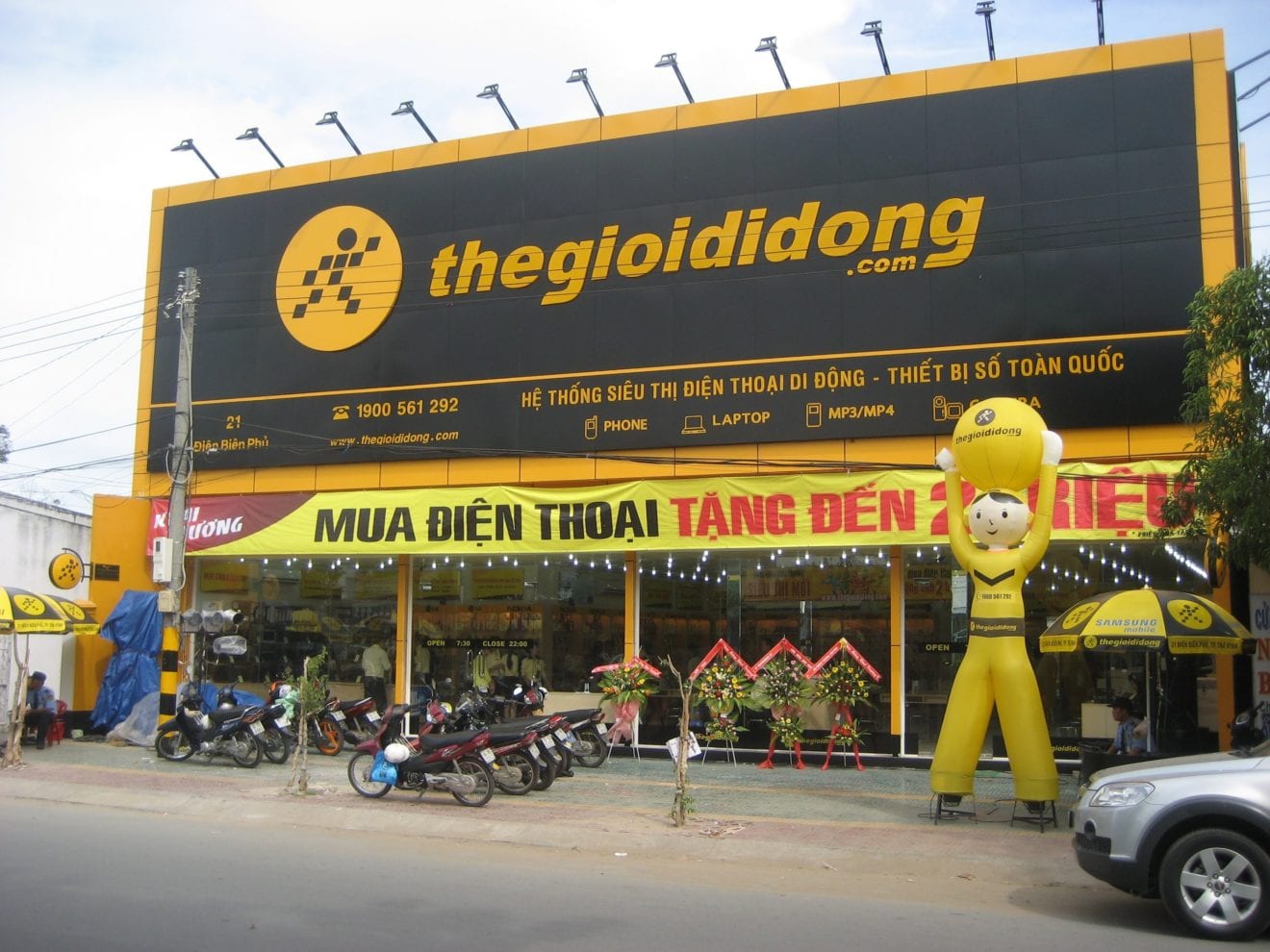
    The Gioi Di Dong, a Vietnam retailer known for its 450-strong chain of bright yellow phone retail stores says it will launch a new convenience store format in October.

    Dang Thanh Phong, a spokesman for the company which is also known as Mobile World Investment Corporation, said the company plans to open between 6000 and 8000 convenience stores by 2020, and take up to15 per cent of convenience food and grocery market.

    Mobile World also currently operates 37 electronic stores known as Dien May Xanh.

    Vietnam’s convenience store sector remains in its infancy despite relatively recent forays by Circle K and FamilyMart. 7-Eleven, the world’s largest c-store operator, recently signed a Vietnam partner in IFB Vietnam, which owns the local Pizza Hut franchise. But 7-Eleven is planning just 1000 stores over the next decade, a fact that tests the credibility of Mobile World’s ambitions.

    The first five new The Gioi Di Dong convenience stores will open in October, with as many as 50 trading by the end of this year according to information obtained by the Saigon Times Online.

    In an initial year-long trial phase, the company will invest up to VND50 billion (US$2.24 million) refining the concept.

    The Gioi Di Dong says its stores will have a footprint of between 150 and 400 sqm depending on their location and will trade from 6am to 9pm – shorter hours than the c-stores of established international brands, some of which trade around the clock.

    A month out from the first opening the chain’s brand name has yet to be chosen.

    CEO Tran Kinh Doanh was quoted on news website Zing.vn says the new store network will target customers of traditional markets and grocery stores.

    While it may lack experience in convenience or food retailing, The Gioi Di Dong has a strong pedigree in retailing: In the first seven months of this year it reported sales of VND12.92 trillion, or US$566.26 million – a year on year increase of 158 per cent.

  • Apple Vietnam retailers appointed

    Apple Vietnam retailers appointed

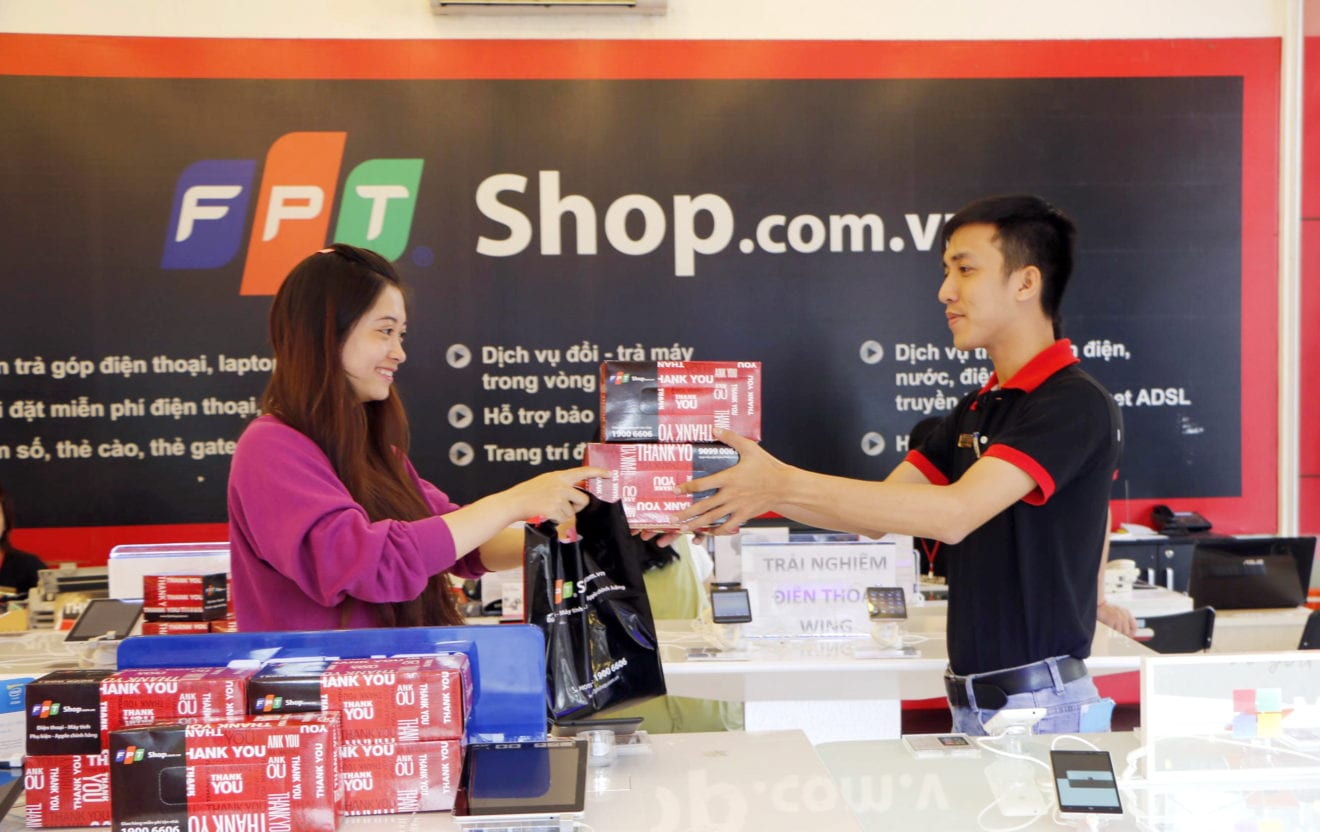
    Official Apple Vietnam retail stores have been appointed to receive stock directly from the California-based tech giant.

    One official retailer is FPT Shop, which currently operates retail stores in Vietnam selling Apple products imported from other Asian countries and reselling them for as much as 50 per cent more than they can be bought in Thailand, Malaysia or Singapore. FPT has 220 stores in Vietnam.

    The director general of FPT Shop, Le Bach Diep, announced at a press conference in Hanoi last week that her company would important iPhones and iPads directly from Apple. Apple Vietnam would receive new models at the same time as other ‘third ranked’ markets – assigned a lower priority than the US, Japan and China in the first group and Hong Kong, Australia and Singapore in the second.

    She says that means new model Apple products will go on sale in Vietnam sooner after overseas release than before. In return, Apple gets a specialised after sales service network.

    Meanwhile, rival chain The Gioi di Dong announced it would be sourcing Apple products direct from Apple from September – instead of having to import them through FPT Trading.

    Neither company will be allowed to supply other dealers on a wholesale basis.

  • Vietnam leads SE Asian smartphone rush

    Vietnam leads SE Asian smartphone rush

    Vietnam is the fastest growing smartphone market in South East Asia, where sales topped $8bn in the first half of the year according to new figures.

    Data from market researcher GfK indicated that, overall, some 39.8m smartphones were sold in the region, up from 36.6m in the corresponding period of 2104.

    Sales volumes in Vietnam rose 27% in the first half of 2015 compared to the same period a year earlier to reach to total of 6m, making it the third largest smartphone market in the region, Inside Retail Asia reported.

    Thailand was the second-fastest growing market, up 13% to a total of 6.6m, a figure which also put in second place in terms of market size. The Philippines was the third fastest-growing market, up 10%.

    Indonesia, however, remains the largest market in terms of volume, with 14.9m units shifted in six months.

    Sales growth was sluggish in the mature markets of Singapore and in Malaysia, where consumers have cut back on their spending since the introduction of a general sales tax.

    GfK has also started tracking the mobile handset market in Myanmar and reported that 3m units had been sold in the first half, with most of these being smartphones (89%).

    “The availability of a wide range of lower price options nowadays have made it possible and much more affordable for price-sensitive consumers in these developing markets to switch over and own their first smartphone,” said Gerard Tan, GfK account director for technology.

    He pointed out that in the first half of 2013 just 15% of smartphones sold in the region had cost under $100, a proportion that has now climbed to 35%.

    Indonesia, he added, was the country with the most number of entry level smartphone brands and consumers in the region.

    This transformation is being almost entirely driven by Chinese brands, which now account for around 25% of the region’s market compared to 4% in 2013.

    “The perception of Chinese brands has been elevated considerably as a result of their heightened marketing campaigns and the opening up of dedicated showrooms and retail counters,” Tan said.

  • Retail building oversupply reaches alarming level in HCM City

    Retail building oversupply reaches alarming level in HCM City

    A Cushman & Wakefield’s report shows that the retail rent in the second quarter fell by 5 percent compared with the same period last year. Meanwhile, the supply is forecast to soar to 1.5 million square meters by 2020, 200 percent higher than today.

    According to Savills Vietnam, the total retail premises area which has been put into operation by August, had reached 940,000 square meters. It is expected that the market would have an additional 200,000 square meters from 10 projects.

    In the eastern part of HCM City, which is considered the ‘hottest spot’, at least 300,000 square meters of trading floor – a basement of apartment blocks – would become operational in 2015-2018.

    The retail supply boom in the eastern part of the city is attributed to the city’s policy on increasing infrastructure investment in the area. However, the existing shopping malls in the area remain poorly patronized.

    Viet An Hoa’s CEO Tran Khanh Quang warned that 300,000 square meters of retail premises was too high and may lead to an oversupply.

    The retail premises area in the southern part of HCM City has also been increasing. According to Savills Vietnam, there are about 151,000 square meters of modern retail premises under exploitation, including 60,000 square meters, or 40 percent, in Phu My Hung new urban area.

    It is expected that 80,000 more square meters of retail premises will hit the market by 2016.

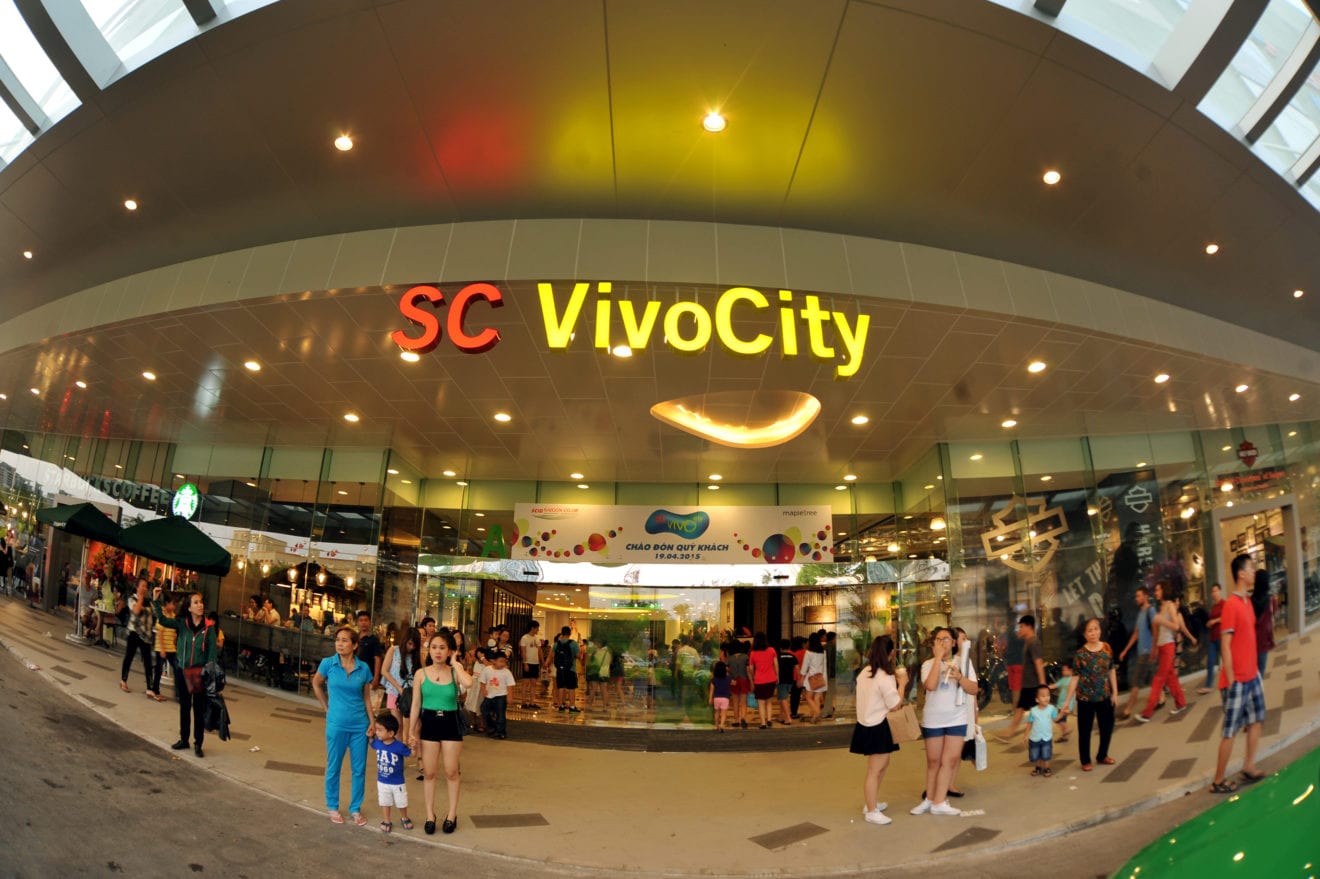
    SC Vivo City (41,000 square meters), Crescent Mall (45,000) and Parkson Paragon (12,800) are the three largest shopping malls in the southern area of the city. But they are not crowded on week days.

    “The retail premises are in oversupply,” said Nguyen Van Duc, Deputy Director of Dat Lanh Real Estate.

    “Even the shopping malls in advantageous areas are deserted these days,” he said, adding that investors should not ‘be overly excited with retail building projects’.

    He went on to say that it was a ‘blunder’ for project developers to set up shopping areas in the basement of buildings.

    The shopping malls at apartment buildings, together with separate shopping malls above ground, will lead to an oversupply of retail premises.

    However, Le Thi Kim Hoa from Cushman & Wakefield is optimistic about the market, saying that the supply would force rental prices of retail premises down, which will benefit customers.

    Savills Vietnam’s Nguyen Thi Van Khanh noted that, compared with Bangkok, which has 8 million square meters of retail premises, and Singapore with 4 million, the retail premises total area of less than 1 million was ‘modest’.


  • Johnny Rockets to focus on Southeast Asia

    Johnny Rockets to focus on Southeast Asia

    US burger chain Johnny Rockets says Southeast Asia – particularly Vietnam and Thailand – will be the focus of its global expansion in the short term.

    Based on Johnny Rockets’ “all-ages appeal and current success in the region” the company is seeking area developers for expansion into both new markets.

    “The popularity of American culture and cuisine in Southeast Asian countries is the driving force behind our current success and growth in these markets,” said James Walker, president of operations and development with Johnny Rockets.

    “Due to Thailand’s and Vietnam’s customer base and proximity to other Southeast Asian countries where we operate, we see huge potential for the brand in those countries, and we are actively seeking franchise partners looking for development opportunities.”

    In addition to its Southeast Asia strategy, Johnny Rockets is also seek a partner in entering Hong Kong. Earlier this year, Johnny Rockets announced a 100-restaurant agreement in mainland China, the largest expansion in the company’s history.

    Walker says Southeast Asian consumers have “enthusiastically embraced” American restaurant franchises for years, and that has proven true for Johnny Rockets. The brand currently operates in Indonesia, the Philippines and Malaysia through 14 restaurants and has eight more in development.

    He says Johnny Rockets’ signature American menu, including cooked-to-order hamburgers, crispy fries, hand-spun shakes and sandwiches, coupled with its “Americana experience” appeals to Asians.

    “What we have found is that as the region’s middle class booms, that population segment is looking for and willing to spend more on premium burger concepts. They certainly find that with Johnny Rockets. They also discover and relish our experience and entertainment value.”

  • G-Star Raw eyes Malaysia, Vietnam

    G-Star Raw eyes Malaysia, Vietnam

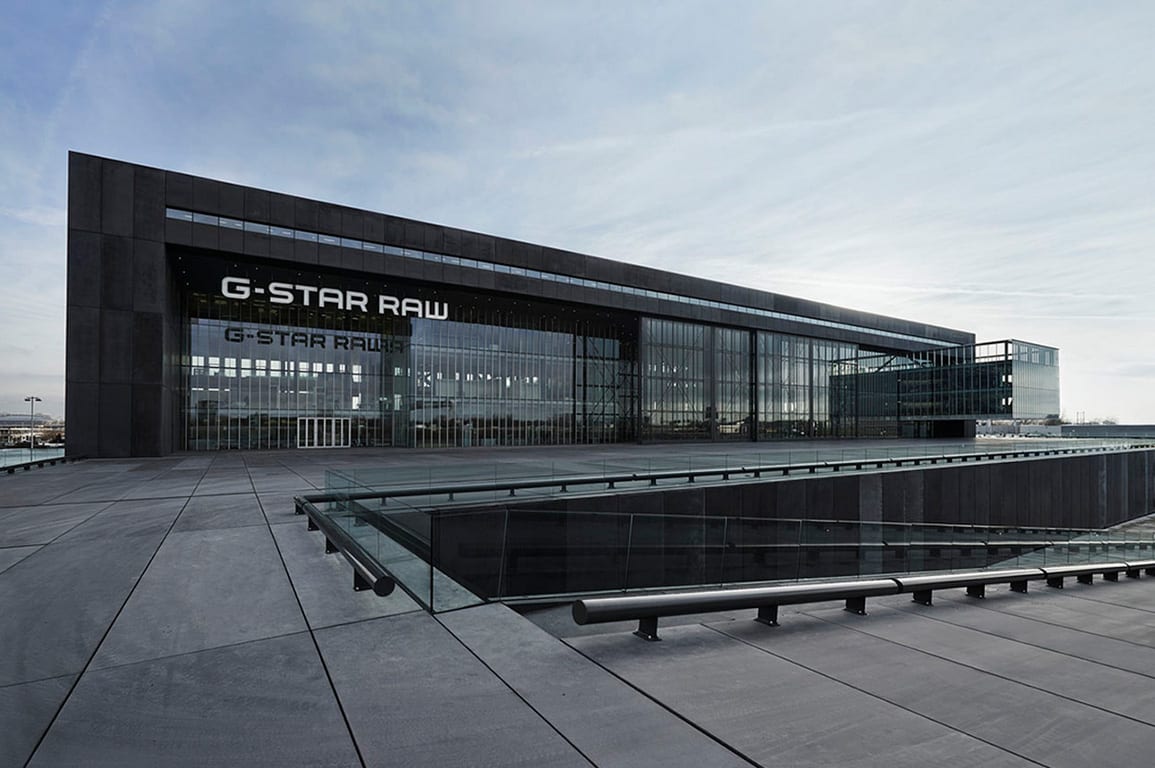
    Fashion denim brand G-Star Raw says it is considering forays into Malaysia and Vietnam after a successful debut in India.

    G-Star recently opened its first Indian store in Mumbai’s Palladium Mall and plans a network of up to 35 stores by 2020 in partnership with local venture Genesis Luxury.

    “India is an emerging powerhouse, and we want to be part of this growth – particularly as the middle class’ capacity to spend on consumer goods, such as clothing, continues to increase,” a spokesperson for the company told Just Style.

    G-Star Raw already has stores in Australia, China, Japan, Singapore, Thailand, Indonesia and the Philippines.

    “We are looking to expand into Malaysia, and potentially Vietnam, in the future,” the spokesperson said in the interview.

    “We believe the G-Star Raw brand has the potential to grow not only in metropolitan cities, but also in these fast emerging ‘smart cities’.”

  • Chinese shoppers feel safer online

    Consumers across Southeast Asia and Greater China feel safer paying in a brick and mortar environment as opposed to online; sole exception is China

    According to the inaugural MasterCard Safety and Security Index, consumers across Southeast Asia and Greater China cited identity theft and ATM-related fraud as the top two security concerns when it comes to electronic payments.

    Some 42 per cent of consumers in Southeast Asia (Indonesia, Malaysia, Philippines, Singapore Thailand, and Vietnam) were most concerned with ATM-related fraud such as a stolen card, card cloning or skimming. In the Greater China markets (China, Hong Kong and Taiwan), this figure was 31 per cent.

    But the biggest surprise was in confidence in shopping online. The Index showed that in general, consumers across Southeast Asia, and the markets of Taiwan and Hong Kong still feel safer paying in a bricks and mortar environment than buying online. China differed, being the only market where consumers felt paying online was safer than in a physical store; even more so than in Singapore.

    Almost every consumer polled in the Greater China markets had made an online payment in the past year. Consumers in China (62 per cent) particularly favored the use of digital wallets in online electronic payments over those in Hong Kong (14 per cent) and Taiwan (29 per cent).

    Consumers across Southeast Asia (35 per cent) and Greater China (32 per cent) were almost as equally concerned about identity theft in relation to data breaches. This includes personal data such as bank details, personal IDs, addresses, and signatures that are stolen or compromised through websites. In both regions however, it appears that these concerns do not directly stem from consumers’ own personal experiences but rather, as a result of the perceived severity of fraud based on what was reported in the media.

    MasterCard chart1

    Meanwhile, the Index also reinforced that banks continue to play a critical role in ensuring payment safety and security for consumers in Southeast Asia. This is both, because of the high levels of trust consumers place in banks as well as the reliance that consumers have on banks to help them resolve issues that crop up in this area.  Banks are often the first line of defense and recourse for the affected consumer – nearly half of all consumers in Southeast Asia who experienced ATM fraud first approached their card-issuing banks for advice.

    “The fact that most cardholders have a primary relationship with their banks, has an obvious and deep-rooted correlation to their sentiment, around who they trust most when it comes to ensuring the safety and security of electronic payments,” said Ari Sarker, oo-president, Asia/Pacific, with MasterCard.

    “This was emphatically reflected in the feedback from all the markets in Southeast Asia and Greater China. However, in Singapore in particular, in addition to banks, consumers also placed significant trust in the government, which is a natural outcome given the country’s strong regulatory environment and overall reputation around safety and security.”

    None of the respondents surveyed in Southeast Asia placed any trust in local websites, suggesting that there is still a lot of work to be done by local eCommerce merchants to ensure that they meet global security standards for payments and build consumer confidence on this front.

    In Greater China, aside from banks and governments, merchants were also seen to have a growing responsibility in ensuring payment safety and security, with 28 per cent of consumers in these markets going to merchants as their first recourse in seeking resolution for payment safety and security issues. Furthermore, merchants in these markets were instrumental in solving 40 per cent of all online electronic payment disputes.

    These and other key findings of the MasterCard Safety and Security Index will be discussed at the MasterCard Global Risk Leadership conference in Singapore on August 26 – 27. The 20th edition of this conference will gather global payment risk leaders to share best practices in fighting fraud together, as an industry. The conference demonstrates MasterCard’s commitment in helping partners and customers fight fraud using the latest tools, processes, and technologies so there is no one weak link in the payments ecosystem.

    The survey was carried out across in six markets in Southeast Asia (Indonesia, Malaysia, Philippines, Singapore, Thailand, and Vietnam) as well as three markets in Greater China (China, Hong Kong, and Taiwan). A total of 6600 consumers and 100 merchants were polled online and face-to-face between January and May 2015 on questions relating to the payments security landscape, payments in brick and mortar and online, safety and security payment concerns and experience with payment fraud, among others.

  • RedMart Singapore raises $26.7m

    RedMart Singapore raises $26.7m

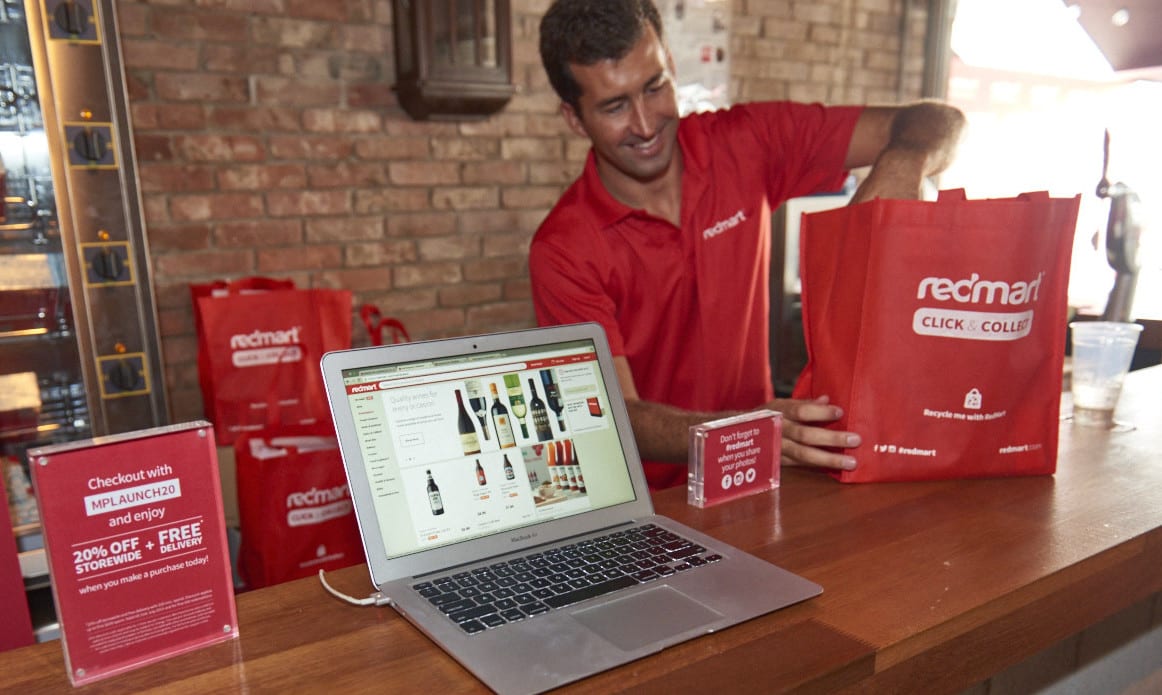
    Singapore online grocer RedMart has raised more capital and appointed a former Amazon executive to drive regional expansion.

    RedMart Singapore has previously indicated an interest in expanding into Vietnam, Thailand, Manila, Hong Kong, Indonesia, Malaysia and Taiwan – but it has not disclosed which markets it sees as a priority with its newly secured funds.

    RedMart has secured US$26.7 million in a round of funding tapping existing shareholders Garena, Softbank Ventures Korea, Visionnaire Ventures and Facebook co-founder Eduardo Saverin. It has also attracted a new investor – Far East Ventures, part of Singapore property developer Far East Organization which is diversifying its investment portfolio eyeing startups and tech ventures.

    The funds will be used to expand into regional markets outside Singapore, a move to be led by new recruit Colin Bryar, a former VP of US eCommerce giant Amazon.

    RedMart Singapore increased sales to US$9.43 million in 2014, but massive investment in infrastructure saw its losses balloon to $29.4 million – a not uncommon scenario of eCommerce startups.

    Bryan will oversee engineering, marketing and operations, taken over from co-founder Vikram Rupani, who takes on the title of President of RedMart.

  • Missha expands in Vietnam

    Missha expands in Vietnam

    Korean cosmetics retailer Missha has opened its 15th retail store in Vietnam.

    The newest store, at Cach Mang Thang St in downtown Ho Chi Minh City, is located in a neighbourhood popular with tourists and locals.

    Besides its focus on Vietnam’s most populous city, Missha is expanding in other Vietnamese cities. In April it opened in the holiday resort of Danang

    Missha Korea has 1650 stores in 29 countries including about 110 in Southeast Asian markets including Indonesia, Thailand and Singapore.

    The company says it sold US$570,000 worth of products in Vietnam in the first half of 2015, up 32.5 per cent on the same time last year.

    The Korea Cosmetics Industry Institute predicts Vietnam’s cosmetics markets will grow by 17.5 per cent this year, making it the second fastest growing market in Asia, behind India.

    “With Missha’s main items of makeup cosmetics, including mascaras and BB creams, we will accelerate the market invasion in Vietnam,” said Lee Kwang-sup, chief manager of Missha’s overseas business unit.

    “As Missha has already been established as one of the most popular brands in the country, we will dominate the market in advance by actively expanding stores.”

  • E-Mart calls time on closures

    E-Mart calls time on closures

    South Korea’s largest discount supermarket operator E-mart says it is recommitting to the China market and will stop closing stores there.

    E-Mart once operated 27 discount grocery stores in the mainland, but for the last five years has been constantly returning its model and shutting down underperforming outlets.

    However this week, an E-mart executive signalled a change of course.

    “After the August 3 closure of a branch in Shanghai, there will be no additional shutdowns of the remaining eight branches in east China,” a media spokesperson said.

    E-Mart, part of the Shinsegae corporation, says the restructuring and closures will reduce its net loss by 35 per cent this year and a greater focus on eCommerce will help it approach a hitherto elusive profitability.

    “The region continues to be one of the most profitable regions and some of our branches there are even posting a profit. China is a market that we cannot give up,” the spokesperson said.

    In 2011, E-Mart lost US$95 million on its China operations. It has not made a profit there since and in the first three months of 2015 it reported a $10.4 million loss.

    Despite the company’s poor fortunes in China, E-Mart is planning to open its first store in Vietnam in December and is also targeting Mongolia.

  • CapitaLand posts healthy quarter

    CapitaLand posts healthy quarter

    CapitaLand Limited has today announced a second half after tax group profit of S$464 million – 5.8 per cent up on the same period last year.

    The property giant, which derives 80 per cent of its revenue from Singapore and China, has a portfolio including shopping malls, serviced apartments, office blocks and hotels trading under a variety of banners.

    In a statement, CapitaLand said its operating profit was 87.6 per cent higher than the same quarter last year on account of gains from the change in the use of development properties for sale in China, namely The Paragon (Tower 5 & 6) and Raffles City Changning (Tower 3). These projects are at prime locations in Shanghai and the group has changed its business plans for these projects from strata-sale to leasing as investment properties.

    The result was impacted by an impairment for a development project in China.

    Revenue increased by 17.8 per cent on the back of higher contribution from development projects in China, partially offset by lower revenue from development projects in Singapore and Vietnam.

    The group says it recorded higher rental revenue from its shopping mall and serviced residence businesses during the quarter.

    Lim Ming Yan, president & group CEO, said CapitaLand’s well-balanced portfolio of investment properties and residential projects will continue to generate recurring income and trading profits for the group.

    “While CapitaLand remains focused on Singapore and China as core markets, it is exploring opportunities to expand in growth markets such as Vietnam, Indonesia and Malaysia. CapitaLand has built a significant scale across diversified asset classes and strong expertise in integrated developments, shopping malls, serviced residences and capital management. Coupled with its technology efforts, CapitaLand continues to strengthen its position for growth,” he said.

  • Dairy Farm reports modest growth

    Dairy Farm reports modest growth

    Dairy Farm says it achieved “modest” like-for-like sales growth in most of its major markets in the first half of this year.

    However, underlying profit fell 14 per cent to US$193 million, largely due to margin pressures in the food businesses and a disappointing half for its Guardian health & beauty group in Malaysia.

    With the early completion of the acquisitions of the San Miu supermarket business in Macau and the Yonghui stake (20 per cent) in China, both in April, sales for the period rose 27 per cent to US$8 billion. But like for like sales rose a more modest three per cent to $6.5 billion, or by seven per cent on a constant exchange rate basis.

    Dairy Farm International says that despite solid sales growth, cost pressures and food price deflation on certain commodities combined to squeeze margins in the first six months for the group’s Food businesses.

    “In Hong Kong, there were higher rental and labour costs. In Singapore profits were significantly lower due to competitive pressures, higher rents and a weaker Singapore dollar. Sales were buoyant in Malaysia, but there was continued margin investment to attract customers,” said chairman Ben Keswick in his half yearly report.

    “There was good like for like sales growth in Indonesia, but profitability declined materially due to higher labour costs following a further increase in the minimum wage, a rise in shrinkage costs associated with greater fresh sales and more rigorous stock management, and store rationalisation.

    “In the Philippines, the upscale and community supermarkets enjoyed sales growth, but the hypermarkets struggled.”

    Dairy Farm’s convenience store businesses in Hong Kong and Macau performed satisfactorily. Sales in Singapore, however, were weaker due to a reduction in the number of stores and the impact of recently introduced regulations restricting late night sale of alcohol.

    The Health & Beauty division produced higher sales. Hong Kong and Macau performed well despite some impact from a decline in tourist arrivals. In mainland China, there was further growth in the store base and an improvement in results. In Malaysia, profitability was lower following the introduction of GST on 1st April. In Indonesia, the results were impacted by wage and rent increases, while sales growth remained good. In the Philippines progress was made on the integration of Rose Pharmacy.

    In Home Furnishings, the IKEA stores in both Hong Kong and Taiwan traded well, and the new IKEA store in Indonesia continues to perform in line with expectations.

    In the Restaurant division, Maxim’s maintained its consistent performance with increased sales and profits in Hong Kong and mainland China. The group is growing its presence in Mainland China and continuing to expand its Starbucks network in Vietnam.

    At the end of June, Dairy Farm operated over 6400 outlets across all formats, including the newly added San Miu and Yonghui stores, and employed in excess of 170,000 colleagues.

  • MobiFone Vietnam moves into retail

    MobiFone Vietnam moves into retail

    Vietnam telco MobiFone says it will focus on expanding its retail presence in the coming year as it competes for market share.

    MobiFone Vietnam is one of three key mobile phone networks fiercely competing for a share of the nation’s burgeoning telecommunications business.

    In recent years rivals Viettel and VinaPhone have all stepped up their retail presence, but MobiFone has less profile at storefront level.

    Speaking at a shareholders meeting last week, MobiFone Vietnam general director Cao Duy Hai said the company will focus on its businesses in telecom, television, retail and multimedia in the 2015-20 period.

    He said the company planned “a large distribution channel” to increase MobiFone’s market share. Local commentators suggest this may include partnerships with mobile phone brands such as Samsung, Apple, Oppo and Huawei, all strong players in Vietnam.

    Viettel has stores in many cities and provinces throughout the country and VinaPhone has co-operated with Apple, among others, to distribute its products. But MobiFone tends to rely on trade through independent stores who can connect customers to any of the networks.

    MobiFone is 100 per cent Government owned and also has businesses in construction, minerals, broadcasting and multimedia.

  • Popular Vietnam restaurant ratings website Foody to launch in Indonesia

    Popular Vietnam restaurant ratings website Foody to launch in Indonesia

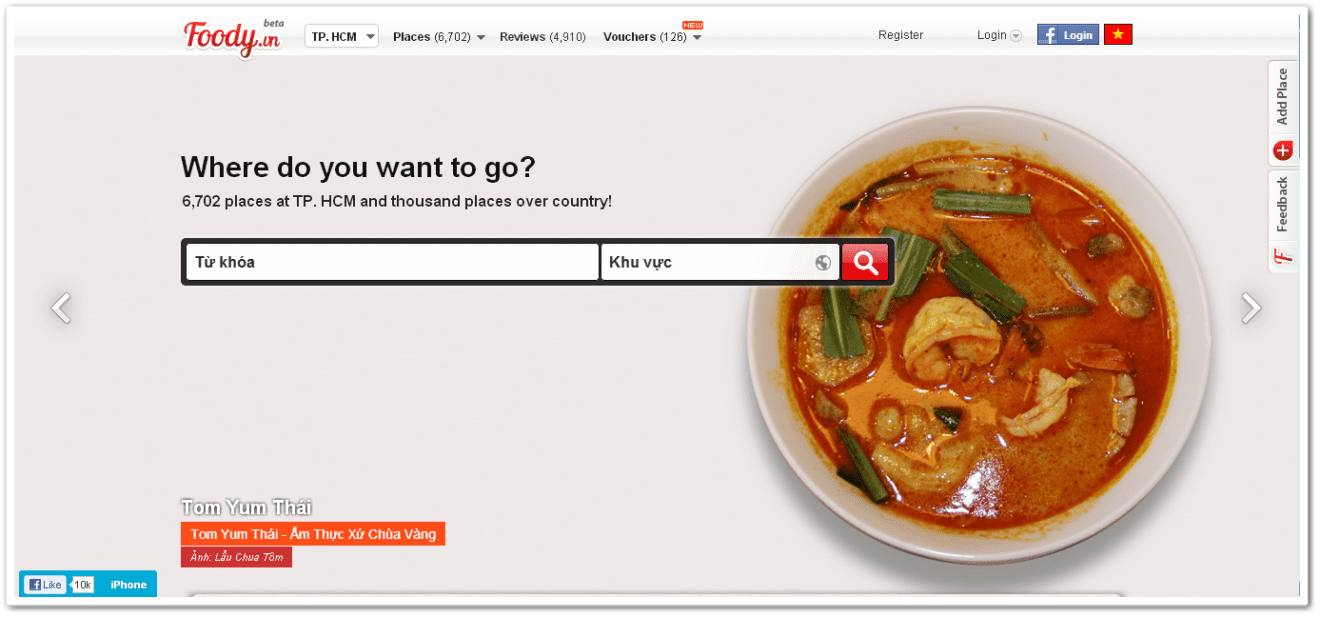
    Foody, a Vietnamese start-up providing online crowd-sourced reviews about local businesses, mostly restaurants and hotels, will launch its website in Indonesia on August 10, news website VnExpress reported Monday.

    Dang Hoang Minh, a co-founder, was quoted as saying that after Indonesia his company would expand to some other Southeast Asian countries, possibly Malaysia, Laos, and Cambodia.

    The expansion plan was announced not long after Foody received a fourth round of funding since it was founded in 2012.

    US’s Tiger Global Investment is the latest investor to pump money into the young company, whose website now boasts around eight million visits a month.

    Foody had earlier got funding from Japan’s CyberAgent Ventures and Pix Vine Capital and Garena of Singapore.

    But it has not disclosed any of the amounts.