Tag: Vietnam

  • Jollibee scouring China, US for acquisitions

    Jollibee scouring China, US for acquisitions

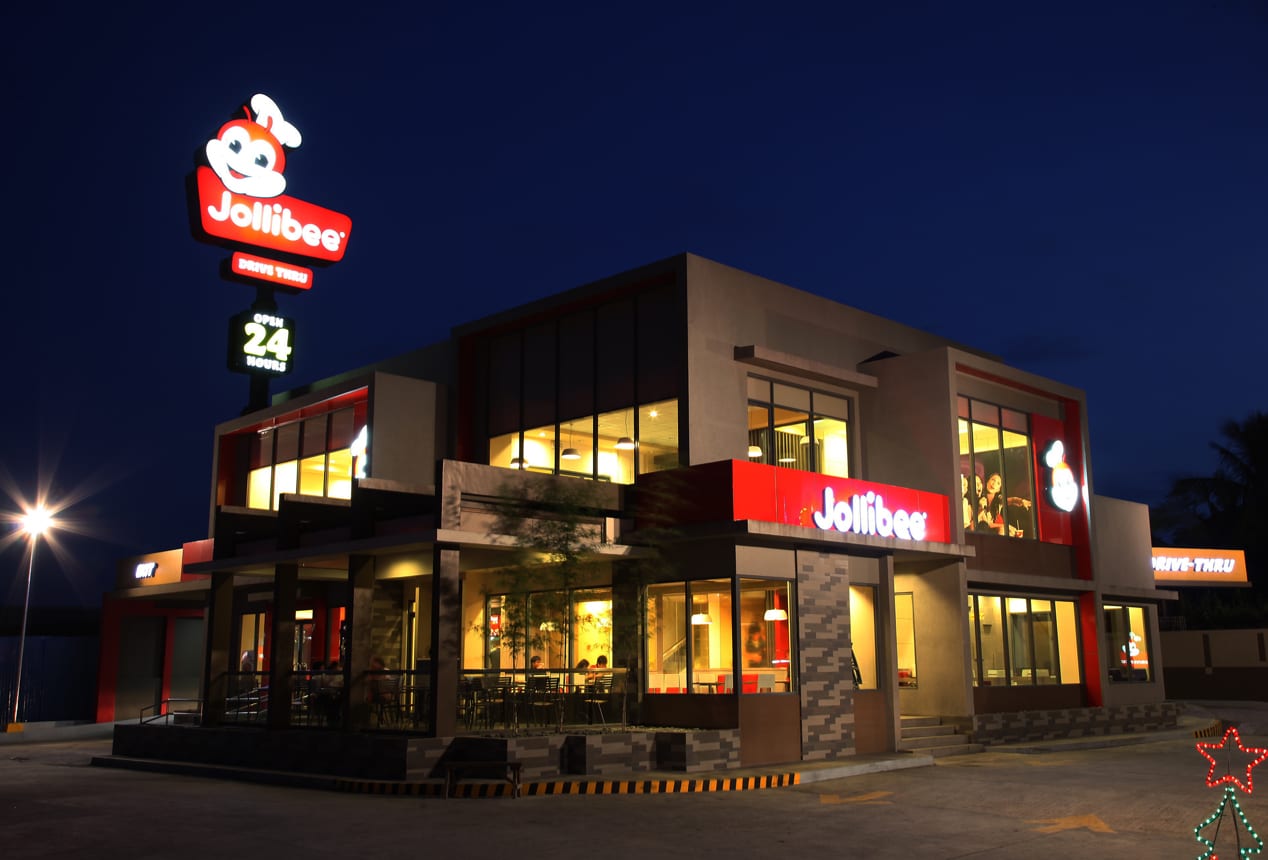
    Philippines-based Jollibee Foods is actively searching for at least two more established fast food or QSR restaurant chains to boost its brand portfolio.

    Jollibee chairman Tony Tan Caktiong says the company will pay up to $100 million for each investment and it is specifically looking at opportunities in China and the US.

    The comments follow the company’s recent purchase of a 40 per cent stake in fast growing US fast food operator Smashburger, for which it shelled out $99 million.

    The search is part of a strategy to increase the proportion of the company’s revenue sourced from outside the Philippines. Jollibee openly aspires to become one of the world’s largest fast food operators and it already ranks 10th as defined by market capitalisation – and first in Asia.

    But to be truly considered a global player, the company needs to derive at least 50 per cent of its income from offshore – currently that share sits at about 20 per cent.

    Earlier this month, Jollibee said it planned to enter seven new international markets over the next two years, along with 20 additional outlets in Vietnam, and another 12 in Brunei during coming months.

    Dennis Flores, VP for international operations of Jollibee, has revealed the company plans to take its mainstay Jollibee burger restaurant brand Jollibee into the UK, Italy, Canada, Malaysia and Oman in 2016. Forays into Australia and Japan will follow in 2017.

    Jollibee, publicly listed in the Philippines, had been actively seeking an investment in a leading US growth brand to gain a foothold in the US, as part of its broader plan to become an international restaurant operator. It currently operates and franchises a network of more than 3000 restaurants worldwide under the trade names Jollibee, Chowking, Greenwich, Red Ribbon, Yonghe King, Hong Zhuang Yuan, Mang Inasal, Burger King Philippines, San Pin Wang, and Jinja Bar. Jollibee also has a 50 per cent interest in the Super Foods Group, which operates and franchises restaurants under the Pho 24 and Highlands Coffee brands throughout Vietnam.

    Jollibee’s network outlets have reached 3,023 worldwide, with 2,393 of them in the Philippines, and 630 outlets abroad.
  • Parkson expands into food to stem losses

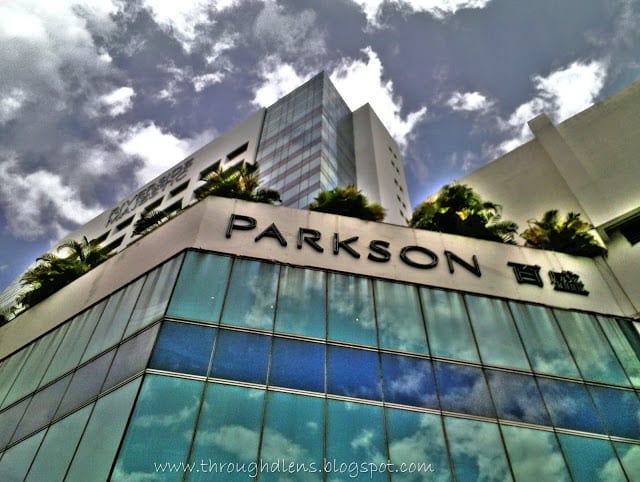
    Parkson expands into food to stem losses

    Hit with a 15 per cent sales slump since the introduction of GST in Malaysia, embattled department store operator Parkson is set to enter new categories – gourmet food, supermarkets, beauty  – and import new fast fashion brands.

    The company has invested RM100 million (US$22.8 million) into a rebranding and repositioning project.

    It will also introduce variations of its reform into other countries where it operates: Vietnam, Indonesia, China, Myanmar and Cambodia.

    Parkson Retail Asia director Datuk Magic Lee said in a media briefing that the group expected sales to fall as much as 15 per cent after GST came into effect and that the company has also been hit by a heavy devaluation of the ringgit.

    “We will keep doing this. Retail needs to keep changing or it will get boring. We will continue investing in new businesses, bringing in new brands, even in food and beverage. We plan to bring in a bakery in the future.”

    Parkson plans to launch three “affordable” fast fashion brands from Korea into Malaysia soon, targeting about RM60 million in annual sales from the stores in stores. Those brands are Spao, Mixxo and Who.A.U. The first concessions will open on November 27.

    Lee says the company plans to build a portfolio of about 100 brands in its apparel offer and will also continue to open new stores throughout the region.

    “At the moment, we are very aggressive in South-East Asia. In Malaysia, we open three or four new outlets each year, and in Indonesia between three and five outlets,” he said.

    “In Southeast Asia, we are still fairly competitive. Competition here [in Malaysia] is not so severe. Many strong brands have not come to Southeast Asia yet, so we can bring these brands in.”

    Lee says while the company expects the weak consumer sentiment in Malaysia to continue, the company plans to remain proactive “so when the market is ready, we are ready too”.

    He hopes the rebranding campaign will fuel at least a 50 per cent rise in sales year on year.

  • Fashion chain M)phosis shutters stores

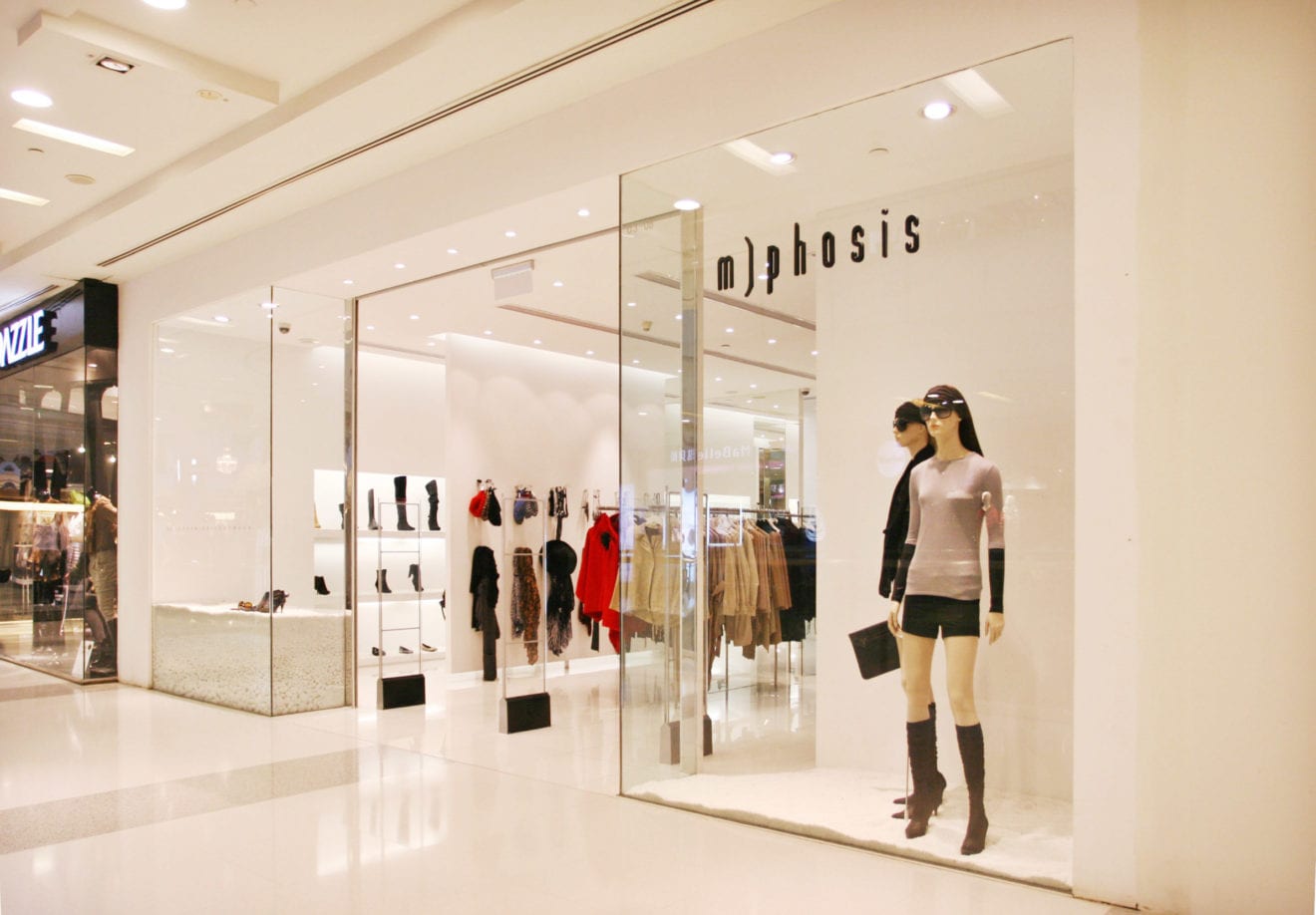
    Fashion chain M)phosis shutters stores

    Singapore-founded fashion retailer M)phosis is reportedly closing all its Southeast Asian stores due to financial challenges.

    The Straits Times has reported the chain is in the process of closing remaining stores in Vietnam, Malaysia, the Philippines and Indonesia – more than 10 in all. Its last Singapore store, in VivoCity, ceased trading at the end of August. Only its China stores will continue to operate.

    The company has not updated its Facebook page since August, but some disappointed fans of the brand have posted messages on the page, ranging from sadness at the retailer’s apparent demise to anger over being left with vouchers which can no longer be redeemed or cashed in.

    Director Hensley Teh confirmed to the Straits Times the brand remains in the China marketplace.

    “We were having a severe cash flow situation. We were not able to continue, despite wanting to. We did everything we could. We thank our customers, who have supported us all these years.”

    M)phosis made its debut in 1994, targeting women aged 18 to 35. At one stage it operated in Australia, Hong Kong, Dubai and Japan and had a network of 30 stores, but it has since retrenched from those markets.

  • Siam Makro eyes Myanmar, Vietnam, Indonesia

    Siam Makro eyes Myanmar, Vietnam, Indonesia

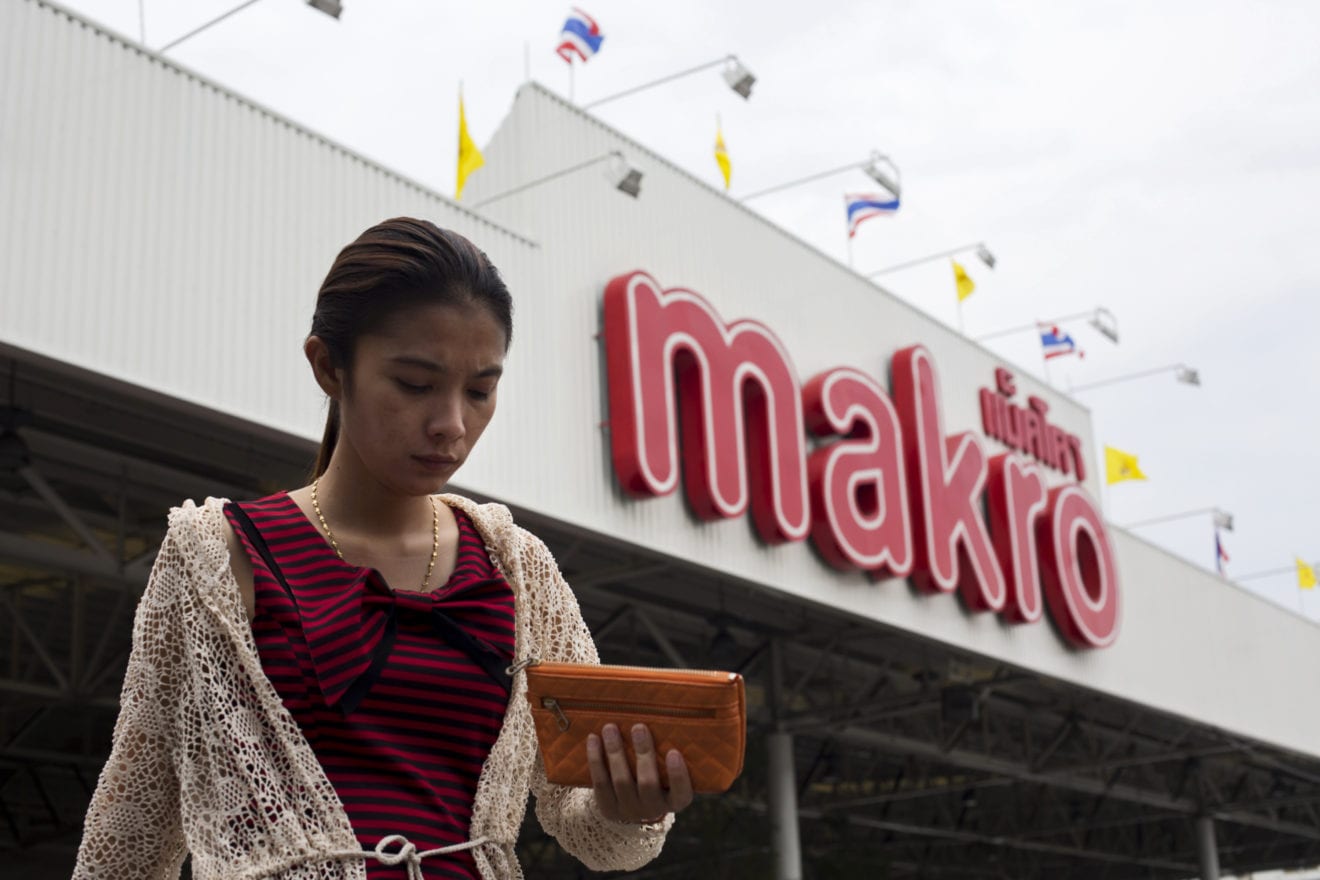
    Thai retailer Siam Makro says it is keen to enter Myanmar, one of three key Southeast Asian markets it considers a priority.

    Siam Makro, which operates the Makro-branded cash-and-carry stores, has confirmed to the Bangkok Post newspaper that it has completed a feasibility study on the fast-deregulating Myanmar market.

    CEO Suchada Ithijarukul said the company had met with the Thai ambassador in Yangon to explore procedures for entering the country.

    “We have conducted a feasibility study on Makro’s market opportunities in many Asean countries, with Myanmar, Vietnam and Indonesia being the priority destinations,” she said.

    “Siam Makro is studying Myanmar consumer behaviour and foreign investment laws. If the regulations are clear, it is ready to open its first store immediately.”

    Siam Makro is part of the powerful Thai conglomerate Charoen Pokphan Group.

  • Five Manchester City online stores launched in Asia

    Five Manchester City online stores launched in Asia

    English Premier League club Manchester City has partnered with EZ Shopnet to launch five online stores serving Asian fans.

    Manchester City online stores will be launched for customers in China, Hong Kong, Japan, Korea andSoutheast Asia.

    As the club’s new online retail partner for Asia Pacific, Hong Kong-based EZ Shopnet will help to meet fast growing demand across Asia Pacific for official Club merchandise. Each of the five stores operates in local languages and currencies, with local customer support enabling the club to get official merchandise to its fans quickly and cost effectively.

    Manchester City is following the lead of rivals Manchester United and Chelsea in cashing in on the growing fan base for EPL across broader Asia. It recently opened a regional management office in Singapore.

    Omar Berrada, group commercial director for City Football Marketing, which brokers Manchester City’s commercial partnerships and manages all of its retail and licensing, said that through EZ Shopnet, the club can get even closer to its growing fan base across Asia Pacific and deliver them a better and quicker service.

    “We have seen an enormous growth in our followers in the region and we are extremely happy that they will have easier access to official City kits and our wide range of merchandise than ever before.”

  • JYSK Vietnam plans up to 20 stores

    JYSK Vietnam plans up to 20 stores

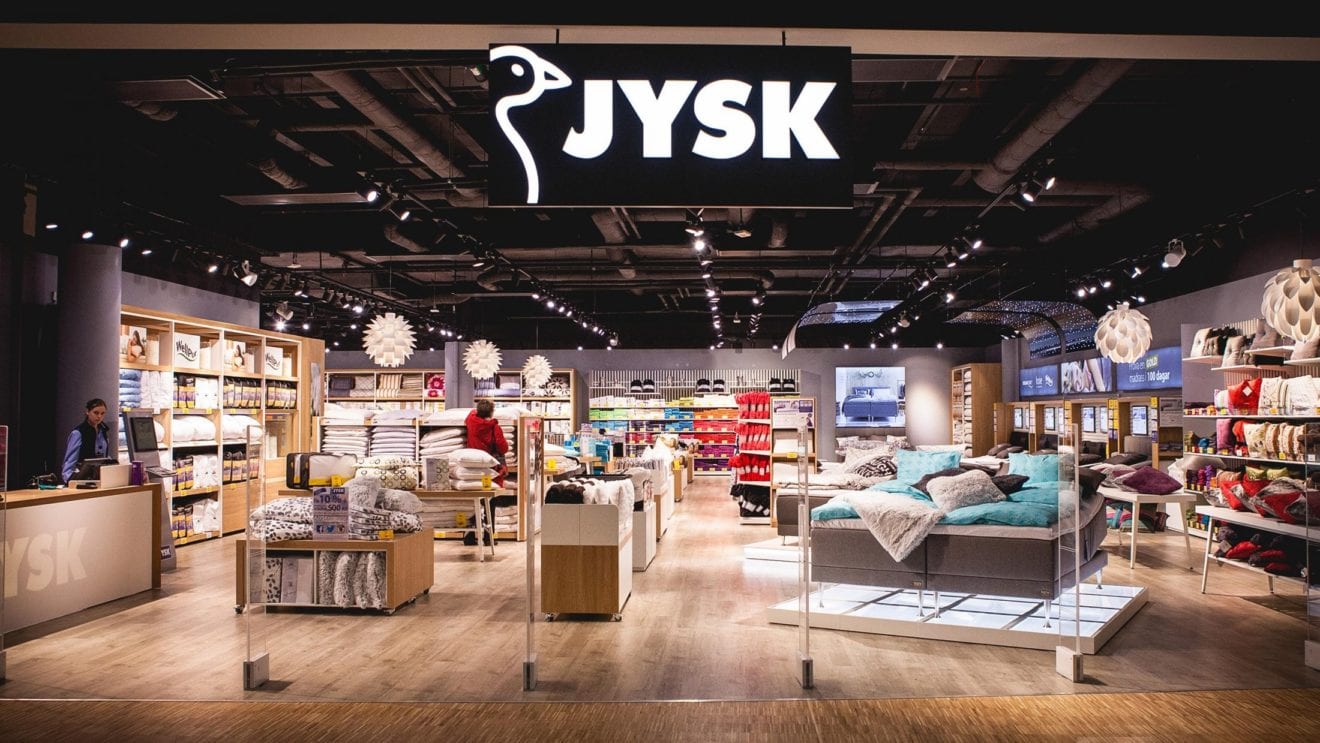
    Furniture retailer JYSK Vietnam has opened the first of 10 to 20 planned stores.

    The announcement comes just a month after the Danish brand opened its first outlets in Singapore, stores-in-stores within larger outlets operated by its local partner Courts.

    It has selected NeatClean as its Vietnamese partner with the first shop scheduled to open today (October 28) and a second on November 27.

    NeatClean JSC chairman Doan Hong Hai, told Vietnamese news media he believes the JYSK brand has a positive future in the country.

    “We will focus on middle-class customers and plan to open 10 to 20 shops in the next five years,” Hai said.

    Despite being Denmark’s largest international retailer, the brand’s Asian presence before it landed in Singapore, was limited to China and Indonesia, where it trades under the JYSK Nordic brand.

    JYSK was founded in 1979 and now has more than 2200 stores in more than 39 countries and annual sales of euro 2.8 billion.

  • Vietnam’s Vingroup snaps up local grocery chain

    Vietnam’s Vingroup snaps up local grocery chain

    Vietnam’s largest retail group has snapped up local supermarket chain Maximark.

    Vingroup, whose assets already include 12 Vincom shopping centres with a raft of its own retail brands inside, and 125 VinMart grocery stores, will rebrand the nine Maximark hypermarkets under the VinMart+ name.

    “The acquisition aims at expanding Vingroup’s retail network reinforcing the status of Vietnamese brands to create a counterweight to international brands that are coming into Vietnam,” Vingroup said in a statement.

    The seller is Hanoi-based An Phong JSC which developed the chain from scratch.

    “The nationwide expansion will assist the spread of Vietnamese product brands and help retain their market share, contributing to building the competitiveness of local manufacturers amid an influx of global companies into Vietnam,” Vingroup’s vice chairman Le Khac Hiep said.

    Vingroup plans to operate 40 shopping centres across the nation by the end of 2016 and 100 by 2020.

    In June, Vingroup Retail received a US$100 million private equity capital investment led by Warburg Pincus, to help fund its ambitious retail expansion plans.

    Vingroup Joint Stock Company is Vietnam’s largest publicly-traded real estate operator and one of its largest companies by market capitalisation.

    The Vincom Retail malls are home to more than 700 domestic and international brands, with major tenants such as Robins Department Store, Marks & Spencer, CJ CGV, Mango, DKNY, French Connection, BCBGMaxazria, Karen Millen, GAP, Lacoste, Nike, Adidas, Emigo, VinMart, VinPro and Vinpearl Land.

  • Singapore’s Wilmar invests $13mn to leverage Vietnam’s leading sauce brand

    Singapore’s Wilmar invests $13mn to leverage Vietnam’s leading sauce brand

    Wilmar International has teamed up with leading local retailer Saigon Co-op to form a joint venture for a multimillion-dollar sauce making plant in Vietnam, the Singaporean agribusiness group announced Tuesday.

    Wilmar International holds a 51 percent stake, worth around US$13 million, in the joint venture that will establish the Nam Duong International Foodstuff Corporation to overtake a project to build the $25.6 million sauce factory in Ho Chi Minh City.

    The new facility, to be located in the outlying district of Nha Be, will take over the current operations of an existing Saigon Co-op factory to manufacture sauces and condiments sold under the Nam Duong brand, according to Wilmar.

    The plant’s products will serve both domestic and export markets.

    Established in 1951, Nam Duong is amongst the leading brands for sauces and condiments in Vietnam, which include soy sauce, chilli sauce and tomato sauce.

    These products are also currently being sold in export markets such as the U.S., Canada and Europe and are favored by overseas and Vietnamese consumers.

    Nam Duong International Foodstuff Corporation will leverage Saigon Co-op’s strength in distribution and Wilmar’s experience in manufacturing operations as well as its research and development in food technology and also tap the agribusiness group’s global network for export sales, according to the Singaporean firm.

    “The combination of Saigon Co-op and Wilmar Group’s strengths in the Nam Duong International Foodstuff Corporation joint venture will be a milestone in the Vietnamese consumer market,” Saigon Co-op general director  Nguyen Thanh Nhan said.

    Saigon Co-op boasts the most extensive modern retailing network in Vietnam and has intimate knowledge of Vietnamese consumers’ taste and preferences, whereas Wilmar is experienced in the manufacture and distribution of food products globally, Nhan elaborated.

    The cooperation is also expected to “increase the reach of the Nam Duong brand and grow their sauces and condiments business significantly,” according to Ray Chew, country head of Wilmar’s business operations in Vietnam, Cambodia and Laos.

    Saigon Co-op is well known for its wide and varied distribution channels, including the Co.op Mart supermarket chain, Co.op Food convenience stores, Co.opXtra hypermarkets, Ben Thanh Store, the Co.op Store chain, and the SC VivoCity complex.

    In 2015, Saigon Co-op was conferred Vietnam’s Leading Retailer Award and was listed among the “Top 200 leading retailers in the Asia Pacific” by Retail Asia Publishing and market research group Euromonitor.

    Wilmar International, founded in 1991 and currently Asia’s leading agribusiness group, is ranked among the largest listed companies by market capitalization on the Singapore Exchange.

    Its business activities include palm oil cultivation, oilseed crushing, edible oils refinement, sugar milling and refining, specialty fats, oleochemical, biodiesel and fertilizer manufacturing, and grain processing.

  • Robinson Thailand plans more border stores

    Robinson Thailand plans more border stores

    Thai department store chain Robinson says it will open outlets in planned special economic zones to encourage cross-border trading.

    The Central Retail Corporation subsidiary says it will open a new Lifestyle Centre at Mae Sot in the Tak province, on the border with Myanmar. It follows a similar store which opened in Mukdahan, on the border with Laos, last year.

    “These stores are being built to take greater advantage of cross-border trade,” CRC international business director, and Robinson president Alan Thomson said in an interview published in The Nation.

    “SEZ projects are good initiatives but will take time to develop and for us to realise any opportunities,” he said.

    CRC operates 42 department stores in Thailand; and two more in Vietnam – one in each of Ho Chi Minh City and Hanoi – which trade under the Robins brand name. Its 15 Lifestyle Centres are additional to those.

    In the interview, Thomson talks about the company’s performance in Vietnam to date, its plan to add a well known US apparel brand to its store-in-store brand portfolio next year and how the company is coping with the stagnant Thai economy.

  • AuchanSuper Vietnam plans 18 stores

    AuchanSuper Vietnam plans 18 stores

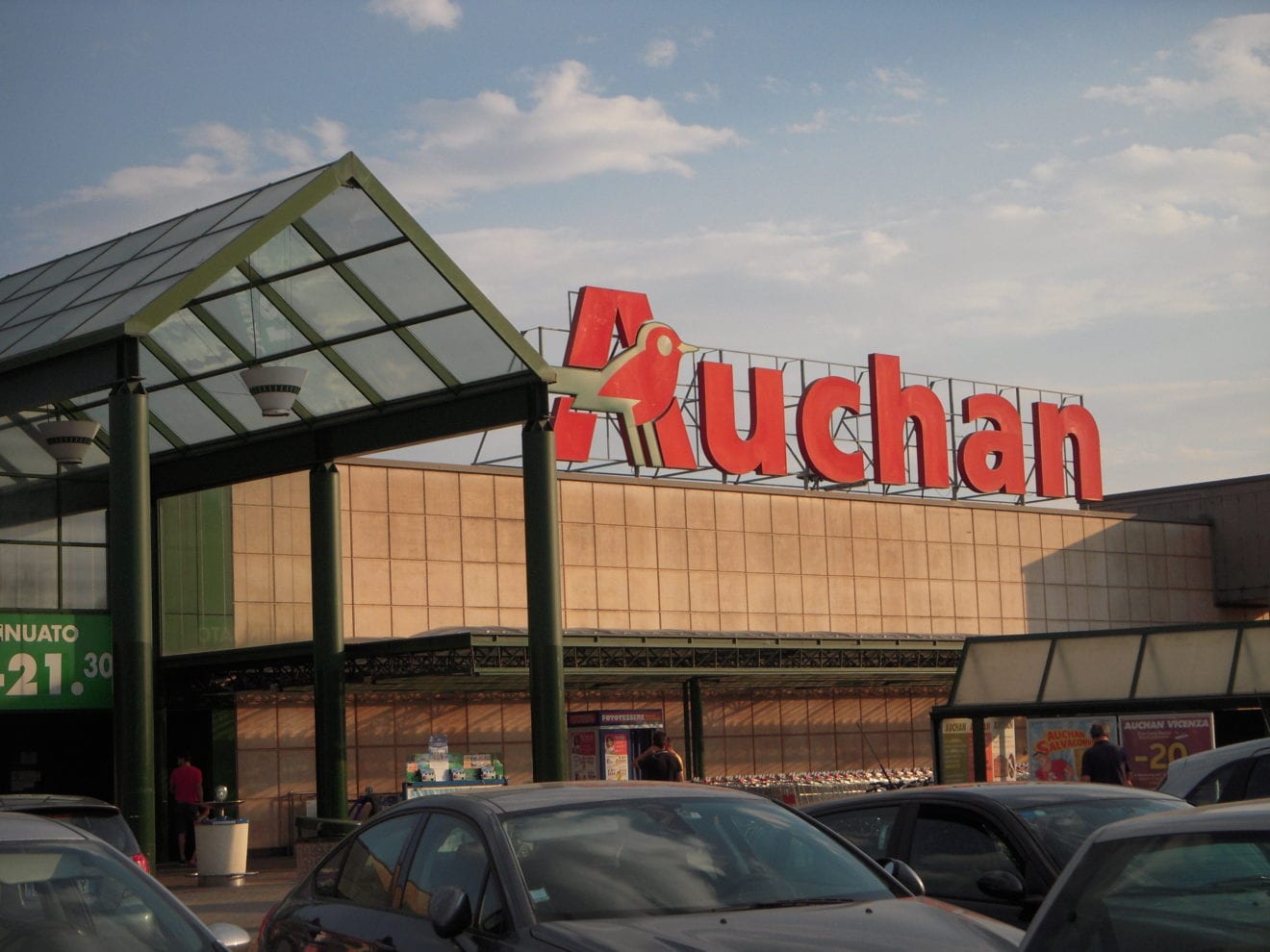
    Privately-owned French supermarket operator AuchanSuper has opened its first store in Vietnam, branded Simply Market.

    It plans 17 more before the end of 2016.

    The first store is trading in Ho Chi Minh City’s District 5, a middle class Vietnamese suburb not popular with expatriates, which gives a strong indication of the demographic the French company is targeting in Vietnam, its 15th international market.

    The first store will be followed by two more before this year ends, each with a footprint of 2000 to 3000 sqm.

    As the disposable income of Vietnam’s 90 million population increases, more and more foreign retailers are trying to establish a foothold in the country. The French-Thai joint venture Big C, Japan’s Aeon and South Korea’s Lotte Mart have the early running in the grocery market, while Circle K, FamilyMart and Berli Jucker’s B Smart are busily building networks of convenience stores before 7-Eleven makes its debut as early as next year.

    AuchanSuper is investing up to euro 40 million in its Vietnam foray.

  • Lotte Mart Vietnam in supermarket rollout

    Lotte Mart Vietnam in supermarket rollout

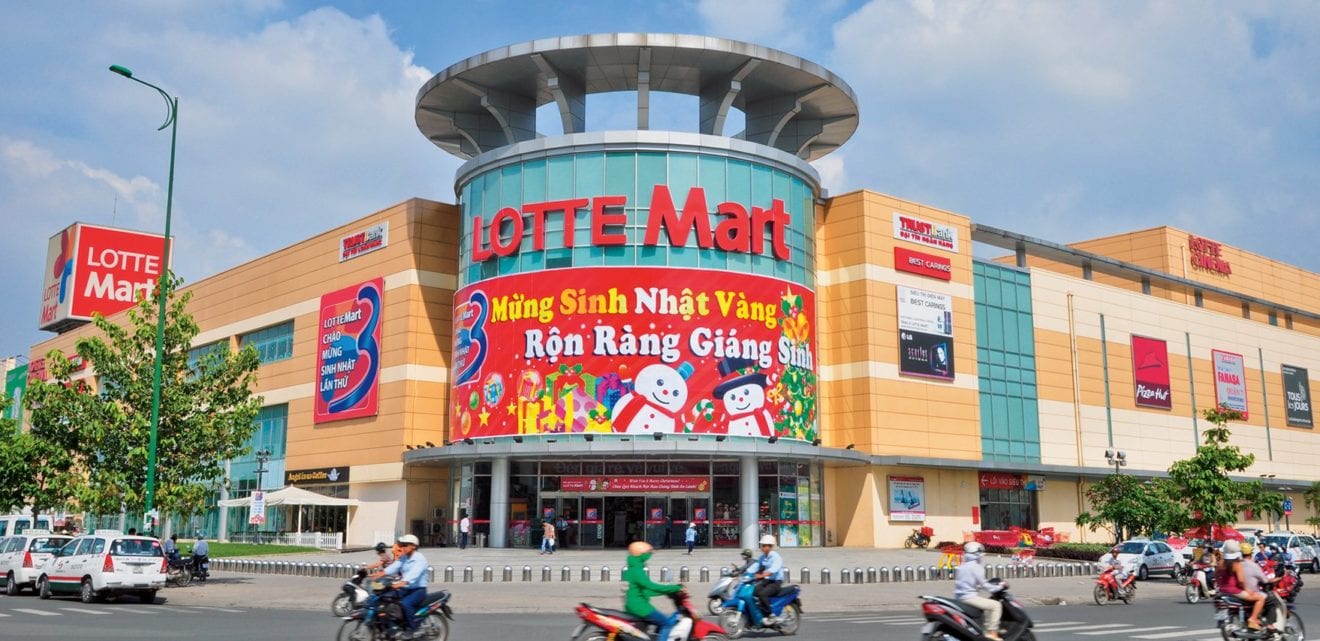
    Lotte Mart Vietnam plans to open 50 new supermarkets by 2020.

    The South Korean company’s Vietnam subsidiary operates just 11 supermarkets currently. Besides opening its own hypermarkets, the company has taken a strategic investment in local grocery retailers Citimart in Ho Chi Minh City and Fivimart in Hanoi which are now being co-branded and essentially operate as large convenience stores.

    Lotte Mart’s plans were revealed by the ViceConsul of the Republic of Korea, Hoong Soon Chang at a scholarship ceremony.

    Lotte also operates hotels in Vietnam, has a growing network of Lotteria fast food restaurants, is making property investments, including a half stake in shopping centre and office tower Diamond Plaza, and runs cinemas there.

    Lotte Mart Vietnam director general Hong Won Sik said the group is planning to boost its investment in the country because of its high growth rate.

    Vietnam’s GDP rose 6.81 per cent during the third quarter of this year, one of the fastest rates in Asia.

    According to Vietnamese news media, Korea is the largest source of foreign investment in Vietnam, with more than 4000 businesses now based there and a capital inflow of US$32.8 billion in the six months to July.

  • Story-i launches into Vietnam

    Story-i launches into Vietnam

    Apple reseller Story-i has launched in Vietnam hoping to replicate its Indonesian market success.

    The Singapore-headquartered electronic authorised reseller has opened its first Apple Premium Reseller (APR) store in the new SC VivoCity Mall in Ho Chi Minh City in Vietnam.

    The opening of the first store in Vietnam marks Story-i’s 17th outlet. The company owns and operates 16 stores throughout Indonesia, selling Apple, Samsung and Lenovo products.

    Story-i chose Vietnam as its next new market because of its “similar demographic and lifestyle consumer trajectory to Indonesia”.

    Management has identified Vietnam with 92 million population as the next high growth market and aims to open eight more outlets during the next three years.

    Said executive director Michael Chan: “This new store in Vietnam marks the beginning of our growth strategy to penetrate the expanding middle class of Southeast Asia’s population of 600 million. As we have done in Indonesia, we will anchor growth from prominent store locations and drive market penetration with our eCommerce offering.”

    He said the team was focused on rolling out a unique mix of electronic lifestyle products such as Apple and Lenovo as well as its enterprise solution and education services into Vietnam.

    “Our first Vietnam store continues to exceed our expectations for visitation and sales. This bodes well for extending the network through the smaller cities up to the northern capital, Hanoi.”

  • Smoothie King Vietnam expansion plan

    Smoothie King Vietnam expansion plan

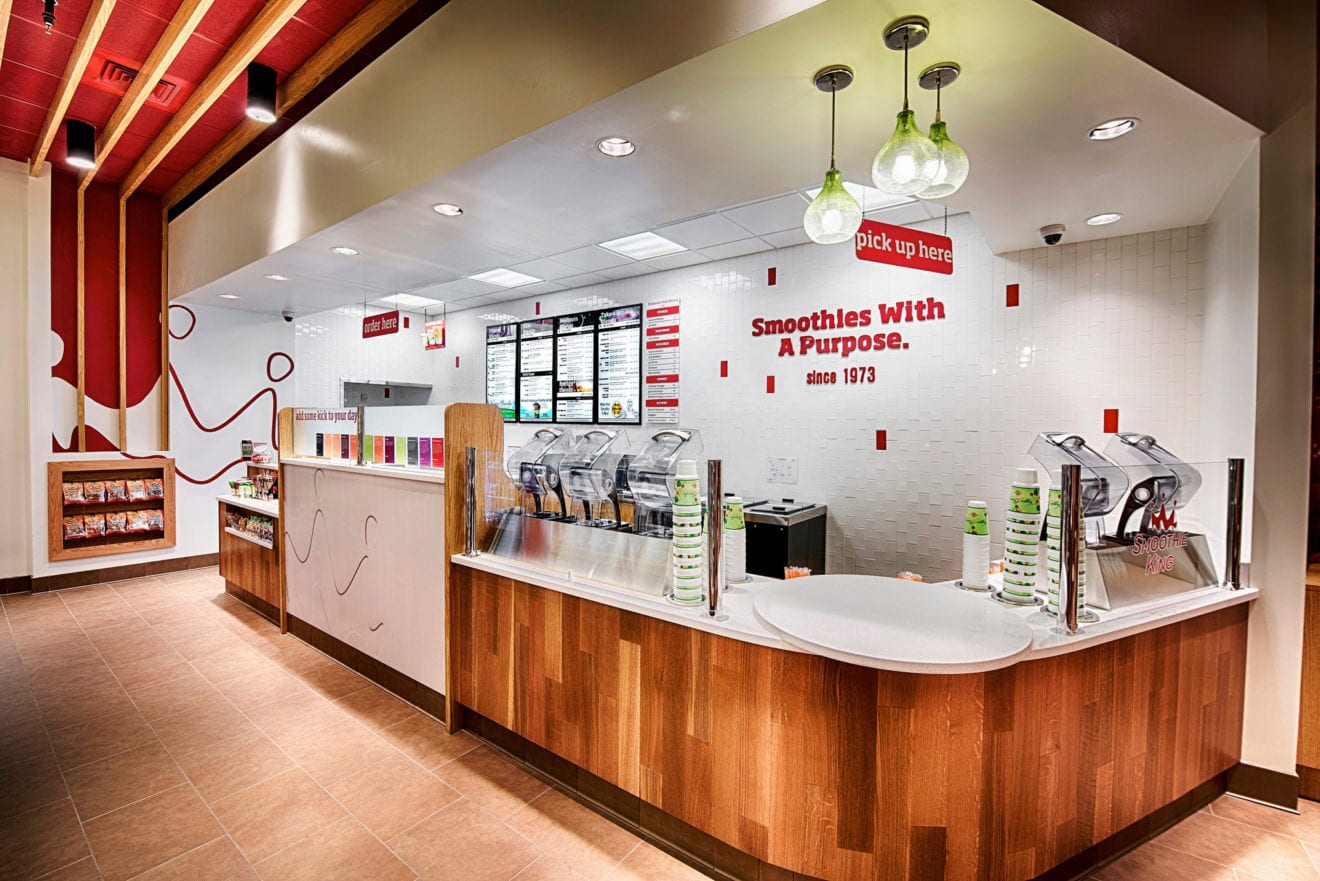
    South Korea’s Shinsegae Group is to buy the Korean network of 105 Smoothie King stores and launch the brand into Vietnam.

    Smoothie King Vietnam will initially be focused on the Ho Chi Minh City and Hanoi markets.

    Based in the southern US city of New Orleans, Smoothie King produces and markets smoothies, juices, sports drinks, energy bars, vitamins and health supplements. It currently boasts more than 700 locations worldwide and is targeting 1000 by the end of 2017.

    The Vietnam news follows an announced expansion into the Middle East earlier this year, commencing in Dubai.

    “This deal is monumental for Smoothie King – and one that we thought long and hard about. I was the master franchisee in Korea and bought the brand in 2012, making growth a primary goal for the company,” said Smoothie King CEO Wan Kim.

    Smoothie King 1

  • In Asia mom-and-pop stores continue to beat supermarkets

    In Asia mom-and-pop stores continue to beat supermarkets

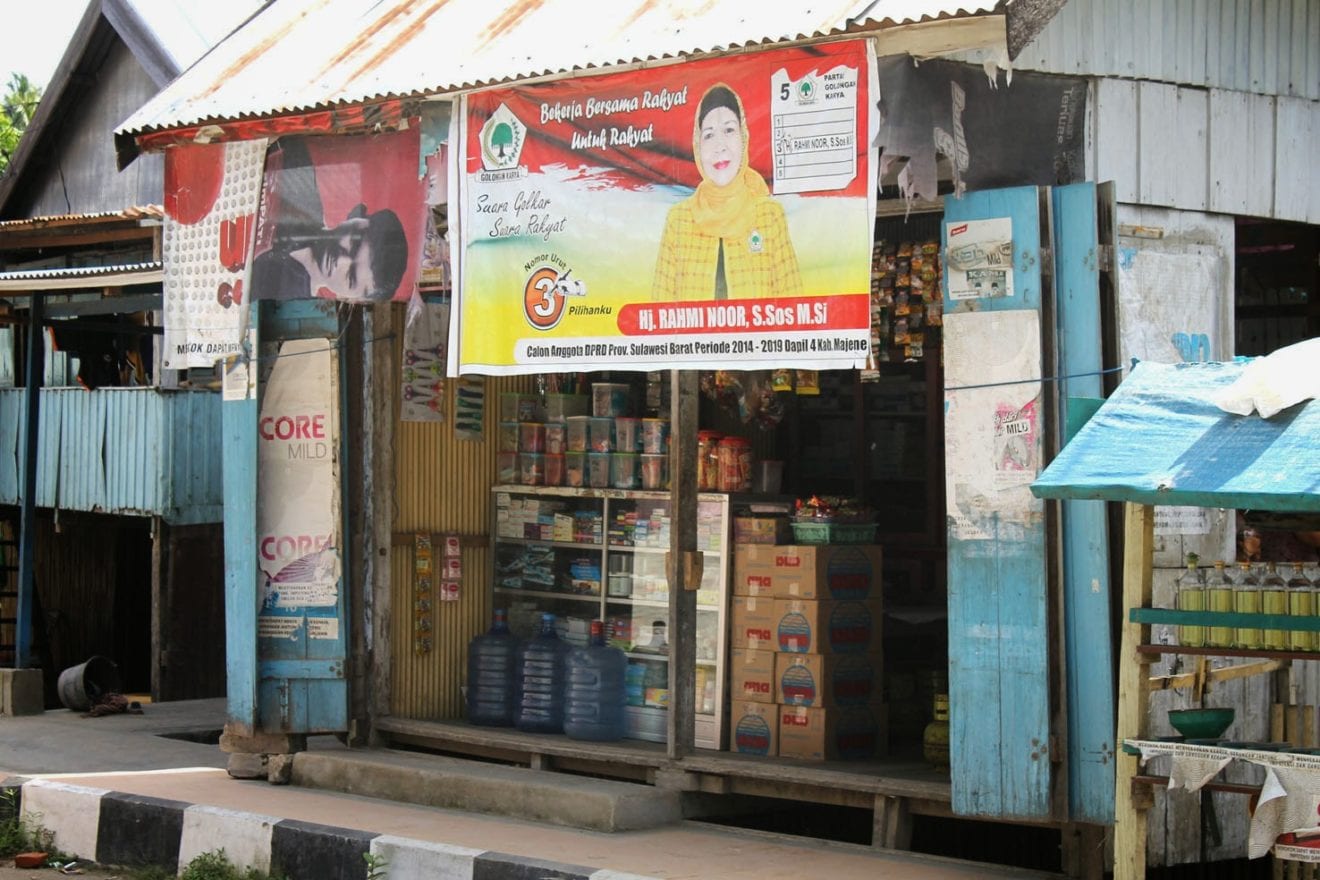
    In Asia, the traditional ‘mom-and-pop’ stores draws about half of retail sales. This research firm Nielsen reveals the oversight by marketers and brand managers, who may have dismissed the transactional potential of the more traditional trade stores.

    Fast-moving consumer goods vying for market share and customer loyalty ought to look to these traditional stores when it comes to engaging the Asian shopper.

    A better understanding of this fragmented yet ubiquitous traditional trade channel – which comprises more than five million outlets in Southeast Asia alone – has the potential to drive sales by putting brands in front of more consumers.

    Traditional trade channels account for almost half of all grocery sales in Asia. In 2014, 47.9% of all retail sales were made through traditional trade channels, compared to 17.2% for supermarkets which accounts for the second-largest proportion of sales. 

    nielsen-traditional-trade-chart1

    Connie Cheng, executive director of shopper solutions for Southeast Asia, North Asia and Pacific, says traditional trade accounts for up to 70% of all retail sales in key markets such as Jakarta and Ho Chi Minh City.

    “While there’s been a headlong rush into the hypermarket and supermarket retail formats throughout most of Southeast Asia, there are untapped loyalties between brands and consumers shopping at traditional trade stores on every street corner, in every town, village and city,” said Cheng. 

    The who, what and where of traditions

    The research founds that the humble warung in Indonesia, the Philippine sari-sari, Malaysia’s kedai runcit and Vietnam’s cử a hàng tạp hóa are used by consumers in similar ways. The majority of consumers shop at traditional trade stores for daily meals, snack foods and beverages for immediate consumption, while they are less important for top-up or main shopping trips. 

    nielsen-traditional-trade-chart2a

    Majority of consumers plan their trips to the most conveniently located store in advance, and have a specific brand in mind.

    Such behaviour highlights opportunities for brands to vary pack formats or leverage loyalty for premium lines to increase basket size.

    Who are your shoppers?

    When it comes to commonly purchased products, powdered coffee blends, coffee and carbonated drinks top the list in Indonesia, the Philippines and Vietnam, respectively.

    While shoppers clearly tend to view the traditional trade store as an extension of their kitchen pantry, sales of homecare and personal care lines are also common purchases. Laundry items, shampoos, makeup, vitamins, baby-care lines and general household products are the most frequently purchased items at grocery stores in Indonesia, the Philippines and Vietnam.

    Studying segmentation

    Marketers need to undertake a more thorough segmentation analysis to maximise market share. Although traditional trade grocery outlets are plentiful in Indonesia, Malaysia, the Philippines, Thailand and Vietnam, the market is fragmented.

    Cheng suggests extending segmentation and tapping shopkeepers for their intimate understanding of hyper-local consumer behaviour. “Information on demographics, psychographics and shopper behaviour can help provide actionable information for sales teams,” she added.

    A better understanding of grocery shoppers can also assist in brand strategy and modelling, potentially unlocking value for brands in regions with a higher average GDP. This may help overcome issues in a fragmented market.

    There’s a disconnect between the desires of brand managers, who may think that bigger is better, and the demands of shoppers utilising Southeast Asia’s most popular channel for purchasing groceries – the traditional store format.

    “Traditional format stores are as relevant now as they have ever been. By better tapping into consumer behaviour, brands can discover what most Southeast Asians already know; that bigger doesn’t always equate to better,” Cheng added.

  • Corner stores still dominate Asia retail

    Corner stores still dominate Asia retail

    In Asia retail, the humble corner store is an essential ally to fast-moving consumer goods in the battle for market share and customer loyalty, according to a new report from global performance management company, Nielsen.

    The whitepaper, Maximising Traditions – The Shop. Shopper. Shopkeeper, argues that a better understanding of this fragmented yet ubiquitous traditional trade channel – which comprises more than 5 million outlets in Southeast Asia alone – has the potential to drive sales by putting brands in front of more consumers.

    Nielsen’s research suggests that to better maximise sales, brands should consider a more thorough analysis of their market segmentation, and tap into the understanding of the shopkeeper and shopper.

    Traditional trade channels account for almost half of all grocery sales in Asia and India. In 2014, 47.9 per cent of all retail sales were made through traditional trade channels, compared to 17.2 per cent for supermarkets which account for the second-largest proportion of sales.

    The paper’s author, Connie Cheng, Nielsen’s executive director of shopper solutions for Southeast Asia, North Asia and Pacific, says traditional trade accounts for up to 70 per cent of all retail sales in key markets such as Jakarta, Indonesia, and Ho Chi Minh City, Vietnam.

    “While there’s been a headlong rush into the hypermarket and supermarket retail formats throughout most of Southeast Asia, there are untapped loyalties between brands and consumers shopping at traditional trade stores on every street corner, in every town, village and city,” said Cheng.

    “With almost 50 per cent of retail sales in Asia made at a small, independent grocery store, the research suggests that FMCG brands are leaving money on the table. The key to maximising sales through traditional trade channels is to focus on the relationships between the shopkeeper and the shopper,” she said.

    Maximising Traditions finds that the humble warung in Indonesia, the Philippines’ sari-sari, Malaysia’skedai runcit and Vietnam’s cử a hàng tạp hóa are used by consumers in similar ways. The majority of consumers shop at traditional trade stores for daily meals, snack foods and beverages for immediate consumption, while they are less important for top-up or main shopping trips.

    The whitepaper reveals that the majority of consumers plan their trips to the most conveniently located store in advance, and have a specific brand in mind. Such behaviour highlights opportunities for brands to vary pack formats or leverage loyalty for premium lines to increase basket size.

    When it comes to commonly purchased products, powdered coffee blends, coffee and carbonated drinks top the list in Indonesia, the Philippines and Vietnam, respectively.

    While shoppers clearly tend to view the traditional trade store as an extension of their kitchen pantry, sales of homecare and personal care lines are also common purchases. Laundry items, shampoos, makeup, vitamins, baby-care lines and general household products are the most frequently purchased items at grocery stores in Indonesia, the Philippines and Vietnam.

    The report suggests that marketers need to undertake a more thorough segmentation analysis to maximise market share. Although traditional trade grocery outlets are plentiful in Indonesia, Malaysia, the Philippines, Thailand and Vietnam, the market is fragmented.

    Cheng suggests extending segmentation and tapping shopkeepers for their intimate understanding of hyper-local consumer behaviour.

    “Information on demographics, psychographics and shopper behaviour can help provide actionable information for sales teams,” she adds.

    A better understanding of grocery shoppers can also assist in brand strategy and modelling, potentially unlocking value for brands in regions with a higher average GDP. This may help overcome issues in a fragmented market.

    “There’s an unfortunate and unnecessary disconnect between the desires of brand managers, who may think that bigger is better, and the demands of shoppers utilising Southeast Asia’s most popular channel for purchasing groceries,” continues Cheng.

    “Traditional format stores are as relevant now as they have ever been. By better tapping into consumer behaviour, brands can discover what most Southeast Asians already know; that bigger doesn’t always equate to better.”