Tag: Vietnam

  • Mövenpick Signs Hotel in Kota Bharuand and Cam Ranh Bay

    Mövenpick Signs Hotel in Kota Bharuand and Cam Ranh Bay

    Mövenpick Hotels & Resorts is consolidating its expansion campaign in South-East Asia with two new properties announced for Malaysia and Vietnam, both of which will open in 2018.
    Strengthening its development plans in Malaysia, the Swiss hospitality firm has signed a deal to manage the 30-storey Mövenpick Hotel Kota Bharu, a 453-key five-star resort in Kelantan, a state on the country’s east coast undergoing a rapid transformation. This takes the group’s portfolio in Malaysia to three properties strong, with an upcoming hotel in Kuala Lumpur and a beachfront resort in Terengganu.

    In the same year, Mövenpick Hotels & Resorts will open Mövenpick Resort Cam Ranh Bay, an integrated beachfront resort located in Khanh Hoa Province, Vietnam, spanning some 20 hectares and featuring 250 rooms, 100 residences and 100 villas. This will be the fourth Mövenpick hotel in Vietnam. The brand currently has a presence in Hanoi and new openings are scheduled for Phu Quoc and Quy Nhon in the next two years.

    The two new management deals come as Mövenpick Hotels & Resorts prepares to unveil its fifth property in Thailand, with Mövenpick Siam Hotel Pattaya’s opening next month (January).

    Debuts in the Philippines and Indonesia will follow hot off their heels, as Mövenpick Resort Boracay and Mövenpick Resort & Spa Jimbaran in the south of Bali are both on track for a 2016 opening.

    “We are rapidly cementing a solid presence in South-East Asia, where we have identified strong growth opportunities for the upscale hospitality concepts Mövenpick Hotels & Resorts delivers,” said Andrew Langdon, Senior Vice President Asia, Mövenpick Hotels & Resorts.

    “With the new properties signed for Vietnam and Malaysia, we see our cluster strategies for these exciting markets start to be realised, while our debuts in new countries mark another milestone in our strategy to be a major player in a region where we plan to open at least 15 new properties by 2020.”

    Mövenpick Hotel Kota Bharu in Malaysia is a certified ‘green building’, featuring the latest environment-friendly technology to save energy and reduce wastage. Highlights of the hotel will include the 815-sqm Emperor Suite, which will occupy the top three floors of the hotel, a helipad, an expansive banquet hall for 1,000 guests, a restaurant and café, stylish boutiques and retail outlets, male and female swimming pools, spa and gym, club lounge and business centre.

    Stand-out features of Mövenpick Resort Cam Ranh Bay, a mixed-use resort situated along the pristine white beaches of Vietnam’s Cam Ranh Bay, will include an amphitheatre, a cookery school, themed retail village, water park, spa, adventure zone for family activities and team-building retreats, and an exclusive kids’ zone featuring miniature landmarks from around the world.
  • VN Airlines to expand operation in Indonesia, performs well in Australia

    VN Airlines to expand operation in Indonesia, performs well in Australia

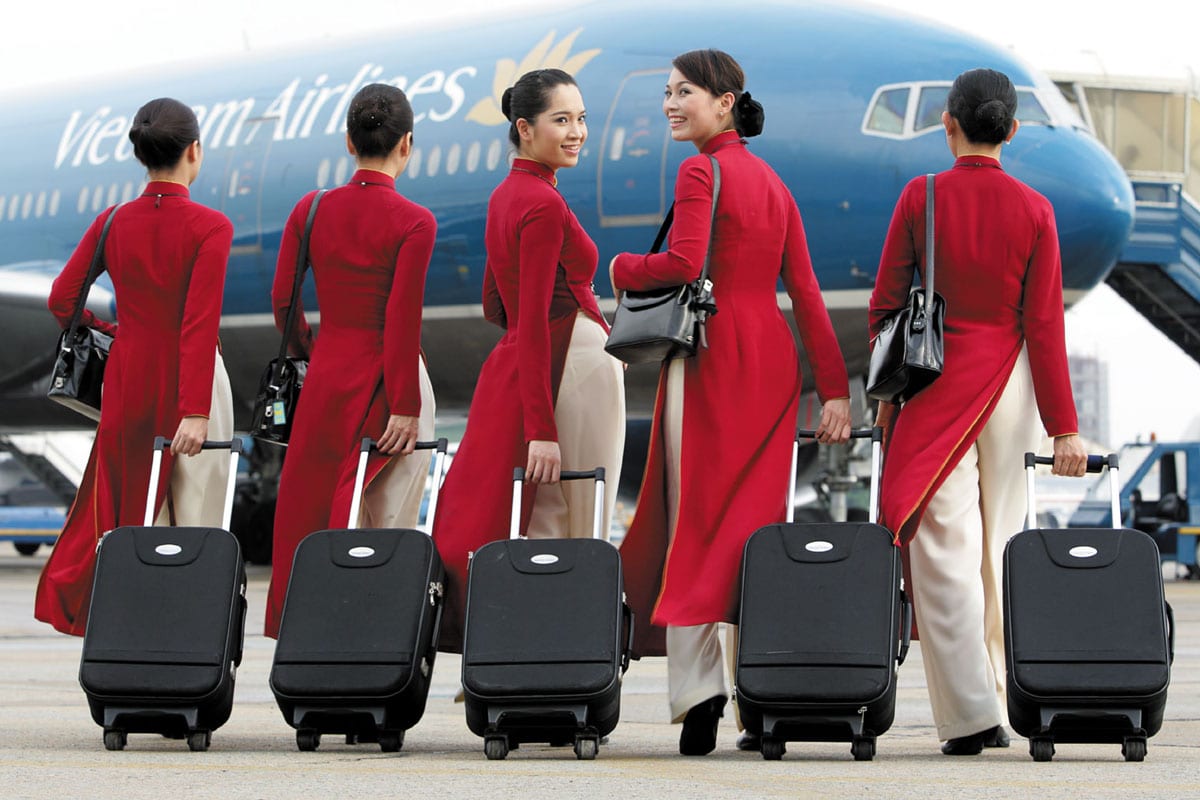
    The national flag carrier Vietnam Airlines conducted 365 flights between Vietnam and Indonesia in 2015, carrying more than 100,000 passengers and over 1,000 tonnes of cargos. According to Nghiem Van Khanh, head of the firm’s branch in Indonesia, in 2015 the Vietnamese aviation sector faced a range of difficulties stemming from Indonesia’s low GDP growth rate and rupiah depreciation, which, he said, weakened Indonesia people’s purchasing power and outbound tourism demands.The statistics were released at the firm’s customer conference in Jakarta, Indonesia, on December 16 which saw the participation of Indonesia aviation officials, and distributors, customers and partners of Vietnam Airlines in the host country.

    Against the backdrop, the firm coordinated with its distributors and partners as well as Indonesian authorities to swiftly launch marketing campaigns and build up a suitable ticket distribution system in the market, he said.

    Khanh added that Vietnam Airlines is currently operating one daily flight from Ho Chi Minh City to Jakarta, using Airbus A321.

    Since 2012, the national flag carrier has run more than 1,000 flights from Vietnam’s southern metropolis to the Indonesian capital city, contributing to boosting cooperation in economic, cultural and social fields between the two countries.

    In 2016, the branch in Indonesia plans to improve its service quality and expand its ticket distribution network in the country.

    The corporation will also launch more flights from Indonesia to Vietnam in order to meet the increasing travel demands of the two countries’ people, Khanh said, noting the plan matches the development course of two nations’ strategic partnership, especially in the context of to-be-formed ASEAN Community.

    Indonesia has become one of Vietnam’s 20 largest tourism markets with about 50,000 Vietnamese holiday-makers visiting the country each year.

    Around 80,000 Indonesian tourists also choose Vietnam as their holiday destination each year.

    Vietnam Airlines in Germany performs well

    The national flag carrier Vietnam Airlines’ branch in Germany has seen an impressive business performance with an estimated 58.3 million EUR in revenue this year.

    2015 was a challenging year for the firm and the aviation sector in general with disadvantages on euro-American dollar exchange rate, fierce competitiveness among airlines, unstable politics in the Middle East and the danger of terrorism, head of the Vietnam Airlines branch Ngo Tri Hung said at a recent customer agents’ conference in Berlin.

    Despite such challenges, the firm tried its best to improve its service quality and marketing as well to operate about 400 flights with 86 per cent full occupancy, he added.

    The firm received ideas from its agents attending the conference on improving service quality.

    Also at the conference, the firm auctioned a return ticket worth 3,000 EUR and collected more than 5,000 EUR from individuals and organisations to sponsor soldiers and guards who protect Vietnam’s islands and sea.

    Vietnam Airlines records impressive change in RoK market

    This year marks an impressive performance of the national flag carrier Vietnam Airlines in the Republic of Korea (RoK) market, with improvements in operational scale, sale revenues and service quality.

    The carrier’s branch in the RoK has fulfilled its tasks excellently, surpassing the set business plan by 11 percent, Cao Anh Son, Vietnam Airlines chief representative in Seoul said at a customer conference on December 15.

    Together with rolling out the modern A350-900 aircraft for the Hanoi- Seoul route, Vietnam Airlines launched its new corporate identity as part of the “four-star service upgrade” strategy, smartening up its image and bringing convenience to customers, Son highlighted.

    Over the past two decades, Vietnam Airlines has made travel easier for passengers by opening air routes connecting Hanoi, Da Nang City and Ho Chi Minh City with Seoul, Busan and many other big cities in the RoK with 60 flights a week.

    The airline boasts 600 representative offices in the RoK.

  • Thais taking firm steps towards Vietnamese market

    Thais taking firm steps towards Vietnamese market

    VietNamNet Bridge – The business fields that Thais have poured money to in Vietnam – infrastructure, building materials, retail, consumer goods, food and automobiles – are all fields with great potential.

    MAF’s research team, in its latest report, pointed out that the merger and acquisition (M&A) in 2015-2016 will still focus on consumer goods, finance & banking, real estate and retail. However, the investors from Thailand will be the major buyers.

    Thai investors have many reasons to come to Vietnam. It is not only a large market with increasingly high demands, but also serves as a ‘jumping board’ for them to access neighboring markets.

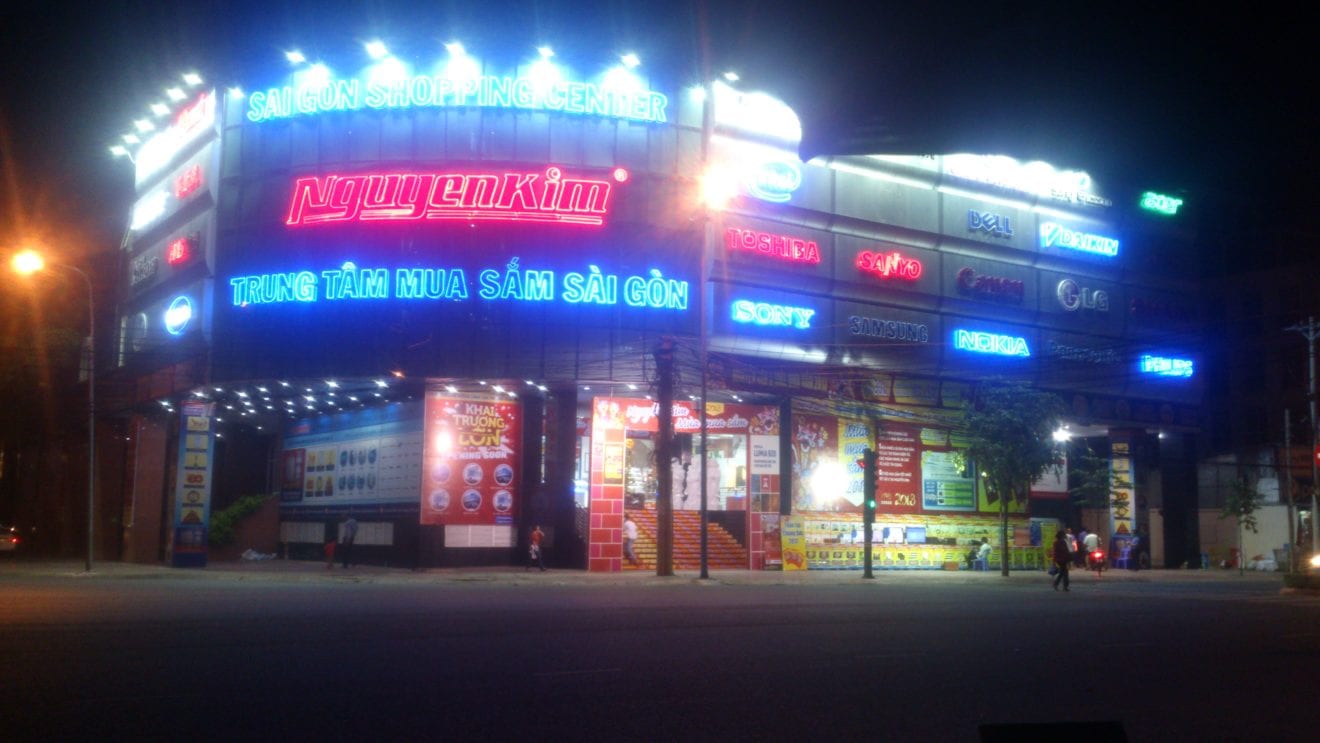
    In the retail sector, Central Group in early 2015 spent $100 million for a 49 percent stake of Nguyen Kim, a home appliance distribution network, and announced a plan to turn the network into the leading distribution chain of its kind in South East Asia.

    Commenting about Thai investment strategy, a branding expert said Thais have been following a professional investment strategy based on their knowledge about local culture and habits.Meanwhile, Berli Jucker stirred up the public with the announcement about taking over Metro Cash & Carry Vietnam at $879 million. Prior to that, BJC bought Family Mart and 65 percent of Vietnamese Phu Thai Group.Central Group plans to open 50 Nguyen Kim shops by 2019, twice as many as the existing number of shops. Prior to that, Central Group established Robins, a high end retail chain in Vietnam.

    The investors have drawn up clear roadmaps for penetrating the Vietnamese market: they know well when and what they should do to acquire Vietnamese businesses – an important move in their plan to conquer the Vietnamese market.

    The branding expert also noted that the Thai capital flow to Vietnam comprises capital from billionaires with Chinese origin.  Charoen Sirivadhanabhakdi, the owner of ThaiBev, BJC and TCC Holdings, and Dhanin Chearavanont, chair of CP Group, are of Guang Dong origin. Meanwhile, the Chirathivat family which owns Central Group, is of Hainan origin.

    Thai investors are mostly targeting most important and potential business fields in Vietnam.

    The retail sector, for example, is predicted to have annual growth rate of 15 percent with  total revenue of $97 billion by 2016, according to Economist Intelligence Unit. Meanwhile, CP Vietnam has been succeeding in the animal feed market worth $6 billion a year, and the animal meat market worth $18 billion.

    Thai investors, who have powerful financial capability, tend to take shortcuts to Vietnam by acquiring Vietnamese leading enterprises. SCG, after buying Prime Group, now controls Vietnam’s building material industry with 20 percent market share. The investments in two Vietnamese leading plastics manufacturers – Binh Minh and Tien Phong Plastics – promises to help SCG cement its position in the industry.

  • Foodpanda Vietnam gobbled up by rival

    Foodpanda Vietnam gobbled up by rival

    Days after announcing it was shutting down, Rocket Internet’s Foodpanda Vietnam has been bought by local rival Vietnammm.

    Vietnammm, the original online food delivery service in the commercial hub of Ho Chi Minh City, has paid an undisclosed amount to acquire Foodpanda’s customer base and 1000 restaurant partners.

    “This deal enables Foodpanda’s customers and listed restaurants to keep making and receiving orders online in Vietnam,” the company said in a statement sent to Tech in Asia.

    The deal also marks a consolidation in Vietnam’s online food delivery space, which now becomes a battle between homegrown brands Vietnammm and Eat.vn.

    Vietnammm, established by young expat entrpereneuers, is now a subsidiary of one of the world’s largest online food delivery websites Takeaway, and Eat.vn is backed by VC Corp, one of the most prominent Vietnamese online media companies.

    Ralf Wenzel, co-founder and CEO of Foodpanda group, said: “Foodpanda has always been in the front line of market consolidation in the online food delivery sector by establishing clear number one positions in the vast majority of its countries and by conducting a number of complementary acquisitions in the past. This time we contribute our business in Vietnam which allows us to focus instead on more attractive core markets and helps Vietnammm to become the strongest local player.”

    Vietnammm CEO Jochem Lisser added: “We welcome all new customers and restaurants and will do everything we can to ensure a smooth transition to Vietnammm.com.”

    Last week, Foodpanda global head for communications Tim Schefenacker confirmed to Tech in Asia that they closed down the business in Vietnam because “we saw a smaller and rather long-term opportunity.”

    A December 2 notice of termination Foodpanda sent its partner restaurants stated that the company was suffering from a “financial situation” and “facing many difficulties” in the country. It further said that five days following the announcement – on December 7 – the company would have ceased all business activities, primarily its website Foodpanda.vn.

    Foodpanda launched in Vietnam under the HungryPanda banner in 2012, a time when competition in this sector was already heating up around Asia. In Vietnam, the company took a beating from the strong homegrown brands, forcing it to amp up marketing and advertising spend.

    Around the globe, Foodpanda and sister site Hellofood are competing head-on with a variety of meal delivery sites and apps. Foodpanda has gobbled up competitors in Mexico, Russia, Brazil, Eastern Europe, India, and Southeast Asia, bringing its restaurant partners to more than 38,000 in 500 cities worldwide at the latest count.

  • France’s Casino puts Vietnam Big C chain on the block

    France’s Casino puts Vietnam Big C chain on the block

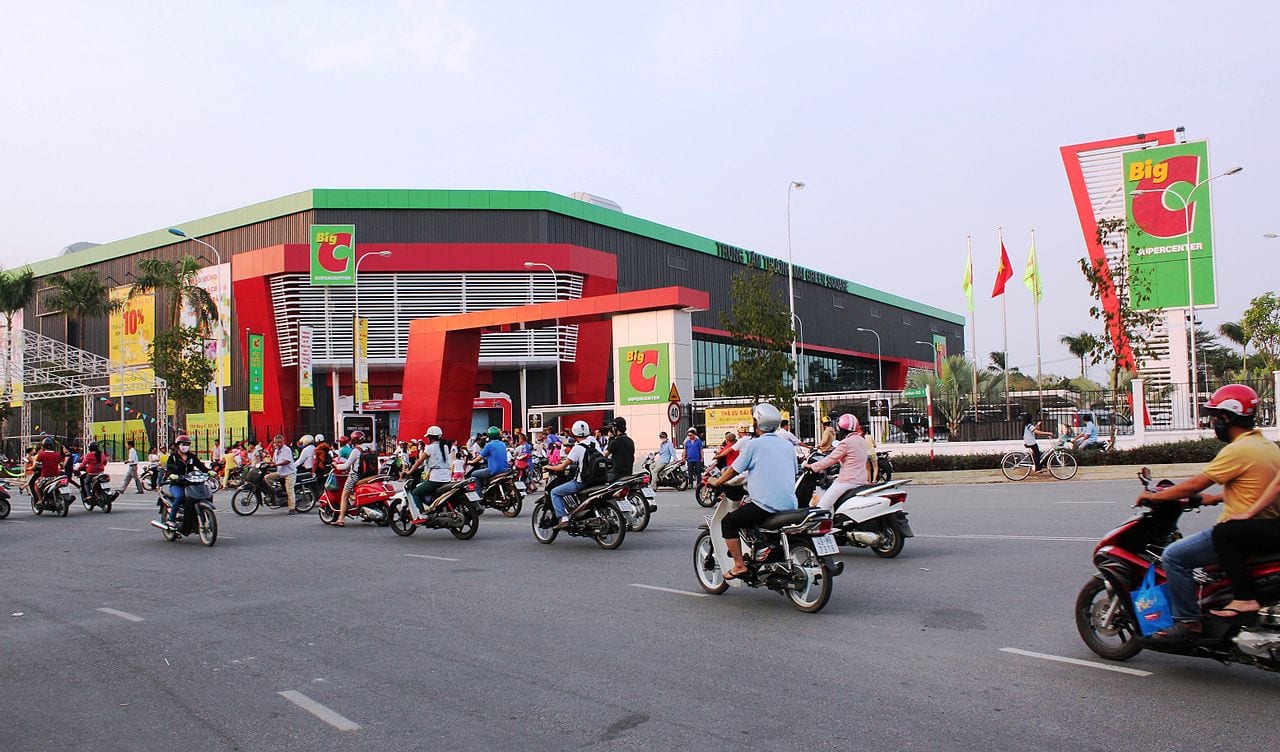
    Casino Group plans to unload the Big C hypermarket chain in Vietnam, as part of a restructuring plan to strengthen its financial flexibility in 2016.

    In a news release posted on its website on Tuesday, the French group said it aims to shave off more than 2 billion euros ($2.17 billion) of debt. In addition to selling the Vietnamese Big C business, the company said it is mulling “real estate transactions in Thailand.”

    Potential investors interested in buying the Big C operations include Thai conglomerates and Vietnamese property developer Vingroup, according to local sources. Bloomberg on Wednesday reported that the sale could raise 750 million euros, citing Bruno Monteyne, an analyst at Sanford C. Bernstein.

    Brisk sales

    Big C was one of the first international chains to gain a foothold in the Vietnamese market, where modern retailing is still in the early stages of development. The first of the French-style hypermarkets opened in the country back in 1998. As of December, the chain consists of 32 outlets and 10 C-Express convenience stores across Vietnam.

    It is one of the top five retailers in Vietnam, with total sales in the first half of 2015 reaching 312 million euros, up 26.4% on the year.

    Casino is the second European retail group to move to sell its Vietnamese chain of late. Last year, Germany’s Metro Group signed a deal to transfer its 19-store Metro Cash&Carry Vietnam unit to Thailand’s Berli Jucker for 655 million euros. The transaction was scheduled to be completed in the first half of 2015, but it has hit a legal snag related to Metro’s corporate income tax obligations in Vietnam.

    Meanwhile, Casino Group is seeking to generate 550 million euros through the real estate business in Thailand, and another 200 million euros in Colombia, according to Bloomberg.

    Casino’s Big C chain owns some 800,000 sq. meters of gross leasable area at shopping malls across central Thailand. In Colombia, its Exito unit controls more than 300,000 sq. meters of such space, excluding hypermarkets.

    Casino entered Thailand in 1999, when it acquired a stake in Big C, the country’s No. 2 mass food retailer. The group is now Big C’s majority shareholder. Big C runs hypermarkets, supermarkets, convenience stores and supercenters — which combine a hypermarket and a large mall — in the Thai market.

  • Vietnam a rising Asian retail market

    Vietnam a rising Asian retail market

    VN a rising Asian retail market

    Viet Nam is on the way to becoming one of the most developed retail markets in Asia, a seminar heard yesterday in Ha Noi.

    The Viet Nam Retailers Association (VRA) organised the Viet Nam Retail Forum 2015 with the theme of “Shopping centres and their development roadmap in Viet Nam”. The event brought together officials, retail experts, domestic retailers as well as foreign retail firms.

    According to Duong Duy Hung, Deputy Director General of the Ministry of Industry and Trade (MOIT)’s Domestic Market Department, total final consumption expenditure accounted for 70 per cent of Viet Nam’s gross domestic product (GDP), of which 90 per cent is household consumption expenditure.

    Hung added that the modern retail market is increasing its role as an engine of Viet Nam’s retail sector’s growth.

    Before Viet Nam joined the World Trade Organisation (WTO), there had been concerns that the models of traditional and modern retail channels could collapse due to the open-door policies facilitating multinational retail corporations, Hung said.

    But Viet Nam retail businesses have adapted step by step, enhancing competitiveness to survive, Hung said.

    However, domestic retailers are also facing difficulties. Foreign retail giants have poured money into trade centres and supermarkets, worrying domestic retailers, Hung added.

    VRA chairwoman Dinh Thi My Loan said Vietnamese supermarket and retail shop chains had been upgraded, but they still lacked professional factors, competitiveness in pricing, diversification in products and product quality control.

    According to the Nielsen market research firm, the middle and affluent class (MAC) in Viet Nam, whose income is from VND15 million (US$714) and above a month, will triple in size between now and 2020 and will be a key group of potential customers for retailers.

    According to a report by property services firm CB Richard Ellis (CBRE), Co.opmart supermarket chain owned by Saigon Co.op was named one of top 200 Asia-Pacific retailers in 2015.

    However, in the Viet Nam’s top 10 retailer 2015 list, the leading position belongs to Saigon Jewellery SJC, followed by Nguyen Kim electronic store chains and the national mobile phone retail giant The Gioi Di Dong (Mobile World).

    This report also showed that the overall vacancy of Ha Noi’s retail space saw the highest rate in the past five years (up to 20 per cent) while this rate for HCM City has been relatively low, just under 10 per cent. This directly affects average rent in the two cities.

    As a result, average rent in Ha Noi has reduced while the figure for HCM City has increased. The rent in the central areas of Ha Noi and HCM City are very high, reportedly amounting to over $120 per sq.m per month in the third quarter of 2015, three times higher than other areas in the cities.

    The report also said that 22 per cent of Vietnamese prefer to go shopping in convenience stores rather than in big shopping malls. — VNS

  • Vietnam seen among Asia’s top 5 retail markets

    Vietnam seen among Asia’s top 5 retail markets

    Final consumption expenditure (percent of GDP) in Vietnam was estimated at 70 percent last year by the World Bank with household consumption accounting for 90 percent, making the country among Asia’s top 5 retail markets. The country’s middle class, the most promising consumers of retailers, is forecast to triple by 2020.

    Speaking at the forum, Duong Duy Hung, deputy head of the Department of Domestic Market under the Ministry of Industry and Trade, said Vietnam has opened its door to dozens of multinational retail groups since the country joined the World Trade Organisation (WTO) five years ago.

    Domestic retailers, despite previous concern over their passive acts amid fierce competition, has tailored themselves to the new context and gradually improved their competitiveness, he noted.

    He warned that huge investment waves from foreign firms are posing numerous challenges to the local ones, which was urged to foster innovation to survive.

    President of the Vietnam Retailers Association DinhThi My Loan agreed, stressing that domestic retailers still lag behind foreign peers as they lacklong-term strategies and financial resources.

    She called on the local firms to learn from international practices, especially in Japan, the Republic of Korea, Singapore and Thailand, while restructuring themselves and set up chains of shops, small- and medium-sized supermarkets, and convenient stores to regain market share in the home playground.

    Echoing these opinions, Chau Ngoc Hanh, head of Retailer Service at Nielsen Vietnam said big fish eating little fish is only a has-been, it’s time for the fast fish to eat the slow one.

    More and more consumers in Vietnam prefer online shopping and getting their orders brought to the door thanks to its convenience, she explained, saying that today any firm which can serve it faster will have competitive edges.

    About 22 percent of responded consumers in the country said they would rather go shopping in convenient stores than shopping malls.

  • Foodpanda Vietnam to shut down

    Foodpanda Vietnam to shut down

    Foodpanda – relentlessly marching its way across Southeast Asia, gobbling up rival food delivery businesses and creating monopolies – has shocked the online community by closing its Vietnam business.

    According to a report in online business news website Deal Street Asia the Rocket-Internet backed company has told its Vietnamese partners the operation will close on Wednesday after three years.

    “Through this notice, we would like to inform you that our company will terminate the business in Vietnam due to the difficulties in financial situation,” Foodpanda said in the letter.

    Deal Street Asia’s Vietnam-based writer was unable to reach Foodpanda Vietnam staff for further comment.

    One of the possible reasons for the market exit is that Foodpanda was a latecomer to the sector with the original, well-liked local service Vietnammm launched as long as five years ago and collaring the expat market which has the disposable income. Other rivals included Eat.vn and Deliverynow.vn.

    Furthermore, Foodpanda’s business model is to attain market dominance by buying out rivals, thus gaining insulation from poor customer service, slow delivery times and other faults – the exact situation in Malaysia which has now left it with brand reputation issues.

    Deal Street Asia says experts say Foodpanda’s business model is not relevant to Vietnamese consumers, where the younger demographic prefer to eat out and local food outlets offer their own delivery service. Others said Foodpanda had struggled with its communications strategy, which was not helped by changing its brand name within a year of launching there.

    Meanwhile, in India Foodpanda is in trouble over alleged fake listings, non-payment of money to restaurants, failure to refund customers for undelivered orders and corporate governance issues, according to website e27.co.

  • Kushikatsu Daruma plans Asian expansion

    Kushikatsu Daruma plans Asian expansion

    An iconic Japanese restaurant chain Kushikatsu Daruma has opened its first outlet outside its home market – and announced plans to enter three more Asian countries.

    Kushikatsu Daruma opened its first restaurant in 1929 at the foot of Tsutenkaku, the famous landmark tower in Shin-Sekai, Osaka. Since then it has expanded to 13 restaurants in Japan and this month it opened its first overseas – in the Taipei of Zhongshan in Taiwan.

    The restaurant was opened by G7 International, the overseas investment arm of G-7 Holdingsfollowing a licence agreement struck last June with Daruma International, a subsidiary of Ichimonkai, parent of Kushikatsu Daruma.

    G7 has the rights to develop the brand overseas and says it is already in talks with Ichimonkai to open restaurants in Vietnam, Malaysia and Indonesia.

    Kushikatsu Daruma Zhongshan Chang’an Store, which opened on Tuesday, has a floor space of about 150 sqm and seats 60 people. It trades from 11.30am to 10pm daily.

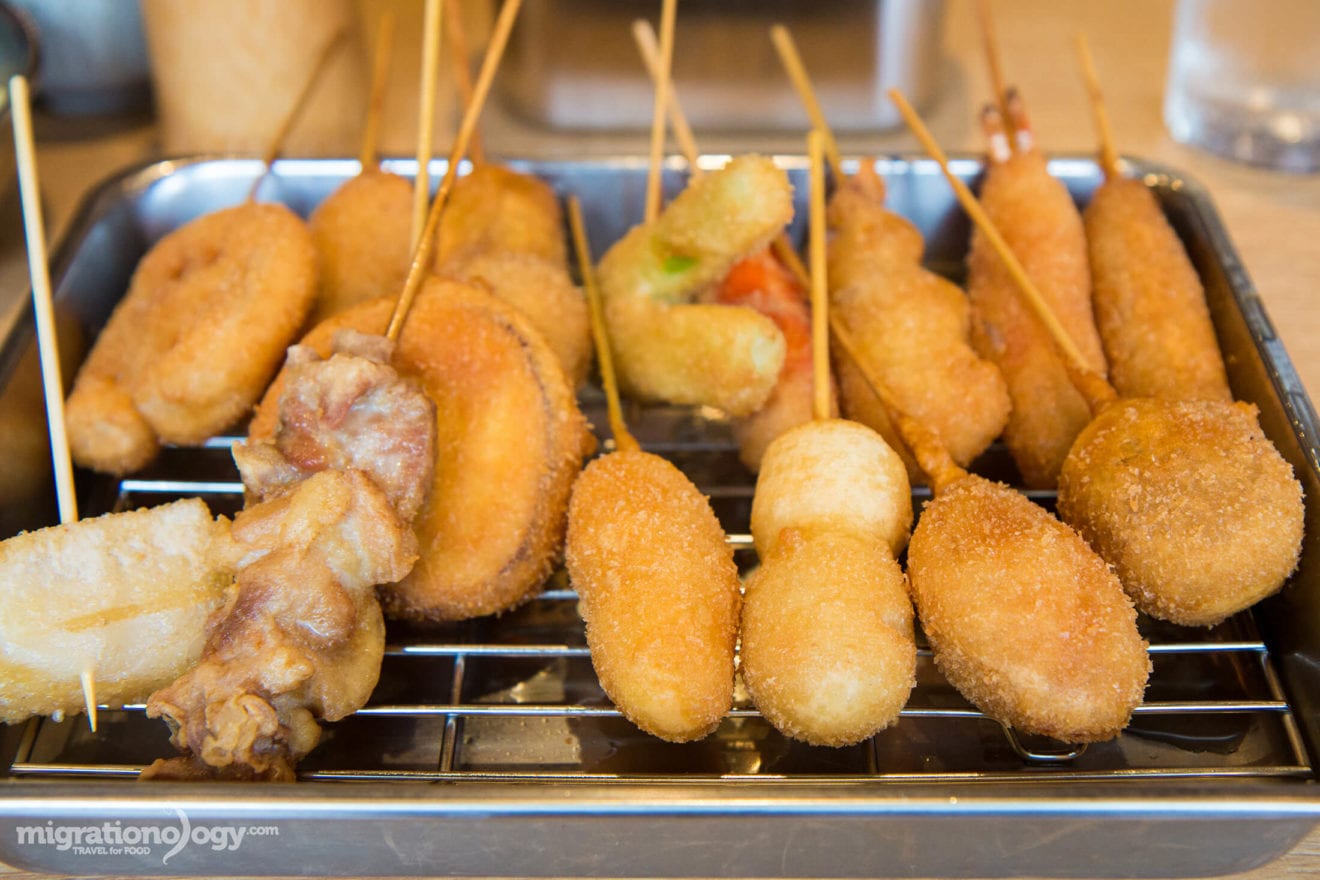
    Back in Japan, Kushikatsu Daruma has since become known in the Kansai area for good taste and affordable prices, with customers queuing at opening time every day. It specialises in cooking kushikatsu – skewered and grilled cutlets of meat, fish, vegetables and other ingredients.

    The G-7 Group is a mega franchisee operating Autobacs, Business Supermarket and other franchise stores with about 250 stores in Japan and seven stores abroad.

    “Taking advantage of the G7 Group’s accumulated management know-how and Kushikatsu Daruma priding itself on good taste in general… G7 International will proceed to open more restaurants in Southeast Asia,” the company said in a statement.

  • Ikea to ramp up SEA expansion

    Ikea to ramp up SEA expansion

    Swedish furniture and homewares retailer Ikea wants to ramp up its Southeast Asian store rollout.

    The next two markets in its sights are the Philippines and Vietnam.

    But in some key markets, finding suitable locations for its large format stores is proving a challenge, especially in Vietnam where it wants to launch in Ho Chi Minh City, the country’s commercial capital with a catchment of 8 million consumers.

    Speaking to The Nation newspaper after opening its first pickup point (PUP) in the Thai resort city of Phuket, Mike King, retail manager of Ikea Singapore, Malaysia and Thailand, said the company wants to have three large format stores in Bangkok and five or six PUPs in Thailand within five years.

    In July, the company announced it had located site for its second Bangkok store – adjacent to the new CentralPlaza Westgate shopping mall under construction in Bangyai, in Nonthaburi province in Bangkok’s west. Another site has been earmarked in the city’s north, near the recently expandedFuture Park Rangsit shopping centre.

    Ikea is already actively seeking local partners in Vietnam and the Philippines. Typically when Ikea enters a new market, it locates its initial stores in the most populated cities – for example in Indonesia where it has a joint venture with Hong Kong’s Dairy Farm International, it has opened its first store in Jakarta, and in Malaysia it has two in greater Kuala Lumpur. In the Philippines it will focus on Manila with a population catchment of about 24 million.

    “The two new branches [in Ho Chi Minh City and Manila] will possibly be erected within five years,” King told The Nation.

    Ikea plans to open at least one store a year in Southeast Asia from now on – typically about 40,00 sqm in size.

    Meanwhile, the 2651 sqm Phuket PUP is expected to increase the Bangkok store’s sales by 10 per cent annually. Customers can order online, or in the store and have the products shipped to the PUP for collection.

    It is the first PUP store in Asia, although others operate in Spain, the UAE, Turkey, Norway, Finland and Greece, among other places.

  • Penshoppe parent plans 125 new stores

    Penshoppe parent plans 125 new stores

    Philippines fashion retailer Golden ABC says it plans to open 125 new stores in the Philippines and across Asia in 2016.

    According to CEO Bernie Liu, 100 stores will open in the company’s home market and a further 25 will open in other Asian countries, including Indonesia.

    Liu is undeterred by the rapidly rising ranks of foreign fast fashion clothing brands entering and expanding in the Philippines.

    “We have been competing with these international brands for years now in other parts of Asia. Our goal is to bring a Filipino brand into the international arena,” Liu said during the opening of three new stores at the SM Seaside City mall in Cebu.

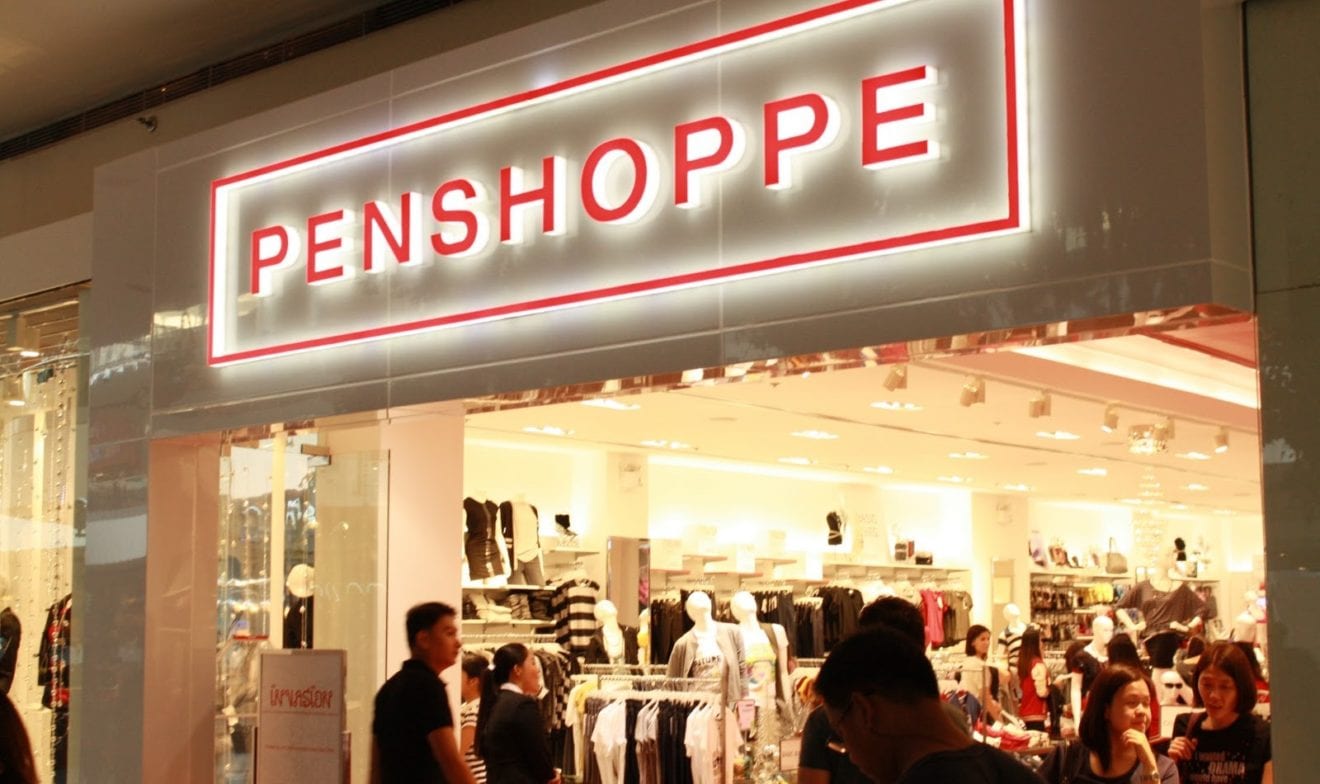
    Golden ABC’s flagship brand – and the one most likely to be opened in Asian markets – is Penshoppe. The new Penshoppe store at SM Seaside City is the brand’s largest shop yet, with a footprint of 850 sqm, more than twice the size of a normal store.

    Golden ABC also operates the ForMe and Oxygen brands, both of which have also opened stores in SM Seaside City. The retailer has 700 stores across Asia and the Middle East. Its largest Asian markets outside the Philippines are Indonesia and Cambodia – and in Vietnam where the company recently opened a store inside the new VivoCity mall in District 7.

    “We are very encouraged by the response in Vietnam,” Liu said in an interview.

    Penshoppe has 26 stores in Indonesia, with three more under construction.

    Golden ABC also owns the Memo, Regatta and Tyler retail brands, and the direct-selling business Red Logo.

  • Vietnam’s First Ever Integrated Destination Resort to be Managed by Mövenpick

    Vietnam’s First Ever Integrated Destination Resort to be Managed by Mövenpick

    Vietnam’s first ever integrated destination resort will be operated by Mövenpick Hotels & Resorts. In a strategic move that cements its presence in the fast-growing Asian hotel market, the Swiss hospitality firm has signed a management deal with Ngoi Sao Cua Duong Joint Stock Company for the high-profile Mövenpick Resort Phu Quoc, which will be developed by MIK Land covering some 51.62 hectares on an island that’s tipped to become the region’s next big tourism hotspot.

    The fully-integrated beach-front destination resort, which faces the stunning Gulf of Thailand, will encompass a wide range of outstanding facilities including 250 hotel rooms, 100 residences and 50 luxury pool villas, when it opens in 2017.

    A themed retail village, water park and lagoon-style pool, destination spa, beachside wedding and special events ‘sala’, 1,000-square-metre convention area, amphitheatre, cooking school, beach club, kids club, water sports centre, fitness centre and an adventure and teambuilding activity course will also be part of the extensive offering at the one-of-a-kind Mövenpick Resort Phu Quoc.

    A hotel school complete with staff accommodation is another ground-breaking feature of this unique development.

    “Being selected to manage the first integrated destination resort in Vietnam on a stunning island earmarked for ambitious tourism developments confirms our status as one of Asia’s leading hotel operators,” said Mövenpick Hotels & Resorts President & CEO, Jean Gabriel Pérès.

    “This exciting project will take our Vietnam portfolio to three properties strong by 2018 and paves the way for Mövenpick Hotels & Resorts to manage similar large-scale destination resort developments across Asia where our strategy is to gain a strong foothold in sought-after locations.”

    Phu Quoc Island is a hotbed of tourism-related development with more than US$6.8 billion currently being ploughed into projects designed to create a destination to rival Asia’s perennial favourites.

    Mövenpick Resort Phu Quoc will be developed on Ong Lang Beach, close to the island’s largest town, Duong Dong, and to Phu Quoc International Airport, which is well connected by air to Rachgia (30 minutes); Ho Chi Minh City (one hour); Siem Reap (1.5 hours); Hanoi (two hours) and Singapore (1 hour 45 minutes). New direct flights from China, Russia, Taiwan and Scandinavia will be launched in 2016.

    “The world-class Mövenpick Resort Phu Quoc will set new hospitality standards in Vietnam and put the island on the international tourism map,” said Ms. Lê Thị Hải Châu, Chairman and CEO of Ngoi Sao Cua Duong Joint Stock Company.

    “We have partnered with Mövenpick Hotels & Resorts to manage this landmark development based on the firm’s excellent reputation, hospitality know-how and proven track record in Asia’s rapidly expanding hotel market.”

    Mövenpick Hotels & Resorts already operates the 154-room Mövenpick Hotel Hanoi and plans to open its second property in Vietnam, the 229-key Mövenpick Resort & Spa Quy Nhon, in 2018.


  • Indonesia needs 1 million tonnes of rice from Vietnam

    Indonesia needs 1 million tonnes of rice from Vietnam

    Indonesia plans to import one million tonnes of rice from Vietnam to meet the country’s high demand, according to Indonesian Ambassador to Vietnam Mayerfas.

    He made the statement at a press conference in Hanoi on December 4 to introduce an Indonesia trade fair and an Indonesia-Vietnam business forum slated for the middle of this month at the Hanoi International Centre for Exhibition.

    Indonesia also has great demand for Vietnamese coffee, the ambassador said, adding that the country imported 40-50 million USD worth of the commodity in 2014 and the figure is expected to increase from 2016.

    He affirmed that the trade fair and business forum, as part of the activities to celebrate 60 years of diplomatic ties between Vietnam and Indonesia, will be a valuable opportunity for both nations’ enterprises to bolster cooperation and set up business links.

    Some 100 Indonesian enterprises will showcase their high-quality products at the fair, including automobiles and spare parts, pharmaceutical and medical equipment, food and beverages, among others.

  • Thailand among top 10 investors in Vietnam

    Thailand among top 10 investors in Vietnam

    The new face from Thailand on the Vietnam stock market is Ton Poh Thai Fund – an investment fund that purchases shares through transactions on the bourse.

    As of October 31, Ton Poh Thai Fund had net assets of about $135 million. Last year, the profitability ratio of this fund reached 25% and 20% on average during the past 10 years.

    Ton Poh currently owns 2.5 million shares of Cotec Construction JSC (5.79%); 1.2 million shares of Kien Giang – Superdong Speedboat JSC (5.02%) and 11.37 million shares of Hoang Huy Services Investment JSC (4.88% of capital).

    The number of shares held by Ton Poh is not large, but the fund has potential and is expected to continue disbursing capital on Vietnam’s stock market in the coming time.

    Thai businessman Chatikavanij established this fund in 2005, expecting to capture investment opportunities following the 1997-1998 financial crisis in Thailand. The fund with over $130 million has invested in 10 to 15 types of shares for the medium- and long-term.

    If Ton Poh is getting “acquainted” with investment in Vietnam, many Thai corporations have targeted Vietnamese businesses through direct and indirect investment forms.

    In the retail sector, Berli Jucker of Thaibev, which is owned by the second richest man in Thailand, billionaire Charoen Sirivadhanabhakdi, now takes a controlling share in Vietnamese firm Thai An, thereby controlling 99% stake in Phu Thai Group.

    BJC Thailand has bought Metro Vietnam while Central Group through Power Buy bought 49% shares of NTK, the owner of Nguyen Kim Trading Company, a big name in electronic product distribution in Vietnam.

    In the food industry, Thaibev has obtained ownership of Fraser & Neave (F & N) – the largest drink group in Singapore, which currently holds 11% stake in Vinamilk, Vietnam’s largest dairy product producer. CP Group has set a firm foothold in the Vietnamese livestock market.

    In the industrial sector, Thailand’s SCG has acquired Prime Corporation, through The Nawaplastic Industries. SCG also owns more than 20.4% of the shares in Binh Minh Plastics JSC and 23.84% stake in Tien Phong Plastic JSC.

    PTT, Thailand’s oil and gas corporation, has recently expressed its intention to invest in Nhon Hoi petrochemical project in Binh Dinh province.

    In the field of logistics, Kan Air of Thailand is now part of a joint venture with Vietjet Air of Vietnam that will establish ThaiVietjet Airlines with 51% of capital from Air Kan and 49% from Vietjet Air.

    This joint venture was licensed in late 2014 and began operating on March 29, 2015. Thai Vietjet will operate domestic flights in Thailand as well as international routes from Thailand to destinations in the region like Myanmar, Laos and Cambodia, to expand the flight network from Vietnam exploited by Vietjet Air.

    Later this year, the ASEAN Economic Community (AEC) will be formally established. AEC will become a single market. Accordingly, goods, services, investment, capital and skilled labor will flow freely between countries in the bloc. Thai capital flow into Vietnam will skyrocket.

  • Ho Chi Minh City is the second most expensive retail location in Southeast Asia

    Ho Chi Minh City is the second most expensive retail location in Southeast Asia

    A downtown spot costs $150 a square feet a year, even more than prime locations in Bangkok. A global property survey has named Ho Chi Minh City downtown as one of the most expensive retail locations worldwide.

    The southern metropolis, which is the largest commercial center in Vietnam, ranks 32 out of 65 cities featured in the latest version of Cushman & Wakefield’s annual research “Main Streets Across the World.”

    Locations on a “prime high street” in the city, such as Le Loi, Nguyen Hue or Dong Khoi, cost an average of US$150 a square feet a year. In Southeast Asia, that rate is after Singapore’s $336.8.

    That compares to $125.4 in Bangkok, $111.3 in Kuala Lumpur and only $56.4 in Metro Manila.

    It is equal to the rent in Israel’s Tel Aviv, whose GDP per capital in 2014 was $42,614 and more than eight times that of Ho Chi Minh City.

    The world’s most expensive road, according to the research, is Upper 5th Avenue in New York, followed by main streets in Hong Kong, Paris and London.

    Streets in Tokyo and Seoul are also in the top ten.