Tag: Vietnam

  • Suitors for Casino’s Asia assets will have to face off against Thai tycoons

    Suitors for Casino’s Asia assets will have to face off against Thai tycoons

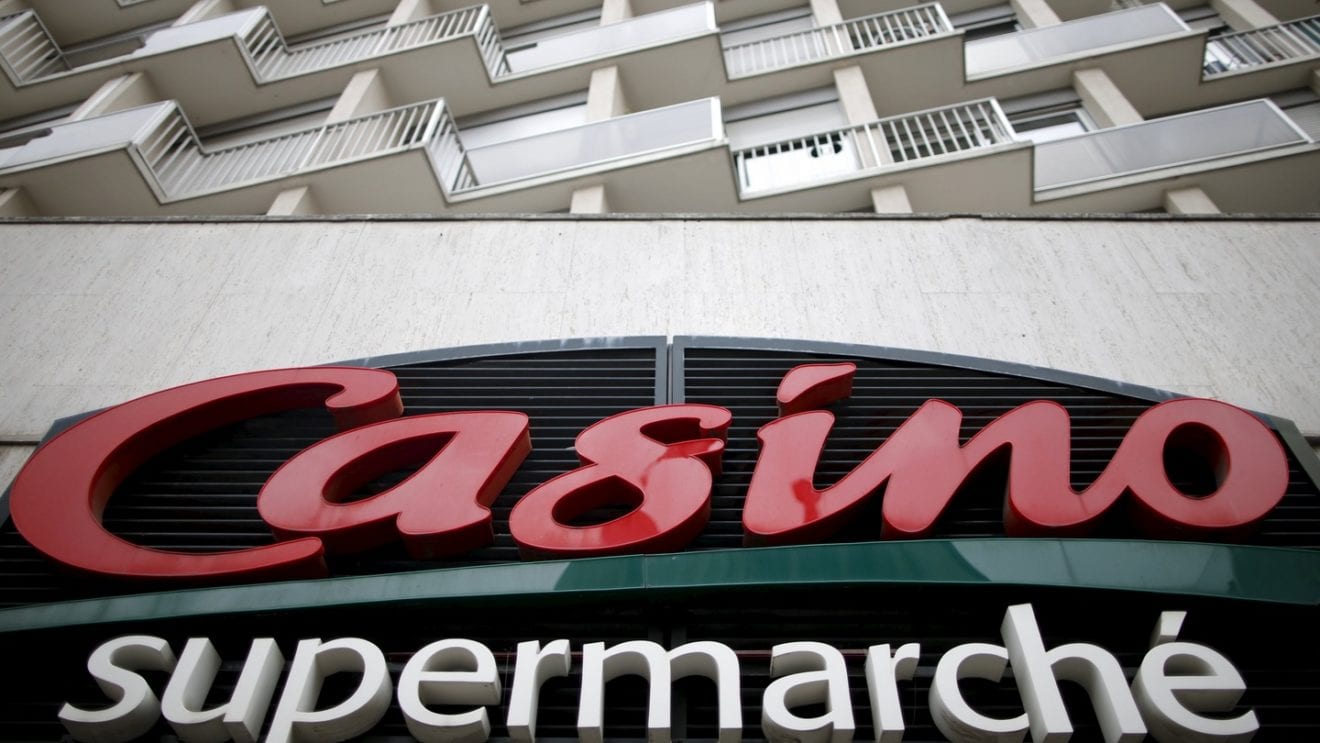
    French retail group Casino’s sale of its Thai and Vietnam units has drawn the eye of Singapore’s Dairy Farm International Holdings and South Korea’s Lotte Shopping but they’ll need punchy bids to go up against deep-pocketed Thai tycoons, bankers said.

    The auction represents a rare opportunity for cashed-up Asian companies to expand into what analysts say are two of Southeast Asia’s most profitable retail markets, but they also warn there is a risk of overpaying, particularly in Thailand where the economy is slowing.

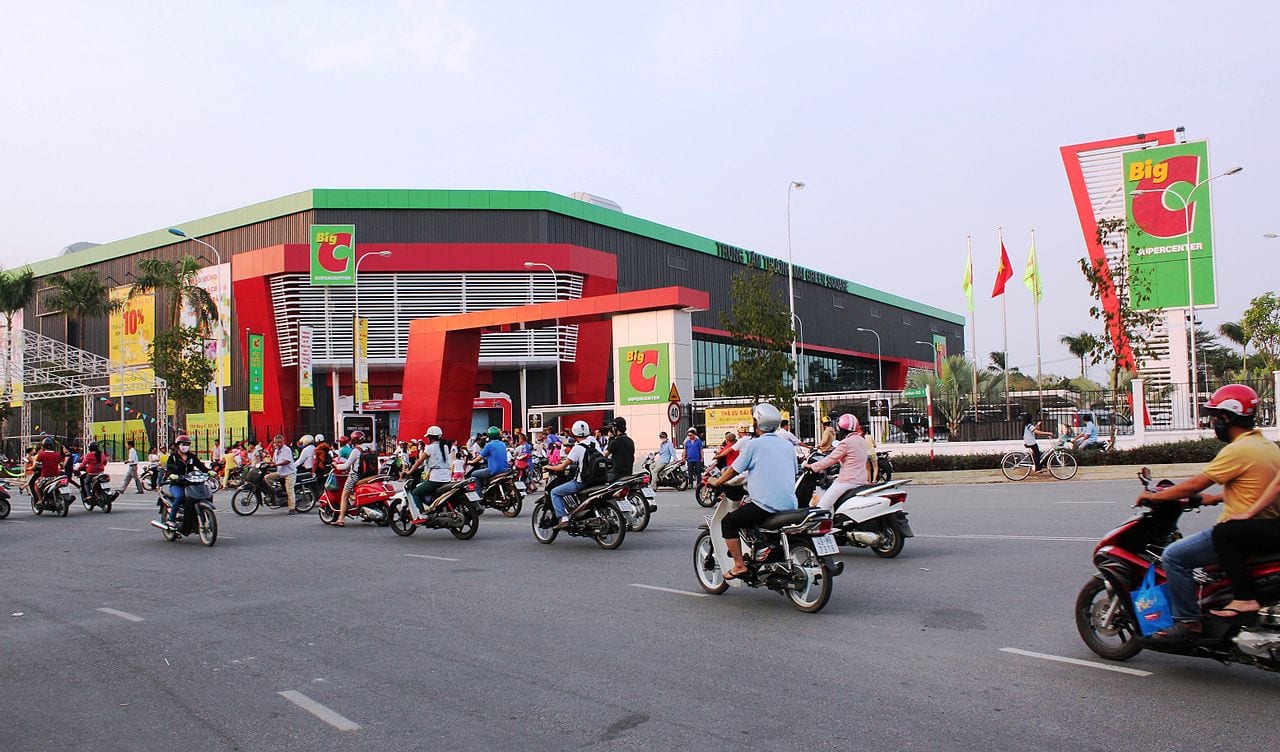
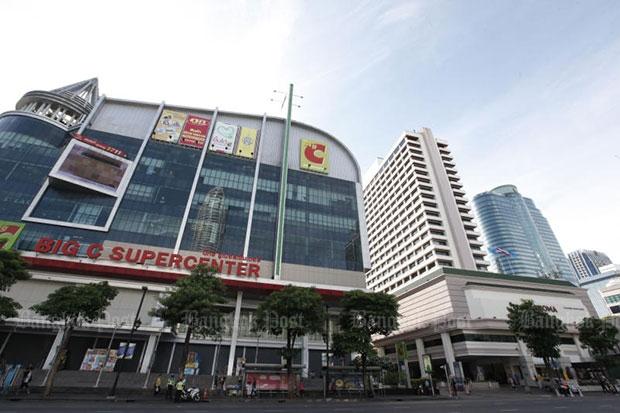
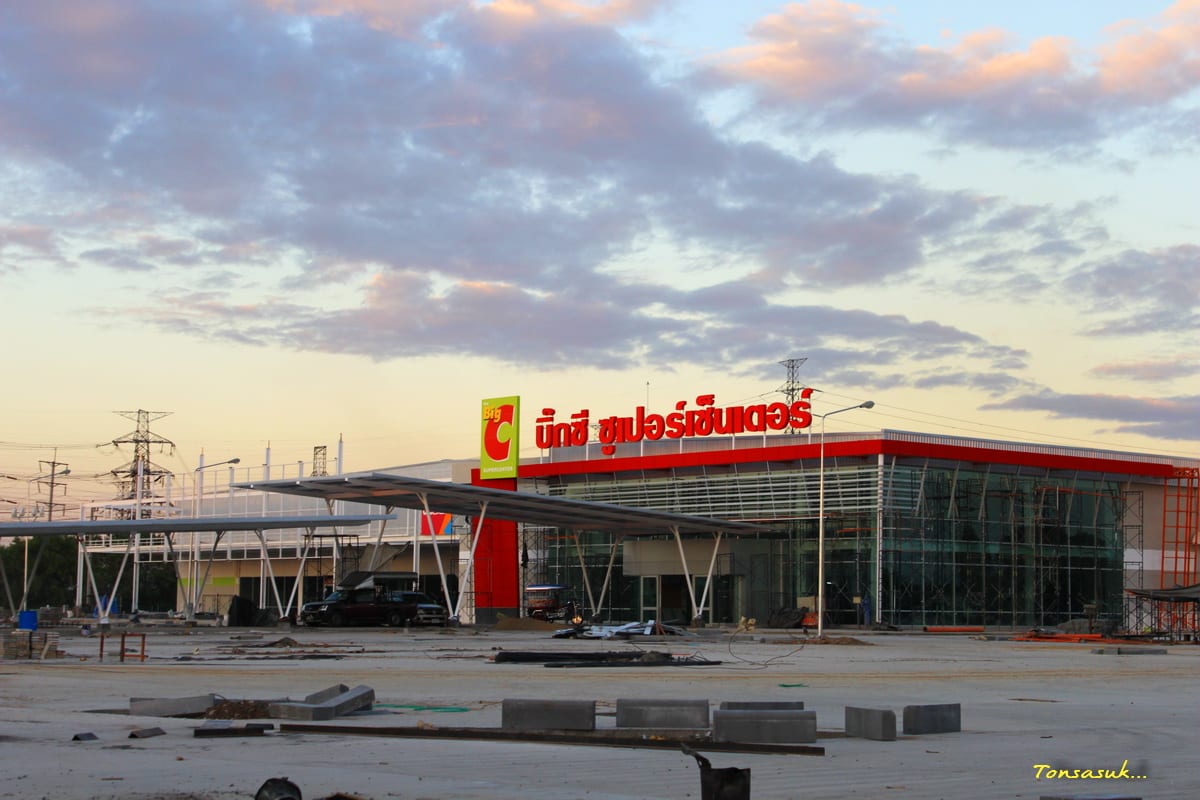
    Central Group, Thailand’s biggest retailer led by tycoon Tos Chirathivat, has pole position as it already owns a quarter of Big C Supercenter Pcl, the nation’s second-largest discount retailer which it founded in 1993.

    Central has said it is keen to buy Casino’s 58.6 percent stake in Thailand’s Big C, worth around $3.1 billion at current market prices, and Casino’s wholly owned unit, Big C Vietnam, which bankers have valued at between $800 million and $1 billion.

    “Whoever is going to buy this will have to pay a high price to get Central out or they will have to co-exist,” said a banking source familiar with the matter.

    A separate banking source said Casino was keen to sell both units to the same bidder.

    In addition to Dairy Farm and Lotte Shopping discussing potential bids with banks, Japanese retail conglomerate Aeon Co Ltd (8267.T) is weighing an offer, the sources said but added it was unlikely to bid aggressively.

    The sources declined to be identified as they were not authorized to speak about the matter.

    Dairy Farm, the second-biggest retailer in Singapore and Hong Kong, and Lotte Shopping, South Korea’s largest department store operator declined to comment. Aeon and Casino also declined to comment.

    The bidder seen most likely to give Central Group a run for its money is Thai business magnate Charoen Sirivadhanabhakdi, who is keen to expand further in retail.

    Berli Jucker Public Co, the listed retail arm of Charoen’s TCC group, has said it is interested in Casino’s Vietnam unit and bankers also expect TCC to make an offer for the Thai unit.

    Asked whether TCC would bid for the Thai business, Charoen told Reuters in Bangkok on Wednesday: “Not yet, we haven’t done anything. We need to have a look first.”

    PREMIUMS NEEDED

    The first source said that to outbid Central for the Thai asset, other suitors would likely have to pay 270 baht per share, a 14 percent premium to Thursday’s close that would value Casino’s stake at $3.6 billion.

    Bangkok-based AEC Securities said in a note to clients it expects bidders to pay 238-298 baht per share. Thailand’s Big C shares have jumped as much as 17 percent since Casino said on Jan. 15 it has received expressions of interest..

    Casino’s surprise plans to sell the Thai unit came after a December report by short-seller Muddy Waters that said the French firm was “dangerously leveraged”, prompting its worst stock slide in seven years. The Vietnam unit sale had been planned beforehand.

    Preliminary bids for the Thai unit, which had 734 stores including 125 hypermarkets at the end of 2015, are due on Feb. 5. Bids for the Vietnam unit are due in late February, one source said.

    Thailand’s retail market is worth $93 billion annually, according to research firm Euromonitor. The sector trades at a price-to-earnings ratio of 24, the highest in Southeast Asia, and is no stranger to rich deals.

    In 2013, CP All, backed by Thailand’s richest man Dhanin Chearavanont, bought cash-and-carry wholesaler Siam Makro for $6.6 billion, valuing it at 53 times earnings in Asia’s most expensive consumer sector deal by multiple.
  • Pranda Group expands in Vietnam and Indonesia

    Pranda Group expands in Vietnam and Indonesia

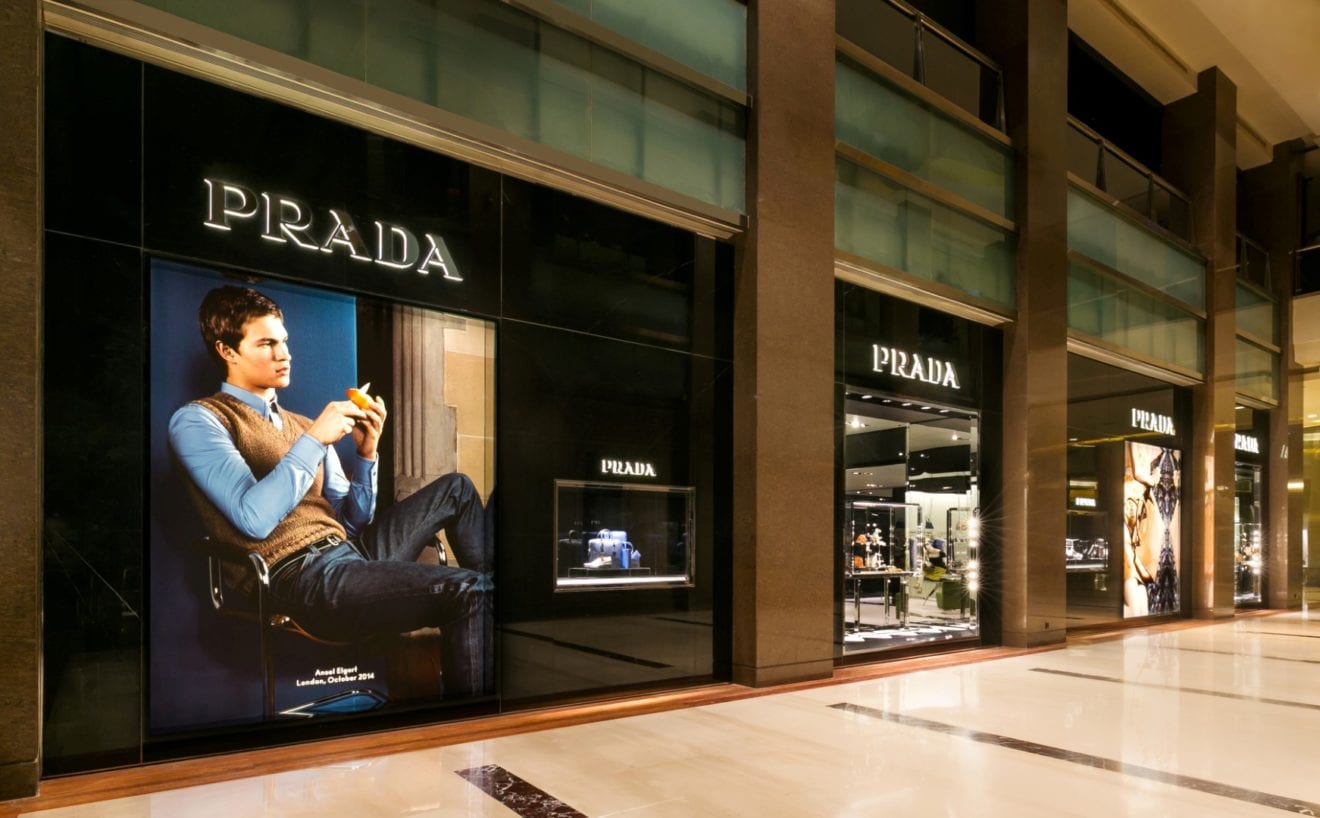
    Reporting from Pranda Group, the progress of its retail business expansion throughout the year 2015 in Vietnam and Indonesia; the country members of AEC has strengthened PRIMA GOLD brand by creating impressive experience to the target customers such as product perception, marketing activities, brand reinforcement, etc. Particularly in Vietnam, the marketing activities using brand ambassador made the output in Vietnam meet the company’s target. Moreover, Pranda Vietnam Retail recently increased new branches “Lotte Center” and “Vincom Center Nguyen Chi Thanh” in Hanoy to support the needs of consumers as well as extended distribution channels especially in the economic center of Vietnam. Presently, there are 8 branches located in the shopping malls of economic cities covering 5 branches in Ho Chi Minh and 3 branches in Hanoy.

    In 2016, the Company plans to expand one more branch at Saigon Center Department Store in Ho Chi Minh City, as  new Department Style of Viet Nam that the mix between the Plaza and Takashimaya from Japan. Over 57 square mates, Prima Gold sets a goal to make the Flagship store to create brand experiences and support to consumer needs.

    For the retail business in Vietnam where the rate of economic growth is attractive among AEC, Pranda Marketing Indonesia plan to increase channel and to expand its retail business in various brands. Recently, a new branch managed by Central Thailand in cooperation with PT Grand Indonesia was officially opened in Central Grand Indonesia. Pranda Marketing Indonesia aims to push forward PRIMA GOLD and Julia Brand to support consumers’ needs which have increasingly purchasing power. Currently, PRIMA GOLD has 3 branches, Julia 19 branches, and Lovelinks 8 branches. By the year 2016, the Company plan to expand 4 more PRIMA GOLD branches and 20 more Julia branches in order to accommodate a growing customer base and future growth.

    Pranda Group plan to expand in Asian jewelry market for leading to AEC 2016. The company is clearly to aim and extend to the retail network of Asian Economic Community or AEC. That integrates market to be a center of the region. Certainly, it will have a population more than 600 million people in this market. Pranda Group has consider in this market that sufficient to forward product, service, labor and open free market investment in this year. This is a chance to push forward ours brand to be recognized and opportunity to build our retail marketing channel to grow up.

  • Korean, Singaporean investors also want to buy Big C Vietnam

    Korean, Singaporean investors also want to buy Big C Vietnam

    The analysts said that the auction is a unique opportunity for foreign corporations to pour capital into the two retail markets of the highest profit in Southeast Asia.

    Both the two new potential investors are appreciated for financial strength. Dairy Farm Group is the 2nd largest retailer in Singapore and Hong Kong, which owns a series brands like 7-Eleven, Cold Storage, Guardian, Wellcome Giant, Hero … Its revenue in 2014 is about $13 billion.

    Meanwhile, Lotte Shopping is Korea’s largest mall chain with turnover of $23 billion and $509 million of profit in 2014.

    Another source said that Japanese retail group Aeon Co Ltd is also considering to join the race.

    Earlier, the two retail giants of Thailand – Berli Jucker and Central Group – said they wanted to buy the property.

    Central Group, the largest retailer of Thailand, owned by billionaire Tos Chirathivat is said to have upper advantage because it holds a 25% stake of Big C Thailand.

    This group wants to buy an additional 58.6% of shares, equivalent to $3.1 billion. In addition, Central Group also expects to pay from $800 million to $1 billion to own the whole Big C Vietnam system.

  • Kingsdown Vietnam opens first store

    Kingsdown Vietnam opens first store

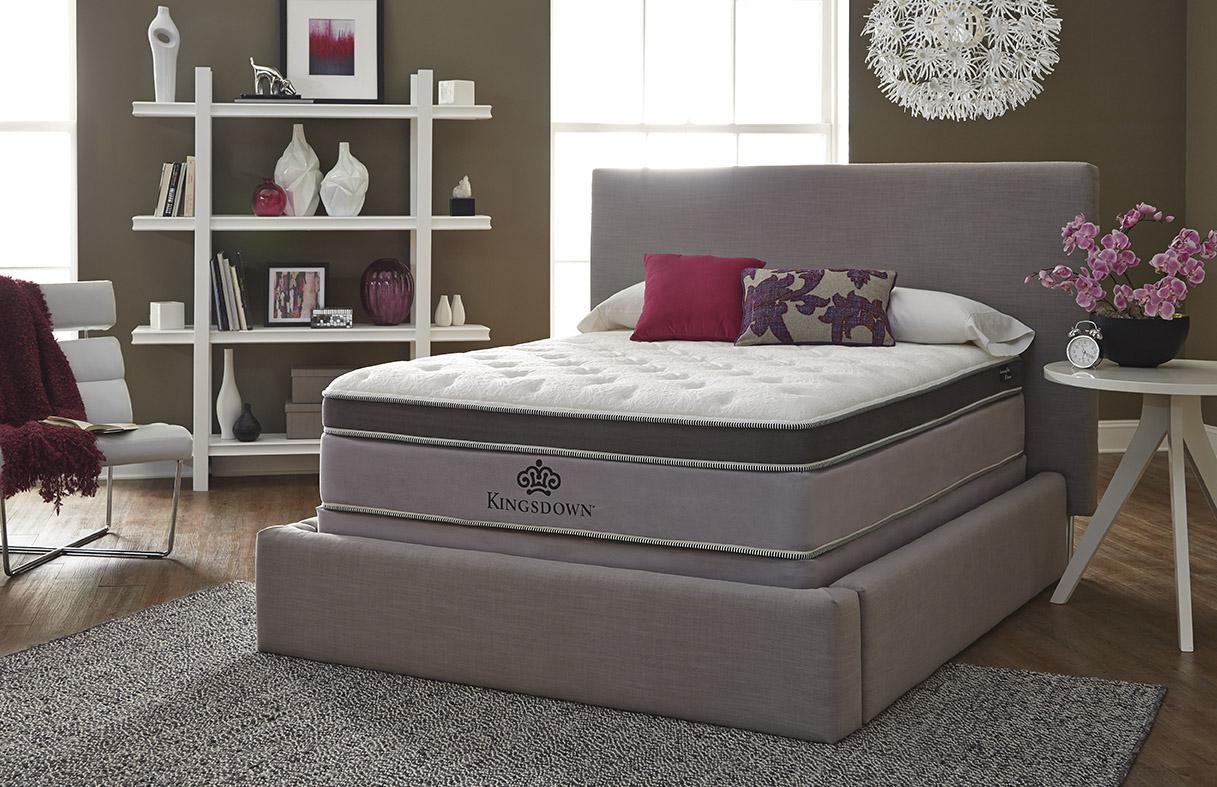
    American bedding producer Kingsdown has opened its first branded retail showroom in Vietnam, in Ho Chi Minh City, heralding a push into Asia.

    The company has also announced it plans to open more than 100 branded showrooms in Asia within the next 12 months.

    Based in Mebane, North Carolina, Kingsdown claims to be the largest independent, employee-owned mattress manufacturer in the US. The Kingsdown Vietnam showroom carries bedding and furniture products made by long-time licensee Far East Foam.

    “We have enjoyed a fantastic reception in Asia over the past few years with its growing middle and upper classes,” says Kingsdown president/CEO Frank Hood.

    “As wealth spreads throughout the region, it made sense to expand our presence with our good partner Far East Foam. American products are held in high regard in this region.”

    Kingsdown entered the Chinese market with its My Side and BedMatch brands in 2012, and following “significant” growth is set to open 46 more branded retail stores across the mainland. These Kingsdown stores will sell its popular collections, as well as products specifically designed and developed for the Chinese marketplace, the company says.

  • French retail giant AuchanSuper about to enter Vietnam

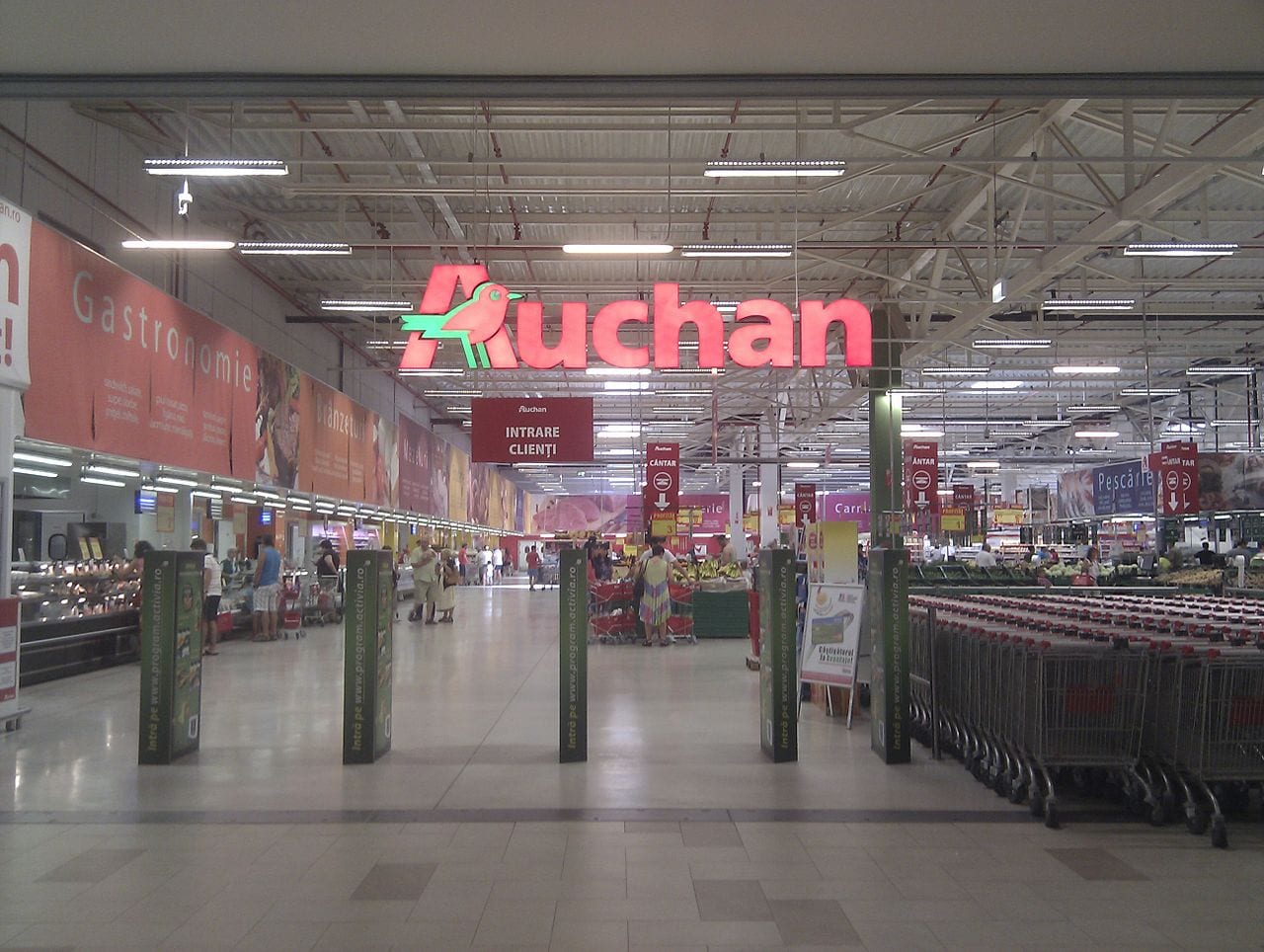
    French retail giant AuchanSuper about to enter Vietnam

    AuchanSuper, a major retail brand of France, is planning to enter Vietnam with the opening of the first store in 2016, according to a recent report on Ho Chi Minh City’s retailing landscape for this year of the Vietnamese arm of U.S.-based realty consultant firm CBRE.

    CBRE Vietnam said in the report last week that Ho Chi Minh City will be home to 15 AuchanSuper convenience stores, reinforcing the presence of foreign retailing brands in the southern economic hub.

    As of 2015, only one foreign retailer, which is French-owned Big C, had been on the list of the top five players in Vietnam alongside such local competitors as Saigon Co.op, Mobile World, Nguyen Kim Trading Joint Stock Company, and Saigon Jewelry Company Limited.

    Following the trend of other Asia-Pacific countries, operators of convenience stores will possibly gain a much larger market share, according to the report.

    Established since 1960, Auchan, the largest retail brand of France, currently owns nearly 900 hypermarkets, 370 supermarkets and more than 860 shopping centers worldwide.

    In Vietnam, Auchan has been present since 2014 through the Simply Mart supermarket chain, which is expected to grow to about 20 stores in Vietnam until 2020.

    Big C, on the other hand, may be sold to other investors after Casino Group, the owner of the retail chain, issued a memorandum last month stating that it may seek a new owner for its supermarket chain in Vietnam, as the company plans to strengthen its financial flexibility by selling assets in the country, as well as Thailand and Colombia.

    Despite a sustainable growth rate, earnings from the Vietnamese arm are miniscule in comparison with other foreign businesses of Big C.

    In 2016 Casino Group is expected to enact what it calls a ‘deleveraging plan’ of more than two billion euros (US$2.2 billion), mainly through real estate transactions and the disposal of non-core assets, according to the memo.

    The French group currently owns 10 retail brands across the globe, with a concentration in Asia. The Big C brand is used for the supermarket chain in Vietnam and Thailand.

    Regarding the wholesale business in Vietnam, the sole foreign player, German-owned Metro Group, last week announced it had officially been transferred to Thailand’s TCC Holding Co.

    TCC acquired all of Metro Cash & Carry Vietnam’s operations, including 19 wholesale stores and related real estate portfolios for an enterprise value of 655 million euros ($712.14 million), according to a Metro press release.

    Metro said the deal resulted in a cash inflow of around 400 million euros ($434.9 million), adding that payment had already been made.


  • Thai Central says keen to bid for Casino’s units in Thailand, Vietnam

    Thai Central says keen to bid for Casino’s units in Thailand, Vietnam

    Thailand’s largest retail conglomerate Central Group is keen to bid for Casino Group’s Thai and Vietnam operations, a company executive said.

    Casino owns 58.6 percent of Big C Supercenter Pcl, which has a total a market value of $5.5 billion. Casino said last week it was keen to sell this stake after announcing it would sell its Vietnam unit in the first quarter.

    “We are interested in both Big C in Thailand and Vietnam,” Prin Chirathivat, deputy chief executive officer told Reuters.

    “If the prices are not too expensive, we will be keen to bid,” Prin said adding his family, the Chirathivats, has a combined 25 percent stake in Big C. Central has been actively looking to buy assets overseas as it wants to expand into Southeast Asia and Europe.


  • Jalux opens duty-free outlets in Hanoi

    Jalux opens duty-free outlets in Hanoi

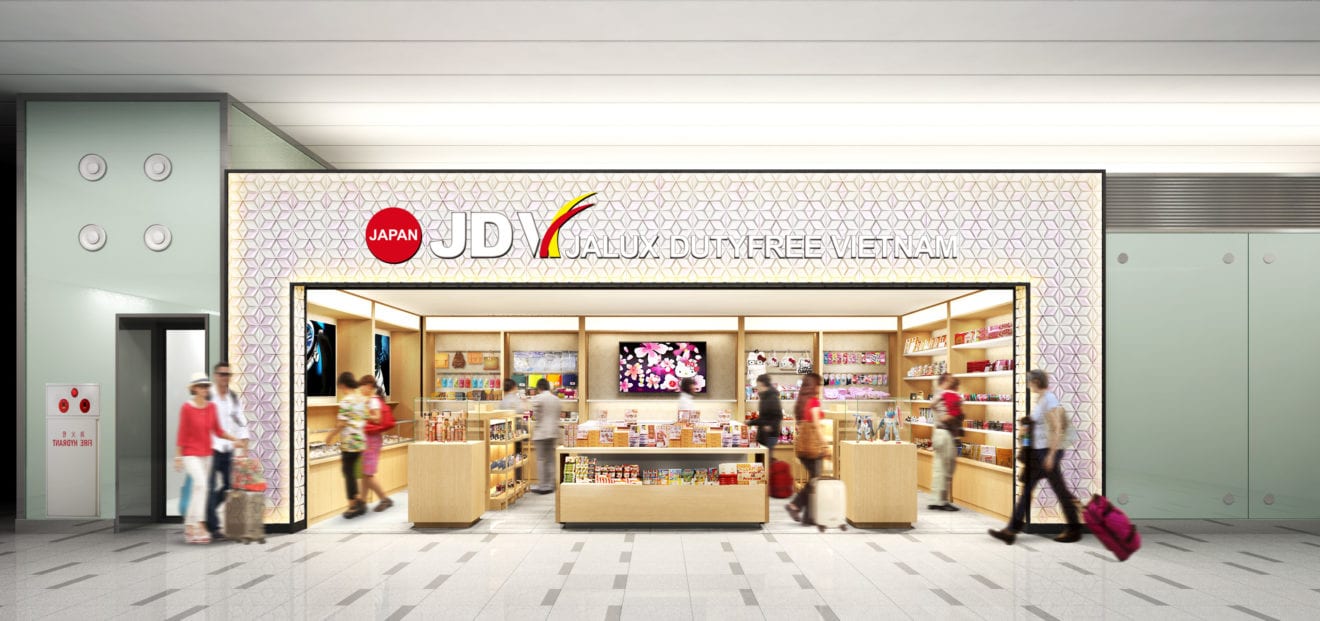
    Japanese travel retailer Jalux has launched its first airport outlets outside Japan, with three stores at Hanoi Noi Bai International Airport in Vietnam.

    Located in Terminal 2, the stores are trading as Jalux Duty Free Vietnam, with two in the Departures area and one in Arrivals. The stores focus on introducing Japanese brands to travellers, picking up on growing demand across Asia for genuine Japanese goods.

    Jalux Duty Free is a joint venture between Jalux (51 per cent) and Vietnamese company Thang Long Air Services (Taseco).

    Jalux has airport stores across Japan, including JAL Duty Free and Blue Sky stores.

    Taseco is engaged in retailing both on and off airport, as well as having interests in wholesale, beverages, hotels and restaurants.

  • Astino to market agro-house products in Vietnam and Indonesia

    Astino to market agro-house products in Vietnam and Indonesia

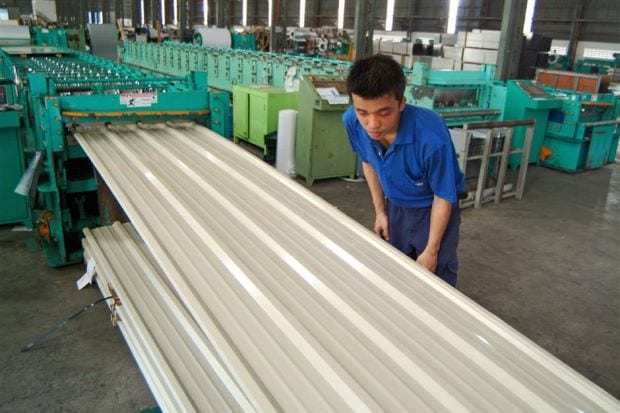
    Building material and roofing product manufacturer Astino Bhd plans to tap new markets overseas in two years selling its agro-house and green-house structure products. Group chief executive officer Ng Back Teng said the group was now selling the products only in Malaysia. “We want to strengthen our presence in the country first before going overseas,” he said after the company’s AGM on Friday.

    “We have in mind the markets in Vietnam and Indonesia.” At present, the products contribute less than 10% to the group’s revenue. “In the future, the contribution is expected to increase significantly,” he said. For the second financial quarter, the group’s business continued to be weak, due primarily to the slowdown in the construction sector, according to Ng. “The first quarter ended Oct 31, 2015 saw the group registering an 8%-9% drop in revenue. We expect the business for the second quarter to remain flat,” he said. Ng said the group had also reduced the import of steel-based materials due to the weakened ringgit.

    The group has seven facilities in the country, with three in Penang, two in Bukit Beruntung (Selangor), one in Pahang, and another in Malacca. “There are no plans for expansion this year,” he said. Ng said the group would focus on improving operational efficiencies and explore the possibility of producing new metal building material products to penetrate into new local and overseas markets. He added that the second facility in Bukit Beruntung started operations in late 2015. “The new plant should help the group to strengthen its foothold in the central and southern regions,” he said. Astino shares shed 2.5 sen to close at 66.5 sen on Friday.

  • Central Group eyes Casino’s units in Thailand, Vietnam

    Central Group eyes Casino’s units in Thailand, Vietnam

    Thailand’s largest retail conglomerate Central Group is keen to bid for Casino Group’s Thai and Vietnam operations, a company executive said.

    Casino owns 58.6% of Big C Supercenter Plc, which has a total a market value of $5.5 billion. Casino said last week it was keen to sell this stake after announcing it would sell its Vietnam unit in the first quarter.

    “We are interested in both Big C in Thailand and Vietnam,” Prin Chirathivat, deputy chief executive officer.

    “If the prices are not too expensive, we will be keen to bid,” Mr Prin said adding his family, the Chirathivats, has a combined 25% stake in Big C.

    Central has been actively looking to buy assets overseas as it wants to expand into Southeast Asia and Europe.

  • Understanding CapitaLand Limited From An Investor’s Perspective

    Understanding CapitaLand Limited From An Investor’s Perspective

    CapitaLand Limited (SGX: C31) is one of Asia’s largest real estate companies with a presence in Singapore, China, Indonesia, Malaysia and Vietnam. It is listed on the Singapore Exchange with a market capitalization of over S$13 billion.

    The company has a diversified suite of real estate businesses. This includes the development of residential and commercial properties, as well as the ownership and management of retail malls, offices, and hospitality properties. In addition, CapitaLand has a number of Singapore-listed trusts under its umbrella and these include:

    • CapitaLand Mall Trust (SGX: C38U), a real estate investment trust (REIT) that owns and manages mainly retail malls in Singapore.
    • CapitaLand Commercial Trust (SGX: C61U), a REIT with a portfolio of predominantly Singapore commercial/retail buildings.
    • Ascott Residence Trust (SGX: A68U), a REIT that holds hospitality-related properties (such as serviced residences) in the U.S., Europe, Asia, and Australia.
    • CapitaLand Retail China Trust (SGX: AU8U), a China-focused REIT that owns a portfolio of retail malls in the country.

    2015 was a year in which the Singapore stock market, as represented by the Straits Times Index (SGX: ^STI), fell by 14%. CapitaLand, however, bucked the trend with a gain, albeit a meagre one of just 1.4%.

    Let’s analyze the company’s financials to understand if it may be a potential investing opportunity now. For this we will be using four metrics, namely the price to earnings (P/E) ratio, price to book (P/B) ratio, net debt to equity ratio, and dividend yield.

    CapitaLand has a trailing 12 months (TTM) earnings per share of S$0.288, according to S&P Capital IQ. With the company’s current share price of S$3.14, this implies a P/E ratio of 11. This is on par with the P/E ratio of the SPDR STI ETF (SGX: ES3) – an exchange-traded fund tracking the Straits Times Index – which stands at 11.

    As at the end of the third-quarter of 2015, CapitaLand has a net asset value per share of S$4.14. This would mean that the company has a P/B ratio of 0.76 at its current share price. What this means is that investors are able to buy the company’s assets, net of all liabilities, at a discount at the moment. Investors might thus be able to get a margin of safety with CapitaLand.

    Moving on, CapitaLand had net debt (total borrowings minus cash) of S$12.5 billion and equity of S$24.5 billion as of 30 September 2015. This would imply a net debt to equity ratio of 51%, which is on the high side, in my opinion.

    Lastly, the company has a dividend yield of 2.9% based on its 2014 annual dividend of S$0.09 per share. It’s worth noting that CapitaLand’s ordinary dividend has been growing over the past few years, rising in 1 cent per share increments in each year from S$0.06 per share in 2011 to S$0.09 in 2014.

    In looking at the four metrics, the negatives appear to outweigh the positives. While CapitaLand’s low P/B ratio may give investors some margin of safety, its high net debt to equity ratio could add some risk. Moreover, CapitaLand’s P/E ratio and dividend yield are not very attractive.

    To sum it up, the four metrics seem to suggest that CapitaLand may not be a potential investing opportunity for investors currently. That being said, a deeper look will still be required before any firm investing conclusion can be reached – the four metrics only represent a useful starting point for further research.


  • Vietnam’s retail sales jump 9.5% last year

    Vietnam’s retail sales jump 9.5% last year

    Viet Nam’s retail sales of goods and services rose 9.5 per cent this year, the largest increase since 2011, as low inflation and strong economic growth bolstered consumer confidence, data from the General Statistics Office (GSO) revealed.

    Sales were estimated at VND3,242 trillion (US$148 billion), GSO said. Vu Manh Ha, domestic trade economist of the GSO, attributed the significant rise in 2015 to the country’s 0.63-per cent CPI year-on-year rise, the lowest increase in the past 14 years.

    Ha said the low CPI increase meant stable prices for several essential products, adding that manufacturers and suppliers could sell their products without raising prices, which encouraged consumption.

    Retail sales growth was also triggered by the increasing number of newly-opened supermarkets and convenience stores throughout the countries, enhancing competition among product suppliers, Ha said.

    The government said on Saturday that Viet Nam’s gross domestic product grew 7 per cent in the forth quarter and 6.7 per cent in 2015, the biggest expansion in five years.

    According to GSO, retail sales of goods, which account for 76 per cent of the total sales, reached VND2,470 trillion ($112 billion), up 11 per cent from last year.

    Revenue in some sectors saw a handsome increase. Food and foodstuffs saw an increase of 15 per cent, household appliances rose 15 per cent, garments and textiles up 13 per cent and transport services are estimated to increase 10 per cent.

    Retail sales of accommodation, restaurant and catering services reached VND372.2 trillion ($17 billion), accounting for 12 per cent of the total revenue, posting a 5.2 per cent year-on-year increase.

  • Korea’s E-Mart Vietnam launches

    Korea’s E-Mart Vietnam launches

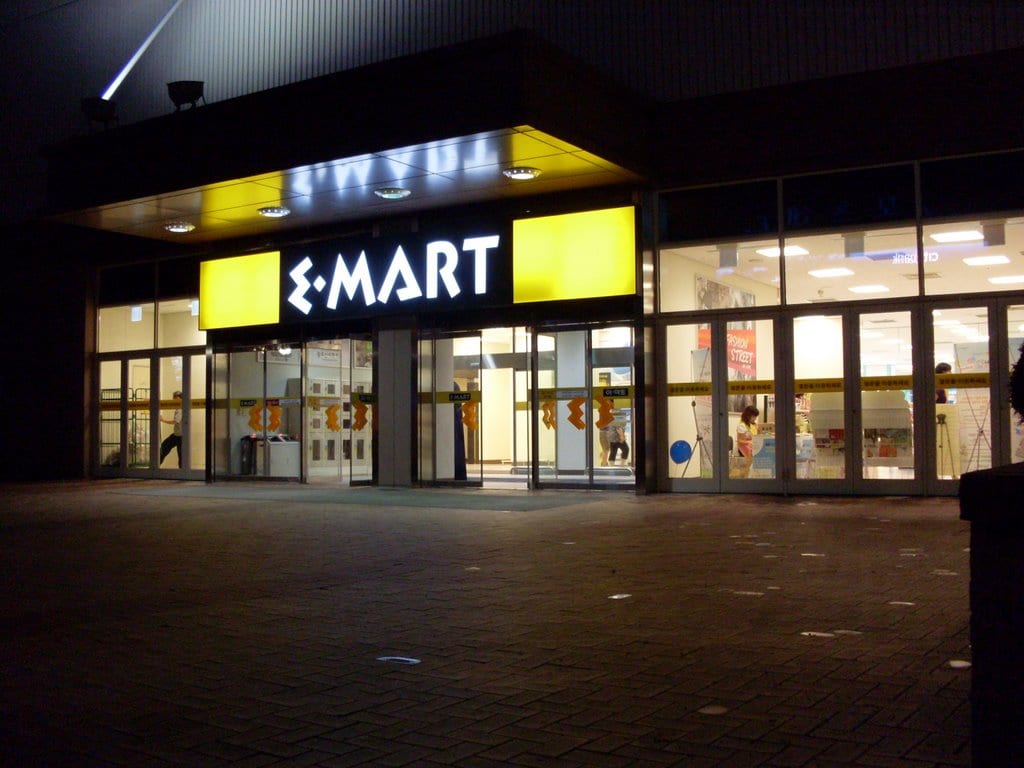
    As a first step in a Southeast Asian rollout, Korean discount store E-Mart has opened its first outlet in Vietnam.

    It goes head-to-head with rival Korean chain, Lotte Mart, which has been in Vietnam since 2011 and now has 11 stores. The E-Mart Vietnam launch follows four years of researching the Vietnamese retail market.

    Run by retail giant Shinsegae, the new two-storey E-Mart hypermarket is worth US$60 million and is on a 3ha site in the busy Go Vap District of Ho Chi Minh City, nearby the airport. It is the brand’s first overseas store since it shifted focus to Southeast Asia in 2011 after a lacklustre foray into China. The company regards the new store as a foothold for expansion throughout Vietnam and into such neighbouring countries as Indonesia, Laos and Myanmar, reports the Korea Herald.

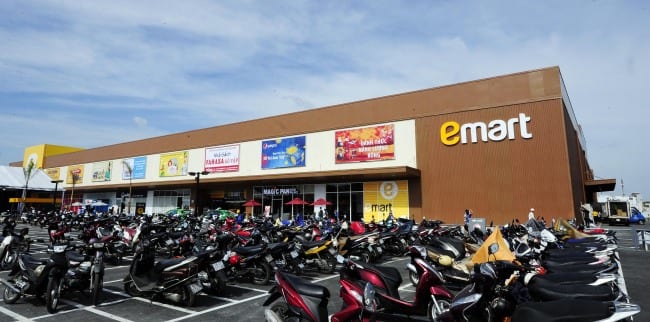
    E-Mart’s Ho Chi Minh City store has been tailored for Vietnamese consumers, and offers several features new for Vietnam. About 95 per cent of the employees (about 300) are Vietnamese, including the manager, and the parking lot has been designed to cater for 1500 motorcycles and 150 cars to reflect the city’s vehicle preferences

    As well as featuring Korean products popular with Vietnamese tourists to Korea, the hypermarket has imported items sourced by its operator. Korean dishes such as kimbap, tongdak and grilled chicken are made in-store, as well as baked goods adapted for Vietnamese tastes. On its shelves customers can also find fast-moving consumer goods, household utensils, electronics, and clothing from about 1000 local suppliers, plus a wide range of Korean and Emart-branded products. About 95 per cent of the goods will be locally made.

    Unusual for stores in Vietnam, the new E-Mart has such concepts as a diversified food court, a children’s sports club, games centre, book store and an English club, plus its flagship customer services include immediate refund and exchange policies and compensation for checkout errors.

    Its mix of food and entertainment is aimed at turning the store into a “happy hypermarket” for Vietnamese consumers, reports VNS. E-Mart Vietnam general director Choi Kwang-Ho says it is hoped these concepts will “sweep the Vietnamese retail market”.

    “After successfully building up a sizeable presence in Ho Chi Minh, we plan to expand into the rest of the country,” he said.

    According to the Korea Herald, E-Mart has already bought land for a second branch. An E-Mart press release says the company plans to open another hypermarket in Hanoi – a first for the capital – and expand the chain to 52 stores across Vietnam by 2020.

    Meanwhile, in co-operation with the Viet Nam National Traffic Safety Committee, E-Mart has donated hundreds of helmets each to seven primary schools in Go Vap. It plans to gift 50,000 quality helmets for primary-school students by 2020.

    E-Mart is the largest retailer in South Korea with 160 stores. Founded in 1993 by department store franchise Shinsegae, E-Mart reported global sales of $13.2 billion last year.

  • Study reveals Asian dining spending trends

    Study reveals Asian dining spending trends

    One in three millennials in Asia are eating at fine dining restaurants at least once a month – more often than those aged over 30.

    The surprise finding is one of a list of revelations uncovered by a MasterCard survey of Asian dining trends away from home. It featured consumers in 17 Asia Pacific markets: Australia, Bangladesh, China, Hong Kong, India, Indonesia, Japan, Malaysia, Myanmar, New Zealand, Philippines, Singapore, South Korea, Sri Lanka, Taiwan, Thailand and Vietnam.

    The most frequent fine-diners in Asia Pacific are millennials (18-29 year olds) from China – on average they visit more expensive establishments two or three times a month. This is higher than the average for millennials across the region and higher than any other age group.

    When choosing where to eat, consumers in Asia Pacific still prefer to rely on word of mouth and recommendations from friends and family (50 per cent). This was applicable for all consumers, regardless of age group, with even millennials trusting word of mouth recommendations (52 per cent) more than online reviews (38 per cent).

    This is despite the fact that more than a third of millennials (36 per cent) post comments and reviews of their dining experiences online. This is especially true of Chinese (61 per cent) and Thai (52 per cent) millennials, where more than half of the young people polled regularly post reviews after a meal.

    Beyond millennials, people in Thailand (39 per cent) and China (30 per cent) are also the most likely to spend more on dining over the next six months with around one in three indicating they plan to eat at more expensive establishments.

    But while consumers may be enjoying fine dining, they are still cost conscious. Sixty-four per cent of consumers in Asia Pacific regularly check for discounts or dining deals from coupon websites, mobile applications or credit card promotions. Sixty-eight per cent of millennials regularly look out for deals before choosing a place to eat.

    Eric Schneider, regional head, Asia Pacific, with MasterCard Advisors, said Asia has always had a strong dining out culture and so it is not surprising that affluent millennials in the region are ‘foodies,’ with many sharing their dining experiences on social media and posting reviews online.

    “While the survey has shown that people are increasingly moving from the hawker centres and into restaurants, young people are still cost conscious, taking a practical and savvy approach by looking for discounts and deals. Young people also still rely on word of mouth recommendations, despite many posting online reviews of dining spots. As Asia’s economies continue to grow, and with technology and social media revolutionizing the dining experience, people will increasingly demand top quality experiences when dining out,” he said.

    Other findings from the survey included:

    • Overall, consumers in Asia Pacific are not looking to make any significant changes to their dining out plans with 61 per cent of all consumers indicating they will look to eat out at the same frequency in the next six months. Twenty per cent plan to eat out more and 19 per cent plan to eat out less in the next six months.
    • The most popular dining option for consumers in Asia Pacific are mid-range restaurants and cafes, followed by fast food outlets and then hawker centres and food courts.
    • Consumers in the Philippines (44 per cent) are looking to tighten their belts with close to one in two planning to eat at less expensive venues in the next six months. Forty-nine per cent also plan to eat out less regularly.
    • A significant proportion of older consumers are going online to check for dining discounts whether on coupon websites/applications or credit card promotions. More than one-third of consumers aged 55 years old and above (36 per cent) indicated they regularly do so before deciding on a dining option.
    • Consumers in China (58 per cent), Taiwan (44 per cent) and Thailand (44 per cent) are the most likely to book dining deals on coupon sites or coupon applications; while consumers in Bangladesh (1 per cent) and Indonesia (11 per cent) were least likely to do so.
    • Diners in Thailand (60 per cent) and China (57 per cent) are most likely to post comments or reviews on social networking sites like Facebook and Twitter with about one in two respondents in these markets reporting that they regularly post comments online following their dining experience.

    The results are based on interviews with 8698 individuals aged 18 to 64 years-old.

  • Big C Vietnam revenue negligible, won’t be retained

    Big C Vietnam revenue negligible, won’t be retained

    Despite a sustainable growth rate, earnings from the Vietnamese arm are miniscule in comparison to other foreign businesses of the French retailing chain Big C, which is owned by Casino Group.

    On December 15 the French retailer issued a memorandum stating that it may seek a new owner for its supermarket chain Big C in Vietnam, as the company plans to strengthen its financial flexibility by selling assets in the country, as well as Thailand and Colombia.

    In 2016 Casino Group is expected to enact what it calls a ‘deleveraging plan’ of more than two billion euros (US$2.2 billion), mainly through real estate transactions and the disposal of non-core assets, according to the memo.

    The French group currently owns 10 retail brands across the globe, with a concentration in Asia. The Big C brand is used for the supermarket chain in Vietnam and Thailand.

    In multiple annual reports, Casino Group has assessed Vietnam as a market with high potential for growth in the future, once the economic slowdown is over and consumption begins to grow again.

    However, given the minor contribution of Big C Vietnam and the small market size, especially compared to neighboring country Thailand, the chain is now on the priority list to change hands.

    The contribution of Big C Vietnam in 2014 was just over one percent of the French parent company’s total revenue, much smaller than Big C Thailand during the same period.

    In 2014, revenue from the Asian operations of Casino Group reached 3.5 billion euros ($3.83 billion), accounting for seven percent of the total turnover of Casino Group. Breaking it down further, 98 percent of this figure was contributed by Big C Thailand, and less than two percent by Big C Vietnam.

    The revenue of Big C Vietnam last year was about $546 million, a seven percent year-on-year increase, according to data published by Retail Asia magazine using statistics compiled by London-based market research firm Euromonitor.

    In the first six months of this year, Big C Vietnam recorded a total turnover of 312 million euros ($340.66 million), up 26 percent over the same period last year, higher than the group’s total average growth rate in Asia, which was around 23 percent.

    Size that matters

    The revenue of the French retailer grossed from the Asian market is also small compared to other markets worldwide.

    Revenue from Asia accounted for less than 10 percent of its total global sales in the first six months, reaching more than 2 billion euros ($2.12 billion), 98 percent of which was generated by Big C Thailand, according to the group’s financial reports.

    In particular, revenues generated in Thailand in the first half of 2015 were 1.8 billion euros ($1.97 billion), nearly six times the earnings of Vietnam with 312 million euros ($341.46 million), a big gap between the two Southeast Asian neighbors that has been stable for the last five years.

    In terms of networks, through 2014, Big C Thailand had 123 large stores (Big C Supercenter, Extra, and Jumbo), 37 Big C markets, 324 Mini Big C convenience stores and 152 drug stores.

    Meanwhile, Big C Vietnam has 32 supermarkets and 10 convenience stores.

    In addition, the number of employees working at Big C Thailand was more than 26,600, three times the number of employees in Vietnam.

    In particular, Big C Supercenter Public Co. Ltd., the firm established to run Big C Thailand, was already listed on the stock exchange with a market capitalization of nearly 4.3 billion euros ($4.7 billion).

    On December 15, when Casino Group issued the memo in a document submitted to the Stock Exchange of Thailand, Big C Supercenter Public outlined its growth strategy next year, in which the emphasis will be on continuing to expand its network.

    In 2015, the company has opened 108 new stores, including two hypermarkets, and continues overhauling its supply chain. In 2016, it will keep enhancing its performance plan with the opening of six hypermarkets, three Big C Markets and 75 Mini Big C convenience stores.

    In addition, the global e-commerce segment, though newly developed, is yielding positive results with revenue equal to that of the Asian retail market.

    The sale of the Vietnam business could raise 750 million euros ($813.86 million), while setting up real estate investment trusts in Thailand and Colombia could net 550 million euros ($596.8 million) and 200 million euros ($216.98 million), respectively, Bloomberg reported on December 16, citing Bruno Monteyne, an analyst at Sanford C. Bernstein.

    The decision is consistent with what Casino Group shared in the memo, stating that the sale of Asian assets is a strategic move to help the French group focus on its core markets such as France with 18.8 billion euros ($20.57 billion) (38.76 percent) and Latin American with 22.6 billion euros ($24.73 billion) (46.6 percent).

    Casino Group, which is active in many other areas including e-commerce, finance and real estate, was founded in 1898 and is now one of the world’s leading retailers, with total assets of over 42 billion euros ($45.97 billion) at the end of June 2015.

    Like us on Facebook or follow us on Twitter to get the latest news about Vietnam!

  • E-Mart opens first outlet in Vietnam

    E-Mart opens first outlet in Vietnam

    E-Mart said Monday it has opened its first outlet in Vietnam, with aims to expand its presence across the Southeast Asian region in the years to come.

    The discount store chain operated by Korea’s retail giant Shinsegae will be competing with Lotte Mart, which has been operating 11 stores in Vietnam since 2011.

    E-Mart’s new store located in the Go Vap District in Ho Chin Minh City, Vietnam. (E-Mart)

    The new E-Mart store — two stories tall and about 30,000 square meters wide — is located in the heart of Ho Chi Minh City at Go Vap District, one of the most developed and densely populated areas in the capital.

    The Go Vap branch marks E-Mart’s first overseas store since the brand redirected its focus to the Southeast Asian market in 2011 amid sluggish performance of its Chinese operations.

    The firm has set its sights on using the new store as a foothold to expand into other regions in Vietnam as well as neighboring countries like Laos, Indonesia and Myanmar.

    E-Mart said it has taken care to localize its services as much as possible to meet the needs and lifestyle of Vietnamese consumers while introducing a number of new services and facilities unfamiliar to locals.

    For one, 95 percent of some 300 store employees, including the store head, are Vietnamese. In line with the high motorcycle ownership (80 percent) in the country, the parking lot has been designed to accommodate 1,500 motorcycles and 150 cars.

    In terms of its product lineup, E-Mart is featuring Korean goods that are popular among Vietnamese tourists to Korea as well as imported items sourced directly by the store operator.

    Popular Korean food such as kimbap and tongdak, grilled chicken, as well as fresh baked goods catered to Vietnamese tastes will be freshly made and sold inside the store as well.

    The venue also includes a number of new dining and entertainment facilities scarce in the country including a diversified food court, a sports club for children as well as an English Club.

    At the same time, E-Mart plans to implement its flagship customer services system, including immediate refund and exchange policies and compensation for miscalculations at the checkout counter.

    “By offering items, services and facilities popular among the Vietnamese E-Mart’s Go Vap branch will seek to sweep the Vietnamese retail market,” said general director of E-Mart Vietnam Choi Kwang-ho.

    “After successfully building up a sizeable presence in downtown Ho Chi Minh, we plan to expand into the rest of the country,” he said.

    E-Mart has reportedly purchased land near Ho Chi Minh’s Tan Son Nhat International Airport, with plans to open its second branch there in the near future.