Tag: Vietnam

  • Central Group sees flat spending in Thailand

    Central Group sees flat spending in Thailand

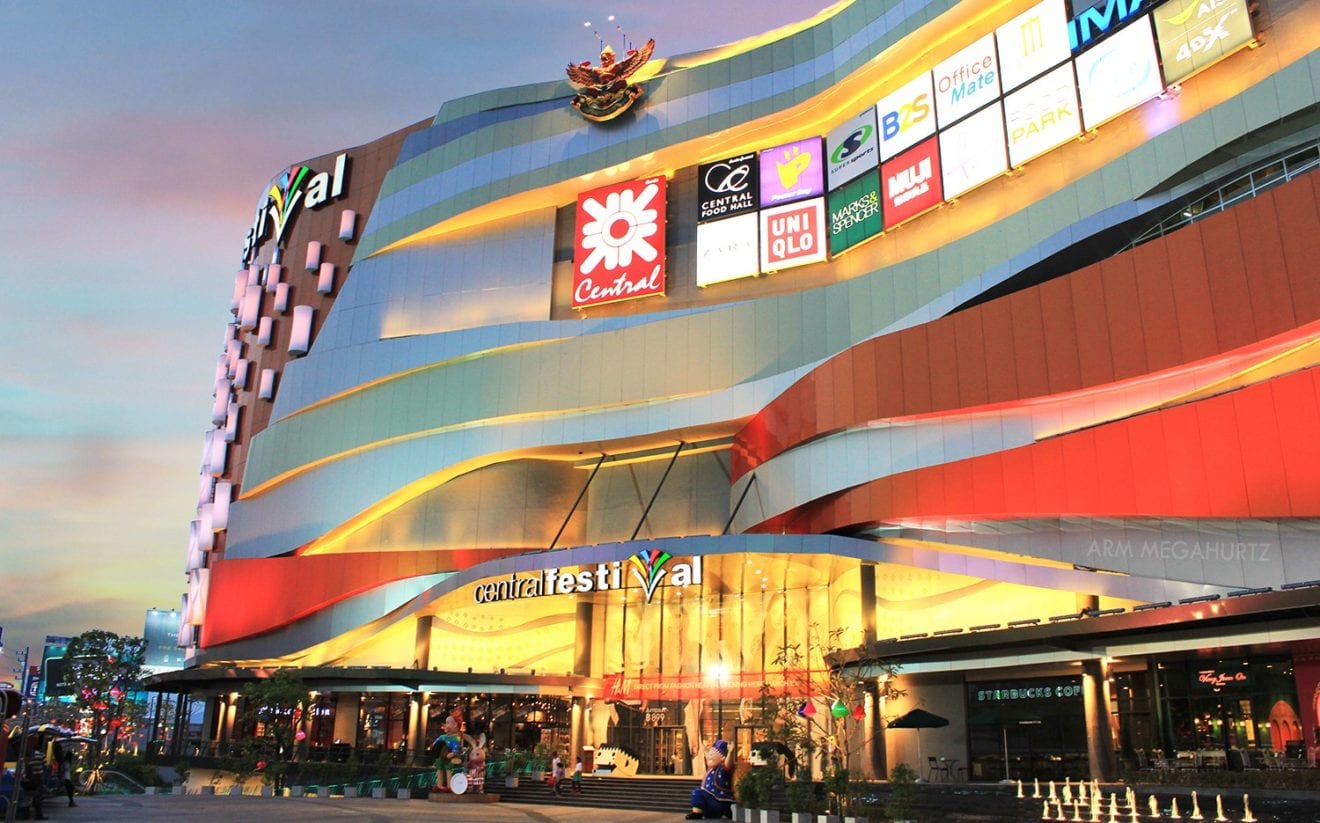
    As Thai retail conglomerate Central Group suffers a sluggish domestic economy, its owners the Chirathiwat family worry that premium customers are spending overseas rather than at home.

    “The upper class group is still spending money,” Chief Executive Tos Chirathiwat told reporters in Bangkok on Wednesday. “The problem is that they are spending outside of Thailand.”

    In 2015, roughly 7 million Thais travelled abroad, up 9% year on year. Tos said that these outbound travelers spent some 170 billion baht ($4.76 billion).

    “What’s worrying is that the figure is growing at 10% every year, while domestic consumption is expanding at only 2%,” he said. At this rate, the spending leak from Thailand will reach 300 billion baht in five years.

    The number of inbound tourists meanwhile hit a record 29.88 million in 2015, up 20% year on year from a low base in 2014 following political turmoil. But according to Tos spending has not kept pace, rising just 2% last year. He called for Thailand to promote domestic consumption and tourism.

    Central Group is Thailand’s largest retail company with subsidiaries including property development arm Central Pattana. Wearing another hat, Central is itself expanding overseas where operations now account for nearly 20% of group revenue. The company plans to more than double revenue in Europe to 2 billion euros ($2.17 billion) by 2020 — aided by custom from Asian tourists, including China and Thailand.
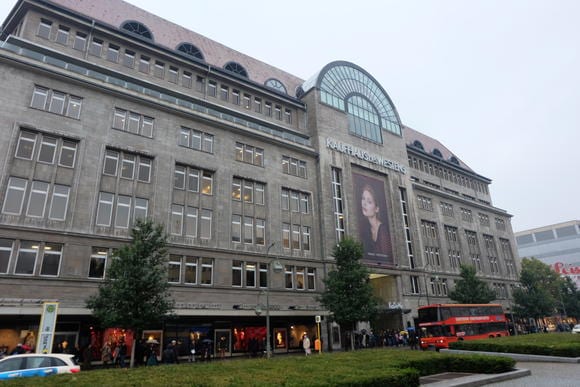
    Some 10.4 billion baht has been earmarked for renovating five department stores Central has acquired in the region. “We want the stores to be not only a shopping destination but also a tourism destination,” said Tos.

    Central began its shopping spree in Europe in 2011 buying Italy’s La Rinascente chain, which has a 150-year history. Revenue from Europe has been growing an average 40% each year since. This year, it is expected to jump 70% to 51 billion baht as three German department stores acquired in mid-2015, including KaDeWe in Berlin, start contributing.

    Tos said further mergers and acquisitions in Europe are being put off for now. “We have quite a large coverage in Europe now, and there’s a lot of work to do,” he said.

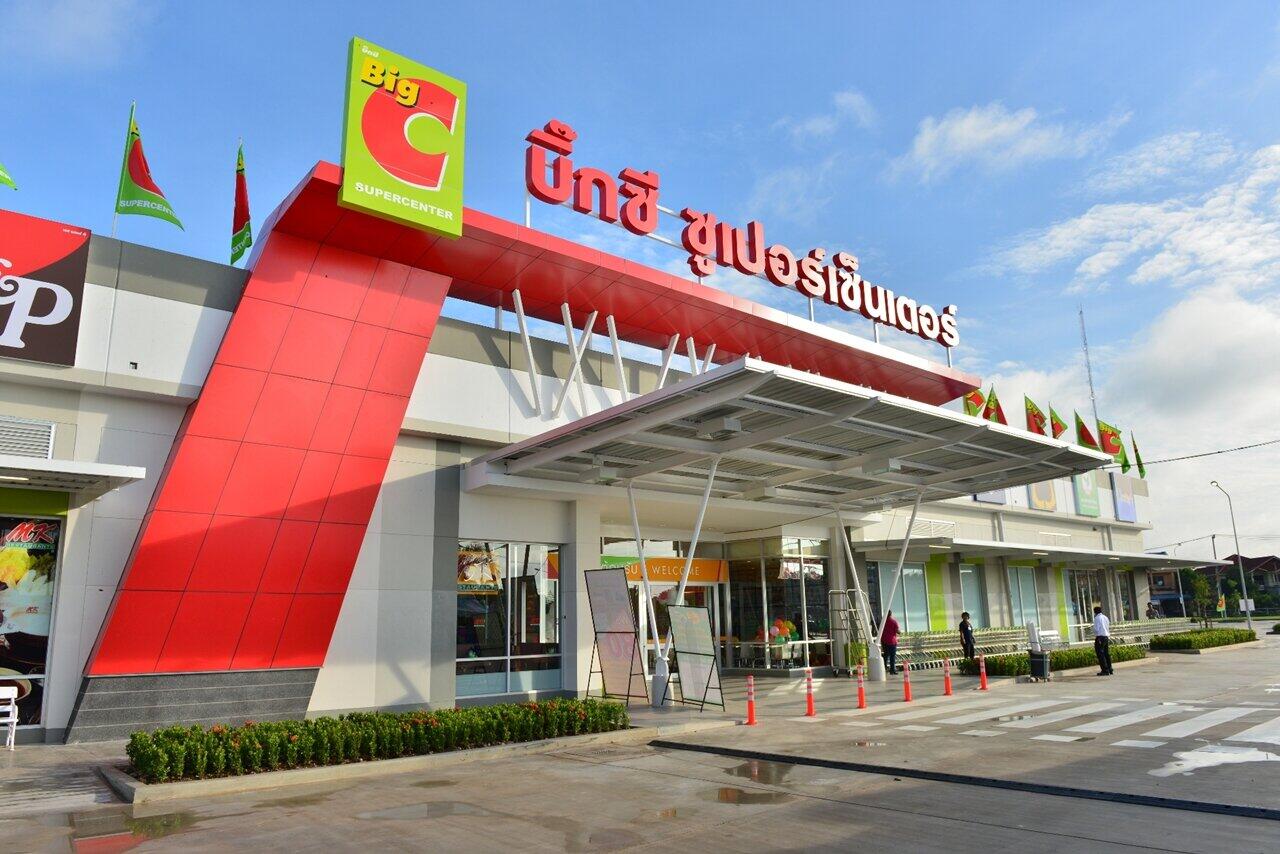
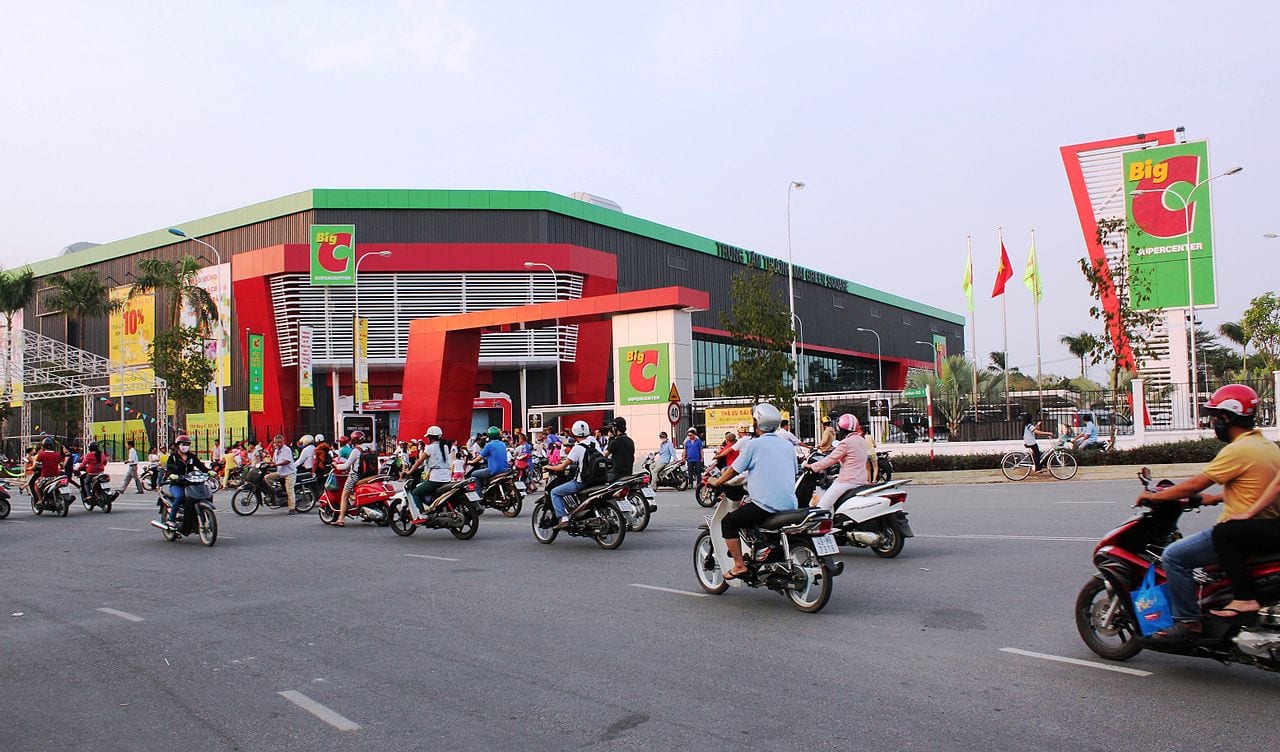
    A more immediate focus is Southeast Asia, particularly neighbors Cambodia, Laos, Myanmar, and Vietnam. In Vietnam, France’s Casino Group is selling off its Big C supermarket chain, and Central already has 25% of Big C in Thailand.

    “We are interested but we have not decided yet whether to join the bidding,” Tos said. “The acquisition will require a substantial amount of money which could be used to acquire something else.”

    TCC Group, the parent company of Thai Beverage, is also reported to be looking at Big C in Vietnam. It recently acquired Casino’s 58.56% stake in Thailand’s Big C for 3.1 billion euros.

    Bidding for Big C in Vietnam is expected to conclude next week. Tos said that if Central acquired the chain, its sales in Vietnam would double from $600 million at present. The company already has two Robins department stores there, and acquired Nguyen Kim, an electronics retail chain, last year.

    Tos said Central has no plans to reenter China after recently exiting. “China was a difficult market,” he said, noting the need for good government connections. “We learnt a lot.”

    Central’s group revenue in 2015 was over 283 billion baht, up 13.5% on 2014. It is targeting growth of 18.9% this year, with international sales contributing the lion’s share of the increase. Revenue from abroad will contribute 24% of the total, up from 18% in 2015.
  • Why are many Thai buyers in the Vietnam retail market?

    Why are many Thai buyers in the Vietnam retail market?

    Berli Jucker Plc (BJC), has taken over the Japanese chain of 42 FamilyMarts and renamed it as B’mart. The Vietnamese retail market recently witnessed a series of mergers and acquisitions (M&A) in which the buyers were businessmen from Thailand.

    In mid-2014, BJC made a deal on buying Metro Cash & Carry Vietnam at $880 million, the biggest affair in the retail sector in Vietnam so far. The deal wrapped up 1.5 years later, in January 2016.

    In early 2015, Central Group successfully acquired a 49 percent stake of the Nguyen Kim home appliance distribution chain.

    Right after French Casino Group announced the plan to sell Big C Vietnam, analysts predicted that Big C chain in Vietnam was likely to fall into Thai hands. Later, BJC stated it was vying for Big C Vietnam.

    This is because, according to Phu, the Vietnamese market promises great potential: while other countries in the world focus on developing the home market, Vietnam has been gathering strength on boosting export, while paying less attention to the domestic market.Vu Vinh Phu, chair of the Hanoi Supermarket Association, who was deputy director of the Hanoi Trade Department, noted that only a few foreign retailers came to Vietnam in the past, but things are quite different now. Nearly all big retailers in the world are present in Vietnam, especially Thais.

    This explains why foreign investors have to spend several months only to find retail premises and penetrate the home market. Meanwhile, a domestic retailer told Phu that it took him three years to do this.

    “Business opportunities will be missed after such a long time,” Phu said, adding that domestic and foreign retailers are in an unequal competition.

    An analyst commented that many Thai businessmen eye Vietnam because Thailand is near Vietnam in geographical position. Thai businesspeople understand Vietnamese consumers’ taste and hobbies.

    “Thai businessmen kicked off plans to penetrate the Vietnamese market a long time ago. And they have been doing this in a methodical way and they have been step by step expanding both production and distribution in Vietnam,” he commented.

    At first, Thai businesses usually organize trade fairs in Vietnam to familiarize Vietnamese with Thai products.

    “I believe that 100 percent of families in Hanoi and HCMC use Thai products, from washing liquid to knives,” he said, adding that Thai products are present in every Vietnamese family.

    Phu commented that though Thai is less strong than Japanese and South Korean; therefore, they have been ‘waging guerilla warfare’ when attacking the Vietnamese market.

  • Vietnam risks losing entire retail market to Thailand

    Vietnam risks losing entire retail market to Thailand

    Industry insiders have warned that Vietnam is on the brink of losing its entire retail market to neighbor Thailand. Made-in-Thailand goods, from confectionery to luxury items, are making their largest-ever ‘invasion’ of the Vietnamese market, and many local firms are looking like being acquired by Thai investors.

    Last month, Thailand’s TCC Holding Co. officially acquired Metro Cash & Carry Vietnam’s operations from Germany’s giant retailer Metro Group for an enterprise value of €655 million (US$712.14 million).

    The business includes 19 wholesale stores and related real estate portfolios across Vietnam.

    Another major Thai investor, Berli Jucker (BJC), is also is keen to buy the Big C Vietnam supermarket chain from its French operator, Casino Group.

    The French company reportedly wanted to sell its Vietnam business after completing the transfer of its business in Thailand, Thai Big C, to home player TCC in a $3.5 billion deal earlier this month.

    “If Big C Vietnam is sold to a Thai investor, it can then be said that the entire Vietnamese retail market is in Thailand’s hands,” said Vu Kim Hanh, chairwoman of the Business Association of High-Quality Vietnamese Goods.

    In 2013, BJC acquired the Vietnamese convenience store chain from Japan’s Family Mart and renamed it B’s Mart.

    Later that year, Family Mart teamed up with a new Vietnamese partner to keep the Family Mart chain running, not to be confused with the Thai-operated B’S Mart.

    “A supermarket chain is the missing piece at a time when Thai companies are already running wholesale markets, convenience stores, and even traditional retail channels in Vietnam,” Hanh told us recently.

    With multiple retail channels under their control, Thai investors can easily cut costs and increase competitiveness, and “it will be more difficult for Vietnamese goods to enter Thai-controlled retail outlets,” Hanh said.

    In fact, Thai goods are currently dominating the B’s Mart chain in Vietnam following its acquisition from Family Mart, according to the director of a processed food company.

    “There have been huge changes in the way these stores source products, with Thai candies, snacks and packaged food dominating shelves,” she told Tuoi Tre.

    A real threat

    Shelf space for Thai goods has also increased in other Thai-owned retail channels in Vietnam.

    One executive from a Ho Chi Minh City-based frozen foods trading firm said they had stopped making private-label products for Metro late last year, even before the cash and carry business was sold to TCC.

    Private-label goods are typically those manufactured or provided by one company sold under another company’s brand name.

    “Several procedures have taken longer than usual since the Thais have controlled Metro,” she added.

    “It took me six months to pull some products from their shelves, and requests to adjust prices also took a long time to be effected.”

    Other Vietnamese businesses said the trading policies of Metro, under the new owner, have changed a lot.

    “We are offered higher commissions, but sales have been much slower,” one company director said.

    N.T.C., director of a fresh food producer, said Metro Cash & Carry Vietnam has a new marketing policy that openly favors Thai suppliers.

    “Across product categories, only the Thai ones are subject to repeated promotional campaigns, which leave Vietnamese suppliers like us in shock,” he said.

    The presence of Thai-made products has even increased in retail outlets not owned by the Thais, including South Korea’s Lotte Mart and Co.op Mart, which is Vietnam’s largest supermarket chain.

    “Thai businesses are receiving huge support from the government, in terms of both policies and capital, in their ‘invasion campaign’,” said Vo Xuan Trung, director of IBP Co., a local distributor of Thai snacks.

    While there used to be only one annual Thai goods fair in Ho Chi Minh City, the event has been held four times annually since 2014, Trung said.

    “Having said that, we should acknowledge that most Thai products are of better quality and available at more attractive prices than their local competitors,” he said.

    Tran Anh Tuan, general director of Pathfinder, a Ho Chi Minh City-based market consulting firm, said it was a real threat for Vietnam to lose its home market to Thai retailers.

    “Once Thai retailers are in Vietnam, it is certain that they will try to increase the presence of their goods,” he said.

    Tuan underlined that timely policies should be made before the second, bigger risk comes.

    “Soon we will see not only our consumers rush to buy Thai goods, but also Vietnamese firms acquired by Thai investors,” he warned.

  • Furla Asia-Pacific plans more flagships

    Furla Asia-Pacific plans more flagships

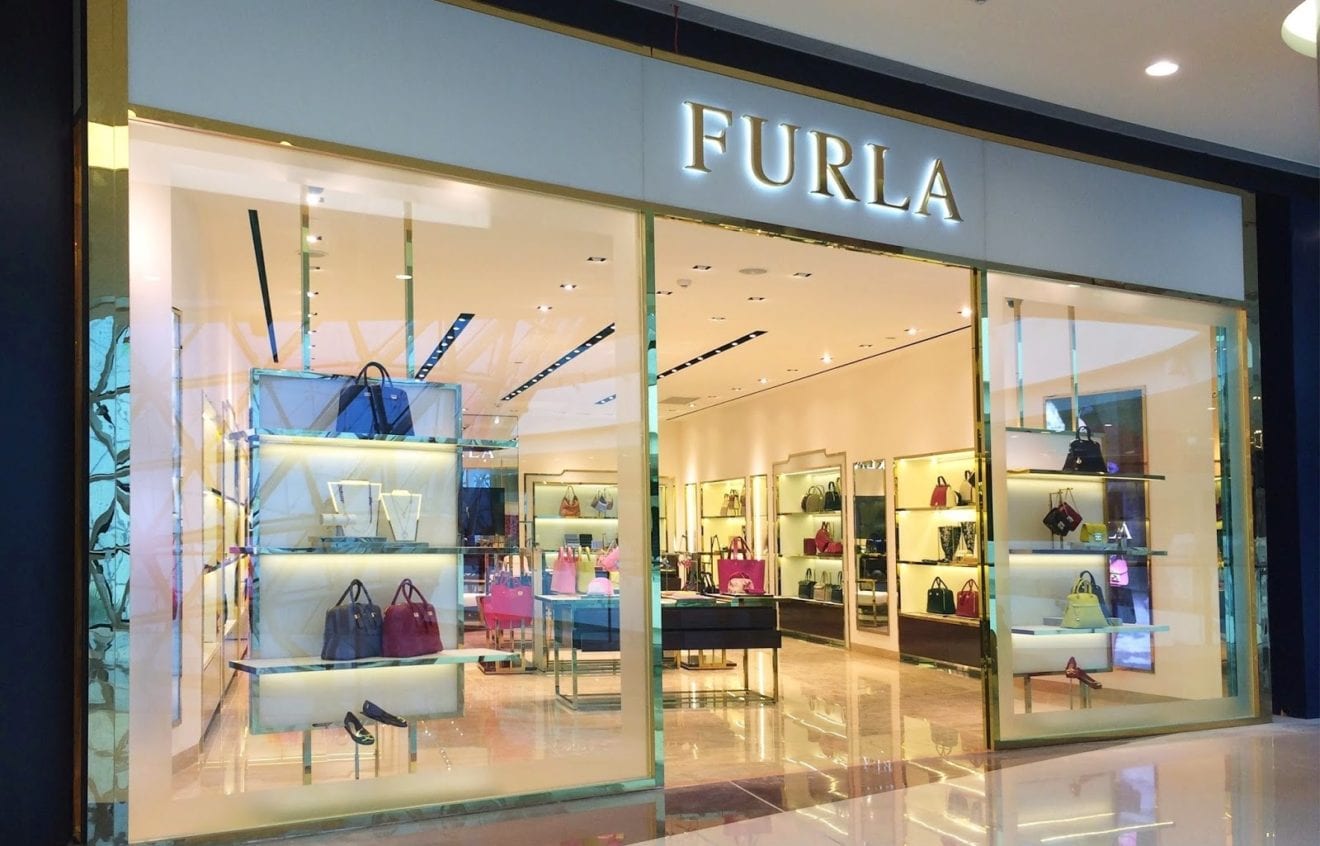
    Luxury Italian brand Furla is planning more flagship stores in Asia as the region delivers strong growth for the 89-year-old family-owned company.

    FURLA CEO_Eraldo PolettoIn an exclusive interview with Inside Retail Asia, Furla CEO Eraldo Poletto explains how the company has bucked the decline in luxury spending in core markets like Hong Kong and Singapore during the past year. Furla achieved 53 per cent growth in total sales (in euro at the current exchange rate) in Asia-Pacific, where it counts 14 markets – Australia, Cambodia, China, Hong Kong, India, Indonesia, Korea, Macau, Malaysia, Singapore, Taiwan, Thailand, The Philippines and Vietnam. Japan, a stand-alone territory in Furla’s accounts, saw sales grow 24 per cent.

    Even discounting sales from new stores, like-for-like growth for Furla Asia-Pacific reached 15.5 per cent last year, yet the region accounts for just 19 per cent of the company’s sales – about €64.4 million ($72.1 million) – suggesting strong growth potential ahead.

    “The consistent strategy we have implemented over the past four years – positioning ourselves as the only Italian and ‘Made-in-Italy’ brand in the premium segment, without accepting compromises in terms of quality – is paying off,” says Poletto.

    “We are expanding our footprint with important flagships: Singapore Marina Bay Sands opened in September; Hong Kong Miramall and Shanghai Citic, each with a 300 sqm street facade, opened in December with a luxury retail concept showcasing our full ladies’ and men’s collections.”

    Furla China Flagship Store @ Shanghai Citic Square 4

    He says more flagships will open this year in Australia and Bangkok.

    “Flagships are meant to represent every aspect of the brand in terms of image and product range; however, we are not expecting to open more than five or six flagships in the region, as we are focusing on the profitability of our retail network, and prefer to penetrate the market extensively.”

    In what he terms a “capillary” approach, more standard-sized stores and points of sale will also open across the region.

    Furla China Flagship Store @ Shanghai Citic Square 7

    For the past two years the company has opened or renovated one store a week. It now has 172 points of sale in Asia-Pacific, along with 72 monobrand stores in Japan.

    “In terms of our retail format, our average store size is increasing together with Furla’s total-look collections. Malls and high-street locations complement each other, and in this period of time, rent levels in some markets have decreased substantially because of a drop in demand from luxury, watch and jewellery brands. We are always on the lookout for new opportunities to invest in,” says Poletto.

    “Our retail store concept is also quite special, as it wants to deliver a 360-degree luxury shopping experience while maintaining our the value-for-money approach.”

    Furla China Flagship Store @ Shanghai Citic Square 2

    Asians appear to be embracing Furla’s distinctive quality brand feel and shopping experience. Perhaps surprisingly, the brand has no strategy of differentiating its Asia-Pacific product range from those of other markets.

    “We believe that if a product captures customers’ hearts in one market, its appeal is universal. Our price and product range have always been appealing to a large spectrum of clientele; it is not by chance that our two best-seller styles – Metropolis and Artesia – represent the most affordable and the highest offer of our collection respectively.

    Furla China Flagship Store @ Shanghai Citic Square 6

    “In terms of branding, strong marketing investments – like our collaboration with Mario Testino and a more aggressive digital and outdoor media planning strategy – are making Furla far more visible.”

    Department stores are still an integral part of the Furla sales strategy, especially in China, where that sector is still in its infancy by western standards.

    “The department store culture in Greater China isn’t very strong yet, and there are very few players compared to the shopping mall retail model in western markets. There is most surely room for improvement in this region.

    Furla China Flagship Store @ Shanghai Citic Square

    “The situation is much more developed in Singapore and Australia, and obviously a priority in Korea with Shinsegae, Hyundai and Lotte, where we are present with 10 domestic stores and an aggressive development plan.”

    Furla is also experiencing strong growth in the travel retail sector, which is helping both top-line sales and brand awareness.

    “Travel retail will continue to fuel the growth in APAC,” says Poletto. “Total sales generated by the travel retail channel were up 27 per cent for 2015, and we opened five new locations. We see blooming opportunities in this channel as Asian customers shop worldwide while they travel: it is a great showcase for the brand.”

    In June, Furla will open a directly managed boutique in Hong Kong International Airport.

    Furla China Flagship Store @ Shanghai Citic Square 8

    Southeast Asian focus

    Furla’s strong growth in the region is coming not just from the established markets of Hong Kong, Singapore and Greater China.

    “We have witnessed a significant double-digit growth in Southeast Asia markets including Cambodia, Malaysia, Singapore, Thailand, The Philippines and Vietnam,” says Poletto.

    “In Indonesia, a fast-growing country with a population of 250 million, we have a capillary quality presence with 10 boutiques in five cities. As of today, Furla has 46 stores in Southeast Asia, and we will focus on strengthening our foothold in these markets this year.”

    Furla China Flagship Store @ Shanghai Citic Square 5

    In India, which Furla has entered in a joint venture with Genesis Luxury, the label has three boutiques – one each in Mumbai, Delhi and Calcutta.

    “They are all performing very well with a 50 per cent sales growth increase in 2015,” says Poletto. But the market has considerable challenges.

    “India is a market with very high potential, but also with a huge limits when it comes to infrastructures. There are not enough qualitative shopping malls to cover Indian clients’ high demand for fashion and luxury: this is why Indian consumers represent a key nationality in markets like Dubai, London or Singapore.

    “In terms of expansion, we will tap into all the new relevant real-estate projects.”

    Globally, Furla has 415 monobrand stores, of which 190 are directly owned and 198 franchised. It has 27 travel retail stores and more than 1200 outlets in department stores and multibrand outlets.

    Furla China Flagship Store @ Shanghai Citic Square 10

    Results released today show that Furla’s global turnover reached €339 million last year, up 30 per cent on 2014. The growth was driven across all Furla product categories, including the new men’s collection, women’s footwear collection and eyewear.

    Poletto says that being a family-owned business – an increasingly rare phenomenon in the model luxury retail business – has its advantages.

    “Being 89 years old gives us a great DNA to be around into the future: the real assets are the brand and its heritage, which are translated into equity. The Furlanetto family has very strong values – they have a long-term vision, instead of making opportunistic choices.”

  • Pernod Ricard Asia troubles parent

    Pernod Ricard Asia troubles parent

    Despite difficulties in Asian travel retail, particularly in Korea, liquor supplier Pernod Ricard reports solid first-half 2015/2016 results totalling €5b ($5.7b) and organic growth of 3 per cent.

    It says the results represent a continued gradual improvement apart from difficulties for the Chivasbrand in the pernod Ricard Asia portfolio.

    There was a negative mix driven by geography – growth in India vs. a decline in China. Overall in Asia, the company had 5 per cent growth (or 4 per cent, taking into account the changing dates of the Chinese New Year) with double-digit growth in India. However, China declined by 2 per cent (down 8 per cent adjusting for Chinese New Year).

    “Our half-year results are solid, delivering a continued improvement in sales,” says chairman and CEO Alexandre Ricard. “Our strategy has remained consistent and is driving results, in particular in terms of innovation.”

    He says the company plans to continue improving its performance and will continue to support priority markets, brands and innovations.

    Pernod Ricard includes Cambodia, China, India, Indonesia, Malaysia, Sri Lanka, Thailand, The Philippines and Vietnam in its emerging markets, and lists its top 14 brands for organic growth as Absolut, Ballantine’s, Beefeater, Chivas Regal, Havana Club, Jameson, Kahlua, Malibu, Martell, Mumm, Perrier-Jouët, Ricard, Royal Salute and The Glenlivet.

    Formed in 1975 by the merger of Ricard and Pernod, the company has a workforce of about 18,000 people. Its decentralised organisation has six brand companies and 80 market companies in each key market.

  • Asian retail outlook: “more cautious”

    Asian retail outlook: “more cautious”

    High operating costs – particularly rents and labor in Asia – will ensure retailers are more cautious this year, concludes real estate specialist CBRE.

    In its annual Asian retail outlook, the company’s research department predicts many retailers will shift their strategic focus from expanding their store networks to rationalisation, improving in-store profitability and upgrading to better locations.

    That trend is expected across the broad Asia-pacific market, including Hong Kong.

    “Leasing activity will diverge across markets, with Australia, Japan and New Zealand the most upbeat, whereas Hong Kong and Singapore will continue to struggle,” CBRE concluded.

    “Driven by ongoing urbanisation and wage increases, Southeast Asia will also see solid leasing activity. Demand across the region will be led by food and beverage retailers, while affordable and niche luxury brands will also be active.”

    CBRE also warns the rise of online shopping will continue to force shopping malls to embrace ‘retail-tainment’ and adjust their trade mix to include more experience-oriented retailers to retain foot traffic. Around 63.8 million sqft of new shopping center supply is scheduled to be completed in 2016. Against the sluggish leasing demand and ample new supply, overall retail rents are forecast to experience a mild correction of below 1 per cent in 2016.

    In a broader property outlook, CBRE forecasts that due to Asia Pacific’s steady economic growth – which will continue to outpace the rest of the world in 2016 – investment activity in the region will remain solid, although activity will be limited by asset pricing and availability.

    “The region’s investment market will continue to see strong demand from real estate funds and institutional investors. Institutional investors will continue to invest in Asia Pacific to increase their exposure to real estate for strategic diversification,” said Dr Henry Chin, head of research, CBRE Asia Pacific.

    “That said, Asia Pacific will enter a period of slower growth in the commercial real estate market with activity likely to moderate over the course of the year as it becomes more challenging to source investable stock able to meet investors’ target returns. Interest rates will remain low in 2016 so yields are largely to remain stable across Asia Pacific. However, we are expecting to see a mild yield expansion in 2017 together with the rise in interest rates.”

    The economic slowdown in China – as well as higher-than-expected US interest hike rates, and currency volatility – will also remain a key concern for investors, given the scale of its impact across the whole region.

    “However, macro trends of urbanisation and the rise of the middle class remain largely unchanged and will continue to drive growth across Asia.

    “There are structural investment-themed opportunities for investors to focus on in 2016, such as the growth of e-commerce, regional tourism and demographic changes. Demographic changes will create opportunities in niche sectors such as self-storage facilities, senior and student housing, and data centers,” said Chin.

    “Regionally, active markets will continue to be led by Australia and Japan, whilst India expects to see a positive year following the relaxation of FDI norms at the end of last year.

    “China will also remain on the radar for most international investors although demand will be largely confined to tier I cities. Overall, the long-term outlook remains positive for the region,” he concluded.

    CBRE’s 2016 APAC Real Estate Market Outlook report can be downloaded here.

  • Casino confident could exceed asset sale target

    Casino confident could exceed asset sale target

    Shares in Big C finished up 9.7 percent as investors cheered an up to $3.5 billion deal by France’s Casino Group to sell its majority holding in the Thai hypermarket operator to TCC Group, owned by whiskey tycoon Charoen Sirivadhanabhakdi. The Vietnam unit sale had been planned earlier. Casino has said it plans to raise 4 billion euros ($4.5 billion) by selling assets this year, including its operations in Thailand and Vietnam. Ratings agency Standard & Poor’s in January put the French retailer’s debt on “negative watch” for a possible downgrade to junk status, citing concerns over weakness in Brazil and the retailer’s debt.

    In a significant step to reduce mounting debt levels, French retailer Group Casino has sold its controlling stake in one of Thailand’s largest supermarket chains.

    The sale is expected to be completed by 31 March 2016.

    A deal would add to the $50.6 billion of acquisitions in Southeast Asia over the past 12 months, data compiled by Bloomberg show.

    TCC, which owns the maker of Chang Beer among other assets, outbid Thailand’s biggest retailer Central Group to push into a retail sector that is expanding along with the number of middle class consumers.

    With over 700 outlets across Thailand, Big C’s market capitalisation nears €4.bn, while its annual revenue for 2015 totalled €3.4bn.

    With the news of Big C now under his belt as well, there seems to be no sign of Charoen slowing down in the coming year. Last month, Mr. Charoen’s TCC Group closed a EUR655 million acquisition of Metro Group’s cash & carry wholesale business in Vietnam. He became a household name in 2013 when he bought a controlling stake in Singapore-listed conglomerate Fraser & Neave that valued the firm at $11 billion.

  • Pranda Group expands in Vietnam

    Pranda Group expands in Vietnam

    Thai jewellery retailer Pranda Group reports a year of expansion in neighbouring Vietnam, plus consolidation in Indonesia.

    In Vietnam, Pranda opened two branches, at Lotte Center and Vincom Center Nguyen Chi Thanh in Hanoi, and expanded distribution channels. The group now has eight shopping mall outlets, five in Ho Chi Minh City and three in the capital.

    This year, the company plans to open a 57 sqm flagship store at Saigon Center in Ho Chi Minh City.

    Meanwhile, Pranda Marketing Indonesia plans to increase outlets. A new branch managed by central Thailand in co-operation with PT Grand Indonesia was opened in Central Grand Indonesia. Pranda Marketing Indonesia aims to push the Prima Gold and Julia brands. Prima Gold has three stores, Julia 19 stores, and Lovelinks eight. Four more Prima Gold outlets are planned for this year, as well as 20 more Julia stores.

    Pranda Group plans further expansion in the Asian Economic Community with its population of more than 600 million people.

  • Burger King Vietnam ‘not shutting down’

    Burger King Vietnam ‘not shutting down’

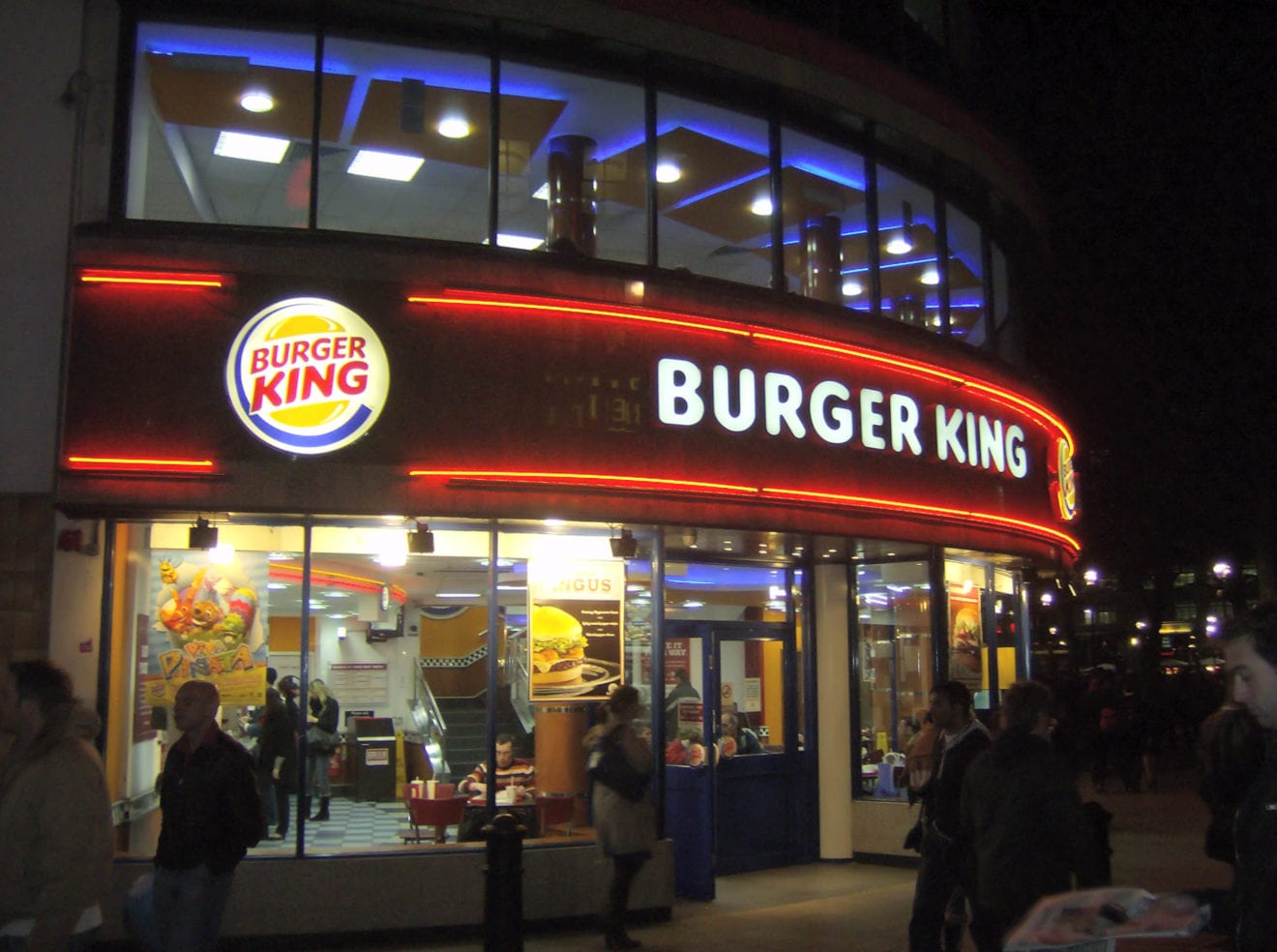
    Burger King Vietnam has refuted media claims the company is planning to exit the Southeast Asian nation.

    The US fast food chain entered Vietnam in 2012, initially opening in Ho Chi Minh City’s Tan Son Nhat international airport, before progressively moving into suburban locations in the city.

    At the time the company projected it would open 60 stores within five years, but three-quarters of the way into that timeline, it still has just 16.

    The closure of three stores in recent months has fuelled speculation the brand may exit the market. But CEO Nguyen Gia Thanh told news website Dau Tu this week that was not the case.

    He said two stores in Ho Chi Minh City were closed to relocate in better sites with more affordable rents.

    The third store closed was in the capital, Hanoi.

    Thanh said Burger King will continue to expand in both cities and is not closing down in Vietnam.

    Vietnamese are not known as big consumers of burgers and Burger King arrived in the market with higher price points than established rivals Jollibee from the Philippines, Lotteria from Korea and fried chicken and burger chain KFC from the US.

    Rival Carl’s Jr has also struggled to make an impression in the market, largely targeting the expat market in districts of Ho Chi Minh where foreigners reside.

  • Orders soar for iTrueMart parent

    Orders soar for iTrueMart parent

    “Exceptional” growth has been reported by eCommerce provider Ascend Commerce in its latest fourth-quarter, as it seeks to draw on its winning strategy in Thailand to expand into new markets.

    Part of the Ascend Group, it comprises online stores iTrueMart and WeLoveShopping, which reported 65 per cent more orders for the final quarter of last year.

    While seeking to attract new customers through brand partnerships, Ascend Commerce reported an average of 14,000 orders a day, with a peak of 30,000 orders in a single day. There were also repeat sales among as much as 50 per cent of its customer base.

    “With our category-by-category approach proven in Thailand, we are now expanding throughout Southeast Asia,” says Ascend Group CEO Punnamas Vichitkulwongsa. “Based on the strength of the customer response so far, we are confident we will be able to provide access to the same shopping experience that people in urban areas enjoy to improve the standard of living for the millions who live in rural areas.”

    While iTrueMart is a business-to-consumer retailer, WeLoveShopping is an online marketplace for small business, entrepreneurs and consumers. Both businesses originally launched in Thailand.

    Ascend Commerce invested in its own fulfillment centres last year as a way to retain control over the whole process, from purchase to delivery. Punnamas cites this investment as key to giving customers an excellent experience, resulting in repeat purchases.

    At the same time, iTrueMart has been successful in terms of speedy delivery, with 98 per cent of orders being delivered the next day in Bangkok, or within two days for rural addresses.

    During the year, iTrueMart also launched in The Philippines.

    WeLoveShopping’s orders grew nearly 300 per cent in Q4, with the number of new sellers rising by 1300. The outlet also signed agreements with new brands, helping drive new business.

    “In the first days of 2015, we launched with just a few hundred orders per day and we have grown 700 per cent to achieve great results by the end of the year,” says Ascend Commerce GM Seubsakol Sakolsatayadorn.

    “We will continue with our strategy of winning on a category-by-category basis. We will introduce a new category only when we are sure of the strength of the product offering.”

  • Tata Group sees Vietnam, Myanmar as potential markets to power growth

    Tata Group sees Vietnam, Myanmar as potential markets to power growth

    At least seven companies of India’s oldest conglomerate, Tata Sons, have zeroed in on Vietnam and Myanmar as markets that need to be penetrated into. Growing economies and an expanding middle class, as well as pacts with global powers and tax incentives have made these countries important for firms that seek to reach out further into the Asean and global markets.

    “The demographics and the economic development stage of these countries represent a market for several products and services from the Tata group,” a Tata Sons spokesperson said. “Tata companies like Tata Power, Tata Projects, Tata Chemicals, Titan, Tata Motors, Rallis (and) Tata International among others are either active or are exploring opportunities in the Vietnam and Myanmar markets,” the spokesperson said in an e-mail, responding to ET’s queries.

    For the business house, Singapore is the nodal country for its Asean markets that include more than 660 million people with a $2 trillion economy. Asean members include Indonesia, Malaysia, the Philippines, Singapore, Thailand, Brunei, Myanmar, Cambodia, Laos and Vietnam.

    “The region has recorded more than 5% GDP growth on average since the year 2000 and, when combined, Asean nations would represent the world’s seventh largest economy. The region is therefore regarded by many as the third pillar of economic growth within Asia, after China and India,” said Shashank Tripathi, leader at PwC’s strategy&.

    In an interview to its quarterly in-house magazine, Tata Group Resident Director for the Asean region KV Rao said: “From a group perspective, we have identified two focus markets: Vietnam and Myanmar.” The group has a memorandum of understanding each in the two countries for power projects. “We are now working on deepening the engagement with these markets from a strategic and operational point of view,” he added.

    The Vietnam-EU Free Trade Agreement (VEFTA), signed in Brussels on December 2 after nearly three years with 14 rounds of negotiation, will remove nearly all tariffs between the Southeast Asian country and the EU once implemented by 2018. The country becoming a global trade partner for the US, EU and China in exports makes it important for Indian firms.

    While recent years have been a bit sluggish for many Asean countries affected by global economic conditions, Vietnam was among the few to record robust GDP growth – 6.0% in 2014. Recently released government figures further estimate 6.7% growth in 2015, its highest since 2007, due to a significant increase in industrial production and a strong push by the government to improve the business environment and reform its state-owned enterprises.

    Indian companies have been investing in sectors such as oil and gas exploration, mineral exploration and processing, sugar manufacturing, agrochemicals, IT and agricultural processing in Vietnam. Some of the companies that have a foothold there include ONGC Videsh, Tata Power, KCP Industries and Tech Mahindra.

    Coming out of junta rule with promises of economic reforms has made Myanmar an important geography for businesses. Major Indian companies there include ONGC Videsh, Jubilant Oil and Gas, CenturyPly, Tata Motors, Essar Energy, RITES, Escorts, Sonalika Tractors, Zydus Pharmaceuticals, Sun Pharmaceutical Industries, Cadila Healthcare, Shree Balaji Enterprises, Shree Cements, Dr Reddy’s Laboratories, Cipla, Gati Shipping, TCI Seaways, Apollo and AMRI Hospital.

  • Asian retail giants mull Big C bids

    Asian retail giants mull Big C bids

    At least three major Asian retailers are mulling bids for control of the Big C businesses in Thailand and Vietnam.

    But they all start as rank outsiders behind Thailand’s Central Group, which already has a 25 per cent share of the Thai Big C business.

    In a surprise move, France’s Casino group announced earlier this month it would sell its 58.6 per cent stake in the Thai hypermarket business in a bid to reduce debt. It had already put its struggling Vietnam business on the market in December.

    Reuters reports Hong Kong headquartered Dairy Farm International and Korea’s Lotte are in talks with their bankers about potential bids. Japan’s Aeon is also running the numbers.

    But as Reuters says, all three would need “punchy bids” to fight off frontrunner, Thailand’s Central Group.

    Casino Group will sell both businesses in an auction process – and has indicated it would prefer to sell the two operations to a single buyer.

    With a cornerstone stake in the Big C operation, Central would have to be frontrunner to secure Casino Group’s share. The company has already publicly declared its interest.

    “Whoever is going to buy this will have to pay a high price to get Central out or they will have to co-exist,” Reuters quoted an unnamed banking source “familiar with the matter”.

    The Thai stake is estimated to be worth about US$3.1 billion. The value of the Vietnam operation is less clear – bankers put it at between $800 million and $1 billion, although the business is not thought to be particularly profitable, despite recent media commentary to the contrary.

    Aeon, Lotte and Dairy Farm all declined to comment on the matter.

  • Criteo notes eCommerce spike

    Criteo notes eCommerce spike

    In the two weeks leading up to the Chinese New Year, eCommerce sales in Asia grew by 40 per cent with 25 per cent more consumers shopping online.

    Three in 10 transactions were completed on a mobile device, according to performance marketing technology company Criteo in Hong Kong. Its findings are based on an analysis of 174 million online transactions in Hong Kong, Malaysia, Singapore, Taiwan and Vietnam.

    “Because of the traditional practice of wearing new clothes to symbolise a new beginning, consumers are doing a tremendous amount of online shopping two weeks before Chinese New Year,” says Criteo South-east Asia/Hong Kong/India/Taiwan MD Yuko Saito. “Based on 2015 data, sales on mobile devices in particular have hit record numbers.”

    In its eCommerce Industry Outlook 2016, Criteo cites three trends impacting Asian shoppers during the Chinese New Year season…

    Smartphone shopping will keep gaining ground: Smartphones are the first point of internet access or brand interaction for many consumers. In South-east Asia, Hong Kong, India and Taiwan, on aggregate, more than 45 per cent of online transactions are happening on mobile devices, compared to 29 per cent in the second quarter of last year. Indonesia was the highest at 56 per cent, followed by Singapore at 45 per cent.

    Retailers will see a high web influence on their in-store sales: Most consumers are researching online before or while visiting a store. According to Google, 80 per cent of 10 shoppers use a smartphone inside the store to help them with product research and price comparisons. Criteo says retailers can acquire a better view of customer behaviour by connecting with them via branded apps or beacon technology, before matching each customer’s email ID with loyalty programs at in-store POS terminals.

    Instant delivery services will become common: Order fulfilment will be a big focus for retailers this year, with many offering delivery options to match Amazon’s Prime Now service. Both online and “click-and-brick” retailers will be trying this strategy through specialised third-party eCommerce logistics providers. Faster delivery at lower charges will also drive growth of cross-border shopping.

    “During special occasions like Chinese New Year, we observe instances of intensive, last-minute shopping, where consumers take less time to consider a purchase and require products to be delivered on short notice for personal use or gift-giving,” says Saito. “Taking a three pronged approach – engaging consumers on the mobile web or on mobile apps, leveraging consumers’ web-browsing data to deliver personalised in-store and mobile shopping experiences, and investing in instant delivery services will be crucial to increasing sales conversions.”

  • Index Living Mall plans ASEAN expansion

    Index Living Mall plans ASEAN expansion

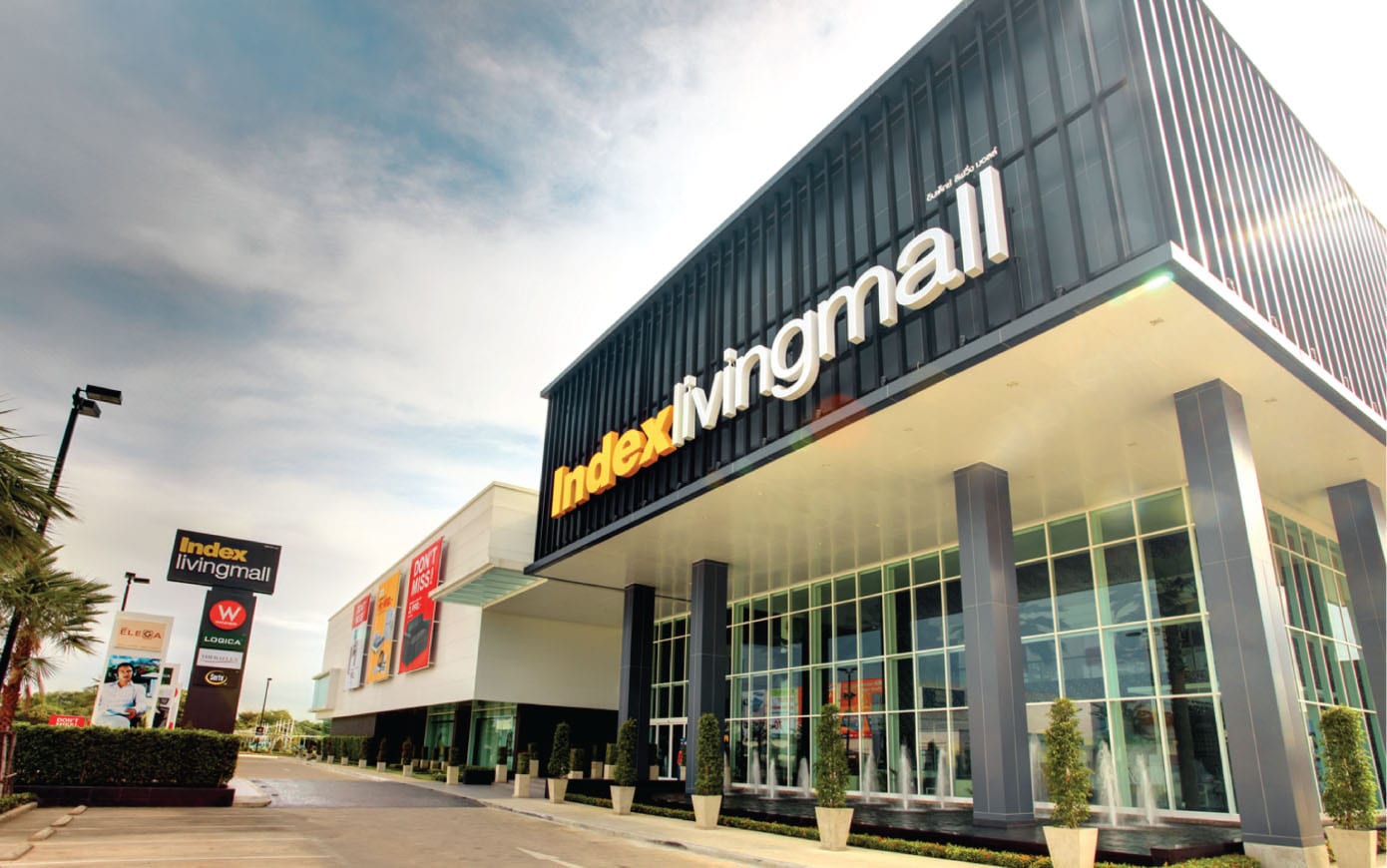
    Home-furnishing retailer Index Living Mall has announced its 2020 vision to continue its push beyond Thailand into other ASEAN countries.

    With franchised stores already trading in Malaysia, Thailand and Vietnam, the company believes the region’s urbanisation has shifted consumers toward a more modern lifestyle, including the way they buy and use home-furnishing products. It also notes a rise in the number of middle-income earners throughout the ASEAN Economic Community.

    MD Kridchanok Patamasatayasonthi says the company aims to double the present 5 per cent contribution to its total revenue from AEC markets by 2020. The company’s total revenue of Bt9.5 billion (US$264.8 million) last year was 5 per cent up on 2014.

    “Our market expansion through international franchisees is the result of growth in the home-furnishing and accessories sectors among ASEAN member countries,” says Kridchanok. “Other positive factors, including the bustling economic outlook, rising gross incomes and similar customer behaviour, helped accelerate our decision to look for investment opportunities in new markets.”

    She says the company has appointed VinDS, the retail investment arm of Vietnamese commercial property developer Vingroup, as its franchisee to tap into the home-furnishing and accessories retail market in that country. The first Index Living Mall under that partnership had a soft opening last month in Ho Chi Minh City, occupying 7000 sqm in Vincom Mega Mall Thao Dien. Costing more than Bt200 million, the store is expected to achieve Bt350 million in sales in its first year.

    Index Living Mall has had a store trading in Ho Chi Minh for more than four years, effectively testing the market. Now with VinDS it expects to open 10 more stores in major cities in Vietnam, including Ho Chi Minh, Hanoi and Da Nang, within five years.

    “Economic growth indicators show that the Vietnamese retail market is number two in Asia, after only China,” says Kridchanok.

    “During the first half of last year, the Vietnamese economy posted 6.28 per cent growth, the highest since 2008. With a population of 90 million, this will continue to grow, thanks to per capita income rising more than 10 per cent over the past decade.”

    Kridchanok says it is expected that the number of Vietnamese earning a median income of 15 million dong ($673) a month will grow to 33 million by 2020.

    Index Living Mall’s director for international business development Ekaridhi Patamasatayasonthi says the company’s venture into Vietnam highlights its marketing direction to tap into emerging CLMV (Cambodia, Laos, Myanmar and Vietnam) markets, aimed at strengthening its leadership position in the home-furnishings and accessories retail market in the ASEAN region.

    Ekaridhi says the company plans to open store in Manila in September via a joint venture with SM Retail, a Philippine business conglomerate involved in shopping mall, property development, banking and retailing. Index Living Mall has a 30 per cent stake in the venture.

    In Malaysia, Index Living Mall opened its first home-furnishing store in Putrajaya last year in a joint venture with AEON. Three more stores are planned for Malaysia this year – in Kuala Lumpur in March, Kota Bharu in April and Johor Bahru in the fourth quarter.

    Ekaridhi says there are six franchised stores in five countries – Malaysia, Russia, Maldives, Nepal and Vietnam – as well as dealers in Laos and Myanmar. In its home country, the company has 25 stores in 17 provinces, of which nine are in Bangkok. It plans to invest Bt470 million this year to open two stores, in Nakhon Pathom and Chachoengsao.

    Index Living Mall expects to post Bt10 billion in revenue this year and to grow its annual sales by 10 per cent over the next five years.

  • Vietnam’s retail sector to see M&A frenzy riding on free trade pacts

    Vietnam’s retail sector to see M&A frenzy riding on free trade pacts

    The sector has turned attractive due to the free trade pacts the country has reached, as part of WTO, according to a government report.

    When Vietnam negotiated to join the WTO, it committed to let investors establish 100 per cent foreign-owned retail businesses from January 2015. In addition, the report attributed the increasing number of retail M&A deals to deeper integration of the country through the Trans-Pacific Partnership (TPP) and the ASEAN Economic Community (AEC), which will see tax exemption for thousands of commodities delivered into each member state.

    “Systematic retail chains account for only 25 per cent of the total market share, while it is 33 per cent in the Philippines, 34 per cent in Thailand, 51 per cent in China, 60 per cent in Malaysia and as much as 90 per cent in Singapore,” the report cited.

    The government expects that with the free flow of goods, human and capital resources within the region, Vietnam’s retail market will become more competitive.

    It projects that the market share will touch 45 per cent by 2020, proving Vietnam to be fertile ground for retail investment.

    Thai retailers are probably the most aggressive in building their presence in Vietnam. Central Group made a debut in 2015 with the acquisition of a 49 per cent stake in electronics stores Nguyen Kim, then later in the year, Berli Jucker, whose parent TCC Holding paid for Metro Cash&Carry in Vietnam, announced its keenness to acquire Big C supermarket operations of French player Groupe Casino. Other interested bidders are Singapore’s Dairy Farm and South Korea’s Lotte Shopping.

    “Both of the two new potential investors are financially strong,” said the report, “Dairy Farm is the second largest retailer in Singapore and Hong Kong, owning popular brands of Cold Storage, Guardian, Wellcome Giant and Hero.” Its revenue hit $13 billion in 2014.

    Meanwhile, Lotte Shopping is South Korea’s biggest retailer with $23 billion turnover in the same year.

    According to the report, Japanese retailing firm AEON, which acquired local peers Fivimart and Citimart last year, is also keen on the deal.

    This year might also be strategic for Japan’s 7-Eleven, as the chain is planning to open its first stores in Vietnam in April 2017.

    “Not only foreign retail giants use M&A deals to enter the market, Vingroup has also, through the M&A route, forayed into the retail industry,” the report said.

    The country’s largest homegrown retailer, Vingroup took over Vinatexmart and Maximark in 2015.