Retail News CRM

Tag: virtual reality

  • Alibaba teams up with Singapore university on AI

    Alibaba teams up with Singapore university on AI

    Chinese tech giant has set up a joint research facility at Singapore’s Nanyang Technological University to develop artificial intelligence-based technologies in retail, transportation and healthcare

    Chinese e-commerce and technology giant Alibaba has partnered Singapore’s Nanyang Technological University (NTU) in a joint research facility aimed at harnessing artificial intelligence (AI) to solve societal issues such as Singapore’s ageing population.

    The first of its kind outside China, the Alibaba-NTU Singapore Joint Research Institute will bring together NTU’s AI capabilities, including efforts to develop an artificial companion for the elderly, and Alibaba’s expertise in natural language processing, machine learning and cloud computing.

    The multimillion-dollar partnership between Alibaba and NTU is expected to involve 50 scientists and engineers from both parties over five years. Besides addressing the needs of ageing societies, they will also develop AI technologies in areas such as retail, urban transport and healthcare.

    For example, NTU’s expertise in healthcare research and Alibaba’s knowhow in AI to diagnose and prevent diseases will be pooled to achieve breakthroughs in health-related AI. Both parties will also conduct research to improve urban mobility and reduce Singapore’s carbon footprint.

    Alibaba said its contribution to the research facility will come from a $15bn fund earmarked for its Damo research and development (R&D) programme, which includes establishing research labs across the globe, including one in Singapore.

    The joint research institute is located on the NTU campus, but it is open to researchers and academics worldwide. Alibaba will also build a crowdsourcing platform to connect researchers and industry practitioners in an AI-focused R&D community.

    Jeff Zhang, Alibaba’s chief technology officer, said the AI technology developed by the institute will first be rolled out in NTU, followed by other parts of Singapore and Southeast Asia at a later date.

    “By launching our first joint research institute in Singapore, we hope to work with talent in Singapore and researchers worldwide to explore technology innovation that can address common issues faced by the society at large,” said Zhang.Alibaba’s efforts to develop AI capabilities in Singapore follows the recent launch of Chinese facial recognition specialist Yitu’s regional headquarters in Singapore that will mainly serve as a sales, marketing and operations outfit for now.

    Yitu said plans are also in the pipeline to establish R&D capabilities in the city-state by the end of 2018.

    In May 2017, Singapore’s National Research Foundation said it would invest up to S$150m (US$107m) over five years in a programme called AI.SG to drive adoption of AI to solve business problems.

    To nurture a local AI community, AI.SG will also work with startups and corporate laboratories through new facilities that will provide software tools, anonymised datasets and high-performance computing resources.

  • Myanmar’s startups map past, shape future with virtual reality

    Myanmar’s startups map past, shape future with virtual reality

    Few countries in the world have experienced such rapid discovery of technology than Myanmar.  Gasps echo across the hall as the Myanmar school kids trial virtual reality goggles, marveling at a device that allows some of Asia’s poorest people to walk on the moon or dive beneath the waves.

    “In Myanmar we can’t afford much to bring students to the real world experience,” beamed Hla Hla Win, a teacher and tech entrepreneur taking virtual reality into the classroom.

    “If they’re learning about animals we can’t take them to the zoo… 99 percent of parents don’t have time, don’t have money, don’t have the means,” she added.

    Few countries in the world have experienced such rapid discovery of technology than Myanmar which has leapfrogged from the analogue to the digital era in just a few years.

    During the decades of outright junta rule, which ended in 2011, it was one of the world’s most isolated nations, a place where a mobile phone sim card could cost up to $3,000.

    For half a century its paranoid generals cut off the country, restricting sales of computers, heavily censoring the Internet and blocking access to foreign media reports.

    But today phone towers are springing up around the country and almost 80 percent of the population have access to the Internet through smartphones, according to telecoms giant Telenor.

    Budding startups

    Tech startups are emerging around the commercial capital Yangon, many seeking to improve the lives of rural people, most of whom still live without paved roads or electricity.

    “The increase in activity from last year till now — new startups, more people determined to become entrepreneurs and working in the tech sector in general — is significant,” said Jes Kaliebe Peterson, CEO of community hub Phandeeyar.

    Virtual reality is the latest advance to cause a stir, with a handful of entrepreneurs embracing tech for projects including preserving ancient temple sites to shaping young minds of the future.

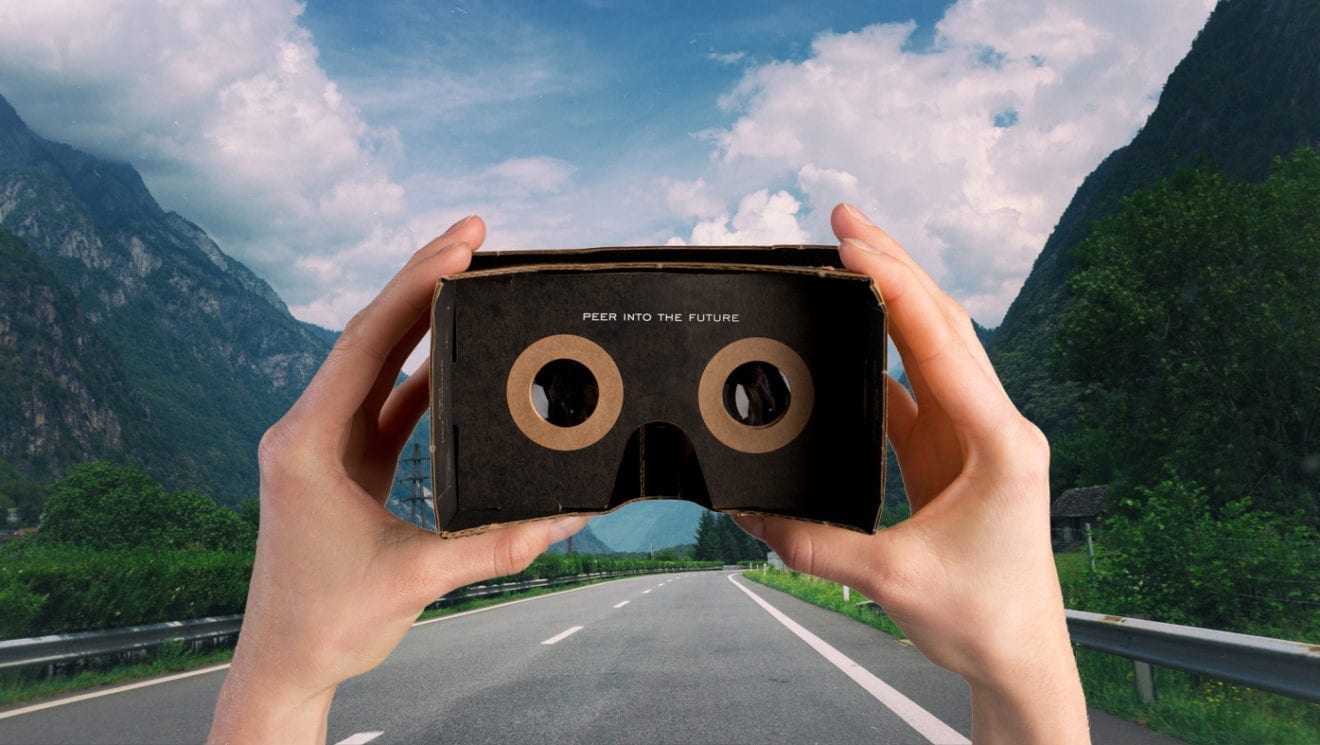
    The Phandeeyar incubator works with more than 140 startups. Among them Hla Hla Win’s virtual reality social enterprise 360ed which is using affordable cardboard VR goggles attached to smartphones to break down barriers in Myanmar’s classrooms.

    She founded the non-profit last year after 17 years working in the woefully underfunded education system in a bid to bring learning to life.

    “I see it as an empathy machine where we can teleport ourselves to another place right away,” she told.

    And it’s not just school children who benefit from stepping into places they could only ever dream of visiting.

    360ed has used virtual reality to help Myanmar teachers attend training courses in Japan and Finland and is working on setting up deals with schools in India, Pakistan, China and Bangladesh.

    “With VR there’s no divider, there’s no distance,” Hla Hla Win said.

  • UPS enhances driver safety training with virtual reality

    UPS enhances driver safety training with virtual reality

    UPS said it will start training student delivery drivers to spot and identify road hazards using virtual reality (VR) headsets that vividly simulate the experience of driving on city streets while teaching a more memorable classroom lesson.

    The company will begin launching VR training in September at its nine UPS Integrad training facilities. The adoption of VR for driver safety training reflects UPS’s commitment to using the latest and best technology to protect its on-road employees and the communities they serve.

    IT experts at UPS created the VR training modules that users see and hear inside VR headsets like the HTC Vive. Students using the modules must verbally identify potential road hazards such as pedestrians, parked cars and oncoming traffic. The 360-degree view inside the headset is realistic down to the finest details.

    “Virtual Reality offers a big technological leap in the realm of driver safety training,” said Juan Perez, UPS chief information and engineering officer. “VR creates a hyper-realistic streetscape that will dazzle even the youngest of our drivers whose previous exposure to the technology was through video games.”

    The VR training modules replace the touchscreen devices UPS Integrad facilities currently use to teach lessons on road hazards. For now, the VR training is only for those who drive package delivery trucks. But the company is exploring VR and even Augmented Reality (AR) for training tractor trailer drivers and performing other duties throughout the operation.

    UPS currently operates eight UPS Integrad facilities in the United States and two others in Europe. Another U.S. facility is set to open this year, bringing the total to nine in the United States.

    UPS Integrad facilities teach students the fundamentals of driving delivery vehicles and delivering packages using a hands-on approach. Students even practice driving UPS delivery trucks in a replica outdoor city that has real streets and sidewalks and simulated delivery and pickup sites.

    UPS Integrad and its use of the latest technology supports the company’s safety culture. UPS has more than 9,000 drivers in its Circle of Honor, an elite group of drivers who have not had an avoidable accident in at least 25 years.
    The first UPS Integrad opened in Landover, Md., in 2007. The training – based on the philosophy “Teach me. Show me. Let me.” – occurs before students begin more intensive on-road training. Nearly 9,000 drivers have graduated from UPS Integrad locations since 2007.

    “This training is foundational, and Virtual Reality brings it to life,” said Jeanne Lawrence, UPS Integrad expansion director. “VR complements real-world training in a way that deeply engages our employees in the UPS Integrad curriculum.”

  • Wireless VR headsets to strain data networks

    Wireless VR headsets to strain data networks

    Wireless VR headsets will further strain telecoms networks, with data consumption from the devices set to grow by over 650% over the next four years to over 21,000 petabytes by 2021, Juniper Research predicts.

    When combined with traffic generated by VR headsets connected to PCs and consoles, this consumption will reach over 28,000 petaytes, the research firm said in a new report.

    VR requires fast data speeds to stream content effectively, ensuring that by 2021 data demand for each VR device is expected to exceed that of 4G, Juniper Research said. Growth in traffic will be driven by the need for higher image quality and framerates as VR becomes more mainstream.

    The report recommends that operators be brought into the VR standards conversation now to prepare for the growth in consumption and help make VR more accessible.

    Technologies designed to reduce the amount of data processing required, such as foveated rendering, will also need to be universally adopted.

    Meanwhile, although the first wave of the new generation of VR headsets has concentrated on single-user experiences, the report predicts that social VR will play a more important role in the future of the technology.

    Companies such as Facebook and WeChat are developing VR platforms and several popular VR games are incorporating social elements.

    “VR is currently seen as very isolating,” research author James Moar said. “The promise of having new worlds to explore is much more compelling when other people can share the experience, which needs social games and social interfaces, as well as the development of cross-platform standards.”

  • Companies to need new skills as VR enters workplace

    Companies to need new skills as VR enters workplace

    Enterprises need to start thinking now about ways virtual reality (VR) can be used within the workplace, according to recruiting experts Hays.

    While the technology is yet to become more commonplace across the wider world of work, experts say the possibility for its wider application is already here.

    As the technology sees an increase in its use, businesses will need the skills essential for its use. However, the skills required have yet to be standardized and may struggle to keep up with demand initially.

    VR came into existence seventy years ago and has been used across a number of applications since. In the 1970s it was utilized in the workplace for the first time, as it was used by the medical industry, military and in flight simulators.

    With the more recent technological leaps in VR, such as augmented reality (AR) seen in gaming, the technology is starting to make deeper inroads into the world of work.

    While the technology is still used by the military and in medical training, other sectors are beginning to use it to good effect too. One example is in the construction industry, with VR Developers being hired to give their clients a walkthrough of a building before construction has begun.

    One area where VR’s potential is being fully realized already is within training, historically it has been used in high-risk or high-value industries, such as aeronautical and engineering, but it is now being used to help train trade skills.

    In property and real estate, virtual reality platforms are enabling prospective buyers to view and look around the rooms of properties for sale without even leaving the comfort of their current home.

    “The number of possibilities virtual reality creates is astounding,” commented Lynne Roeder, managing director of Hays in Singapore. “While everyday use of the technology within business could still be some way off, there are a number of practical ways the tech could be implemented in the meantime to introduce a more personalized service to customers or to be used internally while managing remote workers.”

    Lynne continues, “Once we start exploring the many ways it could be implemented, it could have a big impact on the world of work. For example, interviews could be conducted in virtual rooms, allowing workers to be interviewed face-to-face, albeit virtually, for a job on the other side of the planet. Remote workers could easily connect to the office for one-to-one or team meetings, even on boarding or one to one training for an employee thousands of miles away would become so much easier.”

    But she added that  new technology creates new job roles and in turn the need for new skill sets. “Employers will need to look at their existing staff and see if there is the opportunity to upskill any of their employees, or whether it will involve bringing an entirely new skill base.”

  • A Chinese unicorn backed by Google ready to take on the Amazon Alexa

    A Chinese unicorn backed by Google ready to take on the Amazon Alexa

    China’s Google-backed artificial intelligence (AI) start-up, Mobvoi, could soon take on the world’s leading smart voice assistant technologies, according to the firm’s founder and CEO. Speaking at the Consumer Electronics Show in Shanghai, Mobvoi’s Li Zhifei told that the firm could “absolutely” compete with the likes of Amazon in the digital voice assistant market space.

    “We are just like Amazon‘s Echo … We are making our own device and putting the technology into this device but gradually we are also going to open this AI service into third parties so that we can empower more devices,” Li Zhifei told on Thursday.

    In Western markets, Google Assistant, Amazon Alexa, Apple’s Siri, and Microsoft’s Cortana are the dominant voice assistants. Amazon has continued to push Alexa across numerous products, while Google has rolled out Assistant across Android devices and its own Google Home device. Even Apple came out with its own smart speaker called HomePod this week.

    Though Mobvoi’s CEO acknowledged his signature chatbot device still has long way to go in order to improve its sophistication and compete on a global scale, he stressed the company was making a “huge amount of progress” in its development.

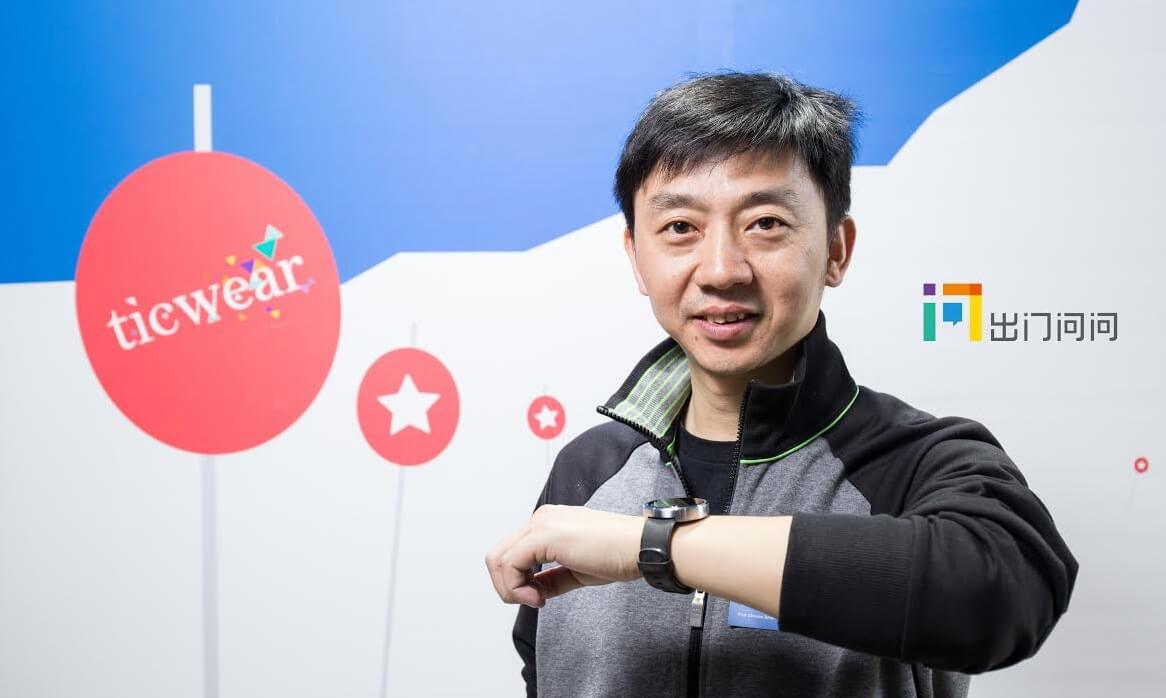
    The Beijing-based start-up was founded by a group of former Google research scientists five years ago and gained prominence after launching its flagship smartwatch, Ticwatch, in June 2015. The watch’s success led to a direct investment from Google and by May 2017, Mobvoi unveiled Tichome, its Chinese language chatbot designed to facilitate human-machine interaction.

    “In the last few years we have made a huge amount of progress in speaker recognition but we haven’t made much progress in natural language understanding, which makes the device not that smart (yet),” he added.

  • Virtual Reality: The Future of Retail in Asia Pacific?

    Virtual Reality: The Future of Retail in Asia Pacific?

    New research from Worldpay, a global leader in payments, has revealed that Virtual Reality (VR) and Augmented Reality (AR) technology are slowly gaining ground across Asia Pacific. Chinese consumers are leading the region – and the world – with 95% of survey respondents saying they’ve used VR or AR technology in the past three months. Other APAC markets are more cautious in their VR/AR uptake, yet remain confident that the technology may play an important role in the future of retail.

    Worldpay’s study queried more than 16,000 consumers across eight markets – including China, Japan and Australia in Asia Pacific – to get their viewpoints on VR/AR adoption; from current uptake and future potential, to the technology’s benefits and barriers. In Asia, the research revealed that although China is a leader in the virtual reality revolution, other markets are only at the start of their VR journey.

    In Australia, less than a quarter of survey respondents (22%) say they’ve used VR technology at some point, and a mere 14% describe themselves as early adopters. It’s a similar situation in Japan, where only 19% have tried VR technology – the least of any market surveyed by Worldpay. In contrast, nearly 100% of Chinese consumers surveyed say they’ve tried AR or VR technology at least once, and more than half use these technologies at least once per week.

    Phil Pomford, General Manager for Asia Pacific at Worldpay, said: “China is blazing a trail for VR/AR adoption and showing other Asia Pacific markets what the future could look like. At the moment, the technology isn’t driving a huge amount of uptake in markets like Australia and Japan – but as we’ve seen before, technology can go from zero to a hundred in a very short amount of time. Therefore, with China leading the way, Asian businesses should start investigating the future of VR/AR technology now, so that they’re ready to meet consumer demands as and when they arise.”

    Already, even cautious Asia Pacific markets are demonstrating interest in how VR/AR can improve retail experiences. Of Australian survey respondents, 61% think VR and AR could someday change the way we shop. Two thirds (66%) of Japanese consumers surveyed would like to see more physical stores using VR and AR, and a full 70% would like to see the technology used in retail apps. Unsurprisingly, Chinese consumers’ interest in VR/AR retail experiences is even more enthusiastic – 84% of respondents believe that VR/AR is the future of shopping, 92% say they’d like to see more retail apps make use of VR/AR, and only 1% say they’d never be comfortable making a purchase in a virtual environment.

    Pomford added: “Many merchants are already looking at how VR/AR technology might create new Omni-channel experiences, enhance mobile shopping, and drive the next generation of consumer-led retail innovations. A compelling, immersive and seamless VR experience can drive higher customer engagement and may even have the capability to increase sales. As more companies experiment with VR/AR, they need to consider if VR technology can support purchases as well. Whatever the sales channel, it’s vital to make the payment process both slick and secure for customers. ”

    In response to this, researchers at Worldpay are investigating how shoppers can pay using a credit or debit card while remaining immersed within a virtual environment. The global payments processor has created a proof of concept, which provides the same levels of convenience, and security that shoppers have in-store and online, without needing to leave the virtual world.

    The prototype design uses Host Card Emulation (HCE) to virtualise the purchasing process. The payment uses EMV* technology, and for purchases under £30 (RMB268.25), the prototype works in the same way a contactless payment does – with a tap of the (virtual) card across a (virtual) card machine. For higher value purchases, Worldpay has created a technology called AirPIN. This first of its kind system allows the consumer to see a range of numbers whilst immersed in the virtual world, and then collect the four numbers that make up their PIN, one by one, using their virtual controller.

  • When wearable devices in China becomes the star

    When wearable devices in China becomes the star

    While 43 per cent of urban Chinese consumers would buy wearable devices for themselves, the figure rises to 48 per cent for the 20- to 24-years age bracket, says London-based research firm Mintel.

    Yet 32 per cent of the consumers it surveyed agree it is fashionable to use wearable devices in China, dropping to 27 per cent of those 20 to 24. Today, 52 per cent of urban Chinese consumers have a smart wristband and 42 per cent own a smartwatch. Furthermore, 69 per cent of smartwatch owners have also bought smart wristbands.

    Mintel’s research shows that smart wristbands are growing in popularity in China. Sales of the wristbands over the past two years are estimated to have grown by 109 per cent, while smartwatch sales dropped by 37 per cent. Overall, the total volume sales of smart wristbands and smartwatches is estimated to have grown by 66.8 per cent last year.

    “The wearable devices market is facing a challenge to sustain growth,” says Mintel senior technology analyst Terra Xu. “This is because of the lack of breakthrough products and the wide ownership of smartphones.”

    Pricing key

    As a result, innovation and low entry prices are becoming key to wearable devices in China, he says.
    Of Mintel’s survey respondents, 53 per cent say they find health-monitoring ability attractive, while half of them are interested in being able to track family members.

    Also, 45 per cent of urban males are more interested in connecting wearables to other devices such as smartphones and cameras, compared to 39 per cent of females. Of consumers between 20 and 24 years, 46 per cent are most attracted by wearables that can receive location-based information, while 45 per cent of those aged 40-49 years are more interested in satellite navigation.

    Mintel says high interest is being shown in virtual-reality (VR) applications. Its research shows that 97 per cent of urban Chinese consumers are “very” or “somewhat” interested in at least one type of VR application, with movies being the prime choice for 45 per cent of both genders.

    While males are more interested in playing VR games (39 per cent) and virtual test rides (31 per cent), females are attracted by VR applications that help with online shopping, such as viewing and buying goods in virtual shops (35 per cent) and children’s entertainment such as interactive videos or games (25 per cent).

  • Hugo Barra leaves Xiaomi to join Facebook

    Hugo Barra leaves Xiaomi to join Facebook

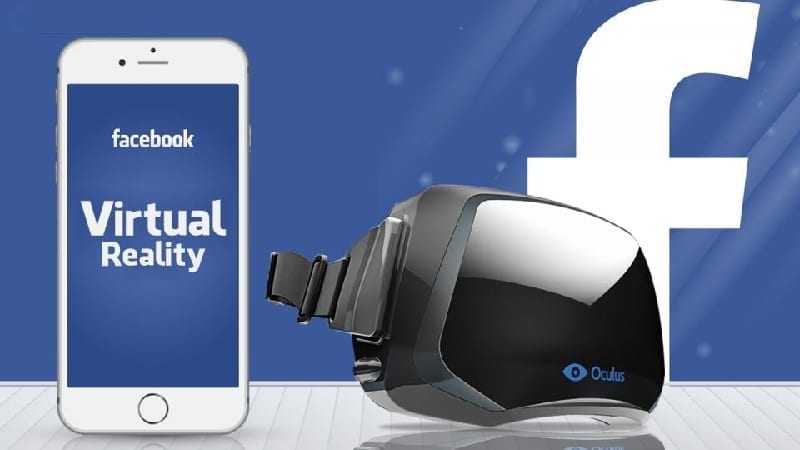
    Hugo Barra, the international head at Xiaomi, is returning to Silicon Valley to head Facebook’s VR efforts, after spending three and half years in Beijing leading the Chinese smartphone maker’s global division.

    The announcement was made by Facebook head Mark Zuckerberg via his Facebook page last Wednesday.

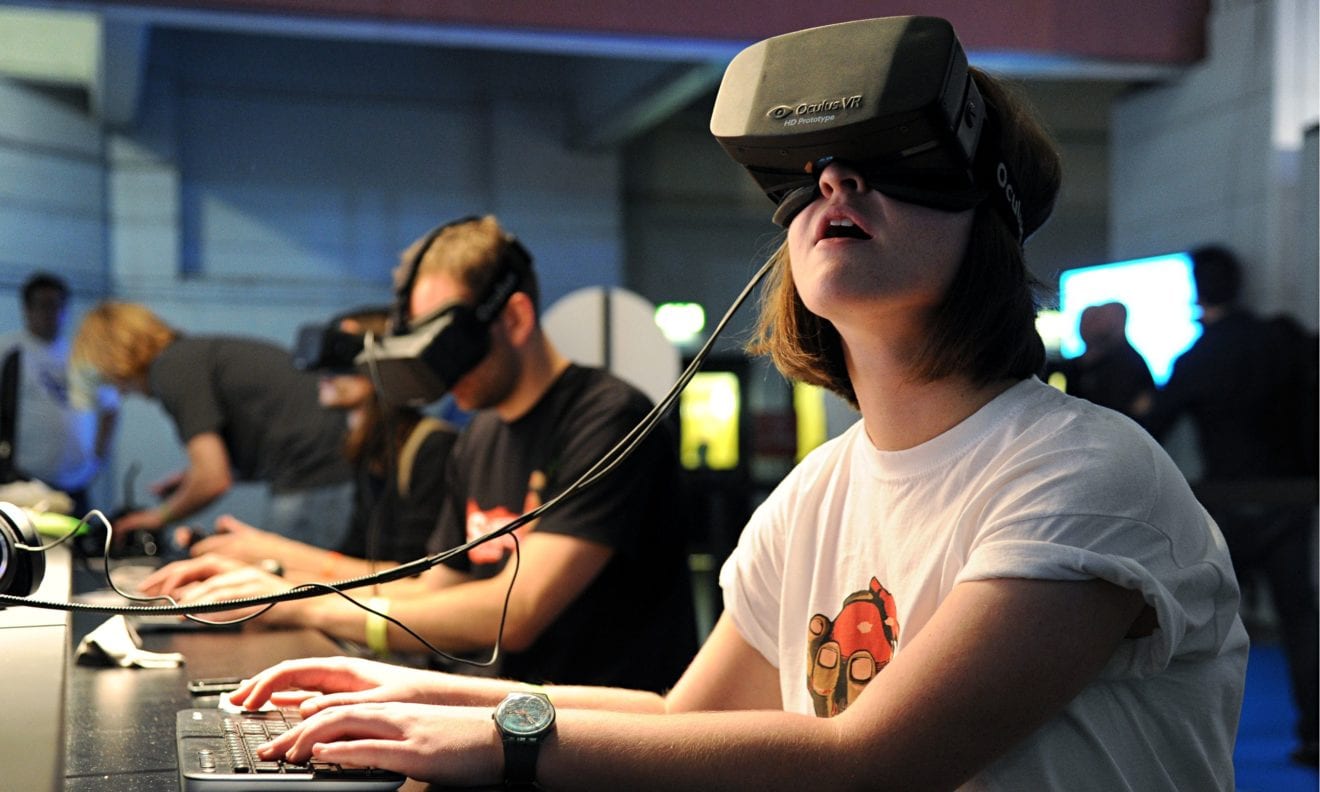
    “I’m excited that Hugo Barra is joining Facebook to lead all of our virtual reality efforts, including our Oculus team,” Zuckerberg said in an announcement made in virtual reality.

    Barra will spearhead virtual reality efforts as Facebook’s VP of virtual reality. His relationship with Zuckerberg goes back years to when he broke ground on the Android operating system.

    More recently he worked at Xiaomi’s Beijing office as VP of International, serving as the face of the company and taking active part in product launches. Barra joined Xiaomi in 2013 from Google, where he worked as head of product management for Android, to oversee the company’s international expansion.

    Barra’s appointment comes over a month and a half after former Oculus CEO Brendan Iribe stepped down from his position in order to assume a leadership position within the company’s VR group.

    Telstra’s Cynthia Whelan to chair Foxtel

    Telstra has appointed group executive of new businesses Cynthia Whelan as the new chairman of Foxtel, the Australian incumbent’s 50/50 pay-TV joint venture with News Corporation.

    Whelan replaces Robert Nason, who retired from Telstra in 2015 and has been Foxtel chairman since June 2012. She has been a member of the Foxtel board since September last year.

    “Cynthia Whelan is an ideal chairman for Foxtel and will provide suitable leadership for the organization as it navigates a period of intense competition and technological evolution. She has significant experience in Australia and overseas in senior management and director roles,” Telstra CEO Andrew Penn said.

    Telstra’s partnership with News Corp over Foxtel allows Telstra to appoint the pay-TV firm’s chairman, while News Corp has the management control.

    Whelan will assume her new role on February 17. Telstra CFO Warwick Bray is also on the Foxtel board and the company will soon appointed a third director to replace Nason, the telco said in a statement.

  • Youku picks Nokia for 3D 360 VR content

    Youku picks Nokia for 3D 360 VR content

    Youku in China has chosen the Nokia OZO VR ecosystem of technologies “to bring the most immersive” VR content to the more than 500 million monthly active users engaged in its online video platform which has daily views of more than 1.1 billion.

    Youku users and content creators are promised the ability to experience and share the highest quality VR content including natively captured spatial audio.

    “China is one of the most progressive VR markets in the world with an appetite for high-quality virtual reality experiences that is enormous and growing,” said Paul Melin, VP of digital media at Nokia Technologies.

    Youku will use the entire OZO VR solution, which includes the OZO Camera, OZO Software Suite, OZO Live and OZO Player SDK in the creation and distribution of content ranging from film and television to news and documentary, as well as professional user-generated content featuring Youku’s top talent.

    Youku will be the first Chinese content producer and distributor to have fully integrated the Nokia OZO ecosystem of technologies.

    Also, Youku will integrate Nokia’s OZO Player SDK and OZO Audio solutions, which are designed “to deliver a superior consumer experience,” into all its platforms, mobile apps and consumer offerings, enabling its enormous audience to enjoy 3D 360 degree VR.

    The OZO Player SDK allows VR professionals to create amazing VR app experiences on most major platforms with a single, unified development interface. Full-featured reference players are also included in the SDK for all supported platforms.

    The multi-platform OZO Player SDK is now available in a free version as well as a Pro tier with more features and larger deployment options.

  • Sony Pictures signs VR content deal with Nokia

    Sony Pictures signs VR content deal with Nokia

    Nokia and Sony Pictures have inked a new multi-year worldwide agreement whereby the latter will use Nokia OZO hardware and software tools to explore the creative potential of virtual reality production and distribution.

    The studio will also integrate the OZO Player SDK into Sony Pictures Home Entertainment’s Privilege Plus app, available through Google Play.

    “VR is a fast growing medium that is rapidly changing how we communicate and bringing a deeper connection to how we experience content,” said Paul Melin, VP of digital media at Nokia Technologies. “We’re thrilled to partner with Sony Pictures and its talented storytellers to apply our technology and create experiences only possible with OZO — like 3D 360 live VR broadcast.”

    Nokia will collaborate with Sony Pictures and provide equipment and VR technology to support the creation of special VR content. Sony Pictures will also leverage OZO Live to transport fans to Sony Pictures events that they couldn’t otherwise attend.

    OZO Live allows content creators to produce fully immersive live experiences through 3D 360 degree video and audio playback technologies.

    While the OZO solution offers many advantages for content creators, it also extends several benefits for playback. OZO Player SDK will be integrated into Sony’s Privilege Plus app, which will bring unique content straight to fans.

    The OZO Player SDK allows professionals to create amazing VR apps and experiences on any major platform. The SDK supports the creation of immersive apps with the highest quality playback of OZO content including 360 spatial audio, while also providing support for standard VR video and audio formats.

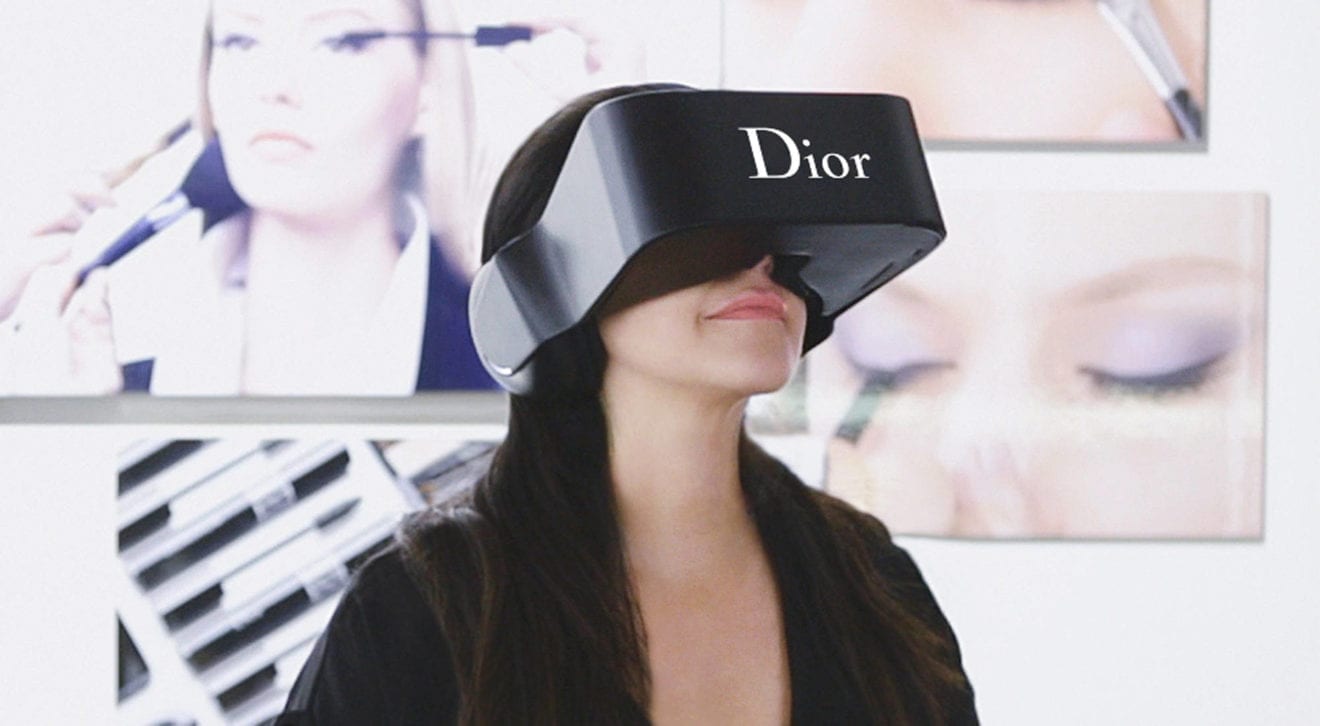
  • Virtual cosmetics counters are the future

    Virtual cosmetics counters are the future

    oon it be much easier to find the perfect lipstick colour and sunglasses to match your face shape, and the best part is you won’t even have to leave home.

    China is on the cusp of a major shake-up in online shopping technology to makes the virtual change room and cosmetics counter a reality.

    Gone will be the days of buying the wrong colour or style of clothing, accessories or make-up and by the hassle of posting back returns.

    At the Shanghai Zizhu entrepreneurial incubator, Olivia Wan demonstrates how online video technology can allow customers to choose sunglasses and experiment with different lippy shades.

    Purple, pink and red lip colours, flash across the video footage of shoppers standing in front of the screen.

    On another screen, the technology measures the faces of shoppers and suggests styles of glasses.

    In China, there’s insatiable appetite for shopping.

    In some cities such as Shanghai, which have populations equivalent of Australia crammed into one metropolitan area, the sardine factor of malls and shopping strips is high.

    “With the use of technology we want to make people more beautiful,” Wan, Shanghai Beauty Face Internet Technology Company chief operating officer, told AAP through a interpreter.

    According to global consulting firm McKinsey and Company, China’s online retail market is the world’s largest with an estimated $US630 billion ($A830 billion) in sales in 2015.

    The online market is 80 per cent bigger than the US and accounts for 13.5 per cent of all spending.

    Meanwhile, in the high-tech zone of neighbouring city Hangzhou, a visit to the display room of HIK Vision, a leading camera and surveillance company, is almost like being on the set of the US mystery drama CSI: Crime Scene Investigation.

    The potential of some of the gadgets is slightly unnerving but staff insist they just create the products and its completely up to customers how they is used.

    In one corner a screen shows footage of people on bikes, in cars and pedestrians. Other boxes reveal their gender, height, estimated age, whether they are wearing seat belts, carrying bags and car number plates.

    In the post September 11 security conscious climate, governments are likely to be big customers.

    The company has supplied surveillance technology for events such as Olympic Games, Soccer World Cups and global leaders summits.

    Another display terminal shows an intricate revolving sphere of people’s faces and their email trails.

    *The reporter travelled to China on a delegation hosted by the Chinese People’s Institute of Foreign Affairs.

  • Offline stores turning crisis into opportunity

    Offline stores turning crisis into opportunity


    Will offline stores disappear?

    When consumers began online shopping in 1994, most of them could hardly imagine that offline stores might disappear. Online shopping was a mere subsidiary to offline stores, selling only a few items then.

    However, the volume of e-commerce has grown explosively over the past 20 years, blurring boundaries between online and offline.

    A sense of crisis in the retail business is different from the past. Mobile platforms dominate more than 40 percent of e-commerce sales, being the key to online-to-offline (O2O) commerce.

    Amazon, the world’s top e-commerce firm, has twice as many customers than offline No. 1 Walmart which has over 6,000 stores worldwide.

    In Korea, the sales of online markets between January and August this year hit 42 trillion won ($37 billion), rising 21 percent year-on-year, according to Statistic Korea (KOSTAT).

    If the current growth rate continues, its sales this year will reach 65 trillion won, about 5 percent of Korea’s gross domestic product (GDP) for the year. This figure surpasses Korea On-Line Shopping Association’s (KOLSA) early estimate of 60 trillion won. In 2001, the same figure was 3.3 trillion won.

    On the other hand, the growth of offline retail, conducted at department stores and discount chains, has been slow since 2013.

    Although saturating offline stores and governmental regulations on retail giants are some of the causes for the slump, a more important reason is the rapid growth of the online market.

    A virtual reality Nike shop located in Hyundai Department Store, Pangyo.
    /Courtesy of Hyundai Department Store

    Retail giants stepping into online

    To survive this trend, retail giants, the main concern of which are offline stores, began to expand their online platforms, as their offline channels have been left behind by fast growing e-commerce firms, such as Gmarket and Coupang.

    Korea’s largest retailers ― Shinsegae, Hyundai and Lotte ― have been focusing on the O2O business platforms which combine online markets with their existing retail networks. They have adopted the latest technology with their O2O businesses.

    Shinsegae Department Store released a mobile application “SHOP@” in February, promoting it as a “department store to be enjoyed by the eyes.”

    This application offers a panorama of the department store and shows dressed images of models, as well as photos of products which have been commonly offered by online shopping malls, including its own “SSG.com.”

    Unlike other e-commerce applications, SHOP@ customers can feel like they are in the store, because photos of products are taken as they are displayed at the offline store.

    More than 400 brands at Shinsegae Department Store are displayed by the application, as Shinsegae employees have taken pictures of the products and directly uploaded them to the application.

    Hyundai Department Store opened a virtual reality (VR) men’s wear store at the Jungdong store, Gyeonggi Province, Oct. 9.

    Customers can look around the department store and see mannequins dressed in whole outfits by accessing Hyundai’s online shopping mall “thehyundai.com” and following the arrows on the screen.

    If customers want to visit a certain brand shop, they just need to click the door icon and check details of the products at the VR store.

    Hyundai opened VR stores of Nike and Adidas at its Pangyo store, Gyeonggi Province, on a trial basis in July.

    The stores offered a full 360-degree view of the offline stores providing simple information of products. Hyundai Department Store plans to offer a 360-degree view of each product and to open a full VR department store by 2019.

    A Hyundai Department Store official said, “Our department store will provide different experiences, shifting offline stores to online.”

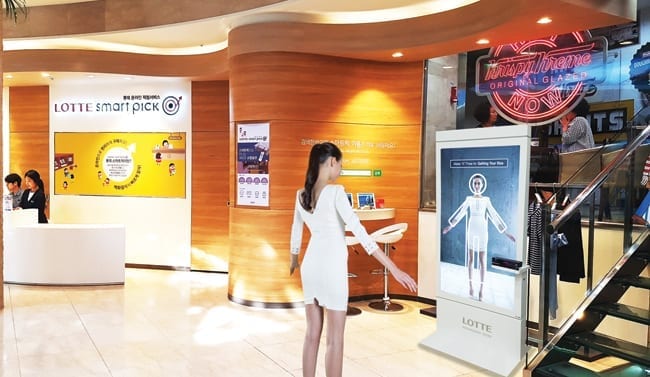
    Lotte Department Store introduced a 3D foot scanner in July. The Swedish-made scanner measures a customer’s foot size and analyzes conditions of the customer’s foot. Shoemakers can recommend and make the most suitable shoes for the customer. More than 1,800 customers had their feet scanned and over 800 ordered shoes as of September.

    Once their feet are scanned, customers can use the data at both online and offline stores.

    “Our department store has a 3D virtual fitting room and foot scanner, as examples of our new omni-channel service which connects online and offline,” a Lotte Department Store official said. “We will develop mobile applications for our customers to buy clothes and shoes with their smart phones.”

    Fighting fire with fire

    Although retail giants are expanding their online platforms, they are also finding ways to attract customers to their offline stores. Those giants are developing offline stores through experience which is hardly achieved in online markets.

    Heads of retail giants have recently stressed the importance of experience, targeting customers who seek to spend their leisure time shopping.

    “Shopping malls with experience are the future of offline stores,” said Hyundai Department Store CEO Kim Young-tae during the press conference at the opening ceremony of Hyundai City Outlet Dongdaemun in March. “Online shopping malls only display the products, but offline stores enable customers to touch and enjoy the products during their shopping.”

    Shinsegae Group Vice Chairman Chung Yong-jin said, “Customers want to gain both products and value, staying longer at a place where they have a reason to visit,” at the opening ceremony of Starfield Hanam in September.

    Lotte Mart CEO Kim Jong-in emphasized last year that discount chains should provide customers with new lifestyle experience. He said Lotte Mart will find an answer from “a space” which online malls lack.

    The latest technologies enable customers to experience offline stores without actually being there.

    Shinsegae Starfield Hanam attracts customers with “VR Fitness” at Sports Monster. Customers can enjoy scientific digitally-based exercises, such as VR fitness and bike-racing, at the recreational space.

    “Sports Monster and Aqua Field are advanced concept entertainment spaces that Starfield Hanam has been preparing for a long time,” a Shinsegae official said. “We expect those spaces to become new attractions, providing our customers with differentiated value through various exercises and experiences which they have never seen.”

    Lotte Department Store introduced the “Smart Shopper” service at its grocery stores at the Bundang store on Oct. 4.

    Customers can go shopping with barcode scanners and they do not have to push their shopping carts. If they scan items with their “Shopper” scanners, products are automatically added to their virtual cart.

    Customers can check added products on “Order Viewer” screens installed at several places in the store and can remove unnecessary items at automatic counters. Purchased items can be delivered to their home.

    Smart Shopper enables customers to check the actual products at offline stores, while resolving inconveniences of carrying them home.

    Duty free shops aim to provide experiences for customers with technology as well.

    HDC Shilla Duty Free plans to make an IT converged duty free shop, if its bid to open a new duty free shop will be successful.

    A state-of-the-art duty free shop with merged reality (MR), artificial intelligence (AI) and machine learning technologies is the company’s goal. The duty free shop plans to show hologram images, installing media walls and digital signage in the lobby.

    Examples in other countries

    Meanwhile, retail giants abroad have already gone through similar changes amid the crisis of offline stores.

    In 2014, British retailer Tesco unveiled its VR store which enables customers to look around the virtual store and purchase goods from there.

    The U.S. retailers Neiman Marcus and Nordstrom introduced smart mirrors for virtual dressing last year.

    The North Face stores in the U.S. have provided extreme VR experiences to attract customers to offline stores. If customers select clothes and wear VR devices, they can virtually wear selected clothes and experience extreme sports, such as jumping off a 128-meter cliff in the Grand Canyon.


     

  • China Unicom developing 5G VR streaming tech

    China Unicom developing 5G VR streaming tech

    The China Unicom Network Technology Research Institute is working on a new use case for advanced technologies including 5G and VR – panoramic VR streaming of live video using drone technology.

    China Unicom and wireless broadband technology provider Baicells are developing a prototype mobile edge computing VR live video technology using Artesyn Embedded Technologies’ MaxCore mobile edge computing acceleration platform.

    The technology uses the emerging panoramic video collage algorithm and transmission protocol to provide VR video streaming from drones equiped with 360-degree high-definition cameras.

    Users can manipulate their perspective in real-time, providing a more immersive live VR experience.

    “This end-to-end solution can be applied not only to concerts, sporting events, films and other entertainment industries, such as the Mid-Autumn festival, live CCTV broadcasts using VR panoramic technology, but it can also be applied to public safety, emergency communication, UAV inspection, and much more,” Baicells research director Mingyu Zhou said.

    “We believe China Unicom and Baicells’ joint research and development can help users experience live HD VR video transmissions more quickly and smoothly.”

    “MEC provides a distributed computing environment for application and service hosting, bringing cloud technologies closer to the RAN and ultimately, closer to consumers,” Artesyn marketing VP Linsey Miller added.

    “Carriers are telling us that for these applications they need telco-grade features, which is Artesyn’s expertise.”

  • Xiaomi announces its first VR headset

    Xiaomi announces its first VR headset

    Xiaomi is broadening its already expansive range of products by venturing into virtual reality for the first time.

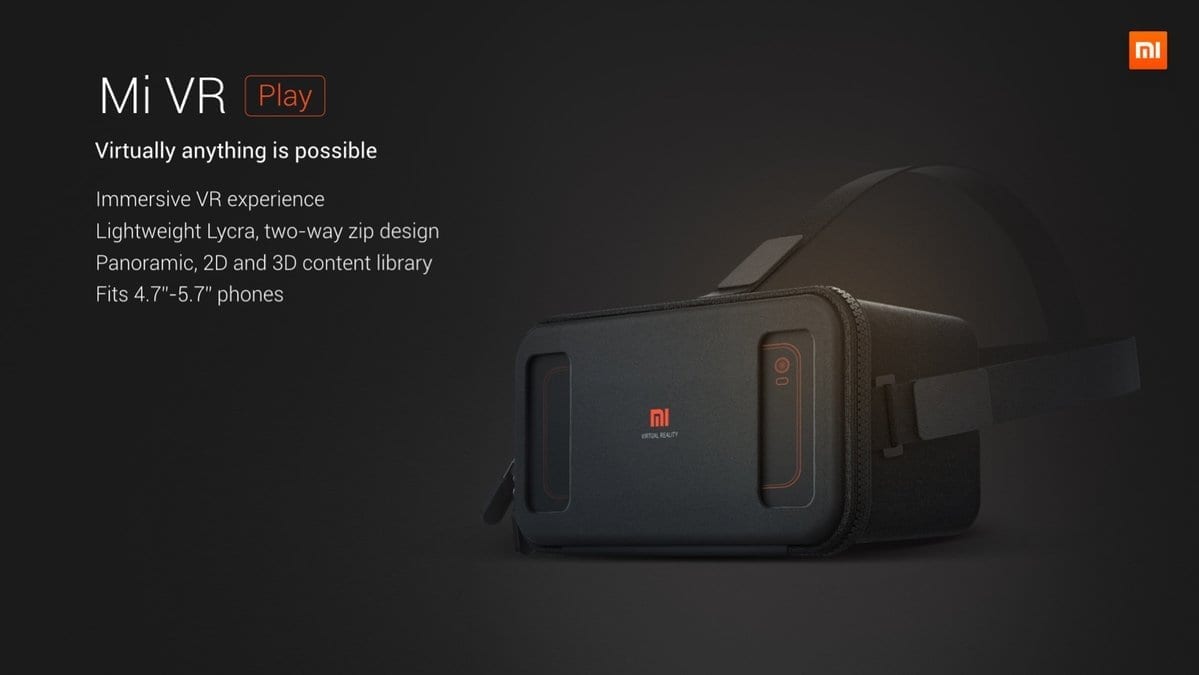
    The company today announced the Mi VR Play, an “entry-level” virtual reality headset that it hopes can open this new exciting medium to new audiences because not everyone has thousands of dollars needed to set up an Oculus Rift or HTC Vive. Democratizing technology is the thesis behind most of Xiaomi’s competitively priced products, including the $550/$750 notebook announced last week that will rival Apple’s Macbook in China.

    This new device recalls Google’s super-cheap and super-simple Cardboard VR headset. It is fairly basic in nature; you pop a smartphone into the lycra-built body then open Xiaomi’s Mi VR app, which contains VR content from selected partners that include Conde Nast Traveler and YouKu, “China’s YouTube.” Xiaomi pledged to invest $1 billion in video content, including VR, last year, so that library is sure to get bigger over time.

    Here’s how Xiaomi describes the headset:

    Mi VR Play has significantly improved upon the design typically used in similar VR products — it is wrapped in lightweight, durable Lycra for long-lasting comfort. In the future, Mi VR Play will also be available in a selection of bold prints and colours for even more stylish options. The unique two-way zipper helps to ensure compatibility, providing a secure grip on a wide range of 4.7- to 5.7-inch smartphones. At the same time, the dual openings on the front allow for slight positioning adjustments and ventilation.

    Here’s the catch — you can’t go and buy one, even if you’re in China.

    Xiaomi is making it available to a limited number of beta test users, who signed up on August 1 when Xiaomi put out a call for volunteers. One million users signed up in just eight hours, the company said, but Xiaomi has selected just a fraction of those — likely “tens of thousands,” a representative told us.

    For those lucky ones accepted into the test program, the Mi VR Play will cost just RMB 1 ($0.15).

    Xiaomi told us that it has plans to make the headset more widely available in the future, but there’s no schedule for that right now. Along those lines, it isn’t clear how much the headset will cost once it is on sale to all. We suspect it won’t be RMB 1, sadly.