Retail News CRM

Tag: virtual reality

  • DHL rolls out global augmented reality program

    DHL rolls out global augmented reality program

    DHL Supply Chain is rolling out the next phase of its Vision Picking Program following a successful trial of the augmented reality technology in the Netherlands. Since the trial, DHL and partners Google, Vuzix and Ubimax have refined the vision picking solution and DHL is now expanding the program across different industry sectors on a global scale, forging another step forward for augmented reality solutions in logistics.

    “We are excited to further test and develop vision picking as a solution that can be readily available to our customers. More importantly, this technology is not just one step towards digitalizing manual processes on the shop floor, it also takes us one step closer towards Industry 4.0. Testing technologies like augmented reality, robotics and Internet of Things will continue to be a big part of our DNA,” said John Gilbert, CEO Supply Chain.

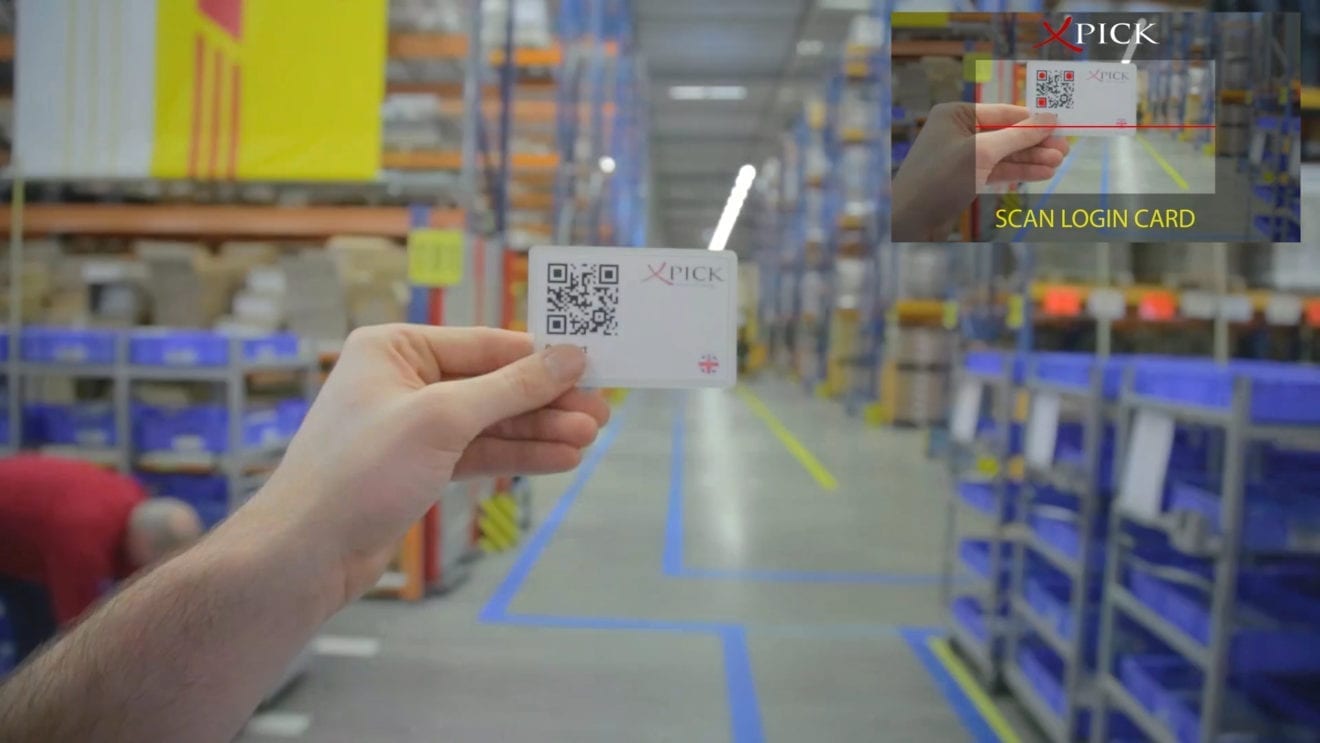
    Pickers are equipped with advanced smart glasses which visually display where each picked item needs to be placed on the trolley. Vision Picking enables hands free order picking at a faster pace, along with reduced error rates. Throughout 2016, the smart glasses will be piloted across various industries such as technology, retail, consumer and automotive industries. The data available from these pilots will further determine the technology’s potential for broader implementation. The pilot sites are spread across the United States, Mainland Europe and the United Kingdom, with the Ricoh facility in Bergen op Zoom, the Netherlands, where the solution was first tested, being the launch site for this new exploration phase.

    “The Vision Picking Program is DHL Supply Chain’s first translation of what augmented reality solutions can look like for supply chains. The broad spectrum in which the technology can be applied across various sectors is exciting to us, and the potential of this technology for business is still largely untapped. We believe this program is a game changer in how we run our supply chain operations and deliver added value to our customers,” states Markus Voss, CIO Supply Chain.

    Augmented reality market with exceptional potential growth

    The augmented reality and virtual reality market is said to be the next big thing after smartphones, although estimates vary significantly. Goldman Sachs estimate in their base case $80 billion for both virtual and augmented reality by 2025, while M&A advisory firm Digi-Capital predicts a total volume of $150 billion by 2020. Regardless of the actual size, exceptional growth seems to be certain if the current success of mobile app Pokémon Go is anything to go by. Investors are also convinced of the technology’s prospects, having made 225 venture capital investments worth $3.5 billion in the last two years.

    DHL Supply Chain will be one of the first companies to widely implement the technology into their operations. The initial 2014 test in the Netherlands showed a significant increase in productivity, reduced error rates and overall rise in employee satisfaction, proving that augmented reality can make an impactful difference in reality.

  • How brands are using VR to improve customer experience in China

    How brands are using VR to improve customer experience in China

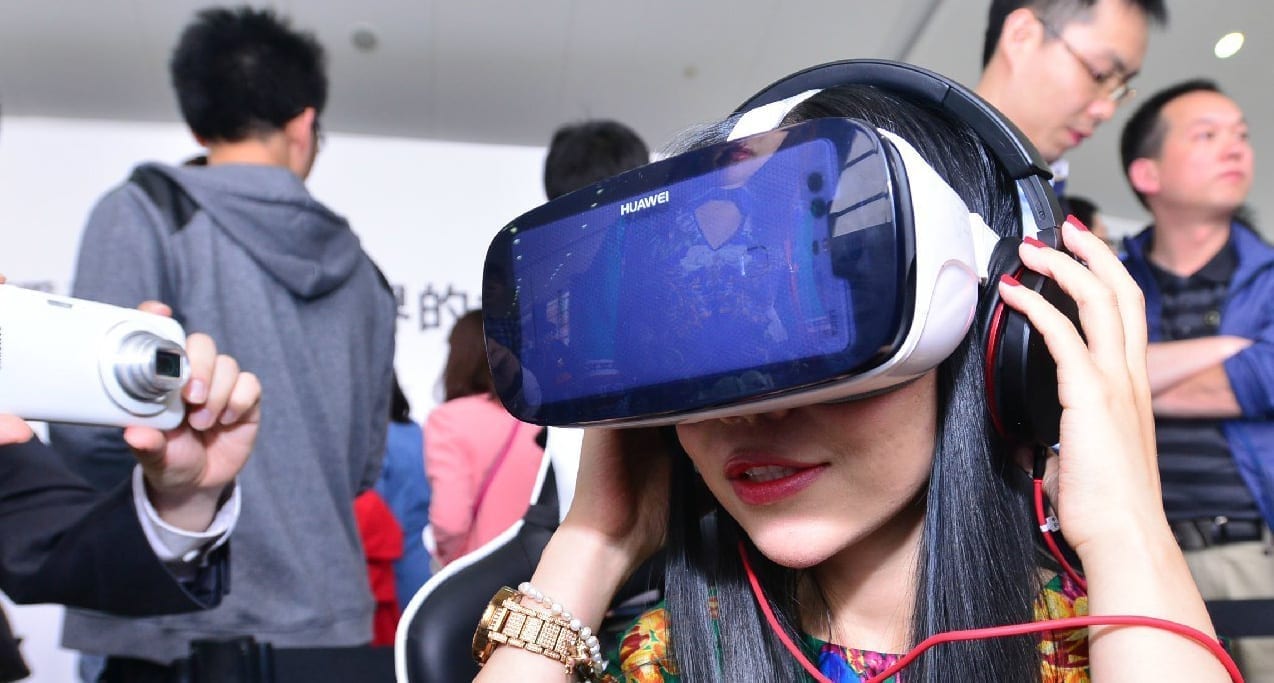
    Tech-enhanced customer experiences have always had a very receptive audience in China, and as a result, VR technologies are being widely embraced by both brands and platforms.

    China has the world’s biggest ecommerce market and by 2020, it will dominate the retail sector also, according to PwC. The sheer size of the country’s retail consumer market is one reason why the rest of the world sits up and takes notice when China adopts new technologies in this sector.

    And while the rest of us have been dipping our toes in the VR pool, trying out Oculus Rift headsets at trade shows and testing the low-tech, low-cost Google Cardboard on the relatively limited VR apps available via smartphone, China has been forging ahead with this new technology, putting it to practical use and building a market for virtual retail experiences.

    It’s no coincidence that China’s big three Internet platforms (Alibaba, Tencent and Baidu) have all invested significantly in VR, in what is expected to become a market worth $8.5 billion by 2020. these figures suggest that VR is no mere novelty to the businesses that shape the country’s economy.

    Alibaba

    Alibaba’s Buy+, launched last month, is a virtual reality shopping programme, which allows users to choose clothes and accessories via the headset, assisted by a virtual shopping assistant. It will give Alibaba’s 400 million users access to a VR shopping experience with 3D renderings for hundreds of products, and will eventually allow retailers to create their own VR stores.

    China_VR_Alibaba_Buy+_Alizila_600

    *Source: Alizila

    While it’s still in concept mode, Alibaba anticipates that the technology will become as central to the shopping experience as smartphones are today, picking up on and exploiting consumers’ appetite for ever-evolving and exciting experiences.

    Tencent

    Tencent has taken a different approach in its quest to dominate the VR market by launching its own operating system (Tencent OS) and VR console project – the miniStation. Tencent is focused on China’s gaming community to kick start user interest, and plans to integrate all of its services and apps into the platform, including WeChat and QQ. This will undoubtedly open up all kinds of opportunities for retailers to engage with customers in entirely new ways.

    China_VR_Tencent_miniStation_600

    *Source: Tencent’s miniStation for QQ and WeChat.

    As these ecommerce giants lay the foundations for a vibrant and viable VR market, physical retailers also have their sights set on the growing interest in this technology and how it can work for them.

    Suning + Gome

    For example, Chinese electronic retailers Suning Commerce Group and Gome Electrical Appliances Holding Ltd have done a deal with HTC to set up around 10,000 VR experience sites across China by the end of this year, including virtual rollercoasters and other adventurous in-store experiences.

    OnePlus

    Another example is smartphone manufacturer OnePlus. It developed a VR space station to launch its latest handset. As part of the campaign, 60,000 people were ‘beamed up’ to the space station where they learnt about the phone and its features. Within six hours, the conversion rate was an impressive 30%, giving a very promising return on investment.

    Takeaways

    What these pioneering retailers and retail platforms have learned is that VR has a number of advantages as an experience mechanism:

    • It allows them to showcase multiple products in a very cost-effective way – around 80% of the cost of building a traditional, brick-and-mortar showroom

    • There’s no physical limit to what VR can do – it’s possible to develop truly innovative and extraordinary experiences which would usually be out of reach. Going into space, on a rollercoaster, under the sea or any one of an almost endless list of scenarios can be developed and delivered to customers

    • There’s a huge appetite for VR experiences in China – according to industry analysts Canalys, the country will account for 40% of all VR headset shipments this year, and people are queuing up to try out local offerings from DeePoon, Pico, Pimax, Idealens and, most recently, Xiaomi.

    China_VR_DeePoon_600

    *Source: DeePoon homepage.

    As the market continues to develop, industry insiders say VR in China is reaching a game-changing tipping point. Yang Tao, general manager of Beijing-based VR startup SweetTech, told the China Daily in March: “The market feels like it did on the eve of the first iPhone when it was unveiled in 2007”. Given what happened to the smartphone market in the years since then, this is something retailers can’t afford to ignore.

  • Tata Comms launches VR/AR prize for F1 racing

    Tata Comms launches VR/AR prize for F1 racing

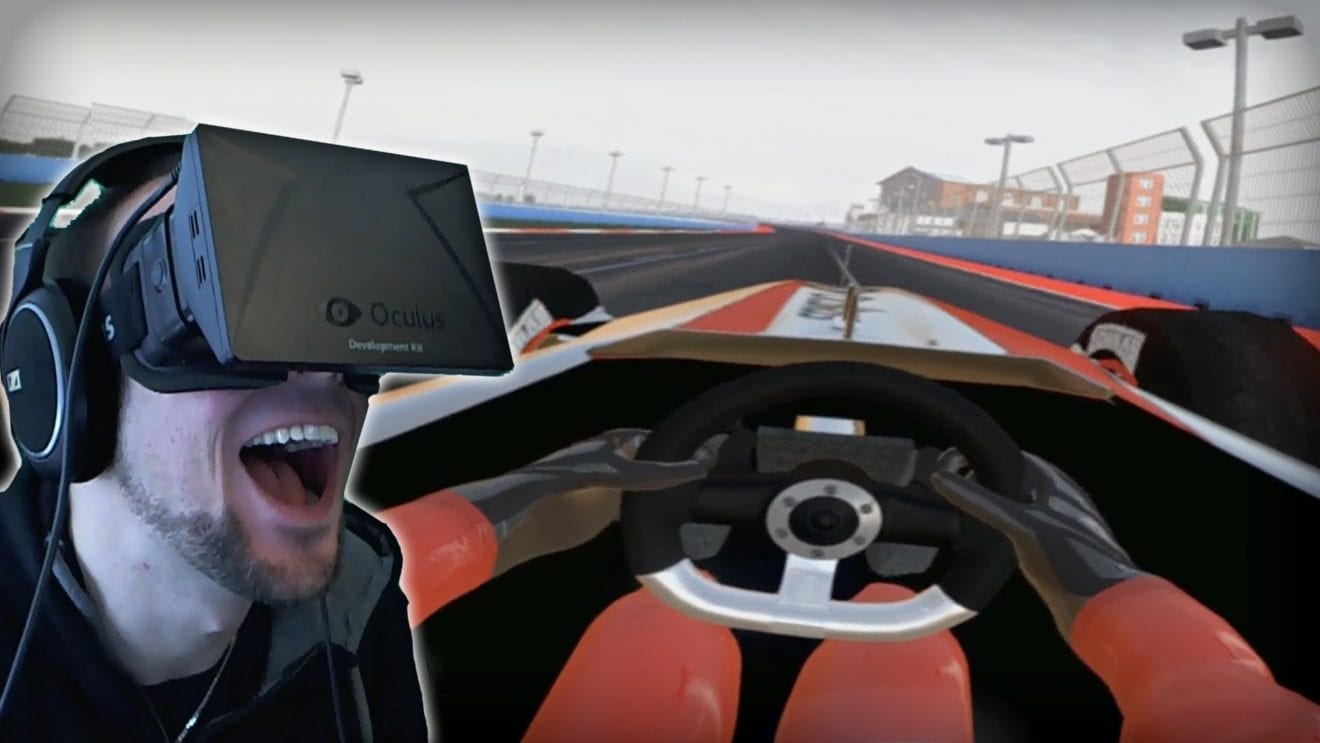
    Tata Communications has launched a new competition focused on how VR and AR technologies can make Formula 1 racing more immersive for fans.

    The 2016 F1 Connectivity Innovation Prize is also designed to help the teams work more effectively together in the run-up to and during each Grand Prix.

    The aim of the $50,000 prize is to inspire fans worldwide to harness their technical know-how and passion for F1 racing to drive innovation in the sport through two technology challenges.

    Tata Communications is the official connectivity provider of Formula 1, enabling the sport to seamlessly reach its tens of millions of fans across the globe.

    The first challenge, set by Formula One Management, calls on technology enthusiasts to develop a solution that uses VR and AR to enable fans at home to experience a Grand Prix virtually.

    The solution should allow fans who are not at the live event to immerse themselves into the world of F1 racing, from the pit lane and the Formula One Paddock Club, to the drivers’ parade and the starting grid formation.

    “We want to give as many fans as possible the opportunity to experience first-hand the thrill of a Grand Prix – and VR or AR could enable us to do just that,” said John Morrison, CTO of Formula One Management and one of the judges.

    “These technologies represent the next big innovation opportunity for the sport. In the not-too-distant future, they could enable fans to get virtually transported to a Grand Prix, complementing and enriching the race experience,” said Morrison.

    Julie Woods-Moss, Tata Communications’ CMO and CEO of its NextGen Business, said that in the last two years, the F1 Connectivity Innovation Prize has grown into a major platform for showcasing the huge potential of data and superfast connectivity in boosting F1 teams’ competitiveness, and in bringing fans closer to the sport.

    “We now invite fans from all over the world to share their ideas for how VR and AR could take fan engagement to the next level,” she said.

  • Jaunt launches major VR effort in China

    Jaunt launches major VR effort in China

    Just days after its CEO stepped down, Silicon Valley virtual reality company Jaunt said it has started producing VR content in China for worldwide distribution. Jaunt has received $100 million in funding, including millions from Disney.

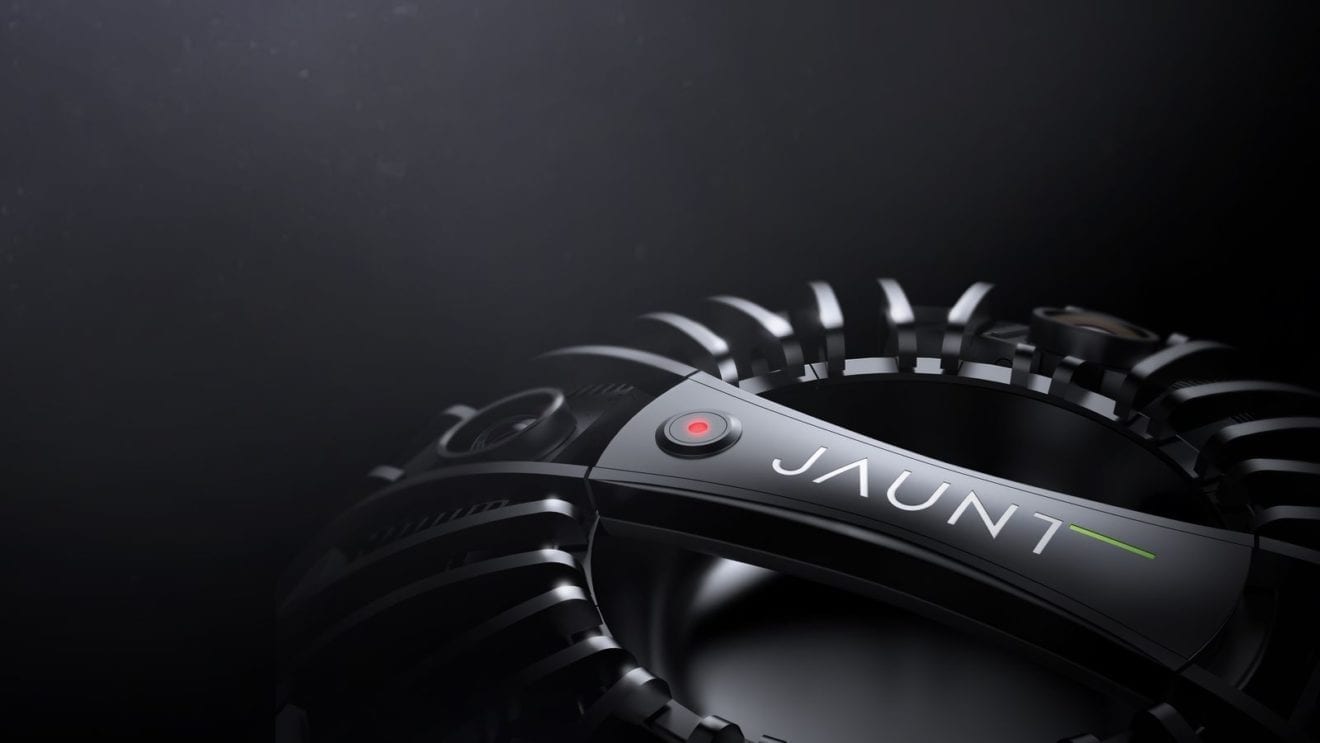
    The new operation was formed in partnership with Chinese media giants Shanghai Media Group and China Media Capital. The former will also invest in Jaunt’s U.S.-based efforts. Jaunt China will function, much like its American counterpart, as an end-to-end VR production and distribution platform, and will utilize the company’s high-end VR camera.

  • Isobar showcases latest VR and brainwave technologies at CES Asia

    Isobar showcases latest VR and brainwave technologies at CES Asia

    At CES Asia 2016, which opens today, Isobar will be showcasing BVRAIN and UMood, two marketing innovations from Isobar, which demonstrate the agency’s capabilities in leveraging new technologies to provide brands with innovative marketing solutions.

    BVRAIN are VR goggles that visualize the activity and emotions of the human brain. After a short scanning process, users are able to see a real-time abstraction of their brain in compelling and interactive 3D visuals. The system outputs emotional values based on the user’s brain activity. These values are also mapped onto the corresponding areas of the brain. 

    In addition to visualizing people’s minds, BVRAIN also allows for brain adaptive games and content. In a coin collecting VR game, users are able to see obstacles based on their brain activity. The entire journey will also be generated by their actual brainwaves, opening up a whole new area of adaptive gaming.

    BVRAIN is the brainchild of Isobar Shanghai’s NowLab. The first application of BVRAIN was launched for Coca Cola’s Innovation Center at Wanda Theaters in major cities across China in April 2016.

    NowLab is a new initiative by Isobar’s global network to accelerate innovation through technology. NowLab’s objective is to enable quicker application of world-class innovative technologies in clients’ brand marketing and create an innovative brand experience for consumers. Isobar’s NowLab project teams in 14 offices worldwide are currently collaborating on international product and technology development, striving to create innovative programs for clients and employees.

    Francis Lam, Head of NowLab and Chief Innovation & Technology Officer of Isobar China, commented: “Technology is a crucial component of today’s market innovation. Using an unprecedented approach to discover the potentials of technologies, NowLab is committed to providing innovative human-machine interfaces, multi-screen interactions and various indoor/outdoor environments when our clients and consumers need us the most, in order to deliver a variety of unique and realistic innovative solutions. By combining VR with brainwave technologies, BVRAIN can create innovative, experiential programs for brand communication.”

    UMood, a smart product selection system developed for UNIQLO by the Isobar Australia and Dentsu Science Jam, a Dentsu Aegis Network company, also debuted at the exhibition to provide visitor with a cutting-edge user experience which recently grabbed headlines in Australia and the region.

    UMood is the first of its kind product selection tool, which uses neuroscience to help match customers’ moods with the perfect T-shirt. Consumers wear a neuro headset to watch a series of images and videos on the screen. The headset uses neuro analysis, measuring their brainwave reactions to the stimulus, to determine the user’s mood and subsequently make product recommendations based on that mood.

    Sven Huberts, Managing Director for Isobar Asia Pacific, said: “We don’t believe in using technology for technology’s sake. When we are addressing a client’s business challenge, we are constantly looking for new ways to elevate the brand experience to deliver value to that particular challenge. UMood is a good example of what a Brand Commerce solution can look like, whereby you’re bringing points of inspiration and points of transaction ever closer together.”

    Following last year’s successful debut at CES Asia™, Dentsu Aegis Network has expanded its presence at CES Asia this year, attending the world’s top consumer electronics show. The three-day event will see the network present 12 consumer marketing innovative products, doubling its presence last year. These products are owned or co-created by Dentsu Aegis Network offices in Australia, China, India and Japan. These technologies are centered on the theme of “Empower the Extended Self”, by using latest digital technologies including VR, robotics, facial recognition and real-time emotion analyzers.

  • Alibaba taps VR to enhance shopping experience

    Alibaba taps VR to enhance shopping experience

    The global virtual reality market to grow at a rate of 96% by 2019, according to a new report made available by Research and Markets.

    VR is being adopted in a wide variety of applications ranging from healthcare, gaming devices, public entertainment, prototype creation to military exercises.

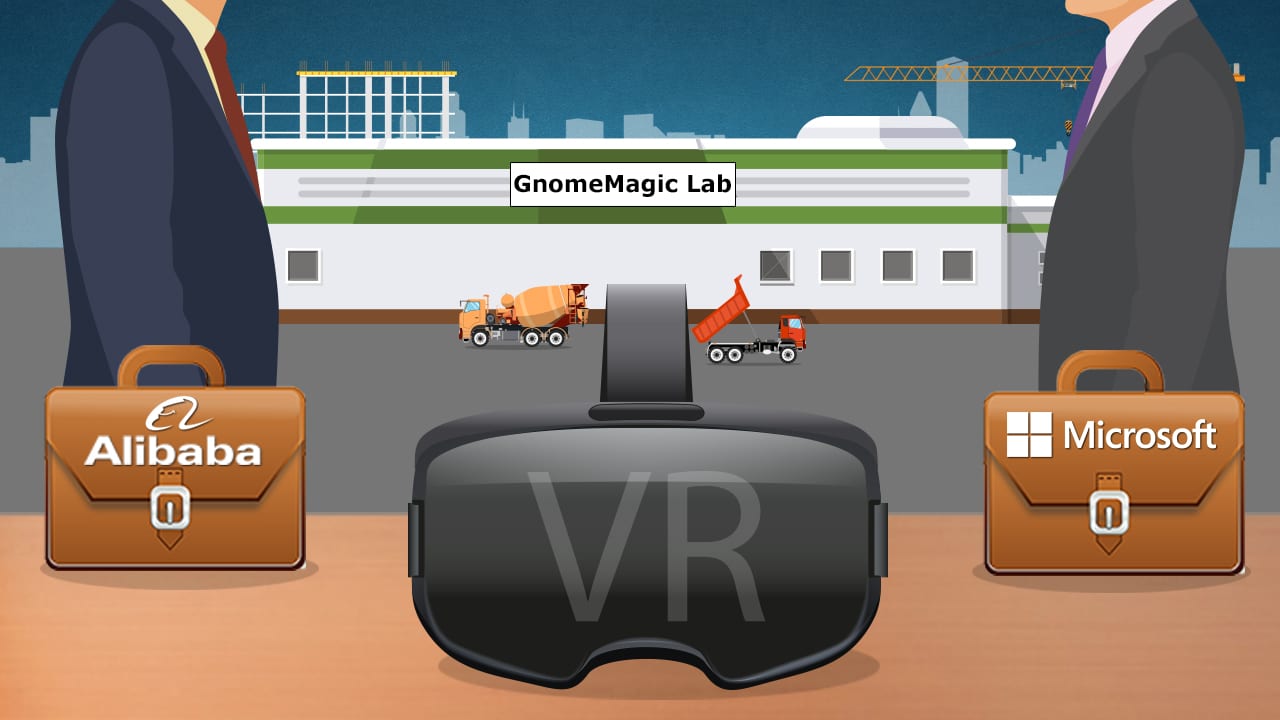
    Chinese e-commerce giant Alibaba has now set up a research lab as it looks to use VR to enhance the shopping experience for its 400 million users.

    The company is also exploring how VR technology can be applied to its other services, including online games and video streaming, according to reports.

    Head-mounted displays have created opportunities for VR in a number of applications. A head-mounted display consists of an image source, collimating optics, and a mechanism to mount the device on the head.

    The device is wearable, and projects images and information relative to the user’s line of sight in front of the user. A report on the HMD market predicts growth of 49% over the next five years.

    Virtual reality devices, which are compatible with smartphones, can help users by providing specific information about their requirement on-the-go, without pulling out their portable devices. This technology is expected to commercialize in 2016 and could be worth $2.30 million in 2016.

    Alibaba has already created three-dimensional visuals for hundreds of products and will issue standards for merchants to create VR-enabled shopping options. It is also said to be working on creating music and videos.

  • Virtual reality in retail stores

    Virtual reality in retail stores

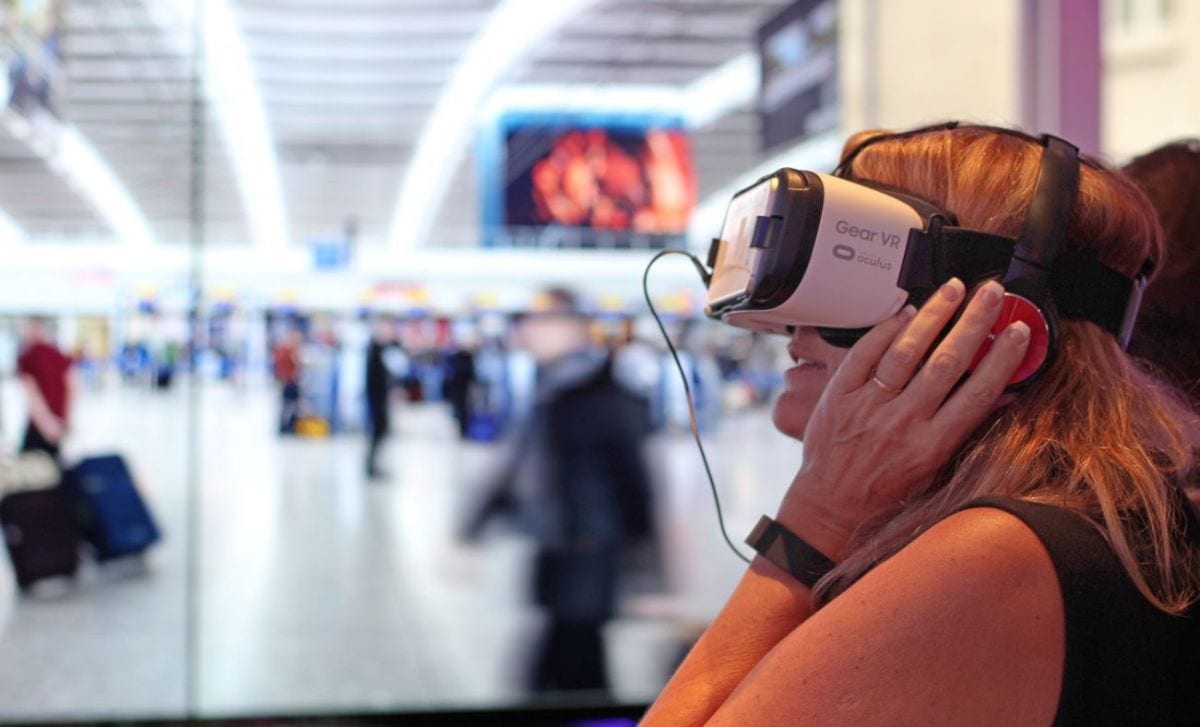
    Virtual Reality, as a concept, has been around for over 50 years.

    In the beginning, it was literally the stuff of science fiction.  Then in the early 90’s it actually became reality, when physical prototypes were developed, using the modern technology of the era.  The results were underwhelming – imagine pixelated graphics and heavy, nausea inducing headsets. The concept lay dormant for 20 years before anyone thought to revisit its feasibility.

    That person was Palmer Luckey, the young inventor and founder of Oculus VR. What he discovered is that without anyone realising it, technology had quietly caught up with the requirements of VR. There were now low-latency head orientation sensors and small, high-refresh rate OLED displays which didn’t exist just five years ago.

    Using these off the shelf parts, he constructed a rudimentary hardware proof-of-concept which delivered an immersive experience far beyond what had been seen before.

    From this initial prototype, Oculus was founded, bringing on board many high profile experts in the field of computer graphics, alongside millions of dollars in funding. Their inaugural consumer VR product is about to be released to the public, and many smart people consider this to be a watershed moment.

    Will this be the event that introduces practical VR to the masses?

    Oculus (now owned by Facebook) is leading the way, but Apple, Google, Microsoft and Sony are all working on their own implementations of VR. There’s a full-on VR technology arms race happening, with the usual suspects involved.  They recognise the huge potential of the medium, and the unique ways it can complement their existing product offerings.

    VR 2.0

    This new generation of VR technology is in its infancy, and as with any nascent platform, pundits try to predict the types of experiences it will enable. Stereotypically, new mediums are often projected (interpreted) through the lens of the incumbent platforms which precede it.

    The first automobile was considered a “horseless carriage”. The first motion picture content was essentially just televised theatre. Simply re-imagining the experience of an old medium through a new one may be the path of least of resistance, but it ignores the unique elements of the new.

    So the theory goes, in order to fulfill its true potential, a new medium needs to abandon previous biases and embrace the characteristics and constraints which are unique to it.

    But does this calculus apply to VR? Perhaps not. Unlike all previous mediums, it is has no baked-in constraints. It is not simply a proxy for storytelling or communication. Its ambition is to replicate the reality we natively experience. It is, by design, the last medium.

    The obvious question becomes, what are the scenarios for which diving into an alternate reality becomes preferable to the “real” reality someone is experiencing. As mature as the underlying technology becomes, VR, for the foreseeable future, will forever be chasing the tail of “real life”.

    So what is the individual incentive to temporarily replace what we already (if we’re so lucky) get for free? Understanding the motivations that drive these virtual experiences can uncover the opportunities and jobs to be done of the medium.

    Applications

    In the context of VR, the virtual “reality” is simply “content”. As with all previous mediums, the success of this one will be intrinsically tied to the abundance and quality of content created for it. In this respect, authors and the tools they use to create with will be just as important as the technology that audiences use to consume with.

    These creation tools are also nascent, and consist of both hardware and software solutions.  Let’s explore a potential use-case for this technology within the realm of current domains.

    Virtual reality in retail: eCommerce and virtual stores

    A common current trend in the eCommerce space is the realisation that an online presence alone is not enough to deliver the ideal consumer experience. Even Amazon, the largest pure-play online commerce company has recently opened a “bricks and mortar” physical presence near its headquarters in Seattle.

    What is the impetus for taking this step “backwards” into the 20th century? Well, these companies have discovered that even with an (essentially) limitless online catalogue, the experience of browsing their catalogues online doesn’t compare to the act of literally walking down the aisles of a physical store. It is no substitute for the physical discovery process we take for granted.

    This applies not only to the type of merchandise that Amazon became famous for, like books, but especially so for more visual products like clothing and fashion. There is no substitute for the tactile experience of wandering through a curated store.

    But providing a physical presence requires sacrificing one of the key advantages of online commerce; having an effectively infinite reach, with the ability to target any consumer, wherever they are, independent of their physical location. Reaching global penetration at this physical scale is beyond the reach of all but the largest retailers.

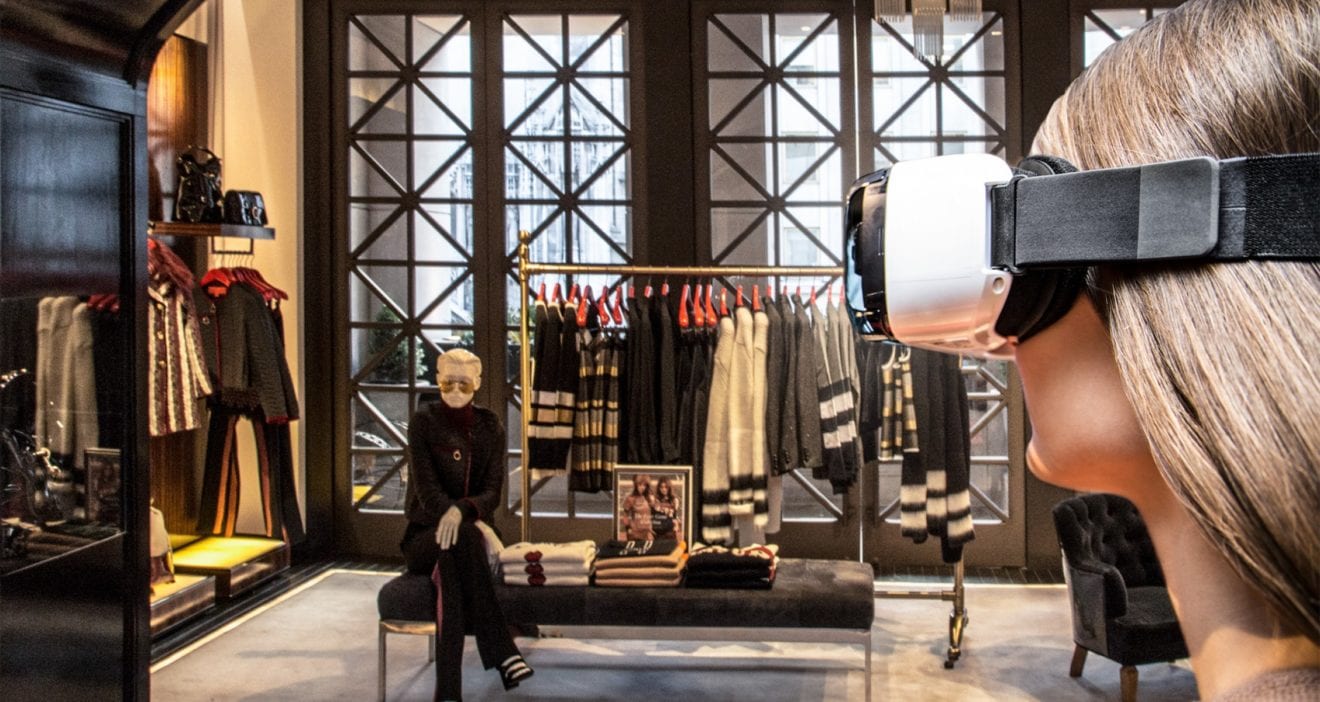
    Imagine consumers using VR to browse a virtual physical store, representing the catalogue (or a subset of) the online inventory. Even brands that have an existing physical retail footprint would benefit from the ability to amplify this bricks-and-mortar experience across markets they don’t have the scale or reach to address.

    Sizing has been an eternal struggle for online clothing retailers and consumers alike. How to know if the shirt you’re purchasing online will actually fit properly when it arrives?  Sizing charts are not standardised, and even if they were, there is no single reference body type to target a perfect fit.

    So how do you try before you buy? A virtual fitting room could come very close to replicating the experience of trying on clothes in a real physical fitting room. Imagine associating detailed physical dimensions of your body with your online shopping persona.

    Using this information, alongside similarly detailed sizing information for the individual clothing items could let you try on pieces of clothing in a virtual mirror. As you raise your arms or tilt your hips, you could see the fabric as it contours and hangs off your virtual body.

    Future opportunities

    This is just one creative application of VR hardware and virtual environments. The potential is almost limitless, and there isn’t a field or industry that won’t be touched in some way by this technology.

    While the incumbent hardware/software companies have all planted their stakes in the ground, there will be massive opportunities for all players in the ecosystem, especially content creators who understand how to create experiences on this new canvas.

    Once again, this illustrates the competitive advantage which exists for companies who can master the intersection of design and technology. Organisations who successfully combine these two disciplines will be in a unique position to benefit from the enormous future demand for virtual experiences.

    written by Marc Lamothe, Technical Director at Start Hong Kong
  • Thailand’s first Virtual Reality Lab

    Thailand’s first Virtual Reality Lab

    Virtual Reality has been a popular subject lately in Asia, although not new to virtual reality, Orb Vr Labs was founded in 2014 by five passionate veterans of film, VFX, post production, telecom and product design. Based in Bangkok with an R&D office in Chang Mai, Orb VR Labs has set out to create new ways to visualize stories and is developing innovative solutions needed to build these mind-blowing immersive experiences.

    “It happened over a few days, we were discussing stuff as we normally do and our discussions kept landing back to VR, AR and 360°. Our unique combination of talents, skills and resources created a lab type of studio where our sole purpose is to create innovative ways to tell new stories, says Bryn Cadman, former VFX supervisor.

    “VR is exciting, where by film making you have to follow certain rules, virtual reality requires completely different approach and mindset. The immersive experience is very wild, The sky is not the limit”, says Lex Luther, Film Director.

    We are ready to take on challenges and we’re fully equipped with a wide assortment of  technology to  create VR and 360° experiences. “Our focus is on content creation and building the infrastructure and technology to produce cinematic virtual reality that matches the scale and quality of modern film craft”. Sreeram Ramanathan, speaks from his base in Mumbai from where he represents the Indian extension of Orb VR Labs.

    Our solutions can significantly increase mobile operators ARPU* and drive more 3G/4G/LTE data consumption. Mobile users can enjoy an innovative immersive virtual reality or 360° experience from literally any place by using in-house developed wearables. Mobile operators can benefit from this new content and deliver it to handsets over our VOD (streaming) platform. The competition is on between operators to bring added value to customers and stand out of each other, says Sven, ARPU evangelist.

    Their work includes clients such as Toyota, Nissan, Grey Advertising and Prism.

    (*) Average revenue per user (sometimes known as average revenue per unit), usually abbreviated to ARPU, is a measure used primarily by consumer communications and networking companies, defined as the revenue divided by the number of subscribers.