Retail News CRM

Tag: Volvo

  • Meta, Volvo and Writers at Work lead the conversation on WhatsApp with Omnichat

    Meta, Volvo and Writers at Work lead the conversation on WhatsApp with Omnichat

    The Commerce Leadership Forum 2025 Series, organized by Omnichat, a frontrunner in omnichannel AI customer experience platforms, recently took place at the Meta offices in Singapore and Malaysia. The event brought together key figures from companies such as Meta, Volvo Car Malaysia, and Writers At Work to delve into the transformative influence of AI, data-driven insights, and the WhatsApp Business Platform on customer engagement.

    The Power of Messaging for Business

    The global trend of businesses using messaging platforms is growing, as evidenced by over 1 billion people interacting with business accounts weekly on Meta’s messaging services. Vicky Yiu, APAC Strategic Partnership Manager at Meta, highlighted the effectiveness of messaging as a means of customer engagement.

    Latest research suggests that 79% of global online adults engage with businesses through messaging on a weekly basis. The WhatsApp Business Platform, including its ‘WhatsApp Flows’ tool, provides interactive chat experiences, facilitating efficient and user-friendly exchanges such as data collection and appointment scheduling.

    Albert Tiong, Regional Program Manager of Meta, demonstrated how Meta Business Messaging can lead to better results across the entire customer lifecycle, compared with traditional channels. From discovery and awareness to consideration, purchase, and re-engagement, two-way conversations enhance marketing, sales, and support outcomes. Businesses that have started using paid messaging products have seen a doubling in numbers year-on-year.

    Integrating WhatsApp into Business Communications

    Patricia Yaw, Director of Marketing Operations and PR at Volvo Car Malaysia, is spearheading the brand’s digital transformation, illustrating that even traditional sectors can progress through conversational commerce. By implementing a centralized chat strategy, Volvo Car Malaysia has been able to deliver a personalized customer experience exclusively through WhatsApp. This strategic shift to a unified WhatsApp Business Platform took place during the brand’s EX30 launch, which set new records for the brand in terms of test drive bookings, media impressions, and PR share of voice.

    WhatsApp has demonstrated impressive performance metrics, including a staggering 93% read rate and a click-through rate seven times higher than that of email. Further, the chatbot effectively handles one out of every four discovery questions, underscoring its efficiency in managing user inquiries.

    AI-Driven Conversational Commerce

    Alan Chan, founder and CEO of Omnichat, highlighted the transformative effect of AI-driven conversational commerce. He discussed how businesses can use automation and personalization to boost sales and improve customer satisfaction.

    “AI-powered conversational agents are revolutionizing how businesses interact with customers,” he said. “Omni AI allows businesses to create tailored AI agents for various purposes, train them by uploading documents and resources, and enable them to deliver faster and more accurate responses. From providing round-the-clock instant support to sending hyper-personalized recommendations, AI enables companies to engage customers effectively at all touchpoints.”

    WhatsApp for Operations and Engagement

    Ang Kai Ning, HR and Finance Director at Writers at Work, revealed how their education center strategically uses the WhatsApp Business Platform, facilitated by Omnichat, to improve various aspects of their operations. WhatsApp has become more than just a messaging app, transforming into a dynamic platform for interactive engagement, promotional messaging, efficient announcement scheduling, and responsive customer service.

    They achieved a 77.71% read rate and an 11.85% click-through rate on webinar promotions, resulting in a 90% turnout. Moreover, chatbot automation handled 75,000 customer messages last year, with 99% of these on WhatsApp, demonstrating the platform’s role in optimizing communications, boosting engagement, and driving results.

    The Commerce Leadership Forum 2025 Series highlighted the value of collaboration and innovation in business growth. By uniting thought leaders and industry experts, the event inspired attendees to adopt new technologies, use data-driven insights, and rethink customer engagement strategies for the digital age.

    Questions & Answers

    What is the significance of the WhatsApp Business Platform for customer engagement?
    The WhatsApp Business Platform provides interactive chat experiences that enable efficient and user-friendly exchanges such as data collection and scheduling. This platform has demonstrated high engagement rates, with a remarkable 93% read rate and a click-through rate seven times higher than that of email.

    How can AI-driven conversational commerce benefit businesses?
    AI-driven conversational commerce allows businesses to create custom AI agents for various purposes. These agents provide faster and more accurate responses, offer round-the-clock instant support, and send hyper-personalized recommendations. This technology revolutionizes customer interactions, enhancing engagement at all touchpoints.

    What role does WhatsApp play in an organization’s operations?
    Besides being a platform for messaging, WhatsApp can also be used for promotional messaging, efficient announcement scheduling, and responsive customer service. It has been effective in streamlining communications, boosting engagement, and driving results, as evidenced by a high turnout rate for webinar promotions.
  • Volvo XC40 Electric Teased Ahead Of Reveal

    Volvo XC40 Electric Teased Ahead Of Reveal

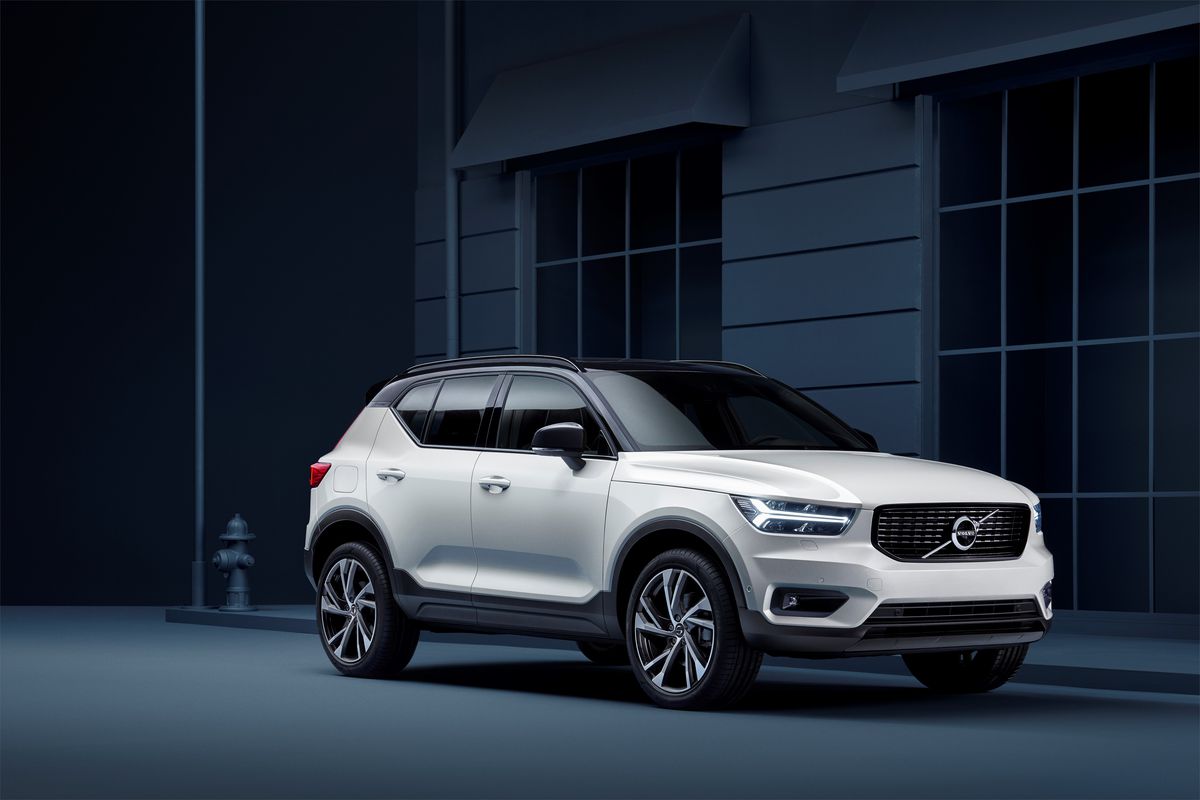
    Volvo is all set to reveal the all-electric XC40 on October 16, 2019. This will be the company’s first fully electric car and the company has teased the car ahead of its official reveal. But this time around the company gives us a glimpse into what the car will look like. For the first time in the company’s history, there’ll be a car that will move without petrol or diesel engine in the engine bay and have a battery in the floor, which will, of course, change the car’s dynamics.

    As you can see in the images, the car will no longer need tailpipes or a large grille for cooling purposes, while the removal of an internal combustion engine creates extra room for even more storage space under the front hood and that’s exactly what the company is providing.

    Robin Page, head of design at Volvo Cars said, “The roots of Scandinavian design are based on visual clarity and the reduction of element. The XC40 is a great example of this. Without the need for a grille we have created an even cleaner and more modern face, while the lack of tailpipes does the same at the rear. This is

    The front grille is covered in body colour and creates a distinct visual identity at the front of the car, made possible by the fact that an electric car needs less air flow for cooling purposes. The grille also neatly packages the sensors for the new Advanced Driver Assistance Systems (ADAS) sensor platform. The Volvo XC40 electric will be available in eight exterior colours, including a brand new Sage Green metallic option, while a contrasting black roof comes as standard. The XC40 electric will come with new 19 and 20-inch wheel options.

    Inside, the Volvo XC40 electric gets a brand new driver interface specifically designed for electric cars keeps drivers up to date on relevant information such as battery status, while the interior design package features sporty styling details as well as carpets made of recycled materials.

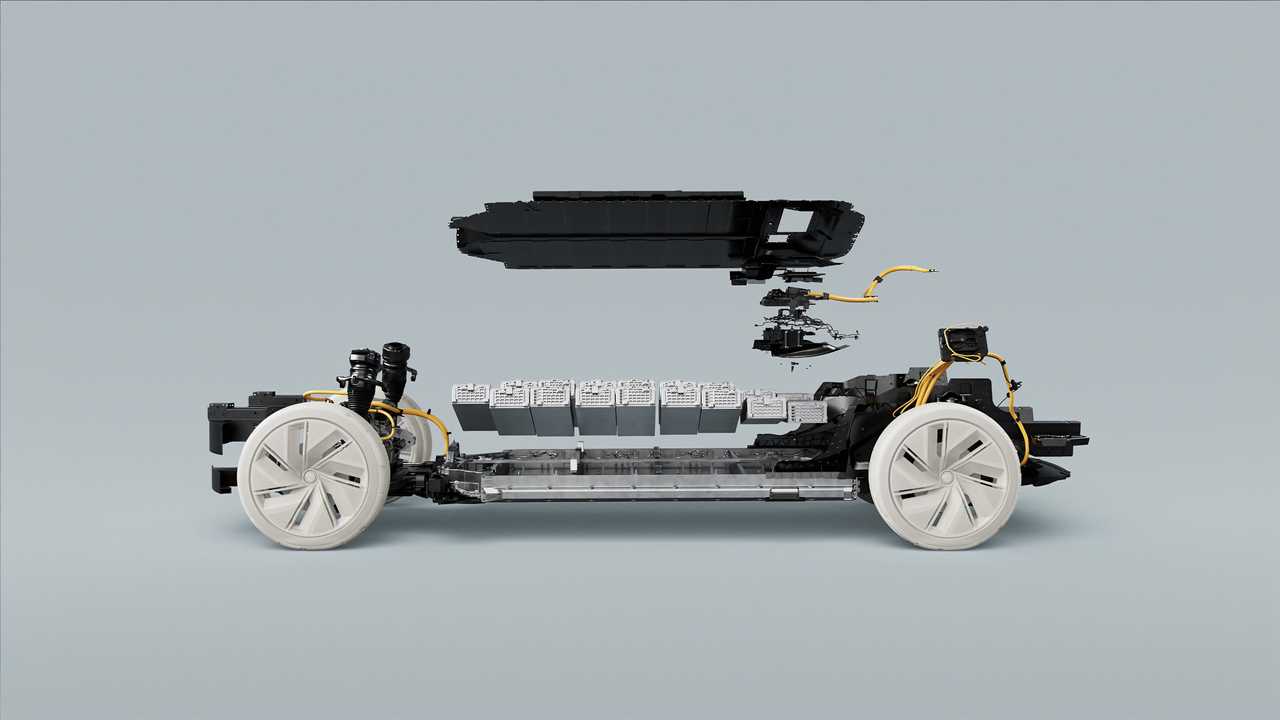
    The electric SUV is based on Volvo’s Compact Modular Architecture (CMA), which was designed from the outset with electrification in mind, the battery pack is integrated into the floor of the car without affecting interior space. There’s more functional storage space in the doors and under the seats, a fold-out hook for small bags and a removable waste bin in the tunnel console.

    The Volvo XC40 electric provides around 30 litres of extra load space because an electric motor takes less space

    Unique to the electric XC40, a special front load compartment (or ‘frunk’) located under the front hood provides around 30 litres of extra load space because an electric motor takes less space than a combustion engine. Volvo Cars will reveal more details about the fully electric XC40 in the coming weeks, before it will be first shown to the public on October 16.

  • Volvo ES90 Electric Sedan Unveiled

    Volvo ES90 Electric Sedan Unveiled

    Volvo has unveiled its first all-electric sedan, the ES90 for the global market. Built on the carmaker’s SPA2 platform, the ES90 is the sixth all-electric model in Volvo’s portfolio after the EX90, EM90, EX40, EC40 and EX30. The carmaker has stated that the ES90 will initially go on sale in European markets in the coming months with other markets to follow.

    Visually, the ES90’s design is in line with the rest of Volvo’s EV lineup, borrowing many elements. The front end of the EV gets headlamps that are similar to the likes of the EX30 with Volvo’s signature ‘Thor’s Hammer’ LED daytime running lamps. Below the headlamp clusters sit vertical fog lamps on both ends, with a rectangular air dam in between.

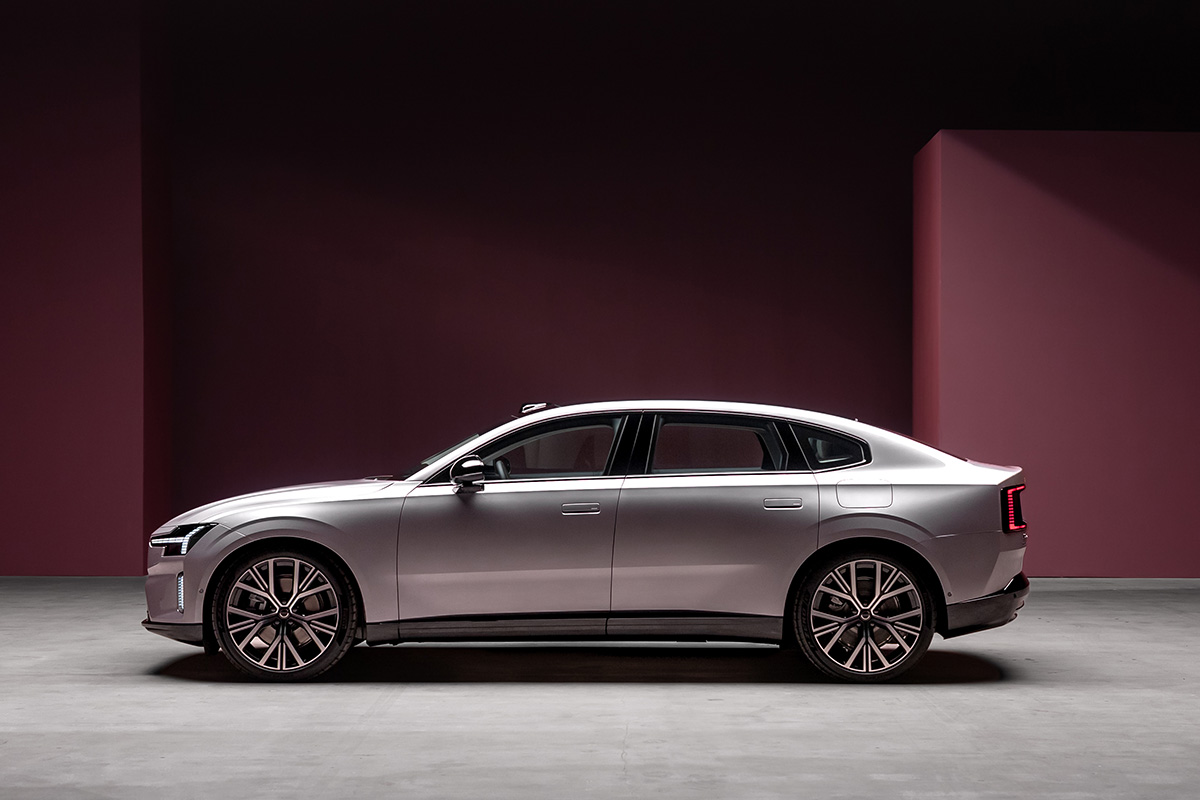
    In profile, the ES90 sports a prominent shoulder line, with creases around the wheel arches and towards the lower half of the doors. Being a liftback, the ES90 has a short rear overhang while the roofline flows into the short rear deck. The rear end of the ES90 gets C-shaped tail lamps, similar to the units on previous Volvo sedans. The boot space of the EV amounts to 424 litres, and the EV also gets a 22-litre frunk.

    On the inside, the interior layout of the EV is largely similar to that of the EX30 and EX90 and is headlined by a large 14.5-inch portrait-oriented central infotainment touchscreen. The infotainment system gets Google built-in, which includes services such as Google Maps, Google Assistant and more apps on Google Play. The cabin also has ambient lighting, with six themes, and gets a panoramic glass roof. Buyers can also option an electrochromic glass roof where you can adjust the transparency of the glass. The ES90 can also be had with a 25-speaker Bowers & Wilkins sound system.

    The ES90 is offered with three powertrain options – single-motor (338 bhp, 480 Nm), twin-motor (455 bhp, 670 Nm), and twin-motor Performance (690 bhp, 870 Nm). While top speed is identical across all three variants (180 kmph), 0 to 100 kmph times are 6.9 seconds (single-motor), 5 seconds (twin-motor), and 4 seconds (twin-motor performance) respectively.

    The single-motor variant of the sedan will feature a 92 kWh battery pack that delivers a range of up to 650 km. The twin-motor variants of the ES90, on the other hand,  will come equipped with a 106 kWh battery pack and have a WLTP figure of up to 700 km. Volvo says that the new sedan will be its fastest-charging EV to date with the 800V electrical architecture allowing for DC fast charging at rates of up to 350 kW – up from the EX90’s 250 kW. The company says this will allow users to juice up the battery from 10-80 per cent in as little as 20 minutes, up to 30 per cent faster than all other Volvo EVs currently on sale.

  • Tasco buys 100% stake in sole Volvo distributor

    Tasco buys 100% stake in sole Volvo distributor

    Tasco Auto, a subsidiary of auto distributor Tasco, has bought out Sweden Auto, the sole distributor of Volvo cars in Vietnam.

    The deal made Tasco the importer and distributor of the Chinese-owned Swedish luxury brand, and it has since increased its number of showrooms by four to almost 90, maintaining its position as the biggest auto distributor in the country, the company said in a statement.

    Sweden Auto started distributing Volvo cars five years ago and reported pre-tax profits of VND54 billion ($2.1 million) last year, but the figure jumped to VND105 billion in the first five months this year thanks to a double-digit surge in sales.

    In May Volvo accounted for 14% of Vietnam’s luxury car market, Tasco said.

    The distributor of 15 auto brands last month announced that it would branch into car assembling and launch its first products next year.

    Tasco Auto chairman Pham Van Dung said at the time the company wanted to work with a global top 10 auto producer.

  • Volvo Cars India Records 33% Growth In First Half Of 2023

    Volvo Cars India Records 33% Growth In First Half Of 2023

    Volvo Cars India has reported a significant growth of 33 percent in its sales for the first half of 2023 in India. During the period from January to June, the company delivered 1,089 cars, a notable increase from the 818 units delivered in the same period last year.

    The driving force behind this impressive growth can be attributed to the XC60, one of Volvo’s most popular models, which experienced a substantial 35 percent surge in deliveries. This particular model contributed to a total of 376 cars being delivered during the first half of the year.

    Another notable highlight is the strong performance of the locally assembled all-electric XC40 Recharge, which garnered good demand. With a total of 289 units sold during this period, the XC40 Recharge accounted for 27 percent of the overall sales volume. This success further demonstrates the growing demand for electric vehicles in the Indian market.

    “The first half has been highly successful, with the XC40 Recharge representing 27 percent of the sales volume. The impressive 33 percent growth reaffirms the positive feedback from customers regarding our luxurious mobility options and their strong trust in the Volvo brand. The performance in the first half serves as a promising indicator, instilling confidence that the upcoming months will yield even better outcomes. With the upcoming launch of our Born Electric model C40 Recharge in August, we aim to surpass our best-ever year.” said Jyoti Malhotra, Managing Director, Volvo Car India.

    Volvo Car India recently unveiled its latest addition to the electric vehicle lineup, the C40 Recharge. This marks their second offering in the electric car segment, following the XC40 Recharge. The new EV will also be assembled locally at Volvo’s manufacturing plant located in Hoskote, near Bengaluru. Bookings for the C40 Recharge will start in August, with deliveries scheduled to commence in September 2023.

  • Volvo Cars Registers 33% Growth in Global Sales

    Volvo Cars Registers 33% Growth in Global Sales

    Volvo Cars has announced a significant surge in sales for the month of June. The company reported selling a total of 66,379 cars worldwide, marking a 33% increase compared to the same period last year. A major contributor to this is the demand for Volvo’s fully electric vehicles, which experienced a fourfold increase in sales compared to June 2022. It’s worth noting that last year’s figures were adversely affected by supply chain constraints, leading to lower production. In June, Recharge models saw a staggering growth of 129%, accounting for an impressive 37% of all Volvo cars sold globally. Among the Recharge models, fully electric cars comprised 14% of the total sales.

    During the first half of this year, Volvo Cars achieved sales of 341,691 cars, representing a notable 17% increase compared to the corresponding period in 2022. A significant contributing factor to this success is the company’s Recharge line-up, consisting of chargeable models with either fully electric or plug-in hybrid powertrains.

    In Europe, Volvo Cars experienced a substantial sales surge of 70% in June, with 27,196 cars sold compared to the previous year. Recharge models accounted for 58% of overall sales in the region. Looking at the cumulative sales for the first half of the year, Volvo Cars witnessed a 23% increase in Europe, reaching a total of 146,943 cars sold.

    Meanwhile, in the United States, Volvo Cars achieved a remarkable 53% increase in sales in June, with a total of 12,933 cars sold compared to the previous year. Recharge models were the driving force behind this growth, with a notable increase of 79%. Consequently, Recharge models accounted for 29% of total sales in the US. During the first half of 2023, Volvo Cars achieved sales of 59,750 units in the US, representing an 18% increase compared to the same period last year.

    However, Volvo Cars faced a slight dip in sales in China, with 15,405 cars sold in June, representing a 7% decrease compared to the same month last year. Despite this decline, Recharge models still held a respectable 8% share of the total sales in the Chinese market.  In terms of individual models, the Volvo XC60 emerged as the top-selling vehicle in June, with a total of 21,053 cars sold. This represents an increase from the previous year when 18,275 units were sold.

    The XC40 followed closely behind, with sales reaching 18,170 cars, the XC90 also maintained a steady performance, with 9,895 cars sold. Volvo Cars’ sales growth, is particularly driven by the soaring demand for its fully electric vehicles.

  • Volvo’s Latest Apple CarPlay Update Brings Navigation, Call Details To Driver’s Display

    Volvo’s Latest Apple CarPlay Update Brings Navigation, Call Details To Driver’s Display

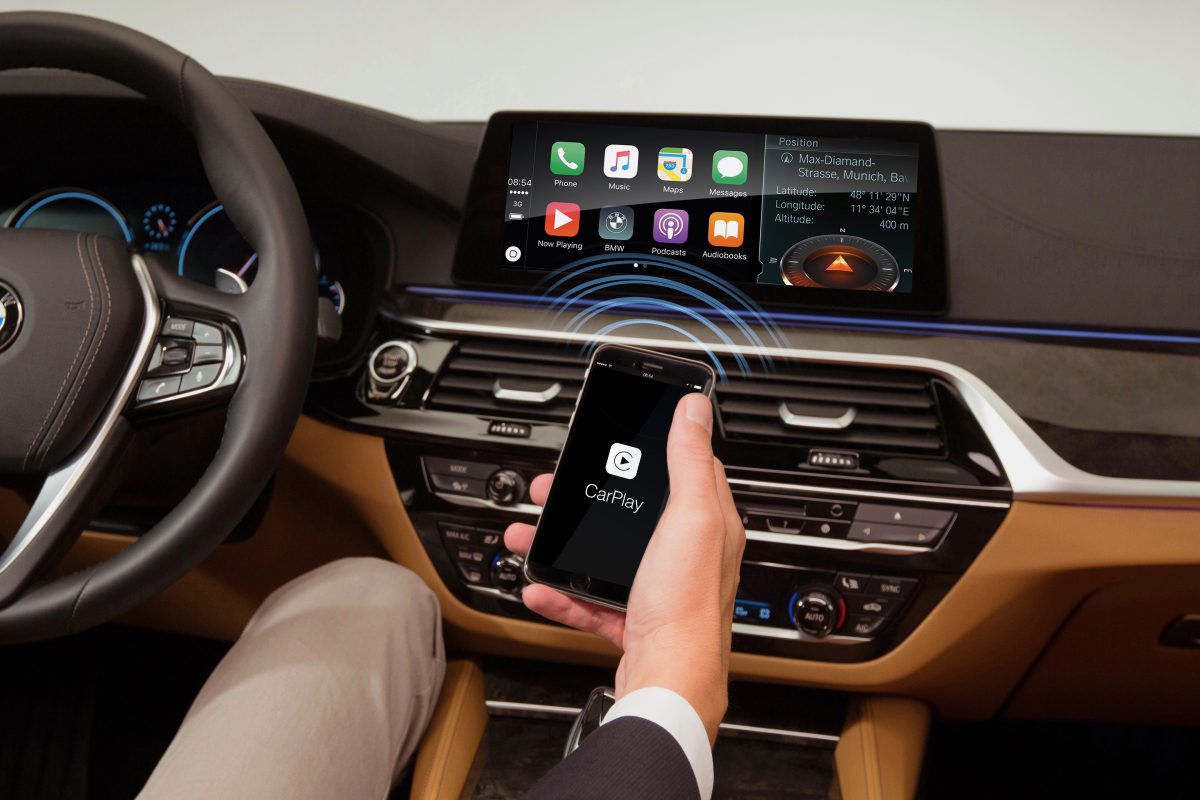
    Volvo Cars is rolling out an important update for Apple CarPlay users in its vehicles worldwide. The over-the-air software update enhances the infotainment system and brings significant improvements to the Apple CarPlay experience. A key enhancement is the integration of Apple Maps and other supported navigation apps directly into the driver display (instrument cluster). This integration allows drivers to access navigation information conveniently while keeping their eyes on the road, improving safety and convenience.

    The update also improves call management by displaying call information on the driver display. Drivers can answer, reject, and end calls using the steering wheel buttons. Additionally, the CarPlay tile in the centre display now provides media information, making it easier to control media playback functions like play, pause, and skip.information

    Speaking on the announcement, Alwin Bakkenes, Head of Software Engineering at Volvo, said, “The latest update on CarPlay features is an excellent example of how we continuously improve and add features and functions together with our technology partners, making our customers’ experience richer over time.”

    In addition to the CarPlay improvements, the update brings various changes to enhance the overall driving experience. Drivers can now switch between different driver support functions using the steering wheel buttons. There is also an option to choose whether the wing mirrors should fold when locking the car. Volvo also says that the update includes minor engine calibration optimizations and bug fixes as well.

    The over-the-air update will become available on Volvo cars with Google built-in.

  • Mercedes soars above competitors in Vietnam

    Mercedes soars above competitors in Vietnam

    Mercedes has dominated Vietnam’s luxury car market for the last four years as Lexus, Volvo and other trailing brands tussle behind.

    Auto registration data showed that between 2019 and 2022, Mercedes secured and average of around 60% of Vietnam’s total luxury car market share.

    The German brand sold 7,925 cars in the Southeast Asian nation last year, up 35% from 2021.

    The figure was five times that of the second-place brand, Lexus.

    In the last four years Mercedes sold on average nearly 6,400 cars in the Vietnam, higher than the combined figure of its six next major competitors.

    Before 2022, Mercedes was the only auto brand with an assembling factory in Vietnam. This gave it a price advantage over its competitors, who bear the burden of heavy import taxes.

    Mercedes also has a diverse array of models available in Vietnam, up to 20 at any given time, giving customers a wider variety of purchase options than their competitors.

    Mercedes GLC SUV has been the brand’s best-selling model in Vietnam over the last four years, accounting for around half of its total sales.

    Lexus trails far behind Mercedes as Vietnam’s number-two most popular foreign car, but number-three competitor Volvo from Sweden is hot the Japanese manufacturer’s tails.

    Lexus sold 1,568 units last year, only marginally higher than Volvo with 1,508 units.

    No brand saw Vietnamese sales grow as fast as Volvo in the 2019-2022 period.The Scandinavian brand has seen sales surge 200% in the last four years, pushing Germanic BWM into fourth place in 2022.

    In recent years Volvo has begun to sell more cars made in Malaysia than in Sweden, making its prices more affordable in Vietnam, even though the brand was the last luxury automaker to enter Vietnam in 2016.

    Porsche was Vietnam’s fifth most popular luxury car brand last year with 759 units, nearly double the number it achieved in 2021.

    A Porsche manager said that many of its customers are young and successful businesspeople who want to “reward” themselves with a Porsche car even though they possess only a limited knowledge of luxury automobiles.

    Audi was in sixth place in Vietnam last year with 394 cars sold. Its dealership network in Vietnam remains modest compared to its competitors.

  • Volvo to sell EVs in Vietnam from 2023

    Volvo to sell EVs in Vietnam from 2023

    Volvo Vietnam said it is planning to sell electric vehicles assembled in Malaysia this year.

    The first EV model expected to arrive in Vietnam is the C40, an SUV. Volvo Car Malaysia (VCM) has announced plans to export EVs to Vietnam and the Philippines this year as part of efforts to transform Malaysia into an EV hub.

    “Our assembly plant here in Malaysia plays an important role in our electrification ambition as we bring our EVs to two more ASEAN countries — Vietnam and the Philippines,” Charles Frump, managing director of VCM, said.

    At present both the XC40 Recharge Pure Electric and C40 Recharge Pure Electric are assembled in Shah Alam city.

    Volvo is among the world’s luxury automakers most actively preparing for an all-electric future. It targets that from 2030 onwards all its cars will be electric.

    In Vietnam, its product range is fully hybrid.

    If it brings the XC40 and C40 to Vietnam, Volvo will become the fourth luxury brand after Porsche, Audi and Mercedes to do so.

    Because the product range is small and sales are low, no company has invested yet in installing public charging stations except Vietnamese carmaker VinFast.

    Firms offer support to customers seeking to install charging stations at home or charge in their showrooms.

    Over the past two years the EV trend has taken shape more clearly in Vietnam, but growth is slow compared to other Southeast Asian countries such as Malaysia, Thailand and Indonesia.

    Except for VinFast, which has a clear target of becoming a pure EV company, others are only moderately interested in the EV market because demand is not high and charging infrastructure remains limited.

    Japan’s Toyota sells hybrid cars such as the Camry, Altis and Corolla Cross, and South Korea’s Kia brought back the Sorento hybrid to the Vietnamese market late last year.

    Luxury brands offer few EV models: Porsche has only one, the Taycan, Audi has the e-tron GT and e-tron SUV and Mercedes has the EQS.

  • Volvo Cars India To Expand Benguluru-Based Digital Technology Hub

    Volvo Cars India To Expand Benguluru-Based Digital Technology Hub

    Volvo Cars India is set to expand its Bengaluru-based Digital Technology Hub in the coming months. The company’s India Tech Hub recently moved to a larger office space in Bengaluru. The company plans to hire new employees from the India IT sector to employ 240 people by the end of 2023.

    “Volvo recognizes the vast pool of talent in the country and our Digital Technology Hub leverages the best available, we expect this to be 240 strong in a year’s time. While this hub strengthens our presence in India with the opening of new office space in Bengaluru, it will also contribute to the ever-growing digital needs of Volvo globally more so as Volvo readies itself to showcase and launch cars of the future that have digital technology as their integral part” said Jonas Olsson, Head, Digital Technology Hub.

    Volvo says the Digital Technology Hub is an integrated part of its global delivery setup and aims to leverage the Indian IT industry talent to meet the growing digital needs of the company.

    “The Digital Hub is designed to promote a flexible style of working while encouraging collaboration & innovation.  It can host up to 500 colleagues working in a hybrid work model,” Volvo says.

    The Bengaluru hub will boost the company’s capabilities in software engineering, data science and analytics, product management and user experience. Volvo says that future models from the company will also benefit from the developments from the hub.

  • Volvo Global Sales Up By 6.9% In October 2022

    Volvo Global Sales Up By 6.9% In October 2022

    Volvo Cars reported sales of 54,317 cars in October, up 6.9 percent compared with the same month last year. The company’s line-up of Recharge models represented 36.8 percent of the sales last month, with fully electric cars accounting for 15 percent of total sales. During the January-to-October period, Volvo Cars’ retail sales reached 483,304 cars, down 16.9 percent compared to the same period last year.

    European sales for October reached 22,030 cars, down 0.4 percent compared to the same month last year. Sales of Recharge cars accounted for 64.9 percent of the total sales in the region during the month.

    Volvo Cars’ US sales for the month reached 9,478, up 8.9 percent compared with October last year, with Recharge models making up 26.7 percent of the total sales. China sales increased by 36.7 percent in October to 15,048 cars compared with the same month last year, with Recharge models amounting to 6.1 percent of total sales.

    Volvo Cars’ top-selling model for the month was the XC60 with sales of 17,531 cars (2021: 15,399 units), followed by the XC40 at 14,883 cars (2021: 13,987) and the XC90 at 7,651 cars (2021: 8,639 units).

  • Northvolt, Volvo Cars Pick Gothenburg For New Battery Plant

    Northvolt, Volvo Cars Pick Gothenburg For New Battery Plant

    Automaker Volvo Cars and battery manufacturer Northvolt will build their joint battery plant in Gothenburg, western Sweden, the two companies said on Friday. The new 50GWh plant will create up to 3,000 jobs and make battery cells specifically developed for use in pure electric Volvo and Polestar cars, the Sweden-based companies said. Operations will begin in 2025. The two companies said last year they would form a joint venture to develop batteries, including setting up a gigafactory for production and research and development centre, a total investment of about $3.3 billion.

    Northvolt and Volvo said former Tesla executive Adrian Clarke had been appointed to lead the production company.

    “He comes with a long experience from Tesla as well as around how to build these type of factories,” Northvolt CEO Peter Carlsson, who also previously worked for Tesla, told Reuters.

    Volvo Cars head of engineering and operations, Javier Varela, said access to fossil-free energy, skills, and infrastructure had been factors for choosing Gothenburg, Volvo’s hometown.

    Competition for talent is fierce, with most battery engineers based in Asia. Tesla and Asian companies such as LG and Samsung SDI are also setting up factories in Europe.

    Northvolt’s gigafactory in the Swedish town of Skelleftea assembled its first battery cell at the end of December, making it the first European company to design and manufacture a battery in Europe.

    Carlsson said it was running as planned, although he said global supply-chain problems, semiconductor shortages, and the COVID-19 had made it more of a challenge. “It has not been the easiest of times,” he said.

    Volvo Cars, majority-owned by China’s Geely Holding, aims to sell 50 per cent pure electric cars by the middle of this decade and fully electric cars only by 2030.

    Northvolt, whose biggest shareholder is Volkswagen, has so far received more than $30 billion worth of contracts from customers such as BMW, Fluence, Scania, Volkswagen, Volvo Cars, and Polestar.

  • Qualcomm Inks Car Chip Deals With Volvo, Honda And Renault

    Qualcomm Inks Car Chip Deals With Volvo, Honda And Renault

    Qualcomm Corp on Tuesday announced deals to supply chips to automakers Volvo Group, Honda Motor Co Ltd and Renault SA, accelerating its push to partner with legacy automotive firms digitizing their product lines.

    The San Diego, California, company once known for its mobile phone chips has created a range of automotive offerings, from self-driving car brains to chips that operate digital dashboards and infotainment systems. But the chips are all aimed at the same goal of helping automakers transform their vehicles into rolling computers that can be updated over the air with paid upgrades that generate revenue for carmakers long after a vehicle has left dealer lots, a business model pioneered by Tesla Inc.

    At the Consumer Electronics Show in Las Vegas, Qualcomm said it has reached a deal with Geely Holding-backed brands Volvo and Polestar to use Qualcomm’s “Snapdragon Cockpit” chips and an operating system from Alphabet Inc’s Google in vehicles starting later this year.

    The deal will allow Volvo’s electric SUV to tap into hands-free use of Google Assistant and navigation with Google Maps

    The deal will allow Volvo’s electric SUV, which is to begin production this year, to tap into hands-free use of Google Assistant and navigation with Google Maps. The companies said that future upgrades will be sent out over the air.

    Qualcomm also said that Honda will start using its “cockpit” chips in vehicles that will hit roads in 2023. Qualcomm also said Renault has agreed to use its automotive technology, but did not give specifics of which chips or when vehicles using them would arrive.Qualcomm said on Tuesday that it has created a new chip and system for computer vision, which uses cameras on the car and artificial intelligence to help with safety functions like automatic lane control. The new “Snapdragon Ride Vision System” uses software from Arriver, which was part of Qualcomm’s $4.5 billion purchase of automotive technology firm Veoneer Inc last year.

  • Volvo Cars And Northvolt To Open Joint R&D Centre For Battery Development In Gothenberg

    Volvo Cars And Northvolt To Open Joint R&D Centre For Battery Development In Gothenberg

    Volvo Cars and Northvolt will open a joint research and development (R&D) center in Gothenburg as part of a SEK 30 billion investment in battery development and manufacturing. The R&D center, which will become operational in 2022, will create a few hundred jobs in Gothenburg. Following the partnership announced by both companies earlier this year, Volvo Cars and Northvolt have now signed a binding agreement this week to create a joint venture for the development and sustainable production of batteries for the next generation of pure electric Volvo cars.

    The establishment of the new R&D center in Gothenburg will be followed by the construction of a new manufacturing plant in Europe. It will produce next-generation state-of-the-art battery cells, specifically developed for use in next-generation pure electric Volvo and Polestar cars. The exact location of the plant is expected to be confirmed in early 2022.

    The R&D center will be in close proximity to Volvo Cars’ own R&D operations and to Northvolt’s existing innovation campus, Northvolt Labs, in Sweden, ensuring synergies and efficiencies as it develops battery technologies.

    The partnership will focus on developing tailor-made batteries that give Volvo drivers what they want, such as range and quick charging times. Volvo Cars is working with Northvolt to create a true end-to-end system for batteries, whereby it develops and builds the batteries itself.

    As for their joint battery plant, Volvo Cars and Northvolt are in the final phase of a selection process to find a suitable location in Europe. The plant will have a potential annual capacity of up to 50-gigawatt hours (GWh), which would supply batteries for approximately half a million cars per year. It will start construction in 2023, with large-scale production in 2026, and is expected to employ up to 3,000 people.

    Alongside battery supply agreements, the partnership with Northvolt secures the European battery cell needs that are part of Volvo Cars’ ambitious electrification plans. It aims to sell 50 per cent pure electric cars by the middle of this decade, and by 2030 it aims to sell only fully electric cars.

    The partnership with Northvolt is key to Volvo Cars’ ambition to become a leader in the premium electric car segment and sell only pure electric vehicles by 2030. It also represents an important step in strengthening Volvo Cars’ own development capabilities.

  • Volvos Concept Recharge Uses Sustainable Materials

    Volvos Concept Recharge Uses Sustainable Materials

    With the Concept Recharge, Volvo Cars demonstrate the steps it will take in all areas of pure electric car development to reduce its cars’ and its overall carbon footprint. The company plans to sell only fully electric cars by 2030 and aims to be a climate-neutral and circular business by 2040. By using sustainable materials inside the car, equipping it with tyres from recycled and renewable material, improving aerodynamics, and through other measures, Volvo Cars can take huge steps to reduce its carbon impact through the car itself.

    When combining those steps with the use of clean energy throughout a decarbonized supply chain, manufacturing process, and use phase of the car, Volvo Cars believes it can reduce a car’s lifecycle CO2 impact by 80 percent versus a 2018 Volvo XC60, without losing the inherent premium qualities that Volvo cars have become known for.

    This would mean that the Concept Recharge would have an overall lifecycle CO2 impact below 10 tonnes when charged with 100 percent renewable energy.

    Volvo Cars is in the forefront when it comes to working with sustainable and natural materials in its cars, and the Concept Recharge is another proof point of its commitment to push forward with this ambition.

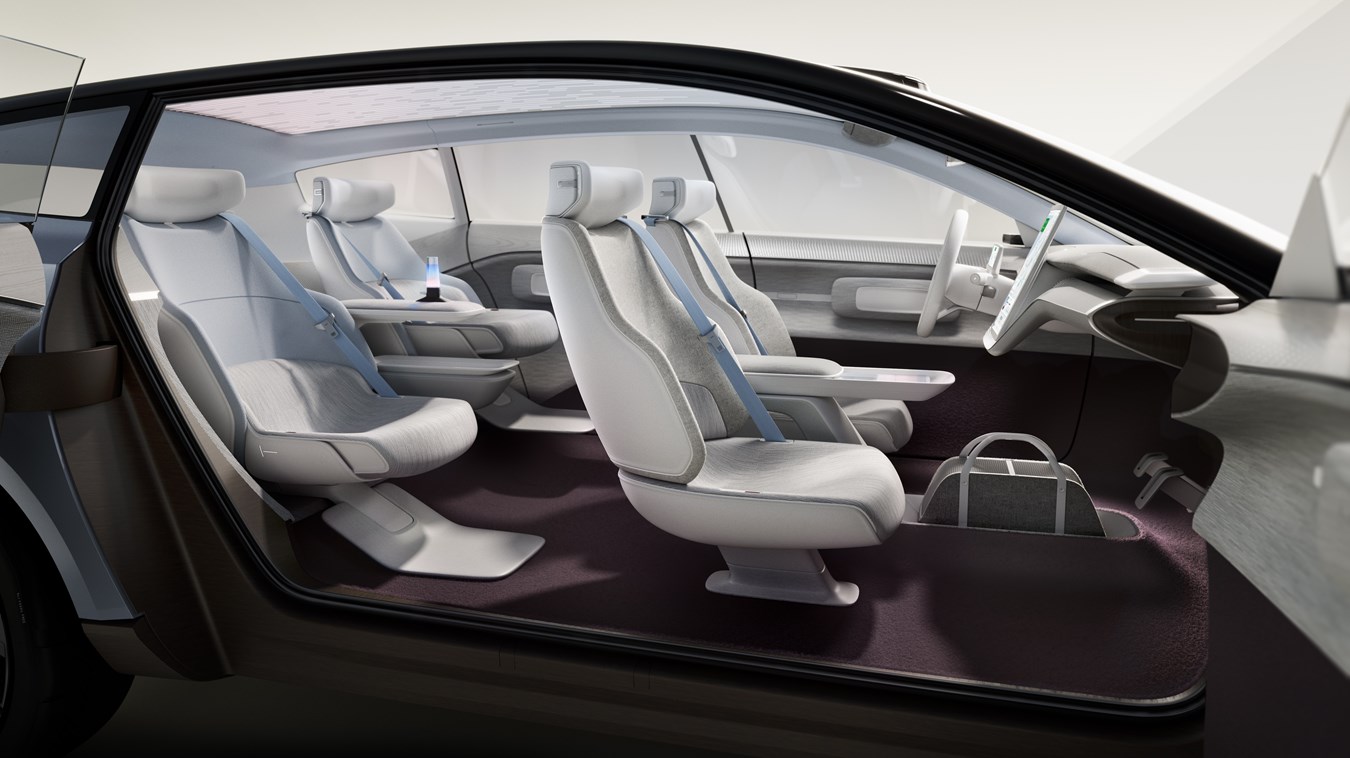
    The interior design is rich in sustainable materials, both natural and recycled materials – think of responsibly sourced Swedish wool, environmentally responsible textiles and lightweight composites created from natural sources.

    Sourced Swedish wool is transformed into fully natural breathable cloth, free from additives. This warm and soft material is used in the seat backrest and instrument panel top. Meanwhile, the floor and lower doors are covered by a rich carpet of 100 percent wool. The seat cushions and touch surfaces on the door are made from an environmentally responsible material that contains Tencel fibers from cellulose. This fabric has great durable strength and is soft to the skin. By using Tencel fibers, which have been produced through high water- and energy-efficient processes, Volvo designers can reduce the use of plastics in interior parts.

    The seatbacks and headrests, as well as part of the steering wheel, use a new material created by Volvo Cars called Nordico. It is a soft material made from bio-based and recycled ingredients that come from sustainable forests in Sweden and Finland, providing a CO2 footprint that is 74 percent lower than leather.

    Elsewhere in the interior, including in the lower storage areas, back of the headrest, and the footrest, the Concept Recharge uses a flax composite, developed by Volvo Cars in collaboration with suppliers. It uses fibers from the linseed plant, which are mixed with composites to provide a strong and lightweight, yet attractive and natural, aesthetic.

    On the exterior, the front and rear bumpers as well as the sill moldings also consist of flax composite. Using a flax composite both inside and out in this way results in a significant reduction of plastics used.

    With the internal combustion engine making way for the pure electric powertrain, tires play an even more important role. Not only are they crucial for safety, but they also contribute largely to the vehicle’s battery range. This means tires for electric cars always have to be on top of technology development.

    Hence the Concept Recharge features special tires made by Pirelli, which are completely free from mineral oil and are made from 94 percent fossil-free materials, including recycled and renewable materials such as natural rubber, bio-silica, rayon, and bio-resin. This reflects the circular approach shared by Volvo Cars and Pirelli, with a focus on reducing resource consumption and environmental impact.

    Beyond its sustainable materials, electric powertrain, and special tires, Concept Recharge also improves the environmental credibility of SUVs through efficiency and aerodynamics.

    With the Concept Recharge, Volvo Cars envision the future of aerodynamics. It incorporates innovative aerodynamic features such as exterior design details that smooth the airflow, a new wheel design, a lower roof, and a more upright rear end.

    As such, it takes the classic SUV shape and improves airflow to increase range, while offering the incredible space opportunities that come naturally with an electric car and its lower floor.