Tag: Volvo

  • Volvo Car Malaysia launches new Batu Pahat 3S centre

    Volvo Car Malaysia launches new Batu Pahat 3S centre

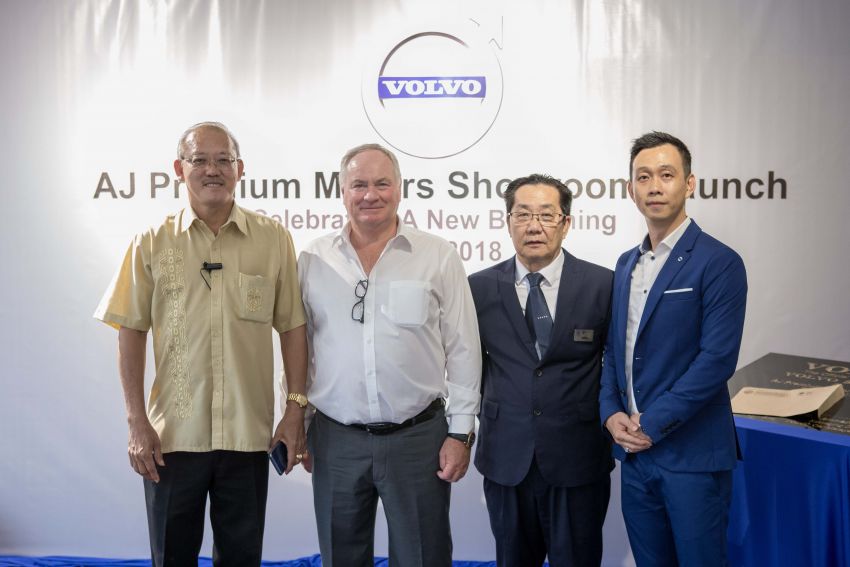
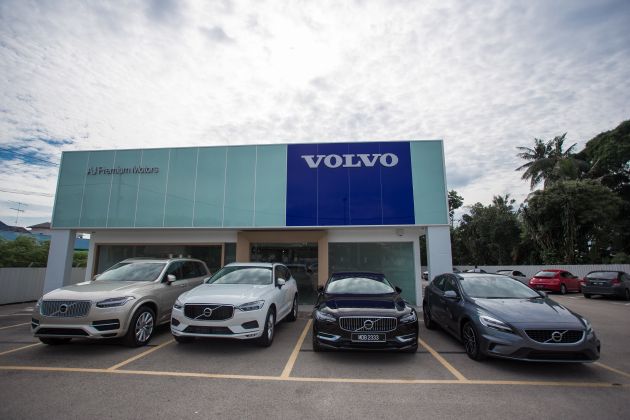
    Volvo Car Malaysia, together with its newest dealer AJ Premium Motors, have launched a new Volvo 3S centre in Batu Pahat to serve customers in the Southern region. The new dealership is part of the company’s sales and aftersales transformation programme, with more locations set to be introduced later in the year.

    “There is growing interest for our models in Malaysia and we are actively setting-up dealerships in strategic areas around Malaysia to better service this need,” said Lennart Stegland, managing director of Volvo Car Malaysia.

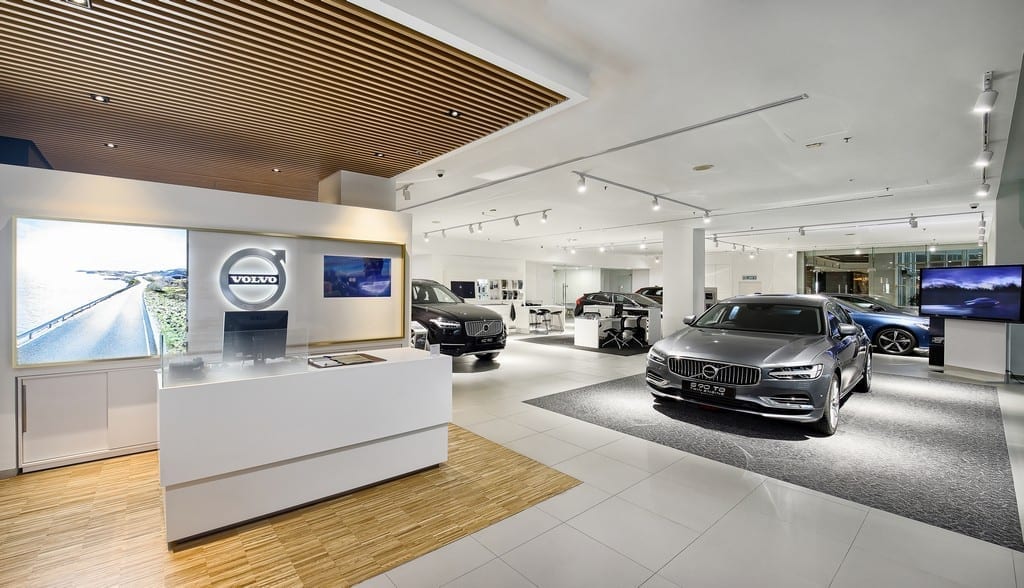
    “It is an absolute requirement for all new dealerships to adhere to the Volvo Retail Experience (VRE) standards, consistent with our dealership standards in Europe – it is not just an aesthetical guideline but also dictates the level of service rendered in our dealerships,” added Stegland.

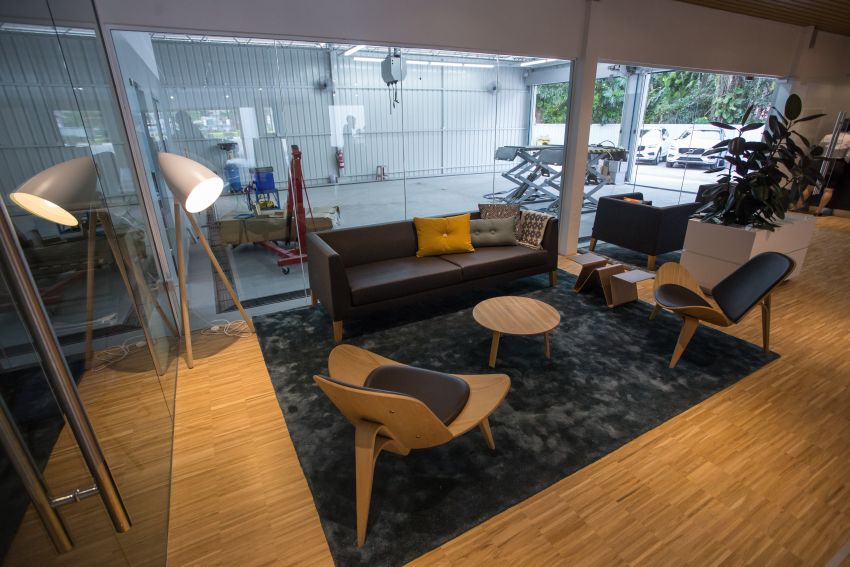
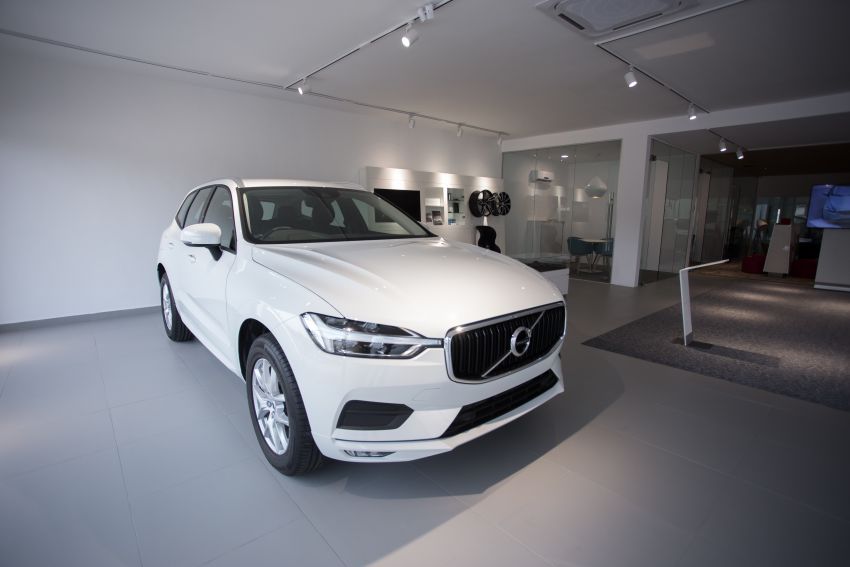
    Volvo Batu Pahat features a Scandinavian-inspired ‘living room’ where customers can relax while being attended to by a sales representative or while waiting for the vehicles to be serviced in one of the two service bays in the facility.

    “Our presence in Batu Pahat makes it more convenient for owners from the surrounding areas of Muar, Kluang and Segamat to service their cars or for prospective customers to view new Volvo models,” said Jacky Ong, managing director of AJ Premium Motors.

    The 3S centre is located at Lot. 1005, Jalan Kluang, 83000 Batu Pahat, Johor, Malaysia and it is open from 9am till 6pm on Monday to Saturday, and from 11am to 5pm on Sunday and public holidays.


  • Volvo’s XC60 makes China debut on Tmall

    Volvo’s XC60 makes China debut on Tmall

    Volvo, the Chinese-owned automaker founded in Sweden, debuted the latest iteration of its best-selling XC60 model on Tmall, Alibaba’s B2C shopping platform.

    The online offer meant that Chinese consumers can buy the new crossover SUV from Volvo, which is a unit of Hangzhou-based Zhejiang Geely Holding Group, a day before it goes on sale through all of Volvo’s other distribution channels in China.

    The XC60 comes in about a dozen colors depending on the market, but the blue version will be available only to Tmall shoppers. All 288 exclusive blue models offered in the initial round of sales on Tmall, starting at RMB 429,900, were sold out within the first 75 seconds.

    Also, 40 of the new cars will be available to Alibaba Super Members for a Super Test-Drive, a service introduced last week as part of Alibaba’s soon-to-launch Auto Vending Machines.

    The announcement is the latest in a series of initiatives from Alibaba in the auto space. Earlier this month, the Chinese technology giant announced a partnership with Ford Motor in which the two companies said they would leverage artificial intelligence, cloud computing, the Internet of Things and e-commerce via Tmall to “redefine the consumer journey and user experience for automobiles.”

    SEE ALSO : Alibaba’s Singles’ Day Sales Hit $10 Billion in one hour

    Tmall is also slated to open its car vending machine next month, although the location has yet to be disclosed. Consumers will browse cars stored in a massive garage-like structure on their smartphones, make their purchase, and then the cars will be delivered to them at ground level. The cars, including the XC60, will also be available for a test-drive.

    “The car vending machine reflects our efforts in New Retail, and we hope working together [with Volvo] to develop this innovative business model can help drive the transformation of the auto industry,” Bo Liu, marketing director of Tmall, said.

    First unveiled at this year’s Geneva Motor Show, the new mid-size SUV replaces Volvo’s highly successful original XC60. The model, which has been around for nearly a decade, represents about 30% of Volvo’s total global sales today.

    Volvo said that the second-generation XC60 is one of the safest cars ever made. It features the latest in safety technology, such as a new Oncoming Lane Mitigation system, which uses a steer assist to help mitigate head-on collisions. The SUV recently captured Japan’s most prestigious automotive award, the Japan Car of the Year, beating finalists including BMW 5-Series and Lexus LC.

    Automakers worldwide have been investing in innovative approaches to auto retail, as China’s automotive market expects significant growth. According to a September McKinsey report, China will contribute over half of global car sales growth through 2022, while the growth in the luxury car category is expected to outpace the rest of the market.

  • China’s Geely buying stake in Swedish truck maker Volvo

    China’s Geely buying stake in Swedish truck maker Volvo

    The Chinese owner of Sweden’s Volvo Cars is buying a stake in truck manufacturer AB Volvo, expanding a portfolio of vehicle brands that includes shares in Malaysia’s Proton and Britain’s Lotus.

    Geely Holding Group said Wednesday the acquisition of shares from Cevian Capital, a fund manager, would give it 8.2 percent of Volvo’s share capital and 15.6 percent of voting rights. Financial terms weren’t disclosed, though analysts estimated the value of the deal at around 27 billion kronor ($3.3 billion).

    The Swedish company, which also makes buses, construction equipment and diesel engines, was the parent of Volvo Cars until 1999, when it was sold to Ford Motor Co. Geely bought Volvo Cars in 2010.

    “We recognize and value the proud Scandinavian history and culture, leading market positions, breakthrough technologies and environmental capabilities of AB Volvo,” said Geely chairman Li Shufu in a statement.

    The transaction will make Geely the biggest single shareholder in Volvo and the second biggest holder of voting rights. Christer Gardell, the co-founder of Cevian Capital, said Geely would be able to provide Volvo with valuable access to the Chinese market and know-how in the field of electric and self-driving vehicles.

    Li said Geely would support Volvo management’s current strategy.

    Geely owns Geely Auto, one of China’s biggest independent automakers. It agreed in May to buy 49.9 percent of Proton and 51 percent of Lotus, which was owned by the Malaysian automaker.

    Geely also launched a new brand, Lynk & Co., in 2016.

  • Sisma Auto opens Volvo showroom in Bukit Bintang

    Sisma Auto opens Volvo showroom in Bukit Bintang

    The Volvo brand just got a new shot-in-the-arm with Sisma Auto, Volvo Car Malaysia’s newly appointed authorised dealer, officially opening its city centre showroom at Menara Worldwide on Jalan Bukit Bintang.

    Located in the heart of Kuala Lumpur’s premier residential and commercial district, the showroom is set to offer a touch of Swedish luxury to the Golden Triangle by featuring a luxurious retail environment influenced by Scandinavian design, known also as Volvo Retail Experience (VRE).

    “VRE is designed to reflect our Scandinavian-inspired values of calm with cleans lines that exude a cool and refreshing visual exterior appeal whilst the interior offers customers a warm and inviting feeling,” said Lennart Stegland, managing director of Volvo Car Malaysia.

    Sisma Auto managing director Syed Khalil Syed Ibrahim added that the new showroom would help enhance the visibility and awareness of Volvo’s latest range of highly acclaimed luxury cars.

    “We are very proud to be associated with Volvo, a brand that is clearly on the ascent after releasing an amazing range of new models from the XC90 to the new S90 T8 Twin Engine. With this new showroom, we hope to bring the Volvo experience closer to those who live or work in the city,” he said.

    Volvo owners who reside or work in the vicinity could also enjoy a premium ownership experience, a signature of Sisma Auto. The new showroom will feature Sisma Auto’s Concierge Service, which offers home or office vehicle pick-up and drop-off for customers.

    In conjunction with the opening of this new showroom, Sisma Auto is offering customers purchasing any new Volvo model from them, a chance to win an all-expense paid trip to Sweden.

    The new Sisma Auto Volvo Bukit Bintang showroom is located on Ground Floor, Menara Worldwide, 198 Jalan Bukit Bintang, 55100 Kuala Lumpur. Its opening hours are from 9am till 7pm, Monday to Friday and from 10am till 5pm on Saturday and Sunday.

  • China’s Geely beats expectations as Volvo pays off

    China’s Geely beats expectations as Volvo pays off

    China’s Geely Automobile Holdings Ltd said on Wednesday that first-half profit more than doubled, scoring its fastest earnings growth in eight years as cars designed with its Swedish unit Volvo won over domestic consumers.

    Although known at one point more for its copycat designs and lower quality vehicles, the Hangzhou-based firm has transformed itself into an automaker with up-market aspirations.

    Vehicles engineered with Volvo know-how, such as the GC9 sedan and the Boyue sport-utility vehicle, have been hot-sellers in China, the world’s biggest auto market.

    “So far in 2017, the group’s performance has exceeded management’s original expectations despite a generally weaker market in China during the same period,” the company said in a statement to the Hong Kong bourse.

    Net profit came in at 4.34 billion yuan ($648.96 million), 128 percent higher than the 1.91 billion yuan it made in the same period a year earlier and eclipsing an estimate of 3.61 billion yuan from CCB International.

    It said it had decided not to pay an interim dividend.

    Sales jumped 89 percent in January-July and last month Geely raised its 2017 sales target by 10 percent to 1.1 million vehicles. It sold 766,000 vehicles last year.

    Geely’s parent Zhejiang Geely Holding Group owns the maker of London’s black cabs and this year acquired a 49.9 percent stake in Malaysian automaker Proton.

    The carmaker said that the business environment in its previous key export markets in Eastern Europe and the Middle East remained weak and that it would continue to operate its exports business at the current restricted scale for the rest of 2017.

    In its next phase of expansion, Geely plans to market a third brand, Lynk & Co – in developed markets next year, beginning with Europe and the United States.

    Geely also plans to use more Volvo-developed technologies including small turbo-charged gasoline engines in Geely-brand cars.

  • Volvo Cars to share engine technology and more with parent Geely

    Volvo Cars to share engine technology and more with parent Geely

    Sweden’s Volvo Cars, a unit of Zhejiang Geely Holding Group, has agreed to make some engines available for Geely-branded vehicles, sources said, deepening ties between the carmakers who already share technology through third brand Lynk & Co.

    Three people close to Geely and Volvo said the first Volvo-powered Geely model was expected to hit the market as early as late next year as a 2019 model year car.

    The car will be equipped with a new 1.5-liter turbo charged gasoline engine which Volvo has been developing for smaller cars, the knowledgeable individuals said.

    Volvo is expected to share a 2.0-liter turbo-charged engine at a later date and will also allow Geely-branded cars to use a common vehicle platform the two automakers developed jointly for Volvo and Lynk & Co.

    “The terms of the recently announced joint venture between Volvo Cars and Geely Group mean that existing and future technologies can be shared by Volvo, Geely Auto and Lynk & Co, under license agreements,” a Volvo spokesman said.

    Analysts questioned Geely’s ability to absorb the best of Volvo when it acquired the automaker from Ford Motor Co almost seven years ago. Yet Geely has been working progressively to improve its technology with Volvo know-how.

    Better designed cars following its 2010 purchase of Volvo – such as its GC9 sedan and Boyue sport-utility vehicle – have helped lift Geely’s fortunes. Its China sales grew 50 percent last year to 766,000 vehicles and it expects sales to climb well above the 1 million mark this year.

    Ultimately, it aspires to sell more outside China.

    Earlier this year, Geely bought 49.9 percent of struggling Malaysian carmaker Proton from conglomerate DRB-HICOM Bhd. Geely officials have told Reuters the Hangzhou automaker is planning to improve Proton cars by sharing Geely and Volvo technologies.

    Analysts have said one big risk for Volvo, as it combines more with its parent, is the dilution of Volvo’s brand image by sharing its technology and know-how with a Chinese auto upstart.

    Volvo Chief Executive Hakan Samuelsson said the key was to differentiate the brand sufficiently – even if the two groups share more technology. For Volvo, that is about more and better safety equipment, among other aspects.

    “The progress Geely has been able to make in improving products and brand image over the past several years makes me feel more confident they can execute this process successfully,” Yale Zhang, head of Shanghai-based consultancy Automotive Foresight, said.

    Last month Geely and Volvo said they plan to go beyond Lynk & Co and create a joint venture to share technology, such as vehicle architecture and engines via cross licensing arrangements managed by that joint venture.

    Samuelsson told Reuters last month the deal would provide Volvo with greater development resources and efficiency in purchasing parts. It also should help Volvo speed up introduction of new technology in areas such as components for electric vehicles, he said.

  • Geely’s Volvo to go all electric with new models from 2019

    Geely’s Volvo to go all electric with new models from 2019

    Geely-owned Volvo Car Group said on Wednesday all new models launched from 2019 will be fully electric or hybrids, spelling the eventual end to nearly a century of Volvos powered solely by the internal combustion engine.

    The Gothenburg-based company will continue to produce pure combustion-engine Volvos from models launched before that date, but said it would introduce cars across its model line-up that ranged from fully electric cars to plug-in hybrids.

    Volvo’s plans make it the first major traditional automaker to set a date for the complete phase-out of combustion-engine-only models though electrification has long been a buzzword across the industry and Elon Musk’s Tesla Motors has been a pure-play battery carmaker from day one.

    “This announcement marks the end of the solely combustion engine-powered car,” Volvo Cars Chief Executive Hakan Samuelsson said in a statement.

    Five new models set to be launched in 2019 through 2021 – three of them Volvos and two Polestar-branded – will all be fully electric.

    “These five cars will be supplemented by a range of petrol and diesel plug in hybrid and mild hybrid 48-volt options on all models,” Volvo said.

    “This means that there will in future be no Volvo cars without an electric motor.”

    Volvo has invested heavily in new models and plants since being bought by Zhejiang Geely Holding Group from Ford Motor Co. in 2010, establishing a niche in a premium auto market dominated by larger rivals such as Daimler’s Mercedes-Benz and BMW.

    Part of its strategy has also been to embrace emerging technologies which allow higher performance electric vehicles as well as, eventually, self-driving cars.

    Only last month, Volvo said it would reshape its Polestar business into a standalone brand, focused on high-performance electric cars aimed at competing with Tesla and the Mercedes AMG division.

    Volvo has also taken steps towards an eventual listing, raising 5 billion crowns from Swedish institutional investors through the sale of newly issued preference shares last year, though the company has said no decision on an IPO has been made.

  • China’s Geely doubles earnings as Volvo tech boosts sales

    China’s Geely doubles earnings as Volvo tech boosts sales

    China’s Geely Automobile Holdings posted its biggest profit growth in eight years on Wednesday, as improved product design and engineering following its 2010 purchase of Sweden’s Volvo helped propel it to record sales.

    Geely, which also owns the maker of London’s black cabs, has already forecast a 31 percent jump in sales for the current year as affordable models introduced after the Volvo acquisition, such as its GC9 sedan and Boyue sport-utility vehicle, exceed initial estimates.

    Long seen as a no-frills brand, Geely has transformed itself into an automaker with up-market aspirations, using its Volvo research-and-development advantage to climb the sales table in the world’s largest auto market where it ranks around seventh.

    Come next year, Geely plans its next phase of expansion as it aims to become China’s first automaker to market its own brand – new Volvo collaboration Lynk & Co – in developed markets, beginning with Europe and the United States.

    Entering major markets with an unknown Chinese brand is an expensive risk, analysts say, but investors are unperturbed: Geely’s share price has trebled over the past 12 months.

    “It’s a total turnaround story,” said a fund manager at a Taiwan-based investment firm that bought a significant amount of Geely stock last year.

    “Before it was just a normal domestic brand, but after several new product launches it successfully elevated its brand image,” said the person who was not authorized to speak publicly on the firm’s investments and so declined to be identified.

    Geely’s China sales grew 50 percent last year to 766,000 vehicles, powered by the GC9 and Boyue, as well as small cars featuring Volvo technology. It aims to top 1 million this year, though could sell far more depending on market conditions, a Geely official with direct knowledge of the matter told Reuters.

    For 2016, net profit more than doubled to 5.1 billion yuan ($741 million), its strongest growth since 2008. The figure is set to rise 37 percent to 7 billion yuan in 2017, showed a Reuters poll of analyst estimates prior to Geely’s Wednesday filing.

    Geely shares were down 1.2 percent in early afternoon trading after the earnings release.

    OVERSEAS GAMBLE

    To be sure, growth has come at a cost. Geely and parent Zhejiang Geely Holding Group have spent 10 billion yuan on R&D in each of the past three to four years, or about 15 percent of current revenue, said spokesman Victor Yang.

    That compared with 2 billion yuan in 2015 at domestic rival BYD.

    But Geely’s domestic growth spurts could lessen as expansion in China’s overall passenger car market slows following the reduction of subsidies for small-engine vehicles, adding impetus to any international push.

    “The current focus of our work is firstly the pace of development in China and increasing our share of the Chinese auto market, then next we can focus our work abroad,” Geely Chairman Li Shufu told reporters in Beijing earlier this month.

    But entering markets where the brand is unknown is a gamble, and it could take years to gain traction, said James Chao, Asia-Pacific chief of consultancy IHS Markit Automotive.

    As there is plenty of room for growth in China, however, there is no need to be concerned about the move abroad, said fund managers at two investment firms that hold Geely stock.

    “If they do well abroad it’s a bonus, and if they don’t then it’s not a big reason to worry,” one of the managers said.
  • Volvo Cars’ New XC60 SUV Will Automatically Steer You Out Of Trouble

    Volvo Cars’ New XC60 SUV Will Automatically Steer You Out Of Trouble

    Volvo Cars, the premium car maker, has announced that the new XC60 SUV – which will be revealed at the Geneva Motor Show – will feature three new advanced driver assistance features aimed at keeping the driver out of trouble.

    The new safety features are designed to provide the driver with automatic steering assistance or support – when required – to help avoid potential collisions. Volvo believes that these new features will make the new XC60 one of the safest cars on the road.

    “We have been working with collision avoidance systems for many years and we can see how effective they are. In Sweden alone we have seen a decline of around 45 per cent* in rear-end frontal crashes thanks to our collision warning with autobrake system. With the XC60 we are determined to take the next step in reducing avoidable collisions with the addition of steering support and assistance systems,” said Malin Ekholm, Senior Director, Volvo Cars’ Safety Centre.

    City Safety has been updated in the XC60 to include steering support, which engages when automatic braking alone would not help avoid a potential collision. In such circumstances, the car will provide steering assistance to avoid the obstacle ahead. City Safety helps to avoid collisions with vehicles, pedestrians and large animals. Steering support is active between 50-100 km/h.

    Volvo Cars has also added a system called Oncoming Lane Mitigation, which helps drivers to avoid collisions with vehicles in an oncoming lane.

    The system works by alerting a driver who has unwittingly wandered out of a driving lane by providing automatic steering assistance, guiding them back into their own lane and out of the path of any oncoming vehicle. This system is active between 60-140 km/h.

    “All three of these new features represent clear steps in our work towards fully autonomous cars,” added Malin Ekholm.

    Volvo Cars’ optional Blind Spot Information System, which alerts drivers to the presence of vehicles in their blind spot, has also received an update to include steer assist functionality that helps to avoid potential collisions with vehicles in a blind spot by steering the car back into its own lane and away from danger.

    “We have all of the benefits of the safety technology we introduced in our larger 90 Series cars in the new XC60. This is fully in-line with our strategic approach to develop automotive safety systems based on real-life, real-road safety. Our vision is that no one will be killed or seriously injured in a new Volvo car by the year 2020,” added Malin Ekholm.

    The XC60 will deliver a host of high-end safety systems, just like its larger 90 Series siblings, including Large Animal Detection, Run-off Road Mitigation and the semi-autonomous driver support and convenience system Pilot Assist as an option.

  • Save the Date for Volvo Group Capital Market Day 2017

    Save the Date for Volvo Group Capital Market Day 2017

    The Volvo Group invites financial analysts and institutional investors to the Volvo Group Capital Market Day, to be held in Eskilstuna, Sweden on May 23, 2017.

    The Capital Market Day on May 23 will start at 9:00 a.m. at Volvo CE Customer Center in Eskilstuna, Sweden, and finish with a dinner in the evening. The program will include presentations by the CEO and the Executive Management as well as the possibility to test drive products.

    A formal invitation with a complete agenda and registration information will follow in early spring 2017. Further information will also be made available on the Volvo Group website well in advance of the event.

    The Volvo Group is one of the world’s leading manufacturers of trucks, buses, construction equipment and marine and industrial engines. The Group also provides complete solutions for financing and service. The Volvo Group, which employs about 100,000 people, has production facilities in 18 countries and sells its products in more than 190 markets. In 2015 the Volvo Group’s sales amounted to about SEK 313 billion (EUR 33,4 billion). The Volvo Group is a publicly-held company headquartered in Göteborg, Sweden. Volvo shares are listed on Nasdaq Stockholm.

  • Volvo recalls vehicles in US, Canada for seat belt problem

    Volvo recalls vehicles in US, Canada for seat belt problem

    Volvo is recalling about 79,000 cars and SUVs in the US and Canada because the front passenger seat belt may not hold people in a crash.

    The recall covers certain S60, S90, V60, XC60 and XC90 vehicles from the 2016 and 2017 model years.

    Volvo says in government documents that a buckle stud can come loose, allowing the buckle to separate from a bracket. If that happens, the belt may not hold the front passenger in a crash. The company said Wednesday it has no reports of injuries. It does not expect to find any loose studs but says it’s recalling the vehicles as a precaution.

    Dealers will replace the buckle if needed at no cost to owners starting December 12.

    Volvo began investigating the problem after getting reports of buckle failures starting in August. It traced the trouble to cars made from February 16, 2015, to August 22, 2016

  • TomTom wins deal to provide Volvo Cars with maps, data

    TomTom wins deal to provide Volvo Cars with maps, data

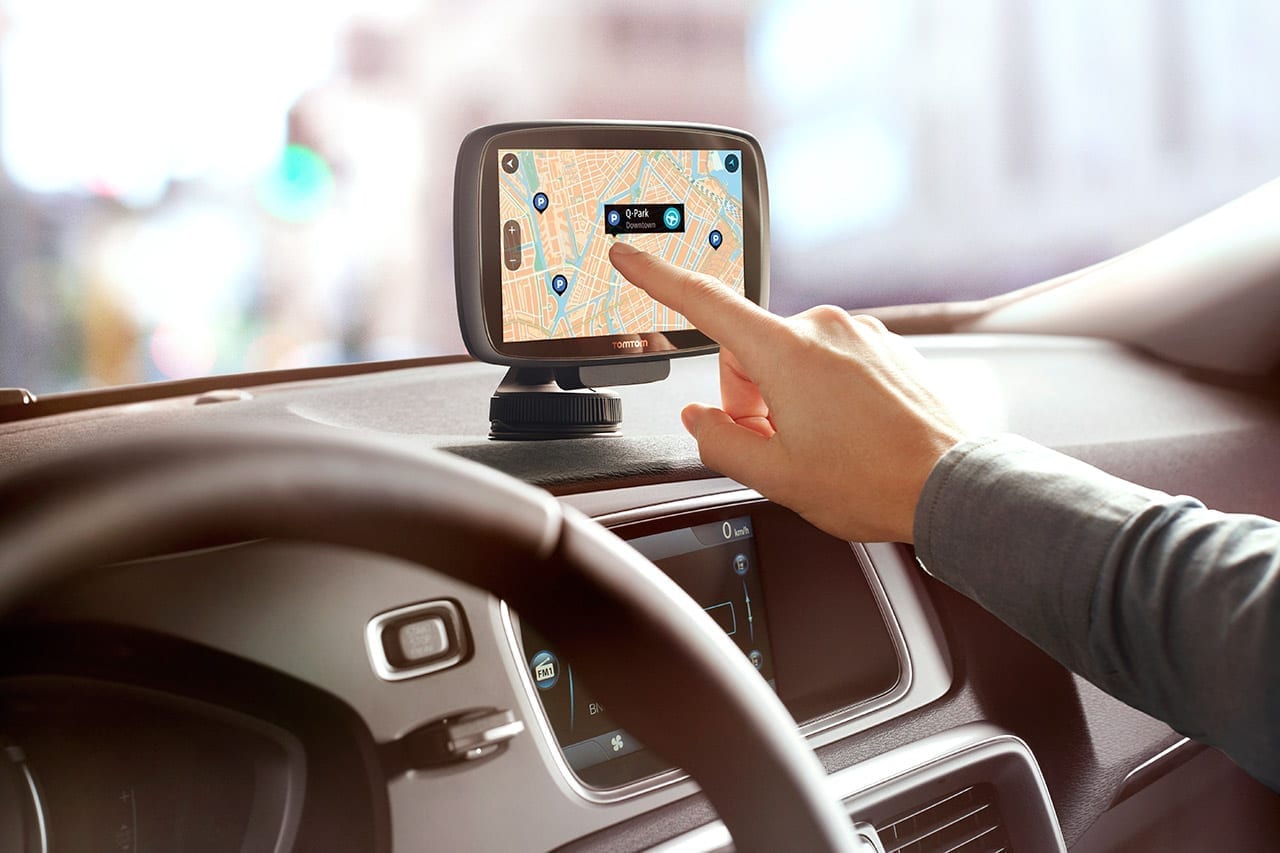
    TomTom, the Dutch navigation company, said on Wednesday it had won a contract to provide Volvo Cars with real-time maps and traffic data for its vehicles.

    Terms were not disclosed, but the contract is a major win for TomTom, which competes with Google Maps and HERE, the former Nokia unit now owned by Audi, BMW and Daimler.

    TomTom, once known mostly for dashboard-mounted GPS systems, has won a string of contracts for its mapping technology, which it believes will play an important role as car driving becomes increasingly automated.

    Other TomTom customers include Volkswagen, Uber and Apple.

    TomTom’s shares are down more than 30 percent so far this year, declining sharply during the January market sell-off and again in February after issuing a forecast for 5 percent sales growth in 2016 that fell short of market expectations.

  • Volvo cars plans showroom in Yangon

    Volvo cars plans showroom in Yangon

    Volvo Car Group has appointed RedPlus Auto Co ltd as importer and distributor of Volvo’s cars in Myanmar. RedPlus Auto is a joint venture between UMG Co Ltd – a local company involved in sectors of real estate property, IT and entertainment – and Wai Family Gems Co Ltd.

    RedPlus will be responsible for importing, distribution, sales, marketing, PR and after sales services for Volvo cars in the country.

    “Our new products, the XC90 and S90, which have just been launched, add a distinct modern luxury experience to our brand offer that will be very well appreciated in Myanmar,” said Jari Kohonen, vice president of Volvo Cars, Asia Pacific.

    The development of Volvo Center, a new one-stop facility is planned to complete by September 2016 covering about 22,000 square feet in Yangon with an investment of $1.8 million.

    “We are thrilled to have the opportunity to represent the Volvo brand in Myanmar and are certain that our depth of experience combined with the passion for this brand will stand us in good stead in this partnership,” said Daw Mar Lar Win, managing director of RedPlus Auto Co Ltd.

    The Volvo Centre will be equipped with a five car showroom, a fitting lounge, customer longue and be built to the Volvo Car group’s new retail guidelines.