Retail News CRM

Tag: Volvo

  • Nvidia Boosts Self-Driving AI Business With Volvo Trucks Deal

    Nvidia Boosts Self-Driving AI Business With Volvo Trucks Deal

    Sweden’s AB Volvo is joining forces with Nvidia to develop artificial intelligence used in self-driving trucks, in a boost for the U.S. chipmaker that was ditched by Tesla last year. The agreement announced on Tuesday by Nvidia and Volvo, the world’s second-biggest truckmaker after Daimler, is a long-term partnership spanning several years. Work will begin immediately in Gothenburg, Sweden and Santa Clara, California. Volvo, which demonstrated its first autonomous truck last year, said the partnership would develop a flexible, scalable self-driving system, which is planned to be used first in pilot schemes before commercial deployment.

    “The resulting system is designed to safely handle fully autonomous driving on public roads and highways,” Volvo said in a statement. Nvidia, known for its powerful gaming graphics chips, has been aggressively expanding into the automotive sphere, where trucks – with their regular routes that are easier to automate than cars navigating traffic – may lead the way in self-driving.

    Potential demand is strong in the United States in particular, where a shortage of truck drivers has been pushing up freight costs. Together with Intel, Nvidia dominates the fast-growing AI chip market.Nvidia, which has previously announced technology partnerships with automakers including Volkswagen, Mercedez-Benz and Toyota, said it was thrilled to team up with Volvo.

    “The latest breakthroughs in AI and robotics bring a new level of intelligence and automation to address the transportation challenges we face,” said Nvidia Chief Executive Jensen Huang.

    Volvo said last week its self-driving truck, “Vera”, would begin transporting goods from a logistics center to a port terminal in Gothenburg in collaboration with logistics firm DFDS, in a first step toward operations on public roads here.Nvidia’s so-called Drive Constellation chips often power the machine learning used to refine self-driving car software algorithms inside data centers, and the company has also been working to build its Drive chips into cars. Automotive chips accounted for $641 million of Nvidia’s $11.7 billion in revenue in its most recent fiscal year.
  • Uber Unveils Next-Generation Volvo Self-Driving Car

    Uber Unveils Next-Generation Volvo Self-Driving Car

    Uber Technologies Inc unveiled its newest Volvo self-driving car in Washington on Wednesday as it works to eventually deploy vehicles without drivers under some limited conditions. Uber said the new production XC90 will be assembled by Volvo Cars in Sweden and have human controls like steering wheels and brake pedals, but also with factory-installed steering and braking systems designed for computer rather than human control.

    Uber Advanced Technologies Group chief scientist Raquel Urtasun showed off the company’s artificial intelligence technology that allows it to drive autonomously for long distances on highways without maps and “on the fly” to plot its course and navigate construction zones.”Our goal is get each one of you to where you want to go much better, much safer, cheaper,” Urtasun said.As the race to push out autonomous cars across the globe heats up, other companies are also working to deploy self-driving vehicles in limited areas.

    Ford Motor Co’s majority-owned autonomous vehicle unit, Argo AI, launched its new fleet of self-driving test vehicles – Ford Fusion Hybrid – in Detroit on Wednesday, expanding to five U.S cities.The No 2 U.S automaker also opened a research centre in Tel Aviv, joining a growing number of major automakers and suppliers setting up shop in Israel’s tech hub.General Motors Co in January 2018 sought permission from U.S regulators to deploy a ride-sharing fleet of driverless cars without steering wheels or other human controls before the end of 2019, but is still struggling to win regulatory approval

    Alphabet Inc’s Waymo unit is operating a robotaxi service in Arizona and said last month it is partnering with Lyft Inc to serve more riders.South Korea’s Hyundai Motor Co and Kia Motors Corp both said they would invest in the self-driving car software startup Aurora and speed up development of their respective autonomous vehicle technologies.Carmakers have struggled to maintain profit margins faced with the rising costs of making electric, connected and autonomous cars.

    As a result, they are setting up alliances and lining up outside investors to combat spiralling development costs.Previously, Uber had purchased about 250 Volvo XC90 SUVs and retrofitted them for self-driving use.The new vehicles – known by the internal code number 519G and under development for several years – are safer, more reliable and will replace the older vehicles in Uber’s fleet “soon,” according to Eric Meyhofer, the head of Uber’s Advanced Technologies Group.”This is about going to production,” Meyhofer said in an interview at an Uber conference in Washington on Tuesday.The new vehicle also has several backup systems for both steering and braking functions as well as backup battery power and new cybersecurity systems.

    Uber is not ready to deploy vehicles without human controls, Meyhofer said.”We’re still in a real hybrid state,” he said “We have to get there and we’re not going to get to thousands of cars in a city overnight. It’s going to be a slower introduction.”The new XC90 vehicles have an interior fish-eye camera to scan for lost items, Uber said.

    They also do not have sunroofs since the self-driving vehicles have large sensors on the roof and are equipped with auto-close doors to prevent an unsafe departure.Uber, which has taken delivery of about a dozen prototypes of the new vehicle, but has not yet deployed them on public roads, said the car’s “self-driving system will one day allow for safe, reliable autonomous ridesharing without the need” for a safety driver.Asked if Uber will deploy self-driving cars without safety drivers in limited areas in the next few years, Meyhofer said: “Yes – way before that.” But he added that Uber wants to be in “the good graces of public trust and regulatory trust” before making the business decision to deploy.In December, Uber resumed limited self-driving car testing on public roads in Pittsburgh, nine months after it suspended the program following a deadly accident in Arizona.In March 2018, authorities in Arizona suspended Uber’s ability to test its self-driving cars after one of its XC90 cars hit and killed a woman crossing the street at night in the Phoenix suburb of Tempe, then Uber’s largest testing hub.

    The crash was the first death attributed to a self-driving vehicle.In March 2019, prosecutors in Arizona said the company was not criminally liable in the crash and would not pursue charges.

    Uber has since ended testing in Arizona, but plans to eventually resume testing in Toronto and San Francisco, Meyhofer said.The death prompted significant safety concerns about the nascent self-driving car industry, which is racing to get vehicles into commercial use.Volvo Cars Chief Executive Hakan Samuelsson said in a statement that “by the middle of the next decade, we expect one-third of all cars we sell to be fully autonomous.”Volvo Cars, which is owned by China’s Geely Automobile Holdings Ltd, will use a similar autonomous base vehicle concept for the introduction of its first commercially available autonomous drive technology in the early 2020s.Volvo and Uber said in 2017 that the rideshare company planned to buy up to 24,000 self-driving cars from Volvo from 2019 to 2021 using the self-driving system developed by Uber’s Advanced Technologies Group.

    An Uber spokeswoman said Tuesday that the company plans “to work with Volvo on tens of thousands of vehicles in the future.”

  • Volvo Cars Partners With POC To Develop Safer Helmets For Cyclists

    Volvo Cars Partners With POC To Develop Safer Helmets For Cyclists

    Volvo Cars are one of the pioneers in the development of safer modern cars and the Swedish carmaker is now coming up with something innovative to take the safety quotient one step ahead. Volvo is partnering with POC for a series of world’s first crash test of bike helmets against cars in a bid to protect cyclists in case of a collision. Accidents between cars and cyclists often result in severe injuries and even death of the rider. Cyclist detection with full auto brake uses cameras and radars to detect cyclists, warn the driver of an imminent collision and apply the brakes as a precautionary measure.

    The Volvo-POC research project consists of a number of specially designed crash tests at the Volvo Cars safety research facilities in Gothenburg, Sweden and is part of a wider research project to understand the types of long-term injuries sustained by cyclists. Speaking about the new project, Malin Ekholm, head of the Volvo Cars Safety Centre said, “This project with POC is a good example of our pioneering spirit in safety. We often develop new testing methods for challenging traffic scenarios. Our aim is not only to meet legal requirements or pass rating tests. Instead, we go beyond ratings, using real traffic situations to develop technology that further improves safety.”

    The tests are based on existing regulatory test procedures for pedestrian head protection. During these tests, POC bike helmets are worn by crash dummy heads mounted on a testing rig, from where they are launched towards different areas of the hood of a static Volvo car, at different speeds and angles for various measurements. The learnings from the research project will help POC make its helmets safer and more protective in the event of a car-bike accident, while the tests will also provide valuable insights and learnings for Volvo Cars into these types of accidents for future development.

  • Volvo Cars Partners With POC To Develop Safer Helmets For Cyclists

    Volvo Cars Partners With POC To Develop Safer Helmets For Cyclists

    Volvo Cars are one of the pioneers in the development of safer modern cars and the Swedish carmaker is now coming up with something innovative to take the safety quotient one step ahead. Volvo is partnering with POC for a series of world’s first crash test of bike helmets against cars in a bid to protect cyclists in case of a collision. Accidents between cars and cyclists often result in severe injuries and even death of the rider. Cyclist detection with full auto brake uses cameras and radars to detect cyclists, warn the driver of an imminent collision and apply the brakes as a precautionary measure.

    The Volvo-POC research project consists of a number of specially designed crash tests at the Volvo Cars safety research facilities in Gothenburg, Sweden and is part of a wider research project to understand the types of long-term injuries sustained by cyclists. Speaking about the new project, Malin Ekholm, head of the Volvo Cars Safety Centre said, “This project with POC is a good example of our pioneering spirit in safety. We often develop new testing methods for challenging traffic scenarios. Our aim is not only to meet legal requirements or pass rating tests. Instead, we go beyond ratings, using real traffic situations to develop technology that further improves safety.”

    Volvo Cars also use the auto brake system with help of cameras and radars to detect cyclists, warn the driver of an imminent collision and apply the brakes as a precautionary measure.

    The tests are based on existing regulatory test procedures for pedestrian head protection. During these tests, POC bike helmets are worn by crash dummy heads mounted on a testing rig, from where they are launched towards different areas of the hood of a static Volvo car, at different speeds and angles for various measurements. The learnings from the research project will help POC make its helmets safer and more protective in the event of a car-bike accident, while the tests will also provide valuable insights and learnings for Volvo Cars into these types of accidents for future development.

  • Volvo Cars and Varjo Launch Mixed Reality Application For Car Development

    Volvo Cars and Varjo Launch Mixed Reality Application For Car Development

    Volvo Cars and Varjo, the maker of high-end augmented reality headsets, have created a world-first mixed reality approach to evaluating prototypes, designs and active safety technologies. The collaboration will be further strengthened by the Volvo Cars Tech Fund’s decision to invest in Varjo. With these new augmented reality headsets, it will be possible for the first time to drive a real car while wearing a mixed reality headset, adding virtual elements or complete features that seem real to both the driver and the car’s sensors, for development purposes.

    The Varjo XR-1 headset, provides photorealistic mixed or virtual reality at a high-definition resolution and the big claim is that it’s better than anything out there in the market currently. With the XR-1 Volvo Cars can radically reduce development timeframes by creating the new ability to evaluate features and designs almost immediately. Volvo Cars designers and engineers will be able to ‘drive’ future cars and evaluate all features in a simulation environment many years before they exist, enabling the company to develop the safest cars as also a refined user experience.

    Henrik Green, Chief Technology Officer, Volvo Cars, said, “With this mixed reality approach, we can start evaluating designs and technologies while they are literally still on the drawing board. Instead of the usual static way of evaluating new products and ideas, we can test concepts on the road immediately. This approach offers considerable potential cost savings by identifiying priorities and clearing bottlenecks much earlier in the design and development process.”

    With the XR-1 Volvo engineers will be able to develop and evaluate active safety solutions much easier. Safety experts are able to drive real cars while wearing the XR-1 headset at Volvo’s research facilities in Sweden, testing virtual active safety systems imposed via augmented reality on the real-life environment. Highly accurate eye-tracking technology embedded inside the XR-1 makes it easy to assess how drivers use a new functionality and whether they are distracted in any way. This technology-based approach to measuring distraction levels ensures that Volvo Cars can develop new features without causing additional distraction.

  • Volvo Cars Could Cut Several Hundred Jobs

    Volvo Cars Could Cut Several Hundred Jobs

    Swedish carmaker Volvo, which is owned by China’s Geely, is cutting several hundred jobs, Swedish radio reported on Friday citing sources.The carmaker, whose number of employees has more than doubled over the past decade to about 43,000, confirmed it was reviewing staff and other costs to ensure its business had the “right skills”.

    “As a growing company, Volvo Cars is constantly reviewing its cost base. This becomes even more important in light of the headwinds the industry is facing and Volvo Cars are now increasing its focus on costs related to staffing and bought services,” the company said in an emailed statement.

    The jobs primarily affected were those of consultants and staff involved in factory production will not be affected, a Volvo spokesman said. He declined to specify the number of job cuts and savings expected from the layoffs. Volvo’s fortunes have come under renewed threat with the car sector facing one of its most challenging periods due to trade conflicts, hefty bills to develop electric and driverless cars, and an overall downturn in the industry.

    The company, which has put its listing plans on ice due to the tariff wars and auto stock downturn, has reported lower first-quarter profit and warned that margins will remain under pressure this year.

  • New-Gen Volvo S60 Coming To India

    New-Gen Volvo S60 Coming To India

    Volvo Auto India has had a great 2018-19 Financial Year. The company recorded a 25% growth during this time. However, the company had grown by 30% in the last financial year, this time around the rising input costs and low buying sentiment added to the company’s worries. No matter. The company is bracing the new year with equal confidence and wants more cars to come to the country and of course the new Volvo S60 is all set to be launched in the country. Speaking to carandbike Charles Frump, Managing Director – Volvo Car India said “I think with the S60, we are all excited that it’s coming to the country. The car is currently being produced in the United states and we are looking at the possibility of bringing it to India. Chances are that now it’s going to be in 2020 rather than 2019. But certainly that car will be coming”

    Volvo India had already announced that it will be introducing 4 new electrified cars in the country in the next 3 years. In its commitment towards the environment and electrified future, Volvo Cars plans to slowly phase out conventional powertrains and focus only on electrification. This announcement places electrification at the core of Volvo’s future business. It also paves way for the complete phase-out of combustion-engine-only models. The company has already committed to a goal of featuring some form of electric propulsion in its models from 2019 onwards and now India too is part of this plan. Every new Volvo from 2019 onwards will be electrified.

    Frump said, “If we look farther out into the future then we have a line up of plug-in hybrids coming. So we’ll start with the XC90 and that will happen this year, it will be locally assembled and then we’ll locally assemble a range of plug-in hybrids. The next thing that we’re thinking about is pure electric cars and that’s clearly a direction that the Indian government and Volvo is heading towards. By 2025 we want to have a million electric vehicles on the road.”

    The decision to move to electric vehicles couldn’t have come at a better time for Volvo as it readies its EVs and PHEVs for launch in the country and the support of the Government of India is of utmost importance. “We had great news just before the budget where they took the customs duty, if its assembled in India, from 30% to 15% and that has really improved the business case for us. The moment that happened, I got on to a phone with Sweden, asking them, how can we make this happen even quicker. It’s had a big impact and it’s very much appreciated by us.”

  • Volvo XC60 And V60 Polestar Unveiled

    Volvo XC60 And V60 Polestar Unveiled

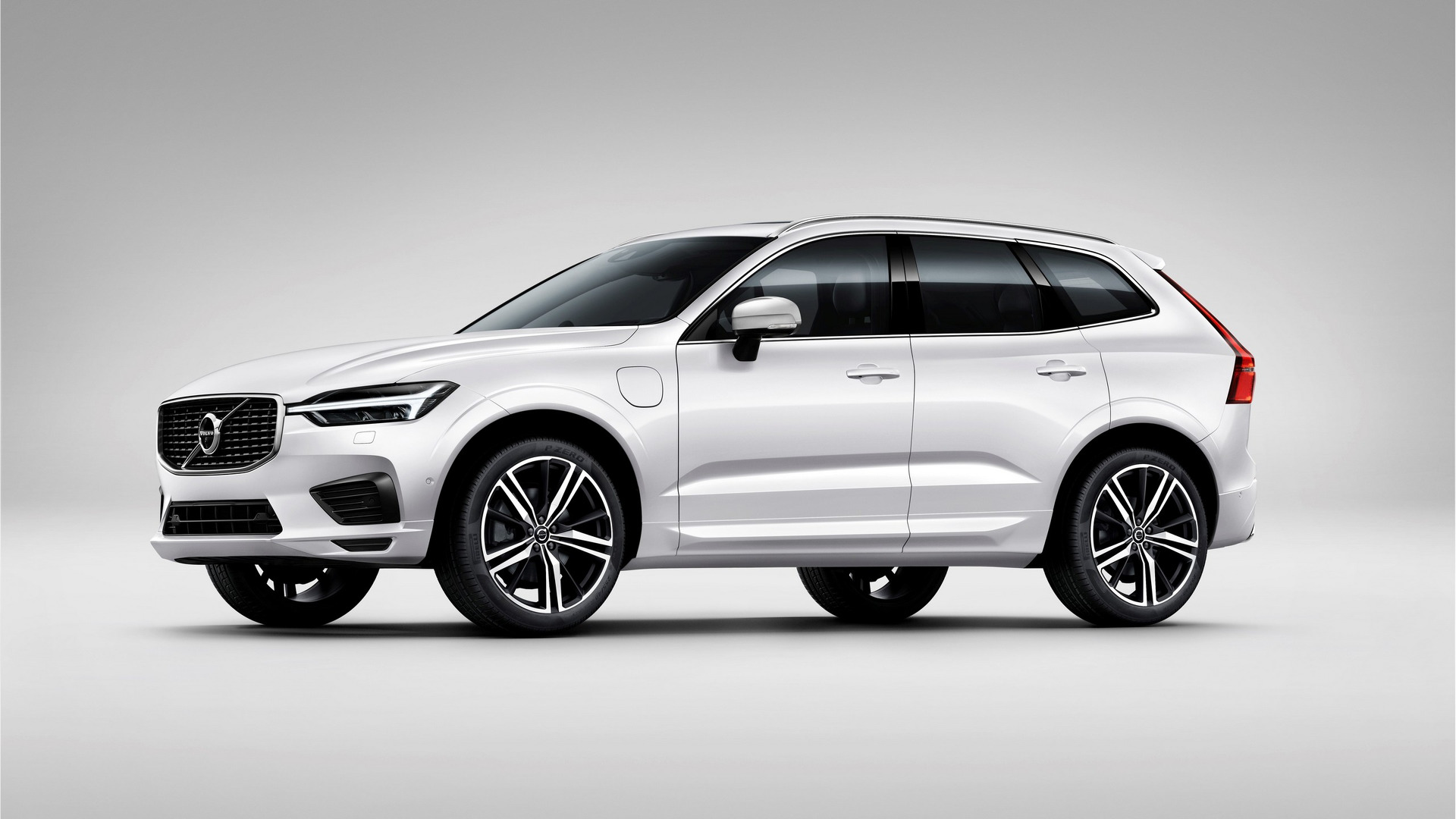
    Volvo has unveiled the performance-oriented Polestar version of the XC60 and V60. Both the cars are plug-in hybrid models and are based on the standard T8 variants, however, will be faster. They are powered by the same 2.0-litre, four-cylinder petrol motor which is tuned to churn out 415 bhp (15 bhp more) and 669 Nm of peak torque (33 Nm more) and the engine is coupled with an electric motor. The Polestar powered XC60 and V60 are quicker to triple-digit speeds and can clock 100 kmph in less than 5 seconds.

    On the outside, there isn’t much to distinguish the Polestar XC60 and V60 from their standard models. The major changes include new 10-spoke alloy wheels, gloss black grille, exaggerated wheel arches and of course, the Polestar moniker. The cabin of the new Polestar models is finished in Charcoal shade. The front seats have got enhanced bolstering for better support and seatbelts get the typical Polestar Gold finish.

    The Volvo XC60 is already on sale in India but we don’t have any final word about the V60. Also, Volvo has not revealed any details about the launch of the Polestar models yet.

  • Volvo XC40 full-electric variant to debut later this year

    Volvo XC40 full-electric variant to debut later this year

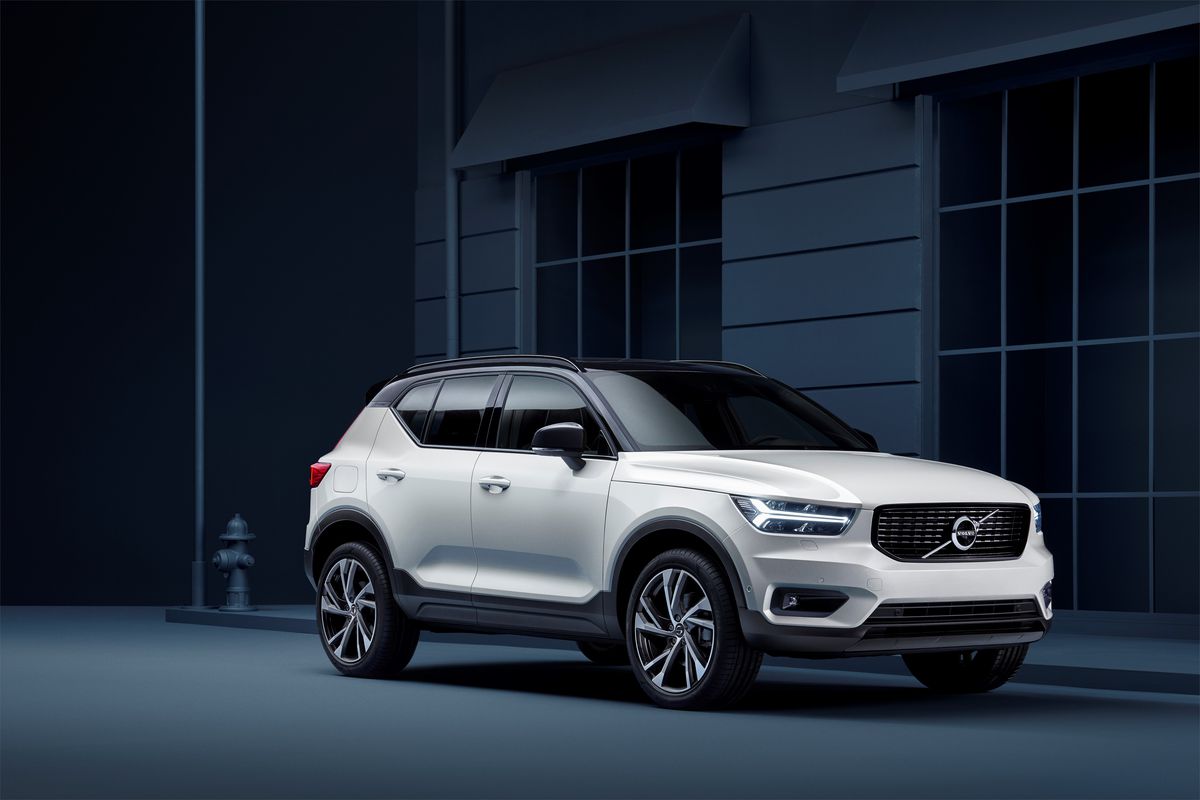
    Volvo will reveal the full-electric version of the XC40 before the end of the year, the company told at a safety event here last week. Officials declined to provide additional details. Adding a battery-powered version of the compact SUV to the lineup is a crucial step for Volvo, which wants full-electric cars to account for half of its global sales by 2025.

    The XC40 will be the first battery-driven model from the Swedish brand and the second full-electric vehicle from the Volvo Car Group. The first was the Polestar 2, which the group’s electrified performance brand debuted in February and revealed to the public at the Geneva auto show this month.

    Both full-electric vehicles will be on the road by 2020.

    In addition, both models will use the Compact Modular Architecture (CMA) that Volvo developed with Chinese sister brand Geely. CMA also underpins the 01, 02 and 03 from Lynk & CO. The trio of Lynk & CO cars accounted for more than 120,000 combined sales in China last year. The upstart brand, which is co-owned by Volvo Cars and Zhejiang Geely Holding, plans to open stores in five European cities next year.

    The XC40, which was the 2018 European Car of the Year, is Volvo’s No. 2-selling model globally after its large sibling, the XC60.

    Last month Volvo said the XC40 would also get two plug-in hybrid powertrain options, starting with a T5 Twin Engine variant and followed by the T4 Twin Engine.

    Volvo CEO Hakan Samuelsson said he expects plug-in hybrids to account for up to 25 percent of global sales in the model lines that offer them. Currently about 10 percent to 15 percent of Volvo’s global sales come from plug-in hybrids. The powertrain is offered in the XC90 and XC60 SUVs, V90 and V60 station wagons and the S90 and S60 sedans.

  • Volvo will limit top speed of its cars to reach safety target

    Volvo will limit top speed of its cars to reach safety target

    Volvo said on Monday it will limit the top speed on all its new cars to 180 kph (112 mph) starting in 2020, which is the same year the Swedish automaker wants there to be zero people killed or seriously injured in any of its new models. The change will be implemented globally starting in the second quarter of next year on vehicles planned for the 2021 model year.

    Volvo is taking the bold step because its researchers have identified speed as a prominent gap it needs to close to reach its safety target.

    “We need to talk about this problem,” Volvo CEO Hakan Samuelsson told, referring to the areas that remain to be solved to end serious injuries and fatalities in its vehicles. Although speed limits exist in most countries he said that people are still exceeding those limits by a wide margin. Volvo believes that controlling the speed in its models is worth it even if it can save just one life.

    Excluding specially tuned cars such as the Polestar Engineered variant of the S60 sedan, no Volvo vehicles currently offer a top speed that exceeds 250 kph.

    Samuelsson said that he expects pushback from the move, but Volvo received similar criticism that it was taking away a driver’s freedom when it added seat belts to its cars 60 years ago.

    “If someone is going to show leadership in safety it needs to be Volvo,” he said.

    Samuelsson added that he believes that the move will not turn away Volvo’s core customers because he says the brand already “attracts more responsible drivers” who are typically favor safety over extreme performance and horsepower.

    Traffic accident data from NHTSA shows that 25 percent of all traffic fatalities in the U.S. in 2017 were caused by speeding. Volvo safety experts say that many people do not recognize the danger of speeding or realize that once the car reaches certain speeds its in-car safety technology will not prevent severe injuries and fatalities in the event of a crash.

    “As humans, we all understand the dangers with snakes, spiders and heights. With speeds, not so much,” Volvo senior safety specialist Jan Ivarsson said in a release. “People often drive too fast in a given traffic situation and have poor speed adaption in relation to that traffic situation and their own capabilities as a driver. We need to support better behavior and help people realize and understand that speeding is dangerous.”

    It will not be possible to turn off the limited speed, a company spokeswomen said.

    Taking things a step further, Volvo is also investigating how a combination of speed control and geofencing technology could automatically limit speeds around schools and hospitals in future. The aim is to reduce speeding while also addressing the two other safety gaps after speeding – intoxication and driver distraction.

    Said Samuelsson: “We need to talk about how far we as carmarkers can go to help save lives.” He wants those discussions to determine whether automakers have an obligation to install technology in cars that changes their driver’s behavior. He said Volvo does not have a firm answer to this question.

    With that in mind, Volvo will present ideas to tackle the problem areas of intoxication and driver distraction at a special safety event in Gothenburg, Sweden, on March 20.

  • Imports of commercial vehicles fell last month in Korea

    Imports of commercial vehicles fell last month in Korea

    Sales of imported commercial vehicles plunged 38 percent last month from a year earlier amid slower economic growth, a local automobile association said Tuesday. The number of newly-registered imported commercial vehicles fell to 283 units in December from 390 a year ago, the Korea Automobile Importers and Distributors Association (KAIDA) said in a statement.

    “The construction industry faces a slowdown as the government pushes for regeneration projects in residential areas instead of building new apartments or homes. This is driving down demand for commercial vehicles,” a spokeswoman for Volvo Trucks Korea said.

    Imported commercial vehicles are widely viewed as being more upmarket than domestically produced rivals and offer more choices for users.

    For the whole of 2018, the number of imported commercial vehicles sold in Korea declined 1.6 percent to 4,394 units from 4,464 a year earlier, the statement said.

    Major imported commercial vehicle brands are MAN, Mercedes-Benz, Volvo Trucks, Scania and Iveco.

    There are three kinds of trucks. Two of them are regarded as commercial vehicles, but the third, referred to as a dump truck, is classified as construction equipment.

    KAIDA began to compile sales data for imported commercial vehicles in January 2017.

  • LG Chem to build China facility

    LG Chem to build China facility

    LG Chem said Tuesday that it will invest 2.1 trillion won ($1.8 billion) by 2023 to build electric vehicle batteries in China in the latest move to meet growing demand for batteries for zero-emissions cars. Korea’s top chemical company said it has broken ground on a three-story plant on the 198,300-square-meter (49 acre) site in Nanjing in southeastern China.

    The plant is set to roll out electric vehicle batteries that can power more than 500,000 electric vehicles. The first phase of production is set to begin late next year.

    An electric vehicle equipped with LG Chem batteries can travel about 320 kilometers (198 miles) on a single charge, according to LG Chem.

    LG Chem Vice Chairman and CEO Park Jin-soo said the second plant in China will allow the company to better meet rapidly growing global demand.

    LG Chem has another electric vehicle battery plant in Nanjing. It also operates electric vehicle battery plants in Korea, the United States and Poland.

    The electric vehicle battery market has been on the rise as automakers around the world race to go electric due to tightened regulations on greenhouse gas emissions, which scientists say are to blame for global warming.

    Currently, LG Chem is a key supplier of batteries to U.S. auto giant General Motors, Volvo and Renault, as well as Korea’s largest carmaker, Hyundai Motor, and its smaller affiliate, Kia Motors.

  • Volvo shifts its safety strategy for self-driving world

    Volvo shifts its safety strategy for self-driving world

    In Swedish, “safety” translates to “säkerhet,” but for employees of one of Sweden’s biggest employers, it might as well translate to “Volvo.”

    The automaker, owned by Zhejiang Geely Holding Group of China, is fiercely protective of its reputation in safety. But in an age of autonomous driving and advanced sensor technology, Volvo’s top safety experts are increasingly navigating a blurry line between driving safely and being driven.

    “We’re very focused that you as a driver know that you’re in charge, [and] not giving you so much support that you question who’s in charge,” said Malin Ekholm, director of the Car Safety Center at Volvo Cars headquarters in Gothenburg, Sweden. “It’s nudging rather than giving the feeling of taking over.”

    With a bevy of new tools to ensure passenger safety, the automaker’s safety strategy is shifting from passenger protection to accident prediction and avoidance, Ekholm said.

    New technology, tools

    Volvo has a well-developed apparatus in safety research.

    Its safety center, created in the 1970s, runs crash tests and shares information with Swedish road authorities to document accidents and crashes, so that engineers can better understand scenarios they must guard against.

    But the rise of autonomous and connected-vehicle technology, as well as digital simulation technology used to pioneer self-driving vehicles, have augmented researchers’ approach to safety. Now, for instance, in addition to crash tests, vehicle safety systems run through nearly 30,000 accident simulations.

    Volvo’s increasing investment in autonomous r&d — including a recently expanded Silicon Valley operation — also increases the capabilities of its advanced safety team. Volvo’s City Safety package, for instance, incorporates a front-facing camera to recognize pedestrians, bicyclists and oncoming vehicles and deploy automatic emergency braking to avoid collisions.

    The “sensors and cameras were there, so we could use it,” Ekholm said.

    Avoiding accidents

    Increasing use of advanced technology is shifting Volvo safety researchers’ approach from mitigating accidents through restraint devices to predicting and preventing accidents.

    “More and more, we need to help you avoid the crash,” Ekholm said. Researchers, she said, are asking how automakers can support drivers so the motorists never encounter critical situations.

    Part of the solution is supplying more information on potential hazards through the use of connected technology. In Sweden, the carmaker uses vehicle-to-vehicle technology to send warnings about low-friction roads or hazard-light detection to oncoming traffic.

    But a larger focus is on human behavior, often in response to semi-autonomous technology that lulls drivers into a false sense of security.

    The automaker’s semi-autonomous Pilot Assist system, for instance, is intended to reduce fatigue on long trips, but can be abused if drivers fail to keep their attention on the road. Ekholm has responded by expanding the company’s safety team to include human behavior and biomechanical researchers.

    As vehicles become increasingly automated, Volvo’s researchers will need to pick and choose where the technology can enhance the company’s safety standards.

    “Autonomous has so many aspects to it,” Ekholm said. “What we focus on is the safety research.”

  • TomTom loses Volvo contract

    TomTom loses Volvo contract

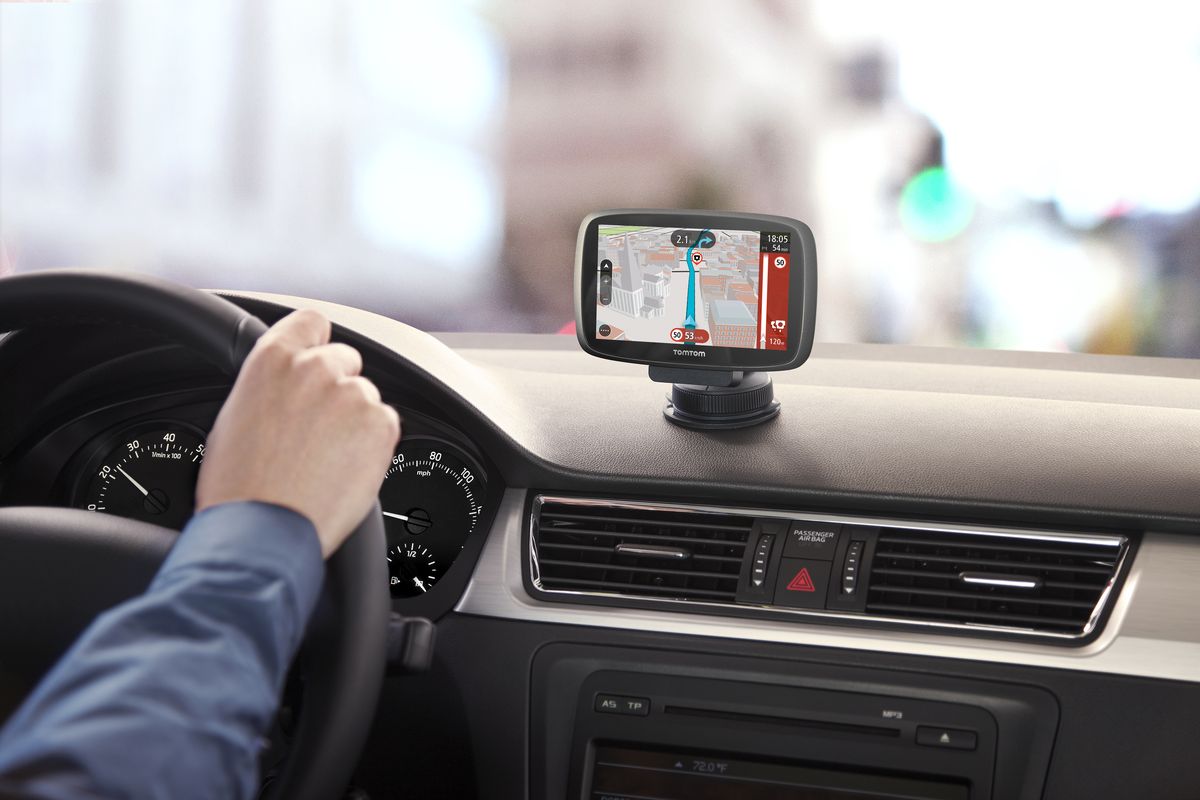
    Dutch navigation firm TomTom said on Tuesday it had lost a contract with automaker Volvo. The company said the contract to provide location and navigation services to Volvo, which was announced in 2016, had been ended before it was due to go into force in 2019. That fed into concerns of critics who said a deal Google made last month with Renault, another TomTom customer, meant the company risked being relegated to third place in its main market, with lower margins.

    Volvo could not immediately be reached for comment on the contract. ING analysts said in a trading note that they believe the Swedish automaker had switched to Google, rather than the current leading player in the navigation market, HERE.

    “Now that Google is making inroads, the mapping business has become a three-player market with TomTom, HERE and Google, which is clearly less attractive for TomTom than the two-player market it was before,” they said.

    TomTom shares lost a quarter of their value in one day on Sept. 18 after Google announced a far-reaching supply deal with a group of automakers including Renault, Nissan and Mitsubishi.

    Though the Volvo news knocked shares lower, TomTom reported better than expected third-quarter results on Tuesday, with core earnings rising to €62.4 million euro ($72.2 million) from $41.1 million a year earlier.

    Group sales were slightly higher at $254 million euros, from $253 million in the third quarter of 2017.

    While sales of the company’s traditional satellite navigation devices continued to fall, that was offset by sales to automakers and map licensing to customers Apple and Uber. The company also raised its full-year revenue outlook to $984 million from $955 million.

    TomTom this month announced plans to sell its fleet management business, saying it would instead focus its energy on making digital maps used in highly automated driving — the business on which it has pinned its future.

    It said it has seen “strong interest” for the fleet subsidiary, valued at roughly $810 million.

    Harold Goddijn, CEO and co-founder, said recent new deals with PSA Group and BMW showed the viability of the company’s products.

  • Volvo Car Malaysia launches new Batu Pahat 3S centre

    Volvo Car Malaysia launches new Batu Pahat 3S centre

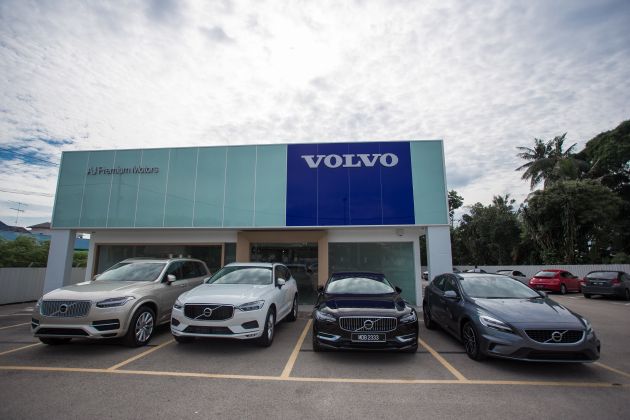
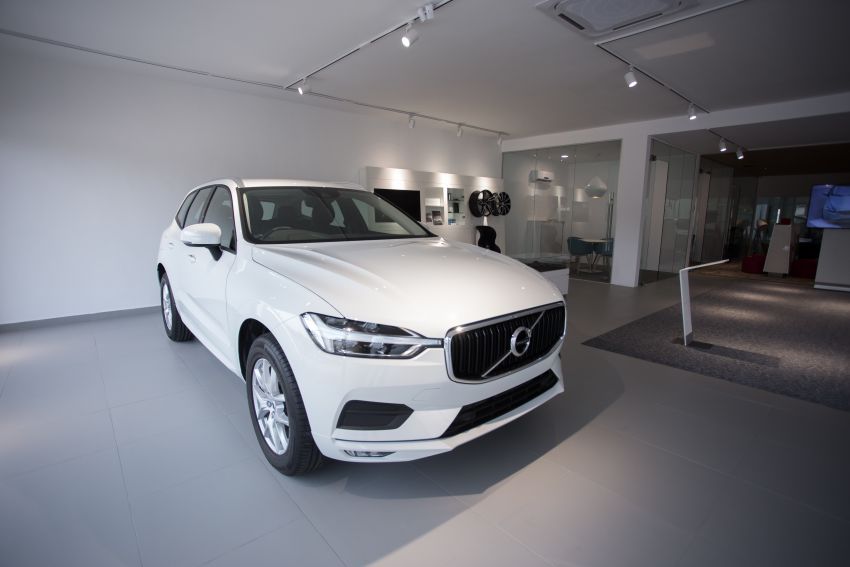
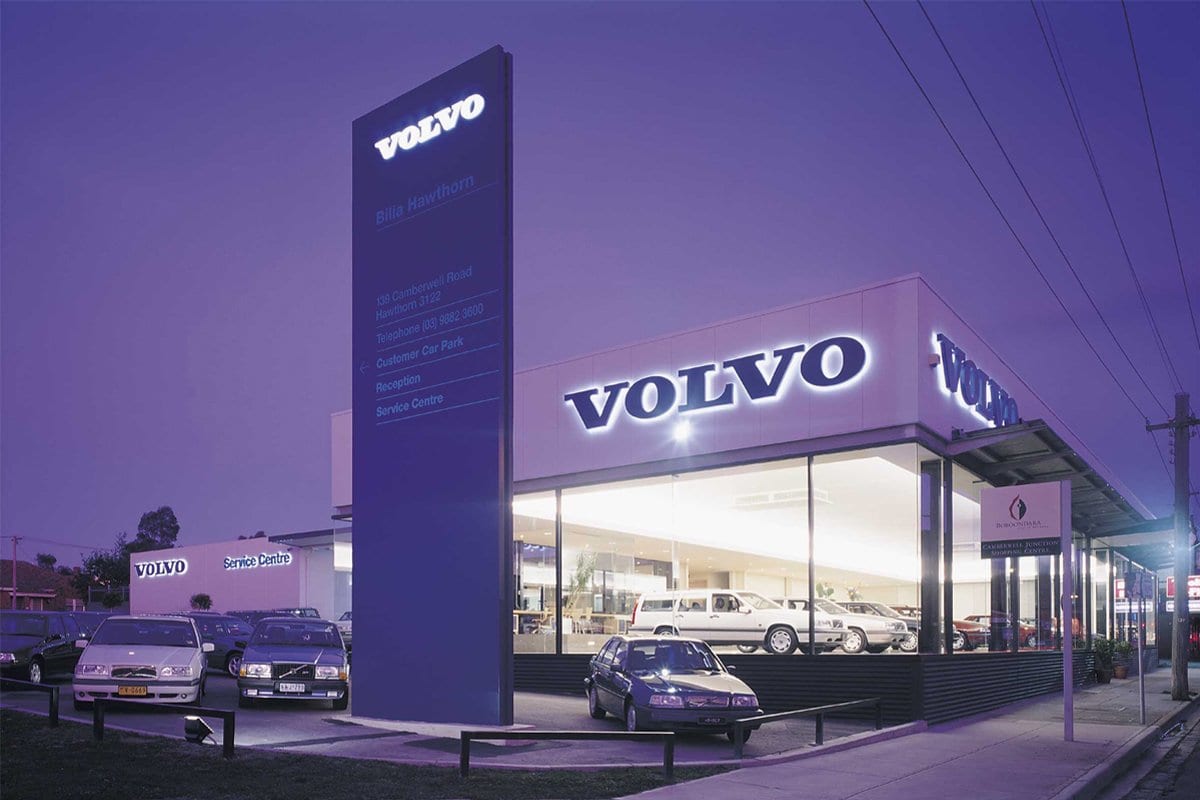
    Volvo Car Malaysia, together with its newest dealer AJ Premium Motors, have launched a new Volvo 3S centre in Batu Pahat to serve customers in the Southern region. The new dealership is part of the company’s sales and aftersales transformation programme, with more locations set to be introduced later in the year.

    “There is growing interest for our models in Malaysia and we are actively setting-up dealerships in strategic areas around Malaysia to better service this need,” said Lennart Stegland, managing director of Volvo Car Malaysia.

    “It is an absolute requirement for all new dealerships to adhere to the Volvo Retail Experience (VRE) standards, consistent with our dealership standards in Europe – it is not just an aesthetical guideline but also dictates the level of service rendered in our dealerships,” added Stegland.

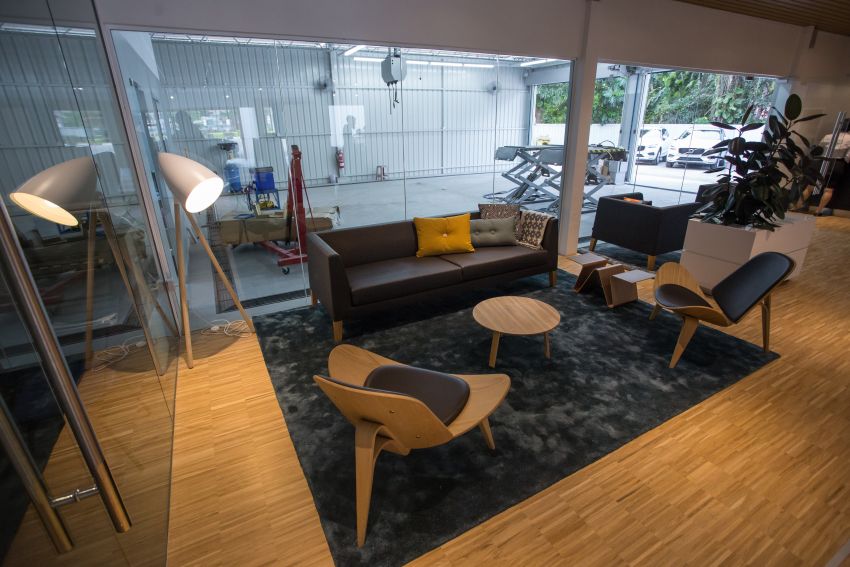
    Volvo Batu Pahat features a Scandinavian-inspired ‘living room’ where customers can relax while being attended to by a sales representative or while waiting for the vehicles to be serviced in one of the two service bays in the facility.

    “Our presence in Batu Pahat makes it more convenient for owners from the surrounding areas of Muar, Kluang and Segamat to service their cars or for prospective customers to view new Volvo models,” said Jacky Ong, managing director of AJ Premium Motors.

    The 3S centre is located at Lot. 1005, Jalan Kluang, 83000 Batu Pahat, Johor, Malaysia and it is open from 9am till 6pm on Monday to Saturday, and from 11am to 5pm on Sunday and public holidays.