Retail News CRM

Tag: Warehouse

  • Inferno Engulfs Coupang Warehouse: 52-hour Blaze Sparks Major Evacuation in Seoul

    Inferno Engulfs Coupang Warehouse: 52-hour Blaze Sparks Major Evacuation in Seoul

    A significant fire broke out at Coupang’s No. 32 logistics center located in Incheon, west of Seoul, prompting an evacuation of surrounding businesses and factories due to structural collapse concerns. The fire, which originated on the building’s sixth floor and spread to the seventh, burned for over 52 hours.

    The Incident at Coupang’s Fulfillment Center

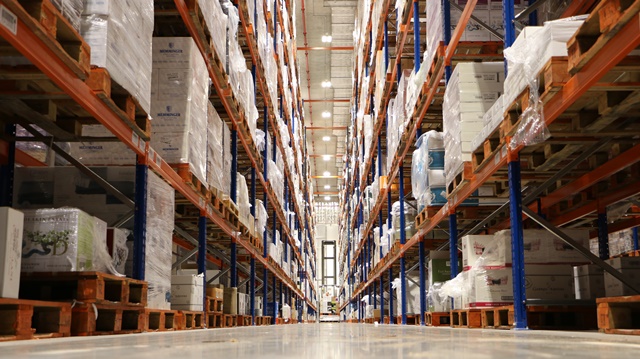
    The blaze commenced at approximately 6:54 am local time on Saturday. The fulfillment center, which serves the Seoul metropolitan area, primarily stores goods purchased directly by Coupang for their fast-delivery service. Spanning eight floors and covering an area of around 299,000 square meters, the centre’s vast size is equivalent to about 42 football fields. The fire’s cause remains unclear, however, the building contains numerous flammable items such as household goods, paper boxes, and vinyl packaging. An investigation will commence as soon as the fire is entirely extinguished.

    Despite the adverse conditions, all workers present in the building at the time of the fire were safely evacuated, according to the company. Surveillance footage taken on Monday morning showed an ongoing situation, with dozens of fire trucks still present and smoke continuing to pour out of the building, even amid rainfall.

    Late on Sunday, the authorities ordered an evacuation for businesses and factories within 116 meters (around 127 yards) of the warehouse’s ramp area due to fears of a partial building collapse. Coupang Corp, a subsidiary of the U.S.-based Coupang Inc, and South Korea’s most extensive e-commerce firm, has yet to publicly quantify the expected operational disruption or financial damage.

    In a recent fact sheet, Coupang revealed that it operates over 100 logistics centers across more than 30 regions in South Korea.

    A Message from Coupang’s Leadership

    The head of Coupang Fulfilment Services, Jeong Jong-cheol, issued a public apology on Saturday. He affirmed the company’s commitment to cooperating with authorities, supporting firefighting efforts, and assisting nearby residents affected by the incident. The company has declined further comment at this time.

    Questions & Answers

    What is the current status of the fire at Coupang’s logistics center?
    The fire burned for over 52 hours and has led to the evacuation of the center and surrounding businesses and factories.

    What caused the fire at the Coupang fulfillment center?
    The cause of the fire remains unknown, with an investigation pending once the blaze is fully extinguished.

    What has been the response from Coupang’s leadership?
    The head of Coupang Fulfilment Services, Jeong Jong-cheol, has issued a public apology and affirmed the company’s commitment to cooperating with authorities, supporting firefighting efforts, and assisting local residents affected by the incident.

  • E-commerce Boom in Australia Fuels Demand for Compliant Warehouse Racking Systems: Vinatech Rises to the Challenge

    E-commerce Boom in Australia Fuels Demand for Compliant Warehouse Racking Systems: Vinatech Rises to the Challenge

    Australia’s logistics and warehousing sector is experiencing robust growth, increasing the demand for storage systems that adhere to rigorous technical and safety standards. This has led suppliers to modify their products to align with the country’s stringent regulatory requirements.

    Booming Australian Warehousing Market

    The warehousing and logistics market in Australia is a foundational aspect of the national supply chain, currently estimated to be worth around AUD15 billion (US$10.1 billion). The rapid proliferation of e-commerce has been fueling this sector, with predictions suggesting a compound annual growth rate (CAGR) of approximately 6-7% over the next five to ten years.

    Entry of Vinatech Australia into the Market

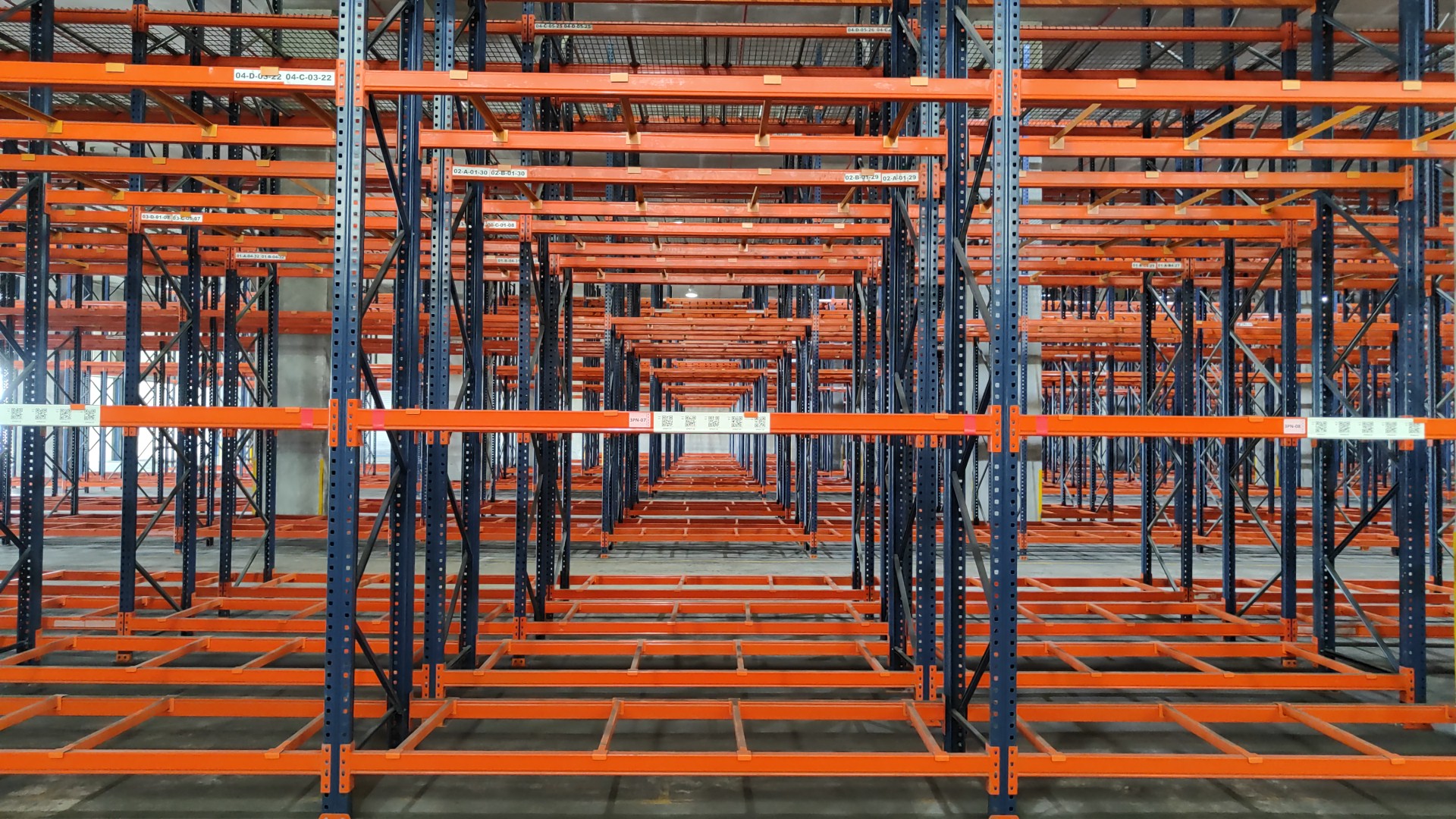
    In response to this burgeoning market, Vinatech Australia has entered the scene not simply as a traditional supplier, but as a strategic partner providing comprehensive warehouse racking solutions. The company specializes in supplying industrial warehouse racking and storage solutions fine-tuned for the Australian market, aiming to provide top-quality warehousing systems that align with international standards while catering to the unique operational needs of each client.

    Vinatech Australia is supported by the Vinatech Group, a prominent Vietnamese manufacturer of industrial warehouse racking systems. Benefiting from extensive industry experience and state-of-the-art production infrastructure, the Vinatech Group has provided warehouse and storage solutions to numerous national and international clients, spanning logistics warehouses, manufacturing facilities, and large-scale distribution centers.

    The operational model of the company allows customers to maximize project budgets without sacrificing product quality, ensuring alignment with AS4084 standards and compliance with relevant Australian rules. Vinatech also offers full certification and technical documentation upon request, facilitated by engineering teams knowledgeable in both Vietnamese manufacturing standards and Australian compliance requirements. This capability underpins the company’s prevailing message: “Made in Vietnam – Used in Australia.”

    Comprehensive Industrial Solutions

    Vinatech Australia also provides a comprehensive range of industrial solutions, including consultancy and warehouse system design from the initial site survey stage, customized industrial warehouse and pallet racking solutions to meet specific operational needs, full project management from conception to operational deployment, and the capacity to deliver large volumes with consistent and reliable timelines.

    The company affirms its commitment to quality assurance and standards compliance as a vital element of its operations, addressing concerns regarding whether products sourced from Asia can meet the demanding standards of developed markets.

    All Vinatech products are designed and manufactured in compliance with international technical and safety standards. This ensures every industrial warehouse and pallet racking system fulfills strict criteria on load capacity, structural stability, workplace safety, and Australian fire protection regulations.

    Full Support from Planning to Operation

    Vinatech Australia positions itself not just as a product supplier but as a comprehensive solutions partner, aiding customers from the early planning stages through to real-world operation. This includes advising clients on long-term development strategies and integrating their warehouse racking systems seamlessly with advanced automation technologies.

    This strategy facilitates a phased approach to warehouse automation, allowing customers to commence with a fundamental solution such as pallet racking and progressively upgrade without the need to replace their entire warehouse racking infrastructure.

    Vinatech’s goal is not to become the largest supplier, but to be the most trusted provider of industrial warehouse racking solutions in Australia. They aspire to be the first name businesses consider when planning or upgrading their warehouse operations, not just due to competitive pricing but also their professionalism, reliability, and commitment to long-term partnerships.

    Questions & Answers

    What is Vinatech Australia’s specialization?
    Vinatech Australia specializes in providing industrial warehouse racking and storage solutions tailored for the Australian market.

    How does Vinatech assure adherence to technical and safety standards?
    Vinatech designs and manufactures all products in accordance with international technical and safety standards. They also provide complete certification and technical documentation upon request.

    What differentiates Vinatech Australia’s approach to customer support?
    Vinatech Australia positions itself not only as a product supplier but as a comprehensive solutions partner, supporting customers from early planning through to real-world operation.

  • Moments Health Brand Makes Retail Debut In New Zealand’s Chemist Warehouse Stores

    Moments Health Brand Makes Retail Debut In New Zealand’s Chemist Warehouse Stores

    The health and wellness brand, Moments, has marked its debut in the physical retail market of New Zealand. The brand’s wide-ranging products, including adult toys, condoms, and lubricants, are now available in Chemist Warehouse stores across the country and online.

    Moments’ Debut in Physical Stores

    Nikhil Daftary, the MD and founder of Moments, shared that although the brand has been accessible in New Zealand since 2019, its products were previously exclusively sold online. The brand’s foray into a physical retail environment represents a new chapter in its growth. “New Zealand represents an exciting market for us due to its progressive and open-minded attitude towards sexual health,” said Daftary.

    By bringing Moments’ products to Chemist Warehouse outlets, the company aims to engage with more women, empowering them to purchase sexual health and wellness products with confidence.

    Range of Products

    The range of products that Moments offers at Chemist Warehouse includes five variants of condoms – the Mega Thin 0.03 and dual-lubricated types among them. The product line also includes two kinds of lubricants, one of which is bubble gum-flavored, and a complete range of pleasure toys such as Mood, CEO, Baddie, and Vibin’.

    Beyond its retail operations, Moments also supplies between eight and ten million condoms annually to the New Zealand government via its Pharmac contract.

    Brand’s History

    Since its inception in 2017, Moments has distributed over 60 million products across Australia and New Zealand. The brand has also donated in excess of 5 million condoms to charities that focus on women’s and sexual health.

    Questions & Answers

    What types of products does Moments offer at Chemist Warehouse stores?
    Moments offers a range of products including five condom variants, two kinds of lubricants, and a full line-up of pleasure toys.

    When did Moments first become available in New Zealand?
    Moments has been available in New Zealand since 2019, although initially, it was only available online.

    How many condoms does Moments supply to the New Zealand government each year?
    Moments supplies between eight and ten million condoms annually to the New Zealand government.

  • Delhi NCR Logistics Space Set to Soar to 108.6 Million Sq Ft by End of 2025!

    Delhi NCR Logistics Space Set to Soar to 108.6 Million Sq Ft by End of 2025!

    The National Capital Region’s (NCR) warehousing market is on track to soar to 108.6 million square feet by the end of 2025. This surge is largely driven by Grade A projects, which have captured the interest of institutional investors, as detailed in a recent report by JLL. The Delhi-NH8 submarket is poised to remain at the forefront of this growth.

    “Proposed infrastructure projects, particularly along freight corridors such as DMIC, WDFC, and EDFC, are significantly enhancing warehouse demand by improving connectivity between Delhi and surrounding areas in both Western and Eastern India,” the report stated. Smart investments in these corridors are transforming transportation—and possibly saving future delivery delays that plague today’s e-commerce giants.

    Explosive Growth in Demand

    In a remarkable showing, net demand for warehousing space soared by an impressive 80% year-over-year in the first half of 2025, reaching 4.13 million square feet. Notably, 88% of this demand stemmed from Grade A facilities, highlighting a clear trend toward high-quality spaces. The Delhi-NH8 remained a powerhouse in this surge.

    The third-party logistics (3PL) and logistics sectors emerged as the primary demand drivers, closely followed by light manufacturing fields, such as auto components and engineering, which together constituted 58% of the demand during this period. Other notable contributors included fast-moving consumer goods (FMCG), e-commerce, and retail sectors.

    Institutional Developers Make Their Mark

    The market has witnessed transformative expansion in the first half of 2025, with 4.66 million square feet of new supply entering the fray. Institutional developers and investors are making a strong entrance—particularly concentrated in the lucrative Delhi-NH8 corridor.

    Despite this growth, vacancy rates rose to 21.4% in H1 2025, a reflection of the accelerating supply from large Grade A developers that outstripped demand in the market.

    Rising Rents Reflect Market Trends

    Rents in the NCR have experienced a healthy uptick, rising by 5.3% year-over-year in the first half of 2025. This increase is primarily a response to the surging demand for Grade A spaces that boast superior specifications. With institutional investors gaining a robust foothold, rents are expected to continue climbing, driven by escalating land prices, forthcoming infrastructure projects, and heightened investments.

    As the NCR warehousing market evolves, it’s clear that Grade A facilities will remain the main attraction, drawing interest and investment from across the region. In a landscape where quality is becoming king, businesses are increasingly keen to secure their place in this thriving sector.

    Questions & Answers

    What factors are driving the demand for Grade A warehouse spaces in NCR?
    The demand for Grade A warehouse spaces is primarily driven by strong interest from institutional investors and the significant growth of 3PL and logistics sectors. Additional contributors include light manufacturing fields and e-commerce, all seeking high-quality facilities.

    How have recent infrastructure projects influenced the warehousing market?
    Recent infrastructure projects, especially along freight corridors like DMIC, WDFC, and EDFC, have improved connectivity, boosting warehouse demand by facilitating smoother transport routes between Delhi and surrounding regions.

    What does the future look like for rents in the NCR warehousing market?
    Rents are projected to continue increasing as demand for Grade A spaces persists, propelled by rising land prices, ongoing infrastructure developments, and the growing presence of institutional investors in the market.

  • Sigma Healthcare Resets Merger Synergy Target With Chemist Warehouse Amidst Significant Revenue Surge

    Sigma Healthcare Resets Merger Synergy Target With Chemist Warehouse Amidst Significant Revenue Surge

    Sigma Healthcare has revised its merger synergy target with Chemist Warehouse, following a significant increase in both its top and bottom line results last year.

    New Merger Synergy Targets

    Sigma Healthcare has now set its synergy target for the merger at $100 million per annum, a substantial increase from the previous target of $60 million. The company aims to attain this goal within a span of four years.

    The last fiscal year ending June 30 saw an 82.2 per cent surge in revenue to $6 billion. Chemist Warehouse reported a 14 per cent increase in retail network sales, and a notable 11.3 per cent rise in like-for-like sales across the Australian network.

    Brand Expansion and Financial Performance

    Over the past year, Sigma increased its portfolio of proprietary and exclusive brand products, with a notable release of 269 products in the Wagner generics range last November. The sales of proprietary and exclusive label products saw an increase of over 20 per cent.

    When it comes to the bottom line, statutory earnings before interest, taxes, depreciation, and amortization (EBITDA) increased by 33.6 per cent to $824 million, while the net profit after tax (NPAT) reported a slight decline of 2.1 per cent to $530 million. However, normalized EBITDA saw a rise of 41.4 per cent to $884 million, and NPAT also increased by 40.1 per cent to $579 million.

    By June 30, the net debt stood at $752 million, significantly lower than the initial net debt range of $1 billion to $1.3 billion as indicated in the merger prospectus.

    Anticipated Growth and Future Plans

    Sigma CEO and MD, Vikesh Ramsunder, stated that the merger with Chemist Warehouse has resulted in a more robust, integrated healthcare business with enhanced scale, capability, and market reach. He emphasized that the FY25 results highlight the group’s momentum and potential for sustained growth.

    As part of its plan for the new fiscal year, Sigma intends to continue the expansion of Chemist Warehouse stores both domestically and internationally at a steady pace. It also plans to introduce new proprietary and exclusive label products to enhance margins.

    Sigma also announced the closure of distribution centres in South Guildford, WA, and Port Adelaide, SA, with services being moved to existing centres in Canning Vale and Pooraka. The company also plans to gradually close brick-and-mortar Chemist Warehouse stores in China over the next few years, focusing on achieving profitable growth, with the Chinese market being serviced through online channels thereafter.

    Questions & Answers

    What is the new merger synergy target set by Sigma Healthcare?
    The new merger synergy target set by Sigma Healthcare is $100 million per annum, up from the previous target of $60 million.

    What are Sigma Healthcare’s plans for the new fiscal year?
    Sigma plans to expand Chemist Warehouse stores in Australia and internationally, launch new proprietary and exclusive label products, and shift services from closing distribution centres to existing ones.

    What is Sigma Healthcare’s strategy for the Chinese market?
    Sigma Healthcare plans to gradually close Chemist Warehouse physical stores in China over the next few years, focusing on servicing the Chinese market through online channels.

  • Kardex Launches Affordable AutoStore StarterGrid to Revolutionize Warehouse Automation in Singapore

    Kardex Launches Affordable AutoStore StarterGrid to Revolutionize Warehouse Automation in Singapore

    Global intralogistics specialist Kardex has unveiled its new AutoStore™ StarterGrid, which is an affordable, plug-and-play automated storage and retrieval system (ASRS) now available to customers in Southeast Asia. It immediately streamlines storage and fulfilment operations and is targeted at startups, small and medium-sized businesses, and companies wanting to test the impact of automation on their warehouse operations.

    Kardex, the world’s fastest-growing AutoStore integrator, has exclusively designed and configured the 4,000-bin system to provide customers with the chance to embrace warehouse automation without complexity, high costs or long lead times. It provides the ideal starting point for automation, as it is easy to install, built for simplicity, and could cost companies in Singapore as little as S$8,300 a month.

    AutoStore StarterGrid: Scalable, precise, and maximizing warehouse space

    AutoStore is the world’s fastest goods-to-person (GTP) system per square-meter and maximizes space efficiency, reducing warehouse footprint by over 50% and increasing storage capacity. The AutoStore StarterGrid from Kardex can be installed into existing facilities without costly adaptations or power upgrades.

    Precise AutoStore robots can boost picking accuracy up to 99% and throughput can double or even triple compared with manual operations. In addition, the AutoStore ASRS solution enhances warehouse safety and carries out mundane, physically demanding and repetitive tasks, freeing workers up to carry out more rewarding work.

    Designed with scalability in mind, the Kardex AutoStore StarterGrid can be easily expanded without disrupting business operations or requiring any rework, with new ports and robots added swiftly to meet surges in demand. As company needs grow, the grid can even be customized by Kardex to meet evolving requirements.

    A 4,000-bin ASRS solution within 6 months

    The AutoStore StarterGrid from Kardex offers a standardized, pre-configured setup featuring all the essential components to start automating quickly and efficiently. It is simple and hassle-free to implement, comprising a compact, high-density Grid Frame of up to 6 meters, 4 R5 Robots for fast, accurate item retrieval, 4,000 storage bins, and 2 efficient Conveyor-Ports for precise order picking – handling 180 to 240 bins per hour with 99% accuracy.

    Return on investment (ROI) for new solution is 2-3 years on average and businesses can reach out to Kardex to find out more, with a dedicated project team providing expert end-to-end guidance to unlock the benefits of automation within 6 months. In Singapore, the Kardex AutoStore StarterGrid could cost as little as S$8,300 per month, delivering dramatic improvements in storage density, fulfilment accuracy and throughput.

    Kardex: An expert AutoStore integrator and innovator

    Businesses that want to find out more about the impact AutoStore could have on their operations can visit Kardex’s new office and Experience Center in Singapore. The new facility, recently opened in the Nordic European Centre at the International Business Park, positions Kardex for further growth in Southeast Asia and provides a dedicated space for customers to meet with the expert team and see firsthand how AutoStore systems powered by Kardex can revolutionize their operations.

    Kardex also has the most extensive portfolio of exclusive products designed to enhance the AutoStore system. These include: the purpose-built FulfillX warehouse execution system (WES), designed to streamline operations and enhance performance; the Intuitive Picking Assistant (IPA), which guides operators through the picking process by projecting all relevant information to optimize picking efficiency and accuracy; and the SnapVac cleaning robot to keep the AutoStore grid free from dust, debris, and operational slowdowns.

    Freddy Zhong, APAC Director of Business Development for AutoStore, says, “Smarter automation starts with smart prices. The AutoStore StarterGrid from Kardex provides companies of all sizes with automation that’s practical for today AND prepares them for tomorrow. We want to get through to the people who think that warehouse automation is not for them or is too expensive. The StarterGrid has been specially designed for companies that want to improve their storage and fulfillment operations with a solution that is fast to implement, scalable and efficient.”

  • J&T Express Singapore expands its warehouse network to support growing demand

    J&T Express Singapore expands its warehouse network to support growing demand

    As part of its ongoing commitment to provide efficient, secure, and quality express services amid the growing demand for domestic and international delivery, J&T Express Singapore today announced the opening of two new warehouses in Singapore at Changi Airfreight Center and Penjuru.

    A first for J&T Express, the strategic location of the new warehouse at Changi Airfreight Center is part of J&T Express’ expansion plans to offer quality international delivery services to customers locally and regionally. The new warehouse will help to improve the processes and flow of international parcels between the airport and the sorting hubs. It will also allow J&T Express to provide tighter control and a higher service level for the delivery of international parcels.

    The warehouse at Changi Airfreight Center will also serve as a strategic hub for transhipment within the J&T network including Singapore, Indonesia, Vietnam, Malaysia, Thailand, the Philippines, Cambodia, and China. The new warehouse will help optimise the shipping lane planning and lower operational costs through greater collaborations within J&T Express’ global network, in turn ensuring greater efficiency and security in the transit of parcels from these countries.

    As part of its strategy to develop a nationwide warehouse network and to strengthen its position as a one-stop e-commerce solutions provider, J&T Express has also unveiled a new fulfilment centre at Penjuru to meet the growing demand for e-commerce warehousing solutions within Singapore. The 82,000 square feet fulfilment centre will enable J&T Express to onboard more fulfilment clients with a seamless e-commerce experience.

    In line with J&T Express’ ongoing digitalisation efforts, the new fulfilment centre will also be equipped with an integrated e-commerce warehouse management system (eWMS) to optimise the fulfilment management from inventory and orders to transport flows and last-mile deliveries. As a one-stop e-commerce specialist, J&T Express also looks to increase employee headcount to support fulfilment operations and data analysis to cater for the growing demand driven by the e-commerce boom.

    Complementing its expansion efforts, J&T Express also announced its first wave of J&T points across Singapore, which is currently available to both its VIP and selected e-commerce platform sellers to support the upcoming Single’s Day shopping festival. The J&T points aim to provide sellers with greater flexibility when making shipping arrangements by enabling them to drop off parcels at their own convenience and receive real-time tracking.

    The island-wide network of service points will also support J&T Express in handling the anticipated year-end delivery spikes with greater efficiency. J&T Express will look to expand access to more users, and gradually establish more service points across the country.

    Commenting on the recent milestones, Andrew Sim, CEO of J&T Express Singapore, said that these developments not only reflect the company’s commitment to drive service excellence in the logistics industry, but also strengthening J&T Express’ position as a one-stop e-Commerce specialist across each and every touchpoint across the value chain.

    Mr Sim added, “Singapore is an exciting growth market for J&T Express, and we are focused on building our business in the country due to its strategic location within Southeast Asia. At J&T Express, we are committed to providing efficient, secure, and quality express services to our customers and the expansion of our network of warehouses in Singapore and the launch of J&T points will help us to build stronger relationships with our customers and enable us to meet the growing demand for domestic and international delivery not only in Singapore but also across the region.”

  • Korean firms to use petrol stations as logistics hubs

    Korean firms to use petrol stations as logistics hubs

    With the expansion of the ‘quick commerce market’, which offers guaranteed delivery within an hour, South Korean firms are employing gas stations as warehouses and logistics hubs.

    It has become a new alignment of interest between the quick commerce industry that needs logistics hubs in the heart of the city, and gas stations in search of a breakthrough as they struggle from dwindling sales with the emergence of eco-friendly cars.

    Shinsegae Property, property development unit of retail giant Shinsegae Group, signed an agreement with Koramco Energy Plus REITs to begin the development of gas station sites. The plan is to turn idle spaces at 187 gas stations owned by REITs into logistics hubs.

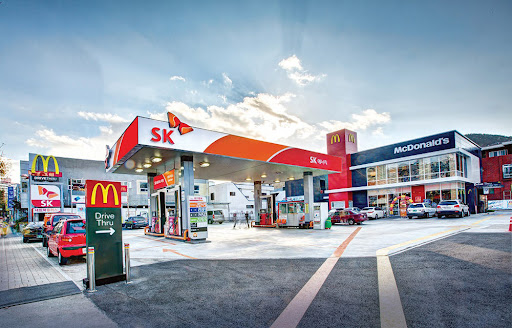
    Major logistics company CJ Logistics also signed an agreement with oil refinery and gas station operator SK Energy late last month to use their gas stations as logistics hubs.

    The plan is to set up small to medium-sized warehouses at these gas stations to keep stock of popular consumer goods to ship them out as soon as an order is placed.

    GS Caltex, South Korea’s second-largest refiner by sales, teamed up with local food delivery firm Mesh Korea last year to come up with plans for establishing logistics hubs at gas stations nationwide that will focus on short-range deliveries.

    This trend is partially the result of gas stations struggling to remain profitable. There were 11,290 gas stations in South Korea as of May and 109 gas stations had closed down in the first five months of the year, according to the Korea Oil Station Association.

    The Korea Energy Economics Institute said in a report published in January that number of gas stations in the country has been shrinking by an average of 1.3 per cent annually in the last 10 years, claiming that only 3,000 gas stations will be operational by 2040.

  • Nike and Adidas face supply-chain disruption after Vietnam factory closure

    Nike and Adidas face supply-chain disruption after Vietnam factory closure

    Taiwan’s Pou Chen, which makes footwear for companies such as Nike and Adidas, suspended operations at its plant in Ho Chi Minh City on Wednesday as COVID-19 curbs hit factories in the country’s business hub.

    Vietnam’s health ministry said in a statement that production at Pou Chen’s Pouyuen Vietnam factory would be suspended for 10 days.

    State media said 49 infections had been detected at the plant in Ho Chi Minh City, which is at the epicenter of the country’s worst coronavirus outbreak.

    The company did not immediately respond to an email seeking comment.

    Shares in Pou Chen, the world’s largest manufacturer of branded athletic and casual footwear, closed down 1.3% on Wednesday.

    After successfully containing the disease for much of the pandemic, Vietnam has faced a more stubborn outbreak since late April.

    Record infections and strict curbs on movement have left plants operating below capacity in northern provinces where suppliers for Apple, Samsung Electronics and other global tech firms are located, sources have said.

    Pouyuen Vietnam, the largest employer in the city with 56,000 workers, was unable to arrange for its workers to sleep at the site as required by authorities to allow the business to remain open, the health ministry said on Wednesday.

    Last year, Pouyuen Vietnam was ordered to suspend its production for two days after failing to meet local social distancing rules.

    Earlier this week, state media said authorities also ordered 29 companies in the Tan Thuan Export Processing Zone, an industrial park, to suspend production due to the outbreak.

    In the neighboring Saigon Hi-Tech Park, which houses international companies, more than 700 infections were detected in recent days and authorities ordered companies to shut units with infected workers, state media reported.

    Despite the latest outbreak, Vietnam has recorded far lower caseloads than many other countries with 36,605 infections in total and 130 deaths.

  • Axa Joint Venture Buys Amazon Japan Warehouse

    Axa Joint Venture Buys Amazon Japan Warehouse

    The firm’s real estate investment arm has acquired the ¥39 billion ($369 million) Tokyo logistics facility in a joint venture with fund manager ESR.

    The ESR-Axa vehicle purchased the 142,000-square-meter ESR Kuki, located in the north-eastern area of Saitama prefecture, from ESR-managed vehicle Redwood Japan Logistics Fund II (RJLF II) and co-investors.

    The site is built to the highest specifications and meets the latest ESG standards (CASBEE A certification), and is energy-saving compliant. The asset benefits from a human-centric design with plentiful amenity space for workers, such as children’s daycare centres, and access to 241 parking spaces, the announcement said. According to real estate intelligence platform Mingtiandi, Amazon leased nearly half of the facility just seven months ago.

    The demand for modern logistics space in this market is likely to remain strong due to tight supply and we are confident that this, coupled with the continued growth of e-commerce, will enable us to deliver secure income returns over the long term for our clients, alongside our joint venture partner, Laurent Jacquemin, Axa IM – Real Assets head of Asia-Pacific, said in a statement on Thursday.

    The acquisition adds to Axa Investment Managers – Real Assets’ Japanese logistics platform which comprises a six asset portfolio acquired on behalf of clients last year for over ¥100 billion, as part of its Japanese joint venture with ESR established in 2018.

    Axa said the joint venture will seek further investment and development opportunities diversified across Japan’s gateways cities, targeting large-high-quality modern logistics facilities that have the ability to deliver secure income returns over the long term.

    Axa IM – Real Assets is part of Axa IM Alts, which has €146 billion of assets under management as of end of March 2020, across real estate, infrastructure, private debt, structured finance and hedge funds

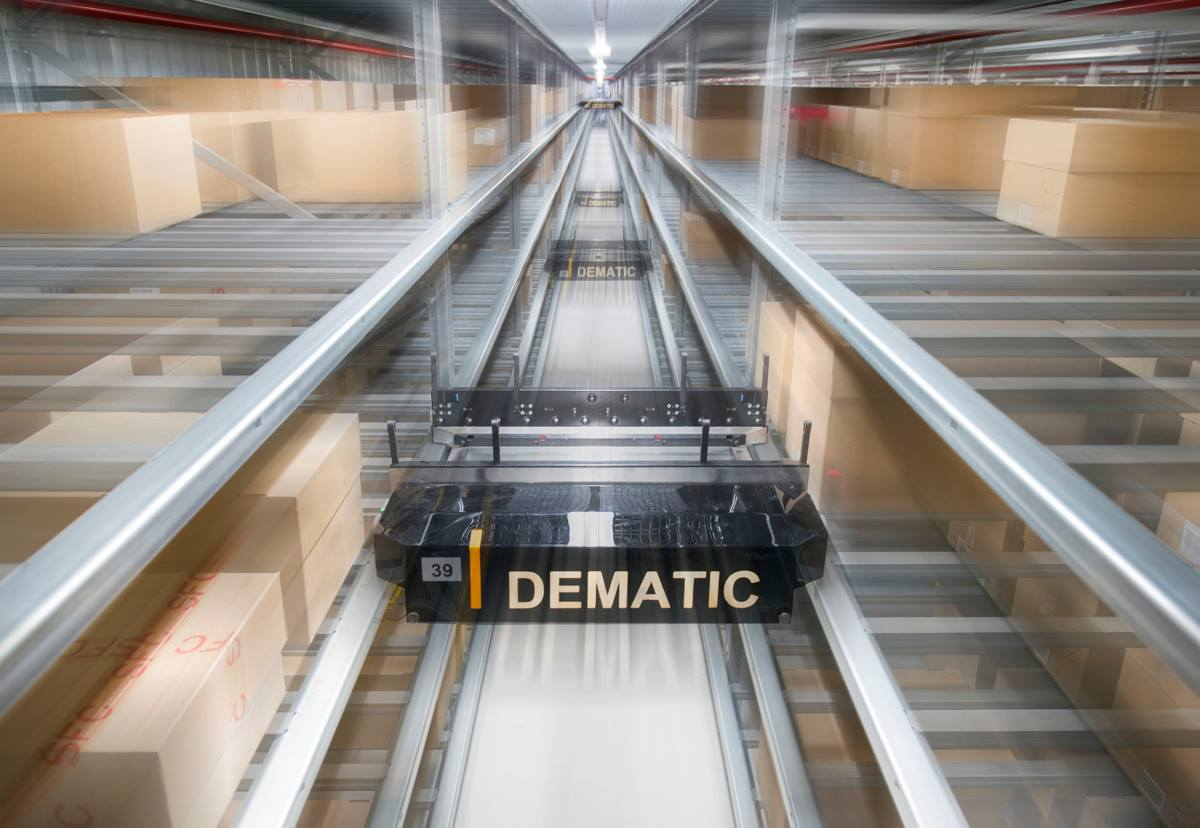
  • Dematic Awarded Automation Project for Two Americold Temperature-Controlled Warehouses

    Dematic Awarded Automation Project for Two Americold Temperature-Controlled Warehouses

    Dematic announced today it has been awarded an automation project for two temperature-controlled warehouses with Americold, a leading temperature-controlled infrastructure and supply chain solutions and services company, to improve efficiency for a major grocery retailer in the U.S.

    The Dematic integrated solution includes goods-in receiving, automatic delayering, tray handling, sortation, automatic pallet building, dispatch trailer sequencing and ergonomic case picking. The solution will feature both a Dematic high-bay unit load AS/RS for pallets and the Dematic Multishuttle® for case buffering and sequencing. The combination of these technologies, managed and operated by Dematic software, creates the most effective compact mixed-case handling solution on the market.

    “At Americold we have a unique lens into the temperature-controlled supply chain. To help us offer world-class service to our customers, we were seeking an automation partner to facilitate the future hyper-connected, enabled supply chain in retail fulfillment,” stated David Stuver, Executive Vice President of Supply Chain Solutions at Americold. “With large-scale global capabilities and innovative automation solutions, Dematic is an ideal partner to help us create state-of-the-art facilities that will help Americold transform the supply chain.”

    The new facilities will be true four-wall automated solutions with automated mixed-case palletising systems to ensure cube optimisation improvements. Highly efficient packing will mean fewer trucks needed for delivery, and shelf-ready pallets will allow for the quickest possible stocking of store shelves.

    Bernard Biolchini, CEO, Dematic Americas stated, “The Dematic Center of Excellence for Grocery worked in true partnership with Americold to develop the right solution. These fully automated facilities, powered by Dematic iQ software, will provide immense operational flexibility, supporting an omnichannel experience and multi-channel growth.”

    About Dematic

    Dematic is an intralogistics innovator that designs, builds and supports intelligent, automated solutions for manufacturing, warehouse and distribution environments for customers that are powering the future of commerce. With engineering centres, manufacturing facilities and service centres located in more than 25 countries, Dematic’s global network of 8,000 employees have helped achieve more than 6,000 worldwide customer installations for some of the world’s leading brands. Headquartered in Atlanta, Dematic is a member of KION Group, a global leader in industrial trucks, supply chain solutions and related services, and a leading provider of warehouse automation. 

    About Americold Realty Trust

    Americold is the world’s largest publicly traded REIT focused on the ownership, operation, acquisition and development of temperature-controlled warehouses. Based in Atlanta, Ga., Americold owns and operates 183 temperature-controlled warehouses, with over 1 billion refrigerated cubic feet of storage, in the United States, Australia, New Zealand, Canada and Argentina as of March 31, 2020. Americold’s facilities are an integral component of the supply chain connecting food producers, processors, distributors and retailers to consumers.


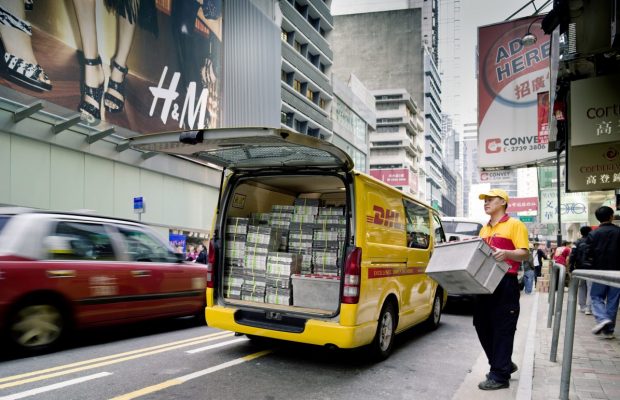
  • DHL Supply Chain introduces first digital twin of warehouse in Asia for Tetra Pak

    DHL Supply Chain introduces first digital twin of warehouse in Asia for Tetra Pak

    The market leader in contract logistics, DHL Supply Chain, is introducing its first digital twin of a warehouse in the Asia-Pacific region for Tetra Pak with one goal in mind: optimised, agile and cost-efficient supply chains.

    The warehouse is one of the biggest Tetra Pak warehouses worldwide and remains the first smart warehouse for DHL in the Asia-Pacific region that exists as a digital twin.

    Having launched an integrated supply chain for Tetra Pak in Singapore, the digital twin is supplied with real-time data on a consistent basis from the physical warehouse in Singapore and makes changes consistently in real-time.

    “The joint implementation of such a digital solution to improve Tetra Pak’s warehousing and transport activities is an excellent example of the smart warehouses of the future,” said Jerome Gillet, CEO, DHL Supply Chain Singapore, Malaysia, Philippines. “This enables agile, cost-effective and scalable supply chain operations.”

    DHL Supply Chain is focusing on technologies and processes such as physical objects like industrial trucks kitted out with IoT technology. The DHL Control Tower tracks incoming and outgoing goods to ensure all goods are stored in the correct way within 30 minutes of receipt.

    Tetra Pak has developed a smart storage solution that tracks and simulates the physical condition and individual stock levels in real-time, allows smooth non-stop coordination of operations, makes faults visible as well as improves safety and productivity in the warehouse.

    DHL Supply Chain Singapore has in-depth expertise in the region in achieving individual customer needs, the firm provides Third-Party Logistics (3PL) solutions in which customers can outsource their logistics management and operations.

    “We expect the partnership with DHL Supply Chain to further increase our productivity and maintain high standards in our supply chains,” commented Devraj Kumar, Director, Integrated Logistics, South Asia, East Asia & Oceania, Tetra Pak.

  • Warehouse gears up for e-commerce launch

    Warehouse gears up for e-commerce launch

    New Zealand’s biggest retailer is in the final stages of launching an e-commerce site, according to media reports.

    The Warehouse Group, which operates The Warehouse, Warehouse Stationery, Noel Leeming and Torpedo7 stores, is reportedly planning to launch an online-only offering called TheMarket next month.

    The website, which is currently accessible in beta form at www.themarket.com/nz, advertises a wide range of product categories, including men’s, women’s and kids’ clothing, homewares, health and beauty, toys and games, electronics, sports and more, and in-demand brands, including Billabong, P.E Nation, Cooper St, Matchbox and Kevin Murphy.

    The range would put TheMarket in competition with cross-border e-commerce players, such as The Iconic and Asos, which have localised their offerings to the New Zealand market, where online shopping currently makes up just 8.1 per cent of total retail spend, according to the latest NZ Post report.

    Like The Iconic and Asos, it seems TheMarket will operate as an online marketplace, where brands pay a fee to sell products directly to customers via the platform. On the website, TheMarket says it will provide access to 3.5 million active customers, localised customer service and last-mile delivery and return network.

    TheMarket will offer customers a subscription option that would wipe the delivery on all orders.

  • Asos’ US warehouse struggles to cope with demanding customers

    Asos’ US warehouse struggles to cope with demanding customers

    UK digital fashion store Asos said its new US warehouse struggled to cope with demand last quarter, hitting sales there and causing delayed shipments. Asos CEO Nick Beighton said the unexpected high demand in the Atlanta warehouse caused a significant short-term despatch backlog, which has now been cleared.

    “As our Atlanta warehouse went fully online, demand far exceeded our expectations,” Beighton said.

    “While very encouraging for the longer term, this caused a significant short-term despatch backlog which we have now cleared. These delayed shipments will be recognised in P3 and US trading is now regaining momentum.”

    The upsurge in US demand caused Asos to cancel marketing and promotions, Beighton said. These will now run in the second half of the financial year. The online fashion retailer posted a 13 per cent increase in group sales for the latest quarter with retail gross margin improving by 40bps.

    “We continued to outperform in the UK with sales growth of 14 per cent,” Beighton said.

    Sales in Europe were up 12 per cent, although, according to Beighton, France and Germany, the two largest markets, continue to be challenging.

    “Our ROW segment returned to good growth of 20 per cent after a disappointing Q1,” he said. “Our retail gross margin guidance for the year remains.”

    Beighton said Asos will be increasing investment in price and marketing in the second half, particularly in France and Germany.

    “Given the actions we are taking together with an improving US performance, we believe the group will deliver stronger growth in the second half,” he said.

    “Consequently we remain confident that we will meet guidance for the full year.”$

  • Sigma confident of turnaround plan

    Sigma confident of turnaround plan

    Pharmaceutical retailer Sigma Healthcare’s net profit fell 33.1 per cent to $37 million in FY19, down from $55 million in the prior corresponding period.

    Total revenue also decreased in the year to January 31, 2019, falling 2.9 per cent to $3.98 billion, compared to $4.09 billion in FY18.

    The business declared a final dividend for FY19 of 2 cents per share, and Sigma chairman Brian Jamieson stated the business remained committed to returning a high proportion of its NPAT to shareholders.

    Sigma also shared with investors further details about Project Pivot, the turnaround initiative it unveiled after dropping its Chemist Warehouse contract in September 2018, including over $100 million of efficiency gains to be enacted over the next two years.

    “Whilst a large proportion of the cost savings come from extracting costs incurred to directly deliver services to, additional cost savings will come from a restructure of functional areas within Sigma, and changes within our DC network,” Sigma chief executive and managing director Mark Hooper said.

    “This work has already commenced with plans and timeframes communicated to our DC team members in March.”

    As part of these changes, Sigma will cut staff and close three distribution centres, in Shepparton, Newcastle and Launceston, by October 2019.

    The retailer recently refused an offer to merge with Priceline owner Australian Pharmaceuticals Industries on the grounds that it undervalued its long term prospects, and that the $60 million of savings the combined company was forecasted to make was not as efficient as its own $100 million savings plan.

    API countered this claim last week, stating that the cost savings Sigma cites are uncertain and unclear, and that the company has so far released little information in regards to its restructure.

    “While the Sigma Board is not philosophically against industrial consolidation, the assessment of management, the Board and our advisors was united – this proposal was not in the best interest of Sigma shareholders,” Jamieson, the company’s chairman, said.

    “Our Project Pivot review and the cost efficiencies to flow from it, along with the structural reforms we are implementing to provide step change to our operations, give us great confidence in the direction we are heading and the future of our business on a standalone basis.”

    Sigma has reaffirmed its EBITDA guidance for FY20 of $55-60 million, with the savings of Project Pivot not likely to come into effect immediately. Hooper had previously stated it was unlikely EBITDA would return to FY19 levels until FY23.