Retail News CRM

Tag: Warehouse

  • Nike global warehouses goes carbon neutral

    Nike global warehouses goes carbon neutral

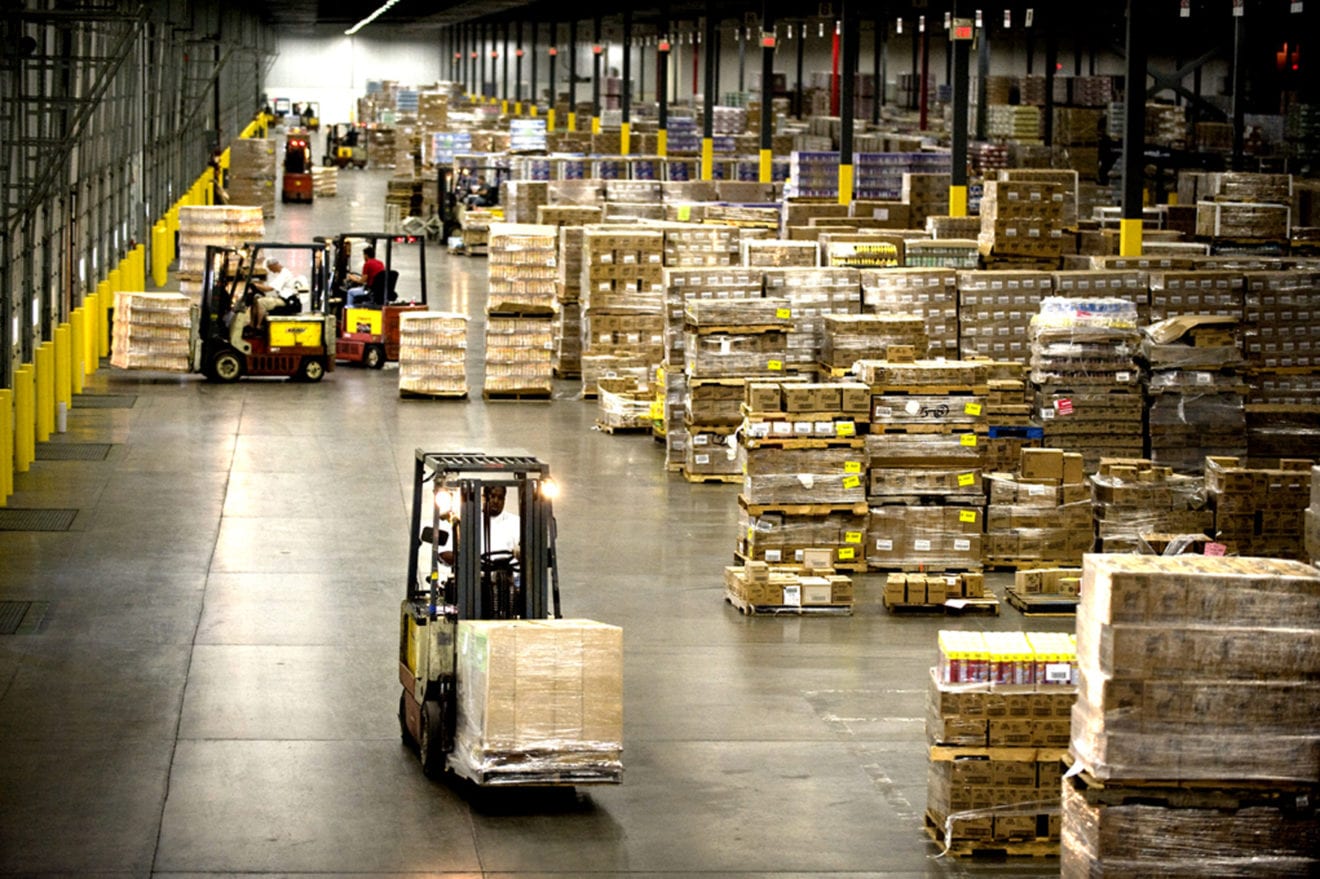
    A Nike warehouse in Melbourne’s Altona North suburb has become the first facility in Australia to receive a ‘whole-of-building’ carbon-neutral certification from the National Carbon Offset Standard.

    The certification is the latest recognition for the site, which has also received a Green Star Performance rating and was named the ‘Best Industrial Project’ at the National Energy Efficiency Awards in 2017.

    The 18,000sqm warehouse, which is owned by the Stockland property group and was custom-built for Nike by Toll, was designed with environmental efficiency in mind.

    Some of the site’s unique features include translucent roof sheeting to maximise daylight so warehouse lighting can be switched off when ambient light is sufficient, roof insulation to assist with temperature control and an optimised conveyor system, which was rewired and reprogrammed to operate in relation to product volumes, eliminating unnecessary movement.

    The retrofitting of 1300 light fixtures with high-efficiency LEDs also helped the site to halve its total electricity consumption, exceeding the greenhouse reductions required by NCOS.

    Toll and Nike offset the remaining greenhouse emissions generated by the building by investing in forest conservation projects in Tasmania as well as in an energy recovery waste water treatment plant in Thailand. These projects protect local biodiversity and native species support jobs in local communities and reduce greenhouse gas emissions, according to a statement from the comp

    Nike’s operations director Marie Varrasso said the success of the facility reflects its commitment to reducing its carbon footprint whilst delivering efficient solutions and savings which can be passed on to its customers directly.

    “Through this collaboration, continuous improvements have been introduced into the supply chain, which ultimately benefits Nike’s footwear, apparel and equipment customers. It’s a unique relationship, with innovation at the heart of everything we do,” she said.

    Stockland’s general manager of logistics and business parks Tony D’Addona said the project has has been a worthwhile education process for the property group’s warehousing and logistics business and helped to improve its management approach to sustainability.
  • GreyOrange to launch new products at LogiMAT 2019

    GreyOrange to launch new products at LogiMAT 2019

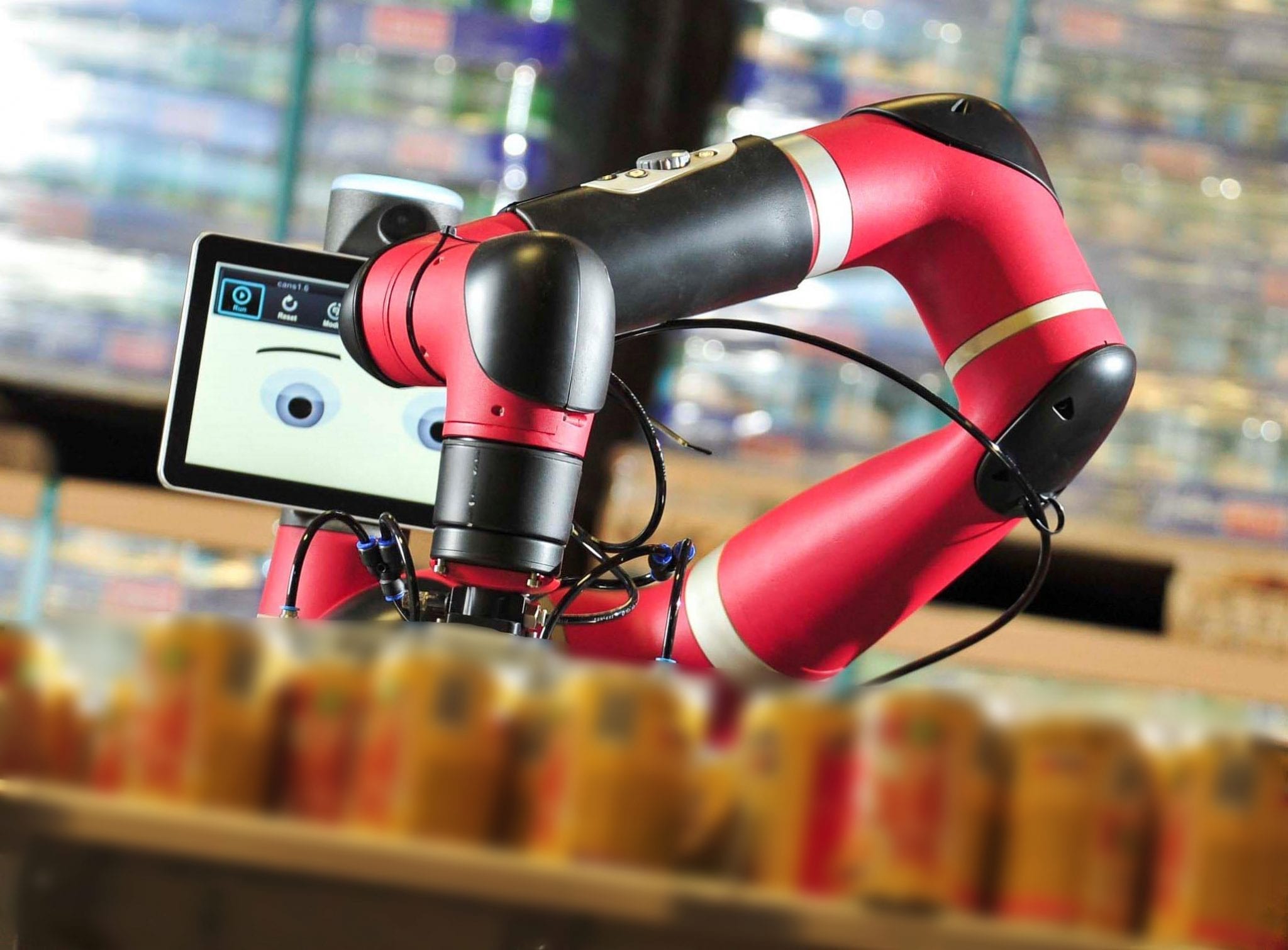
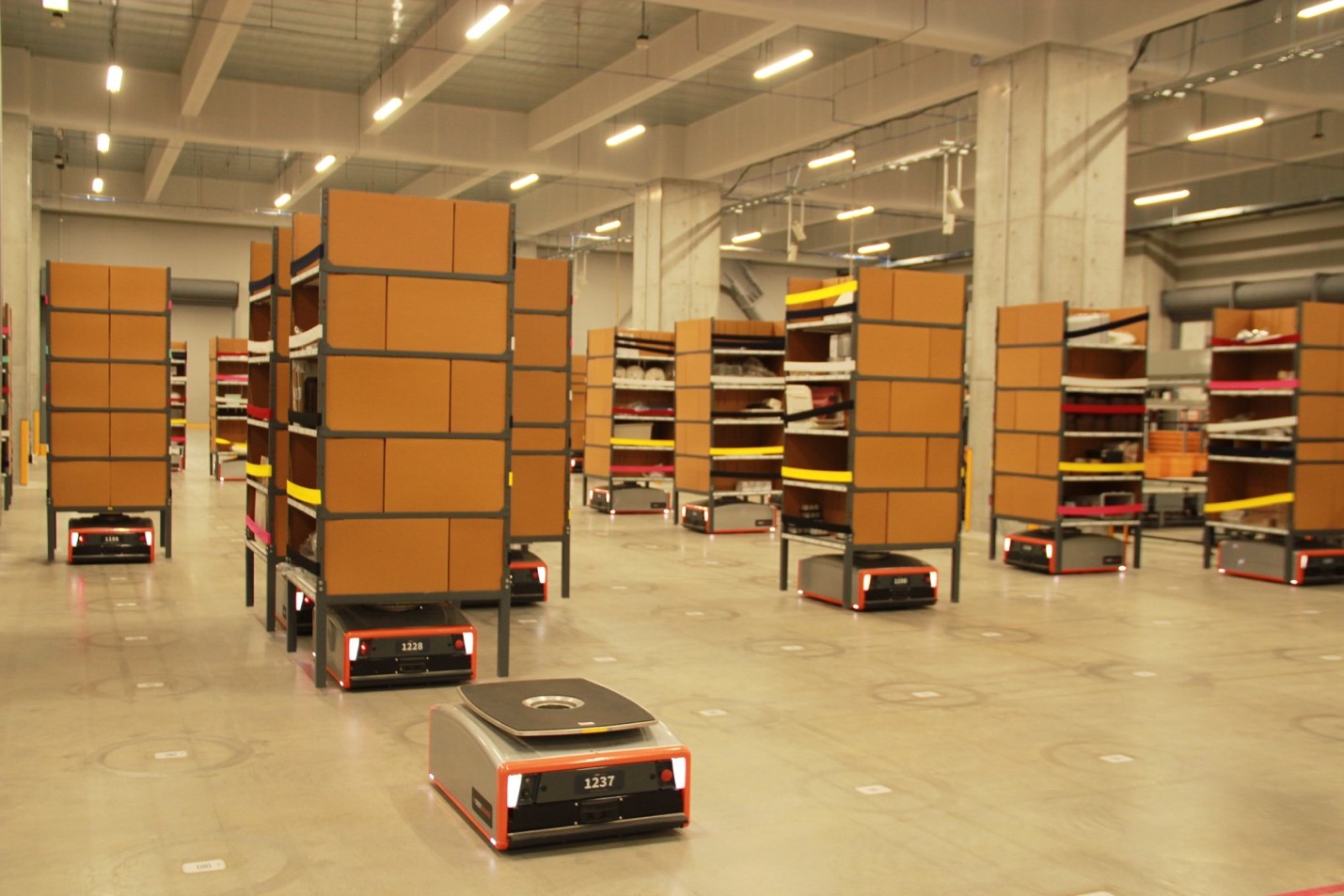
    Robotics and warehouse automation company, GreyOrange, will launch its new modular sortation system and demonstrate upgraded versions of its Butler and PickPal at LogiMAT 2019, the 17th International Trade Fair for Intralogistics Solutions and Process Management in Stuttgart, Germany on 19-21 February.

    Nowadays, retailers and logistics businesses face many new kinds of complexities and challenges due to the unprecedented growth in volumes, combined with the volatility of peak periods and increased pressure to cut operational costs. GreyOrange will present a portfolio of AI-powered solutions that bring Flexible Automation to life; it reduces complexities and delivers maximum productivity, from inventory management and picking to sortation.

    Sid Chatterjee, Vice President – Products, GreyOrange, said, “The GreyOrange solution portfolio offers a strong business case for Flexible Automation. In the past year it has been adopted globally by industry-leading players in retail, 3PL and e-commerce. At LogiMAT we will demonstrate how our new solutions can help address the complexities of retail distribution. We invite everyone to visit our booth to get a hands-on demo to see how higher throughput can be achieved.”

    The new GreyOrange modular sortation system, designed for flexibility and portability, comprises modular components that deliver significantly higher throughput per unit area; it improves space utilization and reduces operating costs. The AI-enabled robotics system can be easily scaled making it more investment-friendly and usable for a range of applications across retail and logistics industries.

    In the demo of the GreyOrange Butler goods-to-person system, visitors will see how this robotics solution uses an AI-first approach to optimize order fulfillment processes from inventory management to order picking. It has been deployed in distribution centres in Japan, India, Europe and the Americas across industries such as 3PL, e-commerce, electronics and retail. Additionally, the Butler PickPal handles high-speed auto-fulfillment with AI-powered shelf picking.

    GreyMatter, the Warehouse Execution System, is the software platform developed by GreyOrange to make flexible warehouse automation a reality, and address the complexities of warehouse operations caused by ever-changing retail trends. By connecting people, processes and material more efficiently using Artificial Intelligence and Machine Learning, it provides granular control and visibility across warehouse processes and enables systems to adapt flexibly to changing business demands.

  • Miniso to set up warehouses in Delhi, Mumbai, Kolkata and Bengaluru

    Miniso to set up warehouses in Delhi, Mumbai, Kolkata and Bengaluru

    Japanese retail brand Miniso plans to source India-made products for its stores in the US and Australia, said a top company official. According to a report: Miniso India is also investing to set up its own warehouses in Delhi, Mumbai, Kolkata and Bengaluru to cater to its expanding network.

    “We are looking into getting more local purchase and we also want to sell Indian products to other countries,” Yang Liu, Chief Business Development Officer, Miniso Indi said.

    He further said, “We have built up a system. We do not only want to import here but also export from here to markets like Australia and the US.”

    The initial line-up of products to be sourced from India include socks and snacks, he said.

    About the local purchase, Liu said by December 2019, around one third products at Miniso India would be sourced locally.

    As per FDI norms, it is mandatory to source 30 per cent goods from India in single brand retail trade.

    “The products which are selling are not only from China but some cosmetics are from South Korea and Thailand also, and I think before the end of next year, we would be able to put our local purchase to 30 per cent,” Liu said.

    He further added that the company is working in this direction and has already signed contract with some local manufacturers.

    The company would also set up small warehouses around tier II & III cities for its new franchise stores.

    Miniso launched retail operations in India in August 2017 and clocked Rs 700 crore revenue in one year. It plans to take its store count to 800 by 2019.

    It operates around 3,000 stores in over 70 markets.

  • DB Schenker signs a MoU for logistics centre in China

    DB Schenker signs a MoU for logistics centre in China

    DB Schenker, one of the world’s largest logistics service providers, and the Eastern China city of Changshu signed a Memorandum of understanding for the establishment of a state-of-the-art logistics center in the Changshu Economic and Technology Development Zone.

    Due to its convenient location near the metropolitan areas of Shanghai, Suzhou and Wuxi, and its proximity to the deep-water port of Yangshan as well as to a new port currently developed on the Yangtze River near Changshu, the city is a strategic location for a logistics center. Moreover, DB Schenker will be the first international third-party logistics provider (3PL) with a fully owned logistics site in Changshu.

    The new facility will provide state-of-the-art logistics and supply chain management services with a high level of automation to customers from the automotive and healthcare industry as main target group as well as to companies from other industry sectors situated around the Yangtze River Delta and Greater East China Region. The construction start of the center is scheduled for the end of 2019 with duration of two years.

    “After our strategic investment in a logistics center in Pinghu in July, the logistics facility in Changshu will be our second 100% owned distribution center in China. Both facilities complement our local growing warehouse portfolio with existing presence and partnerships with warehouses in Beijing and Shenyang”, says Christopher Pollard, CEO Greater China, Schenker China Ltd.

    With over 50 years of experience in China, DB Schenker is one of the biggest 3PL companies in the local market offering extensive air, ocean, road and rail freight services, as well as integrated contract logistics service and supply chain management.


  • CEVA Logistics opens a new hub in Malaysia

    CEVA Logistics opens a new hub in Malaysia

    CEVA Logistics, one of the world’s largest supply chain management companies, has officially opened a new multi-user facility in Penang, Malaysia. Situated within the Bayan Lepas Free Industrial Zone Phase IV, the 70,000 sq ft facility is only 10 minutes away from the Penang International Airport and 10 minutes from the Penang Bridge, connecting the island to mainland Malaysia.

    This new multi-user warehouse delivers cost efficiency and flexibility through an optimized layout design and improved infrastructure to serve our customers. It includes a combination of temperature-controlled and ambient storage space, conducive and modern office space for in-plant customers, advanced materials handling equipment, advanced RF warehouse management system and Customs stationed on-site to facilitate on-time clearance.  This is also an integrated hub that will house under one roof CEVA’s contract logistics and freight management teams for Malaysia as well as its global supply chain solutions control tower teams who support its 24×7 largest customers globally.

    “CEVA continues to invest in its customer needs in Malaysia, this new facility which has doubled our footprint in Penang will continue to support our growth needs and positions us for future expansion in the market. With its strategic location in the northern part of Malaysia, coupled with the air cargo hub at Bayan Lepas airport, it aims to cater to a wide range of logistics and warehousing services and  offer even greater value and benefits to our customers, ” says CEVA’s Elaine Low, Executive Vice President, South East Asia.

  • Wärtsilä and DHL deploy mobile robots to streamline warehouse operations

    Wärtsilä and DHL deploy mobile robots to streamline warehouse operations

    Wärtsilä and DHL deploy cutting-edge mobile robots from Fetch Robotics to streamline warehouse operations

    The technology group Wärtsilä and DHL have completed a successful pilot, where the companies tested mobile robots of Fetch Robotics. The pilot was carried out in Wärtsilä’s central distribution centre in Kampen, the Netherlands, where the entire logistics chain of Wärtsilä’s spare parts, from order intake to customer delivery, is managed. As Wärtsilä’s partner, DHL runs the warehouse operations.

    The aim of the project was to investigate possibilities to utilize the latest technology innovations in the daily operations of the warehouse. Wärtsilä and DHL also wanted to gain more understanding of the added value of robotics in a warehouse environment and to learn about the human–technology interface between robots and employees.

    The mobile robot system simplifies point to point material handling. Workflows at Wärtsilä’s warehouse can be set up and modified very quickly to accommodate today’s dynamic environments, without the need for complex programming. Workers can interact with the robots via touchscreen and send them on their journeys with a push of a button.

    “Our colleagues took center stage during the trial. The robots are designed to work alongside employees and to relieve them from physically strenuous tasks. The robots alone took over a walking distance of more than 30 kilometers per day, thereby increasing productivity and safety within the warehouse working environment,” says Denis Niezgoda, Robotics Accelerator Lead, DHL Customer Solutions & Innovation.

    The autonomous mobile robots have a loading capacity of 78 kilograms and can cover a distance of two meters per second. When the battery life of maximum nine hours comes to an end, the freight robot independently makes its way to the charging unit. The intelligent robots recognize their location and surroundings, and can differentiate between dynamic and static obstacles, thus enabling evasive action to work safely with and around people.

  • ZTO to expand Zhejiang regional warehouse and sorting hub

    ZTO to expand Zhejiang regional warehouse and sorting hub

    ZTO Express (Cayman) Inc., an express delivery company in China, will expand its Zhenjiang regional warehouse and sorting hub.

    Announced at 19th China Zhejiang Investment & Trade Symposium, ZTO plans to invest up to RMB150 million (approximately US$22 million) to expand its current Zhejiang regional warehouse and sorting hub. ZTO has obtained land use rights to an over 32,000 square metre piece of land in Jinyi New Urban District, Zhejiang Province to construct additional office space, warehouse and sorting hub with processing capacity for up to one million parcels per day. Construction is expected to be completed by August 2018.

    “Building additional infrastructure at our Zhejiang regional warehouse and sorting hub is another step in our strategy to expand the scale of our network and improve service quality and operational efficiency,” commented Meisong Lai, founder and chief executive officer of ZTO. “Zhejiang is a very important commercial and regional hub for us and is one of the main distribution channels for the thousands of customers and merchants we provide services to in the area. The additional capacity to process up to one million parcels per day will further reduce regional unit logistics costs, improve customer service and in turn strengthen brand loyalty among our customers and merchants.”

  • Rohlig opens new warehouse facility in Sydney

    Rohlig opens new warehouse facility in Sydney

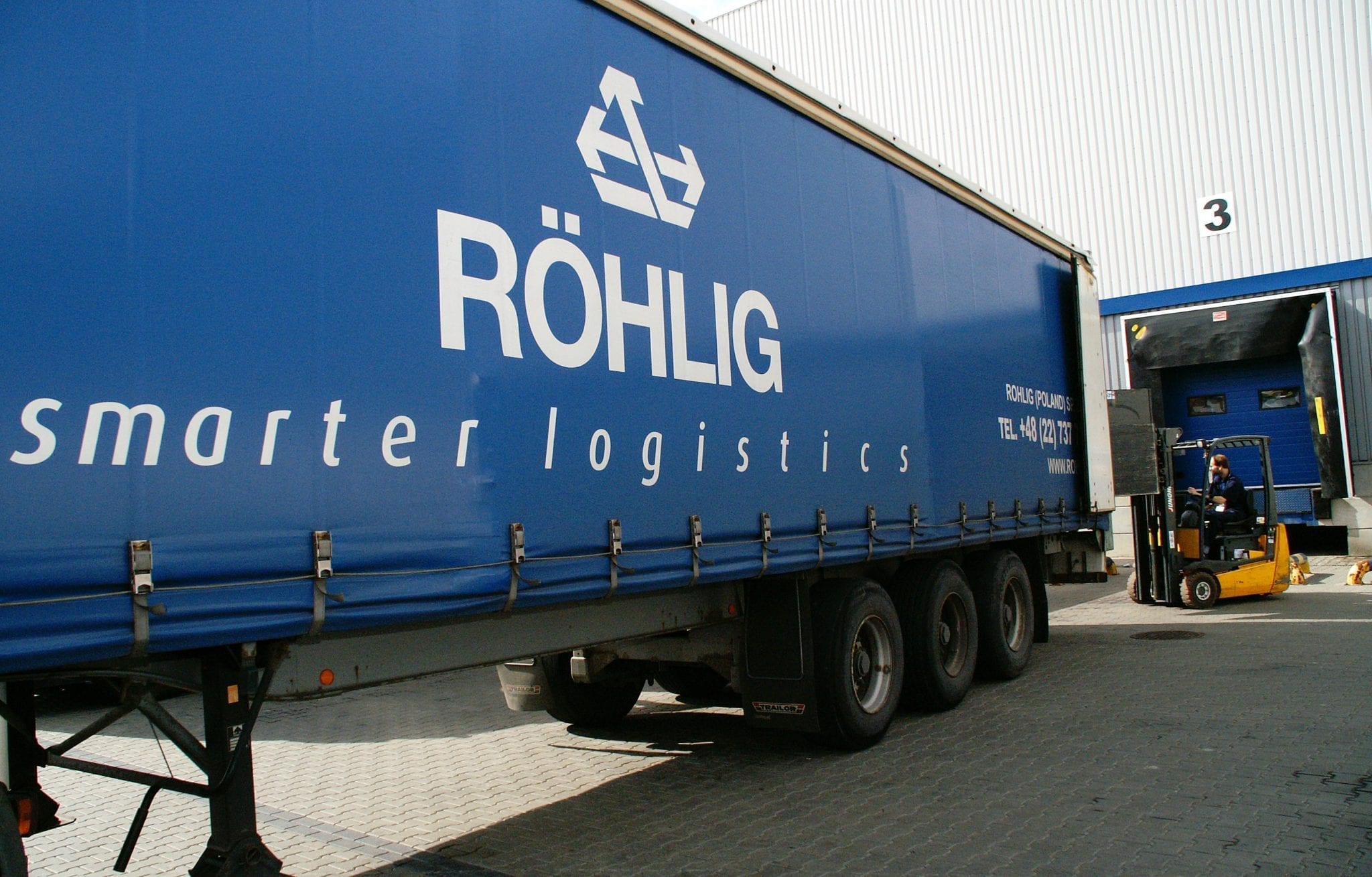
    Due to continued success in the Australasian markets, International freight forwarding firm Rohlig Logistics, is continuing the expansion plans of its contract logistics divisions with the opening of a new 6000 sqm warehouse in Sydney.

    The new warehouse has been equipped with the latest in warehousing and logistics technology, including as a sunken dock with a seven metre in-ground hoist capable of handling 14 tonnes of air freight. Additionally, the facility will be able to handle up to 4000 pallet spaces, encompassing every element of the supply chain, from warehousing and freight, to contract logistics.

  • Indonesia’s Bonded Logistic Centers Facilitated to Reduce Logistic Cost

    Indonesia’s Bonded Logistic Centers Facilitated to Reduce Logistic Cost

    The government will provide facility for Bonded Logistic Centers (PLB) to improve efficiency and reduce logistic cost for industry, support provision of basic materials and facilitate exports and basic material imports.

    “The gist is to cut logistic cost,” Trade Minister Enggartiasto Lukita said on the sidelines of commissioning a PLB at the Grahadi State Building here on Wednesday night. In the commissioning ceremony almost midnight, the minister and East Java Governor Soekarwo witnessed the signing of a number of agreements in the trade sector.

    The cooperation agreements were signed between Director of PT Indra Jaya Swastika (IJS) and the Indonesian Textile Association, the Indonesian Footwear Association, the Indonesian Association of Timber and Furniture, on the utilization of PLBs. PLBs are a concrete form of the follow up of the third Economic Policy Package, the Trade Minister said.

    He said currently there are 32 units of PLB located in various areas including Surabaya, Karawang, Cikarang, Cibitung, Purwakarta, Cilegon, Cakung, Bandung, Denpasar, Balikpapan, Aceh , etc. “PLBs support various industrial sectors including oil and gas, mining, textile, chemical, food, cosmetic and automotive sectors,” he said.

    He said in 2016, the country’s trade had a surplus of US$8.8 billion or an increase from US$7.5 billion in 2015. In 2017, the government hopes to post an economic growth of 5.5 percent – 5.8 percent , up from 5.1 percent in 2016 with target at 6.1 percent set for 2018. The minister said he was optimistic the 2017 targets would be reached with a series of breakthroughs in the trade sector.

    Meanwhile, PT Indra Jaya Swastika, a logistic company, said it supports the East Java administration in its program to improve industrial competitiveness. “PLB IJS comes to support various industries mainly shoe making industry, food industry and small and medium industries,” its president director Utami Prasetiawati said.

  • Arvato opens bonded warehouse in China

    Arvato opens bonded warehouse in China

    Arvato SCM Solutions is expanding its presence in China with a new bonded warehouse that will serve clients in the high-tech and entertainment and consumer products industries. The new 2,000 m² facility is located in the Shanghai Waigaoqiao Free Trade Zone.

    “The launch of our third distribution center in China is necessary as we meet an increasing demand for logistics services in the region,” said Raoul Kuetemeier, Head of Arvato SCM Solutions Asia.

    The Shanghai Waigaoqiao Free Trade Zone is unique for its government incentives and preferential tax policies; a strategic location for the distribution of goods into mainland China and trade between Asia and rest of the world. “This new bonded warehouse enhances our logistics network in the Chinese market and underscores our commitment to provide the most flexible and competitive supply chain solutions for our clients.” said Kuetemeier. Arvato is already represented by five distribution centers across Asia.

    Arvato will provide end-to-end logistics services in the new multi-user facility. This includes the processing of imports and exports as well as warehousing, multi-channel distribution, returns management, and other value-added services. The access-controlled location is also equipped with a monitoring system and has more than five loading bays. In the licensed bonded warehouse, goods can be stored duty-free indefinitely.

    The new logistics center in Shanghai’s Pudong district offers outstanding structural conditions for efficient distribution. It is within close proximity to the Waigaoqiao harbor and Yangshan deep-water port. The airport, central highways and container freight station within Shanghai are also easily accessible.

  • Singapore Golden Week targets shoppers

    Singapore Golden Week targets shoppers

    Singapore Retailers Association (SRA) is launching the inaugural Singapore Golden Week (SGW), a lifestyle event to be held over three weekends from September 30  to October 16.

    Its aim is to heighten Singapore’s appeal as a lifestyle destination with a suite a retail privileges, shopping reward and pampering experiences as enticement.

    Global payment network UnionPay is the official card for the event, with special privileges for cardholders across more than participating outlets including retail, F&B, beauty and wellness, and hotels and attractions.

    As well as exclusive discounts, cardholders are offered gifts when making purchases at participating merchants using their cards. The merchants involved include department stores Isetan Scotts, Metro and Robinsons, clothing labels Dockers, Dorothy Perkins, Karen Millen, Levi’s, TM Lewin, Topman, Topshop and Warehouse; and attractions such as the Alive Museum.

    There is also a game in which cardholders can win shopping vouchers and prizes worth more than S$10,000 (US$7388) in all, based at Ion Orchard.

    Visitors – not just cardholders – are also welcome at the UnionPay Golden Pampering Lounge in Ion Orchard’s atrium, which offers gourmet coffee and free-flow gourmet cookies.

    Cardholders can access the VIP area, which has massage chairs plus gourmet coffee sprinkled with edible gold dust.

  • Singapore GIC Makes First Investment in Indonesia’s Logistics Sector

    Singapore GIC Makes First Investment in Indonesia’s Logistics Sector

    Singapore sovereign wealth fund GIC has teamed up with Indonesia’s PT Mega Manunggal Property (MMP) to develop a portfolio of quality logistics warehouses over the next three years.

    The warehouses will boast nearly 500,000 sq m of net leasable area in both Greater Jakarta and Greater Surabaya in Indonesia, the two firms said in a joint press release issued yesterday.

    The partnership aims to meet increasing demand by companies for sophisticated inventory systems which cannot be fulfilled by traditional warehouses, they added.

    This is GIC’s maiden investment in Indonesia’s logistics sector.

    “We are attracted by the long- term growth of this sector, which is underpinned by the strong consumption of Indonesia’s rapidly rising middle class,” GIC Real Estate’s managing director and co-head of its Asia operations, Mr Loh Wai Keong, said. “We believe GIC’s knowledge and experience investing in logistics, both in Asia as well as other global markets, will add value to this partnership.”

    MMP, a publicly listed company in Indonesia, develops, owns and operates logistics properties, with a focus on international quality warehousing. “The partnership will also focus on increasing productivity,” MMP president director and chief executive Fernandus Chamsi said, adding that having good operations and quality human resources, as well as good corporate governance, helps.

    Indonesia was ranked 54th in the World Bank’s Logistics Performance Index of 2014. Restrictions on foreign investment in its logistics sector were recently loosened under President Joko Widodo as his administration aims for economic expansion and higher growth by 2019.

    GIC has over US$100 billion (S$135.9 billion) in assets under management in the property, private equity, fixed income and equity sectors in over 40 countries. It has been investing in emerging markets for over two decades.

    It has invested in Indonesia’s retail sector, putting in about 5.2 trillion rupiah (S$537 million) in PT Trans Retail, which operates hypermarkets, supermarkets and cash- and-carry stores under the Carrefour and TranSmart brands.

  • Retail closures add to Wing Tai woes

    Retail closures add to Wing Tai woes

    Costs related to the closure of retail stores were among the factors contributing to reduced second-quarter earnings for Singapore’s Wing Tai Holdings.

    Store closures caused a 12 per cent rise to S$23.8 million in administrative and other expenses quarter-on-quarter, according to a stock exchange filing by the company.

    Lower rental income and depreciation from its Singapore retail outlets also resulted in a 20 per cent fall in distribution expenses to S$22.2 million from S$27.7 million. No dividend was declared for the quarter.

    Wing Tai’s retail division represents the brands Adidas, Fox Kids and Baby, Topshop, BCBGMaxazria, G2000, Topman, Burton Menswear London, I.T., Uniqlo, Dorothy Perkins, Karen Millen, Warehouse, Etam, Pumpkin Patch and Yoshinoya. The company also has hospitality, residential and commercial property interests.

    Also contributing to the second-quarter net profit fall of 85 per cent year-on-year to S$1.08 million were lower contributions from the property development segment and a higher tax rate. These were partially offset by a stronger share of profits from associates/JVs, and lower distribution expenses.

    Overall, the group said earnings had come in below expectations as its operating and sales environment had proved tougher than anticipated. However, it is confident it is well-positioned to ride out the current down-cycle with its portfolio of prime residential and investment assets.

    Cooling measures will continue to weigh on market sentiment in Singapore this year, the group expects, while economic conditions in Malaysia will probably keep sales soft.

  • Angkasa Pura has world-class logistics warehouse in Bali

    Angkasa Pura has world-class logistics warehouse in Bali

    State-owned airport operator PT Angkasa Pura-I now has a logistics warehouse of international standard in the Indonesian island resort of Bali, according to the companys President Director, Sulistyo Wimbo Hardjito.

    Speaking to reporters here on Friday, Hardjito remarked that the international standard warehouse, named the Bali Logistics Park, is projected to boost the distribution of logistics in the eastern Indonesian region.

    “The presence of the Bali Logistics Park is expected to facilitate the flow of goods and encourage the growth of the logistics services sector and tourism in Bali,” he noted.

    According to Hardjito, the logistics warehouse building is located in proximity to the eastern side of the Ngurah Rai International Airports runway.

    In the meantime, Director of Angkasa Pura Property Miduk Situmorang explained that the Bali Logistics Park was built on a 1.6-hectare plot of land, with a building area of 7.2 thousand square meters.

    Situmorang said the building, constructed in nine months, has eight storage rooms, each measuring 960 square meters.

    “We hope the Bali Logistics Park would be able to address the needs of warehousing facilities of customers and businesses,” he affirmed.

    Angkasa Pura Director for Logistics Affairs Garniwa Irwan explained that the Bali Logistics Park has a loading and unloading area, which is able to serve 40-feet trucks, equipped with forklifts.

    Irwan remarked that the logistics warehouse, with a capacity of five thousand kilograms per square meter, can be operated by using advanced technology that allows users to store and organize their items accurately.

    Further, he remarked that the customers can choose and manage their own storage and distribution of several products in the warehouse or store a pallet unit in one of the storage consoles.

    He noted that the Bali Logistics Park in Bali will serve as an example for the central and eastern regions of Indonesia.

    “With the presence of the Bali Logistics Park complex, the businesses will not hesitate to expand their distribution of goods in Bali. We are also planning to build a similar facility in Surabaya, East Java,” Irwan added.

  • Shortage of warehouse space in Hong Kong likely to continue

    Shortage of warehouse space in Hong Kong likely to continue

    Despite its position as a regional logistics hub, Hong Kong’s lack of industrial land and a resulting warehouse shortage have long been headaches, with the warehouse vacancy rate remaining below 2 per cent and unlikely to improve much next year.

    A slowdown in retail sales led to a slight easing in demand for warehouse space this year, but new supply is extremely limited.

    Warehouse vacancy ratesdeclined to 1.7 per cent in the third quarter of this year, from 1.9 per cent in the second, according to property consultancy Savills, picking up from near zero last year.

    No industrial site is listed for auction or tender on Hong Kong government’s 2015-16 land sale programme and only one of the 36 plots sold in 2014-2015 was industrial land.

    “There will be no large supply of industrial land in the next two to three years; the shortage will continue,” said Thomas Lam, head of valuation and consultancy at Knight Frank.

    Lam said a softening in retail sales due to a decline in demand from mainland visitors had only had a limited impact on the demand for storage space.

    There will be no large supply of industrial land in the next two to three years; the shortage will continue

    Thomas Lam, Knight Frank

    “Luxury brands are closing stores but others such as fast fashion brands are opening new shops, and the latter is a heavier user of stock space,” he said.

    Modern warehouses in prime locations are eagerly sought after and close to full occupancy.

    Goodman, a leading modern warehouse operator and Hong Kong’s largest industrial landlord, owning 14 properties, recorded a 99.6 per cent occupancy by the end of September.

    Although trading and logistics is one of Hong Kong’s four pillar industries and accounts for roughly 26 per cent of gross domestic product, the government has been less motivated to turn over land for logistics use because its main focus is to increase the supply of land for housing.

    Meanwhile, vast amounts of industrial stock have been replaced by residential and commercial developments under the government’s industrial revitalisation scheme since 2010, further depleting the options available to industrial occupiers.

    The authorities have noticed the problem in recent years and have earmarked 10 hectares of land in Tuen Mun for industrial use, but researchers said it was unlikely to come onto the market by the end of 2020.

    Hong Kong Logistics Association president Stephan Chan said he expected the vacancy rate would remain flat in 2016, but rents could be cheaper.

    Chan said two new warehouse projects in Tsing Yi were scheduled to be launched in the first quarter of next year, but demand would be solid because more cross-border e-commerce operators were looking for industrial space in Hong Kong to build up distribution centres.

    “The rent is already too expensive so there is room to decline a bit,” Chan said, adding that some older warehouses in the New Territories had cut monthly rents from HK$13.50 to HK$10 per square foot.

    Hong Kong’s warehouse rents have surged 59 per cent since 2010, according to data from global real estate adviser CBRE.