Retail News CRM

Tag: wechat

  • Alibaba apps start offering WeChat Pay option after government order

    Alibaba apps start offering WeChat Pay option after government order

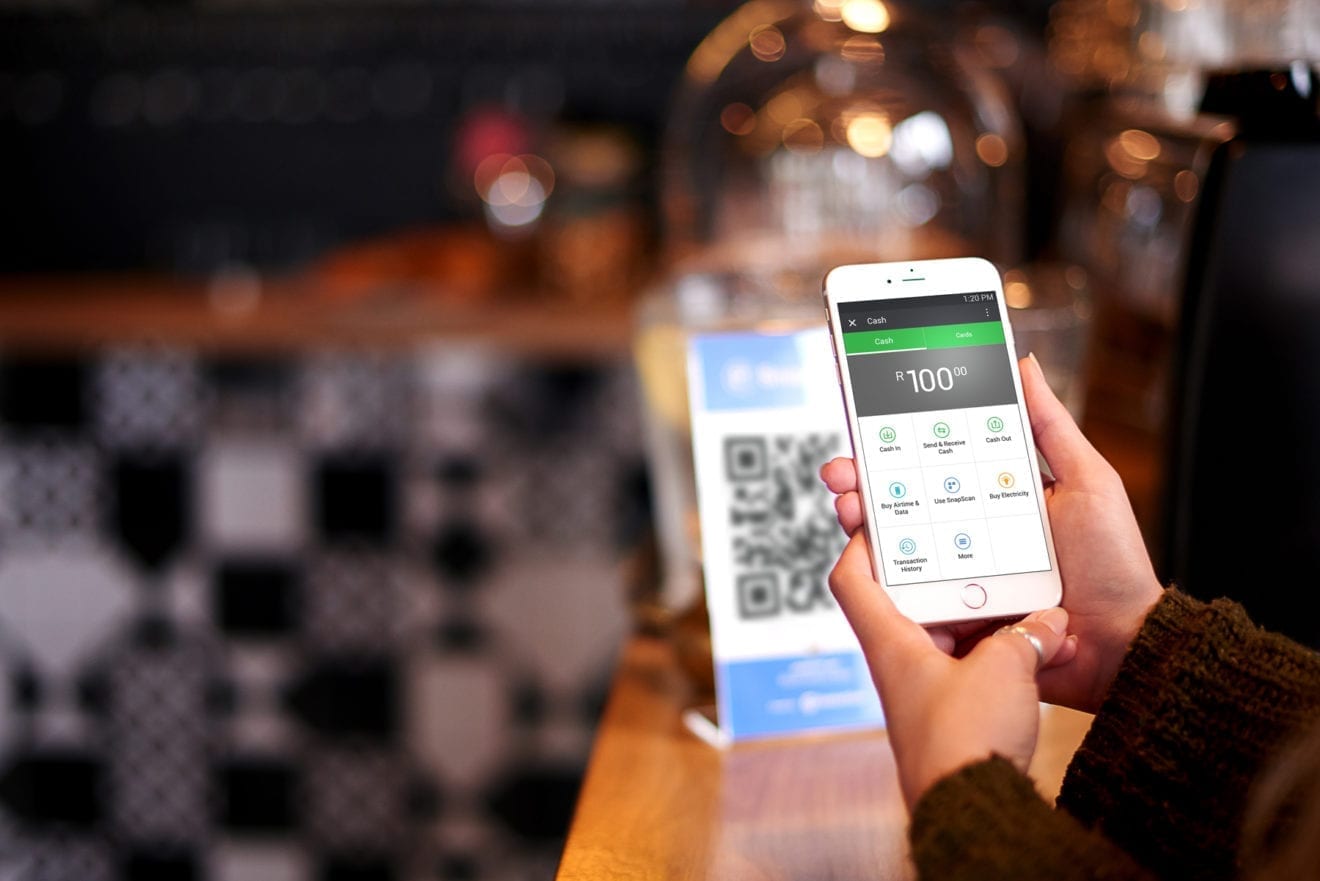
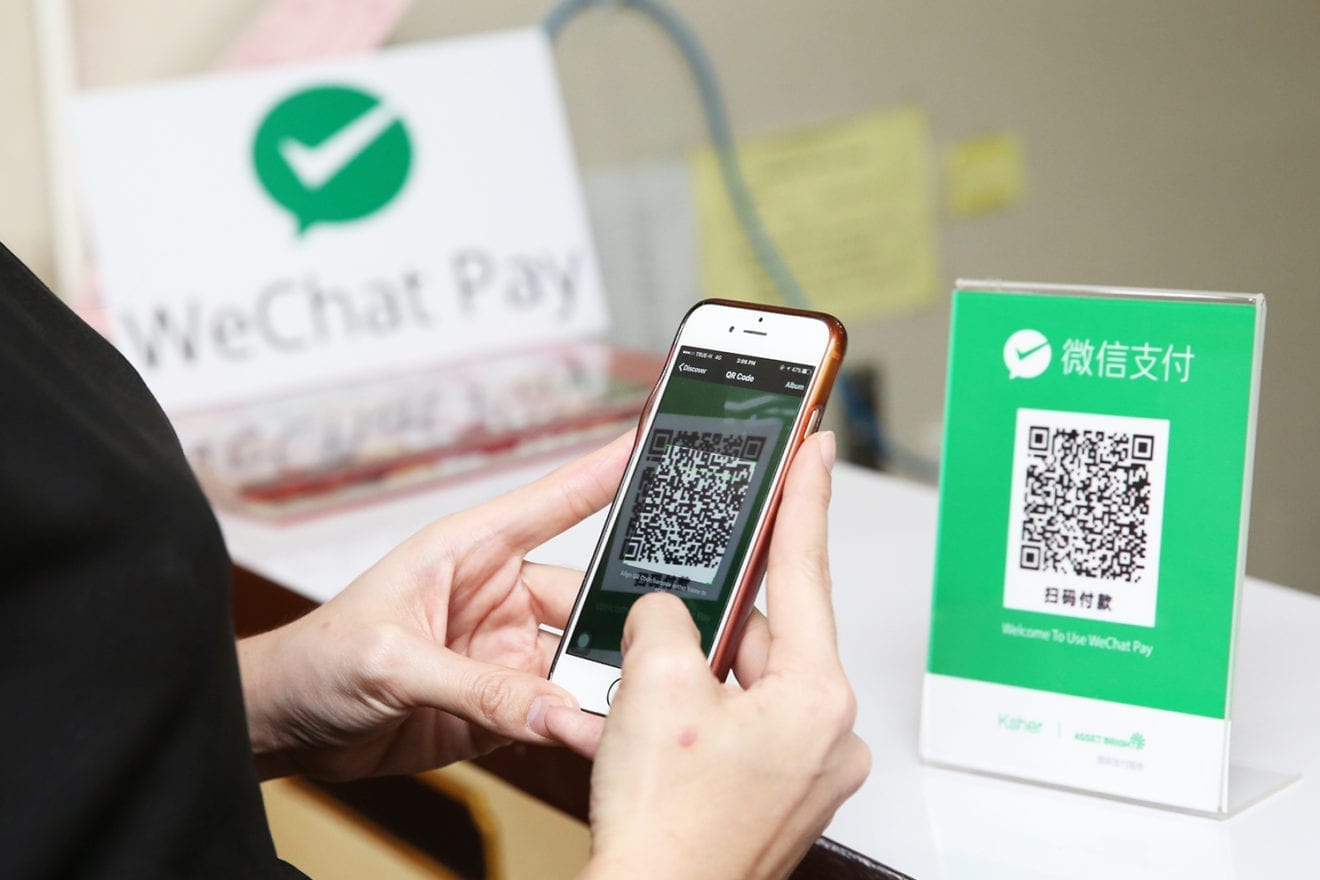
    China’s Alibaba Group Holding Ltd has begun offering payment services from Tencent Holdings Ltd’s WeChat on a number of its apps, after the government ordered major tech firms to stop blocking each other’s services and links.

    Local tech blog 36Kr reported on Tuesday that users of Alibaba’s food delivery app Ele.me, luxury goods app Kaola and e-book app Shuqi can now purchase goods via WeChat Pay, one of China’s most popular online payment options.

    Alibaba’s used-goods marketplace app Xianyu and supermarket app Freshippo have also applied for WeChat Pay integration, the tech blog said.

    Alibaba confirmed the contents of the report to Reuters. Previously, the main way users could make payments on those apps was via Alipay, from Alibaba’s financial affiliate Ant Group.

    Earlier this month, the Ministry of Industry and Information Technology said it had asked internet companies to end a long-standing practice of blocking each other’s links and services on their sites. Such practices prevented app users from seamlessly jumping to services between rival companies.

    Days later, Tencent’s WeChat messaging app started allowing users to access links to rival platforms. Previously, it had not allowed users to click on links sent via chat to, for instance, product listings from Alibaba’s Taobao marketplace.

    The changes come as authorities continue to tighten regulation in the internet sector.

    In April, antitrust regulators fined Alibaba a record $2.75 billion for anti-competitive behaviour.

  • US President Joe Biden temporarily lifts ban on TikTok and WeChat

    US President Joe Biden temporarily lifts ban on TikTok and WeChat

    What could come as a big relief to Chinese tech companies banned in the US, newly elected President Joe Biden has temporarily halted legal action against Chinese social media apps TikTok and WeChat, which could have been banned in the United States.

    Outgoing president Donald Trump had sought to ban both apps, claiming they were a national security threat. However, the courts had temporarily blocked the White House’s attempted ban, and the presidential election had put the issue in the back burner.

    Both companies had taken legal action against the proposed bans.

    The new administration has now asked for an “abeyance” – or suspension – of proceedings while it revisits whether the apps really pose a threat.

    What the delay means is that both apps can continue to operate in the US while new staff at government agencies “become familiar with the issues in this case”,  according to the legal documents.

    Trump had claimed that the spread in the US of mobile apps developed and owned by Chinese firms threatened “the national security, foreign policy, and economy of the United States”.

    Messaging app WeChat has more than one billion users worldwide but says the US only accounts for 2% of its revenue. Video sharing app TikTok has about 800 million users worldwide, of which 100 million are in the US.

    The app’s owner, ByteDance, has been in talks with software company Oracle and supermarket giant Walmart to finalize a deal that would see TikTok’s US assets shifted into a new entity, to avoid a ban in the country.

    An earlier court filing had said the US Commerce Department was reviewing whether Trump’s claims about TikTok’s threat to national security justified the attempts to ban it from smartphone app stores and deny it vital technical services.

    The US Commerce Department had blacklisted over 70 Chinese tech companies, preventing them from buying US-made chips and components. The companies including Chinese telecom giant Huawei, were added to the United States’ “entity list”  due to national security concerns.

  • WeChat launches plan to stimulate retail growth

    WeChat launches plan to stimulate retail growth

    Chinese social-media and mobile-payment app WeChat has introduced measures aimed at boosting the recovery of the retail industry.

    The firm’s Wechat Retail Growth Plan is intended to help global businesses and brands strengthen their understanding and use of WeChat’s tools and functions to better resolve the challenges created by the coronavirus pandemic.

    The plan uses several recent services launched by WeChat, including WeChat Live for businesses – which allows them to interact with customers and generate sales via live streaming – and WeChat Work 3.0, which has become a key platform for remote working during the pandemic, connecting enterprises with customers.

    WeChat’s key services promoted by the growth plan also include 1 on 1 Consultant – which allows retailers to tap into existing user bases and manage fans as well as initiate direct conversation with followers – and WeChat Pay, which has encouraged cross-border e-commerce, local orders, and scan-and-go self-service during the pandemic.

    The firm has also launched a range of supportive policies for merchants facing challenges during the coronavirus outbreak.

    More than 1 billion Chinese consumers use WeChat’s platform.

  • WeChat Adds Diamond Purchase Traceability Feature

    WeChat Adds Diamond Purchase Traceability Feature

    Tencent partnered with Russian diamond miner ALROSA Group to offer an in-app blockchain-based feature that provides traceability for diamond purchases made through WeChat.

    WeChat adds a new capability for affluent users to access transparent information about the «origin, characteristics and ownership history» of diamonds purchased through the platform.

    In addition to ALROSA – which accounts for nearly one-third of global rough diamond production – UK-based tech firm Everledger was also part of the partnership, likely to power the blockchain technology the new feature leverages.

    Chinese diamond demand grew five percent to reach approximately $10 billion, according to De Beers’ Diamond Insight Report 2019. As a comparison, the U.S. market is currently at $36 billion.

  • Foreigners in China Can Soon Use Wechat Pay

    Foreigners in China Can Soon Use Wechat Pay

    Alipay and WeChat Pay have announced plans to open up their platforms to foreigners visiting the mainland.

    This week, the two dominant payment apps in China announced that they will allow their platforms to be used by visitors to China, possibly boosting spending there.

    Although Alipay and WeChat Pay’s logos are visible in stores and taxis in major cities around the world, it had previously been restricted to Chinese travelers with a China bank account. This is due to regulatory concerns about money laundering and cross-border cash flows.

    Ant Financial’s Alipay laid out a system that will work around current restrictions and can be used immediately. Travelers can use a prepaid card service provided by the Bank of Shanghai, and just periodically top up that account.

    In contrast, Tencent Holdings’ WeChat Pay intends to let people more directly connect their existing cards to its app. Visa said it will essentially enable its cards to work across the world’s second-largest economy.

    Tencent, under guidelines from regulators, has been discussing cooperation with U.S. card-network operators Visa, Mastercard, American Express and Discover as well as Japan’s JCB to support the linking of overseas credit cards to Wechat Pay, according to an article from Tencent News.

    This is a great step forward, both for consumers traveling to China and the overall payments industry. This partnership means that we’ll be working towards an environment where Visa cardholders will be able to use their Visa card in China at the millions of places where WeChat Pay is accepted, instead of having to rely on cash, Visa said in a statement. No time frame was provided for the rollout.

    For overseas firms, the move has big implications, potentially helping pave the way for future adoption of both platforms abroad.

  • DFS Group enables WeChat facial-recognition payments in Macau

    DFS Group enables WeChat facial-recognition payments in Macau

    DFS Group has become the first international retailer to activate WeChat facial-recognition payment outside Mainland China.  Authorized by the government of Macau, DFS Group has trialed 10 WeChat facial-recognition devices at T Galleria DFS.

    After Macau success, T Galleria Beauty by DFS in Hong Kong’s Causeway Bay will be the next store to enable the new payment system.

    “WeChat facial-recognition payment has become the predominant form of digital payment amongst key retail market players in Mainland China, further closing the gap between the online and offline experience,” said Zac Coughlin, a chief financial officer at DFS Group. “We are immensely proud to become the very first global merchant outside Mainland China to enable WeChat Facial Recognition Payment, as part of our commitment to constantly adapt to the ever-evolving needs of our customers.”

    With the facial-payment technology, DFS and WeChat aim to enhance their customers’ experience by doing away with QR codes.

    WeChat facial-recognition payment is only available to customers with a valid Chinese form of identification.

  • Cartier Capsule Exhibition “Into the Wild” opens doors in Macau

    Cartier Capsule Exhibition “Into the Wild” opens doors in Macau

    Cartier has partnered with DFS Group to open the first-ever Cartier Capsule Exhibition ‘Into the Wild’ in Macau City of Dreams, featuring the Panthere de Cartier

    The Cartier Capsule Exhibition presents three main “universes”, including The Design, The Salon and The Community.

    An animated jewelry designer table and jewelry creations are on display at The Design area while The Salon has a photo backdrop and recollection honoring the ‘panther woman’ Jeanne Toussaint. The Community is a digital wall where celebrities incarnate the wild spirit of Panthere.

    A WeChat mini-program allows visitors to play interactive ‘missions’ or capture personalized Panthere memories. Inside the Into the Wild exhibition, windows and counters with the panther icon are displayed to highlight new Panthere de Cartier Jewellery and Watch creations.

    Cartier and DFS Group jointly hosted the opening event for Into the Wild yesterday. The exhibition will take place until December 31 at T Galleria By DFS City of Dreams.

  • Luxury goes local as Chinese shoppers gravitate towards home-grown brands

    Luxury goes local as Chinese shoppers gravitate towards home-grown brands

    Affluent Chinese consumers have for years shown a preference for global, well-known brands and labels. But with growing sophistication in tastes and a penchant for unique styles, the well-heeled are now increasingly gravitating towards high-end Chinese designers.

    “While global forces will continue to impact China’s luxury market, domestically there’s this whole new wave [of Chinese designers] that is coming through and is transforming the market,” said Simon Tye, executive director of Hong Kong-based market research company Consumer Search Group (CSG).

    In a report released last month along with US and China-based public relations company Ruder Finn Group, CSG found that 74 per cent of affluent Chinese consumers are aware of at least one Chinese designer, and 45 per cent intend to buy more Chinese designs over the next 12 months.

    According to report, titled “The 2019 China Luxury Forecast”, a shift in purchasing attitude from buying to “show-off to outsiders” to a “reflection of personal taste” is evident in 76 per cent of Chinese consumers. These respondents said they buy luxury items that reflect personal taste, up by about 30 per cent since 2012, according to the report.
    According to Mintel China, another market research company, niche luxury brands are particularly popular among women between the ages of 20 and 24, who are single and have a postgraduate or higher degree.

    Karen Zhang, 24, a banking professional from Beijing, said: “I still like my Gucci and Dior bags, but nowadays I like to explore luxury brands that have interesting stories and doesn’t shout extravagance. I also like to buy products by Chinese brands that have a unique twist.”

    The growing interest in Chinese designers is illustrated by a fivefold increase in the number of such brands featured by Hong Kong-headquartered luxury goods store chain Lane Crawford in recent years, according to strategy consultancy OC&C. Comme Moi, a brand founded by Chinese model Lu Yan, is among the fastest growing brands in Lane Crawford stores in China.

    JNBY, regarded as the most commercially successful Chinese designer brand, has more than 1,500 stores worldwide. Angel Chen, known for her colourful approach to fashion and fusion of eastern and western aesthetics, is stocked internationally by 30 retailers, including Lane Crawford, Luisa Via Roma, H. Lorenzo and Dong Liang. She is part of the “new wave” making an impact locally and globally, according to CSG.

    Unlike traditional brands, which spend on large-scale marketing and advertising campaigns, these new brands rely more on their unique designs and the power of celebrities and “key opinion leaders” for publicity.

    “For instance, Chictopia, founded by a local designer, Christine Lau, offers innovative and high-quality products with a clear story theme for each season,” said Veronica Wang, associate partner at OC&C. “The brand is followed by a group of top local celebrities, such as Fan Bingbing and Angelababy, which helps to establish awareness among the young generation.”

    The brand launched an official website in 2016, which provides an online sales channel and allows for the sharing of the brand’s latest collections through WeChat.

    Wilson Li, 28, a Chinese designer, said: “This is a very interesting time [for Chinese designers] right now. Around 20 years ago, Chinese clothing companies produced items that were extremely cheap, and they didn’t care much about quality. But this isn’t the case any more.”

    Li said the US-China trade war was pushing the market to improve its offering: “The only way for Chinese designers and companies to break out is to improve their standards.”

    Li, founder and head designer at Wilson PK, is known for his innovative fabrics and creative knitwear. He said a growing number of Chinese companies had been investing more in research and development as well as quality control over the past 10 years, with the aim of shaking off the image being of “cheap”.

    His brand, which has been around for five years, can count celebrities such as American singer Lady Gaga and British musician Lianne la Havas as its fans.

    “For custom fashion pieces, which are priced between US$960-US$3,830, we usually reach our target consumers through our online look book and stylists,” said Li. “Mass market customers can shop the ready-to-wear collection on our website, with prices starting from US$50.”

    Li, a fashion design graduate of Central Saint Martins Art and Design College, added: “Nowadays, Chinese consumers don’t just want luxury, they want the stories that come with it.”

    Industry experts say it is important for niche luxury brands to maintain a sense of exclusivity and rarity through storytelling. Scarlett Zhao, associate research analyst at Mintel China, said: “Niche brand lovers tend to be better informed and are willing to pay more for a brand’s unique meaning.”

    According to these experts, the biggest competitive edge Chinese designers have is their understanding of local preferences. And according to Wilson PK’s LI, while it is too early for local designers to be considered as rivals to established global fashion houses, there are more opportunities for Chinese brands in the current market.

    “Let’s be honest, calling it a competition would be too difficult. But as a Chinese designer, I definitely want to liberate my own culture,” he said.

  • Walmart China to boost offline, online integration

    Walmart China to boost offline, online integration

    Walmart China has pledged to further its online/offline integration strategy with increased focus on fresh food distribution, private brands and membership services. The firm’s president and CEO Tan Wern-Yuen said the business will focus on “consolidating its upstream resources and to further improve product quality”. The firm is set to invest more than RMB700 million (US$103.7 million) in its first perishable food distribution centre in Dongguan this March, its largest investment in its 22 years of operations in China. The centre will serve its South Chinese stores.

    Walmart plans to build or renovate around a dozen such centers within the next 20 years, with fresh food now taking up a quarter of Walmart’s overall sales. Tan added that Walmart’s e-commerce transactions have now hit a consistent 150 per cent year-on-year growth rate. Its WeChat mini program “Scan and Go” counted more than 20 million users by the end of last year.

  • More Chinese seniors embrace WeChat

    More Chinese seniors embrace WeChat

    The ubiquitous WeChat is continuing to expand its reach across all age groups – especially among people aged 55 and above. According to the 2018 WeChat Data Report released at the WeChat Open Class Pro 2019 event in Guangzhou this week, seniors recorded the fastest growth of any age group last year. WeChat says more people are sharing more content on the platform: users are sending more messages, making more voice and video calls, and posting more frequently on their WeChat Moments timelines.

    Figures for September show WeChat had 1.082 billion monthly active users and 45 billion messages were sent daily on the app, up 18 per cent on the previous year. The number of calls daily – 410 million – was double the previous year’s number. From 2015 to last year, the volume of text messages rose 110 per cent, voice messages rose 212 per cent, image volume by 255 per cent and videos by a massive 1900 per cent.

    WeChat Pay is taking an increasing share of payments at retailers, with monthly transactions up 150 per cent in September, compared with the previous year. Transactions by consumers aged 55 and above in department stores rose by 320 per cent year on year.

    More people are using WeChat for work and more businesses are using WeChat to connect with customers and staff, according to the report.

    The company said WeChat Mini Programs, launched two years ago, has been widely adopted by users and businesses with more than 600 million people using Mini Programs at least once a week on services or products from more than 200 industry segments. The number of transactions (by volume) increased sixfold last year.

    In a statement, WeChat said it would continue to create more advanced tools, open APIs and enhanced cloud services so developers can help businesses build Mini Programs more efficiently.

    During the past year, WeChat has introduced features such as Scan-to-Buy enabling users to pay without queueing at cashiers and Smart Recommendations based on users’ past purchases to help merchants increase conversion and operational efficiency, grow their membership programs, reduce manpower costs and deliver more personalised services to customers.

    The WeChat Open Class Pro event is for merchants and developers. The photos accompanying this story are from the event.

  • JD stores open in Beijing and Mongolia

    JD stores open in Beijing and Mongolia

    Chinese online retail giant JD has opened two new innovative stores at Beijing Capital International Airport (BCIA) and Hohhot East Railway Station in Inner Mongolia. In a move to further expand the firm’s “boundaryless retail” strategy, the JD travel retail stores use the e-commerce company’s latest retail technology in order to make it easier and more enjoyable for travellers to purchase on the go. The openings add airports and railway stations to JD’s offline retail offerings, which already include convenience stores, supermarkets, and partnerships with hotels.

    Located in the departure lounge of Terminal 3 at BCIA for the next three months, JD’s pop-up store will offer popular travel items such as daily necessities, clothing, mobile accessories, beauty products, and bags and suitcases. The store uses JD’s smart store technology to understand how customers interact with products as well as which products to offer them. The integrated JD Zu Chongzhi platform can analyse customer behaviour and traffic flow, such as generating heat maps, in order to assist with product selection and inventory management, ensuring smooth store operations.

    “[Stocked] with items popular among travellers, the new shop will not only offer the products they want to buy most on their journeys – it will also allow them to personally experience what shopping of the future will be like, brought to them by China’s largest and most innovative retailer,” a spokesperson for BCIA said.

    The 100sqm unmanned Hohhot East Railway Station JD travel retail store opened in partnership with China Railway Express. It also makes the most of JD’s technological capabilities, with features such as facial-recognition payment and smart vending machines. Later, the store will make use of a Mini Program in WeChat so that customers can choose to buy on the spot and take their purchases with them, or shop online and have them delivered to a convenient location.

    JD Logistics and China Railway Express have been cooperating in logistics transportation since 2014, and have worked together to help facilitate the JD Luxury Express “white glove” delivery service as well as fresh food delivery via high-speed rail.

    “Many of our customers enjoy shopping while traveling and we’re determined to make sure they benefit from the convenience of JD wherever they are,” JD’s GM of social e-commerce and retail innovation, Bing Zhang, said.

    The new JD travel retail stores in Beijing and Inner Mongolia will provide them with a truly seamless experience that is unrivalled anywhere”.

  • Chow Tai Fook Jewellery Group, WeChat signed agreement deal

    Chow Tai Fook Jewellery Group, WeChat signed agreement deal

    Chow Tai Fook Jewellery Group has signed a memorandum of understanding with Chinese online platform Tencent to allow jewellery purchases using WeChat Pay. In a move to promote “seamless cross-border intelligent consumption”, the agreement allows Hong Kong WeChat users to use the platform’s digital payment solution to make purchases at specified Chow Tai Fook jewellery stores in Mainland China.

    The group is planning steps to activate WeChat Pay HK within more Chow Tai Fook Jewellery stores in the Greater Bay Area, as well as other cities throughout Mainland China. It is also seeking to extend the payment agreement to its other brands.

    “Striving for innovations and breakthroughs, we are committed to providing seamless and exceptional consumer experience through a wide range of innovative projects,” said Chow Tai Fook executive director Bobby Liu. “The introduction of advanced technology has made the convenience in offering cross-border consumption, online payments and an integrated online-to-offline shopping experience available to customers from Hong Kong.”

    Tencent Financial Technology VP Royal Chen said the collaboration with Chow Tai Fook Jewellery Group will fully make use of the available mobile payment technology.

    “Tencent Technology will vigorously promote cross-border financial cooperation. Leveraging financial and technological advancements, we aim to build a truly integrated service platform for those living in both Hong Kong and Mainland China.”

    Tencent Fin-Tech and Chow Tai Fook will also jointly explore and research proposals for ID verification in order to ease the flow of capital and manpower resources across the border.

  • Remodeled M&M’S World Shanghai reopened

    Remodeled M&M’S World Shanghai reopened

    M&Ms World Shanghai reopened yesterday in Shanghai Shimao International Plaza. The newly remodeled 1600sqm interactive store, which offers an immersive, personalised experience with the M&M brand to residents and tourists, remains the only one based in Asia.

    The store is part of the global M&Ms retail business, which includes My M&Ms’ e-commerce sites and a B2B channel in the US and Europe.

    The M&Ms World Shanghai experience store features a “Great Wall of Chocolate” made out of more than 1 million M&Ms, a personalised printer, and a device that scans customers to create a personalised M&Ms avatar. It also features an improved checkout experience that allows mobile payment options from Alipay, WeChat and Apple Pay.

  • Walmart China tests same-day delivery from Dada

    Walmart China tests same-day delivery from Dada

    Walmart China has begun testing same-day grocery delivery in its Xiangmihu store. The new Walmart To Go service is available within a WeChat mini-program, following Walmart’s partnership with online social networking provider Tencent earlier this year. It is currently undergoing trial with future rollout pending feedback from customers who opt in to the service.

    Those ordering from the nearly 8000 SKUs available on the app can receive delivery in as little as one hour via a service provided by Dada.

    Another of Walmart’s new mini-programs being tested at the branch displays a digital map that shows in-store shoppers inventory location and stock status.

  • Tencent finished Q3 with strong result despite regulation

    Tencent finished Q3 with strong result despite regulation

    Gaming and chat specialist Tencent has reported a strong third-quarter profit despite ongoing issues with Mainland China regulatory authorities over its gaming software. Tencent’s share price has fallen by about one third this year, shedding US$165 billion off its value, although last year its share price doubled. In September the company announced a restructuring program aimed at lessening its reliance on games and expanding its interests into areas such as cloud and industrial services in the transport, fintech and healthcare sectors.

    Tencent profit in the September quarter rose 30 per cent to RMB23.3 billion (US$3.36 billion) which exceeded analysts’ forecasts. This was partly due to fair-value gains from the IPO of food delivery service Meituan Dianping.

    Growth in its gaming division was ahead of expectation, but the company was unable to update shareholders on the status of its negotiations with mainland government officials over a regulatory block which has frozen new game approvals. The government has yet to decide on whether or not to allow Tencent to begin charging for features of its popular PUBG Mobile game. Chinese authorities are concerned that many Chinese are becoming addicted to mobile games.

    Those roadblocks were cited as the reason Tencent’s growth rate – a respectable 24 per cent, nonetheless, to US$11.6 billion – was its slowest quarter in more than three years.

    Sales of smartphone games grew 7 per cent year on year and 11 per cent quarter on quarter, while advertising sales, the company’s single largest revenue source, rose 47 per cent

    Revenue from cloud and payment services (WeChat Pay) helped fuel a 69 per cent increase in Tencent’s “other” revenue category.