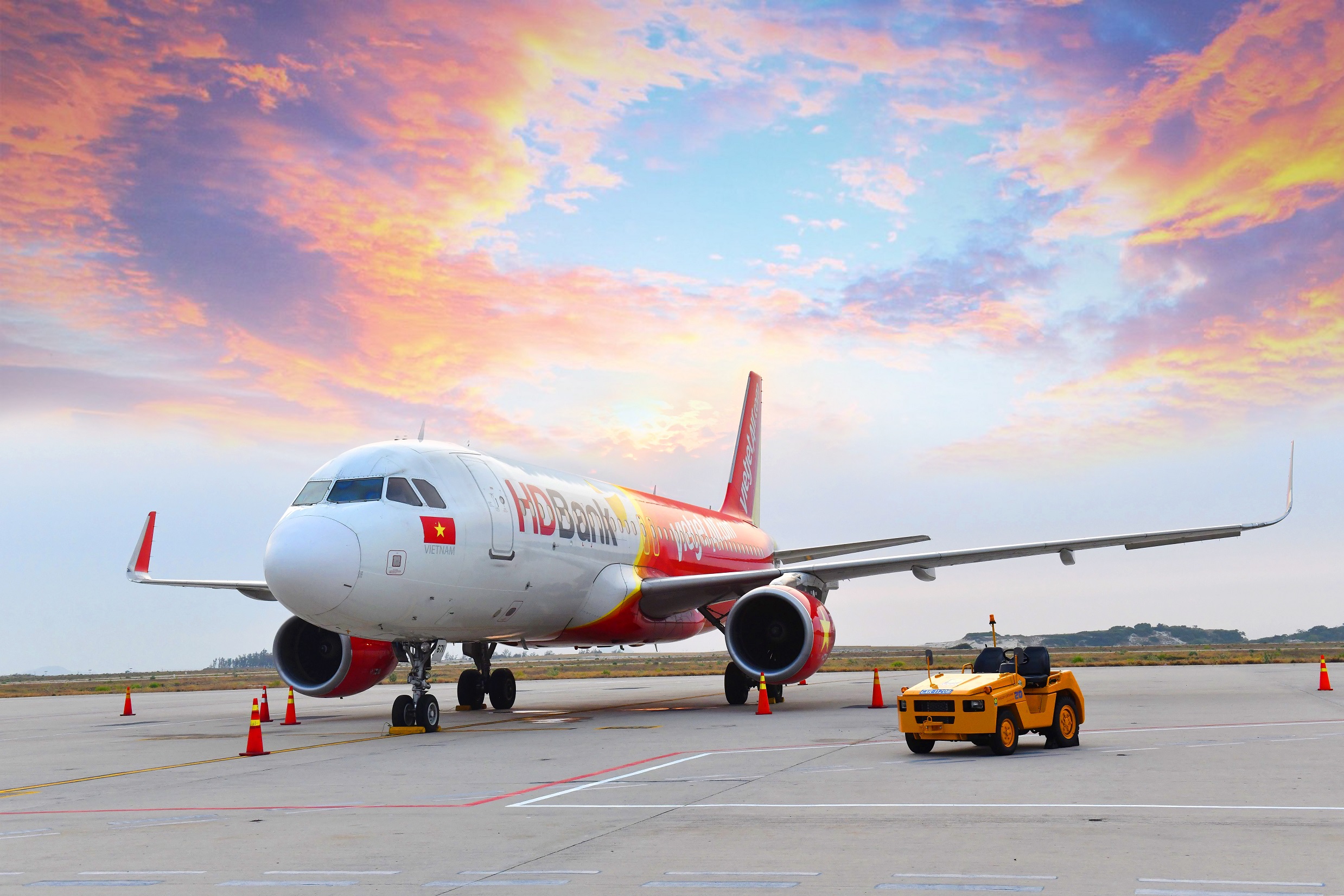
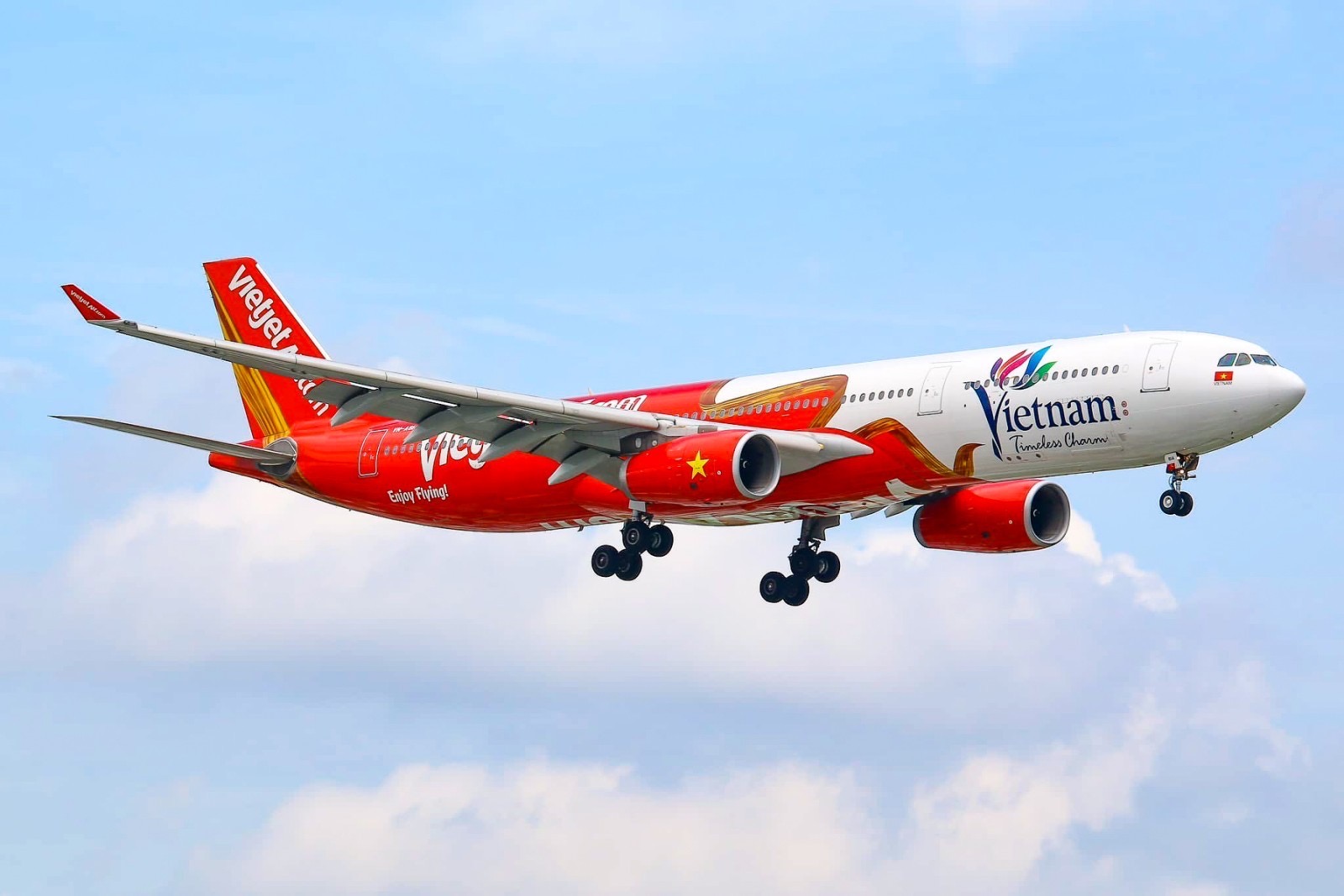
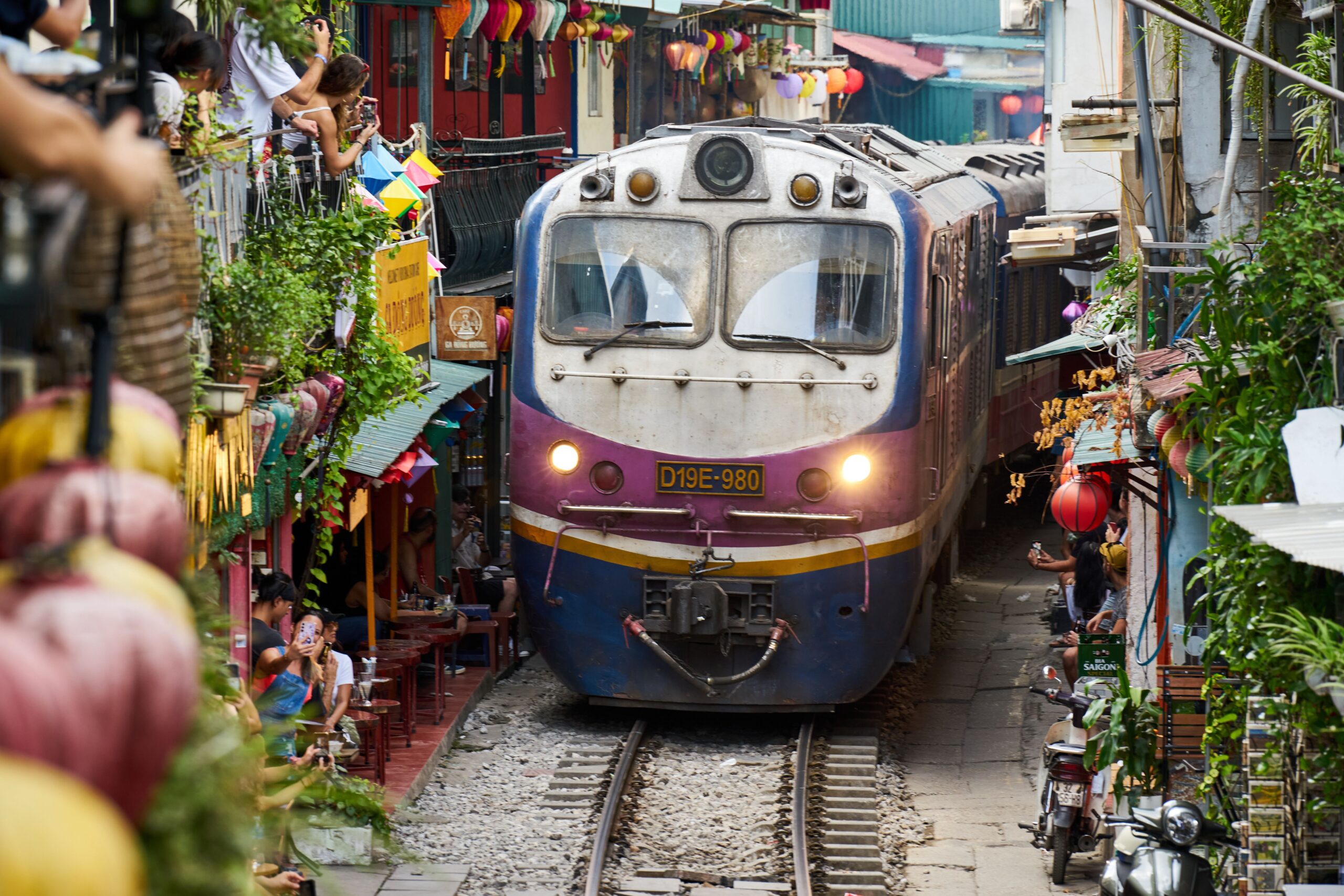
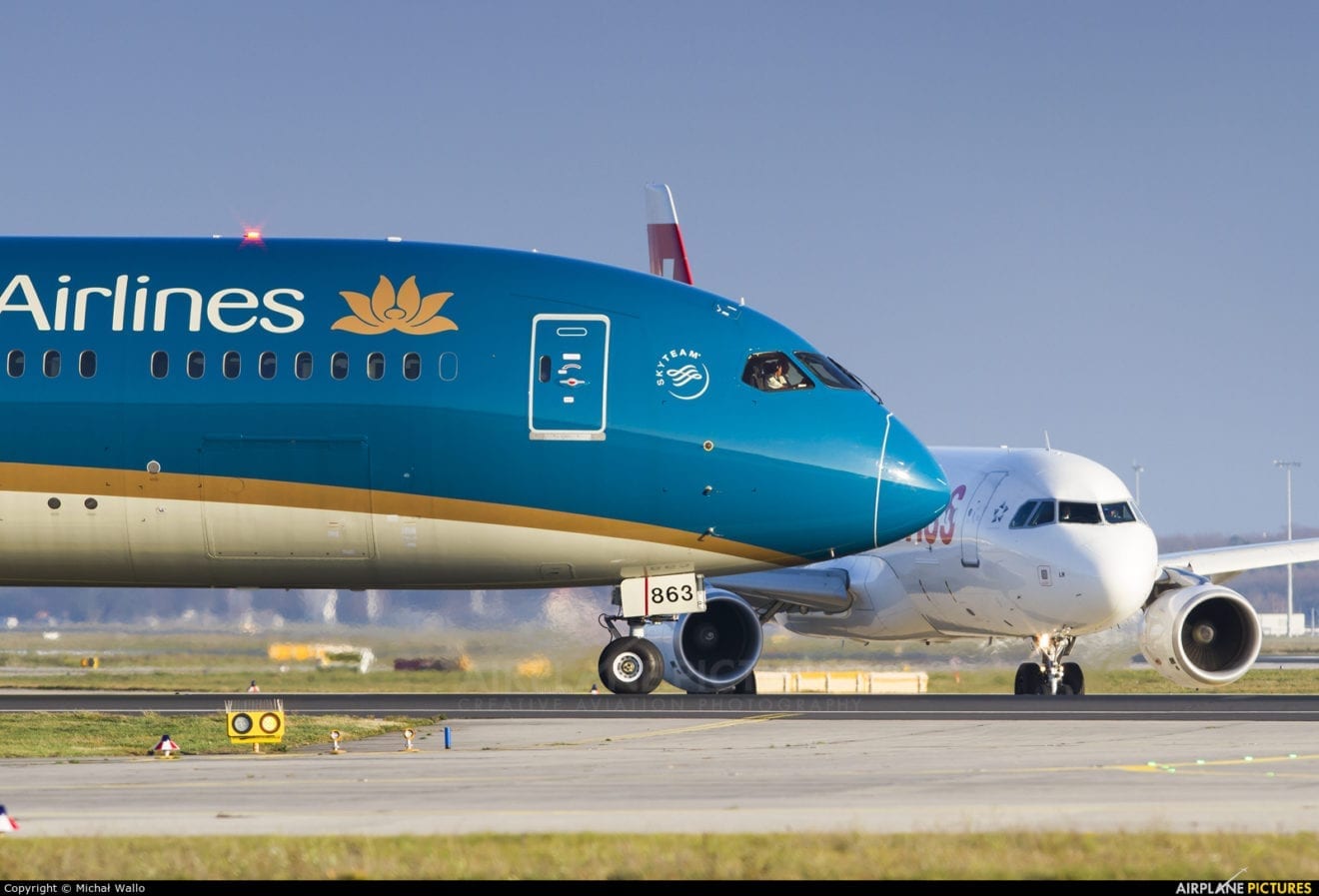
Vietjet is welcoming the New Year with a one-day-only 30% discount on Deluxe fares across all domestic and international routes on 15 January 2026, giving travellers in Singapore the perfect opportunity to plan their 2026 Vietnam adventures—whether it’s a beach escape to Phu Quoc or Da Nang, or a city break in Hanoi, Ho Chi Minh City, and more at affordable prices.
From 01:00 on 15 January to 00:00 on 16 January (GMT+8), travellers booking Deluxe tickets via www.vietjetair.com or the “Vietjet Air” mobile app can enjoy 30% off base fares (excluding taxes and fees) by entering the promo code DELUXE2026. The offer applies to flights operated from 1 February to 31 December 2026 (Travel periods may vary by route and blackout dates apply), giving travellers plenty of time to plan ahead for holidays, long weekends, and year-end trips.
Designed for added comfort and flexibility, Vietjet’s Deluxe fare includes 20kg of checked baggage, free seat selection, free itinerary changes, and other value-added benefits (terms and conditions apply).
Vietnam continues to be a favourite year-round destination for global travellers, offering a vibrant mix of culture, cuisine and landscapes. From Hanoi’s vibrant streets and ancient cultural heritage to Ho Chi Minh City’s electric energy, to the misty mountain splendours of Ha Giang, Sa Pa, and the pristine beaches of Da Nang, Phu Quoc, and Nha Trang, the country weaves an irresistible tapestry of world-class cuisine, rich traditions, stunning nature, and genuine hospitality.
Onboard, passengers can enjoy fresh, hot Vietnamese favourites such as Pho, Banh Mi, and Vietnamese iced milk coffee, alongside a selection of international options, served by Vietjet’s professional and attentive cabin crew on a new, modern fleet.
In a significant adjustment for eager travelers, Disney has relocated the inaugural sailing of its new cruise ship, the Disney Adventure, from December 15 to March 10 of next year. The shift comes in light of unexpected delays in the shipbuilding process, a decision Disney Signature Experiences President Joe Schott addressed during inquiries from Mothership. “To ensure the experience we deliver reflects our commitment to excellence, we’ve made the decision to adjust our timeline,” he stated, acknowledging the potential disappointment for guests.
For those affected by the change, Disney is actively providing flexible rebooking options to maintain consumer trust. Guests originally booked for the December voyage will automatically be transferred to the new March sailing, and in a move that mirrors the magic of Disney, they will also receive a 50% refund for the inconvenience, as reported by The Straits Times.
A Dedicated Home Port in Singapore
The majestic Disney Adventure, which recently began sea trials to test its systems, will be stationed in Singapore for a minimum of five years. Those unable to join the March 10 voyage can opt for a full refund or rebook any future sailing at half price, available for cruises departing on or before March 31, 2027.
A Floating Theme Park Awaits
Originally marketed as a floating theme park for travelers from Southeast Asia and India, the Disney Adventure promises seven themed zones, including the standout feature—a 250-meter Iron Man rollercoaster on the upper deck. This thrilling ride is branded as the longest rollercoaster at sea and the first of its kind on a Disney cruise, guaranteeing a memorable adventure for all guests.
Impact on Bookings and Capacity
While the exact number of affected guests remains undisclosed, industry analysts from Bloomberg report that around 25 sailings will experience this rescheduling. With a capacity for up to 6,700 passengers, the Disney Adventure generated considerable buzz when tickets for its maiden voyage sold out on the first day of general sales last December. Pricing for three- and four-night cruises in 2026 starts at $1,060 and $1,412 per person, respectively, according to the cruise’s booking website.
Delays in maiden voyages are not an uncommon occurrence within the cruise industry. The launch of Disney’s Florida-based ship, Disney Wish, faced similar challenges in 2022, while competitors like Princess Cruises and Royal Caribbean International have also postponed inaugural sailings due to ship completion issues. Notably, the Disney Adventure stands apart from the rest of Disney’s lineup, having been acquired partially built from Genting Hong Kong in 2022.
Strategic Growth Plans
Looking ahead, Disney has laid out an ambitious strategy, announcing plans to double its investment in the cruise and parks business to $60 billion by 2033. Alongside this financial commitment, Disney aims to expand its fleet from the current six ships to a total of 13 by 2031, fueling excitement for the future of its cruise offerings.
Questions & Answers
How has Disney addressed the change in the Disney Adventure’s maiden voyage schedule?
Disney has automatically transferred guests to the new March 10 sailing and is offering a 50% refund to those impacted by the delay.
What unique features will the Disney Adventure offer its guests?
The ship will showcase seven themed zones, including the first-ever Iron Man rollercoaster at sea, the longest rollercoaster on a Disney cruise, making it a standout in the experience it offers.
What are Disney’s future plans for its cruise business?
Disney aims to double its investment in cruise and parks to $60 billion by 2033 and to expand its fleet from six to 13 ships by 2031, indicating significant growth in its cruise operations.
Vietjet Aviation Joint Stock Company has released its audited financial report for the first half of 2025, reporting strong growth and reinforcing its position as a rising global carrier. Vietjet now operates four direct services linking Singapore with Hanoi, Ho Chi Minh City, Phu Quoc and Da Nang and is boosting its services to Da Nang and Phu Quoc with 49 round-trip flights weekly between Singapore and Vietnam by the end of this year.
The airline’s performance reflects Vietnam’s emergence as a key aviation hub in Asia and worldwide, while expanding its international network with a new direct route to Manila, Philippines.
Robust Financial Growth
In the first six months of 2025, Vietjet achieved air transport revenue of VND35.601 trillion (approx. SGD1.73 billion), with a pre-tax profit of nearly VND1.6 trillion (approx. SGD77.80 million), marking a 37% Year-on-Year (YoY) increase. Consolidated revenue was VND35.837 trillion (approx. SGD1.74 billion), with a pre-tax profit surpassing VND1.651 trillion (approx. SGD80.26 million), reflecting a staggering 65% YoY growth.
During this period, Vietjet operated 79,000 flights, transporting 14.4 million passengers and contributing over VND4.528 trillion (approx. SGD219.83 million) in taxes and fees. The company’s financial indicators remain strong, with excellent liquidity and consolidated assets exceeding VND112 trillion (approx. SGD5.44 billion).
Fleet Expansion and Strategic Investments
Vietjet continued its fleet expansion, ordering 20 A330neo aircraft with Airbus, raising its total order for A330neo to 40, making it the airline with the largest A330neo order in the world.
At the 2025 Paris Air Show, Vietjet secured a historic order for 100 A321neo aircraft, along with 50 purchase options—the largest deal in the industry—positioning Vietjet among the top 10 airlines globally in terms of aircraft orders.
Additionally, Vietjet and Rolls-Royce have signed an agreement for 40 Trent 7000 engines to power 20 wide-body Airbus A330neo aircraft, bringing the total number of Trent 7000 engines ordered by the airline to 80.
Vietjet has broken ground on its Aircraft Maintenance Technical Center at the under-construction Long Thanh International Airport, featuring Hangars 3 and 4 capable of servicing 10 aircraft simultaneously. Additionally, self-service ground operations have been rolled out at major airports to optimise operations and enhance the passenger experience.
International Expansion: Ho Chi Minh City–Manila Route
Vietjet will launch a new direct service linking Ho Chi Minh City with Manila, beginning 22 November 2025, with five weekly round-trip flights. This route marks the airline’s first direct connection between Vietnam and the Philippines. Together with flight increases between Vietnam and Singapore, this connectivity will support seamless travel, trade, and cultural exchange in Southeast Asia.
Travellers can now book their seats at attractive introductory fares.
Recognised Excellence and Strategic Vision
Vietjet has been recognised by AirlineRatings as the “World’s Best Ultra Low-Cost Carrier” and ranked among the Top 5 revenue-generating enterprises by Forbes Vietnam for 2024. The airline continues to expand its footprint, having launched new routes to Singapore, China, India, and Japan in 1H2025, with more international services planned.
With a modern, fuel-efficient fleet, professional cabin crew, and innovative service offerings, Vietjet remains committed to delivering exceptional value and comfort while driving sustainable growth and global expansion.
Tokyo’s hospitality landscape is in for a makeover, with an exciting lineup of luxury hotels poised to make their debut. A recent report by JLL reveals that while there were no new international hotel openings in the Japanese capital during the second quarter of 2025, the second half promises to be bustling with activity as major brands prepare to enter the market.
A Luxury Surge on the Horizon
Notable names like Fairmont, JW Marriott, 1 Hotel, and Caption by Hyatt are gearing up for launches, indicating strong confidence among international brands to tap into Tokyo’s upscale travel market. This comes on the heels of a recovery in the city’s hotel sector, which has shown remarkable growth across all segments. The surge in inbound visitors has led to a steady rise in average daily rates (ADR), while hotel occupancy continues to rebound steadily.
Positive Trends and Room for Growth
According to the JLL report, Tokyo’s luxury and upper upscale segments witnessed notable improvements compared to the previous year. Year-to-date figures through June show that both ADR and occupancy have increased year-on-year, contributing to a substantial rise in revenue per available room (RevPAR). However, the city’s occupancy rates still trail behind levels seen in the vibrant Q2 of 2019.
Staying Vigilant Amid Global Uncertainty
Looking ahead, the buoyant trends observed in the first half of 2025 may face some turbulence due to rising geopolitical risks and global instability. JLL cautions that these factors could significantly influence hotel performance in the latter half of the year. While exchange rate fluctuations haven’t yet affected hotel metrics, a continuous decline in department store revenues, which fell year-on-year for five consecutive months starting February, suggests a shift in consumer spending habits among international visitors to Japan. It appears that tourists may be opting for memorable dining experiences and local attractions over traditional shopping sprees.
In an industry where maintaining a balance between luxury and experiential offerings is crucial, Tokyo is set to redefine its hospitality narrative in the coming months—making it an exciting moment for both investors and travelers.
Questions & Answers
What luxury hotel brands are planning to open in Tokyo by late 2025?
Fairmont, JW Marriott, 1 Hotel, and Caption by Hyatt are among the international brands set to debut in Tokyo during the second half of the year.
How has Tokyo’s hotel sector performed in 2025 so far?
The sector has seen continued growth across all segments, with improvements in average daily rates and occupancy rates compared to the previous year, though overall occupancy is still below pre-pandemic levels.
What challenges could impact Tokyo’s hotel performance in the latter half of 2025?
Rising geopolitical risks and global instability could create uncertainty, potentially affecting hotel performance as both exchange rates and consumer spending change.
Trains between Hanoi and popular central and southern tourist destinations are in demand, with sleeper berths sold out on weekends, thanks to improved pricing policies and services.
When Thu Minh from Hanoi attempted to purchase train tickets for her family’s weekend getaway to Da Nang City, she was met with a surprising twist—many trains were completely booked. Out of the nine trains scheduled for the trip, the SE17 train had just two sleeper berths remaining, while SE11 had three available.
Routes to Nghe An and Quang Binh Province demonstrated similar trends, with sleeper berths becoming increasingly scarce. “I didn’t expect train tickets in June to be this hard to get,” Minh lamented, adding, “My family might have to postpone our trip to next month.”
The Vietnam Railways Corporation’s ticketing website highlights the limited availability of sleeper berths on weekends throughout June, specifically on routes connecting Hanoi with central and southern provinces. A representative from the Railway Transport Joint Stock Company revealed that over 620,000 tickets have been sold this summer, with a projected passenger increase of 8-10% compared to the previous year by the end of the vacation period.
Analysts attribute this surge in popularity to several factors: competitive ticket prices for families, free travel for children under six, and an array of conveniences available for those traveling with young kids. Groups can also enjoy discounts of 3-15%.
Furthermore, the quality of services and amenities has improved significantly in recent years. Many train routes offer breathtaking views, making train journeys to central Vietnam especially sought after. Notably, even premium trains running between Hanoi and Da Nang frequently sell out, with sleeper berth fares reaching VND1.3 million (around US$50) each.
To accommodate the summer rush, the railroad service is expanding. New trains have been introduced along the Hanoi–Hai Phong City route, and the already popular line between Ninh Thuan Province and Da Lat has added three more trains, bringing the total to six. Daily departures are now also available between Hanoi and Beijing, enhancing connectivity with the Chinese capital.
Questions & Answers
What is causing the high demand for train tickets this summer? Many factors contribute to this surge, including competitive pricing for families, free travel for children under six, and improved service quality.
How much can passengers expect to pay for a sleeper berth on popular routes? Sleeper berths can reach fares of VND1.3 million (approximately US$50) on high-quality trains, yet they still sell out quickly.
What new routes have been added to accommodate travelers? The railroad service has expanded this summer with additional trains on the Hanoi–Hai Phong route and new options connecting Ninh Thuan Province to Da Lat, plus daily services to Beijing.
So, if you’re planning a train trip, make sure to book early—unless you fancy practicing your charm at the ticket counter!
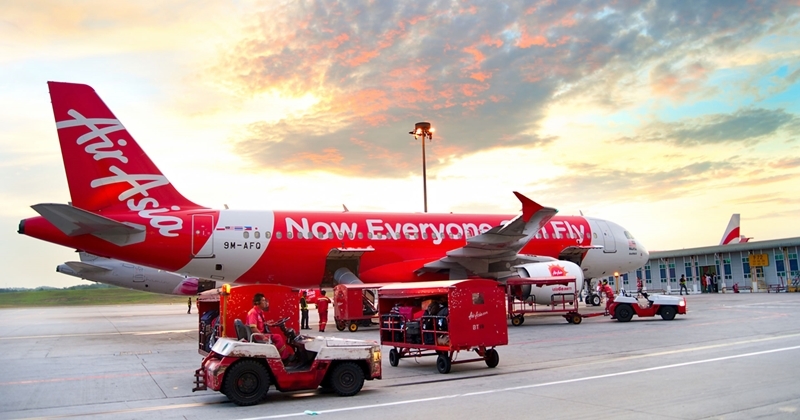
AirAsia Thailand (FD) celebrated its inaugural flight, Sunday, flying from Bangkok (Don Mueang) to Colombo, the capital city of Sri Lanka.
Operating the direct flight four times a week (Monday, Wednesday, Friday and Sunday) the low-cost airline uses an A320 on the route with 180 seats.
FD140 de departs Bangkok Don Mueng Airport (DMK) and 1945 and arrives in Colombo at 2200. FD141 departs Colombo at 2300 and arrives in DMK at 04005 on the following morning.
Booking website Kayak quotes a one-way Bangkok (DMK)-Colombo (CMB) on AirAsia at USD107. Roundtrip fares between the two cities average USD470 based on prices quoted by Thai Airways International and SriLankan flying between Bangkok (BKK) and Colombo (CMB) is more than double AirAsia’s roundtrip fares (DMK-CMB).
Sri Lanka is a major destination for Buddhist faithful from across the globe as it is home to numerous well-known religious locations, many registered as World Heritage Sites, the best known of which is the Temple of the Sacred Tooth Relic in the city of Kandy.
Other attractions include the forest-enveloped Sigiriya, often called the Machu Picchu of Asia due to its remote location. For other leisure seekers, Sri Lanka offers pristine nature experiences along the train route from Kandy to Ella, considered one of the most scenic train rides worldwide as it carves through valleys and tea fields. Tourists are usually drawn to the Ceylon tea plantation to learn about the process and enjoy a cuppa. Dimah is the most famous tea brand and offers tours with a tasting session at the plantation’s estate in the hill country of Nuwara Eliya.
Marking the resumption of the route post-pandemic, AirAsia offers a promotional fare from Bangkok (Don Mueang) to Colombo, Sri Lanka, pegged a THB2,990 one-way (USD85). Bookings are open until 16 July 2023 for travel from 9 July to 28 October 2023 via the AirAsia Superapp.
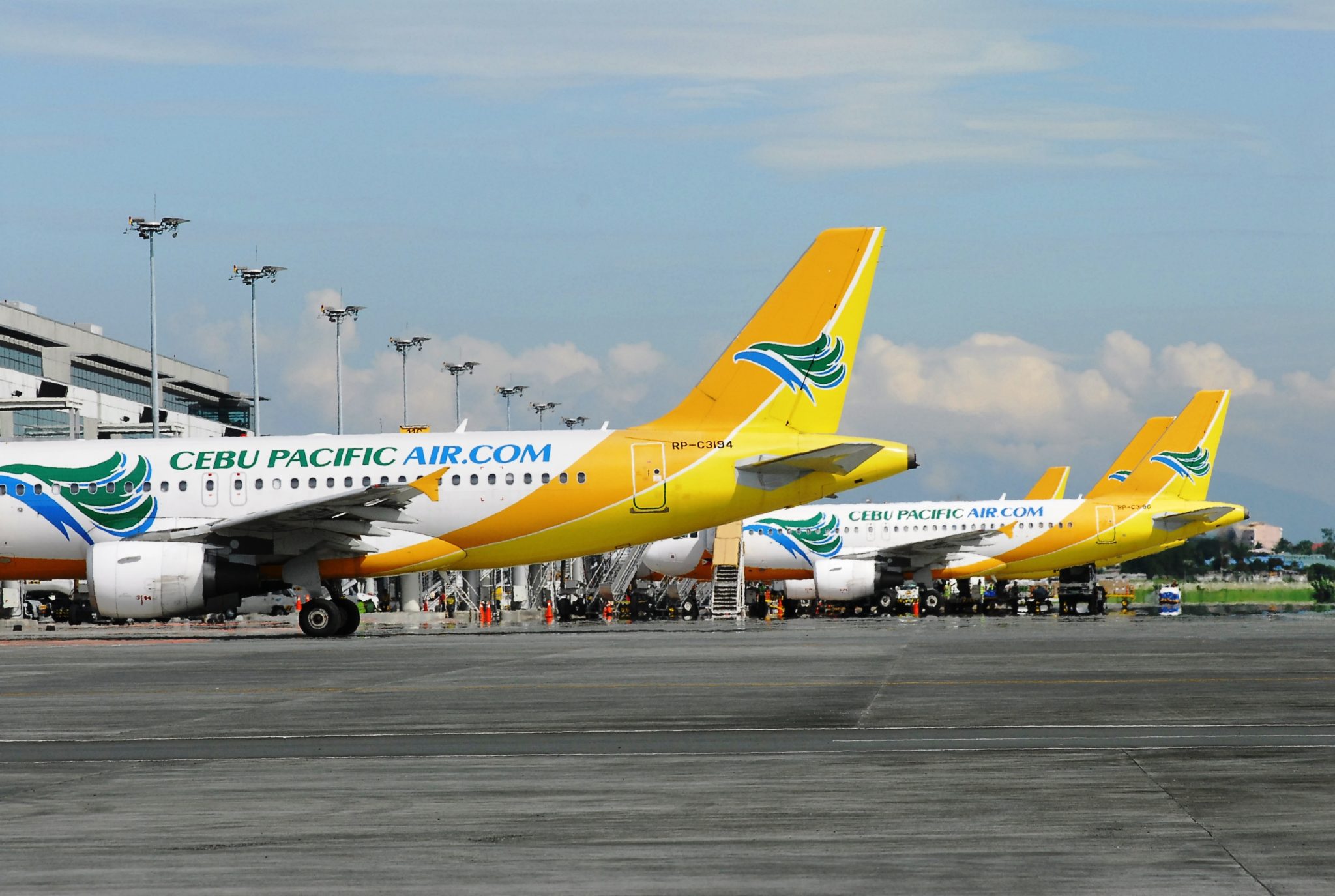
Budget carrier Cebu Pacific is set to mount flights to the Ilocos Norte capital of Laoag starting May 22, making it the 35th domestic destination in the airline’s network.
Cebu Pacific said flights from Manila to Laoag will be daily, as the airline seeks to tap travelers seeking to explore the Ilocos region.
“Laoag plays a crucial role in preserving the country’s rich history and culture, and we are excited to finally be able to bring more Juans to this beautiful city,” President and Chief Commercial Officer Xander Lao said in a statement.
“We hope the launch of the Laoag route will encourage more people to travel and experience the Ilocos region,” he added.
The carrier reported a P14-billion net loss in 2022, marking an improvement from the P24.9-billion net loss incurred in the previous year as it cut its operating loss by about half to P11.4 billion.
The company is set to add 11 more aircraft to its fleet this 2023, seeking to return to profitability within the first quarter of the year.
Shares in Cebu Air Inc., which operates the carrier, were trading up by P0.05 or 0.12% at P41.70 apiece as of 11:59 a.m. on Wednesday.
AirAsia parent company Capital A expects China’s reopening to international travelers in January to drive the recovery of its airlines this year.
AirAsia’s four airlines — Malaysia-based AirAsia, Indonesia AirAsia, Philippines AirAsia, and affiliate Thai AirAsia — plan to rapidly ramp up capacity to China from less than 1 percent of 2019 levels in December, according to Diio by Cirium schedules, to 90 percent by August, Capital A said in a fourth-quarter earnings presentation on Wednesday. And, barring any unexpected events or waning travel demand, they will fly 11 percent more capacity to China in November than they did four years earlier. The rapid return to China will support the group’s recovery to roughly 85 percent of 2019 capacity levels this year.
The group said its China capacity plans demonstrate its “confidence and commitment” to the market. Capital A CEO Tony Fernandes added that China’s reopening would “further boost” the company’s recovery.
China ended its no-Covid policy, and dropped most border restrictions in January. Since then, airlines from around the world have moved to resume flights that were suspended during the pandemic. All Nippon Airways, Cathay Pacific Airways, KLM, Singapore Airlines, and Swiss Air, to name a few, are all resuming flights in the next few months. And Singapore Airlines even called out China as partially driving the strong travel demand in the market.
The easing of China’s restrictions is especially important for AirAsia. The country was the largest source of international visitors to Thailand, and in the top three for international visitors to Malaysia and the Philippines in 2019, each country’s data show. That makes China a critical market for the budget airline’s success. Flights to and from China made up nearly 17 percent of the four AirAsia airlines’ combined capacity in 2019, Diio data show.
As part of AirAsia’s recovery to China, it plans at least five new routes to the country this year. This includes service to Shenzhen on Indonesia AirAsia, and a new Kuala Lumpur-Guangzhou nonstop on AirAsia.
Even without China, Capital A posted strong results in the fourth quarter as the Asian travel recovery accelerated. Group revenues increased 77 percent from 2019 to 2.4 billion Malaysian ringgit ($537 million); airline revenues were down 34 percent from three years earlier to 2.1 billion Malaysian ringgit. The group posted an operating loss of 198 Malaysian ringgit. Airline unit revenues, measured in revenue per available seat kilometer, were up 134 percent compared to 2019, while unit costs excluding fuel were up 106 percent. Capacity across the group’s four airlines recovered to 57 percent of 2019 levels in the December quarter.
Capital A’s much vaunted AirAsia Super App for travel continued to make gains in the fourth quarter. Revenues increased 41 percent year-over-year to 138 million Malaysian ringgit, and the segment was earnings before interest, taxes, depreciation, and amortization (EBITDA) positive at 100,000 Malaysian ringgit. However, despite the public push, the Super App results reinforce the fact that airlines, not travel technology, remain Capital A’s core business — airline revenues were more than 15-times higher than Super App revenues.
The group’s plan to merge its Indonesia, Malaysia, Philippines, and Thailand units into a single holding company, AirAsia Aviation Group, is forecast for completion by March.
AirAsia’s airlines operated 126 of 205 total Airbus A320 and A330 aircraft at the end of December. The group aims to fly 150 aircraft by the end of March, and fully reactivate its fleet by the end of September. AirAsia has 362 A320neo family aircraft on order, and expects its first five A321neos in 2024.
AirAsia’s long-haul brand, AirAsia X, is a separate company and not included in Capital A’s results.
Airlines and some experts have proposed hiking and eventually removing domestic airfare caps to support businesses in difficult times.
Last year, no domestic airlines were profitable because of higher fuel costs, foreign exchange rates, and interest rates, while airfare caps have been kept unchanged for eight years. On Friday, participants at a conference on supporting the aviation industry said that the caps should be removed.
Trinh Ngoc Thanh, executive vice president of Vietnam Airlines, said domestic airfare caps were last adjusted in 2015.
The current maximum fare is VND2.2 million ($96) for routes under 850 kilometers and VND3.75 million for those above 1,280 kilometers.
Airfare caps are placed only on domestic routes, not on international ones. As a result, the highest airfare of domestic flights is sometimes 40% lower than that of the HCMC – Singapore route, Thanh said.
Thanh and Nguyen Manh Quan, CEO of Bamboo Airways, proposed that the Ministry of Transport hike the airfare caps and then eventually scrap them to ensure the aviation industry’s sustainable development.
Quan also proposed the State still apply airfare caps on routes operated by only one airline, but let the market self-regulate routes tapped by at least two carriers.
Hoai Nam, a Vietnam Tourism Advisory Board member, said: “Removing the airfare caps will help domestic airlines improve revenues and profits during peak periods.”
He said that at present, no other countries in the world apply airfare caps, and none of the five domestic airlines has a monopoly position, so the caps should be removed as soon as possible.
However, if the caps are scraped, airlines must not negotiate with one another about airfares, seriously violating the Competition Law and affecting the interests of passengers, Nam added.
Tran Tho Dat, a member of the prime minister’s Economic Advisory Group, suggested the management agency should come up with a formula for regulating airfares like that for retail prices of gasoline and oil products.
“If there are no caps, we should create a formula, an open airfare range, to ensure fair competition and people’s interests,” he said.
In 2021, the Civil Aviation Administration of Vietnam proposed removing airfare caps on routes operated by three airlines or more to increase competition by service quality to serve passengers who are willing to pay higher than the ceiling price.
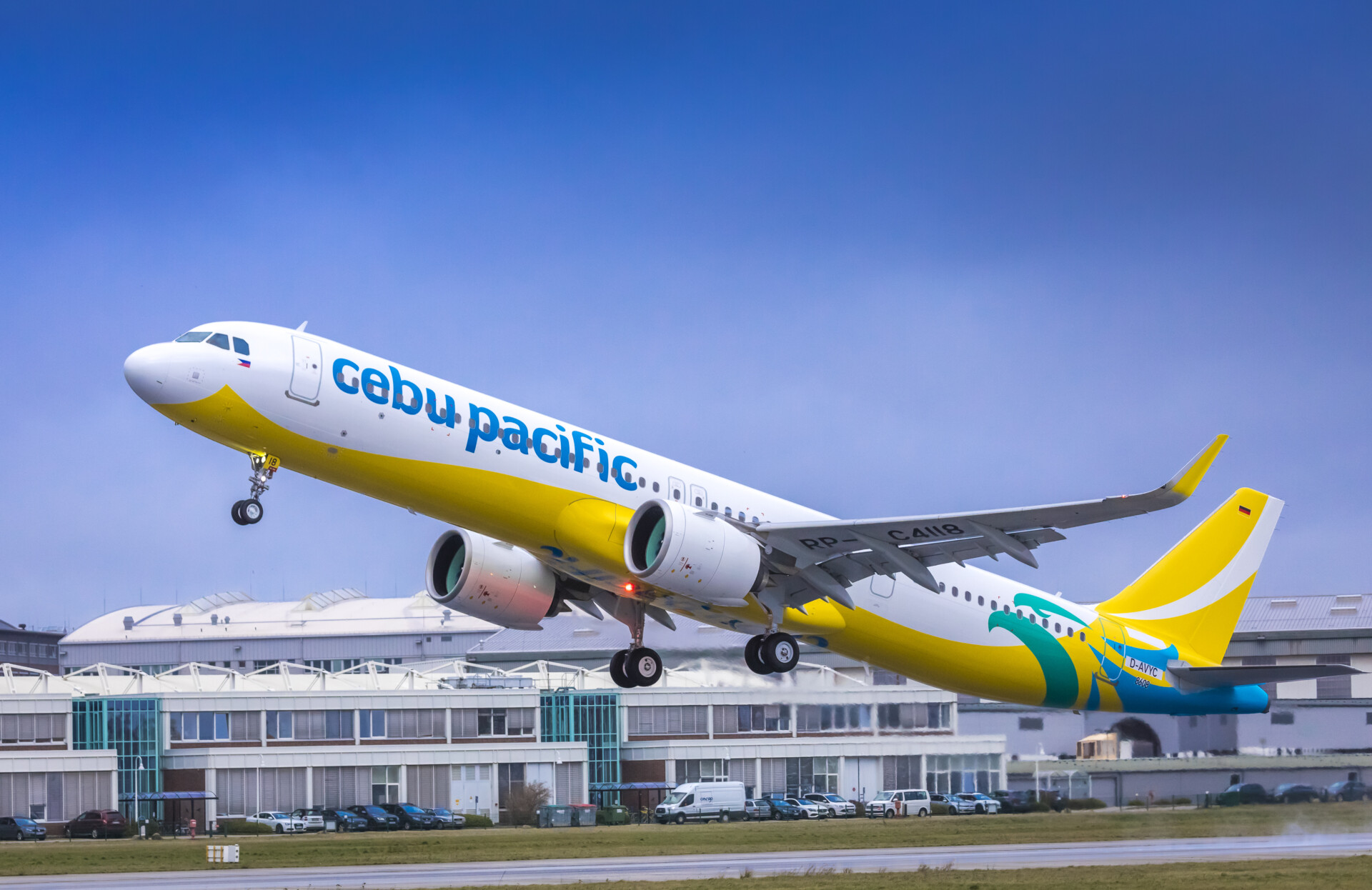
Cebu Pacific is set to restore 100% of its pre-Covid network and capacity by March 2023. It now flies to 34 domestic destinations and is set to bring back all its 25 international destinations before the end of the first quarter.
To support the return of domestic flights, the low-cost airline bundles fares to offer passengers a discount of up to 28% on their baggage, seat, and CEB Flexi fees when booking directly through the airline booking website.
CEB offers three fare bundle options; Go Basic, Go Easy, and Go Flexi.
On the Go Basic option, you pay for your fare and get one hand-carry baggage weighing up to 7 kg for free. With Go Easy, you can choose your standard seat and check in one piece of baggage weighing up to 20 kg.
Score the biggest discount on your seat and baggage fees and automatically get a CEB Flexi add-on with Go Flexi. This allows you to cancel your flight, store its amount in your Travel Fund, and get all the benefits of the Go Easy bundle.
Each fare bundle must be purchased at the initial booking for the discount to apply. CEB Fare Bundles cannot be refunded, transferred to another passenger, or stored in a Travel Fund without a purchased CEB Flexi add-on.
If you plan to travel to any destination in India within September 2023, we have an exciting surprise for you. If you feel like flight tickets are more expensive than your budget, you might be surprised to see the new AIX Connect prices. What is this new price and how can you get access to it? To know all about the recent updates of AIX connect, read till the end!
AIX Connect, previously known as AirAsia India, made a grand announcement of its newest discount. The airline launched the #TimeToTravel offer with a huge discount of flat 23% for all the flights on the domestic network. So, if you are in the mood to travel anywhere in India till September of this year, you definitely need to check out this deal.
AIX connect launched #TimeToTravel sale to influence and motivate more people to travel to beautiful destinations. From Kashmir in the North to Kerala in the South and from beaches to mountains to valleys, you can explore it all using this exciting discount by AIX connect.
AirAsia India network has more than 50 direct and 100 connecting flights to 18 places. Whether you are traveling for business purposes or for holidays and vacations, this airline provides great travel experiences to all passengers.
The weather is great right now to enjoy the holidays. India, being the home to such stunning locations, you can travel all around at any moment throughout the year. So, where are you flying to and fulfilling your travel expectations this year?
In March, AirAsia launched a subscription service called Super+ that provides unlimited flights in Malaysia and across the ASEAN region as one of its main attractions. Fast forward to today, the service has been revamped to include long-haul flights from AirAsia X.
Instead of just a single option, the AirAsia Super+ subscription service has now been divided into two. The first, the Super+ Lite is the closest to the original iteration and promises unlimited flights to destinations across Southeast Asia.
That being said, the new Lite option is now priced much higher at RM888 per year. As a comparison, the original Super+ subscription costs RM639, which is a noticeable difference of RM249.
As for the long-haul AirAsia X flights have been put into the Super+ Premium option, which comes with a price tag of RM2,288 per year. Each option includes additional perks, such as unlimited 5% discounts on hotels available via the AirAsia platform.
AirAsia Super+ subscribers can also obtain 10% discounts on AirAsia Ride service in Malaysia, Indonesia, and Thailand. That being said, the discount on the AirAsia Ride is capped at RM2 in Malaysia while it is also capped at THB16 (~RM2.02) in Thailand and IDR6,500 (~RM1.84) in Indonesia.
Not to forget, Super+ Lite and Premium customers would also receive 800 and 2,000 AirAsia points, respectively. However, the original bonus perks, such as COVID-19 insurance coverage and free delivery on food orders no longer available with the newly revamped Super+ offerings.
Quite some policies from the original Super+ service have been retained for the revamp. Among them includes three no-shows limit, a 14-day advanced booking requirement, and no bookings for selected embargo periods.
While Super+ subscribers are able to book their flights from today onwards, the date for the flights starts from 1 January 2023. Unlike the original Super+ version from earlier this year, AirAsia did not announce any customer limit or purchase deadline for the revamped options but nevertheless, the CEO of Capital A, Tony Fernandes at the launch event today noted that the offering would not be made available forever.
The announcement of the newly revamped Super+ subscription service seemed rather timely, as Capital A has recently revealed its plan to offload the company’s aviation businesses which includes AirAsia Malaysia, Thailand, Indonesia, and the Philippines to AirAsia X. If the plan goes through, it will result in the creation of a new consolidated aviation group and may also help elevate both Capital A and AirAsia X out of their current PN17 classification by Bursa Malaysia.
AirAsia X (AAX), the low-cost medium and long-haul airline of AirAsia Group, turned a net profit of RM25.1 million ($5.4 million), its first profit since 2019. AirAsia X restarted its passenger operations in February 2022 and announced the completion of its 17-month-long debt restructuring scheme in March 2022.
In its fifth quarter (5Q22) financial statement ending September 30, 2022, the airline outperformed a net loss of RM652.5 million ($142.6 million) posted in the previous quarter, recording a quarterly revenue of RM100.1 million ($218 million) in 5Q22.
The airline almost tripled its cash balance to RM79.5 million ($17.3 million), up from RM25.1 million ($5.4 million) during the previous quarter.
In a statement, the airline attributed its results to the recovery of key metrics and improved revenues across scheduled passengers, charter flights and ancillary revenues.
“AAX is now well on track in its recovery path even as the airline is compelled to operate in a challenging operational environment dictated by high fuel prices and a weakened Malaysian Ringgit against the US Dollar,” Benyamin Ismail AirAsia X Malaysia CEO said.
Ismail added: “While we are cautious of the strenuous operating conditions, we remain confident that the Company’s recovery is on the horizon, if not already within our reach.”
On the back of its positive 5Q22 results, AirAsia X has resumed previous scheduled passenger flights to Seoul, Delhi and Syndey.
High demand for its mid-range network has also driven the airline to announce the return of its services to some of its popular destinations such as Melbourne, Perth, Auckland, Tokyo-Haneda, Hokkaido-Sapporo, Jeddah and Bali-Denpasar.
Ismail also confirmed that demand on some short-haul routes (Kota Kinabalu and Kuching) exceeded the current available aircraft capacity during the quarter and that the airline will be reactivating more aircraft capacity.
“We look forward to welcoming everyone back onboard with us as we rise up to meet the strong pent-up demand for medium haul air travel across Asia. Importantly I am also thrilled to confirm that we are reactivating more aircraft to service, bringing back furloughed staff by the first quarter of next year and are now recruiting new flight crew once again.”
AirAsia X to double A330 aircraft by the first half of 2023
AAX currently operates a fleet of six A330s from a fleet of nine A330 aircraft.
However, AAX expects to increase its operating fleet to 13 A330 aircraft by the first half of 2023 to meet strong consumer demand.
Tunku Dato’ Mahmood Fawzy, Chairman of AirAsia X stated that the airline expects to reach more than 15 hours of aircraft utilization and introduce daily frequencies to its core markets for selected routes with high demand.
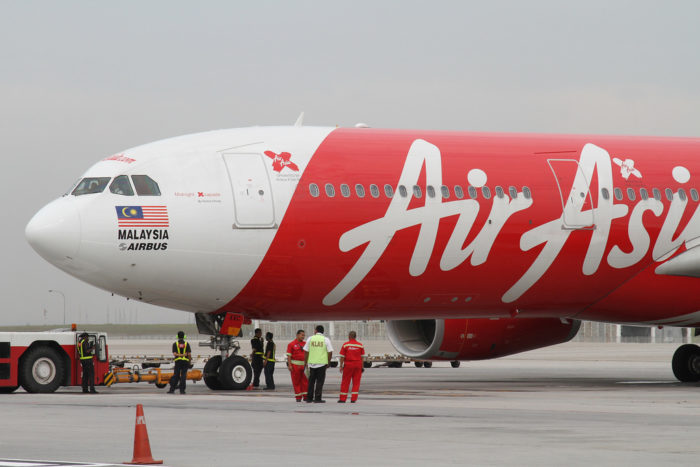
Malaysia’s AirAsia is facing a wave of complaints from customers who say they have still not been refunded for flights that were cancelled or rescheduled during the pandemic.
AirAsia and its subsidiary AirAsia X (AAX), both owned by Capital A Berhad, grounded thousands of flights in 2020 and 2021 after the Malaysian government shut state and international borders to curb the spread of COVID-19.
But months after the low-cost carrier resumed flights following the lifting of interstate and international border restrictions for Malaysians in October, hundreds of customers have taken to social media to complain of poor customer service and long waits for refunds.
Rohana Betak, 60, said she requested a refund of 4,000 Malaysian ringgit ($911) after the airline cancelled her flights between Senai and Kota Kinabalu, the capital of Sabah state, following the introduction of a nationwide lockdown in March 2020.
Betak, who planned to visit the area around Mount Kinabalu, Southeast Asia’s highest peak, with her family in October 2021, said the airline’s automated online customer service only offered her the option of travelling on different dates. Betak decided against accepting the offer due to uncertainty over when restrictions would be lifted and concerns about catching COVID-19. Two years later, she says she is still waiting for her money back.
“In my request, I said it was fine to refund me credits for the booking but instead I was reminded in June 2020 that I must board the flight to Sabah on a different date and there would be no refunds,” Betak told Al Jazeera.
“It was not helpful because instead of offering me at least credit in refunds, it told me I had no other choice but to travel on different dates.”
Rohana Betak, pictured in a pink hat in the back row, says she has been waiting two years for a refund from AirAsia [Courtesy of Rohana Betak]
Travel to Sabah before October 2021 was strictly limited to certain categories of travellers, including those travelling for work and those born in the state. Rohana and her family did not fall under any exempted category.
“When it demanded I get on another flight, I asked if they wanted to send me and my family to our deaths?” Betak said. “It’s so frustrating and I am so tired of trying to get my money back so I’ve accepted that I might not get my money back at all.”
Many of the complaints have been directed towards AVA, AirAsia’s online chatbot, which is the only line of communication between customers and the airline for issues involving bookings or flights.
In particular, some have questioned why it is so difficult to reach customer service to request a refund, even for flights booked since the lifting of pandemic restrictions.
Customer Aulia Chaerisa Salleh said she is waiting for a refund for a flight between Batam and Jakarta that was booked earlier this month after she was informed no seat was available.
“I paid for my ticket and it did not register in the system so I tried to get my refund for my tickets. I tried the AVA live chat but it is not helpful at all. It has been days, I haven’t heard from them,” she said.
Under AirAsia’s current refund policy, the airline offers customers a refund, credit or a new travel date whenever a flight is cancelled or postponed.
AirAsia told Al Jazeera the airline is engaged in ongoing dialogue with consumer regulators across the region to ensure compliance with all local regulations.
“AirAsia Group’s policies are in line with many low-cost operators in the travel industry worldwide and are fully compliant with all regulatory requirements and as a customer-centric airline, we have focused on resolving all customer queries during the pandemic as soon as possible,” a spokesperson said.
The airline group said it has resolved more than 90 percent of refund requests and is committed to resolving a small number of outstanding claims as soon as possible.
“In Malaysia for example, our current refund progress is only left with 0.03 percent of the refund requests we received and we are looking forward to completing the refunds exercise for all outstanding queries within the next few months,” the spokesperson said, adding that the past two years had been the most challenging in the history of commercial aviation.
The spokesperson added that “our passengers remain our number one priority” and the airline will “continue to enhance our services to deliver the very best in terms of safe, affordable and reliable air travel”.
Tan Kok Liang, president of the Malaysian Association of Tour and Travel Agents (MATTA), said the refunds backlog is a short-term issue and its 3,100 members will continue to book with AirAsia as long as requested by customers.
“The problem child is AAX and while air connectivity is crucial for tourism recovery, based on media reports, AirAsia should be held more accountable to all stakeholders,” Tan told Al Jazeera.
The hefty compensation paid out to airline co-founders Tony Fernandez and Kamarudin Maranun, who took home close to 30 million ringgit ($6.8m) combined last year, has also raised eyebrows.
Following the release of Capital A’s Annual Report 2021 last month, some social media users vented their frustrations on Fernandez’s personal Instagram accounts, with one comment slamming AirAsia as “the one and only airline that does not have a customer service phone number.”
Despite the generous executive compensation, AAX, the group’s long-haul carrier, was last year forced to undergo debt restructuring to save itself from liquidation after racking up huge debts during the pandemic.
In March, AAX announced it had completed its debt restructuring after creditors earlier agreed to a deal under which the airline would pay just 0.5 percent of outstanding debt and terminate existing contracts to restructureRM33.65 billion(US$8.1 billion) of liabilities.
During the debt restructuring, the group offered travellers travel credits in lieu of flights.
The Malaysian Aviation Commission (MAVCOM), however, urged the airline to reimburse customers for tickets purchased while threatening to exercise its powers under the Malaysian Aviation Commission Act 2015.
Capital A posted revenue of 1.7 billion ringgit ($387m) in the 2021 financial year, down 47 percent from the previous year, as capacity sank to just 36 percent of 2020 levels.
In an industry first, Tune Protect and AirAsia have launched the Covid Travel Pass as an added convenience for air travelers to meet the mandatory insurance coverage set by the governments for fully vaccinated international travelers flying into the countries. Kicking off with Langkawi, Malaysia, and various tourist destinations in Thailand, the service will be expanded to include other countries and destinations in due course.
Currently, travelers flying AirAsia into Langkawi, Malaysia, and destinations in Thailand can subscribe to the Covid Travel Pass when booking their flight tickets on the AirAsia super app, post-flight purchase subscription options are also available before travelers depart. The introduction of the Covid Travel Pass plans is timely as they also meet the year-end travel needs of AirAsia’s guests who wish to head to their much-awaited holidays and the impending opening of regional and international borders.
The Covid Travel Pass plans are complete with enhanced COVID-19 coverage to satisfy the Malaysian government’s requirement for international travelers coming into Langkawi to have mandatory insurance coverage of USD 80,000 while for Thailand, the required mandatory coverage is USD 50,000.
“As Malaysia and Thailand open their international borders, AirAsia is prepared to meet the rise in the pent-up travel demand especially towards the end of the year as a peak travel period. Traveling today comes with a new set of protocols and we want to reassure our guests that we are ready to welcome them with the right travel protection products provided by Tune Protect while observing strict and disciplined protocols to ensure the safety of our passengers in-flight and beyond so that they can have total peace of mind,” said Bo Lingam, Group CEO of AirAsia Aviation.
AirAsia has spent a period of downtime in travel over the past one-and-a-half years to further improve and revamp its flight procedures and processes. In the highest interest of safety and well-being of all its guests and employees, AirAsia will accept only fully vaccinated guests onboard its flights, and likewise, ensure only fully-vaccinated employees will operate flights and be on duty at the airport terminals.
Despite mostly not flying for a good part of the past 18 months, all AirAsia’s aircraft are properly maintained according to procedures set by the manufacturer. AirAsia has set up an in-house maintenance, repair, and operations (MRO) unit called Asia Digital Engineering that provides services not only to AirAsia but also other airlines. Likewise, all its pilots and cabin crew are regularly sent for mandatory refresher courses and ongoing retraining so that they are always on top of their job.