Retail News CRM

Tag: weekend

  • Vietravel posts $3 mln loss in Q1

    Vietravel posts $3 mln loss in Q1

    Tourism company Vietravel has already posted a loss of VND72.8 billion ($3.15 million) this year, or 81 percent of the loss it suffered in the whole of last year.

    Revenues fell nearly 65 percent to VND277 billion as the Covid-19 outbreaks in the first quarter hit travel.

    Its accumulated losses as of the end of March were over VND102 billion, or higher than its equity.

    The company targets an increase of 411 percent in revenue to VND6.24 trillion this year and a pre-tax profit of VND10 billion.

    In the first quarter it spent nearly VND59 billion on its new carrier, Vietravel Airlines, which began operations at the end of last year.

  • AirAsia announces free rescheduling on all flight bookings till May 15

    AirAsia announces free rescheduling on all flight bookings till May 15

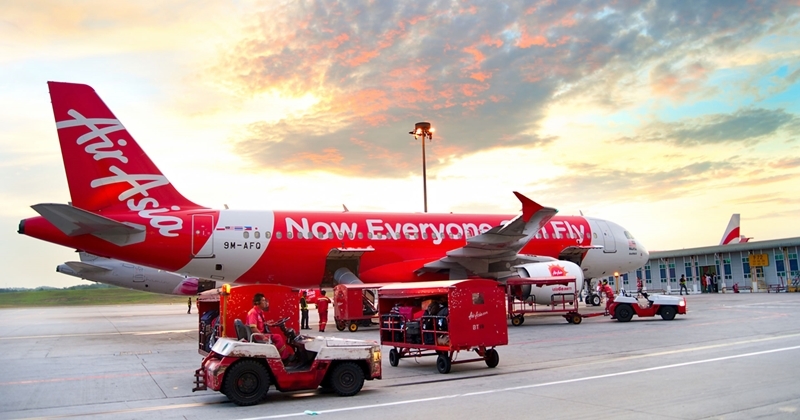
    AirAsia India has announced free rescheduling on all flights for bookings till May 15, 2021.

    In a statement, the airline said that guests can now make unlimited changes for all bookings and changes made till May 15, irrespective of the travel dates, without incurring any flight change fees.

    “To ensure that its customers continue to have the greatest flexibility if their travel plans change with increased uncertainty and travel restrictions, the airline has extended this offer on its new website www.airasia.co.in as well as other major booking channels,” it said.

    The airline said that it left no stone unturned in adopting a multi-layered approach to offering safe and seamless travel for guests from booking to check-in and arrival.

    All aircraft undergo deep cleaning and sanitation, while cabin disinfection takes place before each flight, it said.

  • AirAsia offers cheap flights to Boracay, Bohol, Palawan

    AirAsia offers cheap flights to Boracay, Bohol, Palawan

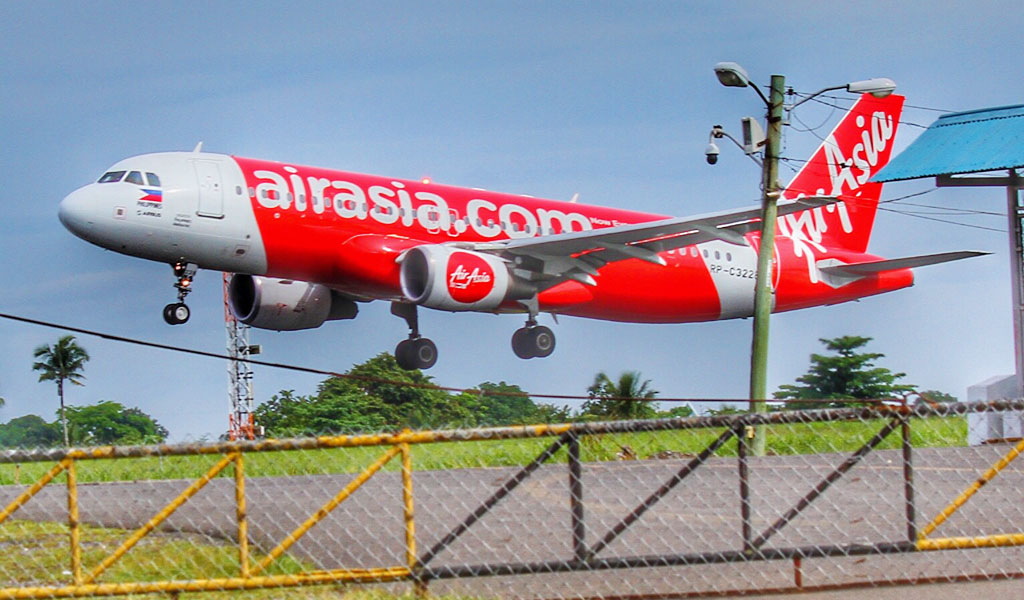
    AirAsia is offering discounted one-way flights to several destinations in the Philippines. Cebu to Davao flights can be availed for as low as P98, while Manila flights to Cagayan de Oro, Cebu, Kalibo, and Tacloban can be booked for only P288.

    For as low as P317, travelers from Manila can book flights to Caticlan (Boracay), Bohol, Davao, Iloilo, General Santos and Puerto Princesa.

  • AirAsia founder Tony Fernandes claims governments ’ Covid-19 coordination ‘horrific’

    AirAsia founder Tony Fernandes claims governments ’ Covid-19 coordination ‘horrific’

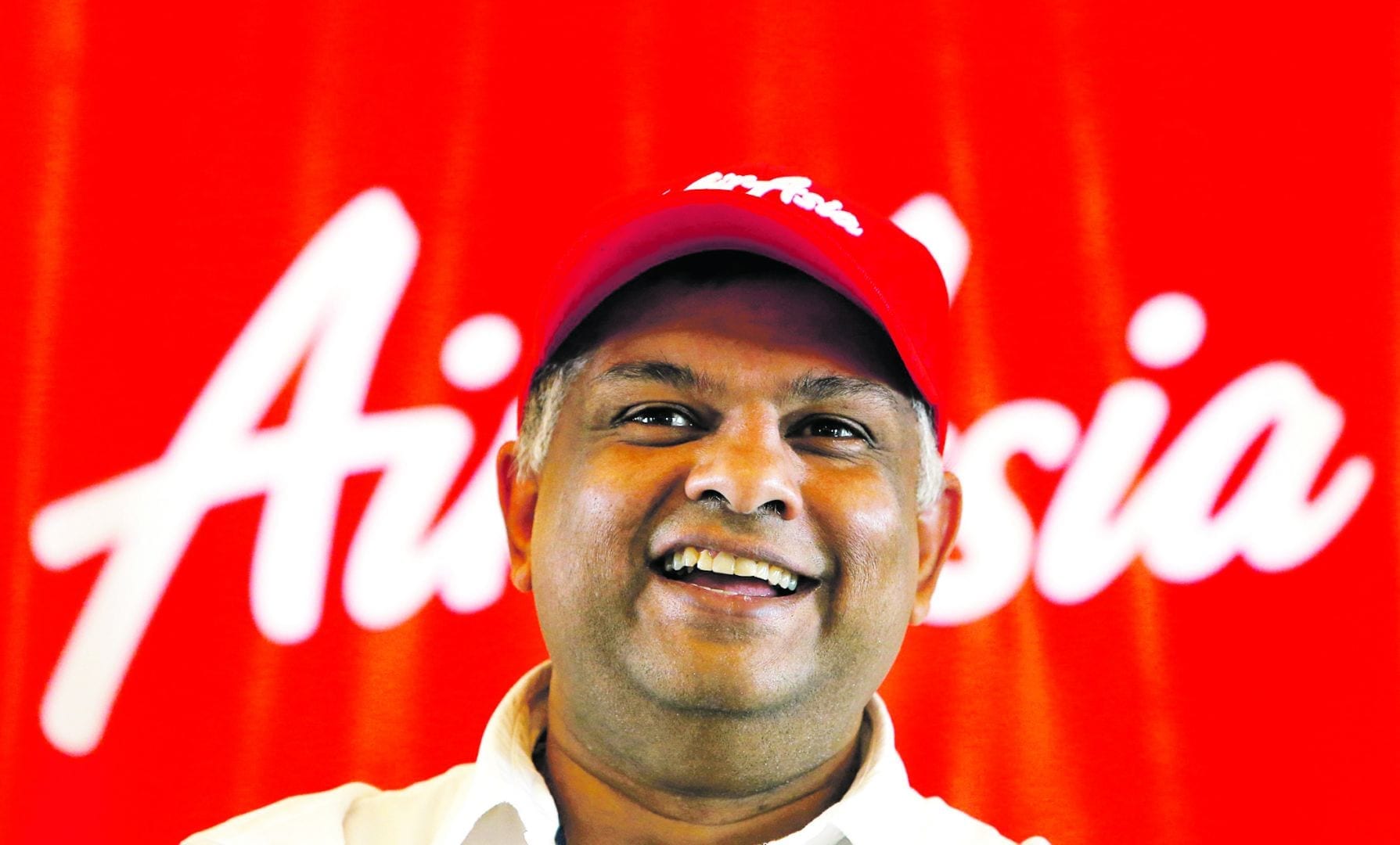
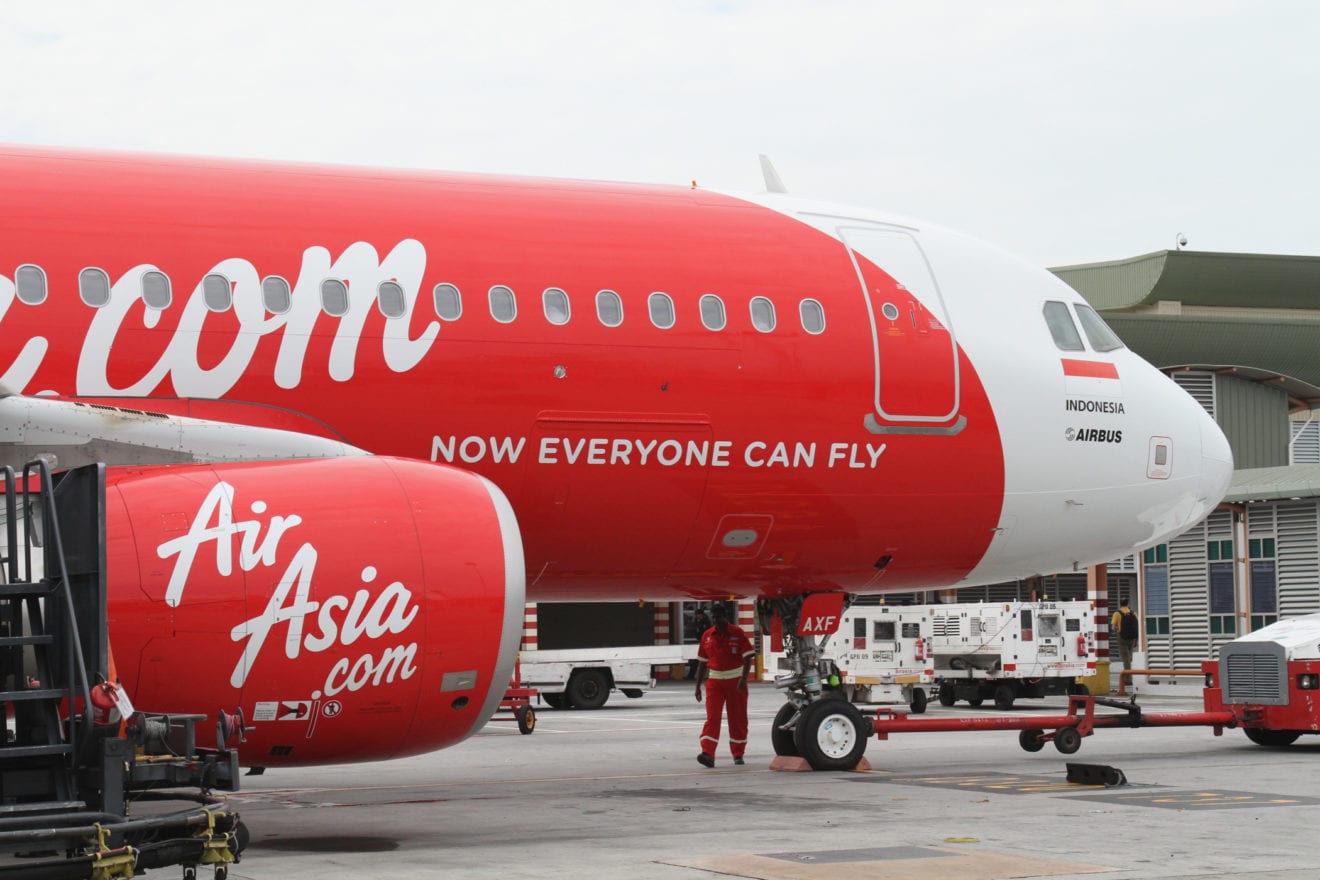
    “The coordination on Covid-19 is horrific,” AirAsia Group Bhd founder and group chief executive officer Tan Sri Tony Fernandes laments and claims in a direct swipe at world governments’ on how the global pandemic has been managed and its impact on the travel and aviation industries.

    BBC has today quoted Fernandes as saying that in his history of running an aviation business, he has never seen something so poorly coordinated.

    “It’s like nothing I’ve ever heard,” he said. “The United Nations, with the travel industry, should have come up with some standard protocols” earlier in the pandemic, but politics had got in the way, according to him.

    “Governments are petrified of their people, and they’re taking a very, very, very conservative view. They all want to be in control.

    “I just think that everyone’s… scared and just reacting in a very jingoistic and nationalistic way. I think countries are going to say, unless you’re vaccinated they’re not going to let you in without quarantine,” Fernandes said.

    The BBC report, which also quoted International Air Transport Association (IATA) director-general Alexandre de Juniac, said the world’s airlines need another US$70 billion (about RM283.5 billion) to US$80 billion of government support to get through the crisis caused by the coronavirus pandemic.

    de Juniac was quoted as saying the figures were “on top of the US$170 billion already granted”.

    It was reported that June 2021 is when he expects the first significant easing of travel restrictions, as the impact of vaccines begins to be felt.

    “Government travel restrictions and a huge fall in passenger confidence meant global demand for flights fell about 60% last year, according to IATA figures.

    “That means 2020 saw about 1.8 billion passengers fly, instead of the 4.5 billion in 2019. In an industry where profit margins were already thin it means airlines are estimated to have already lost US$118 billion, with worse set to come,” BBC reported.

  • Vietnam Airlines seeks shareholder loans

    Vietnam Airlines seeks shareholder loans

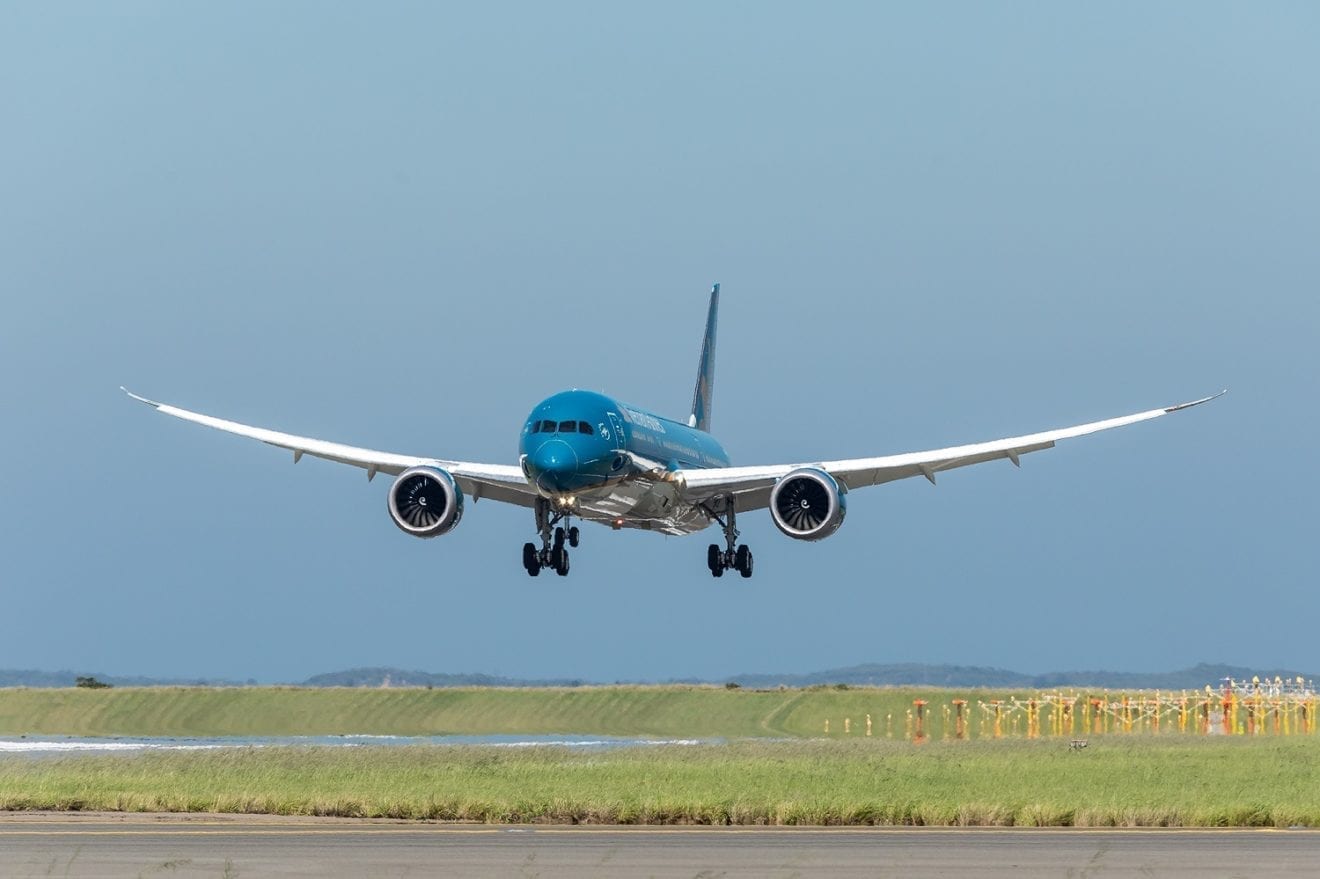
    Vietnam Airlines Group has called an extraordinary shareholders’ meeting next week to source low-interest loans to accelerate Covid-19 recovery.

    At the meeting, to be held on Dec. 29, the flag carrier will seek loans from its shareholders that comprise the government with an over 86 percent stake, Japanese aviation company ANA Holdings with 8.7 percent, and other organizations and individuals.

    The National Assembly in November approved a plan for the central bank to refinance Vietnam Airlines and rollover loans. The airline had earlier asked for a relief package of VND12 trillion.

    The group will also seek shareholder approval to issue more shares to existing stakeholders and so increase its capital.

    Vietnam Airlines Group, consisting of the carrier and subsidiaries Pacific Airlines and Vietnam Air Services Company (VASCO), posted a loss of VND10.75 trillion ($464 million) for January-September as the Covid-19 pandemic slashed its number of flights.

    It has forecast the figure would rise to VND15.2 trillion for the whole year.

    All Vietnamese airlines have fallen victim to Covid-19 this year with the number of flights plunging 36 percent year-on-year to 19.

  • Hotels continue to suffer Covid-19 impacts

    Hotels continue to suffer Covid-19 impacts

    Vietnam’s third Covid-19 outbreak last month has exacerbated the problems of low occupancy and plunging revenues for hotels and resorts nationwide.

    Average daily rates in October slumped 25 percent year-on-year, said Mauro Gasparotti, director of real estate consultancy Savills Hotels Asia Pacific.

    In HCMC, occupancy has hovered under 20 percent since the April lockdown, compared to 72 percent during the same period last year.

    The latest outbreak in HCMC last month followed the second one that hit July and August with hundreds of cases, all linked to Da Nang City, which badly affected the high season for the hospitality industry, Gasparotti said.

    Savills data shows that overall, the resort market is barely crossing the 25 percent occupancy mark, except for some located in drive-to destinations where it is 10 to 15 percentage points higher than the national average.

    “The market is in a slow recovery. Even though local demand has delivered a strong rebound, it has not proven steady enough to support hotel and resort performances.”

    While expectations for 2021 are positive, they are mainly focused on the third and fourth quarter when it is anticipated that travel restrictions will be eased and corporate guests and independent travellers from neighbouring counties will be able to return, partially supporting recovery of the hotel and resort market, he added.

    In the first 11 months of this year, foreign arrivals hit 3.8 million, down 76.7 percent year-on-year, according to the General Statistics Office.

  • AirAsia offers UNLI Flight pass for a limited time only

    AirAsia offers UNLI Flight pass for a limited time only

    The tourism industry is slowly recovering, starting with the re-opening of Boracay to leisure travelers. More flights, accommodations, and tours are resuming operations to accommodate excited travelers after being stuck at home for so long! With travel restrictions gradually being lifted in the Philippines, AirAsia introduces a unique product that will allow people to travel as many times as they want around the Philippines. Yes, you read it right!

    Filipinos are known to always seek the best deals: Buy-one, take-one, 50% off, and unlimited offers on Korean BBQ, rice, and call and text promos, but have you heard of unlimited flights? AirAsia is offering the UNLI Flight pass for a limited time only!

    What is the AirAsia UNLI Flight Pass?

    UNLI Flight Pass offers a travel bundle so you can fly as many times as you want to any AirAsia domestic destination available on airasia.com or AirAsia’s mobile app for a fixed price of only PHP 4,999. The promo covers flights from AirAsia’s domestic hubs (Manila, Cebu, Clark) to your favorite island destinations such as Boracay, Cebu, Palawan, Davao, Bacolod, Zamboanga, General Santos, and so much more. The UNLI Flight Pass is perfect for both leisure and business travelers alike, especially those who are frequent flyers who aim to get a good deal.

    The UNLI Flight Pass is valid for a year, so you can plan and plot your trips ahead of time. Scratch your travel itch and grab your very own AirAsia UNLI Flight Pass available for purchase on airasia.com, through the ‘Unlimited Deals’ tile. The pass purchase period will start from November 2 until November 8, 2020, wherein flights can be redeemed from November 9, 2020 until October 16, 2021, and be used to travel between November 23, 2020 and October 30, 2021.

    How to Purchase UNLI Flight Pass?

    • Log in to your BIG Member account. If you haven’t, register already. It’s for free!

    • Click the AirAsia UNLI Flight Pass bundle

    • Purchase and pay. Only Credit and debit cards will be allowed.

    • Receive your confirmation voucher via e-mail

    How to Redeem Flights using the UNLI Flight Pass?

    • Log in to your BIG member account on Airasia ‘Unlimited Deals’

    • Select your purchased UNLI Flight Pass, confirm your full name (upon first redemption only), and click “Redeem”

    • Search dates and choose flights labeled ‘100% OFF’

    • Enter your passenger details

    • Pay any add-ons, taxes, and other fees

    • Receive your flight itinerary in your e-mail

    Disclaimer: Flights redeemed with the Unlimited Pass are subject to government taxes and fees, add ons, and other applicable charges. Seats are subject to availability. Embargo dates and other terms and conditions apply.

  • The airline founder building Asia’s next super app

    The airline founder building Asia’s next super app

    AirAsia’s founder Tony Fernandes is building what he hopes will be the region’s next “super app” as he deals with the coronavirus travel downturn. He wants to rival the likes of Grab, GoJek, and WeChat with an all-in-one app for food delivery, shopping, payments, entertainment, and travel. As the airline’s boss, he has been looking at new ways to generate income while his planes were grounded. AirAsia has struggled during the pandemic and cut 30% of its staff.

    Mr. Fernandes said he has spent his time during the travel slump improving the AirAsia app and the company’s payments platform BigPay.

    “The downturn was a blessing in disguise in some ways as it allowed us to focus more on it. Running an airline takes up a lot of our time but we have been given the opportunity and time to focus on our digital business.”

    AirAsia already has a “rich database” of over 60 million users as its starting point. The AirAsia app, which also offers users a messaging service, has set its sights on super apps like Singapore-based Grab, Indonesia’s GoJek, and China’s Meituan.

    “AirAsia has always been a digital company. We were one of the first airlines to sell online. It’s in our bloodstream,” added Mr. Fernandes, who is also a major shareholder of English football club Queen’s Park Rangers (QPR).

    “I know a super app sounds like a lofty target but Grab and GoJek also started out small as food or mobility apps. Plus people also questioned me the same way when I said I wanted to start AirAsia.”

    Mr. Fernandes’ airline has now grown to become Asia’s biggest budget carrier. Last year AirAsia launched its own record label called RedRecords in partnership with Universal Music. The aim is to discover stars from South East Asia who will appeal to a Western audience. The first major signing, Thai pop star Jannine Weigel, has already built up millions of followers across social media.

    “Boy have we got something special with the record label. The Koreans have shown how Asian music can appeal to a global audience with K-pop and there is huge potential for southeast Asia.”

    “This also helps us engage with a younger audience and gives lots of content for our app.”

  • AirAsia X to implement further payroll cut next month as losses swell

    AirAsia X to implement further payroll cut next month as losses swell

    AirAsia X Bhd’s net loss for the second quarter ended June 30, 2020 (2QFY20) widened to RM305.24 million, 47.4% more than the RM207.11 million it recorded a year ago as the airline bore the full brunt of travel restrictions implemented to curb the Covid-19 pandemic.

    AAX sees more turbulence ahead due to uncertainties surrounding the lifting of travel restrictions, which have grounded most of its aircraft fleet.

    The low-cost carrier revealed that its severe liquidity constraints persisted. “In the short term the company will need to seek agreement with major creditors to restructure outstanding liabilities, which have accrued during the period since the start of the Covid-19 pandemic, in order to continue as a going concern,” AAX said in its quarterly financial result announcement.

    Meanwhile, the carrier continues to seek payment deferrals and concessions from its suppliers, lessors, and lenders. “Further payroll reductions will be implemented in the next month to reflect the significantly lower level of operations both at the current time and also when the company is able to start operating again,” it added.

    However, the quarter’s performance was an improvement over the preceding quarter’s in which the long-haul low-cost carrier posted its largest-ever net loss of RM549.7 million due to large foreign exchange losses and losses from the hedges against higher crude oil prices.

    Quarterly revenue shrank to barely RM91.44 million compared with the RM1.01 billion reported a year ago as AAX operated only 16 scheduled flights throughout the three months versus 4,824 a year ago.

    Its total cash balance contracted almost 30% to RM252.04 million from RM357.96 million at the end of last year. Deducting pledged deposits, its cash pile stood at RM211.94 million, a drop from RM307.85 million previously.

    The airline’s current liabilities ballooned by nearly 31% to RM3.38 billion from RM2.58 billion as at end-2019. The spike in its current liabilities was mainly attributed to trade and other payables, which rose to RM1.31 billion from RM823.81 million.

    “AAX will not be able to restart scheduled operations until international borders reopen and, in recognition of the current degree of uncertainty and the timing of the lifting of restrictions, the company has stopped selling tickets for future travel dates,” said the carrier.

    Shares in AAX closed unchanged at 6.5 sen today, giving the airline a market capitalization of RM269.63 million. Year-to-date, the counter has plummeted by more than half from 15.5 sen.

  • Financial aid for AirAsia crucial due to high multiplier effect

    Financial aid for AirAsia crucial due to high multiplier effect

    Financial assistance such as loans with easier terms to AirAsia Group is crucial in helping the struggling low-cost carrier to turn around as its recovery will bring about a huge spillover effect to the broader economy.

    AirAsia X  chairman Tan Sri Rafidah Aziz reportedly said easier loan terms will not only provide the carrier with operating funds but also create a high multiplier effect in boosting and reviving the country’s economy.

    She was quoted by Utusan Online as saying AirAsia is negotiating for bank loans with low-interest rates and longer tenures.

    “We have a multiplier effect from flights which is 12 times, with every RM1 we bring in, another RM12 given to (economic) sectors such as hotels, resorts and restaurants, ” Rafidah was quoted as saying in the report.

    She said countries understand, when the aviation industry opens, business people and tourists will come, so hotels and restaurants will resume operations and receive visitors

    According to Rafidah, support and financial assistance is needed by the airlines affected by the enforcement of the Movement Control Order (MCO) to curb the Covid-19 pandemic.

    She noted that no income is earned during the MCO period because flights in and out of the country are stopped while expenses continue to be incurred.

    Rafidah said the Covid-19 pandemic situation has not stopped AirAsia from continuing to find new flight destinations.

    However, she said, various aspects need to be looked at first including the number of visitors and fuel prices.

  • AirAsia to resume Philippine domestic flights starting June 3

    AirAsia to resume Philippine domestic flights starting June 3

    AirAsia announced on Sunday that it will be resuming its domestic flights starting June 3 as quarantine protocols are eased in several areas in the country including Metro Manila.

    In an advisory, AirAsia said that resumption of services will gradually increase to include international destinations by July 1.

    Selected domestic flights are available for booking via the airline’s website or mobile application. Travelers can also use their credit accounts to redeem these flights.

    AirAsia also announced that operations for domestic flights will be temporarily moved to Terminal 3 of the Ninoy Aquino International Airport from its previous location at Terminal 4.

    Travelers were advised to expect enhanced safety measures which include the mandatory wearing of face masks to be permitted to travel, among others.

    AirAsia Philippines CEO Ricky Isla said assured the traveling public that they are “well prepared to welcome everyone aboard.”

    “During the hibernation of our fleet, we took the time to step up our handling procedures to ensure that our guests have a swift and safe journey with us. Needless to say, we are well prepared to welcome everyone on board,” Isla said.

    “As we resume our services around our network, AirAsia is determined to help rebuild our economy and country,” Isla added.

    Other airline companies such as Philippine Airlines and Cebu Pacific have earlier announced the resumption of some flight operations this June.

  • AirAsia won’t be missed, says ex-aviation chief

    AirAsia won’t be missed, says ex-aviation chief

    Low-cost air travel will remain largely unaffected if AirAsia were to cease operations because of lost revenue caused by the Covid-19 pandemic, says an aviation expert.

    Malaysia’s former head of civil aviation, Azharuddin Abdul Rahman, said the impact on air travel and tourism would only be felt initially. Low-cost air travel would soar again after other airlines take up AirAsia’s flight slots. Aviation specialist and researcher Roger Teoh agrees, saying new airlines would be created to take the place of insolvent airlines in a survival of the fittest. Azaruddin said AirAsia’s flight slots would be a precious aviation commodity. The carrier had hundreds of slots every day.

    He could not imagine AirAsia closing shop after the airline had “changed the landscape of air travel, not only in this region but in Asia Pacific as well”. Azharuddin said there was a place for both low-cost carriers like AirAsia and legacy full-service carriers such as Malaysia Airlines.

    The two airlines have been at the center of recent speculation about a merger, with Malaysia Airlines suffering the impact of its long-standing financial problems.

    AirAsia recently announced that 96% of its 255-strong fleet had been grounded because of the Covid-19 pandemic. Its staff has been required to take pay cuts of between 15% and 75%, and aircraft manufacturer Airbus recently announced it would sell six aircraft on order by AirAsia.

    Azharuddin said the two airlines should form a partnership but remain as separate entities in order to stay competitive.

    The partnership could capitalize on the large 600 million population of Southeast Asia, with the Asia Pacific area as another catchment area, he said.

    Azharuddin said a MAS-AirAsia partnership could compete with Singapore Airlines (SIA).

    SIA recently merged with its low-cost spinoff airline SilkAir in February, before the height of the pandemic.

    ‘Root of AirAsia’s problems’

    Teoh, a researcher with Imperial College London specializing in aviation, said a merger between AirAsia and MAS would raise airfares over the long term from lack of competition.

    He said while it was not certain if AirAsia would cease operations, any potential exit of low-cost carriers would only affect the tourism industry temporarily.

    New airlines would be created to take the place of insolvent airlines, in a “survival of the fittest” with potential consolidation among existing airlines.

    Teoh said AirAsia management decisions were partly to blame for the airline’s problems. A sale and leaseback policy (in which aircraft was sold and leased back from the buyer) had resulted in higher operating expenses.

    He claimed that since this model was adopted in 2019, “AirAsia has not made an annualized profit”.

    RM5 billion raised from the sale of aircraft was then redistributed to shareholders as special dividends from December 2018 to August 2019, a move which cost AirAsia’s long-term financial health and resilience.

    Hedging on fuel prices at the end of 2019 had caused the airline to lock in its fuel costs, Teoh added.

    “They are not able to benefit from the cheap oil prices that we see today,” he said.

    “This is expected to result in a very large derivative loss in their coming financial statement.”

  • Over 320,000 jobs in Asia-Pacific travel-retail industry under threat

    Over 320,000 jobs in Asia-Pacific travel-retail industry under threat

    Governments across Asia Pacific are being urged to protect more than 320,000 duty-free and travel-retail industry jobs at risk during the coronavirus pandemic.

    The Asia Pacific Travel Retail Association claims that the jobs in the US$36 billion industry may be overlooked by politicians devising financial rescue measures to deal with the economic fallout of the pandemic. It is asking governments to support the industry along with airlines, airports and maritime businesses.

    In a special report, the association outlines the industry’s almost $15 billion contribution to GDP across Asia Pacific.

    “Airport retail and commercial services, including food and beverage, constitute a crucial business sector providing up to 60 percent vital commercial income for airport owners, outpacing aeronautical revenue streams,” read a statement issued by the association.

    “It is the most significant direct contributor to the investment in Asia-Pacific’s aviation infrastructure and ongoing development of world-class national gateways, the region’s hubs to the world.”

    “The dynamics of duty-free and travel retailing are intrinsically linked to the aviation and maritime industries and its viability is entirely dependent on the return in passenger traffic,” said association president Grant Fleming.

    “This means 320,000 jobs are at risk that could be safeguarded if governments extend financial support packages to the industry.”

  • Two more AirAsia carriers suspend operations from April

    Two more AirAsia carriers suspend operations from April

    Indonesia AirAsia and Thai AirAsia are the latest among the AirAsia Group carriers to suspend operations, leaving just AirAsia Japan in service.

    Indonesia AirAsia will suspend domestic flights until 21 April and international flights until 17 May. Thai AirAsia will halt all domestic services during the month of April, having suspended international flights since 22 March. Indonesia AirAsia’s grounding will not have a significant impact on Indonesia, as Lion Air dominates the market.

    The grounding of Thai AirAsia will have a more significant impact on Thailand, as the airline accounts for 19% of Thailand’s total capacity in February.

    Thai AirAsia’s parent Asia Aviation says the airline is implementing cost reduction measures. This includes voluntary pay cuts for management and senior employees, halting non-essential employee travel, and imposing a hiring freeze.

    Asia Aviation expects a reduction in Thai AirAsia’s variable expenses, which makes up around 70% of its total cost. General administrative expenses could also be reduced through a work-from-home scheme for employees.

    To cope with the suspension, the company is building up its liquidity levels. At the end of 2019, its cash on hand and current investments were collectively valued at Bt3.98 billion ($122 million).

    It says: ”Thai AirAsia also has unutilized revolving credit facilities with banks and has the ability to mobilize the liquidity further by way of the credit facility backed by the remaining no-encumbrance owned aircraft and/or other approaches in the future.”

    It discloses that a transaction announced in January, for the sale-and-leaseback of nine aircraft and the outright sale of one, has been completed in March, with net proceeds totaling Bt3.6 billion.

    Moving forward, Thai AirAsia will not take delivery of any aircraft this year and will study the number of aircraft it needs. The parent company adds that any significant capital expenditures will either be suspended or delayed.

  • Cebu Pacific feels pinch from Philippines quarantine

    Cebu Pacific feels pinch from Philippines quarantine

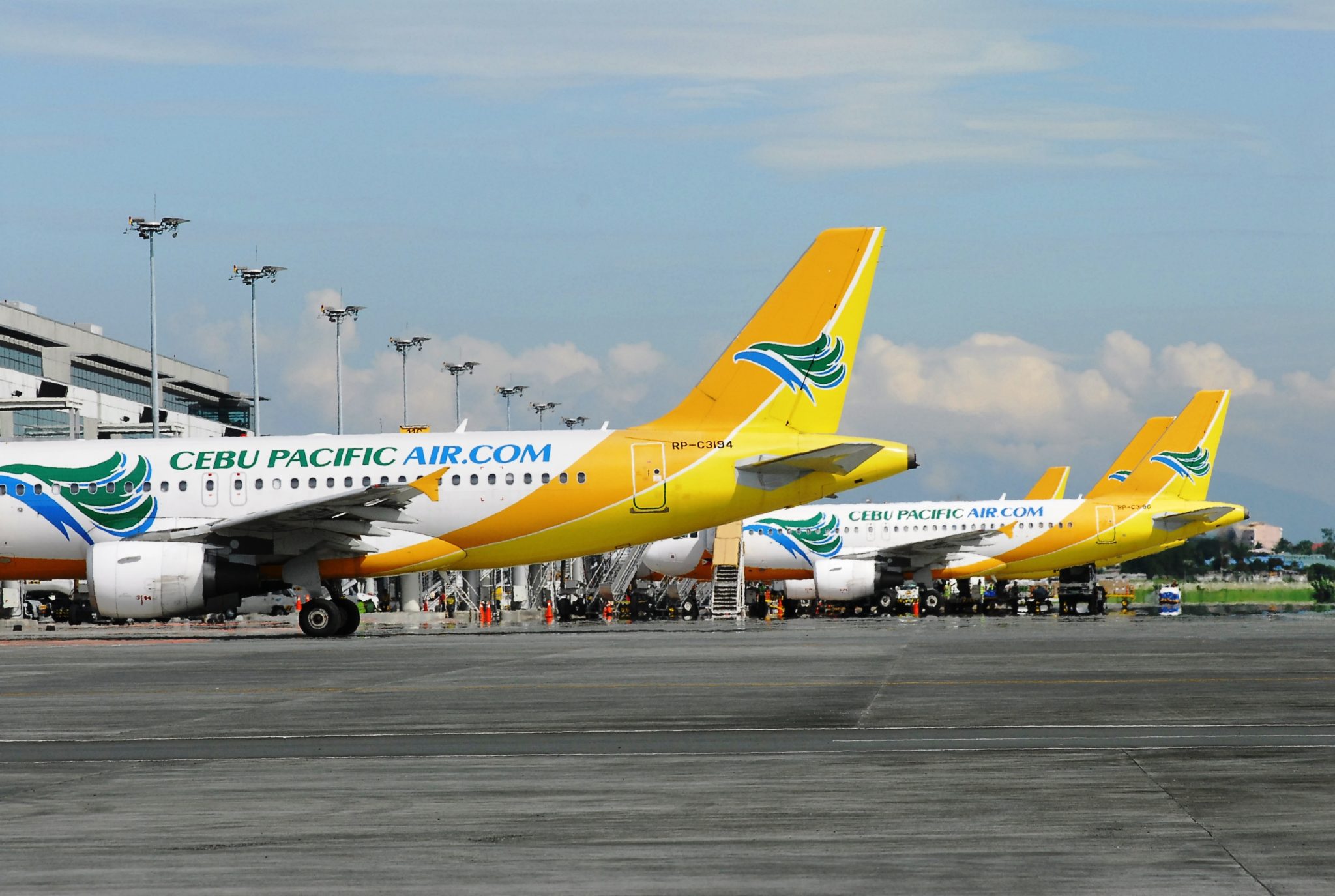
    Cebu Pacific says the month-long “community quarantine” imposed on Metropolitan Manila and the main Luzon island group recently will free up 90% of its total seat capacity, even as it maintains services from its hubs outside of Manila and the region.

    The 90% capacity figure is based on the suspension of domestic flights departing Manila, and previously suspended services to China, Hong Kong, Macau and South Korea, says Cebu Pacific in a Philippines Stock Exchange disclosure.

    During this period, the airline continues to operate flights from its other hubs that have not been affected by the quarantine order such as Cebu, and is maintaining connectivity “where operationally feasible”.

    Cirium schedules data show that in February, domestic routes accounted for 83% of Cebu Pacific and subsidiary Cebgo’s seat capacity.

    Although it expects a “significant revenue impact” during the quarantine period, operating expenses will fall in tandem, while lower fuel prices provide an additional cost benefit to its reduced fuel consumption.

    Cebu Pacific was unable to provide any earnings guidance for 2020, due to uncertainties caused by the coronavirus pandemic. However, it stressed that it has a strong balance sheet with “over Ps18 billion ($353 million) in cash and cash equivalents” at the end of 2019, and that a net debt to equity level of around 1.25x with a long maturity profile gives the airline room to seek short-term or long-term funding.

    It is also conserving cash and reducing expenses by freezing recruitment and consultancy work, implementing pay cuts for its top management, and suspending salary increases.

    Earlier in February, the carrier estimated that the outbreak will see a “Ps3-4 billion swing on profit” should the outbreak remain unabated over the next six months. The estimate was based on 2003’s Severe Acute Respiratory Syndrome outbreak, which curtailed demand for air travel for six months.

    Cebu Pacific is expected to release its 2019 financial results in the coming weeks.