Retail News CRM

Tag: wifi

  • Telstra launches 5G-powered Wi-Fi hotspots

    Telstra launches 5G-powered Wi-Fi hotspots

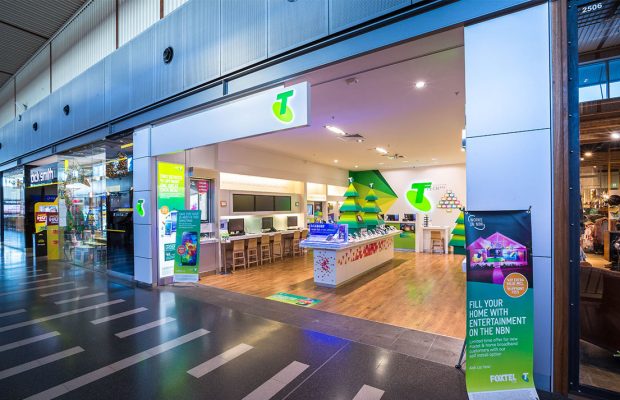
    Australia’s Telstra has launched what it says are the first 5G-enabled Wi-Fi hotspots in the world as part of its ongoing evaluation of 5G technology.

    The new hotspots on the Gold Coast in Queensland will provide locals and visitors with access to free broadband services during the evaluation period. The open hotspots will provide up to 10GB of downloads per device per day.

    They will be managed by Telstra’s recently-launched 5G innovation center on the Gold Coast. Telstra has connected 5G backhaul and related infrastructure in the Southport Exchange in the city to allow connections to the 5G network over Wi-Fi on existing devices.

    “Wi-Fi has limited throughput so a single hotspot alone cannot come close to reaching the limits of 5G at our Innovation Center,” Telstra group managing director for networks Mike Wright said.

    “By using multiple hotspots with potentially hundreds of smartphone users served through a single 5G device we are able to get closer to demonstrating 5G in a real world environment. Our 5G backhaul is capable of delivering download speeds of more than 3 Gbps.”

    Telstra is also using its new 5G innovation center to power a connected car trial using the Intel 5G Automotive Trial Platform.

    Wright said the trial is in the very early stages of development but the company is still achieving download speeds approaching 1Gbps inside the car, which is also equipped with a Wi-Fi access point.

  • Orange Business providing managed Wi-Fi for Nespresso

    Orange Business providing managed Wi-Fi for Nespresso

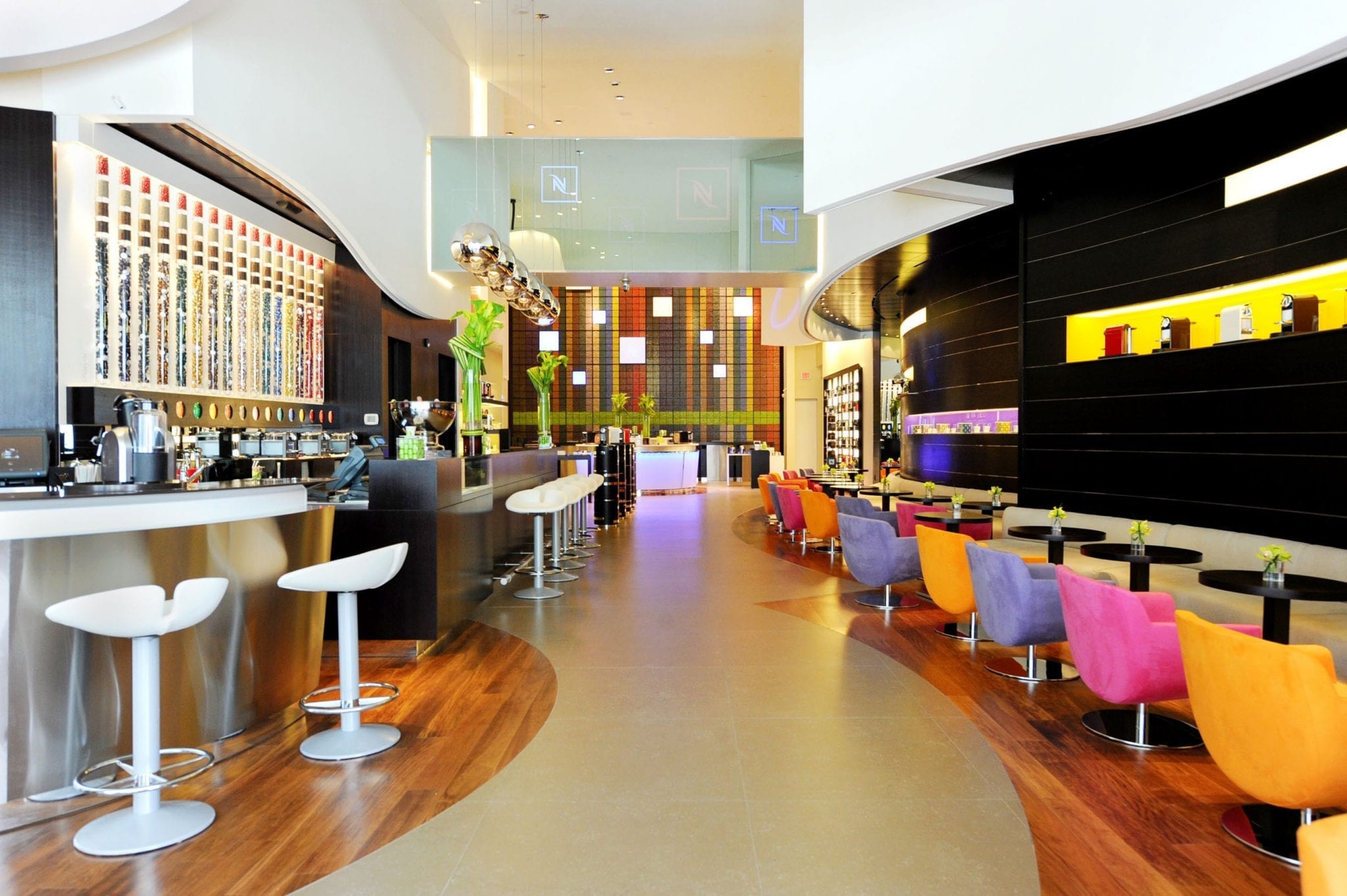
    Nespresso has selected Orange Business Services as the global supplier of its guest Wi-Fi and internet service, which will be rolled out in most of its standalone boutiques on five continents.

    Orange is delivering a secure, fully-managed guest Wi-Fi service worldwide, including the local internet connections It also provides customers with a consistent experience at all locations.

    The service will help Nespresso bridge its in-store customer experience with its digital channels.

    When customers connect to the in-store guest Wi-Fi service, they can immediately and securely browse the internet and connect to the Nespresso portal. There they can download the Nespresso app, visit Nespresso.com to access digital services, browse the latest news or get further product information.

    For guests who already have the Nespresso app, they can immediately connect to it.

    The guest Wi-Fi service gives Nespresso an opportunity to digitally engage with its customers at its boutiques. It provides support to communicate about the latest campaigns, maintaining a link with Nespresso’s connected customers.

    The guest Wi-Fi service complements the 27 Nespresso customer relationship contact centers (CRC) managed by Orange Business Services.

    “We put our customers at the center of everything we do, and offering secure internet connectivity in our boutiques is part of the experience that we create for them. Orange Business Services will help us realize this with a service that will play a role in our omnichannel services portfolio,” Nespresso global B2C head Jean-Paul Le Roux said.

  • Wi-Fi.HK extends service venues

    Wi-Fi.HK extends service venues

    The Office of the Government CIO (OGCIO) yesterday announced extending the number of government venues to provide free public Wi-Fi services through the Wi-Fi.HK Public-Private Collaboration (PPC) project.

    Initial venues equipped with free Wi-Fi include the Hong Kong Cultural Centre, Queen Elizabeth Stadium, Dr Sun Yat-sen Museum, Shatin Town Hall, Man Kam To Control Point, the Hong Kong Cultural Centre Piazza, the Tsim Sha Tsui Promenade and the Hong Kong Coliseum.

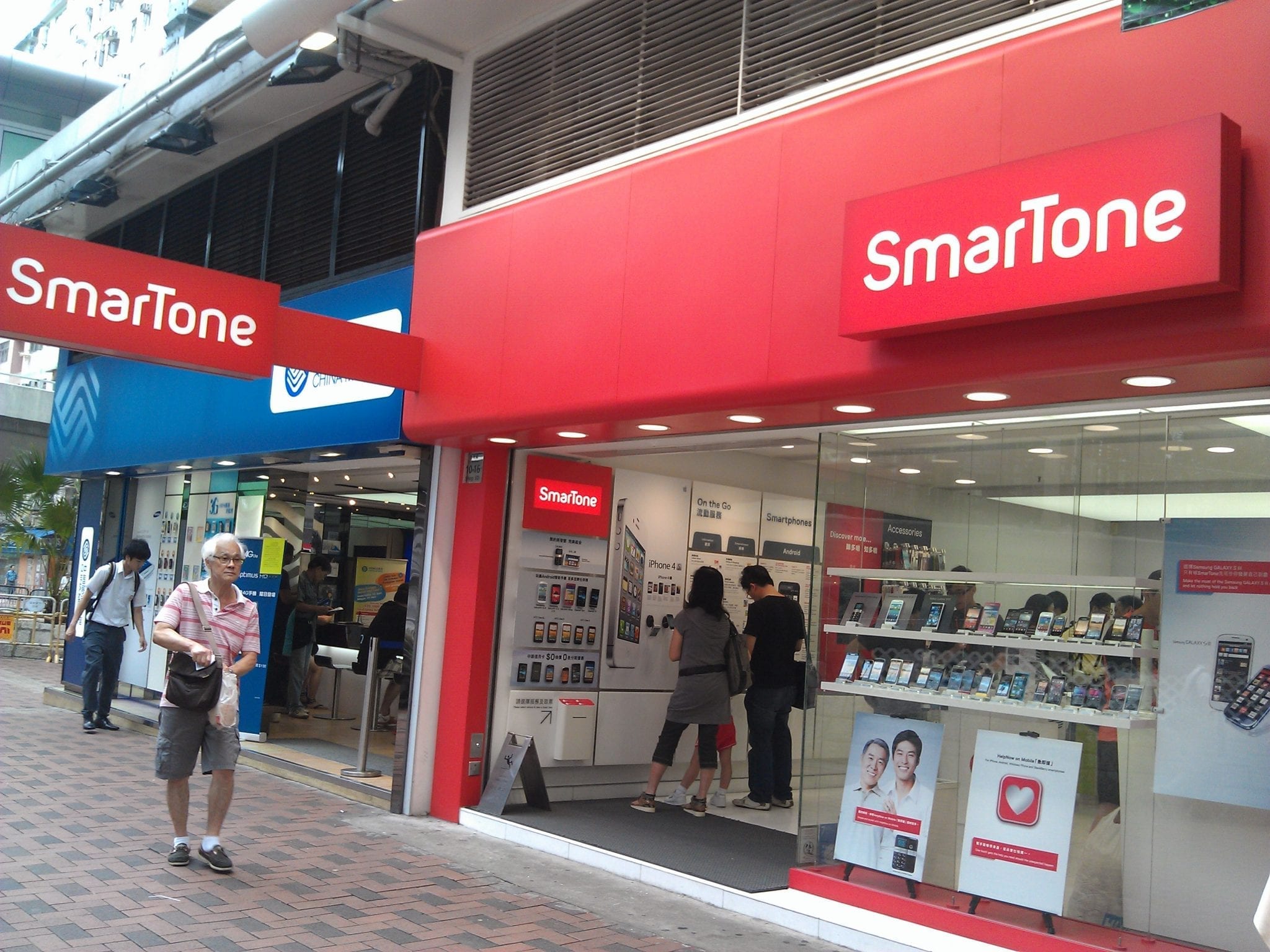
    HKBNcslHGC and SmarTone will provide services to the public, and plan to extend the service to other government venues in the coming months, including public parks, public transport interchanges and markets.

    “We shall open up more suitable government venues through public-private collaboration for private service providers to install equipment and provide Wi-Fi service with free usage time at their own cost,” undersecretary for innovation and technology David Chung said.

    “Private service providers are allowed to offer value-added services at these venues without any financing from the government while the public and tourists can enjoy free Wi-Fi service. This arrangement is favorable to all.”

    Chung said transforming Hong Kong into a Wi-Fi connected city will also help stimulate the development of more innovative, efficient and convenient digital services, and will help transform Hong Kong into a smart city.

    Wi-Fi.HK has been available since 2014 at various locations, with over 19,800 Wi-Fi hotspots being provided by around 50 participating organizations, including university campuses, tourist attractions, shopping centers and restaurants. The government is also providing free Wi-Fi services to students at youth service centers and study rooms under a subsidy scheme launched in March.

    The Wi-Fi.HK project has been co-organized by the Hong Kong Wireless Technology Industry Association (WTIA).

  • Inflight Wi-Fi essential for 2 in 3 APAC travelers

    Inflight Wi-Fi essential for 2 in 3 APAC travelers

    Two thirds of airline passengers in Asia-Pacific feel that inflight Wi-Fi is not merely a luxury but a necessity, according to Inmarsat-commissioned research.

    A survey of travelers in the region, conducted by market research company GfK, found that 79% are willing to pay for inflight connectivity even on short leisure flights. In addition, 61% believe quality inflight Wi-Fi is more important than onboard entertainment.

    The survey found that inflight broadband is changing the airline industry and transforming travelers’ expectations of the onboard experience.

    Inflight Wi-Fi is becoming so important that over half (52%) of passengers in the region say they will stop using their preferred airline within the next year if it does not introduce the technology.

    Passengers who have experienced high-quality in-flight Wi-Fi also rate it as the third most important consideration when choosing an airline, behind ticket price and flight slots.

    Passengers in China are more likely to be conscious of the quality of Wi-Fi (55%) than those from other countries in the region. Notably, the top three airlines that passengers expect to offer in-flight Wi-Fi and eventually lead the inflight connectivity market in APAC are airlines from China – Air China (46%), China Eastern Airlines (22%) and China Southern Airlines (21%).

    “Good quality Wi-Fi in the air is changing the way people think about flying. Whether using the time to work, to connect with friends and family, or to pass time shopping or viewing entertainment, the availability of inflight broadband has become a major factor when choosing an airline,” Inmarsat Aviation vice president for APAC Otto Gergye said.

    “It’s clear the opportunity that connectivity presents to airlines cannot be underestimated. Airlines in Asia Pacific are recognising this, and can now take advantage of having a high quality onboard Wi-Fi option available in the region.”

  • SoftBank taps Ericsson to improve indoor coverage

    SoftBank taps Ericsson to improve indoor coverage

    Japan’s SoftBank plans to deploy Ericsson’s Radio Dot system across Japan to improve indoor coverage for its large subscriber base.

    The operator will target medium to large buildings in high-density urban areas including Tokyo, Osaka and Nagoya with the deployment, Ericsson said. Deployment will commence in the densest areas of the three cities, in buildings including office towers, shopping malls and train stations

    SoftBank began testing Radio Dot technology in Japan in June 2015 as the company explored ways to better meet the huge demand for improved indoor coverage in urban areas. Now after extensive testing and verification, the operator is ready to enter the mass deployment stage.

    “We are always interested in adopting the latest technologies to ensure our subscribers receive the best possible network service,” SoftBank SVP Hideyuki Tsukuda said.

    “After evaluating a number of options, we concluded that the Ericsson Radio Dot System was the most cost-efficient solution for large buildings. Its deployment in crowded urban indoor environments will enable us to meet user expectations for a consistently high quality of network coverage.”

  • 60% of APAC travelers would pay for in-flight Wi-Fi

    60% of APAC travelers would pay for in-flight Wi-Fi

    Over 60% of APAC respondents would be prepared to pay up to $5 to access the internet on planes, according to YouGov’s latest survey on air travel.

    Although only 10% of APAC respondents say lack of connectivity is one of the three worst aspects of flying, many airlines are introducing internet access on flights so passengers can stay connected throughout the air journey.

    Almost one in five APAC respondents have tried in-flight internet access in the past and would like to do again in the future. And almost half of the APAC respondents haven’t tried in-flight internet access before but would consider doing so in the future.

    This should be a good news to airlines as this advancement on planes seem to be very well receiving in APAC. However, budget is also a concern as the majority of APAC respondents (64%) would only prepare to pay up to US$5 to access in-flight internet services, while less than 30% are prepared to pay up to $10.

    To further improve connectivity on flight, some airlines are also proposing new service like making VoIP calls on flight. Over 40% of APAC respondents express interest in making in-flight VoIP calls in the future.

    However, 65% of APAC respondents also think it is irritating to sit next to someone making a VoIP call on a flight. Because of this, almost 80% of APAC respondents think airlines should give passengers the option of sitting in different sections on planes where calls are and aren’t allowed.

  • Ericsson, Cisco to launch joint Wi-Fi solutions

    Ericsson, Cisco to launch joint Wi-Fi solutions

    Ericsson and Cisco have announced an expanded partnership covering the delivery of a new Wi-Fi solution for mobile, cable and other industries’ customers.

    The new Evolved Wi-Fi Networks (EWN) offering combines Ericsson’s 3GPP access and core network technologies with Cisco’s Wi-Fi portfolio.

    The offering will cover pre-integrated solutions including indoor small cells and operator Wi-Fi over Ericsson outdoor access networks and Ciso WLAN.

    Integrating Cisco WLAN with Ericsson macro or indoor access networks will also allow operators to steer users between mobile and Wi-Fi access networks to ensure a superior end-user experience.

    In addition, core network integration will allow operators to offer all their core network services over Wi-Fi for multi-mode devices.

    Design and deployment of new products based on the offering will be handled by Ericsson’s services organization, and the solutions will be bundled with Ericsson managed services as well as customer support, design and deployment services.

    “Our strategic partnership brings together the capabilities of two leading players in networking, mobility and cloud, creating the best end-to-end solutions and opportunities for our customers,”

    Ericsson Head of Region North America Rima Qureshi said.

    “By adding Wi-Fi solutions into the partnership, we will enable our customers to offer best-in-class Wi-Fi in their networks, complemented by our leading 3GPP portfolio and services organization.”

  • Accuris, iPass to offer Wi-Fi solution for cellcos

    Accuris, iPass to offer Wi-Fi solution for cellcos

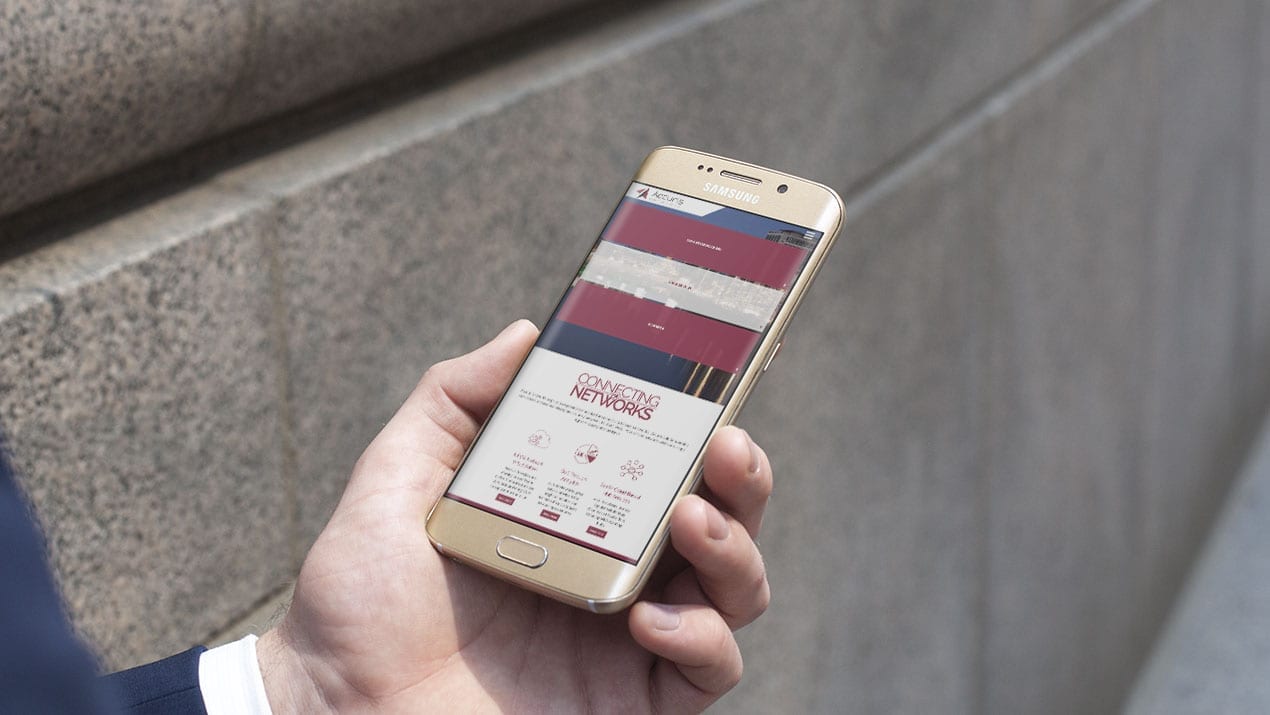
    Wi-Fi roaming, interworking and service policy enablement provider Accuris Networks has entered a partnership with global Wi-Fi operator iPass to offer mobile operators and MVNOs the ability to integrate carrier Wi-Fi into their service offerings.

    The companies will offer a combined solution enabling mobile operators to access the global iPass Wi-Fi footprint for service delivery and traffic offloading.

    The solution will integrate iPass’ SmartConnect technology into the Accuris Networks Wi-Fi e-client to enable client connection analytics. The solution will support integration with pre-paid service plans and existing billing systems.

    “Not only will this partnership offer our connectivity services to a billion potential end users, but it will also enable MNOs and MVNOs to dramatically accelerate the introduction of cutting-edge Wi-Fi solutions to the market,” iPass CEO Gary Griffiths said.

    “In particular, we see this partnership as integral in delivering on our strategy to connect users seamlessly and intelligently on Wi-Fi and cellular networks.”

    “Mobile operators increasingly see the value in Wi-Fi as a central pillar to their connectivity and mobile broadband strategy, “ Accuris Networks CEO Jeff Brown added.

    “Accuris Networks has proven capability in combining controlled Wi-Fi service to their core service portfolio. Now, by teaming with iPass, which boasts an unparalleled global Wi-Fi footprint and Wi-Fi analytics technology, we can offer our customers a complete mobile-centric Wi-Fi solution.”

  • University of Nottingham Malaysia deploys Wi-Fi network

    University of Nottingham Malaysia deploys Wi-Fi network

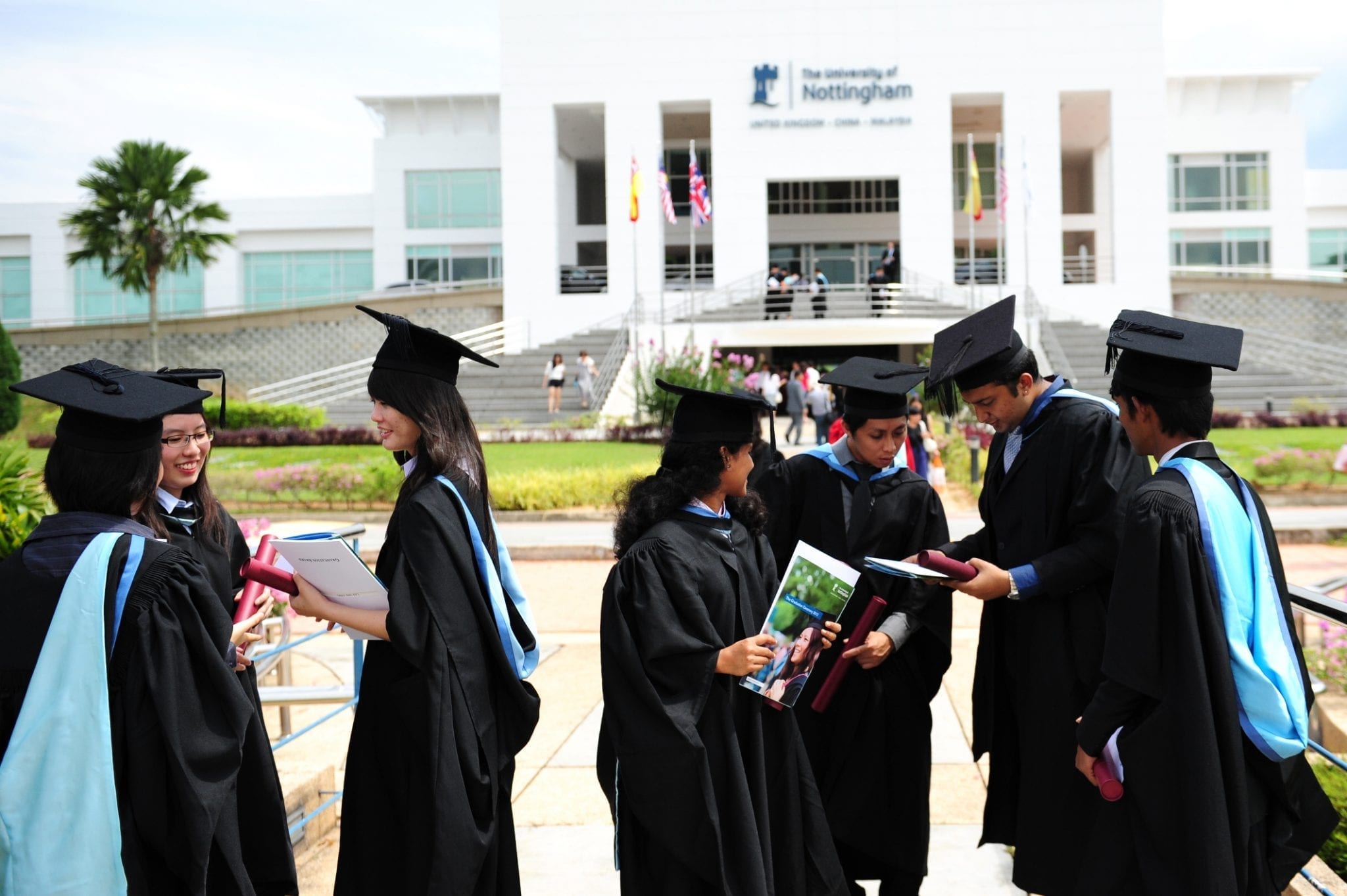
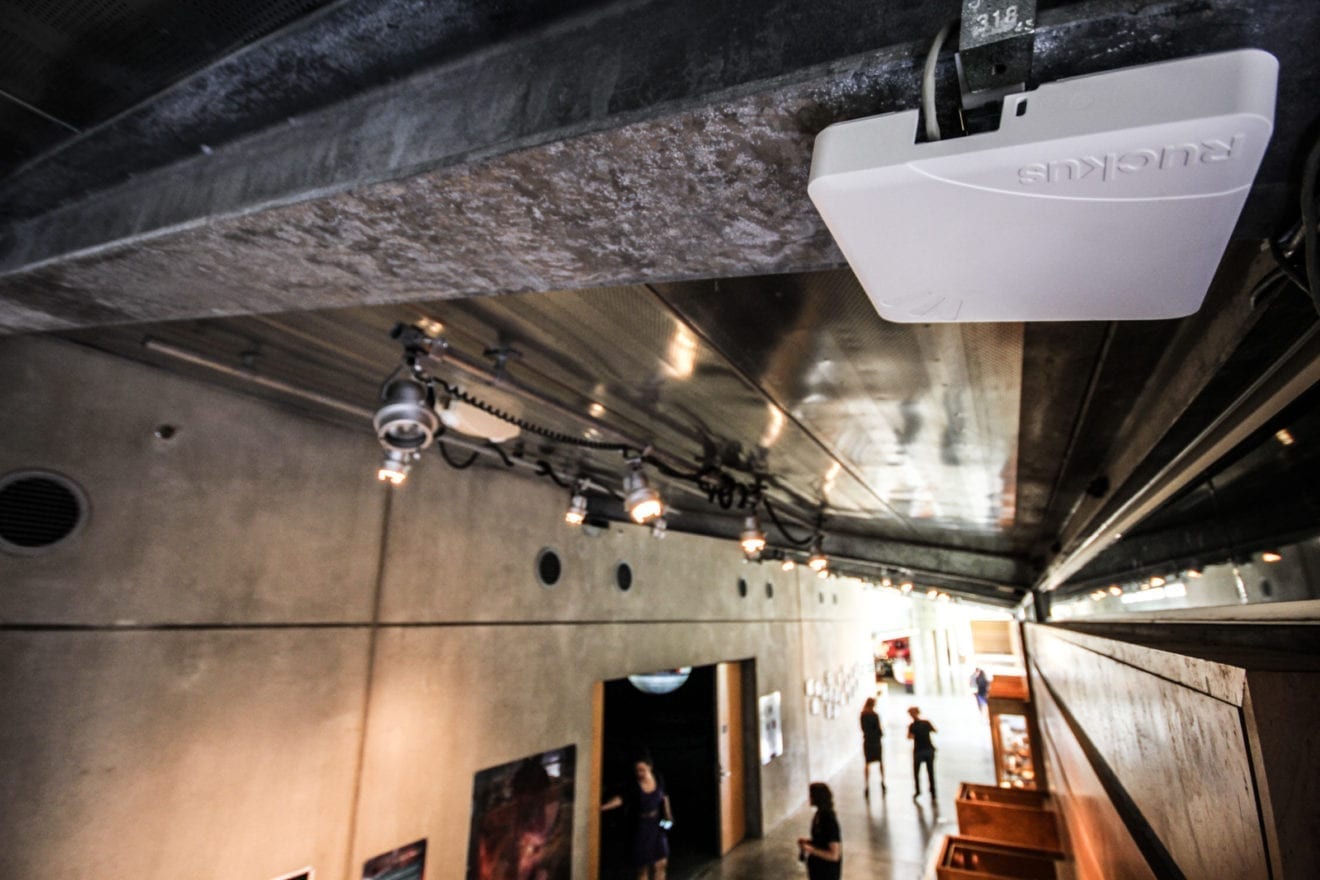
    The University of Nottingham Malaysia Campus (UNMC) has become the first site in APAC to implement a network combining Brocade network switches and Wi-Fi access systems from Ruckus Wireless.

    The new wired and wireless network, deployed under a managed service agreement, provides 2,400 on-campus students with coverage within UNMC’s student hostels.

    “One of our key strategies for competing for the best faculty and students is to provide them with best-in-class facilities, which is why we’ve invested in a complete infrastructure revamp to support our student network services,” said UNMC’s Director of Campus Services Nicholas Ching.

    Established in 2000, UNMC was the first branch of a British university in the country and one of the first to open outside Britain. It has been rated as “excellent” or Tier 5, making it the highest rated international university in Malaysia on a scale of Tier 1-6 by the Malaysian government.

    Ching said a key requirement for UNMC was to provide students with highly reliable Wi-Fi access, offering predictable performance and support for the latest 802.11ac Wi-Fi standard.

    The implementation team carried out a complete site survey across the 11 hostels to ensure seamless wireless coverage without any blind spots. The implementation utilizes Ruckus adaptive antenna technology and automatic interference mitigation, which is designed to deliver consistent, predictable performance at extended ranges, enabling strong wireless coverage in each student dorm room.

    “University students are all digital natives with high expectations about Wi-Fi access quality and a low tolerance for service failure,” said Abdul Aziz Ali, country manager for Malaysia, Brocade. “Accessing high-bandwidth video services, class materials, and social applications is a big part of engaging in campus life.”

    As part of the managed services agreement with UNMC, Brocade partner MYI Technologies will have a resident engineer on site for three years on a 24 by 7 basis. The engineer will also be responsible for supporting the Internet gateway and security components of the university’s student network services.

  • Singapore’s IMDA plans Li-Fi trials

    Singapore’s IMDA plans Li-Fi trials

    The Infocomm and Media Development Authority (IMDA) of Singapore has invited companies to participate in planned trials of Light-Fidelity (Li-Fi) technology.

    The authority will waive frequency fees associated with Li-Fi trials, and will offer companies interested in conducting the trials the ability to use an existing technical trial framework.

    Li-Fi is being developed as a potential Wi-Fi alternative capable of delivering speeds up to 100 times faster than the radio technology. The technology uses the visible light portion of spectrum between 400-THz and 800-THz.

    But unlike WI-Fi, Li-Fi cannot penetrate objects such as walls, so it would most likely serve as a complementary rather than a replacement technology.

    IMDA said there is a growing awareness of and interest in the technology in Singapore. In July, Temasek invested in Edinburgh-based pureLiFi, and companies including StartHub are working with pureLiFi to explore bringing the technology to the city state.

    As well as the potential in home and enterprise networking, Li-Fi opens up significant location-based advertising and navigational opportunities for businesses, IMDA said. Users of future Li-Fi enabled devices would be able to be beamed relevant information based on their locations.

  • PT Telkom has added a number of new wifi hotspots in Bali

    PT Telkom has added a number of new wifi hotspots in Bali

    The hotspots are under the network’s “Wifi.id.corner” program, which has users register for accounts and choose from a variety of packages that Telkom touts as affordable. 

    The new Wifi.id.corner spots are split between the island’s capital city, Denpasar, and north Bali city, Singaraja. 

    “In Bali, the fixed broadband services through Wifi.id.corner are spread across 200 locations. 170 of them are in Denpasar and 30 others in Singaraja, Buleleng,” quoted Nusra Suparwiyanto, executive vice president of PT Telkom Region 5 (East Java/Bali), as saying. 

    Suparwiyanto says Telkom is responding to the growing needs of Bali netizens with these 200 hotspots, which can be found in public spaces such as schools, universities, housing complexes, ports, and also city parks.

    Here’s the impressive part though—this wifi is supposed to be pretty darn fast. According to Suparwiyanto, the network is boasting speeds above 100 mbps—a speed we’re sure most of us aren’t familiar with in Bali. 

  • Singtel extends free WiFi offer to fiber subscribers

    Singtel extends free WiFi offer to fiber subscribers

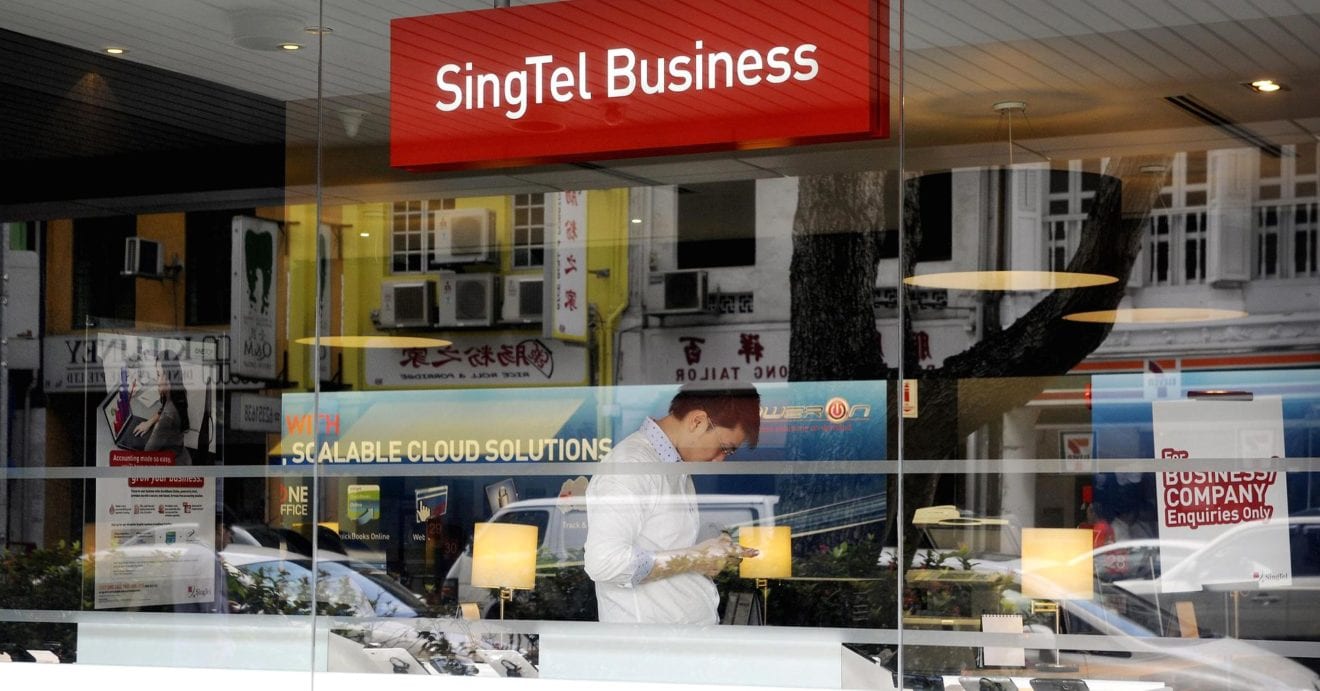
    Singtel has revealed plans to extend its free unlimited out-of-home WiFi offer to new and existing fiber broadband customers.

    The operator has been providing Singtel WiFi services for free for the operator’s mobile customers, and has decided to expand access to the service based on its popularity with mobile subscribers.

    Fiber broadband subscribers will be eligible for unlimited data usage at Singtel’s more than 900 WiFi hotspots island-wide. The company said the unlimited usage offer will last until the end of September 2017.

    Customers will be able to access the network on any WiFi-enabled device. After a one-time activation the service offers seamless logins at all WiFi hotspots.

    Singtel asserts that its WiFi network offers five times faster speeds compared to conventional WiFi services. Hotspots have been deployed across the island, including in MRT public transport stations and McDonald’s restaurants.

    “We are pleased to offer our fiber broadband customers extra value on their plans and affordable options to stay connected,” Singtel managing director of home consumer Singapore Goh Seow Eng said.

  • Globe to provide free Wi-Fi in LRT1 stations

    Globe to provide free Wi-Fi in LRT1 stations

    The Philippines’ Globe Telecom has agreed to provide free Wi-Fi services in all 20 stations of metro Manila’s Light Rail Transit System-Line 1 (LRT1).

    The company has agreed to provide Wi-Fi services to the roughly 400,000 daily LRT-1 passengers as well as Light Rail Manila Corp (LRMC) employees.

    Globe will also provide a fiber network extending the length of the system, covering all LRT-1 stations and LRMC’s depot in Pasay City, and deploy cell sites in each station to improve wireless connectivity.

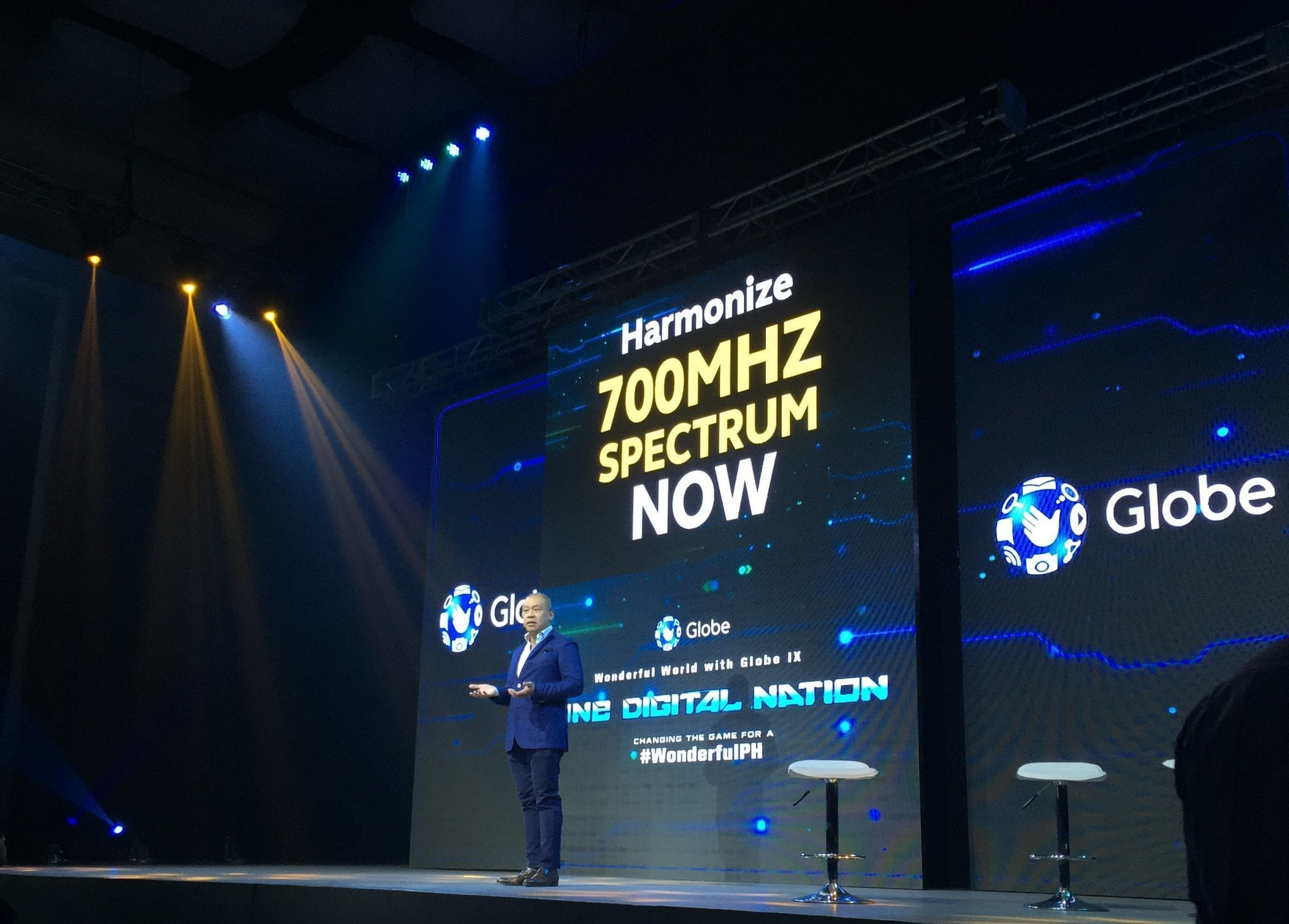
    Globe Network Technical Group’s SVP for program governance Joel Agustin said the company will use its newly-acquired spectrum in the 700-MHz, 1800-MHz and 2600-MHz bands to provide the capacity required to handle the massive mobile traffic volumes at the stations.

    “As the purveyor of the Filipino digital lifestyle, we, at Globe recognize customer demand for constant connectivity even as they are on the go,” he said. “We are confident that the deployment of free Wi-Fi services in all LRT stations will bring better communication or even improve work productivity for our customers.”

    The operator separately announced that data traffic through the Globe Telecom network grew 35% year-on-year in the first half of 2016 to 151 petabtyes.

    Mobile data revenues surged 46% over the same period to 17.8 billion pesos ($3.66 billion), the operator revealed in its recent results. This comprised 39% of total mobile revenues, up from 27% in 1H15.

  • SmarTone launches multi-device Wi-Fi calling

    SmarTone launches multi-device Wi-Fi calling

    Hong Kong’s SmarTone has introduced Wi-Fi calling for multiple devices using equipment provided by Ericsson.

    The new Wi-Fi calling service allows customers to pair up to five personal devices that lack SIM cards – including tablets, computers and smart watches – to enable operator voice calls via Wi-Fi connections.

    Devices can be located across different Wi-Fi access points, and calls can be seamlessly transferred to a user’s smartphones. The service also supports multiple simultaneous calls using the same number.

    Ericsson has adapted its existing Wi-Fi calling offering to support multi-device functionality. The company is offering an end-to-end platform comprising the evolved packet core, IMS, user data management and OSS/BSS.

    “SmarTone has always focused on delivering outstanding experience to our customers. With the trend of more and more customers using multiple devices nowadays, we offer Wi-Fi calling for multi-device service to our customers,” SmarTone CTO Stephen Chau said.

    “We believe the new capability to extend our voice service to devices without a SIM-card is adding genuine convenience to our customers.”

    A recent Ericsson ConsumerLab survey of basic Wi-Fi calling users in the US showed that four in five are very satisfied with the service. Around one in three international smartphone users are aware of the technology, Ericsson said, and of these seven in 10 find the prospect appealing.

  • AccorHotels picks Ruckus Wireless as Wi-Fi vendor

    AccorHotels picks Ruckus Wireless as Wi-Fi vendor

    AccorHotels Group  has selected Ruckus Wireless as the preferred Wi-Fi partner for its chain of more than 3,700 hotels in 90 countries.

    The company has started implementing 802.11ac access point technology from the vendor at hotels including Novotel Hong Kong Nathan Bay Kowloon to improve performance for both customers and staff.

    As part of the agreement, Ruckus ill also update the hotel group’ technical infrastructure to help support new standards and customer requirements.

    “Our digital strategy is hyper-focused on our customers and owners—and their expectations for high-performance, multi-access, personalized Wi-Fi services,” said David Esseryk, vice president of guest technology and innovation at AccorHotels.

    “Ruckus’ understanding of the hospitality industry and close relationship with global HSIA services providers made the choice clear-cut. We look forward to working together, streamlining processes and ultimately further enhancing our powerful brand DNA.”

    Hotels require strong Wi-Fi infrastructure to support what is often a large number of concurrent users. Guests have also come to consider Wi-Fi as a must-have requirement.

    Ruckus Wireless Wi-Fi technology includes unique selling points including directional, high-gain RF signal routing to improve coverage, performance and cost-effectiveness, making the company a popular choice for the hospitality sector.