Retail News CRM

Tag: Yum

  • Yum China’s Monumental Growth: Q1 Results Skyrocket with Record 636 New Stores

    Yum China’s Monumental Growth: Q1 Results Skyrocket with Record 636 New Stores

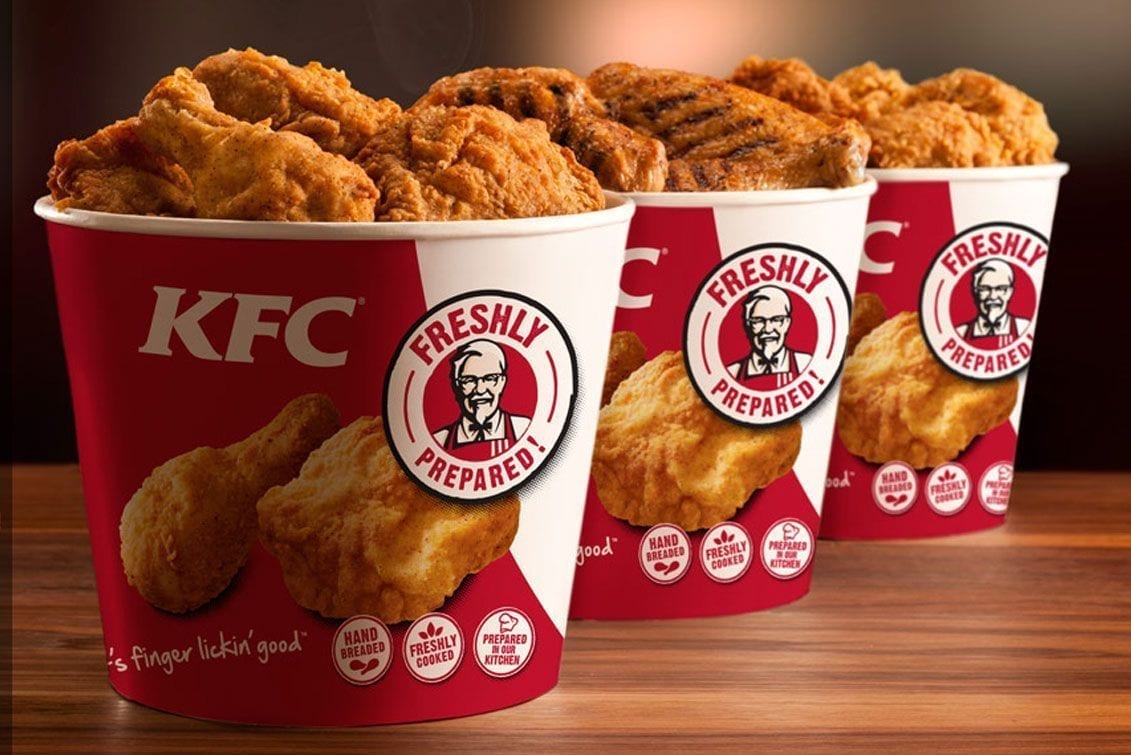
    Yum China, a leading retail company, has announced the launch of an ambitious expansion plan, following a highly successful first quarter for FY26. The company reported 636 net new store openings, setting a record-high figure.

    Impressive Financial Performance

    The retail behemoth recorded an impressive 10% increase in total revenue, reaching a staggering US$3.3 billion. Operating profit also followed this upward trajectory, registering a 12% growth to a record-breaking $447 million. Consumer behavior in China is undergoing significant changes, with delivery services now accounting for an impressive 55% of total sales. This is a substantial increase from the 43% reported in the same quarter of the previous year.

    CEO of Yum China, Joey Wat, applauded the company’s growth efforts, saying, “In Q1, our accelerated store openings reached a record level, capitalizing on considerable market opportunities.”

    He continued, elaborating on the company’s consistent growth, “Concurrently, we have maintained our system sales growth, operating profit growth, and operating profit margin expansion for the eighth quarter in a row, a testament to the hard work and dedication of our teams.”

    Adaption of ‘Side-by-side’ Store Strategy

    Yum China’s ‘side-by-side’ store strategy is gaining momentum, especially for the KPRO brand. With 280 outlets now in operation, this health-conscious concept is quickly scaling up, with ambitious goals to reach 600 locations by the end of the year.

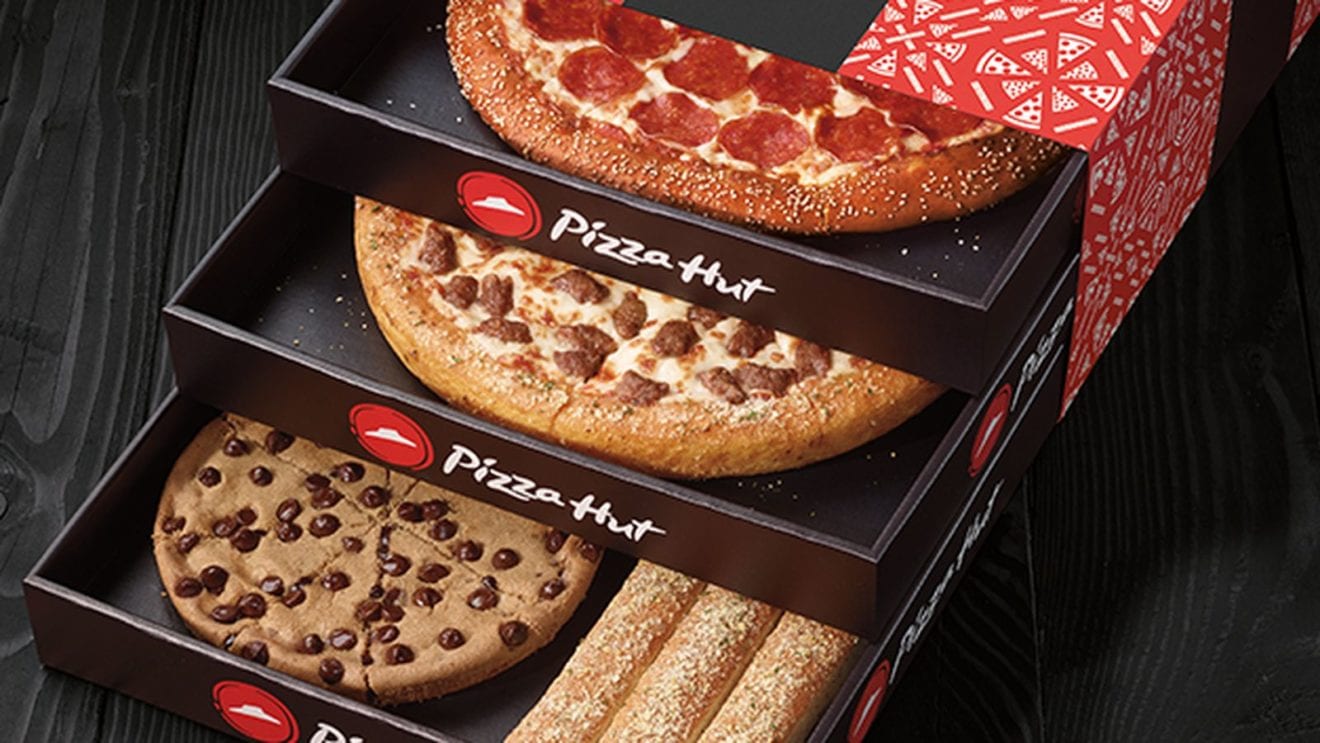
    In a parallel development, Pizza Hut is also undergoing a strategic change. The ‘Pizza Hut Wow’ format concentrates on simplified menus and affordable prices and is currently being introduced in 100 additional cities. This strategic move is designed to attract value-conscious consumers in Tier 2 and Tier 3 markets.

    Future Expansion Plans

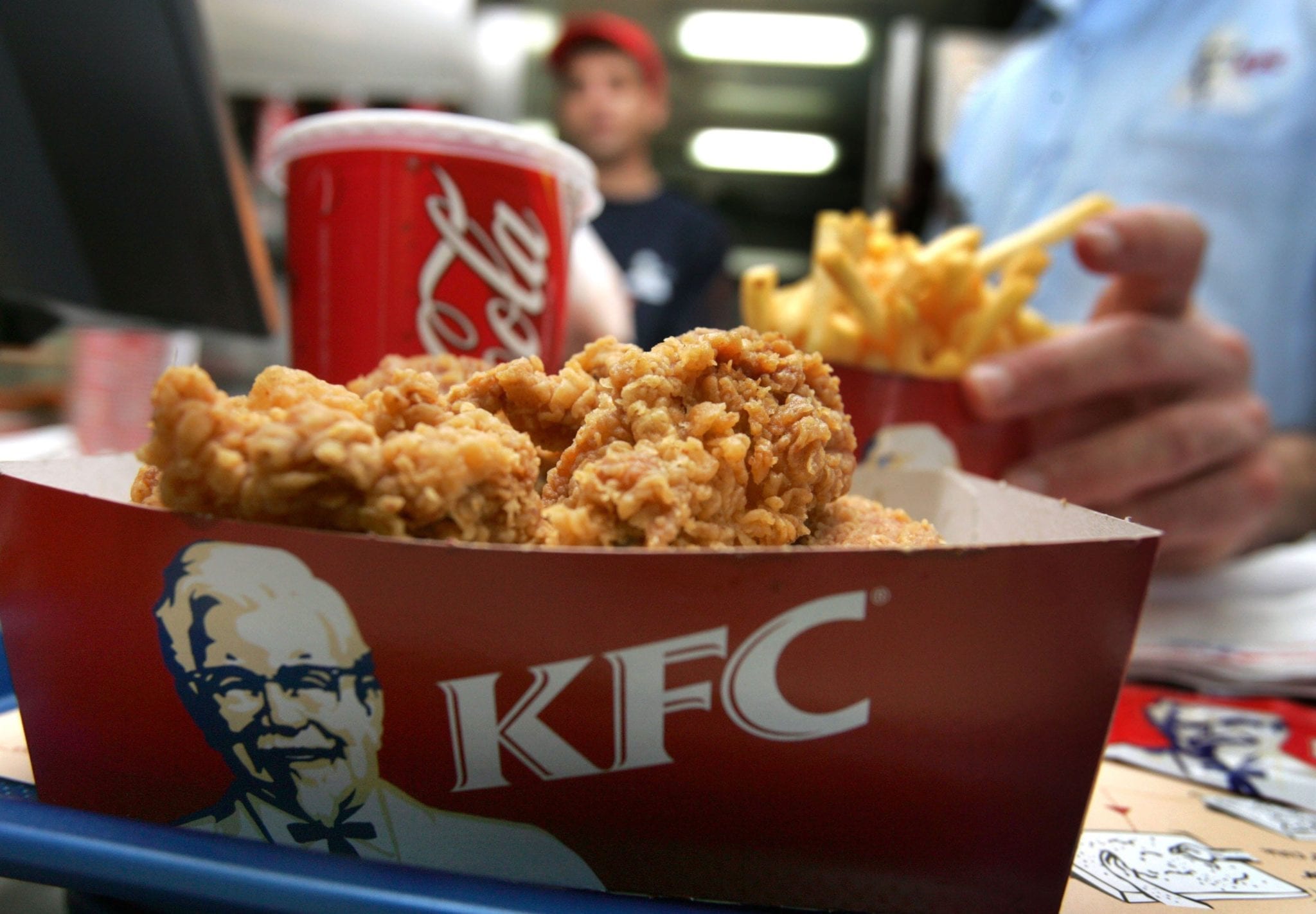
    Looking forward, Yum China is aiming to build a total store network exceeding 20,000, facilitated by more than 1900 net new store openings this year. Additionally, the company is considering a 40-50% franchise mix for net new stores across both the KFC and Pizza Hut portfolios.
    CEO Joey Wat expressed confidence in the company’s future, stating, “Considering our robust foundation, dual focus on innovation and operational efficiency, and a more judicious delivery platform competition, we are optimistic about meeting our full-year targets and generating sustainable long-term value for our shareholders.”

    These promising results follow a strong fourth quarter for the company in the previous year.

    Questions & Answers

    What is Yum China’s expansion strategy?
    Yum China’s expansion strategy includes accelerated store openings and the introduction of the ‘side-by-side’ store strategy, especially for the KPRO brand.

    How is Pizza Hut adapting to market changes?
    Pizza Hut is implementing the ‘Pizza Hut Wow’ format, focusing on streamlined menus and affordable prices to attract value-conscious consumers in Tier 2 and 3 markets.

    What are Yum China’s future plans?
    Yum China plans to build a total store network exceeding 20,000, facilitated by more than 1,900 net new store openings this year. The company is also considering a 40-50% franchise mix for net new stores across both the KFC and Pizza Hut portfolios.
  • Yum China Ends FY25 Strong: Delivery Boom and Store Expansion Fuel 9% Q4 Revenue Surge

    Yum China Ends FY25 Strong: Delivery Boom and Store Expansion Fuel 9% Q4 Revenue Surge

    Yum China Holdings ended the 2025 fiscal year on a strong note, with an increase in delivery orders and expedited store openings fueling a rise in sales and profits, even amidst muted consumer spending in China.

    Performance Overview

    During the quarter that concluded on December 31, Yum China, the operator of KFC, Pizza Hut, and other dining brands throughout mainland China, recorded a revenue of US$2.8 billion, a 9% increase compared to the previous year.

    The company saw a 3% growth in same-store sales, the third consecutive quarter of positive growth, while system sales experienced a 7% increase.

    Delivery service played a crucial role in driving growth, with delivery sales surging by 34% and contributing to around 53% of the total revenue. Yum China’s emphasis on digital ordering and convenience due to fluctuating dine-in customer counts across regions remains an integral part of its strategy.

    Store Expansion & Sales

    Store expansion significantly contributed to the company’s performance. Yum China inaugurated an astonishing 587 new stores in the fourth quarter, with franchise partners opening nearly 36% of these stores. Over the year, the group opened 1706 additional stores, raising its total to more than 18,100 restaurants across the nation.

    For the 2025 fiscal year, Yum China reported a revenue of US$11.8 billion, a 4% increase from the previous year, while the operating profit climbed 11% to approximately US$1.3 billion.

    Words from the CEO

    Joey Wat, CEO of Yum China, praised the hardworking team for ending 2025 on a high note by delivering growth in same-store sales for three consecutive quarters and same-store transaction growth for twelve quarters in a row.

    Wat noted that KFC had discovered new consumption opportunities via its KCoffee cafe format and Kpro side-by-side modules. Meanwhile, Pizza Hut enhanced its value proposition and launched its Wow model to extend its presence to previously untapped locations, particularly in lower-tier cities.

    Future Plans

    In terms of future plans, the company aims to operate more than 20,000 restaurants by the end of the current year, supported by the opening of over 1900 new stores. Yum China predicts that franchised outlets will represent 40-50% of all new openings across KFC and Pizza Hut, as it continues to extend its hybrid ownership model.

    Questions & Answers

    What was the revenue of Yum China for the 2025 fiscal year?
    The revenue was reported to be US$11.8 billion, a 4% year on year increase.

    What role did delivery service play in Yum China’s growth?
    Delivery service was a major growth driver, with delivery sales rising by 34% and making up around 53% of the total revenue.

    What are the company’s future expansion plans?
    Yum China aims to operate over 20,000 restaurants by the end of the year, supported by the opening of more than 1900 new stores.

  • Yum Brands Eyeing Potential Pizza Hut Sell-Off Amid Underperformance

    Yum Brands Eyeing Potential Pizza Hut Sell-Off Amid Underperformance

    Yum Brands, the parent company of Pizza Hut, is currently exploring strategic alternatives for its pizza arm, which may include a potential sale. This move comes as Pizza Hut’s performance has been an underwhelming aspect of the business, failing to match the success of other sectors within the company.

    Strategic Review Initiated

    On Tuesday, Yum Brands disclosed that the company had commenced a formal evaluation of strategic alternatives for Pizza Hut. The purpose of this review is to unlock the brand’s full potential and optimise the value for the company’s stakeholders.

    In a statement, Christopher Turner, Yum Brands’ CEO, noted the Pizza Hut team has been diligently tackling business and category-specific challenges. However, the brand’s performance suggests that further action is required to unlock its full value. He further hinted that these goals might be more effectively achieved if Pizza Hut was not under the Yum Brands umbrella.

    A New Approach

    Turner stated that a new approach, which could potentially involve selling the business, may allow Pizza Hut to realise its full potential. However, he did not elaborate on what other approaches might be under consideration.

    Yum Brands has noted that no specific timeline has been set for the completion of this strategic review. Likewise, the company has not guaranteed that this process will result in a transaction.

    For guidance on this strategic review, Yum Brands has engaged the services of Goldman Sachs and Barclays as their financial advisors.

    Questions & Answers

    Why is Yum Brands considering selling Pizza Hut?
    The company is exploring different strategic options for Pizza Hut, including a potential sale, to maximise the brand’s potential and the value for the company’s shareholders.

    What is the timeline for this strategic review?
    Yum Brands has not set a specific deadline for the completion of the review.

    Has Yum Brands guaranteed that this review will result in a transaction?
    No, the company has stated that there is no assurance that the review process will lead to a transaction.

  • Yum China Unveils ‘Fried Chicken Brothers’: A New Twist On Fast-food With Chinese And Korean Flavors

    Yum China Unveils ‘Fried Chicken Brothers’: A New Twist On Fast-food With Chinese And Korean Flavors

    Yum China, KFC’s operator in the country, has discreetly introduced a fresh pilot concept by the name of Fried Chicken Brothers, further diversifying its localized sub-brands.

    The pilot currently runs two compact stores in Shanghai, each approximately 20sqm in size, with a particular focus on takeaway and delivery services.

    The innovative brand presents two unique culinary adventures. One specializes in Chinese-style fried chicken, while the other embraces the distinct flavors of Korean-style fried chicken.

    The Chinese menu features dishes inspired by regional flavors, such as chicken spiced with Litsea cubeba, crispy chicken skin paired with chili, and chicken racks with a unique taste of Yanbian barbecue kimchi. The Korean-style shop, on the other hand, emphasizes boneless fried chicken, served with an array of bold sauces including creamy cheese, amber sweet and spicy, and honey mustard sauces.

    Based on user reviews, the average spending per person is estimated around 30 RMB (approximately US$4.12), positioning Fried Chicken Brothers as a cost-effective and flavor-rich alternative in the fast-food fried chicken market.

    This new addition expands Yum China’s increasing portfolio of KFC sub-brands in the country, which further includes KCoffee and Kpro. This move aligns with the company’s broader strategy of diversifying its offerings to cater to younger consumers and adapt to the ever-changing local tastes.

    Questions & Answers

    What is Yum China’s new pilot concept?
    Yum China has introduced a new pilot concept called Fried Chicken Brothers, which offers Chinese and Korean-style fried chicken.

    What does the Fried Chicken Brothers menu offer?
    The menu offers two distinct culinary experiences. The Chinese-style menu features dishes like Litsea cubeba-spiced chicken and Yanbian barbecue kimchi-flavoured chicken racks. The Korean-style menu focuses on boneless fried chicken with a variety of sauces.

    What is the positioning of Fried Chicken Brothers in the market?
    As per user reviews, the average spending per person is around 30 RMB (US$4.12), thus positioning Fried Chicken Brothers as an affordable and flavor-rich alternative in the fast-food fried chicken market.

  • Yum China Reports 4% Revenue Rise, Citing Network Expansion And Digital Sales Boost

    Yum China Reports 4% Revenue Rise, Citing Network Expansion And Digital Sales Boost

    Yum China, a stalwart in the food and beverage industry, has reported a rise in revenue by 4 per cent year on year for the second quarter ending June 30, 2021, accumulating a total of US$2.8 billion.

    The company’s growth is attributed to the expansion of its network and an uptick in same-store sales, which saw a 2 per cent increase in transactions. The burgeoning network of nearly 17,000 locations across Yum China’s food and beverage brands played a pivotal role in achieving this positive outcome, according to the company’s CEO, Joey Wat.

    During this quarter, Yum China added 336 stores to its portfolio, raising the total to 16,978 locations. This figure includes 12,238 KFC outlets and 3,864 Pizza Hut outlets. It’s noteworthy to mention that franchisees opened 26 per cent, or 89, of these new stores.

    Financial Performance

    Joey Wat also expressed satisfaction with the company’s financial performance, highlighting the achievement of double-digit growth in operating profit and substantial margin expansion. The operating profit rose by 14 per cent year on year to $304 million, the highest ever reported by Yum China for a second quarter. The core operating profit also saw a 14 per cent increase compared to the previous year.

    In a display of fiscal health, the company returned $274 million to its shareholders through share repurchases and dividends.

    Digital Sales and Membership

    A significant contributor to the company’s sales, the digital segment accounted for 94 per cent of total company sales, reaching $2.4 billion for the quarter. The delivery sales, growing at a 22 per cent rate year on year, contributed approximately 45 per cent of the total sales.

    A key aspect of consumer engagement, membership across KFC and Pizza Hut, saw an increase of 13 per cent from the previous year, reaching approximately 560 million. These members accounted for 64 per cent of total system sales for both brands.

    Wat stressed on the importance of digitalization, adding, “We are also fortifying our end-to-end digitalisation to streamline operations and elevate our customer experience.” He expressed confidence in the company’s brands and strategies, stating their potential to deliver sustainable, long-term value for shareholders.

    Questions & Answers

    What contributed to Yum China’s growth in the second quarter?
    Yum China’s growth was driven by network expansion and a rise in same-store sales, which saw a 2 per cent increase in transactions.

    What was the percentage of new stores opened by franchisees?
    Franchisees opened 26 per cent of the new stores during the quarter.

    What was the impact of digital sales on the total company sales?
    Digital sales accounted for 94 per cent of total company sales, reaching $2.4 billion for the quarter.

  • Yum China Unveils ‘Q-Smart’: The AI Assistant Transforming Restaurant Operations Efficiently

    Yum China Unveils ‘Q-Smart’: The AI Assistant Transforming Restaurant Operations Efficiently

    Yum China Holdings, Inc. has unveiled Q-Smart, a hands-free, AI-powered assistant aimed at streamlining daily operations for restaurant managers. This innovative tool employs voice interaction via wearable devices, such as smartwatches and wireless earphones, enabling managers to effortlessly tackle tasks like scheduling, inventory management, and food safety checks—no screens or hands required.

    Q-Smart responds to natural language commands and offers real-time support, drawing from Yum China’s extensive operational knowledge base. Currently being piloted in selected KFC outlets, the assistant helps monitor inventory against sales forecasts, notifies managers about reordering supplies, and guides them through equipment checks—all through simple voice interactions.

    This launch is a key element of Yum China’s ambitious digital transformation strategy. Since 2015, the company has implemented digital payment systems, developed a customer app, introduced AI decision-making tools, and embraced Generative AI solutions, boasting over 540 million digital members as of March 2025.

    The Q-Smart was officially announced during Yum China’s inaugural AI Day in Shanghai, where CEO Joey Wat also introduced a $13.9 million (100 million yuan) Frontline Innovation Fund to foster tech initiatives driven by employees. Adding to the excitement, an All-Staff Hackathon saw participation from nearly 200 teams spread across 30 markets—who wouldn’t want to pitch their tech ideas in a room buzzing with creativity?

    Questions & Answers

    What is Q-Smart and how does it work?
    Q-Smart is an AI-powered assistant that uses voice interaction through wearable devices to assist restaurant managers in managing day-to-day operations without the need for screens or manual tasks.

    Where is Q-Smart currently being piloted?
    The assistant is currently being tested in select KFC stores, where it aids in inventory monitoring, supply reordering, and issue resolution.

    What are some components of Yum China’s digital transformation?
    Yum China’s digital transformation includes the rollout of digital payments, a customer app, AI decision tools, and Generative AI solutions, which collectively have helped grow its digital membership to over 540 million by March 2025.

  • Yum China Boosts Share Buyback Program to $510M, Strengthening Investor Confidence for H2 2025

    Yum China Boosts Share Buyback Program to $510M, Strengthening Investor Confidence for H2 2025

    Yum China Holdings, Inc. has unveiled an impressive $510 million share repurchase program set to kick off on July 1, 2025. This marks a significant 42% increase from the previously announced $360 million for the first half of the year, signaling strong confidence in the company’s future.

    Alongside this strategic move, Yum China will issue a quarterly dividend of $0.24 per share, projecting a remarkable return of at least $1.2 billion to shareholders in 2025. CEO Joey Wat emphasized the company’s commitment to balancing business growth while effectively rewarding investors. The aim is to achieve $3 billion in returns from 2025 to 2026, following a successful $1.5 billion return in 2024.

    The repurchase initiative breaks down to approximately $410 million allocated in the U.S. and HK$790 million earmarked for Hong Kong, showcasing Yum China’s robust financial strategy. Since 2017, the company has impressively returned a total of $4.8 billion to its shareholders through dividends and share buybacks.

    As Yum China enriches its shareholder base, it seems the only thing missing is a celebratory feast—perhaps a few extra dumplings to toast the occasion!

    Questions & Answers

    What is the total amount Yum China plans to return to shareholders in 2025?
    Yum China expects to return at least $1.2 billion to shareholders in 2025.

    When does the share repurchase program start?
    The share repurchase program will begin on July 1, 2025.

    How much has Yum China returned to shareholders since 2017?
    Since 2017, Yum China has returned $4.8 billion to its shareholders through dividends and buybacks.

  • Yum Restaurants India to sell stake in local Yum Brands franchisee

    Yum Restaurants India to sell stake in local Yum Brands franchisee

    Yum Restaurants India is reported to have sold its 4.4 per cent share in Devyani International for US$105 million.

    Devyani International, from which Yum Restaurant acquired the stake in 2021, is the main franchisee of Yum Brands in China, operating KFC, Pizza Hut and Taco Bell.

    SBI Mutual Fund (MF), Axis MF, Franklin Templeton MF, Nippon India MF, and Goldman Sachs are among the investors in Devyani International’s stock.

    Devyani is planning to push the expansion of these brands, strengthening its growth strategy in FY24 by purchasing 274 KFC restaurants in Thailand, marking its first foray into Thailand’s quick-service and limited-service restaurant markets.

    The business also plans 2000 stores across the globe by the end of this year, ahead of the previous target date of 2026.

  • Yum China posts record revenues

    Yum China posts record revenues

    Yum China, which operates the KFC and Pizza Hut chains in China, logged a 9 per cent year-on-year increase in revenues to US$2.91 billion for the third quarter ended September 30.

    The company’s system sales were up 15 per cent, with both KFC and Pizza Hut reporting increases of 15 per cent and 13 per cent, respectively. The growth was mainly attributable to the new unit contribution, same-store sales and lapping of temporary closures in the prior year.

    Operating profit increased 2 per cent to $323 million, primarily driven by sales leveraging.

    The firm opened 500 net new stores during the quarter, raising the store count to 14,102 as of September 30.

    “We delivered a record third quarter in total revenues, adjusted operating profit and net new store openings,” said Joey Wat, CEO of Yum China. “Our robust supply chain, industry-leading digital ecosystem and strong innovation capabilities have enabled us to stay agile in evolving market conditions.”

    Andy Yeung, CFO of Yum China, added the company achieved “robust results” despite macroeconomic headwinds, with same-store sales growth at approximately 90 per cent of the 2019 level.

    For the full year, the company expects capital expenditures to be in the range of approximately $700 million to $900 million.

    It aims to open 1400 to 1600 net new stores for 2023 and increase the total store count to 20,000 by 2026.

    Aside from KFC and Pizza Hut, Yum China also operates Taco Bell, Lavazza, Little Sheep and Huang Ji Huang stores in the country.

  • Yum China applies to add primary listing in Hong Kong

    Yum China applies to add primary listing in Hong Kong

    YUM China Holdings said on Monday (Aug 15) it has applied for a primary listing in Hong Kong, as the company looks to circumvent a risk of delisting from the New York Stock Exchange amid tight regulatory scrutiny on Chinese companies.

    The move comes on the heels of an audit dispute between China and the United States, which is threatening to kick out hundreds of Chinese companies listed in New York.

    E-commerce giant Alibaba Group Holdings had also said last month it would convert its Hong Kong secondary listing into a dual primary listing.

    Five US-listed Chinese state-owned firms, including oil giant Sinopec, last week said they would voluntarily delist from the NYSE, after the Securities and Exchange Commission flagged more than 270 companies, including Yum China, for failing to meet US auditing standards.

    Yum China, which runs the KFC and Taco Bell chains in China, said the conversion from its current secondary listing status to primary listing is expected to be completed in October, subject to shareholder approval.

    The company will become dual primary listed on the NYSE and the Hong Kong Stock Exchange, it added.

  • Yum China forays into the milk tea cafe market

    Yum China forays into the milk tea cafe market

    Looking outside her Beijing coffee shop where seven other nearby cafes including a Starbucks compete for customers, Huang Ying is simply glad to still be in business.

    In the 17 years since opening her cafe in the trendy 798 Art Zone district, making money has gotten harder – even before the coronavirus. Rent and labour costs have increased while rival after rival waded into a market that has failed to live up to expectations.

    “Our profit can’t compare with the old days,” she said. “I raised prices by 10% in 2017 but that has done little to offset the jump in costs.”

    As a coffee market, China exerts a magnetic pull for Western brands keen to emulate the success of Starbucks Corp which has over 4,400 stores in China and is still expanding. Since last year, Canada’s Tim Hortons has opened about 60 stores in China while Italy’s Lavazza and Sweden’s Wayne’s Coffee have also made forays into the market.

    Much of the optimism about China’s coffee market potential stems from just how little its consumers drink – just 5.4 cups per capita last year, compared to 341 in the United States and 591 in Western Europe, according to consultancy Euromonitor.

    Chinese coffee consumption is growing at an estimated rate of around 5% annually, but coffee shop proprietors like Huang say it is more important to take note of the huge jump in outlets and cut-throat pricing.

    Store openings of specialist coffee and tea shops surged 50% in 2018 and 2019, and China now has some 18,350 stores, more than triple the number in 2014, according to Euromonitor. Coffee is also now sold at many convenience stores and fast-food restaurants.

    And while a regular-sized latte costs around 30 yuan ($4.24) in China, it can be as cheap as 4.5 yuan ($0.60) at some places with the use of discount vouchers.

    This year’s admission by delivery-focused and coupon-reliant Luckin Coffee that it fabricated $310 million in sales underscores how the coffee opportunity in China has been exaggerated, analysts said.

    “Luckin’s fraud proved that even though coffee in China is almost free, the Chinese still don’t drink much of it,” said Beijing-based independent analyst Keso Hong.

    Tea is China’s main source of caffeine and outside of China’s biggest cities, buying a branded caffeinated drink to get through the day is not part of everyday life.

    Bubble tea, which contains tapioca pearls, is also giving coffee a run for its money. Food delivery giant Meituan Dianping received 210 million orders for bubble tea in 2018, “far more than” coffee, it has said without elaborating.

    Like Luckin, other domestic chains are struggling to fulfil big dreams.

    Coffee Box, which focuses on coffee deliveries and raised some $56 million in funding, has shut or suspended business at dozens of its stores. Grey Box, which offers speciality coffee, said in 2018 it wanted 12 stores in Beijing by end of that year, but has just four. Bruno Caffe has closed most stores and only two remain.

    Among western firms, Britain’s Costa Coffee, which is owned by Coca-Cola, has 300 China stores according to its website, despite earlier ambitions to have had 2,500 by 2018.

    Starbucks, the first big Western brand in the market and now with 20 years in China under its belt, appears to be the only resounding success, having carefully cultivated its image as a premium cafe for young professionals. Some estimates put the U.S. giant’s share of China’s coffee market at as much as 80%.

    Just this week, Starbucks expanded its Chinese ordering services to multiple Alibaba apps.

    The newcomers have, however, wisely decided not to go it alone.

    Lavazza has formed a venture with Yum China, the owner of KFC restaurants in China. Restaurant Brands International’s Tim Hortons said last year it wanted 1,500 stores in China and has gained backing from Tencent Holdings. Wayne’s Coffee signed a 15-year deal with a Chinese master franchisee.

    The chains did not respond to requests for comment on their prospects.

    But even teaming up with a partner is no guarantee of success given the extreme competition, analysts said.

    “Undoubtedly the coffee market in China will continue to grow and consumers are becoming more habitual coffee drinkers but it is still a hard market to win,” said Ben Cavender at China Market Research.

  • Yum China sales fall as pandemic impact worsens

    Yum China sales fall as pandemic impact worsens

    The owner of KFC and Pizza Hut said sales plunged by 20% in the first two weeks of March as a surge of new Covid cases spread across China.

    Yum China said “the situation has rapidly deteriorated” as regional lockdowns have been put in place to stem the outbreak.

    More than 1,100 of its stores are temporarily closed or offering takeaway and sales are “still trending down”.

    China’s lockdowns are among its biggest since the beginning of the pandemic.

    They include the Jilin province – home to companies such as carmakers Toyota and Volkswagen – as well as technology hub Shenzhen as the number of new infections of the Omicron variant of Covid rise.

    Yum China said: “Entering March, the situation has rapidly deteriorated with the highly transmissible Omicron variant causing outbreaks across China, including economically important regions of Guangdong, Shanghai, Shandong and Jilin.”

    It added: “Our operations are significantly impacted by the latest outbreaks and the tighter public health measures which resulted in a further reduction of social activities, travelling and consumption.”

    Toyota, Volkswagen and iPhone-maker Foxconn have been forced to close operations in affected regions due to lockdowns.

    Although Foxconn said on Wednesday it was able to restart some production in Shenzhen after putting in place a closed loop system on its campus. It means that Foxconn employees working in the space cannot move outside the group.

    Foxconn said: “This process, which can only be done on campuses that include both employee housing and production facilities, adheres to strict industry guidelines and closed-loop management policies issued by the Shenzhen government.”

    There are concerns the restrictions could have an impact on global supply chains.

    But Yum China’s chief executive Joey Wat, said: “Our robust supply chain management has shielded us from material business disruptions.”

    Yum China said it had more than doubled the number of stores it had closed or restricted to take-out services from 500 in January to 1,100 in March.

    Ms Wat pledged: “We will keep our restaurants open and provide food services to customers wherever it is possible and safe to do so.”


  • Yum China names new executives

    Yum China names new executives

    Yum China has appointed Johnson Huang as its first chief customer officer and Warton Wang, who is currently the chief development officer, as GM of KFC. Both roles are effective on May 1.

    Yum China says creating the chief customer officer position is one of the company’s strategies to “integrate customer-centricity into its brand-driven culture”.

    Johnson Huang has served as GM of KFC and joined the company in 2006. Prior to that, he was the company’s chief information and marketing support officer and helped build IT functions and digital infrastructure.

    In his new role, Huang will focus on enhancing customer experiences as well as understanding the market demand and creating cross-functional initiatives. He will also supervise some brands like Lavazza, Coffii & Joy and Taco Bell, and continue to report to Joey Wat, the company’s CEO.

    Meanwhile, Warton Wang will succeed Huang as the GM of KFC. Wang joined the brand in 1998 as an operations management trainee and has held various operations roles within KFC, including as market manager of Hangzhou KFC.

    Wang became the regional VP of KFC Field Operations in 2015 and the company’s chief development officer in 2020.

    “Digital is a core growth enabler of Yum China to unlock tremendous opportunities. Johnson’s new leadership role will enable us to continuously strengthen our digital capabilities and elevate the customer experience,” Joey Wat.

    “With his strong technology background and deep understanding of the organisation, Johnson is most suited for this new role. [His] proven track record of leading KFC in the past five years gives us confidence that he can transform our emerging brands into future growth engines for Yum China.”

  • Yum China sales suffer as Omicron cases surge

    Yum China sales suffer as Omicron cases surge

    Yum China Holdings Inc said on Monday a COVID-19 resurgence in the country in recent weeks had dented sales in the first quarter, setting back the revival its KFC, Pizza Hut and Taco Bell joints had last year.

    Same-store sales decreased around 20% from a year earlier for the first two weeks of March and was still trending down in recent days, after falling nearly 4% for the two months combined in January and February, Yum China said.

    “Entering March, the situation has rapidly deteriorated with the highly transmissible Omicron variant causing outbreaks across China, including economically important regions of Guangdong, Shanghai, Shandong and Jilin,” the company said.

    The restaurant chain recorded a 1% fall in same-store sales last year, an improvement from the 9% decline in 2020. However, tight curbs on travel and dining out due to the rapid spread of the Omicron coronavirus variant have hurt sales this year.

    The company projected an operating profit for the first quarter to be in a range of $165 million to $200 million, compared with $342 million a year earlier.

    China has reported more local symptomatic COVID-19 cases so far this year than it recorded in all of 2021, as the highly transmissible Omicron variant triggers outbreaks from Shanghai to Shenzhen.

    Over 1,100 Yum China restaurants were temporarily closed or offering only takeaway and delivery services, as of Sunday. It had more than 12,000 restaurants, as of February end.

    Yum China’s shares, which have taken a beating in recent days due to an auditing dispute between Beijing and Washington, fell as much as 10.5% to $33.55, a three-year low.

  • Yum China calls time on Chinese brand

    Yum China calls time on Chinese brand

    Yum China Holdings, the owner of the KFC and Pizza Hut restaurant chains in China, has decided to shut down its struggling fast-food brand, East Dawning, after it failed to survive the Covid-19 pandemic.

    The company said in its annual report that the remaining five outlets of the Chinese-style quick-service restaurant (QSR) brand would cease to operate within 2022.

    “The brand was severely impacted by the Covid-19 pandemic,” the report said. “As a result, we have decided to wind down operations of the brand.”

    The annual report, filed to the Hong Kong stock exchange, did not provide financial data for East Dawning, which was established by Yum on the mainland in 2005. The chain kicked off with about 100 restaurants nationwide located mainly at airports and train stations. But the number has fallen drastically over the years amid stiff competition. By 2012, the chain had dwindled to 30 restaurants, and by 2020 only eight outlets of the brand remained.

    Disease outbreak dealt a fatal blow to the brand, but it has not been successful over the past decade due to stern challenges from a raft of local restaurant chains,” said Chen Xiao, CEO of Shanghai Yacheng Culture, a consultancy dealing with marketing and branding for foreign and local companies. “After all, the five outlets and the brand are of little value to Yum’s businesses in China.”

    East Dawning, in Chinese, literally means that the east is lit up by the light of dawn.

    Su Shi, a poet during the Northern Song dynasty (960-1127) wrote in his poem the Red Cliffs that a group of friends were so obsessed with a dinner party on a boat that they did not notice the east was lit up by the light of dawn.

    East Dawning was the first Chinese-style fast-food brand created by Yum to tap the market potential on the mainland. It combines KFC’s business model with Chinese cuisine. The menu includes steamed pastries such as buns, and Chinese tea.

    The fast-food brand has been eclipsed by the rise of Chinese restaurant chains such as Da Niang Dumpling and Yang’s Dumplings which are adept at cooking Chinese food to appeal to local tastes.

    China’s catering sector has taken a beating from the coronavirus outbreak over the past two years as lockdown measures and social distancing rules have kept customers at bay.

    In 2020, restaurants across the mainland reported total revenue of 3.95 trillion yuan (US$625 billion), down 15.4 percent on the year, according to the National Bureau of Statistics.

    In the first half of 2021, the catering industry raked in sales of 2.17 trillion yuan, up 48.6 per cent from a year ago, but virtually unchanged from the same period of 2019.

    Yum China, whose other brands include Little Sheep, Huang Ji Huang and Coffii & Joy, operates more than 11,700 outlets on the mainland.

    It reported net profit of US$525 million in 2021, down 15 per cent from the previous year. Revenue grew 19 per cent to US$9.85 billion.

    Its shares trading in Hong Kong were changing hands at HK$378 (US$48.37) on Monday afternoon, having slumped 8 per cent from their initial public offering price of HK$412 in September, 2020.