Retail News CRM

Tag: zalora

  • Topmot Vietnam receives seed funding

    Topmot Vietnam receives seed funding

    Right after the closure of its sibling eCommerce model Lingo, Topmot Vietnam has received US$1 million from investors in Asia, Europe and the US.

    The funding proves that despite many online failures in Vietnam to date, there is still interest in eCommerce startups.

    “Ecommerce in Vietnam is indeed not easy, specifically for B2C businesses that require a sizable up-front investment to be able to process and fulfill orders in a professional manner,” CEO Erik Jonsson said.

    Topmot Vietnam has launched an iOS application to help it expand to farther areas besides Hanoi and Ho Chi Minh City. There are still opportunities in Vietnam market where people prefer to pay in cash and the logistics network remains immature.

    “eCommerce in Vietnam is not a sprint, it’s a marathon, and we have to be disciplined and focussed in each step of the way,” Jonsson added.

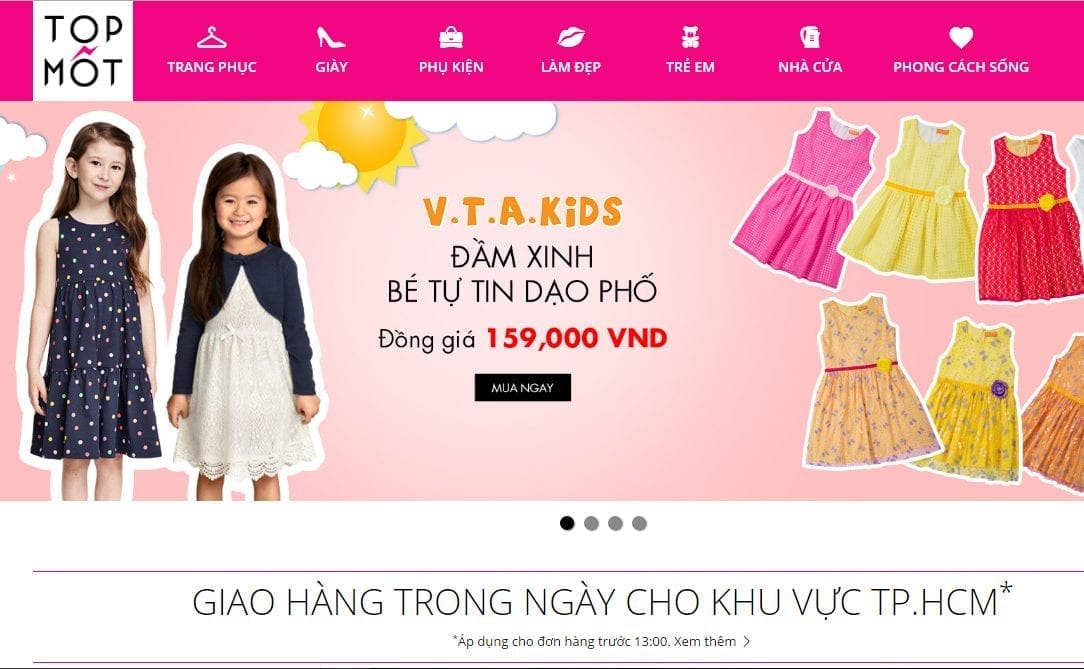
    Jonsson, a former Zalora CEO, and deputy CEO of VinGroup’s eCommerce, founded Topmot Vietnam in late 2015. Topmot’s model is different to conventional eCommerce sites, focused on flash sales and aiming to help suppliers clear excess and end-of-season inventories.

    The site has built a strong customer network in second-tier cities like Can Tho, Vung Tau, Da Nang and Hai Phong, attracted by high discounts.

    With 40 campaigns a week, starting at 10am everyday and lasting for five days, Topmot usually sells out of its products only a few hours after launch. Fastest-selling products come from international brands such as Shiseido, Converse, Puma and Pedro, as well as local brands such as Gosto, Kujean and Bitis.

    While the defunct Lingo site’s business largely came from shoppers using desktop or laptop computers, Topmot’s traffic from mobile devices has increased 70 per cent since its launch last year.

  • New Zalora CEO appointed

    New Zalora CEO appointed

    Zalora has appointed a new CEO, Parker Gundersen, who joins the online fashion retailer from DFS Group, the travel retail subsidiary of  Louis Vuitton Moet Hennessy.

    The new Zalora CEO has more than 15 years of retail and leadership experience in key management positions across Asia, the Middle East and North America.

    parker G

    From 2011 to 2015, Parker served as GM for DFS Singapore, and recently held the position of VP for DFS North America, overseeing the company’s operations and business development function in the region. Prior to DFS, Parker worked in management consulting in the Strategy & Operations practice at Deloitte Consulting.

    Romain Voog, CEO of Global Fashion Group, said Gundersen’s experience in retail across Asia and his strong leadership skills will be instrumental in strengthening Zalora’s leadership in Southeast Asia’s e-fashion space.

    Parker holds degrees in economics and management from the University of St. Thomas and has an MBA from The Kellogg School of Management at Northwestern University.

  • Zalora Scholarship is now open

    Zalora Scholarship is now open

    Asian eCommerce company, Zalora, has relaunched its scholarship program, now on its second year.

    The theme for the Zalora Scholarship this year is “Function Vs Fashion: How the Two Coexist in (Major) Trends Over the Decades”.

    The online retailing company says the fashion-meets-function trend is growing rapidly now, more than ever as wearables flood the market. One prime example is the activewear industry as fitness wear becomes more than just clothes for working out.

    The Zalora Scholarship will award six tertiary students from the Philippines, Singapore, Malaysia, Indonesia, Hong Kong and, for the first time, Taiwan, with a grant and internship at Zalora offices.

    Applicants may submit their entry in the form of an essay or infographic. Winning entries will be selected based on creativity, innovation and relevance to the theme as well as analytical skills and academic results.

    Michele Ferrario, CEO of Zalora Group said: “As Asia’s online fashion retailer, we’re dedicated to continuously recognise and support the most promising talents in the region who desire for a career in fashion. We believe this will not only help develop and groom the future leaders of this industry but also contribute to the growth of eCommerce in Asia.”

    Zalora welcomes applicants from all tertiary institutions that fall under Zalora Partner Institutions in Singapore, Hong Kong, Indonesia, Malaysia, Philippines and Taiwan. One student from each of these countries will be offered a scholarship.

    Applications will close at 11:59 PM (GMT) on July 31.

  • Omnichannel model for Zalora Thailand

    Omnichannel model for Zalora Thailand

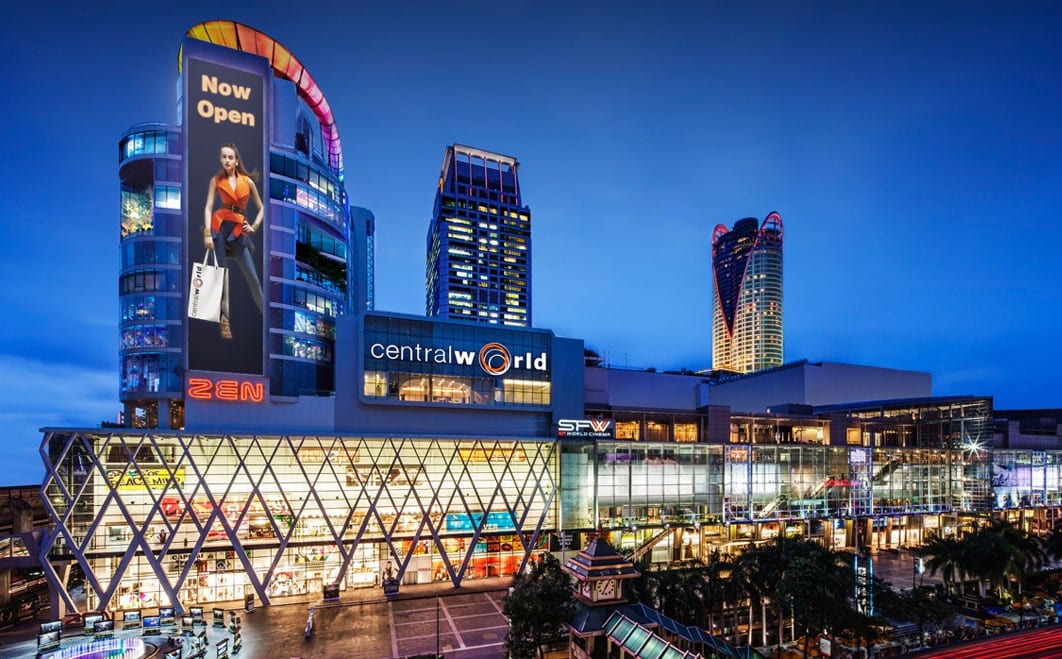
    Former Rocket Internet subsidiary Zalora Thailand is to morph into an omnichannel retail business under its new owner Central Group.

    Zalora Thailand CEO Ali Fancy said in an interview with eThailand the online store plans to become Thailand’s largest fashion retailer after its merger with Central Group subsidiary COL, a process expected to take about six months.

    By matching Zalora’s online expertise with Central’s broad-ranging brick and mortar and mall experience, the company expects to form a fashion-focused online destination with an offline offer, appealing to all type of shoppers..

    Fancy says the merged company will continue to use the Zalora website and brand.

    Under Rocket Internet ownership, the Zalora businesses in Thailand and Vietnam (which Central has also bought) failed to make money.  However Central Group believes its 69 year history in Thai retailing and its huge infrastructure will enable Zalora to scale into a profitable business.

    Central Group boasts 4400 stores and malls across many categories and a One Card loyalty program of more than 10 million members.

    Zalora brings to the new partnership a strong social media presence and marketing program, with 1.6 million followers on Facebook alone.

  • Central Department Store app launched

    Central Department Store app launched

    A Central Department Store app has been launched to keep customers informed about in-store promotions, aiming to drive traffic in the lacklustre market in Thailand.

    In the Thai language, Central Smart Shopper lets users key in such factors as date, store branch and budget. It then shows a list of available promotions from about 20 credit-card companies.

    Executive VP for marketing Piyawan Leelasompop says the aim is to capture younger-generation shoppers. “They are eager to change, and one day we could foster the relationship and build brand loyalty.”

    Part of retail giant Central Group, the department store has invested more than 10 million baht (US$280,000) to develop the app, and targets 100,000 downloads by year-end. It plans to further develop the app to link to online shopping.

    This follows Central Group acquiring the Thai market for online fashion marketplace Zalora, as well as a slump in Thai spending. Thailand’s retail sector slowed to 2.8 per cent growth last year, according to the Thai Retailers Association.

    Central Group will kick off a one-and-a-half-month sale on Friday at its 64 branches nationwide, including Central Department Stores. It will invest 100 million baht in the campaign to offer discounts of up to 80 per cent.

  • Central Group Vietnam halts buying spree

    Central Group Vietnam halts buying spree

    Thai retailer Central Group Vietnam is putting the brakes on its acquisition spree to focus on consolidating profit, according to media reports.

    Deputy group CEO Prin Chirathivat says Vietnam is shaping up as a second home for the Central Group, with the company having established three Robins Department Stores there, acquired a 49 per cent stake in electronics retailer Nguyen Kim, taken over fashion eCommerce site Zalora Vietnam from Germany’s Rocket Internet, and bought out Big C Vietnam for $1.1 billion.

    Prin has told The Nation that he realises it is time to reap profit from the businesses in Vietnam, with the depreciation of fixed assets putting pressure on profitability despite positive cash flow.

    But while Central has decided to pull back on buying, he says it does not want to miss any interesting inorganic growth opportunities.

    Its biggest equity investment has been taking over 30 Big C Vietnam supermarkets, for which it secured a bridging loan from Bangkok Bank, according to the Bangkok Post. Central will use Zalora to strengthen the channels of local partner Nguyen Kim as well as its Robins stores.

    The Thai group still considers Vietnam as an important market, buoyed by a growing economy and high purchasing power. But it still has plans for Indonesia, including opening five more department stores in Jakarta and Surabaya by 2017.

    Back in Thailand, Central Group no longer owns Big C SuperCentre, but has acquired the Zalora business there.

  • Central Group halts its acquisition spree in Vietnam, gets bridge loan for Big C deal

    Central Group halts its acquisition spree in Vietnam, gets bridge loan for Big C deal

    The recent forays in Vietnam include the establishment of three Robins Department Stores, the acquisition of a 49 per cent stake at Vietnam’s largest electronics retailer Nguyen Kim, the takeover of fashion e-commerce site Zalora Vietnam from German group Rocket Internet, and a $1.1 billion buyout of Big C Vietnam.

    Vietnam was now shaping up as a second home for Central, Prin Chirathivat, deputy group CEO, reportedly said.

    He realised it was time to reap profit from the businesses in the neighbouring country, adding that the depreciation of fixed assets was enough to put pressure on profitability, despite the positive cash flow, according to a report on The Nation.

    However, according to the executive, Central Group will not want to miss any interesting inorganic growth opportunities in Vietnam even as it has decided to slow down the buying pace.

    Its biggest equity investment in Vietnam was the $1.1 billion deal to own over 30 Big C Vietnam supermarkets, which was reported to be accommodated by the sale of Big C Thailand unit to rival TCC Holding and its subsidiary Berli Jucker. But the 50 billion baht realisation from offloading the remaining 25 per cent in Big C Thailand will be used for other purposes, while Central Group secured a bridge loan from Bangkok Bank to finance the Vietnam deal, according to the Bangkok Post.

    Meanwhile, it will use Zalora to strengthen the channels of its local partner Nguyen Kim and Central Marketing Group’s unit in Robins, the media reports said.

    Despite the halt in further acquisitions, the Thai group still considers Vietnam as a very important market, buoyed by a growing economy and high purchasing power.

    “In Indonesia, we don’t have an opportunity to acquire retail businesses because there are no sellers unlike in Vietnam. Our expansion in Indonesia is slower than in Vietnam,” The Nation cited Prin as he compared Vietnam with Southeast Asia’s largest market.

    However, he also revealed the group’s plan to have five more department stores in Jakarta and Surabaya by 2017, as the retailer is currently operating only one store in the capital city.

    In Thailand, Central Group no longer has ownership in Big C Supercentre but has also acquired Zalora business in the country.


  • Vietnam electronics retailer Nguyen Kim buys Zalora’s local operations

    Vietnam electronics retailer Nguyen Kim buys Zalora’s local operations

    Zalora, one of Southeast Asia’s biggest online fashion marketplaces, has completed a deal to sell its Vietnamese operations electronics retailer Nguyen Kim, reported Sunday, quoting Zalora Group.
    The subsidiary of Germany’s Rocket Internet has also sold its unit in Thailand to Thai retail giant Central Group, the website said, adding that the value of the deals has not been revealed.
    Last month news website TechCrunch cited multiple sources as saying that Central Group would acquire them for US$10 million each.

    Central owns a 49 percent stake in Nguyen Kim, which has 21 stores around Vietnam, through its subsidiary Power Buy.

    The selloff in Vietnam and Thailand is part of Rocket’s efforts to reduce costs and focus on other markets where Zalora has a better chance to make profits, according to TechCrunch.

    With a presence in 11 countries across the Asia Pacific, including Australia and Indonesia, Zalora’s revenues rose 78 percent last year to around $234 million, but its net loss increased 36 percent to $105 million, it said.
    Last month, the German company, which has been struggling to cash on the Southeast Asian market, sold more than half of its stake in Lazada, which it founded in 2012 to target the regional e-commerce market, to China’s Alibaba for $137 million. Rocket retains an 8.8 percent stake.
    In December Rocket sold off food ordering website Food Panda for an undisclosed price to local competitor Vietnammm after three years of operations, citing financial issues.
  • ZALORA Ties the Knot with Customers through Oracle Marketing Cloud

    ZALORA Ties the Knot with Customers through Oracle Marketing Cloud

    ZALORA, the largest e-commerce fashion company in Southeast Asia, has extended its partnership with Oracle Marketing Cloud. ZALORA has relied on Oracle Marketing Cloud technology since 2013 to send its customers targeted and personalized marketing communications at scale.

    ZALORA is the fastest growing online fashion retailer in Asia, operating across eight countries (Singapore, Indonesia, Malaysia & Brunei, the Philippines, Thailand, Vietnam, Hong Kong and Taiwan). The e-commerce platform works with a good mix of over 500 international and local labels, providing consumers with a diverse range of apparel, footwear and accessories, tech products, beauty essentials, sporting equipment and more.

    “We are happy to have achieved the success we have today, and want to continue offering the best-in-class customer experience across our digital channels. For us it is not just about understanding our customers preferences, but making sure we listen and respond to their digital body language to develop a personalised dialogue with each and every customer,” said Joshua Tan, Head, Regional CRM, ZALORA.

    ZALORA communicates with more than 10 million app users, 7 million Facebook fans, 500,000 Instagram followers, 120,000 Twitter followers, and over 2.2 million email, call and online chat requests. Today, the platforms cater to the varying customer profiles where ZALORA provides individualized experiences for each of their customers’ interests.

    “Our earlier marketing efforts were batch and blast, but as the business evolved, we saw the need to respond to increased expectations from our customers for a personalized dialogue. Being able to orchestrate individualized communications and make informed, data-driven decisions is key. Having the right tools makes our job much easier, that’s why we chose to extend our investment in Oracle’s Marketing Cloud technology,” said Mr. Tan.

    With Oracle Marketing Cloud, ZALORA is able to speak to customers in a relevant and personalized way. Automated programmes equip ZALORA with the ability to analyse customer behaviour and better understand how to incentivise customers.

    ZALORA has since managed to half the time needed for lead conversion to capture a larger customer base, which has resulted in a multifold increase in revenue. Oracle’s marketing cloud technology allows ZALORA to create automated programmes that have helped reduce the resources previously required.

    “ZALORA is an innovative company that appeals to a young, constantly engaged audience. We are happy that Oracle Marketing Cloud is able to support their marketing organisation with a platform that allows them to intelligently and creatively communicate a cohesive brand message across channels, and deliver a world-class customer experience,” said Paul Cross, Group Vice President, Customer Success, Oracle Marketing Cloud Asia Pacific.

    ZALORA currently has 10 automated programmes in place and has plans to expand the number of triggered touchpoints with customers, to further enhance cross-channel marketing and grow their customers into strong brand advocates.

  • Lazada Malaysia claims double-digit growth

    Lazada Malaysia claims double-digit growth

    Online retailer Lazada Malaysia claims it had at least double-digit growth in sales last year, yet is still losing money.

    It was a challenging year for retail, says CEO Hans-Peter Ressel of Ecart Services Malaysia, the company behind Lazada Malaysia.

    He says the focus is now on making Lazada’s service more accessible to the “general masses”, particularly those in east Malaysia, starting with improving its logistics and distribution centres in east Malaysia, where the company had 80 per cent sales growth last year.
    However, this growth was lower than in other regions, which saw at least 110 per cent year-on-year growth, says Ressel.

    He says Lazada would appeal to most Malaysians because of its affordability, accessibility and convenience. With its complex supply chain, Lazada and its 10,000 third-party sellers can now offer products below store prices, and many of the 5.5 million items on sale are not even available in stores in Malaysia.

    Lazada had the most application downloads of e-tailers in Malaysia, 2.3 million as at the end of December. Second is 11street.my at half of Lazada’s downloads, while fashion application Zalora had 700,000 downloads.

    Malaysia has 10.3 million smartphone users, according to mobile marketing firm Vserv.
    Ecart Services wants to double its items in inventory to 10 million stock-keeping units this year. The company will also have a third warehouse 16 times larger than its first warehouse in Subang Jaya, plus there is another warehouse and distribution centre in Sarawak.

    Ecart Services’ new loss blew out by 72.94 per cent to RM87.54 million (US$22.28 million) in the financial year ended December 31, but its its top-line growth of 142.22 per cent saw record sales of RM114.81 million from RM47.4 million the previous year. Ressel says the company has yet to break even.

    Following Alibaba Group Holdings’ purchase of Lazada Group, founded by Germany’s Rocket Internet in 2012, Ressel said he looks forward to more synergies between the two eCommerce giants.

    “With Alibaba’s eCommerce knowhow, systems and processes, we will also be better able to help our sellers grow their businesses.”

  • Central Group to buy Zalora’s businesses in Thailand and Vietnam

    Central Group to buy Zalora’s businesses in Thailand and Vietnam

    Central Group is set to buy Zalora’s businesses in Thailand and Vietnam, according to reports.

    Zalora is a fashion-focused e-commerce site.

    Central Group’s assets, which include multiple shopping malls and national department store chains, are worth close to $10 billion and it employs some 70,000 people.

    The deal to buy the country businesses from Zalora will cost Central Group around $10 million each, reported TechCrunch.

    Sources close to Zalora suggest that the company is selling the businesses in an effort to streamline its costs and move towards becoming profitable.

    Even though Zalora was only started four years ago, the company claims 10 million people have downloaded its mobile apps and the company makes 1.4 million transactions per year across 10 countries in Asia-Pacific.

  • Why online retailers are opening Hong Kong pop-up stores

    Why online retailers are opening Hong Kong pop-up stores

    Numerous reports have been written on how eCommerce spells the death for brick-and-mortar stores in the retailing industry.

    But others have written on how the preference of customers taking in the whole in-store shopping experience will ensure that there will always be a need for real world stores.

    Unlike in other markets, eCommerce in Hong Kong has yet to gain a strong foothold. According to Euromonitor International, online retail sales accounted for only 3 per cent of the city’s total retail sales in 2015. The insignificant share of online sales has even seen the tables being turned, with online retailers opening offline stores to communicate brand value and as a means to convert bricks and mortar store shoppers to online platforms.

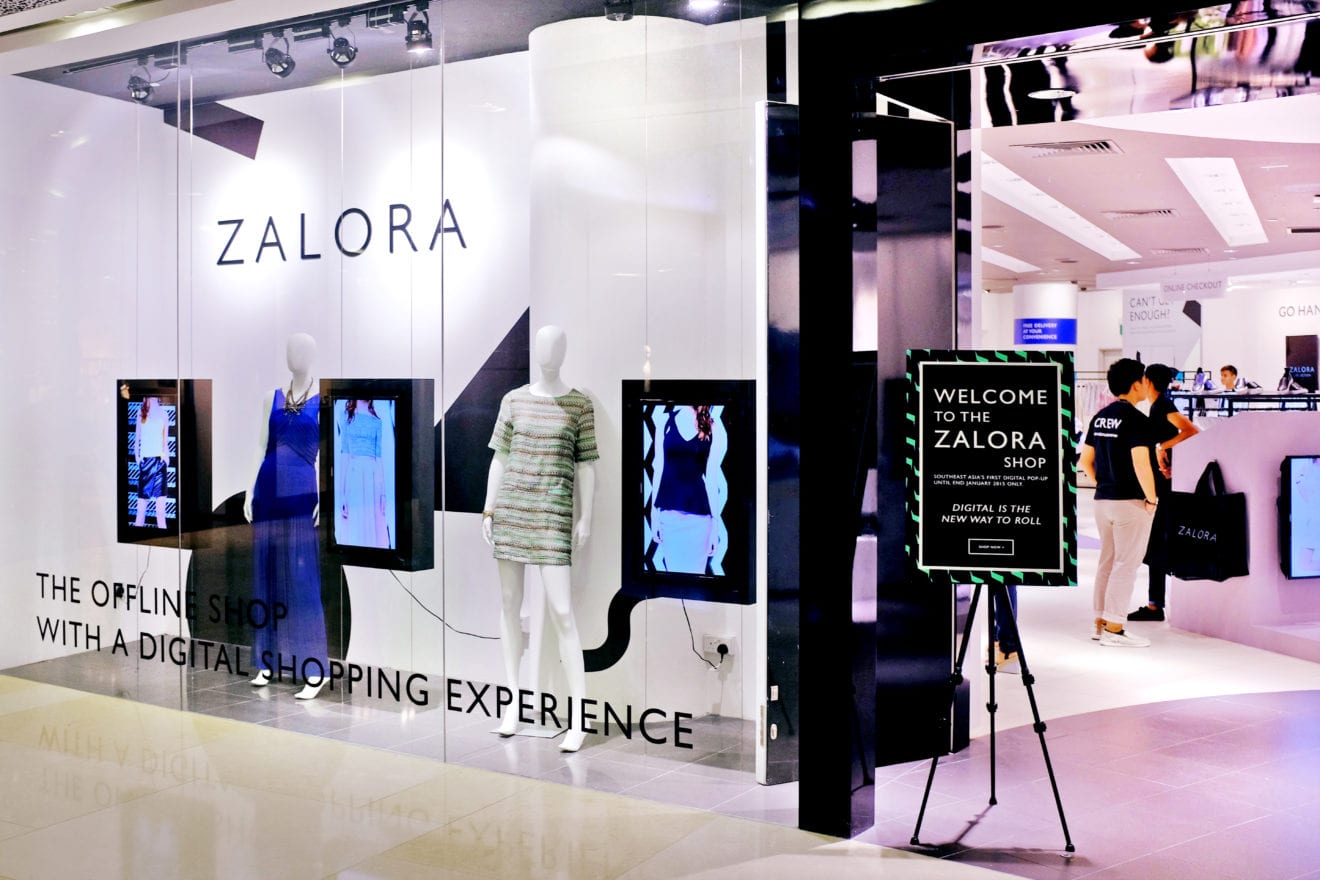
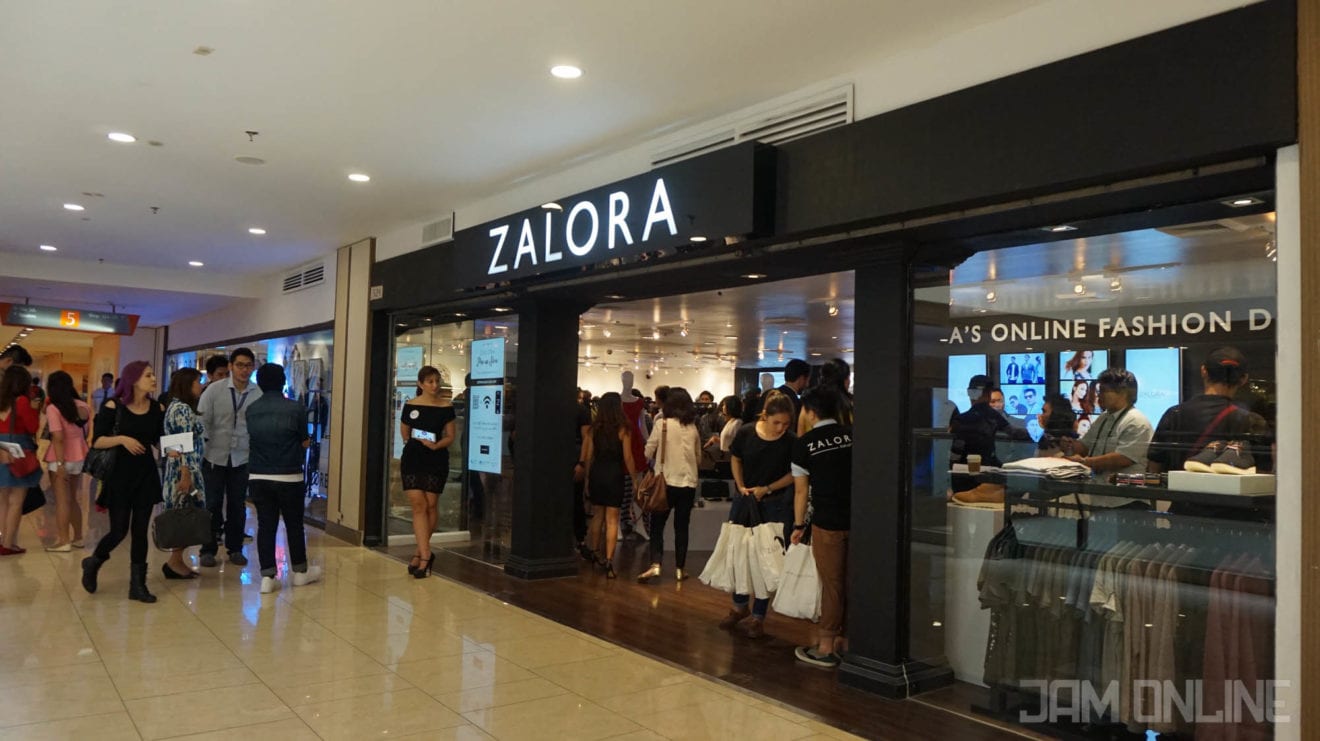
    Online fashion retailer Zalora is just one brand which opened Hong Kong pop-up stores last year to test the waters without committing to a long-term lease. Other than cost concerns, the use of a pop-up store also allowed the retailer to move the store around various shopping centres in the city to maximise exposure.

    Real world stores opened by online retailers are generally designed for experience and as a place to educate potential customers to buy online. Similarly, Line – the mobile social networking platform – also opened a pop-up store last year, before opening a more permanent store to sell Line character merchandise as well as build its brand image and customer base.

    While pop-up stores are the preferred format for Click-to-Brick retailers (at least at the market entry stage), when it comes to setting up a more permanent store, the overwhelming preference is to be located in prime shopping centres in core locations since they provide an all-weather shopping environment, controlled trade mix and a more focused customer base.

    For landlords, the allure of pop-up stores is that they can better utilise space within the shopping centre and minimise void periods; an important consideration given the current challenges facing the city’s retail sector. The ever changing goods offered by different pop-up stores can also freshen the shopping experience of customers.

    The Click-to-Brick trend is still at a nascent stage, hence it is too early to conclude whether it will establish as a key driver of demand in the city’s retail leasing market over the longer-term. In the interim, it will be a welcome addition to shopping centre landlords who continue to look for new means to differentiate against their competitors amid an increasingly challenging retailing environment.

  • Do malls, online shops mix? Zalora says Pinoys have best of both worlds

    Do malls, online shops mix? Zalora says Pinoys have best of both worlds

    Like most disruptions in the past, the advent of ecommerce has been framed as a battle between online convenience and the traditional brick and mortar experience: your couch or the mall.

    Ecommerce has played its part as the upstart in this battle, with brands such as Lazada and Zalora coming from nowhere a few years ago to winding their way into the public consciousness.

    Despite this, ecommerce currently accounts for only about 1% of the local retail market. However, as Paulo Campos III, founder and CEO of fashion retailer site Zalora Philippines pointed out, “Where it’s going – that’s the exciting part.”

    “If you believe that the concept of ecommerce is universal, and not just a western country thing, then the experience of other countries provides a glimpse of what’s in store for the country,” he said in an exclusive interview with Rappler.

    In the US and EU, ecommerce now represents about 8-10% of the retail market including big names like Amazon.com.

    But more relevant to the Philippines is its success closer to home.

    “China is the shining story of ecommerce in emerging markets and and somehow validates the thesis that ecommerce is a global, universal thing and that it’s going to happen eventually here and everywhere else,” Campos said.

    Indeed, some of China’s best known companies, including the record holder for biggest IPO ever, Alibaba, are built upon ecommerce and already have 6-7% of China’s giant retail market.

    But its success there doesn’t guarantee it would work here, especially in a country where malls have become the de facto townsquares.

    This is especially true of a firm like Zalora that plays in the fashion space where the fit and feel of clothes are so essential to the buyer.

    Unlike Uber

    Setting up shop in the country in 2012, initially as a venture of Rocket Internet, Zalora has since grown to become the leading fashion-focused ecommerce platform in the country, averaging around 200,000 users per day.

    To visualize this, that’s about on par with the amount of daily foot traffic the big malls get, Campos said.

    Yet, he doesn’t see this as a signal that malls will soon be disrupted in a way Uber has done to taxis around the world.

    “Filipinos will continue to go to the mall in the large numbers they do now. Culturally, the mall is more than just a place to go to buy stuff, it’s where people hang out, cool off and even go to Mass,” he said.

    “In terms of how I see the development of the brand, we’re moving to an omni-channel experience,” Campos explained.

    For example, someone goes to the store to check out an item but then does the research online and then might go back to the store or they can just buy from the site.

    “This omni-channel experience means that ecommerce and the mall will coexist and in fact reinforce each other in a harmonious way,” he said.

    Consumer patterns

    Another interesting point about this relationship lies in consumer patterns.

    Campos pointed out that Zalora sales are highest on Wednesday and Thursday, while they are lowest, at only 50% of the highest days, on Saturday and Sunday.

    Within a day, sales are highest between 1 pm and 4 pm and are lowest between 6 pm and 8 pm. This has been true for every week for 4 years.

    These patterns are the exact opposite of sales patterns in the offline world.

    “What I tell our brand partners is that when customers are in the mall, they are shopping with you. When they’re not in the mall like during downtime at the office that’s when people are shopping with us,” Campos said.

    “People are shopping with us on hump day and 1-4 pm, taking advantage of fast Internet at the office. Somehow it’s complementary,” he said.

    He also pointed out that Zalora’s retail brand partners also found that online shopping doesn’t cannibalize sales. It’s just one way of reaching out to customers at another time and through a different channel.

    This blending of both worlds can already be seen in individual brands that all have their own ecommerce websites. You can buy Nikes online but that doesn’t mean they’ve closed down their stores.

    Local retailers like Bench and SSI, both of which sell through Zalora, already have online ecommerce sites, although Campos is confident that they will continue to sell on Zalora.

    “Customers who are shopping for a specific brand can go to its website directly, and those shopping around looking for many brands can go to Zalora. Brands are basically doubling their retailing channels through us,” he said.

    To facilitate this, Campos said that Zalora sells everything at suggested retail price (SRP). This means nothing will ever be cheaper or more expensive in the mall than on the site, and when an item goes on sale offline, it does so online as well.

    GLOBAL GROUP. Having been incubated by Rocket Internet, Zalora Philippines has since taken out different institutional investors and is now part of mother company Global Fashion Group (GFG). Campos describes GFG as essentially the leading fashion ecommerce group player in 27 emerging markets or "all of the interesting ones except for China." Photo from GFG's website

    GLOBAL GROUP. Having been incubated by Rocket Internet, Zalora Philippines has since taken out different institutional investors and is now part of mother company Global Fashion Group (GFG). Campos describes GFG as essentially the leading fashion ecommerce group player in 27 emerging markets or “all of the interesting ones except for China.” Photo from GFG’s website

    Digital department store

    Campos said that what Zalora brings to the table for consumers, besides convenience, is the ability to browse established brands while getting exposed to new ones.

    “About half of our brands, 750, are mall brands that work together with us on a virtual inventory basis or a marketplace basis. The other half are independent brands, the SMEs [small and medium-sized enterprises], and entrepreneurs that don’t have the scale to work with us like the big brands do,” Campos said.

    He added that while they have the top 20 online retail sellers, they don’t have a store so most consumers have never heard of them. On top of that, Zalora also has its own brand that encompasses about 20% of sales.

    He also pointed out that many users visit the site as an information resource to check on product alternatives and get reviews on different items.

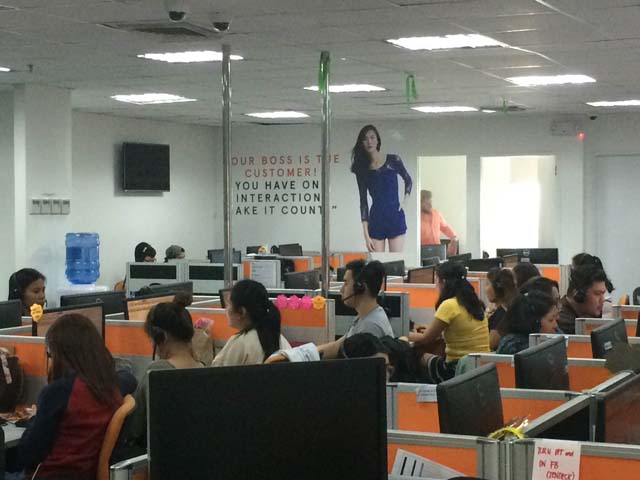
    CUSTOMER SERVICE. Zalora Philippines now employs around 100 customer services representatives with 10 servicing excess demand from sister site The Iconic, serving Australia and New Zealand. Campos says that the firm plans to increase this number in the future as global ecommerce grows. Photo by Chris Schnabel/Rappler

    CUSTOMER SERVICE. Zalora Philippines now employs around 100 customer services representatives with 10 servicing excess demand from sister site The Iconic, serving Australia and New Zealand. Campos says that the firm plans to increase this number in the future as global ecommerce grows. Photo by Chris Schnabel/Rappler

    Tip of the iceberg

    Approaching its 4th anniversary in the Philippines, Campos said that Zalora is profitable on a unit economics basis. But at the moment it is sacrificing profitability for the bigger battle for market share.

    Far from traditional retailers, Campos said that the main challenge facing Zalora, as well as other big ecommerce players, is getting consumers comfortable with buying online, which is why it is channeling money into various marketing efforts.

    These efforts include the pop-up stores they had last year as well as hosting a Zalora Style Awards Ceremony to be held on April 7, and a regional model scouting competition to mark its 4th anniversary.

    Just getting consumers online is also proving to be tricky with Campos sharing that they are still fighting a battle on educating Filipinos on how to use mobile data.

    “I recently saw a Google study that showed that among all our peers in Southeast Asia, we use Internet on a fewer number of days per month than any other ASEAN country and significantly so,” he shared.

    “Out of 30 days, only 80% use it 1-5 days a month. So this phenomenon of being constantly connected or being a digital native is not true for most people in the country,” Campos added.

    Even potential customers who are connected are hampered by poor network infrastructure.

    “We have the benefit of comparing all the ASEAN countries that have Zalora side by side and through the comparison you can really see that we really do have an inordinately slow mobile Internet speed even compared to Indonesia or Vietnam,” he said.

    On the flipside, Campos pointed out that 40 million Philippine users have access to the Internet now, and the number is expected to go up to 75 million in the next two years. If the Internet improves in the next few years, this would bring huge potential to online businesses.

    With Internet speeds improving, the firm is hoping that as more and more consumers become digital natives, they would eventually get comfortable browsing the site from anywhere.

    Maybe even while hanging out in a mall.
  • Warm weather chills TSI Holdings bottom line

    Warm weather chills TSI Holdings bottom line

    With unseasonably warm weather at the end of last year dampening demand for winter clothing, Japanese apparel retailer TSI Holdings had weaker earnings for the year ended February 29.

    Its operating profit was flat at about 1 billion yen (US$8.86 million), falling short of a 1.2 billion yen projection. Sales fell about 9 per cent to 165 billion yen against a predicted 167 billion yen.

    Same-store sales, including online data, eased 3.6 per cent, with dips of 8 per cent for November and 4.1 per cent for December. High-margin items such as wool overcoats from mainstay brand Natural Beauty Basic met lukewarm demand.

    During the quarter, the company opened 58 stores for 21 brands, and has been negotiating with domestic and overseas apparel and natural cosmetics companies, leading to partnerships with a Chinese apparel company and a domestic beauty industry company.

    TSI also reports a “drastic shift” from paper media to digital promotion, and is enhancing its relationship with Google. This follows its eCommerce ratio growing from 9.6 to 10.8 per cent.

    Almost all brands’ O2O sites are now on the table, says the group, which is developing smartphone apps. Four brands opened sites – Free’s Mart, Jill Stuart, Natural Beauty and Zio Bernardo. Free’s Mart also became the first Japanese brand launched on the Zalora eCommerce site in Southeast Asia.

    The group’s own eCommerce sites grew 129 per cent year-on-year, from 11 to 20.

    TSI has 14 apparel subsidiaries in Japan and three overseas, and its 63 brands include Adore, Callaway, High Street, Nano Universe and Stussy.

  • Zalora Turns 4 this March

    Zalora Turns 4 this March

    ZALORA, Asia’s online fashion destination, is celebrating its fourth anniversary this year. To commemorate the milestone, ZALORA will host a series of events and activities for customers, media and partners in Singapore, Malaysia, Indonesia, Hong Kong, Taiwan, Philippines, Vietnam and Thailand throughout the next two months.

    “Over the past four years, ZALORA has consistently strive to improve its product offering, brand proposition and customer experience to change the online fashion retail scene in Asia. According to a research, only 40% of the Southeast Asia population have access to the internet1, this is still below the global average. As an online retailer in an emerging markets, it’s important for ZALORA to contribute to the growth of e-commerce in the region and offer a platform where brands can reach more consumers and for fashion consumers to have access to the best fashion brands anytime, anywhere,” said Michele Ferrario, CEO, ZALORA Group.

    ZALORA celebrates by giving back to fashion

    As part of the fourth year anniversary celebration, ZALORA is introducing two exciting initiatives: ZALORA Style Awards and Make Me a ZALORA Model. In its effort to encourage and support the region’s fashion community, ZALORA will honour talented individuals who made the fashion scene in Southeast Asia a hotbed for creativity and expression through the ZALORA Style Awards, which is set to debut in late March 2016. ZALORA strongly believes that fashion is a great enabler and by giving recognition to individuals in the industry who have been contributing to their respective local fashion communities, ZALORA hopes to inspire future fashion players to pursue a career in the industry.

    In April, ZALORA will launch the first ever regional model scouting competition, using Instagram and the infamous “selfies” as a platform for its search. From a modelling contract with ZALORA to fantastic gift prizes, Make Me a ZALORA Model is an opportunity for aspiring models to fast track their career and become the newest face in modelling scene. More information will be available soon.

    How ZALORA is changing the way people shop fashion in Asia

    Access

    From the start, ZALORA saw navigating the complex and fragmented Southeast Asian infrastructure – achieved with heavy investments in operations and logistics resources and strong local teams – as essential to the company’s success. This focused vision and execution have directly resulted in access to otherwise inaccessible global and local fashion and beauty brands for fans in second and third cities or remote places in Southeast Asia – many hours away from the closest offline store.

    Bridging offline and online

    To introduce ZALORA to consumers in the region and build trust with first-time online shoppers, ZALORA launched the first click-and-mortar shop in Asia that gives consumers a physical ZALORA experience where shoppers can try on products and get familiarised with shopping ZALORA’s e- commerce site. The success of the first digital pop-up store in Singapore led to the opening of more pop-up stores in the region – Penang, Malaysia, Jakarta, Indonesia, Hong Kong, Ho Chi Minh, Vietnam and Manila, Philippines. Designed to increase awareness, this omni-channel approach has proven to be a success as up to 90% of consumers who bought from the pop-up store are new customers.

    Platforms

    The number of smartphone users in Asia Pacific – more than 1 billion in 2015 – is projected to increase by almost 50% by 20192. Keeping pace with the regional growing popularity of m-commerce, ZALORA is focusing on providing a World-Class experience through its apps which are available on all Android and iOS platforms, ensuring that mobile consumers are empowered with the convenience of shopping

    anytime and anywhere they go even in areas where connectivity is not yet very fast. This results in more than 10 million downloads of the award-winning ZALORA app.

    Growth

    In developing countries/cities where hard assets infrastructure is not as developed and distribution of goods are weaker, mobile phone becomes more than a communication tool; it is a platform to procure goods. Based on MasterCard’s Mobile Shopping Survey, half of smartphone users in Asia Pacific are shopping on their device – a clear indicator of a shifting consumer habit as more people are venturing into mobile commerce. Nearly half of the respondents across Asia Pacific (49.5%) cited convenience as the most compelling reason for shopping on their smartphone. Other motivating factors include the ability to shop on the go (43.9%). Driven by this shift, ZALORA is constantly improving its apps, enhancing efficiency and ease of use for the customers. The effort has paid off: more than 50% of site visits in 2015 were from the ZALORA App or mobile site, with more than half of the orders coming from mobile devices.

    During the annual cyber event 12.12 Online Fever in December 2015, fashion thumb shoppers also gained grounds on desktop shoppers: 78.5% compared to 21.5%. Additionally, the number of customers who shopped on ZALORA through mobile had a 250% increase from 2014. This is in line with the changing consumer behaviour and the growing trend of consumers in the region shopping heavily through their mobile devices.

    ZALORA’s 12.12 Online Fever – Asia’s version of Cyber Monday – played a pivotal role in the boost of the regional confidence in online purchase, subsequently converting traditional consumers into e- consumers. This initiative was met with strong support from fashion consumers across the eight markets – Singapore, Malaysia, Indonesia, Philippines, Thailand, Vietnam, Hong Kong and Taiwan – with over six times the volume of any previous day, and an acquisition of 32% first time ZALORA customers in 2015.

    According to PayPal Cross-Border Consumer Research 2015, fashion emerged as the top category for both online cross-border shopping (53%) and mobile shopping (27.9%). To keep pace with the demand, ZALORA carries over 6,000 global and local fashion brands on one single site, carefully curated to provide the best fashion offering for its customers.

    In recognition of the growth in online fashion shopping, ZALORA will sustain its dedication to an ever- improving and meaningful online shopping experience: the access to favourite brands and same-day delivery, all achieved with a few clicks. Every day, ZALORA is one step closer to revolutionising the way people shop and redefining the high-street fashion accessibility in this part of the world. To date, ZALORA has served close to four million customers in just a few years.

    Driven by a team of young experts in fashion, logistics, data analytics, marketing, and design, paired with guidance from business consultants and tech geniuses, ZALORA’s vision is set on growth, making ZALORA the online fashion authority in Asia. ZALORA will continue to strive for excellence, enhance the customer experience by improving interface and customer engagement, particularly through mobile applications, boost confidence in online shopping and transform the way fashion is purchased in Asia to help build an e-commerce friendly environment.

    Follow ZALORA’s fourth anniversary celebrations at #ZALORA4You.