Author: Mei Ling Tan

  • Honda Motorcycle And Scooter India To Start Testing A New Electric Scooter

    Honda Motorcycle And Scooter India To Start Testing A New Electric Scooter

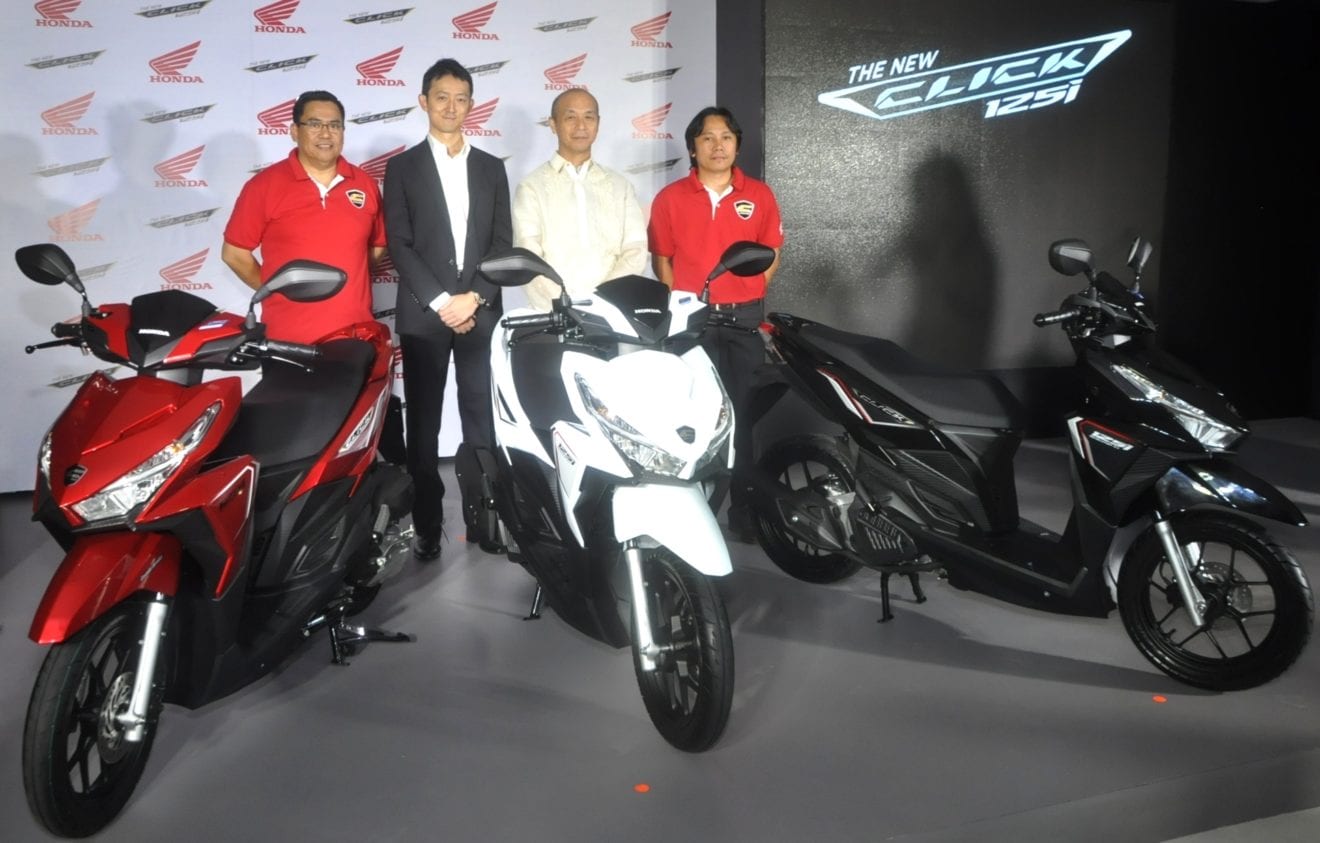
    Honda Motorcycle and Scooter India (HMSI), the second-largest two-wheeler brand by volume in India, is all set to start testing an electric scooter. While HMSI has time and again maintained that there’s no plan for developing electric two-wheelers, the latest development does seem to indicate that Honda will now test waters to possibly develop an electric two-wheeler. The development comes after we brought you an exclusive report about India’s largest two-wheeler manufacturer, Hero MotoCorp, working on the Hero eMaestro electric scooter. Now, it seems Honda is not averse to working on an all-electric two-wheeler after all. While electric vehicles do seem to be the next growth of the automotive industry, Honda has not confirmed a timeline, or if at all an electric scooter will be developed and launched in India.

    Yadvinder Singh Guleria, Senior Vice President, Sales and Marketing, HMSI, said, “We are bringing one of our electric scooters to India which will be basically used for the study. We will be doing a market survey and feasibility survey with this model and decide on the roadmap of future EVs of Honda in India. It’s very difficult to set the next future line-up but the survey will be starting in the next three to four months.”

    However, Honda hasn’t shared any plans about launching the scooter in India yet as the EV industry is still in a nascent stage. Though the industry is trying to speed up the process of EV adoption, there are quite a few complications automakers will have to resolve in a bid to make EVs as viable as any regular two-wheeler. “We see that there is an effort by the Indian two-wheeler makers as well as the Society Of Indian Automobile Manufacturers (SIAM) and certain talks are there. But there are other challenges as well in terms of the EV infrastructure, in terms of charging infrastructure, the real performance of the vehicle and the range of the vehicle. So, these are the challenges, in the long run, the industry really will have to tackle,” Guleria added.

    Honda is yet to share details about the scooter that will undergo testing in India and chances of it making to production will depend on its real-world performance on the road and how well the industry can deal with the challenges. For now though, there’s no concrete word on if Honda will go on to the next phase of designing and developing an electric two-wheeler for India. The feasibility study with the electric scooter may be the first step in that direction. With more and more mainstream two-wheeler manufacturers going electric, Honda definitely doesn’t want to be left out. TVS Motor Company has already launched the iQube electric scooter, and Bajaj Auto has revived the legendary Chetak name in the company’s new electric scooter. With Hero MotoCorp also planning to launch the eMaestro, Honda certainly seems to be looking to join the electric bandwagon as well.


  • Hong Kong food-delivery companies join WWF campaign to combat plastic use

    Hong Kong food-delivery companies join WWF campaign to combat plastic use

    Hong Kong food-delivery companies, Deliveroo and Foodpanda, have joined WWF’s Plastic Action Initiative (PACT) to help reduce single-use plastics.

    According to PACT rules, both companies have to follow sustainable requirements including setting up a default opt-out option for single-use plastic cutlery and creating a program for its merchants to improve packaging material.

    “At WWF, we recognize the effectiveness of business at influencing change, so it is really encouraging to see that businesses are taking responsibility to rein in the plastic crisis,” said Laurence McCook, head of oceans conservation of WWF Hong Kong. “PACT is only a starting point to catalyze actions.”

    With the partnership of the two companies, PACT initiative aims to clear unsustainable packaging by 2025 and set up a more circular economy for plastic in the city.

    “We see the commitment to WWF’s PACT initiative to be a crucial step towards building a more sustainable future for the food delivery industry,” said Brian Lo, GM of Deliveroo Hong Kong. “It is fundamental for not only us but the entire F&B industry to rethink our approach when it comes to packaging and products.”

    After the PACT signing, Deliveroo has collaborated with WWF to offer co-branded paper bags for customers ordering from its Editions sites.

    Meanwhile, Foodpanda has committed to activating online formats, promoting the initiatives for PACT. The CEO of Foodpanda Hong Kong, Arun Makhija, said that since 2018, the company has been taking steps towards driving a more sustainable delivery service by having customers opt-out of tableware. “This year we are committed to do more.”

    Both companies have eliminated 60 tonnes of plastic last year and aim to boost that to 130 tonnes in 12 months after joining PACT.

  • Chinese fast-food companies will recover soon from virus crisis

    Chinese fast-food companies will recover soon from virus crisis

    China’s fast-food sector will recover soon, according to analysts, as life in major mainland cities slowly begins to return to normal, the peak of the coronavirus crisis there now over.

    Anne Ling, an equity analyst at Jeffries, said strong growth in fast-food sales has boosted China’s delivery business during the crisis when many residents stayed at home rather than eat out to reduce the risk of virus transmission.

    “We believe that for fast-food chains like KFC, its business will recover soon. Consumers’ change in behavior is likely to benefit bigger chains like KFC,” said Ling.

    “For casual dining, like Pizza Hut or Haidilao, we believe it will take longer to recover depending on guidance from local governments on consumer safety.”

    Local governments have issued guidelines to restaurant operators, requiring consumers to be spaced out in restaurants.

    Ling says restaurants will need to reassure customers of the safety of eating on their premises. “There is a chance that operators might need to redesign the restaurant layout so there is more space between tables.”

    Major fast-food chains in Mainland China have developed effective contactless-delivery procedures, or consumers have been asking delivery riders to drop food at the front gate of their residential complex, which helps efficiency, she said.

  • Deutsche Bank Split Staff Upon Coronavirus Incident

    Deutsche Bank Split Staff Upon Coronavirus Incident

    Deutsche Bank has split up sales and trading teams in Frankfurt after an employee tested positive for the coronavirus, following moves by other global banks which have separated their workforces into different teams.

    The lender intends to divide sales and trading teams into different locations at that office and at a recovery site until 27 March as a precaution, according to the bank’s memo. Some employees may also be asked to work from home.

    All employees who have had contact with the affected colleague were informed directly, and we will undertake deep cleaning on floors N1 and N2 and other areas in DBC. We expect no impact on our ability to operate our full range of services for our clients and recognize that this setup will require extra effort and discipline from all,» Deutsche Bank wrote in its memo.

    The firm added that employees working remotely won’t be allowed at offices where they are not assigned and that staff should avoid meeting socially with any colleagues stationed elsewhere. It is also planning to take other «precautionary hygiene measures. At hubs around the world, global banks have begun separating their workforces into different teams so as to limit the potential that an outbreak disrupts operations key to financial markets. At Credit Suisse and UBS, bankers who return from affected regions such as China, South Korea, Singapore or Northern Italy are confined to working from home for two weeks. Most banks have told staff to reduce their travel to the bare minimum.

  • Lalamove partners with Klook in Hong Kong for food-delivery service

    Lalamove partners with Klook in Hong Kong for food-delivery service

    Hong Kong on-demand delivery startup Lalamove and travel-activities booking platform Klook have collaborated to offer a new express food-delivery service to support the local food-and-beverage industry.

    Available on Klook as “A Guide to the Best Meal” until March 31, consumers can order from six partner restaurants with no location restrictions to then arrange a delivery time through Lalamove.

    Klook has also introduced its ‘Grab n Go’ self pick-up takeaway service with its partners, available until May 31.

    “We are now exploring more F&B experiences and looking into leisure activities, to diversify our activities spectrum and bring the most fantastic experiences to our customers,” said Percy Kwan, Klook’s marketing director for Hong Kong.

    The latest government figures indicate a 14.3-per-cent year-on-year drop in fourth-quarter Hong Kong restaurant receipts. The partnership between the two local unicorns aims to help food establishments open up new sales and promotional channels by offering consumers convenience along with discounts and food packages.

    As citizens opt to stay-in and employees work from home during the coronavirus crisis, a dramatic surge in online food deliveries has created new business opportunities for other local players as well, including Foodpanda, which has launched a 15-minute express-delivery service.

  • Facebook in legal battle with Australia over alleged user data breach

    Facebook in legal battle with Australia over alleged user data breach

    Last year, Facebook received a penalty of $5 billion by the American Federal Trade Commission for sharing personal information via a survey product called “This Is Your Digital Life”, which disclosed users’ Facebook data to a political consultant Cambridge Analytica. Now, an Australian privacy regulator is filing a lawsuit against the tech giant over the same survey, which this time is said to have shared the data of more than 300,000 Australians.

    The lawsuit is filed in regards to 311,127 users’ personal data being unlawfully shared, with the users not being aware of their data’s disclosure. According to Reuters, the lawsuit didn’t request any specific amount in damages, however, each breach of the privacy law can amount to around $1.1 million penalties at most. So in total, if each of the 311,127 instances is taken into consideration, the penalty facing Facebook could be up to a maximum $348 billion.

    The disclosed personal information could be used for monetization and political purposes and is considered a serious interference with the privacy of Australian individuals. However, Facebook did not provide any comment on the issue.

    Overall, until now, allegedly Facebook has unwillingly shared information of over 87 billion users via the aforementioned survey tool. According to the Australian lawsuit, Facebook was not aware of what data it shared with the program, but this is still considered a failure to protect user data.

  • Spotify major update intros redesigned Home, personalized shortcuts

    Spotify major update intros redesigned Home, personalized shortcuts

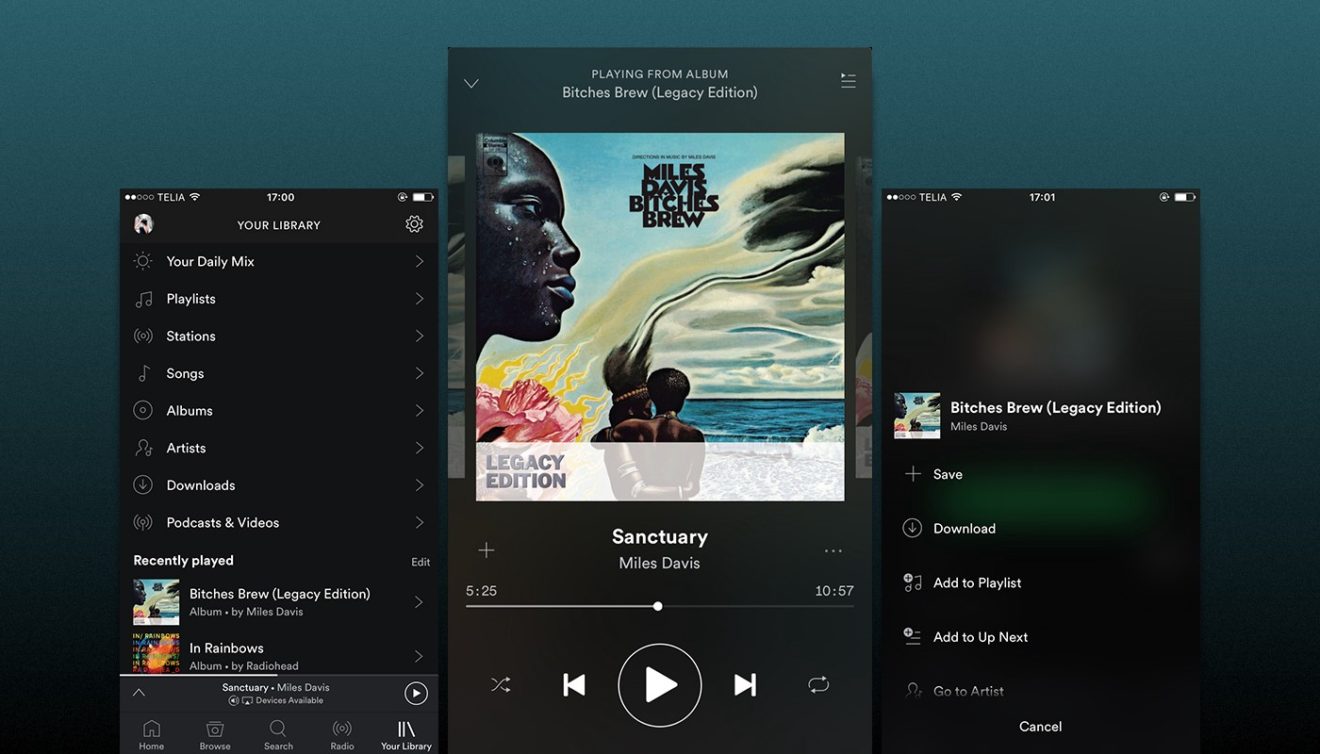
    Spotify is redesigning its mobile app again, although this time only the Home screen if getting a facelift. No matter what Android or iOS devices you’re using to listen to your favorite tunes – smartphone or tablet, the Home screens will look slightly different starting today.

    A refreshed user interface has been implemented to allow Spotify users to access familiar content easier than ever. You can now tap to access your favorite podcast, the playlist you listen to every morning, or the album you prefer during your workouts.

    Spotify’s Home screen has become a space where users can find their favorite content. Moreover, Spotify announced that the screen and content will change along throughout the day to fit the user’s schedule.

    Six recommended playlists will be positioned at the top of the Home screen, which will change according to the time of day. Below these six recommendations, Spotify will add your top podcasts, “made for you” playlists, recommendations for new discoveries based on your listening, and even more content.

    If you’re a new Spotify user, you might not see the new UI right away, but once you have 30 days of listening history, you should start to see these recommendations.

  • Google Maps gets a smart new feature perfect for travelers

    Google Maps gets a smart new feature perfect for travelers

    If you’re a frequent traveler who’s always looking for a new place to eat, you might really appreciate this subtle-but-powerful new feature baked into Google Maps.

    New to Google Maps is integration with Google Lens, the powerful image recognition system first introduced in 2017. With the latest update to Maps, the software will enhance listings for restaurants with more information on the menu.

    We already know how competent Google Lens is at identifying text and symbols in images, but this new feature will take things a step further with more information. When user-uploaded pictures include a shot of the menu, the software will kick in and give you more context to help you decide what to eat.

    The interface will give you the option to ‘Explore dishes’. It can identify the most popular items, find images for dishes, or even translate foreign menus to give you a better idea of what a dish will look like.

    The exciting thing about this is that it happens without any work from the restaurant’s end. As long as a reasonably clear photo of the menu exists in Google’s database, your phone should be able to generate these options and context information.

    As you might expect from how heavily it relies on Google services, the feature is only available on Android for now, but like most Maps features, it’ll likely make its way across to the iOS pond before too long.

  • 2020 Hyundai Verna Facelift Launch Details Out

    2020 Hyundai Verna Facelift Launch Details Out

    The new Hyundai Verna Facelift will be launched with the 1.0-liter, three-cylinder, GDI turbo petrol engine that made its debut in the Venue last year and is also offered in the Grand i10 Nios and Aura. Like the Venue, even in the Verna this engine will be paired with a seven-speed dual-clutch transmission (DCT) while a six-speed manual gearbox will be standard. The new Verna will also share part of its engine line-up with the new Hyundai Creta. So the 1.5-liter, four-cylinder, naturally aspirated petrol engine and the 1.5-liter, four-cylinder diesel engine will also be on offer. While the six-speed manual gearbox will be standard on both engine options, the petrol will also come with a six-speed intelligent variable transmission (IVT) and the diesel will have a 6-speed automatic transmission.

    Hyundai has also dropped a teaser image of the Verna ahead of its launch. Though the silhouette of the car remains unchanged, the face has been heavily updated and is in-line with Hyundai’s latest family face. It gets an all-new cascade grille finished in chrome and is flanked by new LED headlamps. At the rear too it gets new LED taillights and the bumpers have been revised as well.

  • BMW’s Dingolfing Plant Tests Fully Connected Logistics

    BMW’s Dingolfing Plant Tests Fully Connected Logistics

    As part of a three-year research project supported by the Bavarian Ministry of Economic Affairs, Regional Development and Energy, the BMW Group and three partner companies from Bavaria are exploring the possibilities for making BMW Group Plant Dingolfing a smart factory for logistics. The ‘Autonomous and Connected Logistics’ research project was officially launched in September 2019 and is now entering the practical phase. A number of innovative Industry 4.0 production technologies are being combined in an overall concept and tested under real conditions at BMW Group Plant Dingolfing. The BMW Group is contributing around 4.8 million euros to the project costs.

    Testing of 5G wireless technology, which, over the course of the project, will be set up at BMW Group Plant Dingolfing as a trial network, will play a key role in linking different logistics solutions. The new mobile telecommunications standard allows large data volumes to be transferred within a very short time. 5G enables real-time connectivity between machinery and equipment.

    Within the BMW Group production network, the BMW Brilliance Automotive joint venture has already rolled out the 5G wireless communications network across all its three plants. The long-term goal is to set up a 5G network at all BMW Group plant locations worldwide. Further sub-projects will explore the use of logistics robots, mobile devices and digital displays in the logistics process and test connectivity between different systems.

    Peter Kiermaier, head of Logistics Planning at BMW Group Plant Dingolfing: “We also want to use new technologies to increase transparency in conventional processes and enable smooth coupling of manual and autonomous technologies.”

  • Pet Lovers Centre flourishes in the Philippines

    Pet Lovers Centre flourishes in the Philippines

    The Philippines’ Robinsons Retail will open its fifth Pet Lovers Centre (PLC) this year following its strategy of broadening its retail focus beyond fashion.

    The latest pet shop is scheduled to open in the third quarter of this year in Robinson Place Palawan.

    Pet Lovers Centre has grown after Robinsons Retail Holdings secured the license from the Singapore-based pet store chain last October with the first shop opening in Robinsons Galleria in Metro Manila.

    The store has selections from local and international brands that caters for different pets and their needs. It also has a section dedicated to aquarium hobbyists, featuring tropical fish, ornamental shrimp, freshwater aquatic plants and nano-tanks.

    Christine Tan, senior marketing manager, Pet Lovers Centre, said that nowadays pet owners see the company they buy supplies from as part of their ecosystem. The brand’s rapid expansion in the Philippines attests to the fact that PLC is resonating with pet owners there.

    “The PLC brand is about an award-winning shopping experience that translates the love and passion for pets into true value. We do this by offering pets and pet lovers quality products and services, highly accessible care and fun experiences.”

    She added that this includes the widest and freshest range of products pet owners can find with prompt, friendly and helpful service as well.

    Other Pet Lovers Centre stores are located in Robinsons Magnolia Mall and UP Town Center in Metro Manila and Robinsons Galleria in Cebu City.

    The pet retail and service chain was founded by David and Robert Ng in 1973 and has a network of more than 100 stores across Southeast Asia.

  • CP Group wins Tesco Asia business

    CP Group wins Tesco Asia business

    Tesco has accepted a US$10.6 billion bid for its Asian businesses from a consortium of companies controlled by Thai billionaire Dhanin Chearavanont.

    The deal, which remains subject to regulatory approval and Tesco Group shareholder approval, will be completed in the second half of this year.

    The price represents an earnings multiple of 12.5 times and marks a significant premium on analysts’ estimates of the business being worth about $9 billion.

    The CP Group entities which will buy the assets – Tesco Lotus in Thailand and a joint venture with Sime Darby in Malaysia – are CP Retail Development Company, Charoen Pokphand Holding Co, CP All Public and CP Merchandising Co. CP All runs the vast network of 7-Eleven stores across Thailand.

    Assuming shareholder approval for the deal, Tesco plans to return around £5 billion (US$6.59 billion) to shareholders via a special dividend.

    “This sale releases material value and allows us to further simplify and focus the business, as well as to return significant value to shareholders,” said outgoing Tesco CEO Dave Lewis.

    In a statement, Tesco said the disposal will “further de-risk the Tesco business by reducing indebtedness through a £2.5 billion pension contribution (in the UK) that, along with other measures, is expected to eliminate the current funding deficit and significantly reduce the prospect of having to make further pension deficit contributions in the future”.

    The deal announced today effectively sees CP Group buy back the Lotus operations in Thailand, which it sold to Tesco in 1997 to raise cash during the Asian Financial Crisis.

    CP also owns the Sam Makro grocery warehouse business with 130 stores, along with more than 11,000 7-Eleven stores.

    In winning the Tesco business, CP Group beat rival local bidders Central Group and TCC Group. The decision was reached quickly by the Tesco board given final binding bids closed on February 29.

  • Xiaomi shutting down UK Mi store

    Xiaomi shutting down UK Mi store

    Chinese smartphone brand Xiaomi shuttered its one and only UK Mi store last week in Westfield London after a mere 15 months of operations.

    In a statement, a spokesperson for Xiaomi said the adjustment to the company’s local retail strategy is a reaction to its fast-growing business in Western Europe.

    “Since our official arrival in the UK over one year ago, we have loved building relationships with our users, Mi fans and partners and thank them all for their support.”

    Though the company gave no specific reason for the closure, the UK Mi Store was notorious for stock shortages and for charging higher prices than its online channel. The store’s low patronage and an attempt to cut costs to focus on its other new Western European markets most likely attributed to the reason for its exit.

    Xiaomi entered Western Europe through Spain in 2017, followed by France and Italy shortly after.

    Xiaomi’s UK Twitter account has been deactivated since the store closed and Westfield London’s website has been updated with a disclaimer that the Mi Store is no longer trading. However, Xiaomi products are still available for purchase through UK partners including Amazon, Three and Mi.com.

  • Indian retailers boycott Samsung products

    Indian retailers boycott Samsung products

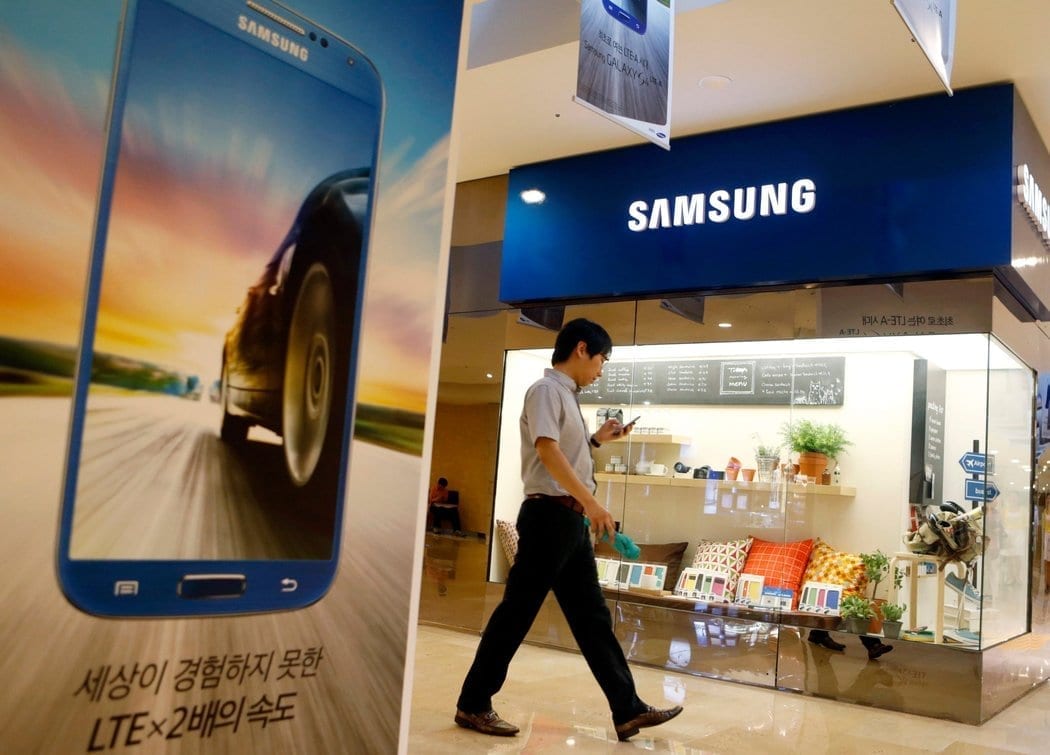
    Indian retailers are staging a three-day nationwide boycott on selling Samsung mobile devices in response to the firm’s exclusive discounting deals with e-commerce operators.

    The All India Mobile Retailers Association (AIMRA) has arranged the Samsung boycott at brick-and-mortar outlets following several rounds of unanswered communications with Samsung country heads extending back over the past five years.

    “We will be showing our protest through digital posts, covering Samsung branding with a black cloth in our stores, and not doing business with Samsung distributors for three days,” said AIMRA president Arvinder Khurana, adding that Samsung representatives had neither met with leaders of their organization nor responded to emails.

    The association has been working to end deep discounting and cashback offers for e-commerce mobile retailers and has drawn guarantees of fair pricing across channels from Vivo, Oppo and Realme.

    Samsung is “adamant and underestimating the power of offline,” said Khurrana. “They are the only brand with M Series exclusive tie-up and now to grab our customers they have also tied up for a cashback offer through Amazon Pay … Such activities have caused great damage to us but the brand does not seem to be interested in working with offline traders.”

    Industry commentators have noted that the move will heavily impact Samsung’s revenues and shake consumer confidence in the brand.

  • Bonchon chicken in Thailand Planning Expansion

    Bonchon chicken in Thailand Planning Expansion

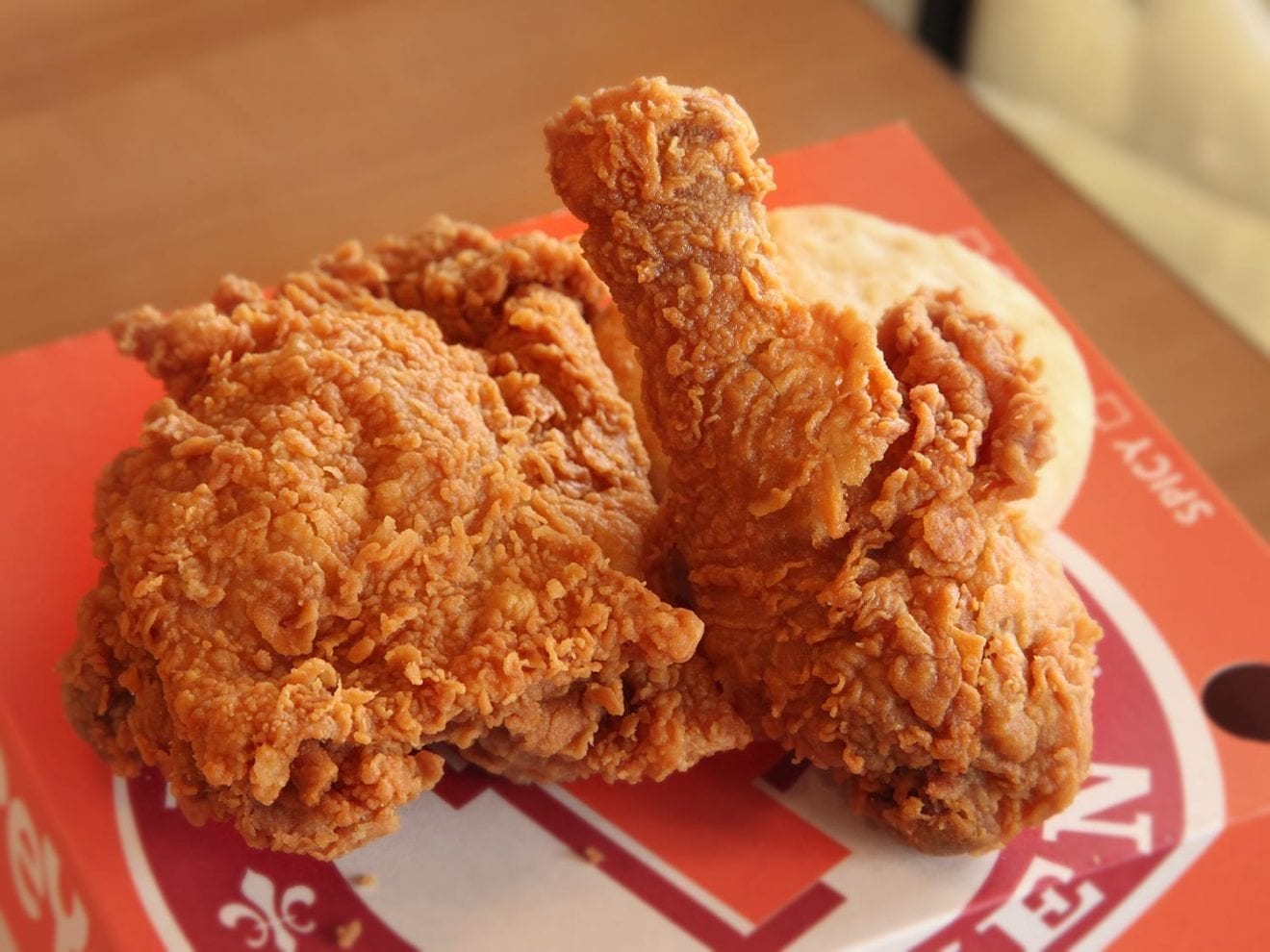
    Thai-headquartered Minor International has bought an effective 70-per-cent stake in the master-franchise rights holder of Bonchon chicken in Thailand.

    The deal sees Minor take controlling interests in Singapore’s Spoonful Pte and Spoonful Thailand, which will drive future expansion of the South Korean fried-chicken chain in Thailand. Minor paid US$79 million for the shares.

    The transaction leaves Mint as the effective operator of Bonchon chicken in Thailand and follows its $66 million purchase of Chicken Time last November, which at the time ran 40 outlets across Thailand. At the time of that deal the company said it was in the process of negotiating with Bonchon’s South Korean owners for the right to expand the network further.

    That pathway has been cleared and Mint says it now owns long-term exclusive territorial rights and the ability to expand and sub-franchise Bonchon chicken in Thailand. It plans to grow the store network to more than 150 restaurants throughout the country by the end of 2024, representing a five-year CAGR of more than 25 percent.

    “This latest investment in the master franchise rights of the Bonchon brand … emphasizes our strategy to enhance our portfolio offerings and further strengthen the restaurant business in Thailand,” said Minor Food CEO Paul Kenny.

    “With almost 10 years of presence in the country, Bonchon brings a highly loyal customer base of Thai millennials and Generation Z, which we will further build on.”

    The expansion strategy will focus on shopping centers and community malls, along with delivery-format stores to capture the fast-growing delivery market. With only two stores outside the nation’s capital of Bangkok currently, key cities in the regions will be targeted as well.

    During the first two months of this year, sales of Bonchon chicken in Thailand have proven resilient amidst the coronavirus crisis, supported by strong delivery sales.