Author: Mei Ling Tan

  • Dark mode now rolling out to WhatsApp on Android and iOS

    Dark mode now rolling out to WhatsApp on Android and iOS

    WhatsApp is finally adding a native dark mode to its Android and iOS apps. The company announced today that “the most requested feature from people around the world” is now rolling out to Android and iOS devices over the next couple of days.

    As one might expect, the new dark mode is meant to reduce eye strain in low light environments. The dark theme created by WhatsApp isn’t really black, but a special dark gray background and off-white color, which is supposed to lower the brightness of the screen and improve contrast and readability.

    If you have an Android 9.0 Pie phone, you can enable the new dark mode after you updated WhatsApp by going to Settings / Chats / Theme and select Dark. For those lucky to own an Android 10 phone, the new dark mode can be enabled from the system settings instead.

    The same goes for those using an iPhone, the new dark mode can be enabled from the system settings. As mentioned above, dark mode will make it to Android and iOS devices in the coming days on the latest version of the app, so sit tight until it becomes available for download.
  • Google I/O 2020 is canceled due to the coronavirus

    Google I/O 2020 is canceled due to the coronavirus

    In a blog post-Google published today the company said, “Due to concerns around the coronavirus (COVID-19), and in accordance with health guidance from the CDC, WHO, and other health authorities, we have decided to cancel the physical Google I/O event at Shoreline Amphitheatre.” Google says that over the next few weeks it will look at various alternatives to the physical event so that it can stay in touch with its developer community. One possibility would be for Google to live stream a keynote via the Google I/O app.

    Those who purchased tickets to Google I/O 2020 will receive a full refund by March 13th. If your refund does not arrive before that date, Google suggests that you send an email explaining the situation to io@google.com. And if you have already registered for Google I/O 2020, you will not have to enter next year’s drawing for I/O 2021 tickets; instead, you will automatically be given the option of purchasing tickets for next year’s event.

    Traditionally, Google has introduced new features of the next Android build during the developer conference. And Google employees also hold talks with developers discussing different topics. Some of these sessions could also be live-streamed to developers.

    Facebook has already canceled its F8 developer conference scheduled for May and Microsoft has done the same for its 2020 Game Developers Conference which was supposed to take place this month. Apple’s WWDC 2020 developer conference, typically held in June, could also be at risk.

    Most companies are taking the safe route this year and with no end to the spread of the coronavirus in sight, we might see other events get canceled as well. IFA 2020 is scheduled to take place in Berlin from September 4th through September 9th. Half a year away, the show’s organizers still have some time to decide whether they need to pull the plug on this year’s event.

  • The Bentley Bacalar Is A Topless Grand Tourer

    The Bentley Bacalar Is A Topless Grand Tourer

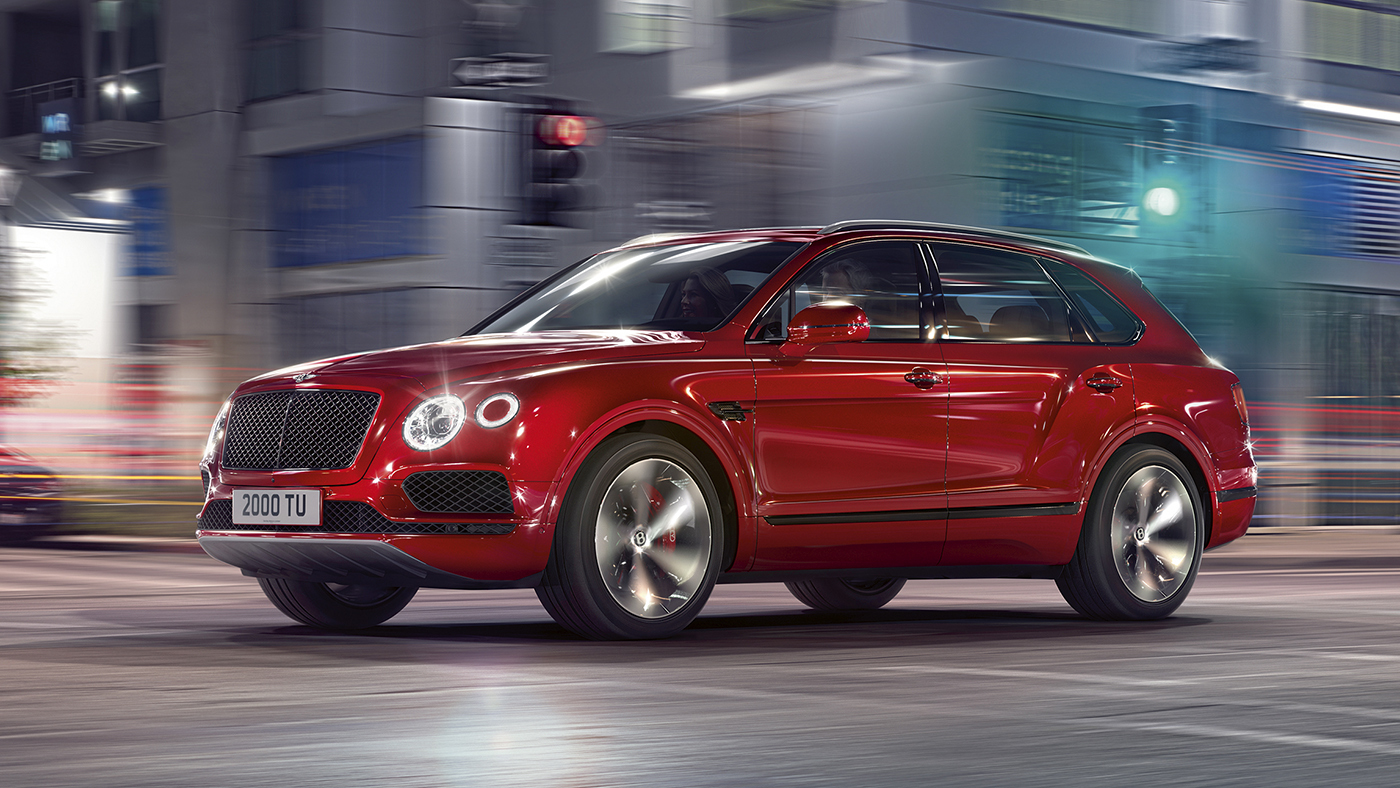
    Bentley Mulliner has revealed the all-new Bacalar. The Grand Tourer marks a return to coachbuilding by Bentley Mulliner – the oldest coachbuilder in the world. Just 12 examples of the Bacalar will be made and each model will be handcrafted in Bentley Mulliner’s workshop in Crewe, according to the individual customer’s personal tastes. It is named after Laguna Bacalar in Mexico’s Yucatan peninsula, a lake renowned for its breath-taking natural beauty, continuing Bentley’s strategy of naming cars after remarkable landmarks which started with Bentayga in 2015.

    It draws on design DNA from the beautifully sculpted, award-winning EXP 100 GT. The dramatic, tapered cowls at the rear hark back to the Barchetta sports cars of old. The distinctive, wraparound cockpit flows from a new, steeply angled center console seamlessly into the dashboard and doors.

    These then wrap rearwards towards the semi-enclosed luggage compartment behind the two seats. The rear clamshell and top deck of the Bacalar are crafted from lightweight aluminum, while the doors and wings are carbon fibre. Combined with the use of three-dimensional printing, it has allowed designers to create an even more distinctive car.

    The Bacalar sits on extended haunches, with the rear track 20 mm wider than a Continental GT, to provide a more muscular, sporting stance. They house bespoke, 22-inch tri-finish wheels with dramatic depth and contour on the road. The unique front and rear horizontal lights add the distinctive, dynamic character that was first seen on the EXP 100 GT.

    The Bacalar features an enhanced version of Bentley’s peerless 6.0-litre, W12 TSI engine. The most advanced 12-cylinder engine which produces 650 bhp and 900 Nm of torque. An advanced Active All-Wheel-Drive System varies the torque split between front and rear wheels. It allows the Bacalar to use rear-wheel drive as much as possible during normal driving for optimum efficiency and dynamic performance.

  • BMW, Daimler Aim To Cut Emissions 20% This Year With New Electric Models

    BMW, Daimler Aim To Cut Emissions 20% This Year With New Electric Models

    New electric models will help BMW and Daimler cut emissions from the cars they sell by an average of 20% this year, the German automakers predicted on Tuesday, as they strive to meet tough new European pollution rules.

    In a live-streamed event, following the cancellation of this week’s Geneva motor show due to the coronavirus epidemic, BMW presented the i4 four-door coupe with a driving range of up to 600 kilometers, one of a number of new electric models it hopes will stimulate demand for battery-driven cars.

    In a separate webcast, Mercedes-Benz owner Daimler was also bullish about prospects for its growing range of electric cars.

    The European Union set automakers a target to cut carbon dioxide (CO2) emissions by 40% between 2007 and 2021, and has demanded a further 37.5% reduction by 2030.

    But pollution levels from cars have been rising as customers increasingly chose to buy gas-guzzling sport-utility vehicles (SUV), meaning automakers need to ramp up sales of electric cars if they are to avoid hefty fines from 2021.

    They have a mountain to climb. Average fleet emissions for cars in Europe rose for the third year in a row in 2019, with electric vehicles making up only 6% of overall registrations, analysts at JATO Dynamics said on Tuesday.

    BMW already has 500,000 electric and hybrid cars on the road and plans to double that number by the end of next year, including through the launch of the i4 and an iX3 SUV as well as an electric version of its Mini.

    Sales of battery-electric and hybrid vehicles are already up by 43% so far this year, BMW Chief Executive Oliver Zipse said.

    “We believe that we can keep the impact on profits under control,” he added, pledging that every car sold would be profitable.

    BMW stuck to its outlook even as second-quarter earnings fell 20%, hit by currency headwinds and the rising cost of manufacturing electric and hybrid cars to help the carmaker meet stricter emissions limits.

    Electric cars are generally more expensive to build than petrol or diesel-powered vehicles. But BMW said it was saving money, including by delaying the development of a next-generation Mini, to free up resources for the electric campaign.

    “If a vehicle architecture does not need to be renewed, then we do not do it,” Zipse said, adding the Mini was being renewed constantly by updating the powertrain and infotainment options. Around 7,000 electric Mini’s have been ordered so far, he added.

    Daimler, meanwhile, is promoting hybrid cars including a new CLA Shooting Brake, as well as the Mercedes-Benz EQC electric SUV and an electric van, the V-class, as part of its drive to reduce emissions by 20% this year.

    “We are within striking distance of meeting the target,” Chief Executive Ola Kaellenius said. Mercedes-Benz plans to build 50,000 EQC vehicles this year.

    Kaellenius declined to comment on the profitability of electric vehicles. “We don’t communicate individual margins. Electrification is a headwind,” he said.

    Separately, Volkswagen announced the launch of the ID4, a fully electric SUV with an operating range of up to 500 kilometres, which will go on sale in Europe, China and the United States, and start production this year.

  • General Motors To Tout Its Electric Vehicles To Investors Swooning Over Tesla

    General Motors To Tout Its Electric Vehicles To Investors Swooning Over Tesla

    General Motors Co executives on Wednesday will tackle one of their toughest tasks: Persuading investors that a Detroit automaker can catch up with Elon Musk and Tesla Inc as vehicles go electric.

    Even as global markets reel from coronavirus fears, Tesla’s valuation is outpacing that of GM and most other legacy automakers. On Tuesday, Tesla’s market cap hovered around $144 billion, more than three times GM’s $45 billion.

    GM is by far the larger manufacturer by volume and generates more cash and profits. But in the electric vehicle market, Tesla is the leader.

    Carmakers unveil new models online as part of a digital press day after the cancellation of the Geneva motor show, due to the new coronavirus outbreak. Ciara Lee reports

    Last year, Tesla sold 367,500 electric vehicles globally, including 223,000 in the United States. GM sold just 16,400 Chevrolet Bolt EVs to U.S. buyers and 60,000 Baojun E-Series models in China with joint venture partner SAIC Motor.

    GM Chief Executive Officer Mary Barra and President Mark Reuss have ramped up electric vehicle development over the past three years, focusing on a proprietary battery, a low-cost flexible vehicle design and a blueprint for high-volume production, mainly in China.

    The company has revealed its electric vehicle strategy in incremental steps – announcing the Hummer brand will be reborn as an electric pickup and partnering with Korean battery maker LG Chem to build a $2.3 billion battery plant near a shuttered GM car plant in Lordstown, Ohio. GM is now trying to put the broader picture into focus for investors.

    GM has said it aims to reduce the cost of battery cells – the single greatest expense in electric vehicles – to less than $100 per kilowatt-hour. That in turn could slash the cost of battery packs for electric vehicles like the Chevrolet Bolt EV by up to 45%, experts say.

    GM is also developing an advanced battery, in partnership with LG Chem and Japan’s Honda Motor Co, that will be smaller than current EV batteries, can be charged more quickly and will provide more energy.

    Musk has told investors that Tesla has battery cost and range breakthroughs in the works that it will describe at a “Battery Day” in April.

    Barra has said GM plans to spend more on electric vehicles than on gasoline-powered cars over the next five years. But it has not put a figure on how much it will invest in its efforts to rival Tesla and traditional competitors such as Volkswagen AG or Ford Motor Co as the electric vehicle market develops.

    Barra has, however, promised that GM will make money on electric cars by 2021.

  • Robinsons Retail down last month

    Robinsons Retail down last month

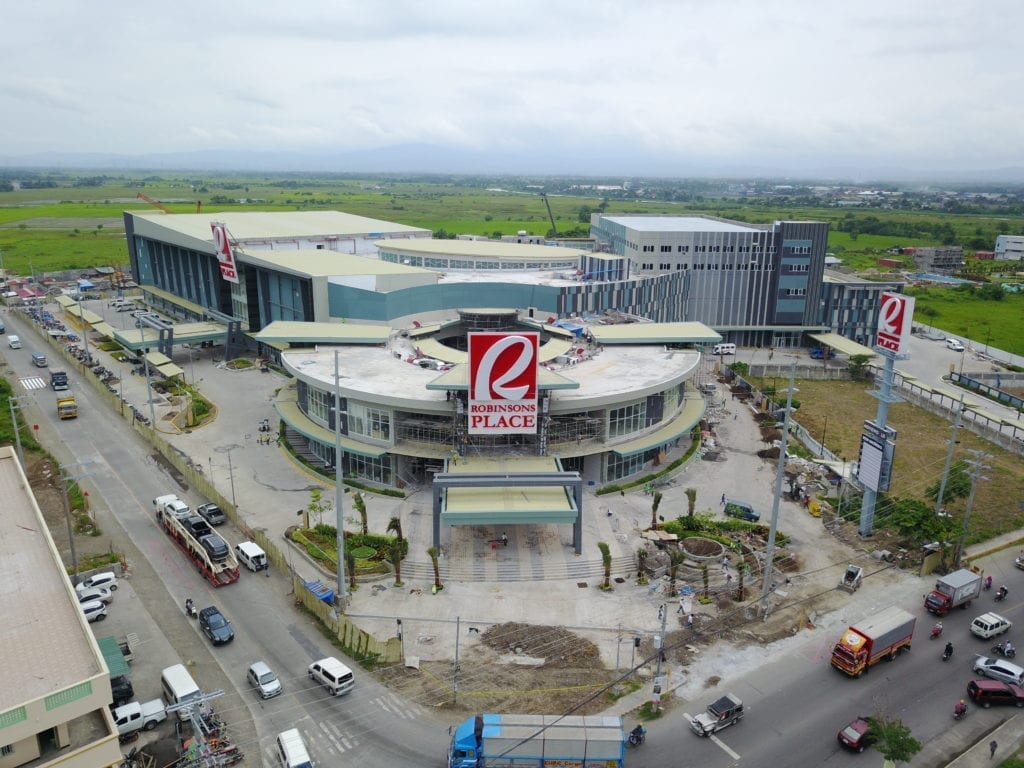
    Robinsons Retail has reported a 25-per-cent profit drop to US$75.2 million (PHP3.83 billion) last year and $18.8 million in the fourth quarter.

    However, net sales rose 22.8 percent to $3.2 billion for the full year driven by same-store sales growth of 3.4 percent. It was the first full year including the consolidation of Rustan Supercenters.

    The company blamed the profit decline on the effect of the new accounting standard PFRS16 which resulted in a net impact of $6.2 million in the fourth quarter and $19.6 million for the full year.

    Core net income excluding the PFRS16 adjustment rose by 9.5 percent to $31.4 million in the fourth quarter and 2.1 percent to $100.3 million for the full year.

    Net income post-PFRS16 was $78.7 million.

    “We have bolstered our strategic focus on data and digitalization, with our investments in Data Analytics Ventures Inc and e-commerce platforms BeautyMNL and Growsari, Inc,” said RRHI president Robina Y Gokongwei-Pe.

    “We remain optimistic because we approach technology as a means for our brands, loyalty programs, and marketing campaigns to become even more customer-centric and engaging in this new digital market.”

    Meanwhile, net sales for the fourth quarter went up by 14.4 percent to $921 million, primarily driven by the company’s drugstore network, up 7.4 percent, convenience stores up 5 percent, department stores up 4.7 percent and supermarkets at 4 percent.

  • Shopee starts selling fresh foods online in Malaysia

    Shopee starts selling fresh foods online in Malaysia

    Shopee Malaysia has launched a fresh food grocery delivery service, including vegetables, seafood, and poultry.

    Ian Ho, regional MD of Shopee, says Malaysia’s e-commerce market is in a hyper-growth stage. “For us, that means it is not time to slow down. We are identifying more areas to tap into, such as the fresh segment, to create a more dynamic online shopping and selling environment. We aim to empower and drive inclusive economic growth by working directly with fishermen and farmers in rural Malaysia for this project,” he said.

    Fresh foods will initially be available in the Klang Valley area of Greater Kuala Lumpur in a pilot program before Shopee Malaysia rolls the service out nationwide.

    The e-commerce company is partnering with local brands including Fresh Tap and Fish Club, the latter of which will sell fish from Pontian fishing village, vacuum-packed and blast frozen immediately after scaling and filleting to maintain freshness.

    Orders from Fresh Tap and Fish Club bought via Shopee Malaysia will be delivered within one to three days.

  • Hop Lun signs licensing deal with Janet Reger Lingerie

    Hop Lun signs licensing deal with Janet Reger Lingerie

    British lingerie brand Janet Reger has signed a new global licensing deal with Hong Kong’s Hop Lun, one of the world’s largest lingerie and swimwear designers and producers.

    A newly launched diffusion line ‘Janet Reger Rouge’ is the first move by the 50-year-old brand Janet Reger to democratize its lingerie offer on a global scale.

    Founded in the 1960s by Janet Reger, who died in 2005, the brand is now run by her daughter Aliza who continues to uphold the label’s mantra of “Confident Beauty Undressed”.

    “Hop Lun’s expertise and manufacturing capabilities paired with the Reger heritage make the perfect partnership,” said Aliza Reger.

    Described as ‘age agnostic’, ‘Janet Reger Rouge’ covers four design stories and spans 36 pieces, all aimed at the contemporary woman.

    Erik Ryd, Hop Lun’s founder and CEO said it is amazing to think that more than 50 years ago Janet Reger was the first lingerie brand that really celebrated being a woman.

    “This ethos still exists today and we are excited about both the collaboration and the opportunity to bring the Janet Reger Rouge brand to new, global markets”.

    Hop Lun, founded in 1992, provides fashion lingerie and swimwear to major global brands and retailers. The company also founded its own retail brand 6ixty8ight.

  • Mr DIY delays IPO

    Mr DIY delays IPO

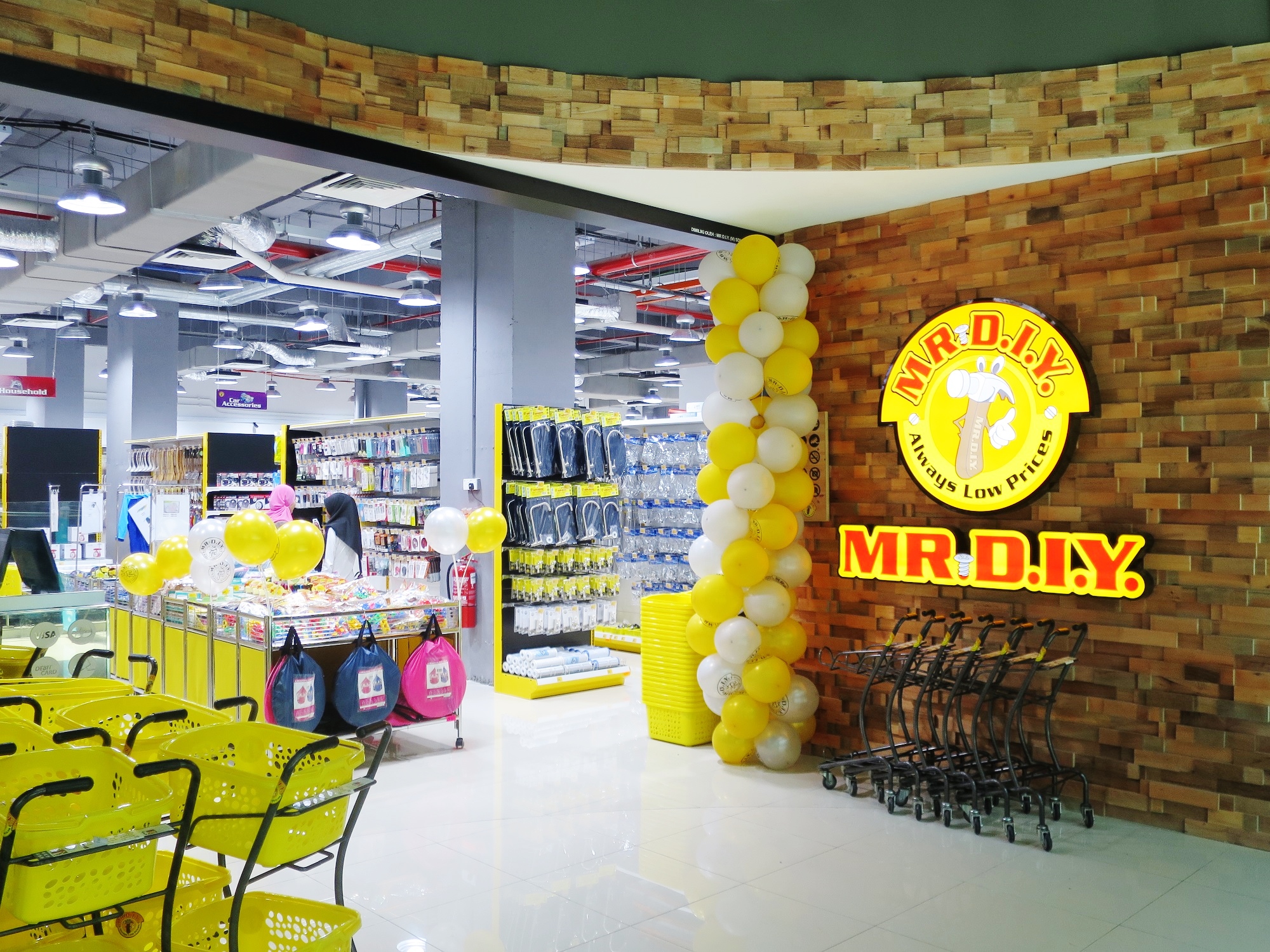
    Malaysian home improvement brand Mr DIY may postpone its planned IPO following the effect of political uncertainty on the domestic market.

    Malaysia’s equities market suffered heavily from the impact of Malaysian president Mahathir Mohamad’s unexpected resignation, as well as the continuing impact of the coronavirus outbreak. The Malaysian stock market’s 12-year bull run came to an end just last week as the media spread the news about the outgoing president. A global rout of stock prices relating to the coronavirus crisis has not helped the local situation either.

    Mr DIY is expected to make a decision regarding the IPO this week. The IPO was originally targeted for the end of this month with a view to raising capital of around US$5 million, and may still go ahead if market conditions show any sign of improvement.

    Mr DIY operates close to 600 outlets in the country.

  • H&M looking to open stores in smaller cities in India

    H&M looking to open stores in smaller cities in India

    H&M in India is planning a broad expansion beyond tier I cities into smaller population centers.

    The move is in response to a burgeoning demand for its apparel items in tier II and II cities within the territory and continues the brand’s rapid growth in the Indian market, where it has recently partnered with local e-commerce platforms to strengthen its digital footprint.

    “What is clearly evident from our online platform is we see a great demand in tier II and III cities,” said H&M India country manager Janne Einola. “Tier II cities have been working very well for us… We have been testing in tier III cities like Coimbatore and Jalandhar. And these cities have been promising. This is the reason why I feel confident that we can grow in India. We will open quite a lot in Tier II cities and some of them in Tier 1.”

    H&M in India achieved a 43-per-cent sales growth last financial year despite a significantly slower growth rate during the period. Around half of its current locations within India are in tier II cities, and the firm reportedly takes a far greater proportion of online sales within India than the global average of 24 percent.

    H&M in India is planning to launch its first Indian ethnic wear collection next month in partnership with designer Sabyasachi Mukherjee.

  • Cebu Pacific to offer seat sale from March 3 to 5, 2020

    Cebu Pacific to offer seat sale from March 3 to 5, 2020

    Cebu Pacific has announced a seat sale from March 3 to 5, 2020.

    The budget carrier said it will offer a sale on all domestic flights on March 3, sale on international flights on March 4 and sale on all destinations on March 5.

    The promo fares will be valid for travel from September 1, 2020 to February 28, 2021.

    Cebu Pacific, however, did not state how much the promo fares would be.

  • JD tops the China’s online appliances market

    JD tops the China’s online appliances market

    E-commerce giant JD has taken the lead in China’s online appliances market.

    The finding was part of a new report on the industry within China prepared by the China Electronic and Information Industry Development Research Institute, which showed JD’s market share stands at 22.39 percent in a sector that raked in RMB891 billion (US$128 billion) last year with a 41.17-per-cent penetration of online sales.

    The lead online product in the category by an overwhelming margin was the air conditioning unit, bringing in RMB 216 billion ($31 billion) in total sales and taking up nearly a quarter of all household appliances traded via the internet. Other popular goods include TVs, fridges, washing machines, kitchen appliances, and household appliances.

    While the recent coronavirus outbreak has had a markedly negative impact on online sales as well as offline trading, normal market conditions are expected to return once the crisis passes.

    “When the epidemic subsides, consumer demand will return,” said JD Retail CEO Lei Xu.

  • AirAsia X offers a year’s unlimited flights for $181 in response to coronavirus

    AirAsia X offers a year’s unlimited flights for $181 in response to coronavirus

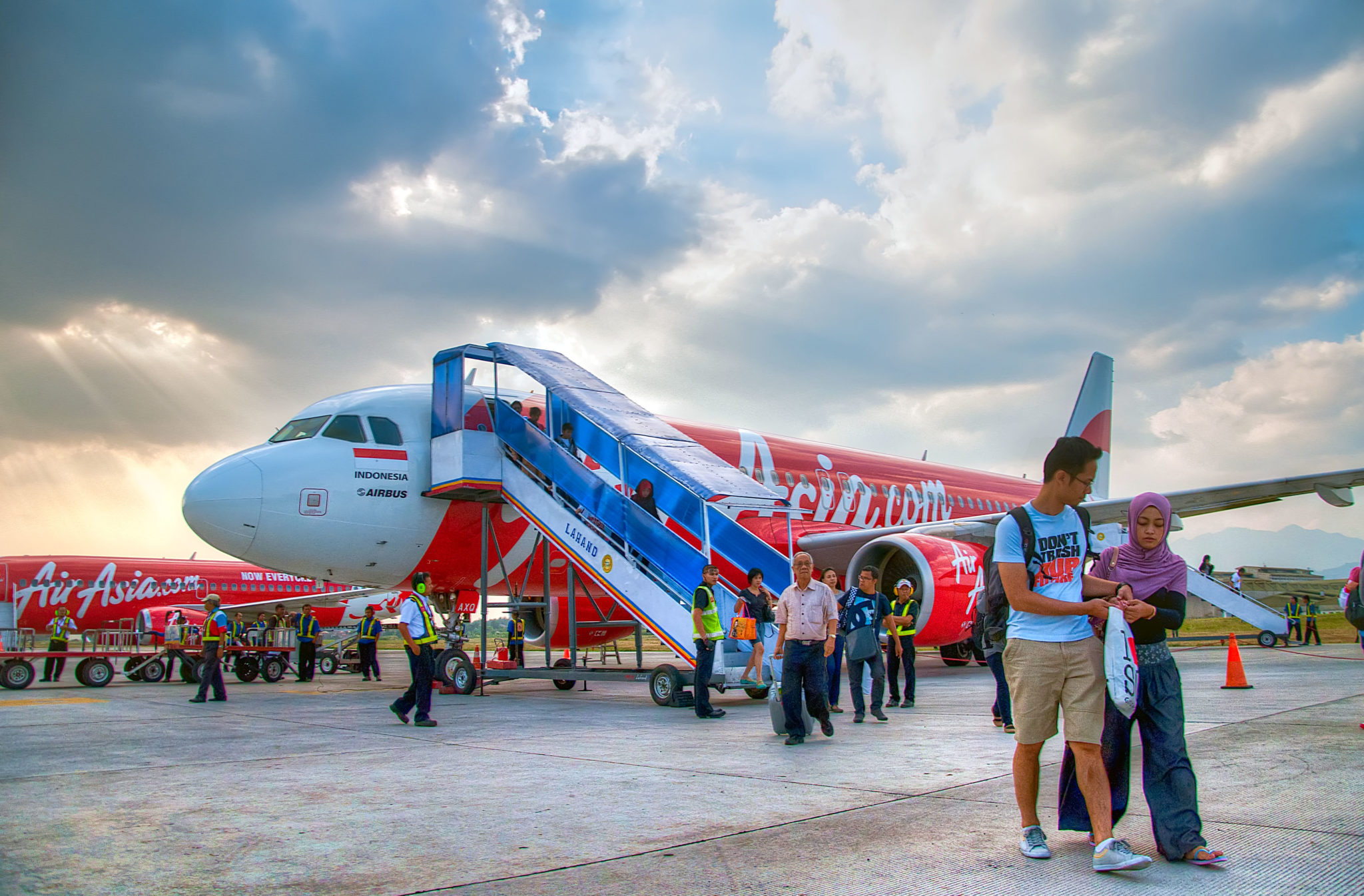
    AirAsia X is offering unlimited international flights for a year for just 499 ringgit ($A181) as the coronavirus hits passenger numbers.

    Passengers will be able to fly from the airline’s home base in Malaysia to Australia, Japan, China, India and South Korea as many times as they like.

    The bad news is the deal is not available to Australians, only to Malaysia-based members of the airlines’ BIG loyalty scheme.

    The AirAsia Unlimited Pass went on sale Saturday and will only be available until March 7. Among the various terms and conditions, passengers will still have to pay taxes, airport fees and charges. They will be able to use the pass until March 2, 2021.

    “This is unprecedented,” said AirAsia X Malaysia CEO Benyamin Ismail in a statement. “However, AirAsia has always been known as the disruptor and we want to restore traveler’s confidence amid the current sentiment towards flying.

    “Travelling is still very safe as long as everyone travels responsibly and is kept updated by World Health Organisation (WHO) or respective government’s travel advice.”

    Meanwhile, AirAsia X said it will defer delivery of 78 Airbus A330neo planes and consider other changes to reduce its fleet, as the coronavirus outbreak adds pressure on the loss-making carrier.

    AirAsia X said late on Thursday it might sell two A330s that could fetch up to $US100 million ($153 million) and return five others to lessors early, adding it was already in negotiations with lessors about a targeted 30% cut in lease rates.

    The airline canceled 600 flights for March, according to an investor presentation published after it reported a higher quarterly net loss. AirAsia X flagged lower forward bookings and pressure on fares in the presentation.

    The virus has deepened the challenges facing the airline and sister carrier AirAsia Group, whose Chief Executive Tony Fernandes and Chairman Kamarudin Meranun have both stepped aside for at least two months amid investigations into a corruption scandal. Airbus was alleged to have paid a $US50 million bribe for plane orders.

    Brendan Sobie, a Singapore-based independent aviation analyst, said AirAsia X was highly exposed to China and other markets in North Asia significantly impacted by the coronavirus but the carrier was also in a weak financial position prior to the crisis.

    AirAsia X shares fell by 5 percent on Friday to a record low after it posted a net loss of 95.8 million ringgit in the quarter ended December 31, increasing from an 88.1 million ringgit loss a year ago.

    Flights to and from mainland China accounted for about 30 percent of AirAsia X’s capacity before the outbreak of the virus. It has a fleet of 24 A330 planes.

    The carrier last August reached a revised deal with Airbus to take 78 A330neos and 30 long-range A321XLR narrowbodies, down from earlier plans for 100 A330neos. AirAsia X is Airbus’ biggest customer for the A330neo, a more fuel-efficient version of the older A330 model.

    AirAsia X said delivery of the A330neos would be deferred and it would move toward a dual-fleet strategy with A321s set to replace its A330s on routes of four to six hours when demand recovers.

    “We believe advanced aircraft technology has changed business dynamics as we can now fly narrow-body aircraft longer,” AirAsia X Malaysia CEO Benyamin Ismail said in a statement.

    An AirAsia X spokeswoman said the airline was evaluating market conditions and had yet to confirm the duration of the A330neo delivery deferrals. An Airbus spokesman said the manufacturer does not comment on delivery schedules for individual airlines.


  • HSBC Hires Wealth Teams Across Asia

    HSBC Hires Wealth Teams Across Asia

    HSBC has announced the launch of a new global business, combining retail banking and wealth management and global private banking. Recruitment for wealth teams across Hong Kong, Singapore, and mainland China is on track.

    HSBC’s new unit will become one of the world’s largest global wealth managers with $.4 trillion in assets, with nearly half of the assets from Asia, according to a media release on Monday. Wealth and personal banking will cover the entire spectrum of private wealth, from retail clients to ultra-high net worth (UHNW) individuals.

    Across Asia, where wealth pools are growing faster than in any other region, HSBC’s wealth revenues grew 12 percent in 2019 (year on year) to $.7 billion.

    This move creates one of the world’s largest and fastest-growing wealth franchises, centered in Asia and serving clients around the world. HSBC’s wealth propositions are compelling, increasingly digital and support individuals no matter where they are in their wealth journey, from first-time investors – to clients considering generational planning needs, Charlie Nunn, CEO of Wealth and Personal Banking, HSBC, said.

    In 2019, HSBC grew affluent and emerging high net worth clients globally in Premier1 and Jade, respectively, by 7 percent and 14 percent year on year. Over half of Jade’s total clients globally are in Asia. Global private banking, where profit before tax grew by 19 percent, attracted a record $23 billion of net new money in 2019, two-thirds of which were in Asia. 2019 also saw an increase in Asia client assets of 22 percent to $51 billion.

    Recruitment for wealth teams across Hong Kong, Singapore, and mainland China is on track. Since 2017, both businesses have recruited 800 people, including private bank relationship managers, investment counselors, UHNW solution specialists, and product specialists, and Jade directors and relationship managers, investment and insurance specialists.

    In 2019, four Jade Centres were opened across Singapore, Hong Kong, and Shanghai. This year, HSBC has recently opened two more Jade Centres in Hong Kong and plans to open one in Beijing.

  • Shanghai Fashion Week to continue despite coronavirus threat

    Shanghai Fashion Week to continue despite coronavirus threat

    Shanghai Fashion Week organizers announced that the event will proceed after early fears it would be postponed due to the coronavirus outbreak.

    The organizers released a statement saying Shanghai Fashion Week will be held on the same dates earlier scheduled: March 24-30.

    Since the coronavirus crisis began in late January, Chinese fashion industry professionals have been unable to participate in fashion weeks held in London, Milan, and Paris. But they are expected to participate in the coming event where more than 100 Chinese designers and brands are expected to showcase their 2020 Autumn/Winter designs.

    Live Streaming is also expected to be used in marketing their Spring/Summer products.

    “We hope this new form will allow designers to try different ways to display their design and different channels to market and sell,” vice secretary of Shanghai Fashion Week committee, Lu Xiaolei said.