Author: Mei Ling Tan

  • HSBC Taps Zoom to Maintain Client Interaction

    HSBC Taps Zoom to Maintain Client Interaction

    The bank is rolling out video conferencing for its Jade customers and says it will extend the service to HSBC Premier customers in the next few weeks.

    Amid the Covid-19 outbreak, HSBC is hoping remote conferencing services will help the bank enhance communication between customers and its relationship managers and investment specialists.

    In a statement on Wednesday, the bank said it has rolled out video conferencing using the Zoom service to interact and conduct wealth management related activities with Jade customers.

    A virtual face-to-face interaction will facilitate more in-depth discussion between customers and relationship managers, especially on more detailed wealth planning topics, said Greg Hingston, head of retail banking and wealth management, Hong Kong.

    Jade focuses on clients with a minimum account size of $1 million, a segment the bank describes as emerging wealth, in contrast with HSBC Private Banking, which requires a minimum account size of $5 million.

    The service gives customers access to dedicated relationship managers and specialists, customized and exclusive investment solutions, as well as luxury concierge services and «exclusive experiences.»

    As of end-August 2019, it had more than 150,000 customers globally in eight markets. In 2019, four Jade Centres were opened across Singapore, Hong Kong, and Shanghai. This year, HSBC opened two more Jade Centres in Hong Kong, and plans to open one in Beijing.

    HSBC has been building its wealth teams across Asia, as it announced the launch of a new global business, combining retail banking and wealth management and global private banking on Monday.

  • Alibaba has refined and expanded its Freshippo New Retail concept

    Alibaba has refined and expanded its Freshippo New Retail concept

    Unmanned checkout kiosks, mobile-scanned product details, fast-running fulfillment conveyor belts – these are just some of the features engaging customers at Freshippo, the New Retail-powered supermarket by Alibaba.

    Since launching in 2016, the chain has brought grocery shopping into the digital era and has soared in popularity with Chinese consumers thanks to its mobile-first shopping experience, 30-minute delivery options and a vast selection of products, including live seafood with cook-in-store options. Within a few years since creation, Freshippo has expanded to about 200 stores.

    To expand its reach and capabilities in China, Freshippo has been experimenting with new store formats that cater to the needs of different consumers across the country. While the original supermarket concept remains at the heart of most Freshippo locations, the chain started to introduce new shopping experiences to its portfolio about two years after its initial launch.

    The Freshippo brand now includes everything from convenience stores and breakfast pick-up stations to even a shopping mall. As a sign of just how quickly Alibaba is moving, five out of the six new store formats were launched last year alone.

    By adapting to local shopping habits and needs, Freshippo’s new store formats allow the chain to expand its digitally enabled grocery-shopping experience to more segments of consumers, all with the same mobile app.

    For example, Freshippo Farmers’ Markets cater to more price-sensitive consumers living in residential neighborhoods on the outskirts of top-tier cities. Similar to a traditional farmers’ market, there is fresh produce sold in bulk and daily essentials, but the experience is also upgraded with digitally enriched features and 30-minute delivery services.

    Meanwhile, in lower-tier cities, where high-quality products are less accessible, Freshippo Mini stores – at approximately 300-500sqm, or about one-tenth of the size of a regular Freshippo store – are designed to be set up to quickly scale to address the rising consumption demand of lower-tier markets in China without a significant investment of capital.

    There’s also Freshippo Station, which fulfills fresh-produce orders for residents living in urban residential areas where Freshippo supermarket stores are not yet available. The station’s focus on fresh produce and a hyper-local delivery radius of 1.5km are designed to meet Chinese consumers’ demands for frequent, fast and fresh deliveries.

    Other versatile formats, such as Freshippo F2 and Freshippo Pick’n Go, complement the original New Retail supermarket concept by providing customers with ready-to-eat foods. Freshippo F2, short for “Fast and Freshly Made,” offers lunch boxes and snacks for office workers in central urban business areas. Freshippo Pick’n Go is a breakfast stand that sells on-the-go Chinese and Western breakfast foods all day, addressing the demand by busy urban residents in China for quick and tasty take-out options.

    Having amassed a loyal following of Chinese consumers since its launch, the brand’s latest experiment, Freshippo Mall, expands the brand’s digital experience beyond food to address the full spectrum of consumers’ everyday needs.

    The first Freshippo Mall opened in Shenzhen last November and is a 40,000sqm complex that provides everything from retail, entertainment and dining to education and cleaning services.

    There are currently close to 60 tenants, including clothing shops, restaurants, drug stores, grocers, beauty parlors and recreational facilities for children – all connected through the Freshippo app, which offers consumers a digital discovery journey, mobile checkout and one-hour delivery within a 3km radius.

  • Toyota’s China Sales Sink In February On Coronavirus Outbreak

    Toyota’s China Sales Sink In February On Coronavirus Outbreak

    Japanese automaker Toyota said on Wednesday its car sales in China, the world’s biggest auto market, fell 70.2% in February due to the coronavirus epidemic which has killed more than 2,900 people. Toyota, which is the first major global automaker to report its February sales in China, said it sold 23,800 Toyota and premium Lexus cars.

    According to the China Passenger Car Association (CPCA), China’s overall passenger car sales dropped 89% in the first 23 days of February.

  • Airasia India Passes Major Security and Safety Audit

    Airasia India Passes Major Security and Safety Audit

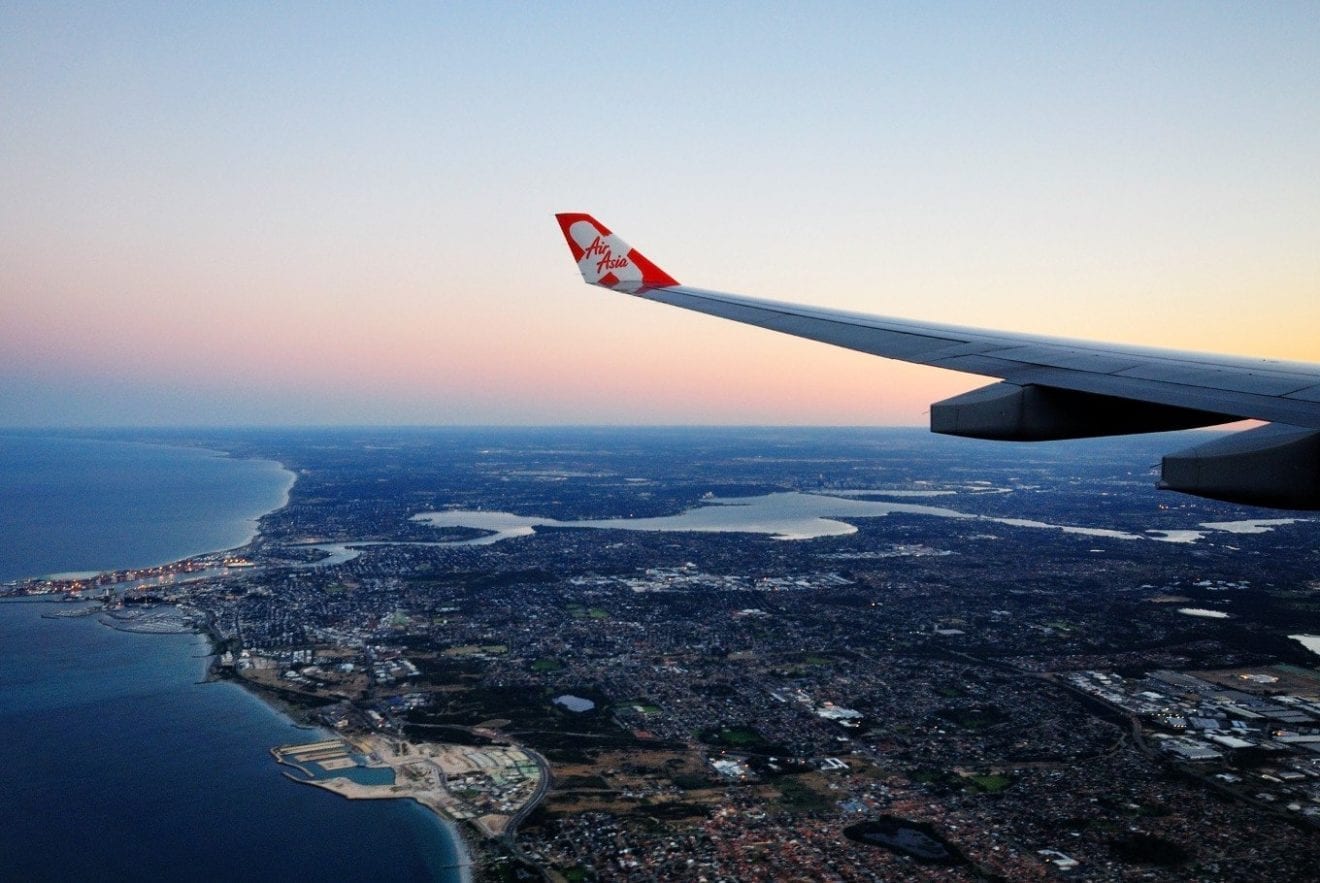
    The AirAsia Group’s safety strategy continues to pay off with AirAsia India following hot on the heels of AirAsia Thailand to pass a major international safety audit.

    The accreditation under the International Air Transport Association’s Operational Safety Audit leaves just one member of the AirAsia Group, AirAsia Japan, still going through the process.

    It is expected to achieve accreditation soon to make the entire AirAsia Group IOSA compliant.

    AirAsia India follows AirAsia Thailand’s announcement in February and comes after similar achievements by AirAsia X Thailand in December 2018,  AirAsia Philippines in November 2018, AirAsia Malaysia in September 2018, AirAsia Indonesia in August 2018 and AirAsia X (Malaysia) in 2015.

    The IOSA certification audit is an internationally recognized and accepted evaluation system designed to assess the operational management and control systems of an airline.

    The biennial safety audit is compulsory for IATA members and airlines that have completed the audit have a safety record almost four times better than those that have not.

    It covers eight key areas: corporate organization and management systems, flight operations, operational control – flight dispatch, aircraft engineering and maintenance, cabin operations, ground handling, cargo operations and operational security.

    AirAsia India, a joint venture between India’s Tata and Sons Private Limited and AirAsia Investment Limited, began operations in 2014.

    It currently flies to 21 destinations and boasts a fleet of 29 A320 aircraft.

    “We are proud to announce that we have successfully completed the IATA operational audit,’’  AirAsia India chief executive Sunil Bhaskaran said about the accreditation.

    “We will now strive to ensure that we always maintain the highest standards of safety and operational integrity at all times.”


  • UBS Grounds Bankers Amid Virus Fears

    UBS Grounds Bankers Amid Virus Fears

    UBS is halting international travel for its staff, asking its employees to postpone meetings or opt for remote ones. The move comes in response to COVID-19.

    The Swiss bank on Wednesday told its more than 60,000-strong staff to stop traveling for meetings, a UBS spokeswoman said on Wednesday. UBS is adopting the policy for all not absolutely business-critical» travel in response to COVID-19, a disease caused by the new coronavirus.

    Existing meetings will be postponed – or held remotely through digital channels, the spokeswoman said. UBS bankers who had visited China, Italy, South Korea, or Iran in recent weeks – for work or personal travel – are asked to work from home for the next 14 days.

    Roughly 20 percent of UBS’ staff work in the Asia-Pacific region and a sizable amount in China – but the Zurich-based wealth manager doesn’t break out employee numbers by country. Its cross-town rival Credit Suisse put roughly 1,000 compliance, information technology, and trading employees in Switzerland on a staggered home office rotation from Monday.

    UBS is apparently warning its staff to hold back on personal travel, and requiring approvals from senior management if they want to travel to non-bank events. On Tuesday, the World Health Organization said COVID-19 can be contained, but that its mortality rate is higher than the typical seasonal flu.

  • Aeon Vietnam plans a massive expansion

    Aeon Vietnam plans a massive expansion

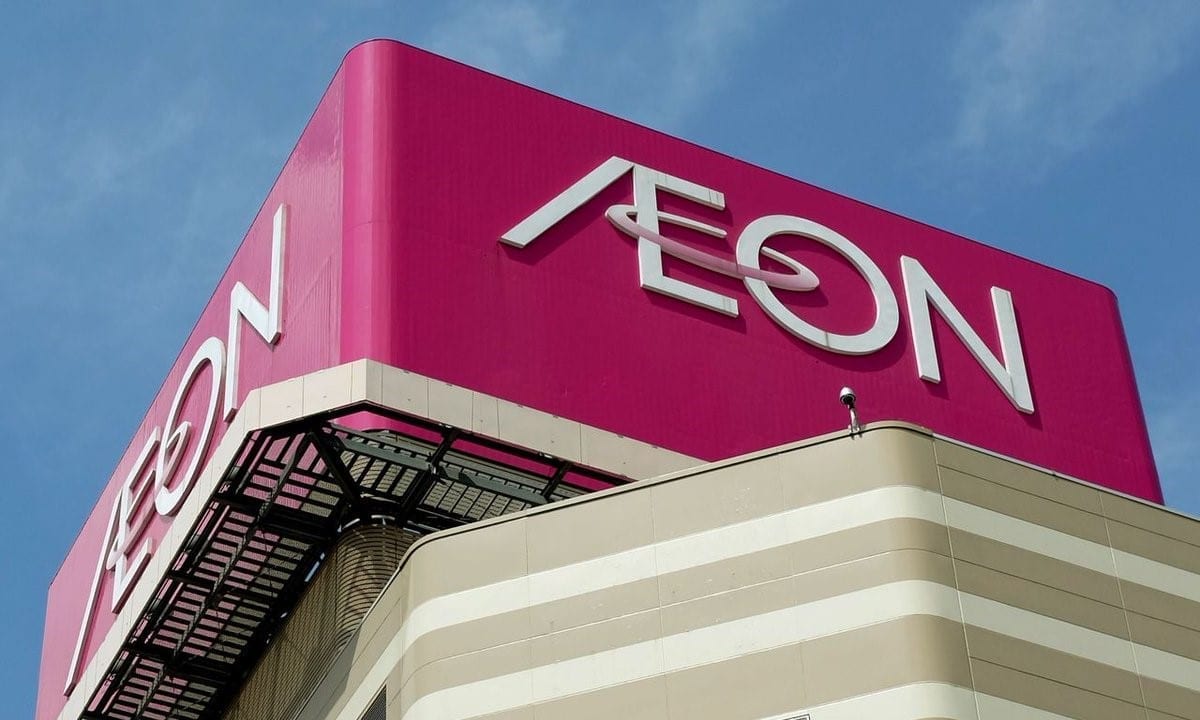
    Japanese retail giant Aeon Vietnam says it will invest US$2 billion expanding its presence across the country.

    Aeon Vietnam opened its fifth shopping center in the country last November, its second in the capital city Hanoi. Now, the general director of Aeonmall Vietnam, Iwamura Yasutsugu, says the company is eyeing 25 centers across the country

    Aeon launched in Vietnam in 2013, opening its first mall, Celadon City, in a remote suburb of Ho Chi MInh City, which was expanded last June. More malls have been built in locations including the industrial city of Binh Duong, near Ho Chi Minh City, and Hanoi’s Long Bien district.

    The latest center, in the Duong Noi commune at Ha Dong, covers 150,000sqm and has about 200 tenant stores as well as the Aeon hypermarket and food anchor.

    Aeon’s strategy to date of expanding in Vietnam is to build centers in suburban districts rather than downtown locations, shaping its offer to local communities and mixing local goods with imported products.

    Aeon Vietnam also has a program to boost exports of Vietnamese goods to stores it operates outside the country. It aims to export US$500 million of goods this calendar year and reach $1 billion within five years.

    Last August, Aeon’s Japanese board held a meeting in Ho Chi Minh City and toured the Celadon City site, further evidence of the company’s commitment to the market.

    At the time, chairman Hiroshi Yokoo described Vietnam as “the most significant market of the company in Southeast Asia”.

    Aeon Vietnam plans US$2 billion expansion

  • Renault Rolls Out Offers For Women’s Day In India

    Renault Rolls Out Offers For Women’s Day In India

    Renault India has announced special offers for women customers this week starting on March 2, leading up to International Women’s Day on March 8, 2020. The offers extend to all women car owners and include a free vehicle check-up, 10 percent discount on labor, spare parts and several value-added services. Those opting for Renault Secure or extended warranty, as well as roadside assistance this week, can also avail of a 10 percent discount. The offers can be availed at any of the company’s dealerships across the country.

    Renault is offering a free car pick-up and drop facility during this period. In addition, the automaker has also planned engagement activities at the dealers for its female customers and assured gifts as well. Renault says the week-long celebration is to acknowledge women and their contribution to society. The initiative will also hold special training sessions on vehicle maintenance and necessary checks with the objective of making women more self-reliant and independent.

    Renault India has over 370 sales outlets across the country with 450 service touchpoints that include 257 service workshops and 215 workshop-on-wheels. With respect to new launches, the automaker has the Renault Duster 1.3-litre TCe turbo petrol version lined-up for launch by around April this year, while the Triber AMT is scheduled to arrive in the second half of 2020. As part of its new strategy for the Indian market, the French automaker has dropped the diesel engines from its line-up.

  • Twitter starts testing Fleets, tweets that disappear after 24 hours

    Twitter starts testing Fleets, tweets that disappear after 24 hours

    Let’s face it, we’ll never make Twitter add an edit option for when autocorrect fails us. Still, it’s futile to continue to blame Twitter just for that since the company continues to tailor its app to meet our expectations.

    One of the new features that Twitter is working on right now strongly resembles a Snapchat feature that everyone knows as Stories. Twitter calls it Fleets, but it does the same thing: it allows users to post ephemeral messages on the social network.

    Twitter, through the voice of the company’s head of product, Kayvon Beykpour, confirmed the information and said that it’s working on the concept for more than a year. Beykpour also explained that while Fleets are very similar to Stories, Twitter added a few “intentional differences to make the experience more focused on sharing and seeing people’s thoughts.”

    As the title says, Fleets are ephemeral tweets that will disappear 24 hours after they’re posted. They can’t be retweeted, but users can respond to fleets with the same reaction emojis that can be used in direct messages. Text is allowed too for those who want to respond to these fleets, although any reply will disappear along with the ephemeral tweet.

    At the moment, Fleets are tested internally in Brazil, so it might take a while until Twitter decided to make them available to everyone.

  • Axa Appoints Managing Director In Newly-Merged Unit

    Axa Appoints Managing Director In Newly-Merged Unit

    Axa Insurance Singapore named a managing director for retail and health, as part of a broader strategy to streamline its businesses.

    Effective immediately, Julien Callard will lead the retail and health strategic business unit in a newly expanded role, with responsibility for driving the continued growth of Axa’s retail business and health business as well as the respective distribution functions. This includes developing a differentiated value proposition and offerings that will strengthen its position as a health partner to its customers.

    Over the past 20 years, Callard has held several leadership roles across the Axa Group and developed deep and extensive knowledge of the business, said Jean Drouffe, CEO of Axa Singapore in a statement.

    The appointment is part of a broader strategy to streamline and strengthen Axa’s business by merging its retail and health strategic business units, in order to become a more customer-centered company, the insurance group said. Callard originally joined the Axa Group in 2000 and he has held senior positions across multiple countries spanning actuarial, risk, marketing and reinsurance.

    Prior to joining Axa Singapore, he was Head of retail property and casualty at Axa Mexico. He has worked in operational and functional positions across retail, commercial, and reinsurance lines.

  • SE Asian smartphone sales down

    SE Asian smartphone sales down

    Southeast Asian smartphone sales rose last year, bucking the global trend, according to new data from market research house GFK.

    Sales in the region rose by 1 percent last year to US$23 billion, amidst a 2-per-cent decline internationally, as global consumers tended to hold onto their phones longer. Around 97 million devices were purchased in Southeast Asia.

    Growth was particularly high in Malaysia, Singapore, and Thailand, with Thai consumption showing a significantly higher value over volume growth, at 13 versus 6 percent. The Philippines saw slightly more conservative growth, while Vietnam and Indonesia were the only Southeast Asian smartphone sales markets showing a moderate decline.

    “Over the years, consumers in the region have always been showing keen interest when it comes to mobile handsets, with many owning more than one set or changing their smartphone frequently,” said GFK associate director Alexander Dehmel. “It should be highlighted that the higher value over volume growth recorded in the Southeast Asian smartphone market indicates that consumers are upgrading their devices – a trend that has been observed in recent years.”

    Another recent GFK report showed 64 percent of respondents in Indonesia believe their smartphone/tablet is their most important online shopping tool. More than half (58 percent) said they prefer to use their mobile device to pay for transactions.

    Consumers are also tending to buy phones with better cameras and more on-board storage to accommodate more media.

    With the launch of Singapore’s high-speed 5G network expected for this year, the market is likely to be influenced by multiple promotions around new 5G smartphone models.

    “Under normal circumstances, we would expect to see a market performance in the region continuing its upward trend with even bigger and better phones being launched to satisfy consumers’ insatiable appetite for new devices,” said Dehmel.

    However, he said the COVID-19 situation will temporarily affect Southeast Asian smartphone sales and even global sales. “The impact of the coronavirus on global supply chains and production capacities along with weaker demand is likely to slow but not stop the growth of the category in Southeast Asia.”

  • Influencers interested in The R Collective x Net-A-Porter campaign

    Influencers interested in The R Collective x Net-A-Porter campaign

    Upcycling fashion label The R Collective has unveiled a new campaign highlighting the advances in sustainability through its upcycling projects across Asia.

    The campaign features global fashion influencers promoting how creativity and sustainable design can reduce waste in the fashion industry, at a time when global fashion weeks are facing consumers’ continued protests about fashion’s environmental impact.

    It has been launched to support The R Collective’s new upcycled collection created exclusively for Net A Porter’s ​Net Sustain program.

    The R Collective collects excess textiles from luxury brands, mills, and manufacturers that may otherwise have ended up in landfills, incinerated or converted into the stuffing. The label uses the fabrics in new designs.

    Influencers involved in the campaign include Thai actress and singer Mint Pattarasaya as well as fashion stylist Justine Lee and Peony Lim, Fabienne, Cherry Mui and Victoria Onken from the UK, Hong Kong and the Netherlands. They all wear apparel created from ‘rescued fabrics’.

    “Fashion reflects our times,” said fashion writer Susie Lau. “Over the years, I’ve been watching the next generation of sustainable designers drive change. When you look at these The R Collective designs, you can sense a certain language from the designer. By rethinking fashion at the drawing board and reusing unwanted fabrics, there is a real sense of purpose to this collection. With our collective changing attitude towards sustainability in fashion a better fashion industry is not a distant hope, but a distinct reality.”

    Mint Pattarasaya said it was inspiring to witness the collection being sewn in her home city, Bangkok.

    “For this video, I witnessed firsthand the designers’ visions transformed by local garment workers, showing that fashion can be good for all.”

    The fashion industry continues to battle to reduce its 92 million tons of industrial textile waste generated every year and its estimated 10 percent contribution to global greenhouse gas emissions.

  • Cebu Pacific to cancel South Korea flights from March 3 to April 30

    Cebu Pacific to cancel South Korea flights from March 3 to April 30

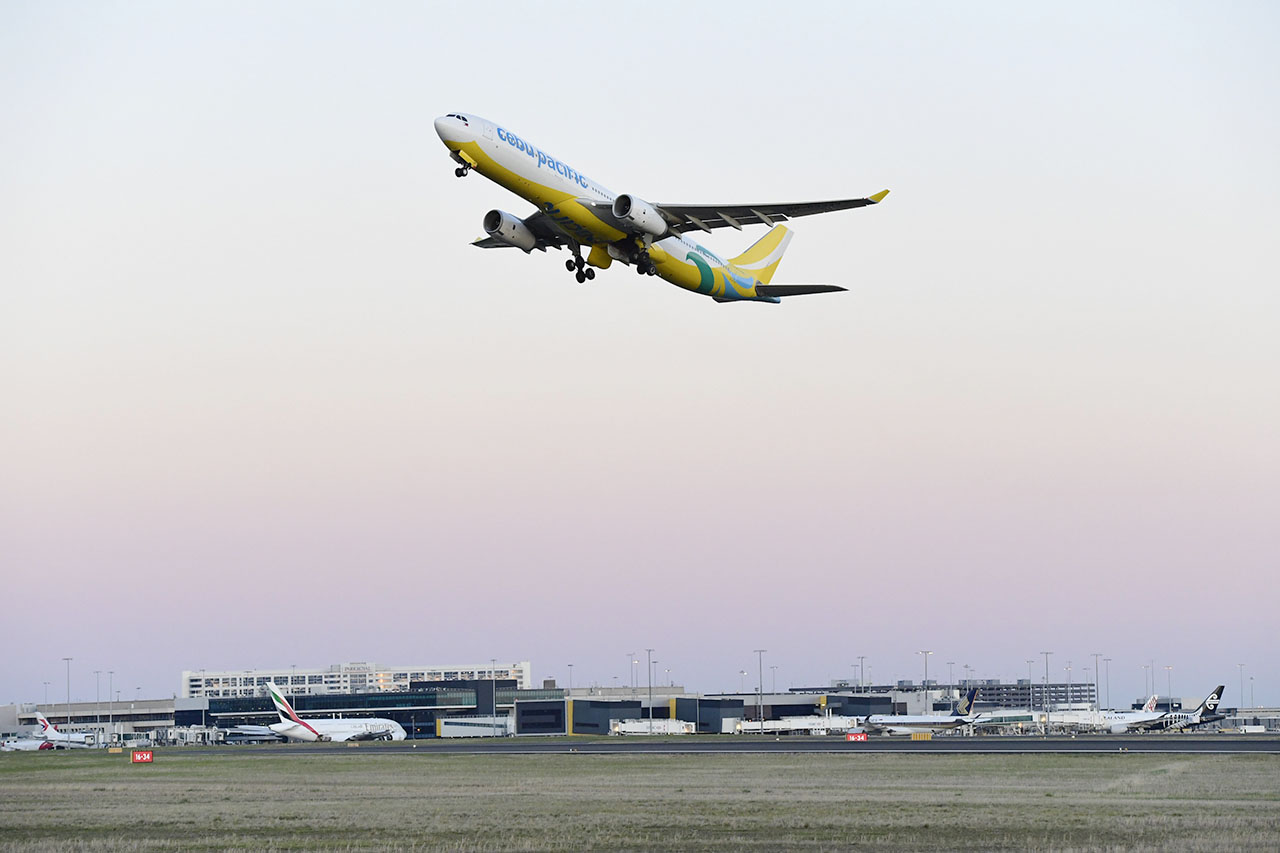
    In line with the government’s travel ban on South Korea, Cebu Pacific will cancel its flights to the East Asian country from March 3 to April 30.

    Cebu Pacific announced Friday that the following flights will be canceled:

    5J 188/ 5J 187 Manila-Incheon-Manila

    5J 128 / 5J 129 Cebu-Incheon-Cebu

    5J 180 / 5J 181 Kalibo-Incheon-Kalibo

    The airline has advised affected passengers to rebook flights to February 29, March 1, or March 2 depending on seat availability, rebook a new flight until June 30, or refund the tickets in full. Passengers can also store the ticket value in a travel fund for future use.

    The Bureau of Immigration has implemented the ban on passengers with a recent history of travel from the coronavirus-hit province of North Gyeongsang in South Korea. The infection began in Its capital Daegu City. This was based on the decision of the Inter-Agency Task Force for the Management of Emerging Infectious Diseases.

    Meanwhile, exempted from the travel ban to Korea are overseas Filipino workers, permanent residents in Korea, and students.

    South Korea has confirmed 571 additional cases of the novel coronavirus Friday, according to the South Korean Centers for Disease Control and Prevention.

    This brings the national total to 2,337 cases, with 13 deaths. South Korea has recorded the largest virus outbreak outside mainland China.

  • Sergio Ermotti Set to Leave UBS

    Sergio Ermotti Set to Leave UBS

    UBS Chief Executive Sergio Ermotti will leave the bank after retiring from his position later this year. He won’t become the chairman of Switzerland’s largest bank, as some observers had expected.

    Instead, Sergio Ermotti on April 17 will stand for election as a non-executive member of the board of Swiss Re, the world’s second-largest reinsurer.

    In 2021, he will be nominated to succeed Walter Kielholz as chairman, according to a statement by Swiss Re on Tuesday.

    Kielholz is one of the heavyweights in Swiss finance and has been chairman of Swiss Re since 2009. He was on the board of the reinsurer for more than 20 years. Between 2003 and 2009, Kielholz was chairman of Credit Suisse.

    I am honored to be following in the footsteps of Walter Kielholz, who over the past decades immensely furthered the development not only of Swiss Re, but the entire Swiss financial center, said Ermotti, according to the statement.

    Today’s announcement put paid to speculation that CEO Ermotti would be replacing Chairman Axel Weber after retiring from his current position at the end of October. When the bank announced Ermotti’s departure at the end of February, it didn’t make a statement about a potential handover of responsibilities at the top of the bank.

    At the end of his tenure at UBS, Ermotti will have been CEO of Switzerland’s biggest bank for nine years. Together with Weber, who was elected chairman of the bank in 2012, he has moved UBS away from the classic investment banking model toward a strategy based on wealth management.

    More recently, the talk had been about differences of opinion at the top as the board was said to be unhappy how Ermotti had set up his succession plan. UBS has not been able to give the share price a boost, which has never recovered from the financial crisis.

    The appointment of Dutch banker Ralph Hamers in February as Ermotti’s successor came as a major surprise. Hamers is known for his digital banking expertise and will need to get UBS ready for the future.

  • South Korean carriers cut Vietnam flights as coronavirus infections spiral

    South Korean carriers cut Vietnam flights as coronavirus infections spiral

    South Korea’s largest carriers have decreased the frequency of flights to Vietnamese tourist hotspots over rising Covid-19 infections at home.

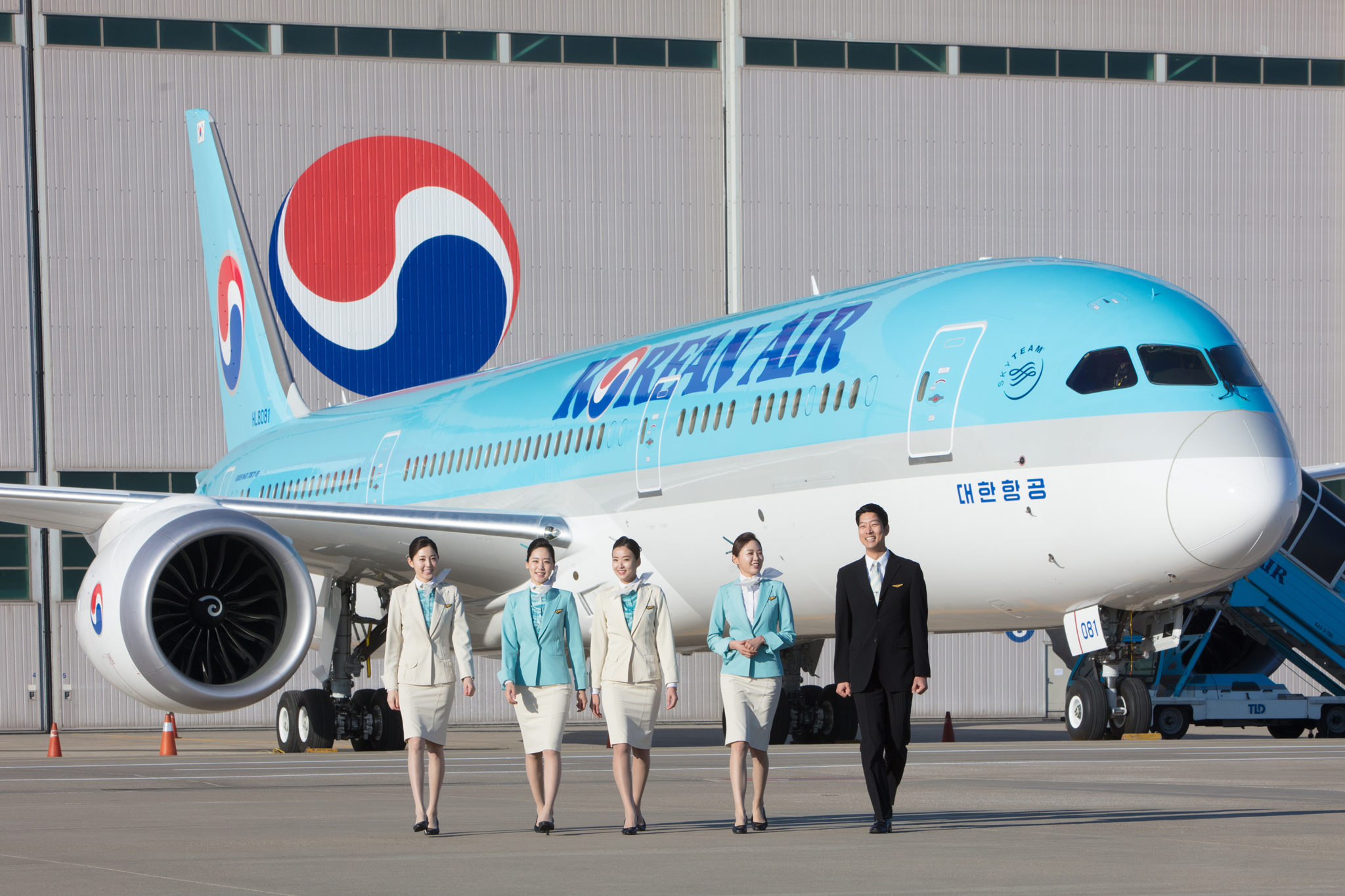
    Korean Air, the largest airline in South Korea, has announced that it will suspend many flights departing from Seoul and Busan to Ho Chi Minh City and Hanoi, Vietnam’s two largest metropolises, Da Nang and Nha Trang in central region and Phu Quoc Island in the south until the end of March.

    Asiana Airlines, the country’s second-largest carrier, has also canceled many flights from Incheon Airport in Seoul to Hanoi, Da Nang and Nha Trang at least until mid-March. This airline’s Incheon-Phu Quoc route will continue operations, but the frequency will be reduced from four flights a week to two.

    Korean Air normally operates 20 flights between the two countries a day, while Asiana Airlines has an average 4 flights a day. The two carriers did not reveal specific numbers of suspended flights.

    The flight suspensions follow the rapid spread of the novel coronavirus in South Korea, where more than 4,800 infections and 23 deaths have been recorded.

    Vietnam is a leading destination among South Koreans, ranked third after Japan and mainland China, according to Global Destination Cities Index (GDCI), released by Mastercard last year. South Korea is the second-largest feeder market of Vietnam’s tourism after China, with around 4.2 million visitors in 2019, up 23.1 percent year-on-year.

    Nha Trang and Da Nang are among top holiday destinations for South Koreans.

    The Covid-19 outbreak, with its epicenter in China, has severely cut the number of South Koreans traveling abroad, and Vietnam’s tourism sector has borne the brunt.

    Around 322,000 South Koreans came to Vietnam in February, down 16 percent from a year ago. Worse still, the number is expected to decrease dramatically in the coming months after the South Korean government declared a red alert, its highest level of epidemic alarm.

    The Vietnamese government, too, has deployed various measures to prevent the spread of the virus, including canceling many flights to South Korea and suspending visa-free entry for South Koreans starting last Saturday.

    In Vietnam, national flag carrier Vietnam Airlines has said it will suspend all flights to South Korea from Thursday while private carrier Bamboo Airways halted services to the country South Korea from February 26.

    Hanoi’s Noi Bai and Ho Chi Minh City’s Tan Son Nhat, Vietnam’s two largest airports, had stated they would stop receiving South Korea arrivals starting Sunday.

    Passengers scheduled to land in Noi Bai will have to do so at Van Don Airport in northern Quang Ninh Province, around four hours drive away, while those headed for Tan Son Nhat will have to travel a similar distance to Can Tho Airport in the Mekong Delta.

    This decision was taken after a large number of Vietnamese returning from South Korea overloaded medical quarantine facilities in both cities.

    All 16 people with Covid-19 recorded in Vietnam so far have been discharged from hospitals.

    Globally, the death toll has reached 3,069, mostly in mainland China, followed by Iran (66), Italy (52) and South Korea (34). The U.S and Japan which have reported six deaths each.

  • Nintendo brings real-time multiplayer to Mario Kart on iOS

    Nintendo brings real-time multiplayer to Mario Kart on iOS

    After a three-month beta test, Nintendo announced a multiplayer will be added to Mario Kart on iOS this week. Even better, all players will have access to the multiplayer aspect regardless of whether or not they’re paying for the Gold Pass.

    Nintendo introduced a premium subscription model a while ago, which offers some perks to those who pay $5 for a Gold Pass. While it was in beta, only Gold Pass subscribers had access to multiplayer in Mario Kart. However, when it launches later this week, it will be available to everyone except for Gold Races, which will only be accessible by those who pay for Gold Pass.

    Nintendo announced that three types of real-time multiplayer races will be available in Mario Kart on iOS, which you can find below:

    • With Friends or Others Nearby: Choose your own rules and race with friends or others nearby; rules do not change;
    • Standard Races: Race against players around the world to raise your grade with rules that change daily; two sets of rules change daily;
    • Gold Races: Available exclusively to MKT Gold Pass Subscribers, compete with the best of the best for the highest grade; four sets of rules change daily.

    If you’re still playing Mario Kart, you’ll be happy to know that multiplayer will be officially available on iOS devices starting March 8 at 8 pm.