Author: Mei Ling Tan

  • Nissan Weighs Restarting China Production In Dongfeng Venture After February 10

    Nissan Weighs Restarting China Production In Dongfeng Venture After February 10

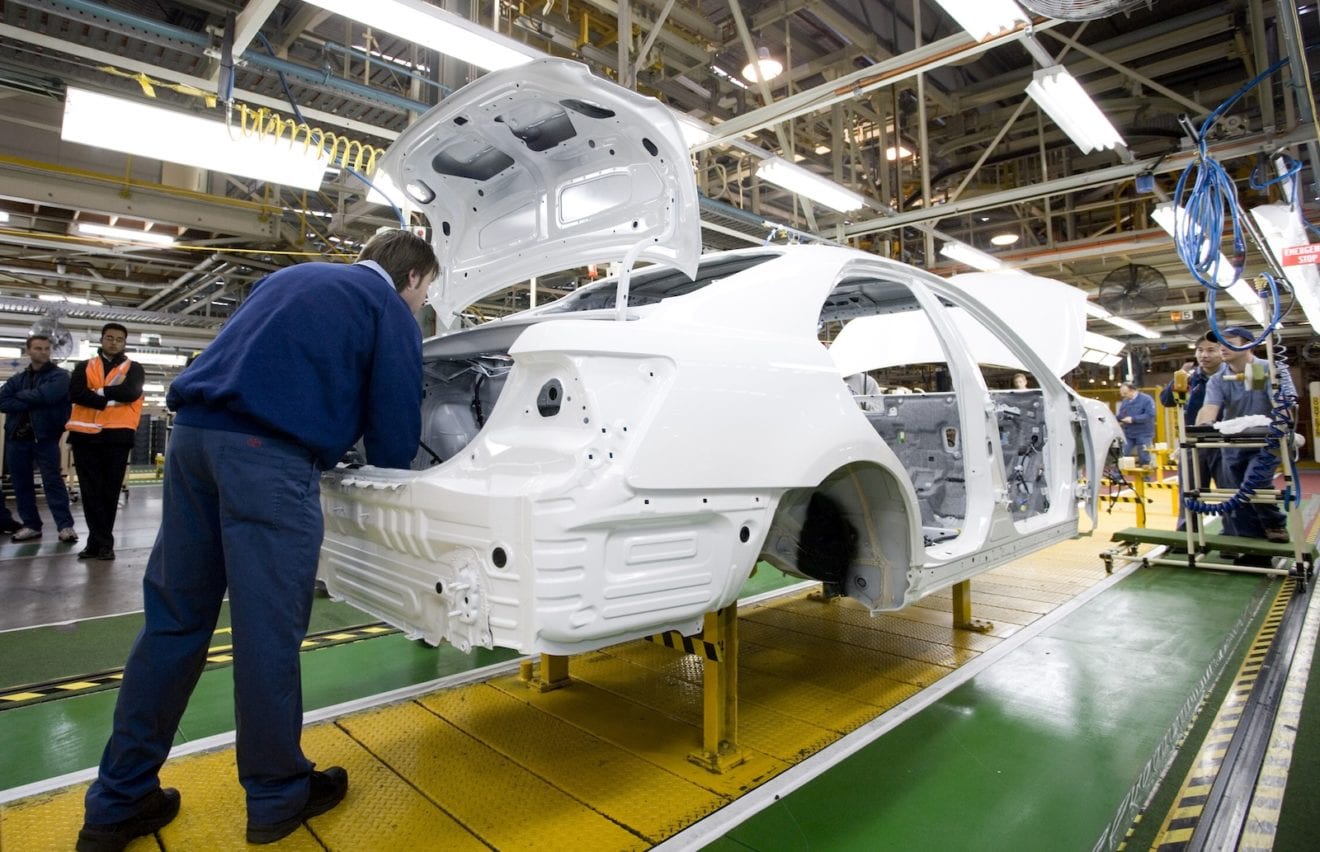
    Nissan Motor said on Tuesday it is considering restarting production in China in its venture with Dongfeng Motor Group sometime after Feb. 10, citing government guidance and its assessment of the coronavirus epidemic.

    The Japanese carmaker also said production in Hubei province, the epicenter of the epidemic, will start sometime after Feb. 14.

    The production plan is subject to change after reviewing the coronavirus situation in the days ahead, a company spokeswoman said. The virus outbreak has killed over 420 people, spread around the world and raised fears about global economic growth.

  • Mastercard Partners with Dah Sing Bank and BBPOS MSL to Launch Hong Kong’s First Mobile App Card Payment Acceptance Solution for Local SMEs

    Mastercard Partners with Dah Sing Bank and BBPOS MSL to Launch Hong Kong’s First Mobile App Card Payment Acceptance Solution for Local SMEs

    Mastercard today announced its partnership with local companies Dah Sing Bank and BBPOS MSL to launch Tap on Phone, a first-of-its-kind solution that will allow small- and medium enterprises (SMEs) in Hong Kong to accept contactless card payments via mobile phone. At the same time, Mastercard is also introducing its sonic branding in Hong Kong to complement the new payment acceptance method.

    Tap on Phone is a simple, fast, safe and secure contactless payment acceptance solution that will allow local SMEs to accept contactless payments via the mobile app with any NFC-enabled Android phone. The new payments technology solution will provide business owners with an edge as it allows them to accept payments from contactless-enabled credit, debit and prepaid cards, mobile wallets and even smartwatches.

    In addition to the convenience and efficiency that Tap on Phone offers, the Mastercard melody indicates a successful and securely made payment, concluding a pleasant consumer journey for Mastercard cardholders.

    “We are thrilled to be the first bank in Hong Kong to partner with Mastercard for the Tap on Phone launch. It is in line with Dah Sing Bank’s commitment to bringing seamless digital experiences to our customers and supports our focus on facilitating the sustainable development of local SMEs, a vision that we share with Mastercard. Given the increasing prevalence of cashless transactions amongst consumers in Hong Kong, we have been prioritizing on bringing simple, diversified payment acceptance services to merchant customers so they can do business more easily and cost efficiently,” said Mickey Tang, general manager, head of banking products, retail banking division, Dah Sing Bank, Limited.

    “We are proud to partner with the visionary and innovative Mastercard team in developing the Tap on Phone mobile app payment acceptance technology. The app gives local merchants convenient features, and all they need to do is install it in their phones with no extra cost incurred to install a payment acceptance terminal,” said Alex Choi, president and chief executive officer, BBPOS MSL.

    With BBPOS MSL as the technology partner in developing the mobile point-of-sale app and Dah Sing Bank as the acquiring bank to process payments on merchants’ behalf, the solution also supports SMEs’ efforts to go paperless with electronic customer receipts. SMEs can also tap onto other business solutions such as invoicing, inventory management and analytics reporting.

    “Mastercard is committed to supporting local enterprises, especially SMEs. The new Tap on Phone solution helps merchants to lower their costs while processing fast, safe and secure payments. This partnership is also for Mastercard to further demonstrate its drive to contribute to Hong Kong’s development as a smart city. When cardholders hear the Mastercard melody they will have peace of mind knowing that their payment has gone through safely and securely,” said Helena Chen, managing director, Hong Kong and Macau, Mastercard.

    As the world’s fastest and most reliable global payments network, the same robust and multi-layered security protections that come with paying with a Mastercard are now provided by Tap on Phone to local merchants and consumers alike.

    Local SMEs are looking forward to welcoming the simple, fast and secure payment procedure. Kala Chan, shop manager at Yotsuba Café, said, “Sometimes, I have to manage the shop by myself including making coffee, handling cash transactions and cleaning tables. Having not enough cash for change at the shop is a major inconvenience.”

    Cindy Lo, senior marketing manager at Exhibition Group Limited, added, “If we wanted to receive payments in credit cards, we needed to ask banks to install traditional payment terminals, which is time consuming and incurs costs. We usually just accept cash, but it is inconvenient and unsafe to carry around large amounts of money in exhibitions.” Tap on Phone offers a solution to these common issues among local SMEs by allowing them to download just one app with no added hardware, which saves time and lowers costs.

  • Japanese drug stores Matsumotokiyoshi and Cocokara Fine joined forces

    Japanese drug stores Matsumotokiyoshi and Cocokara Fine joined forces

    Japanese pharmacy chains Matsumotokiyoshi and Cocokara Fine are entering into a merger.

    Under the terms of the new agreement – if approved by the boards of both sides – shares in the two firms will be transferred to a new business entity, with the transaction expected to be completed by October next year

    The company that emerges from the new deal will lead the health and beauty market, with 3000 outlets trading at around ¥1 trillion (US$9.2 billion).

    Cocokara was previously courted for a merger by Sugi Holdings, although the firm ultimately decided to partner with Matsumotokiyoshi.

  • Alibaba’s Freshippo sales soar during virus outbreak

    Alibaba’s Freshippo sales soar during virus outbreak

    Sales are soaring for Alibaba’s fresh-food chain Freshippo in the wake of the coronavirus outbreak.

    With many Chinese nationals being advised to stay at home during the course of the epidemic, demand for fresh food and household items has soared. Buyers are purchasing more items in bulk so as to reduce contact with home-delivery personnel.

    A spokesperson for Freshippo revealed that it has prepared 250 tons of packaged vegetables and 80 tons of bulk vegetables for around 50 Shanghai stores, six times above its normal volume.

    Freshippo’s head of vegetable procurement Huang Yifan said that the group is planning to ship an extra 100 tons of fresh vegetables from its supplier farm regions every day.

    Similar increases have been reported by Walmart’s delivery business in the region, JD Daojia, with reports of a five-fold increase in sales volume.

  • Reliance to open Armani Cafe in India

    Reliance to open Armani Cafe in India

    Indian conglomerate Reliance Industries is launching a Michelin-star restaurant in Mumbai in partnership with Italian luxury firm Emporio Armani.

    The first Armani Cafe venue is set to open in the firm’s upcoming luxury Bandra Kurla mall, the Jio World Centre.

    Armani restaurants have opened in several major cities among 20 international locations.

    Reliance is the luxury brand’s master franchisee in the Indian territory, and already operates Emporio Armani, Giorgio Armani and Armani Exchange outlets nationwide. It is expected to roll out Armani’s sportswear brand EA7 in March.

  • RCBC to Launch Digital Bank for Rural Filipinos

    RCBC to Launch Digital Bank for Rural Filipinos

    The launch is part of RCBC’s plan to reach a bigger retail market base and serve low-income segments.

    The Rizal Commercial Banking Corporation (RCBC) is setting up a rural bank that will join the digital banking race in the Philippines.

    Diskartech is expected to launch in February and will be run by Lito Villanueva, RCBC executive vice president, and chief inno­vation and inclusion officer, RCBC president Eugene Acevedo said in a filing with the Philippines Stock Exchange on Tuesday, the publication reported.

    This development is a critical component of RCBC’s overall digital blueprint in reaching the grassroots and bring in millions of unbanked and underserved Filipinos. 2020 will definitely be an exciting year for all of us, Acevedo said.

    Under its digital banking roadmap, RCBC plans to add 1 million new customers this year. A virtual bank would allow it to better cater to low-income segments, which include accounts with a daily average balance of 800-1,000 Philippines pesos ($15.72-$19.65).

    RCBC’s announcement follows Singapore-based Tonik Financial’s statement earlier in January that it will debut a pure-play digital bank in the Philippines in 2020.

    Tonik, which received a banking license from the central monetary authority, said the banking market in the Philippines is ripe for disruption, as the country is a world leader in internet and social media use, but 70 percent of adults are unbanked.

    Only two digital banks currently operate in the Philippines, operated by Malaysia-based financial giant CIMB Bank and Dutch lender ING Bank, which both debuted in 2019.

  • Australian Crypto Exchange Debuts in Singapore

    Australian Crypto Exchange Debuts in Singapore

    The firm wants to offer its platform and services to a wider audience in APAC, following a number of strategic partnerships and business growth in 2019.

    Sydney-based cryptocurrency exchange Independent Reserve, announced its launch in Singapore this week as a separate entity, which will allow Singapore residents to buy, trade and hold digital currencies like Bitcoin, Ethereum, Litecoin, and XRP, on its platform, with Singapore-dollar trading pairs to be added.

    We felt the time was right to make this move, said Adrian Przelozny, CEO and founder, in a press release, noting the introduction of the Payments Services Act by the Monetary Authority of Singapore, which entered into force on Tuesday. The response we’ve received so far from the Singapore market has been overwhelmingly positive, he added.

    Independent Reserve was established in 2013 and has the backing of the Australian finance industry heavyweights Mike Tilley (ex-CEO of Challenger Financial and Chairman of Latitude Financial), Martin Rogers (KTM Ventures) and Steve James (Seer Asset Management), who are investors and board members.

    The firm has already built a strong presence in Australia and New Zealand, with over 120,000 customers and around 8,000 self-managed super funds (SMSFs), and recently introduced insurance coverage for cryptocurrency held by its clients.

    It has also been working closely with regulatory bodies including AUSTRAC to formulate AML/CTF regulatory frameworks for the industry.

  • Cambodia Readies Digital Currency

    Cambodia Readies Digital Currency

    Cambodia is set to roll out Project Bakong, the country’s blockchain-based payment network that features a central bank digital currency (CBDC) payment system.

    The platform, trialed in July 2019 and set to go live this quarter, already has the backing of 11 banks, with others to join soon, Serey Chea, National Bank of Cambodia (NBC) assistant governor and director-general of central banking said.

    NBC will maintain centralized control of the proposed CBDC with a closed system that will include participants like banks and other financial institutions in the country, the report said.

    Serey called the currency the national payment gateway for Cambodia. Bakong will play a central role in bringing all players in the payment space in Cambodia under the same platform, making it easy for end-users to pay each other regardless of the institutions they bank with.

    Cambodia’s launch of the CBDC comes amid the launch of other state-backed digital currency projects, as central banks come under pressure from private digital currency projects like Facebook’s Libra.

  • Vietjet suspends all China flights

    Vietjet suspends all China flights

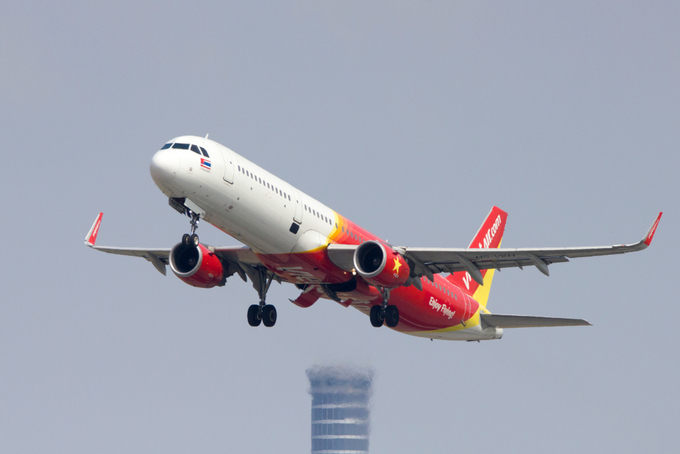
    Vietjet will stop all flights to and from China starting Saturday to try and limit the spread of the deadly coronavirus.

    The budget airline said in a statement Friday that it had prepared this plan earlier, and will cooperate with Vietnamese authorities and the World Health Organization (WHO) in taking steps to prevent the spread of the nCoV among its crew members and passengers.

    Vietjet is the first Vietnamese airline to stop China flights. At the time of writing, Vietnam Airlines and Jetstar Pacific were still operating flights to China.

    Globally, British Airways was the first airline to suspend all direct flights to and from China. Other carriers such as U.S.-based United Airlines and Indonesia-based Lion Air have suspended flights to certain Chinese cities.

    The Civil Aviation Authority of Vietnam Wednesday ordered local airlines to stop all flights between Vietnam and infected locations in China.

    The Ministry of Health confirmed Thursday that three Vietnamese have tested positive for the nCoV. One is being treated at the Thanh Hoa General Hospital in the eponymous central province and the others at the National Hospital of Tropical Diseases in Hanoi.

    As of Friday, there were five confirmed cases of infection in Vietnam. The first cases of nCoV infection detected in the country were a Chinese father and son duo. The son has recovered.

    The World Health Organization (WHO) on Friday declared a global health emergency as the death toll reached 213, all of them in China.

  • With ads out of the picture, how Facebook will monetize WhatsApp

    With ads out of the picture, how Facebook will monetize WhatsApp

    There are many different kinds of mobile payment services available depending on the phone in a user’s hand. There is Apple Pay, Google Pay, Samsung Pay, and LG Pay just to name a few. And these create streams of cash for the companies providing this service. For example, Apple earns .15% of the amount of each transaction where Apple Pay is used. For example, if you use Apple Pay to cover a $200 purchase, Apple receives 30 cents. While that doesn’t sound like a lot of money, Apple has been averaging over 11 million Apple Pay transactions per day.
    The promise of getting paid a small percentage of millions of transactions every day is attracting another player to the business. During Facebook’s conference call last week (following the release of its latest quarterly earnings report), co-founder and CEO Mark Zuckerberg discussed plans to turn WhatsApp and Messenger into private platforms that will allow users to connect to businesses. This is similar to the plans that the Cross Carrier Messaging Initiative (CCMI) has for Android users through the Rich Communication Services (RCS) app that they plan on disseminating some time this year. RCS is the next generation of messaging for Android and the CCMI is made up of the four major U.S. wireless providers (Verizon, AT&T, T-Mobile, and Sprint).

    While talking about his plans, Zuckerberg said, “One example that we’ve been working on is WhatsApp Payments where you’re going to be able to send money as quickly and easily as sending a photo.” And the executive even revealed a timeframe. “I’m really excited about this, and I expect this to start rolling out in a number of countries and for us to make a lot of progress here in the next six months. We got approval to test this with one million people in India back in 2018. And when so many of the people kept using it week after week, we knew it was going to be big when we get to launch.”

    WhatsApp Pay’s rollout may be limited at first to developing countries where WhatsApp is used to connect consumers with businesses. In India, the service uses the National Payments Corporation of India’s Unified Payments Interface (UPI). The latter allows peer-to-peer payments and business transactions to be conducted through bank accounts. Not yet fully licensed in India, WhatsApp Pay is in Pilot Mode in the country. Discussing the plans, Zuckerberg said, “We’re taking a number of different approaches here, ranging from people buying and selling to each other directly to businesses setting up storefronts, to people engaging with businesses directly through messaging and a number of things on payments –using existing national systems like India’s UPI to creating new global systems.” Once WhatsApp Pay is fully licensed in India, it will reach 400 million Indians.
    Zuckerberg says that handling transactions and facilitating business is going to be important for his company’s properties that include Facebook, Messenger, Instagram, and WhatsApp. In fact, last month Facebook decided not to monetize WhatsApp by placing ads on the app which makes it more important for services like WhatsApp Pay to be offered in as many countries as possible.
    Facebook ended up acquiring WhatsApp for $21.8 billion in cash and company stock; the deal closed in October 2014. The deal originally called for payments of $4 billion in cash and $12 billion in stock, but Facebook shares appreciated in value between the time the deal was announced and when it closed. When Facebook purchased WhatsApp, it quickly removed the $1 annual subscription fee that users were being charged; with over 1.5 billion users globally, this seemingly insignificant fee would be bringing in over $1.5 billion a year. Offering commerce services like WhatsApp Pay seems the best way for Facebook to monetize its purchase of the app without greatly offending users.
  • Toyota Reveal New Safety System To Avoid Accelerator-Brake Mix-Up

    Toyota Reveal New Safety System To Avoid Accelerator-Brake Mix-Up

    Toyota Motor Corp unveiled an emergency safety system on Monday that uses big data to ignore the accelerator if it determines the driver steps on the pedal unintentionally. Japan’s biggest carmaker will roll out what it calls an “accelerator suppression function” in new cars from this summer, beginning in Japan. The system is a response to an increasingly common cause of traffic accidents in aging Japan where the driver, often elderly, mistakes the accelerator for the brake.

    Some 15% of fatal accidents on Japanese roads in 2018 were caused by drivers who were 75 years or older, showed a report from the government, which actively encourages elderly drivers to give up their licenses. Toyota’s announcement comes as automakers globally invest heavily in so-called active safety features as they work to develop fully autonomous cars. It also comes in the same year Toyota will act as an exclusive mobility sponsor for the Tokyo Olympics, where it will showcase its fully self-driving e-Palette transportation pods carrying athletes around the Olympic village at low speeds. Among competitors, Honda Motor Co Ltd plans to launch a car this year capable of full autonomy in highway traffic jam situations.

    Nissan Motor Co Ltd released the second generation of its ProPilot driver-assist system last spring, offering hands-free operation for single-lane highway driving. Toyota rolled out its first-generation Safety Sense package in 2015, which included automated emergency braking and a lane departure alert.

    The second generation became available in 2018, adding assisted single-lane highway driving and making the car capable of recognizing pedestrians at nighttime and bicycles. Its new feature was developed using data collected from the internet-connected cars it has on the road.

    Unlike the car maker’s existing safety options, the new system does not require the presence of an obstacle to function.

  • Japanese chocolatier Royce closing South Korea stores

    Japanese chocolatier Royce closing South Korea stores

    Japanese chocolatier Royce is shuttering its operations in South Korea.

    The brand’s local retailer Royce’ Confect Korea said in an announcement last Wednesday that it will close all nine of its locations in the territory, including five shops in Seoul.

    The closures will be completed by the end of next month.

    Sales for the brand’s chocolates have sharply declined in recent months and were strongly affected by a recent general boycott of Japanese products in the country.

    A company statement read: “Thank you very much for loving Royce’ chocolate. We will try our best to the very end with the best possible services”.

  • Levi’s boosts margins by retaining same price levels online

    Levi’s boosts margins by retaining same price levels online

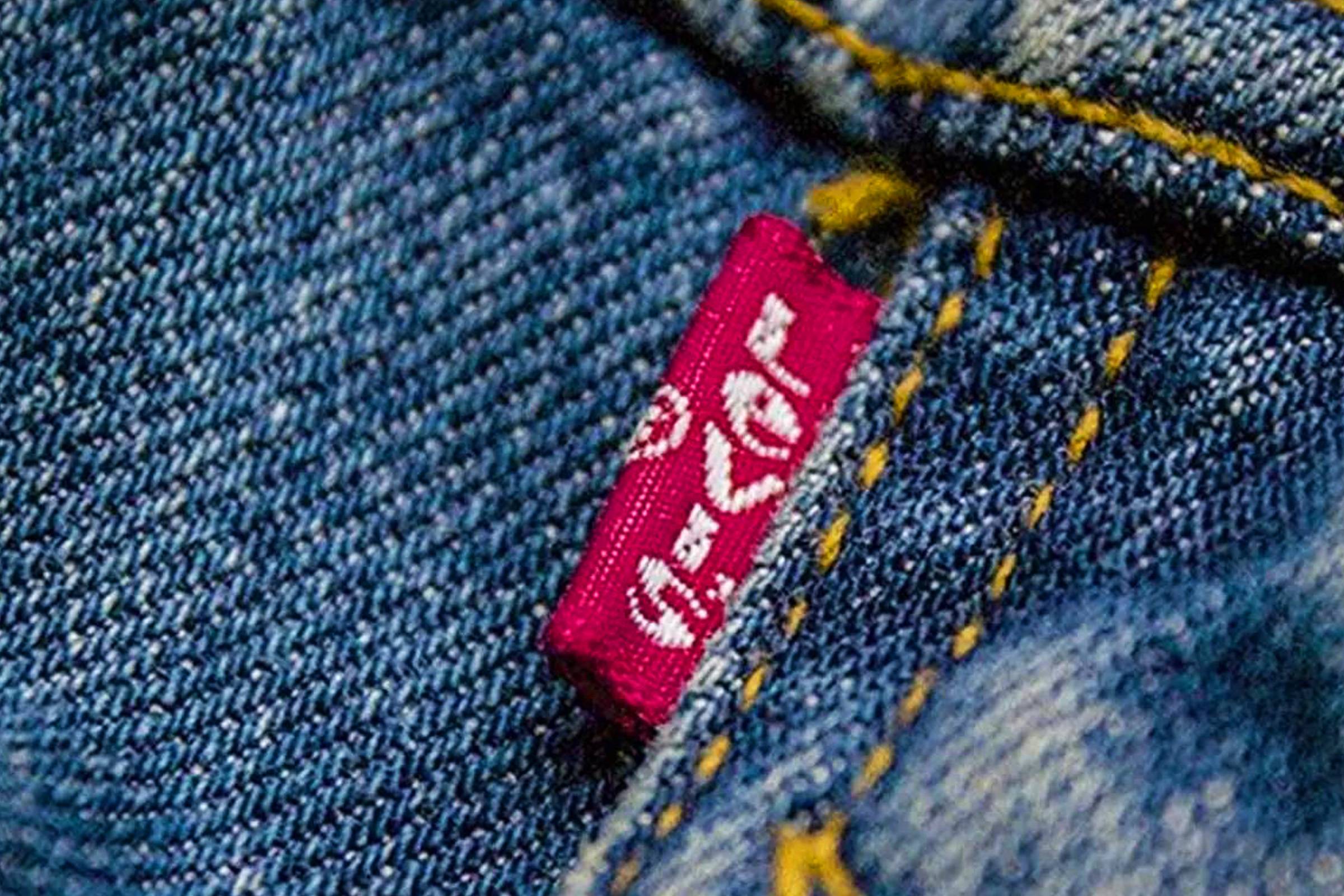
    Denim brand Levi’s plans to scale back shipments to off-price retailers in the US as it targets a further improvement in gross margin and long-term ambitions in the growing Chinese market.

    The company ended the year reporting US$1.57 billion in sales, slightly behind analyst estimates, but with a gross margin up by 100 basis points compared to the prior year.

    Sales in Europe rose by 5 percent and its operating profit thereby a healthy 47 percent, but sales in Asia rose by just 1 percent, and operating profit there took a 43-per-cent hit, largely due to civil unrest in Hong Kong and India.

    While the company expects to take a hit in Mainland China after closing about half of its stores there in response to the coronavirus outbreak, the company says its sales there account for just 3 percent of its global turnover.

    “It probably puts a damper – at least in the short-term – for our growth plans in China, but we are here for the long-term,” CFO Harmit Singh said. “We are still long on China.”

    Singh said the company would restrict shipments to off-price retailers like Ross Stores and TJ Maxx, which erode profit margins. It will sell more products into a joint venture with discount department store Target and into other higher-priced retailers like department stores.

  • Japan retail sales down

    Japan retail sales down

    Retail sales in Japan dropped 2.6 percent during December compared to figures from the previous year.

    The details were released in a Ministry of Economy, Trade and Industry report last Friday, and stood in contrast to median market forecasts for a decline of just 1.8 percent.

    According to an RTT news article, the sales rate was still above a seasonally adjusted 0.2 percent on numbers for November, less than the expected 1.2 per cent gain following a 4.5 percent increase during that month. November sales had dropped 2.1 percent year on year.

    Sales for large-scale retailers were strongly affected with a full 3 percent year-on-year drop, compared to a projected fall of 2.5 percent.

  • Apple and Levi’s closing China store

    Apple and Levi’s closing China store

    Apple and Levi’s joined the growing list of international retailers shuttering stores in Mainland China as the infection rate and death toll from the coronavirus continued to grow over the weekend.

    Elsewhere, in South Korea, duty-free stores have closed and throughout Asia retailers have introduced policies for dealing with the virus aimed at protecting staff and customers.

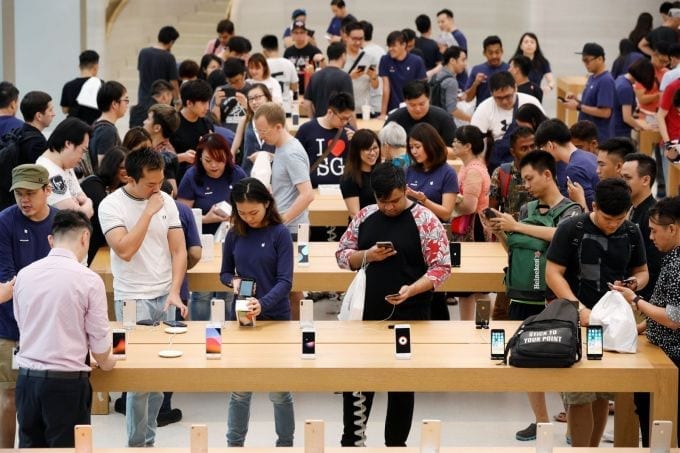
    Apple says all of its 42 stores in Mainland China will remain closed until February 9, although customers will be able to continue to buy products on its online store.

    “Out of an abundance of caution and based on the latest advice from leading health experts, we’re closing all our corporate offices, stores and contact centers in Mainland China through February 9,” Apple said in a statement sent to CNN Business. “We will continue to closely monitor the situation and we look forward to reopening our stores as soon as possible.”

    Levi’s, meanwhile, has closed about half of its stores in the market, although China accounts for just 3 percent of its global revenue compared with 15 percent for Apple.

    Apple and Levi’s are not the only chains to have announced large-scale store closes on the mainland. Starbucks has closed more than 2000, KFC, Pizza Hut and Haidilao Hot Pot have closed stores in the worst-affected Hubei province and Ikea has closed all of its stores there.

    Shilla’s shutdown

    In Seoul, The Shilla Duty-Free closed its giant downtown store adjacent to its five-star hotel after it was confirmed a Chinese national infected with coronavirus visited the store twice in January.

    The company said it has already been rolling out disinfection operations to prevent possible contamination.

    Rival operator Lotte Duty-Free closed its Jeju Island store late Sunday after it was confirmed an infected person shopped there last month.

    “We just started banning new customers entering the shop and asking the customers to leave the outlet,” a company official told a local news outlet.

    “We will announce the date of the reopening after discussing the matter with health authorities and the Jeju provincial government officials.”

    E-Mart also closed one of its stores in Bucheon, near Seoul, after a similar confirmation of a visit by an infected patient.

    Hong Kong supermarkets see spike

    A spokesperson for Hong Kong-headquartered Dairy Farm International told Inside Retail Asia that, like other supermarket chains, its stores have experienced a spike in demand for fresh produce, along with household cleaning and hygiene products, as a result of the coronavirus.

    “In areas of high demand, we are working around the clock to restock as quickly as we can and will continue to do our best to serve the people of Hong Kong through our stores and online,” said the company, which operates the Wellcome grocery-store network.

    All of Dairy Farm’s stores in Hong Kong, including Ikeas, are operating as normal, however, the company has reinforced its sanitization and hygiene protocols.

    “In this challenging environment we remain focused on taking care of our customers and our team members, who we’ve offered flexible working arrangements to, where appropriate,” the spokesperson said.