Author: Mei Ling Tan

  • Louis Vuitton cafe and restaurant opens in Osaka

    Louis Vuitton cafe and restaurant opens in Osaka

    The world’s first Louis Vuitton cafe and restaurant have opened inside the stunning new Louis Vuitton Maison Osaka Midosuji in Japan.

    In cooperation with renowned chef Yosuke Suga, the first Louis Vuitton cafe, Le Cafe V is located on the top floor, featuring a Cocoon Room, with a terrace and a bar.

    A speakeasy-style door connects the Louis Vuitton cafe, dubbed Le Cafe V, with the brand’s restaurant Sugalabo V where an open kitchen is set up. Design details are similar to the original, connecting to the central theme of the building’s design, according to DesignBoom.

    The Louis Vuitton Maison Osaka Midosuji is the result of a close partnership between Jun Aoki and New York designer Peter Marino, reflecting Osaka’s heritage as Japan’s most important port.

    Inspired by sailing vessels, the store’s facade, designed by Aoki, resembles a floating ship with a light and airy white structure. To create a floating effect, Marino creates wooden floors, wood-clad pillars, and metal ceilings.

    The launch of a Louis Vuitton cafe and restaurant follows similar forays into f&b by other luxury brands, including Tiffany & Co’s Blue Box Cafe, Armani Cafes and Ralph Lauren eateries.

  • Central Group to take stake in Globus

    Central Group to take stake in Globus

    Thai retail and mall conglomerate Central Group is partnering with an Austrian property developer to buy Swiss department store chain Globus.

    According to the Sonntagszeitung, a Swiss newspaper, both companies will take an equal 50-per-cent share in the business.

    Globus reportedly has significant property assets making it an attractive target for Austrian property investor Rene Benko. Benko’s Signa Holding already owns the Germany department store Galeria Kaufhof.

    Central Group, on the other hand, has already enjoyed success investing in department stores in Europe, its network now including the Rinascente Turin and a share in Germany’s KaDeWe Group, which also owns the Oberpollinger and Alsterhaus stores in Munich and Hamburg. It has another luxury department store under construction in Vienna.

    Globus is valued at about US$1 billion and has a flagship store on the main street of Zurich.

    The deal has not yet been officially confirmed with final details under negotiation, but current owner Migros-Genossenschafts-Bund has confirmed a sale is proceeding according to plan.

  • Landlords collaborate with Authentic Brands Group to rescue Forever 21

    Landlords collaborate with Authentic Brands Group to rescue Forever 21

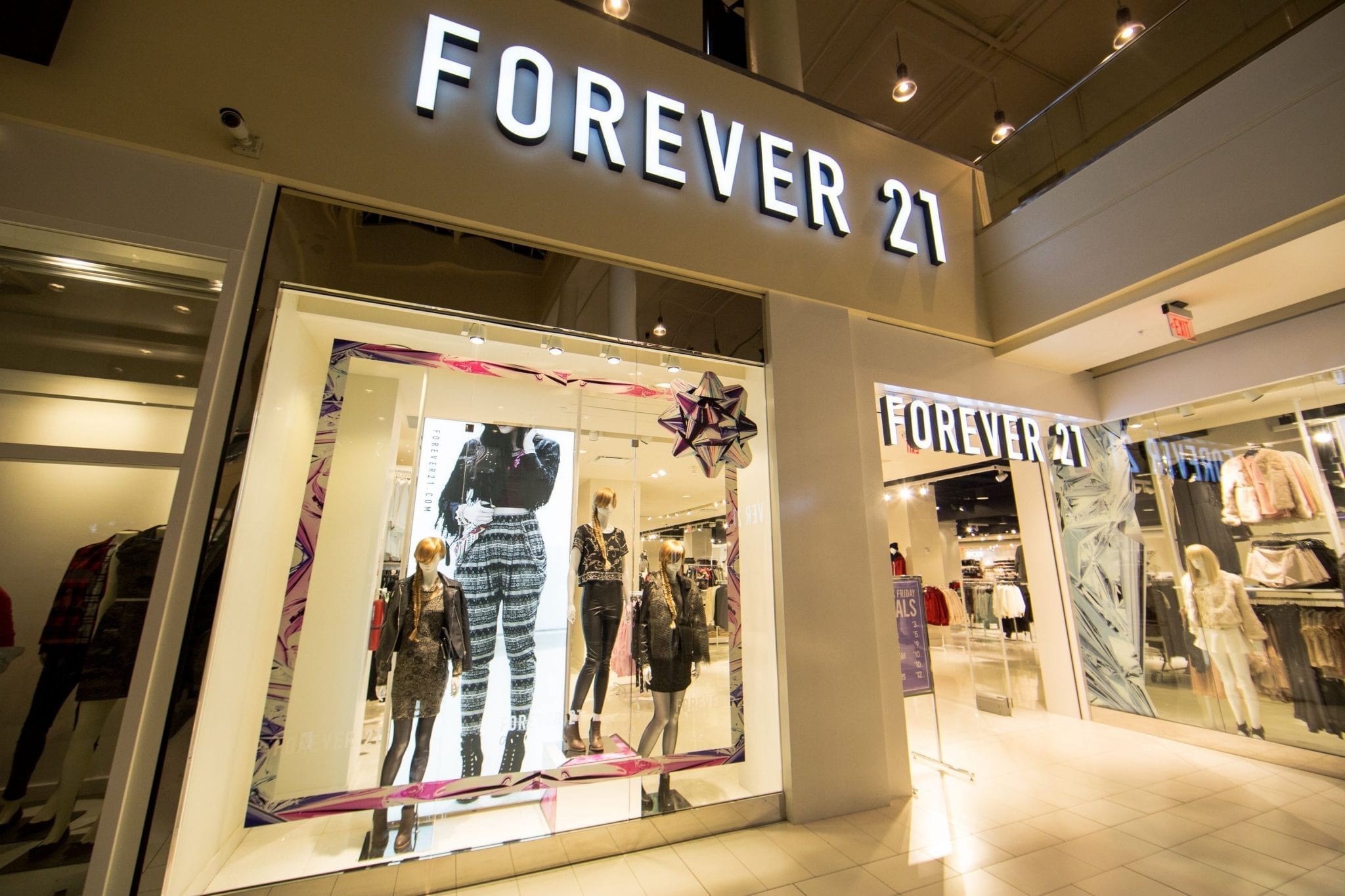
    Control of collapsed Californian fast-fashion chain Forever 21 is about to be handed over to a consortium of creditors led by property companies.

    According to recently filed court documents, Simon Property Group and Brookfield Property Partners along with Authentic Brands Group have agreed to pay US$81 million for Forever 21’s assets, which include its beauty store brand Riley Rose and its online store.

    That’s a stark contrast to Forever 21’s global sales at its peak in 2015 at $4.4 billion and $3.4 billion in 2017.

    Forever 21 is said to owe millions in unpaid rent to Simon and Brookfield and the deal will likely allow the mall operators to keep the stores trading as tenants.

    Authentic Brands Group, which describes itself as “brand owners, curators, and guardians”, has 50 labels in its portfolio, including Nine West, Aeropostale, and Juicy Couture, all rescued from near collapse. Nautica, Muhammid Ali, Spyder, Jones New York, Frye, and Barneys New York are also under its management.

    Forever 21 was founded in 1984 by Korean immigrants Do Won Chang and his wife Jin Sook Chang. It filed for bankruptcy in September last year and has since closed about 100 stores.

    However, in January the company announced a new partnership with e-commerce specialist Global-e to launch a new international online store supporting nearly 100 currencies and more than 150 local and alternative payment methods, along with localized tax collection and duties calculations. The site will feature 21 languages and signals a shift away from physical stores to a strong online presence to protect the brand in the future.

  • New App Makes Retail Workplaces More Accessible for People with a Disability

    New App Makes Retail Workplaces More Accessible for People with a Disability

    The first workforce management solution app to be fully accessibility compliant has been launched, making retail workplaces in Singapore and across the Asia-Pacific region more inclusive for people with disabilities and an ageing population.

    The new release of Humanforce’s mobile app complies with the Web Content Accessibility Guidelines (WCAG) 2.0 AA rating. This means it meets 100 percent of the recommendations for making content accessible to people with disabilities including colour-blindness and low vision.

    “There is an unresolved tension between the business and technology vendor desire for integrating the most advanced technology solutions that often best meet the needs of millennial workers, and also making the workplace more inclusive of diversity,” explained Mike McGee, Chief Product Officer, Humanforce. “Too often we see the former being the priority at the expense of workers with a disability and those that make up our ageing workforce.”

    Recent research from McKinsey found that businesses, such as large chain retailers, with higher diversity are more likely to achieve higher financial performance. However, people with a disability are often overlooked when it comes to workplace diversity. The Ministry of Manpower found in June 2018 that 28.6 percent of people with a disability in Singapore were employed, while 4.2 percent were unemployed but looking for work, which translate to an unemployment rate of 12.9 percent. Additionally, it found that 67.2 percent of people with a disability were outside of the labour force due to poor health or disability. This compares to a 2.3 percent unemployment rate for the entire Singapore population.

    “Retail employers can be doing much more to make the workplace more inclusive for the people with a disability currently working and also to increase employment of the many people with a disability looking for work. And as we see the retirement age raised to 35 by 2030 and the re-employment age also go up to 70 by 2030, we’re also going to see the number of people with a disability in the workplace increase.

    “A key piece of the puzzle is ensuring all the workplace technologies retailers invest in to increase their success don’t work to preference younger workers, while discriminating against workers with a disability and the ageing population,” added Mike.

    Find out more about Humanforce.

    About Humanforce

    Humanforce is a global provider of workforce management solutions for companies who need a flexible solution to manage complex workforces. Companies use Humanforce to manage everything from time and attendance, employee rostering, onboarding and availability. Humanforce also has strong partnerships with industry leading payroll providers.

    Humanforce was founded in Sydney in 2002, and today has offices across Australia, New Zealand, Singapore and the UK. For more information: www.humanforce.com

    Media Contact:

    Corinne Nolte

    Mulberry Marketing Communications

    +613 9023 9110

    cnolte@mulberrymc.com

  • AirAsia cancels all flights between Philippines and People’s Republic of China

    AirAsia cancels all flights between Philippines and People’s Republic of China

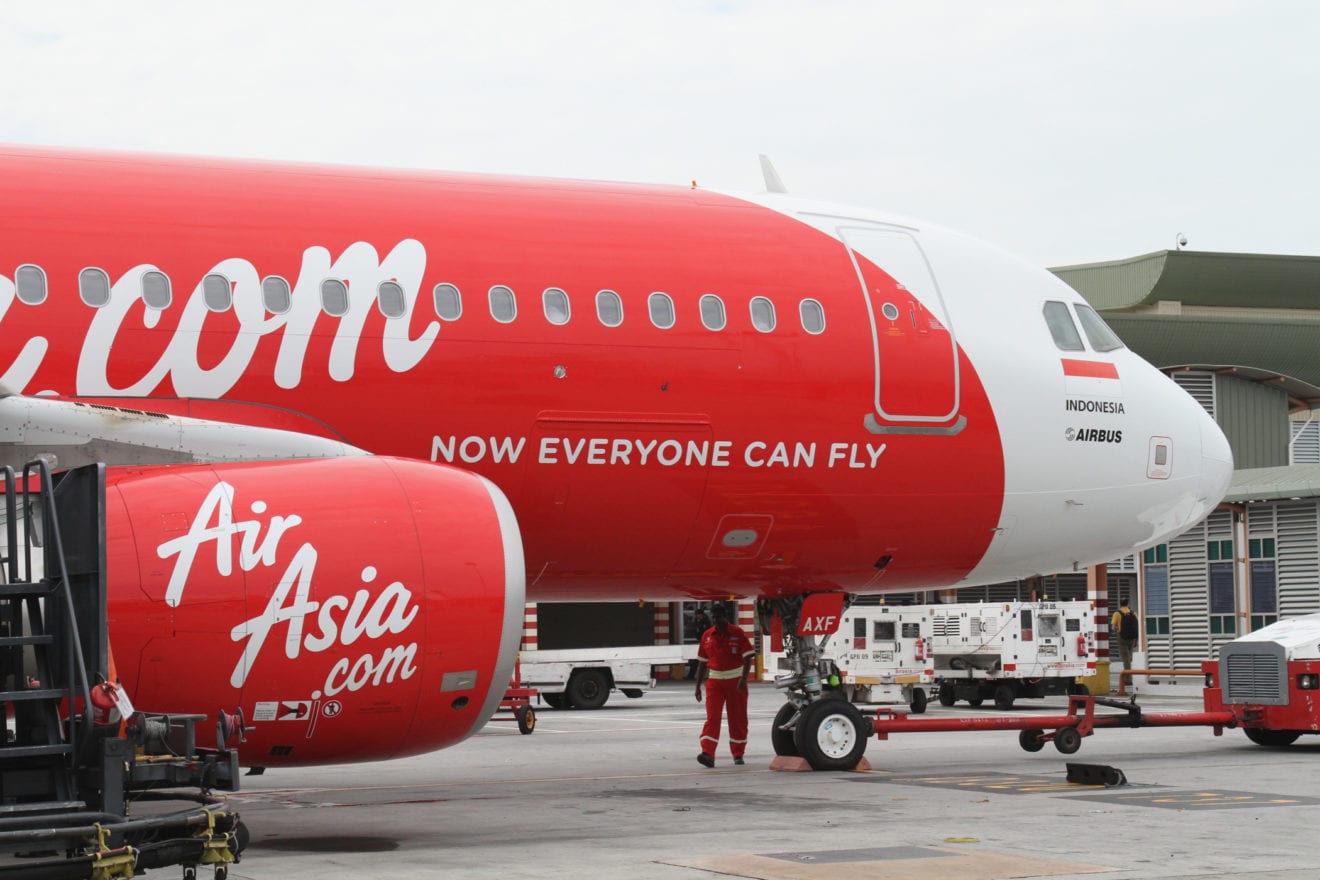
    In compliance with the Philippine government’s directive imposing travel restrictions from the People’s Republic of China, AirAsia is cancelling all its flights between the Philippines and mainland China, Hong Kong SAR and Macao SAR until further notice from the Philippine government.

    AirAsia is also extending the provisions to move flights, obtain a credit account or full refund for guests with flight bookings to/from all destinations in mainland China, Hong Kong SAR and Macao SAR.

    All flights to and from Wuhan remain suspended until 29 February 2020.

    All affected guests will be promptly notified via email or SMS. AirAsia strongly encourages guests to update their contact details using the “My Bookings” feature on airasia.com to ensure that they receive timely notifications. Guests can also check on their flights via the “Flight Status” function on airasia.com website and mobile app.

    Apart from the Philippines, certain destinations within AirAsia’s flight network have imposed travel bans for guests based on nationalities, cities of origin, travel history or the purpose of travel. Guests are advised to check with their respective governments or embassy offices prior to travel.

    The following options are available to AirAsia guests who were affected by the flight changes and travel bans:

    1. Move flight: One-time flight change to a new travel date on the same route within 30 calendar days from original flight time without additional cost, subject to seat availability. Applicable for guests affected by cancelled flights (except flights to/from Wuhan) and travel restrictions imposed; OR

    2. Credit account: Retain the value of your fare in your AirAsia BIG Loyalty account for future travel with AirAsia. The online credit account is to be redeemed for booking within 90 calendar days from the issuance date for your travel with us. The actual travel dates can be after the expiry date as long as our flight schedule is out. Applicable for all flights to/from mainland China, Hong Kong and Macao until 15 February 2020 (or 29 February 2020 for flights to/from Wuhan only) that was ticketed prior to 28 January 2020; OR

    3. Full refund: Obtain a full refund to your original payment method for the amount equivalent to your booking. Applicable for all flights to/from mainland China, Hong Kong and Macao until 15 February 2020 that was ticketed prior to 28 January 2020.

    Guests whose flights fall into the above date range can obtain a full refund in the amount equivalent to that booking in the form of original payment. Refund requests can be made with AVA at support.airasia.com. From the main menu categories available, click on “Refund” then “New Refund Request” and finally “AirAsia flights to/from Wuhan” for flights to/from Wuhan OR “China Voluntary Refund” for flights to/from other China destinations, including Hong Kong and Macao. From there, simply follow the instructions as directed by AVA.

    For bookings made through travel agents including online travel agents, refund requests are to be made via the respective travel agents.

    AirAsia assures that the safety and wellbeing of our guests and Allstars is our top priority. AirAsia is complying with advice and regulations from the local government, CAAC, global and local health authorities, including the World Health Organisation.

    AirAsia guests who are in Wuhan are advised to abide by announcements made by the Government and health authorities, and to contact their respective diplomatic missions or embassies in mainland China for assistance.

    AirAsia is closely monitoring this situation and reserves the right to announce further policies according to the latest developments.

    Follow AirAsia on Twitter (@AirAsia) and Facebook (facebook.com/AirAsia) for the latest updates, or contact our customer support team at support.airasia.com. Guests are also encouraged to check their flight status at airasia.com/flightstatus for live updates.

  • European Union wants Apple’s Lightning port gone

    European Union wants Apple’s Lightning port gone

    EU lawmakers might be in favor of diversity, but not when it comes to smartphone chargers. Today, these lawmakers called for the creation of one standard charger for all mobile devices. By an overwhelming vote of 582-40, members of the European Parliament passed a resolution that asks the European Commission (the body that drafts laws for the EU) to make sure that buyers of mobile devices no longer are under the obligation to purchase a new charger every time they buy a new device. The resolution calls for the EC to adopt new rules by this coming July.
    The idea is to reduce the amount of electronic waste that the EU is dealing with. During 2016, the last year that data was made available, such waste generated in the EU added up to 12.3 million tonnes or 36.6 pounds for each person living in the EU. The resolution noted that requiring a standard charger for mobile devices could reduce the amount of electronic waste and it also asked the Commission to pass a rulemaking sure that wireless chargers could be used to power up different mobile devices.

    The EC has actually been fighting for a standard mobile charger for over 10 years. in 2009, Apple, Samsung, Huawei, and Nokia signed a “voluntary memorandum of understanding” calling for these phone manufacturers to use standard chargers for phones that were coming to the marketplace in 2011. But it is obvious to the EC after nearly 10 years that the voluntary approach has not worked and that legislation is going to be needed in order to force the phone manufacturers to take action.

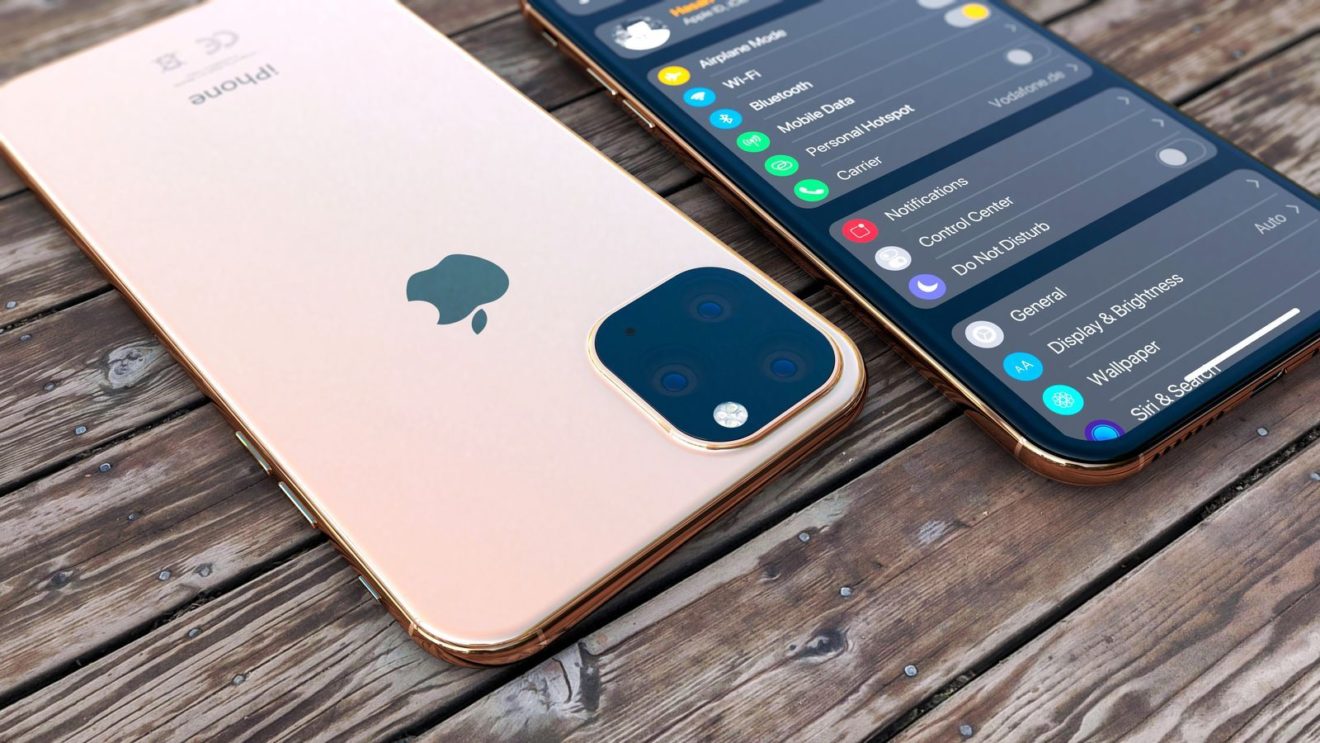
    The company that is on the line with this proposal is Apple. That is because most Android phones have a USB-C port which is the closest thing to a common charging platform that the mobile industry has today. However, Apple has its proprietary Lightning port which has been in use since 2012 when it replaced the 30-pin dock connector. Apple did switch to USB Type-C for the 2018 iPad Pro models and for the last couple of years there have been rumors about the same thing happening to the iPhone. Many iPhone users have been hoping that Apple switches to Type-C; that could make it easier for them to find accessories for their iPhones and at a lower price, too.
    While Apple might end up not having a choice in Europe, it is hard to see the company voluntarily switching to a standard system because of the profits involved. Having a proprietary charging system means that people will have to come to Apple for an original replacement. The company already took a little hit when it introduced the 2019 iPhones by including an 18W fast charger in the box with the iPhone 11 Pro and iPhone 11 Pro Max. While the iPhone 8 iPhone 8 Plus, iPhone XS, iPhone XS Max, and iPhone XR all support fast charging, owners of those models have to shell out $29 for an 18W charger.
    Last month, reliable TF International analyst Ming-Chi Kuo looked deeply into his crystal ball and said that the highest-end 2021 iPhone might not have a Lightning port or a USB-C port. Kuo is talking about the iPhone 13 Pro Max featuring a “completely wireless experience.” If indeed Apple is looking at offering a port-free phone, it could decide that it isn’t worth it to make a switch away from the Lightning port for a short period of time.
    However, there is still the EU to consider. Apple said last week that the mobile industry is already moving toward the use of Type-C as a standard, but also said that forcing a standard on the industry would hurt consumers in Europe. And Apple also points out that making a quick move to a standard charging platform would create plenty of electrical waste, exactly what the EU is trying to avoid in the first place.
  • Instagram’s next new feature has just been leaked

    Instagram’s next new feature has just been leaked

    Instagram is testing new features all the time, but we don’t hear about many of them until Facebook makes them available to everyone. This is one of those exceptions where we learn about a new feature that Instagram plans to add to its apps after thoroughly testing it.

    The next important addition to Instagram should be Reactions for Direct Messages. The information comes via Jane Wong, the reverse engineer who’s an ace when it comes to discovering unreleased features.

    But that’s not the only source of the information. Facebook’s Tech Communications Manager, Alex Voica, confirmed that the unreleased feature is being tested for a few days. At the moment, non-employees can only see the “love” reaction, but there are six more that should be available at launch.

    It’s impossible to give you an ETA for the new feature, but at least we know what Instagram is currently working on. Still, considering testing has only just begun, it will probably take a few weeks until they go public if nothing wrong happens.

  • Solid H&M results show transformation plan is paying off

    Solid H&M results show transformation plan is paying off

    Increased full-price sales and lower markdowns signal that H&M’s multi-pronged transformation plan is paying off, according to GlobalData analyst Kate Ormrod.

    H&M fourth-quarter sales were affected by the later timing of Black Friday last year, compared with 2018, however that failed to dent an impressive turnaround performance from the Swedish fast-fashion retailer which 12 months ago was struggling to move significant excess inventories. In the second quarter it returned to profitability and Ormrod says a greater focus on online sales, supply-chain management and the fine-tuning of its physical store network have been sound.

    Net sales increased by 11 per cent to US$24.2 billion for the full year and gross profit increased by 9 per cent to $3.5 million. Its fastest growth rate was in India where sales rose by 33 per cent, although the brand is still relatively new to that market.

    Outgoing CEO Karl-Johan Persson, who will soon take over his father’s role as chairman, said the positive performance shows the company is “on the right track”.

    “In view of the ongoing transformation of fashion retail, we have been making significant and necessary investments for several years to secure the H&M group’s position and long-term development,” he said.

    Ormrod says while H&M still has some work to do in order to fully satisfy consumers’ demands, she expects the company to continue to benefit from its vast future-proofing initiatives this year. Net sales over December and January rose by 5 per cent in local-currency terms, up from 4 per cent last year, “emphasising that its appeal and relevance have not wavered,” she said.

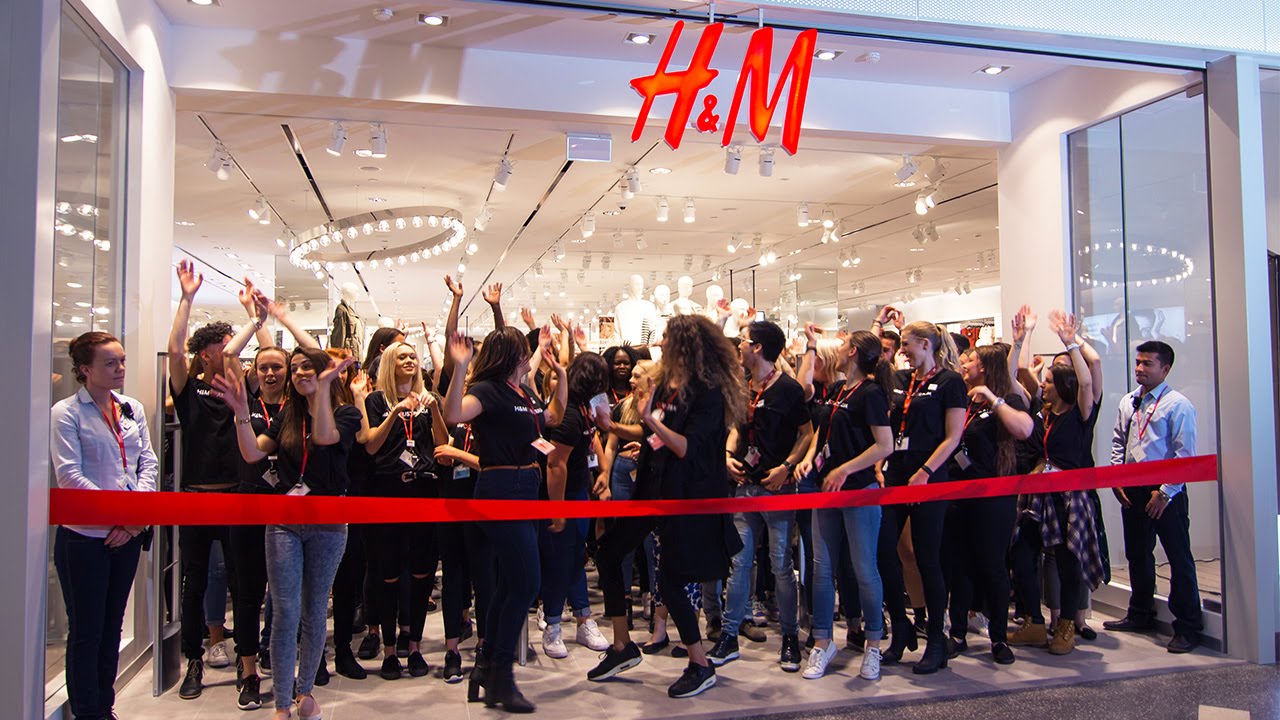
    “Optimising its brick-and-mortar business remains a priority with H&M planning to open a net of just 25 stores in the current financial year, with physical expansion in growth markets such as South America and Eastern Europe almost offset by the closure of about 175 stores, primarily in Europe, the US and China.

    “Pressure remains to elevate its remaining stores with a need to drive consistency in in-store presentation and experience at its core H&M fascia. The retailer’s focus on sustainability is market-leading and apt given growing consumer interest, enabling it to deliver fast fashion with a conscience and at the same time casting shade on competitors such as Inditex. However it must continue to invest in areas such as value for money and quality that truly matter as purchase motivators among the majority of its shoppers in order to deliver results.”

    Meanwhile, Helena Helmersson, H&M’s former COO, has taken over as CEO, the first woman to head the company.

  • BlinQ to offer Yoox catalogue in SE Asia

    BlinQ to offer Yoox catalogue in SE Asia

    Bob Chua, founder and CEO of BlinQ​, says the partnership will give Southeast Asian consumers easy access to thousands of new products from high-end brands. “We have been growing quickly, and this partnership provides a greater depth of brands and products to our users in the Southeast Asian region.”

    Chua says BlinQ has more than 30,000 users joining the platform every month and it now boasts high-end brands including Prada, Off-White and Kenzo.

    For Yoox, which has 3 million customers worldwide, the deal will allow it to expand its Southeast Asian customer base.

    The Yoox deal closely follows BlinQ’s launch of a pre-loved offer and Asean Houz – a collection of high-end fashion brands from around the region.

  • Toranoana opens collaborative shop with Sanrio characters in Tokyo

    Toranoana opens collaborative shop with Sanrio characters in Tokyo

    Japanese manga-related retailer Toranoana has partnered with Sanrio to open a collaborative store selling Sanrio character merchandise, in Tokyo’s Akihabara district.

    A variety of Sanrio character merchandise, including the famous Hello Kitty, are displayed on the first floor of the store.

    Toranoana and Sanrio say they hope their partnership will strengthen their presence and help them continue to expand domestically and internationally.

  • Tommy Hilfiger watch store opens in Manila

    Tommy Hilfiger watch store opens in Manila

    The Philippines’ official Tommy Hilfiger distributor Take Wizer Industries has launched the world’s first Tommy Hilfiger watch store in Quezon City.

    The store opened on January 23 at the Upper Ground Floor (UGF), City Center, SM North Edsa, featuring an interactive photo booth for customers to try on the watches for sharing on social media.

    “It’s a great venue to showcase how Tommy’s reputation for fashionably chic iconic apparel translates into the watch design,” said Wizer Industries VP marketing Rainier Jacinto. “The boutique’s design is minimalist but retains a sense of Americana, taking after its parent brand’s h

    “Its pristine look and clean lines give customers the opportunity to focus their attention and appreciation on the workmanship of the timepieces. We’d like to showcase how dynamic a store concept can be by rolling out something really fresh for the Philippine market.”

    “Manila is the perfect market for modern fashion accessories which Tommy Hilfiger watches are known for,” he added.

  • Ikea China shuting most stores in wake of coronavirus

    Ikea China shuting most stores in wake of coronavirus

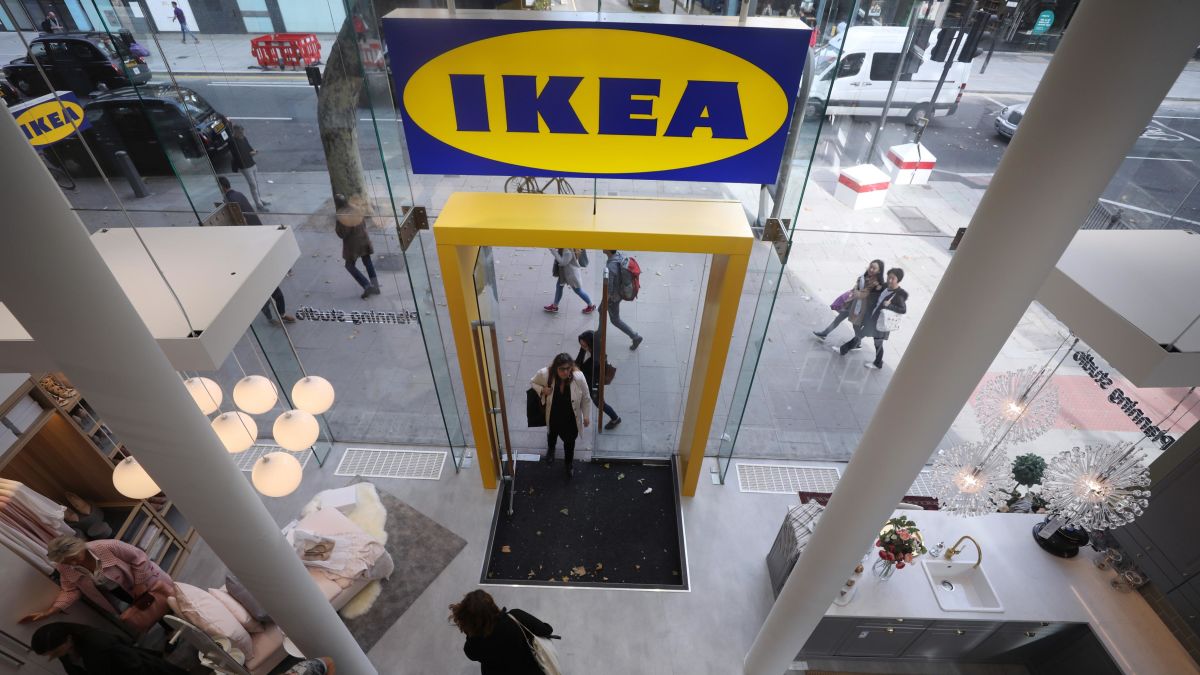
    Swedish furniture and homewares chain Ikea has closed all of its mainland Chinese stores in the wake of the coronavirus outbreak.

    The decision, announced Thursday, came just hours after the company said it would shutter half its 30-strong network in the country.

    Ikea China is the latest in a long line of international retail groups to announce a curtailment of activities in the country as the death toll and infections from the Wuhan-centred virus rose rapidly this week.

    McDonald’s CEO Chris Kempczinski said the chain has closed “several hundred” stores in Hubei, but outlets in other parts of the country would remain open for now.

    On Wednesday, Starbucks said more than 2000 stores would close indefinitely, including its flagship Shanghai Roastery, although delivery services would continue from some of those locations. KFC, Pizza Hut and Haidilao Hotpot were among other restaurant chains to close part of their network.

    Tech giant Apple has closed three stores to date: Rainbow City in Nanjing, Tahoe Plaza in Fuzhou, and Vientiane City Qingdao. The company said it would reopen the stores by February 4, however, this is likely to depend on further advice from government authorities.

    Uniqlo, the Japanese fast-fashion chain, has closed about 100 stores, mainly in Hubei province where Wuhan is situated, its remaining 650 stores in Mainland China continuing to trade at the time of writing. Muji has closed about 10 stores in Wuhan’s inner-city district.

    Some of the Wuhan stores have been closed because the staff is unable to travel to work due to travel restrictions imposed by government authorities.

    Selected supermarkets are continuing to trade in affected areas of China to allow locals to purchase food and daily essentials, although some suppliers are encountering difficulty delivering products to retailers, due to traffic restrictions and a shortage of staff.

    Anne Ling, an equity analyst at Jeffries, says she expects food retailers will be relatively more resilient under the current situation. “Online delivery capability and strong fresh-produce capabilities are highlighted from this incident.”

    By retail category, fresh produce like vegetables, meat and cleaning products are selling well, with strong double-digit increase while liquor and beverage sales have declined by double digits as sales are driven by gatherings and events. “Non-food products experienced a substantial decline.”

    Ling anticipates landlords will offer tenants rental relief. “Hypermarket chains might also consider rental relief for tenants at their shopping areas.”

  • Kadokawa targets foreigners with EJ Anime store online

    Kadokawa targets foreigners with EJ Anime store online

    Kadokawa Corporation has launched an EJ Anime store online where people living overseas can purchase official merchandise for Japanese anime, comics, light novels, and games.

    The EJ Anime store stands on a burgeoning anime market in Japan that has continued to increase for nine years, reaching sales of ¥2,180 billion (US$20.07 million). The rapid increase in the overseas market is contributing to this major growth, with more than ¥1 trillion ($9.2 billion) in sales and accounting for 46.3 percent of the market.

    The Kadokawa EJ Anime store aimed at the Japanese domestic market has also seen an increase in overseas traffic (increasing roughly 170 percent over four years since 2016), demonstrating a high level of interest in Kadokawa products among people living overseas, mainly in North America and Asia.

    Opening an EJ Anime Store online allows people living overseas to buy official merchandise and premium products that are difficult to obtain overseas.

    When the site opens, target areas for sales will include 17 countries and regions, including the US, France, Spain, the UK, Taiwan, Hong Kong, and Australia – with plans to expand to 80 areas, including China.

  • Body Shop Malaysia seeking for investment

    Body Shop Malaysia seeking for investment

    Body Shop Malaysia operator InNature Bhd is seeking to raise RM120.6 million (US$25.5 million) in funding from an IPO.

    The firm says some of the funds will be used to fund store network expansion in Vietnam and Cambodia.

    The Body Shop Malaysia business accounts for about 11 per cent of the country’s personal care & cosmetics market. It operates 89 locations in Peninsular Malaysia, Sabah and Labuan, as well as 34 outlets in Vietnam and one in Cambodia.

    “We will be focusing on an omnichannel strategy heavily focused on Natura’s business model of social commerce and e-commerce, which will be supported by a digital platform as well as physical stores for showrooming and raising awareness through customer experience,” the company said in a prospectus filed with Bursa Malaysia.

  • India’s duty-free purchase limits to be cut

    India’s duty-free purchase limits to be cut

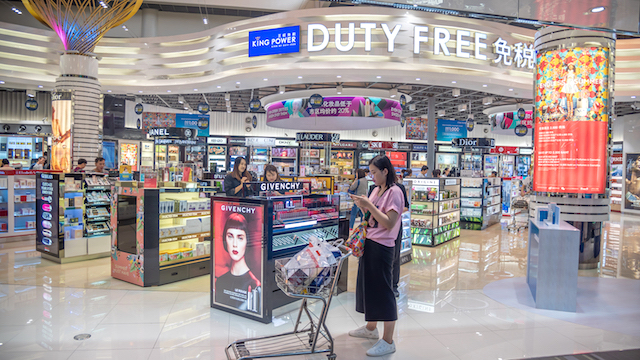
    Proposed changes to India’s duty-free purchase limits may dent the country’s duty-free market growth prospects, says GlobalData.

    The country’s Commerce and Industry Ministry plans to limit duty-free alcohol sales to inbound travelers to one bottle or one liter per person – half the current limit – and to ban all sales of tobacco products.

    The ministry also plans to reduce the value of goods and gifts that a passenger can get into the country without paying import duty which is currently capped at US$712.65 (INR50,000). The government says the move will bring duty-free limits into line with other countries such as the US, China, and South Korea.

    “The proposed changes, if implemented, will negatively impact the duty-free market in India as alcoholic beverages and cigarettes account for a significant share of total duty-free sales,” says Vijay Bhupathiraju, a retail analyst at GlobalData.

    “Drinks is the largest product category sold in the Indian duty-free market with category sales at US$695.7 million in 2018, accounting for 66.8 percent of overall duty-free sales. However, the proposed slashing of the limit on alcoholic drinks to half is forecast to reduce the category sales by nearly 25 percent.

    “On the other hand, tobacco is the fourth-largest product category with its sales at US$64.7 million (6.2 percent share) in 2018. If the proposed plan to completely prohibit inbound tourists from purchasing cigarette cartons at duty-free shops is to be believed, it results in a complete nullification of inbound spending on cigarettes, slashing the category sales by as high as 50 percent,” said Bhupathiraju.

    India is the world’s fastest-growing duty-free market globally, with sales growing at a compound annual growth rate (CAGR) of 23.1 percent during 2013-2018 to reach US$1 billion in 2018 and forecast to grow at a CAGR of 19.2 percent to reach US$2.5 million by 2023.

    Bhupathiraju says if the proposed changes are enacted, India’s duty-free retailers need to diversify their offerings to include essential product categories such as cosmetics and toiletries, food, and jewelry and watches to offset lost sales in liquor and cigarettes.

    “The move is also a jolt to non-aviation revenues for airports, impacting the overall growth of airport retail in an otherwise fast-growing airport retail market.”