Author: Mei Ling Tan

  • Freitag Japan opens store in Kyoto

    Freitag Japan opens store in Kyoto

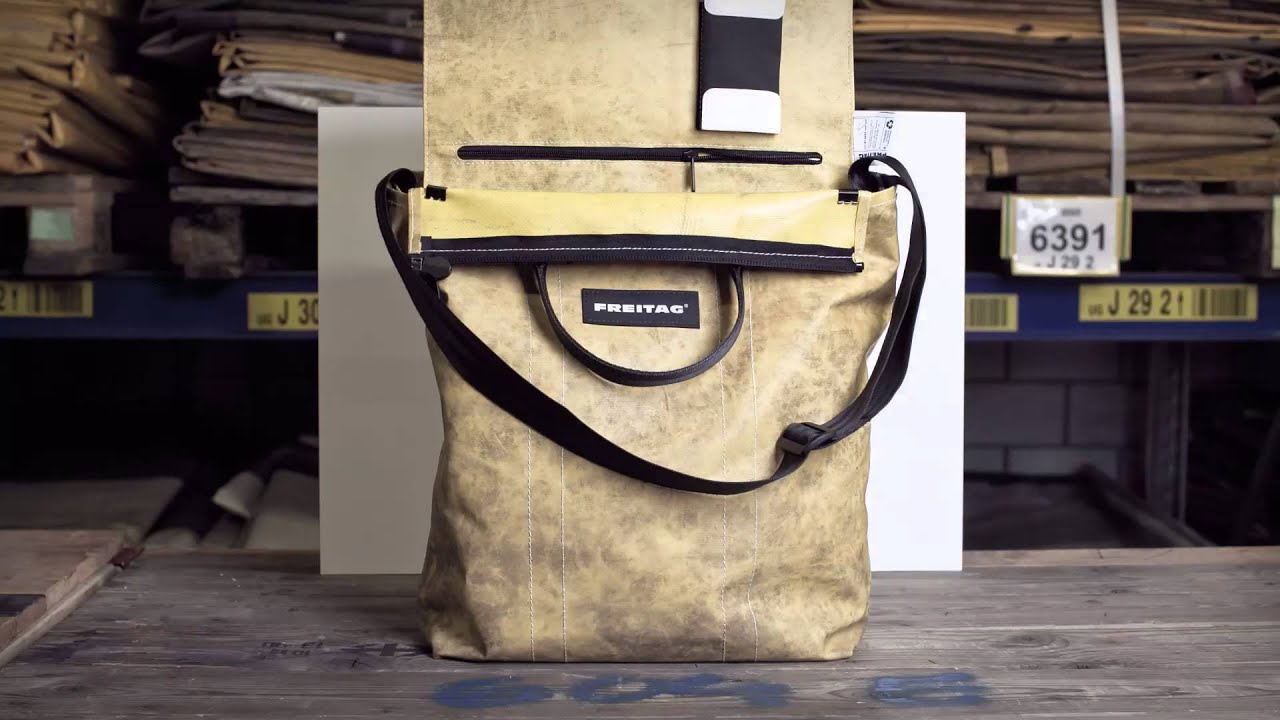
    Bag and carrying case manufacturer Freitag has opened its fourth outlet in Japan, which was featured in Designboom architectural magazine for its unique interior.

    The Swiss firm, which creates its products from used truck tarpaulins, has set up an 80sqm distribution center in Kyoto in the vicinity of the ancient Nishiki market and the metropolitan Nakagyo-ku pedestrian precinct.

    The store design reflects the industrial style of the firm’s logistics warehouses in Zurich and features a DIY workshop where customers can create their own miniature items from tarp off-cuts.

    Around 1100 recycled one-off bags are currently stored at the outlet.

  • RELX China flagship set to open in Shanghai

    RELX China flagship set to open in Shanghai

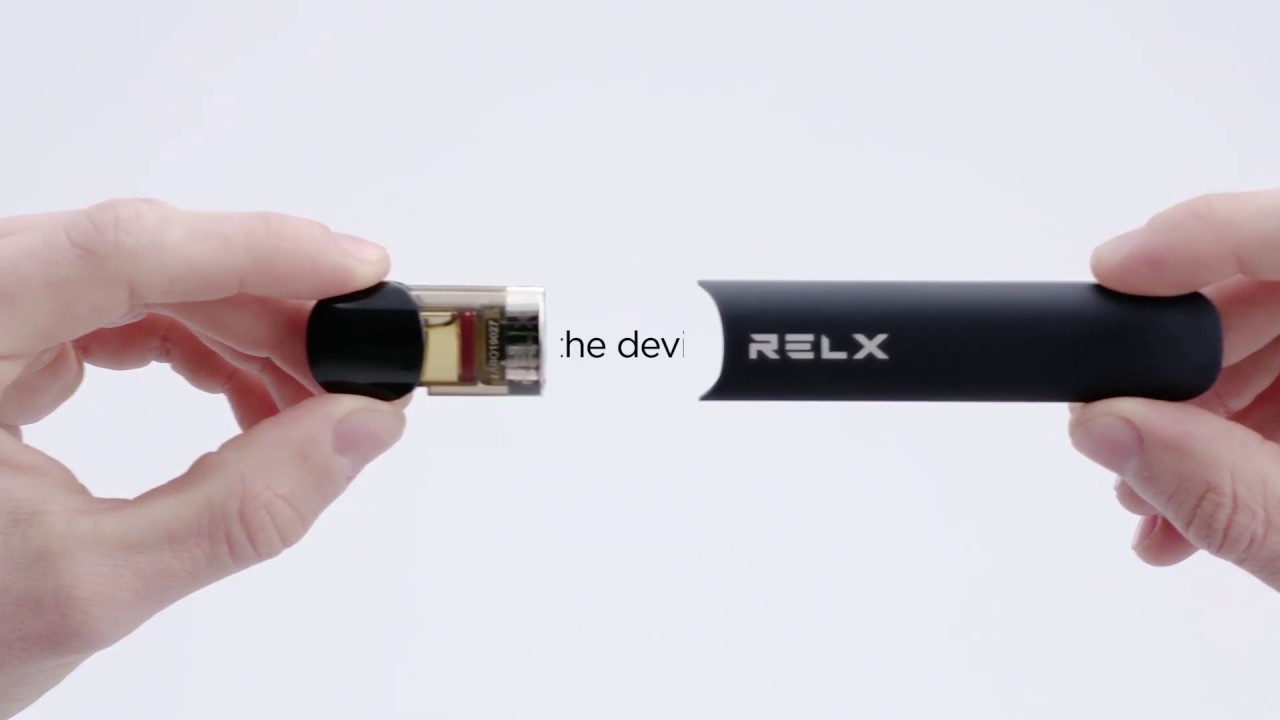
    E-cigarette company RELX Technology has opened its first RELX China flagship and says it aims to have 10,000 stores globally within three years.

    Located in Shanghai’s CBD, the RELX China flagship occupies a 140sqm area, creating a space to educate existing adult smokers and vapers on RELX vapor products.

    “Consumers nowadays prefer immersive shopping experiences, and we want to make this flagship a place where we can not only better communicate with them about our product and values but also better understand their needs,” said Wang Tao, head of RELX’s new retail business.

    According to Wang, RELX will launch stores in various cities, such as Beijing’s 798 art hub and Shenzhen’s Hai Gang Cheng, to provide what he describes as “avant-garde experiences” to consumers.

    The RELX flagship features four zones including a brand experience area, a consumer education area, an interactive zone, and a device-engraving service. The store uses a facial-recognition technology called Project Sunflower to identify minors attempting to enter the store. Customers also have to undergo another layer of verification to ensure their ID matches before making a purchase.

    RELX says it plans to invest RMB 500 million in establishing 10,000 stores globally over the next three years.

    “RELX is investing heavily in breakthrough technologies to enhance franchisees’ profit margins and increase consumer loyalty during the course of its brick-and-mortar expansion,” said Jiang Long, co-founder and head of sales at RELX. “As always, our focus will remain on preventing minors from using e-cigarette products and leading the path of innovation for the entire industry by developing advanced retail technology.

    Launching its first retail store last January, RELX China operates more than 1400 outlets across 300 cities.

  • JewelleryNet relaunches with new features

    JewelleryNet relaunches with new features

    B2B online community JewelleryNet has launched a series of new features on its platform for sourcing, market intelligence, industry updates and trade fair information.

    The new JewelleryNet’s faster speed and mobile-responsive interfaces are expected to allow for faster, targeted searches; more productive visits; greater user convenience and efficiencies as well as a better user experience altogether.

    The online resource brings together professional buyers and sellers, based on Informa Markets’ Jewellery Group. It has more than 147,000 registered users from 190 countries and regions.

    “As we enter a new decade, a reinvigorated JewelleryNet is ready to help the international gem and jewelry industry address current business realities and explore more avenues of growth,” said Informa Markets’ director of jewelry fairs Celine Lau.

    JewelleryNet hosts the online showrooms of more than 4000 suppliers from around the world, featuring more than 10,000 products across nine categories. The platform’s showroom services and business solutions are available to non-trade-fair exhibitors through a supplier membership plan.

    JewelleryNet also provides market intelligence and industry updates produced by trade publication JNA. Aside from regular news stories on the latest developments in the international gem and jewelry industry, the site carries content from the bimonthly, bilingual (English & Simplified Chinese) magazine and its various titles along with their digital versions.

    The platform likewise supports more than 10 major international jewelry trade fairs and provides details of other trade shows and events all over the world. More projects, initiatives, and events in Informa Markets’ Jewellery Group portfolio will eventually have a presence on the platform.

    JewelleryNet now also offers its members and visitors more opportunities for business development. Suppliers on the platform receive marketing exposure through online showrooms backed by strategic, sustained promotions online, onsite and on social media, among others.

    Another key component of the new JewelleryNet is its online-to-offline solutions to facilitate business dealings on the platform and at trade fairs. Interactive features allow buyers and suppliers to connect and communicate directly.

    The platform has also introduced business matching services for more efficient and effective sourcing. Buyers can submit quotation requests for specific items seeking suppliers; the program likewise assists buyers in planning their sourcing activities at trade fairs by allowing them to examine suppliers’ backgrounds, preview their goods, preschedule onsite meetings efficiently and then conduct business at the show.

    “JewelleryNet’s expanded business solutions reaffirm Informa Markets’ unwavering commitment to the growth and continued development of the international jewelry industry,” said Lau. “Its new interactive functions and business matching program complement our trade fairs and events by enabling buyers and sellers to conduct preliminary discussions and due diligence prior to negotiating business deals at our shows. These align with our corporate philosophy to create platforms for international markets to trade, innovate and grow.”

  • Starbucks Vietnam opens new concept outlet at Ecopark

    Starbucks Vietnam opens new concept outlet at Ecopark

    Starbucks Vietnam has opened a concept store at a new urban development called Ecopark in Hung Yen, near Hanoi, its 63rd store in the country.

    Located at the heart of Summer Park, Starbucks Ecopark features a mixture of rural and modern aesthetics, creating “a space that seeks a sense of harmony with its natural surroundings and the buildings bold structure,” the company said in a statement

    “Starbucks Ecopark is our first store opening for 2020, when we set our seventh anniversary of Starbucks Vietnam,” said Patricia Marques, GM of Starbucks Vietnam. “I believe it will be a great gathering place for family and friends.”

    Designed by local company Vietnambuilding and built by Ecotech, the new Starbucks cafe’s exterior features wooden louvers across the entire ceiling. Inside, further linear forms can be found in a low island serving counter which gives unobstructed views to an angled bar behind.

    Nguyen Duc Hiep, chief architect at Vietnambuilding, said the designers incorporated the exterior brick into space and used natural materials such as wood finishes to amplify the atmospheric mood.

    “Respecting the present landscape and green trees is our first thought when visiting the site,” he said.

    “It is also a challenge for us when we want to propose an impressive construction without interfering with the landscape or removing any tree in the garden.”

    Starbucks did not explain why it defines the new outlet as a concept store. however, it does appear to take the third-place concept into a more natural, landscaped garden environment not possible in a mall or high-street location.

  • Hong Kong’s CitySuper evaluating sale options

    Hong Kong’s CitySuper evaluating sale options

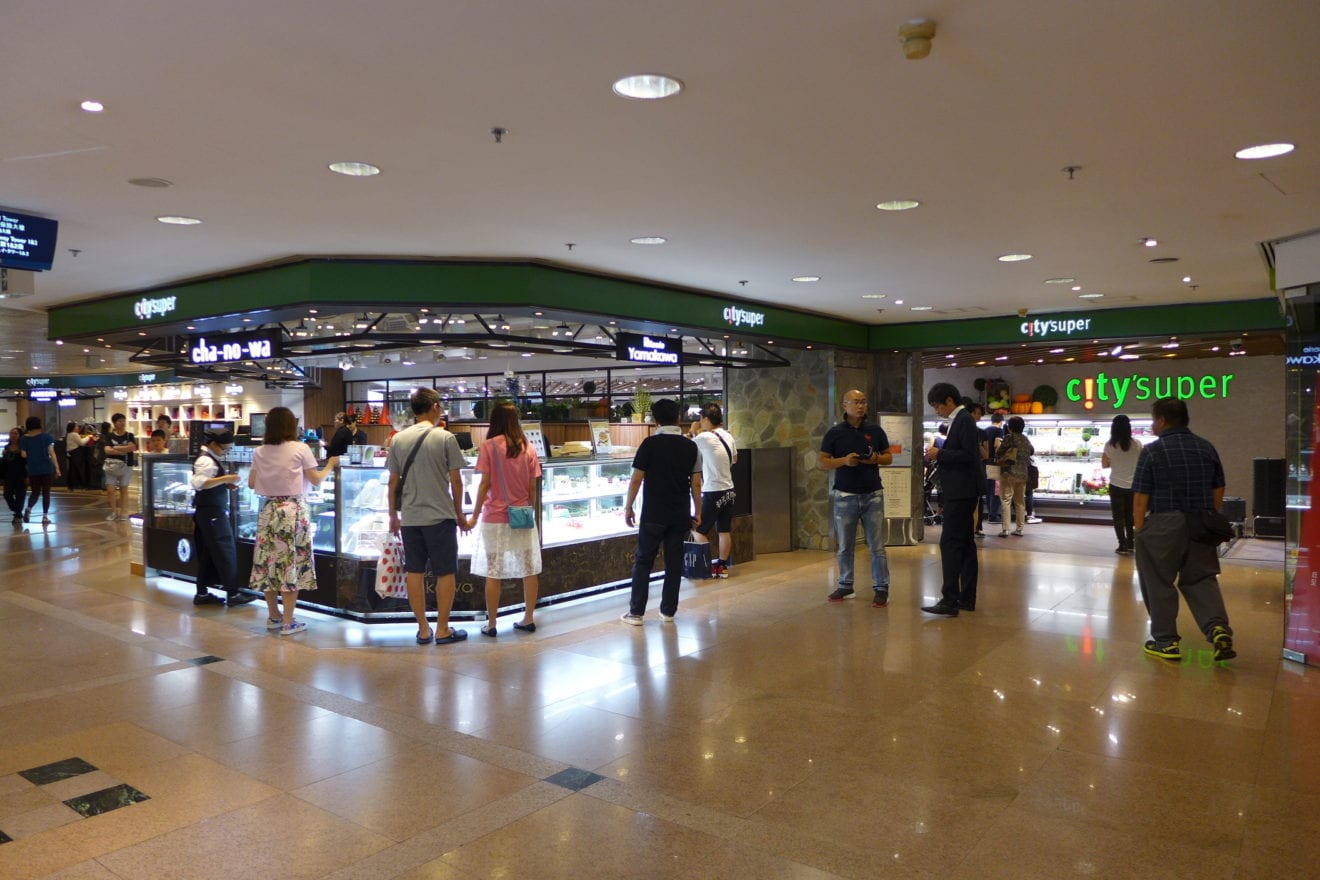
    Hong Kong-based firm The Fenix Group may sell its majority shareholding in high-end supermarket operator Hong Kong’s CitySuper Group.

    According to Bloomberg, if potential buyers show interest in the stake, it may be worth between US$300 and $400 million.

    Any potential purchaser at this time will inherit a business in the midst of Hong Kong’s first depression in a decade, and with significant financial stimulus policies expected of the current administration. That said, the supermarket sector has been relatively unscathed by the decline in retail sales since protests began back in June.

    Fenix provided the original funding for the group and may yet decide to retain ownership of the business.

    Hong Kong’s CitySuper Group operates in Hong Kong, Shanghai and Taiwan across three brands, the most well-known its own name.

  • E-commerce drives boost in Singapore retail sales in November

    E-commerce drives boost in Singapore retail sales in November

    Singapore retail sales in November remained sluggish, rising just 0.6 percent year on year after motor vehicles were removed from the data. Including vehicles, sales fell by 4 percent.

    Significantly, online sales rose to a new high, accounting for 8 percent of the estimated S$3.6 billion (US$2.7 billion).

    “Compared to the 6.1 percent recorded in October 2019, the increase was due to higher online retail sales from major online shopping events such as Singles’ Day, Black Friday and Cyber Monday,” Statistics Singapore said in a statement.

    Month on month, Singapore retail sales in November rose by 1 percent.

    Year on year, sales of motor vehicles and furniture & household equipment decreased 22.4 percent and 10.9 percent respectively. Sales through department stores and of recreational goods declined by 8.4 percent and 4.5 percent respectively.

    Conversely, apparel & footwear sales grew by 4.3 percent, due partly to higher demand for bags and footwear. Mini-marts & convenience stores, watches & jewelry, and computer & telecommunications equipment sales, as well as supermarkets & hypermarkets, recorded sales increases ranging from 1.2 percent to 3 percent

    Food & beverage services sales

    Sales of food & beverage services grew by 5.5 percent year on year in November, reaching $898 million.

    All food & beverage services sectors registered growth, with fast-food outlets leading the way, at 12.4 percent. Sales at restaurants, cafes, food courts & other eating places and by food caterers increased by between 1 percent and 6.4 percent.

  • tBox by Posti is the “perfect” place to pick up your online orders

    tBox by Posti is the “perfect” place to pick up your online orders

    Design studio Fyra may have created the “perfect” environment for online shoppers to collect their online orders: Box by Posti, the Finnish postal service.

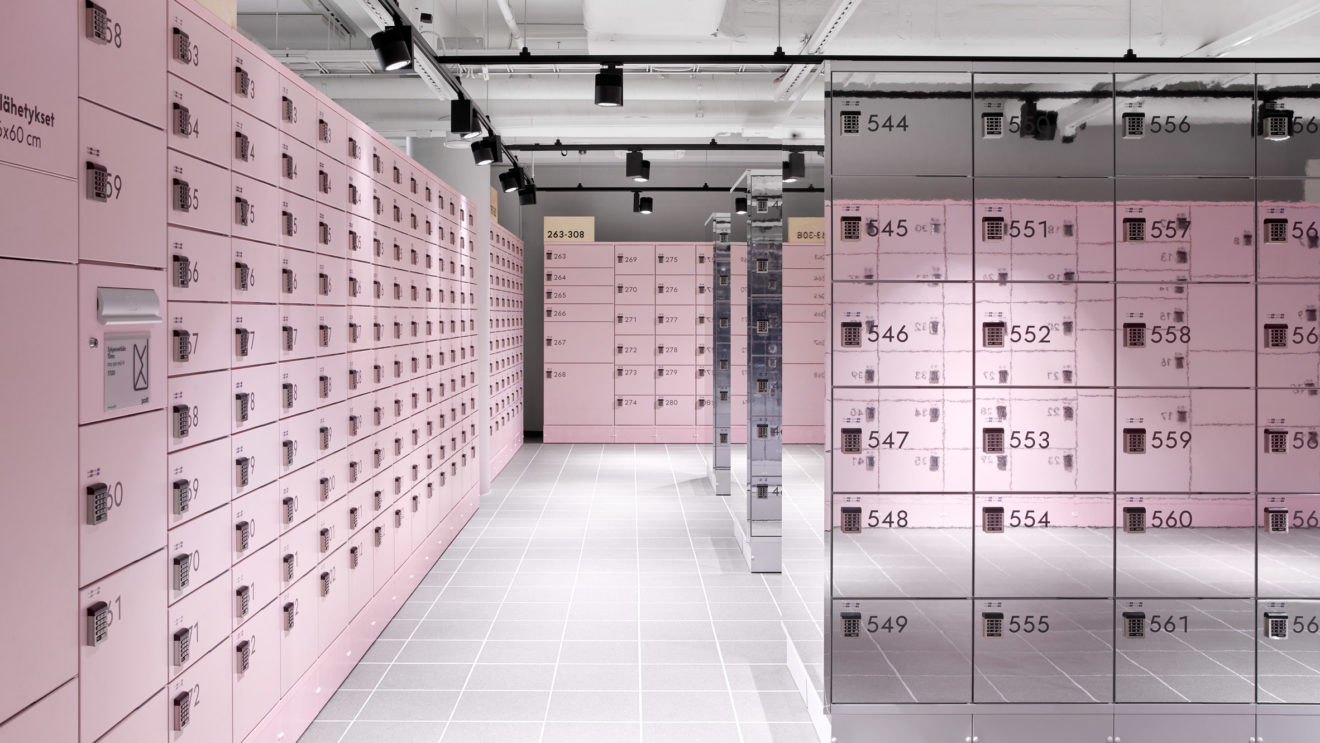
    The brightly colored room, which serves as a convenient drop-off for customers to pick up purchases they have made online, has a recycling area, fitting rooms, and product show space.

    The 600-locker Box by Posti space was created with the intention of making it more than just an ‘unadventurous row of lockers’. Color-coded areas are used in the space to support the different service paths and mark and clarify different functionalities.

    “The consumer behavior of the Finnish people has changed significantly,” said Posti’s head of customer experience and channels Kaisa Ilola. “Before, there was a piece missing between the online store and home. Box was created to fill in the missing piece.”

    Visitors to Box by Posti are welcome to open or pack their parcels in the green unboxing area, which contains scissors, tape and pens as well as parcels and envelopes, or in the recycling zone that features reusable packaging material. They can also arrange for refunds on unwanted items slated for return.

  • Bank Rakyat Indonesia Earmarks Funds For E-commerce

    Bank Rakyat Indonesia Earmarks Funds For E-commerce

    Indonesia’s first digital bank, Bank Rakyat Indonesia announced on Monday that it has earmarked $1 million for Indonesia Mall, an early-stage assisted e-commerce program that aims to help small enterprises open new revenue channels by participating in the online retail market.

    To serve the growing numbers of micro and small-medium enterprises (MSMEs) populated by the region’s e-commerce boom, Bank Bank Rakyat Indonesia (BRI) rolled out Indonesia Mall in October 2018 with the goal to bring MSMEs online and give them easy access to a larger local and overseas markets.

    Indonesia Mall, an in-house program of the bank, helps small companies post their listings on Bank BRI’s Indonesia Mall e-stores, plus help them package and photograph products. It also provides logistics, shipping, and inventory, and even facilitates overseas exports.  So far, Indonesia Mall has signed up more than 10,000 MSMEs and those that have joined the program have reportedly seen revenues rise by 40 percent on average, the bank said in a statement on Monday.

    Many MSMEs in Indonesia continue to have limited access to the formal financial sector, with large swaths of the population still remaining unbanked.  By not having bank accounts, these enterprises would have difficulties collecting payments online.

    MSMEs employ 116.7 million people – more than 97% of the total national workforce, according to data from Indonesia’s Central Statistics Agency. However, less than 15 percent of MSMEs have proper access to financing.

    Indonesian e-commerce is growing at an average of 16.3 percent annually and is now worth 238 trillion Rupiah (US$16.6 billion), according to Global Data. This growth is expected to spike further by 2023, with the industry value predicted to reach 436 trillion Indonesian Rupiah (US$30.3 billion), reflecting growth of nearly 85 percent.

    Bank BRI-assisted MSME partners range from individual craft artisans to small snack-makers, tailors, and more. Their products can be directly purchased via major e-commerce platforms such as Tokopedia, Shopee, Bukalapak, Blanja.com, Blibli.com, Qoo10 in Singapore, and others.

    Indonesia Mall aims to offer MSMEs infrastructure, ecosystem, and capacity for business and resources developed with the goal of helping its partners sell within Indonesia, as well as overseas.

    To this end, Bank BRI cross-sells products on Indonesia Mall with its credit cards, debit cards, and other programs. Besides selecting and curating a top product list, Indonesia Mall also runs marketing campaigns on most major e-commerce platforms so as to keep its sellers’ products visible on an ongoing basis.

    Bank BRI is the largest microfinance institution and is one of Indonesia’s leading commercial banks and the country’s largest lender by assets.
  • Tata Motors Group’s Global Wholesales Declined By 3% In December 2019

    Tata Motors Group’s Global Wholesales Declined By 3% In December 2019

    Global wholesales for JaguarLand Rover along stood at 50,001 vehicles, which included the 5,492 vehicles wholesaled by CJLR, the joint venture between JLR and Chery Automobiles. As for the total wholesales from the Jaguar brand alone, for the month, it stood at 12,742 vehicles, while Land Rover’s contribution to the total wholesales for December 2019 was 37,259 vehicles.

    On the other hand, global wholesales of all Tata Motors’ commercial vehicles and Tata Daewoo range in December 2019 were at 34,526 units, lower by 15 percent, as against the 40,619 units wholesaled in December 2018.

    In December 2019, Tata Motors’ domestic sales stood at 44,254 units (PV + CV), a decline of 12 percent in volumes as compared to 50,440 units sold in December 2018. As for year-to-date sales, Tata’s volumes for FY2020 (April-December) stood at 347,796 units, down by 30 percent over 497,972 units sold during the same period the fiscal.

  • Ford’s Vehicle Sales In China Tumble For Third Consecutive Year

    Ford’s Vehicle Sales In China Tumble For Third Consecutive Year

    Ford Motor China vehicle sales fell for a third consecutive year, by 26.1%, as it battles a prolonged overall sales decline in its second-biggest market that has hit demand for its mass-market Ford brand and sports utility vehicles. The U.S. automaker delivered 146,473 vehicles in China in the fourth quarter, down 14.7% year-on-year, Ford said in a statement. In total, it sold 567,854 vehicles over 2019. Ford has been trying to revive sales in China after its business began slumping in late 2017. Sales sank 37% in 2018, after a 6% decline in 2017.

    Anning Chen, president, and chief executive of Ford Greater China, said that while 2019 was a “challenging” year for the automaker, it saw its market share in the high-to-premium segment stabilize and its sales decline in the value segment start to narrow in the second half of the year.

    “The pressure from the external environment and downward trend of the industry volume will continue in 2020, and we will put more efforts into strengthening our product lineup with more customer-centric products and customer experiences to mitigate the external pressure and improve dealers’ profitability.”

    The automaker plans to launch more than 30 new models in China over the next three years of which over a third will be electric vehicles. It has also said it would localize management teams by hiring more Chinese staff and aimed to improve relationships with joint venture partners.

    New models it launched in the fourth quarter include a new Ford Escape version – for which the automaker said orders received so far have been much higher than expected – and the Lincoln Corsair, the first localized Lincoln model in China.

    In China, Ford makes cars through a joint venture with Chongqing Changan Automobile Co Ltd and Jiangling Motors Corp Ltd (JMC). It has also said it would partner Zotye Automobile Co Ltd to sell lower-priced cars.

    Its larger U.S. rival General Motors Co last week said its sales in China fell 15% from a year earlier to 3.09 million vehicles in 2019, its second year of decline.

    China’s auto market is set to contract by 2% in 2020 for the third year of decline, the China Association of Automobile Manufacturers (CAAM) forecast, due to a weaker economy and trade dispute with the United States.

    Over 28 million vehicles were sold in 2018, down 3% from the prior year, while 2019 sales are likely to have declined 8% from the prior year, CAAM said.

  • HCMC Lottery Company profits soar

    HCMC Lottery Company profits soar

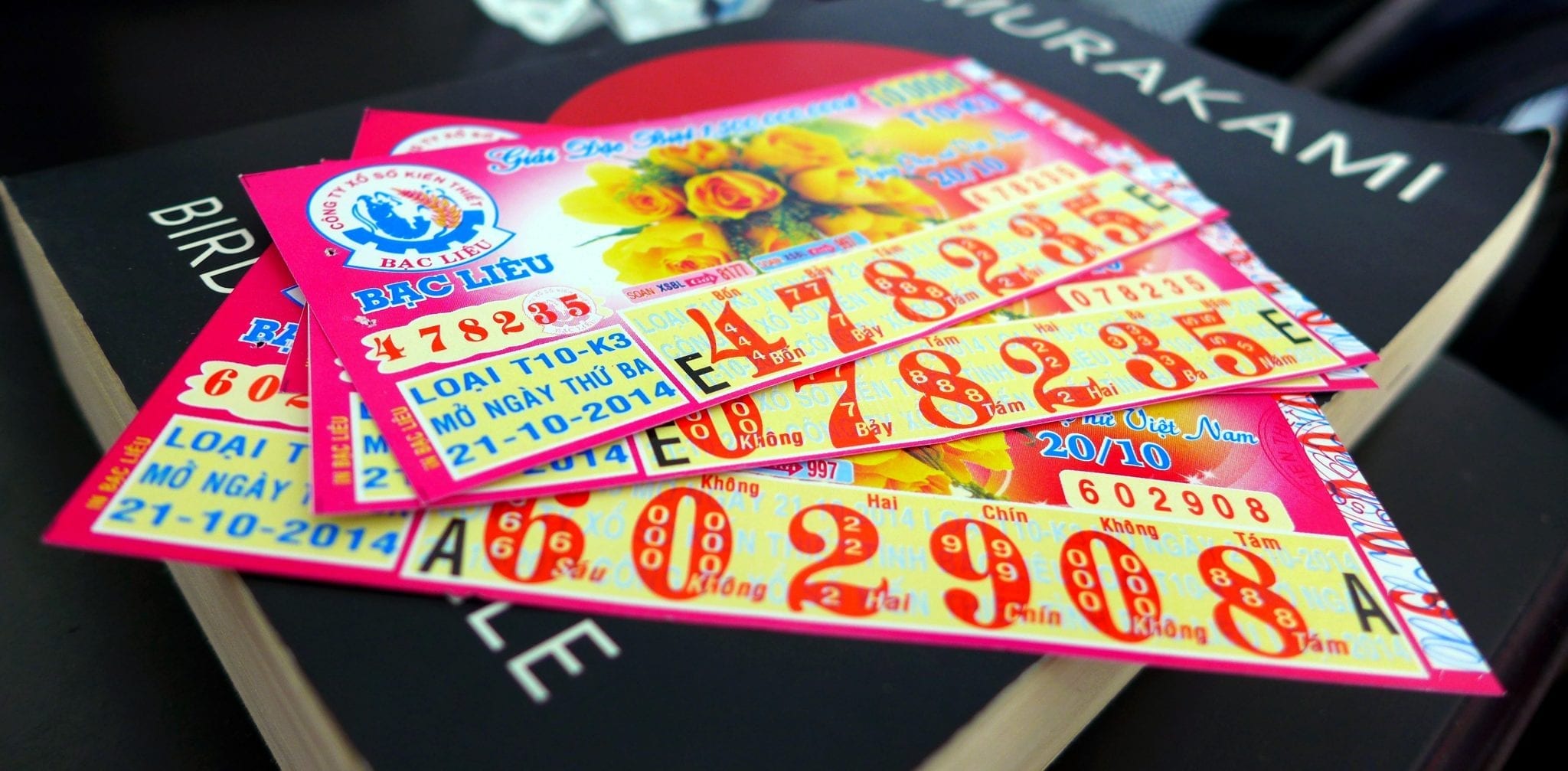
    The HCMC Lottery Company Ltd. made pretax profits of over VND1.3 trillion ($56.29 million) last year, up 13.7 percent from 2018.

    Its revenues were up 15.2 percent to VND8.9 trillion ($385.4 million), it said in a release. Three percent of its revenues came from printing and rents.

    While traditional lottery tickets accounted most of the revenues, nearly VND500 billion ($21.65 million), or over 5.6 percent, came from a new scratch card that allows customers to know the results immediately.

    Scratch tickets are growing well, exceeding management expectations, but are limited by our printing capacity,” a company spokesperson said.

    The firm targets revenues of VND10.29 trillion ($445.6 million) and pre-tax profit of VND1.2 trillion ($51.9 million) this year. It is researching a new product recently approved by the Ministry of Finance, which will allow customers to choose their own numbers.

    It is expected to help regain market share from its main competitor, American-style computerized lottery firm Vietlott, HCMC Lottery said.

    The traditional lottery involves tickets with numbers printed on them and a top prize of VND2 billion ($86,500) after it was increased by 33 percent in 2018.

  • Car prices fall as supply rises

    Car prices fall as supply rises

    An abundant supply of imports, the introduction of new models and stiffer competition have pulled car prices down, industry insiders say.

    Toyota Innova, among the most popular multi-purpose vehicles (MPVs) in Vietnam, saw its price go down 13 percent year-on-year last month to VND771 million ($33,360).

    Industry insiders said the drop of VND100 million ($4,330) was unprecedented for this model. Innova only reflected a general trend, they added.

    Prices of the Toyota Vios sedan and the hatchback Kia Morning fell 13 percent and 12 percent, respectively. In the high-end segment, the prices of BMW cars fell 18.5 percent.

    Abundant supply is said to be one of the main factors behind the falling prices.

    Car imports in the first 11 months of last year doubled year-on-year to almost 133,700 units, most of them from Thailand and Indonesia. Models with the biggest sales, MPV Mitsubishi Xpander and SUV Toyota Fortuner, were all imported.

    Tightening credit from banks last year had made it more difficult for buyers, leading to an increase in inventory that had to be reduced by lowering prices. The introduction of new models was another factor.

    Vietnam’s newest car manufacturer VinFast also intensified competition in the market with its SUVs, sedans and hatchbacks.

    Auto sales in Vietnam last year rose 11.6 percent from 2018 to 322,322 units, with 58.8 percent of them locally-assembled, according to the Vietnam Automobile Manufacturers Association.

  • Mobile phone retailer Vien Thong A shuts up shop

    Mobile phone retailer Vien Thong A shuts up shop

    Vien Thong A, one of Vietnam’s earliest mobile phone retail chains, has shut all outlets after two decades of operation.

    All its Ho Chi Minh City shops were closed as of Thursday, some featuring “property for lease” signs while others held nothing but empty shelves.

    Vien Thong A, established in November 1997, operated 240 outlets nationwide at its peak, some inside supermarkets like Big C, alongside 100 maintenance stations.

    The chain was listed among Asia Pacific’s top 500 retailers by market researchers Euromonitor and business magazine Retail Asia, with revenues quadrupling from $102 million in 2013 to $416 million in 2017.

    In the same year, CEO Hoang Ngoc Vy announced a plan to restructure the company, seeking investors to expand the business.

    In September 2018, the company’s legal representative was replaced by Mai Thu Thuy, a senior Vingroup employee.

    Vingroup, Vietnam’s largest private conglomerate, confirmed it had acquired the chain in November 2018, managing a total 242 Vien Thong A shops as well as electronics chain VinPro as of September last year.

    However, Vien Thong A outlets started to close down soon after Vingroup announced it would dissolve VinPro to focus on technology and manufacturing in December last year.

    Vietnam’s consumer electronics retail market reached revenues of $609 million last year, a year-on-year increase of 15 percent, and is estimated to expand by 11.7 percent this year, according to German data portal Statista.

  • Coca-Cola Vietnam fined for tax evasion

    Coca-Cola Vietnam fined for tax evasion

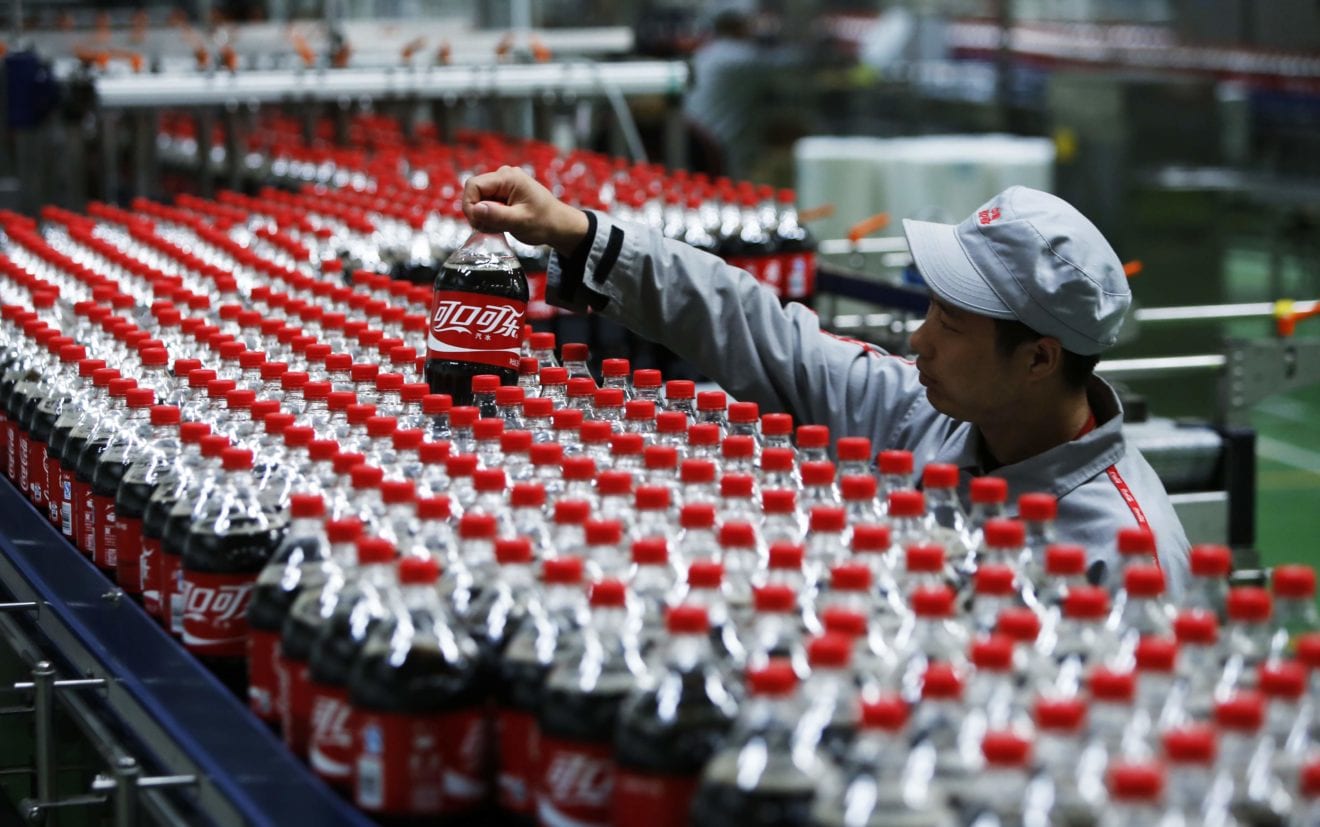
    Coca-Cola Vietnam has been ordered to pay VND821.4 billion ($35.4 million) in back taxes and penalties stretching back over nine years.

    Dang Ngoc Minh, deputy head of the General Department of Taxation, said 57.3 percent of the amount is the back tax, 35.2 percent is a penalty for delayed payment and the remaining 7.5 percent is a penalty for incorrect filing.

    “The company can request a review or file a lawsuit.”

    A Coca-Cola spokesperson said tax authorities had recently concluded an investigation of the 2007-15 business period, and found the company had made “minor errors” in describing its business operations which had led to a failure to file for taxes.

    Though it disagrees with some of the tax authorities’ conclusions, the company would nevertheless comply with the laws, he said.

    But an official from the Ho Chi Minh City Tax Department said Coca-Cola has only paid VND38.2 billion ($1.6 million) as of Thursday.

    Coca-Cola entered Vietnam in 1994, and broke even only in 2013 despite double-digit revenue growth, according to the department.

    Since the company reported accumulated losses of VND3.77 trillion ($162.5 million) as of 2011, it was exempt from corporate income tax.

    HCMC has named Coca-Cola among businesses it suspects of transfer pricing fraud to evade tax.