Author: Mei Ling Tan

  • Tom n Toms Hong Kong closing all stores

    Tom n Toms Hong Kong closing all stores

    Tom n Toms Hong Kong has shuttered all five of its stores after the South Korean coffee chain’s local franchise went into liquidation.

    Following news of its Myanmar expansion plans, the popular South Korean cafe eventually could not withstand the pressures on Hong Kong’s depressed retail market.

    Tom n Toms Hong Kong launched in 2016 and had outlets at Tuen Muen Town Plaza, Tsim Tsa Tsui’s The One, Causeway Bay’s Time Square, Nam Cheong’s V Walk and Tsuen Wan’s Citywalk shopping malls. The Nam Cheong’s V Walk branch had opened only in August last year.

    The Tuen Muen branch was the first to close, a notice posted on its door announcing its liquidation.

    After taking into consideration a debt if HKD10 million (US$1.3 million) debt and its current financial situation, the Tom n Tom Hong Kong board admitted the business was inoperable. A search for buyers had proven fruitless, so all proceeds from the sale of assets will be distributed to creditors.

    The company will hold a creditors meeting at the end of this month. Most affected employees have been paid off and advised to approach the Labour Department to claim the remaining payments in lieu of notice and holidays.

  • No positive outlook likely for Hong Kong-based retailers

    No positive outlook likely for Hong Kong-based retailers

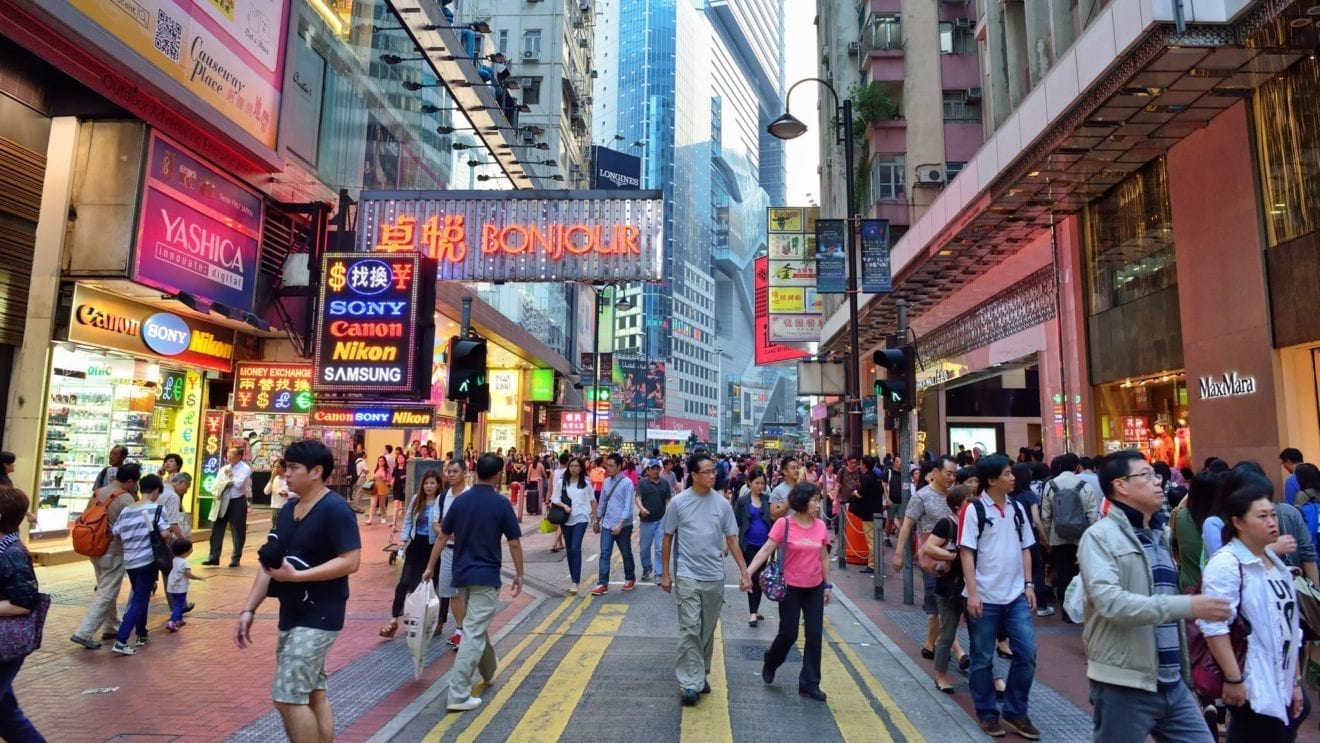
    Hong Kong-based retailers will continue to face tough times as domestic and international issues impact the economy according to a leading analyst.

    Anne Ling, an equity analyst at investment bank and financial-services company Jefferies Group,  says every 10 percent decline in retail sales impacts the earnings-before-tax (EBIT) of Hong Kong retail companies by between 7 percent and 55 percent. Retail sales in October and November fell by about 24 per cent and during the first 11 months of last year were down by 10.34 percent.

    “For international brands like Prada, Samsonite and L’Occitane, we estimate the impact at the sales level is not that material [because] Hong Kong [represents] less than 2 percent to 5 percent of sales. However, at the EBIT level (circa 3 percent to 7 percent) Hong Kong has a higher contribution.”

    Ling warns Hong Kong-based retailers are vulnerable to a risk of further market slowdown from a higher unemployment rate and weaker consumer confidence in the city.

    “In such times, the immediate lever to hand for brands and retailers is to increase cash flow by reducing inventory and staff and/or rental costs. However, over the medium term, we would expect most players to reset or readjust their Hong Kong store networks to avoid over-reliance on tourist spending.

    “We see a need for the Hong Kong and international brands and retailers listed in Hong Kong, which have heavily de-rated in recent years, to review their business strategies and seek out new business drivers, [so] that they remain relevant to investors.”

    Ling says she expects Sino-US tensions to continue while the mainland Chinese government focuses on stabilizing economic growth this year.

    Given that backdrop, Jeffries would favor recommending investment in Hong Kong-based retailers and manufacturers of low-ticket items like staple goods, food retailers and the fast-food segment, as they are more resilient.

  • Typo Vietnam stores open as Australian stationer stretches its Asian reach

    Typo Vietnam stores open as Australian stationer stretches its Asian reach

    Typo Vietnam has launched its second store in Ho Chi Minh City, a month after making its debut in the country.

    Located at Crescent Mall, the new Typo Vietnam store features a wide collection of gifts, decor and travel accessories.

    The Australian stationery brand also offers special products featuring characters from Disney, Marvel and Star Wars.

    Opening last month, the first Typo Vietnam store is located at the new development Aeon Mall Ha Dong in the capital city of Hanoi.

    Founded in 2009, Typo operates more than 250 stores in 14 countries and regions, as well as an online destination that ships globally. It is owned by the Cotton On Group.

  • Chinese fruit-vending machines driven by AI

    Chinese fruit-vending machines driven by AI

    AI-run fruit-vending machines are offering Chinese consumers a new way of buying fruit and vegetables.

    The machines, developed two years ago by Beijing Kuo’an Science and Technology, are providing an alternative channel for residents of China’s tier-one and tier-two cities, who traditionally rely on relatively distant large-scale supermarkets and community stores for fruit purchases.

    “Every unit of AI fruit vending machines has 24 smaller sections with different types of fruit or vegetables,” said Beijing Kuo’an Science and Technology chairman Guan Luanjun. “Every section has a built-in set of scales. When customers select their fruit, they can use WeChat or AliPay to scan the QR-code on the Chinese fruit-vending machines to open the relevant section. The section automatically slides out to present the customer with its content. The customer can select and take their fruit or vegetables, and then the section automatically calculates the weight that was removed. The customer can then pay for their fruit or vegetables with WeChat or Alipay.”

    The vending machines feature cameras on both sides, allowing them to monitor customers who operate them, minimising abuse of the service. In addition, WeChat and Alipay provide payment methods that both vendor and customer trust.

    “The main advantage of Convenient E-Fresh machines over traditional, large-scale supermarkets and community stores is the low cost,” said Guan, who adds that the model allows vendors to source fruit at low cost from wholesale markets. “In addition, our automated vending machines only occupy a small area, which means that we save on rent and labour cost in comparison with large-scale supermarkets and community stores that occupy large terrains and employ large numbers of people.”

    The firm currently operates 50 AI Chinese fruit-vending machines in Suzhou, and intends to expand operations across the entire Yangzi River Delta area within two years.

    “We hope to improve consumer knowledge and consumer recognition of the Convenient E-Fresh brand,” adds Guan. “And we plan to scale our operations within two years with AI vending machine units in 500–1000 districts. Furthermore, we are in negotiations with a number of domestic and overseas suppliers to make sure consumers have a broad choice of beautiful and delicious fruits for low prices. We sincerely hope that our efforts help to improve the entire supply chain.”

  • Masan Group to shutter hundreds of Vinmart stores

    Masan Group to shutter hundreds of Vinmart stores

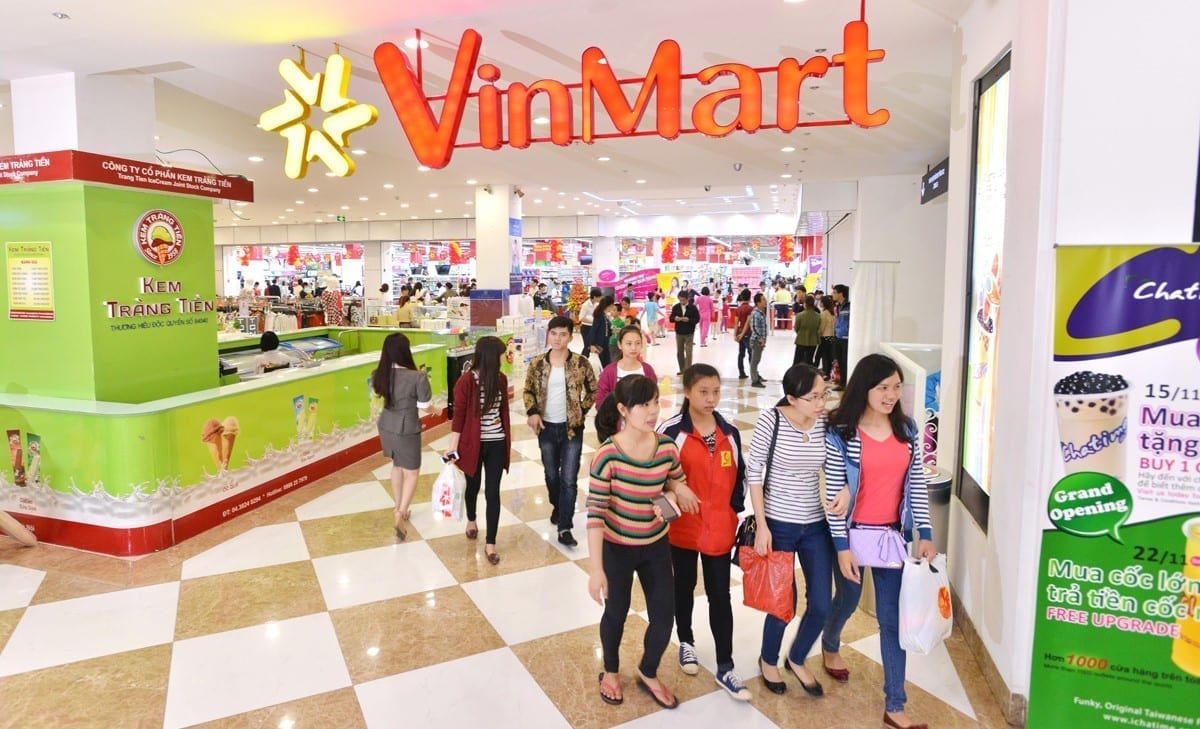
    Vietnam consumer-goods company Masan Group says it plans to shut down hundreds of VinMart and VinMart+ stores it purchased from VinGroup last year.

    The company said they will open 10-30 new Vinmart supermarkets and close 100-300 Vinmart+ stores this year to focus on improving profitability of existing locations instead of following the program of massive expansion followed by the previous owner.

    Masan will shift its focus to supermarkets of less than 1500 sqm that bring the best revenue, cut inefficient supermarkets in Hanoi, Ho Chi Minh City, Nha Trang and Can Tho and expand into tier 2 cities and within Vincom shopping centres.

    The VinMart+ chain operated 2888 stores last year and had targeted opening 300 to 500 new stores while closing 150-300 less efficient stores.

    Post merger, Masan aims to increase VinCommerce’s revenue to more than VND42 trillion, a year-on-year increase of 64 per cent. Masan has spent an estimated VND5.4 trillion (US$233 million) to buy a controlling stake in VinCommerce, which runs VinMart and VinMart+ stores in 50 provinces and cities and 14 VinEco hi-tech farms.

    Meanwhile, VinGroup closed its VinPro chain of appliance stores on December 31 and has since announced the closure of a network of smartphone stores trading under the Vien Thong A brand. And this week, VinGroup said it was dropping plans to launch an airline as well as it seeks to focus its business on industrial categories – including cars (VinFast), and phones and flatscreen TVs (VinSmart) – along with its Vincom shopping centres and VinPearl resorts.

  • Chow Tai Fook closing more Hong Kong stores

    Chow Tai Fook closing more Hong Kong stores

    Chow Tai Fook Jewellery Group has revealed plans to shut about one in five of its Hong Kong stores, the majority of them in prime tourist areas.

    The closures will take effect when leases come up for renewal throughout this year, starting from April according to an emailed statement cited by Bloomberg.

    The move follows announcements by Prada and Louis Vuitton they will not renew their leases on stores in Russell Street and Times Square, respectively. Sasa International has previously said it would close up to 30 stores in Hong Kong.

    The network retrenchments follow rapidly declining retail sales in Hong Kong since June last year, especially in the luxury sector, due to ongoing demonstrations and protests in the streets which have spooked foreign visitors, and declining visitor numbers from tier-1 cities in Mainland China. Jewelers have been hit by volatile gold prices as well, sparked by geopolitical tensions and the Sino-US trade war.

    Chow Tai Fook has not specified exactly how many stores it will close, referring to “in the mid-teens” when asked.

    The stores are primarily located in areas popular with tourists, including Tsim Sha Tsui, Mongkok and Causeway Bay.

    Chow Tai Fook believes a trimmer store network will reduce overheads and improve margins after it experienced three consecutive quarters of declining same-store sales. In the three months to December 31, same-store sales fell 35 percent in value in Hong Kong and Macau and by 47 percent in volume.

    However on the mainland, sales rose 17 percent during the quarter, driven by the rapid expansion of the brand’s store network there; it added a net 279 stores. Same-store sales on the mainland rose by 2 percent.

  • Kerry Logistics a five-time winner at the Quamnet awards

    Kerry Logistics a five-time winner at the Quamnet awards

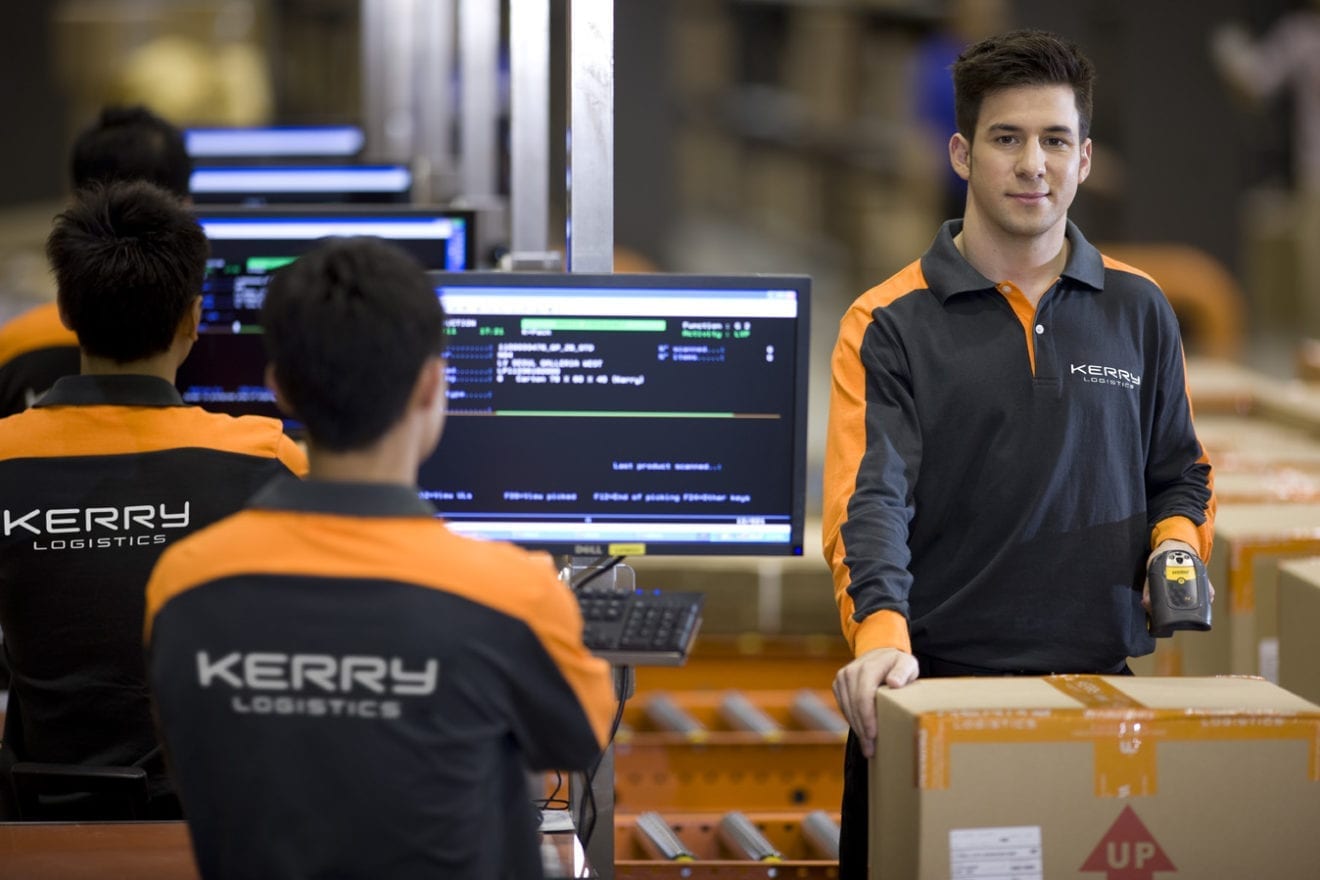
    Kerry Logistics Network Limited was a proud winner at the Quamnet Outstanding Enterprise Awards (‘QOEA’) 2019 for the fifth consecutive year, clinching the Outstanding Global 3PL title for the third year running.

    Presented in Hong Kong last night by leading Hong Kong financial news platform Quamnet, the title secured Kerry Logistics’ reputation as a global 3PL with expanding worldwide presence.

    With the QOEA, Kerry Logistics was commended for its distinction in products and services, brand

    reputation, philosophy of operation, marketing strategies, sustainable development strategies, accomplishments, corporate social responsibility and unique business philosophy or development.

    Alex Ng, Executive Director of Kerry Logistics, said: “We are grateful to Quamnet for its recognition of our constant dedication to excellence. To receive the Outstanding Global 3PL title for the third time is a great encouragement as we extend our international footprint across diverse regions.

    “We will continue to enhance our service capabilities while growing our geographical coverage in order to accommodate the changing needs of our customers around the world.”

    Organised annually, the QOEA is judged by a committee made up of the Quamnet editorial team, the Quam research team and independent financial analysts to identify and compliment the remarkable performance of Hong Kong enterprises.

    Prior to winning the Outstanding Global 3PL title in 2017 and 2018, Kerry Logistics was named Outstanding Global Logistics Network and Outstanding Logistics Solution Provider in 2015 and 2016, respectively.

    Kerry Logistics has recently deepened its reach in the Middle East by setting up a new office in Bahrain and opening a new bonded logistics facility in Dubai, in addition to acquiring a majority interest in Turkey’s Asav Lojistik Hizmetleri Anonim Sirketi to further the expansion of its global network and strengthen its international freight forwarding capabilities.

  • AirAsia and Google to launch Asia’s first ‘tech academy’

    AirAsia and Google to launch Asia’s first ‘tech academy’

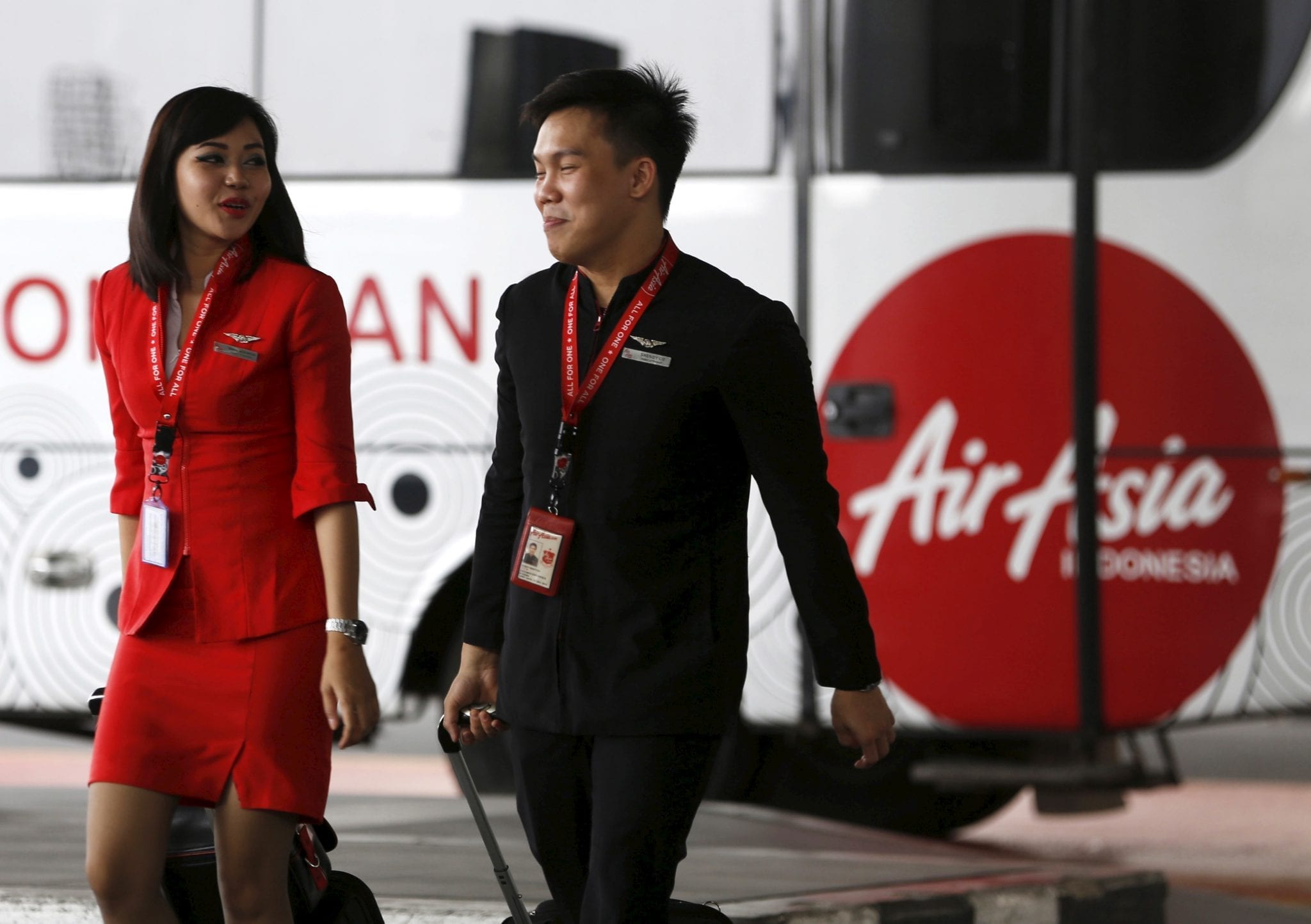
    Malaysia’s AirAsia Group says it will co-found a tech-training facility with Silicon Valley giant Google, as Southeast Asia’s biggest budget carrier by fleet continues its push to become a technology-led company.

    AirAsia Group President Aireen Omar told the Nikkei Asian Review that fresh tech talent would play a vital role in developing new businesses within the group and help fulfill plans by Group CEO Tony Fernandes to remake AirAsia into a digital era disrupter.

    “Because we have a long-term partnership with them, we said to Google why not collaborate with us to set up a tech academy, and they agreed,” Aireen said in an interview.

    Tim Synan, Google Cloud’s Southeast Asia regional director, said the AirAsia-Google Cloud Academy is a collaboration between AirAsia’s RedBeat Ventures and Google Cloud.

    “Together we’re working to upskill AirAsia AllStars with relevant expertise in Google Cloud technologies and build deep technical knowledge and Cloud expertise including Kubernetes, smart analytics, Cloud AI and more,” Synan saidi.

    “Google Cloud and our authorized training partners also offer Cloud training and enablement to AirAsia AllStars through self-paced labs, on-demand courses via Coursera, classroom training and advanced solutions labs with Google Cloud Certifications.”

    Last year AirAsia, which already offers limited travel plans on its website, announced plans to expand its online service to include booking flights with rival airlines and e-commerce in a step toward becoming a full-service travel booking company.

    As profits tumble in the face of rising fuel costs and intensifying competition, Fernandes is seeking alternative sources of revenue.

    Last year he told Nikkei that he intended to invest 100 million Malaysian ringgit ($24.6 million) a year and use the data amassed from the 100 million passengers he transports to create an “Amazon of travel.”

    AirAsia’s digital arm Redbeat Ventures acquired nine non-airline digital businesses from AirAsia in June 2018, for a dedicated focus on growing the aviation group’s noncore businesses which are envisioned to overtake the profit contribution of the airline operations.

    The nine companies included AirAsia BIG Loyalty, e-money service provider BigPay, in-flight magazine travel360, in-flight Wi-Fi operator ROKKI, duty-free platform Ourshop, cargo and parcel businesses RedCargo Logistics and RedBox Logistics, as well as travel platform Vidi and online ticketing platform RedTix.

    Last month Fernandes announced that Redbeat Ventures would open five restaurants and franchise 100 cafes over the next three-to-five years overseas, including in London and New York, as well as cities in China and Australia.

    “We can’t be a lifestyle brand without food,” said Fernandes following the launch of the company’s first fast-food restaurant. “Our airline food has been successful. [We are] the first airline ever to commercialize food.”

    Most of the group’s non-airline units are in the red, except logistics arm Teleport which recorded a small operating profit of 62.12 million ringgit. All in all, those businesses also accounted for less than 6% of AirAsia’s total revenue during the quarter ended September.

    AirAsia’s tech academy venture comes amid tumbling profits and rising fuel costs as carriers grapple with fierce competition at a time of overcapacity in the market and soft passenger demand.

    That has partly forced AirAsia to rein in regional expansion, sell some of its holdings, and shift into an asset-light model in the longer run.

    The first venture of its kind for AirAsia, as well Google, Aireen said the training facility would be open to public students by the end of this year.

    “For a start, the academy will be open to internal AirAsia employees next month who want to be reskilled to suit our current and future business operations,” Aireen said.

    The training facility would also serve as a kind of “tech talent pipeline” to help to retrain AirAsia staff for other roles within the group as more processes become automated.

    “More jobs might become redundant in the next three years, so we are giving our employees the opportunities to reskill to suit the digital economy,” said Aireen.

    Among courses to be offered include digital marketing, digital product management, software engineering and courses on building and designing tech infrastructure.

    Aireen said the academy would have its own dedicated campus, with all courses offered to be accredited by Google.

    The Silicon Valley tech giant and AirAsia have a long-term partnership which began in October 2018 when AirAsia joined hands with Google Cloud to integrate Google Cloud’s machine learning and artificial intelligence into its business processes and accelerate its transformation into a digital airline.

  • Update allows Android users to quickly rate their apps and add reviews

    Update allows Android users to quickly rate their apps and add reviews

    Rolling out to some Android users starting today, is a server-side update that adds a dedicated review section. This will show up in the Play Store under My apps & games under the Installed tab. There, a section called Reviews opens up a page with a pair of new tabs, Unreviewed and Posted. The former shows apps that you have yet to review and gives you the opportunity to quickly do so.
    The Posted tab will show you reviews that you’ve already published. There are some things that you might not like about this new system. The Unreviewed list will show some apps that are no longer on your phone, and the order that these apps are listed in appears to be haphazard.
    We have yet to have this new feature appear on our Pixel 2 XL running Android 10, but we hope to see it added soon. Since it is a server-side update, all you can do is sit back and wait for the update to hit your phone.
  • Instagram’s latest update brings some long-awaited new features

    Instagram’s latest update brings some long-awaited new features

    The launch of TikTok is forcing Instagram and other similar social network services to introduce new features meant to keep them relevant in the industry. Some of these features have been long-asked-for, so we probably have to thank the competition that they are finally coming.

    TechCrunch reports Instagram is adding a handful of new effects to Boomerang, its dedicated video loop creator. The new changes will allow users to edit videos and add effects like SlowMo, Echo blurring, and Duo rapid rewind, as well as adjust the length of the videos.

    The update, which is probably the most important for Boomerang, is available to all Instagram users starting this weekend. If you’ve already updated to the latest version of the app, you’ll find the new special effects by swiping left at the bottom of the screen’s shutter selector after you open the Stories composer.

    Four new effects can be used for Boomerang videos: SlowMo, Echo, Duo, and Trimming. As the name suggests, SlowMo allows users to reduce the speed of the videos to half so they play for two seconds in each direction instead of one second.

    Then, the Echo effect adds a motion blur effect, while Duo rapidly rewinds the video to the beginning with a digitized look. Last but not least, Trimming lets users adjust the length of their Boomerangs with similar controls to iPhone’s camera roll or the Instagram feed video composer.

    Of course, none of the new effects are innovative, but they can turn many Boomerangs into something really funny if used creatively. Hopefully, the new effects will be expanded to Instagram and won’t remain exclusive to Boomerangs for too long, although Facebook may want to add a few more before bringing them to a larger audience.

  • Volkswagen Passenger Cars Global Sales Remain Flat In 2019

    Volkswagen Passenger Cars Global Sales Remain Flat In 2019

    Volkswagen passenger cars have recorded a sales growth of 0.5 per cent in 2019 selling 62,78,300 units worldwide as compared to 62,44,900 units it sold in the previous year. Volkswagens have been quite in demand in Brazil last year which has lead the growth chart at 16.7 percent selling 391,800 units as compared to 335,800 units which were sold in 2018.

    Sales in the entire South American region (including Brazil) went up by 3.7 percent at 491,500 units against 474,000 units which were sold in 2018. The European market recorded an uptick of 0.9 percent at 17,63,800 units as compared to 17,47,900 units in 2018.

    Sales in Western Europe were up by 1.8 percent at 14,96,200 units as compared to 14,69,200 units sold in the previous year. However, Central and Easter Europe were down by 4 percent at 267,600 units as compared to 278,700 units sold a year ago.

    North American region recorded a 1.6 percent year-on-year (YoY) decline in sales at 564,900 units as compared to 573,800 units sold in the previous year. The Asia-Pacific region, which is Volkwagen’s largest market, saw sales rising 0.8 percent at 33,12,500 units as compared to 32,87,100 units sold in 2018.

    Chief Operating Officer Ralf Brandstatter said, “2019 was an important year for the Volkswagen brand. With the ID.3 and Golf 8, we have successfully presented groundbreaking new products and consistently focused on earnings power.

    The digital transformation roadmap which we have agreed with the employee representatives and is now to be implemented will also make a key contribution to improving efficiency and safeguarding the future. We will continue to work on costs in a disciplined way so that we can make the necessary investments for the future. Thanks to fantastic team performance, we have exceeded the high delivery level of 2018 despite a difficult market environment.”

    Volkswagen electrified vehicles have also been quite in demand in 2019. The German carmaker has seen demand for electrified vehicles going up by 60 percent in 2019 selling over 80,000 units. More than half of electrified vehicles sold were all-electric cars while remaining were plug-in hybrid models. The Volkswagen Group is driving forward with the transformation to e-mobility and announced that it will be producing battery-powered vehicles in 16 locations around the globe by the end of 2022.

    It will be launching 34 new models worldwide in 2020 and this includes 12 SUVs and 8 electric or hybrid vehicles and will be investing 20 Billion Euros, a major part of which will go in electric mobility.

  • Cebu Pacific working to gradually resume flights

    Cebu Pacific working to gradually resume flights

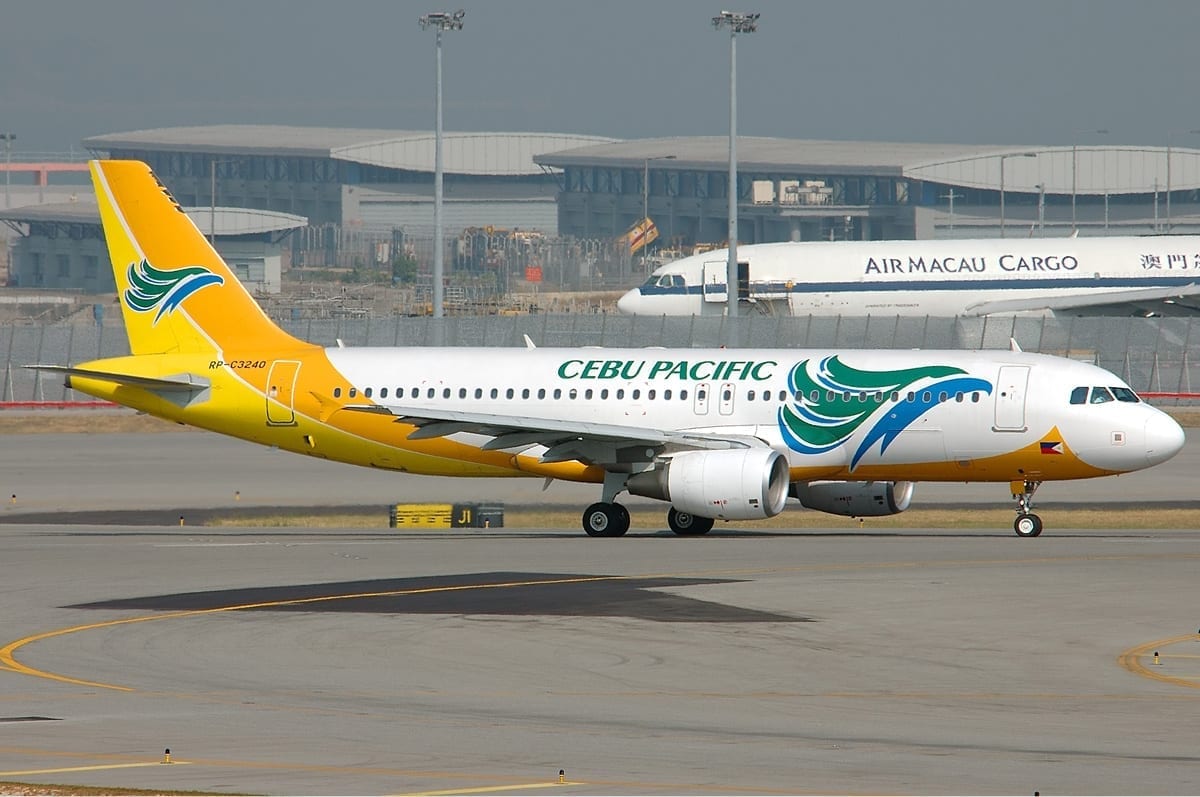
    Budget carrier Cebu Pacific is working to gradually resume flights at the Ninoy Aquino International Airport (NAIA) starting 11:00 a.m. on Monday, Jan. 13, 2020.

    “Following the effects of ashfall, Cebu Pacific is working towards the gradual resumption of flights at NAIA beginning 11 a.m. today, January 13,” it said in an advisory.

    “We are conducting maintenance checks on all aircraft prior to restarting flights to ensure safety,” the airline added.

    Flights arriving at the NAIA were suspended from 7:00 p.m. on Sunday, January 12, while flights departing NAIA were suspended from 6:22 p.m. the same day.

    The Manila International Airport Authority (MIAA) and the Civil Aviation Authority of the Philippines (CAAP) have yet to make any announcement on the resumption of operations.

    The MIAA and the CAAP were still assessing the situation on Monday morning, according to an advisory issued by the MIAA.

    “The resumption of flight operations depend on the state of ash clouds within the NAIA aerodrome as well as the ash fall along the runways and taxiways,” the MIAA said.

    “Airplanes will be allowed to land and take-off only when the airspace and runways are clear of volcanic debris. As soon as ash stops falling from the sky, the ash fall will have to be washed off the runways and taxiways before flights are allowed to resume,” it added.

    The MIAA advised passengers to check with their airline companies first on the status of their flights before proceeding to NAIA.

  • Auto Industry Cautious As China Starts 2020 With Forecast Of A 2% Sales Decline

    Auto Industry Cautious As China Starts 2020 With Forecast Of A 2% Sales Decline

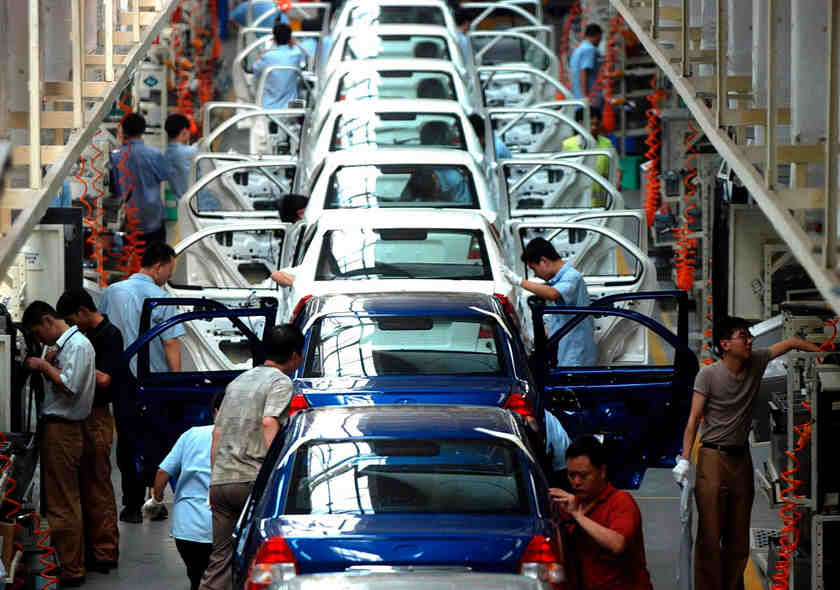
    Automakers in China need to get used to a new normal of “low speed growth” in the world’s largest car market, the country’s top auto body said on Monday, as it reiterated predictions that sales will likely shrink for the third consecutive year in 2020.

    The China Association of Automobile Manufacturers (CAAM) expects a 2% fall in vehicle sales. That would compare with an 8.2% drop last year, when sales were pressured by new emission standards in a shrinking economy also contending with tit-for-tat import tariffs with the United States.

    CAAM, affirming its forecast announced last month, also said auto sales declined for the 18th consecutive month in December. Annual sales started falling in 2018, by 2.8%, halting a growth march that had started in the 1990s.

    Industry watchers, though, are hoping a sales recovery in lower-tier cities, and an easing of trade tensions between China and the United States, can help ease the decline.

    “We have moved away from the high-speed development stage. We have to accept the reality of low-speed development,” Shi Jianhua, a senior official at CAAM, told a news briefing.

    “We had high-speed growth for a consecutive 28 years, which was really not bad, so I hope everyone can calmly look at the market.”

    Sales of new energy vehicles (NEV) sank 27.4% in December, resulting in an overall 4% decline to 1.24 million units in 2019. China’s NEV sales jumped 62% in 2018 but a subsidy cut hurt sales last year.

    When asked if the industry could sell 2 million NEVs this year, a target originally set by China’s industry ministry in 2017, CAAM’s assistant secretary-general, Xu Haidong, said this was “not possible”.

    Global automakers have been cautious with their predictions after cutting production, shutting factories and firing staff last year.

    Executives at automakers such as Geely and Ford Motor Co partner Chongqing Changan Automobile Co Ltd have said they expect fiercer competition to weed out weaker players.

    On Monday, Ford said its China auto sales slumped more than a quarter in 2019 for a third year of decline. The latest fall, however, was slower than the 37% weathered in 2018, and the automaker said it saw its market share stabilise in the high-to-premium segment.

    It remained cautious about 2020, echoing bearish comments on China’s market from General Motors Co.

    “We expect the market downturn to continue in 2020, and anticipate ongoing headwinds in our China business,” Matt Tsien, president of GM China, said last week as the U.S. automaker reported a 15% drop in 2019 China sales.

    Volkswagen AG, whose sport-utility vehicles helped it report a smaller 1.1% year-on-year fall in sales in the first 11 months of 2019, has said it expects China’s market to grow at a relatively slow pace for the next five years.

    The bright spots have been Japan’s Toyota Motor Corp and Honda Motor Co Ltd as well as U.S. electric vehicle maker Tesla Inc, which started delivering China-made Model 3 sedans from its $2 billion Shanghai plant this month.

  • Petrol Prices Fall For 3rd Day, Diesel Rates Remain Stable

    Petrol Prices Fall For 3rd Day, Diesel Rates Remain Stable

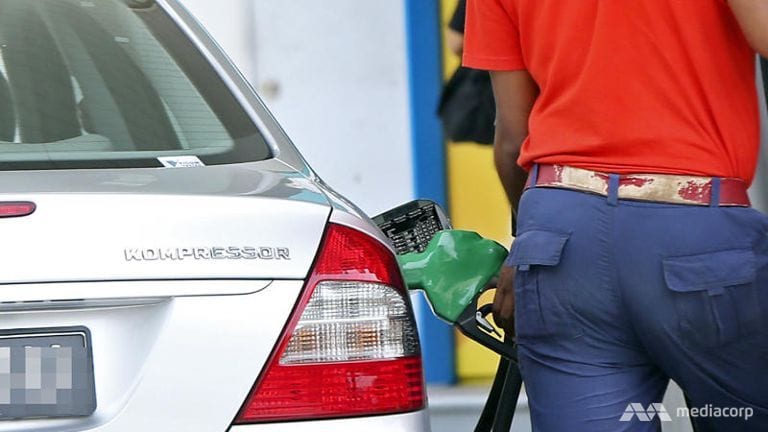
    Petrol prices continued to decrease for the third consecutive day on Tuesday, but the diesel prices remained stable after two days of decline. In Delhi, Kolkata and Mumbai the petrol prices were cut by 11 paise a litre, while in Chennai it was down by 10 paise per litre.

    According to the Indian Oil website, the price of petrol in Delhi, Kolkata, Mumbai and Chennai has come down to Rs 75.70, Rs 78.29, Rs 81.29 and Rs 78.65 per litre respectively. At the same time, the price of diesel in the four metros continue to be Rs 69.06, Rs 71.43, Rs 72.42 and Rs 72.98 per litre respectively.

    On the international futures market the Intercontinental Exchange (ICE), Brent crude was trading at 64.41 dollars per barrel, up 0.28 per cent from the previous session.

    At the same time, American Light Crude West Texas Intermediate’s February deal was trading up 0.29 per cent at 58.32 dollar barrel on the New York Mercantile exchange. The first phase of the trade deal between the US and China is going to be signed on January 15.

    Experts say that due to this agreement many commodity markets will show an enhanced activity, but the price of fuel oil is unlikely to get much support.

  • Heineken Vietnam pays $39.7 mln in back taxes and fines

    Heineken Vietnam pays $39.7 mln in back taxes and fines

    Heineken Vietnam Brewery has paid VND917.2 billion ($39.7 million) in back taxes and fines for a 2018 transaction.

    Singapore-based Heineken Asia Pacific Pte. Ltd. had, at the end of 2018, struck a deal valued at over VND4.8 trillion ($207.7 million) with the Heineken Vietnam Brewery. Under the deal, the Singaporean firm transferred its entire stake in its Vietnamese subsidiary to the latter.

    The tax payable on the deal was VND823 billion ($35.6 million), but Heineken Asia Pacific claimed it was exempt from paying it under the double taxation agreement signed by the governments of Vietnam and Singapore.

    However, the General Department of Taxation ruled that the tax had to be paid because the real estate value in the deal was over 50 percent of the assets involved in the deal.

    The department confirmed that it has received in full the payment of back taxes and fines.

    Another major FDI corporation, Coca-Cola Vietnam, has been ordered to pay VND821.4 billion ($35.4 million) in back taxes and penalties stretching back over nine years.

    The company, which has been suspected of engaging in transfer pricing fraud to evade taxes, has paid VND471 billion ($20.4 million), or 57.3 percent of the amount, at the time of writing.

    Vietnam collected VND18.8 trillion ($813 million) last year in back taxes and fines, according to the General Department of Taxation.