Author: Mei Ling Tan

  • Pomelo appoints Anders Heikenfeldt as CRO

    Pomelo appoints Anders Heikenfeldt as CRO

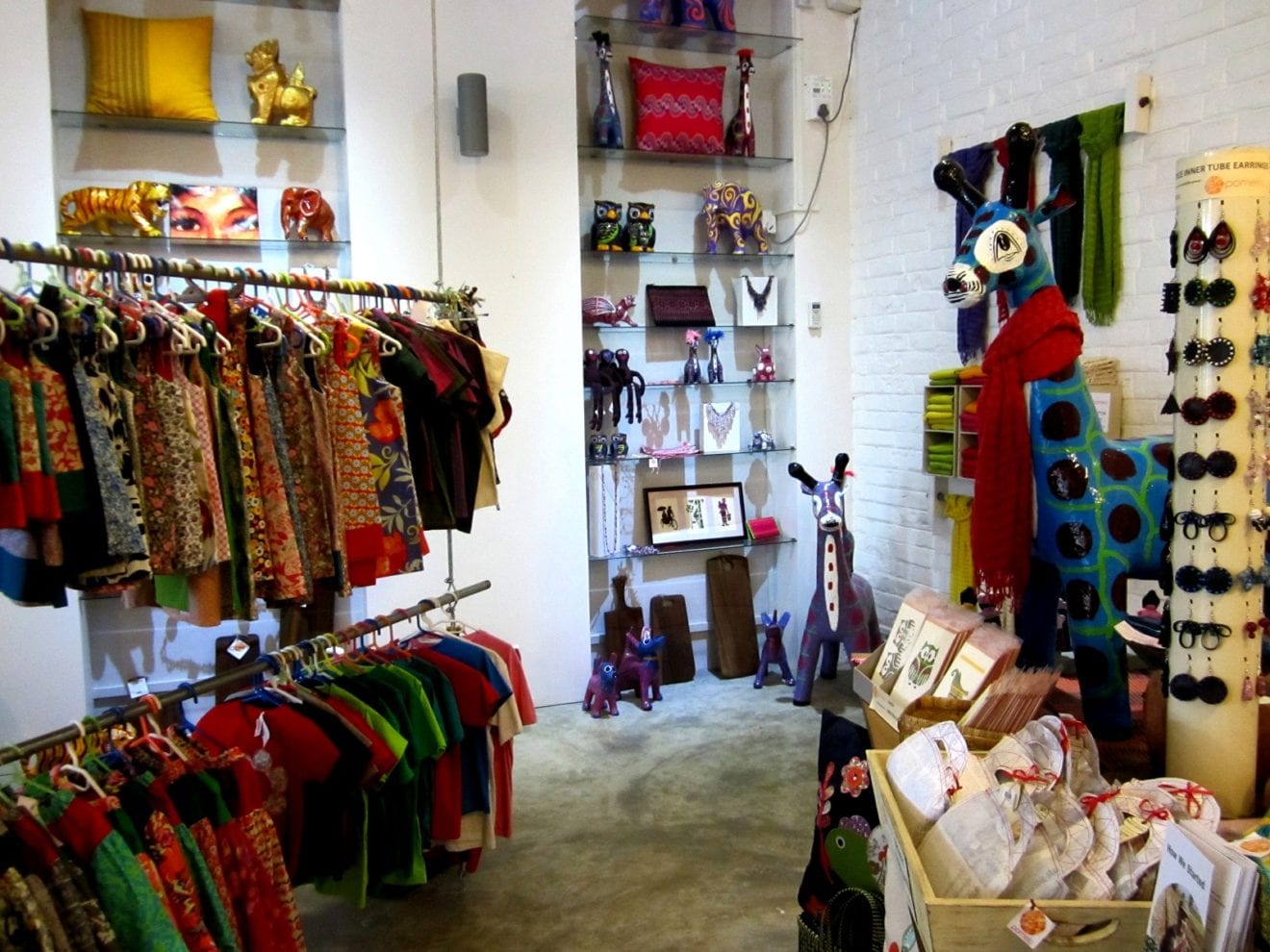
    Asian digital-fashion brand Pomelo has appointed Anders Heikenfeldt as Chief Retail Officer to lead the firm’s retail expansion plans across Southeast Asia.

    Formerly holding senior roles with lingerie chain 6ixty8ight in Hong Kong and with H&M, Heikenfeldt is now responsible for Pomelo’s retail division and is expected to further develop the brand’s omnichannel strategy, establishing seamless experiences across its retail network and online platform.

    Heikenfeldt has more than 10 years of experience in strategic development and refining strategies to enhance the retail experience across various fashion brands, and specializes in expansions into emerging markets.

    “Southeast Asia is an incredibly fast-growing, unique market with so much potential,” said  Anders Heikenfeldt. “I’m excited to be a part of this journey as we continue to expand Pomelo’s retail footprint across the region and provide customers with an innovative, omnichannel shopping experience.”

    Pomelo announced a $52 million Series C financing last September, in order to continue its expansion plans. The firm recently hired more than 200 new employees and is expanding in Thailand and Singapore, opening 10 new retail stores last year.

  • Health and wellness is driving wearable-technology growth in fashion

    Health and wellness is driving wearable-technology growth in fashion

    Wearable technology has come a long way from the original clunky smartwatch, with innovation has taken a giant leap forward in the last five years.

    And health and wellness have become a key driver of this trend, says GlobalData.

    Clothes containing technology is becoming a reality as brands such as Levi Strauss join smaller brands and start-ups in trying to create items consumers will integrate into their lives.

    Michelle Russell, the apparel correspondent at GlobalData, says wearable technology as a category is starting to be taken a lot more seriously in fashion, particularly given the phenomenal growth of athleisure, which has almost created a nice segue for firms looking to enter the category with a focus on health and wellness.

    The world’s biggest tech conference, CES 2020, opened in Las Vegas last week, showcasing some of the latest innovations in this area.

    The Skin Connected Health & Wellness System by Myant allows the continuous monitoring of health and wellness measures – such as heart rate, stress, temperature, activity and sleep stage, and provides advice on how to improve. Users can also share this information with family, friends and healthcare providers.

    Also on show at CES 2020, the e-skin Sleep & Lounge apparel by Xenoma is designed for monitoring the health of elderly people, analyzing the wearer’s sleep condition. The technology also enables everyday monitoring of users’ behavior and fall detection.

    Meanwhile, FootWare, developed by TacSense, claims to be the world’s first-ever health-tracking smart shoe that is able to measure heart rate, respiratory rate, blood pressure, emotion, stress level, and moving pattern.

    “In a decade it may well become the norm for our everyday jackets or pullovers to monitor our health, but for that to happen, companies need to get consumers properly onboard through involvement and addressing poor understanding,” says Russell. “Increased investment is also key to the category’s development.

    “Wearable technology in fashion is certainly heading in the right direction but it seems there is still some way to go before it becomes totally accessible. It is still a niche product and cost could be a major factor for consumers. Sustainability will also be key.”

  • Stelux sales slump as network trimmed

    Stelux sales slump as network trimmed

    Stelux Holdings, parent of the City Chain watch retail business, says its sales in the December quarter were down 32.6 percent, or by HK$198.98 million (US$25.6 million).

    The company closed about 15 percent of its stores, primarily in Hong Kong, as social unrest continued throughout the city, affecting sales to both locals and visitors.

    While the company did not break out figures for Hong Kong, it said revenue for Greater China was down by 46.1 percent in the quarter, to $110.3 million. Sales in Southeast Asian stores, which comprise about 40 percent of the business, slipped by 2 percent.

    Total group sales were $650.5 million, compared with $895.8 million in the same quarter a year earlier.

  • Citi Singapore Adjusts Gender Wage Gap

    Citi Singapore Adjusts Gender Wage Gap

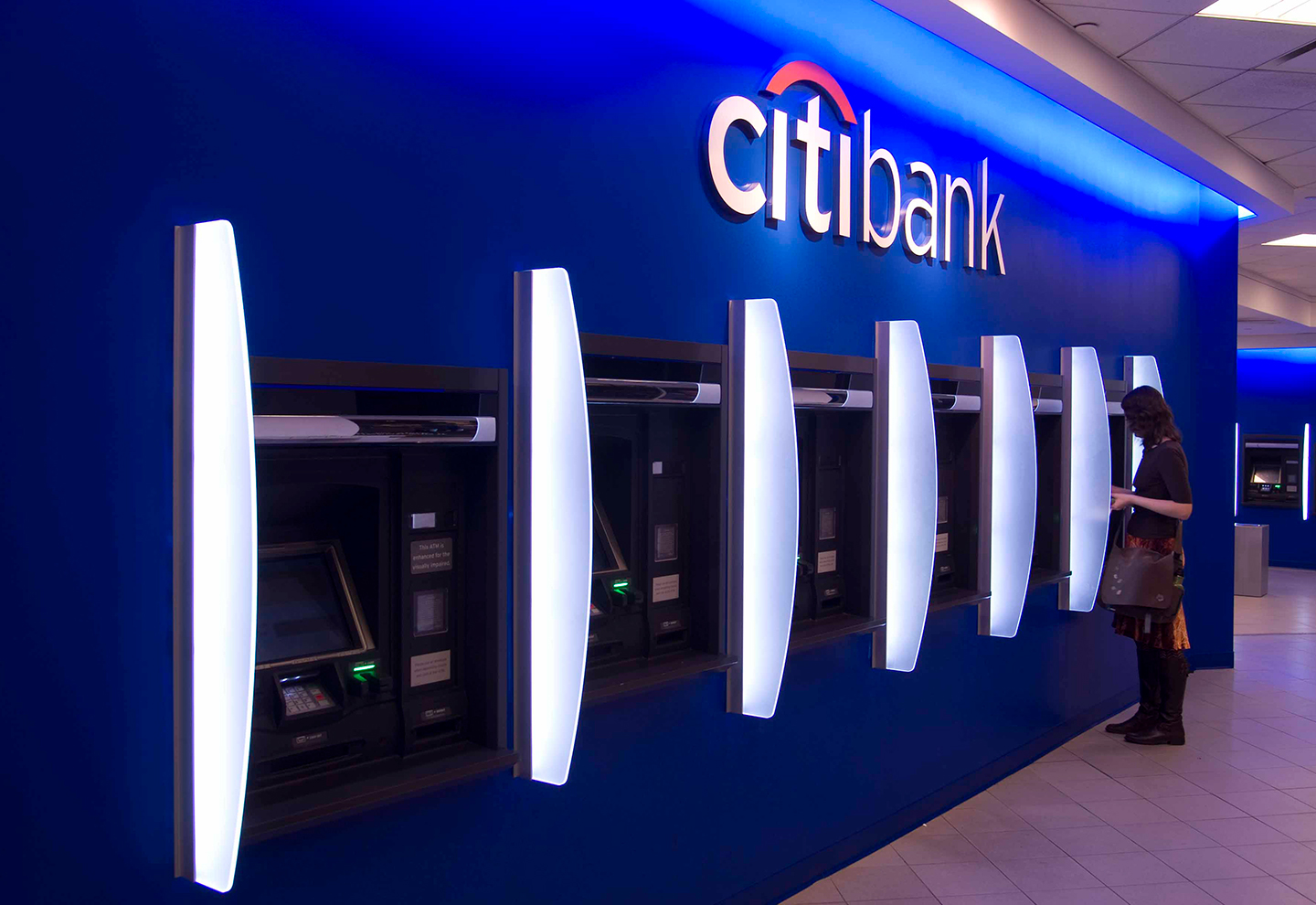
    In a move to narrow wage gaps between male and female staff, Citi Singapore has adjusted the pay of women at its bank. Its female staff did not receive equal compensation when compared with their male peers of equal work performance.

    In Singapore, the bank’s female representation at the assistant vice president to managing director level roles has increased from 32 percent in December 2017 to 36 percent in December 2019, but their remuneration has not necessarily kept up, according to figures released by the bank.

    While we have moved forward in our goals, more needs to be done. We are committed to meet our global goal of having at least 40 percent of women in these roles by 2021 and to provide a level playing field to all our employees to enable them to succeed, said Jorge Osorio, head of human resources, Citi Singapore.

    The pay adjustment in Singapore for women is in line with the global tweaks made in 2019, where the bank found that women, despite delivering equal work performance against their male peers, did not get the same remuneration.

    This follows a global pay equity review conducted by Citi that was released in January 2019, which showed that women were paid on average 99 percent of what men were paid on an adjusted basis. The adjusted pay gap refers to when pay – including base salary and bonuses – for equal work, has been adjusted for appropriate factors such as job function, level, and geography.

    However, the unadjusted total compensation review showed that the median pay for women globally is 71 percent of the median for men. This means the compensation is not adjusted for factors such as job function, level, and geography.

    The figures suggest that the gap – on an unadjusted basis – is mainly due to differences in gender representation at senior levels of the bank. In turn, this reinforces the importance of increasing the representation of women and U.S. minorities in senior and higher-paying roles at Citi, the bank said.

    The fresh data also come as Singapore’s Ministry of Manpower released a report this month showing that in Singapore, among full-time workers aged between 25 and 54, the unadjusted gender wage gap inched up from 16 percent in 2002 to 16.3 percent in 2018.

    When differences in age, education, occupation, industry and the number of hours worked were accounted for, the adjusted gender wage gap fell from 8.8 percent in 2002 to 6 percent in 2018. It also showed that there is more occupational segregation in 2018 than in 2002.

    Not only do women tend to be in lower-paying jobs compared to men, but men also continue to be over-represented in higher-paying occupations. Across the Asia-Pacific, Citi promoted 14 women or 31 percent out of the total 45 managing directors named in the region in December 2019. That’s up from only eight in 2018, or 21 percent.

    In March 2018, the bank rolled out a «Maternity Matters» program in Singapore to boost the support provided to female colleagues during their pregnancy, while they are on maternity leave and upon return to work. Statistics suggest that childbirth is related to the high female attrition in the workforce.

    The bank also launched a #backtowork initiative in November 2019 in partnership with Mums@Work Singapore to encourage talented individuals who have taken time away from their careers and are interested in returning back to the workforce to join Citi.

  • Audi To Launch Only New Models In India

    Audi To Launch Only New Models In India

    Audi India kept Indian customers waiting for new models for quite some time. That said, the German carmaker now has a new plan in place and is gearing up to bring only new models or new generation models to our shores, and it has already started with the Audi Q8. The company also shared that Audi will be focusing on petrol, plug-in hybrid and electric models in the Indian market and its future launches will adhere to the plan.

    Balbir Singh Dhillon, Head- Audi India said, “We will only launch all-new models like the Q8 or new generation models in India going forward and we have quite a few products in the pipeline. On the onset of the BS6 norms, our focus will be on petrol models followed by plug-in hybrids and electric vehicles. Around 30-35 percent of our sales come from petrol models and that ratio should go up.”

    The Audi Q8 was launched in India on January 15 and will be sold as a completely built unit (CBU). Audi had also launched the new-generation A6 in India last year in October and is gearing up to launch the new-generation A8 next month. We have already seen spy images of a slew of Audi cars undergoing testing like the next-generation A7 Sportback, next-generation Audi Q7 and RS6 and all new models are headed to our market as well after their global launch. Audi India has also chalked out a long term plan for the Indian market which is internally called ‘Strategy 2025’. The foundation of the Strategy 2025 primarily relies on four pillars- Customer Connectivity, New Products, Network Expansion and Digitalisation.

    Dhillon also mentioned about setting up more dealerships across India to expand its reach in the market and digitalization will play a key role in connecting to its customers. However, the company has not disclosed any target as yet. Moreover, upcoming Audi cars will also feature connected car tech which apart from being trendy, will also keep customers connected to the services on the go. As we have already reported earlier, the German carmaker is also gearing up to foray into the electric space in our market this year with the launch of the e-Tron electric SUV.

  • Maruti Suzuki Sells Over 29,000 Units Of The Ciaz In 2019

    Maruti Suzuki Sells Over 29,000 Units Of The Ciaz In 2019

    Maruti Suzuki India today announced selling over 29,000 units of the Ciaz sedan in India, between January and December 2019. Despite the company seeing repeated de-growth in the car’s monthly sales last year, the Maruti Suzuki Ciaz managed to maintain its no.1 position in the segment, with its total sales accounting for 29,706 units. In comparison, rivals Honda City and Hyundai Verna were right behind at 28,696 units and 28,190 units, respectively, for the same Jan to Dec 2019 period. The Ciaz currently holds 28 percent market share in its segment, however, last April it was 30 percent.

    As for some of the other models in this segment, the Skoda Rapid had a decent year at 9,751 units, while its sister brand Volkswagen Vento’s total sales for the year accounted for 5,696 units. On the other hand, Toyota Yaris, the sole petrol-only car in this space, registered a total sale of 2,943 units between the January and December 2019 period.

    The Maruti Suzuki Ciaz currently holds a market share of 28 percent in its segment

    The Maruti Suzuki Ciaz was first launched in late 2014, and since then the carmaker has sold over 2.76 lakh units of the car. The company says that the top-end variant of the compact sedan Ciaz contributes to more than 50 percent to its total sales, whereas the automatic variants make up 17 percent of the car’s total sales.

    Currently, the Maruti Suzuki Ciaz is sold via the company’s Nexa chain of dealerships and is offered in three engine options – BS6 compliant 1.5-liter K15 petrol, 1.5-litre DDIS 225 diesel engine and the 1.3-liter DDIS 200 with SHVS (Smart Hybrid from Suzuki) technology. While the company is phasing out the 1.3-liter units, however, we are yet to get a confirmation on whether the 1.5-liter diesel engine will continue to be offered or not.

  • VW CEO Says Carmaker Faces Same Fate As Nokia Without Urgent Reforms

    VW CEO Says Carmaker Faces Same Fate As Nokia Without Urgent Reforms

    Volkswagen Chief Executive Herbert Diess said the German carmaker needs to accelerate its transformation to avoid becoming another Nokia, which lost its dominance in the handset market to Apple.

    “The big questions is: Are we fast enough?,” Diess told VW’s senior managers following a global board meeting on Thursday. “If we continue at our current speed, it is going to be very tough.”

    Volkswagen needs to shift from being a manufacturer of vehicles toward a maker of mobile devices, he said.

    “The era of the classic carmakers is over,” Diess added.

    Volkswagen needs to get a grip on software and vehicle electronics as well as producing a raft of electric vehicles and batteries so it can comply with stringent anti-pollution rules.

    “In summary this is probably the most difficult challenge Volkswagen has ever faced,” Diess said, adding that in 2020 the carmaker should seek to maintain profit margins.

    Volkswagen will seek to cut down on complexity, hike productivity and slash costs, particularly in Germany, Diess said.

    VW will cut resources devoted to fuel cells, since they will not be as competitive as electric vehicles for at least another decade. VW will also cut the resources devoted to its MOIA mobility services unit.

    “We need to reduce our engagement and stretch it, until the prerequisites for better profitability are given,” Diess said.

  • ED summons AirAsia CEO Tony Fernandes

    ED summons AirAsia CEO Tony Fernandes

    The Enforcement Directorate has summoned AirAsia chief executive officer (CEO) Tony Fernandes on 20 January in an ongoing probe against the airline. Summons have been issued to the entire top brass of the airline, both past and present, under the Prevention of Money Laundering Act (PMLA).

    The action against Fernandes comes more than a year after both the ED and the Central Bureau of Investigation (CBI) launched their respective probes in alleged financial irregularities and criminal misconduct when the airline was lobbying to obtain its license for its Indian operations.

    In May 2018, the ED had filed a case of money laundering against AirAsia officials and others for allegedly trying to manipulate government policies through corrupt means to get international license for its Indian venture — AirAsia India Limited.

    In June 2018, the ED widened its probe into the AirAsia money laundering case after collecting documents from the Ministry of Commerce and Industry related to foreign direct investment (FDI) clearances given to the airline.

    The probe agency had pressed charges under the PMLA to probe the trail of funds that were allegedly used to create illegal assets, following the case registered by the CBI against the airline and Fernandes.

    The CBI had searched offices of AirAsia India and filed a complaint against Fernandes for allegedly lobbying the government for overseas flight permits and violating rules that prevent foreign airlines from controlling Indian operators.

    CBI’s first information report stated that the violations occurred from 2013 to 2016, before the government eased restrictions on Indian airlines starting overseas flights in June 2016.

    The AirAsia spokesperson was not available for comment on the matter.

  • Singapore Airlines Set To Fly The Airbus A350 to Ahmedabad

    Singapore Airlines Set To Fly The Airbus A350 to Ahmedabad

    Singapore Airlines will roll out one of its A350-900s on its new route between Singapore and Ahmedabad in Gujarat, India. Singapore Airlines’ new service is set to take flight from 1 February 2020. Ahmedabad will be the airline’s seventh Indian destination.

    The service would operate six days a week from the start of February, ramping up to a daily service at the beginning of April 2020.

    The outbound flights will push back from Singapore’s Changi Airport at dinner time for a mid-evening arrival into Ahmedabad’s Sardar Vallabhbhai Patel International Airport. The return flight is a late evening departure from Ahmedabad, flying through the night for a breakfast time arrival into Singapore. Flying time is five hours and 40 minutes. For the first two months, the flights will not operate on Wednesdays.

    The Singapore Airlines A350 is a popular option for the Simple Flying team. In April 2019, Jay Singh flew from Singapore to Johannesburg on an SQ A350, an experience he described as ‘almost perfect.’

    Well, he was drinking Charles Heidsieck and eating a chicken curry rustled up through the airline’s ‘Book the Cook’ service. What’s not to like about that?

    Now he wants to do the ultra long haul Singapore to Newark A350 flight.

    A few months later, Nick Cummins found himself on the same aircraft type when flying Singapore Airlines. He flew from Germany to Singapore in October 2019. Nick liked it so much he made a video about it.

    Having had a few dodgy airline ham and cheese toasties in his time, he’s now on a quest to discover the best and worst airline ham and cheese toasties. The Singapore Airlines toastie got the thumbs up. Nick’s only real complaint was the airline didn’t have an endless supply of desserts.

    This all bodes well for passengers on the same aircraft type on the new service to Ahmedabad. If, like Nick and Jay, you are lucky enough to be in business class, you’ll enjoy your Piper with 40 other passengers relaxing in lie-flat seats in a 1-2-1 layout. Even back in the main economy 3-3-3 cabin, the 263 passengers can enjoy one of the best economy class products in the sky.

    Services will be six days a week initially before going daily two months later. Photo: Singapore Airlines.
     

    The new service to Ahmedabad will provide local residents with one-stop access to North America, Oceania, Asia, and if you are not put off by a little backtracking, Africa, the Middle East and Europe.

    The six days a week Singapore Airlines A350 service between Singapore and Ahmedabad will begin on 1 February 2020. It will become a daily service on 29 March 2020.

  • Citi Singapore Adjusts Gender Wage Gap

    Citi Singapore Adjusts Gender Wage Gap

    In a move to narrow wage gaps between male and female staff, Citi Singapore has adjusted the pay of women at its bank. Its female staff did not receive equal compensation when compared with their male peers of equal work performance.

    In Singapore, the bank’s female representation at the assistant vice president to managing director level roles has increased from 32 percent in December 2017 to 36 percent in December 2019, but their remuneration has not necessarily kept up, according to figures released by the bank.

    «While we have moved forward in our goals, more needs to be done. We are committed to meet our global goal of having at least 40 percent of women in these roles by 2021 and to provide a level playing field to all our employees to enable them to succeed,» said Jorge Osorio, head of human resources, Citi Singapore.

    The pay adjustment in Singapore for women is in line with the global tweaks made in 2019, where the bank found that women, despite delivering equal work performance against their male peers, did not get the same remuneration.

    This follows a global pay equity review conducted by Citi that was released in January 2019, which showed that women were paid on average 99 percent of what men were paid on an adjusted basis. The adjusted pay gap refers to when pay – including base salary and bonuses – for equal work, has been adjusted for appropriate factors such as job function, level, and geography.

    However, the unadjusted total compensation review showed that the median pay for women globally is 71 percent of the median for men. This means the compensation is not adjusted for factors such as job function, level, and geography.

    The figures suggest that the gap – on an unadjusted basis – is mainly due to differences in gender representation at senior levels of the bank. In turn, this reinforces the importance of increasing the representation of women and U.S. minorities in senior and higher-paying roles at Citi, the bank said.

    The fresh data also come as Singapore’s Ministry of Manpower released a report this month showing that in Singapore, among full-time workers aged between 25 and 54, the unadjusted gender wage gap inched up from 16 percent in 2002 to 16.3 percent in 2018.

    When differences in age, education, occupation, industry and the number of hours worked were accounted for, the adjusted gender wage gap fell from 8.8 percent in 2002 to 6 percent in 2018. It also showed that there is more occupational segregation in 2018 than in 2002.

    Not only do women tend to be in lower-paying jobs compared to men, but men also continue to be over-represented in higher-paying occupations. Across the Asia-Pacific, Citi promoted 14 women or 31 percent out of the total 45 managing directors named in the region in December 2019. That’s up from only eight in 2018, or 21 percent.

    In March 2018, the bank rolled out a «Maternity Matters» program in Singapore to boost the support provided to female colleagues during their pregnancy, while they are on maternity leave and upon return to work. Statistics suggest that childbirth is related to the high female attrition in the workforce.

    The bank also launched a #backtowork initiative in November 2019 in partnership with Mums@Work Singapore to encourage talented individuals who have taken time away from their careers and are interested in returning back to the workforce to join Citi.

  • Deutsche Bank Appoints Discretionary Wealth Head

    Deutsche Bank Appoints Discretionary Wealth Head

    She takes over from Tuan Huynh, who was appointed Deutsche Bank’s Chief Investment Officer, Europe, several months ago.

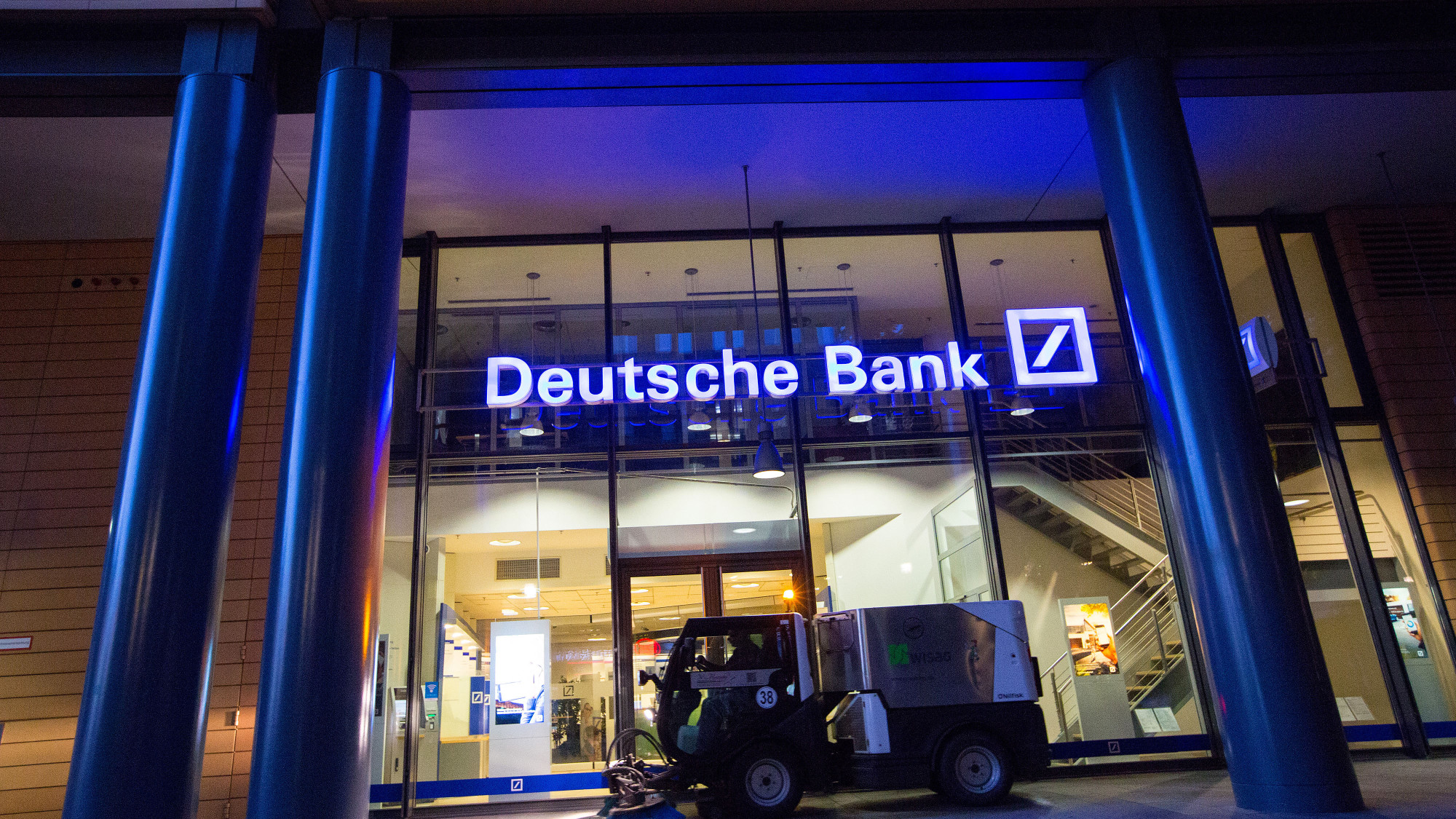
    The wealth management division of Deutsche Bank has appointed Siok Kuan Tham as head of Wealth Discretionary (WD) for Emerging Markets, it announced in a statement on Thursday.

    Based in Singapore, Tham will report globally to Gregor Hirt, global head Wealth Discretionary, and locally to Lavanya Chari, global head of Global Products & Solutions (GPS).

    Tham has extensive experience in portfolio and fund management. She was most recently head of Fixed Income at DWS, Deutsche Bank’s asset management arm, based in Singapore, where she also chaired the Asian Fixed Income Portfolio Construction Committee.

    Tham’s hire comes as the German lender aims to expand its footprint in the region. Last week, Deutsche Bank Wealth Management announced that it is hiring Boris Kwok as Group Head, North Asia, with a focus in China.

    Along with Kwok, it brought in 20 other talented front-facing wealth management professionals, six of whom are directors, as part of the firm’s expansion strategy in North Asia to increase the number of relationship managers by 40-50 percent in three years.

  • Singapore Launches Framework to Attract Investment Funds

    Singapore Launches Framework to Attract Investment Funds

    The new corporate structure can be used for a wide range of investment funds and provides fund managers greater operational flexibility and cost savings.

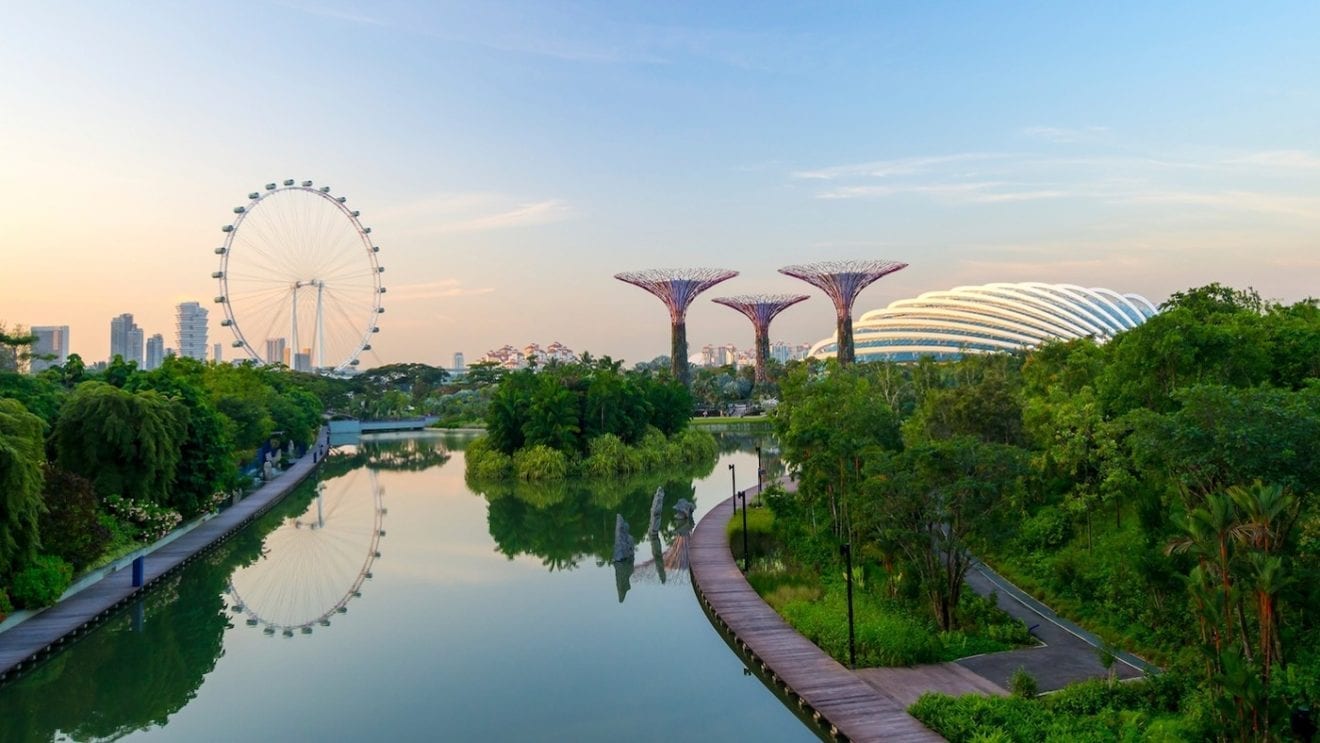
    Singapore is courting more funds to base themselves in the city-state with the launch of a new framework that caters to the needs of global investment funds and investors, and a grant scheme to encourage industry adoption of the framework.

    Under the Variable Capital Companies (VCC) framework, announced by the Monetary Authority of Singapore (MAS) and the Accounting and Corporate Regulatory Authority (ACRA) on Wednesday, fund managers will have greater flexibility in share issuance/redemption and the payment of dividends. Managers will also be able to incorporate multiple funds in a single VCC to save costs, the statement said.

    The three-year VCC grant scheme will help defray costs of incorporating or registering a VCC by co-funding up to 70 percent of eligible expenses paid to Singapore-based service providers, capped at S$150,000 for each application, with a maximum of three VCCs per fund manager.

    Marking the launch, a total of 20 investment funds, from a group of 18 fund managers that participated in a VCC pilot program by MAS and ACRA in September 2019, were incorporated or re-domiciled under the new framework on Wednesday.

    Benny Chey, MAS assistant managing director, Development and International, called the launch of VCC a «significant chapter in the development of Singapore as a full-service international fund management and domiciliation hub» and said it would also create new opportunities for Singapore-based fund service providers as more fund managers to use the VCC to structure their investment funds.

    Anshuman Asthana, regional head of Product Management, Securities Services, ASEAN and South Asia, Standard Chartered Bank, called the VCC structure a game-changer for the asset management industry and said the structure would also give Asia’s start-up ecosystem a boost.

    With more private equity and hedge funds expected to domicile in Singapore, they can more easily continue their financing support for Fintech start-ups and help them grow in size. This will help solidify Singapore’s position as a technology and innovation hub for the region,» Asthana said.

  • Assa Abloy plans 500 Yale Smart Shop franchise stores across Asia

    Assa Abloy plans 500 Yale Smart Shop franchise stores across Asia

    Locks and security-solutions company Assa Abloy plans to expand its Yale Smart Shop franchise network to 500 stores across Asia after a successful pilot in Toa Payoh, Singapore.

    The company has launched a franchise program for Yale Smart Shop with a new store in Tiong Bahru, Singapore.

    The store-in-store retail concept includes modular display cases which are geared for rapid deployment in new stores, the company said in a statement. The e-commerce platform fully supports a scalable yet sustainable business model to translate offline experiences into online purchases.

    To ensure a consistent brand experience and smooth launch and operations at new locations, all franchisees will receive a Yale Smart Shop playbook, a store operator starter kit, and comprehensive training at the pilot store in Singapore.

    “During the first few months, franchisees will receive all the support they need to build awareness in their neighborhood and local area,” said Patrick Ng, GM at Assa Abloy Singapore.

    “We are very encouraged by the record-breaking results recorded at the pilot store in Singapore and look forward to significantly growing the Yale brand and e-commerce sales across the Asia-Pacific region over the next two years,” he added.

    Adding to the eight Yale Smart Shops across five countries already operational in Asia Pacific, Assa Abloy plans to open 100 stores this year and add 400 stores by the end of next year.

  • Don Don Donki opens largest Singapore store yet

    Don Don Donki opens largest Singapore store yet

    Don Don Donki has opened a new store at Jem mall in Jurong, its largest store yet in Singapore.

    Spanning two floors, Don Don Donki at Jem mall has turned the old Marks & Spencer department-store space into its food court.

    The new Don Don Donki store offers a wide selection of Japanese products including lifestyle, homewares and cosmetics. It also features a sushi counter where its customers can buy freshly made sushi.

    The Orchard Central outlet, which opened in 2017, was previously the brand’s largest store in the city state.

  • GS25 opens futuristic c-store concept

    GS25 opens futuristic c-store concept

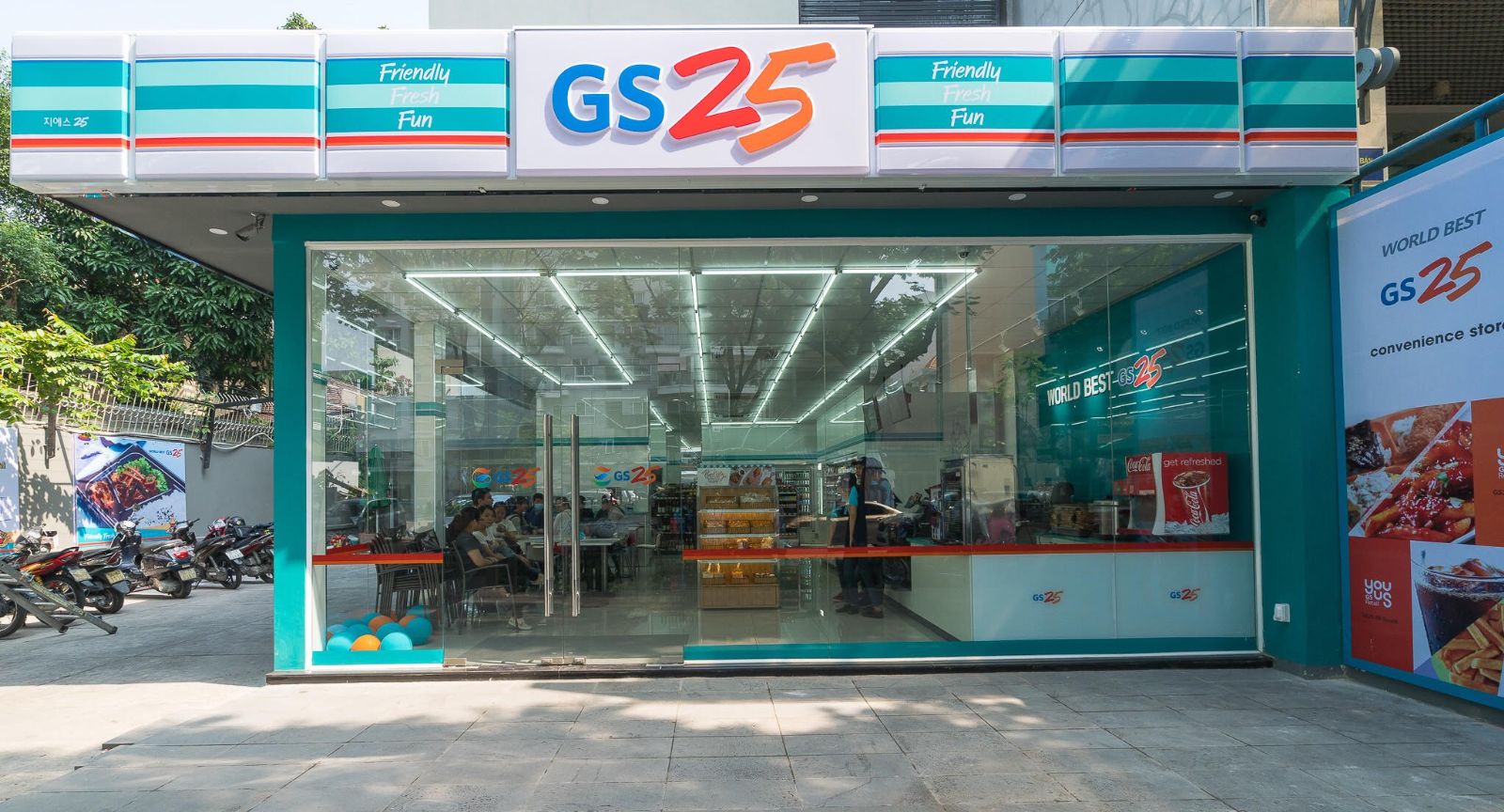
    South Korean convenience-store chain GS25, owned by GS Retail, has opened a futuristic convenience store without a checkout counter in Jung District, Seoul this week.

    The store, which is located in the headquarters building of a local credit card company BC Card, is similar to Amazon Go, checkout-free offline malls in the US.

    One can enter the convenience store by scanning a BC Paybook QR code from BC Card’s mobile payment app at the speed gate.

    When customers enter the store, 34 ‘deep-learning cameras’ will recognise their behaviour. In addition, some 300 weight sensors installed throughout the store detects the number of items that customers choose.

    When a customer chooses their purchases and exit the speed gate, all the items will be automatically paid for through a payment system using artificial intelligence (AI) technology, and a mobile receipt will be issued.

    A video-recognition speaker is also installed, where a pre-set voice will guide the customers through speakers. If customers are standing at some point or do a particular action, the speaker will provide assistance.

    In the future, the company will gradually introduce technologies that guide customers to promotions when they approach a presentation product stand.