Author: Mei Ling Tan

  • Visa Buys Out Personal Finance Enabler In Billion-Dollar Deal

    Visa Buys Out Personal Finance Enabler In Billion-Dollar Deal

    Visa will be buying privately held financial technology startup Plaid in a $5.3 billion deal, according to a statement from the payments processor.

    Visa and rival Mastercard had invested in Plaid in a $250 million series C funding round in 2018 that reportedly valued the firm at $2.65 billion. Visa said it expects the deal to close in the next three to six months and benefit its adjusted earnings per share at the end of the third year.

    The purchase price is twice the final private valuation and Visa is funding the transaction from cash on hand and debt issuance.

    Plaid focuses on enabling consumers and businesses to interact with their bank accounts, check balances, and make payments through financial technology applications.

    Founded in 2013, its technology lets people link their bank accounts to mobile apps like Venmo. It links to over 11,000 financial institutions across the United States, Canada, and Europe.

  • South Korean beauty firms flourish as hopes rise of end to China sanctions

    South Korean beauty firms flourish as hopes rise of end to China sanctions

    Stocks of major South Korean cosmetics and duty-free operators traded higher yesterday amid hopes that China may lift its retaliatory economic measures underway for years against Seoul’s decision to deploy a US anti-missile system there.

    AmorePacific, the country’s largest cosmetics maker, closed at 232,000 won (US$200), up 5.22 percent from the previous session’s close, after touching as high as 236,000 won, the highest mark since April 24 last year.

    Shares in LG Household & Health Care, the second-largest homegrown beauty giant, finished at 1,404,000 won, up 4.54 percent from the earlier session’s close, after touching 1,425,000 won, the highest since April 30.

    “We are expecting a gradual recovery of the cosmetics sector, with signs of growth in the Chinese high-end cosmetics market,” said Na Eun-chae, an analyst at Korea Investment & Securities.

    “In the past two to three years, Sulwhasoo and Hera have expanded retail and marketing in China,” referring to two of AmorePacific’s premium brands.

    Na expected AmorePacific’s sales in 2020 to rise 10.5 percent to 6.2 trillion won and the firm’s operating profit to soar 31.1 percent to 586 billion won.

    KTB Investment & Securities analyst Bae Song-yi estimated the beauty product maker’s yearly sales to grow 9.4 percent to 6.1 trillion won and its annual operating profit to gain 29 percent to 583 billion won.

    With an expected rise in demand from Chinese travelers, South Korean duty-free operators also continued to build up gains.

    Shinsegae, a major duty-free operator, closed up 4.58 percent at 262,500 won, after rising to a yearly high of 265,500 won.

    Lotte Shopping, another major duty-free operator, also advanced 5.06 percent to a yearly high of 135,000 won from the previous session’s close.

    The advance in cosmetics and retailer stocks was fuelled largely by rising speculation that Chinese President Xi Jinping will visit Seoul as early as March and move to relieve economic sanctions that have been hurting China-exposed companies.

    Last week, South Korean President Moon Jae-in struck an upbeat note on Seoul’s relationship with Beijing in his address for the New Year, saying Xi and Chinese Premier Li Keqiang are scheduled to visit South Korea this year.

    South Korea’s cosmetics industry had enjoyed robust growth until 2016, helped by “hallyu,” or the Korean Wave, referring to the growing popularity of Korean pop culture abroad.

    Exports of South Korean goods to China, its largest buyer, have shrunk drastically since 2017 as the Chinese government imposed economic sanctions over Seoul’s deployment of the Terminal High Altitude Area Defense (THAAD) system.

    In its latest sign of sanctions easing, a 5000-strong incentive-travel group from a Chinese health food company visited South Korea last week, marking the largest incentive travel by a company since 2017.

    The number of inbound visitors to South Korea reached the 17.25 million mark last year, surpassing the previous annual record of 17.24 million set in 2016.

  • Walmart India lays off management executives

    Walmart India lays off management executives

    Walmart India will let go around a third of its top executives at its Gurugram headquarters. The retailer has been struggling in the territory and is now responding by laying off more than 100 top-level executives, with more terminations expected to come later. It will also close its Mumbai fulfillment center and its largest warehouse, and will hold plans to open new stores within the Indian market.

    “We are always looking for ways to operate more effectively to serve our members,” said a spokesperson for Walmart India. “This requires us to review our corporate structure to ensure that we are organized in the right way to best meet the needs of our members. Impacted associates have been offered enhanced severance benefits and outplacement services to support their transition.”

    Following a decade of trade within India, Walmart’s sales growth has remained problematic, with the firm recording a net loss of US$24.26 million during the last fiscal year.

  • H&M launches Monki stores in the Philippines

    H&M launches Monki stores in the Philippines

    H&M Group is to launch Monki in the Philippines, the second Southeast Asian market for the Swedish fashion group’s diffusion brand.

    The first store for Monki in the Philippines will open later this year at SM Megamall in Manila and will be followed by a second at SM Mall of Asia.

    “Monki’s mission is to empower young women everywhere and help them feel good about themselves,” said Jennie Dahlin Hansson, MD at Monki. “We can’t wait to get to know a new market and welcome new customers to our global family.”

    Monki in the Philippines’ first store will be designed with glitter, mirrored walls and scallop detailing, in line with the brand’s format in Europe, according to a spokesperson.

    Founded in 2006 in Sweden, Monki joined the H&M group two years later. The company operates 127 stores across 19 countries and regions. The Philippines is the brand’s second destination in Southeast Asia after Malaysia.

  • LG TV lets you shop fashion you see in TV shows

    LG TV lets you shop fashion you see in TV shows

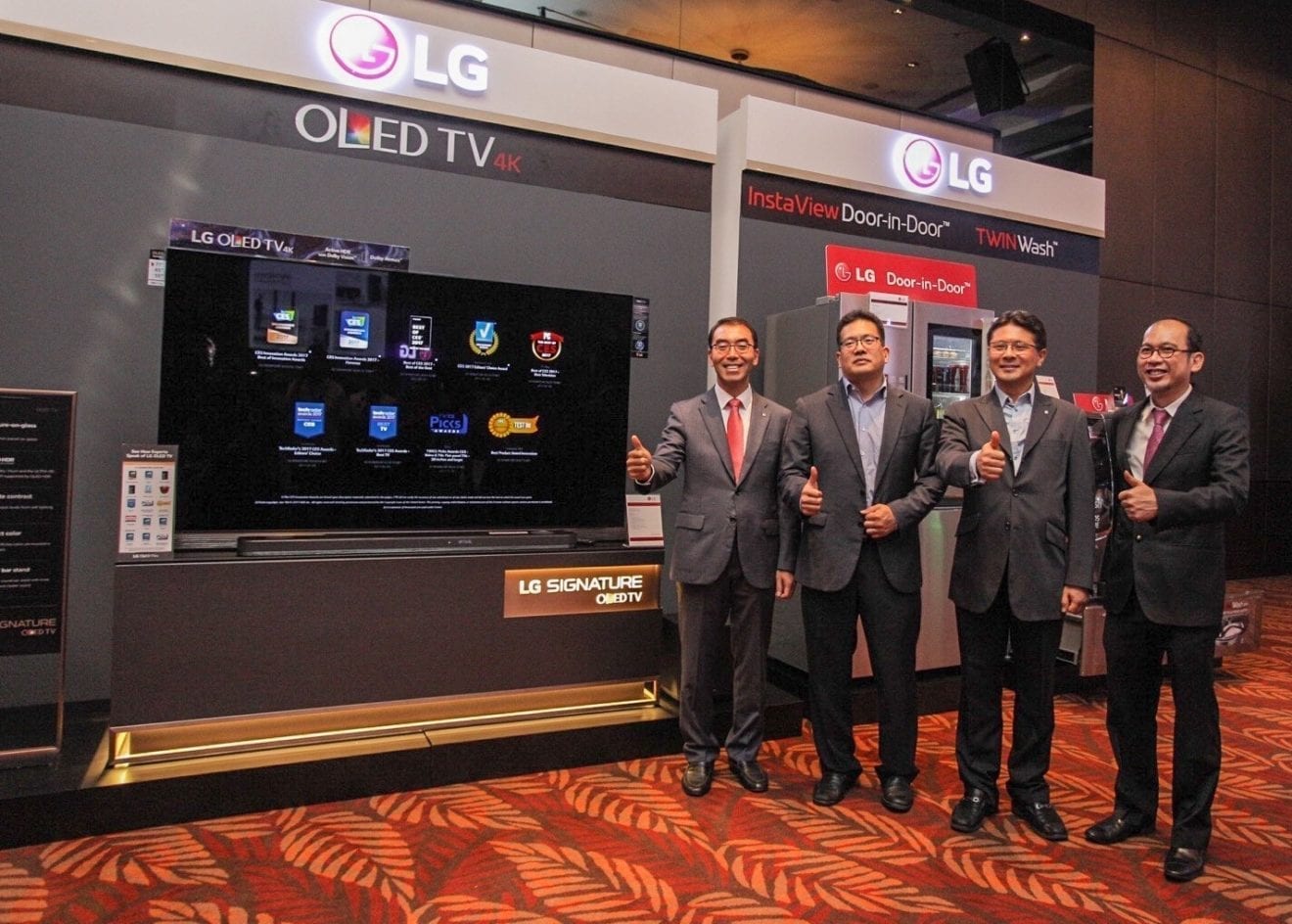
    Video commerce firm TheTake has partnered with smart TV manufacturer LG Electronics and a range of media companies to allow viewers to “shop shows” for fashion, accessories, homeware, tech devices and even menu and recipe items.

    Beginning this spring, owners of LG’s webOS Smart TVs will be able to purchase hundreds of different products identified and tagged by TheTake’s proprietary technology, which has scanned and identified hundreds of items per television episode and film.

    “Shoppable video has been talked about since the days of Rachel’s sweater on ‘Friends’,” said TheTake co-founder and CEO Tyler Cooper. “Previous solutions haven’t addressed the long-tail opportunity where each individual viewer wants to shop for something different. Shoppable video isn’t just about Rachel’s sweater, but also Chandler’s jacket, Joey’s sunglasses, Monica’s couch and so on. To address the full breadth of consumer interest, we leverage machine learning to make more than 500 products shoppable in a given episode of television. We’re excited to bring our AI-powered solution to viewers with LG and our various content partners.”

    With a record amount of TV content produced last year, TheTake’s machine-learning algorithms enable product identification and tagging at scale. TheTake’s technology can currently identify several hundred million products from thousands of retail partners when and where they appear in various TV episodes and movies.

    “The ability to seamlessly shop for the items we see in our favorite shows and movies is something we’ve long wanted to bring to LG smart TV users,” said LG Electronics US head of home entertainment brand marketing Michelle Fernandez. “Now, in partnership with TheTake, we’re introducing the feature on LG’s 2020 smart TVs for the easiest and most consumer-friendly experience for shopping the looks from TV and movies.”

    TheTake’s AI feature will be available on all 2020 LG OLED, LG NanoCell and UHD smart TV models installed with the webOS smart TV platform. TheTake has negotiated an agreement with a large US MVPD to roll out the technology across millions of set-top boxes later this year. And TheTake has also partnered with WarnerMedia, A+E Networks, Crown Media Family Networks, NBC Universal and others to roll out the technology over their various channels throughout the year.

  • Indonesian retail sales growth slower as expected

    Indonesian retail sales growth slower as expected

    Indonesian retail sales growth in November slowed to 1.3 percent year-on-year, well below October’s rate of 3.6 percent.

    However, the figures, released by Bank Indonesia, reflect the continuing uptick in Indonesian retail sales which has now lasted five consecutive months.

    “Retail sales continued to grow positively in November,” wrote the central bank in a statement, “although it slowed compared to sales in the previous month”.

    Indonesia retail sales growth is expected to slow in the coming months, however, with declines recorded in several metropolitan areas surveyed – a harbinger of growth expected for December.

    Sales declined in the cities are projected to flow on from the estimated contractions of 9.4 percent and 4.8 percent over the previous period.

    The bank’s survey revealed respondents believe retail sales will decline over the next quarter.

  • South Korean convenience stores wind back 24-hour service

    South Korean convenience stores wind back 24-hour service

    South Korean convenience-store owners are canceling 24-service as minimum wage rise has eroded profits.

    Last year, president Moon Jae-in launched a campaign to raise the hourly minimum wage by 29 percent over two years. With night-shift employees earning time-and-a-half pay, franchisees have been struggling to pay part-time staff during the small hours.

    Not all stores traded around the clock when Shinsegae group launched the Emart convenience-store chan in 2014. Three Korean c-store giants, GS Retail, BGF Retail and Lotte Group, now allow its franchisees to close stores at night if the outlets lose money overnight for three months.

    In a market with the highest rate of c-stores per capita, South Korean convenience-store owners are shifting their focus to automated, unmanned stores. Emart is trialing a cashier-free store in Seoul with more than 30 cameras installed. Payments are made with credit card information stored in advance. Meanwhile, Lotte operates 17 unmanned outlets where products are scanned and identified by its shapes.

    Last year, many 7-Eleven and Familymart stores in Japan had to overturn its 24-hour operations as they were suffering from the labor shortage.

  • AirAsia expands Penang hub

    AirAsia expands Penang hub

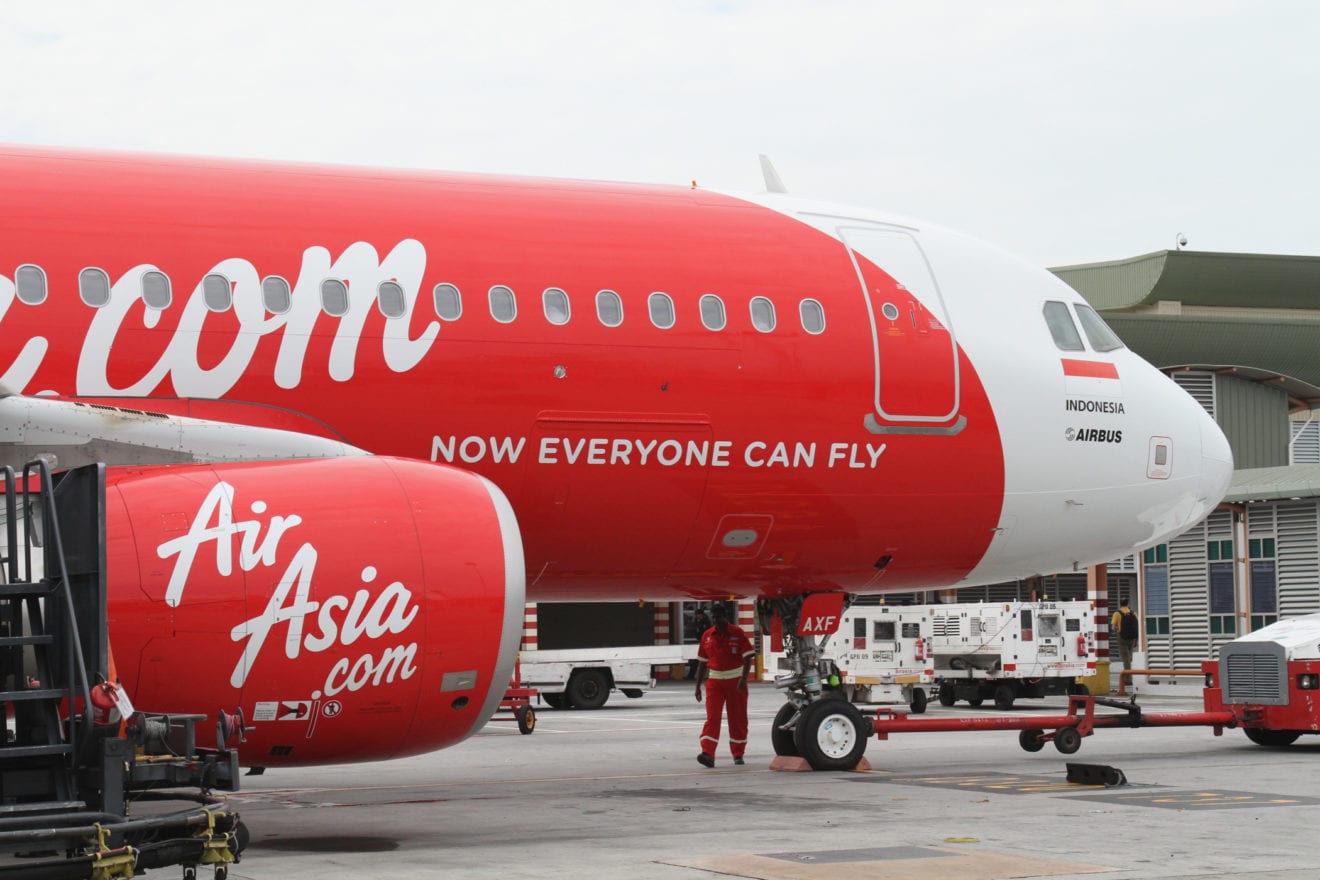
    Travellers flying out of Malaysia’s northern hub Penang can now book AirAsia newest flights to Chengdu, the capital city of Sichuan Province, China.

    AirAsia will launch a Penang- Chengdu service 8 March with three weekly direct flights.

    AirAsia Malaysia CEO Riad Asmat said: “Penang is one of our largest secondary hubs in Peninsular Malaysia, to which we flew more than 2.4 million guests to the island last year. This is our first route from Penang to Mainland China, and we are confident this additional route will continue to boost visitor arrivals into Penang, and vice versa.”

    Members all-in fares from Penang to Chengdu start from MYR99*, available for booking on airasia.com and the AirAsia mobile app until 19 January 2020, for travel between 8 to 28 March 2020.

    Return flights with three-day, two-night hotel stays starting from as low as MYR332** per person are also up for grabs through SNAP on airasia.com.

    Best known as home to the adorable giant pandas, Chengdu is a thriving city with many natural, cultural and historical sights. Some of the must-visit attractions include the Chengdu Research Base of Giant Panda Breeding, Jinli Ancient Street and the Leshan Giant Buddha and Wenshu Monastery.

    Named by UNESCO as a “City of Gastronomy”, many popular Chinese dishes such as Mapo Tofu and Kung Pao Chicken originate from the region. Travellers can also choose to unwind by enjoying aromatic tea at any of the local teahouses.

    Chengdu is also a gateway to the western territories of China, including Tibet, which its capital Lhasa is home to the historical centre of Tibetan Buddhism and famous Potala Palace; as well as the Unesco World Heritage Site Jiuzhaigou, one of the most scenic places in China.

    Besides Chengdu, AirAsia currently flies to 12 destinations from its Penang hub, namely Bangkok, Ho Chi Minh City, Surabaya, Jakarta, Medan, Singapore, Kuala Lumpur, Johor Bahru, Langkawi, Melaka, Kota Kinabalu and Kuching.

  • No respite likely for Hong Kong-based retailers

    No respite likely for Hong Kong-based retailers

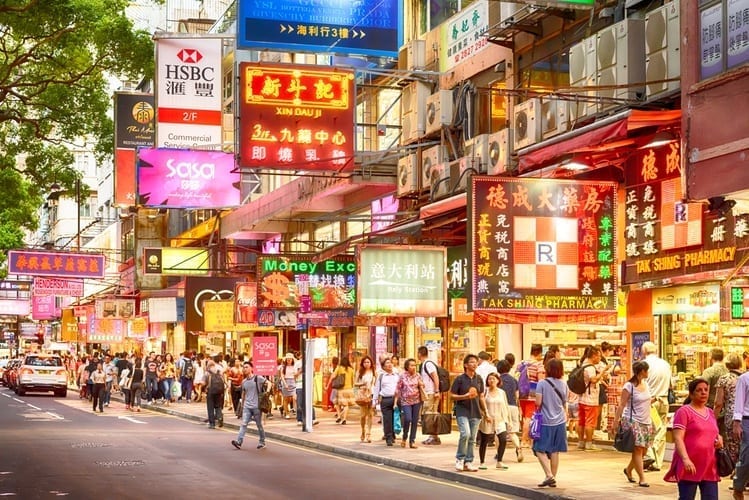
    Hong Kong-based retailers will continue to face tough times as domestic and international issues impact the economy according to a leading analyst.

    Anne Ling, an equity analyst at the investment bank and financial-services company Jefferies Group,  says every 10 percent decline in retail sales impacts the earnings-before-tax (EBIT) of Hong Kong retail companies by between 7 percent and 55 percent. Retail sales in October and November fell by about 24 percent and during the first 11 months of last year were down by 10.34 percent.

    “For international brands like Prada, Samsonite and L’Occitane, we estimate the impact at the sales level is not that material [because] Hong Kong [represents] less than 2 percent to 5 percent of sales. However, at the EBIT level (circa 3 percent to 7 percent) Hong Kong has a higher contribution.”

    Ling warns Hong Kong-based retailers are vulnerable to a risk of the further market slowdown from a higher unemployment rate and weaker consumer confidence in the city.

    “In such times, the immediate lever to hand for brands and retailers is to increase cash flow by reducing inventory and staff and/or rental costs. However, over the medium term, we would expect most players to reset or readjust their Hong Kong store networks to avoid over-reliance on tourist spending.

    “We see a need for the Hong Kong and international brands and retailers listed in Hong Kong, which have heavily de-rated in recent years, to review their business strategies and seek out new business drivers, [so] that they remain relevant to investors.”

    Ling says she expects Sino-US tensions to continue while the mainland Chinese government focuses on stabilizing economic growth this year.

    Given that backdrop, Jeffries would favor recommending investment in Hong Kong-based retailers and manufacturers of low-ticket items like staple goods, food retailers and the fast-food segment, as they are more resilient.

  • Fast Retailing cuts earnings forecast on Hong Kong

    Fast Retailing cuts earnings forecast on Hong Kong

    Fast Retailing, the parent of the Japanese fast-fashion retailer Uniqlo, has reduced forecasts for its full-year operating profit by 11 percent.

    The Japanese company says its business has been adversely affected by protests in Hong Kong and a trade war between Japan and South Korea that resulted in a boycott of Japanese products in a territory that contains the most Uniqlo outlets in a single territory after China.

    “Korea is a very important segment for us, and it’s not clear how long this situation will continue,” said Fast Retailing CFO Takeshi Okazaki.

    Fast Retailing has reported consistently increasing earnings since 2016 – until now. In the current financial year’s first quarter, sales dropped by 3.6 percent, while its international operating profit fell 28 percent.

  • Cebu Pacific kicks off new year with weekend seat sale

    Cebu Pacific kicks off new year with weekend seat sale

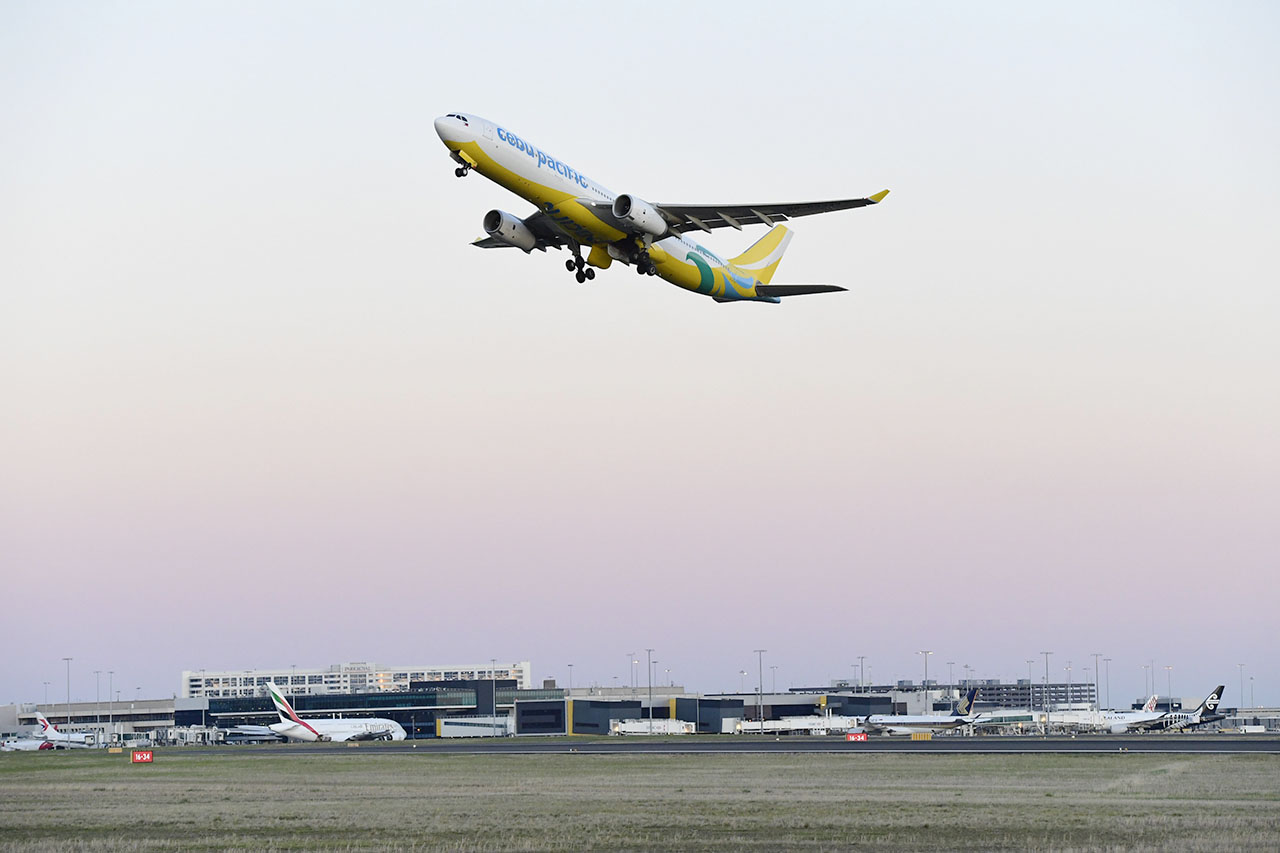
    Start the new year right by jetting off to Clark, an underrated destination in the Philippines with Cebu Pacific’s first seat sale of the year. From 10 January 2020 till 14 January 2020, all flights to the destination are on sale from as low as SGD 90 (USD 66.55), with a travel period from 1 February 2020 to 30 June 2020.

    With exciting seat sales lined up throughout the year, the carrier aims to make travel more convenient and affordable, allowing Singaporeans to enjoy quick getaways and explore new and unique destinations in the Philippines.

    Located in the heart of the Philippine’s Central Luzon region, Clark is a hidden gem that offers visitors a unique fusion of urban and cultural experiences. From teeing off on a world-class championship golf course at the Mimosa and Fontana Resort and Country Clubs, to relaxing in the thermal springs of Mount Pinatubo at Puning Hot Spring, it is just four hours away from Singapore with Cebu Pacific.

  • Vietjet Announces Five New Routes to Japan and Commences Two New International Routes from Can Tho

    Vietjet Announces Five New Routes to Japan and Commences Two New International Routes from Can Tho

    Vietjet has unveiled a total of seven new routes, further expanding its international flight network. This includes the announcement of five new routes linking Hanoi, Da Nang and Ho Chi Minh City to multiple destinations in Japan, and the commencement of two new routes connecting Can Tho with Seoul and Taipei.

    The announcement of the launch of five new routes between Vietnam and Japan took place at Furama Resort’s International Convention Palace in Central Vietnam on 13 January 2020, where Vietjet took part as a member of the Keidanren (Federation of Economic Organisations in Japan). The announcement ceremony during the Japan – Vietnam Bilateral Tourism Promotion Conference, which welcomed more than 1,000 delegates from Japan, including officials from Japan’s National Assembly, the Japanese government and leaders from major Japanese corporations. Vietnam’s Deputy Prime Minister, Vuong Dinh Hue, and the Secretary-General of the Liberal Democratic Party of Japan cum President of the Japanese-Vietnamese Parliamentary Alliance, Nikai Toshihiro, were among those that attended the ceremony.

    The five new routes, Hanoi – Nagoya, Ho Chi Minh City – Nagoya, Da Nang – Nagoya, Hanoi – Fukuoka and Hanoi – Kagoshima, are expected to commence operations in 2020. With a total of ten direct routes now connecting Hanoi, Ho Chi Minh City and Da Nang to Tokyo, Osaka, Nagoya, Fukuoka and Kagoshima, the new flights will continue to facilitate positive bilateral relations between Vietnam and Japan culturally and economically while contributing to Vietnam’s goal of attracting one million Japanese tourists in 2020.

    Vietjet has also inaugurated its first two international services connecting Can Tho, the hub city of the Mekong Delta region, with Taipei and Seoul. Attending the launch ceremony on the morning of 12 January 2020 at Can Tho International Airport were President of the Vietnam Fatherland Front Central Committee Tran Thanh Man, Chairman of People’s Committee of Can Tho City Le Quang Manh, Vietjet Managing Director Luu Duc Khanh, Vietjet Vice President Do Xuan Quang and other leaders from related Ministries, Departments and Authorities. During the event, Vietjet also donated to the Fund for the less fortunate of Can Tho City to usher in the Tet season for the less privileged.

    The Can Tho – Taipei route operates four return flights per week starting from 10 January 2020. The flight departs from Can Tho at 12.40 pm and arrives in Taipei at 5.10 pm. The return flight takes off from Taipei at 6.10 pm and lands in Can Tho at 8.55 pm. All in local times.

    The Can Tho – Seoul (Incheon) route will operate three return flights per week starting from 16 January 2020. The flight departs from Can Tho at 4.50 pm and arrives in Seoul (Incheon) at 11.55 pm. The return flight takes off from Seoul (Incheon) at 2.30 am and lands in Can Tho at 6.20 am. All in local times.

    Vietjet currently operates the greatest number of routes and flights to Can Tho International Airport, with seven domestic routes and two international routes. Since the first flight that commenced in 2014, Vietjet has contributed significantly to the transformation of Can Tho’s tourism industry with an average growth rate of 30 percent of the total number of tourists in the city each year.

  • The improved popularity of Cricket and the billions it makes in India

    The improved popularity of Cricket and the billions it makes in India

    Cricket is one of the most popular sports in countries like the United Kingdom, India, and Australia. However, most of the market share of this sport is taken by India considering how the country has such a large population. In fact, the largest event in the sport, Indian Premier League (IPL) is sometimes responsible for revenues averaging $3 billion within a year.

    In fact, 2004 was the best performing year for the IPL where it managed to generate around $4.1 billion revenue just from advertising, player auctions and viewership fees. The only time that it managed to match the same numbers was in 2017, signaling that the sport is starting to become more and more popular over the last few years after decreasing significantly in the decade.

    How the IPL generates income

    The Indian Premier League, much like any other sports industry in the world relies on advertising, viewership tickets and the auctions conducted on the players. Not to mention dozens of sponsors vying for a spot on the sportsmen’s uniforms and etc.

    Whatever the sports industry gets their hands on, they manage to generate some income out of it, but there are some that are better at it.

    When it comes to world coverage, there is no sport that beats football, but in terms of the volume of viewers, Cricket is starting to climb the ranking thanks to the millions of viewers from India alone.

    You see, by pairing up the prices of the United Kingdom and Australia with the viewership of India, Cricket is able to generate billions of dollars by simply recording the games and airing them on specific channels where they get additionally profitable advertising deals.

    A darker side of Cricket

    Finally, we have one of the most popular and pretty much ancient ways of generating profit from sports. Betting.

    Cricket, much like any other sport in the world has a large betting industry. Every viewer has the opportunity to place a bet on their favorite player as well as a team to predict the outcome of a match. If they were correct, they get a significantly large sum of money back.

    However, considering how Cricket is a sport where almost everything can go wrong within seconds of starting the game, the chance to win is much lower. However, in order to compensate for these issues, especially during the Indian Premier League 2020, most betting companies increase the prize pool to make it more enticing.

    It would be false to say that nobody wins when betting on Cricket, but it’s much harder and complicated when comparing it to betting on football or basketball.

    2019 proceedings to predict 2020

    The IPL conducted in 2019 received the valuation of around $6.8 billion, giving the sport the highest value it has ever seen in the past.

    In terms of ad revenue, the 2019 IPL season managed to bring in slightly more than it’s 2018 predecessor, but that doesn’t mean that 2020 will see an increase on that number as well.

    You see, when industries grow extremely fast over the years, every year becomes harder and harder to match. Imagine a company that had the goal of achieving $20 million in revenue in 2015. Let’s say they managed to do it and increased their goals for 2016 of around $22 million. They reached it as well but with much more hard work and dedication. Say this continues up until 2018 where the company barely managed to reach its goal of $30 million in revenue. So much so that they had to fire some employees along the way just to reach it.

    The $35 million goals for 2019 would become even harder, and thus have the possibility of making the company fail. Constant growth is not maintainable and hyping it up will bring a lot more damage than it will fix.

    Therefore, there are many experts saying that overcoming the expectations of IPL 2020 revenue is going to be nearly impossible.

    Because of this, it is expected that in the year 2020 there will be a lot fewer sponsors vouching for teams and individual players, fewer people watching the events and even players participating in it due to slightly lowered salaries and payouts.

    Overall, the expectations on IPL 2020 performance are very pessimistic, however, should they prove to overcome this pessimism, it’s almost guaranteed to kickstart a new level of confidence in the sport for coming seasons in 2021 and 2022. So IPL 2020 is more of an investment for the sport than the organizers can realize.


  • Cartier flagship opens on Tmall Luxury Pavilion

    Cartier flagship opens on Tmall Luxury Pavilion

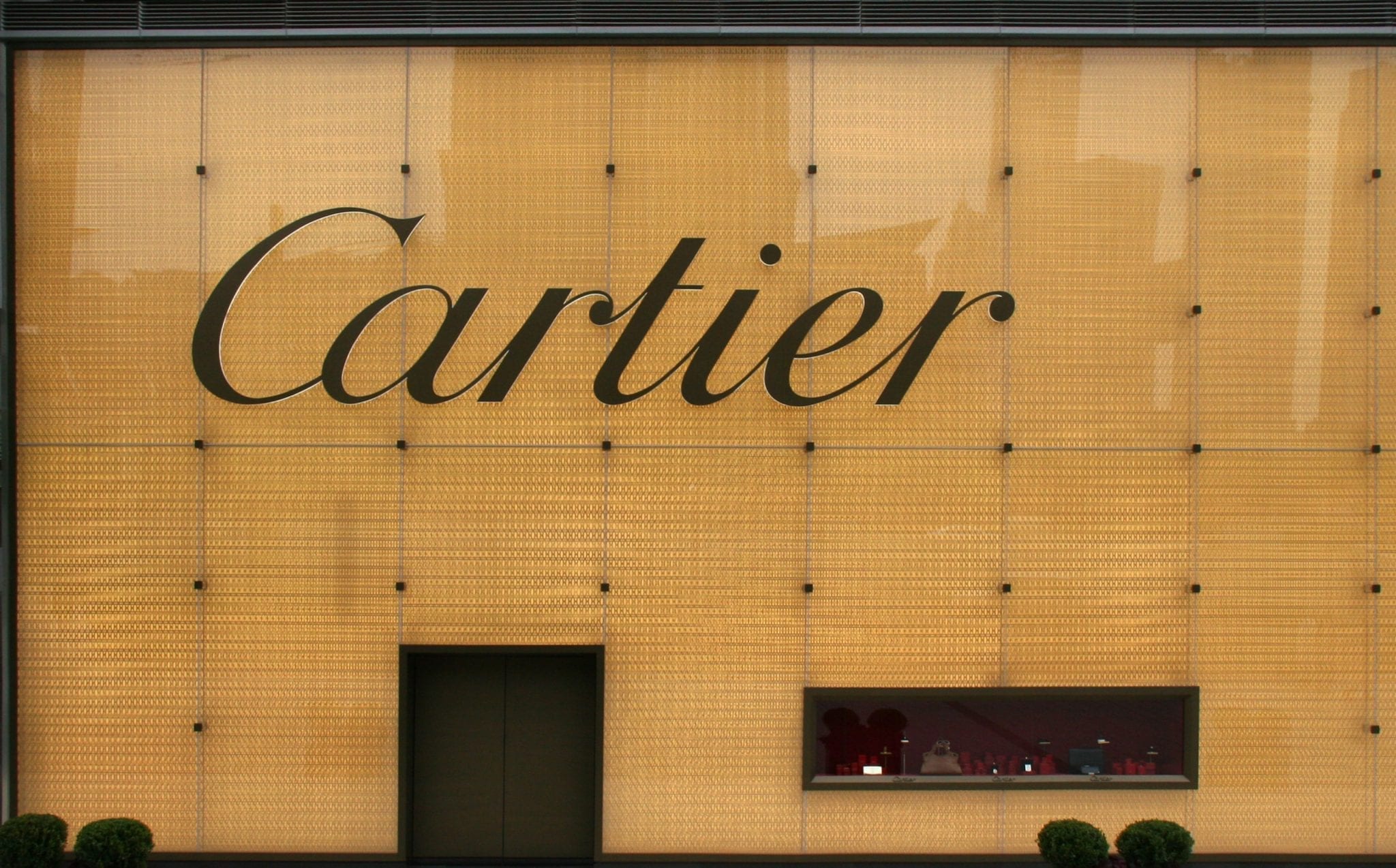
    Cartier flagship has opened on Alibaba’s premium Tmall Luxury Pavilion, becoming the first Richemont-owned business to launch a standalone boutique on the site.

    “The Tmall Flagship boutique marks a milestone within the Maison’s longstanding presence in China, reflecting the inheritance of the pioneering spirit embedded in the Maison’s DNA,” said Cyrille Vigneron, president and CEO at Cartier International.

    He said the Cartier flagship’s launch will provide significant opportunities for the brand to embrace China’s fast-moving retail environment in order to further strengthen its commitment to Chinese clients, given the increasingly complex e-commerce landscape of the market.

    Besides a wide collection of jewelry, timepieces, and accessories, the Cartier flagship on Tmall features the global debut of two exclusive collections: the Juste un Clou small model bracelet with diamonds and the Guirlande chain wallet bag.

    The brand offers special services including red box engravings and door-to-door Cartier Bellboy delivery services for the first 288 clients.

    To celebrate the launch, Cartier Tmall has created a hashtag #Let’s Cartier on Weibo and unveiled its grand opening ceremony this February with Tmall Super Brand Day.

  • Superdry issues profit warning as it ‘fails to resonate with consumers’

    Superdry issues profit warning as it ‘fails to resonate with consumers’

    Superdry has released woeful Christmas results with a sales slump that has forced the retailer to revise its underlying pre-tax profit projection from £41.9 million to be between nil and £10 million for the current year.

    Superdry has claimed the decline in revenue across all channels is down to its focus on a full-price stance, subdued consumer demand and shortages of some of its better-selling products as well as timing issues. During a period of transformation, some hiccups are to be expected, however, problems such as timing issues and failures in inventory management indicate that CEO Julian Dunkerton has not yet been able to significantly impact the product proposition and in turn, the sales performance.

    Investors were spooked by the disappointing results with the share price down 16 percent on Friday morning in London trading.

    There remains an overarching emphasis on returning to full price sales alongside revitalizing the product range but  Superdry must focus on speeding up the implementation of its ‘new design philosophy’ which it announced will not have full impact until Autumn/Winter 2020.  While the product offer is being addressed, given the speed of degradation of the ‘old philosophy’ stock, the retailer must place greater urgency on its design transformation strategy otherwise it risks losing further market share to more nimble competitors.

    One example of those is JD Sports which has gone from strength to strength through constant evolution, implementing an effective merchandising strategy that resonates with its target audience while also partnering up with prominent influencers, helping to keep the brand relevant.

    Superdry must now ensure it uses the expertise of its new creative head, ex-Nike executive Phil Dickenson, to help rapidly restore its style credentials so that it can justify its full-price proposition and breathe some trend-focus into its brand to regain its long lost “cool-factor”.