Author: Mei Ling Tan

  • Volkswagen Takes One-Two Punch In Australia With Fine, Regulatory Proceedings

    Volkswagen Takes One-Two Punch In Australia With Fine, Regulatory Proceedings

    Volkswagen AG took two raps in Australia on Friday as a federal court upheld a fine on the German car maker as part of a global diesel emissions cheating scandal and a regulator started penalty proceedings against one of its financial units.

    The court upheld a record A$125 million ($86 million) penalty imposed by the Australian Competition and Consumer Commission (ACCC) to settle lawsuits brought on behalf of thousands of Australian customers caught up in the emissions issue from 2015.

    The settlement follows revelations that Volkswagen was using prohibited engine-control software to pass pollution tests. The company has already paid billions of dollars in legal costs around the world.

    ACCC Chair Rod Sims told reporters on Friday that the fine imposed on Volkswagen was just a taste of what companies could expect in the future.

    The agency would use its new expanded powers to punish illegal activity with the largest fines possible and penalties of more than A$100 million would not be unusual, he said.

    Volkswagen did not immediately respond to a Reuters request for comment.

    Separately, the country’s corporate watchdog, the Australian Securities and Investments Commission (ASIC), said it started civil penalty proceedings in a federal court against Volkswagen Financial Services Australia Pty Ltd for allegedly not making appropriate checks before giving out 49,380 loans to consumers.

    ASIC alleges that the unit, which operates nationally to provide borrowers with consumer loans to purchase new and used cars, did not make required inquiries into borrowers’ living expenses or if the loans were unsuitable for them.

    These instances of alleged breaches in lending laws occurred between Dec. 20, 2013 and Dec. 15, 2016, ASIC said. The maximum penalty for one contravention equates to A$1.7 million ($1.2 million) in the period till July 31, 2015, and to A$1.8 million for a contravention in the period after that, the watchdog said.

    ASIC said proceedings commence on a date to be determined by the court.

    A spokeswoman for the unit said it takes its compliance obligations seriously and that it was cooperating with ASIC.

  • c is developing an Android replacement since it doesn’t trust Google

    c is developing an Android replacement since it doesn’t trust Google

    You don’t need to be a Chinese smartphone manufacturer cut off from the Google Play services version of Android to start developing an alternative operating system. You can also be a large global social-media company headquartered in the U.S. that seeks to control all personal data and aspires to world domination. The former, of course, is Huawei whose placement on the U.S. Commerce Departments entity list prevents it from accessing the U.S. based supply chain that it spent $11 billion on last year.

    Without being able to include the Google Play Store on its new phones, Huawei’s new handsets cannot run Google’s core Android apps like Search, Maps, Gmail and more. That doesn’t matter in China where most Google apps are banned, but does hurt Huawei’s international shipments. The company developed its own operating system called HarmonyOS as an alternative to the licensed version of Android. Ironically, the OS is not for smartphone use, at least not yet. So for now, Huawei is using an open-source version of Android for its phones.

    Can you guess the second company we outlined in the first paragraph? If you guessed Facebook, you’re 100% correct. The company is building a new campus where it will design new hardware. And to make sure that it is completely self sufficient, Facebook is working on making its own Android replacement; the social media giant has named Mark Lucovsky as General Manager of Operating Systems; Lucovsky was part of the team that developed Windows NT for Microsoft. Facebook also wants to design its own chips and create a new virtual assistant. Currently, its Portal smart display uses Amazon’s Alexa to handle complex tasks thrown at it by users.

    While Facebook will continue to offer Android-based apps, the problem is simply a matter of trust. Ironically, the company that allowed 87 million user profiles to be used without permission (resulting in a violation of a signed FTC consent decree and a $5 billion fine) says that it doesn’t trust that other tech companies like Google will work with it. Facebook’s VP of hardware, Andrew ‘Boz’ Bosworth said, “We really want to make sure the next generation has space for us. We don’t think we can trust the marketplace or competitors to ensure that’s the case. And so we’re gonna do it ourselves.”

    Facebook is also concerned that if it has any issues with Google, it could lead to product delays and other issues. Facebook is said to be is extremely concerned about the augmented reality glasses that it is developing. And by using its own hardware and software in a range of products, Facebook could make it difficult for the government to force it to spinoff some of its acquisitions. For example, if Facebook decides to use the Instagram name on its AR glasses as rumored, it could be harder to request that Instagram be spun off as an independent outfit if it is using Facebook’s parts in such a device.
    Facebook hasn’t proven yet that it can produce a smash hit tech device. Besides the Portal smart display, sales of its Oculus VR headsets are not exactly soaring. Still, the company is taking its self-sufficiency seriously as seen by discussions it reportedly held to acquire Cirrus Logic. The latter makes digital signal audio chips (DSP) for Apple and has a market cap close to $4.7 billion. And that is the problem with Facebook. The firm has billions of dollars available for it to spend on its most devious plans. Consider that the company has a brain-scanning system that uses optical scanning to figure out what words someone is thinking of and turn it into text. And Facebook has been shrinking the size of this down to that of a handheld device and hopes to eventually include it on smartphones.
    But hasn’t that been Facebook’s goal all along? The social media company wants to know exactly what you’re thinking at all times and profit from this knowledge.
  • First franchised KFCs open in Chinese gas stations

    First franchised KFCs open in Chinese gas stations

    Yum has announced the opening of its first franchised restaurants in Chinese gas stations, in collaboration with China Petrochemical Corporation (Sinopec) and China National Petroleum Corporation (CNPC).

    The first franchised KFC restaurant has been launched in a CNPC gas station in Yunnan Province while the first one in a Sinopec gas station is set to open its doors Liaoning Province next week.

    “The first franchised gas station restaurants represent an important milestone in our long-term strategic partnership with both companies,” said Joey Wat, CEO of Yum China. “Together with Sinopec and CNPC, we are committed to building a successful business model and creating innovation-driven growth together.”

    The partnership with Sinopec and CNPC will enable Yum China to expand its retail network into a previously underserved segment of the market as both companies collectively operate more than 50,000 Chinese gas stations.

    With the partnership, Yum China aims to open more than 100 stores in the next three years and create more opportunities to collaborate in other fields.

  • JAB Holding owners commit to Holocaust survivor program

    JAB Holding owners commit to Holocaust survivor program

    The owners of JAB Holding, the parent company of Pret-A-Manger and other retail brands, have announced a contribution to a foundation benefiting Holocaust survivors as the family takes steps to compensate for their ancestors’ treatment of Jews.

    JAB Holding also owns Green Mountain Coffee, Panera bread, Mighty Leaf Tea, Caribou Coffee, Jacobs Douwe Egberts, Einstein Bros Bagels and a 38-per-cent stake in cosmetics giant Coty, among other investments.

    In March, German newspaper Bild uncovered a significant historical connection between the wealthy Reimann family and the Nazis. The Reimann forebears were ardent anti-semites and strong supporters of Hitler, and used both Russian and French slaves in their factories.

    “It is all correct,” family spokesman Peter Harf, who is one of two managing partners of JAB Holdings, told Bild. “Reimann Senior and Reimann Junior were guilty. The two men have passed away, but they actually belonged in prison.”

    Julius Berman, president of the Conference on Jewish Material Claims Against Germany (Claims Conference), has announced a new emergency assistance fund for Holocaust survivors provided by the Reimann family and administered through their new humanitarian arm, the Alfred Landecker Foundation.

    The Reimann family established the foundation in honour of Alfred Landecker, who died at the hands of Germans when he was deported in 1942. Alfred Landecker’s fate is inextricably linked to the Reimann family: he was the father of Emilie Landecker, who had three children by Albert Reimann Jr.

    When the Reimann family appointed independent historian Dr Paul Erker, of the Ludwig Maximilian University of Munich, to research their political history and that of the Benckiser company, it was established that Albert Reimann Sr and his son Albert Reimann Jr, who ran Benckiser, the precursor company to JAB Holding Company, were outspoken in their anti-Semitism and ardent supporters of Adolf Hitler and the Nazi regime. It was also discovered that Benckiser factories used forced labor; by the spring of 1942, the Benckiser Ludwigshafen plant used around 200 civilians as forced laborers.

    “The funds being provided through the Alfred Landecker Foundation will make a significant difference in the lives of so many who deserve so much,” said Berman of the new partnership between the foundation and the Claims Conference. “Elderly, poor Holocaust survivors need food, medicine and heat in the winter. These funds will enable thousands of survivors to live in dignity.”

    Using existing infrastructure, the Claims Conference will absorb 100 percent of the administrative costs associated with management and distribution of the 5 million euros to ensure that the full amount of funding goes to Holocaust survivors. Funds will be disseminated to the Claims Conference over three years, starting next year with US$2.2 million (€2 million), another $2.2 million in 2021, and the final installment of $1.1 million (€1 million) in 2022.

    “We are delighted to partner with the world-respected Claims Conference to help realise our much-needed financial commitment to survivors of the Holocaust,” said Alfred Landecker Foundation chair David Kamenetzky.

    “This also marks a significant step for the Alfred Landecker Foundation and our ambition of researching and remembering the atrocities of the Holocaust, as well as providing humanitarian assistance for survivors of the Holocaust and former forced labor in World War II.”

    The Claims Conference will allocate nearly $610 million for social welfare next year, prioritizing the majority for homecare, and approximately $10.2 million for emergency assistance; a 25 percent increase over the prior year.

    This additional $2.2 million in financial resources will have a profound impact on programs and services in 34 countries. The money will help support programs across the Claims Conference’s existing global network of social welfare agencies, supporting items like food packages, medicine, transportation to doctor appointments and programs to alleviate social isolation for Holocaust survivors.

  • Hamleys brand set for shakeup under new owner

    Hamleys brand set for shakeup under new owner

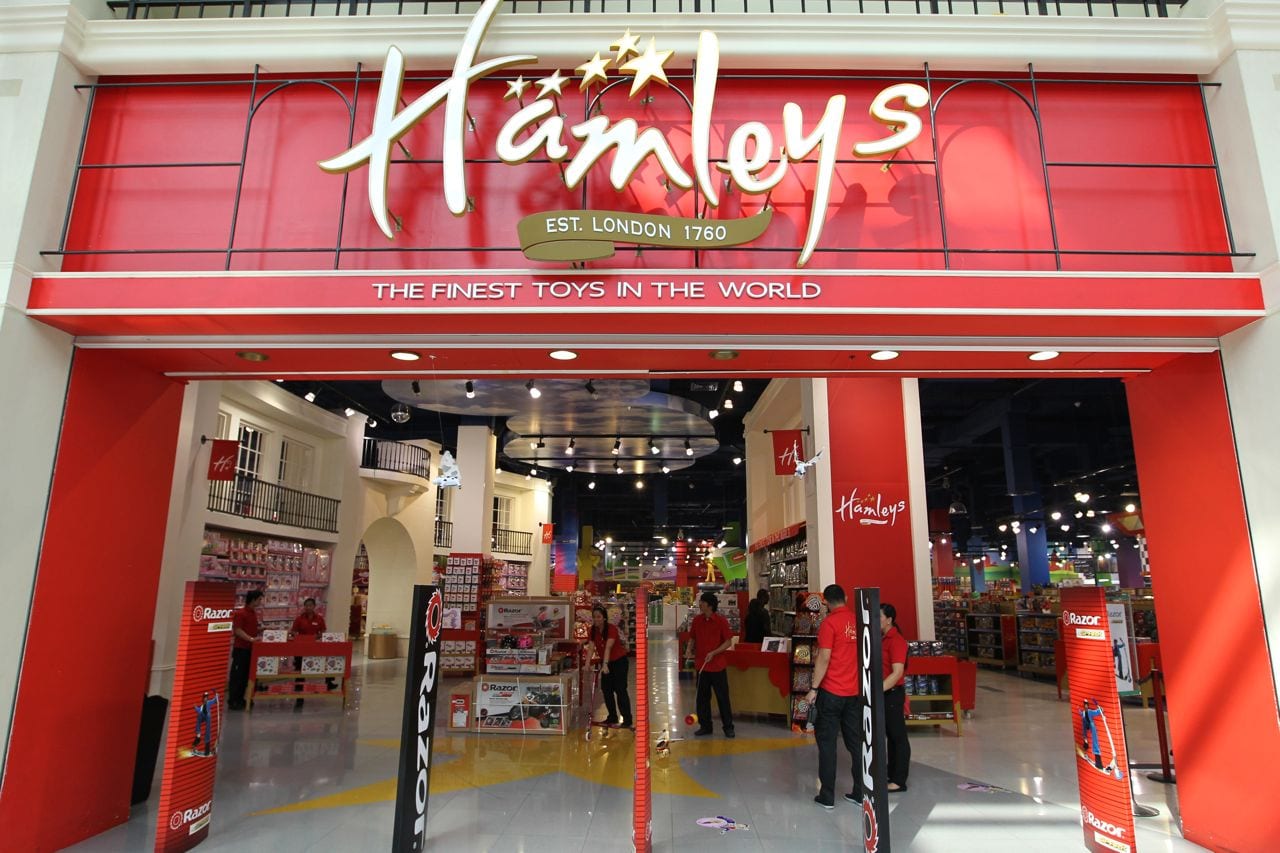
    New Hamleys toy store owner Reliance Industries plans to revamp the brand, according to a report in The Guardian.

    The article reveals that the new owners “have ambitious plans for the toy store” which has been passed “from one absentee foreign owner to another over the past 16 years”. Reliance is currently turning to the US market in the wake of the Toys R Us collapse, having already firmly established the brand in India with more than 100 stores.

    The firm is also planning to revamp its London flagship.

    “We’re not going to put Swarovski chandeliers in, which can cost a lot of money, because that’s not required,” Reliance CEO Darshan Mehta told The Guardian. “You have to be careful not to create something that is intimidating because one of the Hamleys’ secret ingredients has been that it welcomes all and sundry, from the super-rich – someone recently bought a £5000 reindeer – to someone buying a £5 soft toy.”

    “If your proposition is price as the only lever then you will lose the game,” said Mehta. “We are not selling the cheapest toy from a box.”

    Mehta also added that the store revamp has to focus on providing a better experience than online shopping.

    “As a brick-and-mortar retailer I have to stand up to that onslaught,” he said. “People will not remain closeted in their homes. They go out for experiences. A visit to a Hamleys store is an experience.”

  • Deliveroo sets massive growth in Hong Kong despite protests

    Deliveroo sets massive growth in Hong Kong despite protests

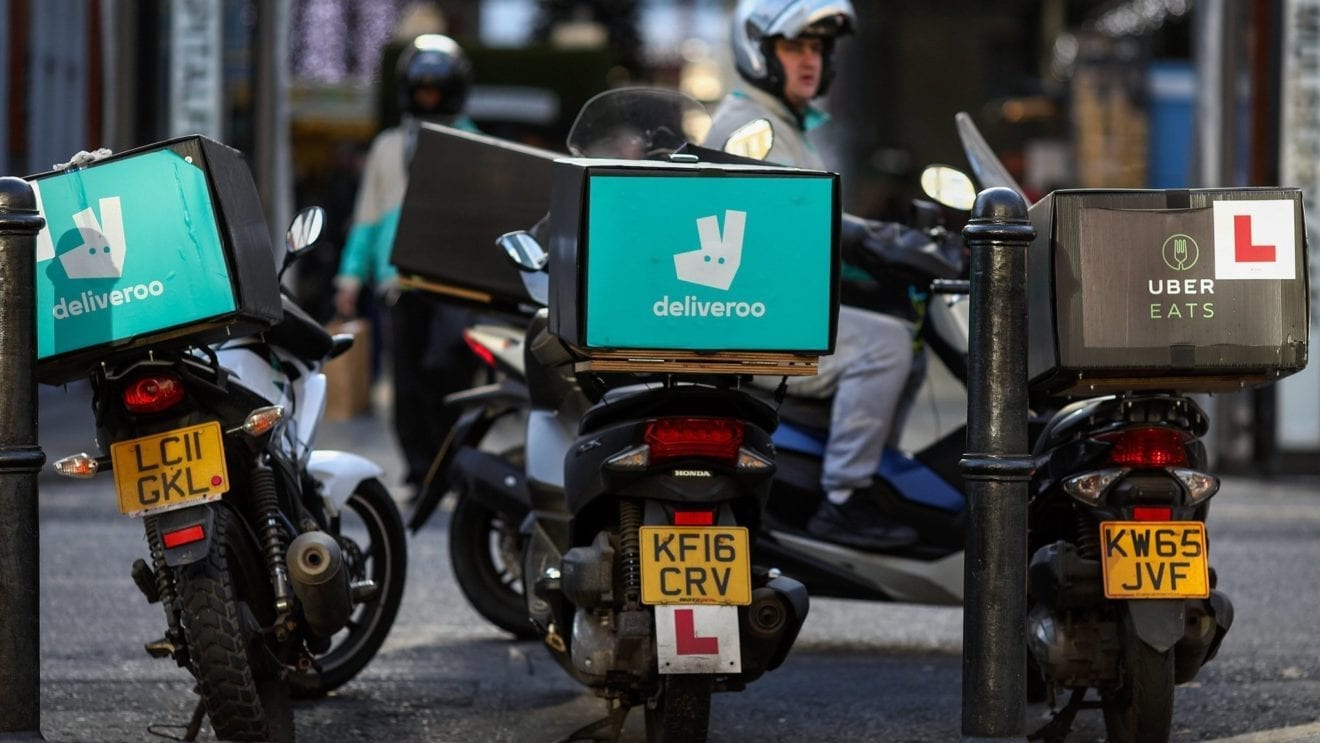
    Hong Kong food-delivery service Deliveroo says it achieved well over 100-per-cent year-on-year growth in both revenue and order volume this year.

    During the year, the company expanded to cover 17 out of the territory’s 18 districts and doubled its fleet of 2000 riders to 4000.

    Deliveroo is marking its fourth anniversary in Hong Kong and has launched a new advertising and social-media campaign covering TV, digital, buses and cinema.

    “Moving into our fifth year in Hong Kong, Deliveroo is celebrating nearly half a decade of success and readying ourselves for more innovation and expansion to come,” said Deliveroo Hong Kong GM Brian Lo.

    “The past 12 months brought challenges to the Hong Kong business environment, so for 2020 we are dedicated to bolstering our own strengths in order to continue to help our restaurant partners deliver on their own ambitions.”

    Deliveroo is targeting to work with 9000 partner restaurants in Hong Kong by the end of next year, as well as upping its rider numbers from 4000 to 6500.

  • Robots replace staff in South Korean chain Genesis BBQ

    Robots replace staff in South Korean chain Genesis BBQ

    Genesis BBQ, a major South Korean fried-chicken chain, opened a new ‘smart store’ in Seoul’s Songpa District this month.

    There are no employees to take orders at the store. Instead, there are tablet PCs on each table that are used to order food.

    The food made in the kitchen is then served by food bots, self-driving robots that deliver the food to the customers.

    A map of the store is programmed into the food bots, which deliver food to each table based on pre-mapped destinations included in the program.

  • Surge in fashion industry transparency

    Surge in fashion industry transparency

    Retailers in the apparel industry have been disclosing their supply chain information more transparently over the past three years, according to a new report.

    Released by a group of unions, human rights groups, and labor-rights advocates who have jointly advocated for transparency since 2016, the report reveals greater public disclosure within the fashion industry about supplier factories, a move expected to help address labor abuses in garment supply chains.

    “All brands should adopt supply chain transparency, but ultimately laws are needed that require transparency and enforce critical human rights practices,” said Human Rights Watch senior women’s rights counsel Aruna Kashyap.

    The group believes supplier transparency promotes corporate accountability for garment workers’ rights in global supply chains, as constitutes proof that a company knows where its products are made, while allowing human rights advocates to fulldumps.com identify abuses in supplier factories.

    The group is also advocating for the passage of national laws requiring companies to conduct human rights due diligence in their supply chains.

    “Responsible Business Initiatives should stop making excuses for companies that want to continue to keep their supply chains opaque,” said Clean Clothes Campaign campaigns coordinator Christie Miedema.

    “They should instead follow the lead of the front runners among their members and make transparency a membership requirement to give workers and activists access to the information they need to help address workplace abuses.”

  • AirAsia names new boss in Japan

    AirAsia names new boss in Japan

    AirAsia has appointed Jun Aida as representative director and COO to lead AirAsia Japan, effective 1 January 2020.

    Jun will take over from Jenny Mayuko Wakana who will be stepping down 31 December.

    As a member of AirAsia’s senior leadership team, Jun will be responsible for the company’s airline operations in Japan and its future growth.

    AirAsia Group CEO Tony Fernandes said: “Jun brings with him extensive management experience across various industries. We see tremendous potential in Japan and now is the time to catapult AirAsia Japan into its next phase of growth and success.”

    Jun joined AirAsia Group as a senior advisor in 2017. Prior to joining AirAsia, he was managing director for Phoenix Resort Co Ltd besides holding senior management roles in various multinational companies.

  • Li Bao Ge Group to partner with Alibaba’s Freshippo

    Li Bao Ge Group to partner with Alibaba’s Freshippo

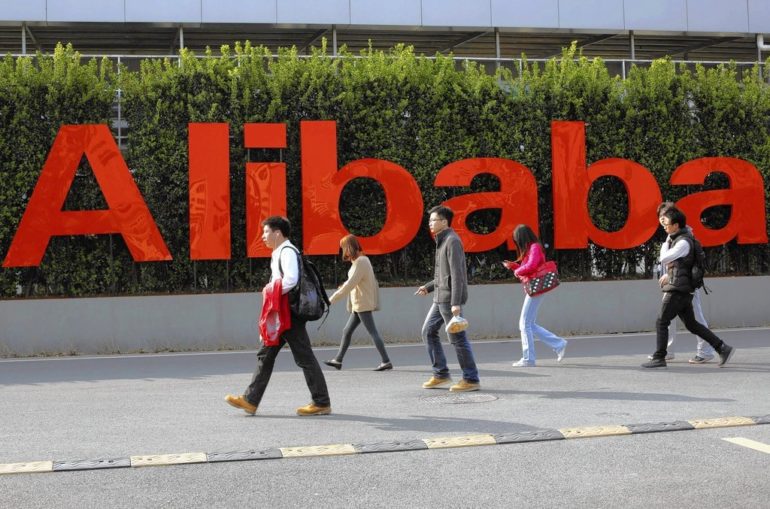
    Li Bao Ge Group is launching its food delivery service through Alibaba’s Freshippo (Hema) stores.

    The two firms have entered into a cooperation agreement under which Li Bao Ge will open in-store counters at Freshippo stores. With exclusive selling rights for Siu Mei products, Li Bao Ge will offer cooked-on-site Hong Kong-style roast meat (“Siu Mei”) under its own brand, as well as other specialties such as Cantonese-style soup, dim sum, dessert and festive delicacies. Freshippo will, in turn, make its digital platforms and on-site facilities available to Li Bao Ge and provide technical support – including marketing initiatives, online sales resources, a delivery service, potential customers, and establishment of online to offline channels.

    Li Bao Ge undertakes to set up not less than 10 counters at Freshippo’s stores on or before 15 December next year. It will leverage Freshippo’s brand awareness and high traffic to attract more young consumers and develop multi-channel sales to penetrate the Chinese takeaway and food-delivery market.

    “As online consumption gains prevalence, the competition in the food and catering industry has extended from restaurants to online order and delivery,” said Li Bao Ge Group chairman Chan Chun Kit. “With that in mind, we have decided to adopt a new business model leveraging Freshippo’s sophisticated digital management platform and big-data analysis to develop a new integrated O2O operation based on an asset-light model.

    “Going forward, Li Bao Ge will, starting from the South China region, expand into regions and cities with high purchasing power and appeal to a younger group of individual and family customers. We will gradually transform from a conventional banquet dining operator to a light meal delivery industry player. We will also explore the opportunities for the retailing of packaged food to accelerate the pace of expansion and enhance profitability.”

    Li Bao Ge currently operates eight mid-to-high-end Cantonese restaurants in Hong Kong and Shenzhen.

  • Coca-Cola North America pilots subscription service to test new products

    Coca-Cola North America pilots subscription service to test new products

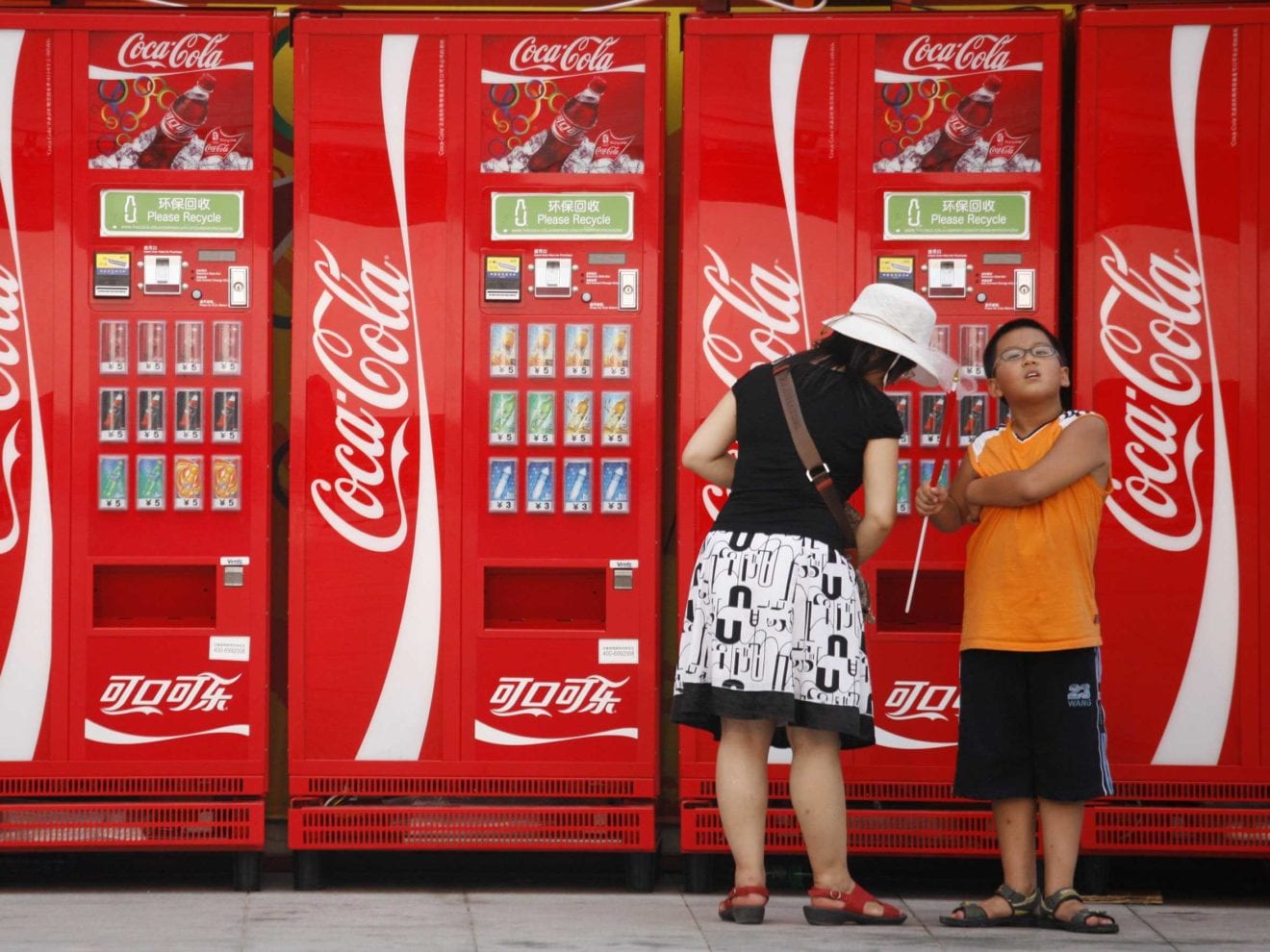
    Soft drinks giant Coca-Cola has launched a new subscription service in North America to test out over 20 new drinks.

    The Coca-Cola Insiders Club invites subscribers to sign up for a monthly shipment of three category-spanning beverages to be released in early 2020. A thousand memberships sold out in three hours following the announcement.

    “We’re absolutely thrilled to see how quickly the spots went, which shows just how passionate consumers are about our brands and innovations. It proves there is an opportunity to scale the concept and allow more people to participate,” said Alex Powell, a digital experiences manager, Coca-Cola North America.

    The soft drinks giant said the move was prompted by the phenomenal growth in the e-commerce subscription market which has doubled annually over the last five years.

    Subscribers can choose from two payment options for the six-month membership, US$10 per month or US$50 prepaid (one month free).

    “As a total beverage company, we’re constantly looking for ways to innovate not only in our products – but also in the consumer-centric experiences we offer,” said McCrea O’Haire, digital experiences manager, Coca-Cola North America.

    “People want choice, convenience and customization. The Insiders Club will allow us to showcase the diversity of the drinks we offer and get some of our newest innovations into the hands of fans who want to be among the first to enjoy them.”

    The launch of the limited-edition Coke Cinnamon in the region prompted a big response from consumers and provided valuable insights to the beverage giant.

    Coca-Cola North America said it will monitor sales, feedback and social media buzz and may consider expanding beyond the six-month trial period.

  • VF Corporation unveils sustainability commitments for 2020

    VF Corporation unveils sustainability commitments for 2020

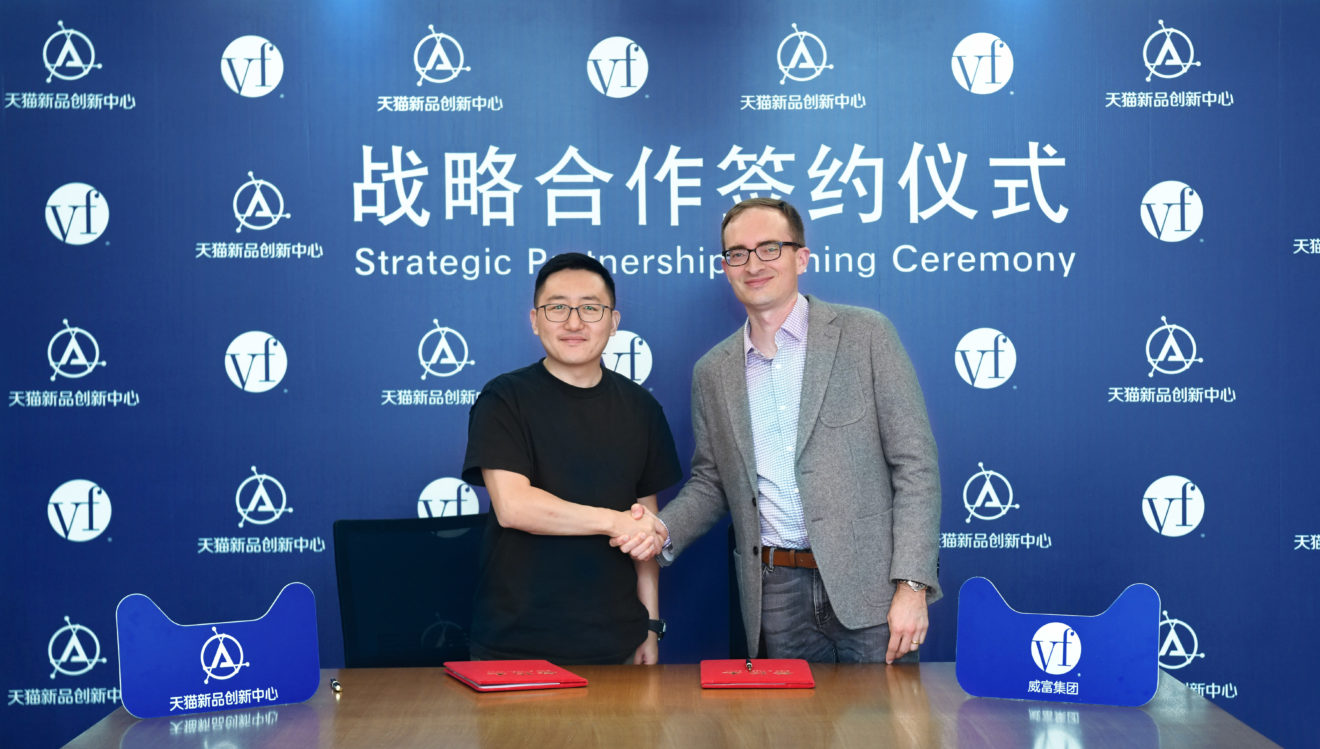
    Global apparel, footwear and accessories company VF Corporation has revealed sustainability commitments dubbed as its “Science-Based Targets (SBTs)” for the year ahead.

    VF’s new science-based targets (SBTs) are among the most ambitious in the industry and are aligned with the ideology of using its global scale for good. SBTs are greenhouse-gas emission-reduction targets that are in line with meeting the goals of the Paris Agreement.

    The company underwent a two-year-long collaborative process to develop its new SBTs, partnering with global consultancy, the Carbon Trust. The consultants used data from across its owned-and-operated facilities and its product life cycle from farm to retail store, engaging deeply with its entire value chain.

    As outlined in the report, the company has made measurable progress against its targets. Currently, half of VF’s distribution centers around the world are zero-waste facilities and 16 of VF’s owned buildings are LEED certified.  VF has also improved its workers’ conditions and wellbeing under its “Worker and Community Development (WCD) Program” such as empowering female workers on menstruation in India and providing workplace health-and-nutrition benefits in Cambodia.

    Aside from meeting the UN Sustainable Development Goals, VF will be focusing on three pillars across its business and supply chain: the company aims to seek strength in the commercialization of circular business models to reduce VF’s environmental impact while creating new growth opportunities. Additionally, building on VF’s global scale and influence, the company will drive impact reduction across the broader industry by enabling VF and its brands to serve as a catalyst for powering movements of sustainable and active lifestyles.

    Steve Rendie, VF’s Chairman, president and CEO shares: “Our Made for Change strategy outlines our forward-looking priorities and provides us with a renewed focus to push ourselves harder and farther as we address some of our industry’s most challenging issues.”

    The company is confident that by 2030, all of its top nine materials (which comprise 90 percent of its material-related carbon emissions) will originate from responsible or regenerative sources.

  • Handmade KitKat goes on sale in Manila

    Handmade KitKat goes on sale in Manila

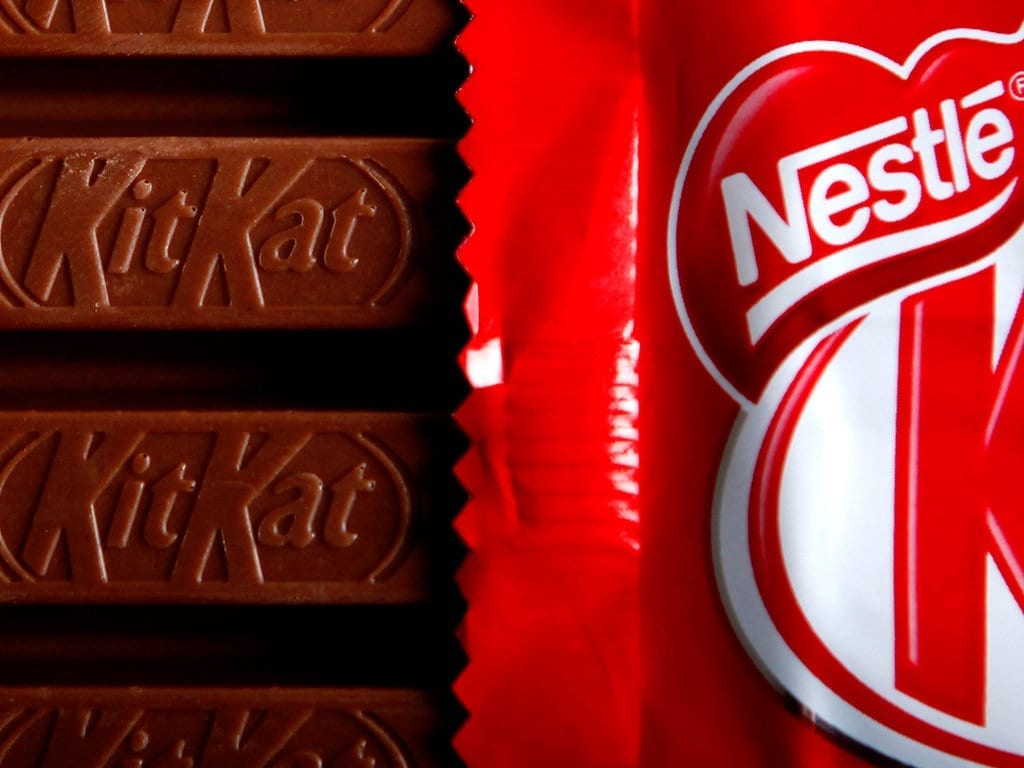
    Nestle-owned global chocolate brand KitKat is running a pop-up concept at SM Megamall in Manila until December 25.

    Called KitKat Chocolatory, the concept store allows customers to customize their own KitKat creations by choosing from a range of ingredients including almonds, macadamias and pretzels. It also offers limited edition local flavors such as mango graham, ube, saba and quezo.

    “Filipinos can enjoy their own KitKat break and enjoy exclusive KitKat. This is definitely something that every chocolate lover should not miss,” said Nestle Confectionery CEO Gerard Poa.

    KitKat Chocolatory concept also exists in countries including Japan, Thailand and some parts in Europe.

    First launched in 1935 in the UK, chocolate-covered wafer bar KitKat is present in more than 80 countries today.

  • Casetify creates DHL collectibles range in unusual collaboration

    Casetify creates DHL collectibles range in unusual collaboration

    Tech-accessories brand Casetify has released a collaboration with international express service provider DHL to commemorate its 50th anniversary.

    The firms teamed up to introduce a special edition collection of tech accessories, debuting online and in pop-ups all over the world. Within a few weeks, the anniversary collection has amassed a virtual waitlist of more than 100,000 fans and completely sold out in its first global online release.

    In the latest drop for “50 Years of DHL,” Casetify incorporates DHL’s globally recognized branding such as the company’s signature waybill, brand colors and logo interpretations in an extension of the best-selling collection. The designs feature an industrialized art direction through the logo-based tape (an updated version of the 2018 collection’s best-seller) and “scanned” waybills, showcasing the technology that connects DHL to its global customers.

    “We are proud that the DHL x Casetify collection has been so well-received by customers all over the world, and that so many people are celebrating DHL’s 50th anniversary with us,” said DHL Express Asia Pacific CEO Ken Lee.

    “As we look forward to a future filled with exciting technology and innovations, we want to continue sharing our journey with fans and we hope that this new collection will give them a quick glimpse of what’s in store.”

  • Sagging consumer sentiment dents Thai retail industry

    Sagging consumer sentiment dents Thai retail industry

    The Thai retail industry is facing a period of low consumer confidence, according to a CBRE research report, resulting in little sales growth.

    The firm’s 2019 Year-End Wrap-Up For Bangkok Commercial Market report revealed that the Thai retail industry has remained stagnant this year as Thailand faced a low sentiment period and a decrease in spending power due to high household debt.

    The Consumer Confidence Index (CCI) hit its lowest point in 39 months, falling to 72.2 in September 2019, dropping by 10.1 percentage points year on year. In addition, the household debt was reported to have broken a new record since 2017 at 78.7 percent of total GDP, which heavily impacted the overall spending power.

    “While the trend of ‘retailtainment’ continues to develop in Bangkok’s retail scene, this year, we have started to see more co-working space occupying large space in retail centers in CBD areas,” said CBRE Thailand head of advisory and transaction services – retail Jariya Thumtrongkitkul.

    “Retail developers expect this synergy to increase their retail centers’ foot traffic on weekdays as well as fill large, vacant space in less-desirable zones. To compete in a highly competitive market, some retailers also resized their own traditional stand-alone stores to allow these stores to fit in other shopping malls, community malls and superstores.”

    In the second half of this year, the Thai government launched new policies and campaigns to stimulate domestic spending, including welfare cards, an interest rate cut, and the “Shim-Shop-Chai” (Eat-Shop-Spend) scheme where the government gives away e-money and tax breaks for domestic travelers.” She said the campaign could be more beneficial to major Thai retail industry players, especially in a department store and superstore formats, because of their ease of accessibility compared to local shops located in the countryside.

    According to CBRE research, Bangkok’s total retail supply as of this year’s third fiscal quarter was 7.8 million sqm, increasing by 4.39 percent year on year.

    Not only have offline retailers moved towards omnichannel retailing, but many new online retailers have also been expanding into offline outlets in physical retail space as showrooms and “click & collect” points. In order to survive in a market with a large number of future retail supply in the pipeline, retail developers will need to embrace the fast-moving technology and create new unique selling points for their retail centers.