Author: Mei Ling Tan

  • KFC urban concept unveiled in The Bronx

    KFC urban concept unveiled in The Bronx

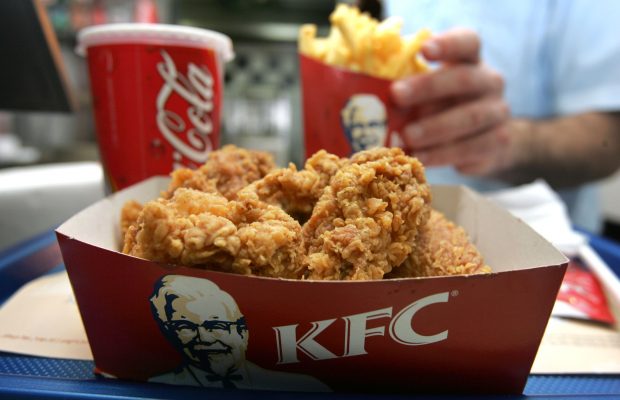
    KFC has unveiled its newest urban inline restaurant design in the Bronx, NYC. Influenced by Colonel Sanders-inspired hospitality and the hustle and bustle of the Bronx, KFC’s new concept design illustrates “the borough’s fast-paced, eclecticism”.

    Designed by FRCH Nelson, KFC in the Bronx features a brick wall with KFC’s signature red and white stripes and tagline “It’s finger-licking’ good”. Different pictures of Colonel Sanders hung on the other white focal wall.

    “The Bronx neighborhood has a rich history and has seen a great deal of urban renewal in recent years,” said Lauren Moorehead, associate design manager of KFC. “It is important for us to reach our customers where they are and through our work with FRCH Nelson we’ve been able to create our first urban inline design that makes our brand more accessible for residents of the Bronx community and nearby Fordham University.”

    The design features a modern style that “captures the Colonel’s vintage flavor while marking a stark departure from the chain’s early decor, modeled on Sanders’ first restaurant”.

    Design director at FRCH Nelson, Marty McCauley, said working with a brand historically known for its southern hospitality, the agency created a design that maintained the great experience, but also looked to fold in a distinctly edgier attitude to deliver on the feistiness of what guests see from KFC in commercials and on social media.”

    KFC operates more than 23,000 restaurants in 140 countries and regions around the world under fast-food operator Yum! Brands.
  • Amorepacific invests in US brand Milk Makeup

    Amorepacific invests in US brand Milk Makeup

    South Korean beauty conglomerate Amorepacific has invested in American company Milk Group’s makeup and skincare division Milk Makeup.

    Seoul-based Amorepacific joins Main Post Partners and Alliance Consumer Growth as minority shareholders in the beauty brand, forming a strategic partnership that will assist the brand as it enters the South Korean marketplace.

    “The South Korean beauty market is highly competitive and incredibly innovative, so we are thrilled to have Amorepacific’s help to ensure our success in this important beauty space,” said Milk Makeup CEO and co-founder Mazdack Rassi. “This strategic partnership will allow us to benefit from Amorepacific’s significant expertise and resources. And in true partnership, Milk Makeup will share the strategies that have made it one of the fastest-growing color brands in the US.”

    “We were impressed by Amorepacific’s track record of internally starting and growing beauty brands,” said Milk Makeup chairman Scott Sassa. “This shared belief in building brands designed to last for decades was central to establishing this relationship.”

  • Suning to open 10,000 new China stores next year

    Suning to open 10,000 new China stores next year

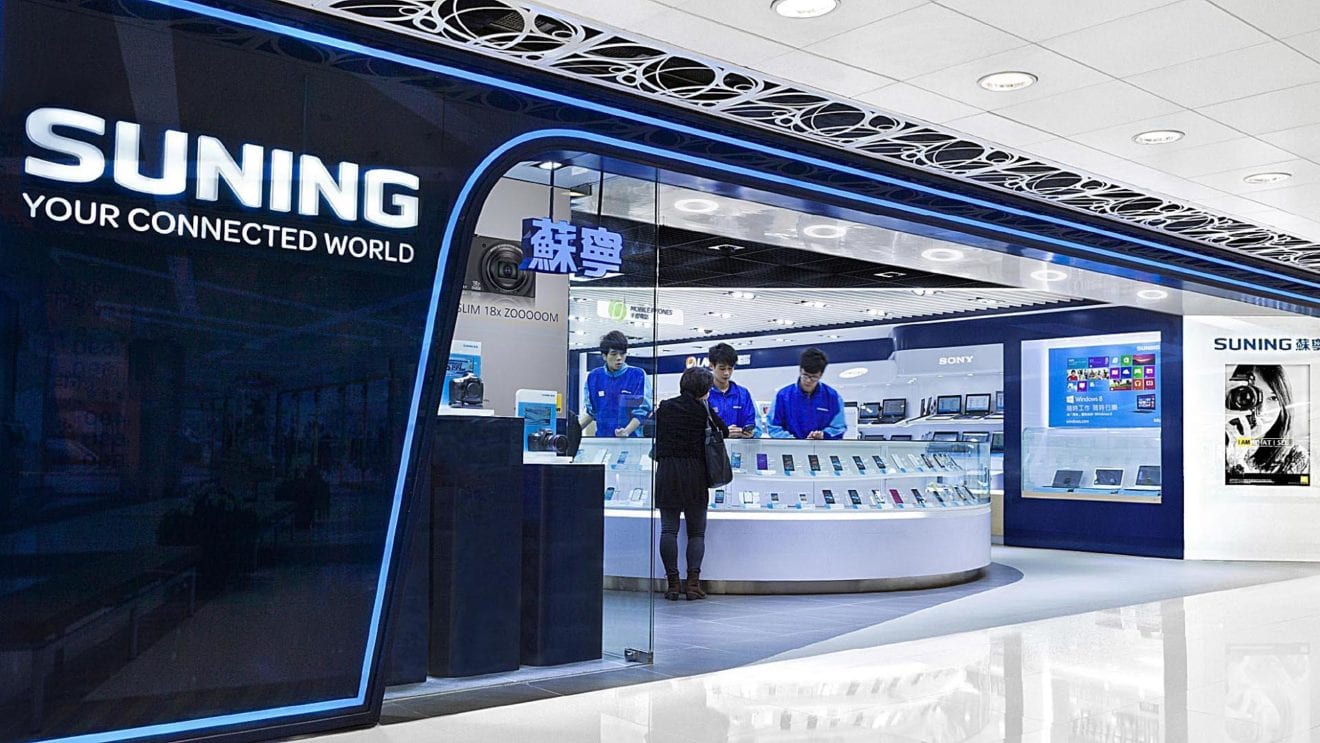
    Chinese O2O retailer Suning plans to open 10,000 new stores next year, capitalizing on ‘consumption upgrade’ in China.

    Founder and chairman Zhang Jindong said the company will invest 40 billion RMB (US$5.7 billion) to support its expansion spree, estimated to create 8000 new jobs.

    According to the company, the increase in consumer spending with the emergence of new, more aspirational and affluent consumer groups is driving the consumption upgrade in China. The increased purchasing power in China’s lower-tier cities is also emerging as an investment magnet.

    The expansion is part of the company’s ‘open from 1 to N and integration from N to 1’ strategy.

    “Opening from 1 to N refers to how Suning is opening up its core business of retail through multi-channel, full-scenario categories to empower the industry and society at large. Integrating from N to 1 refers to the integration of Suning’s scenarios and supply chain, converging online and physical retail to focus on consumer experience and providing diversified services of a consistent quality for every consumer,” it says.

    Earlier this year, Suning acquired 37 Wanda department stores and bought an 80-per-cent stake in Carrefour’s Chinese operations. The company is recognized as one of the top three among the top 500 non-state-owned enterprises in China.

  • Thailand’s Nok Air seeks to raise $73.5mn from shareholders

    Thailand’s Nok Air seeks to raise $73.5mn from shareholders

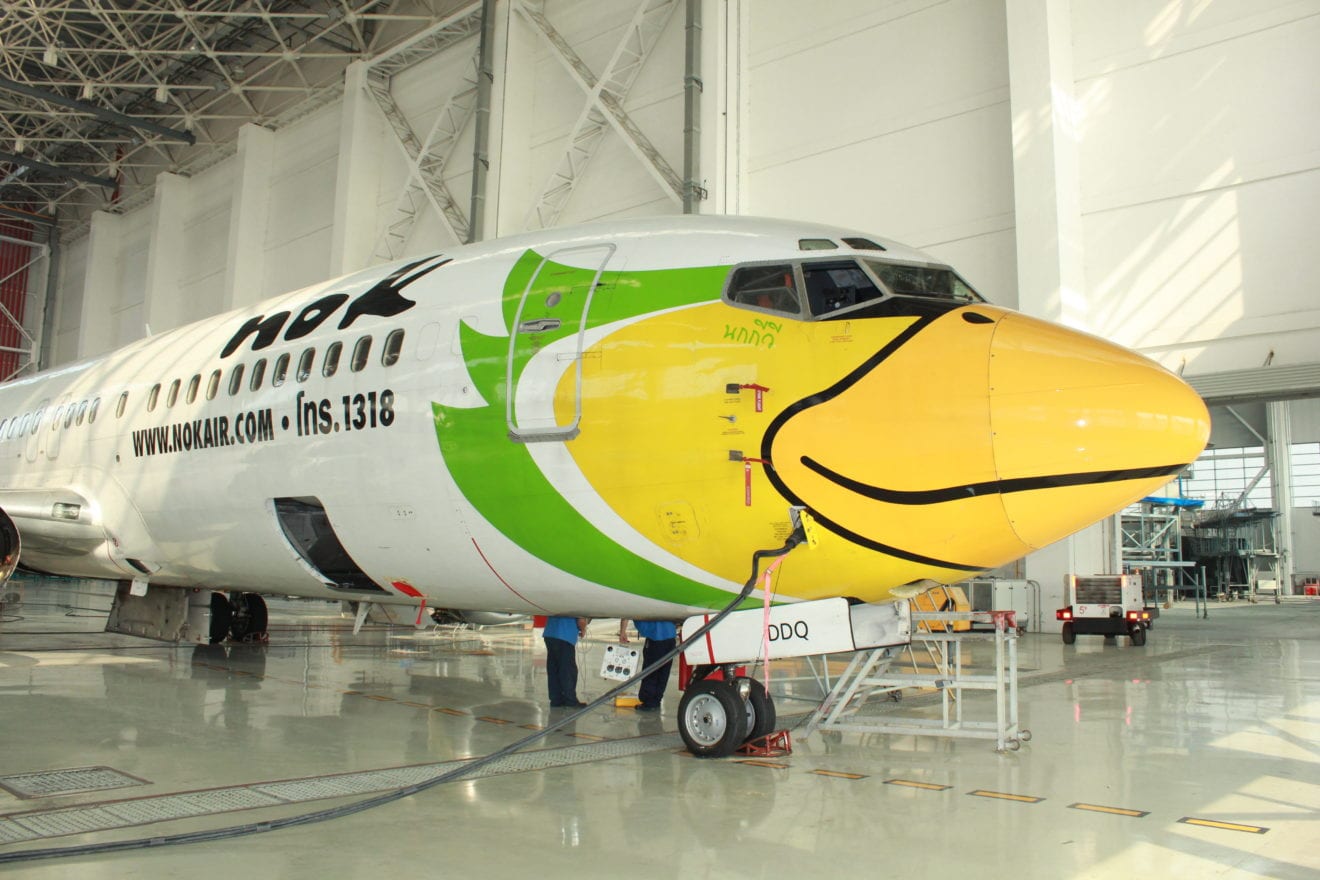
    Nok Air is seeking to raise THB2.22 billion bahts (USD73.5 million) from existing shareholders through a new share issuance, the Thai low-cost carrier said in a stock market filing.

    The Thai carrier’s Board of Directors proposed issuing 888,147,358 new shares nominally valued at THB1 (USD0.03) each. If the proposal is approved by an Extraordinary General Meeting on January 14, existing shareholders will be offered purchase rights to buy one new share per 3.5 existing shares. The purchase price has been set at THB2.5 (USD0.08) per share.

    The offering period will run from February 3 to February 7, 2020.

    Nok Air said it will allocate shares not taken up in the first round to any oversubscribing shareholders but it does not foresee allocating any shares to investors who are not shareholders at the moment.

    Simultaneously, the Board of Directors proposed decreasing the number of shares in circulation by 99,030,527 shares which were not sold during previous equity increases. This will result in a decrease of the total number of shares, equivalent to the registered capital, to 3,309,019,273 prior to the new issuance planned for early February.

    Nok Air is currently controlled by the Jurangkool family, with three of its family members controlling a combined 67.4% stake in the airline. Thai Airways International owns a 15.9% stake with the remainder held by small shareholders with less than 0.5% each.

  • UOB Ups Stake in Troubled Chinese Lender

    UOB Ups Stake in Troubled Chinese Lender

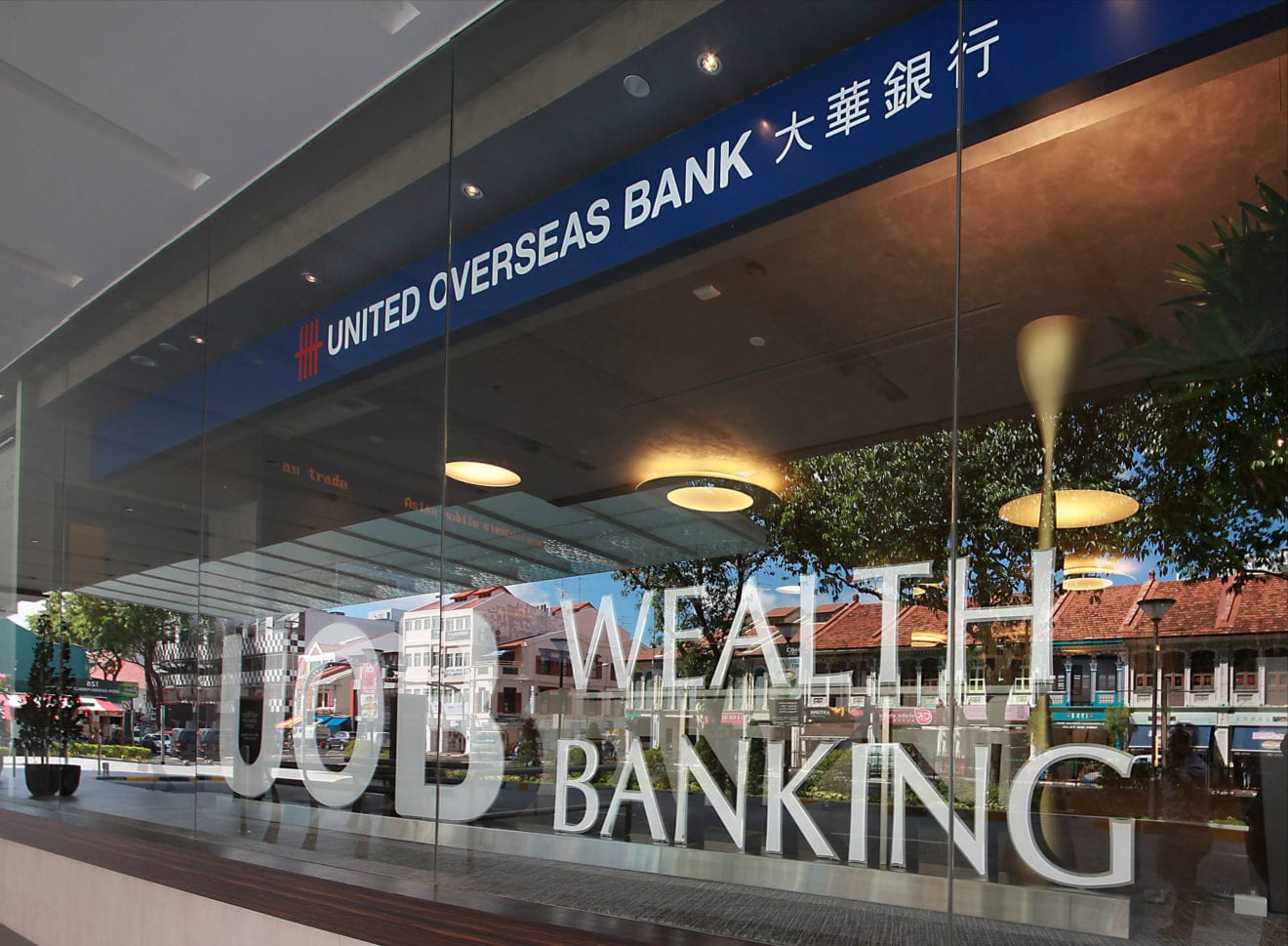
    United Overseas Bank is buying more shares in troubled Chinese mid-sized lender Hengfeng Bank with a subscription of 1.86 billion shares for a sum of 1.86 billion yuan (S$360.4 million).

    The purchase comes as part of a capital-increase exercise undertaken by Shandong-based Hengfeng Bank through private placement to raise 100 billion yuan. The move reverses a stance taken in May, where local newspapers reported that United Overseas Bank (UOB) had wanted to sell its 13 percent stake in Hengfeng Bank, which it purchased back in 2008.

    The initial intention of UOB was to grow its presence in Shandong with more of its own branches. This time, the increased shares are in line with United Overseas Bank (UOB)’s «focus on driving regional connectivity and building ecosystem partnerships to facilitate business and investment opportunities opening up across the region,» according to a filing on the Singapore Exchange.

    Funding the subscription of additional shares in cash using internal resources, UOB said the subscription is not expected to have a material impact on earnings or net tangible assets of the group for the current financial year. Post the transaction, UOB will hold a total of 3.34 billion shares in Hengfeng Bank.

    The majority of the shares, or 96 billion, will be subscribed by Chinese state-owned investment company Central Huijin Investment and Shandong Financial Asset Management Co, to become controlling shareholders of the bank, as part of state rescue efforts to prop up floundering lenders as the Chinese economy slows.

    Concerns about private company debts in the region have risen in recent months with the default or near-default of six private companies in Shandong. Banks affected by defaults could see more capital raising exercises.

    UOB explains that the collaboration with Hengfeng Bank will help businesses benefit from Shandong’s economic progress and financial liberalization, and is in tandem with the partnership between Singapore and Shandong to promote business flows into South-east Asia with Singapore as a regional hub.

  • Hong Kong’s First Virtual Bank Launches

    Hong Kong’s First Virtual Bank Launches

    Hong Kong’s banking history enters a new chapter with the launch of its first virtual lender, ZA Bank.

    ZA Bank, co-owned by ZhongAn Online P&C Insurance and Sinolink Group, launched yesterday to become the first virtual bank to kickstart services in Hong Kong. According to its chief executive Rockson Hsu, the name «ZA» represents a reversal of alphabetical order which is a reminder to «think out of the box and view things from a different perspective».

    It’s good to be bold, contrarian and creative, Hsu added in a statement.

    ‘Z’ and ‘A’ also means ‘end-to-end’, it symbolizes our mission to redefine customer journey through technology, from the front-end (mobile app/branch), mid-office (customer service/operation department) to the back-end (operating system), from product development to service process.

    ZA Bank said it would offer interest rates of 1.4 percent for one-month Hong Kong dollar deposits and up to 2 percent for three, six and 12-month deposits.

    Whilst this lags behind traditional lenders in Hong Kong which offer up to 2.2 percent on 12-month deposits, ZA Bank’s minimum size of $1 falls very much well below traditional minimum deposit sizes of HK$10,000. ZA also provides time deposits for U.S. dollars and yuan.

    ZA Bank will initially only roll-out services such as remote account opening, multi-currency savings account, time deposits, local transfers and e-statement services only to a select handful of 2,000 users which include friends and relatives of its staff.

    The launch falls under the HKMA’s sandbox mechanism and once the pilot is deemed successful, services will be made accessible by the general public.

    We are delighted to note that the first virtual bank has started its trial run today in the HKMA’s Fintech Supervisory Sandbox, thanks to the diligent efforts of various parties, said Arthur Yuen, Hong Kong Monetary Authority’s deputy chief executive, in a separate statement.

    We believe that as virtual banks gain a better understanding of their customers’ preferences and habits over time, they will leverage financial technologies to offer more personalized products and services, and new user experience to customers.

    Seven other virtual banks in Hong Kong are expected to launch in the first half of next year.

  • Blockchain Payment Network Terra Expands to Singapore

    Blockchain Payment Network Terra Expands to Singapore

    Blockchain payment network Terra has set up its South-east Asia hub in Singapore. The South Korea-headquartered firm has plans to expand in the region.

    Terra intends to grow its on-the-ground network in Asia through strategic partnerships with local businesses, building upon existing collaborations with 25 partners across Asia, including Singapore-based e-commerce platforms Carousell and Qoo10.

    Beyond attracting local talent, we also plan to acquire the applicable license from the Monetary Authority of Singapore under the Payment Services Act, said Rahul Abrol, Terra’s new head of international business and strategy. The Act is a framework for the regulation of payment systems and service providers in Singapore.

    Abrol, formerly Uber’s Asia-Pacific head of strategy, has joined Terra at the new Singapore office as head of international business and strategy. The startup, which has launched in Mongolia, aims to set up operations in at least five other markets next year, including Taiwan and Thailand.

    Besides its regional expansion plans, the firm plans to launch its stablecoin-powered mobile payment app in Singapore early next year. A stablecoin is a type of cryptocurrency that is price-stable and pegged to real-world assets such as the South Korean won or Singapore dollar.

    The launch of Terra’s Singapore office comes about seven months after the startup secured a strategic investment from LuneX Ventures, the blockchain and crypto-focused arm of Singapore’s Golden Gate Ventures.

  • Fraser Could Be Citi’s First Female Boss

    Fraser Could Be Citi’s First Female Boss

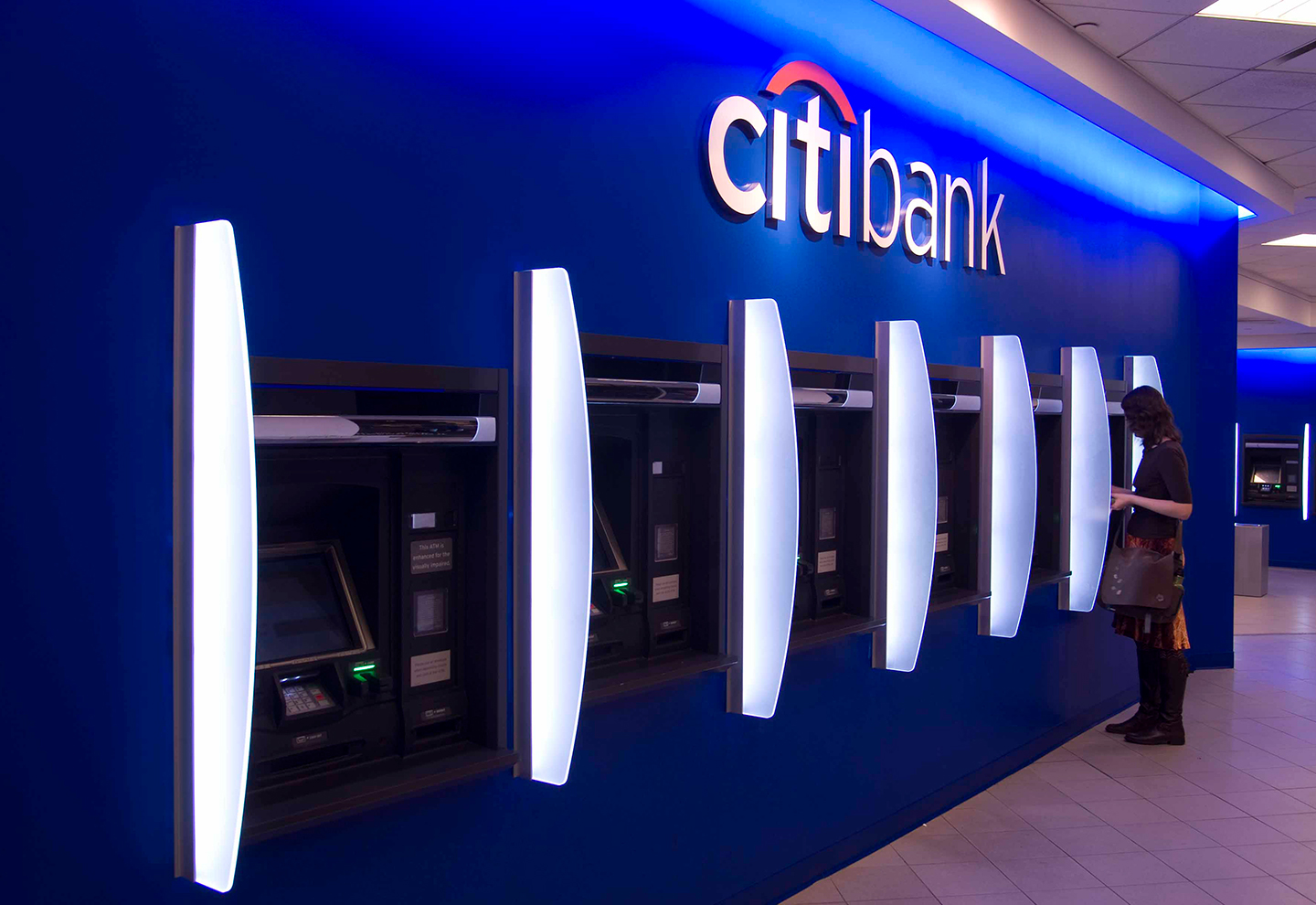
    Citigroup president Jane Fraser looks poised to become a Wall Street bank’s first female chief. 52-year-old Jane Fraser could become the first female boss of a major Wall Street bank. Her promotion to the number-two job at Citi comes at a crucial juncture for the U.S. lender, whose performance has fallen behind those of rivals J.P. Morgan and Bank of America over the past few years.

    The board faces increasing investor pressure for bolder strategic decisions at the group level and better performance at its consumer banking division, which Fraser now helms.

    When Fraser started her career at McKinsey, she said she would only take the job if she could work directly for the consulting giant’s head of banking, recalled Lowell Bryan, the McKinsey banking boss. He was so impressed by the bold 26-year-old that he hired her.

    Twenty-five years later, Fraser is being tipped for a far more significant first, after she was named President of Citigroup in October.

    The gutsy streak Bryan recognized in Fraser stuck with her over the course of her career, according to colleagues. In the past 15 years at Citi, Fraser helped navigate the bank out of the financial crisis, reshaped its private bank after the 2012 sale of U.S. brokerage Smith Barney, and led its mortgage business through the gloomy days between 2013 and 2015.

    In an era where banks have begun to focus more on its wealth management businesses, Fraser was ahead of the pack in making a mark.  She increased revenue by more than a fifth from the first half of 2010 to the first half of 2013, plus overhauled the division’s leadership. Bold decisions included initiating a fee schedule that does not differentiate whether clients used Citi’s internal fund managers or outside firms, a move that steered the bank away from conflicts of interest that plagued rivals.

    Fraser’s path to the top job is not without competition though. Potential contenders to succeed Mike Corbat include Citi’s longstanding investment bank boss Paco Ybarra, and chief financial officer Mark Mason, who has held operational and strategic roles.

    Fraser’s operational experience will surely be put to question. «She lacks the volume of experience or running meaningful things at the bank,» said one contemporary.

  • Fiat Chrysler And Peugeot Sign $50 Billion Merger Deal

    Fiat Chrysler And Peugeot Sign $50 Billion Merger Deal

    Fiat Chrysler Automobiles and Peugeot S.A. have today signed a binding Combination Agreement providing for a 50/50 merger of their businesses. This merger creates the 4th largest global automotive OEM by volume and 3rd largest by revenue. The proposed combination will be an industry leader with the management, capabilities, resources and scale to successfully capitalize on the opportunities presented by the new era in sustainable mobility.

    The combined company will have annual unit sales of 8.7 million vehicles, with revenues of nearly 170 billion Euros, recurring operating profit of over 11 billion Euros and an operating profit margin of 6.6 percent, all on a simple aggregated basis of 2018 results.

    The combined entity will have a balanced and profitable global presence with a highly complementary and iconic brand portfolio covering all key vehicle segments from luxury, premium, and mainstream passenger cars through to SUVs and trucks & light commercial vehicles. This will be underpinned by FCA’s strength in North America and Latin America and Groupe PSA’s solid position in Europe. The new Group will have a much greater geographic balance with 46 percent of revenues derived from Europe and 43% from North America, based on aggregated 2018 figures of each company. The combination will bring the opportunity for the new company to reshape the strategy in other regions.

    The efficiencies that will be gained from optimizing investments in-vehicle platforms, engine families and new technologies while leveraging increased scale will enable the business to enhance its purchasing performance and create additional value for stakeholders. More than two-thirds of run rate volumes will be concentrated on 2 platforms, with approximately 3 million cars per year on each of the small platform and the compact/mid-size platform.

    Carlos Tavares, Chairman of the Managing Board of Groupe PSA, said: “Our merger is a huge opportunity to take a stronger position in the auto industry as we seek to master the transition to a world of clean, safe and sustainable mobility and to provide our customers with world-class products, technology and services. I have every confidence that with their immense talent and their collaborative mindset, our teams will succeed in delivering maximized performance with vigor and enthusiasm.”

    This technology, product and platform-related savings are expected to account for approximately 40% of the total 3.7 billion Euros in annual run-rate synergies while purchasing – benefiting principally from scale and best price alignment – will represent a further estimated 40% of the synergies. Other areas, including marketing, IT, G&A and logistics, will account for the remaining 20%. These synergy estimates are not based on any plant closures resulting from the transaction. It is projected that the estimated synergies will be net cash flow positive from year 1 and that approximately 80% of the synergies will be achieved by year 4. The total one-time cost of achieving the synergies is estimated at 2.8 billion Euros.

    Mike Manley, Chief Executive Officer of FCA said, “This is a union of two companies with incredible brands and a skilled and dedicated workforce. Both have faced the toughest of times and have emerged as agile, smart, formidable competitors. Our people share a common trait – they see challenges as opportunities to be embraced and the path to making us better at what we do.”

  • BMW Financial Services India Appoints Kathrin Frauscher As The MD & CEO

    BMW Financial Services India Appoints Kathrin Frauscher As The MD & CEO

    BMW India has appointed Kathrin Frauscher as the new Managing Director (MD) and Chief Executive Officer (CEO) of BMW Financial Services India. Before her new appointment, Frauscher was serving as the CEO of BMW Financial Services in Denmark and has been associated with the BMW Group since 2007. She has also worked as the Head of Sales Performance for BMW Financial Services in Northern Europe and has significant experience of working with the BMW Group in retail sales for BMW and Mini Cars.

    On her appointment, Ritu Chandy, Regional Chief Executive Officer of BMW Group Financial Services for Asia Pacific said, “Kathrin Frauscher made a major contribution to the success of BMW Financial Services Denmark in the last few years. We are confident that she will continue the successful development of the business as she takes charge of operations in India. Ms. Frauscher has significant knowledge and has demonstrated long-standing dedication and commitment to her markets which are the best prerequisites for good leadership.”

    Kathrin Frauscher has succeeded Andre Van Rheenen at the BMW Financial Services in India. BMW Financial Services India was started in June 2010 and operates with three business areas- Retail Finance, Commercial Finance and Insurance Solutions.

  • Airlines Cebu Pacific becomes latest IATA member

    Airlines Cebu Pacific becomes latest IATA member

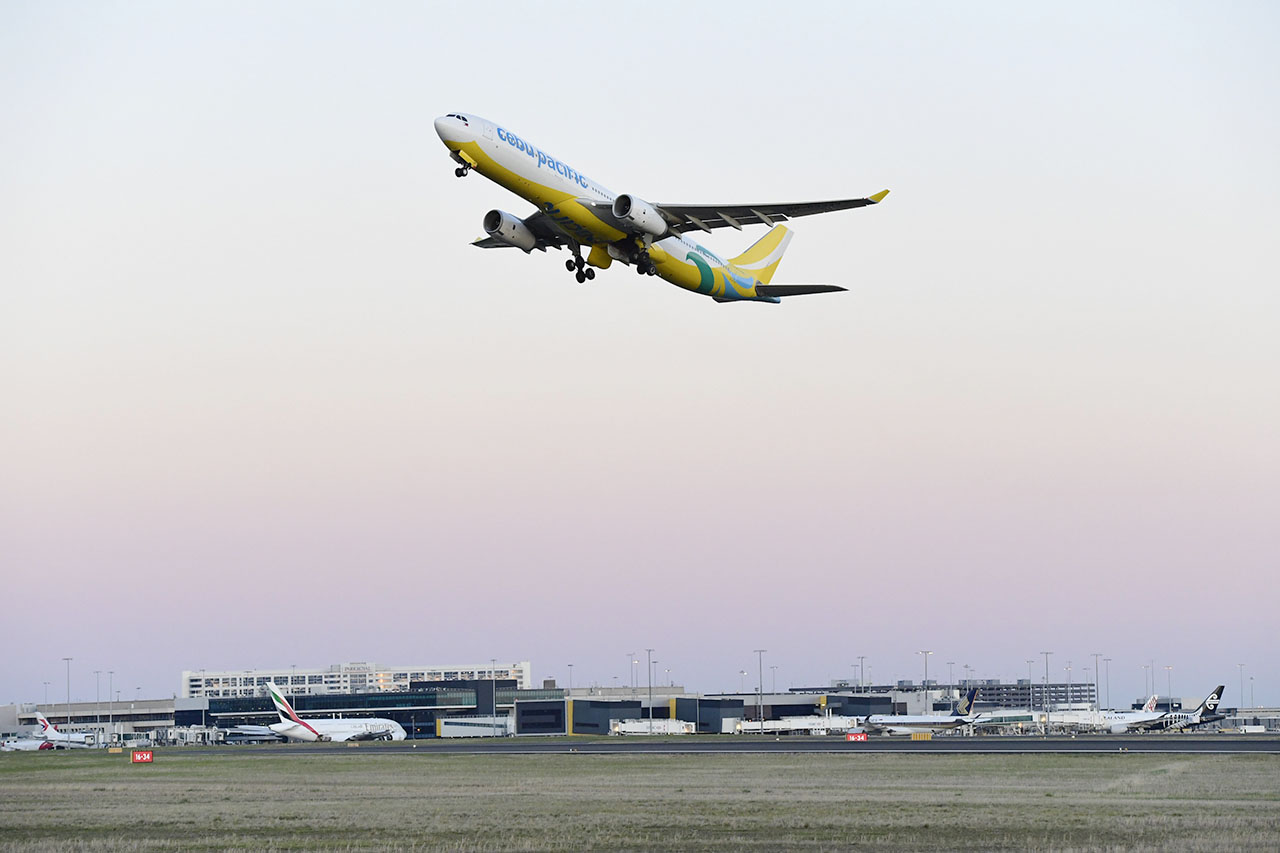
    Philippines low-cost carrier Cebu Pacific has joined IATA, becoming the second carrier from the country to be part of the trade association.

    Cebu Pacific says IATA membership will help it “gain access to expertise and learnings” about best practices and innovation.

    Conrad Clifford (left), IATA regional vice president for Asia-Pacific presents the IATA Certificate of Membership to Cebu Pacific president and CEO Lance Gokongwei.

    Cebu Pacific chief Lance Gokongwei adds: “Moreover, we will also be able to share our own operational experience and contribute to further developing the airline industry as a whole.”

    IATA says the low-cost carrier has achieved full compliance with its’ Operational Safety Audit (IOSA), which assesses a carrier’s operational management and control systems.

    Cebu Pacific currently flies 121 routes, with more than 2,600 weekly flights. Cirium fleets data indicates the carrier operates 54 aircraft, including a mix of A320 family jets and A330s, and has 44 aircraft on orders.

    Cebu Pacific joins a growing number of low-cost carriers added to the IATA fold. In November, Indian carrier IndiGo joined the association.

  • AirAsia launches bundle deals

    AirAsia launches bundle deals

    AirAsia Group Bhd has continued its journey to becoming the fastest-growing travel and lifestyle platform in Asean with the launch of AirAsia Bundle Deals, through its airasia.com platform.

    AirAsia group chief executive officer (CEO) Tan Sri Tony Fernandes said this launch would further diversify the group’s offerings apart from selling airline tickets, restaurant business Santan, hotel platform, as well as its own music label Red Records.

    “AirAsia has grown a lot from becoming a one-trick pony,” he told reporters at the launch here today.

    With over 100 merchants for the AirAsia Bundle Deals in the Klang Valley currently, he said this would be expanded to other cities and countries including Penang, Singapore, Thailand, and beyond starting next year.

    Fernandes said customers would be able to unlock various lifestyle deals comprising food and beverages (F&B), beauty and services through bundled deals by geo-location for a 90-day pass at only RM20, or easily redeemable with only 2,500 BIG Points.

    Airasia.com CEO Karen Chan said the AirAsia Bundle Deals was not only limited to the general public who visit airasia.com, but in the next phase, it would have a corporate reward solution and corporate purchases for organizations that would like to reward employees.

    “We are pleased to introduce another new lifestyle product as part of our journey in becoming a lifestyle brand. As AirAsia envisions to being beyond just an airline, we are now offering travel, lifestyle, logistics, financial services and more to cater to your lifestyle needs.

    “Customers can indulge with deals such as free hair cut, free facial, free manicure and many buy-one free-one deals made available in different locations,” she added.

    Meanwhile, in conjunction with the launch, airasia.com is offering a 24-hour launch promo of only RM1 from midnight tonight for purchases of AirAsia Bundle Deals. Simply log on to airasia.com/deals to grab the deals.

  • Slimmed-down Le Saunda shows signs of improvement

    Slimmed-down Le Saunda shows signs of improvement

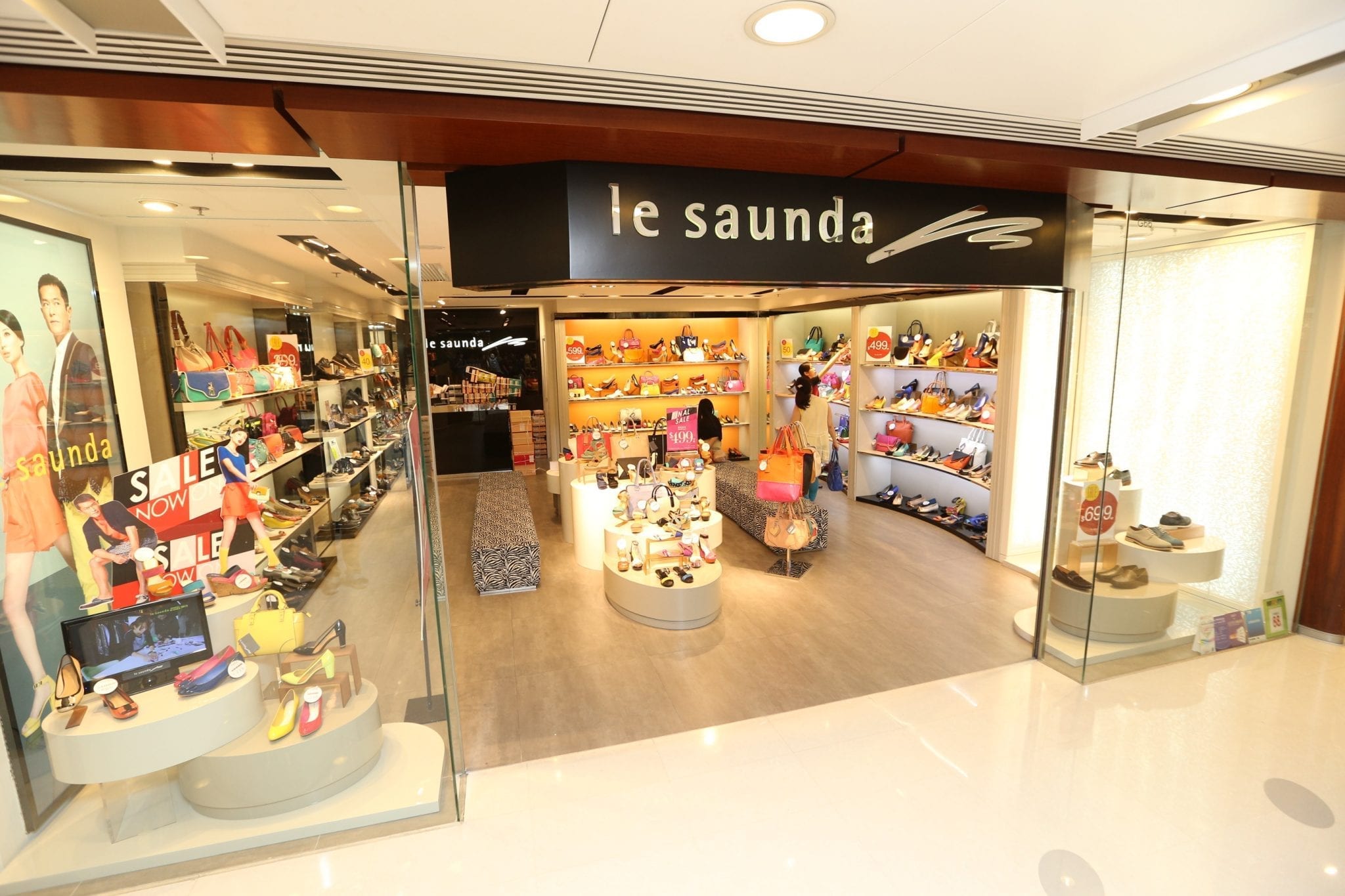
    Slimmed-down Hong Kong shoe retailer Le Saunda is showing early signs of improvement despite the recent decline in the territory’s retail sector.

    Figures for the November quarter show same-store sales growth of 7.7 percent in its self-owned network when compared with the same period last year. Total sales, however, were down 11.1 percent, reflecting a rationalization of the store network. The group ended the quarter with 447 stores in Mainland China, Hong Kong and Macau, a net decrease of 118.

    As earlier reported, sales for the first half of this year fell by 18.2 percent

    At the time, Chairman James Ngai said that given the current “gloomy economic conditions” Le Saunda would continue to optimize its distribution network, close down low-profit stores and take “a cautious and prudent approach in business expansion”.

    The picture was not so bright in the online business in the three months to November 30, however, where sales fell 20.7 percent year on year.

  • Cantabil plans 100 new outlets within a year

    Cantabil plans 100 new outlets within a year

    Indian clothing label Cantabil is making plans to extend its reach across the country by opening more than 100 new outlets within one year.

    The firm currently operates 290 outlets in 16 states within the territory, mostly in tier I and II cities. It plans to invest US$3.5 million to expand its number of locations to 400.

    “This year has been a positive one and we are hopeful to continue with the same growth momentum in the coming year,” said Cantabil director Deepak Bansal.

    “There is a significant increase in awareness about the fashion trend among the people in smaller towns and cities. We see immense potential in tier II and III markets for expansion.”

    “Our target states are Maharashtra, Gujarat, Rajasthan, UP, Madhya Pradesh, Bihar, Jharkhand, West Bengal and part of Northeast,” read a statement from the firm.

  • Chinese giants dominate Asia’s online grocery market

    Chinese giants dominate Asia’s online grocery market

    China’s two e-commerce giants are driving the most growth in Asia’s online grocery market according to a new report from international researcher IGD.

    JD and Alibaba now boast a combined grocery-sales growth which in value terms is outstripping that of the overall market.

    Asia’s online grocery market has a current value of US$99 billion, according to IGD, which projects expects it to achieve a compound annual growth rate (CAGR) of 24.4 percent to reach US$295 billion by 2023.

    IGD’s forecasts show that JD.com’s grocery sales will grow 28.8 percent by 2023 to reach $9.8 billion and Alibaba’s grocery sales will grow to $9.5 billion, with a CAGR of 25.6 percent.

    Alongside pure e-commerce retailers, Asia’s online grocery market consists of brick-and-mortar retailers that are developing their online capability, as well as forming alliances and partnerships to accelerate growth.

    Nick Miles, head of Asia Pacific research at IGD, says the growth of online grocery in Asia will continue to be led by online marketplaces, especially JD.com and Alibaba, with food and grocery products helping to drive up the number of times shoppers use these retailers’ platforms.

    “Other pureplay retailers including Rakuten, Amazon and Coupang are also strengthening their online grocery operations and will increasingly play a more prominent role in the channel,” he said.

    “Brick-and-mortar retailers are scaling up their online operations and building partnerships with online players, delivery partners, technology companies and payment solution providers. These partnerships are vital for retailers to compete successfully with online marketplaces and online specialists.”

    Miles says there are several ways suppliers can capitalise on growth in online retailing, including developing long-term partnerships with retailers in areas such as marketing campaigns and tailored promotions.

    “Collaborating across the full chain is also important and suppliers should integrate their systems with retailers’ systems, to access real-time data on stock levels and ensure product availability for shoppers.

    “Finally, suppliers can really engage in the mobile space by making sure they stay up-to-date with new apps and social media platforms and other programs that are enhancing experiences for shoppers.”