Author: Mei Ling Tan

  • The first Snapdragon 865 benchmarks are out, here’s how it compares to Apple’s A13

    The first Snapdragon 865 benchmarks are out, here’s how it compares to Apple’s A13

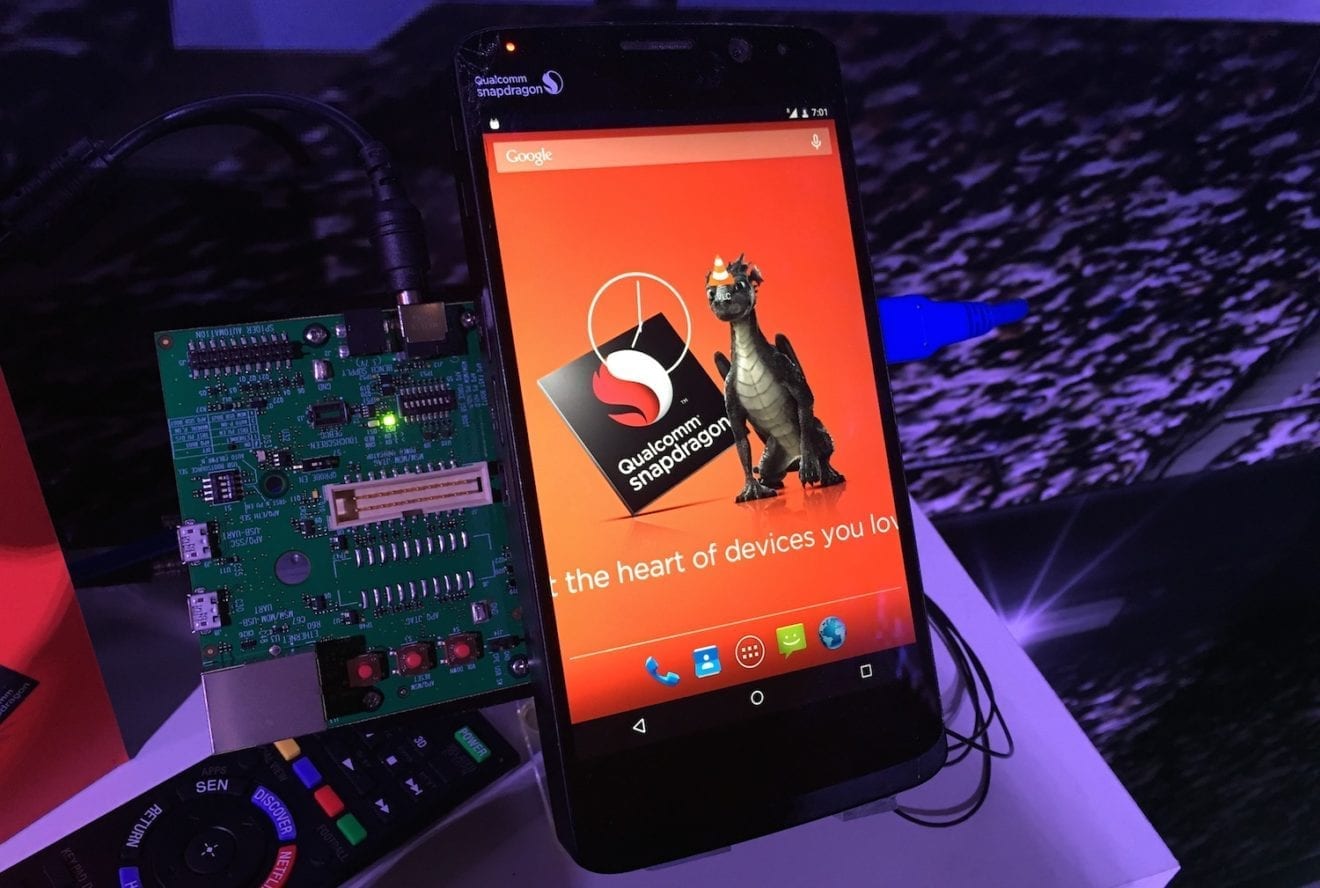
    Just two weeks ago, Qualcomm officially announced the Snapdragon 865 chipset, which is set to power most of next year’s premium Android handsets. While the 865 will bring widespread 5G support, improved battery efficiency, and more powerful AI processing, the first reported benchmarks give us a glimpse of how much of a raw speed boost the new Snapdragon will offer.

    The Qualcomm’s reference device for the Snapdragon 865 scores an impressive 3445 on the Geekbench 3 multi-core benchmark in performance mode, boasting neck-and-neck performance with the A13 Bionic-powered iPhone 11 Pro. On the other hand, the latest Snapdragon thus offers a significant boost over this year’s Snapdragon 855, which powers most current flagships and scores around 2500-3000.

    Of course, one other way the Snapdragon 865 offers a marked boost over this year’s chipsets is with its increased focus on AI, including support for a new neural core processor. In AImark, an artificial intelligence-based benchmark, the Qualcomm reference device scored a sky-high 108,650, completely blasting the iPhone 11 Pro’s 59,330 out of the water.

    What does this mean? Well, first things first- the Snapdragon 865 is not so game-changing that it somehow makes all current chips obsolete. With the exception of some niche tests, it performs roughly similar to its peers, like Apple’s A13 Bionic, Samsung’s Exynos 990, or Huawei’s Kirin 990. So in everyday usage, you might not notice that the Snapdragon is markedly faster than any other 2020 flagship.

    On the other hand, Apple’s house-made chipsets have historically always been at the top of the hill, and this is the first time a Snapdragon rival has come close to having it beat- let alone actually outperforming it in a major benchmark. That means iPhones and Androids are more neck-and-neck than ever before.

    But the Snapdragon 865 is next year’s chip, while the iPhone 11 is here already, you say? That’s true, but consider this- the Snapdragon 855 is already a year old, while the A13 was only announced three months ago. Apple’s A13 will power the latest iPhones for the majority of 2020, just as the Snapdragon 865 will do on the Android side of things.

    In any case, it’s important to appreciate that all flagships across manufacturers and operating systems are becoming more and more advanced- they’ll need all the extra oomph they can get to power 5G connectivity and all the extra consumption that’ll bring with it. In all honesty, we still can’t know for sure if the Snapdragon 865 is the be-all, end-all chipset of 2020, but we do know that it’ll give Apple a run for its money. The playing field is level now- let the games begin.
  • Samsung tipped to announce 144MP imaging sensor

    Samsung tipped to announce 144MP imaging sensor

    As we told you earlier today, the 108MP sensor rumored to be found on the Samsung Galaxy S11+ could employ a 9:1 pixel binning ratio as opposed to the usual 4:1 ratio. This would produce sharp 12MP images with a record pixel size of 2.4 microns. But if Samsung is going to keep using 12MP images, the pixel binning ratio could be rising to 12:1 before the end of next year. That’s because graphs tweeted by tipster Ice Universe suggest that the tipster believes Samsung will announce a 144MP image signal processor (ISP) built using the 14nm FinFET process.
    Interestingly, it was just last week when Samsung announced a new manufacturing system to produce imaging sensors using the 14nm FinFET process. The process number relates to the number of transistors inside a chip; the smaller the process figure, the larger the number of transistors packed inside an integrated circuit. Chips with more transistors offer improved performance and energy efficiency. The information that Ice Universe included with his tweets bare that out.
    First, we should point out that the planar method involves building individual components of a transistor and then putting them together. FinFET ICs use “fins” to control the voltage of a chip helping it to increase performance with lower energy consumption. One graph shows that a 12MP ISP made using the 14nm FinFET process uses 37% less energy in digital and 18% less in analog than a 12MP ISP made using the 28nm planar process. A second chart simulates the power consumption of a 144MP ISP in 10fps capture mode. The chip, manufactured using the 14nm FinFET process, consumes 42% less energy in digital and 21% less in analog when compared to a similar ISP built using the 28nm planar method.
    And with Qualcomm announcing that the Snapdragon 865 Mobile Platform will support sensors up to 200MP, the rumor about an upcoming 144MP sensor could very well be true. We shouldn’t expect to see a 144MP sensor in the Galaxy S11+, but perhaps the technology will be ready for the Galaxy Note 11+.
    The Samsung Galaxy S11 line could be unveiled on February 18th and we could see as many as five cameras on the back of the Galaxy S11+. That would include the aforementioned 108MP primary camera, an improved ultra-wide camera, two telephoto cameras (one using a periscope technology to produce 5x optical zoom) and a Time of Flight (ToF) sensor for improved bokeh blurs on portraits, enhanced AR capabilities and secure 3D mapping. The 108MP sensor will reportedly team up with the telephoto cameras to deliver 50x hybrid zoom and 100x digital zoom. This is a feature that might be called “Space Zoom” by Samsung. A 144MP sensor is sure to take the potential of “Space Zoom” even higher.
    Photography remains one of the most competitive battlegrounds in the smartphone industry. Apple took its game to a new level this year by adding the Deep Fusion computational photography feature, an ultra-wide camera, slow-motion selfies and Night Mode. But Samsung and Huawei are poised to set the tone for 2020 with the Galaxy S11 and P40 lines. And while photography has always been an evolving feature of the smartphone industry, this might be the most cutthroat we’ve seen it since Nokia, Apple, and Samsung battled over photographic supremacy (including low-light capabilities) six years ago. At that time, the Nokia Lumia 1020 featured the most ambitious smartphone camera ever used on a handset to that point. That camera weighed in at 41MP, offered OIS and an aperture of f/2.2. That compared to the 8MP rear camera used on the iPhone 5 and the 13MP camera employed by the Galaxy Note 3.
  • Renault Partners With Nino Robotics For Its Future Electric Transporter

    Renault Partners With Nino Robotics For Its Future Electric Transporter

    Groupe Renault has signed a partnership with Nino Robotics, designer of a new type of ‘seated, personal transporters’ which provide transport solutions adapted to people with disabilities or of reduced mobility. As part of this partnership, Groupe Renault will provide financial support to Nino Robotics via Mobilize Invest. The objective of this support is to contribute to the development of Nino Robotics and in particular of NINO4, its future electric transporter.

    With NINO4, Pierre Bardina, founder of Nino Robotics, intends to offer a solution far removed from those usually offered to people with reduced mobility. In addition to its highly recognizable, sleek and colorful design, as well as its minimal space requirement, this “seated personal transporter” will also be connected to provide users with data, such as battery charge level, speed and mileage. A “Follow Me” function will allow a third party to guide NINO4 and its user by auto-follow. To date, Nino Robotics has developed and markets two products: Nino, a self-balanced personal carrier and One, a scooter designed for wheelchairs.

    Pierrick Cornet, Alliance Project Director and mentor of Nino Robotics, said, “We deeply appreciate this opportunity to promote exchanges between our teams and Nino Robotics: this meets to the ambition of many employees of the Group, including myself, to get involved in actions with a societal objective.”

  • Volkswagen Says Production Suspended In Algeria

    Volkswagen Says Production Suspended In Algeria

    Carmaker Volkswagen has suspended production in Algeria, where the head of its local partner has been detained since June in a corruption probe, a spokesman for the German auto giant said.

    “Volkswagen is aware of a corruption investigation by Algerian authorities into Mourad Oulmi”, who heads Algerian partner Sovac, the spokesman told AFP.

    “Production at the factory, operated in a co-venture with Sovac, is suspended, as are deliveries by Volkswagen” to Sovac, the spokesman added.

    The Sovac-Volkswagen factory opened in 2017 at Relizane, some 250 kilometers (150 miles) southwest of Algiers, and assembles kits provided by the German parent.

    In 2018, it produced around 50,000 Volkswagen, Audi, Seat and Skoda vehicles.

    Contacted by AFP, a spokesman for Sovac refused to comment but promised a statement later in the day.

    Several Algerian news outlets reported that Sovac announced Sunday output at the factory stopped in October, effectively leaving 700 employees without work.

    Several prominent politicians and businessmen linked to Abdelaziz Bouteflika have been detained or questioned in connection with corruption since the ailing president was forced to step down in the face of mass protests in early April.

  • Harley-Davidson 338 cc Cruiser Cleared For Production

    Harley-Davidson 338 cc Cruiser Cleared For Production

    Harley-Davidson and Chinese motorcycle giant Qianjiang (also the owner of the Benelli brand) have reportedly gotten together recently for a Design Freeze Signing Ceremony to create the most affordable Harley-Davidson motorcycle. So far, we don’t have any actual images, other than design sketches released earlier of the bike, but what is clear now is that Harley-Davidson is going ahead with the production of the ‘baby Harley’. The new motorcycle will be powered by a 338 cc engine, but instead of being a v-twin, it is expected to be a parallel-twin engine.

    The Harley-Davidson 338 cc motorcycle will be made specifically for Asian markets and will be the most affordable Harley-Davidson motorcycle

    The new bike is being cleared for production at a time when Harley-Davidson is looking to expand its customer base with its ‘More Roads to Harley-Davidson’ outreach, with a series of new models planned over the next few years, including the LiveWire electric bike, the Bareknuckle, the Bronx, as well as the Pan America. While we still don’t have any actual images of the bike, the design sketches do reveal a very similar silhouette to that of the Benelli 302S. In fact, the platform could very well be of the 302S, including the chassis and most of the bodywork, aside from a new seat unit and fuel tank.

    Harley-Davidson is likely to use the new 350 cc model (actually with a 338 cc powerplant), as its mainstay as the American brand gets ready to get into new markets and more volumes, particularly in South East Asia, India and China. It’s still not known whether Harley-Davidson will use the HD350 name, or come up with a new moniker as it has for the new models the brand is developing for the future. More details are expected in the next few months.

  • Google Maps Adds Plug Type Filter For EV Charging Stations

    Google Maps Adds Plug Type Filter For EV Charging Stations

    Google Maps has received a new filter to classify the Electronic Vehicles (EV) charging stations based on plug type. There are different types of charging connectors used by several car manufacturers, for example, Nissan uses CHAdeMO, Tesla uses its instrumentation, and also the BMW and VW use CCS plug kind for charging their cars. Since the emergence of the EV search facility over Google Maps, the users were missing out on the ability to filter results based on the connector type, GizmoChina reported on Sunday.

    The recent update will surely a sigh of relief for the daily drivers, it will facilitate them to drive car on to the compatible charging station. To use the new feature, the users can head over to the Google Maps > Settings > Electric Vehicle Settings >Your Plugs > Choose and save.

    Google Maps has recently revealed that it has captured more than 10 million miles of Street View imagery – a distance that could circle the globe over 400 times. The company also announced that Google Earth now lets people browse more than 36 million square miles of high definition satellite images from various providers – covering more than 98 percent of the entire population – to see the world from above.

  • UBS Reworks Super-Rich Unit

    UBS Reworks Super-Rich Unit

    UBS continues to tussle with how to cater to the lucrative super-rich tier: the bank is planning changes for the $1 trillion business led by top banker Josef Stadler.

    The Swiss-based wealth manager is whittling its ultra-high net worth business, a move which will dramatically curb the influence of unit head Josef «Joe» Stadler, a source familiar with the matter said. 

    Specifically, UBS will disperse some of its super-rich and family office clients back into the regions, the person said. Stadler will maintain a percentage of the total clients and take over an as-yet-unnamed new unit, they said.

    The so-called ultra-high net worth unit is at the center of UBS’ private banking play. The move is the first to emerge since a sixty-day «grace period» imposed on new unit co-head Iqbal Khan by CEO Sergio Ermotti lapsed. Khan runs UBS’ $2.3 trillion wider wealth management arm, together with Tom Naratil.

    The 43-year-old Khan «doesn’t care for too many segments,» the person familiar with the move saidIn practice, this means that simply being super-rich won’t get you the free shmoozing and perks that are common in wooing this segment, the person said.

    Largest Wealth Custodian?

    While the super-rich segment has won substantial new funds, UBS frets that not all of it is as lucrative as it hoped – some clients use UBS solely for trading or execution, which isn’t a lucrative business for the bank.

    Khan is battling against UBS becoming the world’s largest custodian of assets – as opposed to an active wealth manager, earning fees and commissions based on its advice.

    In the future, clients will only command the luxe service if they truly draw the sophisticated (and pricey) services that UBS wants to put at their disposal. The reversal undermines Stadler, who had emerged as hugely influential in a mega-merger, overseeing more than $1 trillion in assets at the end of last year.

    Most notably, Stadler and his team won entry into the U.S. wealth market, where UBS is scaling its way up the ladder in a bid to win wealthier clients and families with least $50 million). Stadler launched a U.S. capital markets team for the super-rich push under long-time investment banker Reinhardt Olsen several months ago.

    But Stadler’s efforts are constantly accompanied by turf wars: he clashed over territory with Europe boss Christine Novakovic. The reorganization in the super-rich segment hands considerable influence back to Novakovic, to Asian wealth co-heads Amy Lo and August Hatecke, and to U.S. boss Jason Chandler.

    UBS plans to cut as much as 5 percent of staff as a result of the move, «Inside Paradeplatz» reported, citing bank insiders. Stalder oversees more than 1,000 private bankers. The segment is the second-costliest to operate, after the Americas: its cost-income ratio is 76 percent, just under the wider private bank’s 77 percent total in the third quarter.

  • UBS Reorganization Claims First Casualty

    UBS Reorganization Claims First Casualty

    UBS’ new co-head of wealth management Iqbal Khan’s plans for the ultra-high net worth business have cost the firm its biggest banker in Asia. The resignation sparks fears of further instability.

    Even before staff in Asia can come to terms with Iqbal Khan’s plans to reorganize the bank’s ultra-high-net-worth services, they have been left leaderless. UBS’ head of ultra-high net worth and one of its best-known bankers in Asia, Ravi Raju, has resigned after four years in the role.

    Raju’s resignation comes in the wake of new boss Khan’s latest announcement and his recent tour of Asia. He was previously APAC head of asset and wealth management at Deutsche Bank and his appointment as head of its billionaire client group was seen by many as a stepping stone towards a bigger role. However constant organizational changes at the bank meant the larger role – if it was ever promised – never materialized.

    The reorganization has come as a bit of a shock, says one employee of the bank in Asia who did not envisage the changes to the existing structure or Raju’s consequential departure when he spent time with Khan in early November this year.

    He must have his own reasons for playing his cards close to his chest but it has left some of us feeling more removed from the decision-making process,» he says of his new boss’ style. The changes are wide-reaching because they will impact clients and bankers.

    He is skeptical, however, that Raju’s departure was prompted by the reorganization. Ravi heads both the ultra and the global family office business so for him the new structure would have been a consolidation of power rather than a loss, he says.

    Neither UBS or Raju have commented on the reason for his departure, although industry sources indicate it is not for another role.

  • HSBC Nets Bankers From UBS and Credit Suisse

    HSBC Nets Bankers From UBS and Credit Suisse

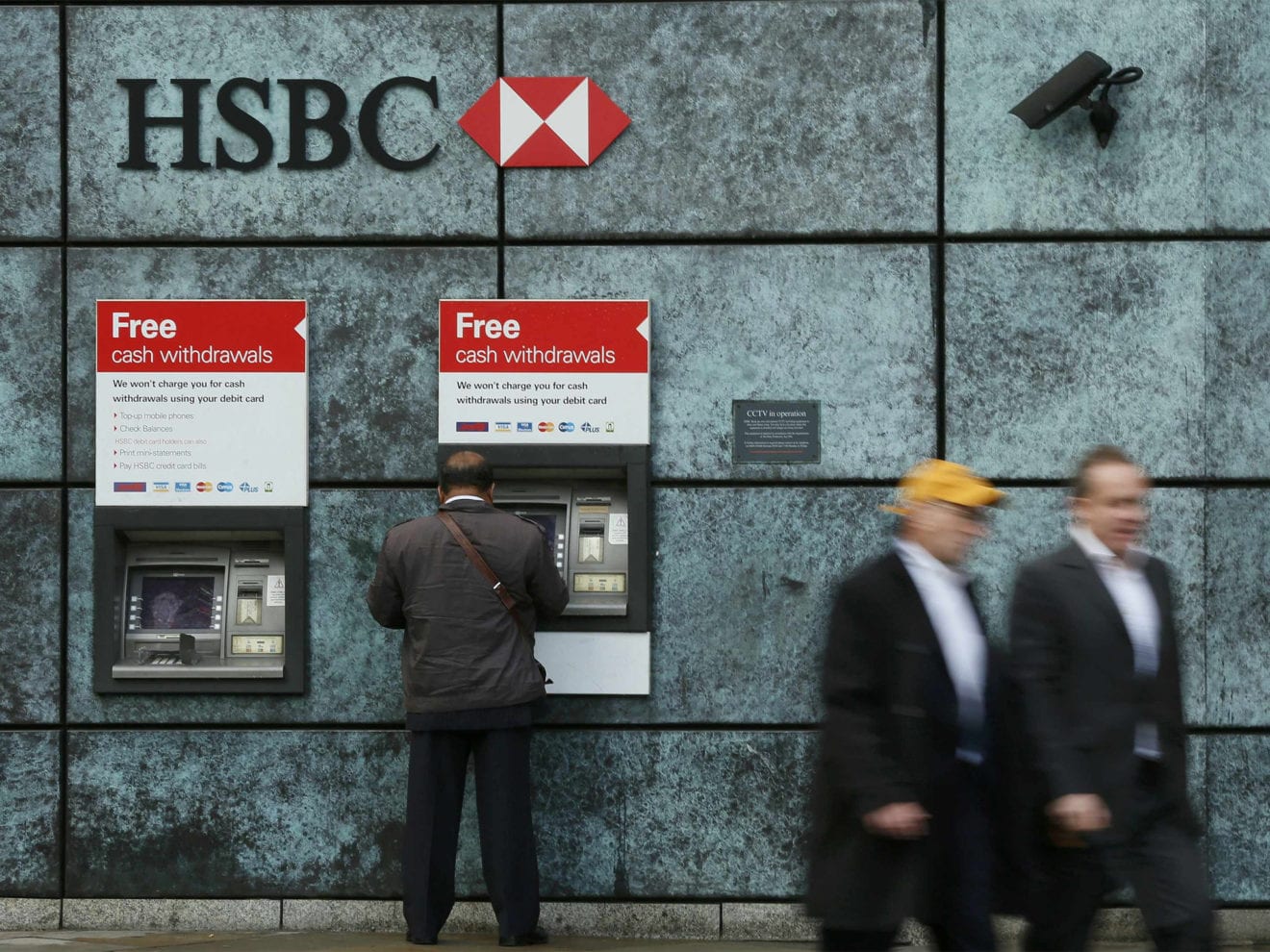
    HSBC Private Bank appointed four senior executives to strengthen the key areas of family advisory services and philanthropy within the Private Wealth Solutions business in Asia Pacific.

    As part of its push to grow its private banking business in the Asia Pacific, HSBC announced four senior hires on Monday. Aik-Ping Ng joins as Co-Head of Family Office Advisory and Senior Family Governance Advisor, Asia Pacific while Edith Ang will be Co-Head of Family Office Advisory and Senior Family Governance Advisor, Asia Pacific, the bank said in a media statement on Monday.

    Both of them will work with client families to develop long-term succession plans, which includes providing the highest standard of advisory on establishing and professionalizing family offices, trusts and estate planning, family governance and preparing for the transition of responsibility to the next generation.

    Aik-Ping Ng has over 17 years of international and China-based experience in private equity, corporate finance, strategic M&A, family office advisory and asset management to HSBC. Most recently, Ng was a Senior Advisor at UBS, working with Ultra High Net Worth (UHNW) clients in the formulation, review, and implementation of family office solutions.

    Edith Ang joins HSBC after 13 years at UBS, where she worked with UHNW families in Asia on the formulation, review, and implementation of family legacy solutions.

    In addition, Dorothy Chan has been appointed to be Head of Philanthropy Advisory and Charitable Services, Asia Pacific, while Christine Wong will take up the role of Head of Greater China Market, Private Wealth Solutions. Dorothy Chan succeeds Cynthia D’Anjou-Brown, the previous head, as the latter will retire from HSBC in December this year after almost 15 years of service.

    As a leading private and institutional client trustee platform, we are dedicated to building lasting relationships with HNW and UHNW families to identify the solutions to support them across the generations,» said Cynthia Lee, Regional Head of Private Wealth Solutions, the Asia Pacific in a media statement.

    Dorothy Chan joins HSBC after 19 years of experience in a variety of senior roles in the private, public and not-for-profit sectors. She previously worked at Galaxy Entertainment as Vice President, Corporate Relations. Chan has deep experience working with a number of leaders to define a vision and create solutions that contribute to the sustainable development of a range of diverse communities.

    Working closely with HSBC’s teams in EMEA and the Americas, Chan will help drive coordinated philanthropy efforts including building charities and connecting. She will also lead the team supporting clients in the development of their charitable goals.

    Christine Wong joins HSBC from Credit Suisse, where she was Director of Trust and Estate Advisory Team for the Greater China Market. Prior to joining HSBC, she gained 25 years of experience in cross-border trusts in senior wealth planner roles at Credit Suisse, Edmond de Rothschild, UBS, and J.P. Morgan.

    She also has served as Managing Director of the Asiaciti Trust group’s Hong Kong office with responsibility for the fiduciary management and trust operations of the business. In her new role, Christine Wong will be integral to the further development of HSBC’s Private Wealth Solutions business in Greater China.

  • Yamada Denki taking over furniture retailer Otsuka Kagu

    Yamada Denki taking over furniture retailer Otsuka Kagu

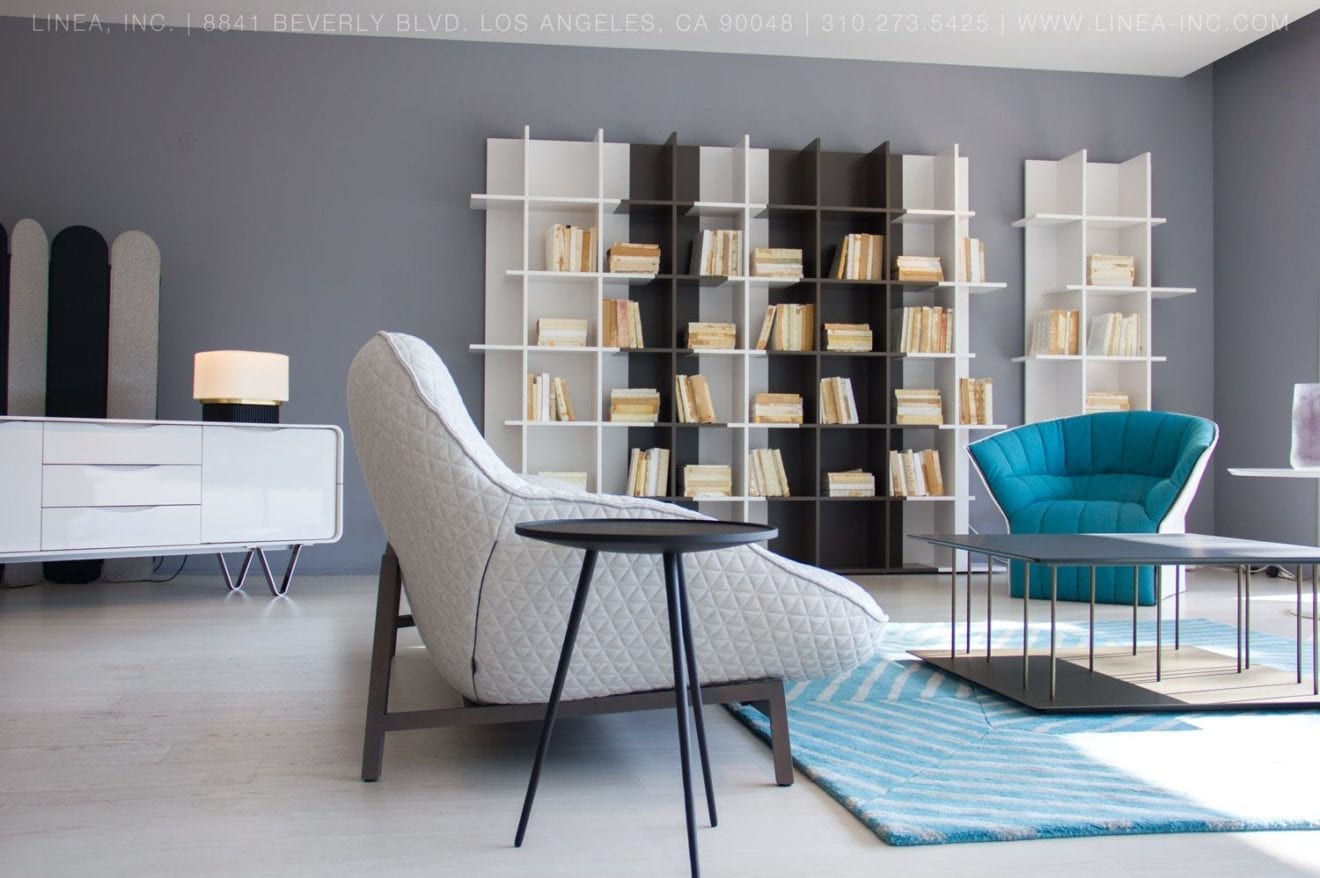
    Japanese furniture retailer Otsuka Kagu is to become a subsidiary of electrical-appliance chain Yamada Denki following a purchase of a majority shareholding in the business.

    The move follows bleak business prospects for Otsuka following poor sales and a high-profile feud among owners, as well as increased competition for Yamada in the face of strong competition from online retailers. The new alliance, to be effected on December 30, is expected to strengthen Yamada’s housing business. It will also effectively rescue the debt-ridden chain.

    The two companies have been working together since February, with some Otsuka Kagu staff transferring to Yamada Denki.

    In a statement, Otsuka Kagu said it believes the partnership will “help improve the brand image of the firm as a quality furniture retailer, so deepening the ties with Yamada Denki is the best choice to increase the sales and performance in our domestic business”.

    “I have the responsibility to put the company on a recovery track,” said Otsuka Kagu president Kumiko Otsuka.

    “Ms. Otsuka and I share the goal of bringing Otsuka Kagu into the black in the next financial year, so I want to give her a chance,” said Yamada Denki chairman Noboru Yamada.

    “The electric appliance business has a high affinity with the furniture business, and they make an ideal combination.”

  • Love, Bonito confirms data breach affecting its e-commerce customers

    Love, Bonito confirms data breach affecting its e-commerce customers

    Online-to-offline fashion label Love, Bonito has confirmed a data breach affected its e-commerce website briefly – but only a tiny fraction of customers were affected.

    Company co-founder Rachel Lim admitted that malicious code had been incorporated into its site, which has since been removed.

    An estimated 3 percent of Love, Bonito’s customers may have had personal information exposed during the hack, with a small number have had their financial data accessed.

    “We have always been committed to providing our community with a safe shopping environment and sincerely apologize for this incident,” said Lim.

    “It is therefore regrettable to discover a security incident involving our website,” read a statement on the firm’s Facebook page. “This incident was discovered 72 hours ago, which we immediately took steps to contain.

    “Some of our customers’ personal information may have been unfortunately exposed … For those affected by this incident, an email has been sent to you informing you on next steps.”

    Singapore police will be making investigations into the incident with the assistance of the firm.

  • Bonjour Holdings warns of substantial loss

    Bonjour Holdings warns of substantial loss

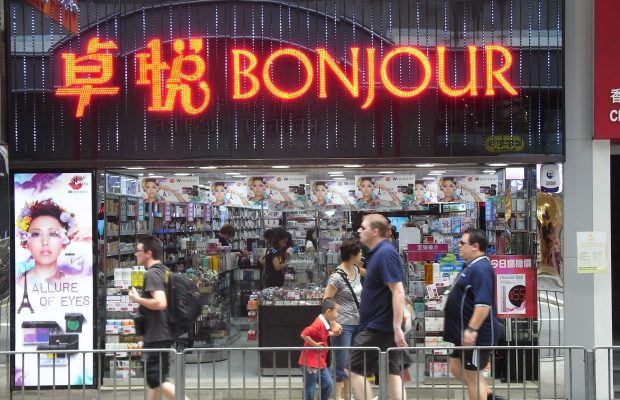
    Beauty retailer Bonjour Holdings has warned shareholders of a “substantially increased loss” for the current year as the social unrest and falling Mainland Chinese visitor numbers take their toll.

    Last year, Bonjour Holdings reported a net loss of HK$39.6 million (US$5 million). In a letter to shareholders, chairman Wilson Ip did not put a figure on the loss anticipated in the year to December, but his words were ominous.

    “The group’s turnover has deteriorated severely and is expected to record a double-digit year-on-year decline for the year,” he said. “The average gross profit margin also decreases mainly due to the change in sales mix, consumer’s spending patterns and the increase in the promotion to attract customers.”

    He said Hong Kong’s economy suffered “an abrupt deterioration” in the second half of the year when consumption and tourism-related sectors were hit hard by local social incidents.

    “Moreover, the global economic slowdown and escalated US-Mainland trade tensions weighed further on the Hong Kong economic outlook.

    “Facing such an economic downturn, in a view to ease the difficult situation, the group now has key focuses on cost optimization and value creation by streamlining operational efficiency and better business planning to build or sustain our competitive advantage.”

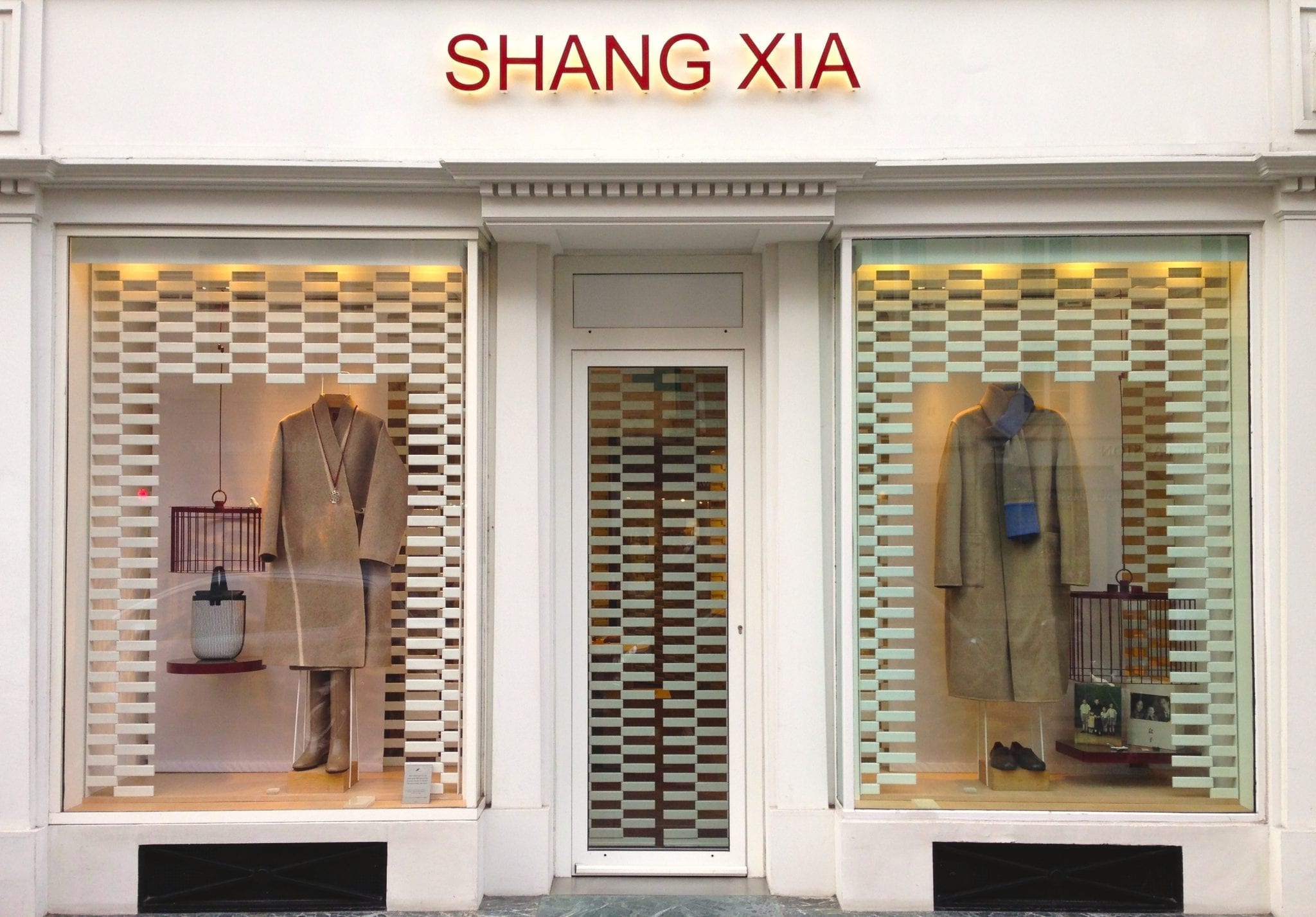
  • Chinese fashion brand Shang Xia to launch in Singapore

    Chinese fashion brand Shang Xia to launch in Singapore

    Backed by Hermes, Chinese lifestyle, home and fashion brand Shang Xia is launching in Singapore.

    The brand has recently appointed fashion entrepreneur Adriana Lim Escano as its exclusive distributor in the territory, starting off with a pop-up store in Takashimaya in collaboration with ad agency Tribal. The brand’s arrival in Singapore is a collaboration between co-founder Jiang Qiong Er and 90-per-cent stakeholder Hermes.

    “We have taken great care to find artisans who truly understand their craft, and have invested time in getting the techniques right,” said Lim. “Shang Xia appeals to those who appreciate craftsmanship and luxury.”

    The news comes on the heels of Shang Xia’s plans to open standalone boutiques at Hong Kong, Beijing and Heathrow international airports over the next five years.

    Shang Xia already has boutiques in Paris, Beijing and Shanghai. Through a partnership with the Shankong Group in Taiwan it opened two shop-in-shop stores in August, with the next step being Hong Kong in January.

  • Taco Bell eyes four new SE Asian markets

    Taco Bell eyes four new SE Asian markets

    Talks are underway to expand the Mexican-inspired fast-food restaurant chain Taco Bell into Southeast Asia.

    The Thai franchisee of the chain, Siam Taco, is said to be in early talks with the franchiser to operate the brand in neighboring countries Cambodia, Laos, Myanmar and Vietnam.

    Siam Taco is a joint venture between Thoresen Thai Agencies and the Mahagitsiri family-owned CM Capital. The JV currently operates five restaurants in Thailand since launching in January, with plans to grow its network to 40 restaurants within the next five years.

    According to Siam Taco director Chalermchai Mahagitsiri, the huge market potential in CLMV countries is what is attracting the company to expand there.

    Taco Bell Asia Pacific and Middle East MD Ankush Tuli confirmed the talks but said no final agreement has yet been reached.

    Tuli said that Thailand and the rest of Asia Pacific will be the key sales drivers for Taco Bell. It is scheduled to open in Indonesia and Malaysia next year, as it intends to double its overseas network to more than 500 over the next few years.

    In the Philippines, Taco Bell has six restaurants, operated by its local partner Philippine Pizza Incorporated.

    “Asia-Pacific will be our big growth driver because about two-thirds of the global population comes from this region,” said Tuli.

    Owned by Yum! Brands, Taco Bell has more than 7000 restaurants in the US and a presence in 30 countries globally.

  • Apple Japan opens its first store in Kawasaki

    Apple Japan opens its first store in Kawasaki

    Apple Japan has opened its 10th store – in Kawasaki.

    The new single-story outlet in Lazona Kawasaki Plaza features the brand’s distinctive all-glass front as well as a large video wall, a forum, and avenue shelving.

    The venue will be used as a family learning hub via the store’s Today at Apple educational sessions, using products in store for educational purposes in AR, coding, photography and music-making, amongst others.

    The Kawasaki venue is differentiated from other more spectacular Apple Japan stores for being more community-focused.