Author: Mei Ling Tan

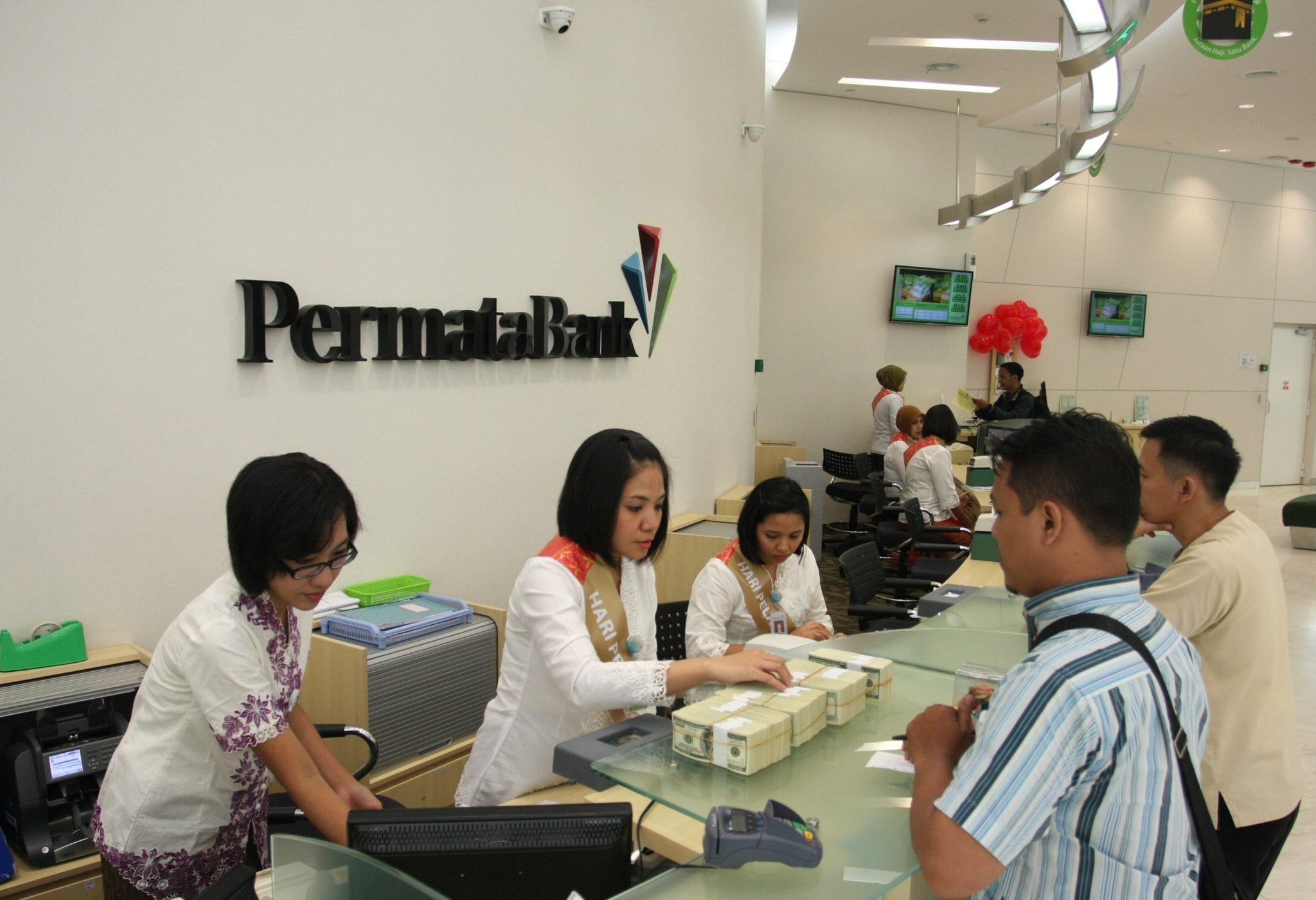
  • Thai Lender Emerges as Contender for Bank Permata

    Thai Lender Emerges as Contender for Bank Permata

    Indonesia, forecast to grow at 5 percent in 2020, offers growth potential for Bangkok Bank, which is looking for a new market in the region.

    Bangkok Bank is said to have emerged as the frontrunner for Bank Permata, Standard Chartered’s Indonesia bank, citing people familiar with the matter.

    The bank is said to be competing with Japan’s Sumitomo Mitsui Financial Group in the race for a 90-percent stake in Bank Permata in a deal worth $2.3 billion, and a winner could emerge as soon as next week.

    Bank Permata’s current major shareholders include Standard Chartered (45 percent) and PT Astra International (45 percent).

    In February, Standard Chartered signaled that its Permata investment is no longer considered core. Permata Bank reported net income of 711.4 billion rupiah ($50.7 million) for the first half of 2019, a significant jump from 288.8 billion rupiah a year before.

    Singapore banks DBS and OCBC are reportedly interested in the deal, though Indonesia’s Financial Services Authority has called SMFG the «most serious bidder.

  • November auto sales up 3 percent

    November auto sales up 3 percent

    Vietnam’s total vehicle sales increased 3 percent to 29,846 units in November from the previous month, according to the Vietnam Automobile Manufacturers’ Association (VAMA).

    Auto sales are monitored by VAMA, an association of all manufacturers in Vietnam except Hyundai TC. Including the 7,592 units sold by Huyndai, total sales rose to 35,638 vehicles.

    The most popular models sold this month were the Mitsubishi Xpander SUV, Toyota VIOS sedan, and Huyndai Accent sedan, each selling over 1,900 units, combined statistics from VAMA and Hyundai show.

    Domestic carmaker Truong Hai Auto (Thaco) retained the top in November, accounting for 28.6 percent of sales by all VAMA members. Trucks and sedans made up most of its sales.

    Toyota Motor Corp. retained its second spot, with 23.6 percent, followed by Mitsubishi and Honda, with 13.4 percent and 10.9 percent respectively.

    According to VAMA, 22,312 units sold in November were passenger cars (up 4 percent over October), 7,203 units were commercial vehicles (down 0.3 percent) and 331 units were special-purpose vehicles (up 9 percent). Total car sales last month fell 3 percent over the same month of 2018.

    Vietnam saw car sales of 289,128 units between January and November, up 14 percent over the same period last year.

  • Yamaha Opens First ‘Blue Square’ Premium Concept Showroom In India

    Yamaha Opens First ‘Blue Square’ Premium Concept Showroom In India

    India Yamaha Motor has announced the inauguration of its new ‘Blue Square’ concept showroom in the country. The first-of-its-kind outlet was launched in Chennai recently, as part of the brand’s ‘The Call of the Blue’ campaign. The first outlet is about 4000 sq.ft. in size and will retail a range of premium motorcycles and scooters including superbikes from the company’s range. The new showroom aims to bring a premium customer experience in the form of “new aesthetics, inspiring propriety created out of Yamaha two-wheelers and engaging offerings.

    Speaking at the launch, Motofumi Shitara, Chairman, Yamaha Motor India said, “We are thankful to our customers for the encouragement they offered us. “Blue Square”, a new initiative from ‘The Call of the Blue’ which is designed to introduce Yamaha’s global excitement and sport will exclusively stand out in customer experiences and we hope our customers will also love to experience it. At the moment when the motorcycling scenario is fast-growing, there’s a potential requirement of innovating the experiences of buying, servicing and facilitating other motorcycling necessities with the help of an exclusive ambiance and comfort. Yamaha’s “Blue Square” will put together an embracing racing spirit of Yamaha where an array of exciting, stylish and sporty two-wheelers and accessories will be on offer.”

    The Blue Square showroom carries a blue themed ambiance with ea range of motorcycles on display along with accessories, apparel and spare parts. The new outlets will also have more focus on accessories and apparels that are now turning out to be a profitable business for manufacturers. The Blue Square showrooms will also maintain customer records digitally, while buyers will be able to download the brochures digitally by scanning the vehicle QR codes. This, Yamaha says, will help provide on-time communication and one-to-one marketing that will improve communication between the dealer and customer.

    Yamaha also plans to introduce face-scanning systems and Dealer Management System for more effective communication in the future. In addition, the Blue Square showrooms will incorporate a cafe for customers to unwind, alongside Blue Streaks that will help speed-up customer queries and will conduct touring programs. The Japanese two-wheeler maker plans to open about 100 Blue Square outlets in 2020

  • Hulu launches new rewards system for select viewers

    Hulu launches new rewards system for select viewers

    After increasing the prices of its streaming services, Hulu announced a new rewards system for those who love to binge. A new ad system is now available for Hulu viewers who like to watch TV shows back-to-back, the company announced.

    The new ad experience has been specially designed for binge-watchers, so here is how it will work. If you plan to watch an entire season of your favorite show in one sitting or at least several episodes, you will certainly qualify for Hulu’s new rewards system.

    Let’s say you’re watching a show and you reach the third episode, then you’ll be able to choose a reward from Hulu, as the streaming service will let you choose from either an ad-free episode or a unique offer from its brand partners.

    Speaking of brand partners, Hulu announced that for the time being, it will give binge-watchers offers from the following brands: Kellog’s, Maker’s Mark and Georgia-Pacific. Of course, Hulu may add more brands in the future, but for now, you’re limited to these three. Or, you can always choose the ad-free episode and don’t bother with any special offers from these advertisers.

  • Google Messages adds new feature that protects you from spam

    Google Messages adds new feature that protects you from spam

    In an attempt to make your conversations as safe as possible, Google is adding all sorts of security features. The last one comes is meant to protect you from spam and involves a new feature called Verified SMS that now rolling out to Messages app in several countries.

    The new feature adds another layer of security on top of Android’s Rich Communication Services (RCS) that Google tries to push out to all users. Anyway, it looks like with Verified SMS for Messages, the app will be able to confirm the true identity of the business that’s texting you.

    Yes, the new feature only works for businesses, but it greatly reduces the spam you received, so here is how it works. As the name suggests, Verified SMS will verify on a per-message basis that content is sent by a specific that that registered with Google. If it’s not, you won’t get the message, otherwise, you should see the business name and logo along with a verification badge.

    Google also revealed the first companies that are allowed to send messages with Verified SMS: 1-800-Flowers, Banco Bradesco, Kayak, Payback, and SoFi. Also, Google Pay India and verification codes from Google will be part of the Verified SMS program, but more businesses are signing up to use the new feature quite often.

    According to Google, Verified SMS for Messages is rolling out gradually in nine countries starting in the United States, India, Mexico, Brazil, the UK, France, Philippines, Spain, and Canada, but more countries will be added to the list in the future.

    In the same piece of news, Google announced that it’s adding Spam protection for Messages, a new feature that will warn Android users about suspected spam and unsafe websites it detects. This specific spam protection feature is now rolling out in the United States, but it’s been available in other countries for a while now.

  • Shinsegae’s No Brand Burger stores dominating Korean market

    Shinsegae’s No Brand Burger stores dominating Korean market

    The No Brand Burger from Shinsegae Food, the food manufacturing arm of South Korean retail giant Shinsegae, are dominating the South Korean hamburger market.

    Analysts say that Shinsegae’s cost-effectiveness strategy for its new No Brand Burger restaurants is behind such growth.

    The company managed to lower the price by more than 1000 won (US$0.84) compared to its competitors while maintaining similar quality.

    Driving on without a stop, Shinsegae Food is planning to expand its stores and even pursue a franchise business. As of the end of last month, sales at No Brand Burger exceeded 350,000 units.

    In other words, four stores have sold more than 100,000 burgers a month on average, including the first No Brand Burger store in Seoul, which opened in August. Each store has between 1000 and 1500 daily sales.

    In particular, the Hongdae branch has become a popular place with customers waiting in line for more than an hour before eating, as No Brand hamburger has proven to be a draw among younger customers.

    The secret to the popularity of No Brand Burger is reasonable prices combined with good taste and quality. The company focused extensively on research and development of the menu. Some 20 chefs from the affiliated food research institute developed the company’s burger offerings over a period of three years.

    In addition, the company made the most of its know-how in distributing and manufacturing food products to the fullest extent possible to lower the price.

    The price of the No Brand Burger is between 1900-5300 won for a burger and 3900-6900 won for a ‘set’ that includes fried potatoes and a beverage.

    Its flagship burger, NBB Signature, which costs 3500 won (US$2.93) for the burger alone and 5300 won for a set, is also cheaper than the 6200 won cheeseburger set at Lotteria, the nation’s number one hamburger franchise.

    What is making such prices possible is so-called ‘joint orders’.

    Considering that it is not easy to secure a competitive edge in price by placing individual orders for each ingredient, Shinsegae Food placed orders for of all the ingredients at once with the food ingredients managers of each business unit and lowered the prices of the most basic ingredients.

    Moreover, it also used its own ingredient factory to secure hamburger patties and pre-prep

  • Inditex profit growing faster than sales

    Inditex profit growing faster than sales

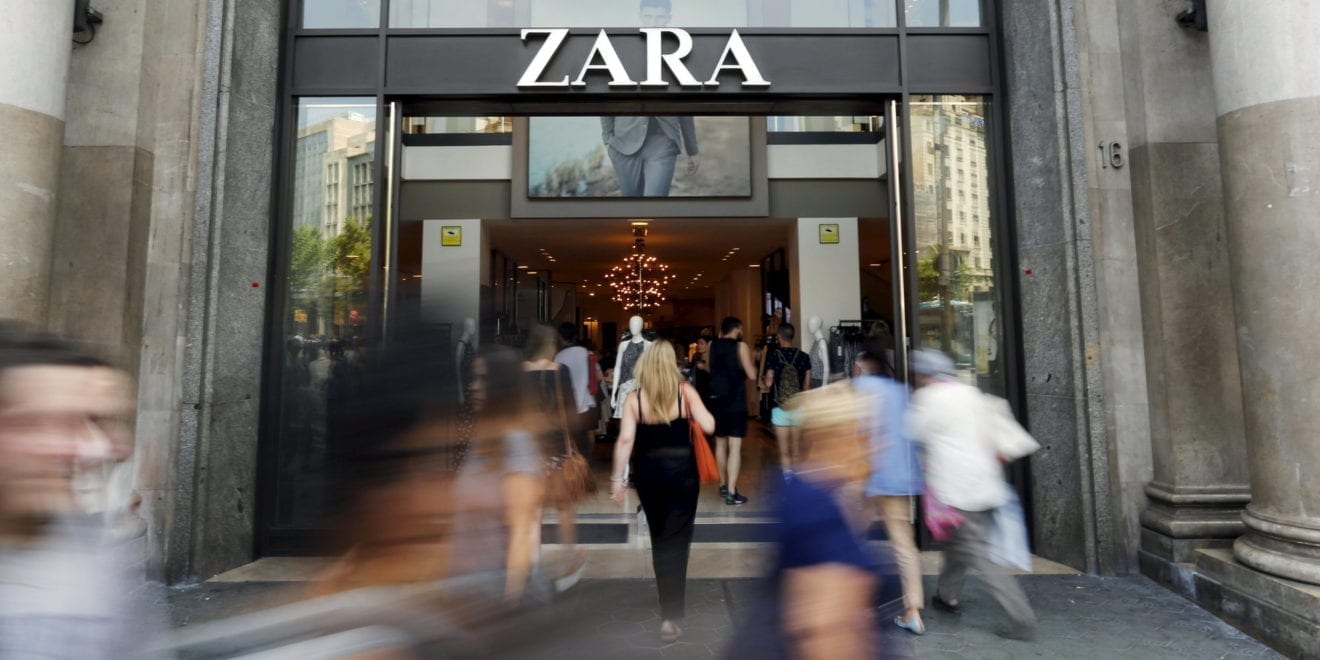
    Zara parent Inditex profit grew by 12 percent in the first nine months of this year, a rate significantly ahead of sales growth.

    Sales across its brands, which also include Massimo Dutti, Stradavarius, Bershka and Zara Home, rose 7.5 percent to €19.8 billion. The company says it expects its full-year like-for-like sales to increase by between 4 percent and 6 percent.

    The Spanish-headquartered company said its success is due to a focus on “enriching its customers’ unique experience” with inventory management and “tight coordination of every step in the value chain: design, production, logistics, and distribution”.

    During the first half of this year, sales reached €12.8 billion, the highest level to date, and net profit set a new record of €1.6 billion, up 10 percent year on year.

  • Giordano opens four stores in Mauritius

    Giordano opens four stores in Mauritius

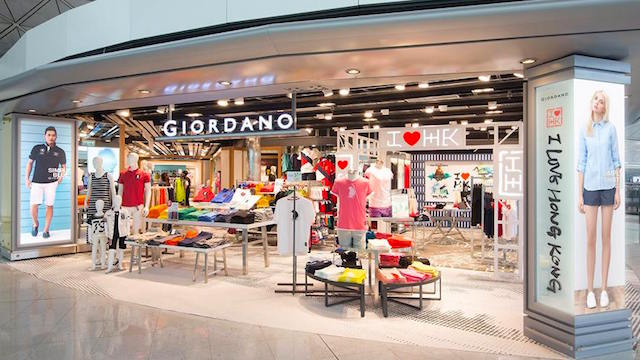
    Hong Kong apparel brand Giordano has opened four locations in Mauritius. The stores are located in the Riche Terre Shopping Mall as well as the Rose Hill, Quatre Bornes and Curepipe areas.

    “We pride ourselves on being a ‘world brand’ – and our overseas expansion initiative, which commenced several years ago, is now bearing fruit,” said Giordano International executive director and head of overseas market development Mark Loynd. “We are extremely proud to be bringing our unique offering to the people of Mauritius.”

    Joining him in Mauritius for the stores’ opening was Giordano Middle East MD and stalwart of Giordano’s global expansion Ishwar Chugani, who added “Mauritius is a beautiful, inclusive nation which embodies our own brand ethos, ‘World Without Strangers’ – we are confident that Mauritius will welcome us and look forward to serving our customers here”.

    “Mauritius has become one of the fastest advancing countries in the region,” said Giordano’s overseas market development manager Hoying Lee. “We have a great working relationship with our local partners – as such, we do not rule out further expansion possibilities

  • Gojek Nears Deal for Mobile Payments Startup

    Gojek Nears Deal for Mobile Payments Startup

    With Gojek aiming to become a major player in Indonesia’s digital payments space, the acquisition would help it compete with other regional giants like Grab.

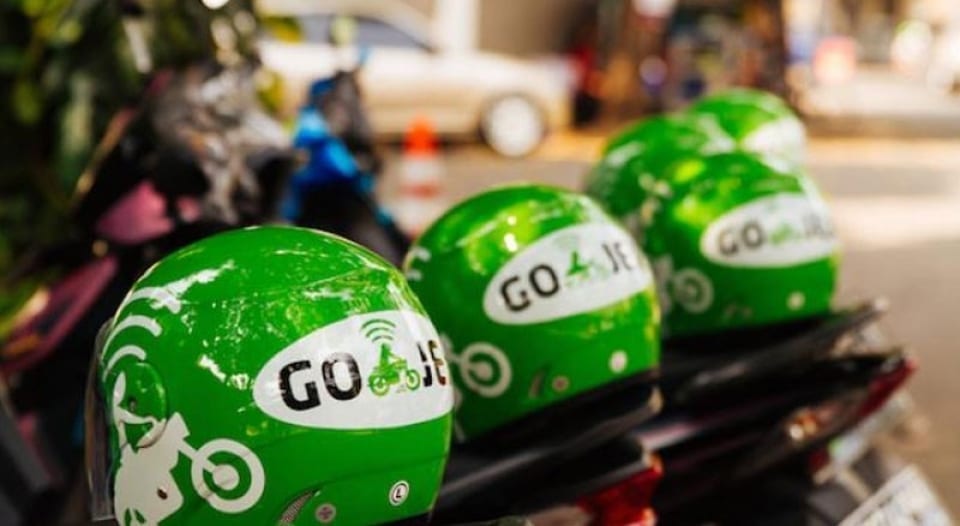
    Gojek is said to be close to finalizing a deal for Jakarta-based mobile point-of-sale (POS) startup Moka, «Bloomberg» reported on Wednesday.

    The deal is said to be worth at least $120 million, the report said, citing people familiar with the talks. The two sides were reportedly in talks earlier this year. However, Gojek co-founder and CEO Nadiem Makarim stepped down in October to join the Indonesian cabinet. He was replaced by co-CEOs Andre Soelistyo and Kevin Aluwi.

    Launched in 2011, the Indonesian ride-hailing giant has been expanding its platform to include a range of on-demand services and allow its customers to make online payments. Its GoPay digital payments platform is accepted at more than 420,000 online and offline merchants in 370 cities in Indonesia.

    Founded in 2014, Moka runs a cloud-based POS system, enabling businesses to order stock, issue invoices, and accept payment from mobile wallets from iOS and Android devices. Its payment partners include Ovo, Akulaku, T-Cash, GoPay, Alipay, WeChat Pay, and more.

    In 2015, the firm raised $1.9 million in a series A round led by East Ventures. It raised $24 million in a series B round, with new backers Sequoia India, Softbank Ventures Korea and the investment arm of Singapore’s Economic Development Board.

  • Lululemon bucks trend thanks to ‘strong brand, great products’

    Lululemon bucks trend thanks to ‘strong brand, great products’

    While some retailers lost momentum in the third quarter, Lululemon firmly bucked the trend and continued its run of strong growth unabated.

    On the top line, total sales grew by a robust 22.5 percent, supported by a strong underlying comparable uplift of 16 percent. Both physical stores and the digital channel contributed to growth.

    On the bottom line, operating income rose by 29.3 percent driven by higher sales and improved margins. Net income was up by 33.4 percent.

    Lululemon remains a great example of what can be accomplished by the development of a strong brand alongside offering great products. Not only does this produce a loyal following of engaged customers, it also means that price integrity can be maintained ensuring that excessive discounting is not needed to sell through merchandise. This latter factor is one of the reasons why Lululemon has been able to improve margins against the backdrop of a more promotional environment.

    Part of Lululemon’s success comes from it leaning more heavily into areas where it is less developed. One aspect of this comes from the menswear business where it is succeeding in capturing more interest and spending. The technical detailing of Lulu’s products resonant with many of its male shoppers as does the uncomplicated styling.

    Despite a run of growth, we believe the company is nowhere near the finish line in menswear and it has a lot of potentials to attract more customers and secure a greater proportion of their spending.

    Another area of success has been geographical expansion where Lululemon continues to make inroads to areas like Europe. Here there is scope to strengthen the profile of the brand through the continued hosting of events such as the Sweatlife Festival in Berlin and London, which will provide buoyancy to future growth.

    Brand and range innovation

    As much as successfully seizing new opportunities has aided Lululemon’s growth story, the company also deserves credit for the work it has done to improve sales to existing customers through brand and range innovation. These things have supported the strong uplift in comparable sales across North America and other regions.

    On the range side, the push into non-traditional fitness categories, such as personal care, has paid dividends. This is mostly because Lululemon has added products mindfully and ensured that they stick to its principles of functionality and technicality – such as body lotion that cools you down after a workout – rather than just expanding the assortment in a random way. A lot of core consumers are now adding self-care products to their baskets which is helping Lululemon increase the size of an average transaction. We expect the personal care lines to be very popular over the holiday period.

    The continued enhancement of stores, and the recent opening of new concepts such as the Lincoln Park shop, have also helped Lululemon to outperform. These locations allow the company to better showcase its products, connect with consumers in a more meaningful way, and generate incremental revenue streams from classes and foodservice. While Lululemon cannot open such high-profile outlets in every location, it has enormous scope to open more in big cities and to develop a diluted form of the concept in smaller regional locations.

    As much as Lululemon succeeds because of the strength of its offer, we are most excited about the company’s pivot to creating a community with membership programs and classes. Not only does this lock in loyalty, it also provides significant scope for future revenue development and ensures physical shops will remain a destination.

  • Adidas LDN – our store of the year

    Adidas LDN – our store of the year

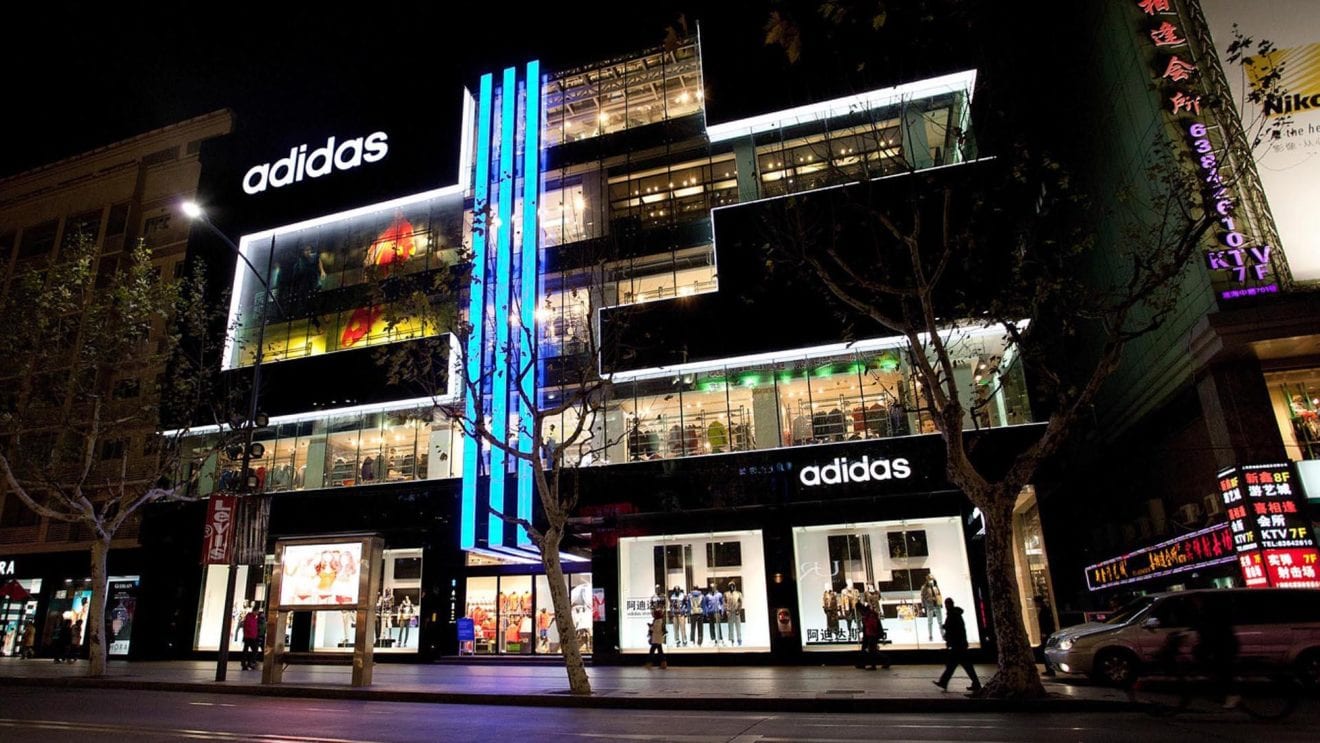
    Retailers regularly spruik the line of ‘reimagining retail’ when launching a new concept store – but the new Adidas LDN flagship genuinely delivers on that promise.

    The four-story Adidas LDN (London) store features a myriad of unique shopper activations and experiences which make it stand out from rivals like Nike’s Houses of Innovation in Shanghai and New York, and Puma’s own flagship alongside on Fifth Avenue. The Adidas LDN store may be a latecomer to the party, but it outperforms its rivals by truly embracing customer engagement.

    Adidas has created a space to cultivate London’s creative scene, with the store housing installations and artworks from local artists and featuring products designed exclusively for the store. Keeping the theme localized, the German brand has a team of staff that collectively speaks 31 different languages to cater to the 20 million tourists of London.

    There are many interactive action points across each floor with the MakersLab being one of the focal points of the store. The customization section not only allows consumers to personalize football jerseys but opens up the creativity to people of all ages with its workshop area. Apart from artist-led group classes, customers can choose from the pick-and-mix of patches to add to their newly purchased garments on the spot.

    Shoppers can also immerse themselves in the in-store experience by testing their new kicks on a treadmill run, signing up for a fitting appointment with an expert, or attending regular community events.

    Magical experiences

    The Adidas LDN store did not win this store race without help from a team of retail-tech experts. One of its foremost innovations is its smart fitting rooms with interactive mirrors, powered by RFID through Avery Dennison’s intelligent labels, Detego software, Pyramid Computer and Nordic ID.

    When a customer walks in, the mirrors detect the item via its RFID tagging and display product information subtly but resourcefully on the mirror – providing an instant magical experience. The customer can call for assistance from staff, requesting sizes and colors without leaving the room. Personal services such as fitting appointment with experts and tailors are also available in-house – highly unusual for a sportswear brand.

    Additional fitting rooms with LED screens provide a vibrant and dynamic Instagrammable backdrop for the Gen Zs looking to show off their new Adidas gear.

    The digital innovation continues through Adidas’ omnichannel app. Apart from being able to shop within and book sneaker-cleaning services, the app enables geo-tracking for staff in-house to locate the consumer in-store for additional assistance. The “Bring It To Me” feature allows shoppers to scan products, request size and purchase on the spot without queuing – removing the need for designated cashier spaces.

    Realistic augmented reality features are also available within the app’s product pages for their signature shoe collections such as the Alphaedge, Gazelle, Superstar or Stan Smiths. Provided by Vyking, the AR technology allows the user to try on shoes virtually atop the consumer’s feet and project the shoe realistically in 3D, complete with its detailed textures.

    Sneakerheads can also book reminders for upcoming sneaker drops through the app or by interacting with the digital “Hype Wall” to preview pending collections.

    Adidas has always been a leader in sustainability efforts. Aside from its long-term partnership with Stella McCartney, an advocate and environmental enthusiast alongside its successful recycled ocean plastic Parley line, the brand has just launched the second generation of its first 100-per-cent recycled performance running shoe that once again, can also be recycled. Adidas has also pledged to eliminate virgin polyester in its products and to use only recycled plastic by 2024.

    In-store, more than 100 of its digital touchpoints are fully powered by green energy. Prompted by the London mayor’s water-fountain initiative to cut down on plastic waste in the city, shoppers can refill their water bottles through fountains scattered around the store.

    The new Adidas LDN store did not make my Store of the Year just for building a large-scale flagship. Unlike many flagships more often than not designed for marketing purposes, this store was truly designed with the consumer in mind.

    The entire store concept – from interactive workshops and events to the technologies embedded – fully elevate and improve the customer journey. It is a must-see store

  • 7-Eleven Japan has been underpaying staff for up to 50 years

    7-Eleven Japan has been underpaying staff for up to 50 years

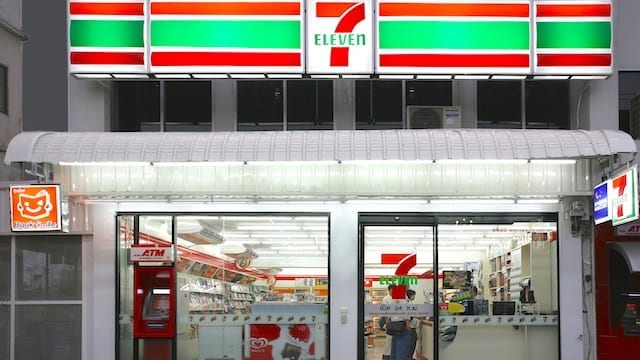
    Investigators have discovered 7-Eleven Japan to have been underpaying staff since the 1970s, according to a Nikkei report.

    The review uncovered inaccuracies in the formula used by the retailer to calculate overtime wages for part-time staff since the business was established. The error resulted in staff earning less than mandated by Japan’s Labour Standards Act. All staff payment calculations are performed by the 7-Eleven Japan’s head office, which guides payment levels for franchise operators.

    The company, which was first alerted to the problem in October, has responded by promising to compensate around 30,000 affected staff for underpayments going back as far as the company has kept its archives since March 2012. Staff seeking compensation for underpayments dating from before that time can be paid if they have preserved records.

    7-Eleven Japan could face a bill for compensatory payments of ¥490 million (US$4.51 million).

  • Tesco Asia sale plan comes under fire

    Tesco Asia sale plan comes under fire

    A sale of the Tesco Asia business by its UK parent would prioritize shareholders over sound long-term economic strategy, says GlobalData.

    Over the weekend, Tesco announced it had received an expression of interest from an unnamed party to acquire the Tesco business in Malaysia and the Tesco Lotus operation in Thailand. The company has subsequently launched a review of options for the Tesco Asia operations.

    Hakan Demirci, a consumer analyst at GlobalData, described a sale as outgoing CEO Dave Lewis’s plan to appease shareholders with a reported valuation of £7.1 billion for the 2000 stores.

    However, he said this would neglect the long-term importance of Asia to Tesco.

    “Selling its Asian business would be welcomed by Tesco’s shareholders, who would be granted higher returns on their investments if it were to go through. Tesco has done this before, having sold its Chinese and Japanese stores in 2013 and most recently it’s South Korean business in 2015. However, these markets were relatively developed and consolidated, with little room for growth in the retail sector.

    “Tesco’s Malaysian and Thai sectors have been constant sources of sustained success, with profit margins the highest at 6 percent compared to the UK business’s margins of 3 percent.”

    He said the Malaysian food and grocery market is set to grow from now through 2022 with a compound annual growth rate (CAGR) of 9.9 percent. Likewise, the Thai food and grocery market will grow at a smaller, yet still significant CAGR of 4.5 percent over the same period – representing a significant opportunity for Tesco to expand its business.

    “If these markets were to be sold, Tesco would be left with operations in the UK, Ireland, and Central Europe. This would leave the group vulnerable as it loses its benefit of the regional diversification, resulting in a less dynamic and flexible company.

    “This vulnerability would leave the group exposed, as it continues to lose share against the meteoric rise of discounters in both the UK and Ireland such as Lidl and Aldi, which GlobalData expects will continue to gain market share throughout 2020,” he said.

    “Finally, Tesco’s operations in Malaysia and Thailand could serve as a springboard for emerging regional neighbors, namely Indonesia, the Philippines and the rest of south-east Asia. These markets offer Tesco the ability to become a truly global player outside of their strongholds in the British Isles and Central Europe.”

  • Waze makes it easier to navigate through wintry weather

    Waze makes it easier to navigate through wintry weather

    Waze announced that starting this week, driving through wintry landscapes will be a bit easier thanks to a new feature the developer is adding to its navigational app. The new feature lets Waze users report snow conditions in real-time, as well as view reports of winter weather hazards on the map overview before they decide to take a trip or not.

    Developed in collaboration with the Virginia Department of Transportation, the new snow reporting feature allows Waze users from over 185 countries where the app is accessible to learn about the weather and road conditions during winter weather. The new feature goes beyond just snow reporting, as Wazers will be able to indicate roads that haven’t been plowed and are almost impractical.

    What makes the feature even more useful is that the Virginia Department of Transportation plans to monitor all reports coming from the navigational app during this winter, and decide how they can use the data into their operations for the following winter.

    The new feature can be found in the latest version of Waze under Hazards / Weather / Unplowed Road. With the addition of the new feature, Waze users can now report about five weather conditions such as fog, hail, flood, ice, and snow.

  • Google fixes issue that kept new Android apps from being found in the Play Store

    Google fixes issue that kept new Android apps from being found in the Play Store

    So let’s say that you spent countless hours developing a new Android app that you believe will change the world. You submit it to Google and it passes with flying colors. The app is published but a bug prevents Android users from finding it and as a result, there are practically no installs. Is this the plot from a new Disney movie called Frozen…out of the Play Store? No, unfortunately, this is a real-life situation that was affecting Android developers.
    While Tire Valet can now be found, several Reddit posts revealed other examples of apps that were not appearing on the Play Store. Some with hundreds of thousands of installs failed to show up when users searched for them in Google’s Android app storefront. And the company’s initial response to complaining developers was just self-serving; Google told some of these developers that they should expand their marketing campaigns and spend more on Google’s AdWords. But some developers spent as much as $350 a day on the platform and their app (or apps) still were missing in action.
    A Reddit post by a user named omeysalvi sums up the typical reaction by affected developers. “Hi guys, I just launched an Android game a few days ago. The app is published and downloadable through its link. But I cannot find the game in the Google Play Store if I search for it by name. I even added the company name to the game name. Still couldn’t find it. It has 10 downloads so far. What am I doing wrong?” Another developer echoed the same complaint. Reddit user neupanedinesh wrote, “Same exact issue for me. I released a new game like a week ago and run an ad campaign just to index the app. I’ve done a lot of keyword research for it still it’s not ranked for any keyword, not even a single keyword. It’s so frustrating.”
    Google has apparently disseminated a fix exterminating a bug that prevented the Play Store from indexing these newly published apps. Once an app is indexed, the title and keywords associated with the app help it surface during a search. This process can take up to a couple of weeks; a good example of this is the Android version of the official Craigslist app which still does not appear when you search for it in the Play Store. And while this usually resolves itself after a few weeks, many of the developers complaining had published their apps months ago. The good news is that developers have been sending updated posts over the last 24 hours stating that their missing apps are now discoverable using the search tool in the Google Play Store.
    An indexing bug has affected Google before. Earlier this year, recently published webpages weren’t appearing on Google Search because of a software issue. At the time, the Google Webmasters Twitter account posted a tweet that said indexing issues were causing “stale” search results. Google’s recently published report, “How Google Play Works: 2019 Google Play Public Policy Report,” mentions how important the Play Store search tool is to users who are looking for an app with specific capabilities. “We want users to have a unique, personalized Google Play Store experience every time they visit the store, and the search functionality in the Google Play Store is an important tool for helping users find the apps and games they’re seeking,” the company wrote.