Author: Mei Ling Tan

  • Amazon Australia boosts grocery offering with launch of subscription service

    Amazon Australia boosts grocery offering with launch of subscription service

    Amazon Australia is further challenging the nation’s biggest supermarkets with the launch today of a subscription service which allows consumers to have household essentials delivered regularly at a 10 percent discount.

    Amazon’s ‘Subscribe and Save’, which has proven popular in international markets, offers free delivery on repeat purchases across pantry food and beverages, pet supplies, beauty and vitamins, and supplements.

    Customers can sign up for scheduled repeat deliveries on an unlimited number of products that they shop for on a regular basis, with no subscription fee and the option to cancel at any time.

    Shoppers also choose the frequency that they want products delivered, starting from a monthly basis to a six-monthly basis.

    Popular brands including Carman’s, Coca Cola, Fairy, Heinz, and Huggies are among the thousands of products offered through the new service.

    “Time and money are two of our most precious commodities and ‘Subscribe and Save’ gives Amazon customers a simple way to save on both,” Matt Furlong, country manager of Amazon Australia said in a statement on Wednesday.

    “There is nothing worse than running out of your favorite coffee, washing powder, nappies for your newborn, dog food, or toothpaste, and ‘Subscribe and Save’ will help make this a thing of the past.”

    From today, eligible products on the e-commerce site will display a ‘Subscribe and Save’ icon. While prices on individual items can fluctuate, customers receive an ongoing 10 percent discount and free delivery after the initial order.

    The most popular categories within the ‘Subscribe and Save’ program in the UK, US and Canada are groceries, household goods, pet supplies, and beauty.

    Amazon Australia confirmed its intention to launch the platform in Australia, in December 2018. Retail expert and professor at QUT’s business school Gary Mortimer said at the time that the move could impact consumer buying behavior.

    “The Subscribe and Save model is a really smart move from Amazon, and I genuinely think incumbent players should feel nervous…” Mortimer said.

    “We know subscription-based models tend to work because it’s very much a ‘set and forgets’.”

  • Flight Centre fined $252,000 for misleading promotions

    Flight Centre fined $252,000 for misleading promotions

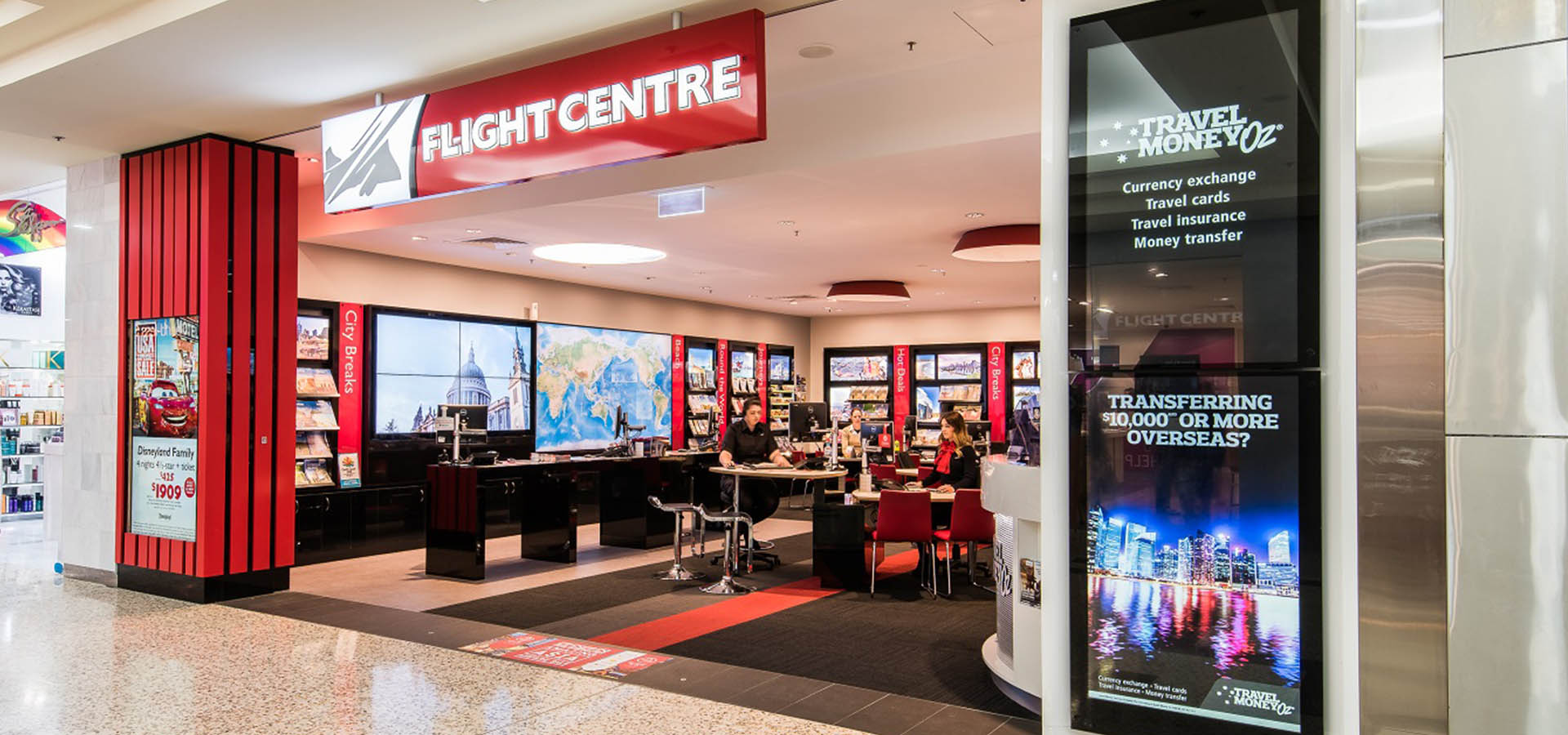
    Flight Centre Travel Group has paid $252,000 in fines after misleading customers with unclear promotions during the 2018 Christmas and 2019 Easter periods.

    The travel group offered customers who spent $1500 on a holiday package during these periods a $250 voucher to use for their next holiday – though failed to disclose that the next holiday needed to be worth more than $5000 to qualify.

    According to the ACCC, over 35,000 customers received these vouchers as part of the promotions.

    “We are concerned that consumers were enticed to purchase their holiday through Flight Centre to obtain a voucher they were not able to use without spending another $5000 when this was not adequately disclosed,” ACCC Commissioner Sarah Court said.

    “Businesses are warned that the terms and conditions of any deal or promotion must be prominent so that consumers understand what is involved in redeeming the offer.”

    In addition to the fine paid, Flight Centre has also waived the $5000 minimum spend condition and has extended the redemption period for the vouchers. Those earned during the 2018 Christmas period will be extended from 30 June 2019 to 31 December 2019, while those earned during 2019 Easter will also be extended to 31 December 2019.

    The ACCC notes that the payment of a penalty specified in an infringement notice is not an admission of a contravention of Australian Consumer Law.

    Earlier this year, the ACCC also targeted online retailer Kogan for misleading promotions, stating it made “false or misleading representations about a 10 percent discount promotion”, and would be taking the retailer to court.

    The consumer rights commission alleged Kogan had advertised a 10 percent discount on certain products, though raised the price of around 600 products before the promotion began – in some cases by at least 10 percent.

    “We allege that Kogan’s advertisements were likely to have caused consumers to think they were getting products below their usual price,” Court said in a statement in May.

    “In fact, Kogan had inflated product prices which we say created a false impression of the effective discount.”

    At the time, Kogan denied the allegations, stating they ignore critical facts and matters that are relevant to the situation.

  • Marie France Van Damme launches Fall 2019 capsule collection

    Marie France Van Damme launches Fall 2019 capsule collection

    Hong Kong-based fashion designer Marie France Van Damme has released a new capsule collection.

    Retailing from US$500–$2000, the new Fall 2019 capsule collection is available as of this month.

    Photographed by Edwin Datoc in the industrial alleys of Kwun Tong in Kowloon – an area is known for its textile industry history and that also houses Marie France Van Damme’s office and atelier for the last 30 years – the campaign features model Hou Jing Cui set against the cityscape.

    “I think of my new capsule collection as the perfect blend of East and West,” said Marie France Van Damme. “Kowloon is the perfect backdrop for my latest collection inspired by the city I love and call home. We are proud of our atelier’s history and heritage and excited to share our new campaign.”

    The collection uses the designer’s signature black, white, and gold palette in luxurious fabrics from French lace to metallic-toned Italian weaves and light Chinese silks. New this season is a collection of full-length lightweight cotton and wool tweed coats.

    Marie France Van Damme has 13 boutiques and more than 100 retail locations in international destinations from London to Dubai.

  • Jollibee is expanding in the UK with more outlets

    Jollibee is expanding in the UK with more outlets

    Filipino fast-food chain Jollibee is set to open its second UK restaurant, in Liverpool.

    Bee World UK, part of the Jollibee Foods Corporation, has already submitted a plan to transform a Lush store on Whitechapel into its flagship restaurant in the northwest England city. The expansion comes after the successful opening of its first UK restaurant in London’s Earl’s Court last year. The opening is set to create 70 jobs, according to the planning application.

    Jollibee’s head of international business for Europe, Dennis Flores, said last year that the company plans to continue expansion by opening 25 restaurants and creating 1,500 jobs across the UK by 2023. He also said that they expect the brand to appeal not only to the Filipinos living and working in the UK but to the locals as well.

    Further expansion will see the fast-food chain launch in new cities including Manchester and Birmingham, said Flores.

    Jollibee, known for its Chicken Joy fried chicken and Jolly spaghetti, has a network of more than 1,300 restaurants in the Philippines, making it a dominant leader in the industry. Internationally, it has more than 200 branches spanning across countries including the US, Canada, Vietnam, Singapore, Saudi Arabia, Qatar, Italy, Bahrain, Singapore, and the UAE.

    Its parent company, Jollibee Foods Corporation, also owns brands including Chowking, Greenwich, Red Ribbon, Mang Inasal, Yonghe King, Hong Zhuang Yuan and Smashburger. It also owns 60 percent of the SuperFoods Group which operates Highland Coffee and Pho24 brands in Vietnam. It recently entered into an agreement to operate Panda Express in the Philippines and to buy the Coffee Bean & Tea Leaf business globally.

  • Peet’s Coffee opens 60’s-inspired Shanghai pop-up store

    Peet’s Coffee opens 60’s-inspired Shanghai pop-up store

    US coffee chain Peet’s Coffee has launched a pop-up cafe in Shanghai, inspired by the design of its heritage store in California.

    The Peet’s Coffee pop up offers a wide selection of coffees and experiences, including personalized t-shirts, tote bags with distinctive patterns influenced from the 1960s period. A photo booth was installed inside the store for the customer to take photos and print out or share on social media.

    “This Peet’s Coffee pop-up experience showcases the power of experiences in transporting audiences to a different time and place, and bringing the origins of the brand to life,” said Matalie Ackerman, executive VP of design agency Jack Morton Greater China.

    Peet’s Coffee also offers live music performed by buskers outside the pop-up store to add to the retro vibe.

    To explain the message behind the brand’s legacy approach, marketing director of Peet’s Coffee China Elaine Liu said: “When Alfred Peet opened his first coffee bar in Berkeley, California in 1966, he established our long-standing commitment to roasting the highest-quality coffee and Peet’s continues to stay true to that in China.”

    Peet’s Coffee is planning to expand into other cities in China in the future.

  • Shopee to focus on growing market share in SEA

    Shopee to focus on growing market share in SEA

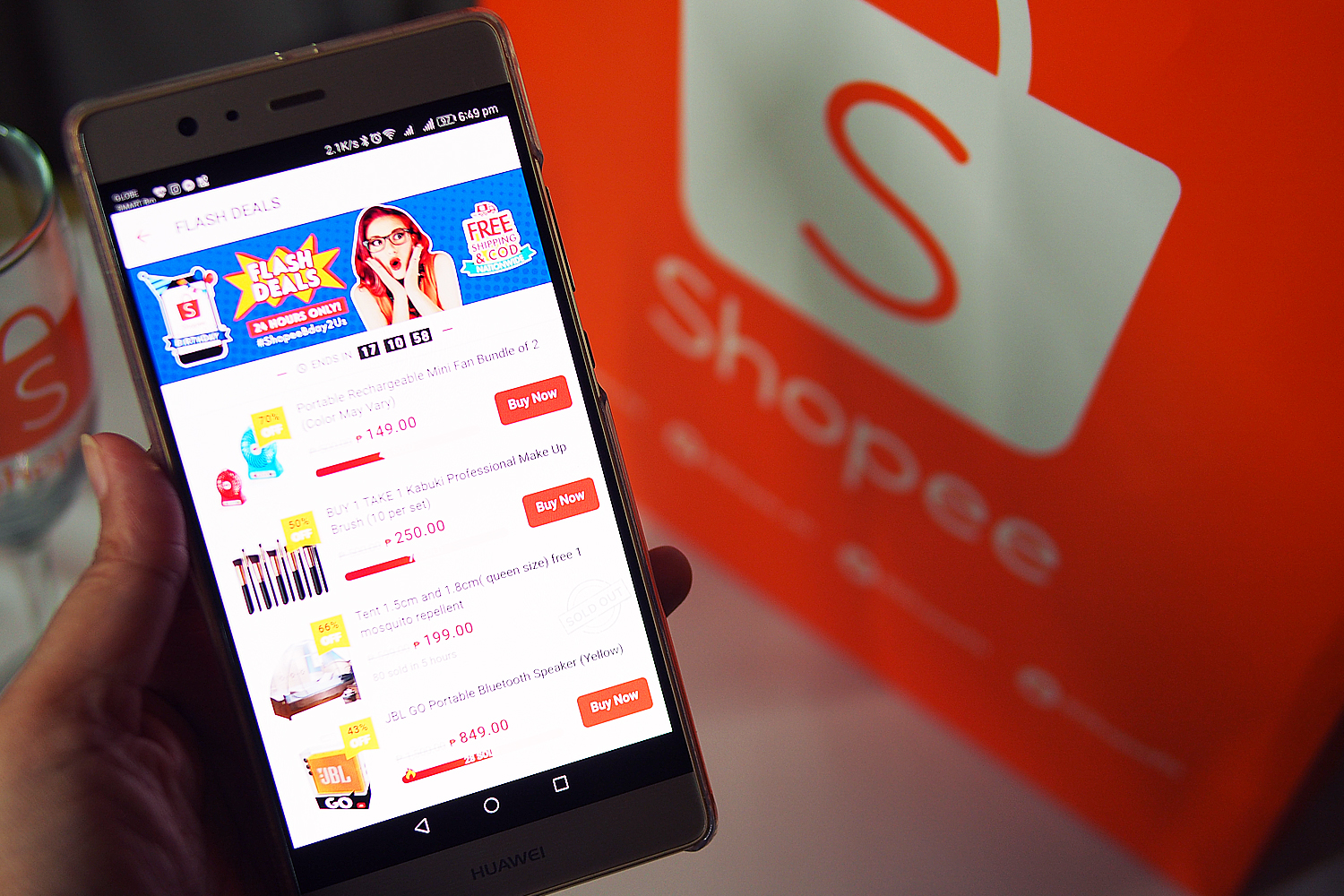
    Singaporean online shopping business Shopee is aiming to boost its market share in Southeast Asia.

    The firm is targeting an expected exponential increase in the number of online shoppers in the region, according to a recent interview published in Yahoo Finance Singapore with Shopee’s CCO Zhou Junjie.

    “We believe that there should be a lot more growth potential in Southeast Asia so we should focus our effort and resources in this region,” said Zhou in the interview. “Whereas the e-commerce industry in China is more mature, Southeast Asia markets are still at the very beginning stage.”

    E-commerce in the region is projected to pass US$150 billion by 2025, nearly four times the current levels.

    “Our priority is to grow the market share,” said Zhou. “We will continue to invest to make sure that we strengthen our lead position, we want to make sure that we grow faster than others.”

    Beyond Singapore, Shopee operates in Thailand, Malaysia, Vietnam, the Philippines, Indonesia and Taiwan.

  • Nike culls Indian retail partner network

    Nike culls Indian retail partner network

    Sneaker giant Nike India has more than halved the number of its retail partners, from around 350 to just 150.

    The cull is part of a global strategy to reduce the number of physical sales points to focus online and on its own flagship stores. Nike has singled out 12 major cities internationally where it will focus on building brand awareness and market share, including Tokyo and Shanghai, in Asia.

    Moving forward, Nike India will work with just a single reseller partner which will operate the brand’s offline stores. Nike will run its own online store.

    The consolidation of the Nike India network began in 2016 but has gathered pace in recent months as the international initiative gained a higher profile.

  • DFS Group enables WeChat facial-recognition payments in Macau

    DFS Group enables WeChat facial-recognition payments in Macau

    DFS Group has become the first international retailer to activate WeChat facial-recognition payment outside Mainland China.  Authorized by the government of Macau, DFS Group has trialed 10 WeChat facial-recognition devices at T Galleria DFS.

    After Macau success, T Galleria Beauty by DFS in Hong Kong’s Causeway Bay will be the next store to enable the new payment system.

    “WeChat facial-recognition payment has become the predominant form of digital payment amongst key retail market players in Mainland China, further closing the gap between the online and offline experience,” said Zac Coughlin, a chief financial officer at DFS Group. “We are immensely proud to become the very first global merchant outside Mainland China to enable WeChat Facial Recognition Payment, as part of our commitment to constantly adapt to the ever-evolving needs of our customers.”

    With the facial-payment technology, DFS and WeChat aim to enhance their customers’ experience by doing away with QR codes.

    WeChat facial-recognition payment is only available to customers with a valid Chinese form of identification.

  • UBS Reveals Client Overcharging Claims in Asia

    UBS Reveals Client Overcharging Claims in Asia

    Wealth management clients in Hong Kong and Singapore may have been overcharged, UBS said, adding that it is working with authorities and intends to reimburse affected customers.

    UBS claimed that it had identified and reported instances in which its global wealth management clients in Hong Kong and Singapore «may have been charged inappropriate spreads for bond transactions between 2008 and 2015.

    UBS intends to reimburse affected customers on a basis agreed with the relevant authorities,» the bank said in its third quarter report. UBS expects the relevant authorities will subject UBS to reprimands and fines as a result of their investigations.

    Despite the regulatory worries, Asia continues to be a primary growth driver for the bank, as evidenced by the latest figures. UBS’s global wealth management business posted net new asset of $10.9 billion in Asia, boosting the region’s total invested assets to $420 billion.

  • UOB Launches Solar Industry Ecosystem

    UOB Launches Solar Industry Ecosystem

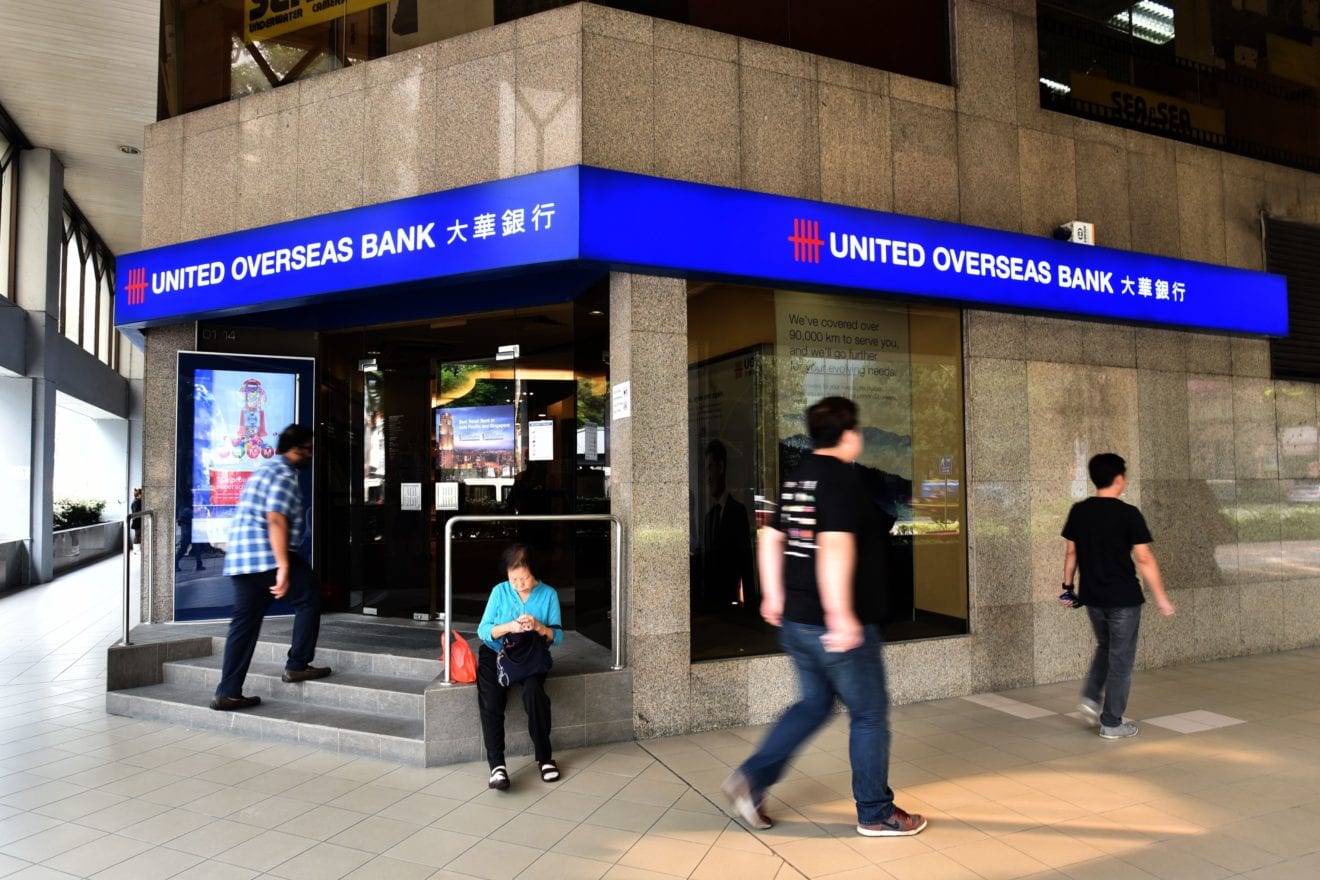
    United Overseas Bank (UOB) on Tuesday launched U-Solar, the first solar industry ecosystem in Asia to power the development and adoption of renewable energy across Southeast Asia.

    Through U-Solar, the bank connects businesses and consumers in order to aid each play their role in their collective efforts to transition to a low-carbon economy, UOB said in a media statement on Tuesday. Malaysia is the first ASEAN country in which UOB is rolling out its U-Solar ecosystem.

    «A sustainable energy industry is key to maintaining healthy development of the economy and community. In working together with our ecosystem partners and customers to open up and to tap opportunities in the solar power industry, we can create a positive economic and social impact,» said Wee Ee Cheong, deputy Chairman and chief executive officer.

    Supporting The Value Chain

    Through U-Solar, the bank offers a suite of financial solutions to support the solar power value chain, from solar project developers, engineering, procurement and construction (EPC) contractors, as well as the end-users of solar power, including consumers and companies. In supporting the growth of the solar power industry, UOB provides solar project developers with solutions in green financing, such as «sukuk», project loans and portfolio financing, as well as cash management services.

    For EPC contractors, the bank offers end-to-end contract-based financing solutions, from bid bonds and letters of credit issuance to performance guarantees and working capital facilities. Through U-Solar’s online portal, the bank also connects these industry players to potential customers seeking solar power solutions for their factories, offices or homes. To promote the adoption of solar power by the end-users which include companies and consumers, U-Solar offers a one-stop shop for them to plug easily into the services offered by UOB’s partners across the region.

    UOB Malaysia’s collaboration with leading local solar energy service providers, starting with ERS Energy, PlusSolar and Solarvest, will offer installation, commissioning, operations and after-sales service packages for solar power systems to help business and homeowners.

    The launch of UOB’s U-Solar program as an ecosystem play caters to the concerns of the solar industry, whereby it is intended to be Asia’s first integrated solar energy marketplace across UOB’s key Southeast Asia markets – Singapore, Malaysia, Thailand and Indonesia. I am proud that UOB has chosen Malaysia to be the first country to launch this program, said YB Yeo Bee Yin, Minister of Energy, Science, Technology, Environment and Climate Change, Malaysia (MESTECC) at the launch of U-Solar in Malaysia.

    Through our research and engagement with our customers, we observed that many of them think that using solar power requires intensive upfront capital and is costly to maintain. With U-Solar, we hope to help our customers understand better the benefits of using solar power and to address their concern of costs by providing them with flexible repayment plans at competitive market rates, said Wong Kim Choong, chief executive of UOB Malaysia.

    U-Solar offers two flexible solutions to help Malaysian companies adopt solar power with little upfront capital. Companies can purchase a solar power system for their factory or office with the corresponding green loan offered by UOB Malaysia, and can also apply for a two percent rebate under the government’s Green Technology Financing Scheme 2.01 for their purchase.

    They can also benefit from the government’s tax incentives under the «Green Investment Tax Allowance and Green Investment Tax 1A» scheme introduced by the Ministry of Finance Malaysia in April 2018 to accelerate the expansion of green investments by companies via financing from participating financial institutions. Alternatively, businesses can sign up for a long-term solar power leasing agreement with the Bank’s U-Solar partners.

    For homeowners, UOB Malaysia offers on U-Solar’s online portal a zero percent interest installment plan of up to 36 months for the purchase of a solar power system. Customers can also enjoy zero upfront costs for services provided by the bank’s U-Solar partners including on-site assessment, installation and maintenance of their solar power panels and systems at their residences.

    Through our collaboration with Malaysia’s market-leading solar power service providers, ERS Energy, PlusSolar and Solarvest, we hope to drive greater adoption of solar energy across Malaysia. It will also help support the Sustainable Energy Development Authority Malaysia’s Net Energy Metering programme and MESTECC’s renewable energy target of 20 percent in the national power generation mix by 2025, Wong said.

  • HSBC Setting Up Malaysian Asset Management Arm?

    HSBC Setting Up Malaysian Asset Management Arm?

    HSBC is reportedly setting up an asset management business in Malaysia in the midst of a major job-axing exercise.

    It is in the midst of setting up its team, looking to hire a CEO, CIO, and so on, according to a report from Malaysian media , citing an anonymous source.

    The process is such that you need to have a basic set-up and concurrently apply for a license from the Securities Commission Malaysia. A Malaysia-based spokesperson for HSBC declined to comment, according to the report.

    Assets under management (AUM) in Malaysia’s asset management market posted single-digit growth in four out of the last five years, according to a report by Nomura Institute of Capital Markets Research, with a contraction in 2018. This is a stark contrast with the 23.5 percent CAGR (compound annual growth rate) from 1999 to 2007. As of 2018-end, the industry’s AUM totaled around 744 billion Malaysian ringgits ($178 billion).

    Concurrently, Bank of Singapore agreed to acquire local asset manager Pacific Mutual Fund for $8.5 million in June, pending regulatory approval. Synergies from the acquisition are expected to result in more than just expanded distribution.

  • YouTrip Takes Over Some Of EZ-Link Functions

    YouTrip Takes Over Some Of EZ-Link Functions

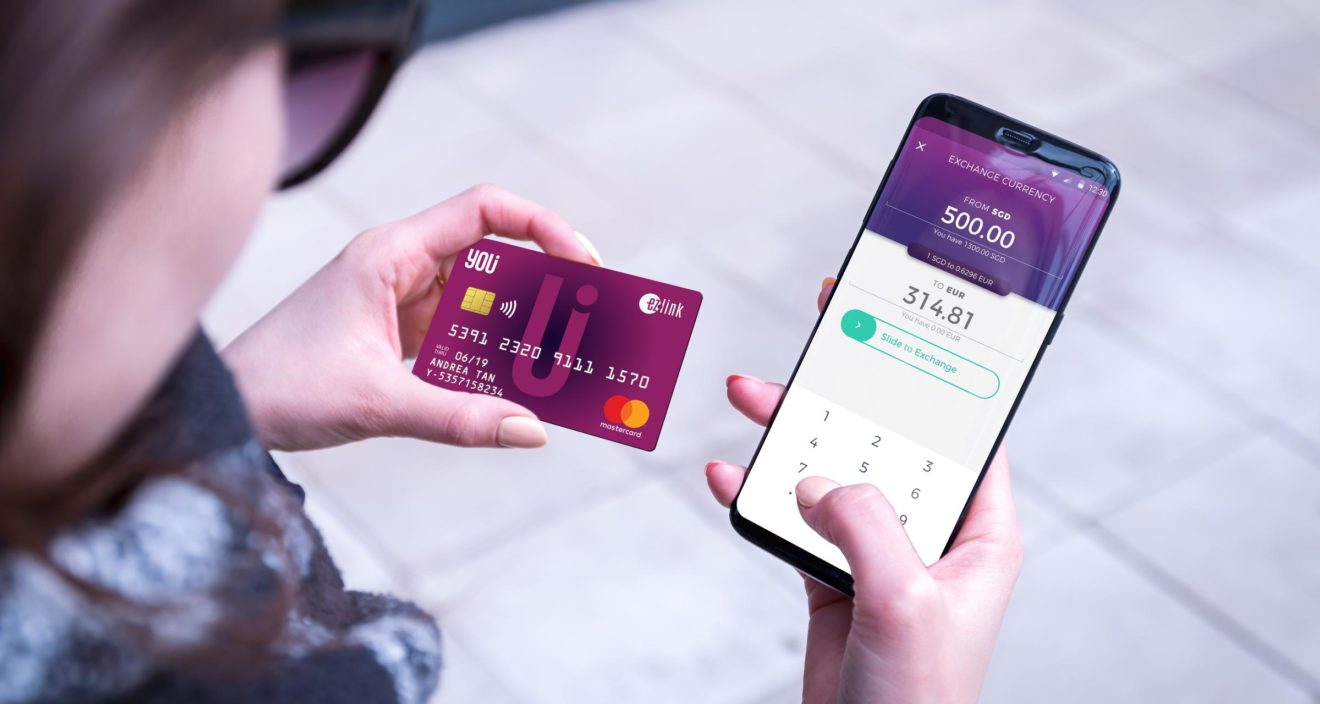
    Singapore’s first multi-currency mobile wallet with a prepaid Mastercard announced that it has secured a Principal Licence from Mastercard and will assume the primary role of the issuer and stored value facility holder of YouTrip accounts.

    The principal license will allow YouTrip to deliver improved and additional features directly to its users, as well as enable it to provide a more robust and dedicated payment security setup in anticipation of the new Payments Services Act.

    As the regional fintech space continues to develop dynamically, this license will provide the ideal springboard for the development and expansion plans we have in the pipeline, said Caecilia Chu, co-founder and CEO of YouTrip.

    Having partnered with Mastercard and EZ-Link to launch in Singapore in August 2018, YouTrip will be taking over the role of issuer and holder of stored value accounts from EZ-Link while continuing the current brand partnership.

    This is part of YouTrip’s wider ambitions to develop its platform and new features for its users, as it readies itself for expansion. Since YouTrip announced its record pre-Series A fundraiser earlier this year, it has doubled the number of app downloads to over 400,000 from 200,000 in May and grown its team beyond 100 people across its offices in Singapore and Hong Kong.

    YouTrip also recently obtained a remittance license from MAS to cater for future product development. This will be key to its expansion plans as more regulators identify fintech as a major growth area and introduce progressive policy measures to facilitate innovation and the broadening usage of such services.

  • Chinese Fintech Investigated for Fake Government Threats

    Chinese Fintech Investigated for Fake Government Threats

    Chinese fintech firm 51 Credit Card is being investigated for threatening delinquent borrowers by pretending to be fake government officials.

    The Hong Kong-listed credit card management app allegedly hired external debt collectors acting as government officials, according to an Hangzhou police statement, and is suspected of «picking quarrels and provoking troubles».

    Complaints against the firm have been received by police since September and the firm confirmed earlier this week that an on-site investigation had been conducted by authorities.

    Our lack of training and oversight on partner companies has led to some radical behaviors in the communication with our borrowers, and it hurt certain borrowers, chairman and chief executive Sun Haitao said. «We are very sorry about that.»

    51 Credit Card noted in a statement that it was fully cooperating with the investigations and denied rumors that personal user data from the firm had leaked or been stolen. It also added that assets had not been frozen and that the firm had sufficient cash and assets to protect lenders and investors.

    51 Credit Card was founded in 2012 and the platform today boasts 83 million registered users and the management of over 138 million credit cards, according to its September interim report.

  • UBS Seeks Full Ownership of China Onshore Securities Firm by 2020

    UBS Seeks Full Ownership of China Onshore Securities Firm by 2020

    UBS continues to act as a pioneering foreign bank in mainland China taking full advantage of the accelerated timeline for foreign ownership cap removals by seeking full control of its securities joint venture by 2020.

    The accelerated removal of the ownership caps for securities companies means that UBS is expected to be permitted to increase its stake in UBS Securities China from the current level of 51 percent to 100 percent by 2020, the bank said during its quarterly result announcement this week. The exact effective date remains to be clarified.

    In July, Chinese authorities announced the removal of foreign ownership limits for securities, insurance and fund management companies next year, introduced a year earlier than planned.

    Others have also been actively taking advantage of Chinese liberalization including Citi which is reportedly setting up a wholly-owned onshore securities business.

  • 2020 Skoda Octavia Leaked Ahead Of Global Reveal In November

    2020 Skoda Octavia Leaked Ahead Of Global Reveal In November

    Skoda Auto’s popular selling Octavia sedan is scheduled to enter its 11th generation next month, and ahead of the big reveal in Prague, an exterior image of the car has been leaked online. While Skoda released sketches of the new Octavia recently, the leaked image comes from the automaker’s online configurator that is yet to go live and gives us a good look at the new design language. As expected, the 2020 Skoda Octavia shares its design cues with the new Superb complete with the long and swooping bonnet, new single headlamp cluster design that we first saw on the Scala and a wider butterfly grille. The new Octavia looks more stately than the predecessor and that’s something the executive sedan class buyers will appreciate.

    The new generation Skoda Octavia is based on a modified version of the MQB platform and is expected to boast of a larger footprint. The leaked image hints at a longer wheelbase, although we will have to wait for the official specifications to confirm that. While the rear is yet to be revealed, the Octavia’s notchback styling will return on the new generation model, while the car will get new LED taillights that now overlap the boot-lid.

    The interiors are yet to be revealed, but previous spy images have hinted at a virtual instrument cluster, larger touchscreen infotainment system, two-spoke multi-function steering wheel and an electric parking brake. The car will also come with new driver aids and assistance systems as part of the package. The rear is also likely to boast of better legroom and shoulder room than the outgoing version. The sedan will also get the Skoda badging on the boot instead of the winged-arrow badge that has adorned the company’s offerings so far.

    Engine options on the new Skoda Octavia will include a 1.5-liter petrol and 2.0-litre diesel engines, while a hybrid version is also expected to join the line-up with a 48V mild-hybrid motor. The car will also come in the station wagon body style for the European markets, and there’s of course, the Octavia vRS in the pipeline that is expected to pack in some serious power this time around.

    The 11th generation Skoda Octavia is slated to be revealed globally at a special standalone event on November 13, 2019, in Czech Republic. Interestingly, India is expected to get the new Octavia as early as 2020 and will be part of the four new launches that the automaker will bring over the course of the year. The new Octavia is produced at Skoda’s Mlada Boleslav facility in the Czech Republic for Europe, and is partially made-in-India at VW Group’s facility in Aurangabad, Maharashtra.