Author: Mei Ling Tan

  • UOB and RHT Chestertons Ties Up In App

    UOB and RHT Chestertons Ties Up In App

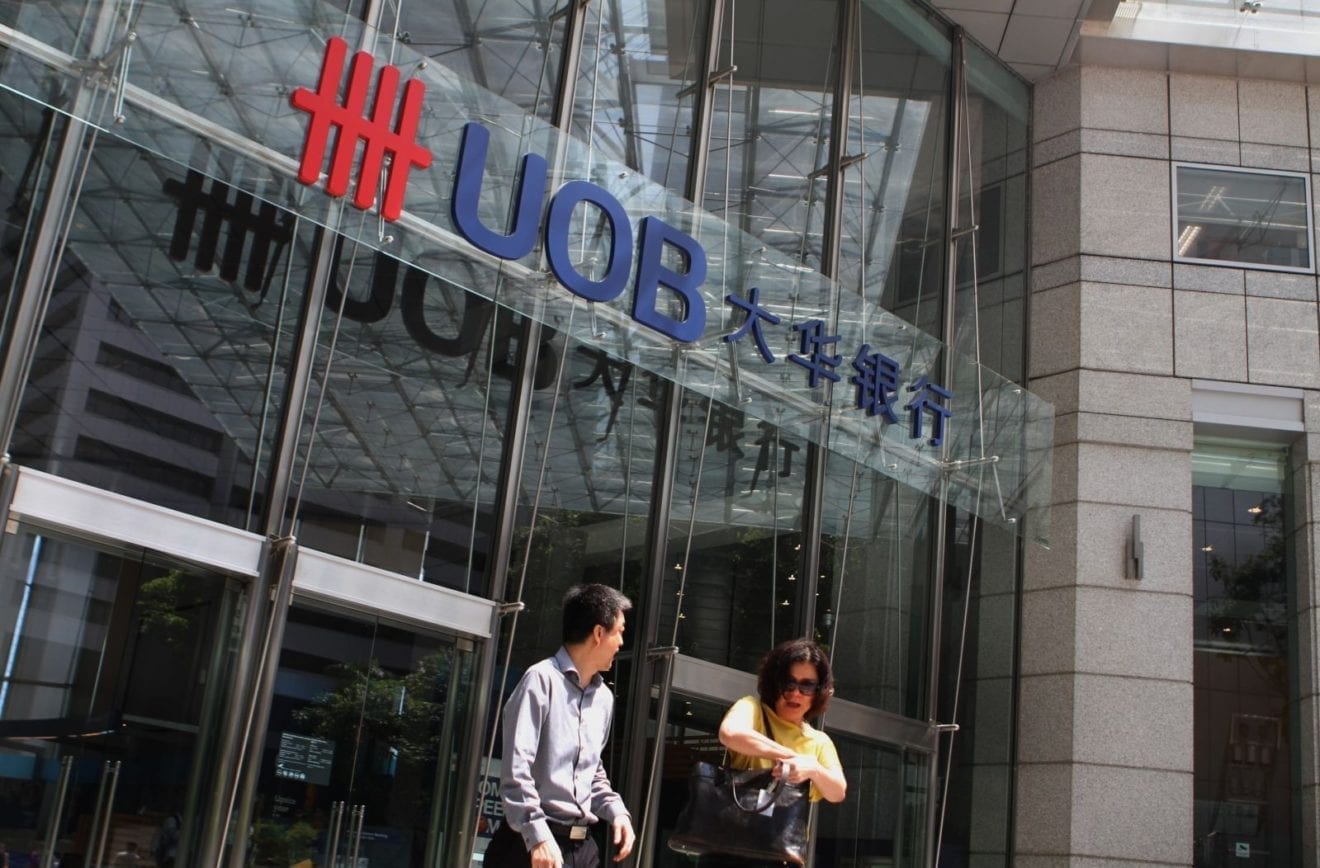
    RHT Chestertons Valuation and Advisory have tied up with UOB Business Banking to launch Singapore’s first instant indication guide for commercial property.

    Within the «Real Commercial» app developed by Soreal Prop and United Overseas Bank (UOB), one can find an online platform that provides the value indication guide for local commercial strata-titled properties to the user within a minute, as compared to 30 minutes or more using the normal method.

    This instant indication range guide platform was developed over nine months, with RHT Chestertons providing the valuation methodology to develop a matrix which can generate a current range of values for the particular strata-titled commercial property based on the address and size, the real estate advisory firm said in a media statement on Monday.

    While these robo-valuation models are in demand by financial institutions, it cannot entirely replace the human element in the valuation process, the advisory firm notes. «Human input is still required to assess properties like landed factories, shophouses, hotels and dormitories, etc. as there are other intangible factors affecting value associated with the various property types,» the firm wrote in a report.

    David Ng and Eleen Chia who have years of experience in the valuation of REITs (Real Estate Investment Trusts), initial public offerings, land parcels, mortgage security, acquisitions and disposals, currently helms RHT Chestertons’ Valuation & Advisory.

    If demand for such service is strong, RHT Chestertons may enhance the platform to include residential strata-titled properties too. Addressing the need to improve on the quality of valuation reports in the future, RHT Chestertons is now providing analytics to assist clients to have a better understanding of property values. Such analytics include, but not limited to value behavior charts in particular districts and estimated projection of property values based on past trends.

    RHT Chestertons has developed a matrix that allows a range of values to be generated using recent transaction records, past valuations, and current rental data. This allows the user, property agent or buyer, to work out through the app the loan amount needed, and hence to proceed immediately with the loan application process with UOB. A formal valuation report will then be instructed to be issued by RHT Chestertons when the loan is to be disbursed.

  • Harley-Davidson LiveWire Production Begins After Charging Issue

    Harley-Davidson LiveWire Production Begins After Charging Issue

    Harley-Davidson has resumed the production of the all-electric LiveWire motorcycle after determining that an issue with charging was limited to a single motorcycle. The company has now said that Harley-Davidson LiveWire owners can now resume charging their motorcycles at home. Harley-Davidson had previously advised customers to the only charge at dealerships until the charging issue was resolved. The issue has still not been specified, but Harley-Davidson claims that the issue was found only on one motorcycle after “rigorous analysis”. The first all-electric Harley-Davidson received a serious setback last week when production was halted due to a problem with the bike’s charging system

    The LiveWire has a cast aluminum frame and Showa suspension with the Revelation electric powertrain mounted low on the bike

    After the issue was reported, Harley-Davidson did not recall any of the LiveWire motorcycles already on the road, but the company did stop production and deliveries and also began simultaneous testing and analysis. Nevertheless, the issue will be a speed breaker to Harley-Davidson’s plans to garner some positive publicity for its electric motorcycle program. The company has now released a statement, which, while not going into the specifics of the problem, mentions that it was actually limited to just one motorcycle.

    “Temporarily stopping LiveWire production allowed us to confirm that the non-standard condition identified on one motorcycle was a singular occurrence,” the statement said, adding, “after completing rigorous analysis this week, we have resumed LiveWire production and deliveries.”

    The issue did, however, affect Harley-Davidson’s image after the company’s first foray into electrification just weeks after deliveries of the LiveWire began. The LiveWire is meant to complement Harley-Davidson’s traditional v-twin internal combustion engines, and not replace them, and went into production in 2019. Deliveries to dealers in Europe and the US began in September 2019. The LiveWire has also been showcased in India, but so far, there have been no definitive plans of launching the electric Harley commercially in India.

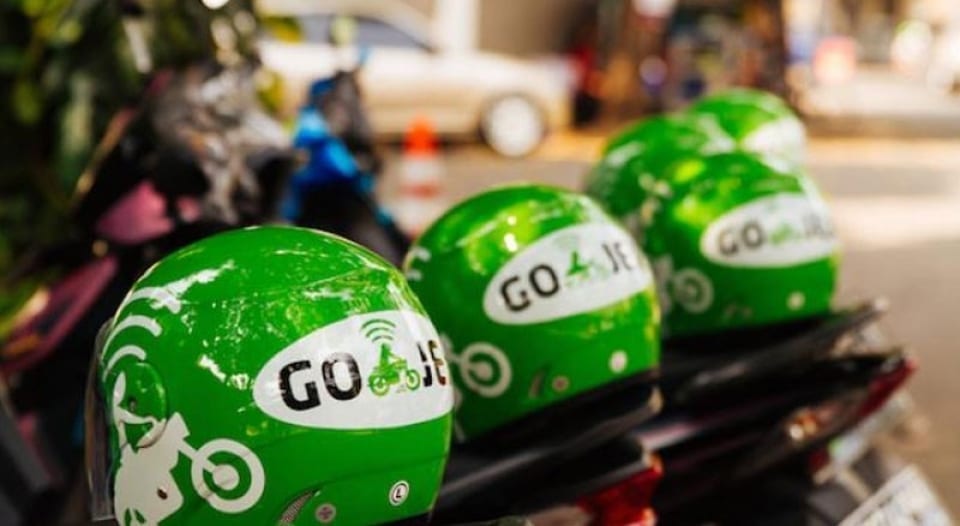
  • Ride-Hailing Service Gojek’s CEO Nadiem Makarim To Join Indonesia’s Cabinet

    Ride-Hailing Service Gojek’s CEO Nadiem Makarim To Join Indonesia’s Cabinet

    Gojek CEO and founder Nadiem Makarim said on Monday he had resigned from the ride-hailing and payments company to join the cabinet of Indonesian President Joko Widodo.

    “I have received a big honor to be able to join the cabinet,” Makarim told reporters at the presidential palace.

    Makarim said his specific role would be announced by the president later in the week.

    Indonesia media have linked Makarim to a possible post in a new Digital Economy ministry or in education.

    Gojek did not immediately respond to requests for comment on who his successor would be.

  • Hyundai Motor May Raise Stake In China Joint Venture

    Hyundai Motor May Raise Stake In China Joint Venture

    Hyundai Motor said on Tuesday it was considering raising its stake in its underperforming truck joint venture in China, potentially joining other foreign automakers in boosting ownership in the world’s biggest car market. Sichuan Hyundai Motor is Hyundai’s only commercial car venture in China that makes cargo trucks and buses.

    Beijing relaxed rules last year on foreign firms controlling any Chinese automakers or joint venture, removing caps on those making fully electric and plug-in hybrid vehicles. Limits on commercial vehicle makers ease in 2020, and by 2022 for the wider car market.

    Hyundai is reviewing various plans to strengthen the joint venture’s competitiveness in changing market conditions in China, the firm said in an emailed statement, without elaborating. Volkswagen AG is exploring the prospect of buying a big stake in its Chinese electric vehicle joint venture partner, sources have told Reuters, while BMW has agreed to buy control of its main joint venture in China.

    Sichuan Hyundai Motor is jointly owned by Hyundai and China’s Sichuan Nanjun Automotive Group, with a stake of 50 per cent each. The Sichuan joint venture, which started operations in 2013, produced 12,228 commercial vehicles last year, down by more than half from 28,786.

    That means that their production facilities are heavily underutilised given that they have a capacity of making 160,000 trucks and 10,000 buses a year.

  • Apple AR glasses launch in 2020 reiterated as more details emerge

    Apple AR glasses launch in 2020 reiterated as more details emerge

    Apple is betting heavily on augmented reality is the next big thing and a new report by Bloomberg suggests the public could soon see the results of years of development.

    According to Mark Gurman, Apple is targeting next year for the release of its highly anticipated AR glasses. These will reportedly feature a pair of holographic displays and synchronize with the user’s iPhone to display useful information such as text, emails, or the weather. Rumors also suggest Apple Maps integration will be supported in addition to multiple games. The latter means Apple Arcade subscribers may be able to play a range of AR-backed titles while wearing the glasses.

    Apple is said to be hiring experts in both graphics and game development to ensure a range of titles are available at launch. This should help position the glasses as the instant leader in the category and hopefully replicate the long-term success of the Apple Watch. Speaking of which, Apple is reportedly considering a dedicated App Store for its AR glasses similar to the one that was recently launched for its smartwatch. From here, owners of the glasses will be able to download the range of compatible games in addition to a long list of other apps

    Like Gurman, analyst Ming-Chi Kuo believes Apple’s AR glasses will arrive next year, although he goes one step further by predicting a release halfway through 2020. This means the official announcement may happen in early 2020, perhaps alongside the iPhone SE 2 and iPad Pro (2020).

    Long-term, Apple hopes its AR glasses will eventually replace the iPhone, but in the meantime, it’ll focus on pushing its AR technologies through its other devices. Specifically, the next-gen iPad Pro is reportedly going to include a dedicated 3D sensor for AR content while next year’s iPhone 12 Pro series is expected to follow suit in September with the same sensor.

  • Niantic confirms Pokemon GO online player battles are coming in 2020

    Niantic confirms Pokemon GO online player battles are coming in 2020

    Niantic has been planning to implement a PvP system in Pokemon GO for quite some time now. The new gameplay mechanic is not yet ready for prime time, but Niantic confirmed that online player battles are coming in 2020.

    At the moment, Pokemon GO players can only battle other trainers locally, but they can battle NPCs wherever. Starting next year, Niantic will add an online PvP mechanic that will pit players against each other no matter their location.

    The new PvP system will be called GO Battle League and will make its debut early next year. Just like many other Pokemon GO features, GO Battle League will encourage players to explore the world with Pokemon. Players will be able to walk in order to earn entry into the GO Battle League, then face other players from around the globe through an online matching system.

    No other details have been revealed by Niantic in the announcement, so it’s unclear what rewards winners will receive and whether or not climbing in the ranks of the league will award any prize. The good news is we’ll find out more in a special Dev Insights video that Niantic promised to share very soon, so stay tuned.

  • Uniqlo to open first Vietnam store in Saigon

    Uniqlo to open first Vietnam store in Saigon

    Japanese casual wear retailer Uniqlo plans to open a 3,000-square-meter store in downtown HCMC at the end of this year.

    Its first store in the country, at Parkson Saigon Tourist Plaza in District 1, would be one of its biggest in Southeast Asia, the company said in a release. It will sell clothes for men, women and children.

    Uniqlo earlier this month established its Vietnam business with a charter capital of $8.8 million, with apparel company Fast Retailing Singapore owning a 75 percent stake and Japan’s Mitsubishi Corporation the rest.

    Uniqlo, which is already in Singapore, Malaysia, Thailand, the Philippines, and Indonesia in Southeast Asia, had 213 stores in the region by the end of last year and plans to have 400 by 2022. It now has over 2,200 stores in 24 countries and territories.

    Uniqlo’s arrival in Vietnam is sure to intensify competition between foreign brands like Zara and H&M, who came two years ago and have outlets at major malls in both HCMC and Hanoi.

    Vietnam’s fashion market is estimated to grow to more than $3.8 billion this year and over $5 billion by 2021, according to BMI Research.

  • Textile sector stuck at bottom of value chain

    Textile sector stuck at bottom of value chain

    The textile industry, Vietnam’s key exporter, faces hurdles to further development since it is stuck in the low-value segment of the supply chain.

    Nguyen Thi Xuan Thuy, director of the Ministry of Industry and Trade’s Centre for Supporting Industrial Development, said at a recent forum that Vietnam’s textile industry is still dependent on import of production inputs.

    The country plans to have 30,000-76,000 hectares under cotton crops in the 2015-2020 period but had only 1,000 ha in 2017, and cotton production that year was only 1,000 tons against a target of 20,000-60,000 tons, she said.

    The country targets annual fabric production of one billion meters but there is no allocation of funds for it, and so most material has to be imported for production, Thuy noted.

    Vietnam imports half the raw material for production from China, and this means its textile products would not enjoy zero import tariffs under the trade pacts it has signed, she added.

    But local feedstock producers struggle to sell domestically. Vu Huy Dong, CEO of thread producer Dam San, said 90 percent of his output is exported to China.

    “Chinese importers buy the threads, dye them and sell them back to Vietnam at higher prices.”

    Textile firms are concerned that Vietnam’s environmental protection regulations create challenges for businesses.

    Pham Xuan Trinh, CEO of HCMC-based textile firm Phong Phu Corp, said some localities only provide 700 cubic meters of water a day to his company while the need is three or four times that.

    Government officials admitted that local authorities are reluctant to license textile production, especially dyeing, due to fear of pollution.

    Thuy said that Vietnam’s environment criteria for the textile industry are now even higher than Japan’s.

    Whether Vietnam continues to keep them to ensure clean manufacturing or lowers them to boost production of textile feedstock, there needs to be an orientation for development, she added.

    Vietnam exported $30.4 billion worth of textile products last year, up 16.6. percent from 2017, according to the General Statistics Office. It imported $12.9 billion worth of fabrics, up 13.5 percent.

  • Starbucks closes seven Hanoi stores over contaminated water

    Starbucks closes seven Hanoi stores over contaminated water

    Coffee shop giant Starbucks has temporarily closed seven stores in Hanoi’s southwestern districts over the ongoing oil contamination crisis.

    A customer service agent said Friday that the closed stores are located in Cau Giay, Ha Dong and Nam Tu Liem districts, all of which use water that comes from the Da River in Hoa Binh Province. No reopening date has been set.

    Other major coffee chains in the southwestern districts of Hanoi have remained open, with their managers saying, without elaborating, that they are getting clean water from a supplier.

    Like Starbucks, many restaurants and eateries in Hanoi are struggling to get clean water.

    Nghia, owner of a pho noodle stall in Hoang Mai District, said that he has spent hundreds of thousands of dong (VND100,000 = $4.3) on bottled water this week because the tap water smelled bad and could not be used for cooking.

    A buffalo-meat restaurant chain with outlets in affected areas mobilizes staff to work till midnight Wednesday to stock bottled water.

    In some areas, bottled water prices have increased 2-3 times due to high demand. The Vietnam Directorate of Market Surveillance has asked Hanoi authorities to stop merchants from overpricing bottled water.

    On Tuesday last week, a 2.5-ton truck was seen dumping used oil into a mountain creek in Phu Minh Commune, Hoa Binh Province. The oil spread and contaminated the tap water for about one million Hanoi residents.

    Tests of the smelly water by authorities later found that the level of styrene, an organic compound that is classified as “probably” carcinogenic, was 1.3-3.6 times higher than normal.

    On Thursday, Hanoi officials said the tap water samples collected Monday this year passed safety tests, but continued to advise against drinking or cooking with it.

  • Lazada, Tiki locked in delivery speed race

    Lazada, Tiki locked in delivery speed race

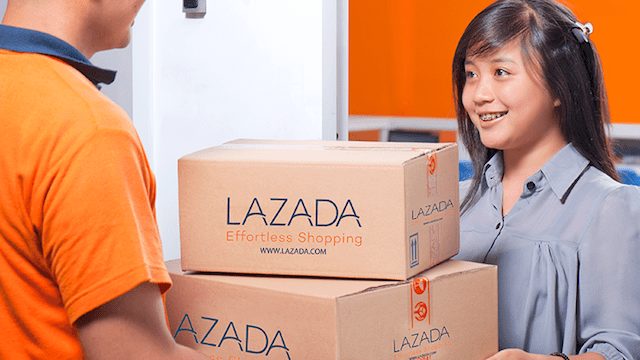
    Giants Lazada and Tiki are racing to reduce their delivery times as competition heats up in Vietnam’s e-commerce market.

    Singapore-based Lazada Friday launched a 4-hour delivery service for flowers in Vietnam, a move in response to Vietnamese startup Tiki’s 2-hour delivery for a large number of products.

    Nguyen Ngoc Thang, head of express solutions at Lazada, said that this was a new step in e-logistics for the company.

    Earlier this month, the company began to offer 2-hour and 4-hour delivery for products weighing under 15 kilograms in Hanoi and Ho Chi Minh City.

    Almost 200 Lazada sellers are eligible for the service, mostly in beverage, fashion and baby products.

    The move followed other e-commerce companies in Vietnam, like Shopee, Sendo and Lotte, also announcing delivery times of one to four hours after Tiki introduced its 2-hour delivery for over 100,000 products.

    Tiki is able to do this by investing in expanding its fulfillment center, which is now at 60,000 square meters and set to triple to 200,000 square meters by the end of next year.

    The company’s average delivery time is less than two days, against the market average of four-five days, said Tiki chairman Tran Ngoc Thai Son.

    Meanwhile, Lazada has introduced its new 24/7 receiving points in Hanoi and HCMC where customers can pick up their items at a time of their choice.

    In the third quarter of this year, Tiki ranked fourth in terms of of web traffic, followed by Lazada. Both of them fell two places from Q2, according to market research firm iPrice.

    Singapore-based Shopee remained the market leader, followed by Vietnamese players Sendo and Mobile World, it said.

    Vietnam’s e-commerce market is estimated at $5 billion this year and is set to reach $23 billion in 2025, according to a recent report by Google, Singapore-based investment firm Temasek, and U.S.-based consultancy Bain.

  • Giordano sales down across China

    Giordano sales down across China

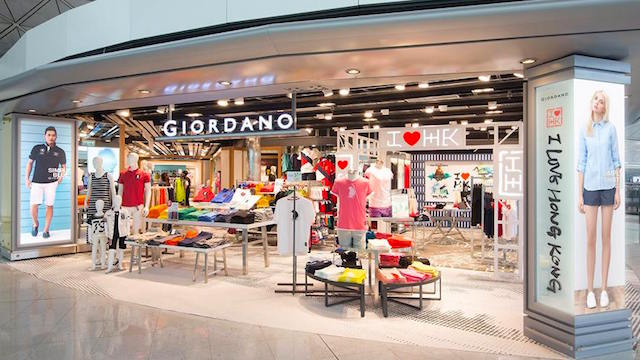
    Giordano sales slid by 8.6 percent in the three months to September, or by 7.1 percent if measured by constant exchange rates. Comparable same-store sales fell by 10.3 percent.

    The damage to Giordano sales was largely borne in Hong Kong and Mainland China, where protests have hit inbound mainland tourist numbers since June and Chinese are spending less, spooked by the ongoing Sino-US trade war.

    Giordano sales in Hong Kong and Macau fell from $226 million to $169 million and in Mainland China from $251 million to $208 million.

    However, the China decline was mitigated in part by a strong performance in Giordano’s relatively new Middle Eastern markets. Sales there rose from HK$134 million to $153 million.

    Wholesale sales were constant.

    Despite the Hong Kong sales decline, Giordano maintained a network of 75 stores in Hong Kong during the period, the same number it had a year earlier.

    Group sales for the quarter totalled $1.075 billion, down from $1.176 billion a year earlier. Year-to-date sales (for nine months) were down from $4.036 billion to $3.617 billion.

  • Indian debut for Make-your-own Magnum retail concept

    Indian debut for Make-your-own Magnum retail concept

    Magnum has launched its first two pop-up stores in India, offering customers Make Your Own Magnum experience.

    The stores have opened at Phoenix Market City malls in Mumbai and Chennai.

    Like consumers before them in Bangkok Kuala Lumpur and many other cities across Asia-Pacific, customers now can design and assemble their own ice creams with their favorite flavors and toppings.

    “The concept has been an international hit and as we approach the festive season here, we saw so better way to make our loyalists dive into pure indulgence by creating their own delectable version,” said Himanshu Kanwar, head of Ice-creams India.

    The customized Magnum store will feature Make Your Own Magnum campaign until late November.

  • Cebu Pacific to launch direct flights between Puerto Princesa and Hong Kong

    Cebu Pacific to launch direct flights between Puerto Princesa and Hong Kong

    Budget Carrier Cebu Pacific on Wednesday said it will launch in November direct flights between Puerto Princesa, Palawan and Hong Kong “to better connect the province to a wider market for tourists through a key international hub.”

    “Cebu Pacific will be the first airline to fly direct between Puerto Princesa, Palawan, and Hong Kong, one of the largest global aviation hubs. The maiden Puerto Princesa-Hong Kong flight will be on November 17, 2019,” the low-cost carrier said in a statement.

    Flights between Palawan and Hong Kong operate four times a week.

    “Flight 5J 5306 departs Puerto Princesa at 3:35pm on Tuesdays, Thursdays and Sundays; and at 4:05pm on Saturdays. The return flight, 5J 5307 departs Hong Kong at 7:30pm on Tuesdays, Thursdays and Sundays; and at 8:00pm on Saturdays,” it said.

    Cebu Pacific will also be launching its Clark-Puerto Pincesa flight on the same day.

    “Together, these two new routes increase capacity to Puerto Princesa by 7%,” it said.

    Also on Wednesday, the budget carrier introduced its “CEB Flexi,” a flight add-on that allows travelers to rebook their flights “up to two times.”

    “Available starting October 22, 2019, CEB Flexi gives CEB passengers the freedom to rebook flights until two hours before departure,” it said.

    The low-cost carrier said CEB Flexi is 60% cheaper compared to current booking fees.

    “CEB Flexi is priced at P499 for domestic flights, P799 for international short-haul flights, and P1,099 for international long-haul flights. Along with the roll-out of CEB Flexi, all new flights booked starting October 22, 2019 will be non-refundable,” it said.

    This add-on can be purchased during booking through the airline’s website or its mobile app.

  • Samsung China’s first flagship opens, in front of Apple store

    Samsung China’s first flagship opens, in front of Apple store

    Samsung China has opened its first flagship experience store in the market – and it is right opposite its archrival.

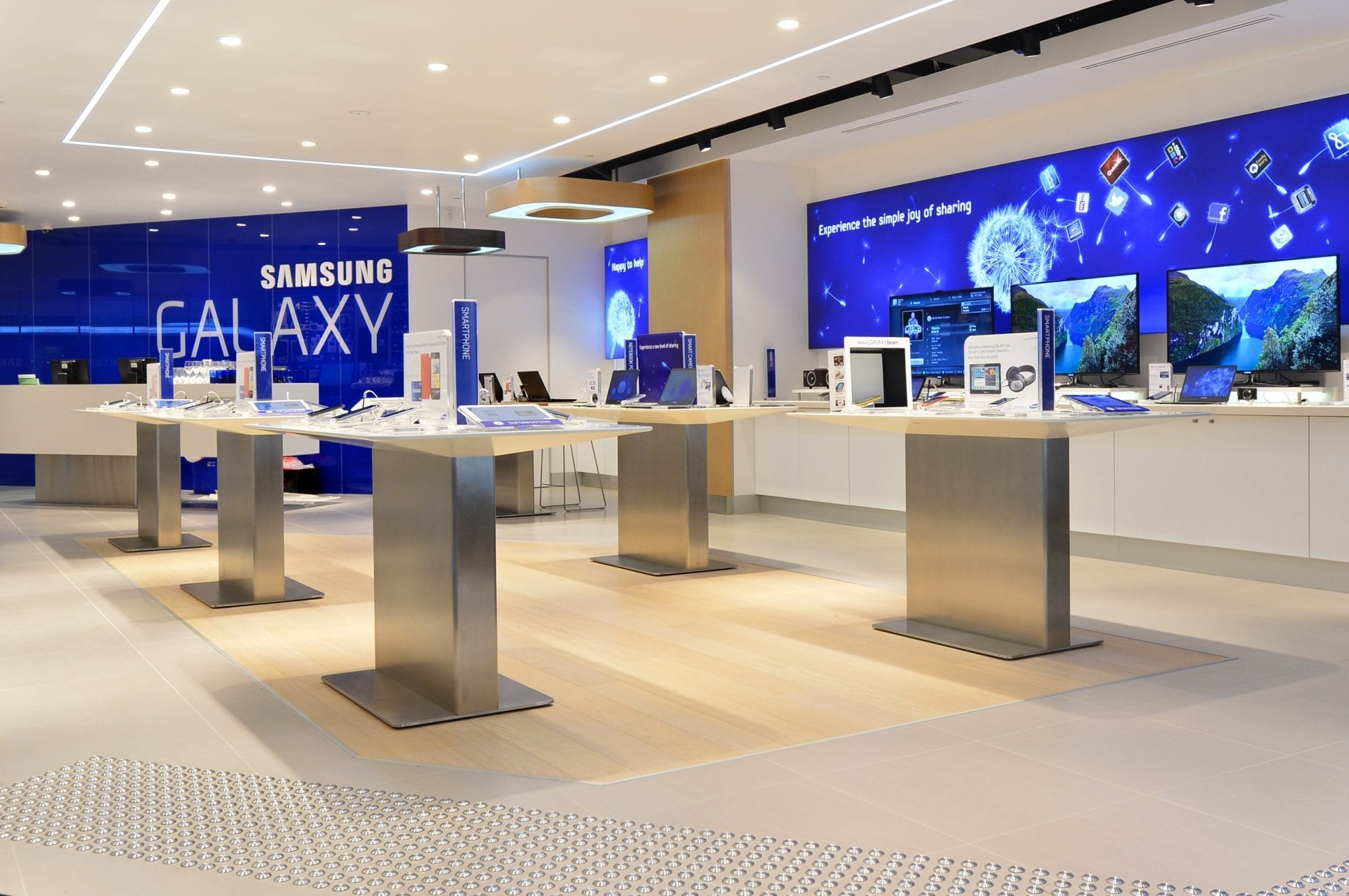
    The almost 1000sqm Shanghai store is the brand’s largest in Asia, and stands opposite Apple’s Nanjing East Road store. The store has two sections and stocks Samsung’s full range of mobiles as well as featuring a 5G experience zone for customers to participate in large-scale cloud games and watch HD video broadcasts.

    Samsung has recently readjusted its strategy in the territory, shifting all mobile device manufacturing to India and China. The experience store is the latest development in the new strategy.

  • Tesco Malaysia marks 60-store milestone in country

    Tesco Malaysia marks 60-store milestone in country

    Tesco Malaysia has opened its 60th store. The more-than 2000sqft store at Wangsa Walk is the retailer’s largest in the country, with recent changes in regulations reducing costs for an operation of this size and opening the path for similar formats going forward.

    “In providing a 2000sqft superstore with a targeted range of our famous value for money pricing, we are providing convenience and value for money to the customers in this area who were not able to enjoy all these before,” said Tesco Malaysia CEO Paul Ritchie as reported in the New Straits Times.

    “Going forward, we plan to keep expanding in Malaysia within this format as it believes that there is still a lot of growth opportunities in this country.”

    Tesco Malaysia has been operating for 17 years.