Author: Mei Ling Tan

  • Spotify brings back Google Home Mini freebie

    Spotify brings back Google Home Mini freebie

    Remember when the Google Home Mini was deemed the world’s best-selling smart speaker, despite Amazon dominating the vendor ranks both back then and in pretty much every single market report released over the last 12 months or so? The very reasonable price and robust list of features of the search giant’s diminutive Google Assistant device might not be the only reasons the Home Mini was able to achieve that feat, as the gadget’s shipment numbers were no doubt inflated by various promotions offering people the opportunity to pay nothing for the “bestseller.”

    The latest such deal is actually a revival of a similar offer from last year when select Spotify Premium subscribers were eligible for free Google Home Mini units just for using the world’s most popular music streaming service. This time, it’s even easier to join the giveaway, as both Family account holders and individual subscribers can qualify for a unique promotional code towards a gratis Home Mini smart speaker redeemable on the US Google Store.

    Once again, you’re looking at a US-only promotion, although if history is any indication, there’s a good chance availability will be expanded to other regions in the near future. The terms and conditions are relatively straightforward and not particularly hard to meet, requiring you be a new or existing Spotify Premium Individual or Premium Family subscriber registered directly through the platform (and not a third-party service like a cable or telecommunications provider), as well as pay for your unlimited, ad-free music streaming rights with a recurring method such as PayPal or a credit or debit card.

    Predictably enough, those who claimed a free Google Home Mini last time around are not eligible for an additional complimentary smart speaker, and in case you’re wondering, the offer is not valid on the new Nest Mini, even though the $49 list price has gone unchanged. Finally, while Spotify technically mentions November 15 as the end date of the actual deal and December 31 as the expiration date of the Google Store promo codes, you shouldn’t act shocked if supplies were to run out earlier. After all, Google can’t just give away millions of these voice-controlled bad boys for free.


  • The Snapdragon 735 chipset could lead to lower prices for 5G phones

    The Snapdragon 735 chipset could lead to lower prices for 5G phones

    Everyone is awaiting Qualcomm’s introduction of its next-generation flagship SoC, the Snapdragon 865 Mobile Platform. This could take place sometime next month. Meanwhile, you might recall that six months ago the chipmaker unveiled the Snapdragon 730 chipset and the Snapdragon 730G gaming-focused chip.

    The Snapdragon 735, while designed by Qualcomm, will apparently be manufactured by Samsung using its 7nm EUV LPP (Low Power Plus) process. The lower the process number, the higher the number of transistors that can fit inside an integrated circuit. By adding transistors, chips become more powerful and energy-efficient. By next year, both Samsung and rival TSMC should be rolling 5nm chips off of its assembly line (more on this later). The EUV stands for extreme-ultraviolet lithography, a technology that allows chip dies to be more precisely marked up for transistor placement; this will also allow more transistors to fit inside a chip. When you consider that Huawei’s Kirin 990 SoC with an embedded 5G modem contains about 10.3 billion transistors, you can understand how precise chip production must be.

    The Snapdragon 735 SoC is rumored to feature eight cores with a pair of Cortex-A76 cores to do the heavy lifting; the remaining six Cortex-A55 cores will be earmarked for general housekeeping. The latter will reportedly run at a clock speed of 1.73GHz, and the two high-performance cores at 2.26GHz and 2.32GHz. If the rumored specs are legit, the chipset will come with the Adreno 620 GPU and support up to 12GB of RAM and 4K video at 60fps. And there is good news for consumers; the Snapdragon 735 SoC is said to be 5G ready, which means that support for the next generation of wireless will be available on more mid-range (and less expensive) phones.

    It should be noted that Qualcomm has yet to introduce the component. The Snapdragon 735 SoC will replace the 730 which is produced using the 8nm process and ships with the Adreno 618 graphics processor. Some features of the current chip, such as support for the new Wi-Fi 6 standard and the multi-core Qualcomm AI Engine, will undoubtedly be found in the Snapdragon 735 chipset. Qualcomm said earlier this year that it would bring 5G support to its mid-range series 7xx and series 6xx Snapdragon chipsets.

    As for the eagerly awaited Snapdragon 865 Mobile Platform, the other day Chinese luxury goods manufacturer, 8848 was the first to announce a phone that will be powered by Qualcomm’s new flagship chipset. The Titanium M6 5G will ship next year with the Snapdragon 865 SoC inside. While Qualcomm could introduce the chip next month, it won’t be found inside any consumer devices until next year.

    What we know about the Snapdragon 865 is that Samsung’s foundry unit will manufacture it using Samsung’s 7nm EUV process. The Snapdragon 855 and the overclocked Snapdragon 855+ chipsets were both produced by the world’s largest independent foundry, Taiwan Semiconductor Manufacturing Company (TSMC) using TSMC’s 7nm process. 2021’s Snapdragon 875 Mobile Platform will be produced by TSMC using its new 5nm process. At 5nm, integrated circuits are packed with as many as 171.3 million transistors per square millimeter.

    Both Samsung and TSMC have roadmaps taking production to 3nm. The latter is reportedly working on ways to keep increasing the number of transistors inside a chip to increase both power and energy consumption. Just to show you how far we’ve come, the Apple iPhone 4, released in 2010, featured Apple’s A4 SoC under the hood. That chip was designed by Apple, equipped with ARM’s Cortex-A8 CPU, and built by Samsung using its 45nm process.

  • Chrome for iOS goes dark after the latest update

    Chrome for iOS goes dark after the latest update

    Although iOS 13 has been around for about a month now, Apple’s own adoption figures show 50% of eligible iPhones are running the new version of the operating system. It’s not a bad number of course, but those who haven’t updated yet are missing quite a lot.

    Besides the new features and improvements that the iOS 13, a lot of third-party apps are adding new options specification for this version of the platform. One of the most common new features that these third-party apps are adding is dark mode.

    Many developers have already implemented the dark mode into their iOS apps, but Google has somehow missed to opportunity to offer Chrome users this specific feature. Thankfully, the latest update fixes the issue, so if you update Google’s mobile browser to the latest version, you’ll also be getting dark mode.

    Also, the update adds the ability to add a new credit directly in Chrome from the settings page. Lastly, Bookmarks, History, Recent Tabs and Reading List are now presented as cards on iOS 13. Keep in mind that most of the new features won’t be available until you update to iOS 13.

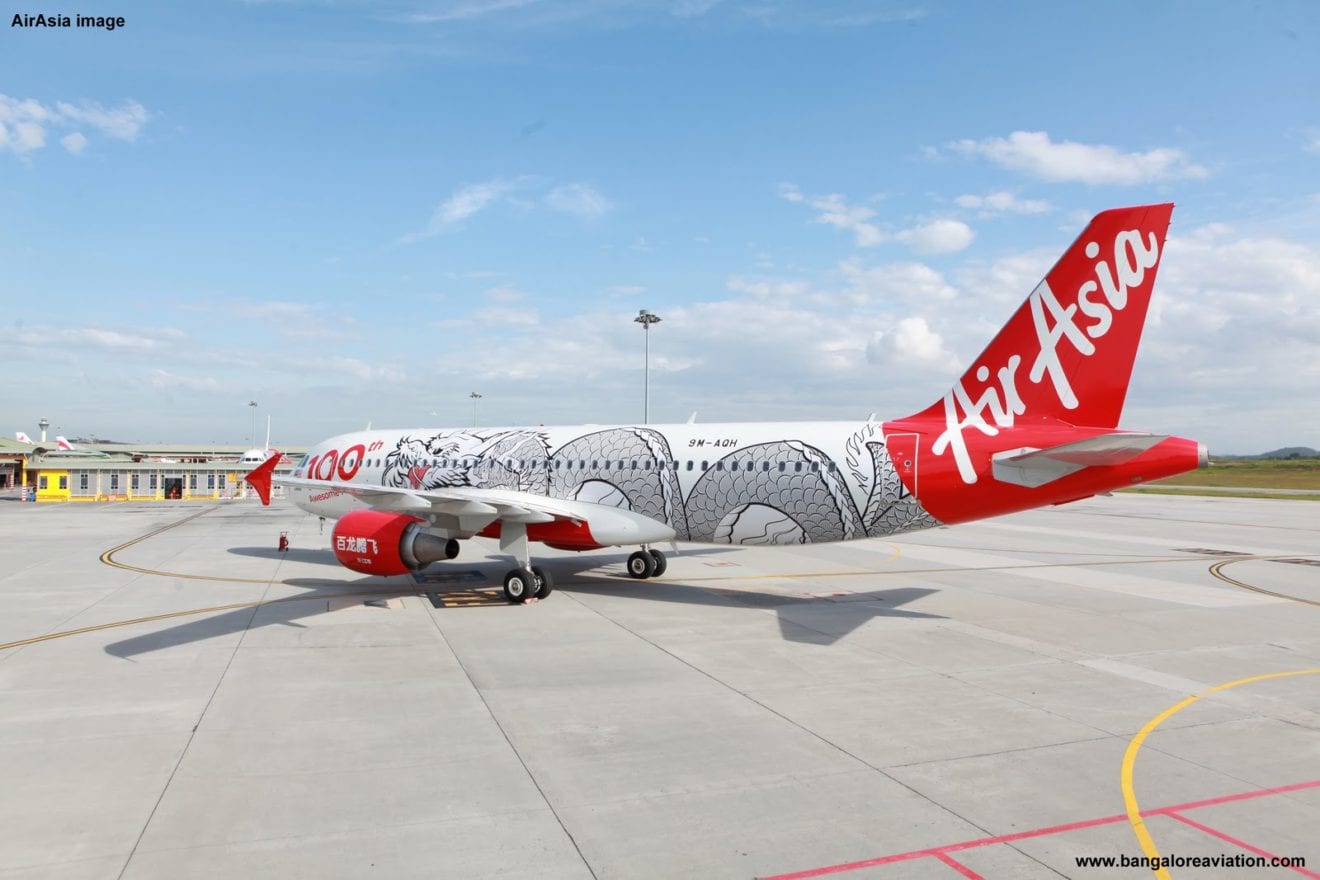
  • AirAsia X’s 3Q flight frequencies fail to boost overall capacity

    AirAsia X’s 3Q flight frequencies fail to boost overall capacity

    AIRASIA X Bhd’s additional flight frequencies in the third quarter of the year (3Q19) were insufficient to boost overall capacity, MIDF Amanah Investment Bank Bhd said.

    The long-haul affiliate of low-cost carrier AirAsia Group Bhd increased flight frequencies to Gold Coast, Sydney and Melbourne to cater for increased demand following the school-term holidays in Australia.

    However, this was insufficient to boost overall capacity, causing AirAsia X’s average stage length to remain flat on a yearly basis between July and August this year.

    In 3Q19, AirAsia X’s average seat per kilometer (ASK) declined by 3% year-on-year (YoY), outpacing the 2% YoY dip in revenue per kilometer (RPK).

    “This was due to seasonal capacity management which saw the total capacity (-3% YoY) decline more than the number of passengers carried,” MIDF said in a research note yesterday.

    The destinations involved were Sapporo and Taipei in response to weaker demand during the leanest season of the year for these routes.

    Meanwhile, AirAsia X Thailand recorded a 32% YoY increase in passengers carried in 3Q19, underpinned by additional seat capacity and the inauguration of the fifth Japanese destination, Fukuoka, on July 2019.

    ASK grew at a faster pace of 48% YoY due to high capacity, leading to a decline of 10 points in load factor to reach 77% in 3Q19.

    MIDF forecasts a loss of RM8.1 million for AirAsia X in the financial year ending Dec 31, 2019 (FY19), and lower earnings of RM45.6 million for FY20.

    “We are imputing a lower jet fuel estimate as our Brent crude oil estimate for FY19 has been lowered to US$63 (RM264.60) per barrel (previously US$70 per barrel).

    “Nonetheless, the effect of lower estimated fuel expenses is moderated by a higher US dollar to ringgit rate of 4.15 (previously 4.08). We have also taken into account lower growth in capacity amid the group’s ongoing network rationalization exercises in its key markets,” the research house said.

    Moving forward, lower passenger service charges (PSC) of RM50 for international departures from Asean will deliver an additional boost to the current traveling trend.

    The PSC was revised last month for passengers traveling outside of Asean from RM73 to RM50, effective Oct 1, 2019.

    “Notwithstanding this, we believe the ongoing capacity deployment will remain a headwind for the rest of FY19,” MIDF added.

    The adoption of the Malaysian Financial Reporting Standard 16 will be a hurdle to AirAsia X, since the majority of the group’s fleet are leased, with gains from lower interest to be realized beyond the fifth-year of the leased term.

    MIDF maintained a Neutral call on the low-cost long-haul carrier with a target price of 17 sen per share based on the adjustment in earnings.

    AirAsia X share price closed one sen higher yesterday at 17 sen, valuing the airline at RM705 million.

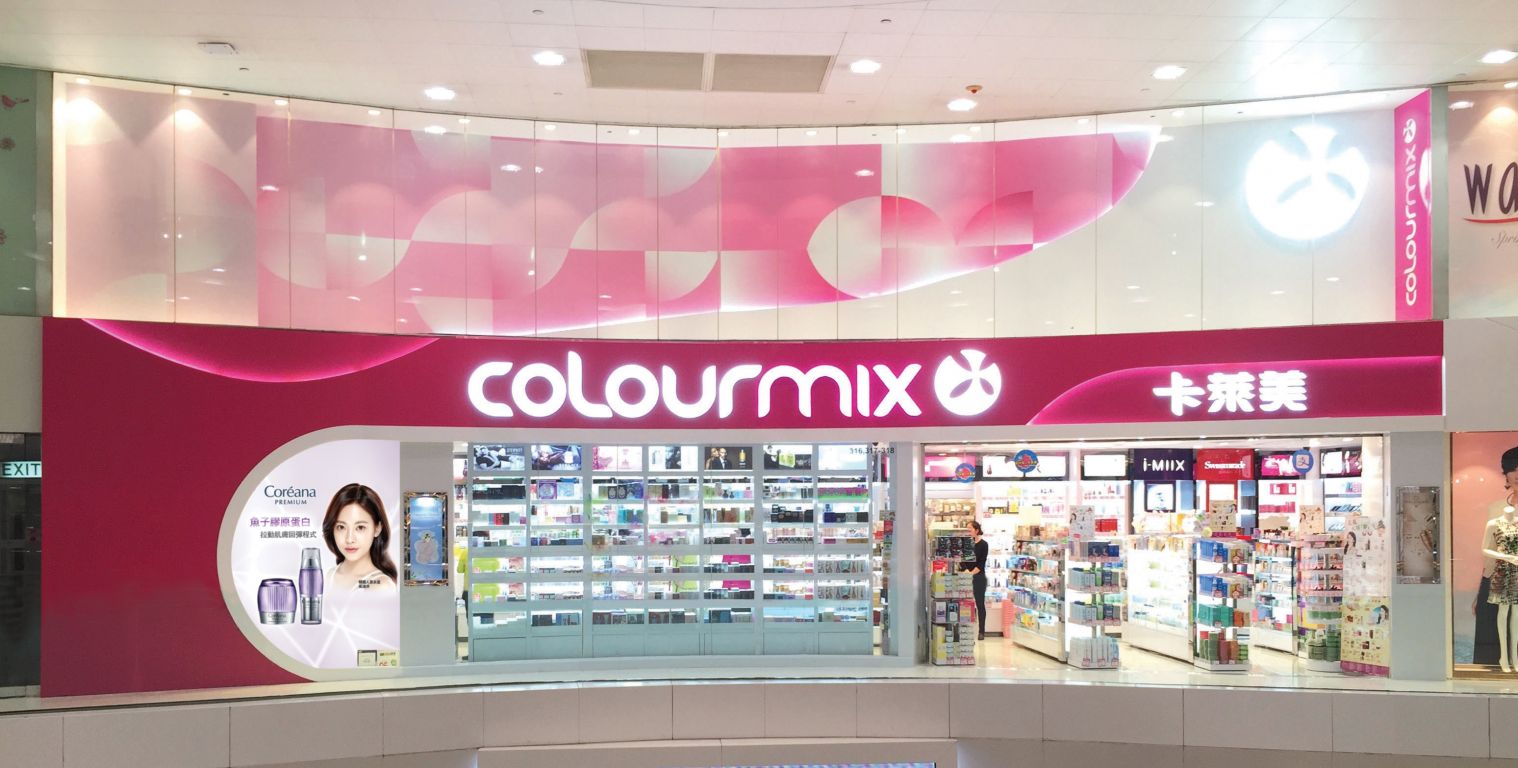
  • Colourmix parent Veeko International warns of substantial lossColourmix parent and fashion retailer Veeko International has warned shareholders of a “significant increase” in its loss for the half year to September 30.   A year ago, the company finished the half HK$19 million in the red, but chairman Johnny Cheng did not estimate the degree of loss in his profit warning issued yesterday.   He said the loss was due to “decreased sales for both the cosmetics and fashion segments of the group as a result of the increasing tension of the Sino-American trade war and the further depreciation of Renminbi during the period, which resulted in the continued weakness of the retail environment and abatement in consumption sentiments”.  Notably, he did not refer to the social unrest which has adversely affected Hong Kong retailers since early June.    But Cheng did say another factor in the loss was a provision for onerous contracts of underperforming retail stores.  Veeko International will release its interim results before November 30.

    Colourmix parent Veeko International warns of substantial lossColourmix parent and fashion retailer Veeko International has warned shareholders of a “significant increase” in its loss for the half year to September 30. A year ago, the company finished the half HK$19 million in the red, but chairman Johnny Cheng did not estimate the degree of loss in his profit warning issued yesterday. He said the loss was due to “decreased sales for both the cosmetics and fashion segments of the group as a result of the increasing tension of the Sino-American trade war and the further depreciation of Renminbi during the period, which resulted in the continued weakness of the retail environment and abatement in consumption sentiments”. Notably, he did not refer to the social unrest which has adversely affected Hong Kong retailers since early June. But Cheng did say another factor in the loss was a provision for onerous contracts of underperforming retail stores. Veeko International will release its interim results before November 30.

    Colourmix parent and fashion retailer Veeko International has warned shareholders of a “significant increase” in its loss for the half-year to September 30.

    A year ago, the company finished the half HK$19 million in the red, but chairman Johnny Cheng did not estimate the degree of loss in his profit warning issued yesterday.

    He said the loss was due to “decreased sales for both the cosmetics and fashion segments of the group as a result of the increasing tension of the Sino-American trade war and the further depreciation of Renminbi during the period, which resulted in the continued weakness of the retail environment and abatement in consumption sentiments”.

    Notably, he did not refer to the social unrest which has adversely affected Hong Kong retailers since early June.

    But Cheng did say another factor in the loss was a provision for onerous contracts of underperforming retail stores.

    Veeko International will release its interim results before November 30.

  • Nespresso launches farm-to-table sustainability initiative

    Nespresso launches farm-to-table sustainability initiative

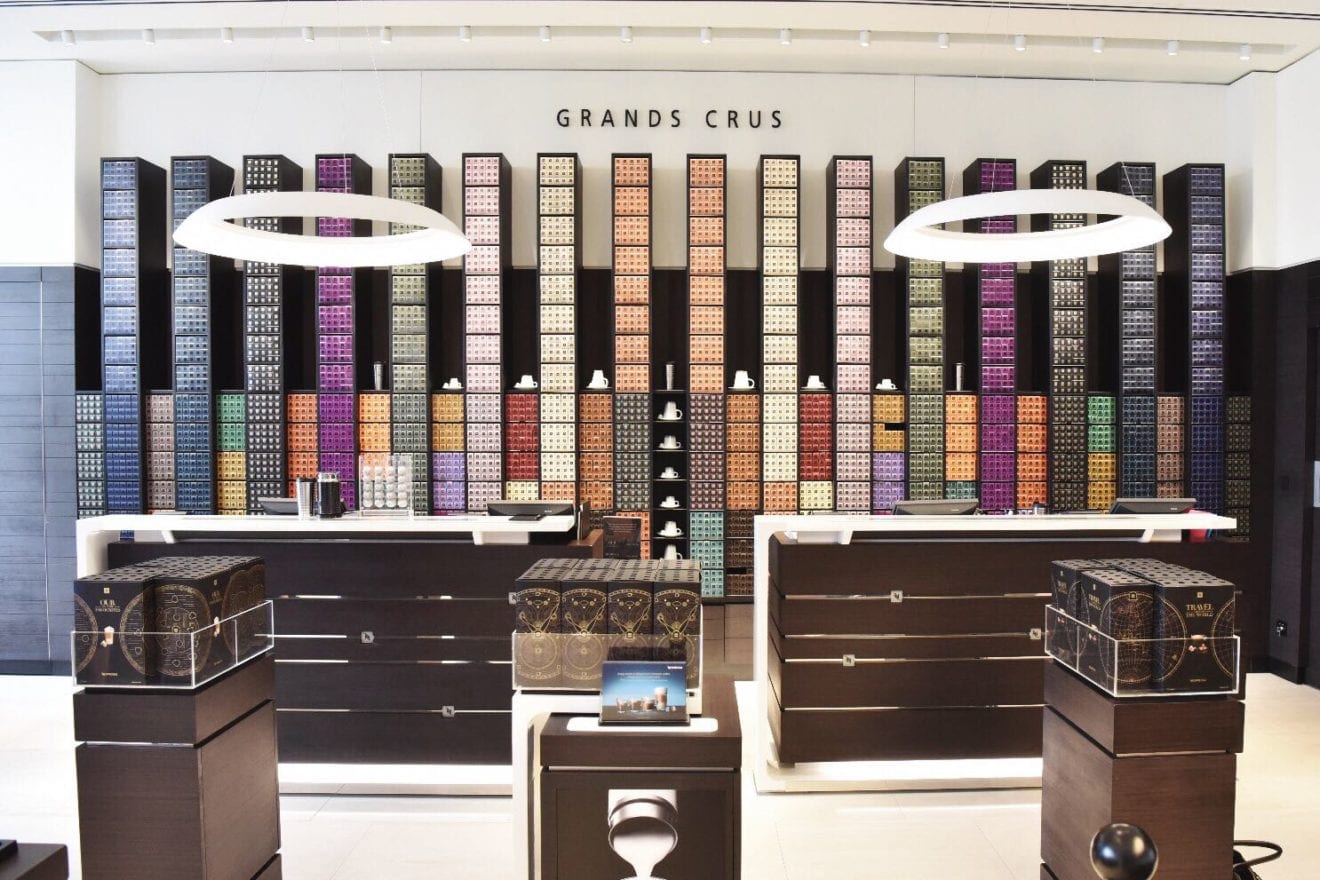
    Capsule coffee brand Nespresso is inviting business partners to join an exclusive farm-to-table culinary experience designed by Chef Vicky Cheng, owner and executive chef of Michelin-starred Vea Restaurant and Lounge in Hong Kong.

    To further encourage the public to participate in the Nespresso’s sustainability initiatives, Cheng will extend the unique farm-to-table experience to the acclaimed restaurant with a special gift. From November 11 to December 14, diners will receive a complimentary jar of rosella jam, made with rosella grown using recycled coffee grounds at the Nespresso Farm.

    As the chief ambassador of Nespresso Hong Kong, Cheng will be creating a one-of-a-kind luncheon using fresh vegetables harvested straight from the Nespresso Farm.

    Guests will not only indulge in the gourmet-coffee pairing menu but will also see how used coffee grounds from recycled Nespresso capsules are repurposed as compost and given new life.

    “As chef ambassador of Nespresso, I have had the opportunity to travel to the brand’s headquarters and even to the coffee farms in Colombia,” said Cheng. “From these experiences, I have witnessed the brand’s deep commitment to quality, craftsmanship, and sustainability, which are shared values that I believe are key to delivering the ultimate experiences to customers … It is a delight to be able to craft this Nespresso farm-to-table menu and cook using top quality, fresh ingredients grown from repurposed coffee grounds; I hope this inspires people to join the sustainability journey.”

    Nespresso capsules are fully recyclable, from the aluminum capsules to the coffee grounds within them. The brand’s current local capsule recycling rate is running at 24 percent. Club members can drop off their used capsules at any Nespresso Boutique or use the Recycling@Home service – a doorstep collection system where used capsules are picked up when a new order is delivered.

  • Oppo Thailand opens Bangkok flagship Store

    Oppo Thailand opens Bangkok flagship Store

    Consumer electronics firm Oppo Thailand has opened a flagship at the Emquartier Mall in Bangkok

    The store was launched by Oppo Thailand executive VP Khun Chanon Chirayakul and The Emporium Group senior VP Manathet Annawat, who announced the brand’s intentions to penetrate a more premium market with higher levels of experience and service.

    The store offers a superior retail experience heavy on IoT and 5G innovations and a premium aesthetic interior design, allowing customers to experience interactions ranging from big-screen to smartphone-screen scale technologies. Drones, cameras, Bluetooth speakers, wireless headphones, flash chargers, AR/VR smartwear and robots make up part of the product range on offer.

    The Oppo Thailand Super Flagship offers exclusive services to users with a one-hour repair service, software upgrades and delivery service for customers.

  • Fjällräven launches in Singapore with Outside

    Fjällräven launches in Singapore with Outside

    Swedish outdoor apparel brand Fjällräven has launched in Singapore and Malaysia.

    The 59-year-old brand, whose name translates into ‘the arctic fox’ is known for its collections of high-end clothing and equipment which focus on timeless design and long-lifespan.

    Fjällräven collections are now available at the Outside store located at Jumpa@SungeiWang Plaza Kuala Lumpur and at the retailer’s two stores on Singapore’s Orchard Road.

    One of Fjällräven’s most popular products is a backpack called Kånken, which is popular among hipsters and backpackers across the world.

    Outside is an outdoor-lifestyle multi-brand retail store that was launched in July 2017 “to link the gap between people and nature”. Brands it stocks include Patagonia, Keen Footwear, Freitag, Chums, Primus, United By Blue, NatureHike, Ellesse, Diadora, Baggu, Eno, Uttara, Dedicated, Camp Collection and Wildo.

  • BP pulls sexualised magazines from stores

    BP pulls sexualised magazines from stores

    Fuel giant BP Australia has joined 7-Eleven and pulled two “M+” rated magazines from its 350 petrol outlets across the country after complaints they sexualized young girls and promoted harassment.

    People and The Picture magazines, published by Bauer, will be pulled from the shelves BP has confirmed.

    “M+ rated magazines will no longer be stocked at our 350 company-owned stores across Australia,” BP tweeted on Monday night.

    Its decision comes after activist group Collective Shout said it alerted BP to recent covers of the Australian magazines, which frequently publish pictures of glamour models and stories with a sexual element.

    Headlines on the covers included “Better Than Viagra” and featured a photograph of a young woman in pigtails with the caption “I have no gag reflex”, Collective Shout said.

    Now the group has set its sights on supermarket giant Coles, which still stocks the publications.

    “The display and sale of pornographic magazines in the public space creates a hostile environment for women and girls,” campaigns manager Melinda Liszewski said in a statement.

    “We urge other retailers selling these magazines – such as Coles Express – to follow the example set by 7-Eleven and BP and cease the sale of ‘unrestricted’ pornographic magazines immediately.”

    7-Eleven recently stopped selling the magazines in its 700 convenience stores.

    Collective Shout campaigns against the objectification of women and the sexualization of girls, according to its website.

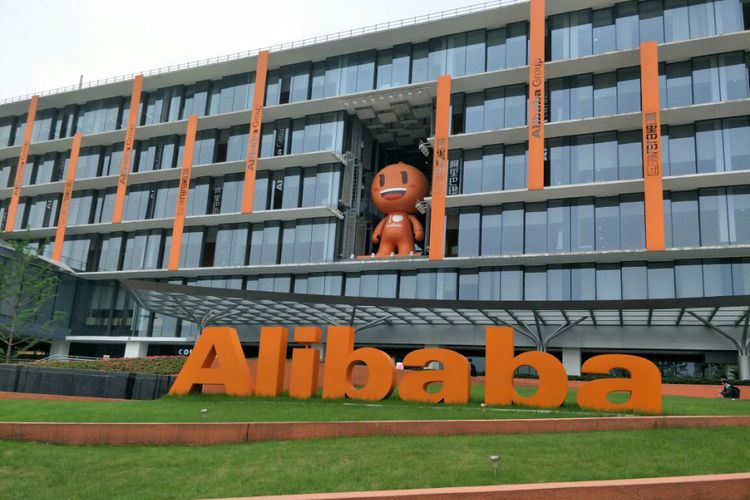
  • Alibaba launches 2019 11.11 Global Shopping Festival

    Alibaba launches 2019 11.11 Global Shopping Festival

    Alibaba Group has launched its 2019 11.11 Global Shopping Festival, taking the annual event into its second decade.

    The shopping holiday this year focused on “new consumption,” “new business” and actively contributing to a greener society.

    “Our goal is to stimulate consumption demand and support lifestyle upgrade in China through new brands and products,” said Taobao and Tmall president Fan Jiang. “We will enable merchants in China and around the world to grow their businesses through data-driven product innovation and consumer insights, as well as leverage our recommendation technology and content-driven user engagement to delight consumers in urban coastal cities and less-developed areas of China.

    “Given its scale, minimizing environmental impact is essential and our technology will ensure it is a green 2019 11.11 Global Shopping Festival.”

    The festival taps a global supply chain to meet the growing demand of Chinese consumers for new brands and new products. More than 200,000 brands are participating; one million new products are on offer and more than 500 million users are expected to participate in this year’s festival – about 100 million more than last year.

    Estimated consumer savings from brand and platform promotions and coupons are around RMB 50 billion (US$7 billion).

    For the first time, Alibaba held a concurrent kickoff event in the northeastern city of Harbin, underscoring its focus on serving consumers and small businesses in China’s less-developed markets. In the last quarter, more than 70 percent of Alibaba’s new annual active consumers came from lower-tier cities.

    “The success of our focus on less-developed markets in China is reflected in our new customer acquisition growth,” said Alibaba Group CMO Chris Tung. “We are equally driven to help local enterprises and factories digitize, which improve their operational efficiency and ability to engage with customers across the country.”

    More than 22,000 international brands from 78 countries and regions will participate in this year’s 11.11 on Tmall Global, Alibaba’s cross-border online marketplace, providing an expansive international product selection for consumers.

    For the second year, Lazada will take part and expects its “shoppertainment” – a blend of shopping and entertainment – to attract a record number of participating merchants and consumers in its six markets.

    While continuing to serve over 200 countries and regions, AliExpress will enable local merchants from Russia, Spain, Italy, and Turkey to participate in 11.11 for the first time.

    Daraz disrupted South Asia’s retail market with 11.11 last year and is gearing up again with celebrations in Pakistan, Bangladesh, Sri Lanka, Myanmar, and Nepal. India will celebrate with the UC Shopping Fest, in association with Paytm, VMate, and 9Apps.

    Fliggy will offer 30,000 different vacation packages to over 200 destinations to serve Chinese tourists. Thousands of travel experts will offer tips and suggestions via live streams during 11.11.

    Cainiao and its partners will make November 20th a day focused on the recycling of cardboard packaging. They will work to convert 75,000 locations into permanent recycling stations, and express courier companies to pick up used cardboard boxes and wrapping.

    Consumers will be incentivized to recycle through rewards of “green energy” points on Ant Forest.

    Alibaba Cloud expects to save 200,000 kilowatt-hours of energy on November 11th at its data centers, which will be powered by renewable energy and energy-conserving technology such as liquid-cooled servers.

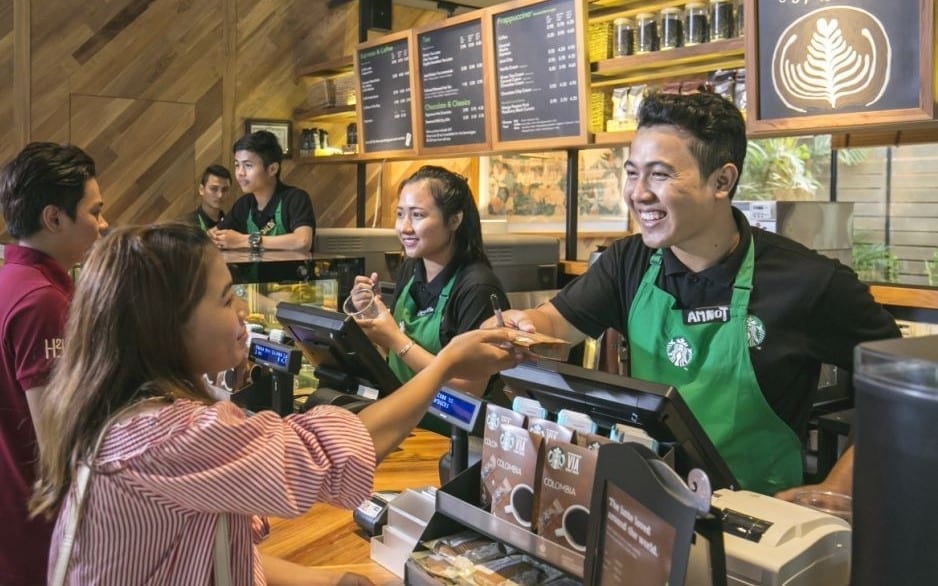
  • Contaminated water forces seven Vietnamese Starbucks stores to close

    Contaminated water forces seven Vietnamese Starbucks stores to close

    Coffee chain Starbucks has temporarily closed seven outlets in Hanoi, Vietnam as the city copes with serious oil contamination of its water supply.

    According to a customer service staff member, the Starbucks Hanoi stores are closed in areas where water comes from the Da River, including Cau Giay, Ha Dong and Nam Tu Liem districts. The coffee chain has not confirmed a reopening date.

    The contamination traces back to a truck seen dumping used oil into a mountain creek in Phu Minh Commune, Hoa Binh Province last week which has led to contaminated tap water for about 1 million Hanoi residents.

    While Starbucks is not alone in closing stores, other major coffee chains and eateries in the contaminated areas have arranged alternative sources of water and remain open.

    Local news media report that tap water has now passed safety tests, but Hanoi officials advise consumers against drinking or cooking with it.

    Meanwhile, there are widespread reports of bottled water prices soaring in the city as people rush to buy safe water. While tap water in Vietnam is not considered safe to drink it is generally acceptable to use it for cooking.

  • Burger King APAC opens 3,000th restaurant

    Burger King APAC opens 3,000th restaurant

    The Burger King Asia-Pacific network has reached a milestone, the 3000th restaurant which just opened in Shanghai.

    The new restaurant in China is a joint venture owned by Burger King, TFI TAB Food Investments and Cartesian Capital.

    “We have served the Asia-Pacific market for more than 40 years, and have grown rapidly in the region recently, doubling our restaurant count in just the past five years,” said Sami Siddiqui, president at Burger King Asia-Pacific. “We look forward to many more openings to come as we grow the brand in our fastest-growing region of the world.”

    Burger King has opened more than 1500 restaurants in the region within the last five years, helped by strong franchisee partnerships in major markets, including China, India and South Korea.

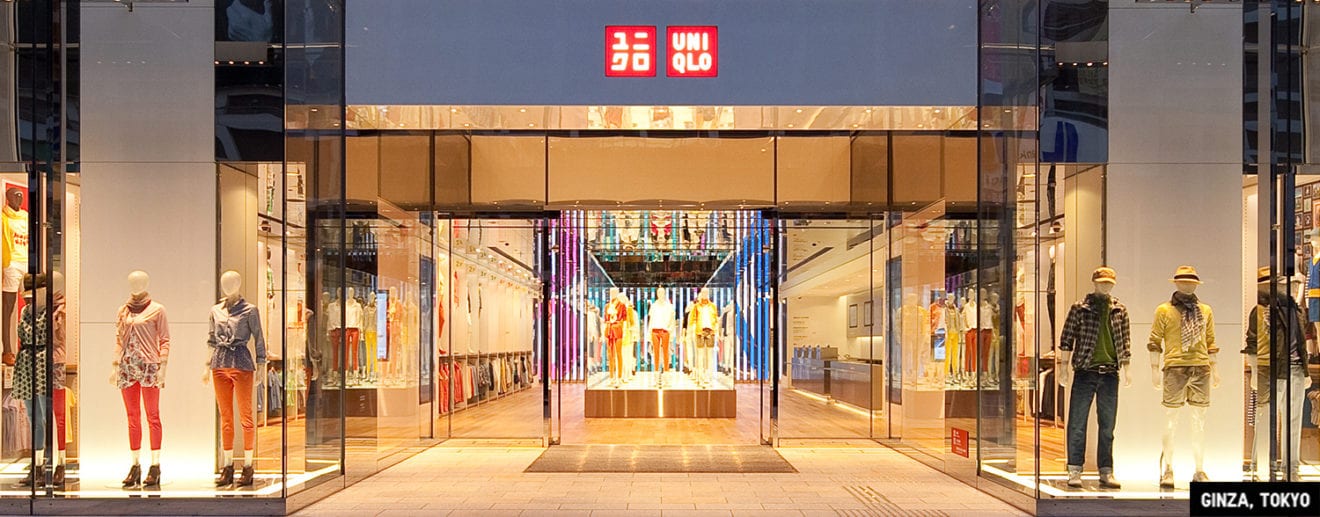
  • Uniqlo South Korea courts controversy as it attempts comeback

    Uniqlo South Korea courts controversy as it attempts comeback

    Facing an unprecedented boycott campaign Japanese fashion retailer Uniqlo has launched a comeback campaign in South Korea – only to stumble almost immediately.

    Uniqlo South Korea’s new television commercial rekindled controversy following complaints that the ad made fun of Japanese sex slaves.

    Following the boycott movement which dates back to July, Uniqlo closed four stores in South Korea before opening three new stores over August and September. The company also reopened two original stores following renovations.

    Uniqlo plans to hold a seminar for job seekers this month as it prepares to hire new employees next year.

    This time, a new program has been set up to connect job seekers directly with Uniqlo staff, which is seen as a strategic move to recover its reputation in the country.

    Uniqlo has also been offering a 50-per-cent discount for some of its signature products since October 3 to celebrate the 15th anniversary of Uniqlo Korea, which is being seen as an unprecedented move even for Uniqlo that has been offering various discounts on a regular basis

    Uniqlo Korea’s new English advertisement, however, has sparked outrage among locals, placing the company at the mercy of South Korean consumers yet again.

    In the commercial, a teenager asks a 98-year-old lady what she wore when she was her age, to which the old lady answers “I can’t remember that far back.”

    The Korean subtitles, however, say “My God, how can I remember something that happened more than 80 years ago?”

    The commercial became an instant controversy among South Koreans, with many seeing the subtitles expressed as being scornful of the 1930s, which was about 80 years ago, when the Japanese empire forced Koreans into military service and sex slavery.

    Uniqlo denied all of the allegations but soon decided to take down the commercial all together.

    In response, Yoon Dong-hyun, a student from Chonnam National University, shot a video clip with Yang Geum-deok, a sex slave victim, imitating the Uniqlo commercial.

    In the video, Yoon asks Yang how difficult her life was when she was his age. Yang answers “I can never forget the horrible pain that I suffered back then.”

    “The video clip was made to tell Japan how it must have felt for the victims during those times,” said Yun.

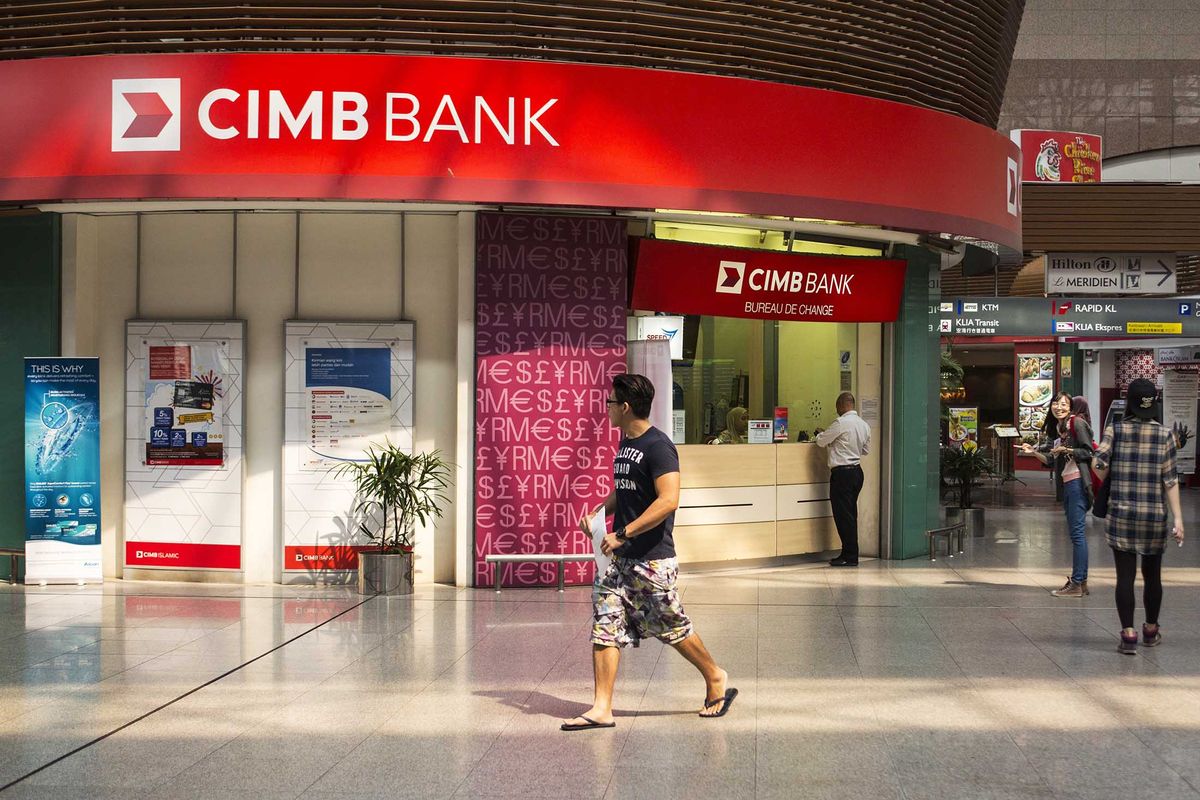
  • CIMB Wants A Bigger Bite Of Singapore SME Banking Share

    CIMB Wants A Bigger Bite Of Singapore SME Banking Share

    CIMB Bank plans to double its market share from 3 percent to 6 percent by 2021 for its small- and medium-sized enterprise (SME) banking business in Singapore.

    One of the lender’s efforts to do so is the launch of its Asean-China Halal Corridor initiative last year, which is a trade network linking halal businesses across China and the region. The initiative – which encompasses agribusiness, cosmetics, food and beverage, fashion and pharmaceuticals – has seen a growing interest among SMEs here, with strong participation in a recent CIMB halal corridor workshop.

    Among the segments that we see (venturing abroad), a lot of cross-border SME regional flows are manufacturing and trade, F&B (food and beverage) including the halal market, and the agricultural commodity sector, said Yong Jiunn Run, head of CIMB commercial banking.

    China’s halal sector is expected to reach $1.9 trillion by 2021, and there is a potential customer base of 266 million in ASEAN and China. Along the process of aiding F&B companies to obtain halal certification, the bank found that this group of SMEs usually proceeds to obtain Islamic financing to tap potential Muslim investors, giving a lift to its SME banking segment.

    Since 2014, the Malaysia-headquartered bank has seen a take-up rate among SMEs for Islamic financing grow by more than 48 percent per annum in the past five years.

    Besides tapping on Islamic finance, the bank recently refreshed its current account offering for businesses, also known as CIMB BusinessGo (BizGo), to provide a unique offering.

    First launched in January 2017, the new bundle aims to address SMEs’ needs in the market that are not being met by the current incumbents, said Ian Chan, CIMB Bank Singapore’s co-head of transaction banking and regional head of digital banking.

    New features include free FAST (Fast And Secure Transfers) transactions, best forex rates guaranteed for transfers to Malaysia, and interest rates of up to 1.88 percent per annum, amongst the most competitive in the market. It’s a product we revamped for two reasons – first and foremost, it’s CIMB’s 10-year anniversary in Singapore, Chan said.

    Secondly, we also want to shout out to the market that we want to grow our SME segment and help our clients to expand their businesses into ASEAN.

    While CIMB is evaluating an application for the digital banking licenses that are up for grabs in Singapore, Yong is against the idea of pursuing the license just for the sake of it.

    If you want to go into the digital bank arena, what customer pain points are you trying to solve? That’s very key as it goes back to basics. If those basics can be achieved without going digital, then what do you really want to achieve? he asked.

  • OCBC Joins Singtel’s Mobile Payment Alliance

    OCBC Joins Singtel’s Mobile Payment Alliance

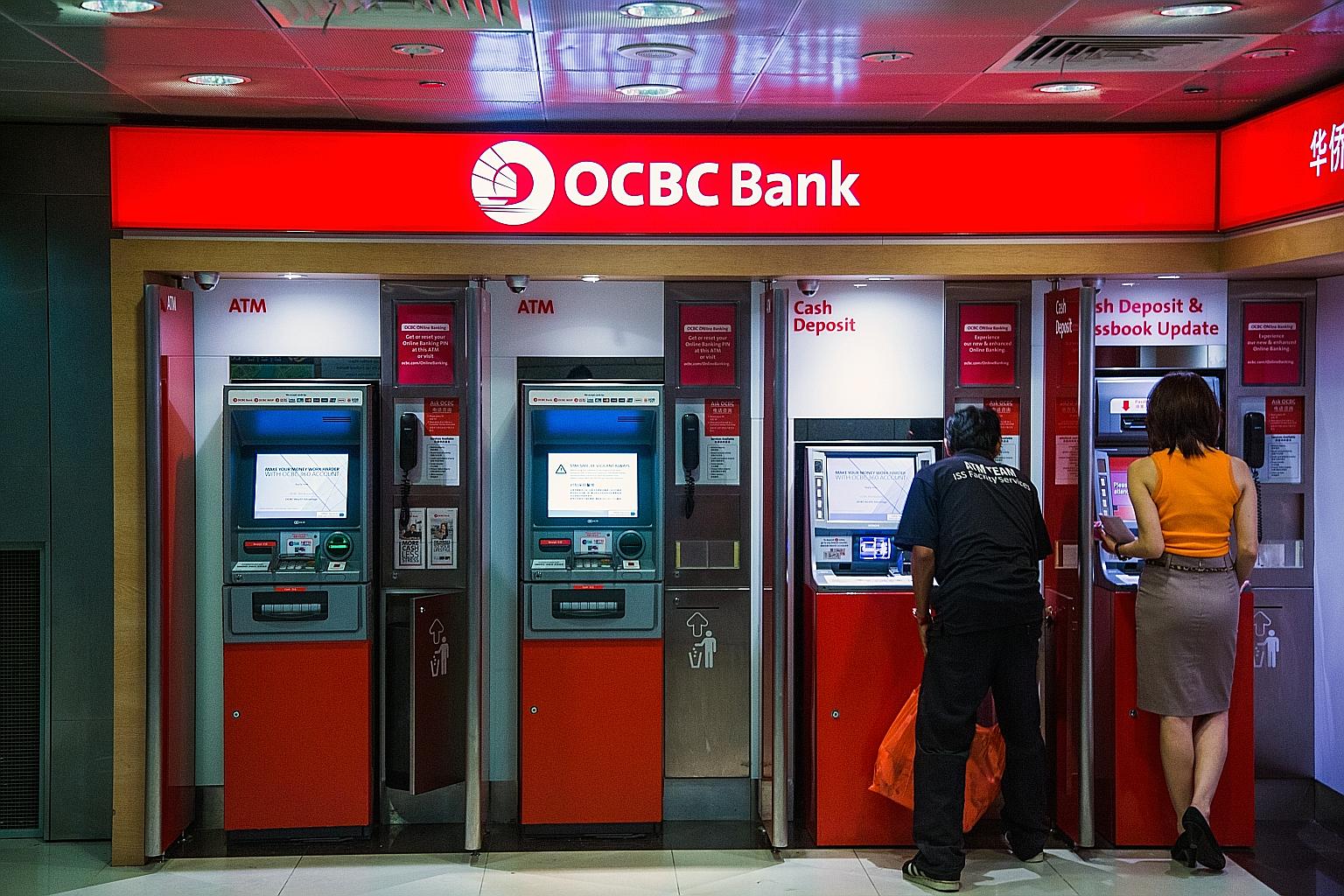
    OCBC became the first Singapore bank to join Singtel’s VIA mobile payment alliance, boosting the mobile operator’s regional payment network. Thailand’s Kasikornbank has also joined the alliance earlier.

    By the first quarter of 2020, OCBC Bank customers will be able to go cashless when they travel to Thailand or Japan. They will be able to make QR code payments at more than 1.7 million merchant partners on VIA’s network using the OCBC Pay Anyone app, in Singapore dollars and at competitive and transparent exchange rates.

    This long-term partnership with Singtel is another key milestone in our journey to drive digital payment adoption among our customers and address their digital payment needs. Customers will have the ability to travel overseas and use OCBC Pay Anyone at over 1.7 million merchants’ acceptance points, reducing their need to carry cash, said Ching Wei Hong, OCBC Bank’s Chief Operating Officer in a media statement on Monday.

    The partnership would help the bank’s customers eliminate the hassle of changing and carrying foreign currencies, said Arthur Lang, CEO of Singtel’s International Group.

    OCBC customers stand to enjoy the ease and familiarity of using their local app for cashless purchases when they travel, in turn boosting the customer base of our VIA merchants. Our partnership with OCBC comes from a shared vision to offer a seamless payment experience that caters to the needs of consumers and drive the growth momentum for cross-border mobile payments in Asia, said Lang.

    Currently, the OCBC Pay Anyone app enables OCBC Bank customers to make QR code payments to merchants, and peer-to-peer e-payments leveraging QR codes, any recipient’s Singapore mobile number or PayNow, directly from the customer’s bank account.

    From November 2019, OCBC Bank customers in Singapore who are Singtel Dash users will also be able to top up their Dash accounts quickly and seamlessly with OCBC Pay Anyone integrated on the Dash app. We look forward to deepening our collaboration with OCBC as we build the financial services ecosystem together, added Lang.

    Moving forward, Singtel and OCBC will also explore linking their rewards and merchant programs. The VIA alliance, which was launched in October 2018, aims to unify the region’s fragmented payment scene by creating an interoperable network in the Asia Pacific, both companies said.

    Currently counting AIS GLOBAL Pay and NETSTARS among its alliance members, VIA is expanding to include Thailand’s Kasikorn Bank’s K PLUS, Axiata Digital’s Boost Malaysia and Indonesia’s LinkAja. This will see the alliance grow to reach some 50 million consumers and 2.1 million merchants across Singapore, Thailand, Malaysia, Indonesia, and Japan.