Author: Mei Ling Tan

  • Grab tests new bus booking service in Vietnam

    Grab tests new bus booking service in Vietnam

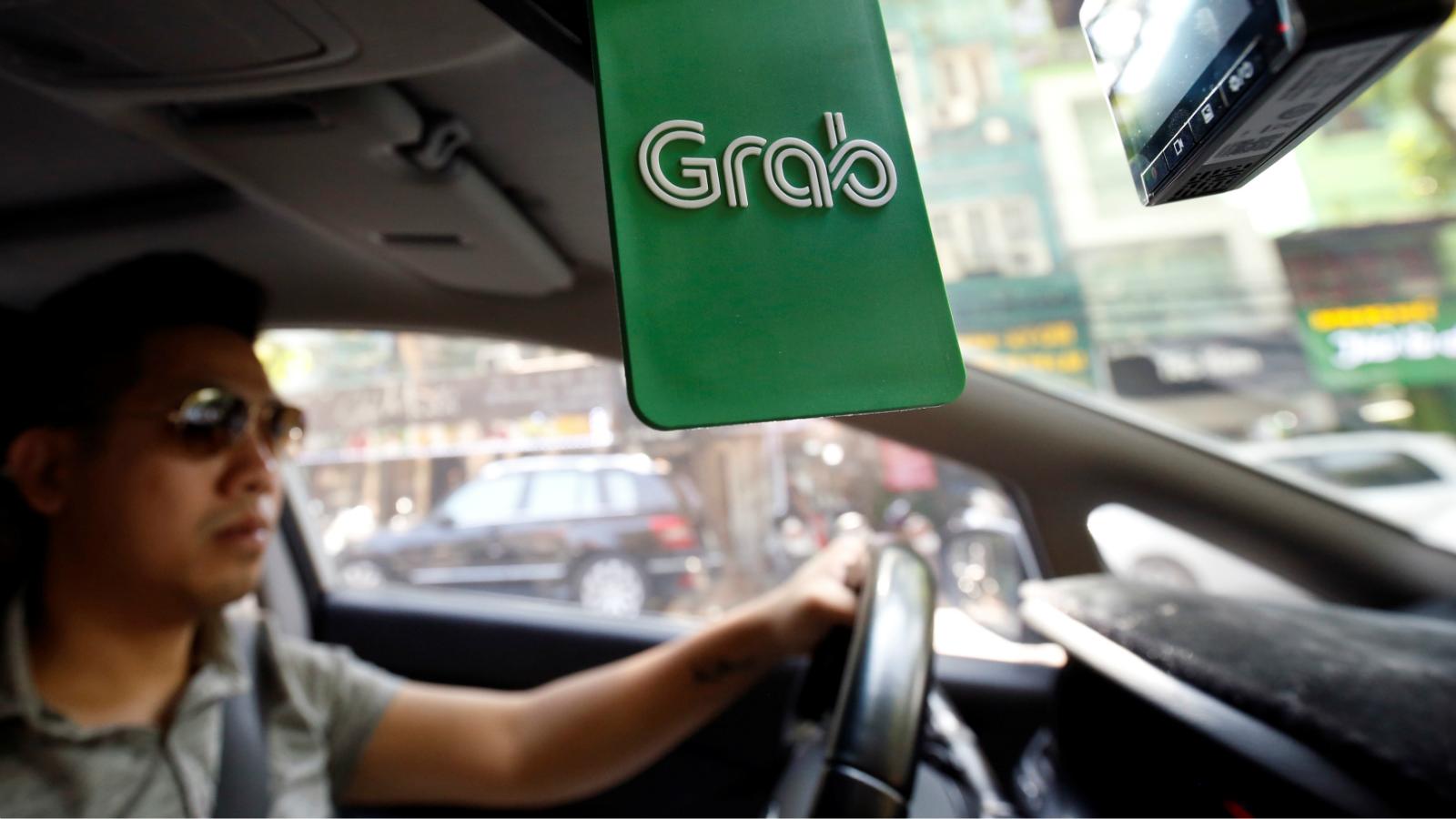
    A new service, now available on Grab’s app, allows customers to look at schedules and book tickets from the ride-hailing giant’s partner bus operators.

    Grab has begun testing the bus-booking feature for customers traveling between Ho Chi Minh City’s Tan Son Nhat airport and Vung Tau Town in southern Ba Ria – Vung Tau Province starting Monday, the company said in a release.

    The route is currently operated by local firm Avigo, Grab’s partner bus operator, which runs 24 trips a day. By the end of this year, Grab will test out one more route between District 7 and District 1 in HCMC, operated by local partner City View Bus at a frequency of 44 trips per day.

    Grab’s Bus feature will help customers find buses and routes that best suit their schedule, book tickets in advance, track the bus in real-time and know when it is arriving. Customers will be able to make cashless payments through the Moca e-wallet function on the Grab app, with an international debit card, or by QR code, Grab said.

    The Bus feature will allow Grab’s transportation partners to access Grab’s vast user base, boost operational efficiency and business growth through the use of the company’s technological platform, the company said.

    Grab began testing the Bus feature in the Philippines two weeks ago, allowing customers to book tickets for two routes from Makati City, the country’s financial hub, to a nearby city.

    Grab, with its app on more than 160 million mobile devices across eight countries, entered Vietnam in 2014 and now offers a wide range of services from taxi and motorbike hailing to food delivery, online payment, express delivery, and hotel booking.

    In late August, the Singapore-based tech firm announced in a statement it will invest some $500 million in Vietnam in the next five years to expand its transport, food and payment networks.

    The money would also be used to develop fintech, mobility solutions and logistics to spur the country’s digital economy, Grab said.

    Vietnam’s ride-hailing and food delivery market is expected to top $1 billion this year and $4 billion in 2025, according to a recent report by Google, Singaporean investment firm Temasek and U.S. consultancy Bain.

  • Laos, Cambodia imports can threaten Vietnam auto industry

    Laos, Cambodia imports can threaten Vietnam auto industry

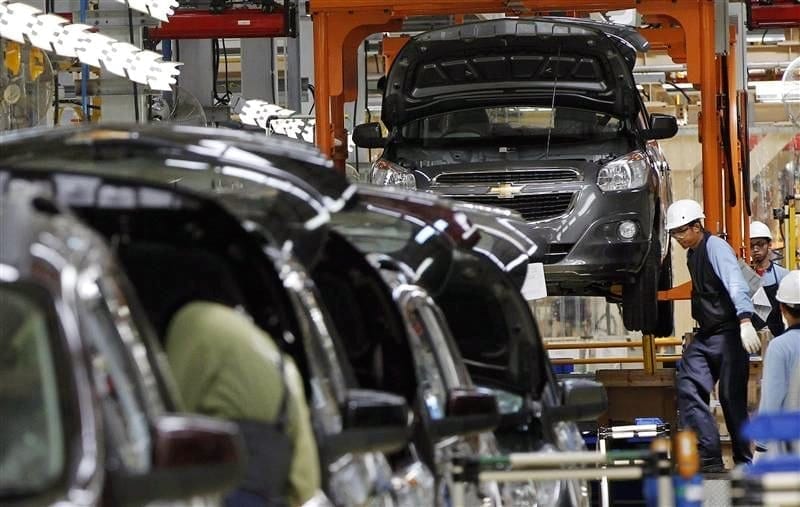
    Even weaker economies with less developed industries can threaten Vietnam’s auto industry due to its low localization rate, the Trade Ministry said.

    While the domestic auto industry is already facing fierce competition from car imports, mostly from Thailand and Indonesia, other ASEAN economies are emerging threats, the Ministry of Industry and Trade said in a recent report to the National Assembly.

    From January to September, sales of imported cars rose 150 percent year-on-year to nearly 93,600, while that of locally-assembled vehicles dropped 13 percent to 136,800 units, according to the Vietnam Automobile Manufacturers’ Association (VAMA).

    “Auto imports will continue to rise because of surging domestic demand, severely affecting domestic auto manufacturing and our trade balance,” the ministry reported.

    As Vietnam has scrapped imports tariffs on cars made in ASEAN countries with a localization rate of at least 40 percent since last year, the domestic market will have to deal with additional competition from Laos, Cambodia and Myanmar.

    Vietnam’s car businesses have only participated in low-value segment of the supply chain and has not mastered core technology in producing engines and transmission systems, it noted further.

    The lack of material suppliers and large-scale parts producers leads to higher prices compared to imported cars, the ministry added.

    Cars with nine seaters or under have a localization rate of only 7-10 percent, compared to a 60 percent target that had been set for 2010. In ASEAN countries, the rate is around 65-70 percent, and in Thailand it is 80 percent.

    “Without a solution to increase localization rate, domestic manufacturers will face challenges in competing with the region.”

    Policies related to the auto industry are slow in coming, compared to other countries in the region, and Vietnam loses opportunities to attract investment as a result. The policies are also not stable and synchronized, therefore the industry is yet to make a breakthrough, it said.

    With rising competition from ASEAN and the E.U. because of trade pacts that Vietnam has signed, the ministry is considering scrapping special consumption tax on auto parts produced locally for 5-10 years.

    It also suggested tax incentives for electric cars, for both manufacturers and buyers.

    There are about 40 auto businesses in the country with the capacity of assembling and producing 680,000 vehicles a year. Production of 9-seater or under cars is growing by 20-30 percent annually.

    The trade ministry forecasts that Vietnam will surpass the Philippines in manufacturing and sales figures next year.

  • Vietnam fintech sector in the fast lane

    Vietnam fintech sector in the fast lane

    The number of financial technology companies in Vietnam has grown from around 40 in 2016 to 154, focusing on payment, peer-to-peer lending and crowdfunding, a survey has found.

    Out of the 154 fintech startups, 37 operate in payments, 25 in P2P lending and 22 in blockchain and crypto and remittance, according to a survey by the Banking Technology Development Research Institute (BTI), National University of Ho Chi Minh City, released at a fintech conference in HCMC on Monday.

    The rapid growth of fintech has transformed the financial and banking sector by offering consumers more convenient products and services.

    Fintech companies in Vietnam are likely to continue encroaching on the retail market share of traditional banks, with peer-to-peer lending, e-wallets, payment and cashless payments becoming an integral part of everyday life, the report noted.

    However, areas such as asset management, liquidity management, investment management, insurance, and automated advisory services are still in their infancy, it added.

    Hoang Cong Gia Khanh, director of BTI, said: “Because 70 percent of Vietnam’s fintech companies are still startups, it will be difficult to have large-scale fintech firms even with foreign capital.”

    Some 70 percent of them have foreign backers both from developed countries such as Singapore, Japan, the U.S., Canada, Australia, the U.K., Denmark, and France and neighboring countries such as China and Malaysia, he added.

    Vietnamese fintech companies also face challenges like cybersecurity, human resource training and others.

    Startups in fintech received more investment — $117 million — than in any other industry in Vietnam last year, according to startup accelerator program Topica Founder Institute.

    The country’s fintech market was valued at $4.4 billion in 2017 and is predicted

  • Grab launches first shared kitchen in Vietnam

    Grab launches first shared kitchen in Vietnam

    Grab launched a shared kitchen in Vietnam on Tuesday to cater to the growing demand for food delivery.

    It is in Thu Duc District, Saigon, and 12 restaurants make food exclusively for GrabFood drivers to pick up and deliver to customers.

    Grab has given each of them space to cook for free though they have to pay utility bills, and get a commission on the orders.

    Vietnam is the second place where it has launched GrabKitchen after Indonesia, and there is great potential for this model in the country, Jerry Lim, CEO of Grab Vietnam, said in a statement.

    Thu Duc was chosen because of its young demographic comprising students and workers who want to order from their favorite restaurants which are located too far away, he said.

    More such kitchens would be opened in the city this year and the model would be expanded to Hanoi and Da Nang next year, Lim added.

    Shared kitchens have become popular in Asian countries such as China, Japan and India in recent years as restaurants can focus completely on the food and do not need to find, rent and manage a shop.

    Between January and June this year the number of GrabFood transactions quadrupled to an average of 300,000 orders a day.

    Competitors for GrabFood in Vietnam now are Foody’s Now, Go-Viet’s GoFood and South Korean-owned Baemin.

    Vietnam’s ride-hailing and food delivery market is expected to top $1 billion this year and $4 billion in 2025, according to a recent report by Google, Singaporean investment firm Temasek and U.S. consultancy Bain.

  • Vietnam tops world in growth of entertainment apps

    Vietnam tops world in growth of entertainment apps

    Vietnam was the world’s fastest-growing market for entertainment-based mobile apps last year, fueled by demand for video streaming services.

    Its growth score was 44.96, significantly higher than the global average of 24.27, according to a report by German mobile measurement firm Adjust. The report assessed data from nearly 3,500 apps released in 2018 and 31 countries based on four industry verticals, e-commerce, entertainment, gaming, and utilities.

    Adjust’s Mobile Growth Map uses the growth score, a new metric it developed, to chart the rise of apps in global markets. It is calculated by dividing the total app installs per month by the number of monthly active users for each vertical and country to reveal the rate of growth.

    The growth of entertainment apps in Vietnam was fueled by the demand for video streaming services, the report said. The country was seeing a trend of people switching from traditional TV to over-the-top media services which allowed them to watch movies and other shows online. Video streaming services, karaoke and music apps engaged users for long stretches of time, and presented an opportunity for diverse, relevant advertising, the report said. Russia was second behind Vietnam with a growth score of 44.21, followed by Thailand (36.61) and Colombia (34.87).

    Vietnam had also experienced robust growth in gaming apps with a growth score of 51.40 against the global average of 42.85 to place sixth in a list topped by Colombia.

    “The Asia Pacific is a perfect place to soft-launch a new app without the heavy lifting of full localization. Indonesia, Singapore and India, as well as Vietnam, Myanmar and Thailand represent great opportunities.”

    Vietnamese spend an average of four hours a day on their smartphones, 65 percent of that time on apps, according to a survey done last July by HCMC market research firm Q&Me. Around 64 million people, or over half of the country’s population, are online.

  • India’s Flipkart to enter food retailing, launch private label

    India’s Flipkart to enter food retailing, launch private label

    Walmart-owned Indian e-commerce platform Flipkart is launching a food retail business.

    The new initiative will see the firm release its own private label, Flipkart Farmermart, as well as a grocery supply chain and potentially physical stores.

    A spokesman for the firm told news outlet Moneycontrol that Flipkart plans to “deepen its penetration in the food retail space, take on Amazon, and run a farm-to-fork operation,” with the board consenting to invest ₹2,500 crore (US$350,000) to expand its operations in the grocery business.

    The firm plans to leverage parent company Walmart’s experience in the cash-and-carry sector in the territory, which has helped build connections in the farming industry for grocery and food produce.

    Research shows that just 0.15 percent of Indian nationals buy online, although this figure is expected to increase exponentially over the next few years.

  • Vietnam Airlines to launch inflight Wi-Fi service

    Vietnam Airlines to launch inflight Wi-Fi service

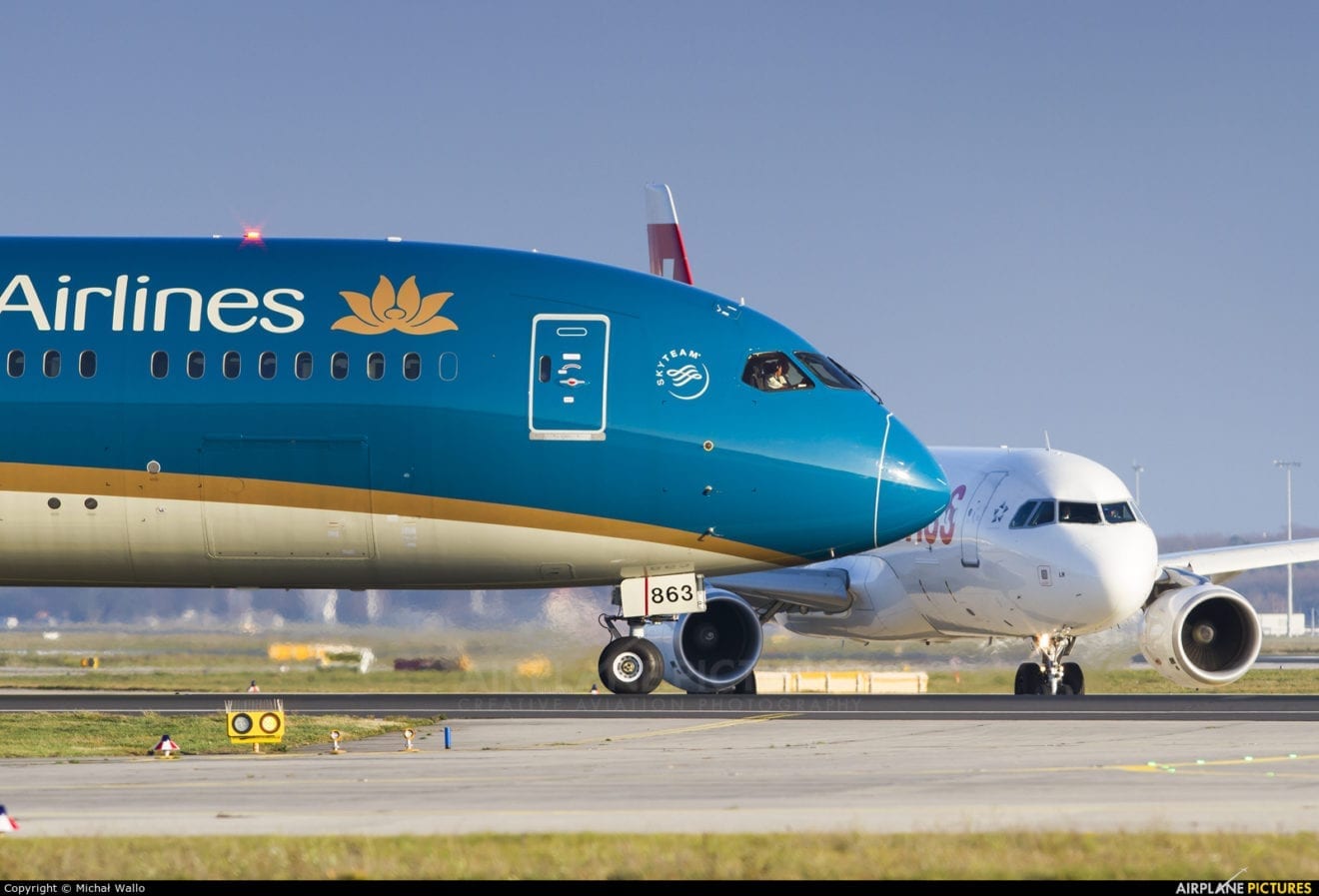
    Vietnam Airlines will launch inflight Wi-Fi service on some flights connecting Hanoi and HCMC with cities in China, Japan and Singapore.

    Passengers will be charged VND75,000-735,000 ($2.95 -$29.95) depending on usage time and capacity.

    Providing inflight Wi-Fi service is one of the steps that Vietnam Airlines is taking towards becoming a digital airlines by 2020 and an international five-star airline in the future.

    The Wi-Fi service will be available on the domestic route from Hanoi to Ho Chi Minh City and international flights from Hanoi to China’s Shanghai and Japan’s Osaka and between HCMC and Osaka and Singapore, the airline said in a statement Monday.

    In the coming months, the airline will continue upgrading and expanding this service to Boeing 787 and other Airbus A350 aircraft with faster speeds, it said.

    Le Hong Ha, deputy general director of Vietnam Airlines, said that when using the service, passengers can send text messages on popular applications such as Viber, iMessage, Messenger and Whatsapp.

    “This is part of Vietnam Airlines’ efforts to catch up with the development trends of the world aviation industry, with many 5-star airlines like Singapore Airlines, Qatar Airways, Cathay Pacific Airways and Lufthansa providing similar services,” Ha said.

    Vietnam Airlines operates flights on 60 international and 33 domestic routes.

  • Saigon to double car registration fees

    Saigon to double car registration fees

    HCMC will raise registration fees of cars under 9 passenger seasts from VND11 million ($473) to VND20 million ($860) from October 17.

    According to a resolution recently passed by the city’s People Council, licensing fees for other types of cars will be set from the initial cost of VND150,000 ($6.4) to VND500,000 ($22). Such as, prices for semi trailers and trailers (container trucks) will now be VND200,000 ($8.6).

    For motorbikes, those valued under VND15 million ($645) will now have a new registration fee of VND1 million ($43). Motorbikes costing between VND15-40 million ($645-1,720) and above will have new registration fees of VND2-4 million ($86-172).

    Vo Van Hoan, Vice Chairman of Ho Chi Minh City People’s Committee, said the new registration fees were equivalent to those in Hanoi, and that the increase was an appropriate reflection of the city’s economic status.

    The HCMC department of transportation estimates that there are more than 825,000 cars and 8.1 million motorbikes in the city. In the first six months of this year, the number of newly registered cars and motorbikes increased year-on-year by 15 percent and 6 percent respectively.

  • Japanese retail chain Usupso opens store in Ghy

    Japanese retail chain Usupso opens store in Ghy

    Japanese fashion retail chain Usupso is opening three new stores at once in India.

    The chain opened its first location in Guwahati city on October 14, and will launch in Kohima and Dimapur later this week under local franchise partner GM Retails. The firm plans to open more outlets in other parts of the northeast region.

    The first more than 1050sqft store offers in excess of 2500 products under eight categories from homeware to toys at lower-than-average prices.

    The brand operates more than 1000 stores globally.

  • Hublot India opens its first boutique in Mumbai

    Hublot India opens its first boutique in Mumbai

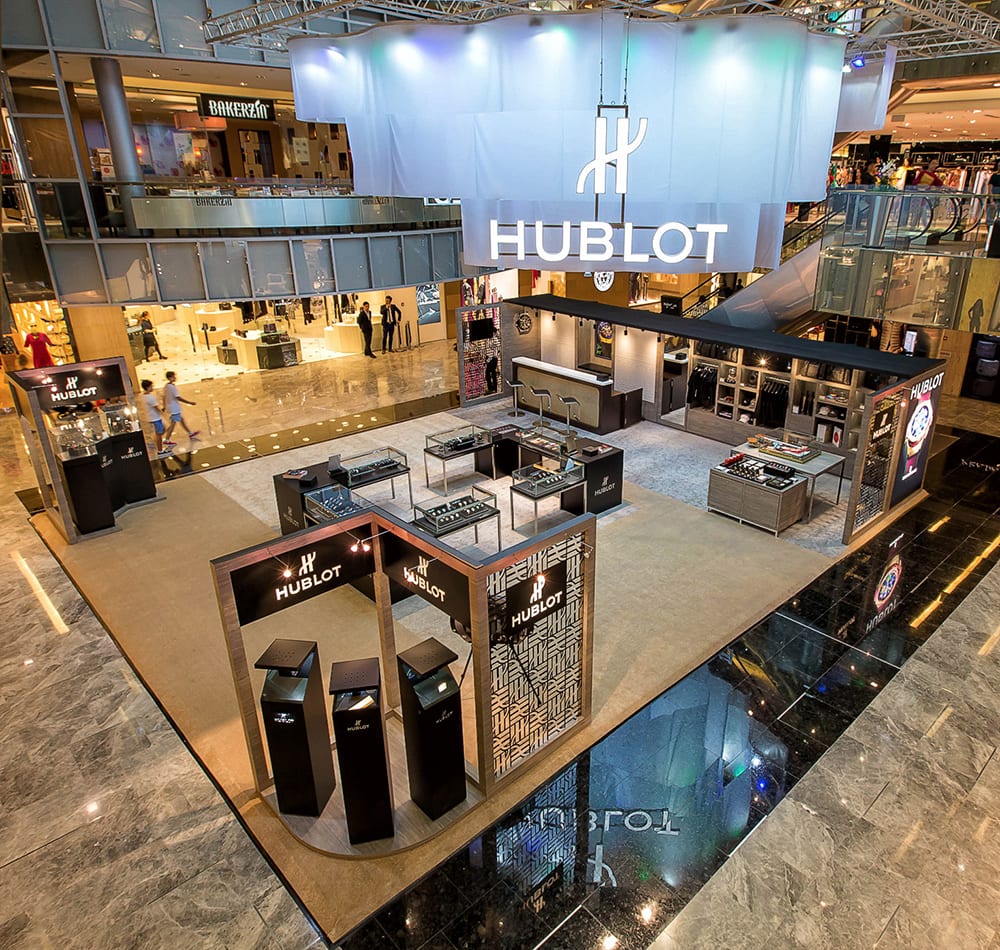
    Hublot India is launching a flagship boutique at the Palladium Mall in Mumbai, its first standalone store in the market.

    The Swiss watchmaker’s 45sqm boutique is designed to represent Hublot’s “the art of fusion” concept, with pop art paintings forming a backdrop to Hublot Big Bang, Classic Fusion, Spirit of Big Bang, and MP branded watches along with exclusive limited editions.

    “We are delighted and proud to open the first Hublot India Boutique in one of the most well-known luxury retail destinations in the country,” said Hublot CEO Ricardo Guadalupe.

    “This opening demonstrates not only the success of the brand, which goes from strength to strength since the birth of the iconic Big Bang in 2005, but also Hublot’s willingness to constantly challenge fine watchmaking by fusing tradition with innovation while offering the highest level of service to its clients.”

  • Japanese gluten-free cafe Kobeya opens in the UAE

    Japanese gluten-free cafe Kobeya opens in the UAE

    The first Japanese and Far Eastern gluten-free cafe Kobeya has opened its doors at the Wasl Vita Mall, Dubai.

    The cafe concept is inspired by the founder’s difficulties in finding gluten-free options in restaurants for her gluten-intolerant son.

    “Kobeya is my inspiration to create that option in the UAE. Our focus is on promoting healthy eating habits by serving only an all ingredient gluten-free menu with more than 50 vegetarian, vegan, non-vegetarian and lactose-free varieties that include salads, burgers, healthy meals and desserts,” said Leiko H, a founding member of Kobeya.

    The Kobeya menu features a selection of gluten-free food including exclusive Japanese Kobe beef burger and Vietnamese spring rolls. The cafe also offers cooking classes on creating gluten-free lunch boxes for kids with products from Japan, Thailand, the Far East, and Europe.

    Leiko said: “My experiences in many Asian countries have given me the vision to offer unique gluten-free dishes created by an expert team of nutritionists at Kobeya. We get to know our suppliers by visiting farms and talking with farmers. We show our dedication to our customers by choosing carefully only high-quality five-star products and ingredients”.

  • Why brands should embrace the second-hand luxury market

    Why brands should embrace the second-hand luxury market

    New research shows that global sales in the second-hand luxury market are expected to grow at an average rate of 12 percent year-on-year, compared to a 3 percent average for the core luxury market.

    The figures were released in a Boston Consulting Group (BCG) and Vestiaire Collective survey, entitled “Why Luxury Brands Should Celebrate the Pre-Owned Boom”, revealing three key drivers behind the rapid growth and detailing how luxury brands can benefit from the explosion of the resale market.

    According to the survey, the resale industry is forecast to increase turnover from US$25 billion in 2018 to $36 billion in 2021, representing around 9 percent of the luxury market.

    Millennials and Gen Z are disrupting the market and placing greater importance on the social and environmental impact of their purchases than previous generations.

    The BCG-Altagamma study revealed that the purchasing behavior of 59 percent of luxury customers in both the primary and secondary markets is influenced by sustainability, while 17 percent of customers in the second-hand market purchase pre-owned because they consider it “truly sustainable behavior.” The survey of Vestiaire Collective customers reveals similar data, with more than 70 per cent trying to shop ethically and 13 per cent saying that sustainability is extremely important to them. Of those that shop ethically, 57 percent say that environmental impact is their primary concern.

    Most second-hand luxury clients are attracted by affordable prices: 96 per cent of Vestiaire Collective members surveyed said they buy second-hand luxury pieces partly because they are looking for value for money. Another major advantage of the second-hand market is that 62 percent of buyers are searching for pieces that are either out of stock, from previous season collections, or from limited-edition releases, while 83 percent stated they are drawn by the wide selection of products and brands which may no longer be available in the firsthand market.

    Brick-and-mortar lagging online

    The traditional brick-and-mortar luxury resale industry has produced very few players of any significant size as they focused on a specific product category or geographic footprint. By contrast, online resale platforms have won over consumers by offering far greater brand and product assortment.

    In addition, each platform has developed a series of unique services such as curation, authentication and personalized marketing strategies driven by data insights. The increased professionalization of the market has also attracted major venture capital investment.

    Pre-owned luxury buyers are usually consumers who don’t have access to the primary luxury market, as 71 percent of the pre-owned buyers surveyed lean towards items and brands they could not afford firsthand.

    The second-hand market is thus a powerful way for luxury brands to connect with and anchor their brand in the minds of potential future primary customers. As second-hand luxury customers mature, their purchasing power tends to increase, making them ready to shift to the primary market. Of those surveyed, 62 percent said that they bought a brand they like for the first time second-hand on Vestiaire Collective, and almost all of that 62 per cent said they would consider buying that brand again. Research also shows that 57 percent would either definitely buy or would consider buying the item first-hand – making them solid prospects for the first-hand market.

    Second-hand sellers typically use resale to recoup some of their money back on firsthand purchases, often so they can reinvest in new, full-priced luxury products. Of those sellers surveyed, 32 per cent said they were primarily selling because they wanted to purchase new firsthand goods. In addition, most pre-owned sellers do not tend to make many second-hand purchases.

    For example, of total pre-owned sales on the Vestiaire Collective platform, 70 per cent are generated by sellers who rarely purchase second-hand. Forty-four percent of sellers stated that they purchase more expensive luxury items than they would have bought without a resale market.

    Furthermore, customers purchase more frequently, investing around the same amount on individual items but buying again once they free up their budgets. Pre-owned sales clearly boost these sellers’ purchasing power for new items and therefore create an opportunity to increase primary market sales, benefiting luxury players.

    The pre-owned market extends the lifetime of luxury products – most products sold o

  • Hong Kong street-front rents are down

    Hong Kong street-front rents are down

    Hong Kong street-front rents have plunged by 54 percent from their peak in the first quarter of 2013, according to data from real-estate advisor Savills.

    Much of that decline has occurred in recent months since the Sino-US trade war broke out and amidst growing social unrest on Hong Kong’s streets, triggered in June by the now-axed extradition bill.

    According to Savills, Hong Kong street-front rents in all prime areas experienced double-digit declines during the third quarter of this year. Causeway Bay was hit hardest, down 17.5 percent, as weekend and public holiday trade was disrupted by protest activities. Retail categories popular among mainlanders have seen significant retrenchment.

    Hong Kong Street-front rents in Tsim Sha Tsui and Mong Kok fell by 15 percent quarter on quarter, and in Central by 13.9 percent.

    Mall rents have also been hit hard, dropping by 14.2 percent overall. By region, Hong Kong Island mall rents were down by 13.6 percent, Kowloon by 12.7 percent and in the New Territories by 16.4 percent.

    “Amid the doom and gloom, the positive news is Sheung Shui continues to see mainland visitors, and sales in the area are down ‘only’ 10 to 20 percent in the absence of disruption,” observed Savills.

    More locally-oriented centres in Tseung Kwan O and Tuen Mun Town Plaza are also bearing up, while local restaurants are proving relatively immune, said Savills.

    ‘Difficult to see any upside’

    Simon Smith, senior director, research & consultancy at Savills, said poor macroeconomic conditions compounded by social unrest are undermining Hong Kong’s traditional role as a retail hub in Asia.

    “It is difficult to see any upside at this point.”

    With more than 10 countries and regions have issued travel advisories for Hong Kong; several major events have been canceled or postponed and August’s hotel occupancy rate dropped to 66 percent, he said.

    “But, looking ahead, it is worth noting that Hong Kong is expected to remain a key market for retailers in the region and that while the trade war has undermined local and overseas consumption, the local residential market has remained relatively resilient and interest rates remain low.”

    Savills believes that without a resolution in sight to either issue affecting Hong Kong retail, the current market conditions could prevail into next year. The negative impact of the Occupy Movement in 2014 was felt for at least 12 to 18 months, although day-trippers are expected to be the first to return when things returned to normal.

    Nick Bradstreet, MD, head of leasing at Savills, said some street-front landlords are offering short-term and ad-hoc rent relief, cutting rents by 15 to 20 percent for three months, or occasionally longer.

    “Mall landlords are less forgiving and are tending to wait and see. At Pacific Place, Swire has proved the exception, offering 10 to 30 percent reductions on a case-by-case basis,” said Bradstreet.

    As earlier reported, Hong Kong retail sales plunged by a record 23 percent in August, with the luxury goods sector hit hardest, with sales down about 50 percent year on year.

    On a more positive note, given the weaker Renminbi, lower taxes and less inclination to travel, some luxury retailers are expecting record sales in mainland China in 2019.

  • Singapore retail rents will remain subdued

    Singapore retail rents will remain subdued

    With growing economic headwinds and weak retail sales, islandwide Singapore retail-rental rates are projected to remain subdued, according to real estate company Edmund Tie.

    The company is projecting mixed fortunes across the city, ranging from a 2-per-cent decline to a 1-per-cent improvement this year.

    “However, the limited supply pipeline from next year onwards will provide some support to rents and occupancy,” the company said in its quarterly report Real Estate Times.

    “In addition, the continued investment sales activity since early 2019 suggests investors’ confidence in the sector, although the landlords and retailers’ ability to transform and adapt to the changing retail landscape is increasingly becoming more important.”

    Edmund Tie says the net absorption and supply rose of space rose significantly, largely underpinned by the opening of Jewel Changi Airport and Funan malls in the second quarter of this year, and PLQ Mall in the latest quarter.

    “Nonetheless, given current geopolitical uncertainties, islandwide rental rates are projected to remain subdued and mixed,” the report concluded.

    Totalling more than 1 million sqft of retail space, these malls were more than 90-per-cent pre-leased before opening. Accordingly, occupancy rates increased by 1.1 percentage points quarter on quarter to 91.2 per cent.

    However, Edmund Tie sounded a warning.

    “Despite the improved occupancy rates, the retail environment remains challenging with further closure and down-sizing of departmental stores and bookstores. Conversely, food & beverage appears to be ‘bucking the trend’ and continues to play an increasingly important component as part of a mall’s retail mix.”

  • Tesla To Start Powerwall Home Battery Installations In Japan

    Tesla To Start Powerwall Home Battery Installations In Japan

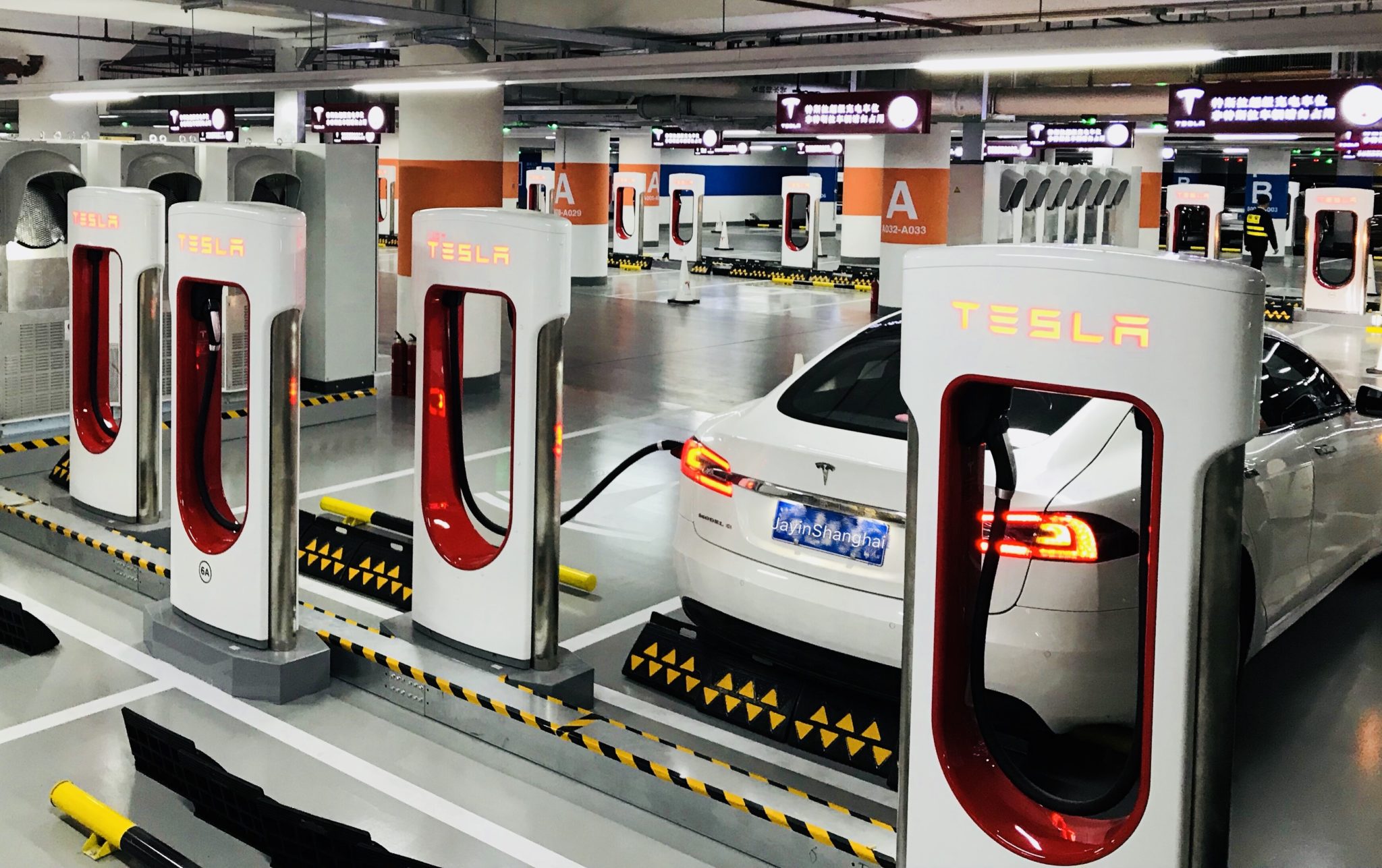
    Tesla Inc will start installing its Powerwall home power storage batteries in Japan next spring, the U.S. electric car and battery maker said on Tuesday, marking the product’s debut in Asia. The 13.5 kilowatt-hours (kWh) Powerwall can store power generated by solar panels and costs 990,000 yen ($9,135), including the Backup Gateway system which manages the grid connection, but excluding installation costs and retail tax. It will be sold directly online by Tesla or via certain third-party installers.

    The company has been taking orders online from Japanese customers since 2016, but had not announced when installations would start, a company spokeswoman said.

    “Tesla believes that the Japanese home battery market has big growth potential,” Shinji Asakura, country manager of energy products in Japan, told reporters in Tokyo.

    He cited feed-in-tariffs, which had guaranteed minimum power prices to spur solar development, are starting to expire later this year.

    The need for backup power supply during outages due to natural disasters also offers growth potential, he said.

    Tesla has installed Powerwall systems at about 50,000 sites in seven countries since its launch in 2015, a company official said.