Author: Mei Ling Tan

  • Standard Chartered Revolutionizes Transaction Banking with New AI-powered Platform

    Standard Chartered Revolutionizes Transaction Banking with New AI-powered Platform

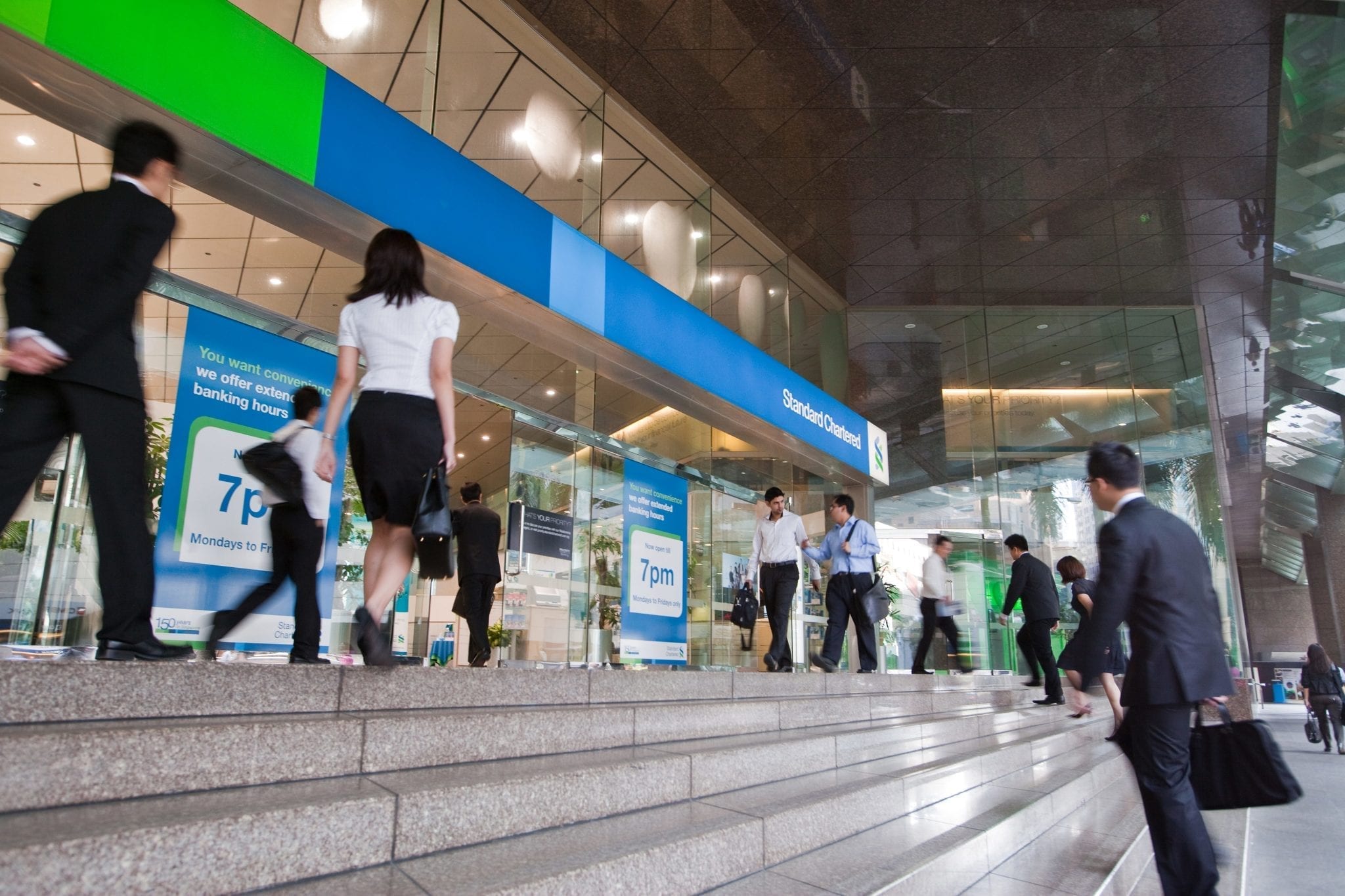
    Standard Chartered, a UK-based banking and financial services company, has announced the rollout of an artificial intelligence (AI) enabled platform aimed at accelerating and customizing transaction banking services for its clientele.

    The innovative platform is designed to aid relationship managers, sales teams, and proposal managers in swiftly accessing, customizing, and delivering transaction banking services to corporate and institutional clients, according to an official statement.

    Three primary features distinguish the newly launched platform. Initially, the platform automates and augments the process of accessing, selecting, and personalizing client solutions. Secondly, it functions as a unified access point for the most recent product and market capabilities. Finally, it is designed for continuous improvement and innovation, effortlessly integrating with other platforms and technologies to guarantee long-term value and impact.

    Mark Troutman, global head of transaction banking corporate sales at Standard Chartered, commented on the new development. He noted that fulfilling clients’ expectations for prompt, accurate, and highly personalized responses can be demanding on a large scale. However, by providing their teams with the advanced AI capabilities through this new digital platform, they can better comprehend client needs and deliver more pertinent, tailored solutions.

    Questions & Answers

    What is the purpose of Standard Chartered’s new AI-powered platform?
    The platform is aimed at accelerating and customizing transaction banking services for its corporate and institutional clients. It is designed to aid relationship managers, sales teams, and proposal managers in swiftly accessing, customizing, and delivering these services.

    What are the primary features of the new platform?
    The platform automates and enhances the process of accessing, selecting, and customizing client solutions. It also functions as a unified access point for the most recent product and market capabilities. Moreover, it is designed to enable continuous improvement and innovation.

    How does this new platform benefit Standard Chartered’s client services?
    By equipping Standard Chartered’s teams with advanced AI capabilities through this platform, they can better understand client needs and provide more relevant, tailored solutions. This is particularly valuable in an environment where clients expect fast, accurate, and highly personalized services.

  • Nokia Hits the Mark: Reports 3% Q4 Revenue Boost and Meets Full-Year Goals for 2025

    Nokia Hits the Mark: Reports 3% Q4 Revenue Boost and Meets Full-Year Goals for 2025

    Nokia Corporation recently announced a 3% increase in comparable net sales for Q4 2025, achieving EUR 6.1 billion. This increase is attributed to growth in both its network infrastructure and mobile networks businesses. The company’s outcomes are in line with its full-year financial objectives, demonstrating a year of strategic redirection and portfolio growth.

    Financial Overview

    In 2025, Nokia saw a 2% year-on-year rise in net sales on a constant currency and portfolio basis, and a 3% increase as reported.

    The company reported a full-year operating profit of EUR 2.0 billion, marginally surpassing its previously issued guidance midpoint of EUR 1.85 billion.

    Although Q4 saw a rise in revenue, Nokia’s comparable operating margin fell by 90 basis points year-on-year to 17.3%. This decrease can primarily be attributed to increased investment in network infrastructure and costs tied to the integration of Infinera, a recent acquisition aimed at strengthening Nokia’s optical networking portfolio.

    The comparable gross margin expanded by 90 basis points to 48.1%, underpinned by a robust product mix that compensated for a reduced contribution from Nokia Technologies. The reported gross margin, on the other hand, fell by 120 basis points to 44.9% due to augmented restructuring costs.

    In Q4, the comparable diluted EPS was EUR 0.16 (reported EUR 0.10), with a free cash flow of EUR 0.2 billion and a net cash balance of EUR 3.4 billion. For the full year, net sales expanded by 2% on a constant currency and portfolio basis (+3% reported). All these figures are within the prior guidance.

    Networks Overview

    Optical networks became a major growth catalyst, bolstered by robust demand from AI and cloud deployments. IP networks saw roughly 3% growth, facilitated by a strong Q4 2024 showing. Fixed networks stayed largely steady as portfolio optimization actions balanced out growth in fiber OLT shipments. The company’s book-to-bill ratio remained well above 1, reflecting ongoing momentum across both optical and IP networks. Gross margins stayed mostly consistent year-on-year, but operating margins declined due to continued investments related to growth and the integration of Infinera.

    Cloud and network services experienced a slight year-on-year dip in Q4, though full-year net sales increased by 6%, driven by strong demand in core networks. Q4’s gross margin benefited from a modest provision reversal of EUR 37 million. Even excluding this, margins improved, reflecting ongoing efforts to enhance profitability. Mobile networks also witnessed strong year-end demand, leading to a 6% growth in net sales in Q4, with gross margins bolstered by a favorable product mix. Meanwhile, Nokia Technologies signed several deals during the quarter, maintaining the contracted net sales run-rate at around EUR 1.4 billion.

    Questions & Answers

    What was Nokia’s full-year operating profit for 2025?
    Nokia’s full-year operating profit for 2025 was EUR 2.0 billion.

    What factors contributed to the decline in Nokia’s comparable operating margin in Q4 2025?
    The decline in Nokia’s comparable operating margin in Q4 2025 was primarily due to increased investment in network infrastructure and costs associated with the integration of Infinera.

    What trends were observed in Nokia’s network businesses in 2025?
    In 2025, optical networks emerged as a key growth driver for Nokia, supported by strong demand from AI and cloud deployments. Fixed networks remained stable, while IP networks saw about 3% growth.

  • Boost for UK Economy as Labubu Creator Pop Mart Establishes London HQ and Unveils Major Store Expansion

    Boost for UK Economy as Labubu Creator Pop Mart Establishes London HQ and Unveils Major Store Expansion

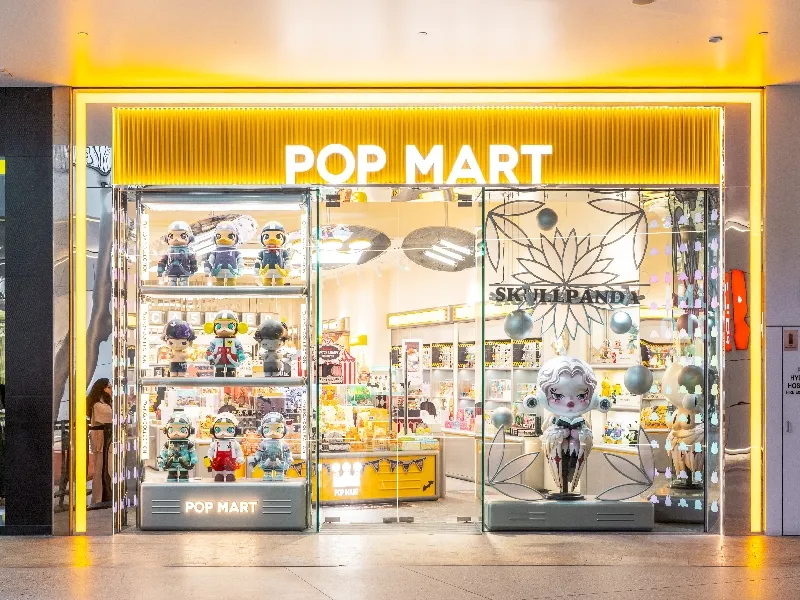
    Pop Mart, renowned for creating the popular Labubu doll, has revealed London as the location for its new regional headquarters. In addition, it has plans to launch seven more stores across the UK. This decision is viewed as a significant investment for the UK, secured by British Prime Minister, Keir Starmer during his visit to China.

    Strengthening Economic Ties

    The purpose of Starmer’s four-day trip to China was to stimulate the UK’s economy through bolstering the ties between the two nations. This strategy includes enhancing market access, diminishing tariffs, and arranging investment deals like the one involving Pop Mart.

    The Labubu dolls, distinctive for their pointy ears and toothy smiles, exemplify an intentionally flawed ‘ugly-cute’ aesthetic. These dolls have gained collector status after gaining significant popularity on social media, a mere 18 months ago.

    Starmer’s diplomatic visit resulted in export deals amounting to £2.2 billion (approximately US$3.02 billion). It has also facilitated market access estimated at £2.3 billion over the next five years, and secured hundreds of millions of pounds in investments, according to a recent statement from his office.

    UK Expansion Plans

    Pop Mart has plans to establish its presence in seven locations throughout the UK, with Birmingham, Cardiff, and London’s Oxford Street as key locations. The latter will host Pop Mart’s new flagship store. In addition, the firm also intends to open 20 more stores across Europe.

    This new venture is expected to generate over 150 jobs in the UK, as stated in the official release.

    Grant Wang, the founder and CEO of Pop Mart, expressed his excitement about the firm’s European expansion. He stated, “London is at the core of the global creative ecosystem, and we are ecstatic to establish our European base here.”

    Pop Mart is part of a group of Chinese consumer-facing companies, including the fashion retailer Urban Revivo and coffee chain Luckin, looking to tap into overseas markets. This move comes in response to weaker domestic spending in China, associated with an extended property crisis and wage stability concerns.

    HITHIUM, a Chinese energy storage company, is also set to invest £200 million in the UK, creating an additional 300 jobs. Additionally, life sciences group Asymchem is planning to expand its UK operations, which will create 150 jobs.

    Questions & Answers

    Why has Pop Mart chosen London for its new regional headquarters?
    Pop Mart perceives London as a central hub within the global creative ecosystem, making it an ideal location for their European base.

    What are the broader implications of Pop Mart’s expansion into the UK?
    In addition to strengthening relations between China and the UK, this expansion is set to create over 150 jobs and contribute to Britain’s economy.

    How are other Chinese consumer-facing companies reacting to domestic economic pressures?
    In response to a prolonged property crisis and wage security issues leading to weaker domestic spending, companies like Urban Revivo and Luckin are exploring opportunities in overseas markets.

  • H&M Closes Q4 with Soaring Profits Amid Cost Control & Inventory Efficiency, Softening Demand Forecasted

    H&M Closes Q4 with Soaring Profits Amid Cost Control & Inventory Efficiency, Softening Demand Forecasted

    Despite limited sales growth and a reduction in store counts, H&M ended the year with robust profitability and stringent cost control.

    Q4 Performance

    The fourth quarter, concluding on November 30, saw a 2 percent increase in sales. This growth was achieved despite a 4 percent reduction in store operations compared to the same period last year. The retailer’s operating profit escalated 38 percent to US$738.3 million, driving the operating margin up to 10.7 percent from 7.4 percent the previous year. The gross margin also increased to 55.9 percent. H&M attributes this successful quarter to an enhanced product offering and superior inventory productivity, even with selling and administrative expenses on the wane.

    H&M CEO Daniel Erver highlighted a strong customer offering, effective cost control, and improved inventory productivity as the main drivers of this quarter’s performance.

    Annual Results

    Over the year, H&M reported a 2 percent rise in net sales in local currencies. However, reported sales demonstrated a decline, settling at $25.7 billion. Operating profit saw a rise, reaching $2.1 billion and lifting the operating margin to 8.1 percent from the previous year’s 7.4 percent.

    Net profit also saw an increase, reaching $1.3 billion, while cash flow from operating activities grew to $3.5 billion. According to Erver, the company saw an improvement in earnings during the second half of the year, attributing it to a focus on enhancing relevance and speed across the product offering.

    Erver added, “We continue to make significant strides towards all our long-term goals despite challenging environments.”

    Future Projections

    Looking forward, H&M predicts a 2 percent decline in sales in the upcoming months in local currencies. This projection is based on a softened demand following strong Black Friday sales and a negative calendar effect due to the timing of the Chinese New Year.

    H&M also plans to expand its physical and digital presence in growth markets such as Brazil and other parts of Latin America. This expansion strategy will be complemented by an ongoing optimization of the store portfolio and increased use of artificial intelligence.

    Questions & Answers

    What were the key contributors to H&M’s fourth-quarter performance?
    The performance was primarily driven by a stronger customer offering, good cost control, and improved inventory productivity.

    What factors led to the improvement in H&M’s annual earnings?
    H&M’s annual earnings saw an improvement due to a focus on enhancing relevance and speed across the product offering.

    What is H&M’s growth strategy for the near future?
    H&M plans to expand its physical and digital presence in growth markets such as Brazil and other parts of Latin America, alongside ongoing optimization of the store portfolio and increased use of artificial intelligence.

  • Gong Cha Launches ‘Super Wu’ Automated System in Revolutionary 2.0 Global Model Upgrade

    Gong Cha Launches ‘Super Wu’ Automated System in Revolutionary 2.0 Global Model Upgrade

    Gong Cha, a globally recognized tea brand, is introducing significant updates to its business model, labeled Gong Cha 2.0, that will enhance efficiency across its franchise locations.

    The New Operating Model

    The highlight of Gong Cha 2.0 is Super Wu, an innovative, automated beverage-making system designed for repetitive duties and real-time operation tracking. Following a successful trial period of over two years at 40 outlets in 13 different countries, the company is ready to roll out Super Wu on a larger scale.

    The upgrades are not just confined to the beverage-making system. Newly built and remodeled stores will also implement self-ordering kiosks and updated store layouts, aiming to quicken service, alleviate labor pressures, and boost digital ordering and customer loyalty programs.

    Redesigned Stores and Enhanced Efficiency

    The brand’s revamped store designs will embody open layouts, digital menu displays, and more streamlined configurations at the back of the house. Despite the changes, the brand assures that their focus will remain on offering customized tea beverages.

    Super Wu and the digital kiosks are expected to improve efficiency significantly, enabling staff to shift their attention from monotonous tasks to engaging with customers. Geoff Henry, president of Gong Cha Americas, explained how the new technology has made onboarding easier for franchisees, reduced pressure during peak times, and freed up more time for customer interaction.

    About Gong Cha

    Established in Taiwan in 2006, Gong Cha has rapidly expanded its footprint to almost 2200 outlets in 33 markets worldwide, including over 240 locations in the United States.

    Questions & Answers

    What is Gong Cha 2.0?
    Gong Cha 2.0 is a global update to the operating model of Gong Cha, aiming to improve efficiency across its franchise network with enhanced technology and revamped store designs.

    What is Super Wu?
    Super Wu is an automated drink-making system that performs repetitive tasks and provides real-time operational data. It is a part of the Gong Cha 2.0 update.

    What changes will Gong Cha 2.0 bring to the stores?
    Gong Cha 2.0 will introduce self-ordering kiosks, updated store layouts, digital menu displays, and a more efficient back-of-house configuration. These changes aim to speed up service, ease labor demands, and support digital ordering and customer loyalty programs.

  • Starbucks Debuts Culture-Inspired Concept Store in Hong Kong Palace Museum: Merging Art, Coffee, and Custom Engraving Experience

    Starbucks Debuts Culture-Inspired Concept Store in Hong Kong Palace Museum: Merging Art, Coffee, and Custom Engraving Experience

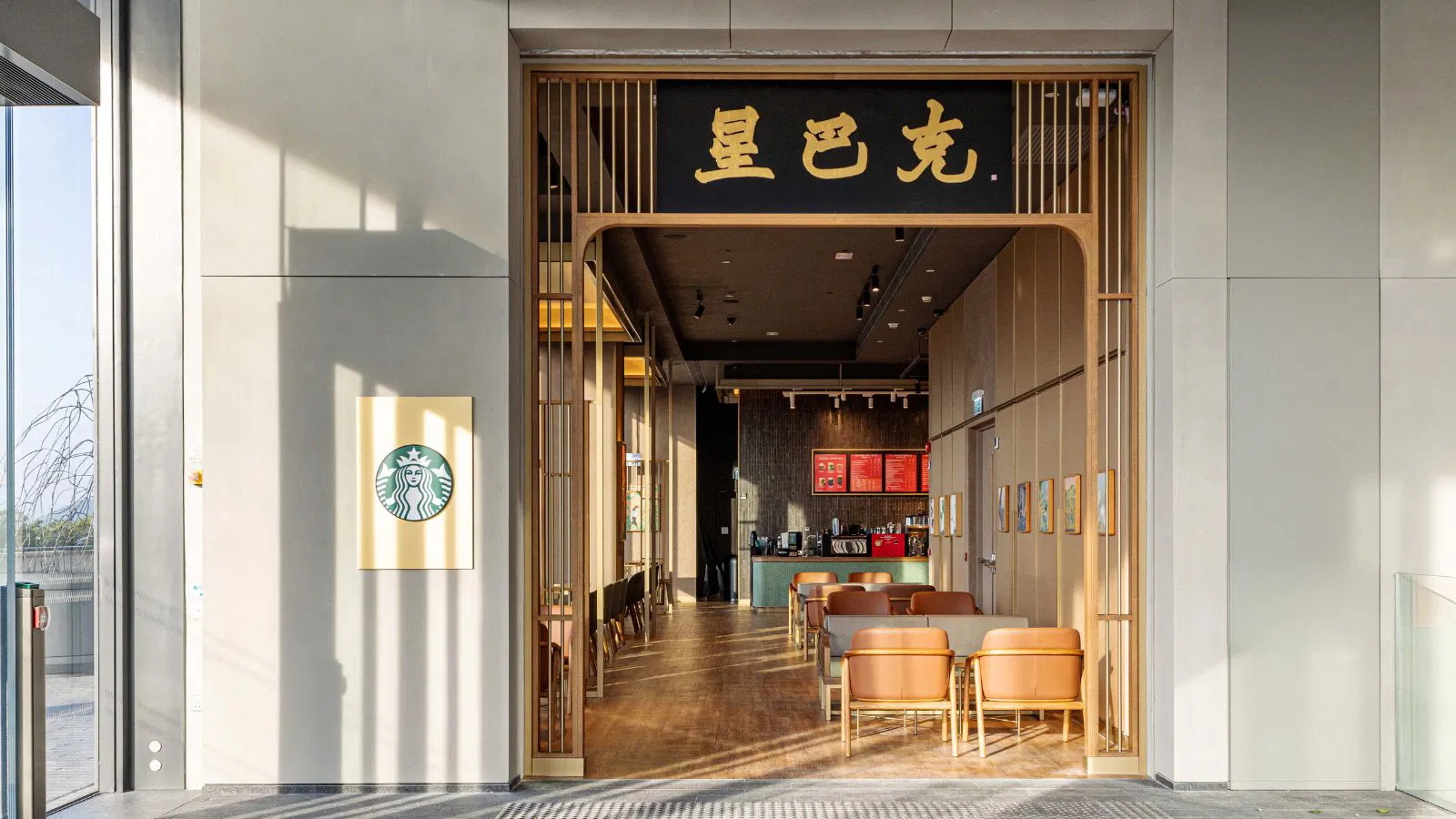
    Starbucks has unveiled a novel concept store at the Hong Kong Palace Museum in West Kowloon, positioned as a serene oasis amidst the hustle and bustle of the city.

    Store Design and Art Collaborations

    The store showcases unique design collaborations with three prominent local artists. Calligrapher Westley Wong is the creative genius behind the Chinese “Starbucks” brush signage that welcomes visitors at the entrance. Elsa Ngai, another inspiring artist, has enriched the interiors with layered botanical artworks that narrate the life cycle of a coffee plant using mineral pigments and gold leaf.

    Drawing on the serene landscapes of Yunnan and the wisdom of Chinese philosophy, porcelain sculptor Leo Wong has crafted a remarkable ceramic wall installation. Patrons of the store can also enjoy an uninterrupted view of Victoria Harbour while sipping their coffee.

    Exclusive Beverage and Food Menu

    The concept store has launched a new seasonal range of beverages inspired by the plum blossom. The range includes oolong tea and coffee-based creations, all served with plum sauce, a whole plum, and a topping of creamy foam. Customers can choose between hot and iced versions of the drinks, with an option to add tonic water to the chilled variants. The store also offers an exclusive Turmeric Oatmilk Latte, only available at this particular location.

    In terms of food, the store has introduced two unique desserts inspired by Ancient Egypt: the Golden Pistachio Pyramid Cake and the Mummy’s Secret Roll.

    New Services and Experiences

    This concept store is the first in the city to offer a Starbucks engraving service, providing customers with the opportunity to personalize their tumblers. The store will also be hosting Coffee Micro-Experiences like hand-brewing sessions, latte art demonstrations, and curated coffee tastings.

    General Manager of Starbucks Hong Kong and Macau, Alan Chan, states that the HKPM store aims to reflect local culture in its design, range of products, and in-store experiences. The goal is to reimagine the Starbucks Third Place experience by integrating local elements to foster deeper and more meaningful connections with the community.

    Questions & Answers

    What unique design features does the new Starbucks concept store offer?
    The store showcases design collaborations with local artists, including a Chinese “Starbucks” brush signage, botanical artworks, and a ceramic wall installation inspired by Yunnan’s landscape and Chinese philosophy.

    What exclusive beverages and food items are available at the new store?
    The store has introduced a plum blossom-inspired beverage range and an exclusive Turmeric Oatmilk Latte. The food menu includes two Ancient Egypt-themed desserts: the Golden Pistachio Pyramid Cake and Mummy’s Secret Roll.

    What unique services and experiences does the new store offer?
    The store offers a Starbucks engraving service and hosts Coffee Micro-Experiences such as hand-brewing sessions, latte art demonstrations, and curated coffee tastings.

  • China’s Luxury Market Primed for Modest Rebound in 2026: A Bain & Company Insight

    China’s Luxury Market Primed for Modest Rebound in 2026: A Bain & Company Insight

    China’s personal luxury goods market is anticipated to experience moderate growth in 2026, according to global management consulting firm, Bain & Company. However, they also caution that this recovery may be unstable and variegated across various brands and product categories.

    A Fragile Recovery

    In 2025, China’s luxury market contracted by 3-5%, showing some recuperation after a decline of 17-19% in 2024. Bain & Company forecasts that China, as the world’s second-largest economy, will persist as a crucial contributor to the growth of the luxury market.

    Brands that cater to the affordable luxury and ultra-premium segments have thrived, providing what the consultancy perceives as ‘true value’.

    China’s consumer confidence, which comprises approximately 25% of luxury expenditure, has been impacted by an extended property crisis and employment concerns. These factors have compelled luxury brands to reassess their strategies within the world’s second-largest economy.

    Despite consumer sentiment appearing cautious for much of 2025, the luxury sector indicated signs of stability from the third quarter onwards. Bain & Company cites a stronger stock market and improved consumer confidence, recovering from the weak economic base of 2024, as catalysts for this stabilisation.

    Future Outlook

    The firm anticipates a ‘modest’ expansion in 2026, facilitated by a burgeoning middle class, escalating consumer confidence, and policy measures intended to boost domestic consumption. However, Bruno Lannes, a senior partner, stated that this growth will remain ‘segment-specific’.

    2025 was viewed as a year of ‘recalibration’ for the world’s second-largest luxury market, with consumers becoming more discerning and gravitating towards items offering ‘true value’.

    Emerging Local Brands

    The study also reveals a preference for travel and wellness experiences over material purchases. The consultancy further highlighted the rise of local players as a significant trend in 2025. Emerging Chinese brands are attracting the attention of consumers with innovative and culturally relevant offerings, positioning them as robust competitors.

    Performance varied across different categories, with beauty being the most resilient, rebounding to growth of 4-7%. Conversely, demand for fashion declined by 5-8%, while the demand for leather goods dropped by 8-11%, partly due to price increases.

    Demand for watches plummeted by an estimated 14-17% as consumers shifted towards investments or second-hand alternatives. The jewellery sector’s decline narrowed to up to 5%.

    The Resilience of Desirable Brands

    Brands that preserve strong desirability and provide clear value through innovation and targeted pricing strategies have proven to be more resilient, according to the report.

    Domestic spending made up 65% of Chinese luxury consumption in 2025, which signifies a reversal of the recovery in overseas demand observed over the previous two years.

    A weaker currency and narrowing global price differences have driven more purchases back to the domestic market, despite a recovery in outbound travel.

    The secondhand luxury sector witnessed growth of 15-20%. Meanwhile, ‘daigou’ sales, a term referring to purchases made on behalf of others and a long-standing pillar of Chinese luxury spending abroad, showed signs of slowing as brands tightened control over unofficial channels.

    Questions & Answers

    How did China’s luxury market perform in 2025?
    In 2025, China’s luxury market experienced a contraction of 3-5%, showing signs of recovery from a more significant decline of 17-19% in 2024.

    What factors are expected to support the growth of China’s luxury market in 2026?
    The expected growth in 2026 is predicted to be supported by an expanding middle class, increasing consumer confidence, and policy measures aimed at stimulating domestic consumption.

    What trends were observed in China’s luxury market in 2025?
    In 2025, a significant trend was the rise of local players, with emerging Chinese brands capturing consumer attention through innovative and culturally relevant offerings. Additionally, consumers showed a preference for travel and wellness experiences over material purchases.

  • Vietnam: The Lone Decline in Southeast Asia’s 2025 Gold Rush Amidst Supply Shortages

    Vietnam: The Lone Decline in Southeast Asia’s 2025 Gold Rush Amidst Supply Shortages

    In 2025, Vietnam stood out as the sole Southeast Asian nation to experience a decline in its sales of gold bars and coins. The volume experienced a 14% decrease from the previous year, falling to 36.1 metric tons, in spite of robust consumer interest.

    Gold Trading Contraction in Vietnam

    The World Gold Council has reported a consistent contraction in Vietnam’s gold trading for six consecutive quarters up until the end of 2025, landing at a near-five-year low. A primary factor contributing to this downward trend has been identified as short supply.

    Shortages in the supply of gold bars and a sudden surge in the demand for 24K rings induced a sharp increase in prices. This caused a significant divergence from global rates, with bullion prices experiencing a rise of 81% in the previous year and 25% in the current year.

    Comparison with Other ASEAN Countries

    Contrastingly, most of the ASEAN member countries experienced a surge in demand for bars and coins, reaching multi-year highs. Thailand was the regional leader in terms of gold bar and coin purchases, boasting a 29% increase at 51.4 tons. Indonesia, Malaysia, and Singapore also reported growth of 29%, 37%, and 48% respectively.

    The State Bank of Vietnam has highlighted the fact that Vietnam is not a gold-producing country and primarily relies on imports, which lends itself to a restricted supply given foreign currency is typically reserved for more pressing needs.

    In the previous year, the government made the decision to permit private gold producers who meet specific capital requirements to operate. However, up until now, no licenses have been issued.

    Global Gold Demand

    On a global scale, gold demand experienced a 1% rise to reach 5,002 tons, setting a new record. This is largely attributed to the continuous geopolitical and economic uncertainty, which has led investors to seek refuge in this safe-haven metal.

    Questions & Answers

    Why did Vietnam experience a drop in gold bar and coin sales in 2025?
    The significant decline in sales is attributed to supply shortages, despite strong consumer demand.

    How did other ASEAN member countries fare in comparison to Vietnam?
    Contrary to Vietnam, most ASEAN member countries, including Thailand, Indonesia, Malaysia, and Singapore, saw a surge in demand for gold bars and coins, reaching multi-year highs.

    What measures has the Vietnamese government taken to address the issue of gold supply?
    The government has granted permission to private gold producers meeting certain capital requirements to operate, in an effort to address the issue of gold supply. However, as of now, no licenses have been issued.

  • Singapore Struggles With Slow Growth in Booming Southeast Asian Food Delivery Market

    Singapore Struggles With Slow Growth in Booming Southeast Asian Food Delivery Market

    A recent study reveals that Singapore experienced the second-lowest growth in its food delivery market in the previous year amongst significant Southeast Asian nations. The gross merchandise value (GMV) for food delivery in Singapore escalated by 13% in 2025, reaching US$2.9 billion. This rate of growth trailed behind the mean growth rate of 18% observed across six Southeast Asian markets.

    Regional Growth Variances

    Singapore’s expansion only superseded that of the Philippines, which marked a 12% increase – reportedly, this sluggish growth was due to recurring interruptions triggered by tropical cyclones.

    In contrast, Thailand’s food delivery market noted the highest growth, with the GMV surging by 22%. The report suggests that this expansion was facilitated by various factors such as affordable initiatives launched by platforms, intensifying competition, and the government’s “half-half” subsidy scheme which underwrites a portion of consumers’ food expenditures.

    Other countries like Indonesia, Malaysia, and Vietnam also witnessed substantial growth, each marking a rise of roughly 18% to 19%. Indonesia, being the region’s most densely populated market, registered the most significant absolute increase, contributing approximately $1 billion.

    Factors Influencing Singapore’s Slower Growth

    Addressing Singapore’s slower growth, Momentum Works CEO Li Jianggan highlighted that consumer behavior and market conditions significantly differ between countries. He referenced variations in city architectures, spending capacities, and the supply dynamics of delivery personnel and eateries.

    He pointed out that food delivery can be quite costly in Singapore, particularly considering the availability of numerous affordable offline alternatives. Nonetheless, Singapore’s double-digit growth signifies a steady demand. However, keeping up this rate could put increasing strain on platforms to enhance their efficiency, especially as customers explore other options like dining out or self-collection.

    Furthermore, Li noted that Singapore has a unique structural challenge – a limited pool of delivery riders – compared to larger and more densely populated neighboring countries. Adopting technology can help address this, but the key to raising the bar would be platforms’ relentless focus on establishing density and operational efficiency.

    Market Leaders

    At the platform level, Grab fortified its position as the predominant food delivery player in Southeast Asia, raising its regional market share from 53.8% in 2024 to around 55% in 2025. In absolute terms, Grab generated approximately $12.5 billion in food delivery value across the region last year.

    ShopeeFood overtook Foodpanda to become the region’s second-largest platform, with estimated transactions totaling $3.3 billion. Meanwhile, Foodpanda’s value dipped to roughly $2.6 billion. Gojek and Thailand-based Lineman reported comparable values of about $2 billion each, indicating Lineman’s impressive performance in its local market.

    The report underscored that compared to other emerging markets, Southeast Asia had a high order volume. The study estimated that collectively, platforms in the region handled between 8.5 million and 9.5 million food delivery orders per day on average in 2025. This volume is nearly twice that of India’s estimated daily orders of 4-5 million, despite India having approximately double the population of Southeast Asia.

    The study concluded that the penetration of food delivery is less determined by population size, and more by urban density, eating-out substitution, and platform-led affordability mechanics.

    Questions & Answers

    What was the growth rate of Singapore’s food delivery market in 2025?
    The food delivery market in Singapore grew at a rate of 13% in 2025.

    Which was the fastest-growing market in Southeast Asia’s food delivery industry?
    Thailand was the fastest-growing market in Southeast Asia’s food delivery industry, with a 22% increase in gross merchandise value.

    Which platform consolidated its lead as Southeast Asia’s dominant food delivery player?
    Grab consolidated its lead as Southeast Asia’s dominant food delivery player, increasing its regional market share to about 55% in 2025.

  • Vietnam Fuel Prices Skyrocket to Yearly High Amid Global Market Shifts

    Vietnam Fuel Prices Skyrocket to Yearly High Amid Global Market Shifts

    Gasoline prices in Vietnam witnessed a significant surge on Thursday afternoon, marking their highest point since the beginning of the year. The commonly used fuel, RON95, experienced a hike of 1.13%, bringing its price up to VND18,840 (US$0.72) per liter.

    Biofuel E5 RON92 also experienced a price increase, albeit a more modest one. Its price rose by 0.27%, leaving it at VND18,330 per liter. Diesel, a critical fuel for many industries, saw a noteworthy increase of 2.66%, pushing its price to VND18,170 per liter.

    Several global factors have been cited as driving forces behind these price changes. The international fuel market has been affected by geopolitical tensions, particularly between the U.S. and Iran. In addition to this, the United States has seen a more substantial-than-anticipated dip in its oil inventories. Coupled with a weakening U.S. dollar, these factors have put pressure on global fuel prices, as noted by the Ministry of Industry and Trade.

    In terms of international prices, RON95 saw an increase of 1.7%, which pushed its price to $73.6 per barrel. Diesel’s price also witnessed a significant uptick, with an additional 3.4%.

    Questions & Answers

    What was the price increase for the commonly used fuel RON95 in Vietnam?
    RON95 experienced a price hike of 1.13%, which increased its price to VND18,840 (US$0.72) per liter.

    What global factors have influenced the recent surge in fuel prices?
    Several global factors, including geopolitical tensions between the U.S. and Iran, a substantial decline in oil inventories in the U.S. more than anticipated, and a weakening U.S. dollar have contributed to the increase in fuel prices.

    How has the price of Diesel changed?
    Diesel witnesses a significant price increase of 2.66%, leaving its price at VND18,170 per liter.

  • Starbucks Brews Success with Q1 Sales Surge: ‘Back to Starbucks’ Strategy Fuels Global Expansion

    Starbucks Brews Success with Q1 Sales Surge: ‘Back to Starbucks’ Strategy Fuels Global Expansion

    In the first quarter of fiscal 2026, Starbucks has announced a robust revenue of US$9.9 billion, pointing towards a general expansion in sales and steady growth of its worldwide store chain.

    Global Sales Progress

    Comparable store sales on a worldwide level saw a growth of 4 per cent during the quarter. Primarily, this rise was fuelled by a 3 per cent growth in transactions and a 1 per cent increase in the average ticket size. Unlike previous quarters, this expansion was mainly supported by an increase in customer traffic rather than price escalations.

    Uplift in North American Sales

    In the North American region, inclusive of the US, comparable sales saw a 4 per cent rise. This included the first transaction growth in the US in the past eight quarters. The management credits this growth to improvements in operations and a renewed focus on the in-store experience under the guidance of CEO Brian Niccol’s ‘Back to Starbucks’ initiative.

    CEO Brian Niccol expressed his satisfaction with the results, saying, “Our Q1 results indicate that our ‘Back to Starbucks’ strategy is proving effective, and we believe we are advancing faster than our original schedule.”

    Strong Performance in International Markets

    The international markets posted even stronger outcomes, with comparable store sales rising by 5 per cent. China emerged as the strongest performer, with a 7 per cent growth in comparable sales, backed by a 5 per cent increase in transactions and a 2 per cent rise in the average ticket size.

    During the quarter, Starbucks launched 128 new stores, raising its worldwide total to 41,118 locations. Currently, 52 per cent of the stores are company-operated and 48 per cent are licensed. The US and China remain the largest markets for the company, accounting for 61 per cent of all stores, with a total of 16,911 and 8,011 locations respectively.

    Future Expectations

    Starbucks anticipates the current growth trend to persist. The company forecasts at least 3 per cent comparable sales growth in the current fiscal year and aims to launch between 600 and 650 new stores globally, underscoring its confidence in its revival and expansion strategies.

    In a recent development, Starbucks declared its intentions to sell a controlling stake in its China operations to Boyu Capital, in a US$4 billion deal. However, it will retain a 40 per cent stake while continuing to own and license the Starbucks brand and intellectual property.

    Questions & Answers

    What was the growth rate of global comparable store sales in the first quarter?
    The global comparable store sales grew by 4 per cent in the first quarter.

    What was the primary factor for the rise in global sales for Starbucks in the quarter?
    The rise was primarily supported by a growth in customer traffic rather than price escalations.

    What are Starbucks’ growth plans for the current fiscal year?
    Starbucks plans to achieve at least 3 per cent comparable sales growth and intends to launch between 600 and 650 new stores globally.

  • Tim Hortons Brews Up Localization Strategy to Double South Korean Presence in 2022

    Tim Hortons Brews Up Localization Strategy to Double South Korean Presence in 2022

    Renowned Canadian coffee company, Tim Hortons, is ramping up its efforts to establish a stronger operational presence in South Korea. The firm’s objective is to more than double its store tally to a total of 50 locations within this calendar year. This strategy is underpinned by a recognition of the importance of localization in propelling its growth in an increasingly competitive coffee industry.

    Currently, Tim Hortons operates 24 outlets, with the majority situated in Seoul and its surrounding metropolitan areas. This year, the company plans to increase its store count by an additional 26, one of which will be a flagship “signature store”. This special location will feature a larger floor space and a more extensive food menu, setting it apart from the standard outlets.

    An Tae Yeol, the Chief Brand Officer of BKR, stated at a recent press conference that the company’s focus for this year would be on stores directly operated by Tim Hortons. This approach is part of their strategy to successfully navigate the fiercely competitive South Korean coffee market. The introduction of franchising is projected to commence next year, albeit with a select group of partners.

    Tim Hortons’ operations in South Korea are managed by BKR, which is also responsible for the operation of Burger King outlets in the country. Previously, the brand had set a goal to open 150 outlets within the first five years of its entry into the South Korean market in 2023.

    Questions & Answers

    What are Tim Horton’s expansion plans in South Korea?
    Tim Hortons aims to more than double its store presence in South Korea within this year, increasing its footprint from 24 to 50 outlets. The company plans to establish a flagship “signature store” with a larger floor space and a broader food menu.

    How does Tim Hortons plan to manage its growth in the highly competitive South Korean coffee market?
    Tim Hortons plans to focus on company-operated stores for the upcoming year as a strategy to remain competitive in the South Korean coffee industry. The company also plans to introduce franchising by next year with a limited number of partners.

    Who operates Tim Hortons in South Korea?
    Tim Hortons in South Korea is operated by BKR, the same company that runs Burger King outlets in the country.

  • Pop Mart’s Aggressive US Expansion: Over 20 New Stores Set to Boost Presence in American Malls

    Pop Mart’s Aggressive US Expansion: Over 20 New Stores Set to Boost Presence in American Malls

    Pop Mart, renowned for producing the popular Labubu figures, is set to expand its presence in the United States. This decision has been well-received by the corporation’s shareholders.

    Pop Mart has unveiled an ambitious plan to inaugurate more than 20 new outlets across malls in the United States. The company intends to join forces with Simon Property Group to realize this expansion. With the completion of this initiative, Pop Mart’s total outlets in the U.S. and Canada will exceed 60.

    Pop Mart marked its initial foray into the U.S. market by launching its first store in the American Dream Mall, New Jersey, in September 2023. By 2024, the firm had expressed intentions to manage as many as 200 stores within the region.

    The company observed a decline in its share price from its peak in August. However, the announcement of the U.S. expansion and subsequent investment brought about a significant turnaround. The company’s shares noticed a single-day increase of 10% – marking the most substantial growth since August 20.

    The first half of the previous year saw a dramatic 1142% year-on-year revenue increase in the U.S., amounting to US$315 million. This figure considerably surpassed the 135% growth recorded in China during the corresponding period.

    Questions & Answers

    What is Pop Mart’s expansion plan in the United States?
    Pop Mart has announced plans to open more than 20 new stores in American malls in collaboration with Simon Property Group.

    What was the response of Pop Mart’s shareholders to the U.S. expansion plan?
    The shareholders responded positively to Pop Mart’s U.S. expansion plans, evident from the 10% single-day increase in the company’s shares following the announcement.

    How did the U.S. market contribute to Pop Mart’s revenues in the first six months of last year?
    The U.S. market contributed significantly to Pop Mart’s revenues during the first half of last year, with a year-on-year increase of 1142% amounting to US$315 million.

  • International Students in Australia Grapple with Skyrocketing Living Costs and Tuition Fees

    International Students in Australia Grapple with Skyrocketing Living Costs and Tuition Fees

    Many international students in Australia are facing considerable financial strain, as they attempt to balance their academic commitments with part-time work to afford their living expenses. A key concern among these students is the high cost of food and other essentials.

    A Chinese student at the Australian National University, unwilling to be named, shared her experiences of eating instant noodles or fast food until she was able to find work. Although conscious of the need to study, she found herself working as many as 48 hours a fortnight, the maximum allowed under Australian student visas. This, however, led to immense stress and anxiety, affecting her sleep and overall wellbeing.

    Struggling to Afford Basic Necessities

    This student’s situation is far from unique. The 2024 State of Student Healthcare Report, issued by Allianz Partners Australia, indicated that nearly a third of international students regularly missed meals due to the high cost of groceries. Roughly one in four stated they could not afford fresh fruits and vegetables.

    Housing security has also become a major issue. Sean Stimson, a senior solicitor at the Redfern Legal Centre’s International Student Legal Service, highlighted an increase in homelessness among international students over the past 18 months, largely due to significant rent hikes.

    Erin Longbottom, nurse unit manager of the homeless health service at St. Vincent’s Hospital in Sydney, referred to international students as the emerging “hidden face of homelessness.”

    Overcoming Barriers in the Rental Market

    The 2024 Student Accommodation Council report found that international students faced particular challenges in the private rental market. Without a rental history in Australia and often lacking employment or income statements when applying for leases, they are at a significant disadvantage.

    While students are required to show access to A$30,000 (US$20,700) to obtain a visa, Stimson cautioned that these funds could be quickly depleted due to skyrocketing living costs.

    Rising Tuition Fees

    In addition to escalating expenses for housing and food, tuition costs have also surged. Immigration expert Dr. Abul Rizvi pointed out that fees for international students have grown significantly faster than inflation.

    More than 583 courses charge international students over $250,000, with 445 of those offered by the country’s top research universities. In some instances, the total cost of a degree can exceed A$850,000.

    Financial Stress Taking Its Toll

    The Allianz report further revealed that over 61% of international students surveyed said daily expenses were substantially higher than anticipated. Only 18.2% felt financially secure, while 40.2% were experiencing financial stress or hardship. Worryingly, 28.1% considered leaving their studies due to these pressures.

    Alan Morris, a professor focusing on urban and housing studies at the University of Technology Sydney, noted that many international students suffer enormous stress and anxiety as they try to juggle their academics and finances. This often results in academic performance suffering as students focus on making ends meet.

    The Need for Innovative Solutions

    Although Australia’s student visa work rules are generally quite generous, experts caution that simply increasing work hours may not alleviate the financial pressures faced by international students.

    Rather, innovative solutions may be of value. Morris suggested Australia might benefit from adopting a Canadian housing model that pairs international students with older residents for reduced rent in exchange for assistance with household tasks.

    In the meantime, many international students are finding their own ways to adapt to these financial challenges, developing practical skills such as cooking or driving to save money.

    Despite the difficulties, many students still consider studying in Australia to be a valuable experience.

    Questions & Answers

    What challenges are international students in Australia facing?
    They are dealing with rising living costs, high tuition fees, and restrictions on work hours, which are leading to financial stress and, in some cases, homelessness.

    What issues are they encountering with housing and food?
    Many international students are struggling to afford groceries and fresh food. Additionally, steep rent increases have led to issues with housing security, with homelessness on the rise among this group.

    What solutions are being suggested to alleviate these pressures?
    One suggestion is to adopt a Canadian housing model that pairs international students with older residents. The students would help with household tasks in exchange for reduced rent. This would help alleviate some financial stress and provide more secure housing.

  • Vietnam’s VN-Index Plunges: Longest Losing Streak in Seven Years Sparks Market Concern

    Vietnam’s VN-Index Plunges: Longest Losing Streak in Seven Years Sparks Market Concern

    The VN-Index of Vietnam, which is the country’s benchmark index, experienced a decline for the seventh consecutive session on Wednesday. This represents the most extended losing streak since 2018’s final quarter. The VN-Index wrapped up the session at 1,802.91, marking a decrease of 1.51% or 27.59 points. From the beginning of the previous week, the index underwent a loss of 100 points.

    Trade Volume Increase and Major Price Movements

    A significant increase of 34% was recorded in the trading volume on the Ho Chi Minh Stock Exchange, reaching VND33.7 trillion (equivalent to US$1.29 billion).

    The VN-30 basket, which is a compilation of the 30 most significant capped stocks, witnessed a fall in 16 tickers. The VIC ticker of the private conglomerate Vingroup reached its lowest price point.

    In the realm of retail real estate, Vincom Retail’s VRE experienced a decrease of 5.8%, while the VHM of property titan Vinhomes suffered a reduction of 5.7% in its closing price.

    On the more positive side, eleven blue-chip stocks recorded gains. Among them, MSN of the Masan Group conglomerate saw a rise of 3.7%, FPT of tech powerhouse FPT Corporation increased by 2.4%, and GAS of the state-owned Petrovietnam Gas experienced a boost of 2.3%.

    Foreign Investor Activity and Other Indexes

    Foreign investors ended up as net sellers, with a net selling volume reaching VND1.78 trillion. This selling activity mainly targeted HDB of HDBank and ACB of Asia Commercial Bank.

    Taking a look at other indexes, the HNX-Index, associated with stocks on the Hanoi Stock Exchange, which mainly includes mid and small cap stocks, recorded a fall of 0.15%. Meanwhile, the UPCoM-Index, representing the Unlisted Public Companies Market, saw an increase of 0.62%.

    Questions & Answers

    What is the VN-Index?
    The VN-Index is a benchmark index in Vietnam that represents the performance of the country’s stock market.

    Which stocks experienced a price decrease?
    The VIC of Vingroup, VRE of Vincom Retail, and VHM of Vinhomes were among the stocks that saw a decrease in price.

    Which stocks saw a price increase?
    Among the stocks that recorded a price increase were MSN of the Masan Group, FPT of FPT Corporation, and GAS of Petrovietnam Gas.